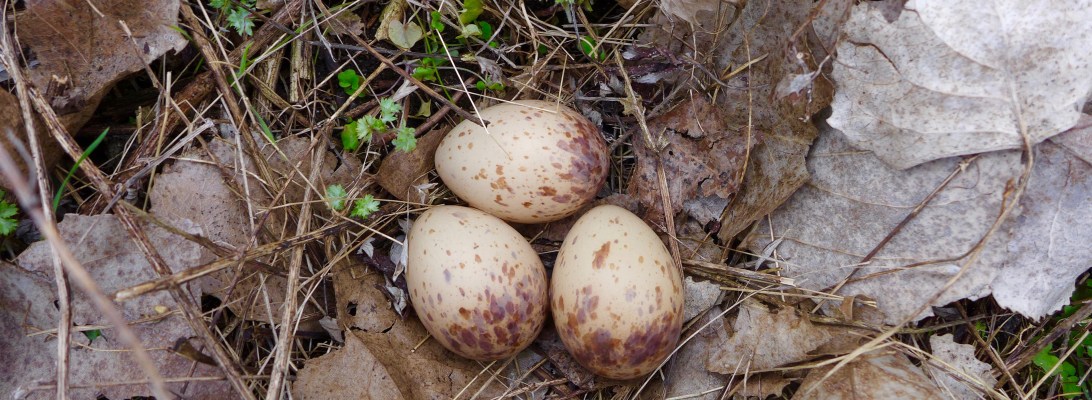
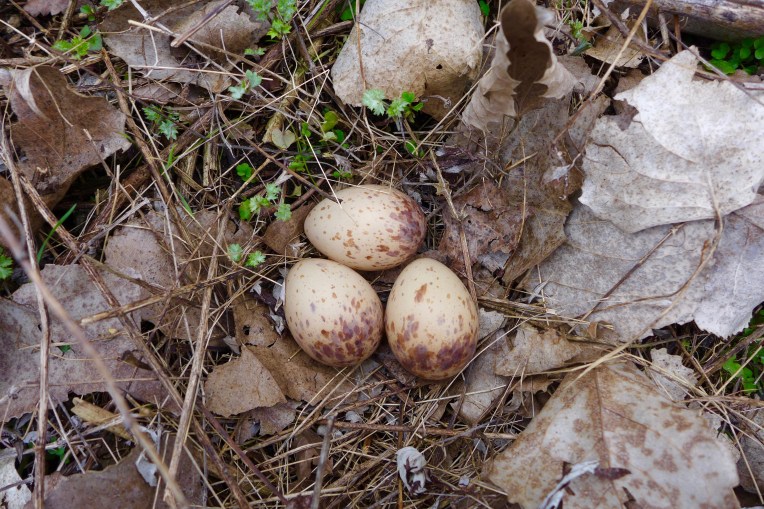
I had to start with the coolest thing we saw on our foray: woodcock eggs! We flushed their parents out of the brush from like 100 yards away. Questionable parenting.
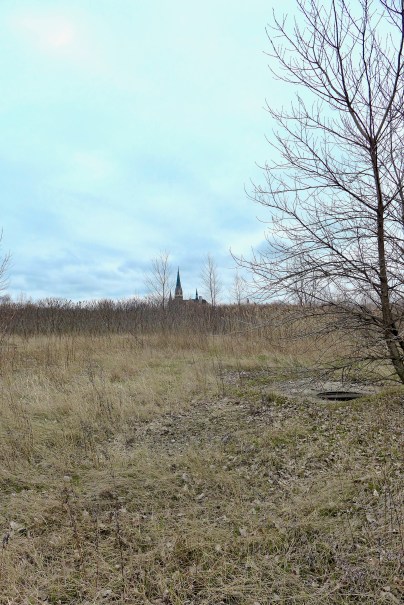
St. Michael’s Church.
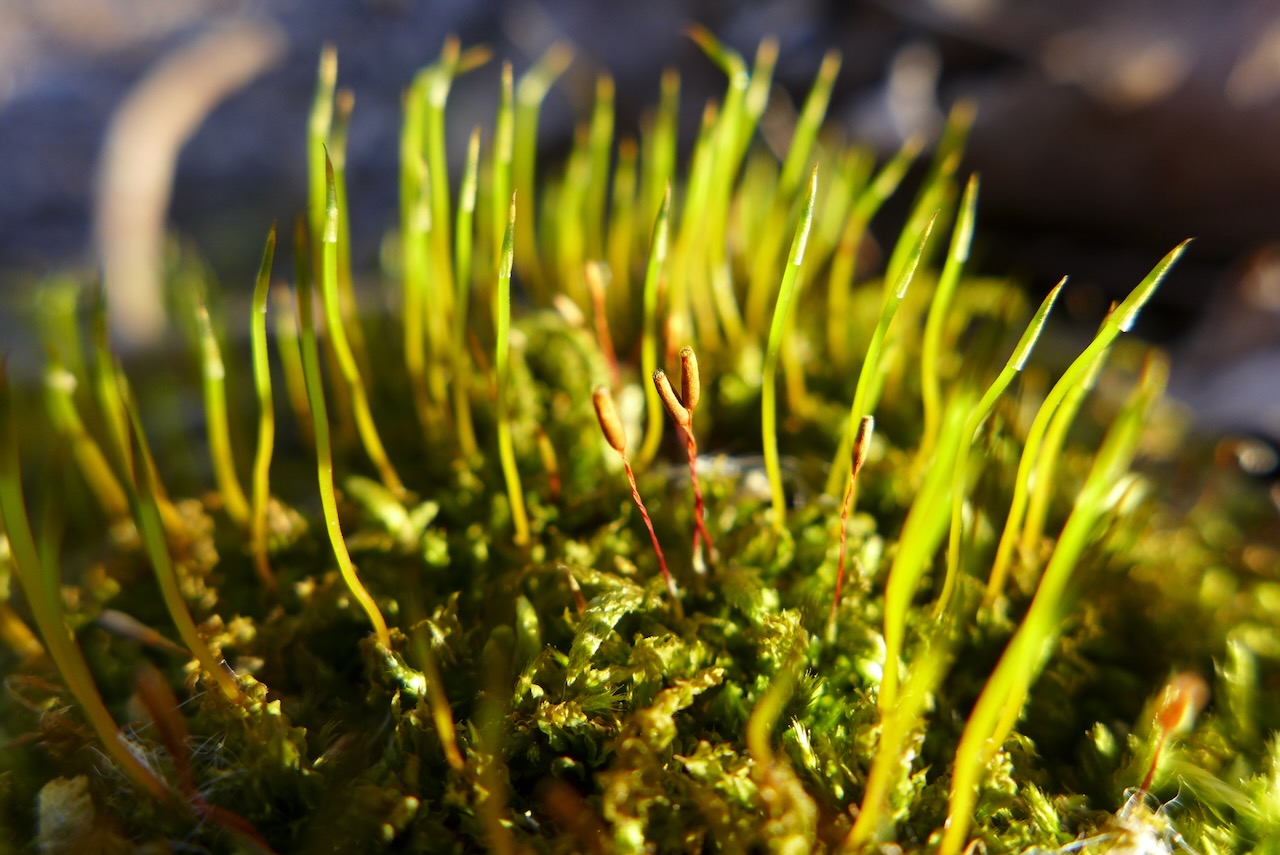
Some tiny buddies.
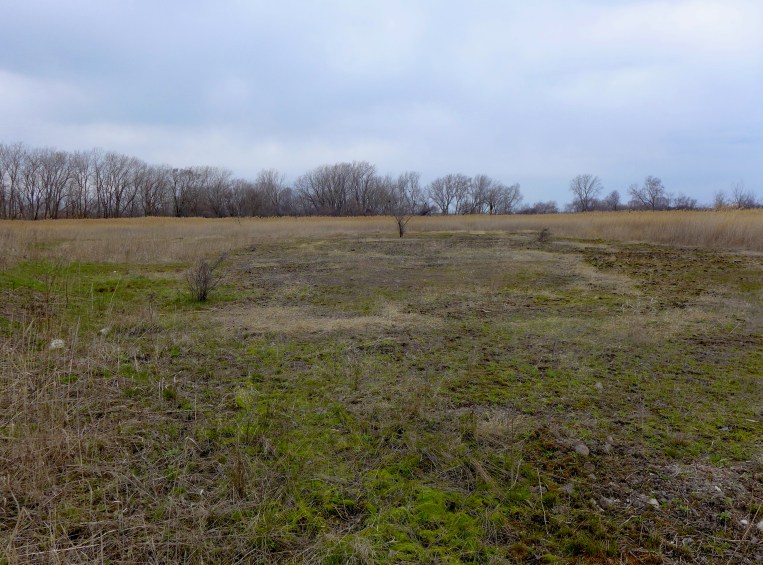
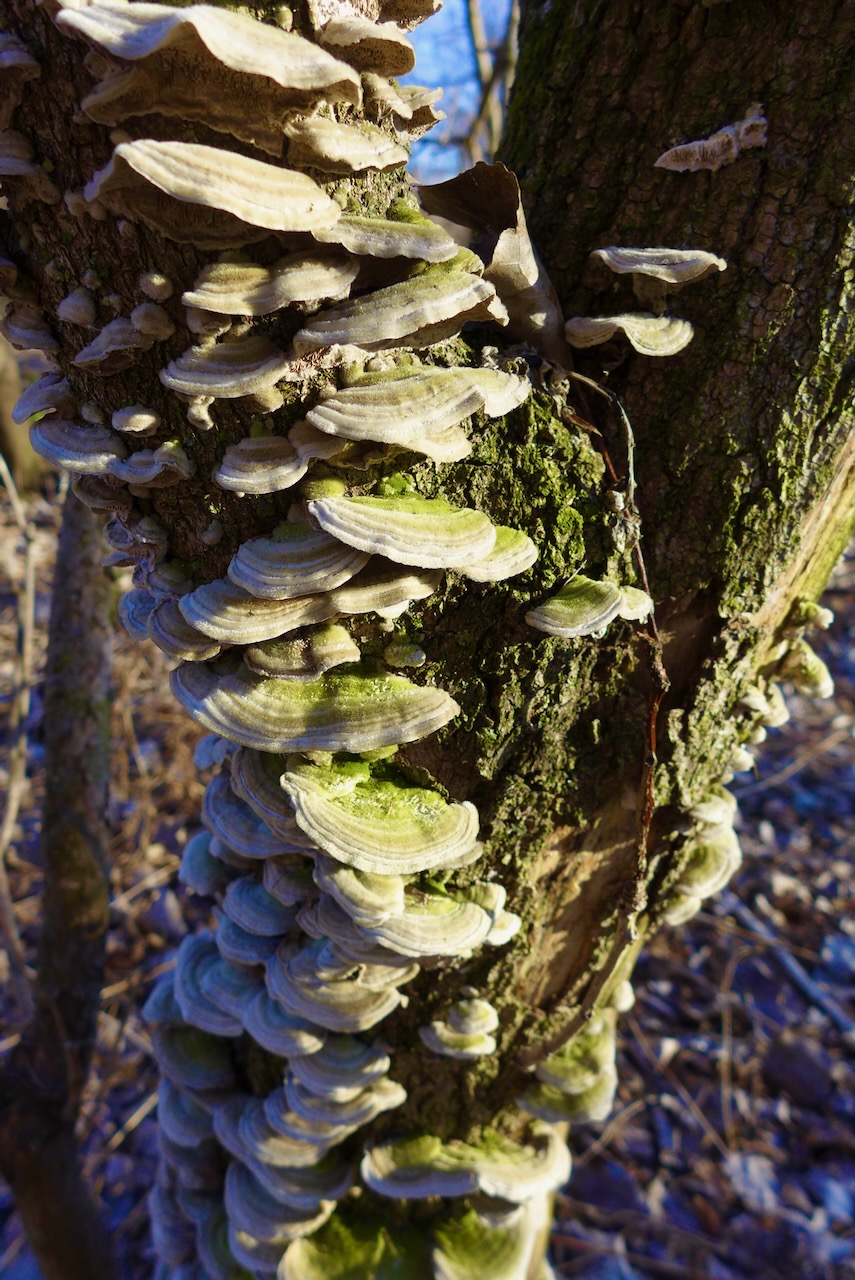
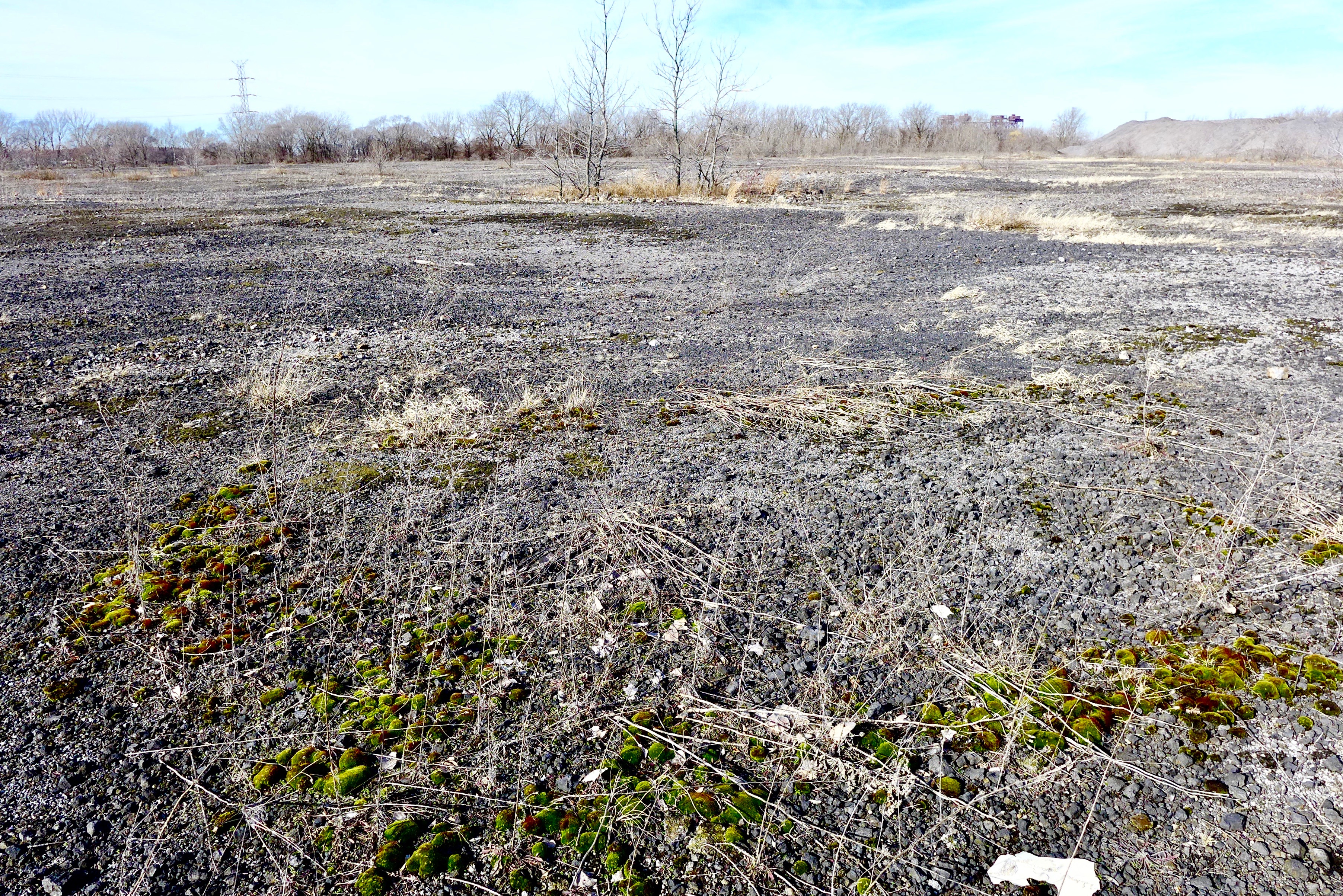
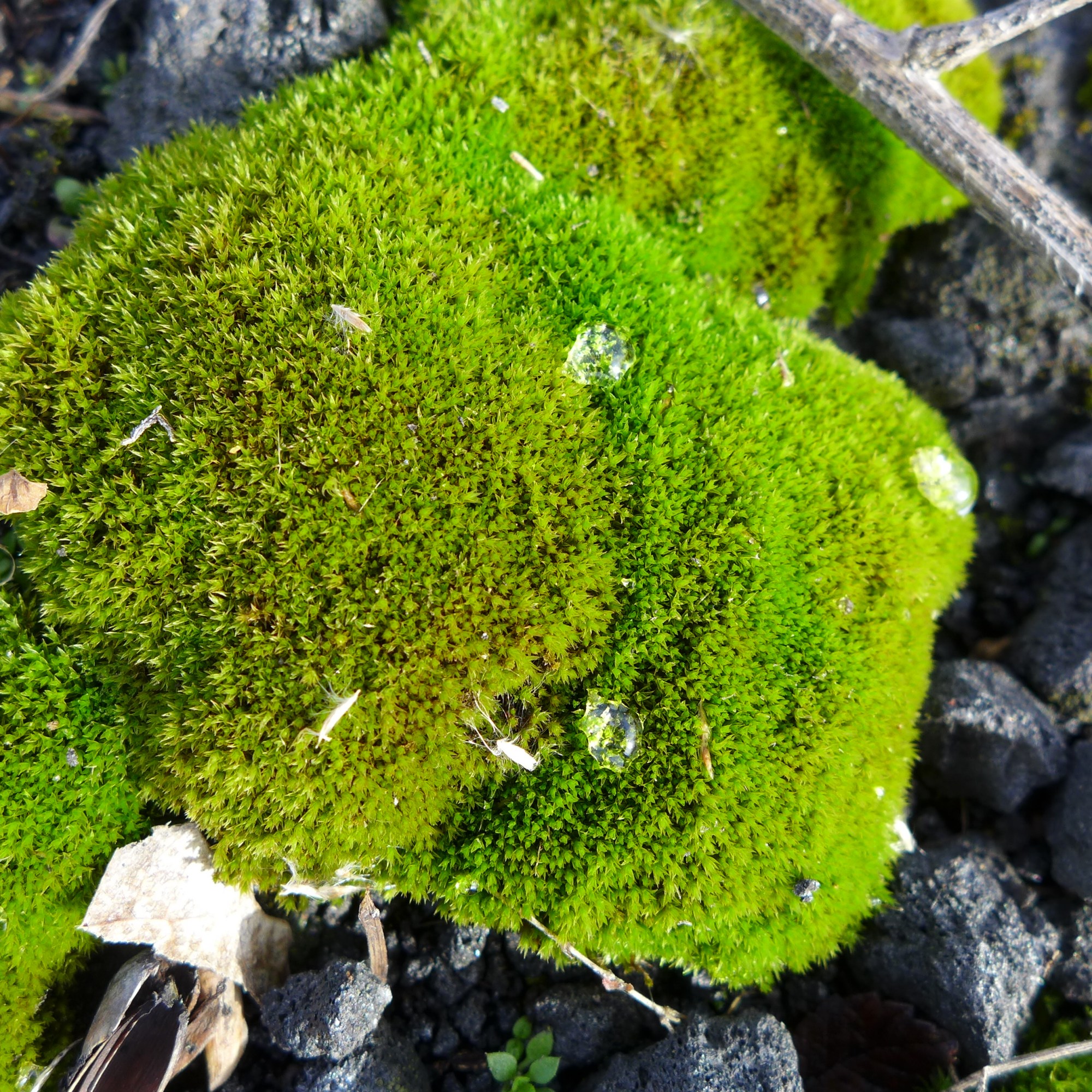
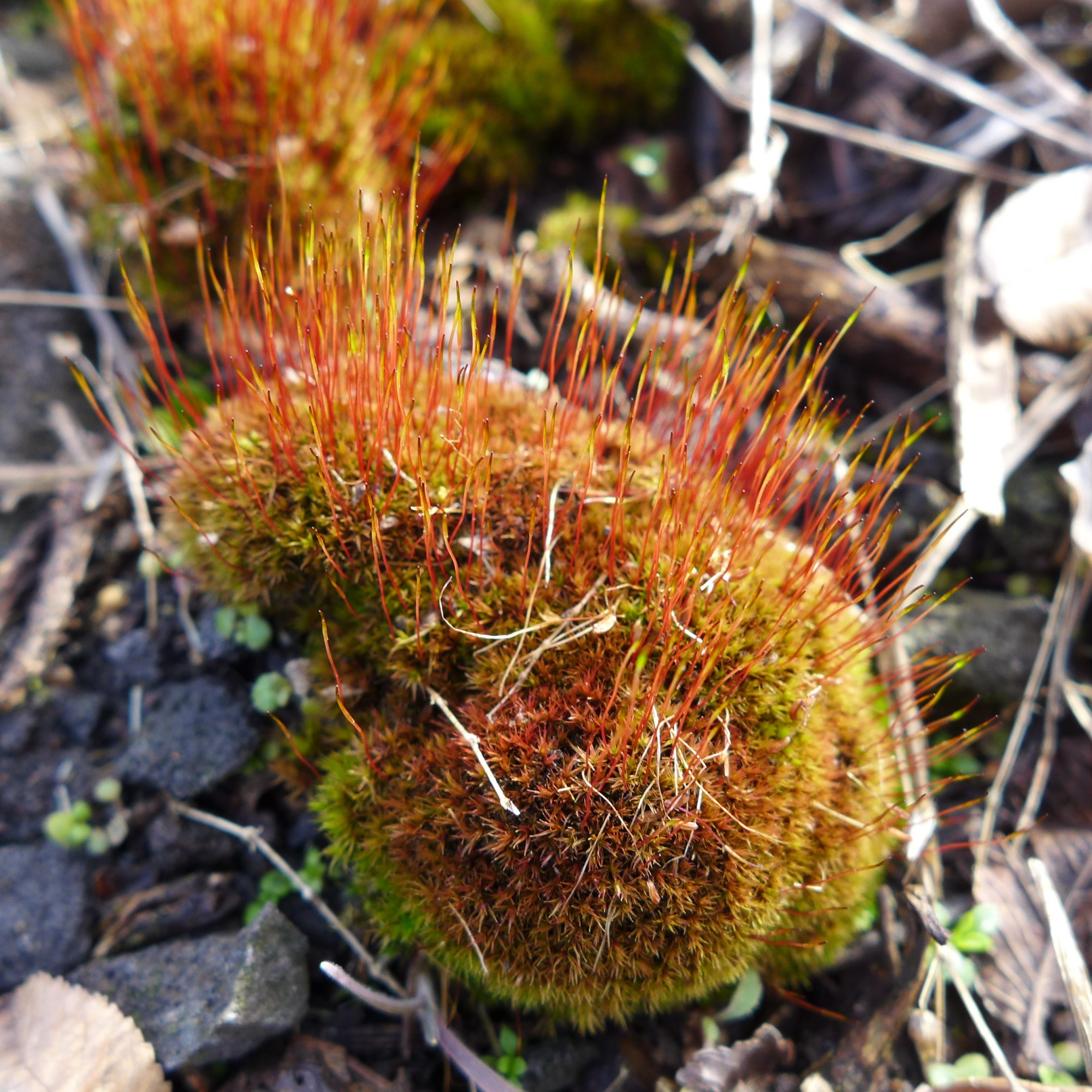
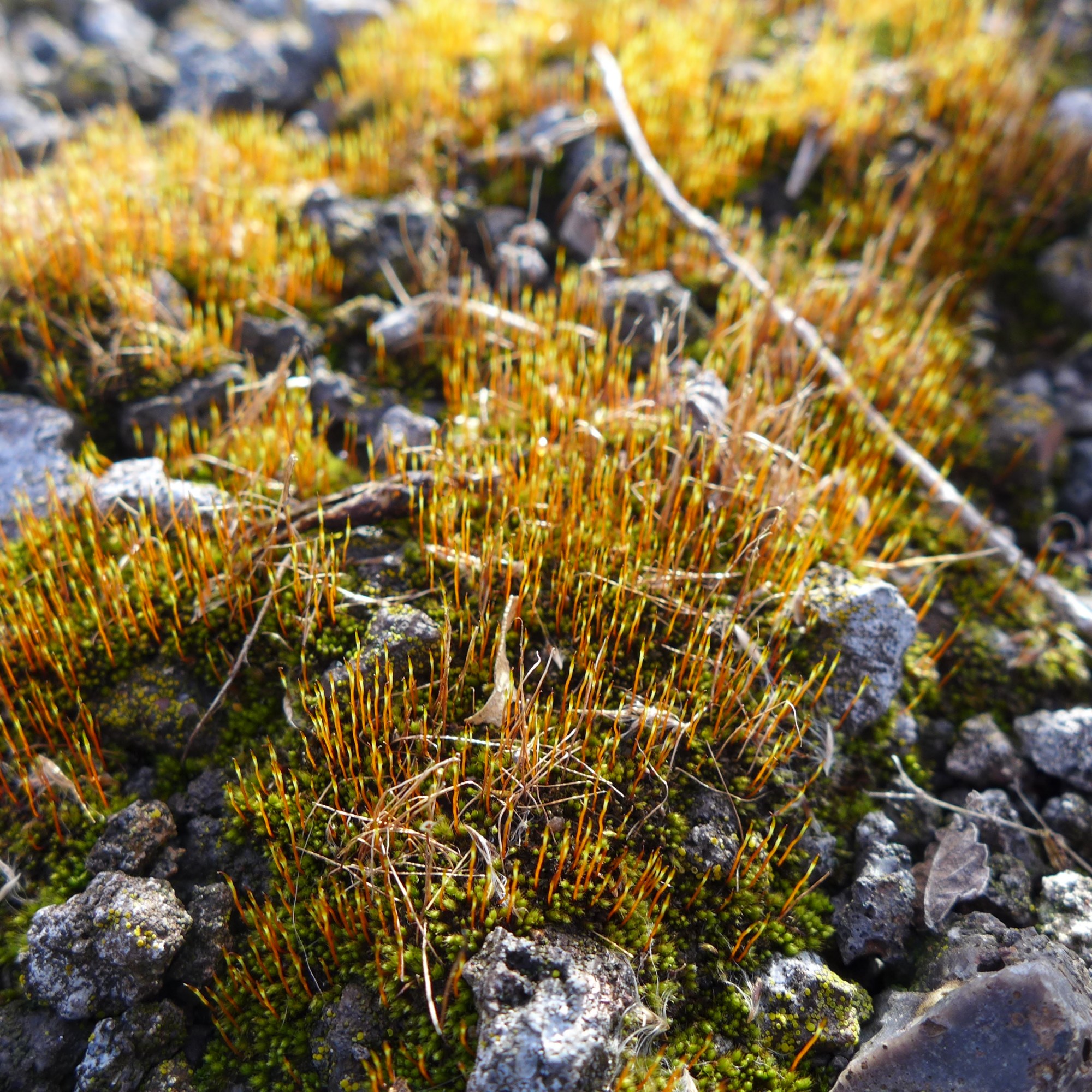
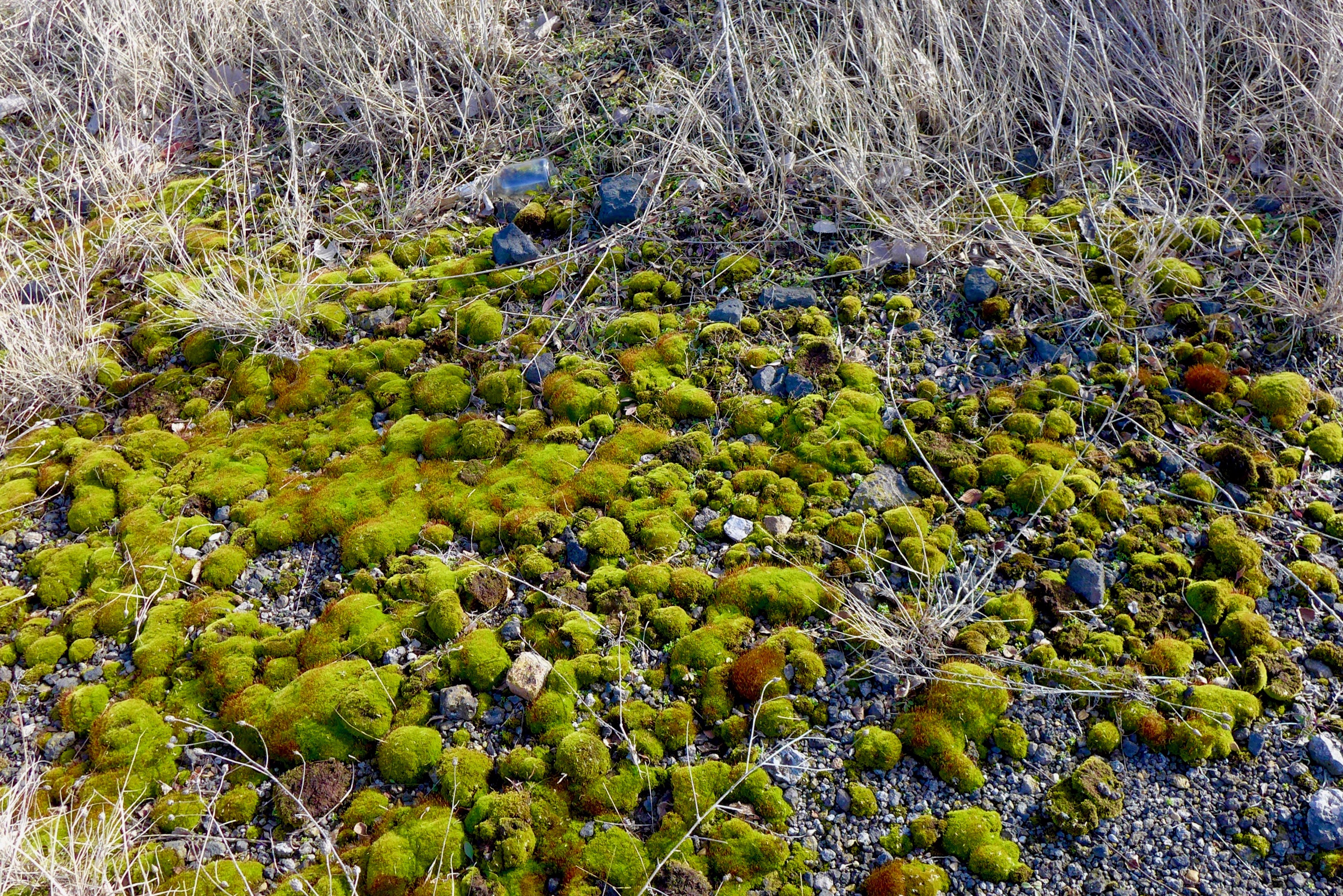
Moss is a critical early successional component of the ecosystem, accumulating organic matter than other species can eventually grow in.
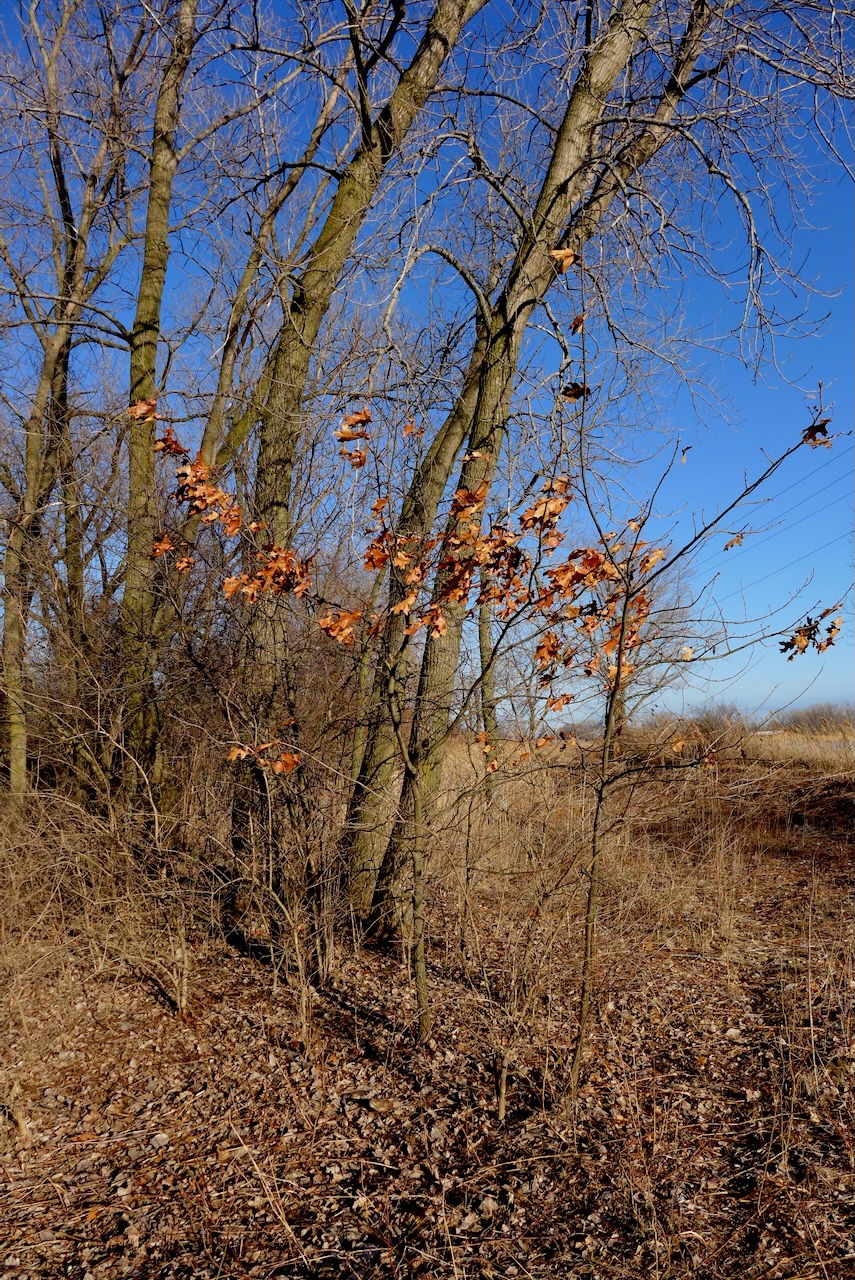
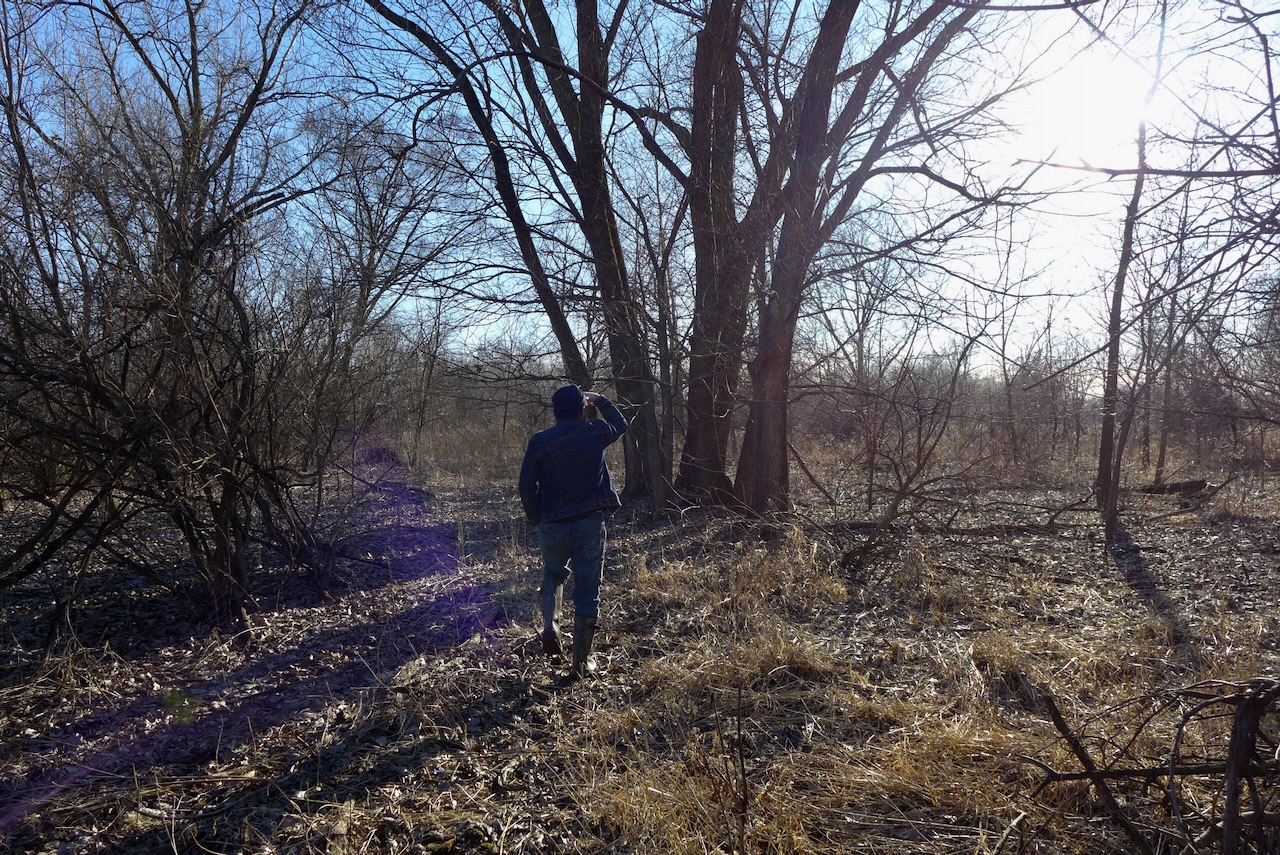
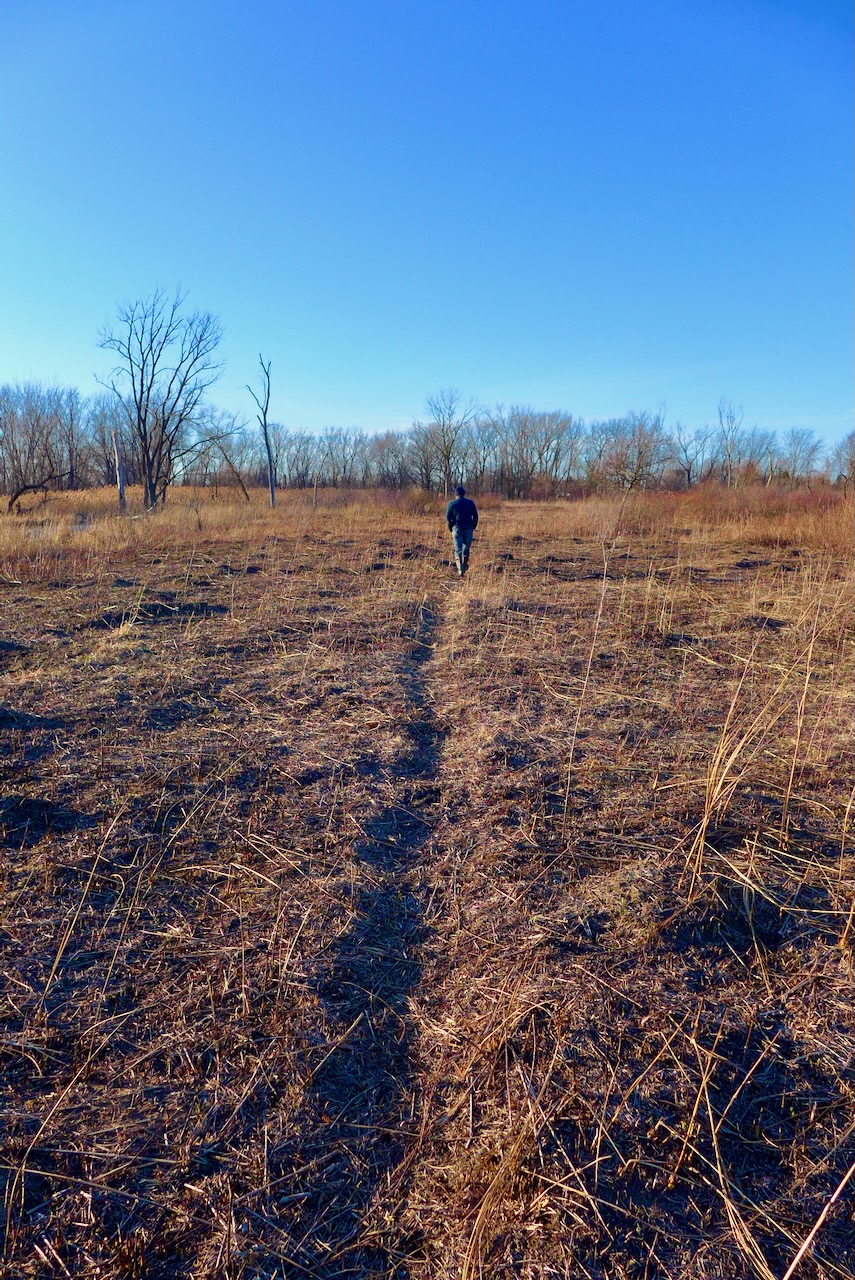
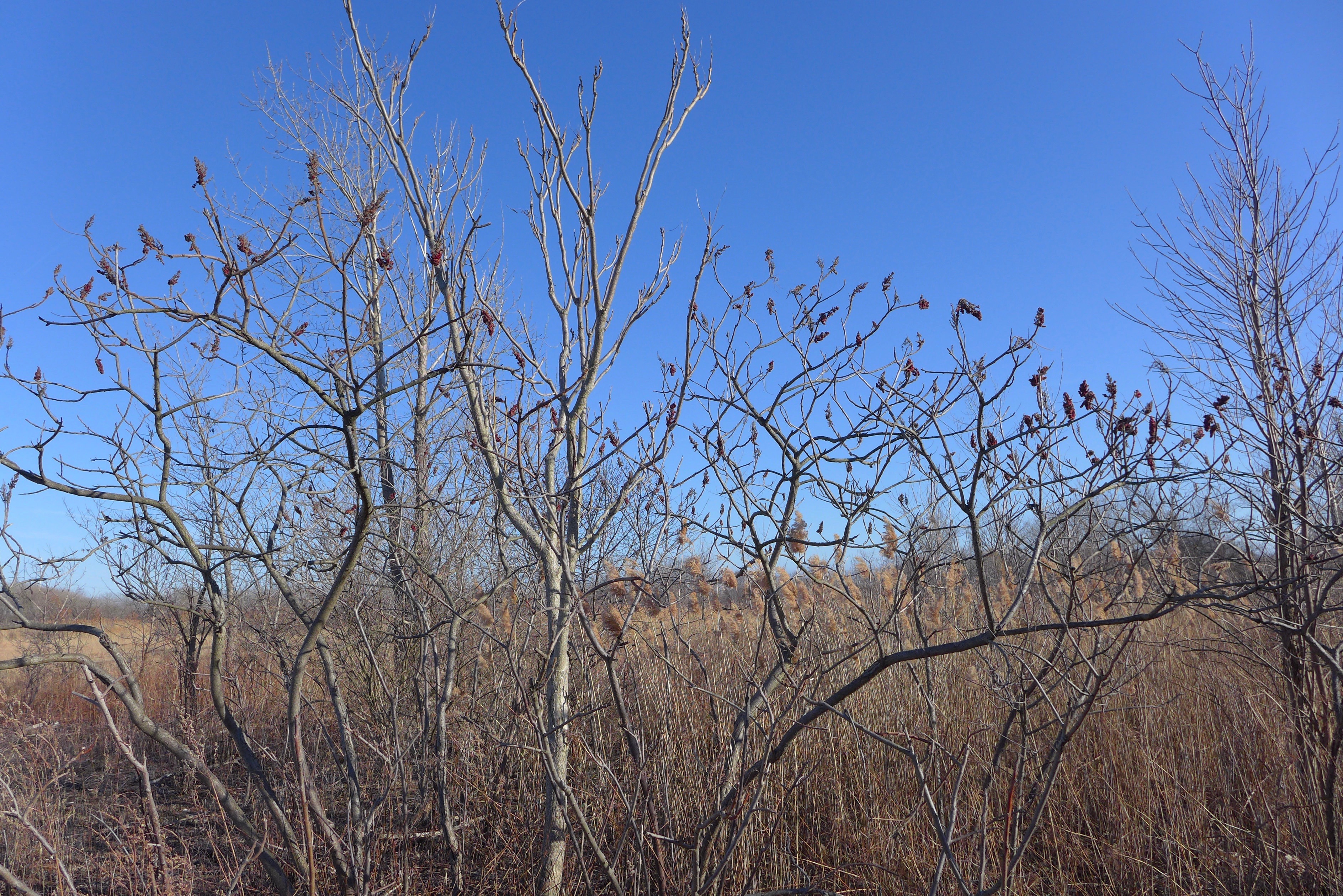
A deer path through the sumac forest. Always follow the deer path.
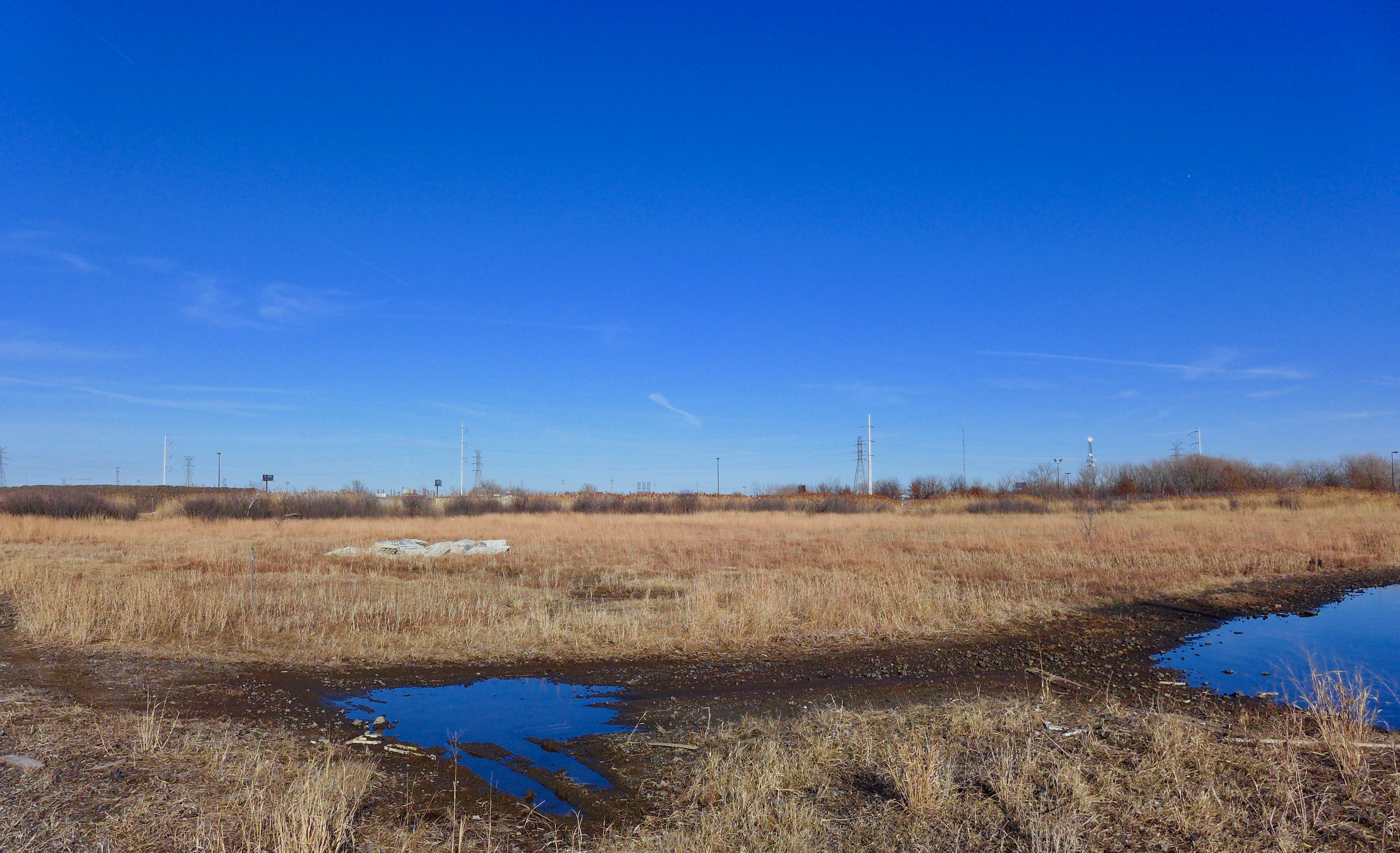
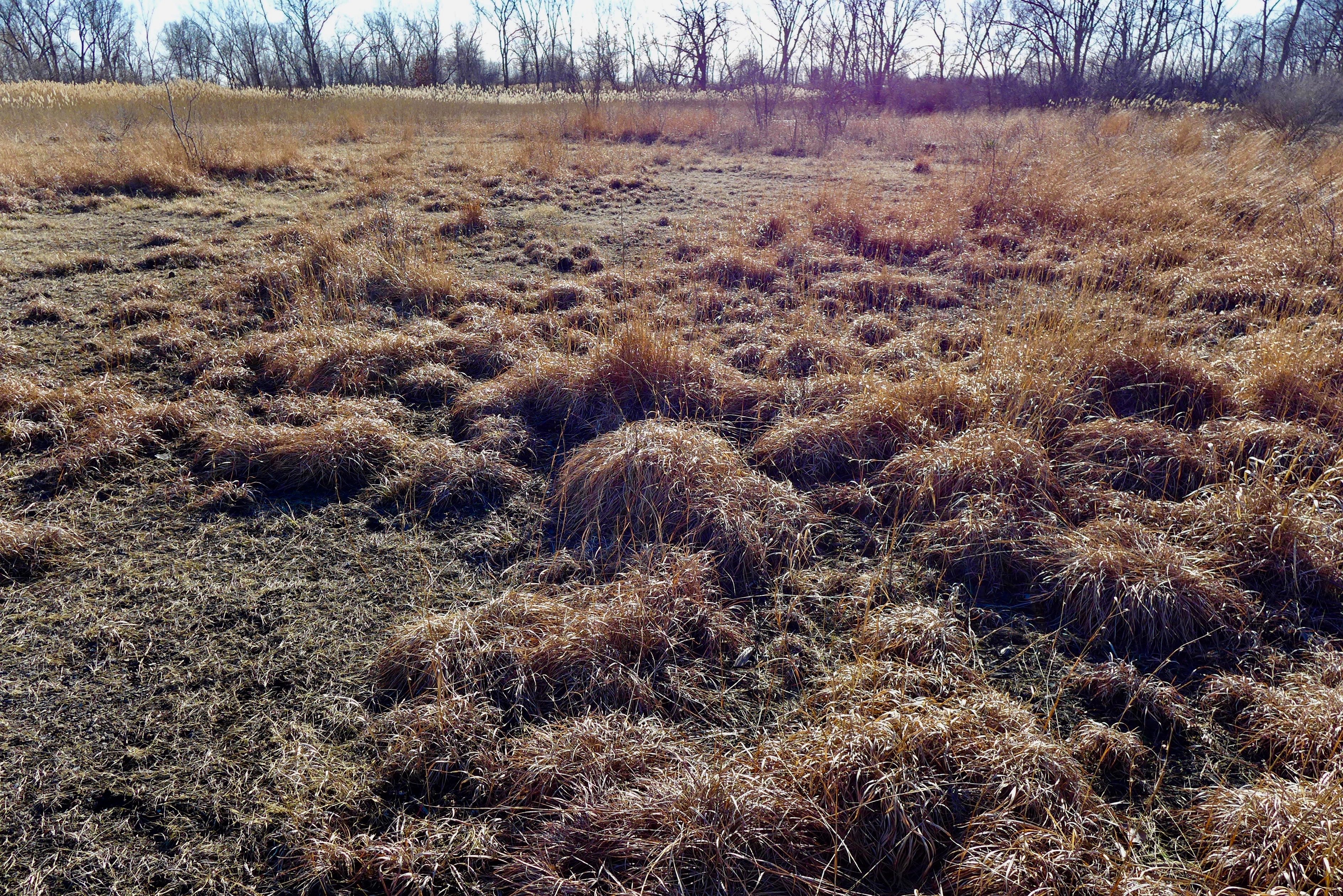
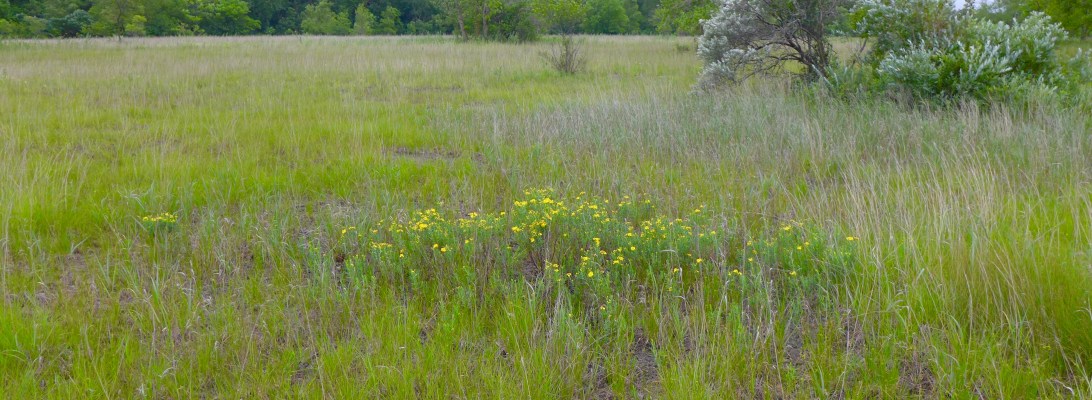
Would you believe there are orchids and rare sedges on this slag wetland at Big Marsh?
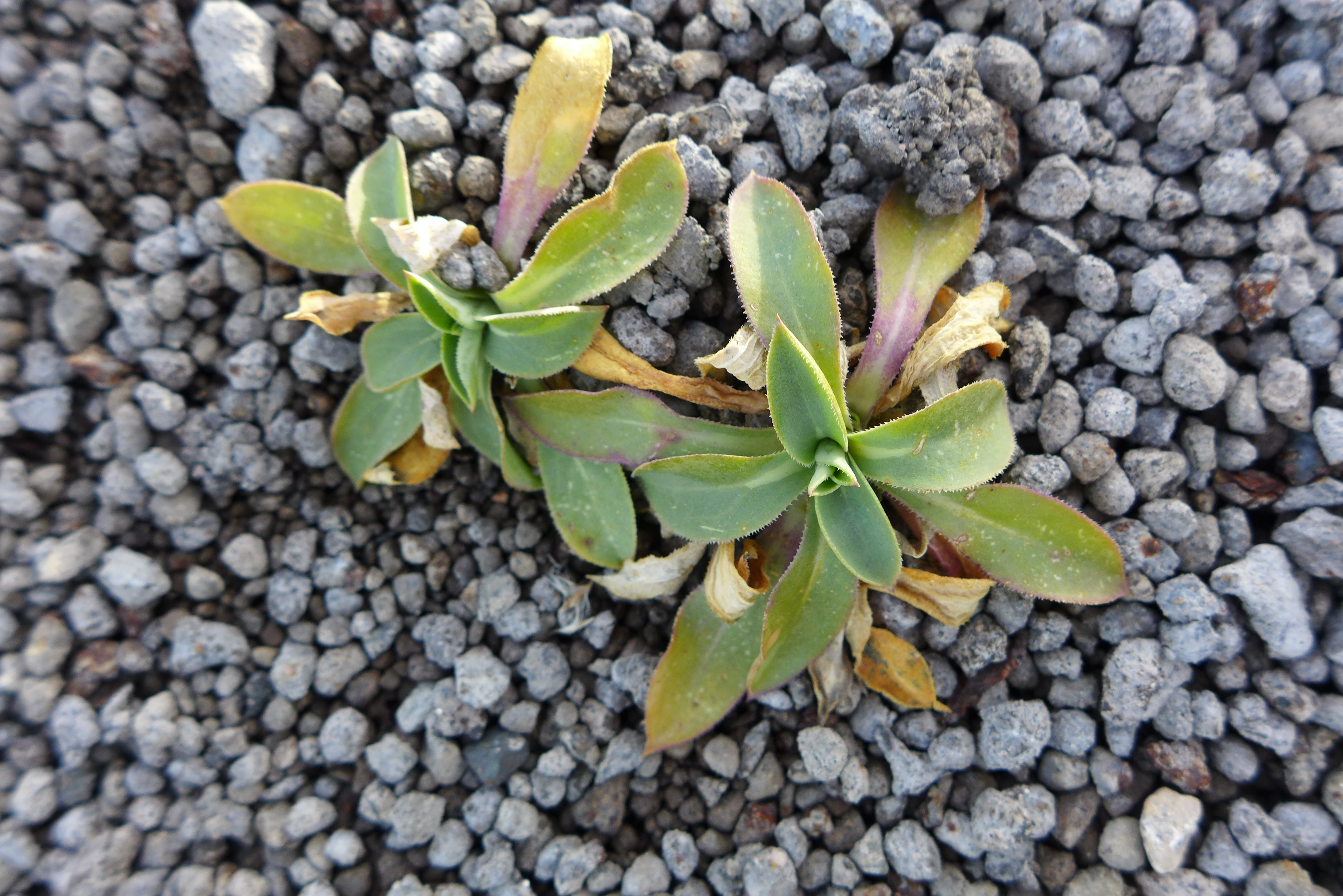
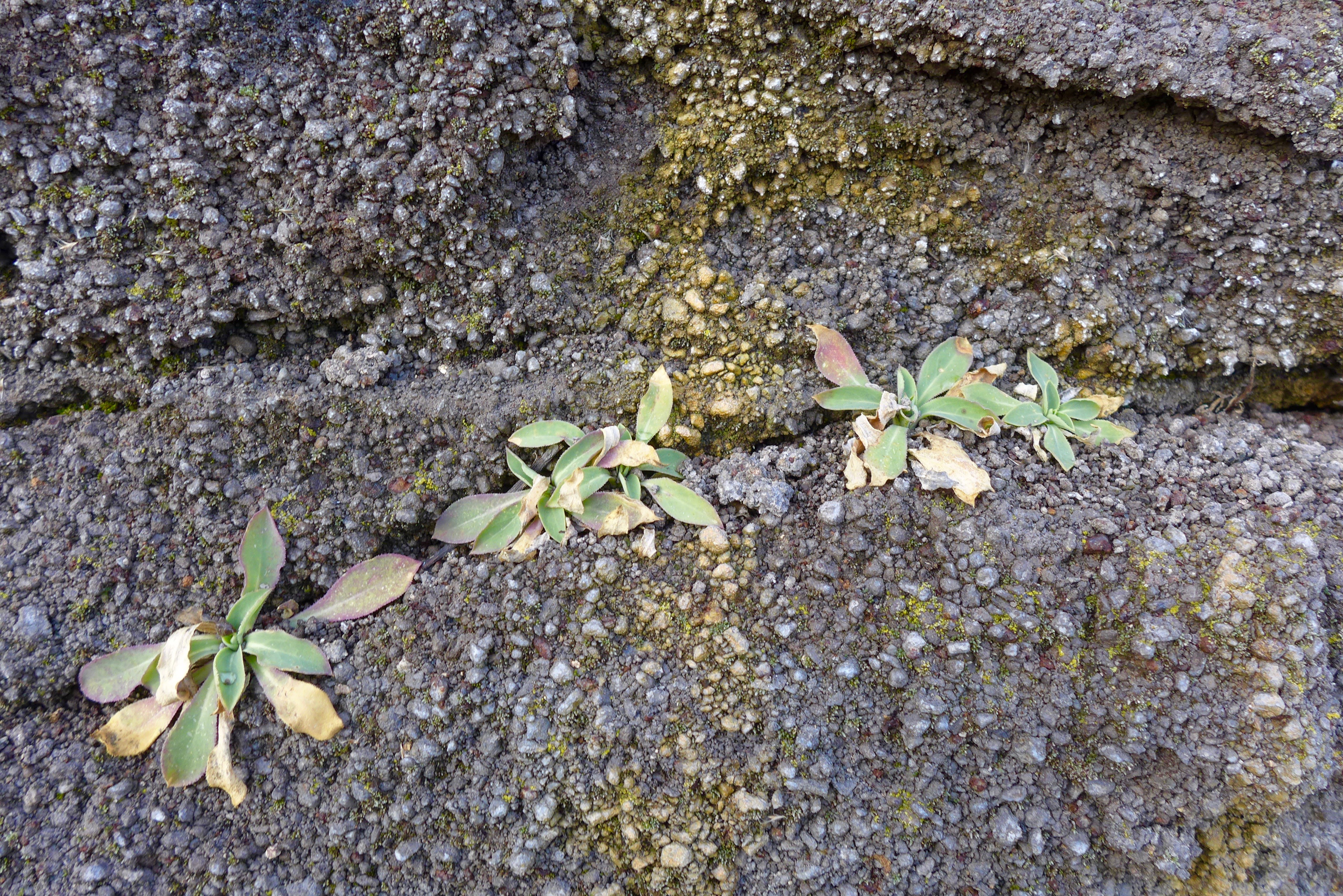
I present to you the strappy leaves of Spiranthes cernua.
…
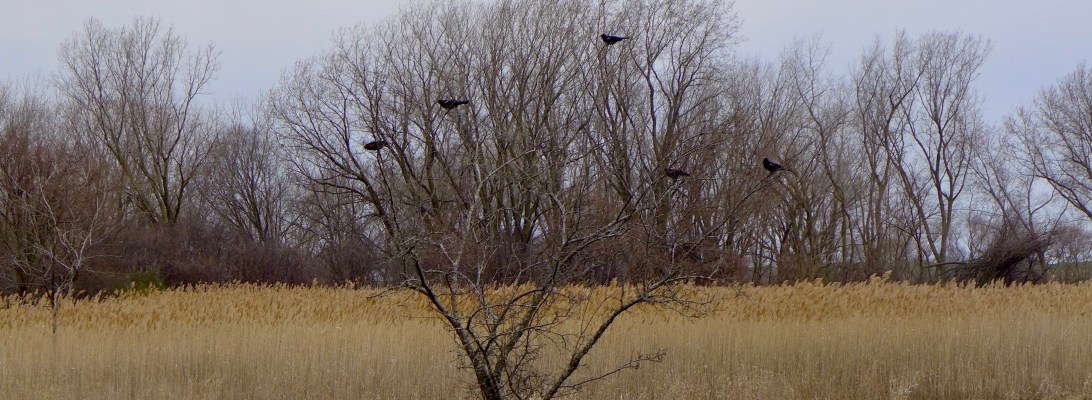
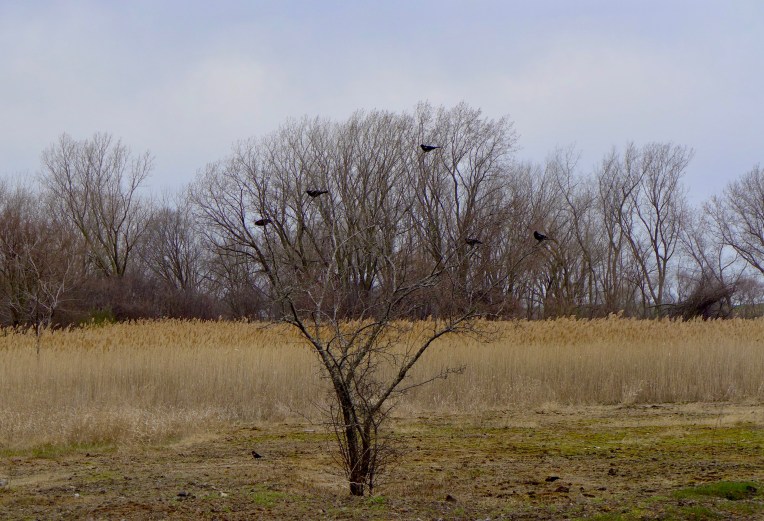
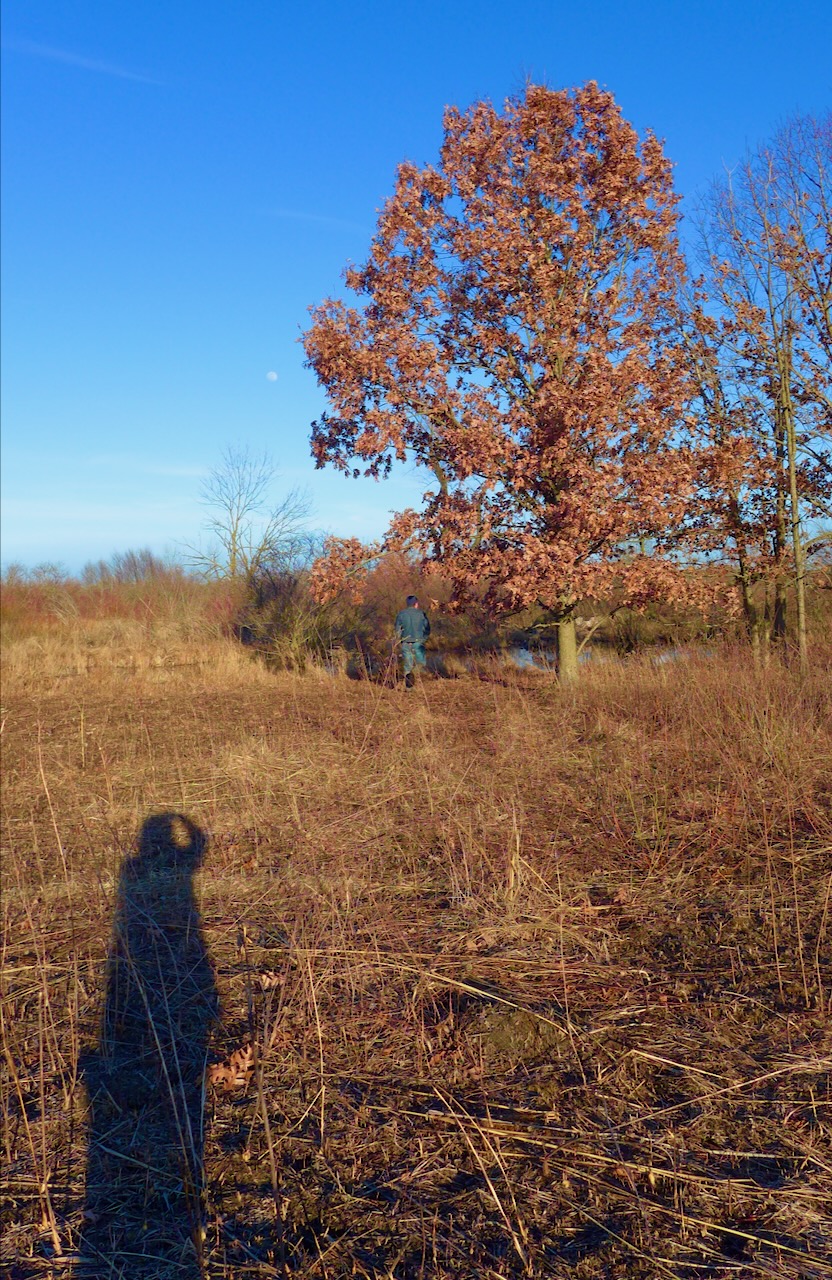
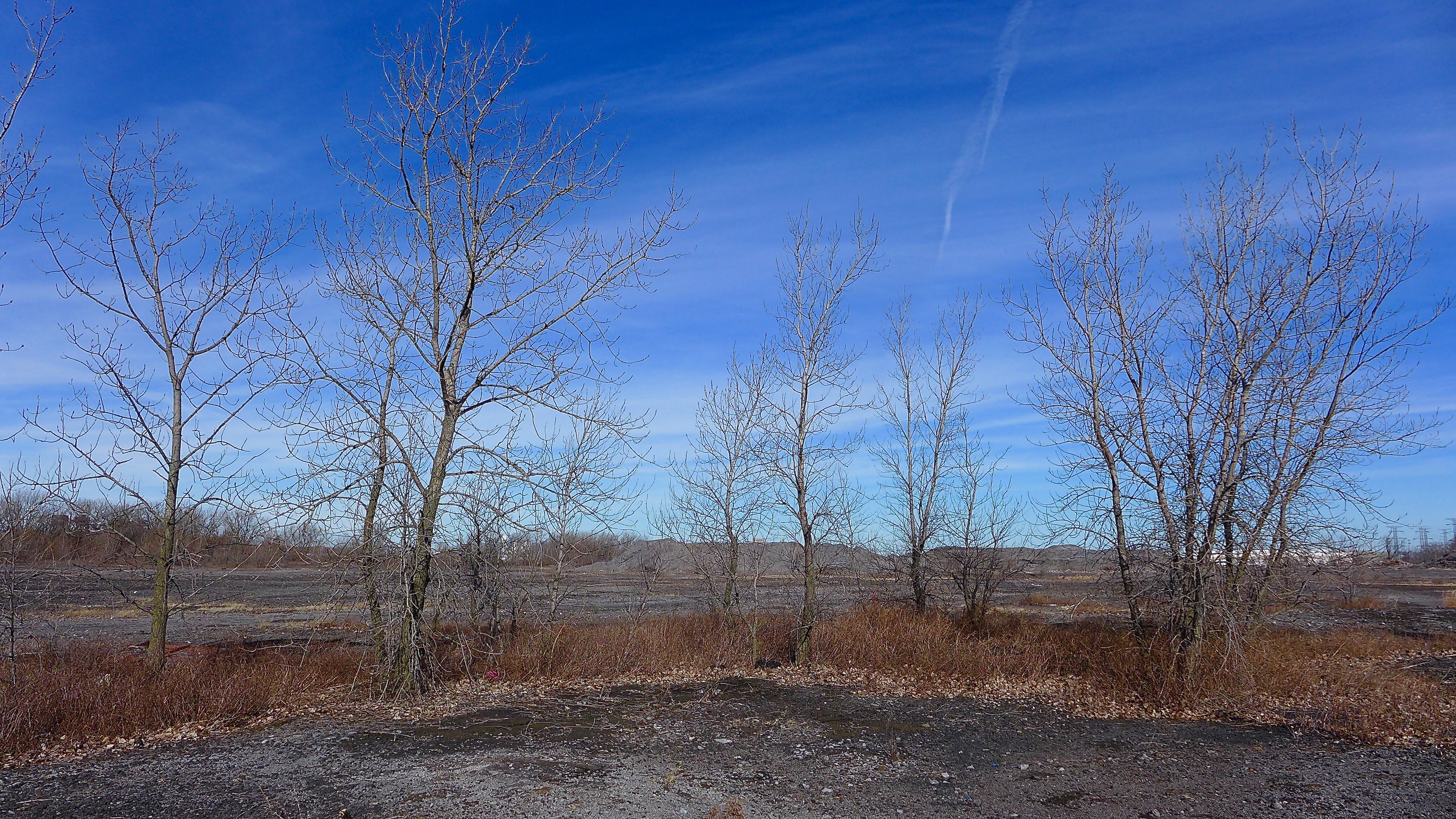
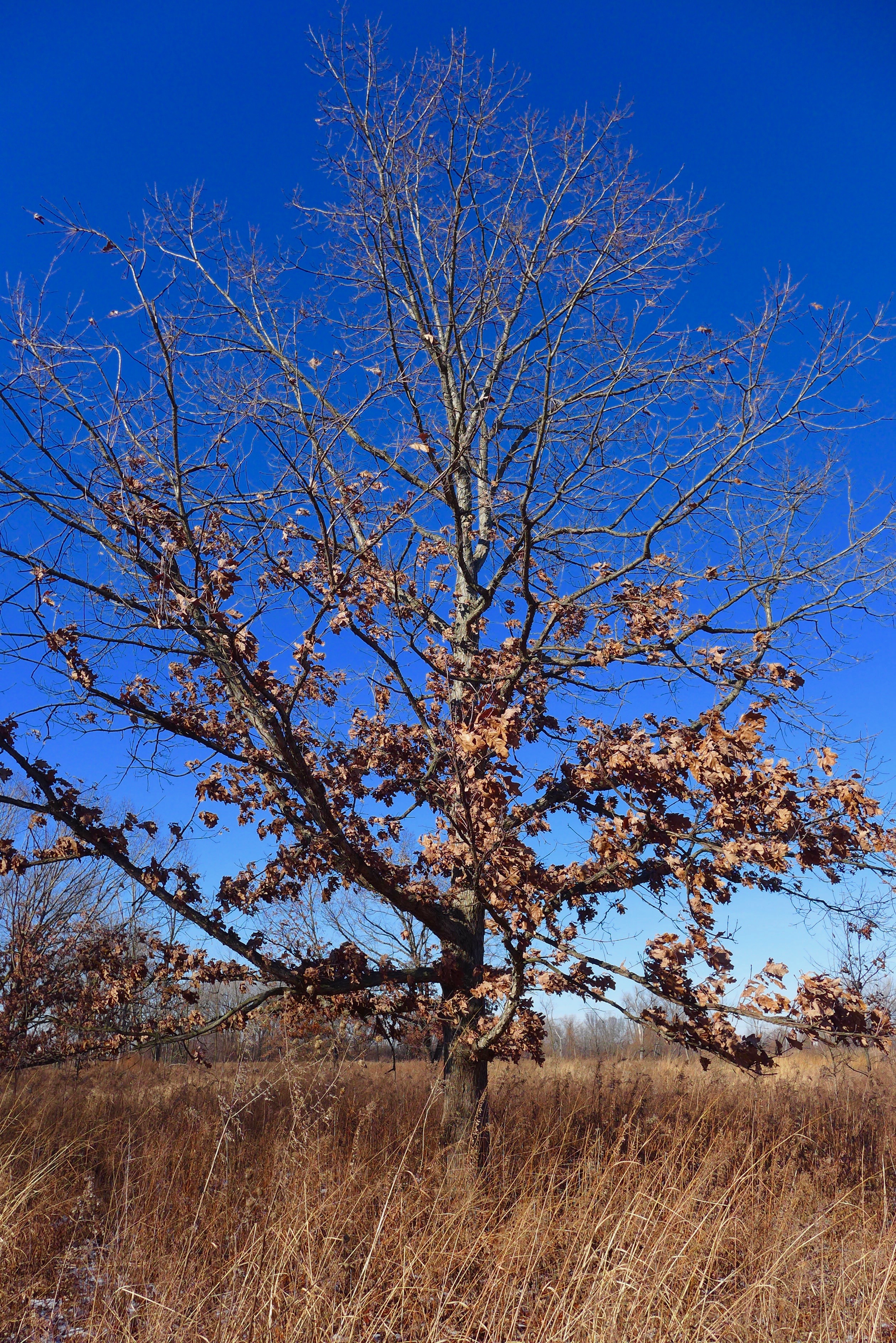
This might be one of my most favorite photos at Big Marsh. I spent 10s of hours at this site during the summer of 2018 and literally never saw a bird in this tree! The site always seemed quiet in animal life, but rich in plant life.
Walk south from the southern end of Wolf Lake, past the roads that peek into residential pockets, past what was overgrown vacant lots — it’s all being rewilded, connecting Wolf Lake to Powderhorn Lake (fig 1). It expands the local wetland complex, but in a different direction than the historical baseline. Why? Because Powderhorn Lake is human-constructed, so there was never a connection between these bodies of water before.
Fig 1. red box denotes green infrastructure enhancement between Wolf Lake and Powderhorn Lake
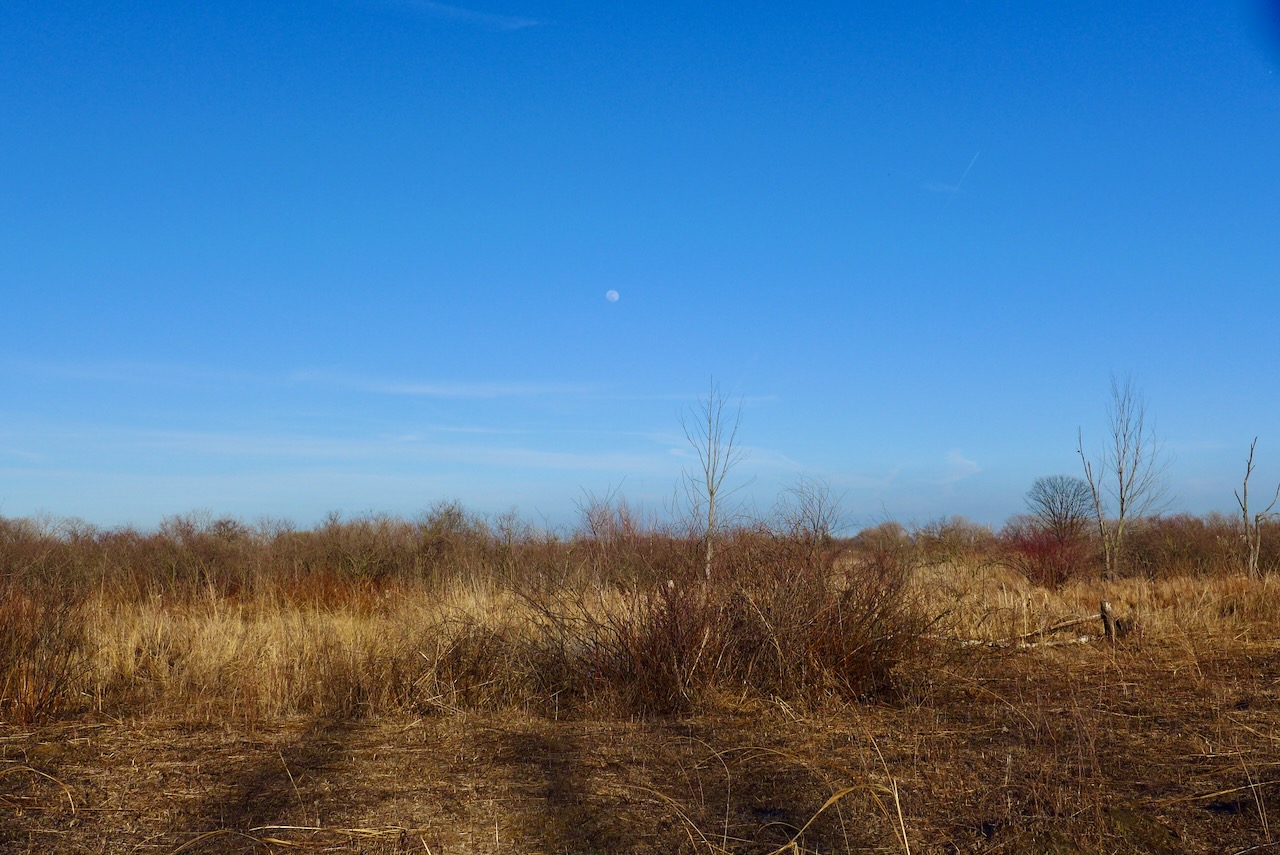
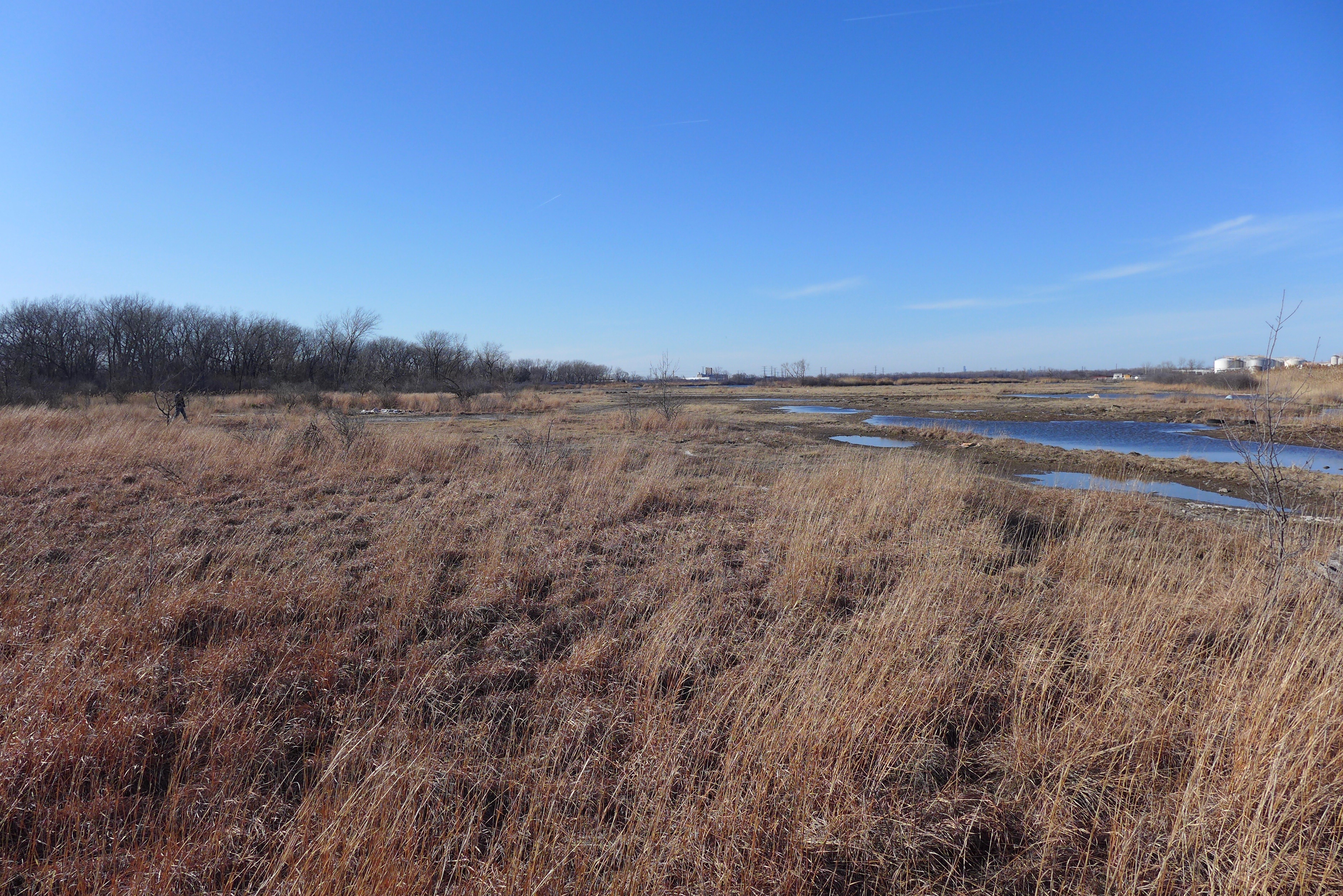
We started in the greenspace north of Powderhorn Lake (though quite brown this time of year).
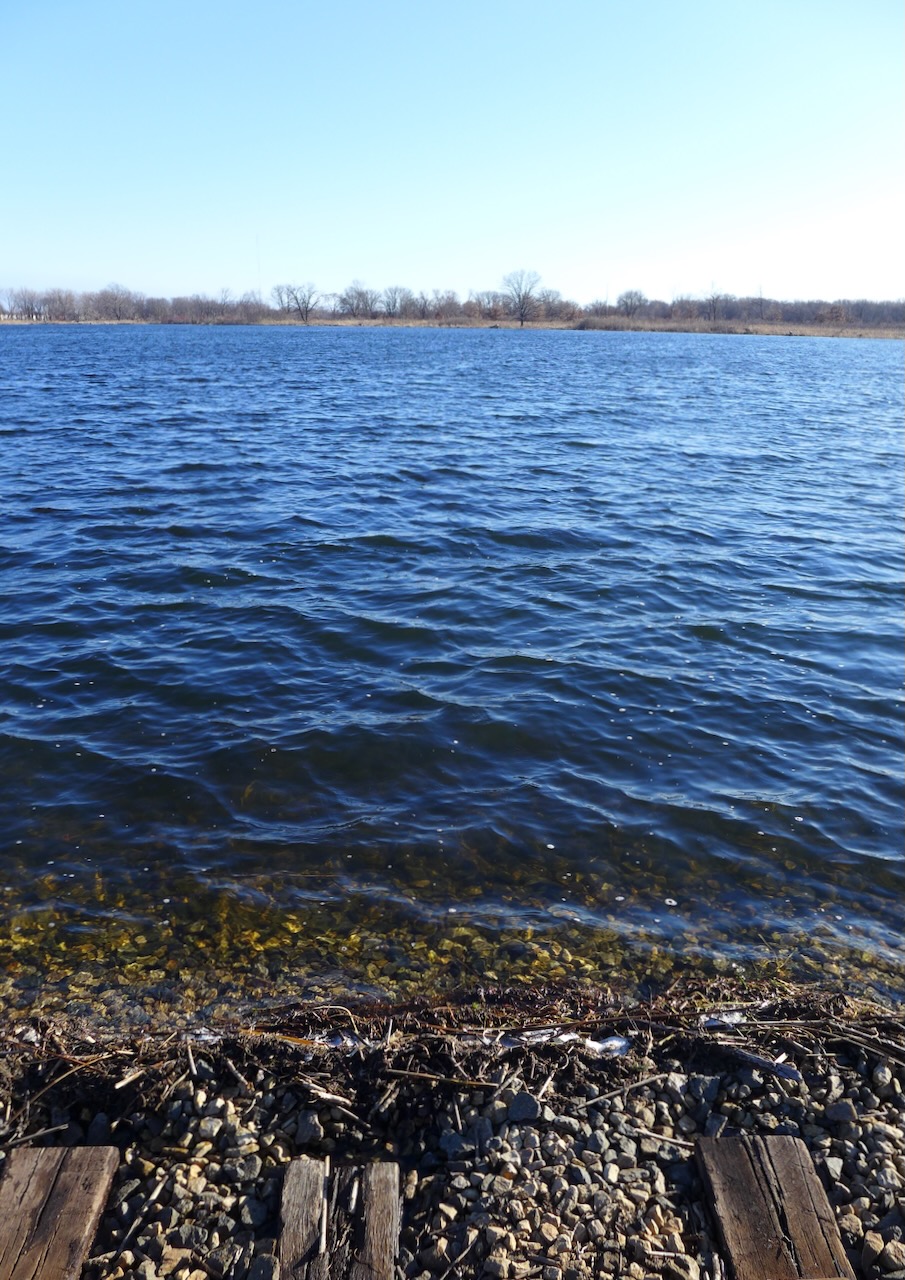
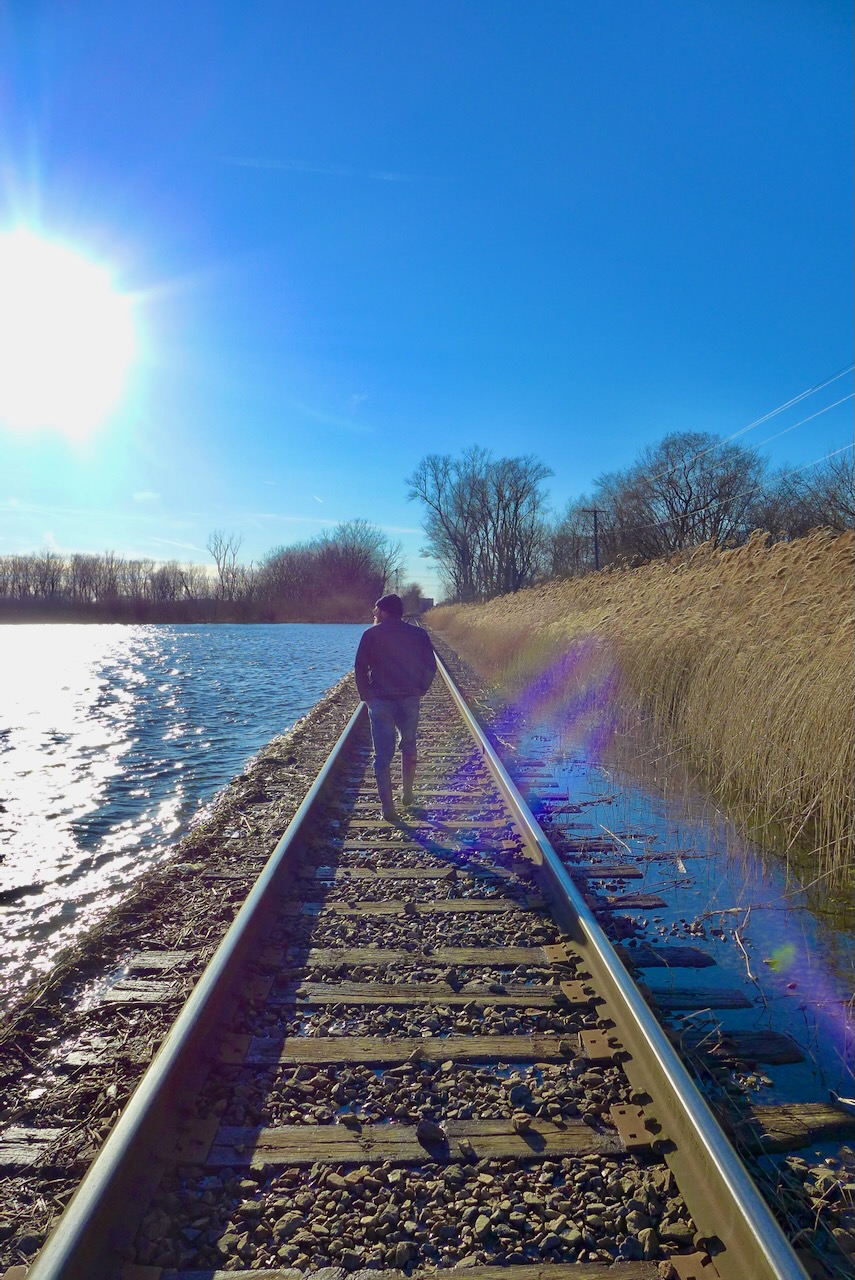
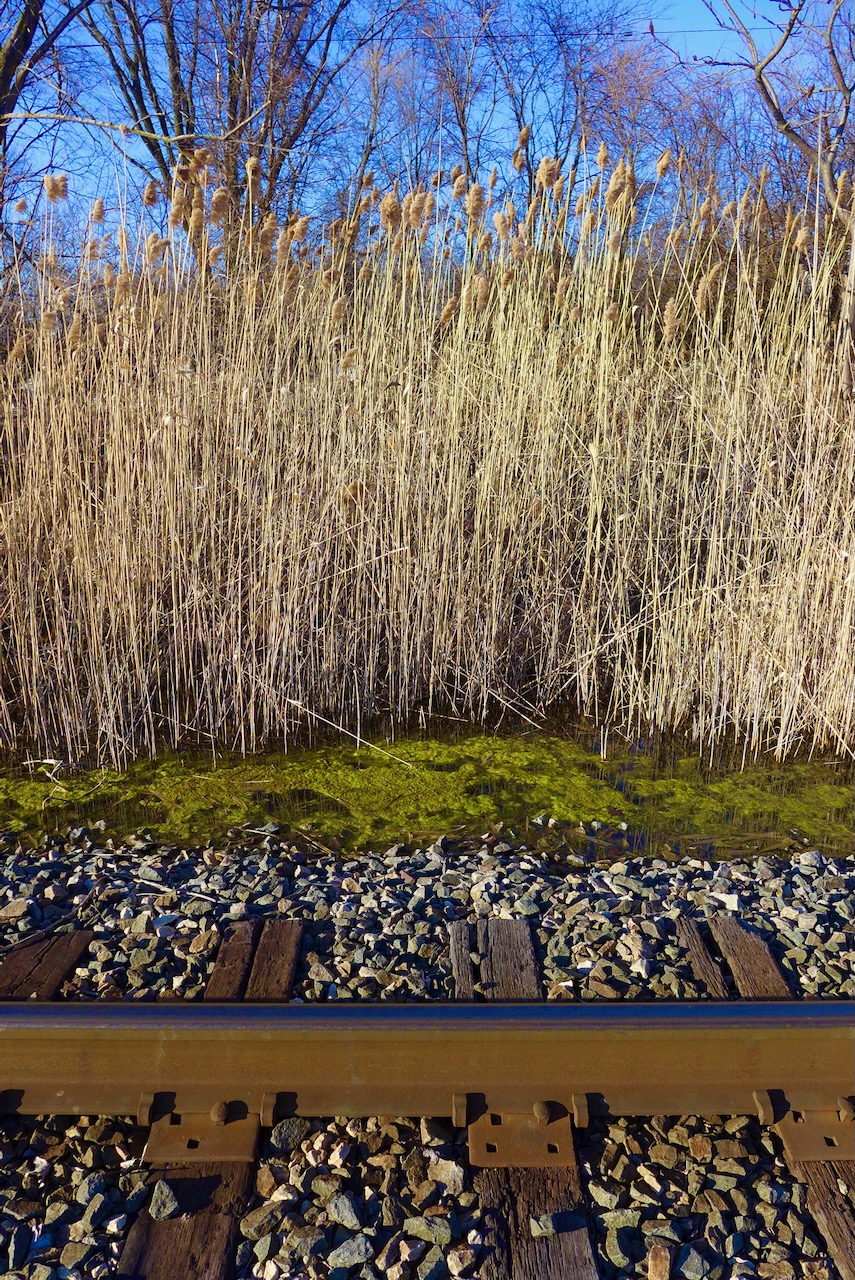
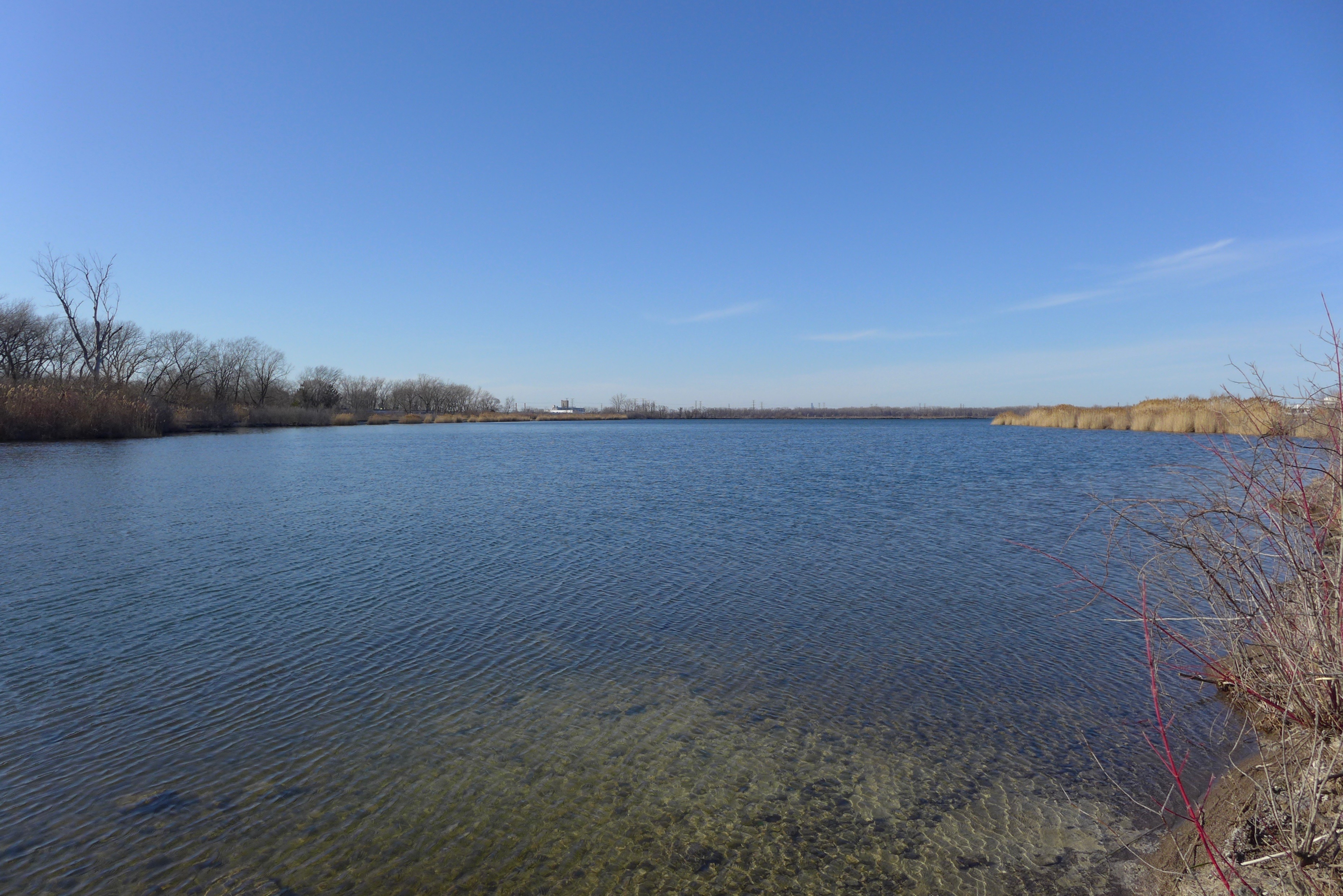
We came out from the buckthorn and Phragmites to a railroad track on the north side of Powderhorn Lake.
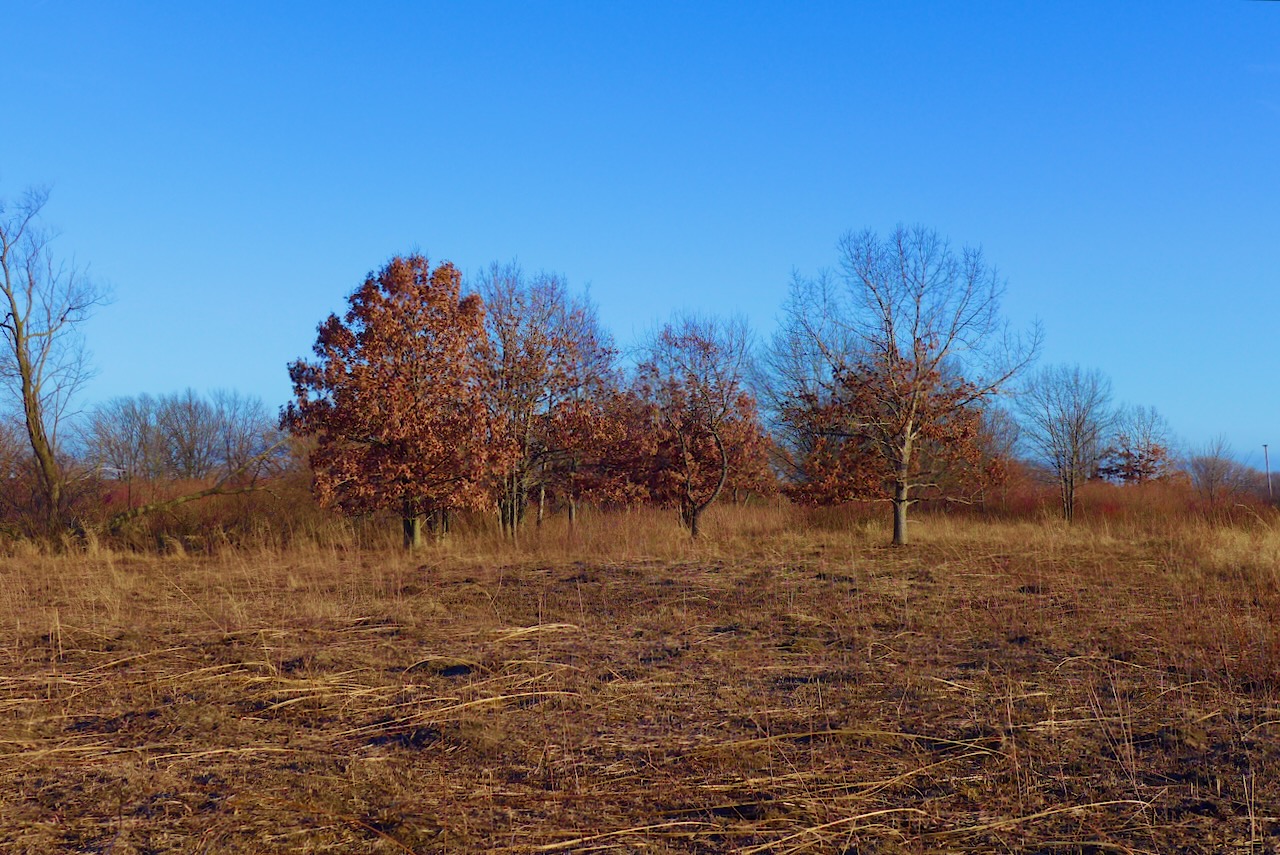
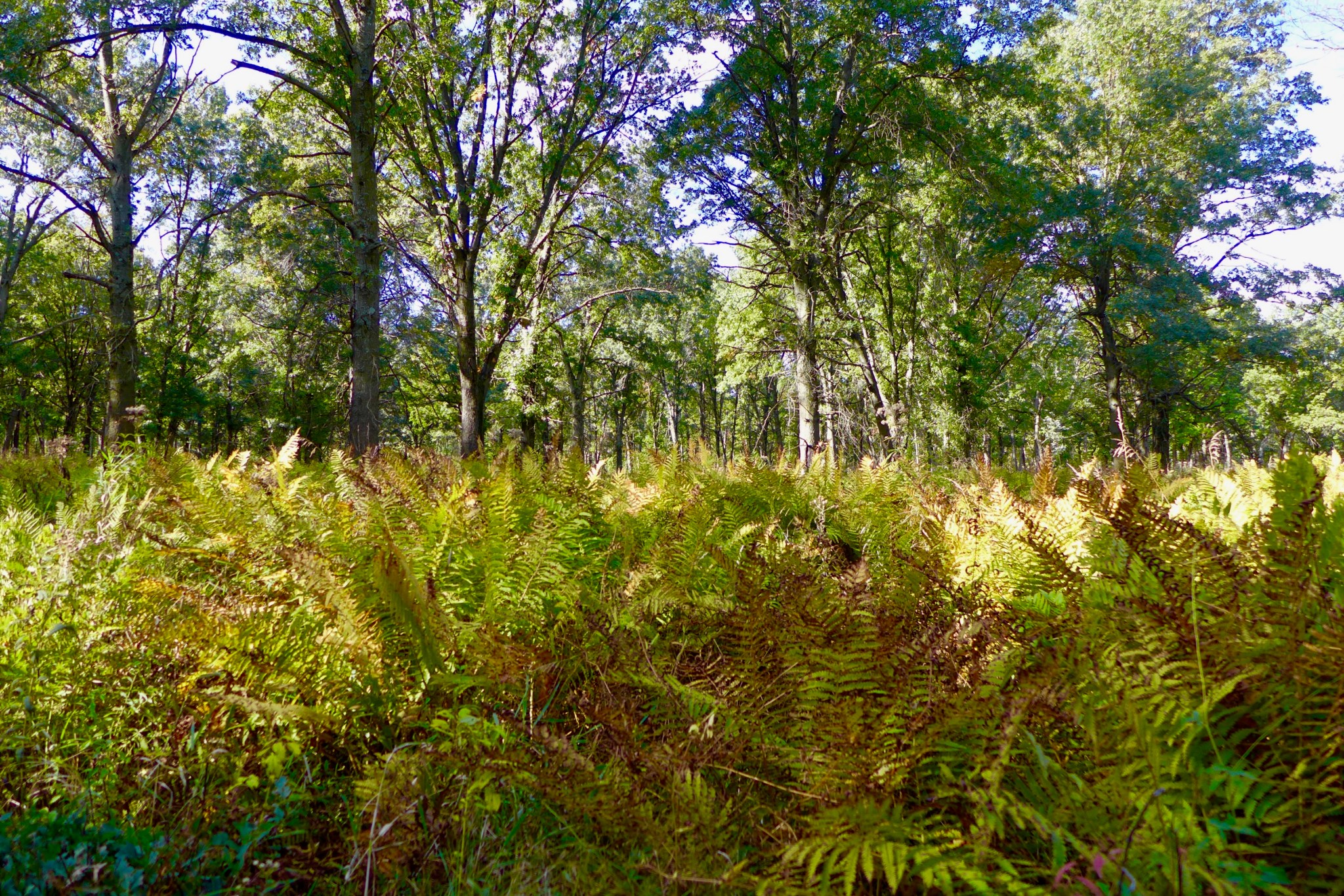
The dune and swale that you see on the map, looking like a ridged swamp, to the west of Powderhorn Lake- that dune and swale is still there! This is a long finger of oak savanna heading to the southeast.
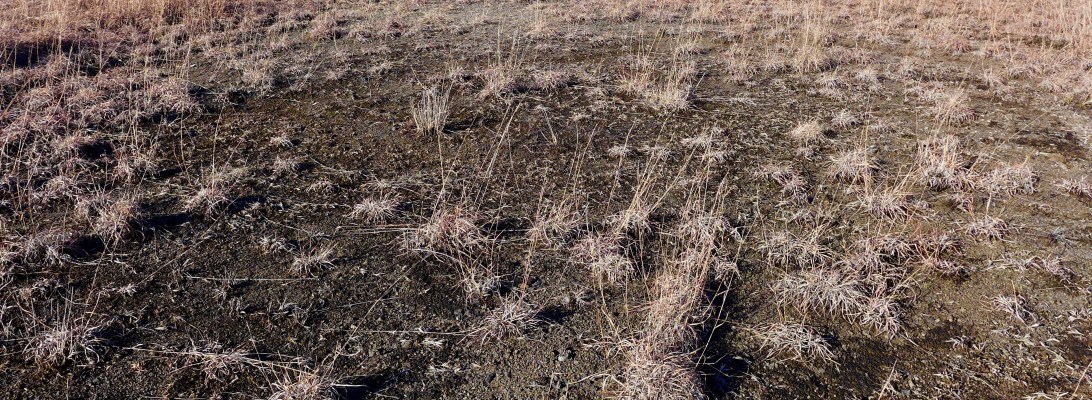
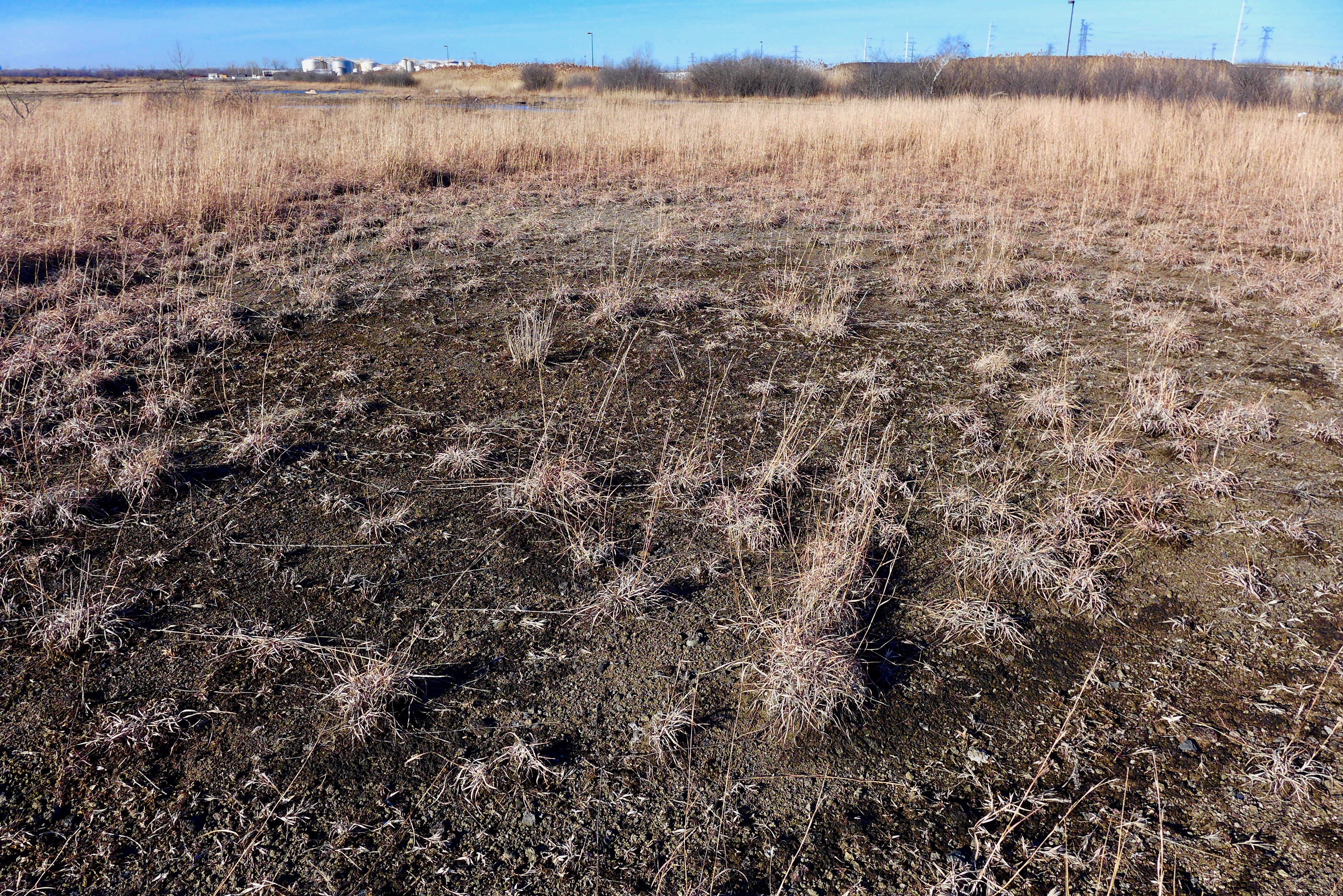
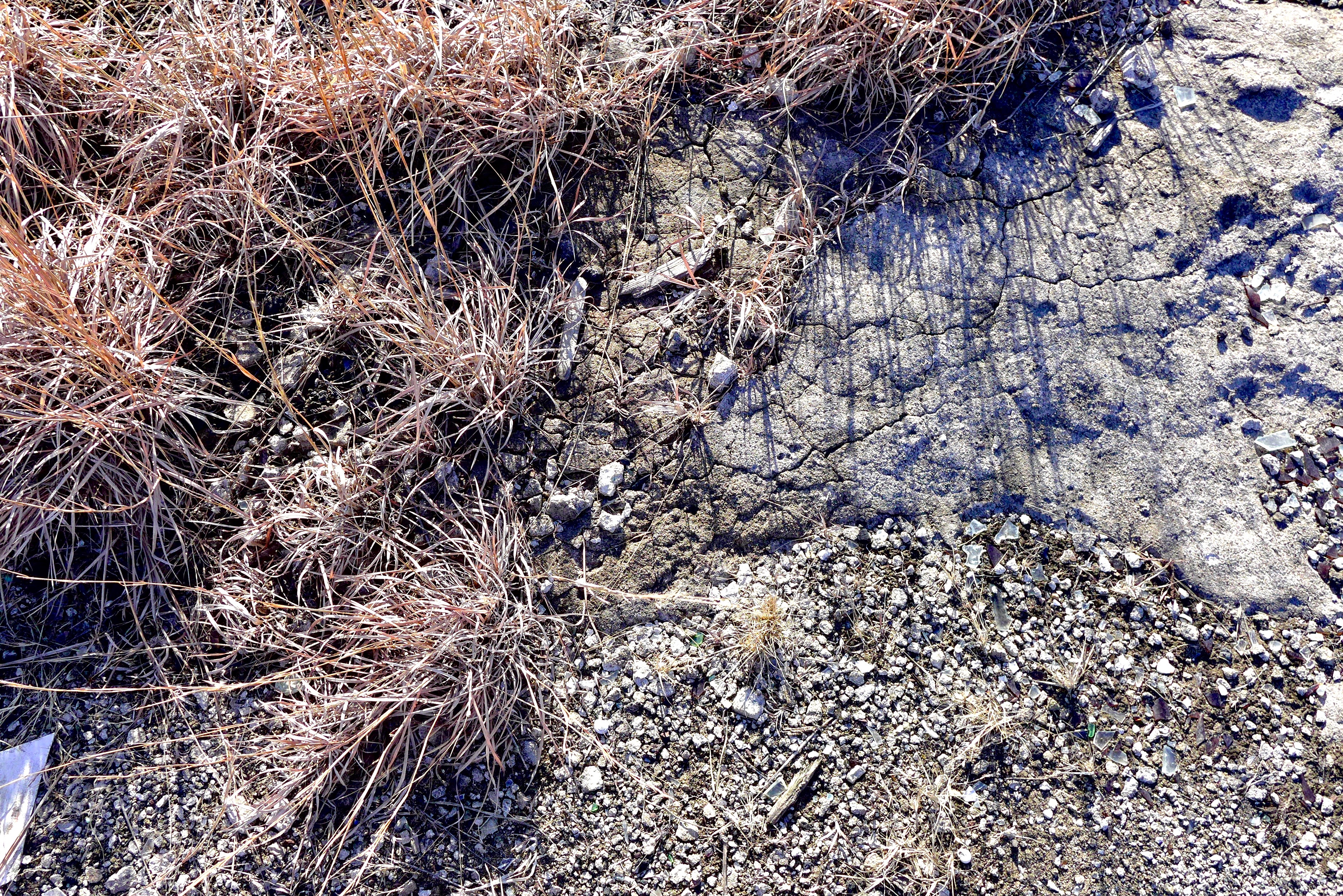
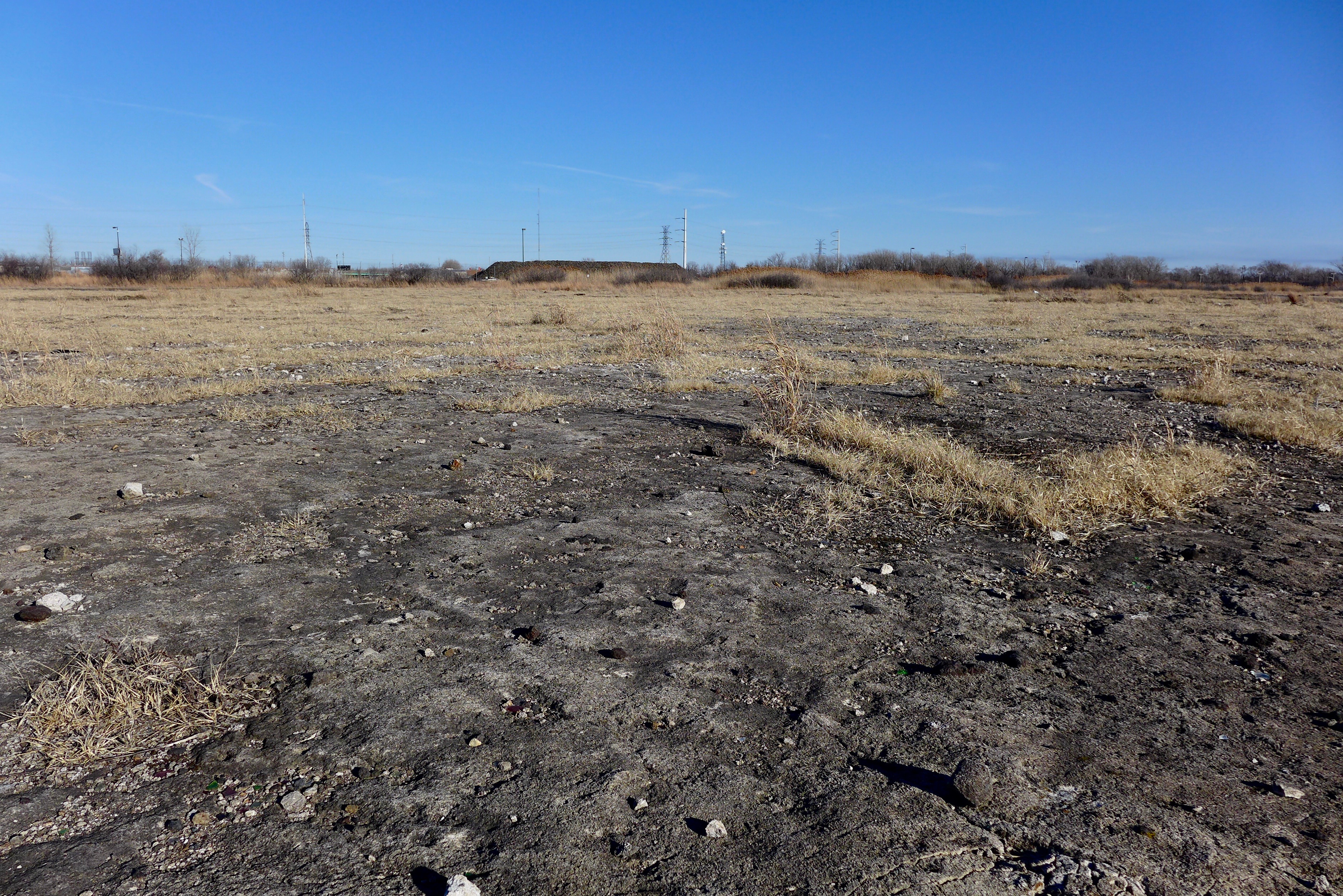
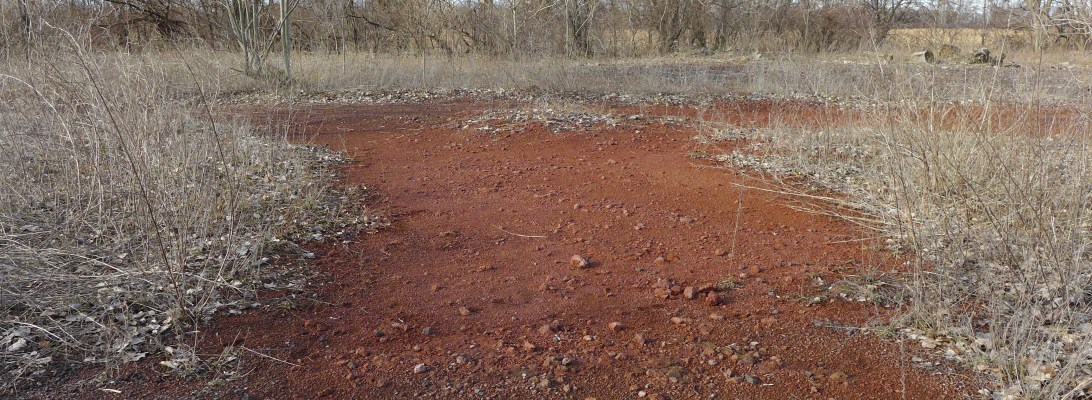
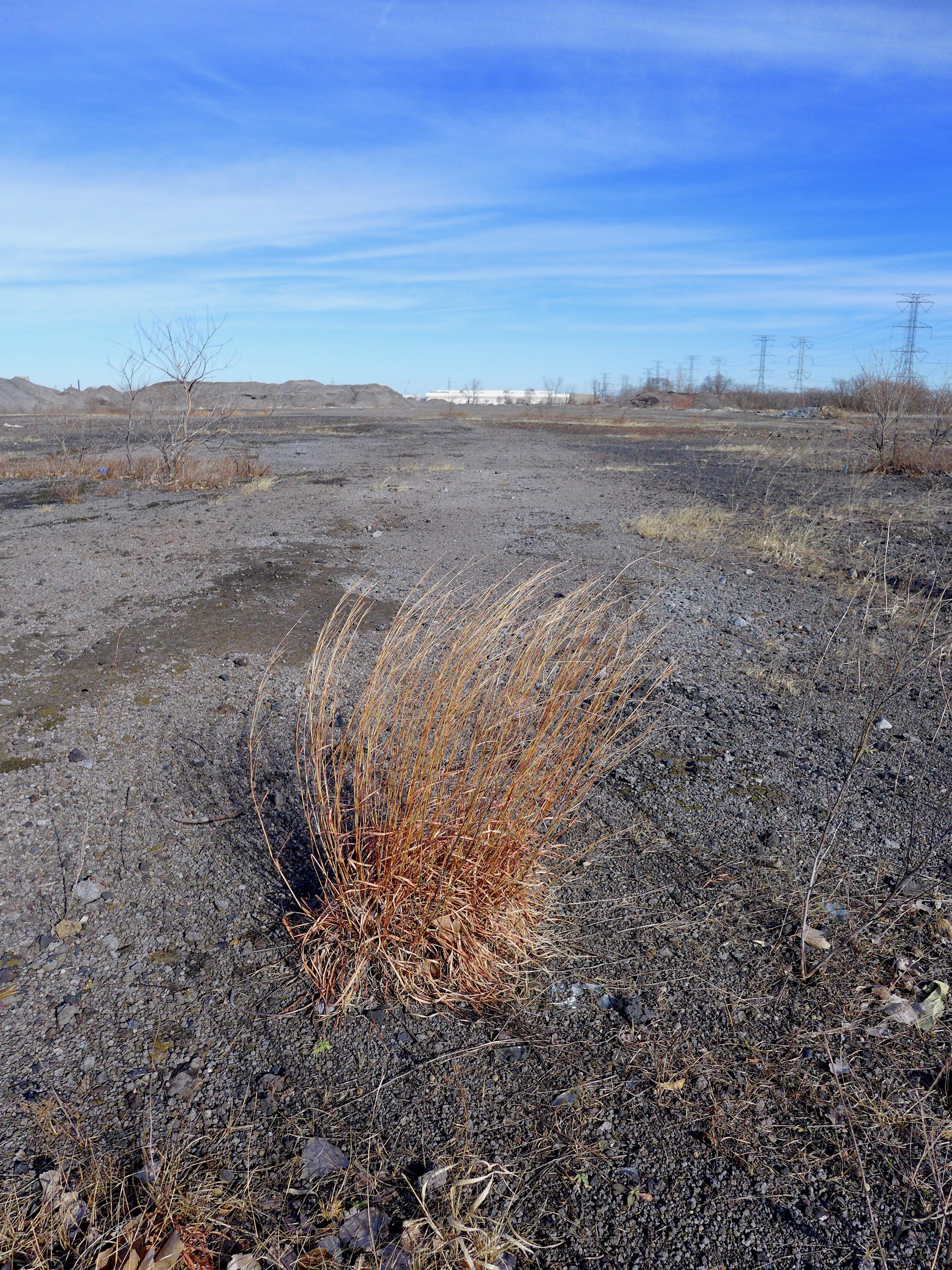
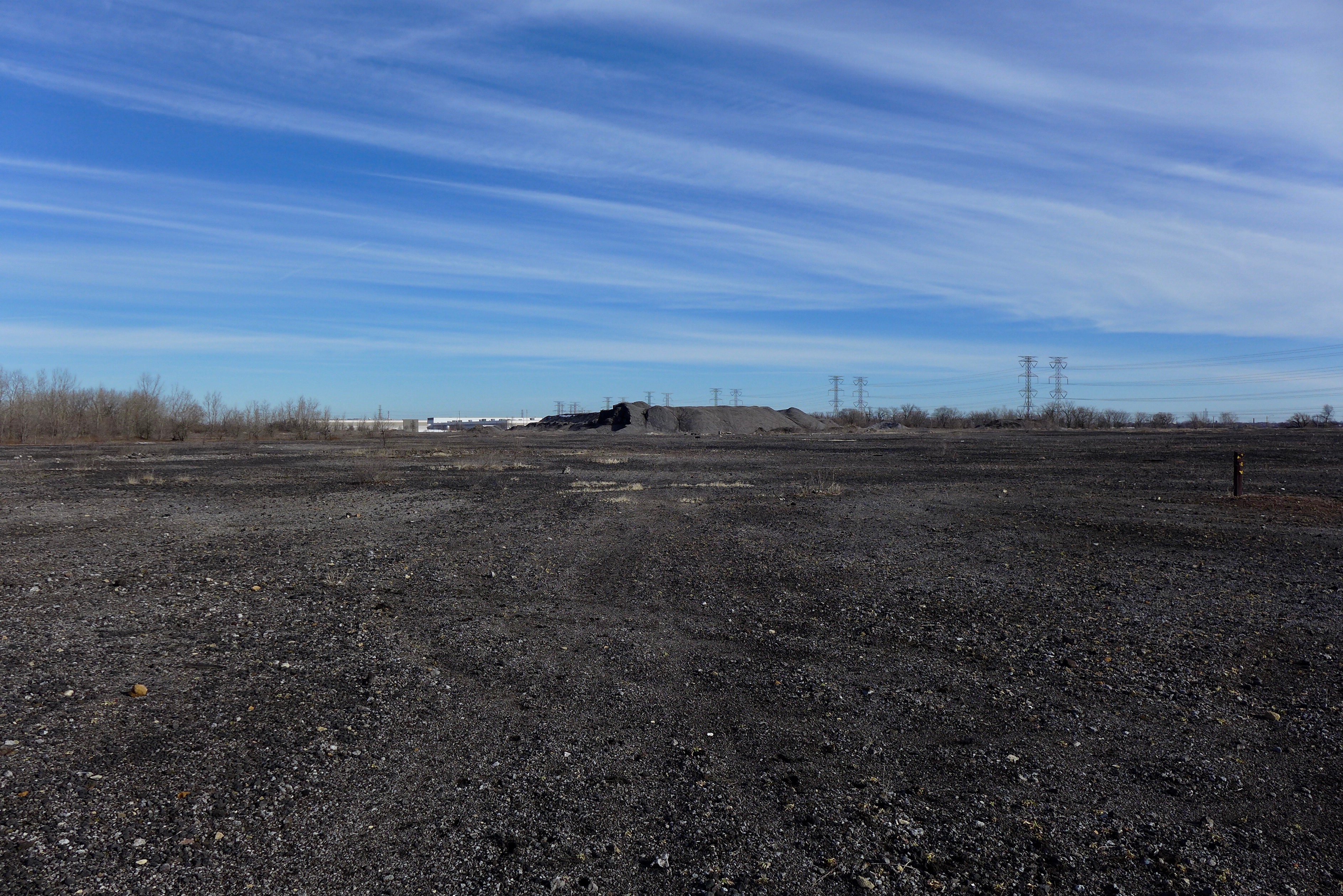
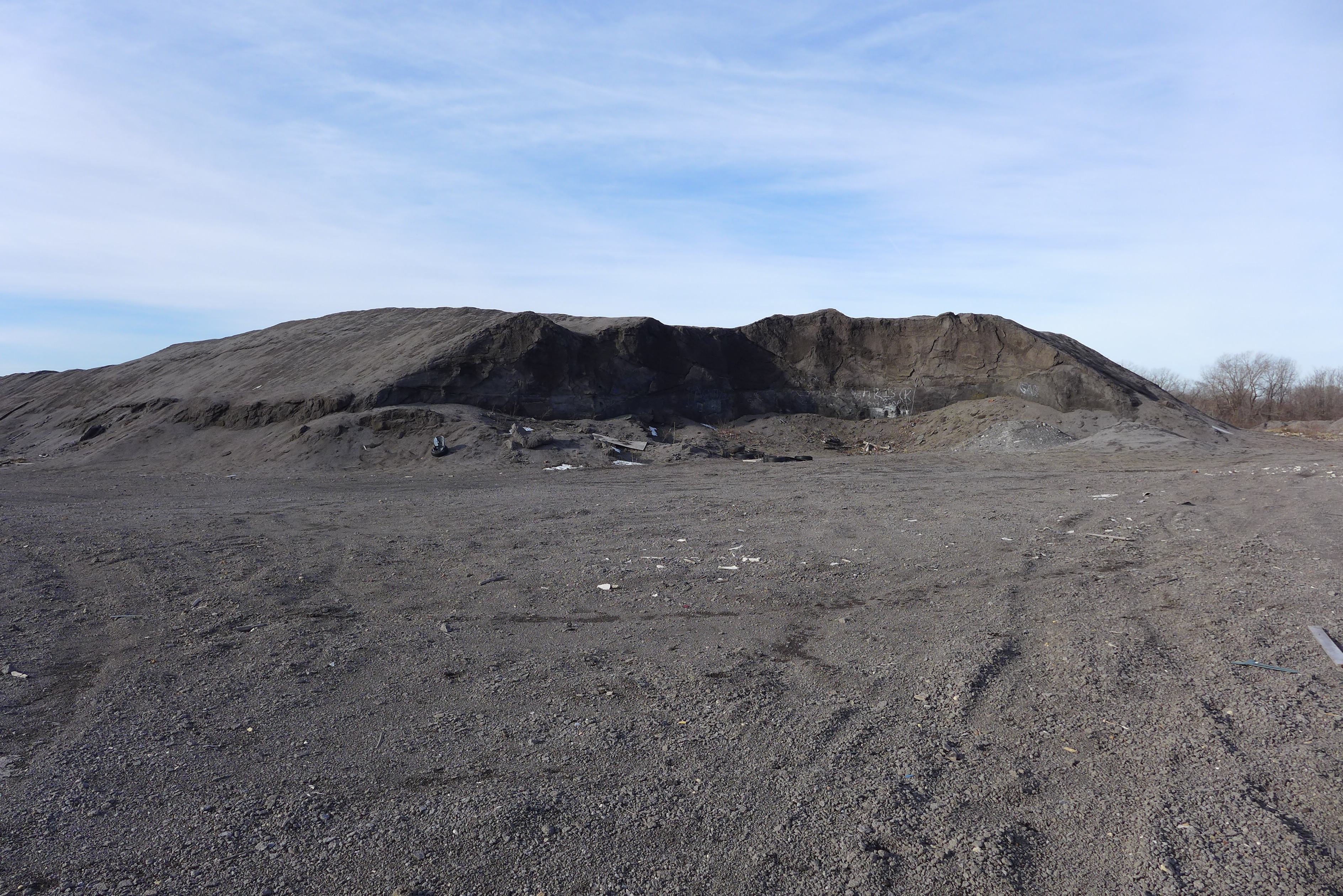
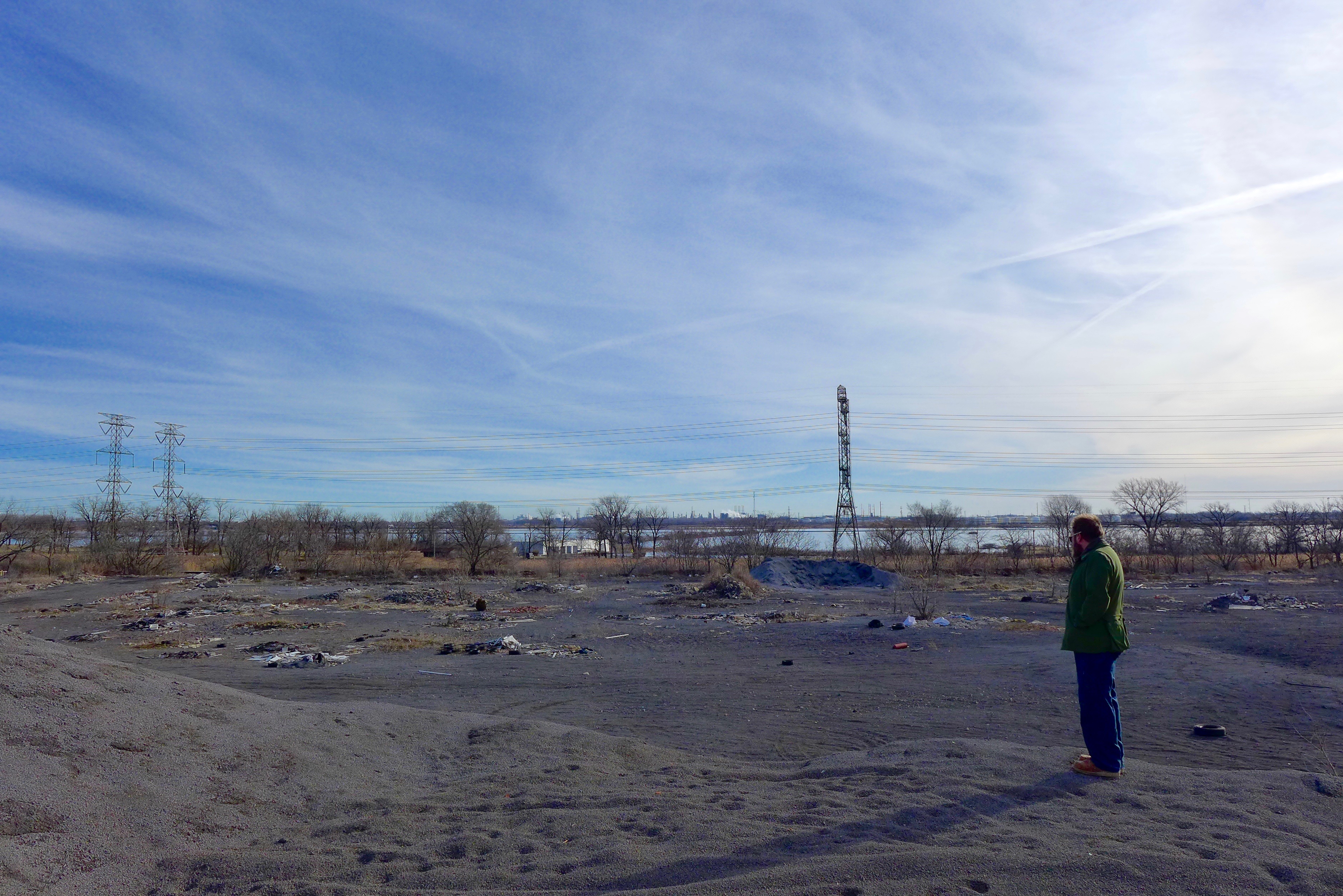
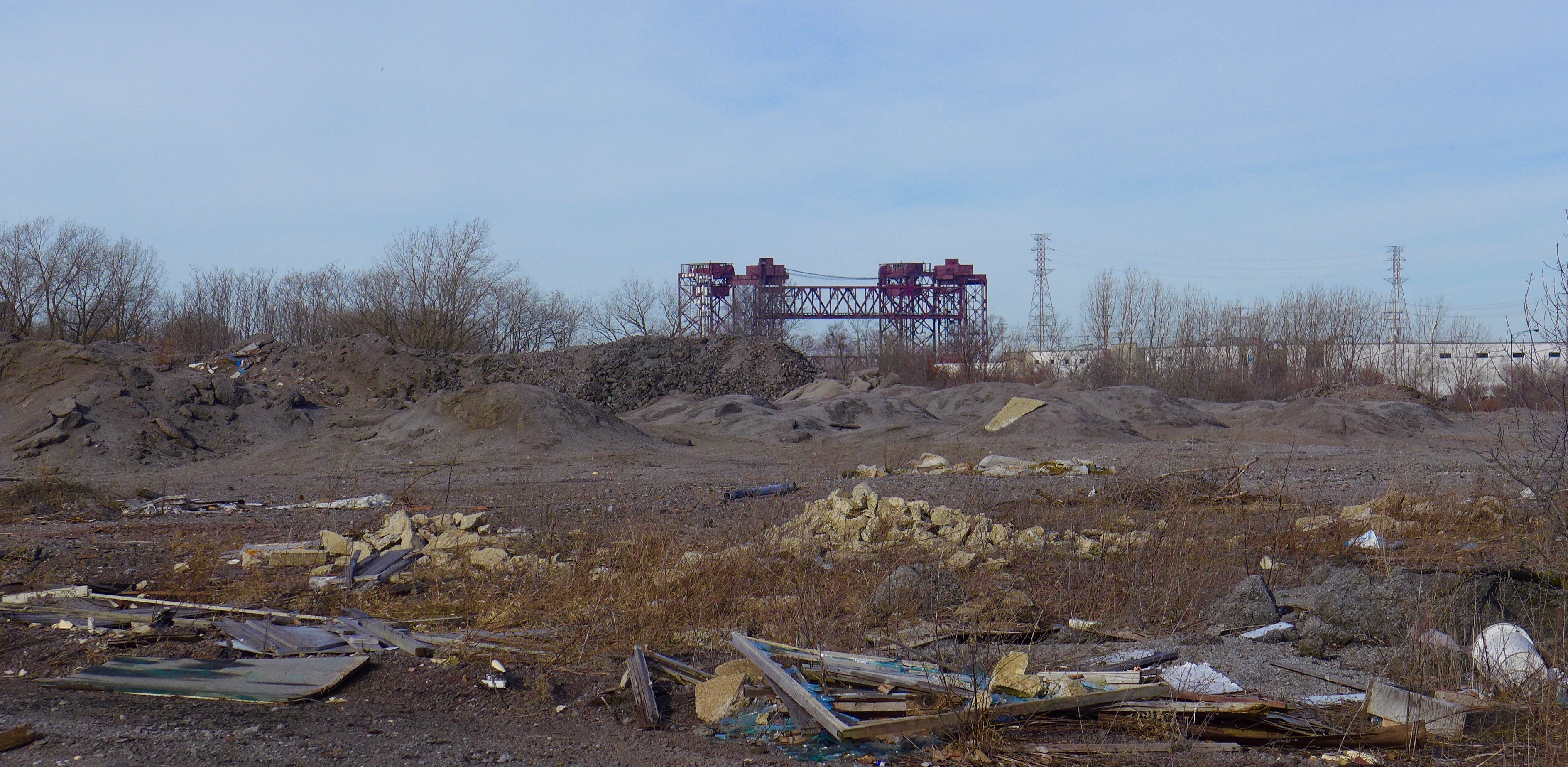
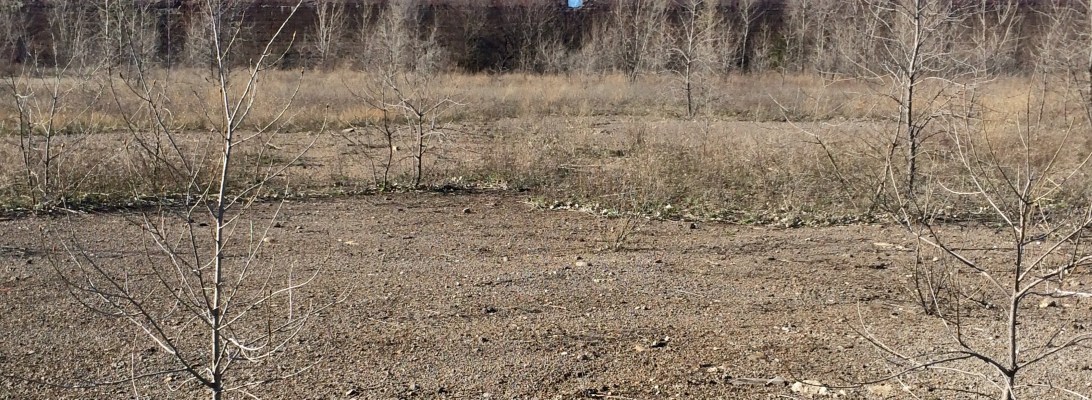
When it’s just hanging out with itself (slag poured onto slag), the potential toxic stuff, heavy metals, etc. — it’s not going anywhere. But when ATVs ride up and down a slag heap, or when exposed slag leaches into Indian Creek, it can become a health hazard.


 I present to you the strappy leaves of Spiranthes cernua.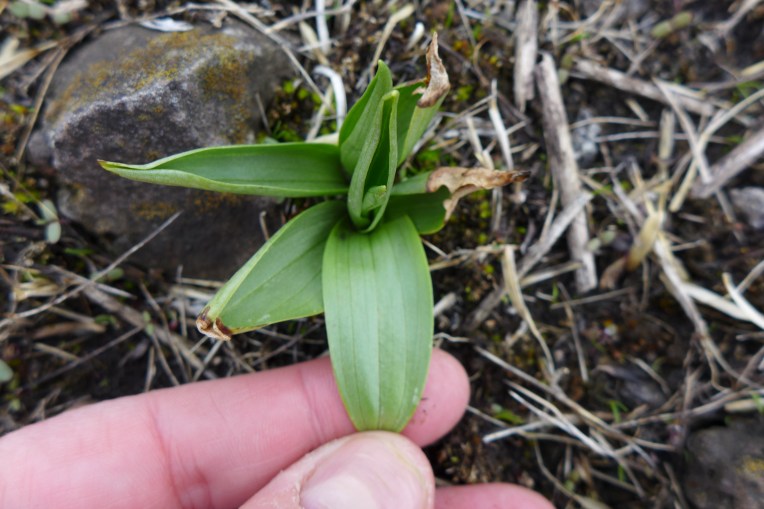















 Calumet Region Adventure Club