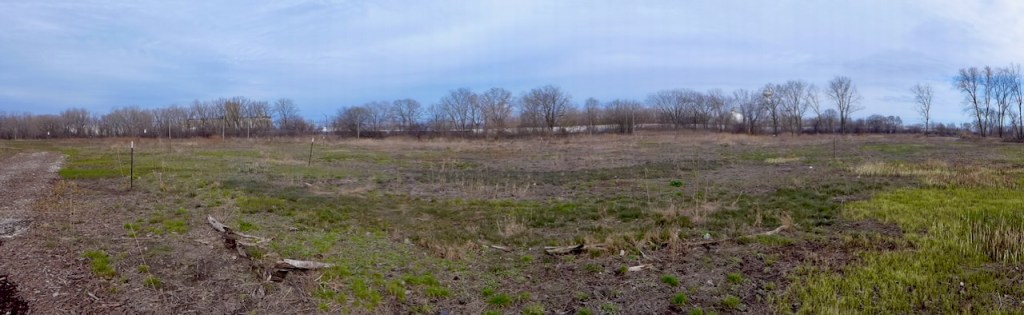
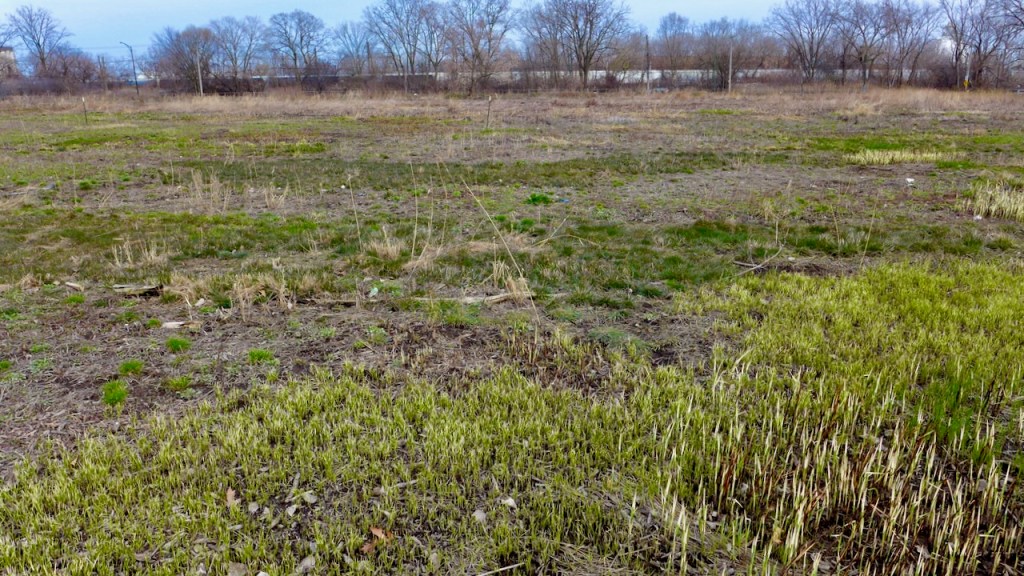
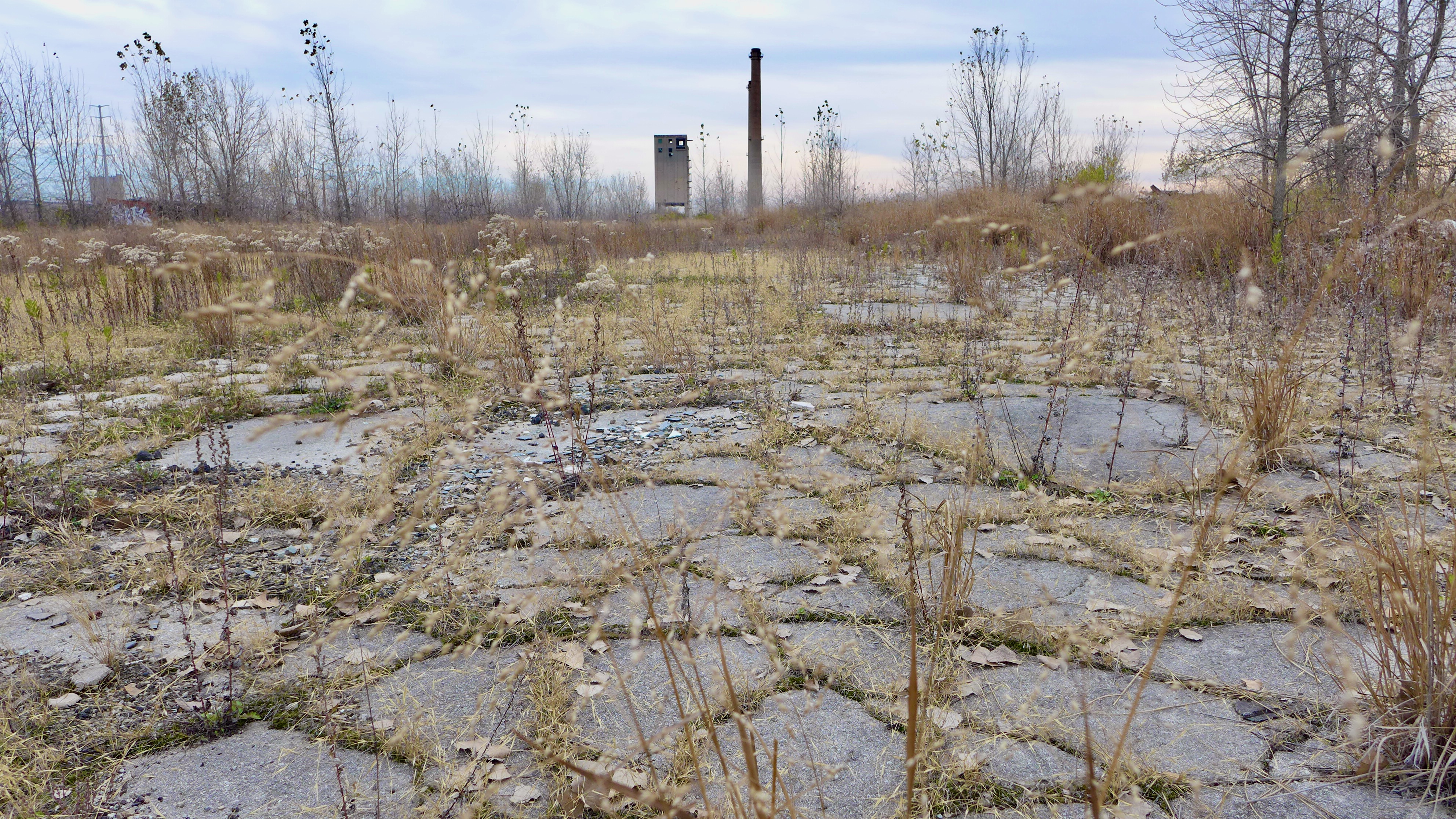
It’s a real urban prairie – an undeveloped remnant that was dense Phragmites only a few years ago.
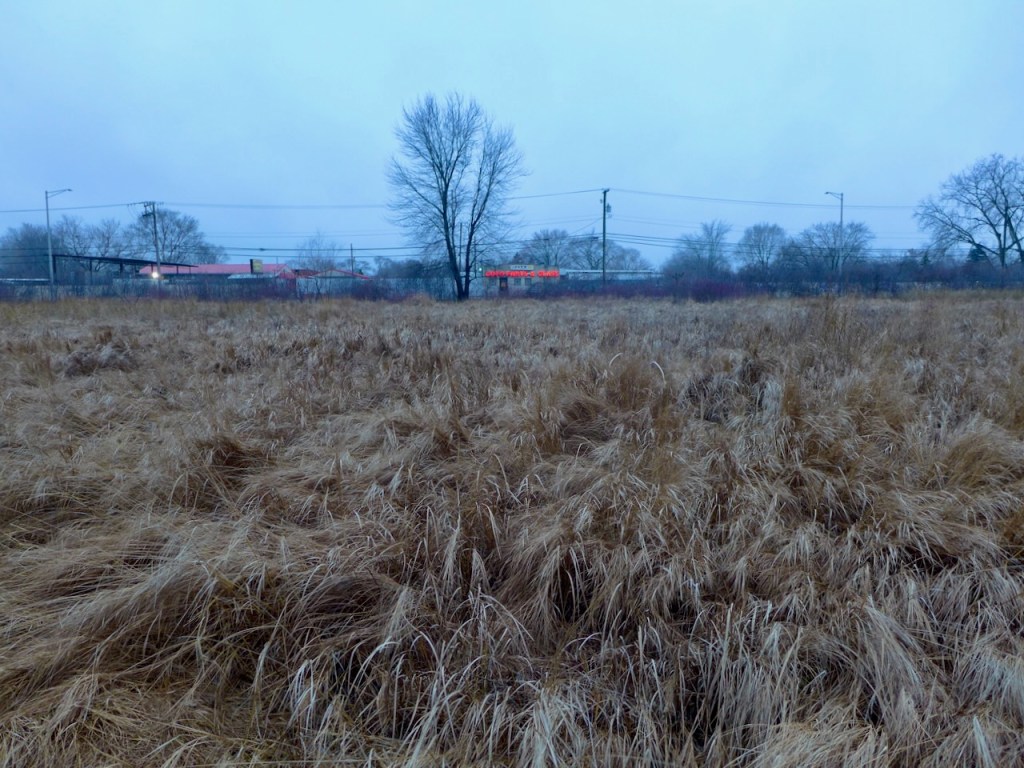
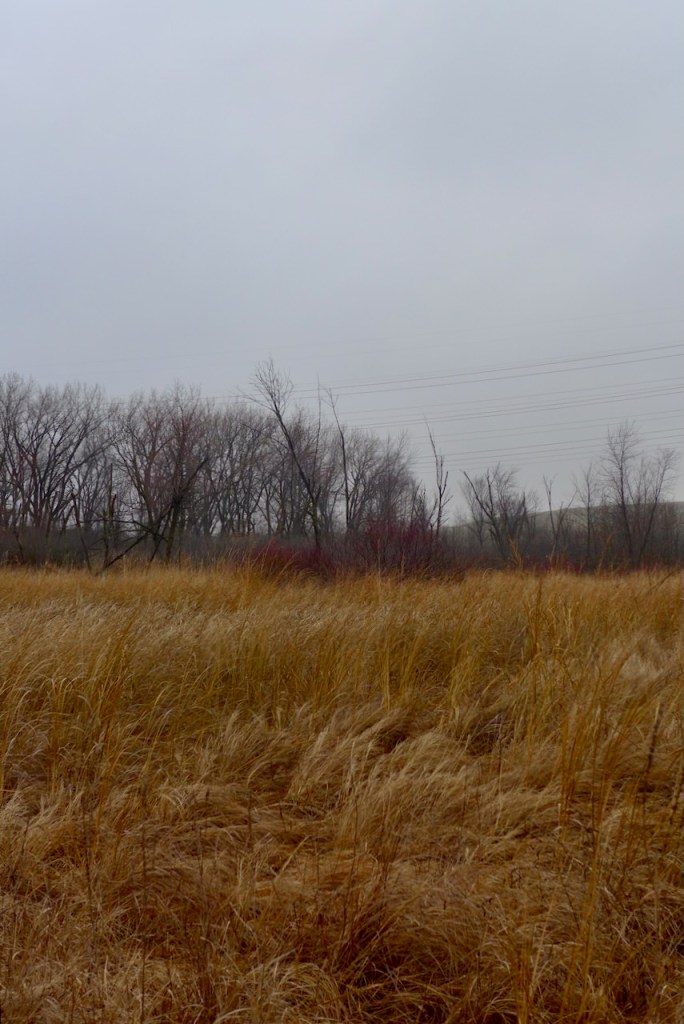
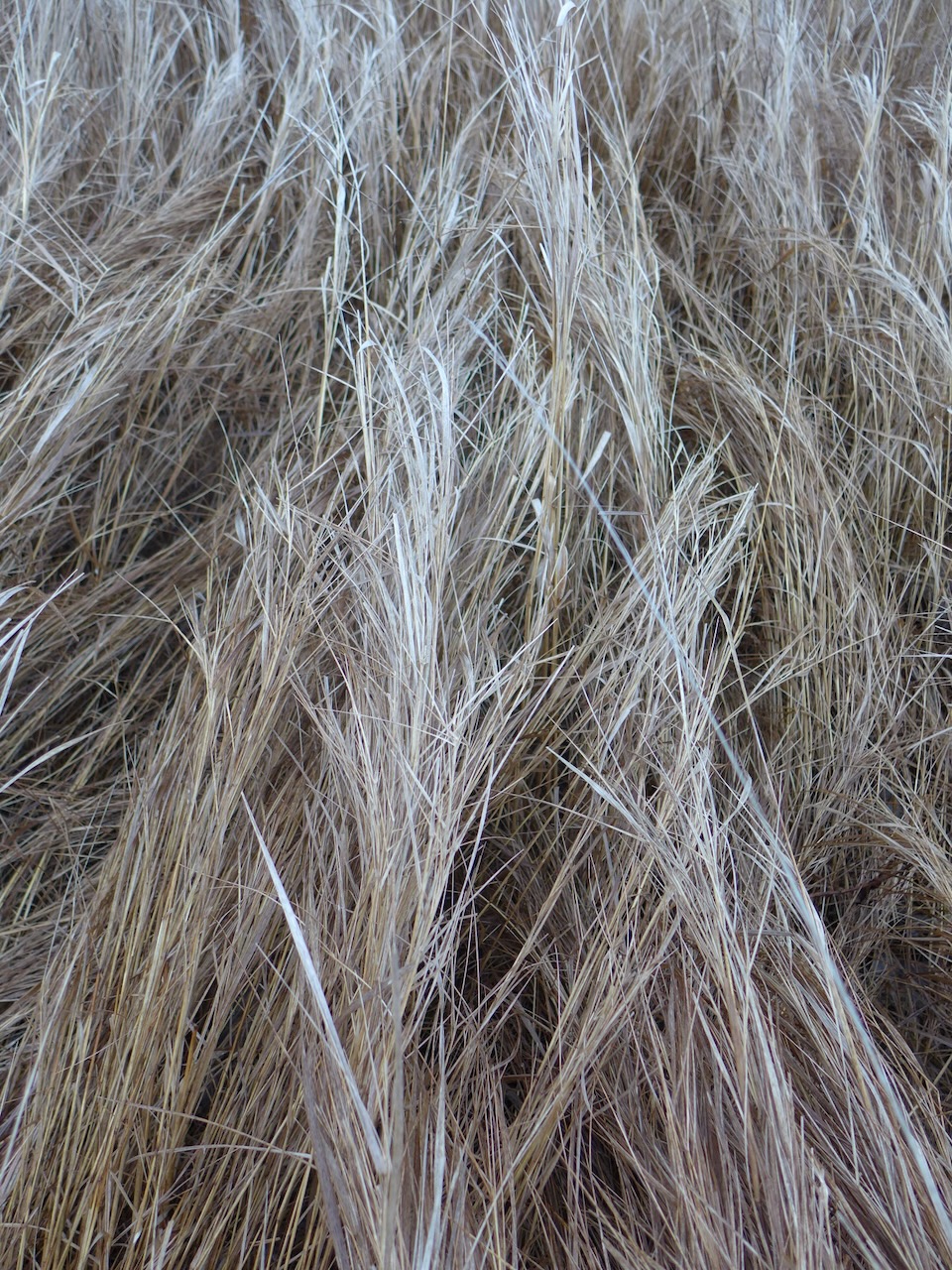
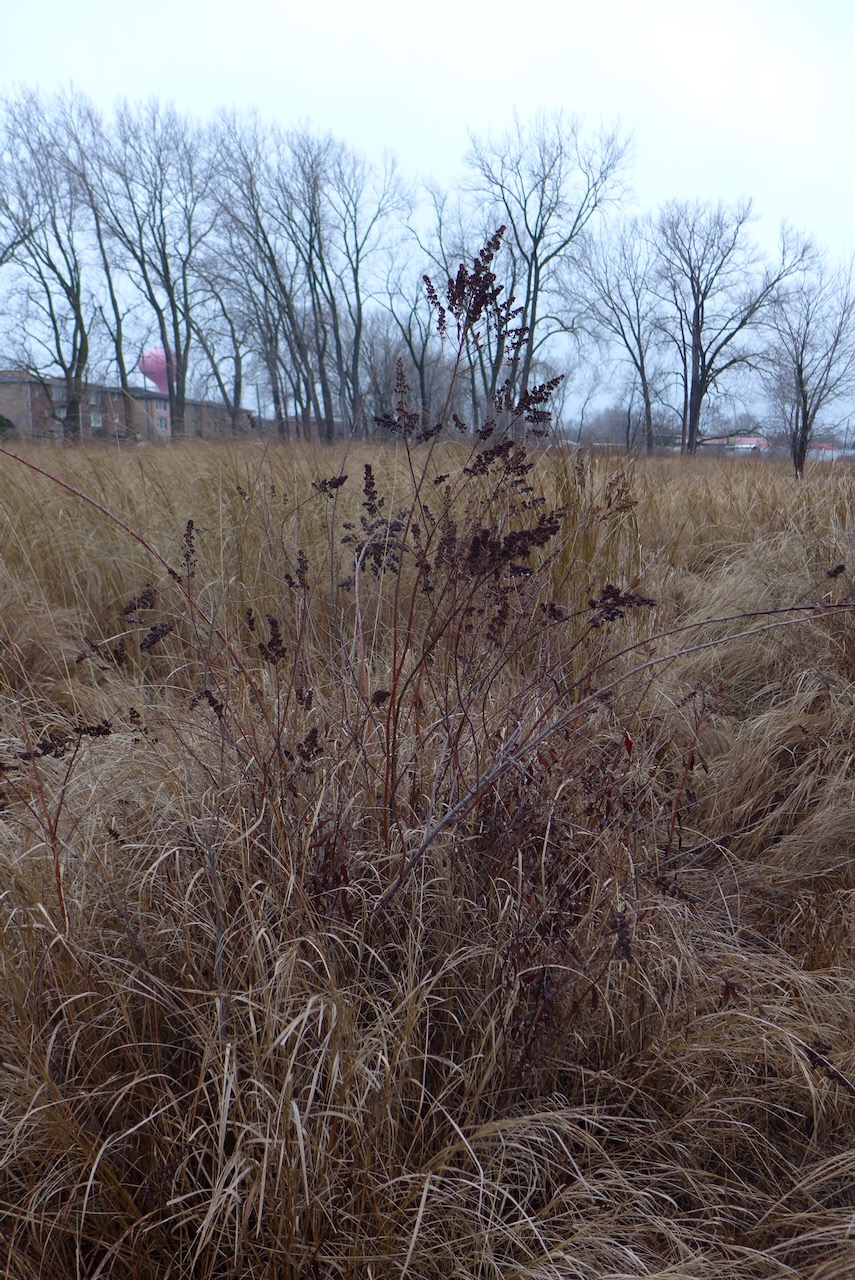
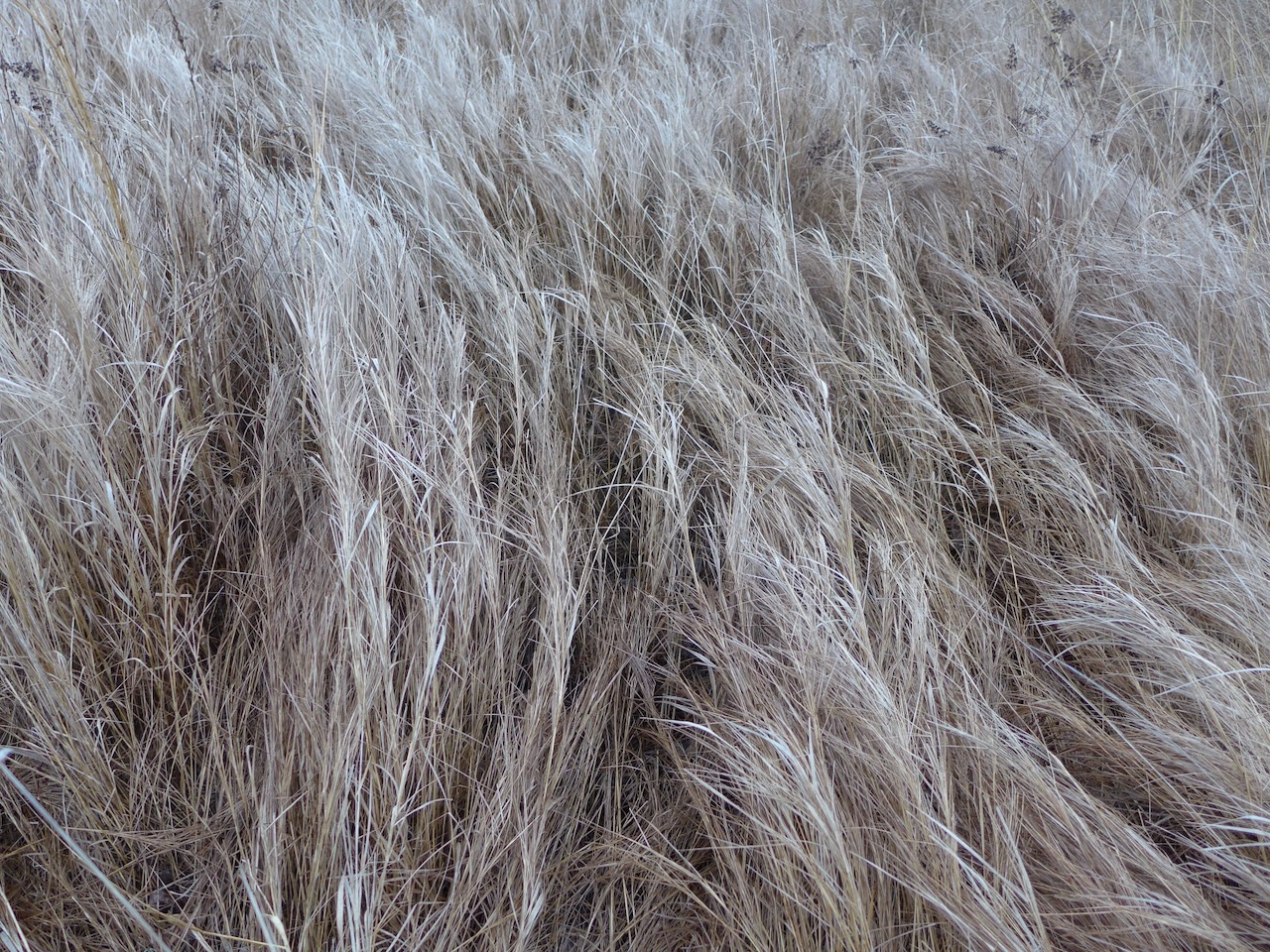
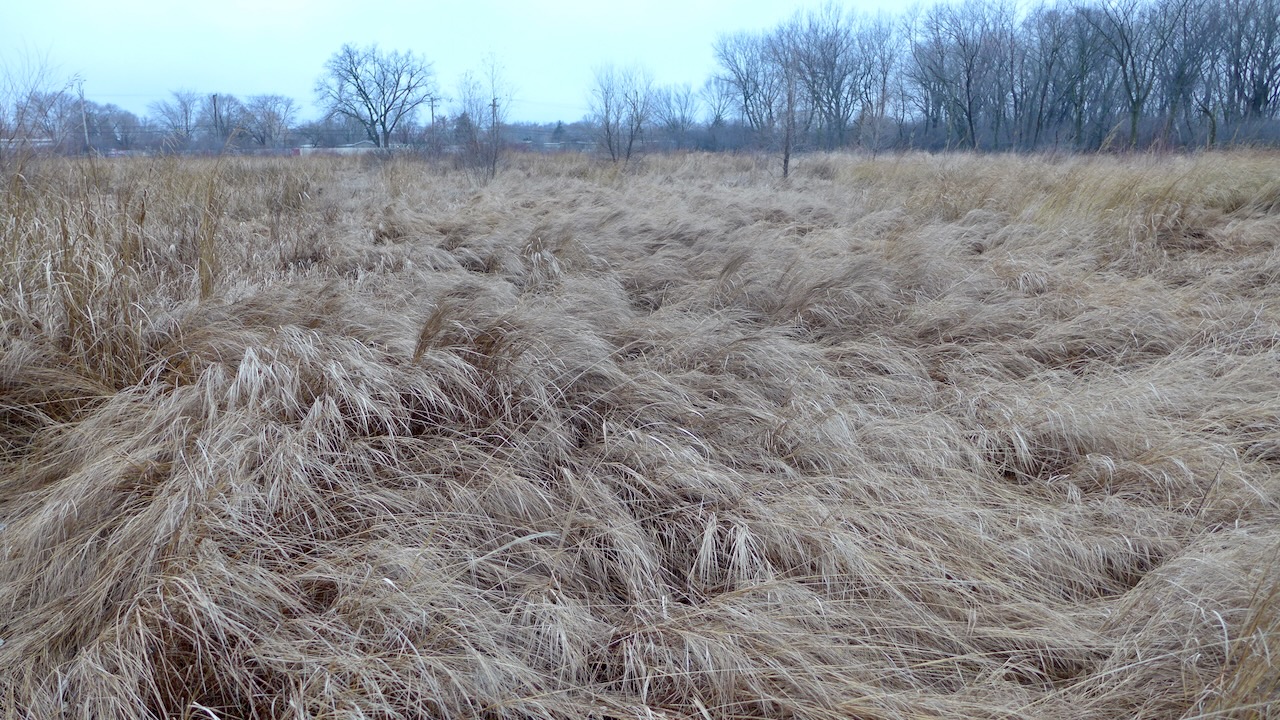
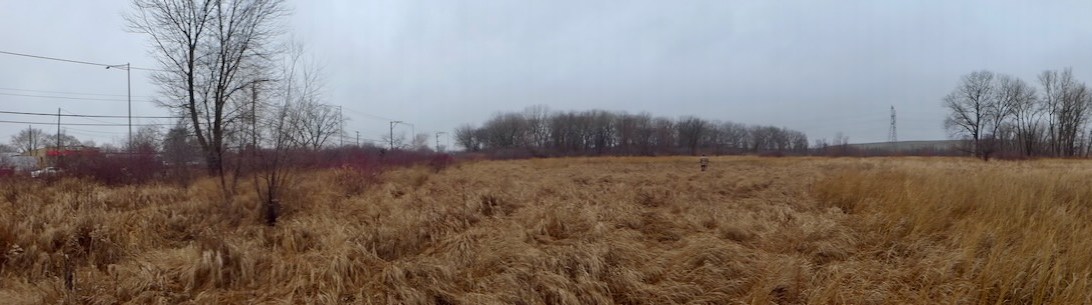
It’s a real urban prairie – an undeveloped remnant that was dense Phragmites only a few years ago.
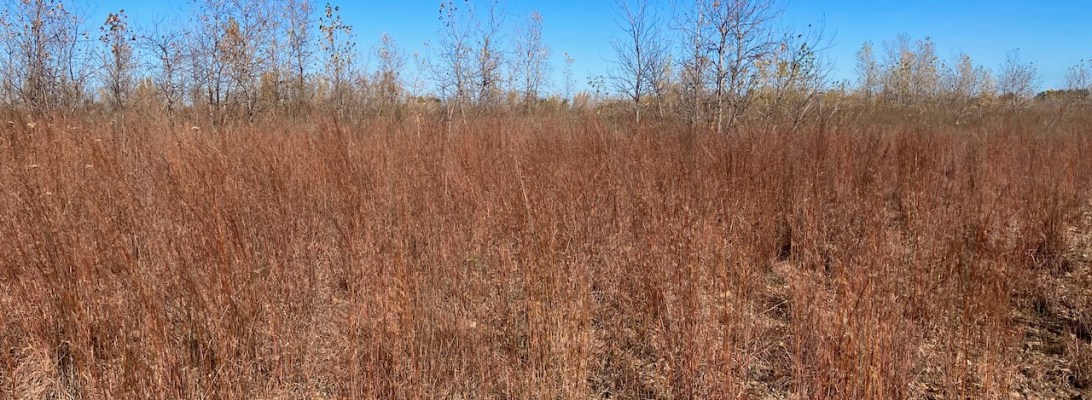
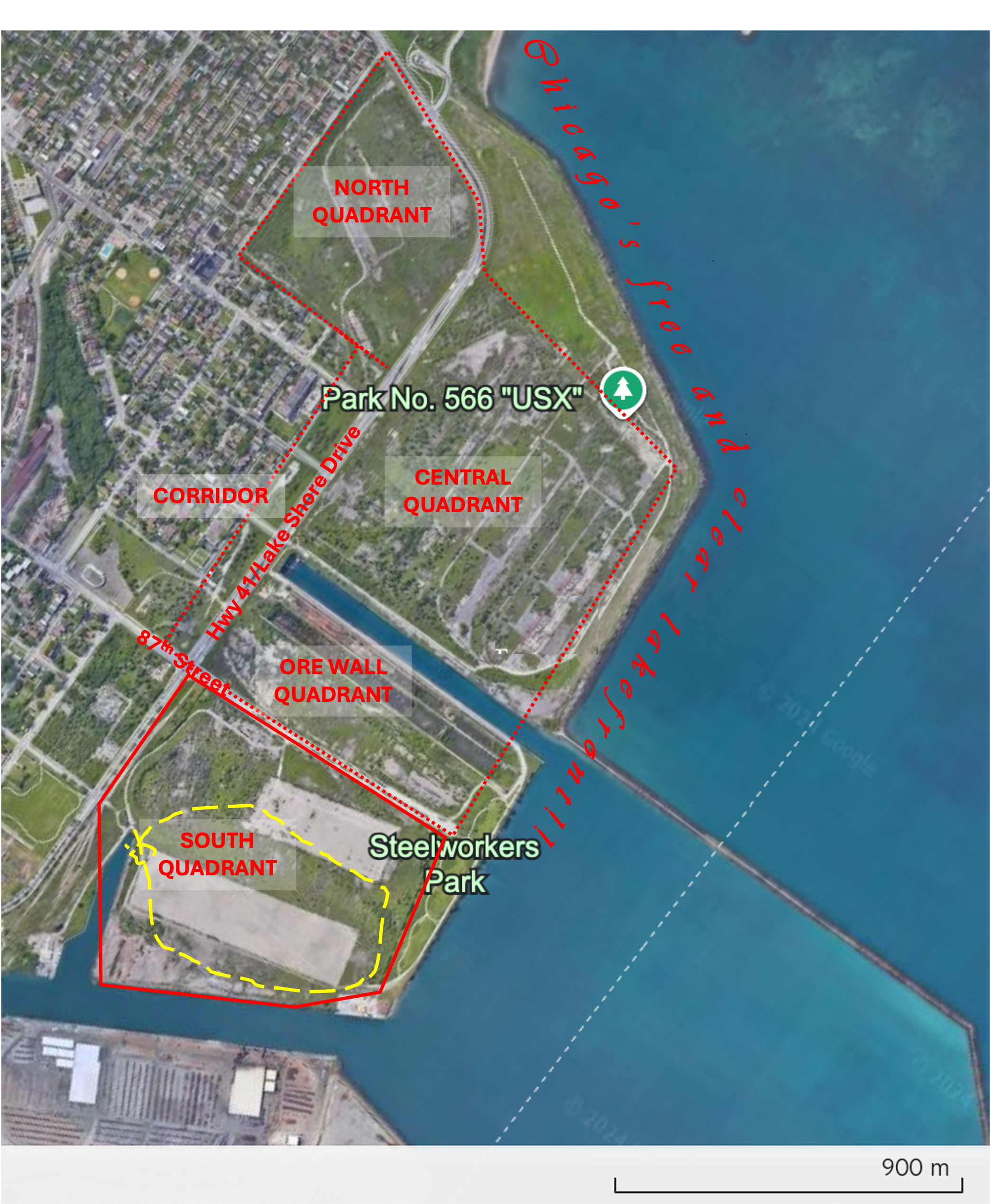
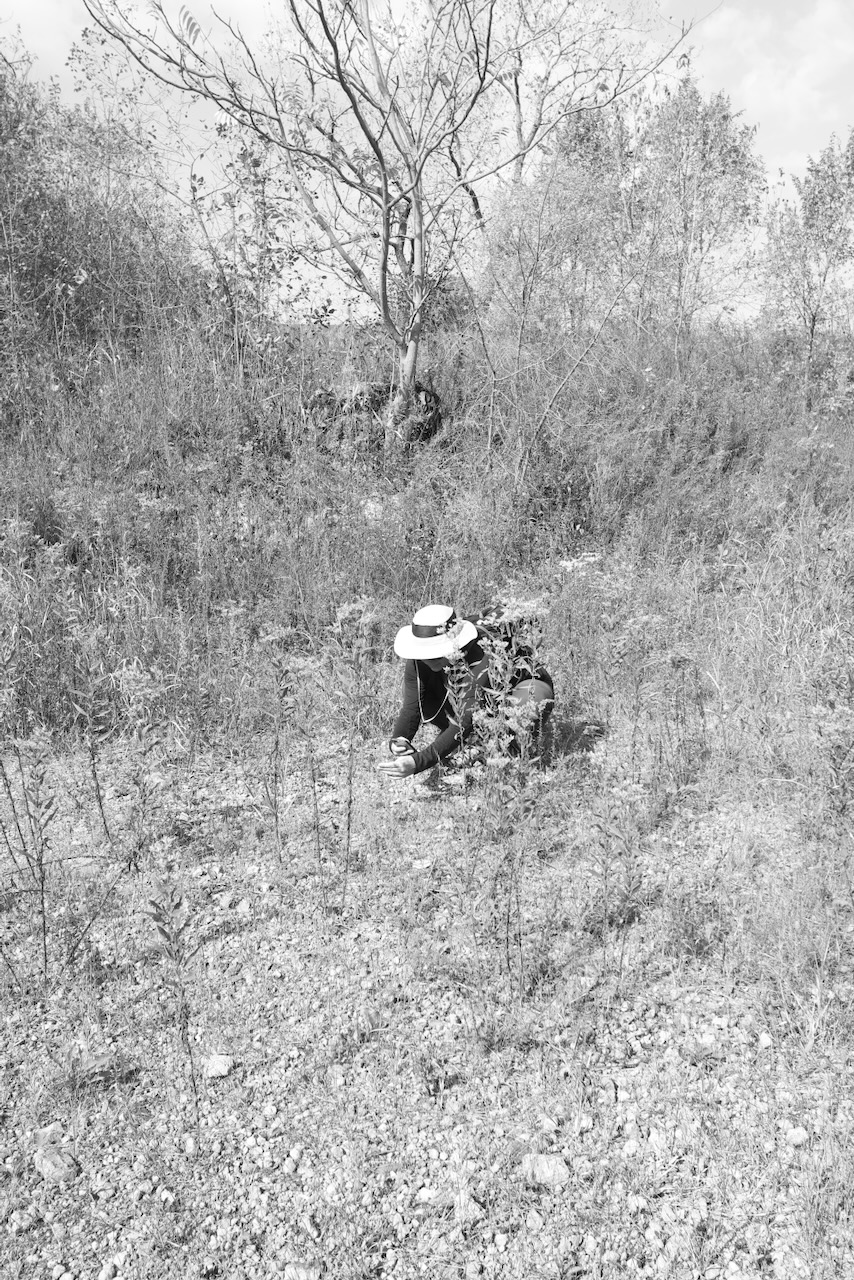
I hadn’t been to this parcel – south of 87th, abutting the mouth of the Calumet River – in awhile, but I wanted to see what ephemeral ecosystem on Calumet slag barrens on the US Steel Southworks (USX) site will be lost when the Chicago quantum campus is built.
The USX site is one of the wildest greenspaces in Chicago – in a really unregulated state. Since most of the property is not under active land management, all manner of wildlife can wander around with little chance of interaction with humans. At dusk and dawn, wandering deer, coyotes, raccoons, and opossums are plentiful.

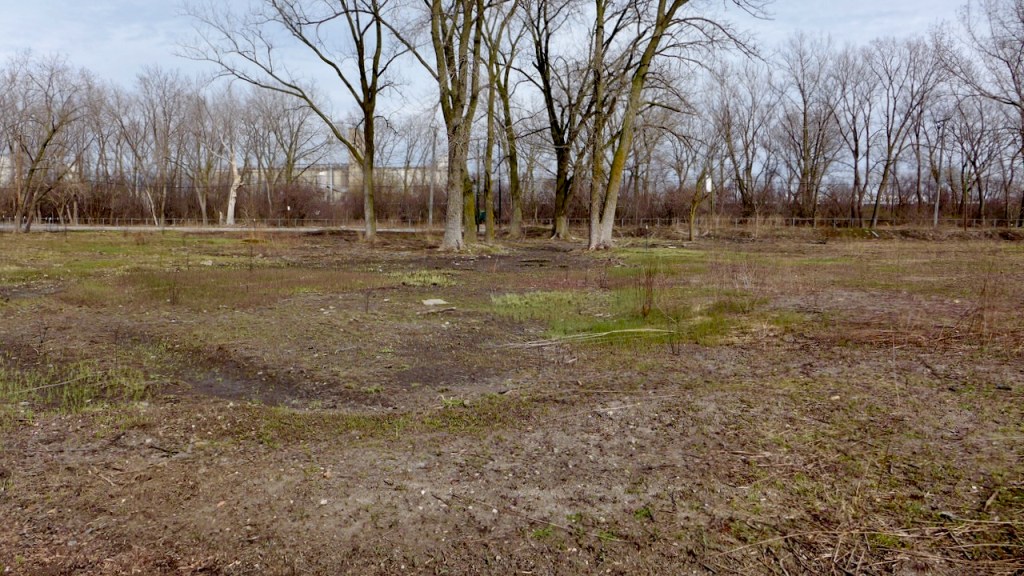
First, a little bit about this parcel. Unlike the north and central parcels of the site, this spot on the far southeast has arguably had the most disturbance due to development: fill has been added and graded around these ~40 acres since at least 2003. In 2011, Dave Matthews Band played a show, beneath “truckloads of wood chips … imported to cover the ground.” (I must return to hypothesize about differences in plant community on slag with, and without, this organically rich additive!)
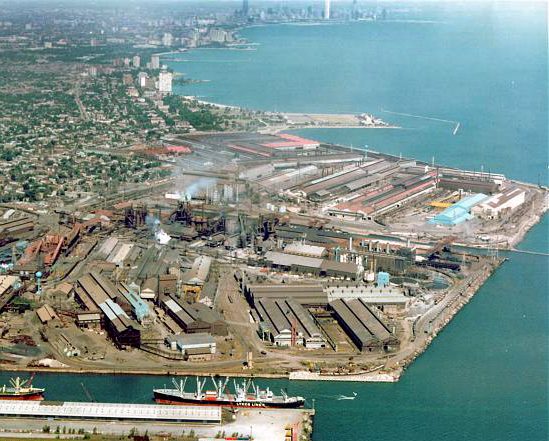
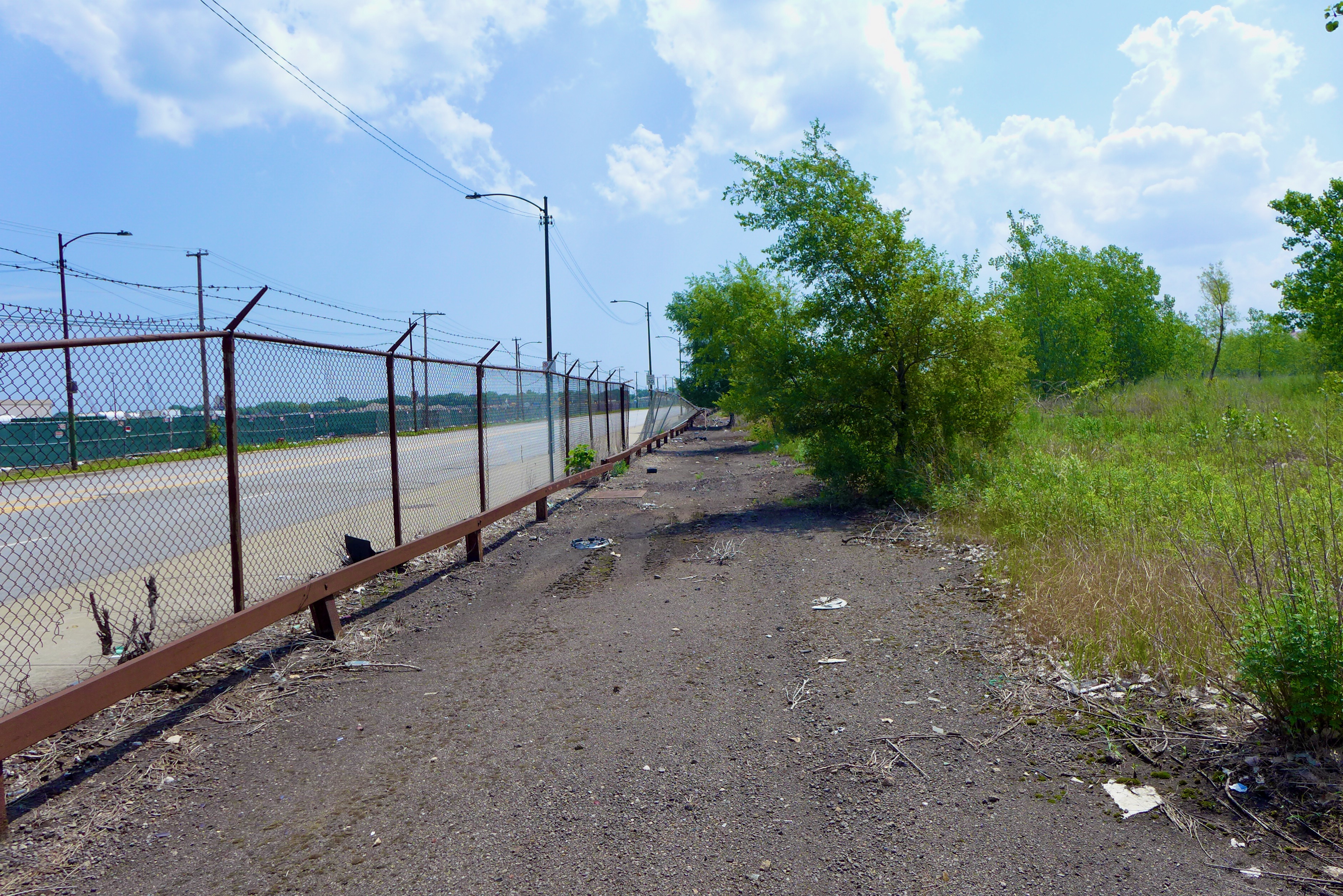
Buildings were still at the site in 1991; by the year 2000, most structures were gone and there was a fence next to the Bush on the west so that the whole property was invisible to the public.
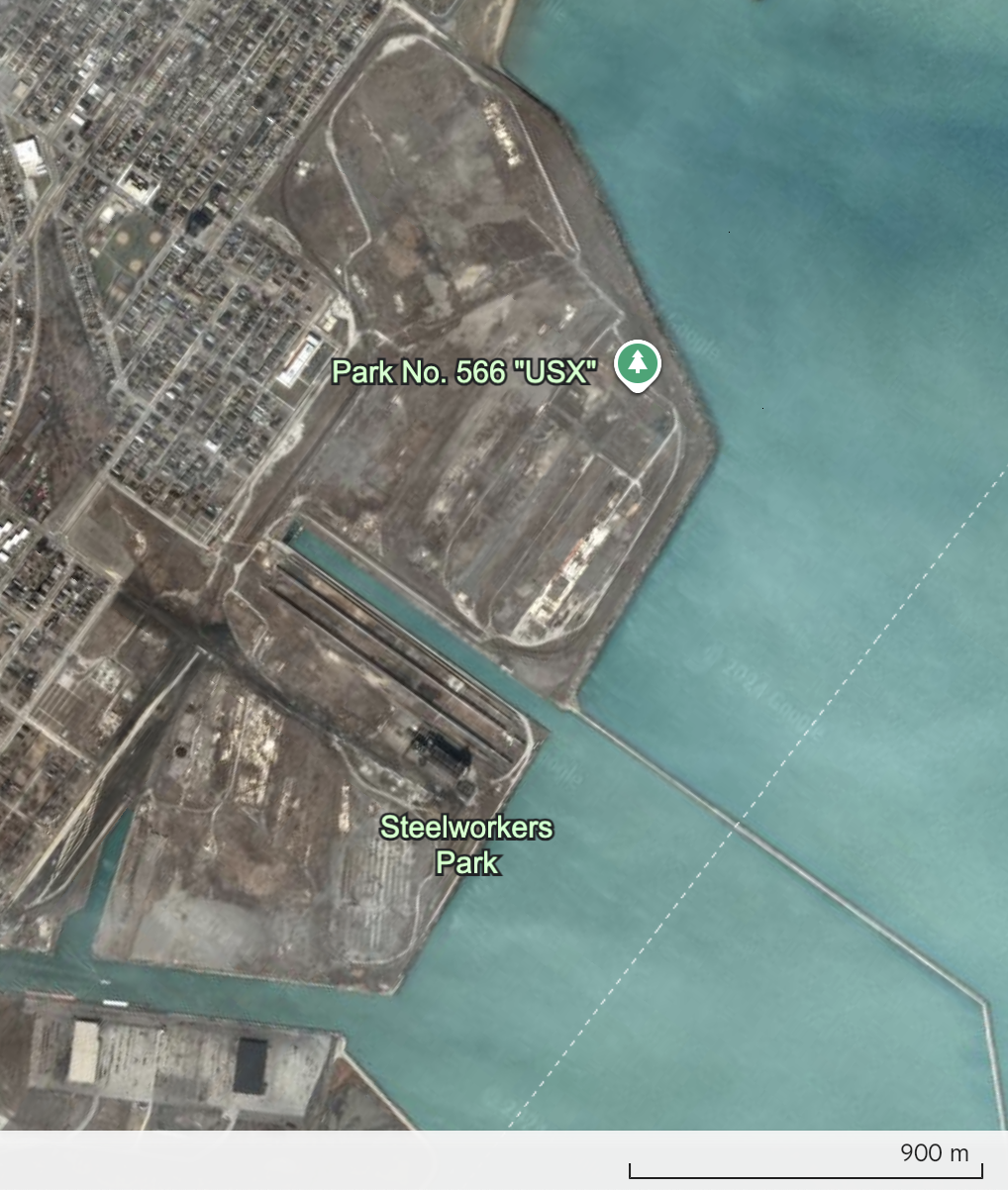
Today, the vast open areas with crushed gravel-like slag can sustain wave after wave of short lived annuals that thrive in disturbed areas.
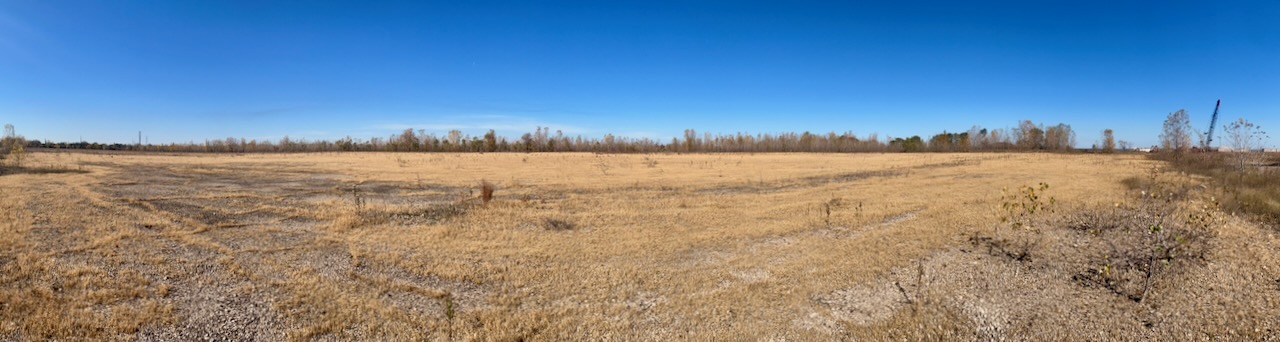
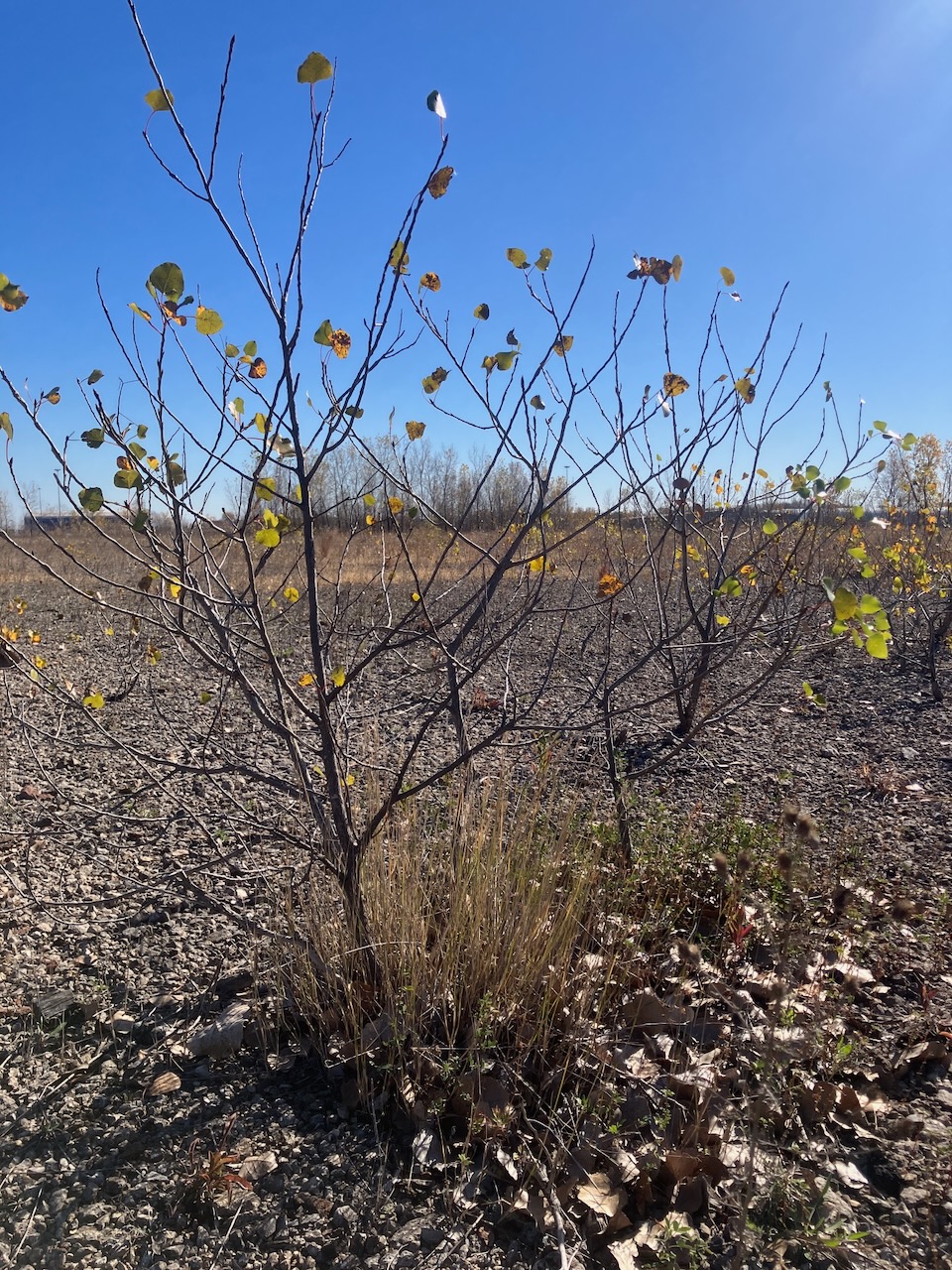
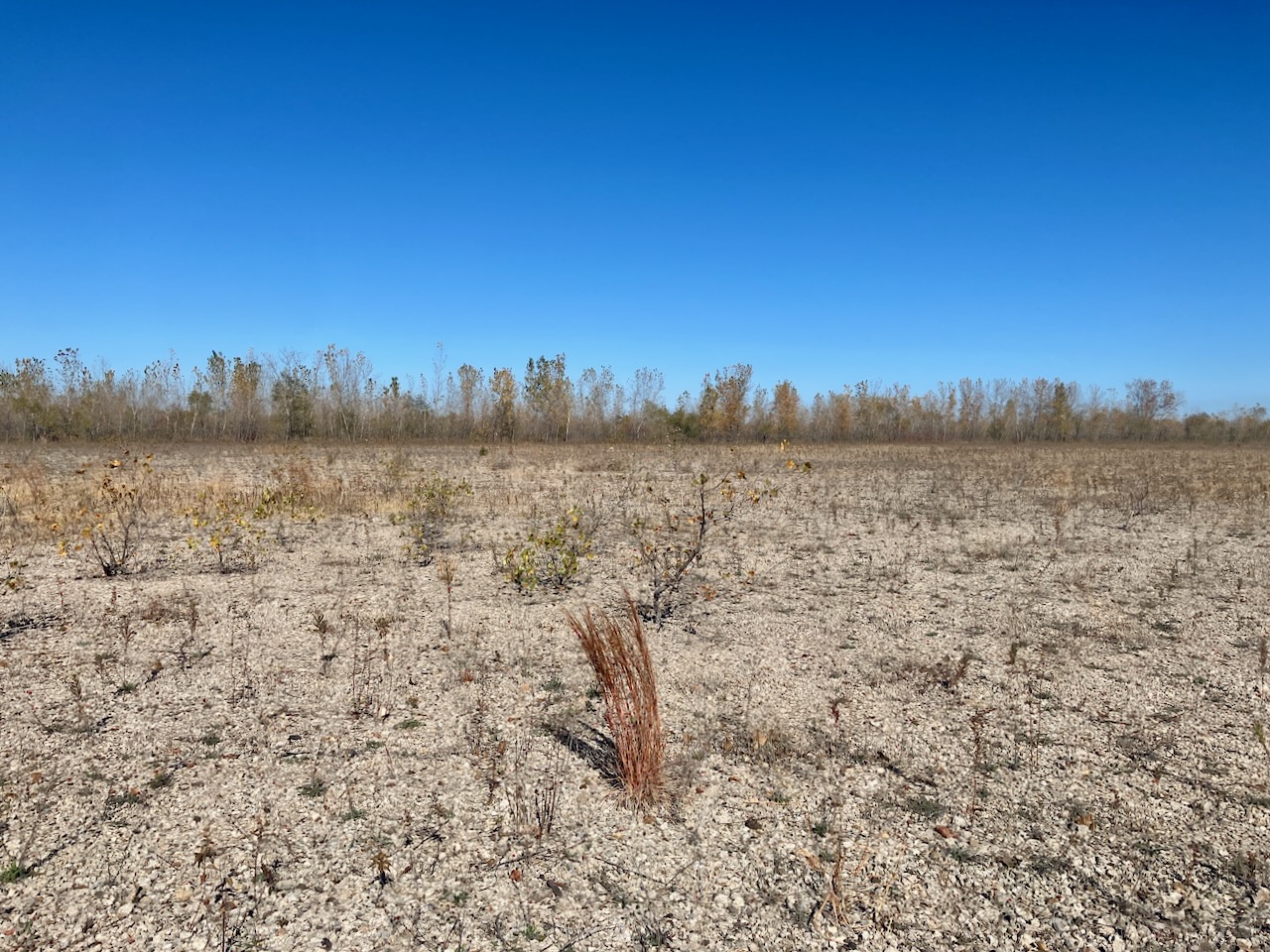
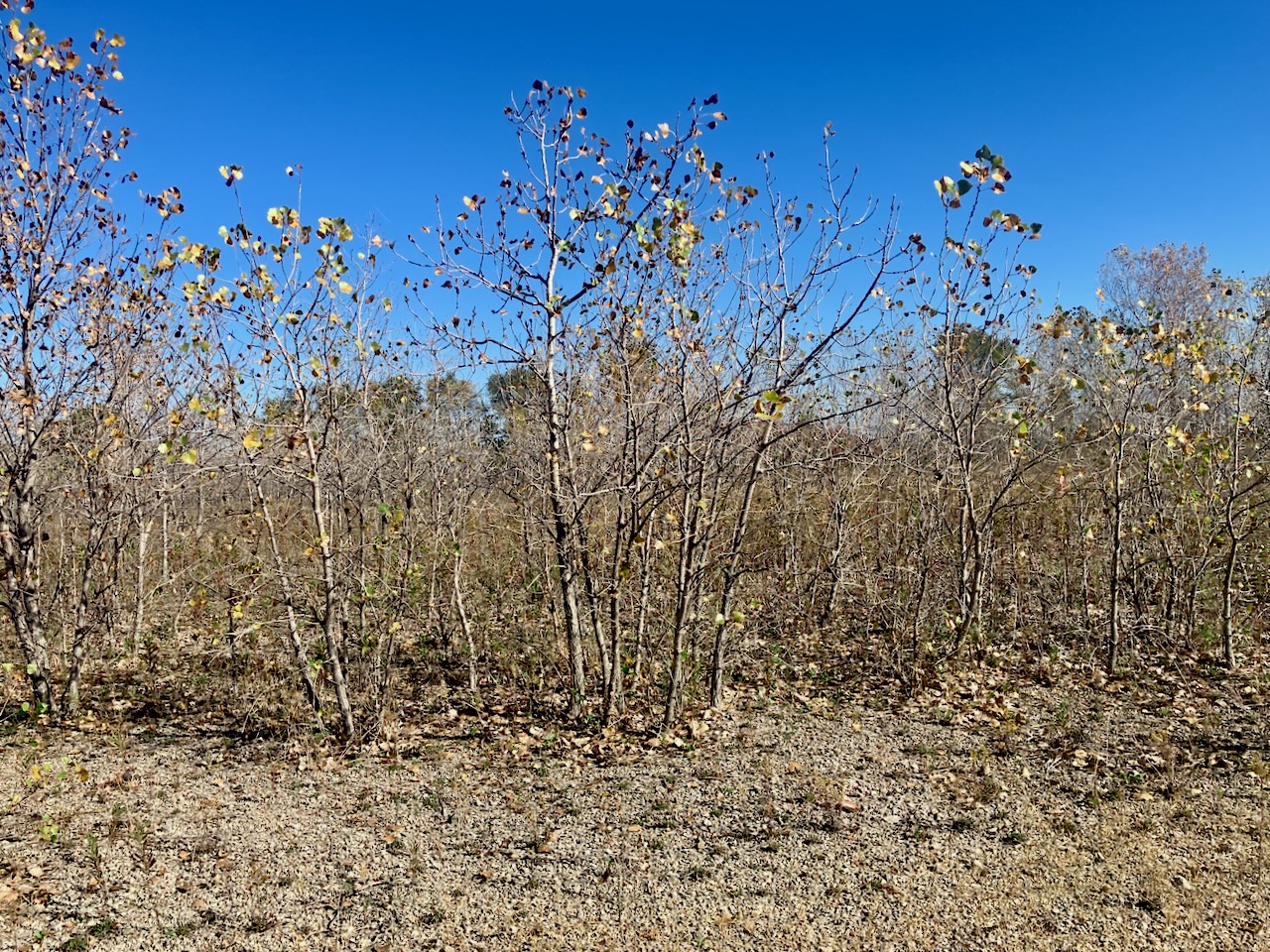
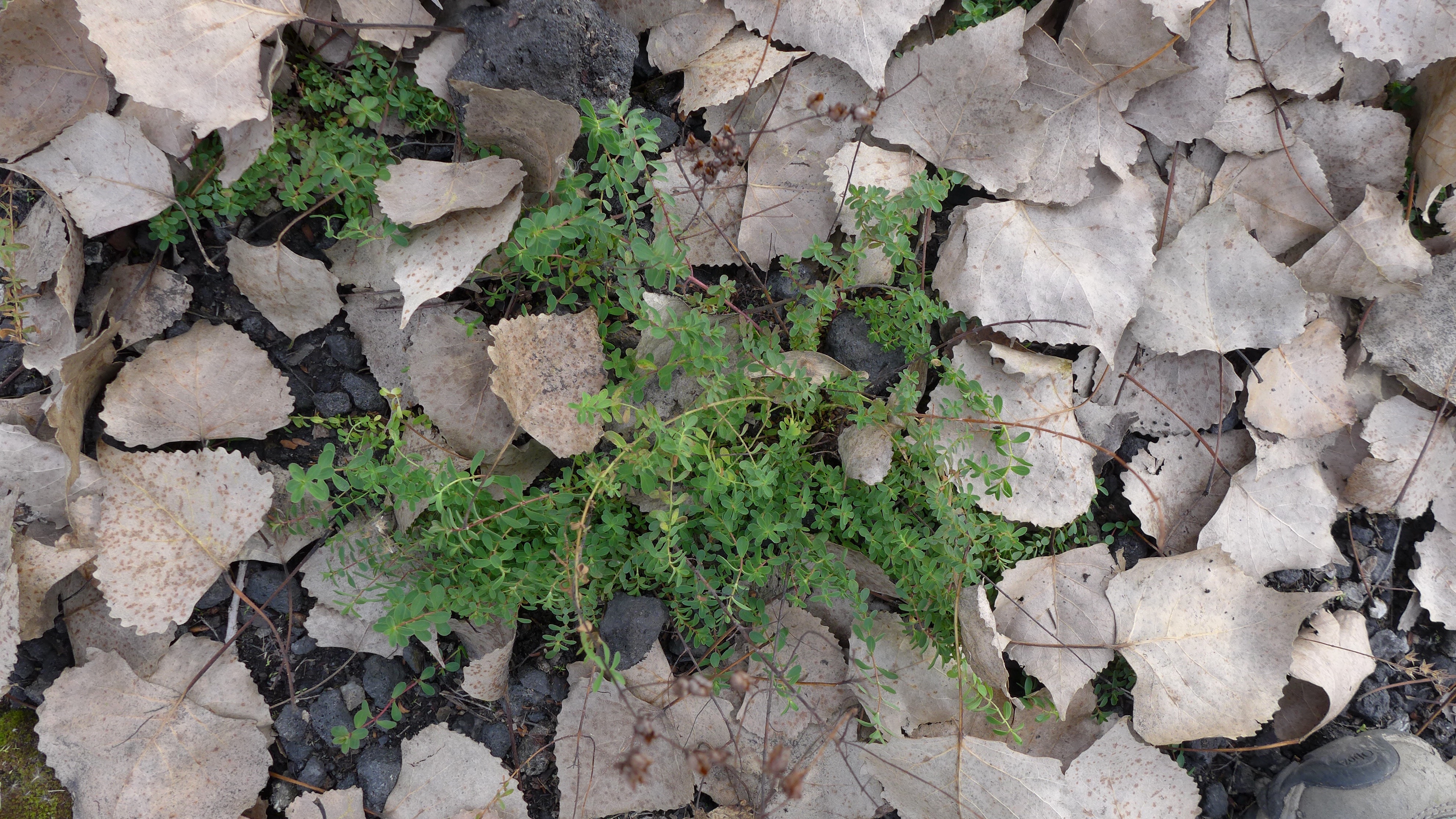
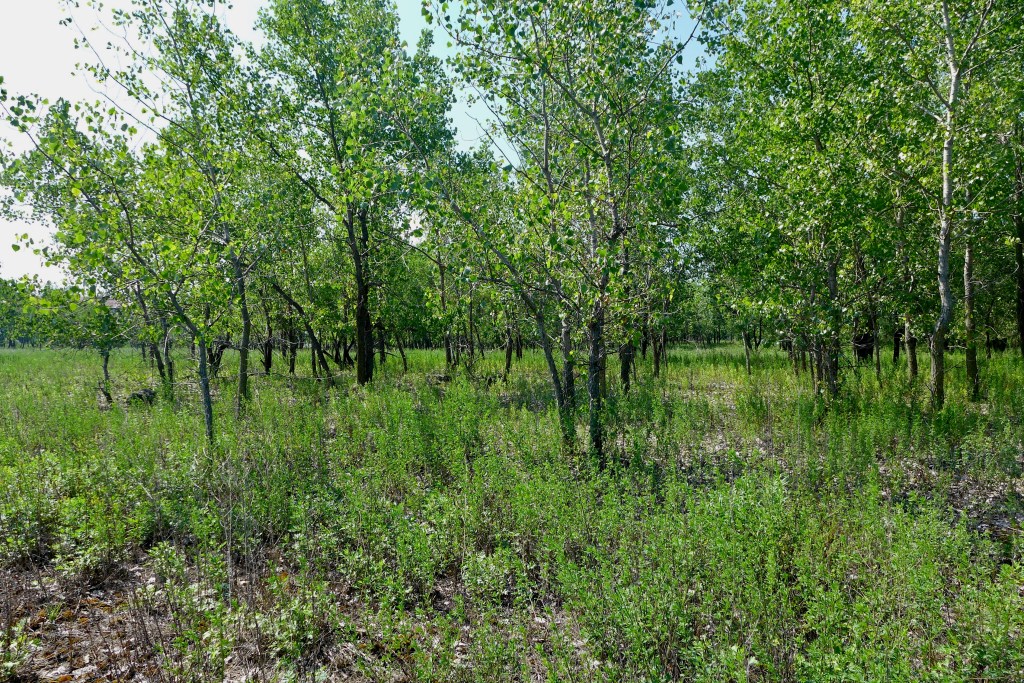
Other quadrants haven’t been regraded as recently, and here, copses of pygmy cottonwoods show us where nutrients and organic matter have collected.
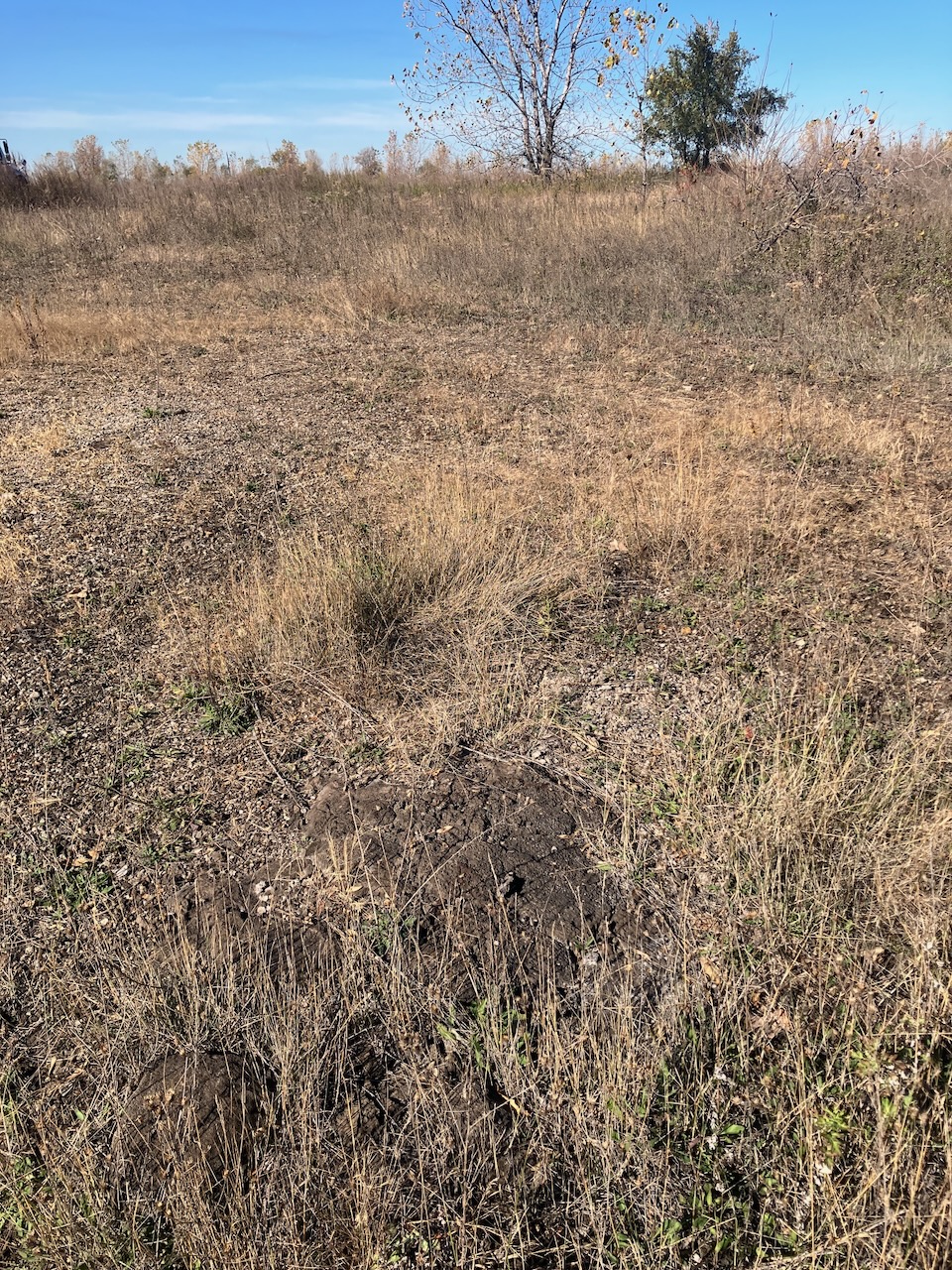
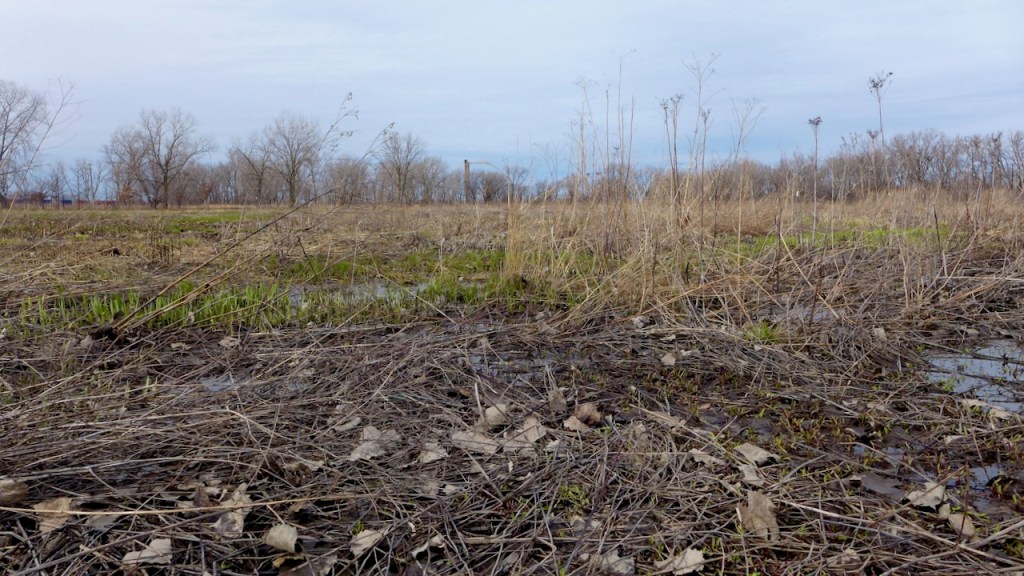
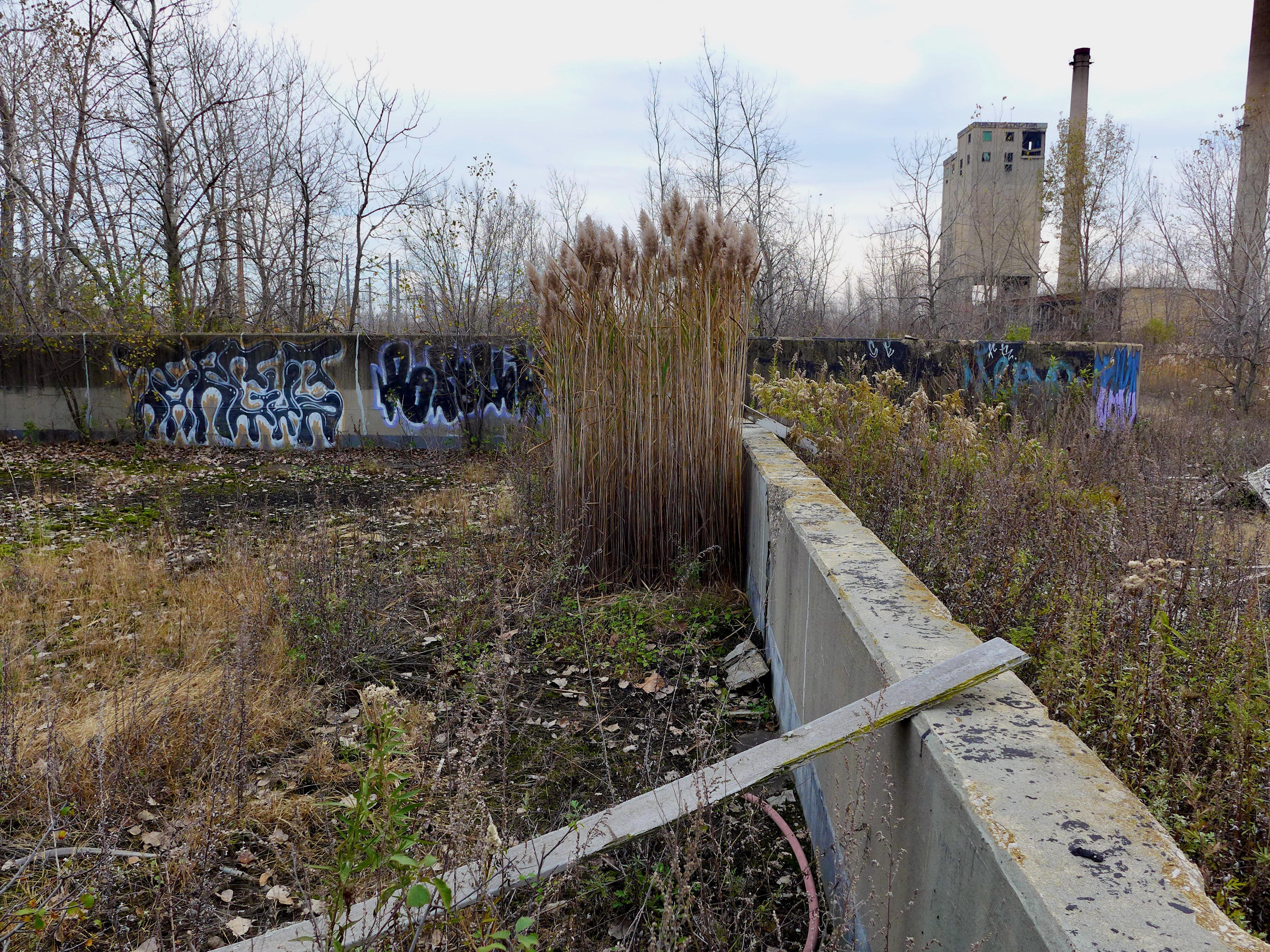
I never thought of using the infamous Phragmites as an indicator species, but from our research on slag barrens, we have found the most interesting plant species in the depressions and wetlands of the slag barrens. In this case, the telltale seedheads (often confused for “prairie grasses”) belie the rare native orchids, sedges, and spike rushes that can similarly tolerate these damp human-modified sites. There wasn’t much to see in December around the Phrag, but it would be worth checking out in the summer, if the site is still accessible.
Elsewhere at the site…
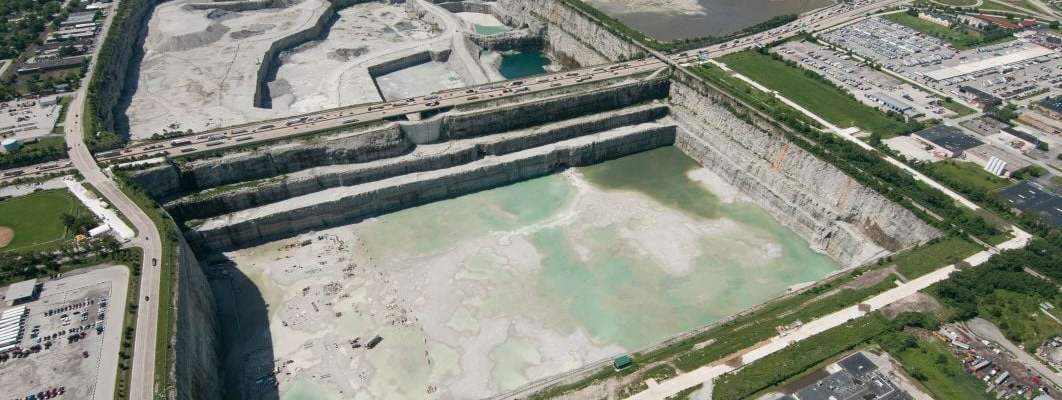
we drove all the way along thornton-lansing road, ignoring our usual stop at the fairy ponds, and drooling at the restored forest preserve to the south;
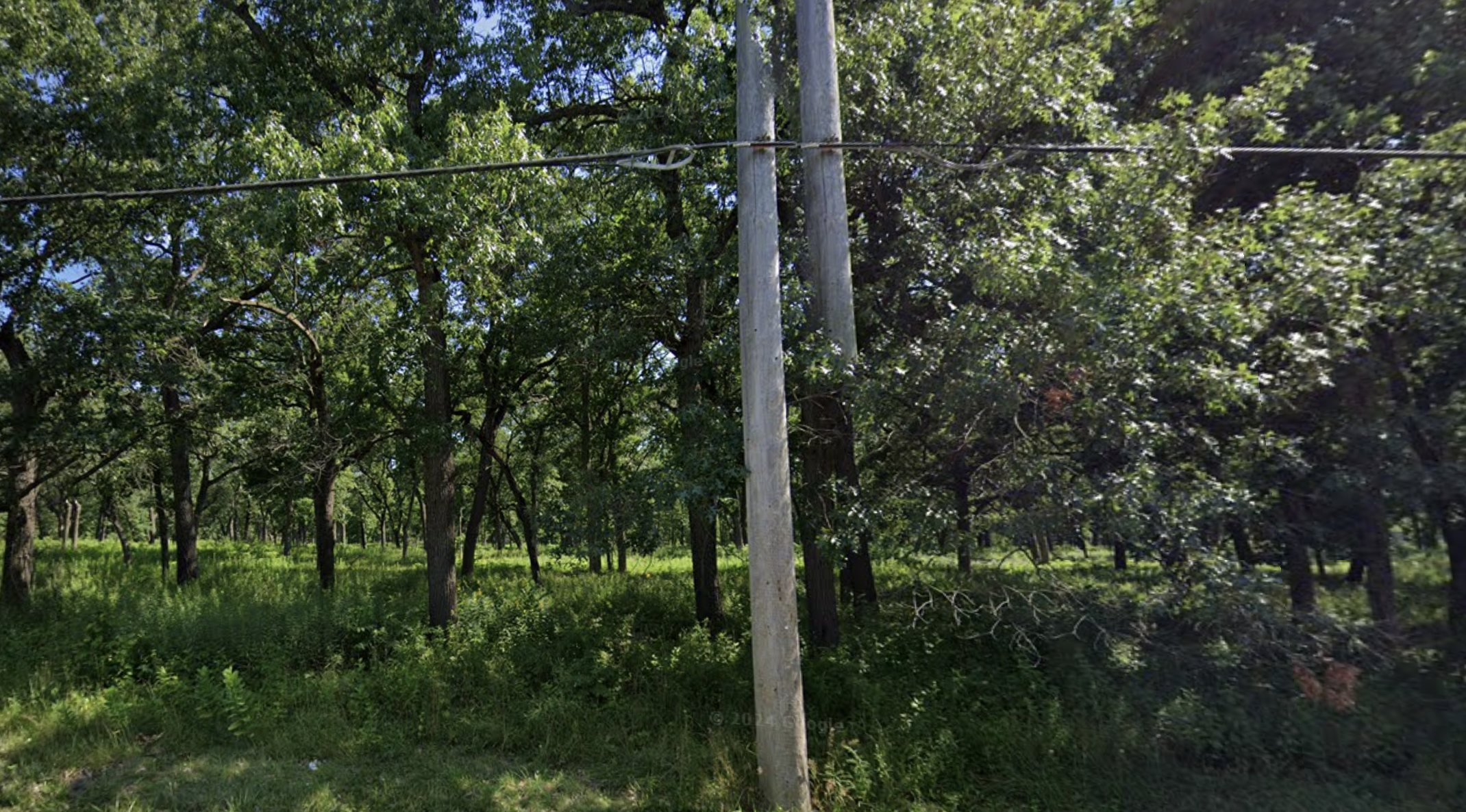
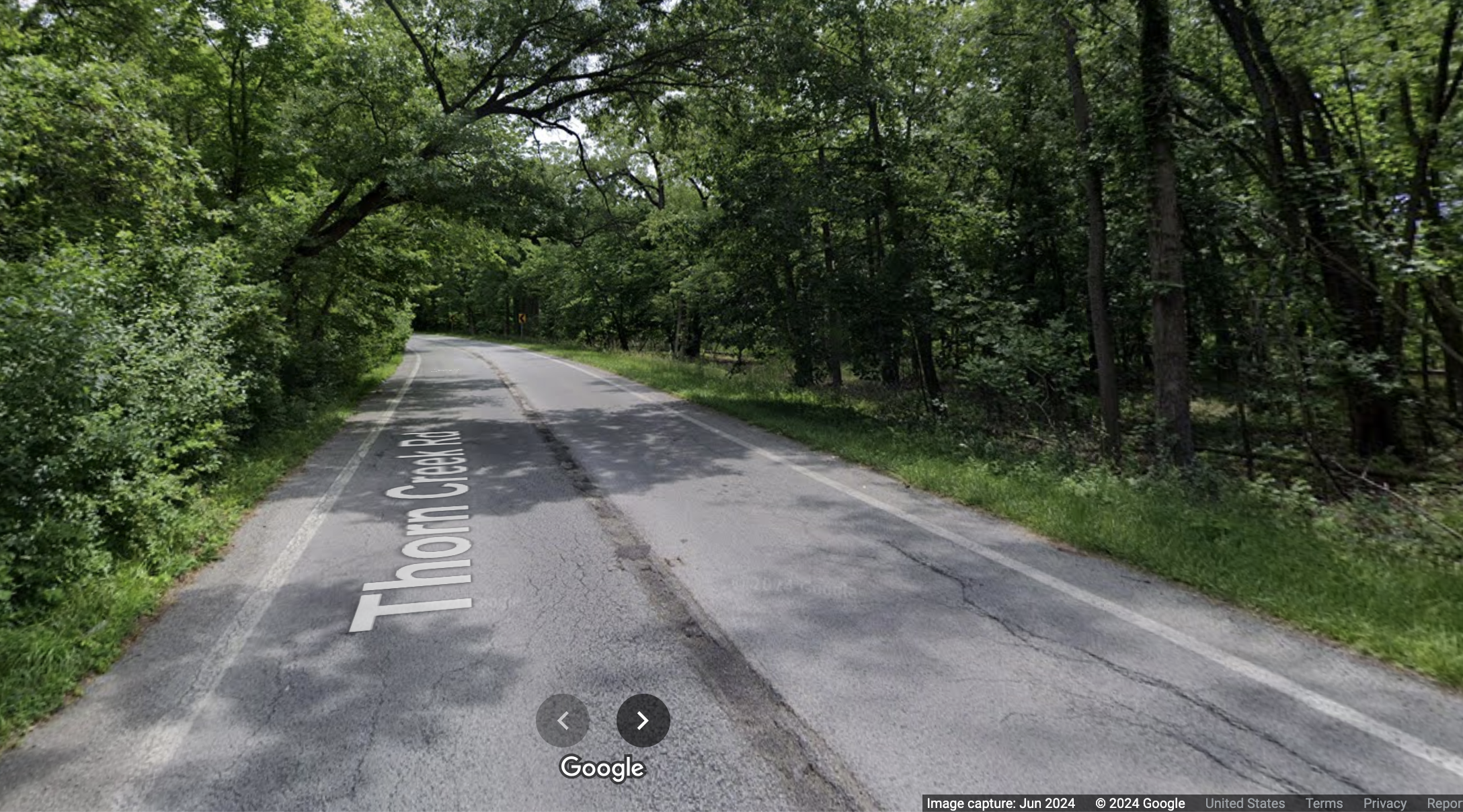
then turned south, wiggling beside, and then across, thorn creek. (I was focused on driving so these are all snips from google street view:)
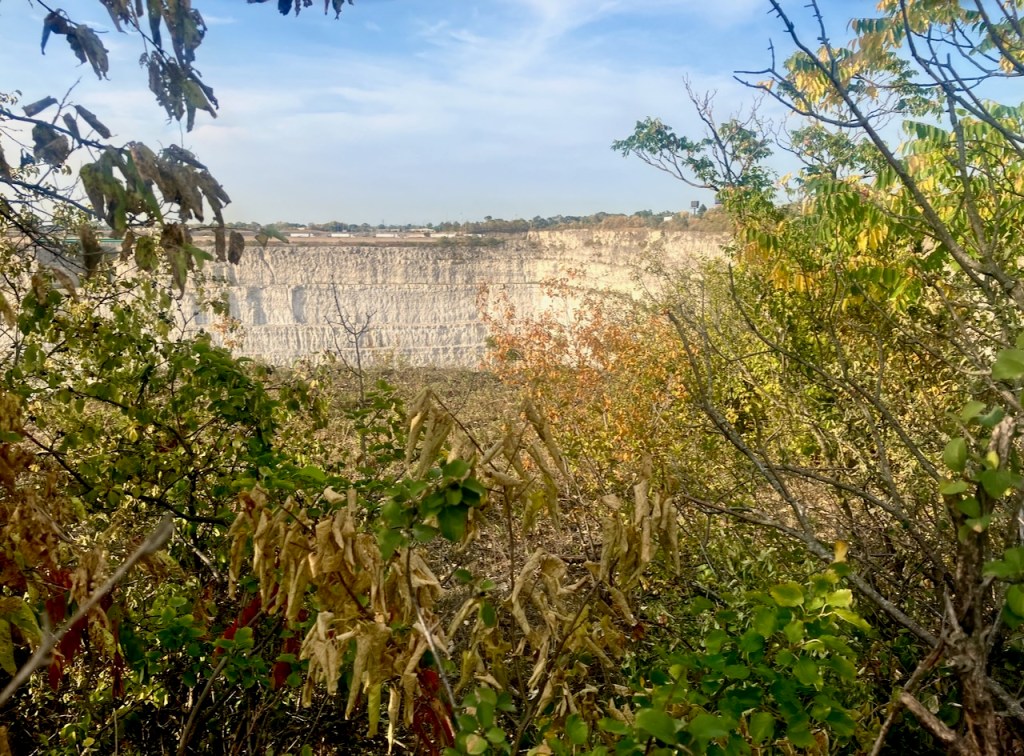
“and where,” I mused, “are the quarries?” So we drove further west and my god they are huge. hidden, sloppily, by recruits from the local seed pool, or so completely by earthen berms, that it’s not clear exactly where they are.
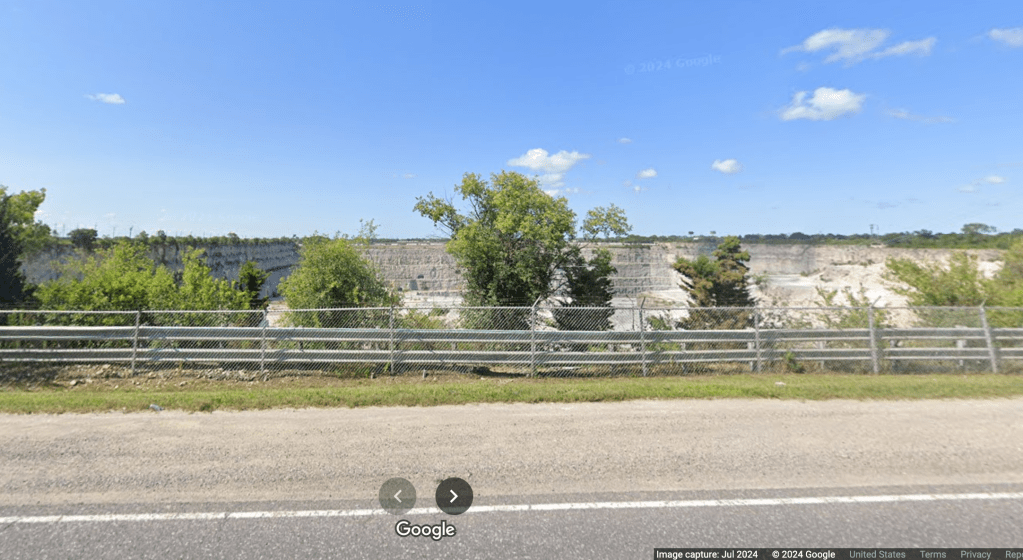
then we noticed a lookout on the east side of this southern quarry. no one else was around.

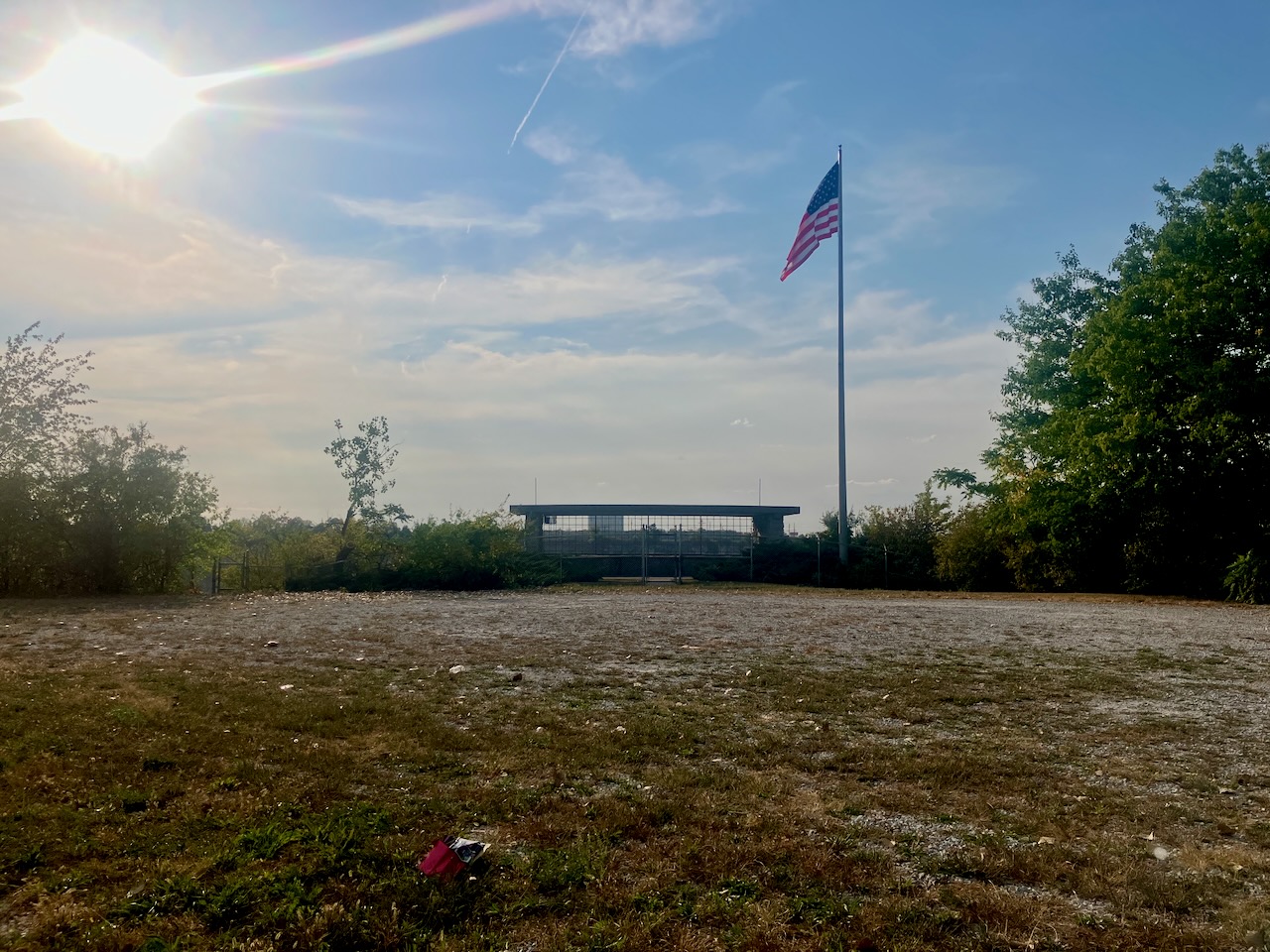
we were unable to actually access the lookout, but it’s clear it wasn’t too long ago that people were invited into this space by manicured junipers and fossils. what a view it must have been!
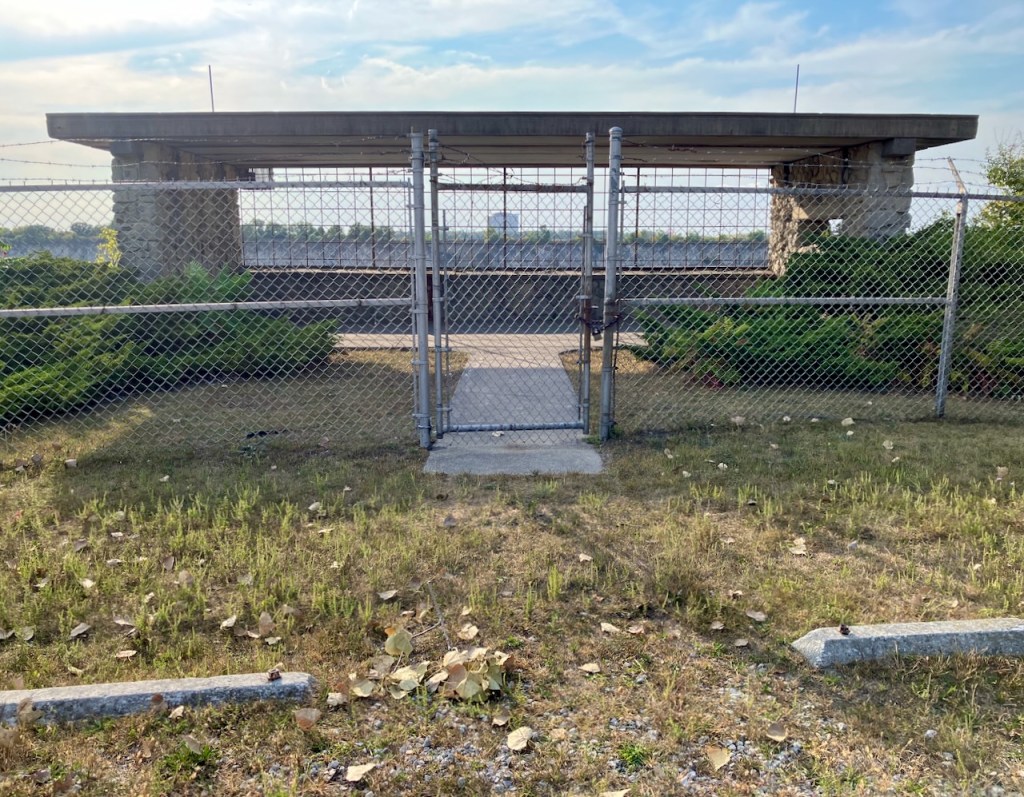
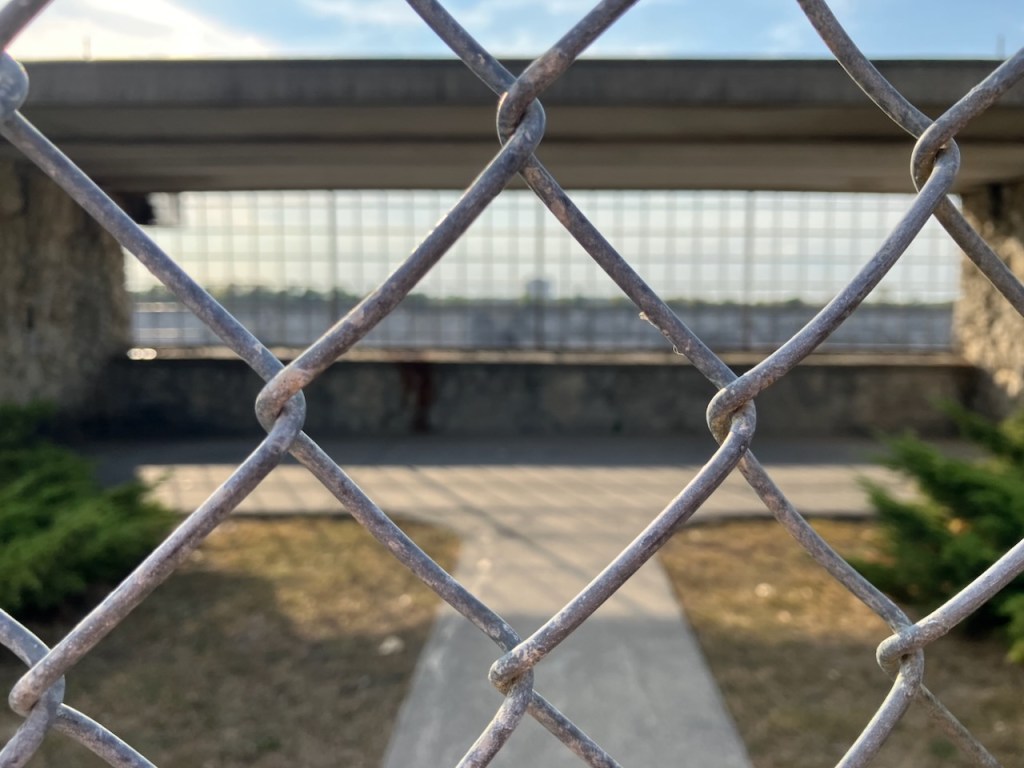
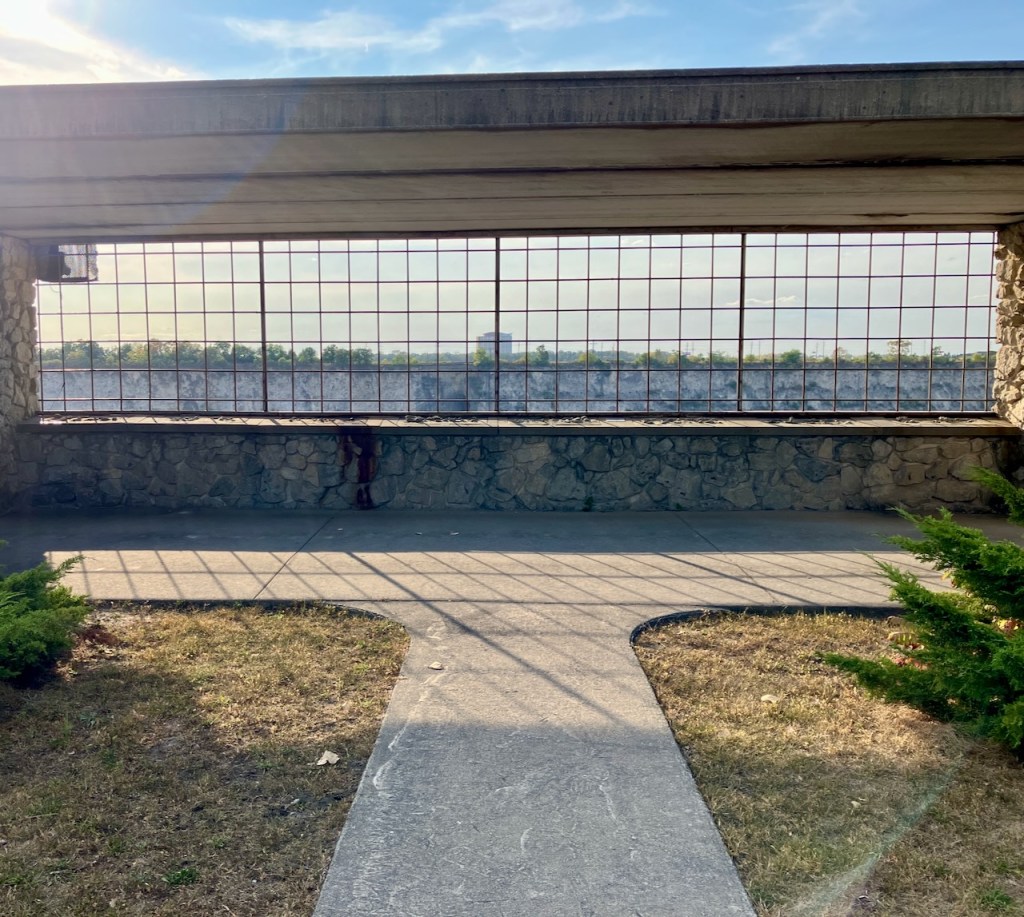
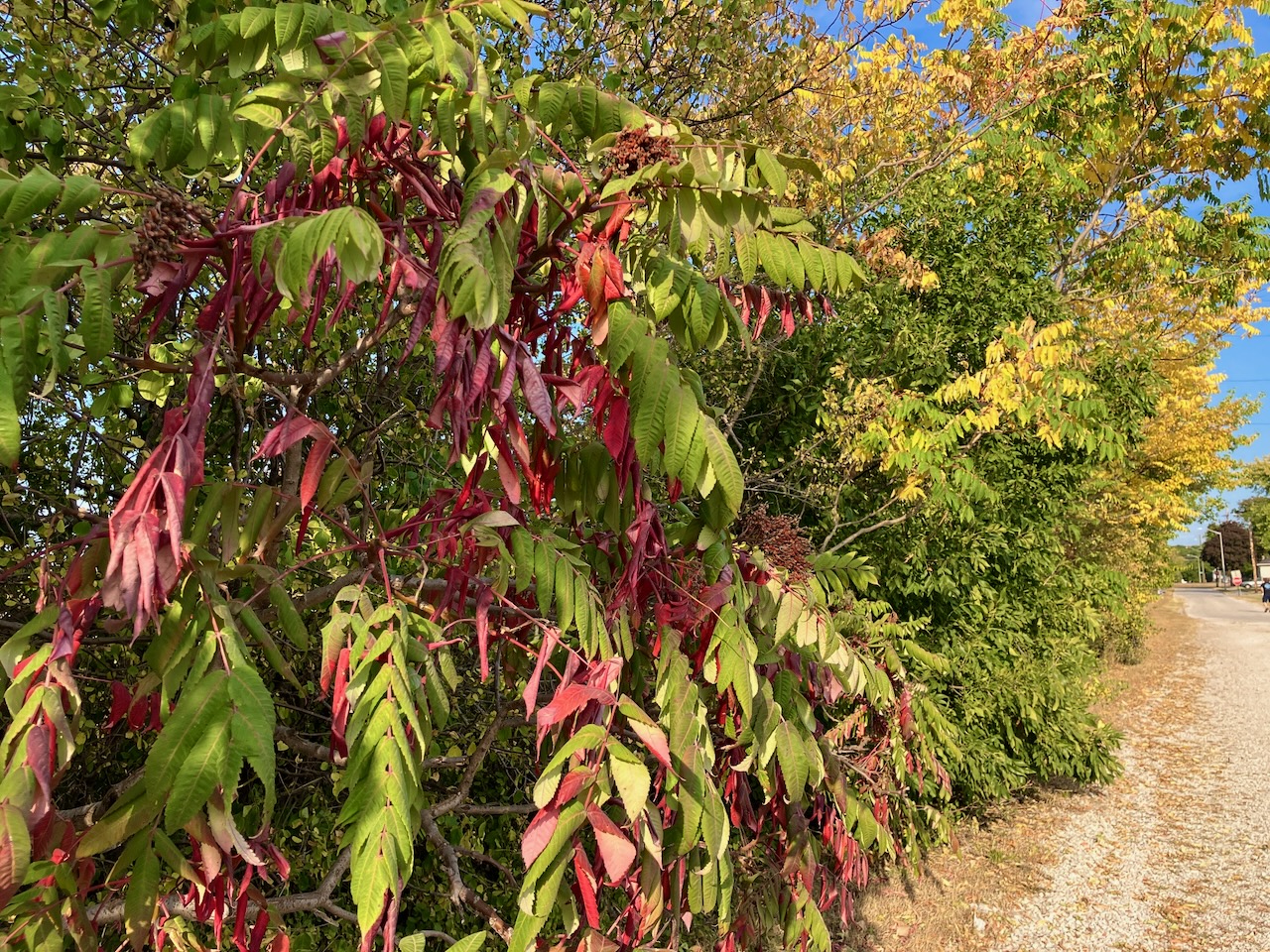
unfortunately there was not an easy way to bypass the fence, so we walked tamely back east, along the mowed grass and gravel, both dusty. it’s been weeks without rain. the young trees – ash, tree of heaven, buckthorn – sadly hung their leaves, in heavy yellows and reds.
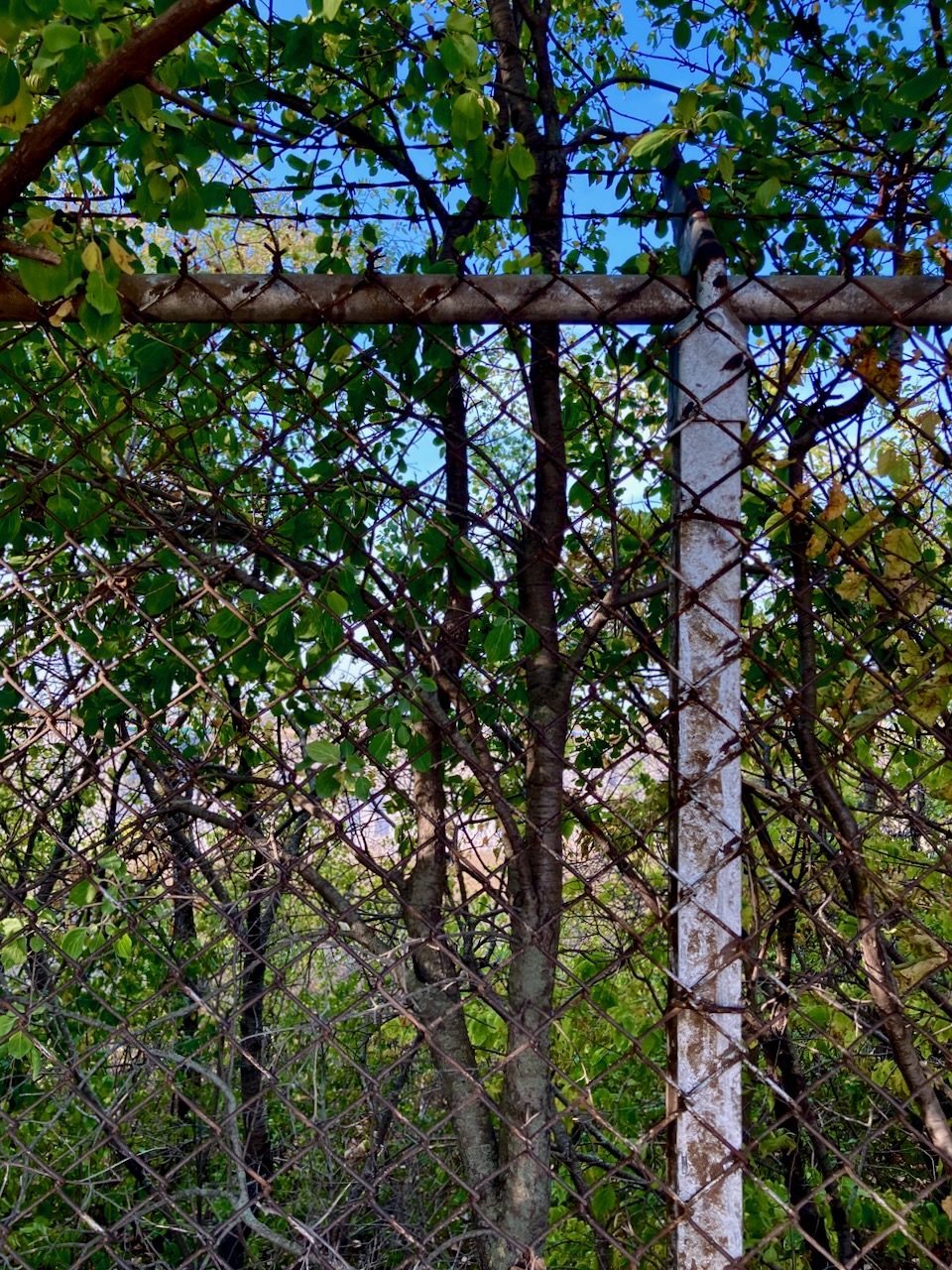
It’s not a place where I’d like to fall in, but nothing is more inviting than restricted access…
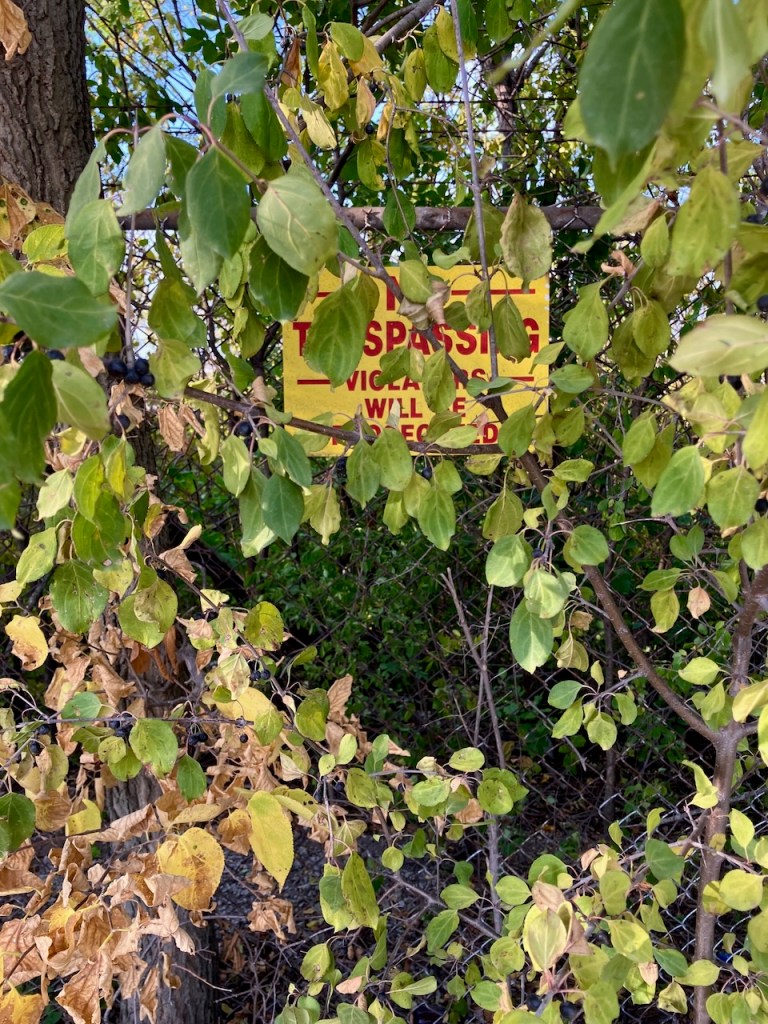
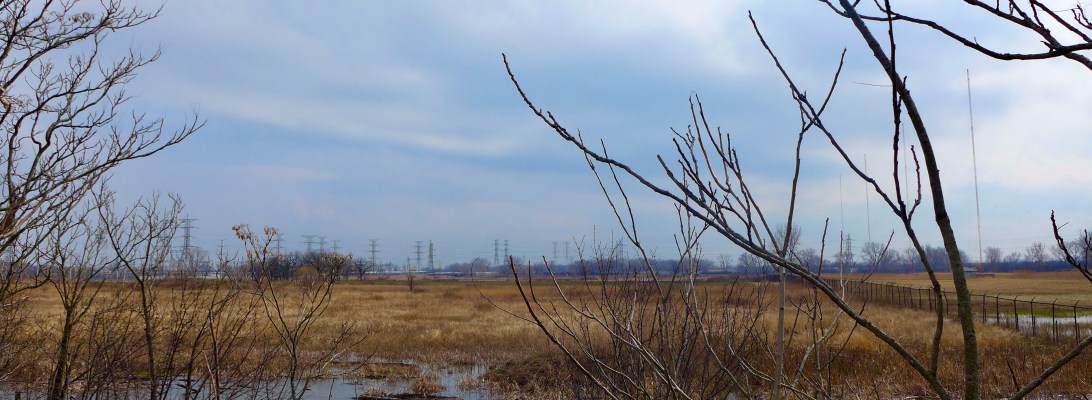
We came up through the south end of Burnham Prairie, over several sets of railroad tracks. There was no parking lot; it just seemed like a close spot based on Google Maps.
We found a recent burn by Com Ed,
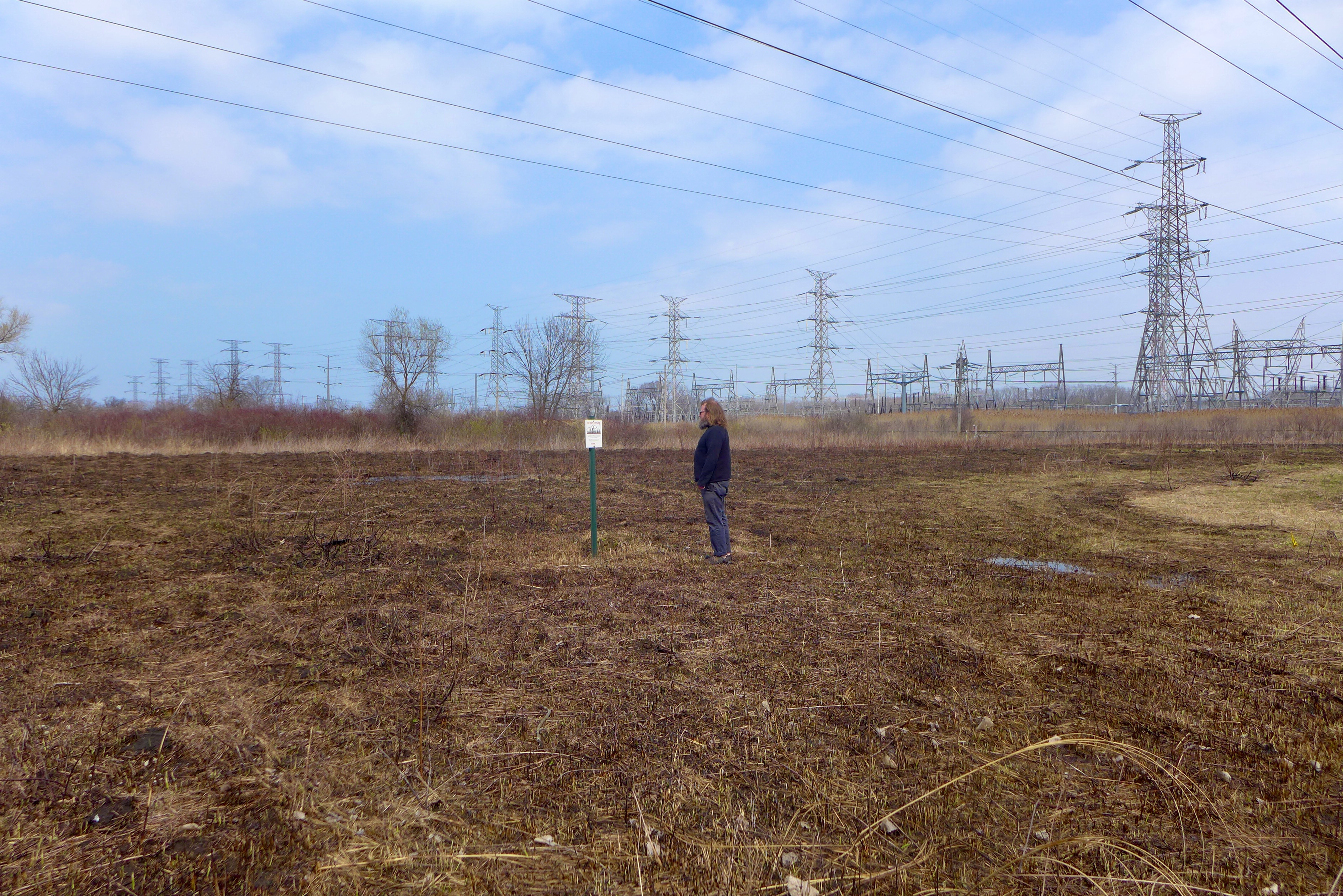
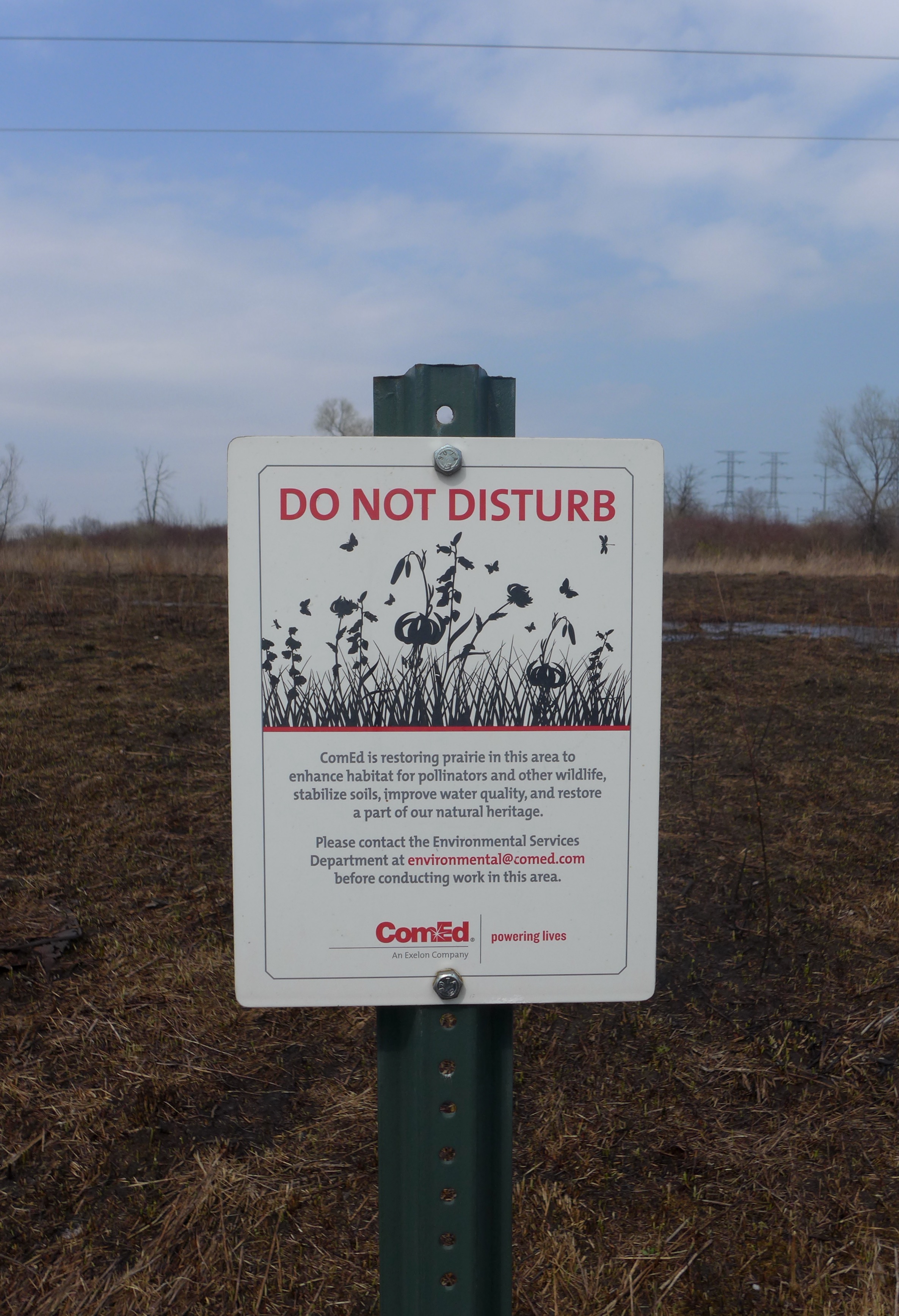
and skirted the wetlands of the Illinois State Nature Preserve.

We turned back and drove up to the north end of Burnham Prairie, well-hidden in the furthest reaches of residential Burnham, abutting the Grand Calumet River.
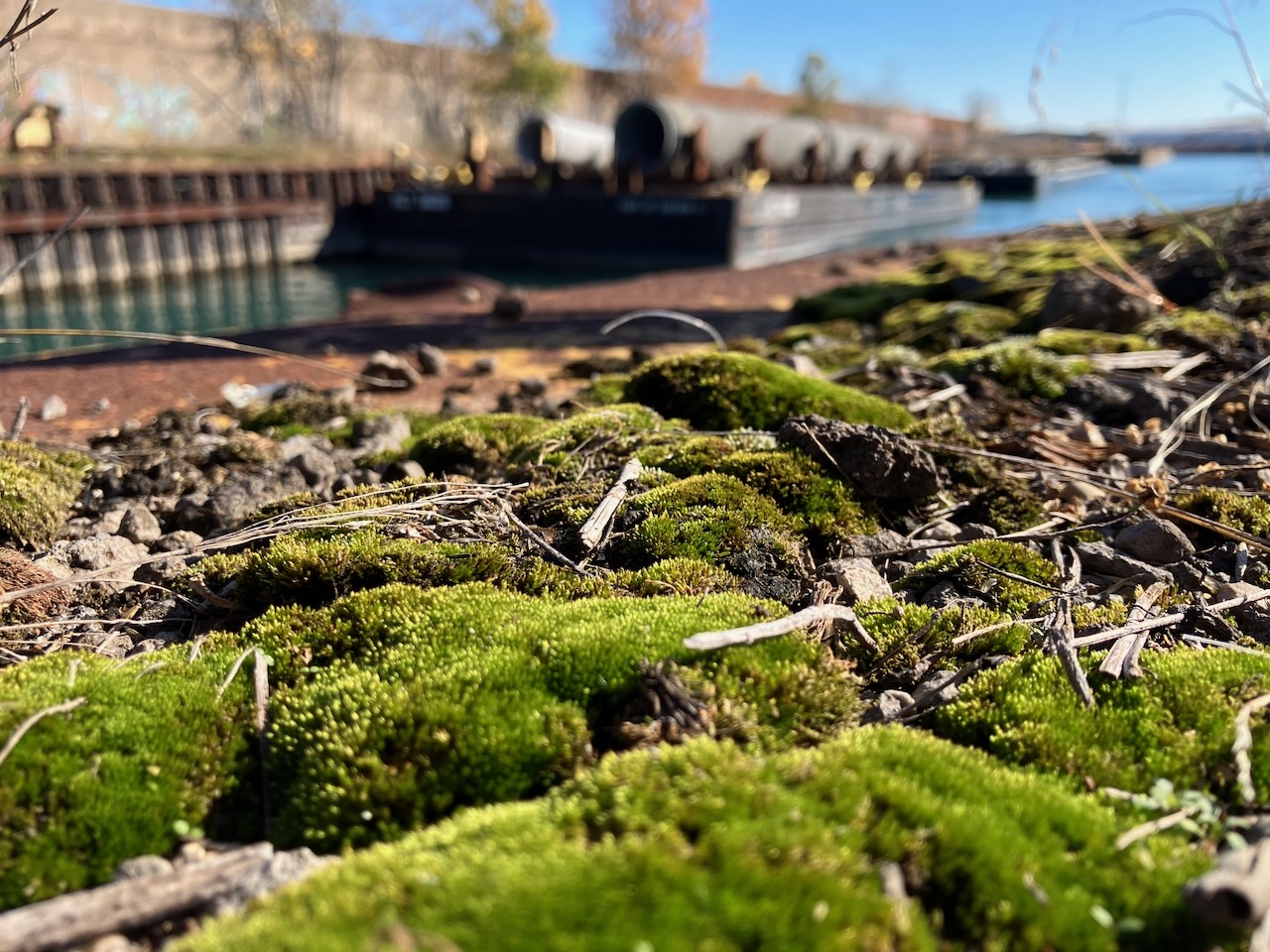
As we approached the slag prairie I realized I’d forgotten how much like Mars this slag is: everything is very stunted (very clear in cottonwoods); spotted knapweed is a champ and brings all the pollinators to the yard; there are a few Liatris, lots of whorled milkweed, some sumac; mosses making the barrens less barren.
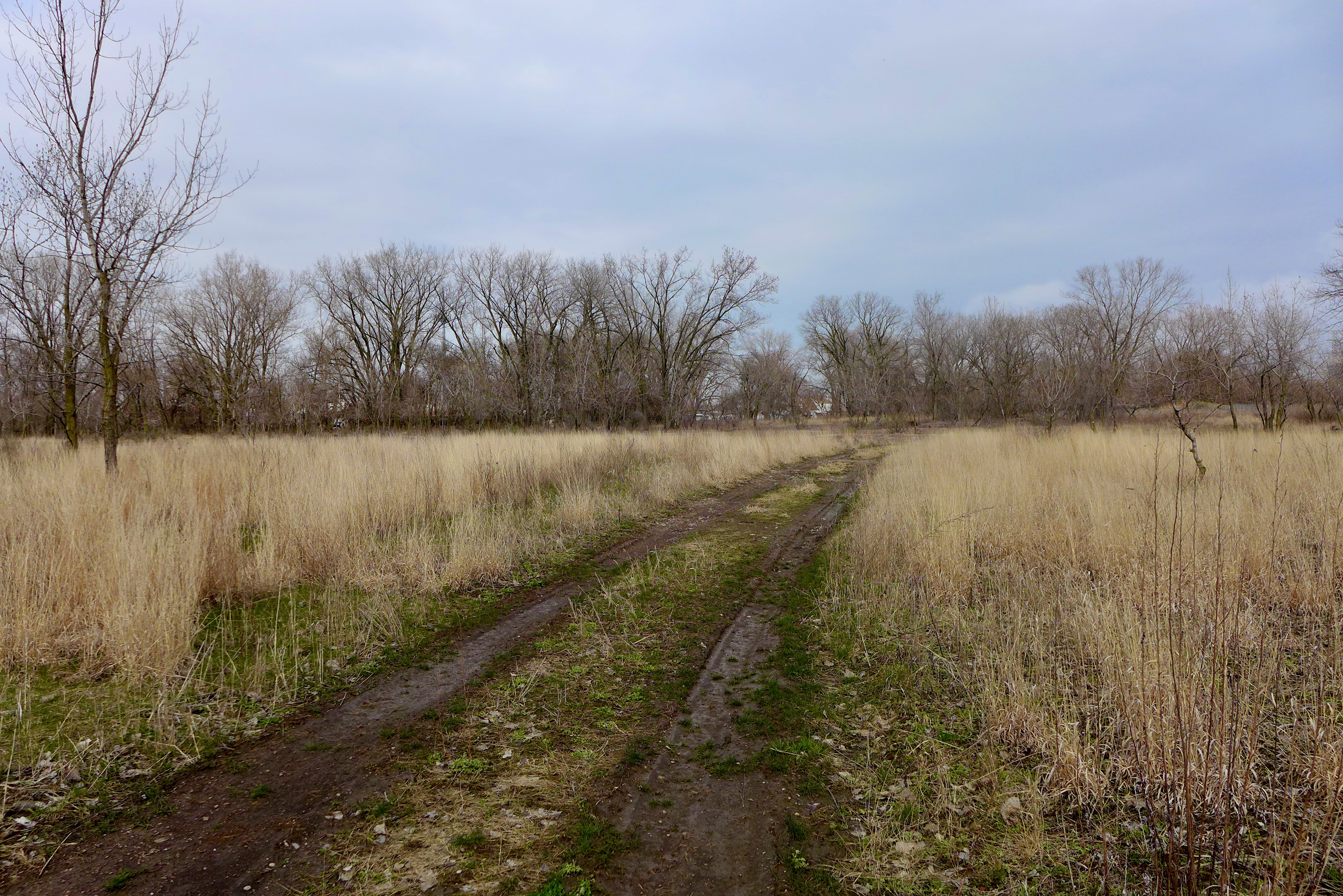
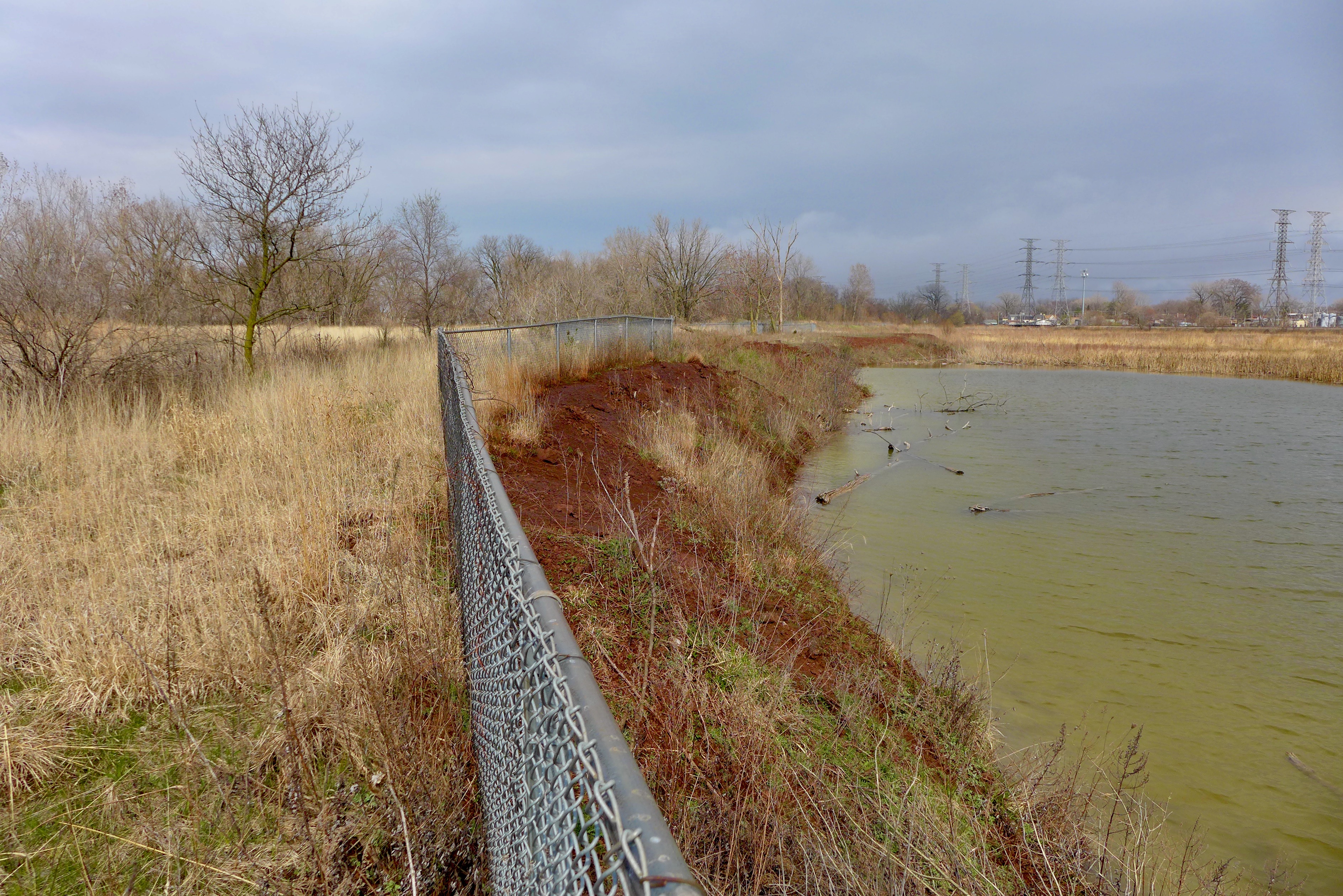
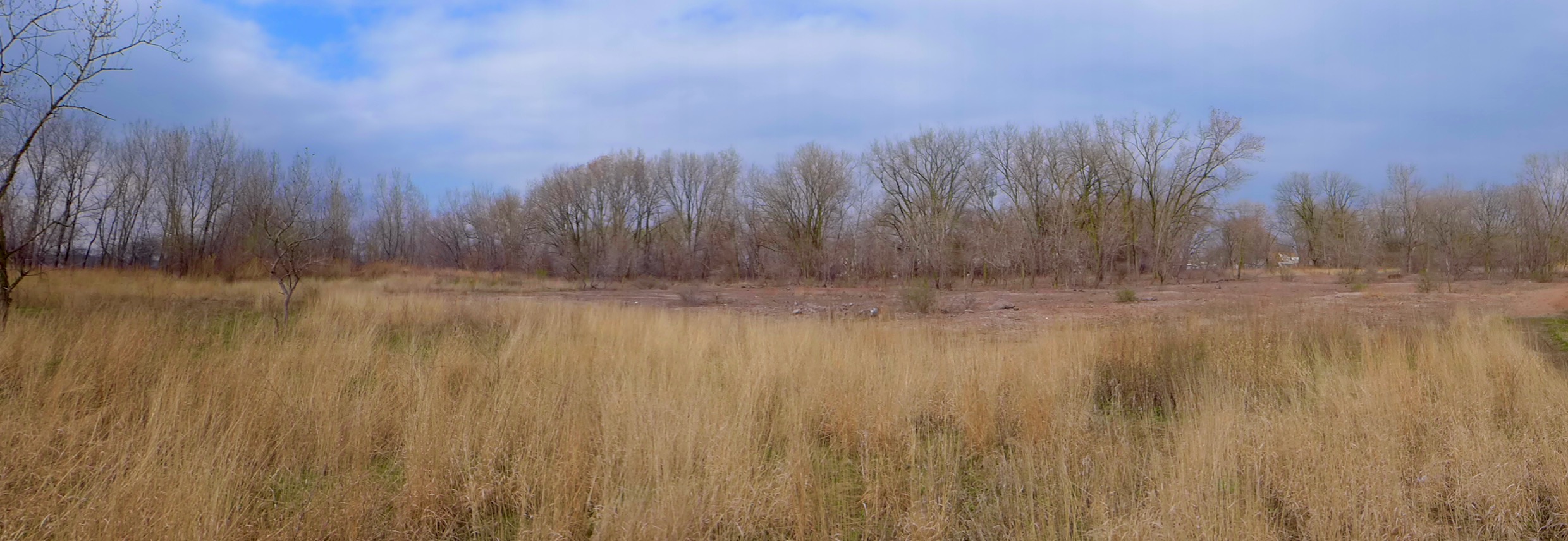

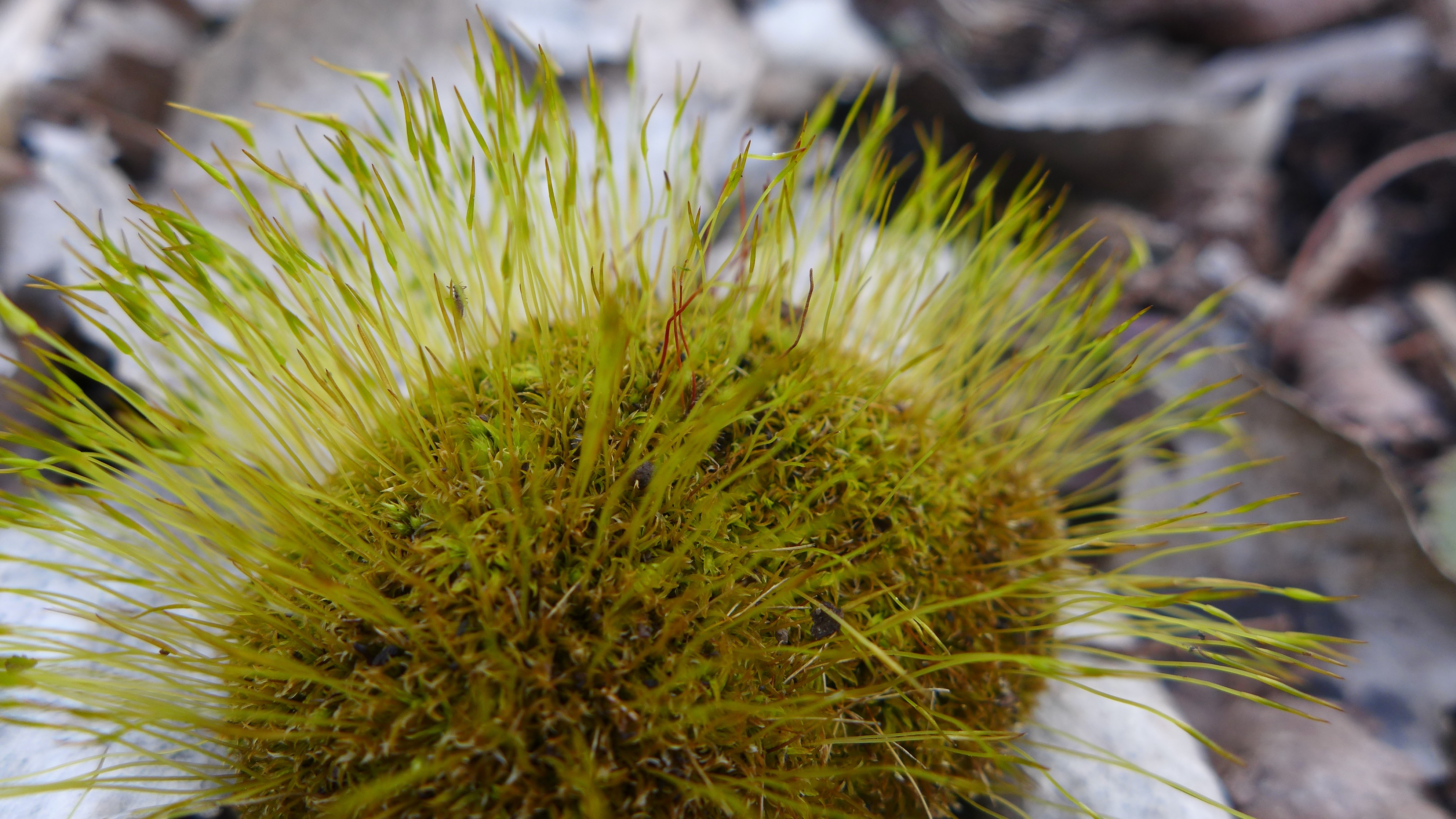
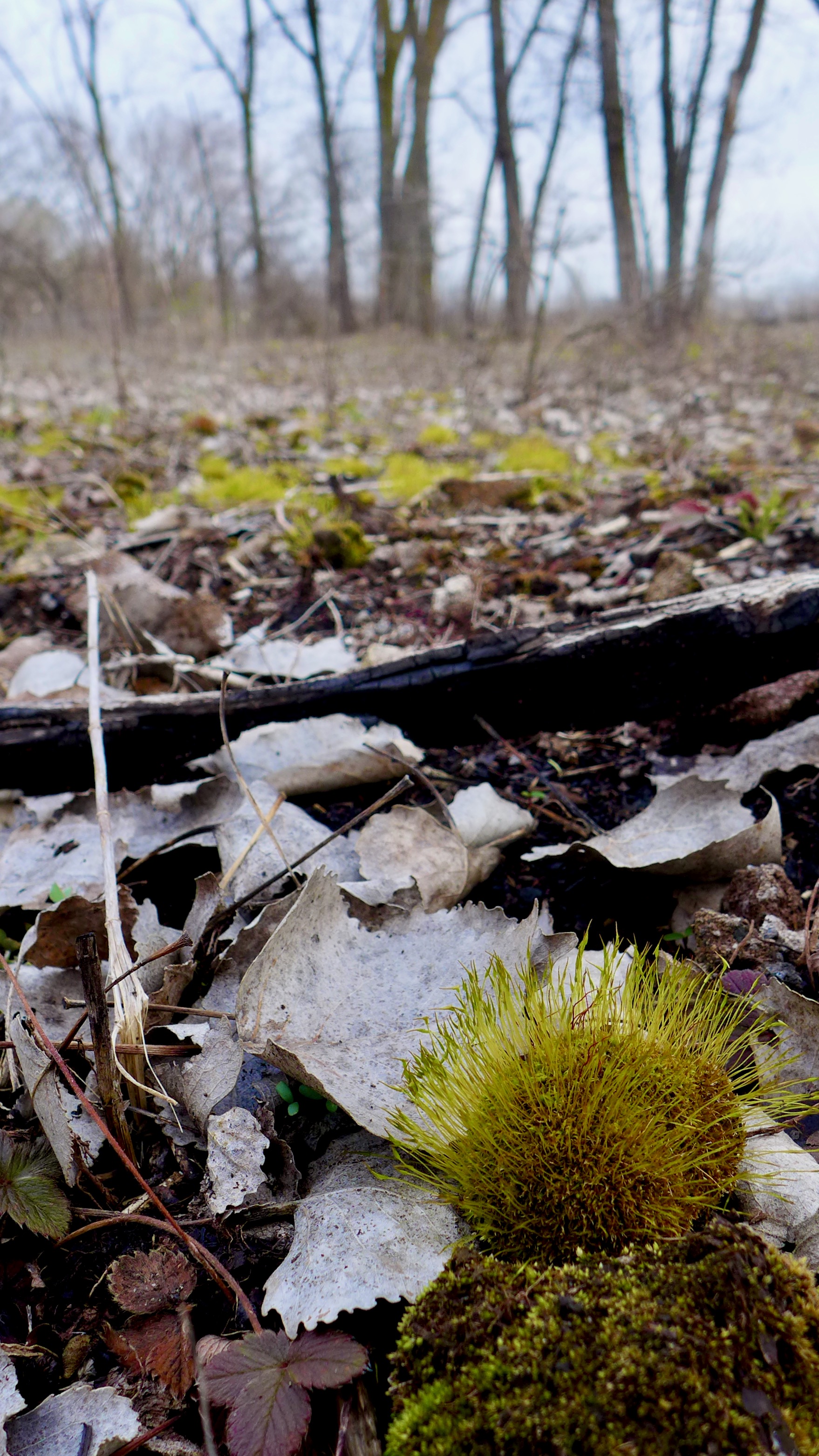
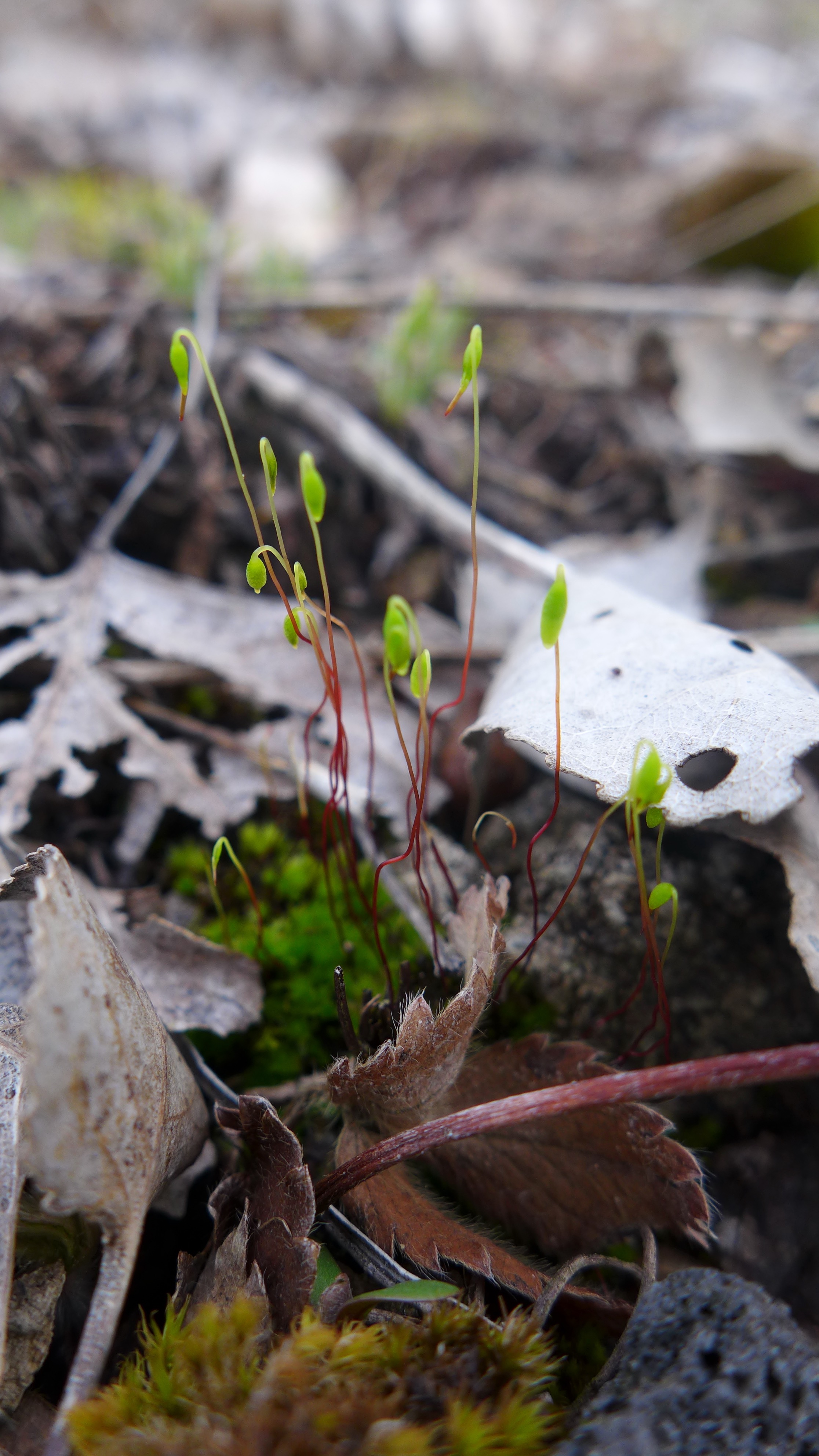
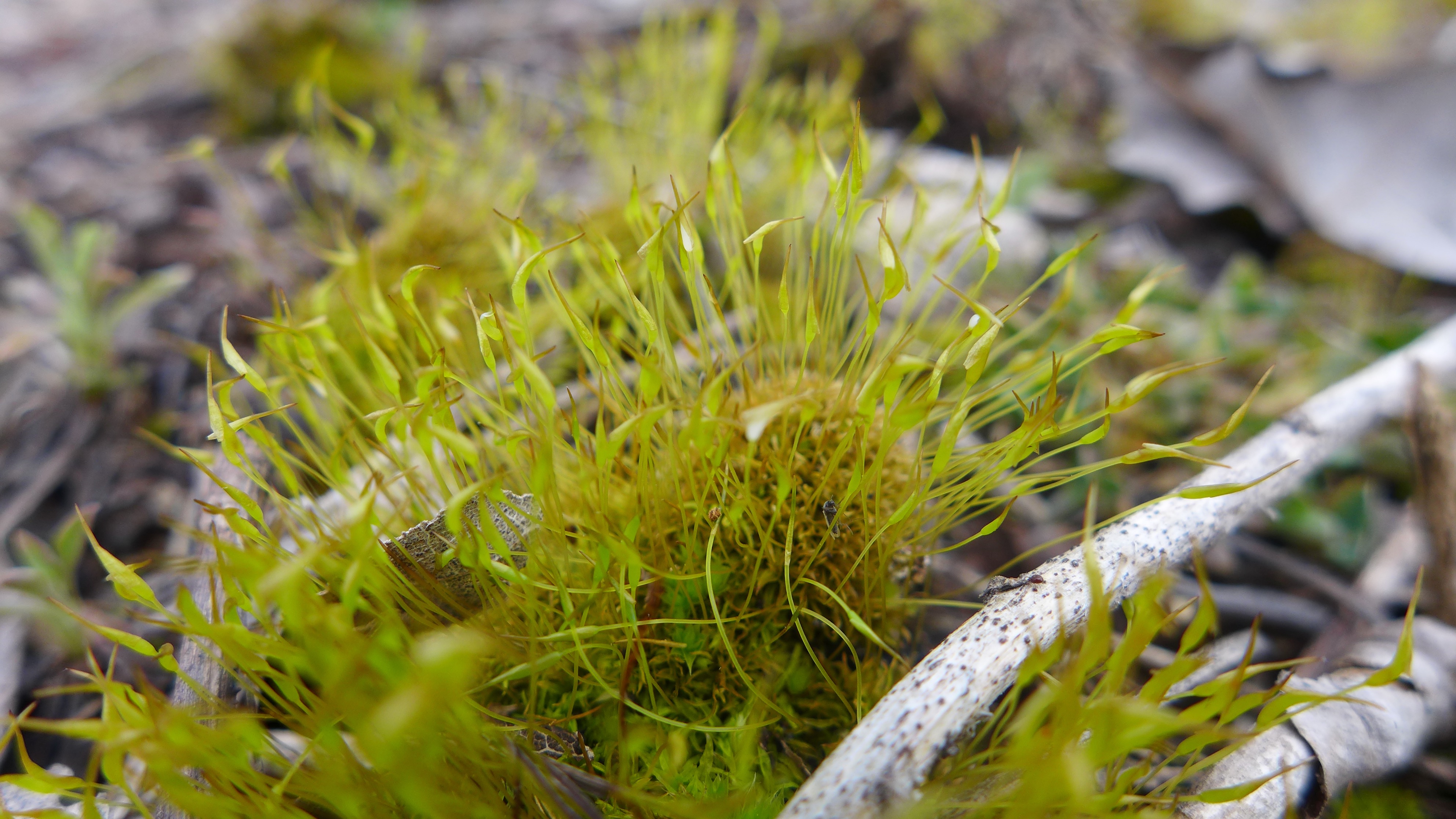
Check out another visit to the same site a few years ago: Burnham Prairie, IL • March 2016
A recent controlled burn here has left a patchwork of new growth of sedges, rushes, and grasses, which will be punctuated with fireworks of colorful flowers later in the year.
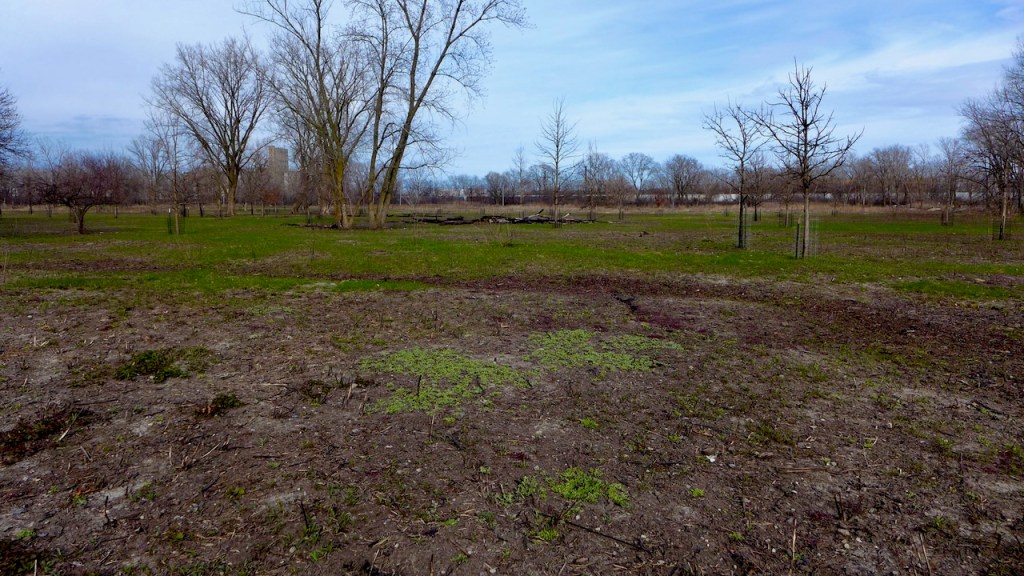
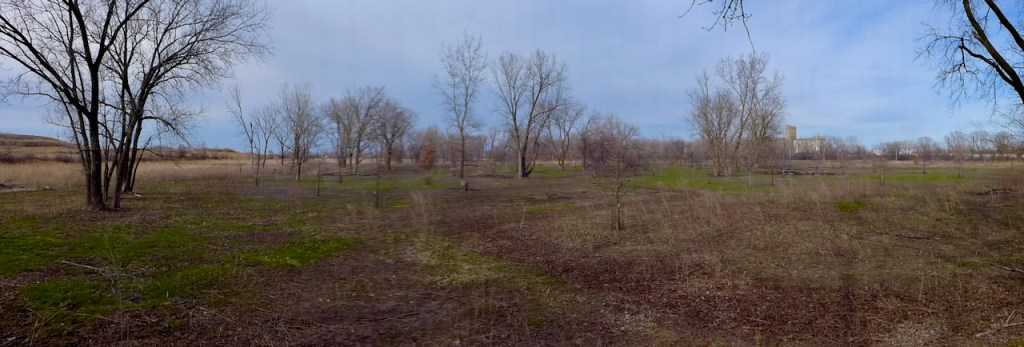
other fun finds included:
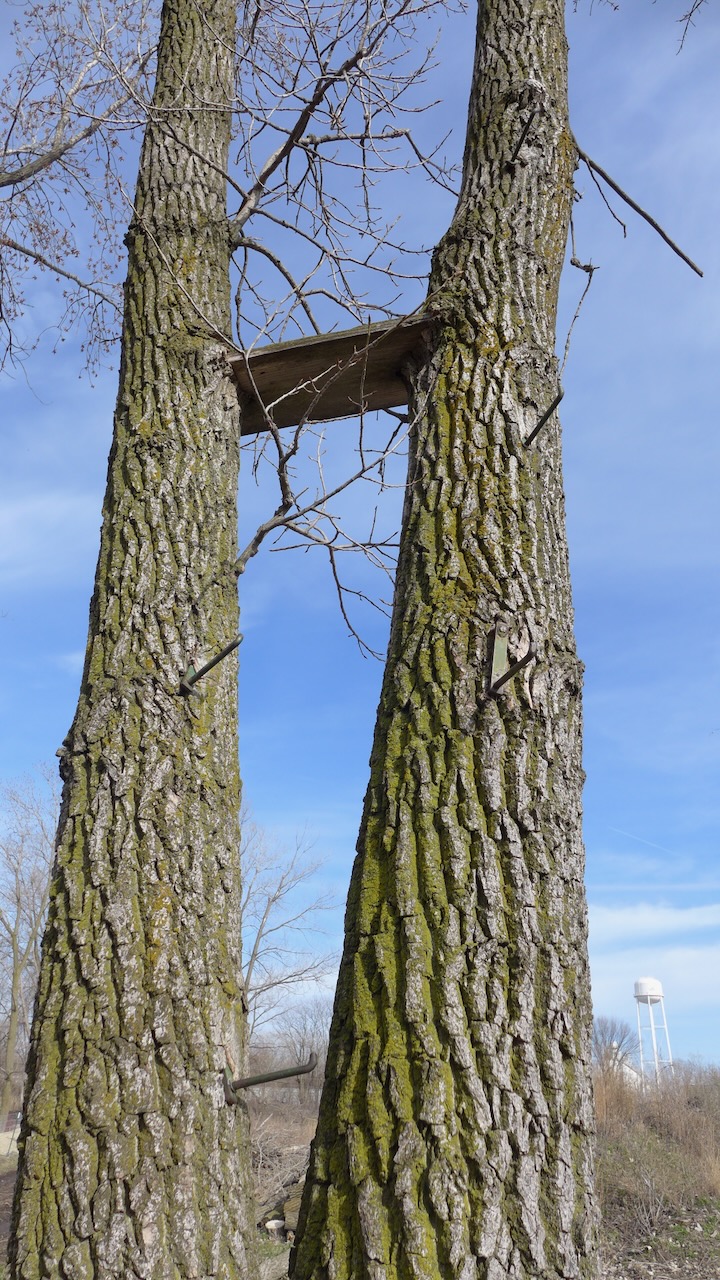
a well supported bench on high – probably useful for waterfowl hunting.
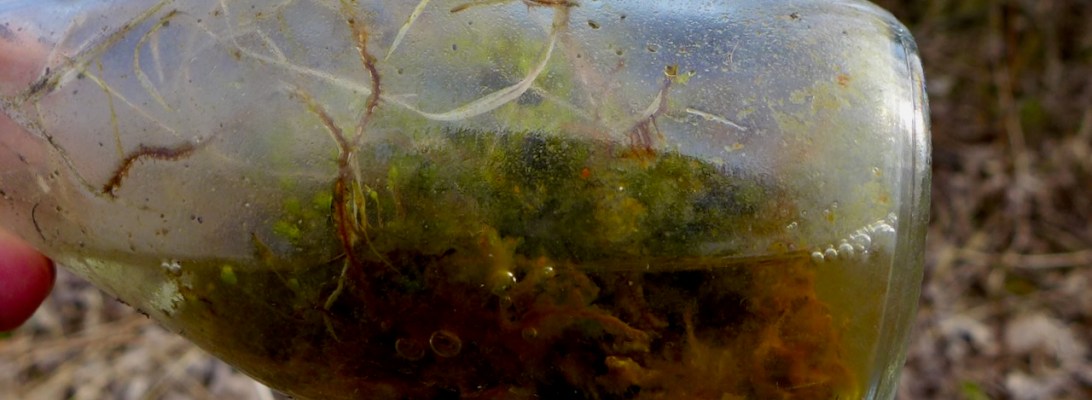
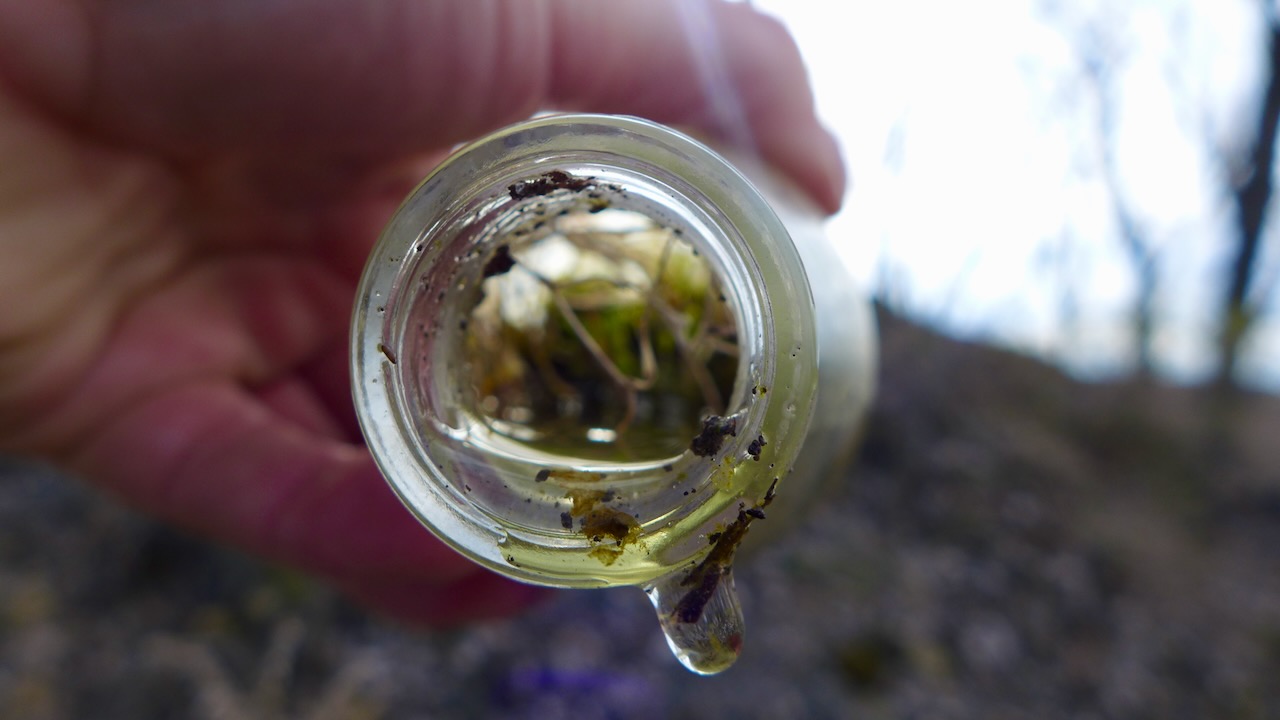
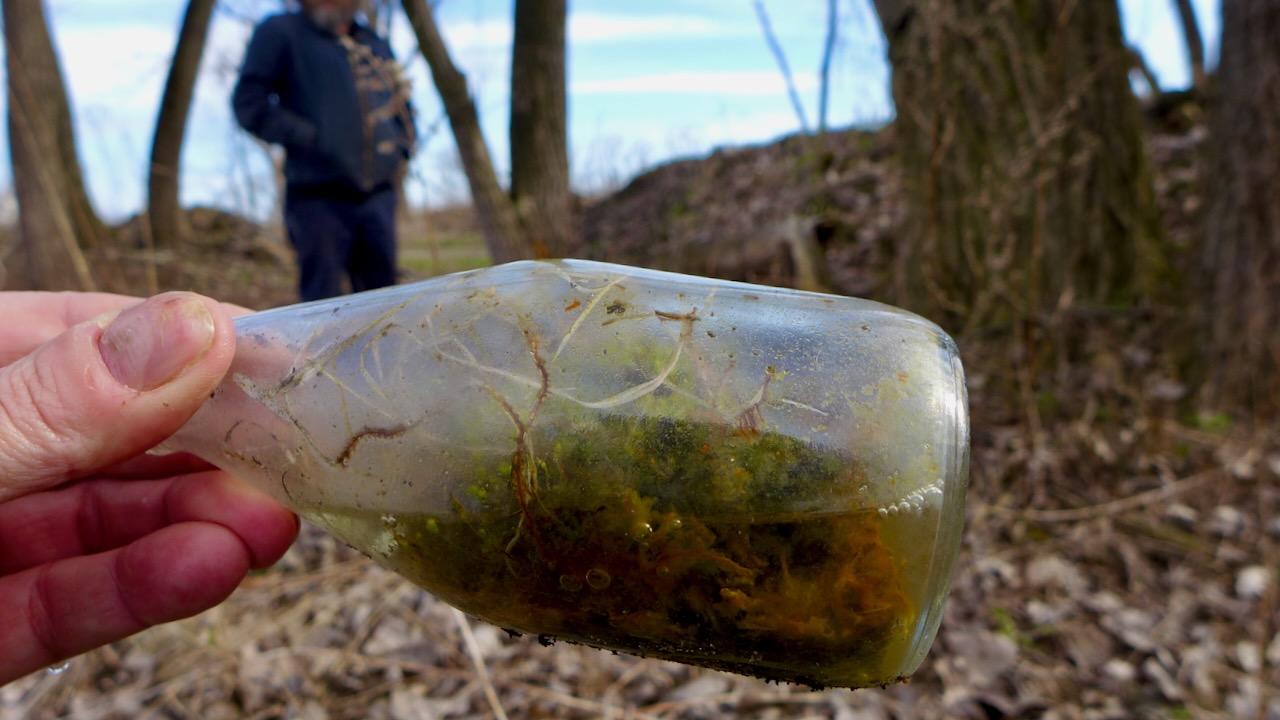
a spontaneous terrarium.
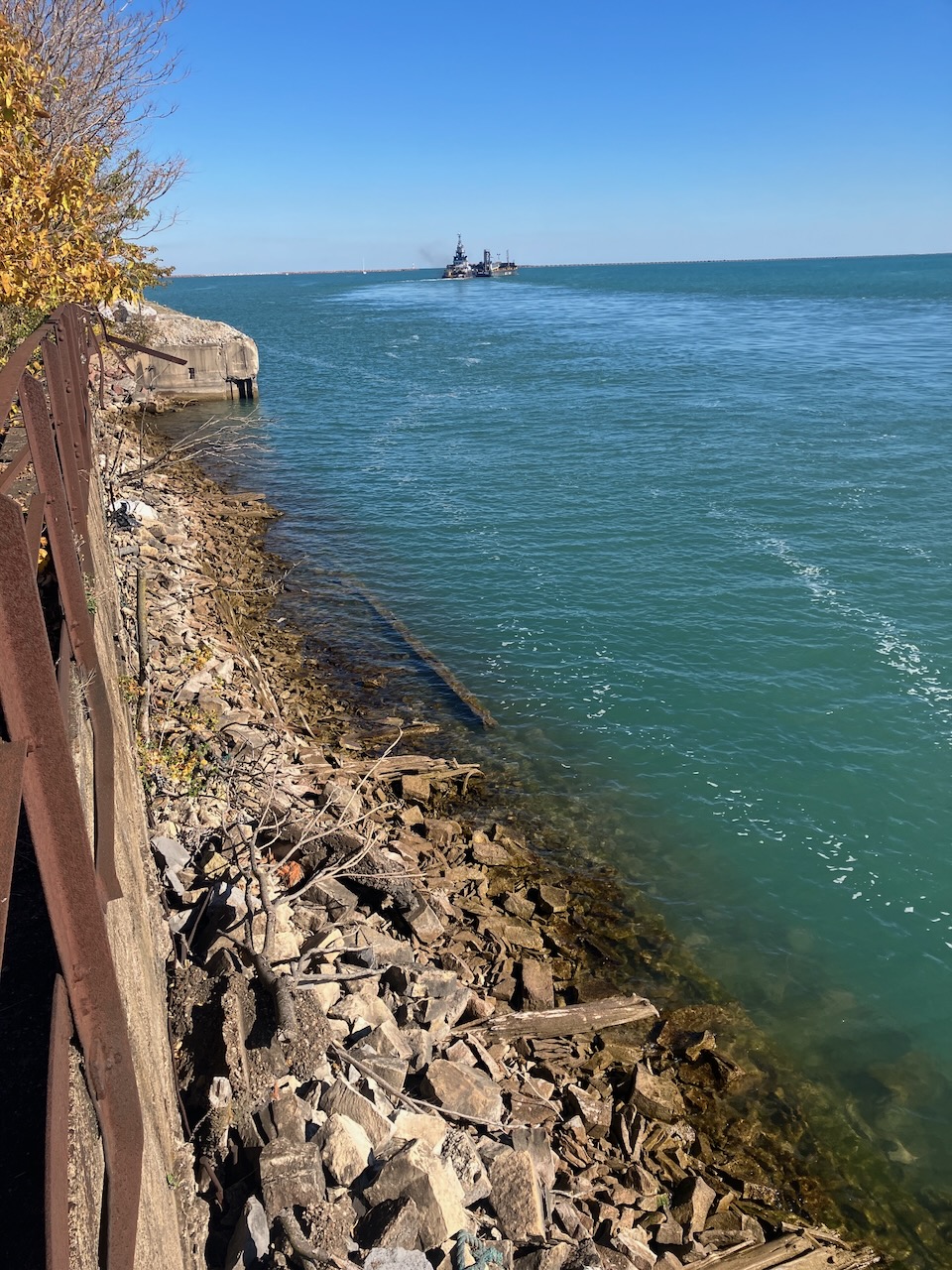
nice views.
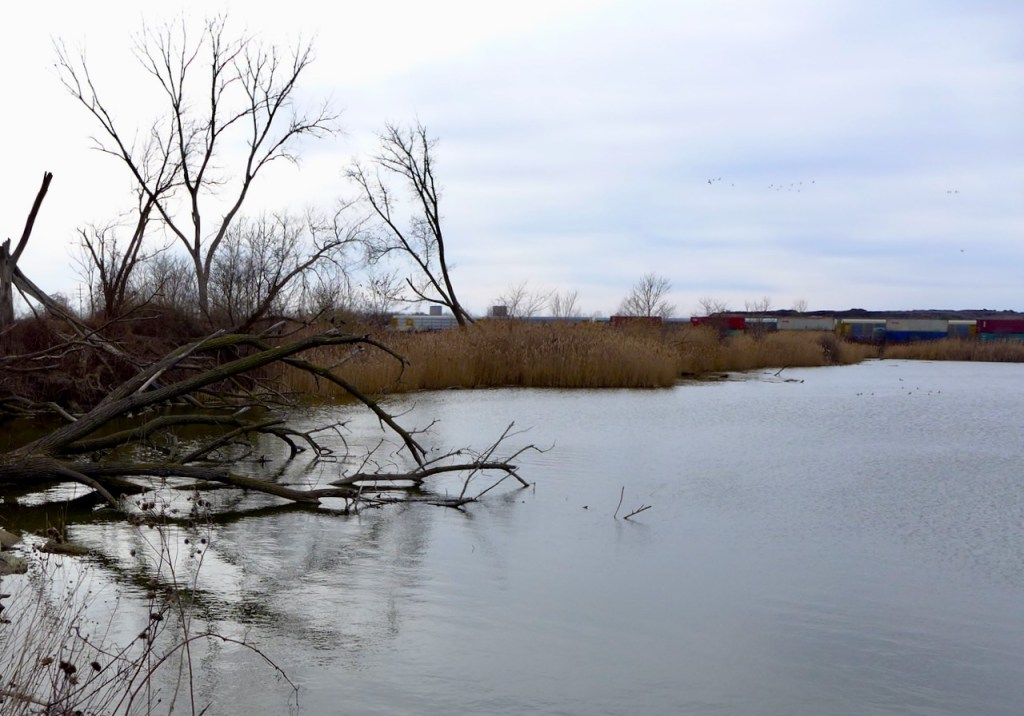
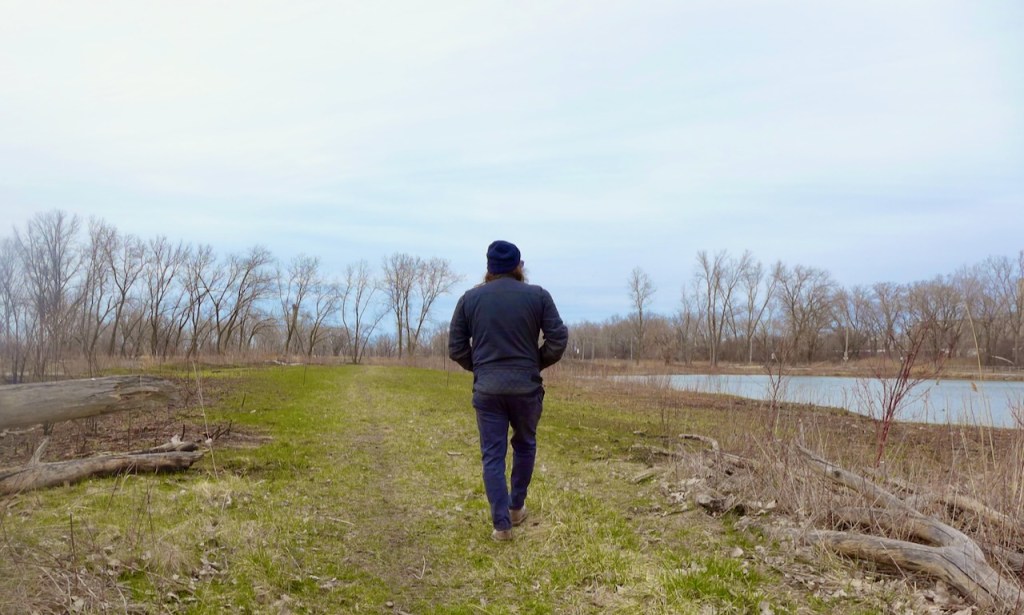
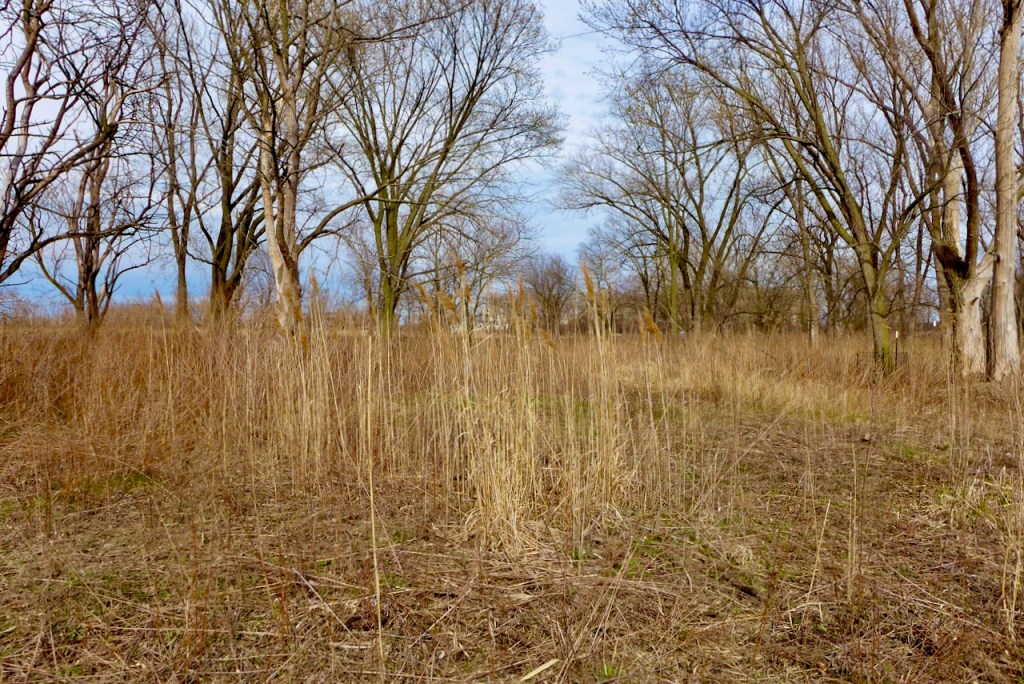
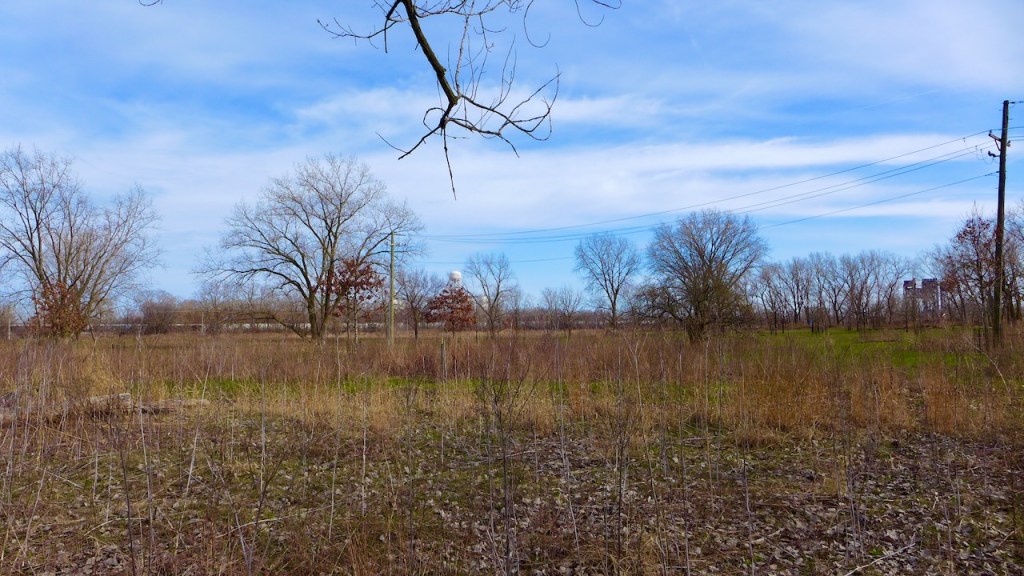
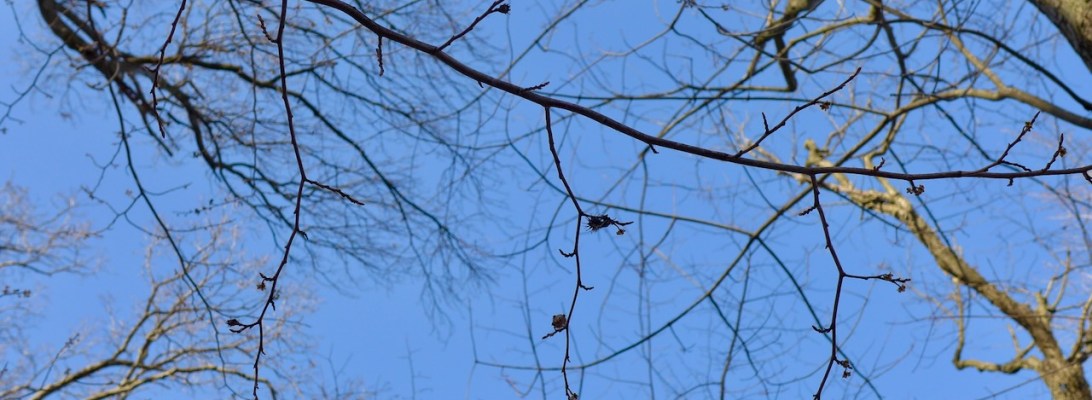
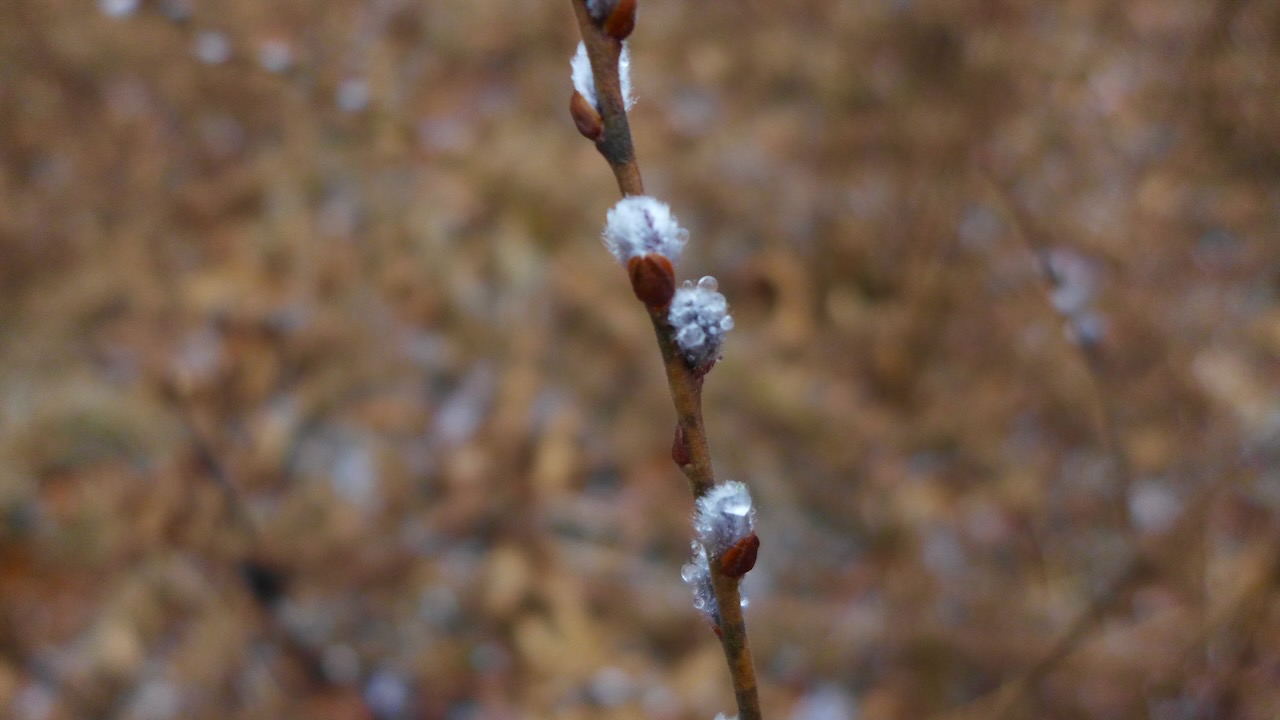
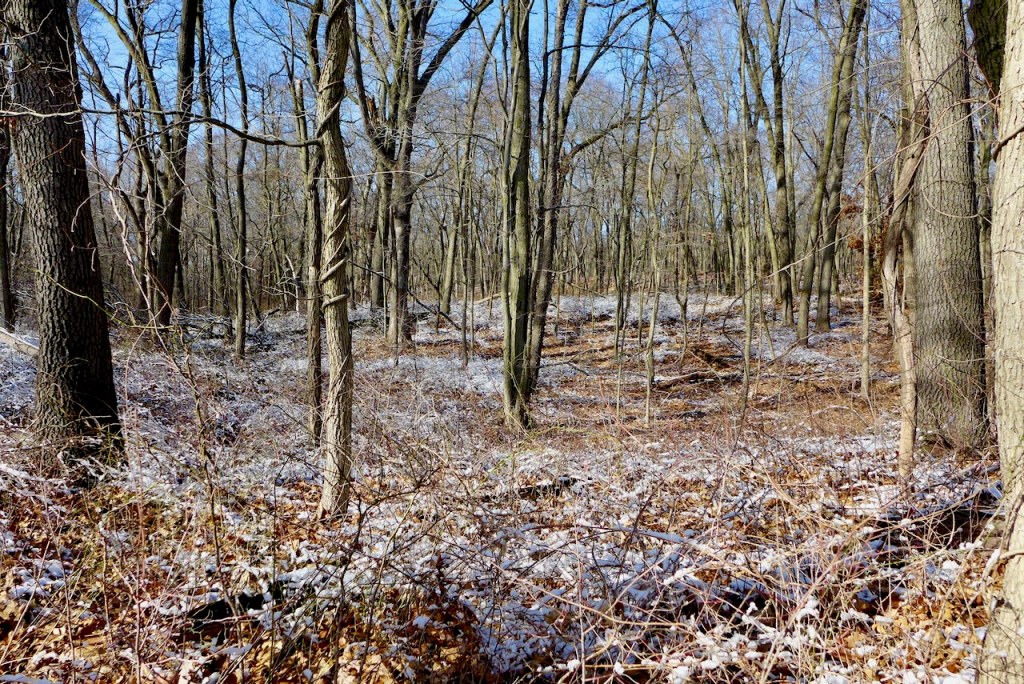
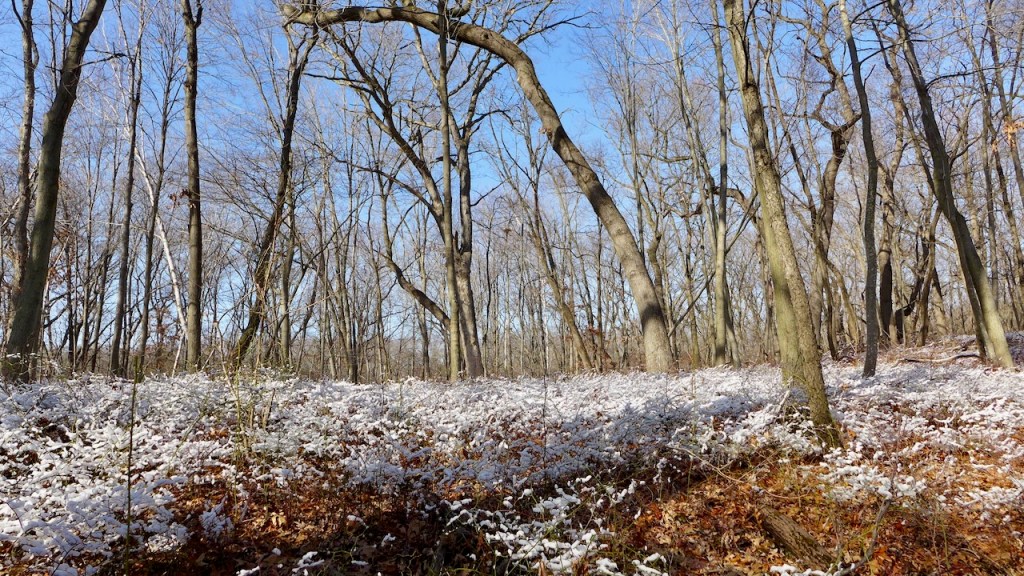
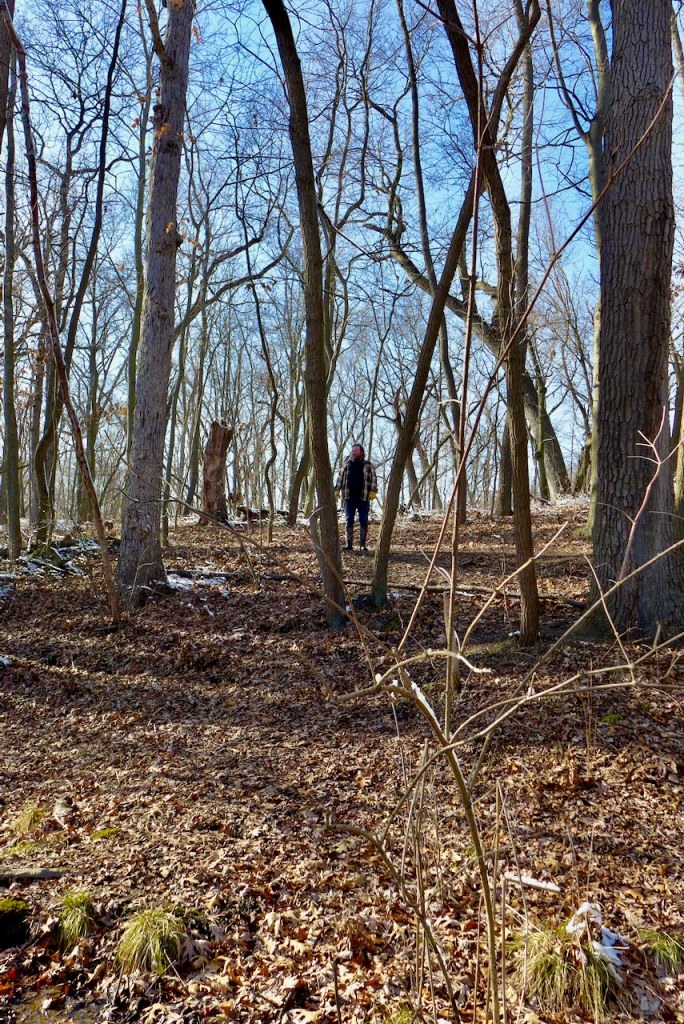
a brisk walk at Cowles Bog (named for your hero and mine, Henry Chandler Cowles) yields early flowers and fruits in wintry landscapes.
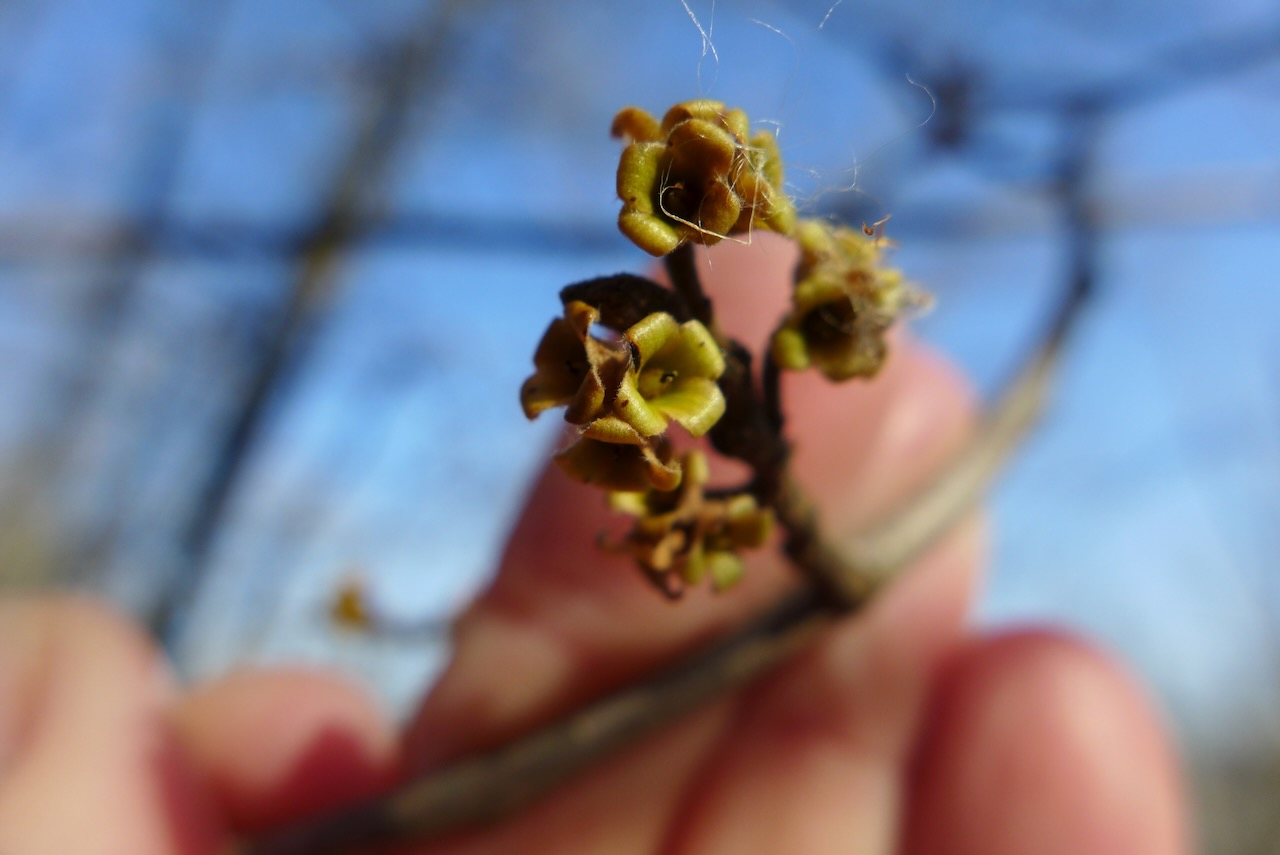
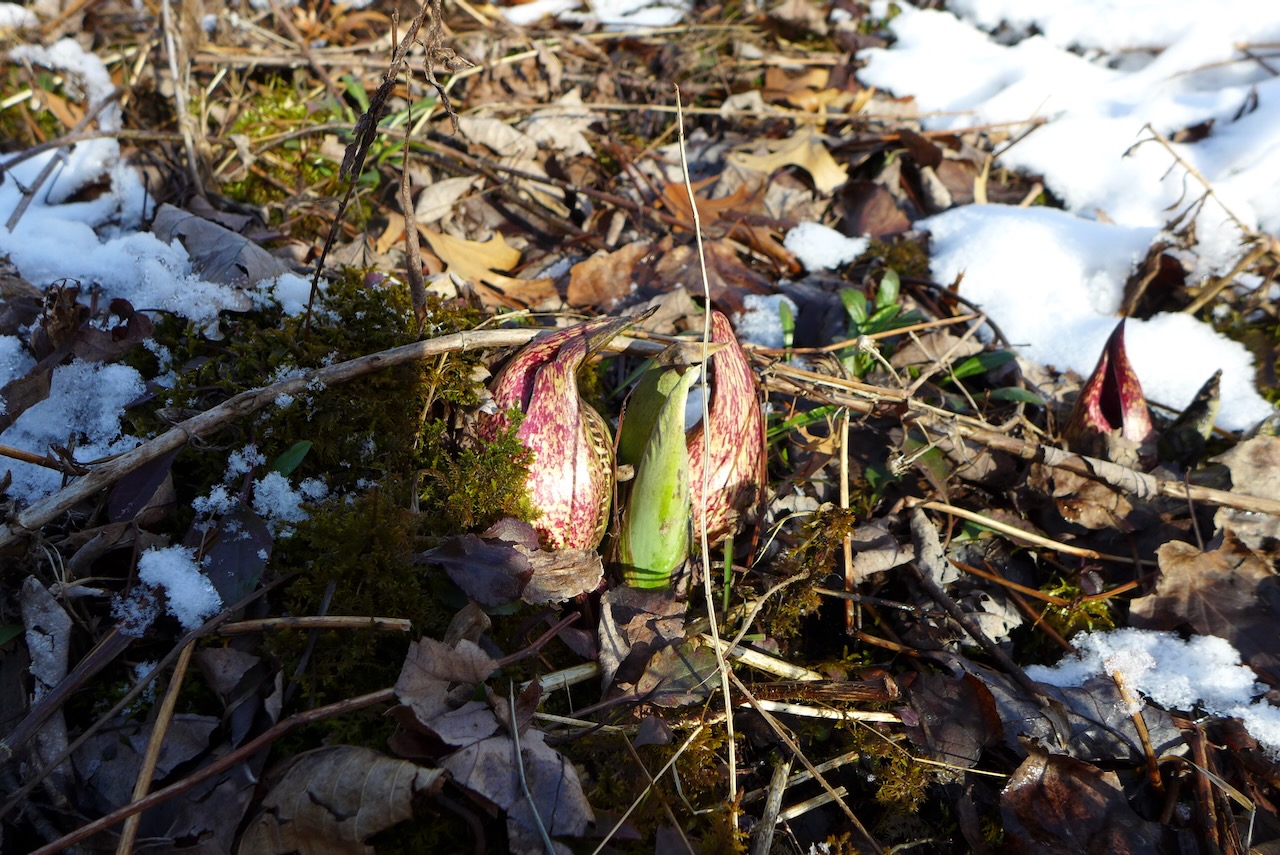


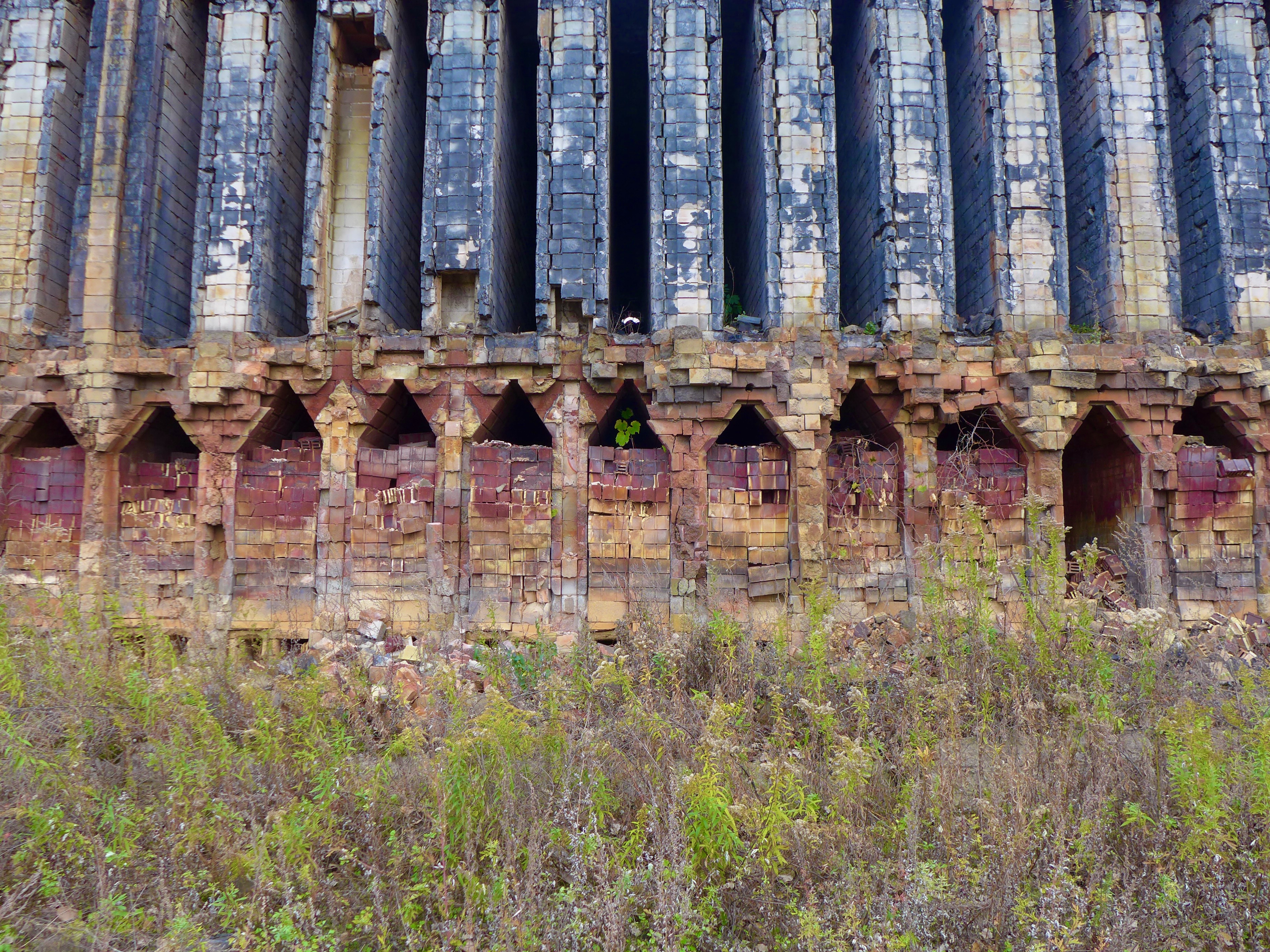
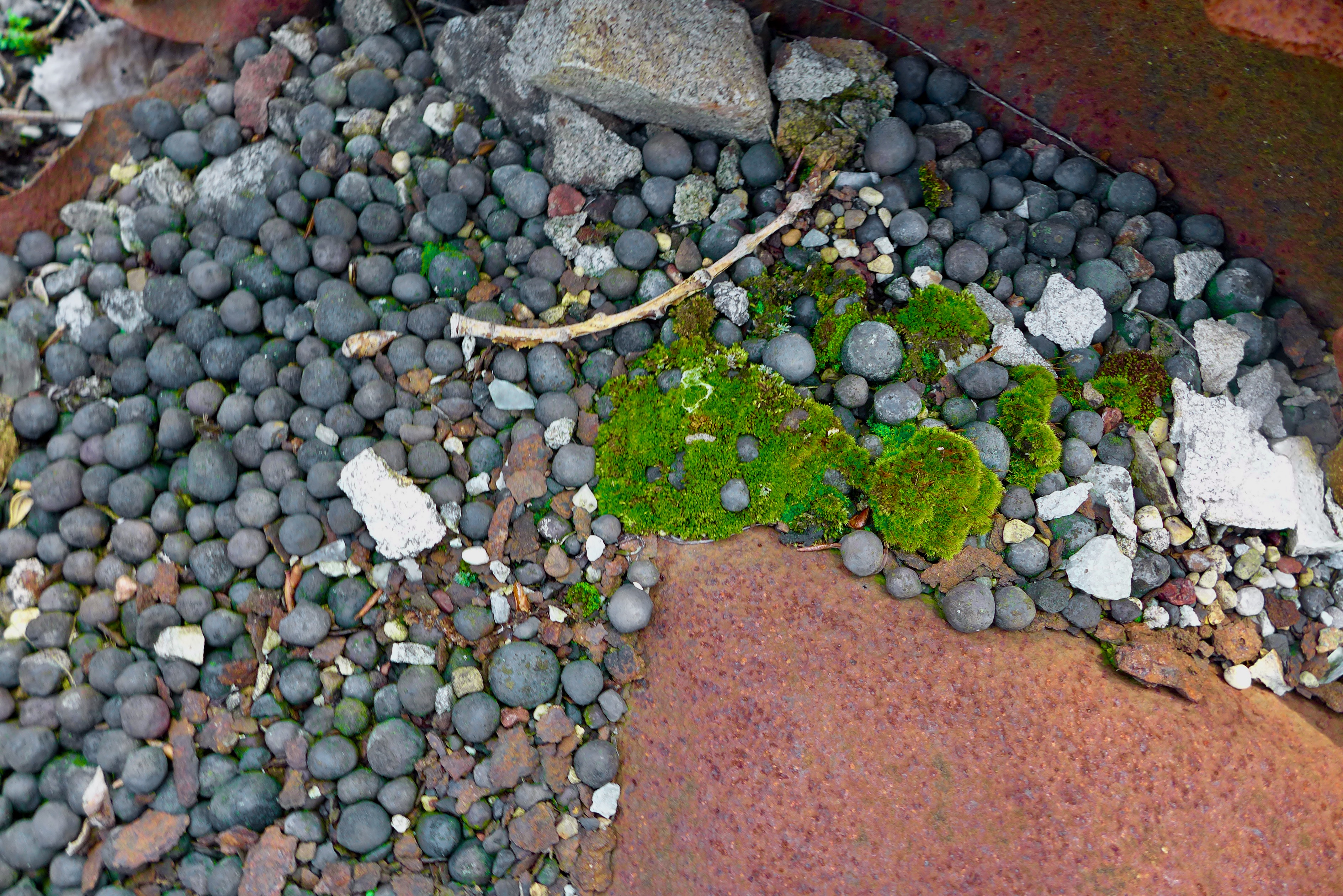
Coking is part of the steel-making process. So the “steel industry waste” with spontaneous vegetation at this Acme Steel site is not slag, like at most other sites on the Slag Map, but what often looks like charcoal briquets made of fly ash.




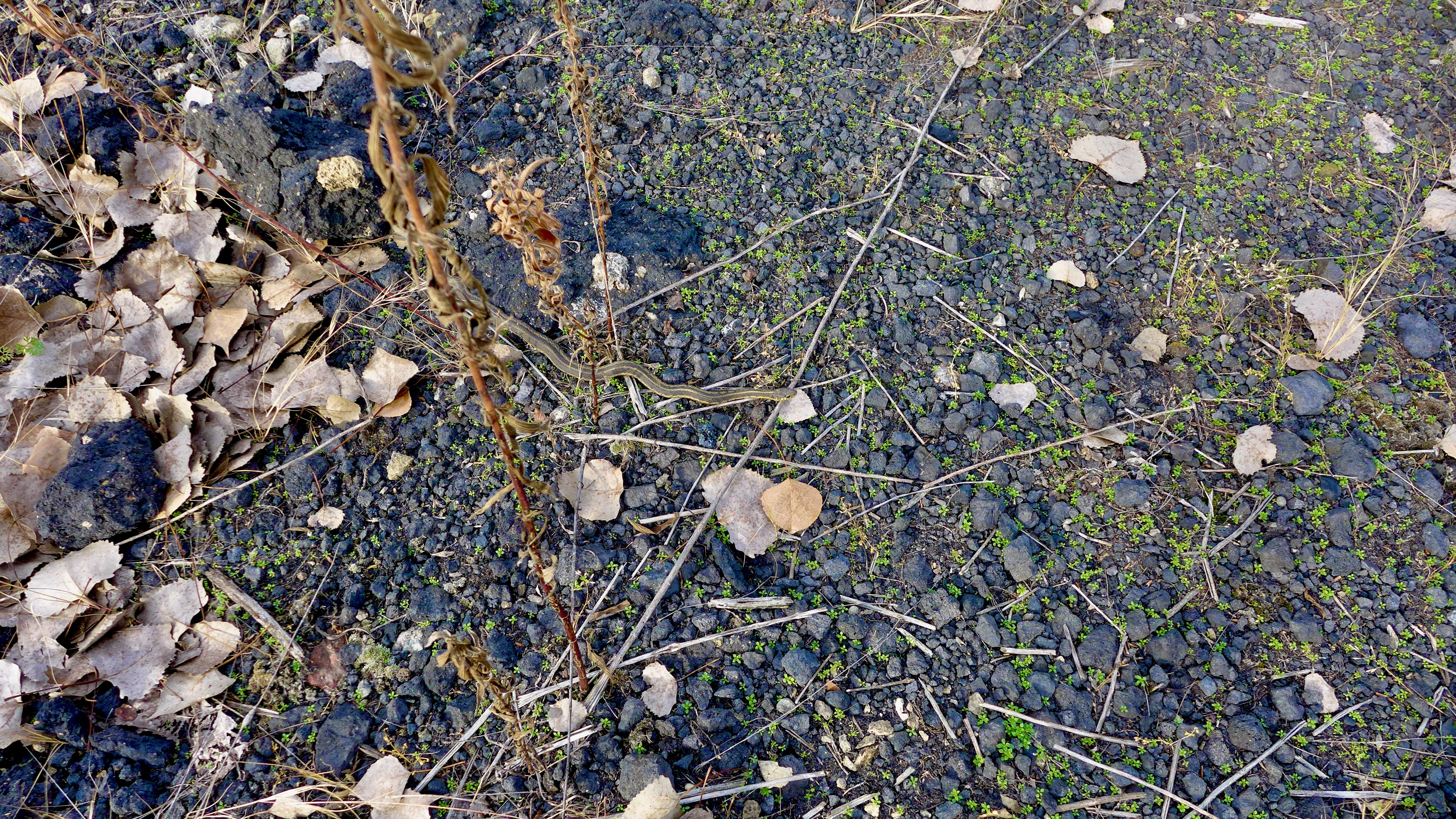
We found a snake friend taking advantage of the raking sunlight.

Check out another visit to the same site a few years ago: Indian Ridge Marsh and beyond, IL • November 2020
A boat launch at Wolf Lake and a hydrological connection to Powderhorn Lake are new initiatives by the Forest Preserves and State Park. The connection between these bodies of water is an important one in reconstituting the wetland complex that has characterized the Calumet Crescent in the last 10,000 years.
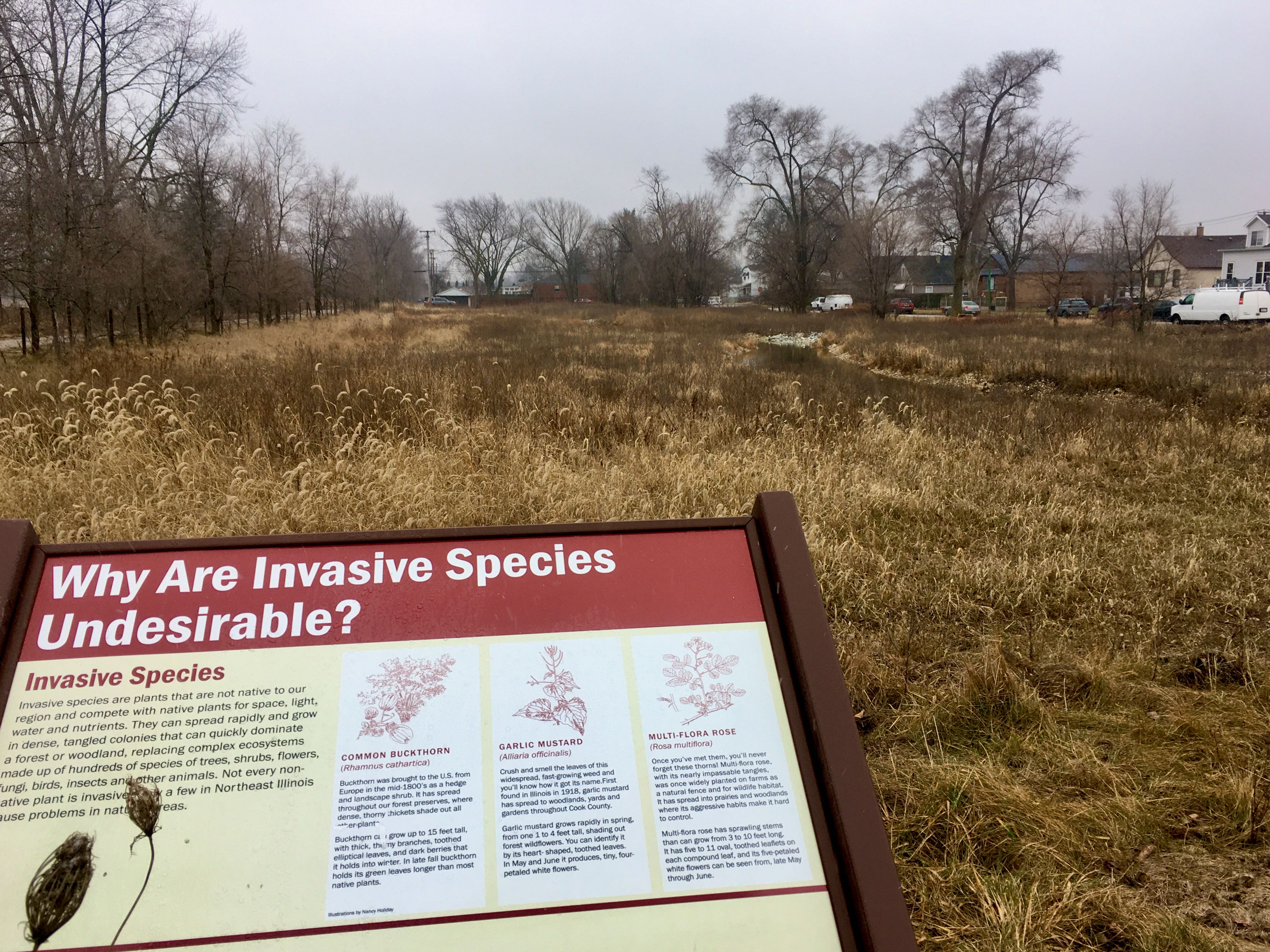
Looking south towards Powderhorn, this new naturalized channel was constructed in an empty, perennially flooded lot. This green infrastructure is beneficial to the surrounding human community (decreasing local flooding) and connecting the animal communities.

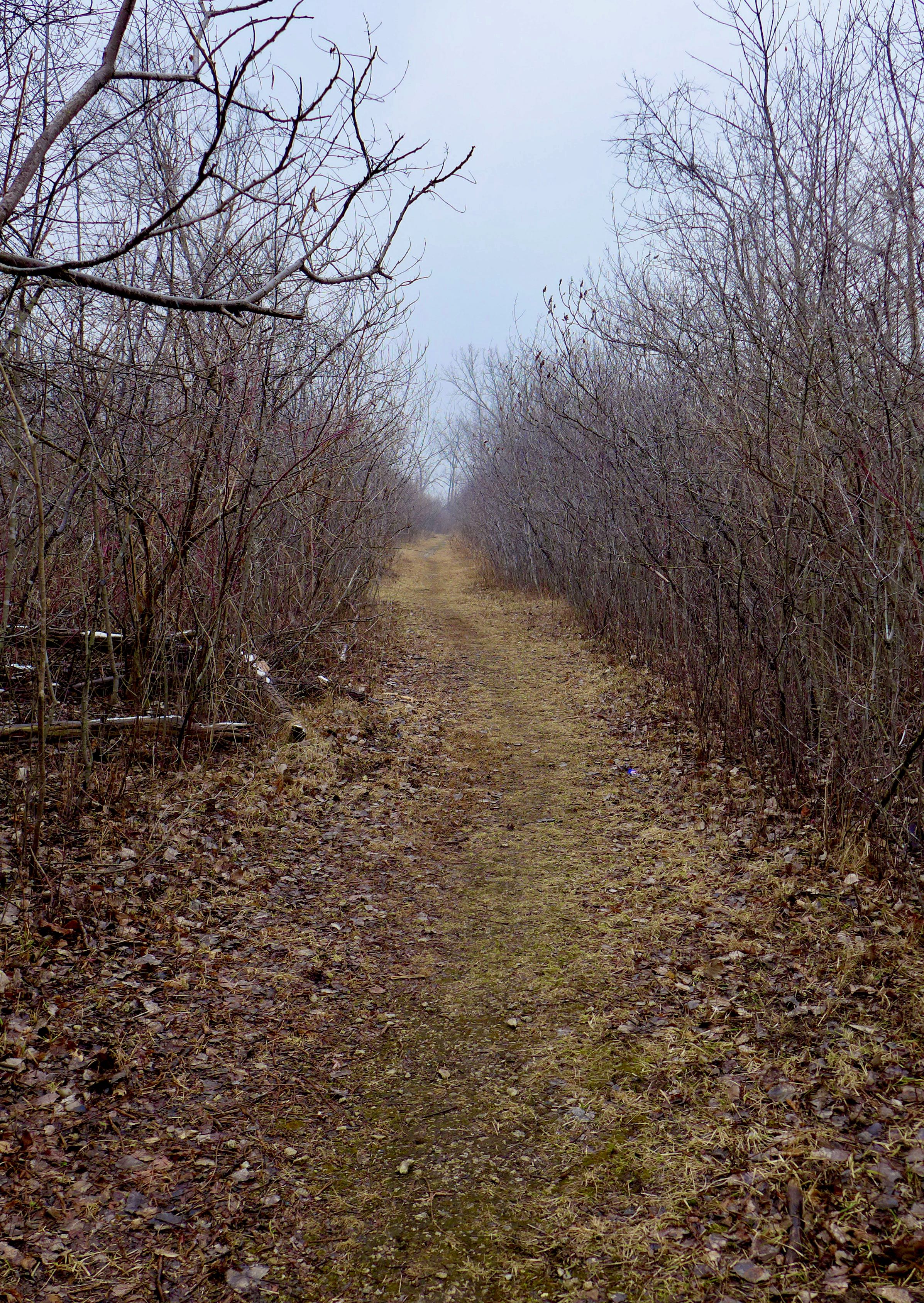
Walking north, a buckthorn protected path affords coverage for waterfowl hunters (remember there is a gun club close by and hunting is legal in William Powers State Park) or coyotes, flanked by the transition zones between land and lake.



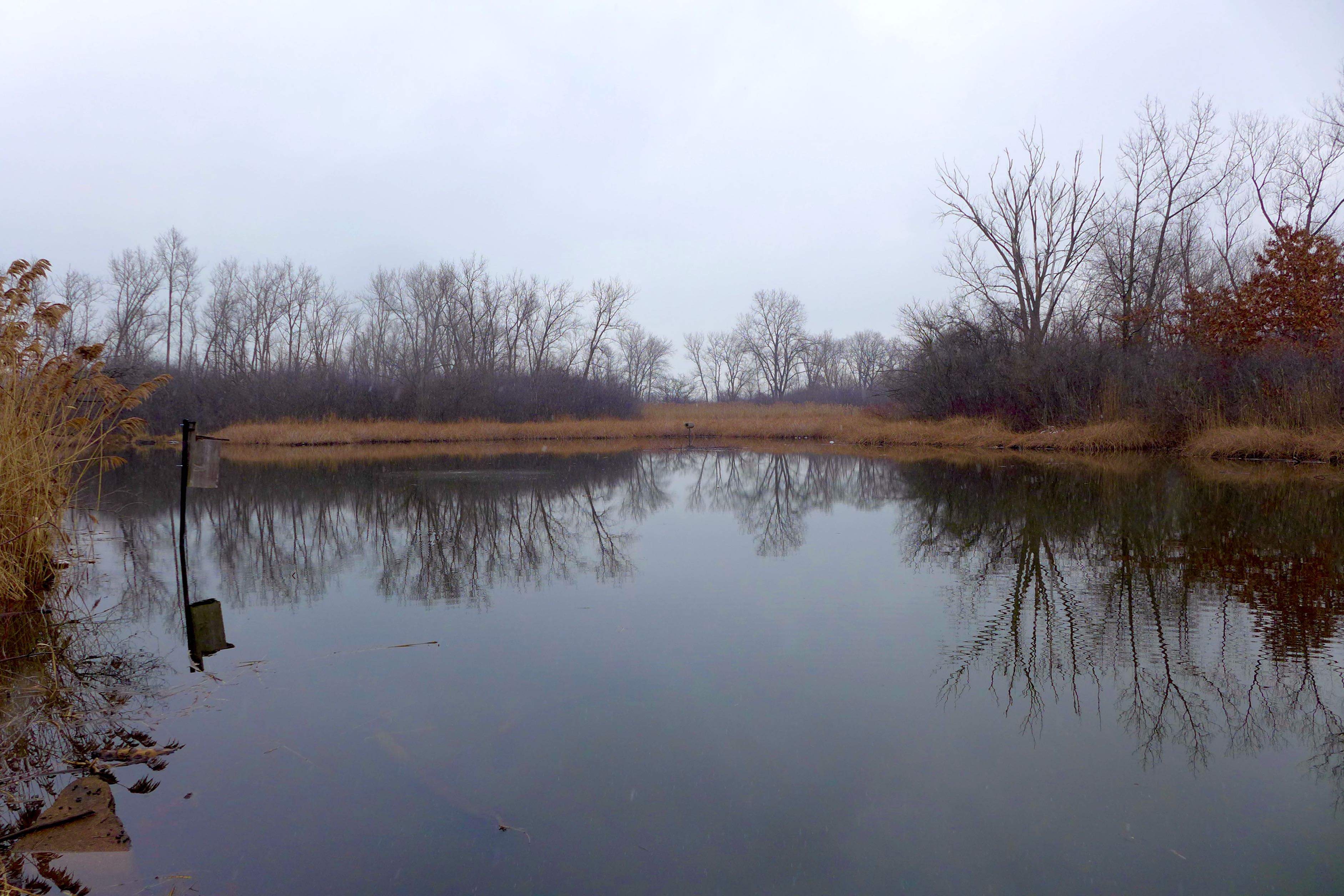
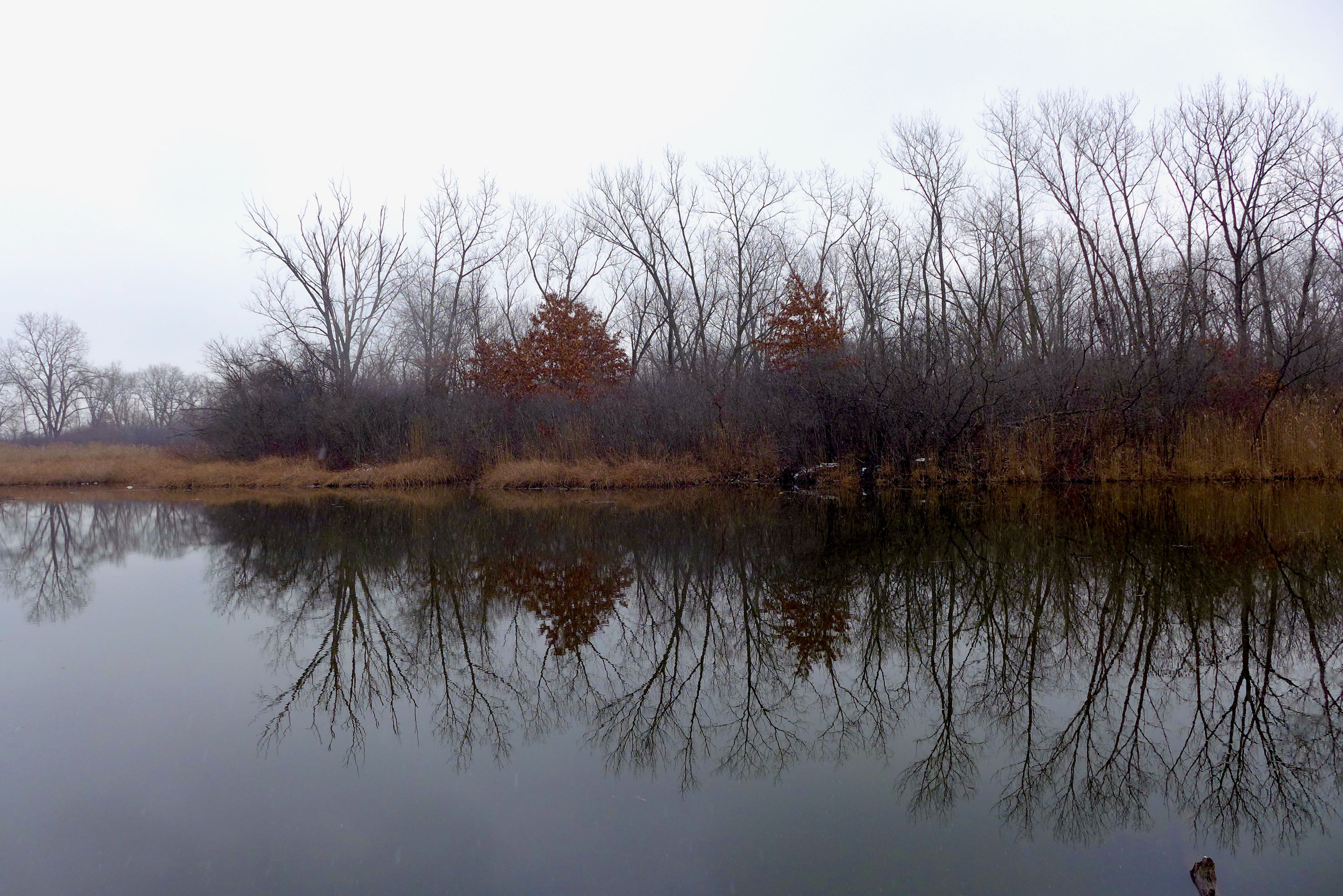

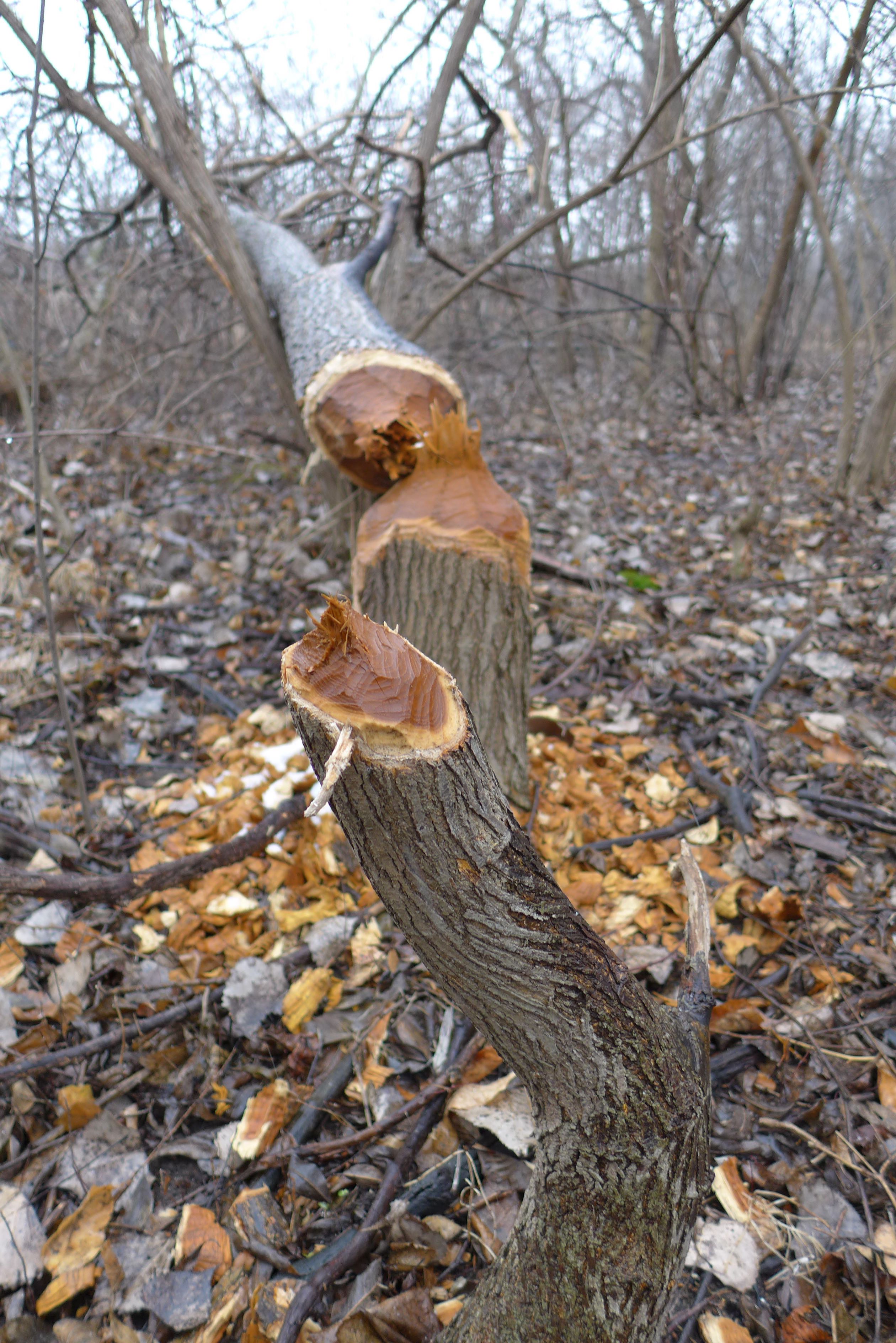
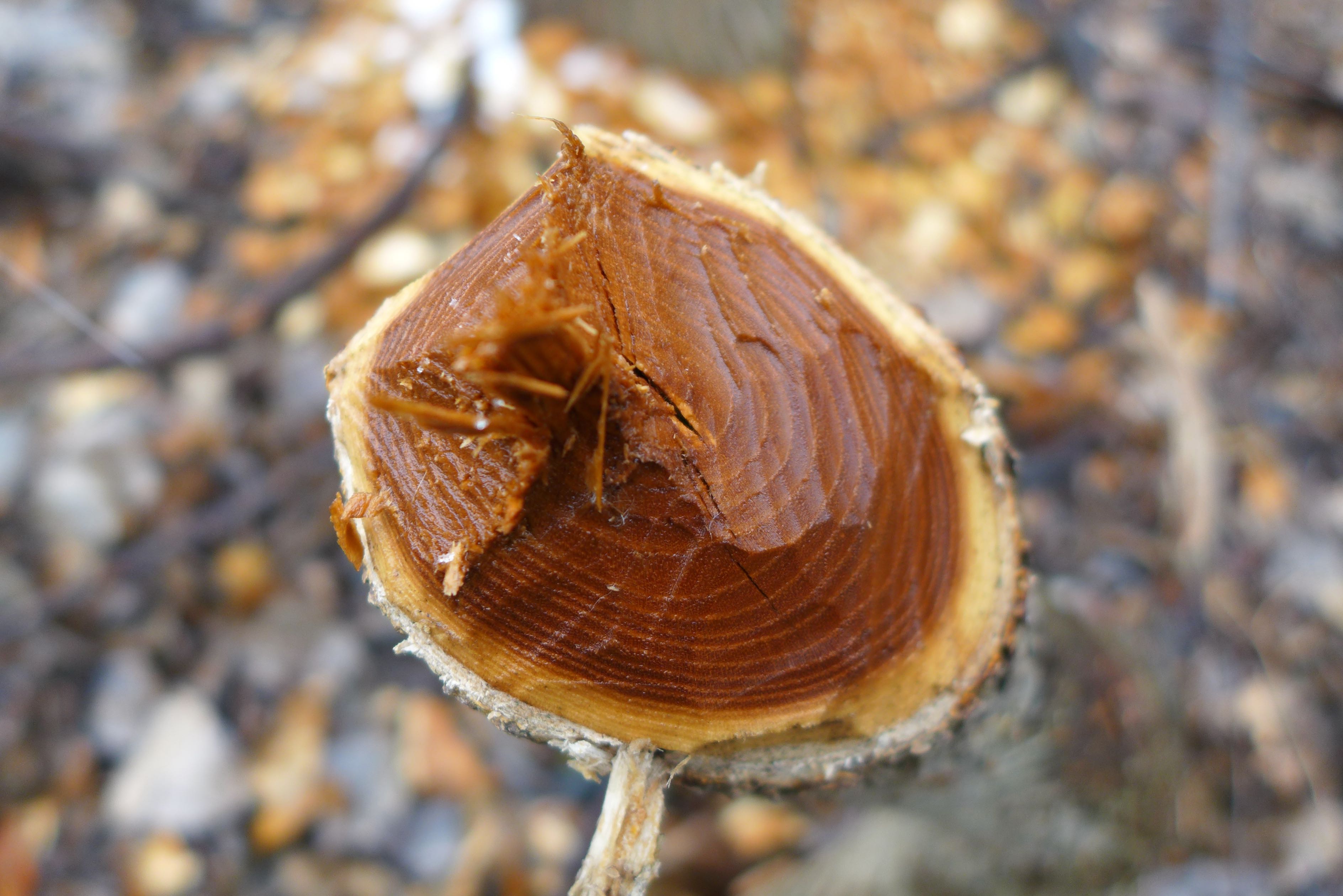
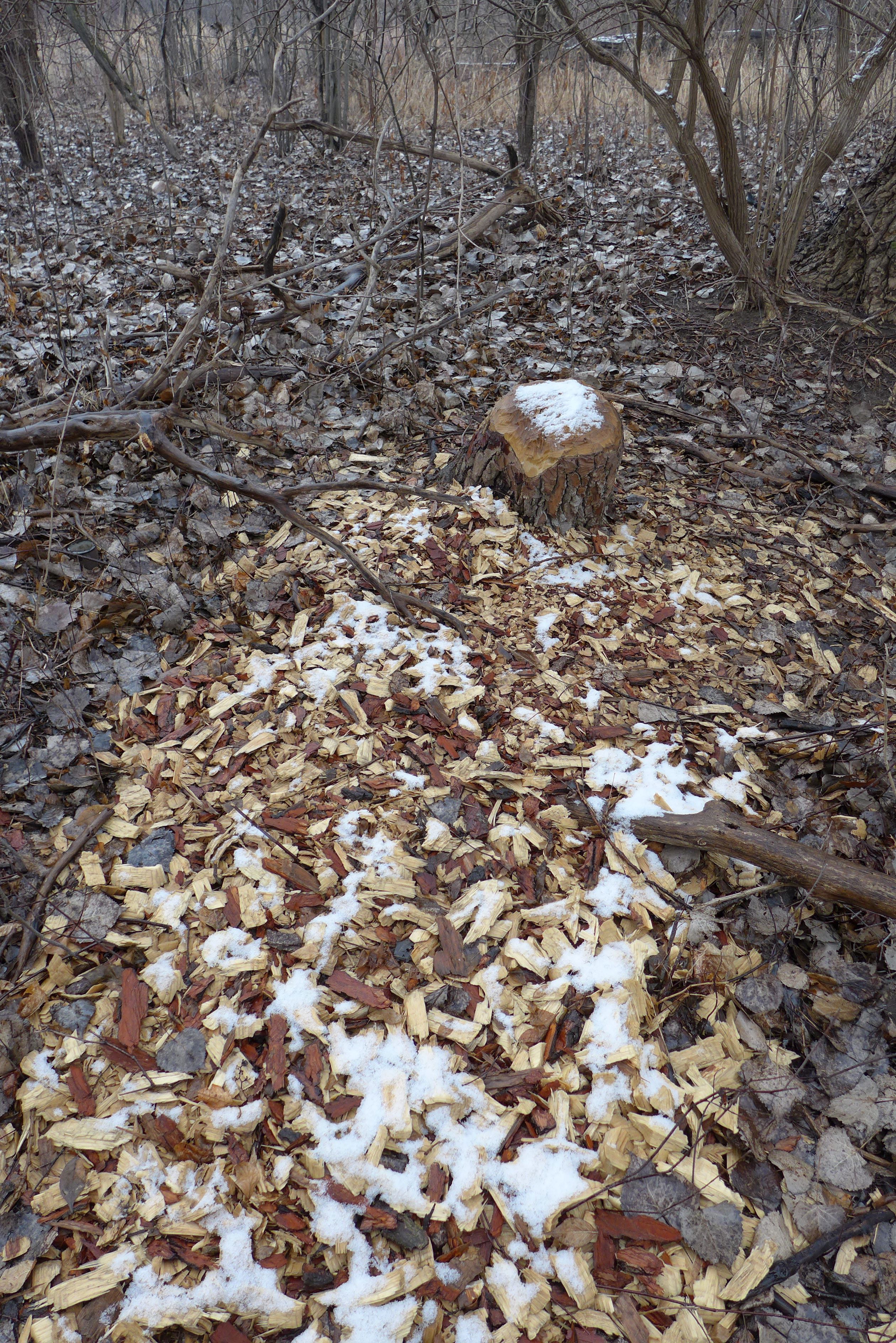
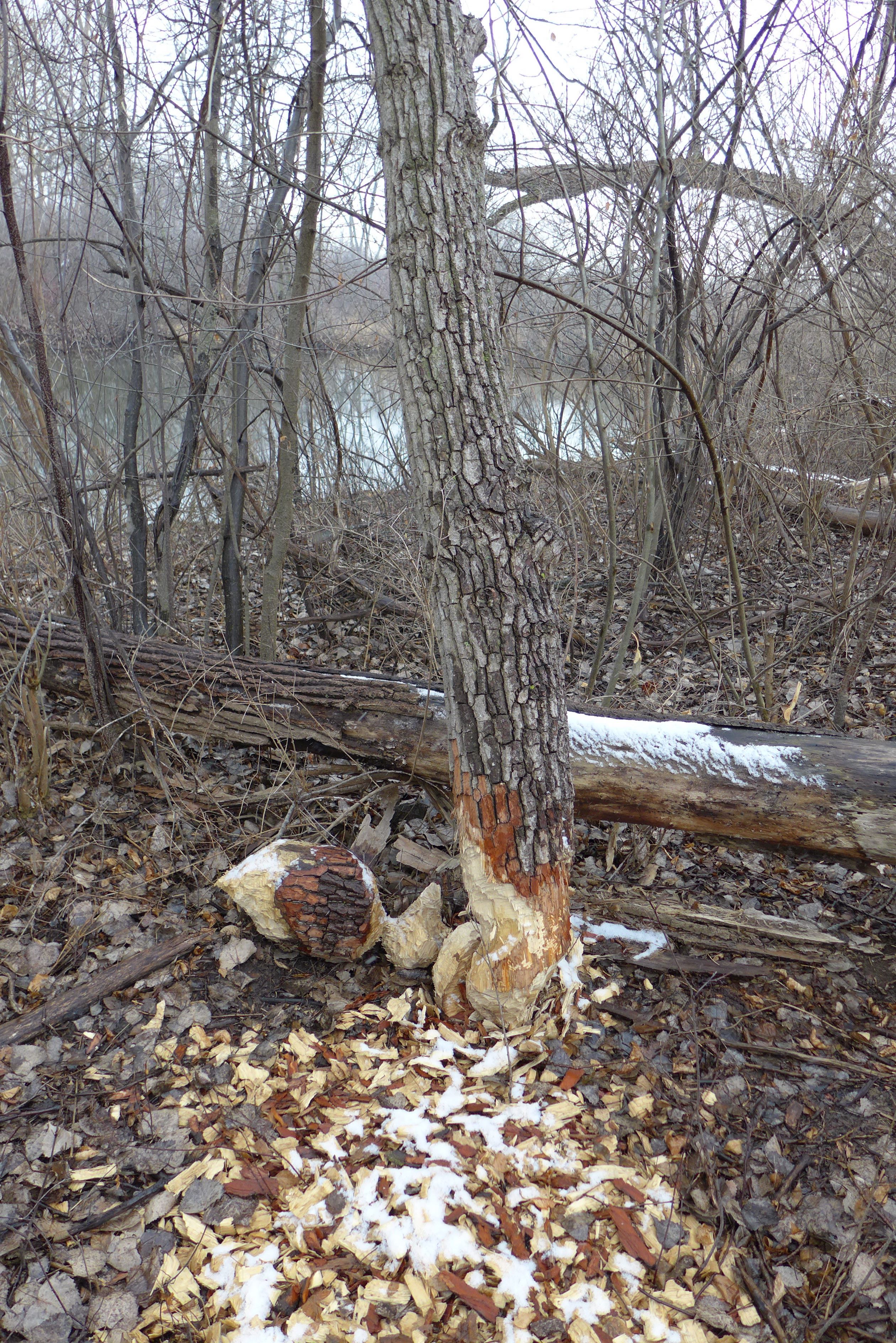
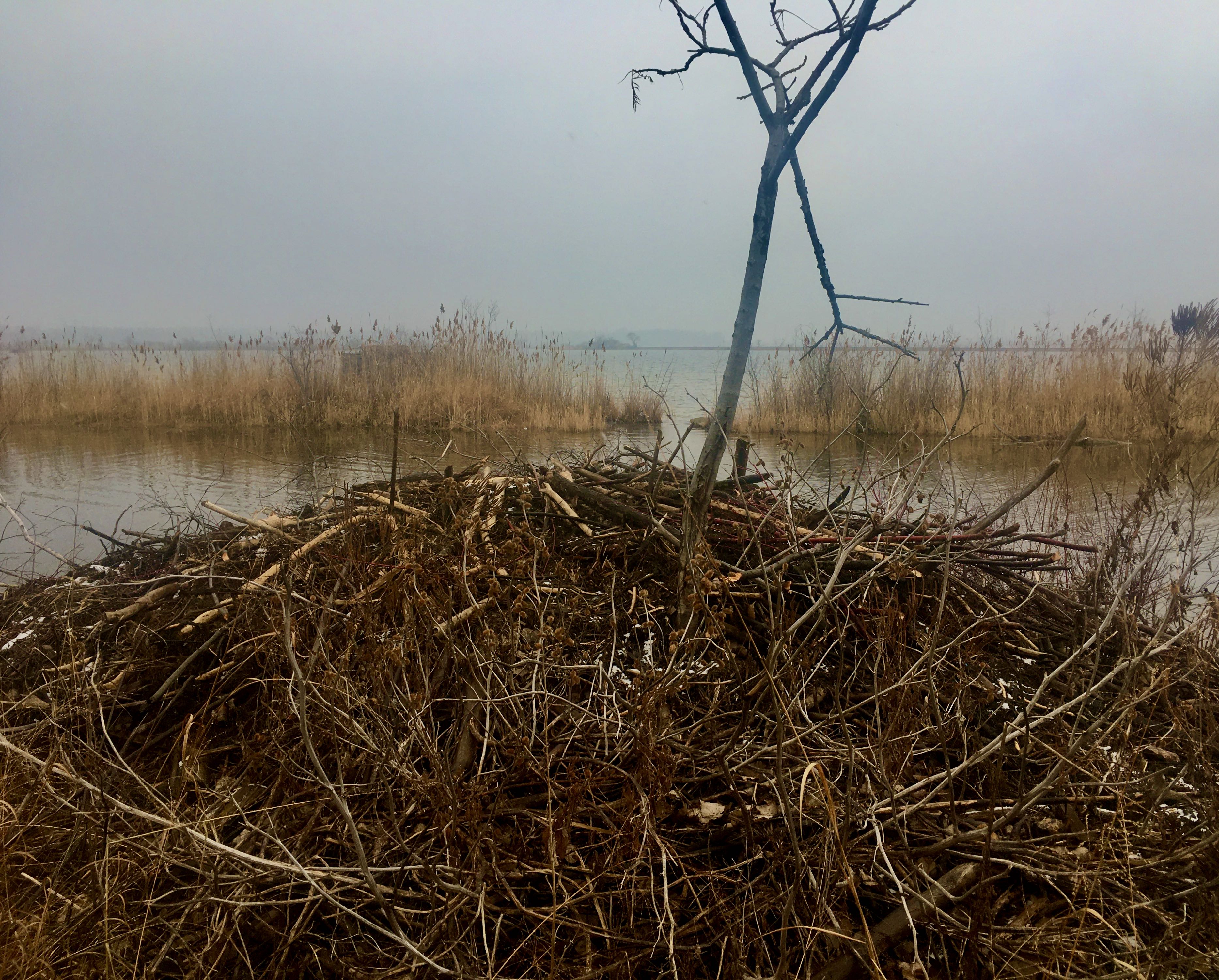
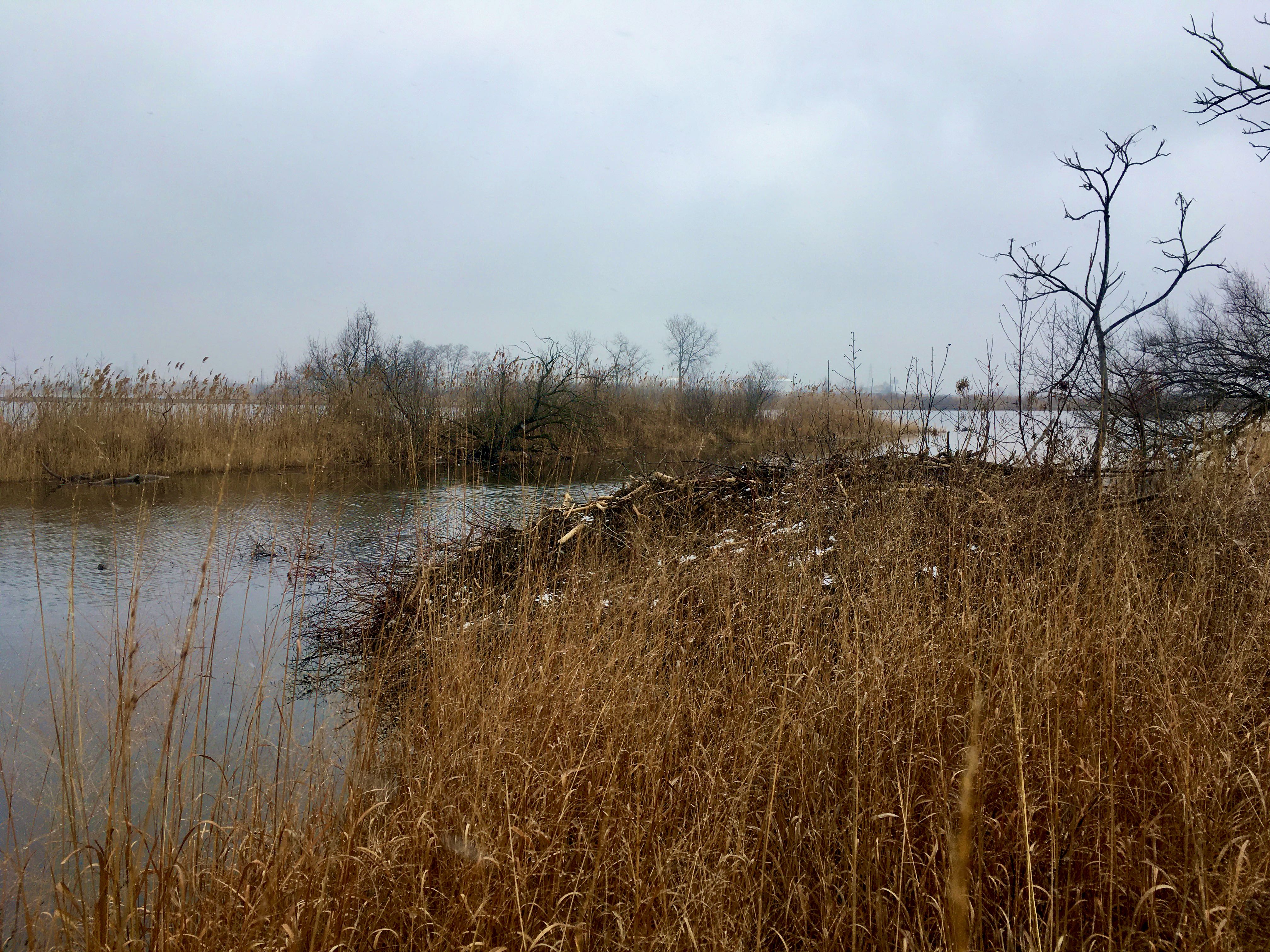
The real action though comes from the beavers. We’ve seen beaver dams around Powderhorn Lake in the past – I wonder if these beaver clans were already connected overland, or if the coming months will be first contact between the populations! I hope someone is using this behavioral, range, and host tree preference data to learn lots about these local ecosystem builders!

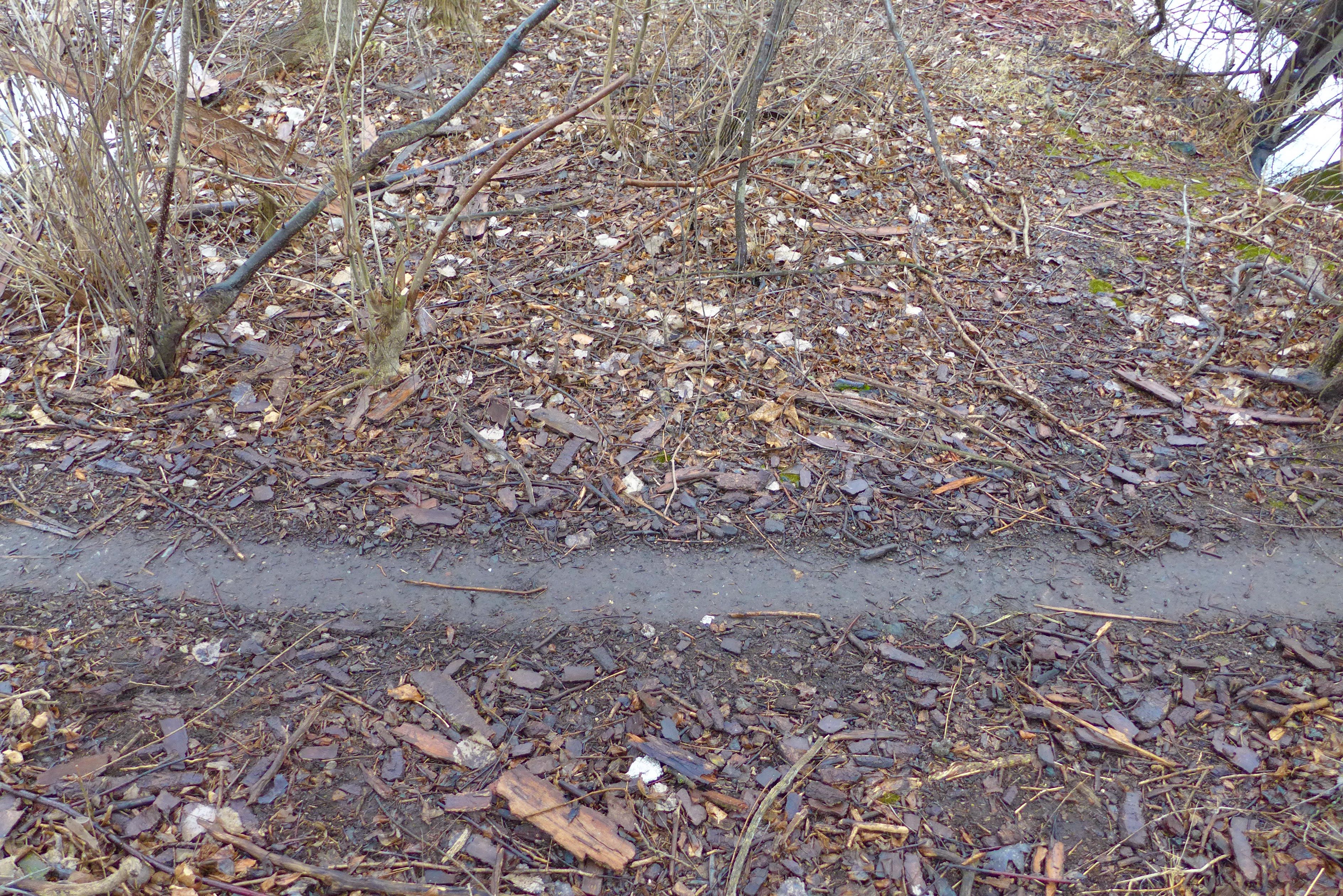
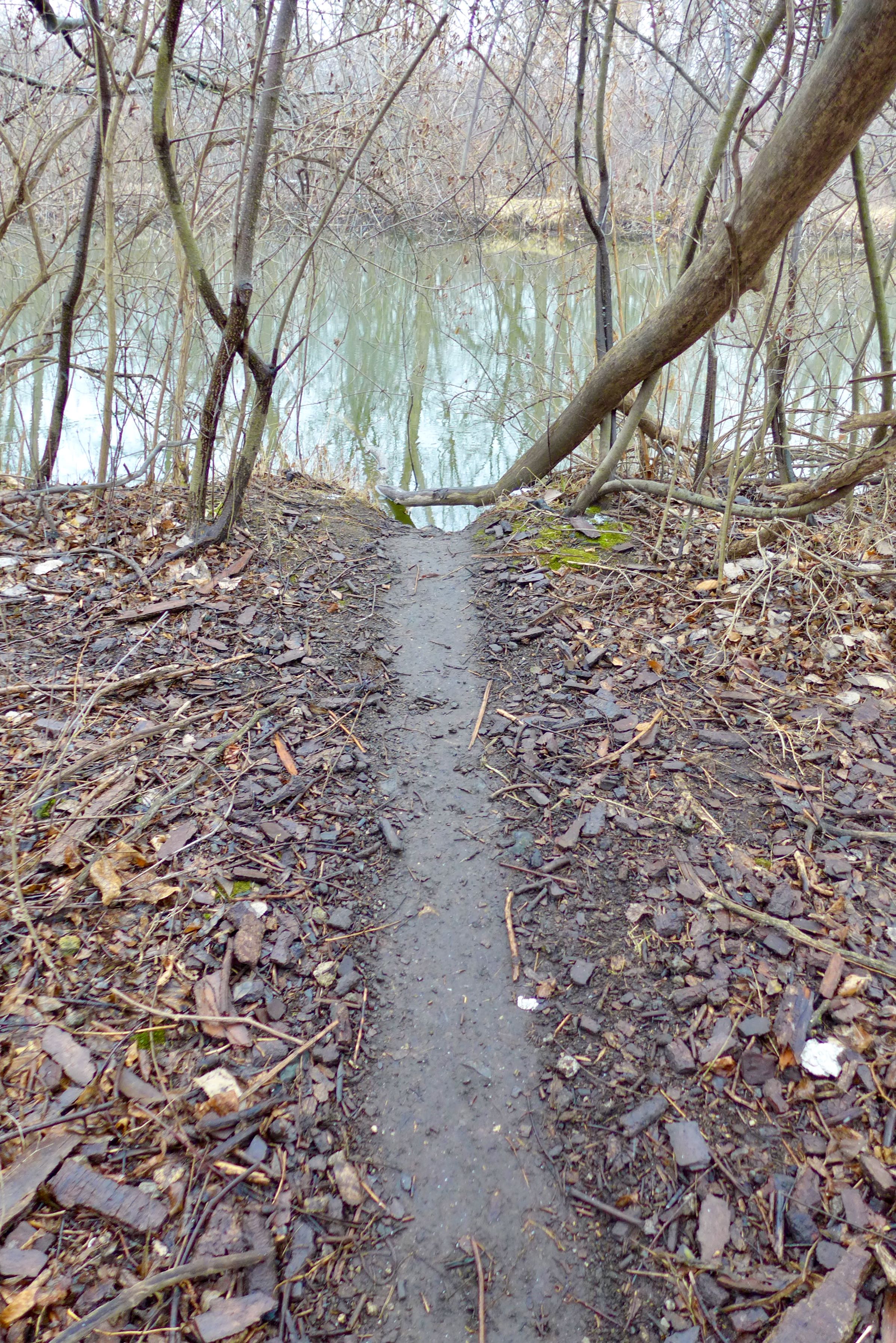
With no one else around, there was a liminal feeling to the masses of Phragmites topped with a cloudy gauze covering the winter afternoon sun.






 Calumet Region Adventure Club