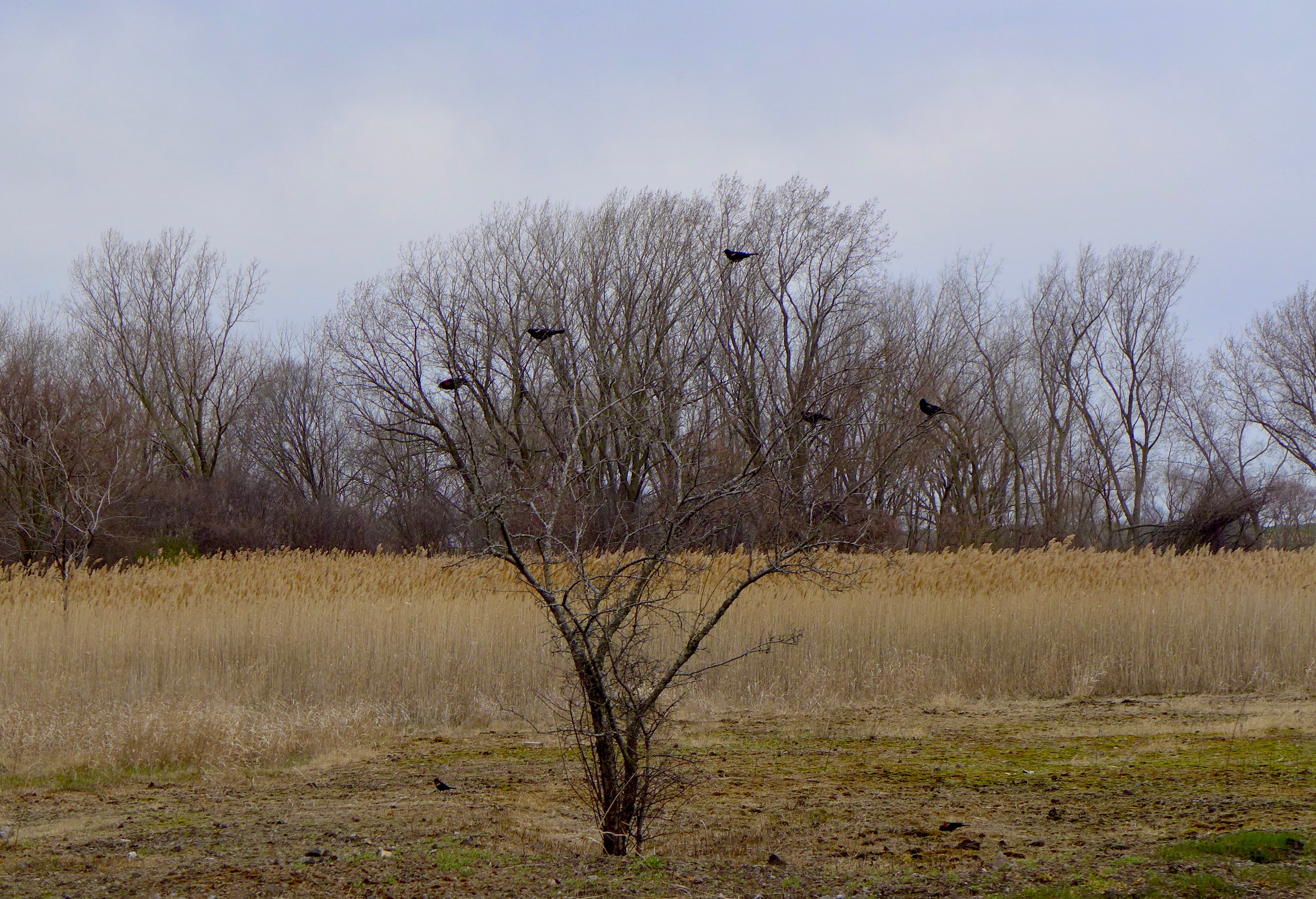
The Mars Transect @ Big Marsh, IL

I recently had a conversation with a colleague about what in the heck a transect is. In ecology, it’s just an experimental tool, to help orient you to the landscape. Literally, it’s a line with known geographical coordinates. Gradients of various types are often revealed along a transect, through repeated sampling or experimental plots.

Urbanists like to talk about transects, especially in the context of the typology of the city. The transect articulates transitions between zones, with the idea that there are concentric circles of economic activities as you move out from the central city, from dense urban core, to sparse rural farmhouses.
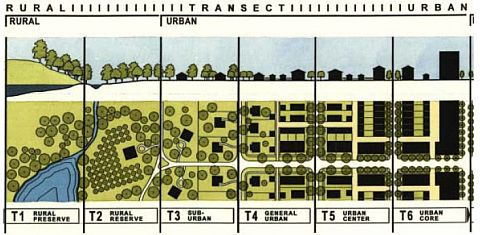
Anyway, at Big Marsh, we are using the transect on Mars to look at how vegetation and soil characteristics vary along this transect, and over time. Part of our slow science research.

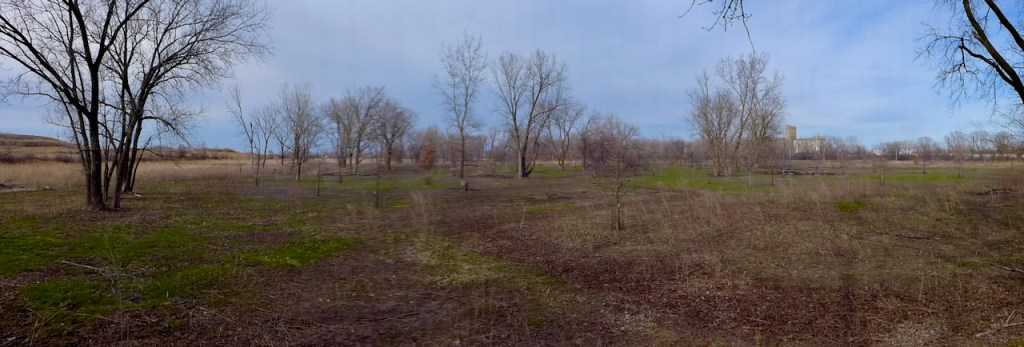
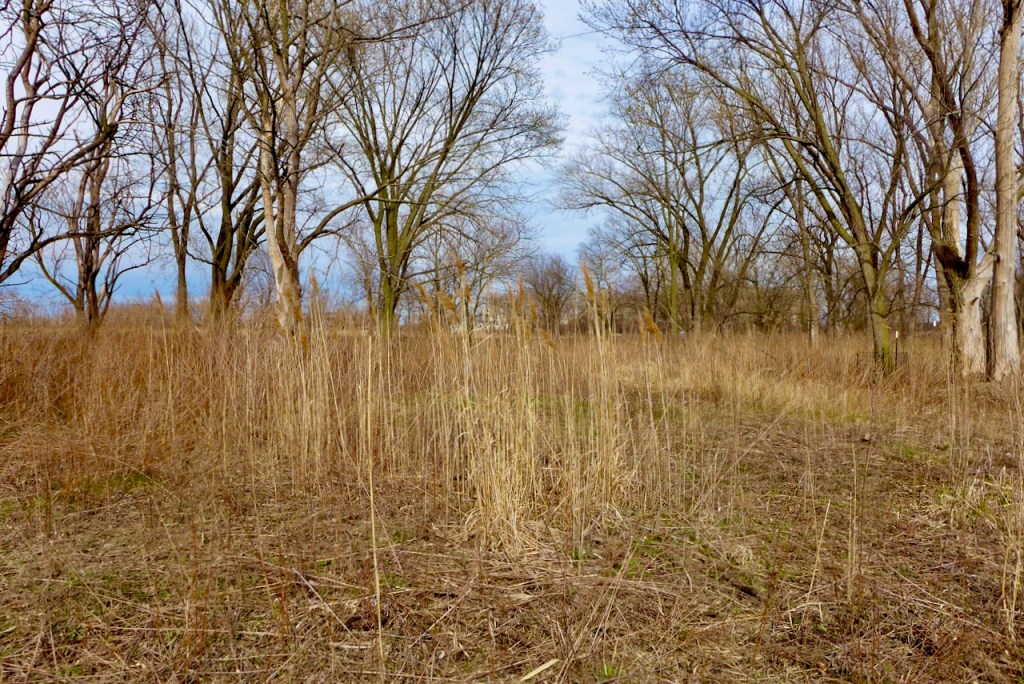
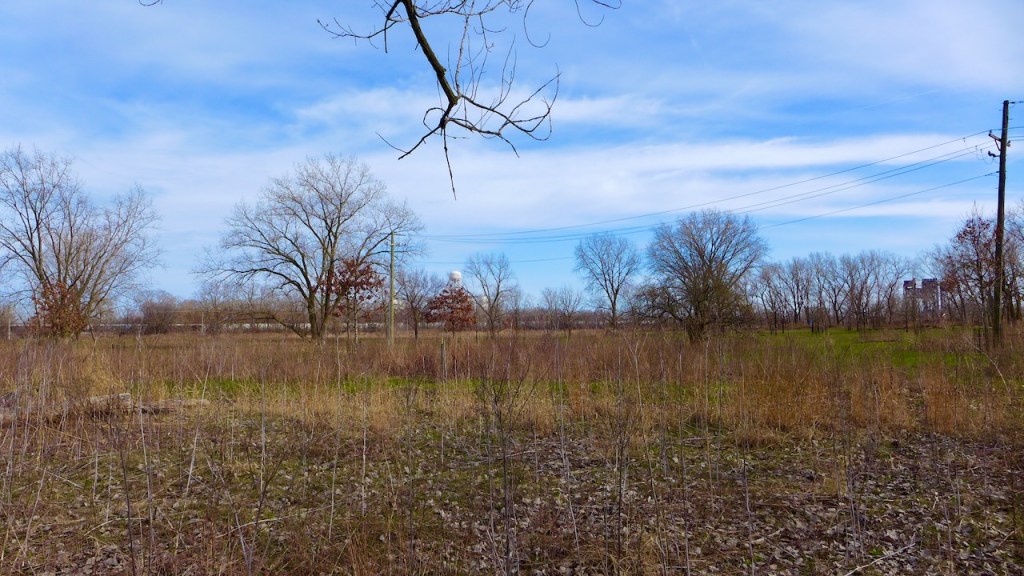
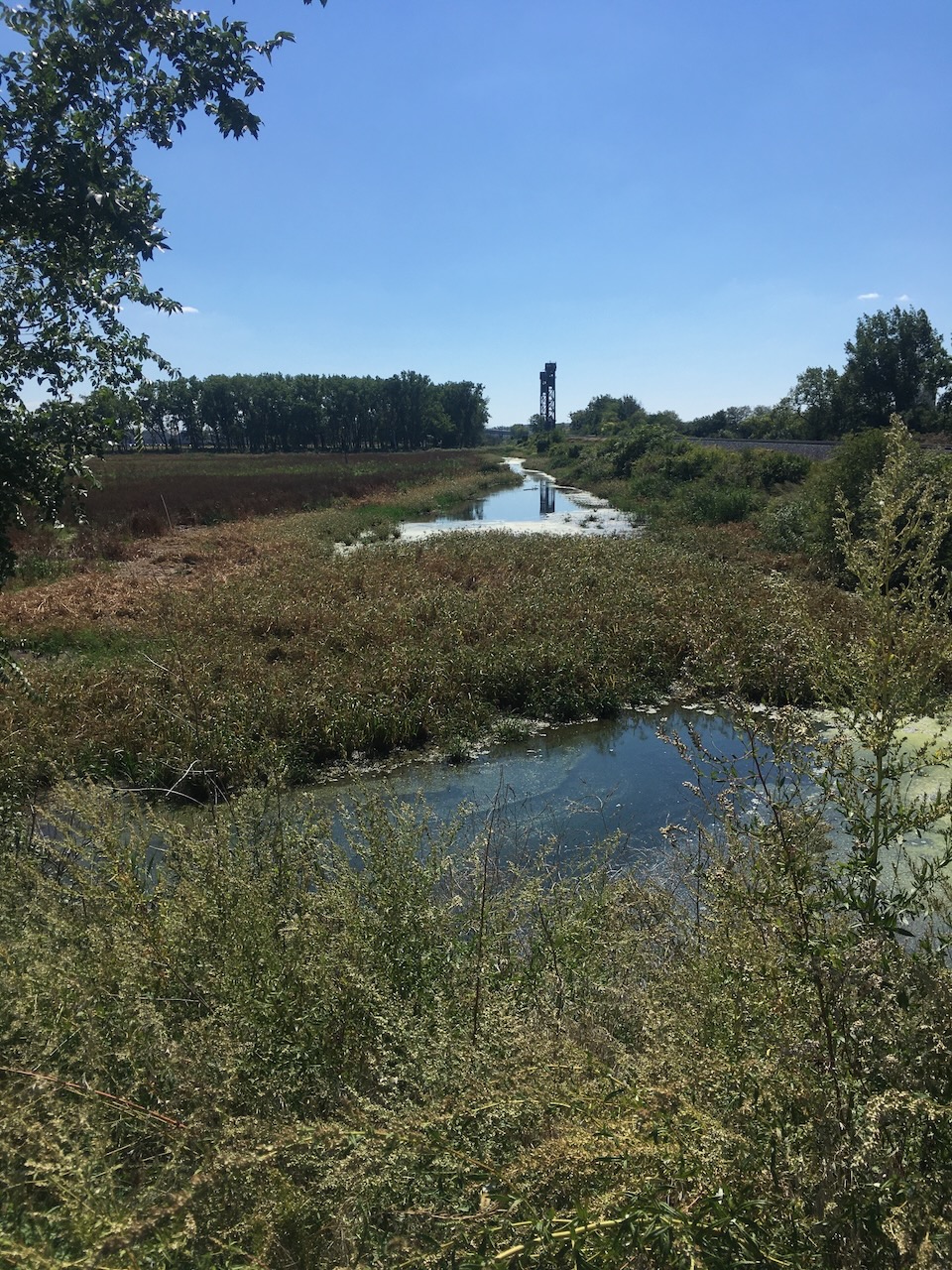
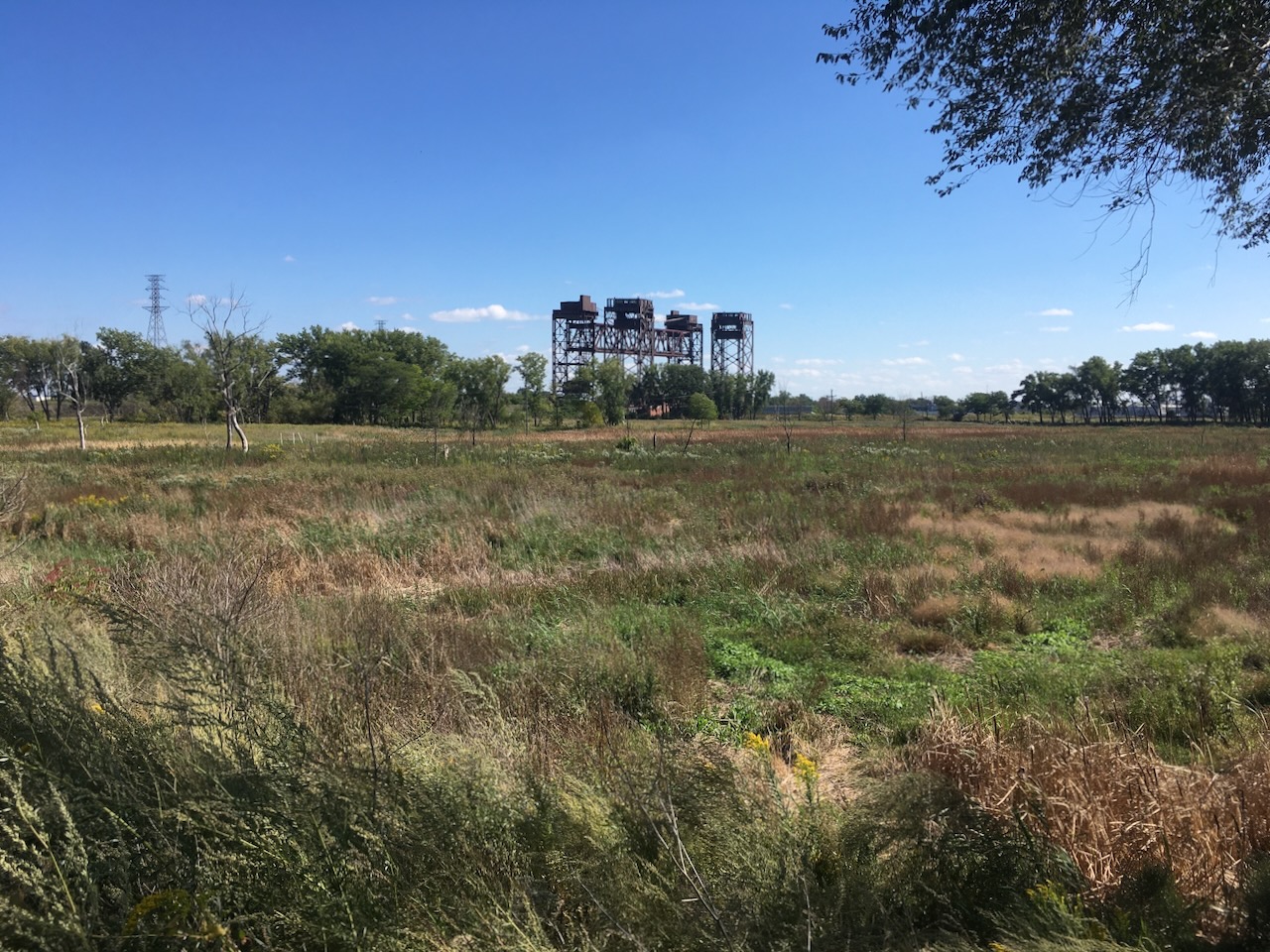
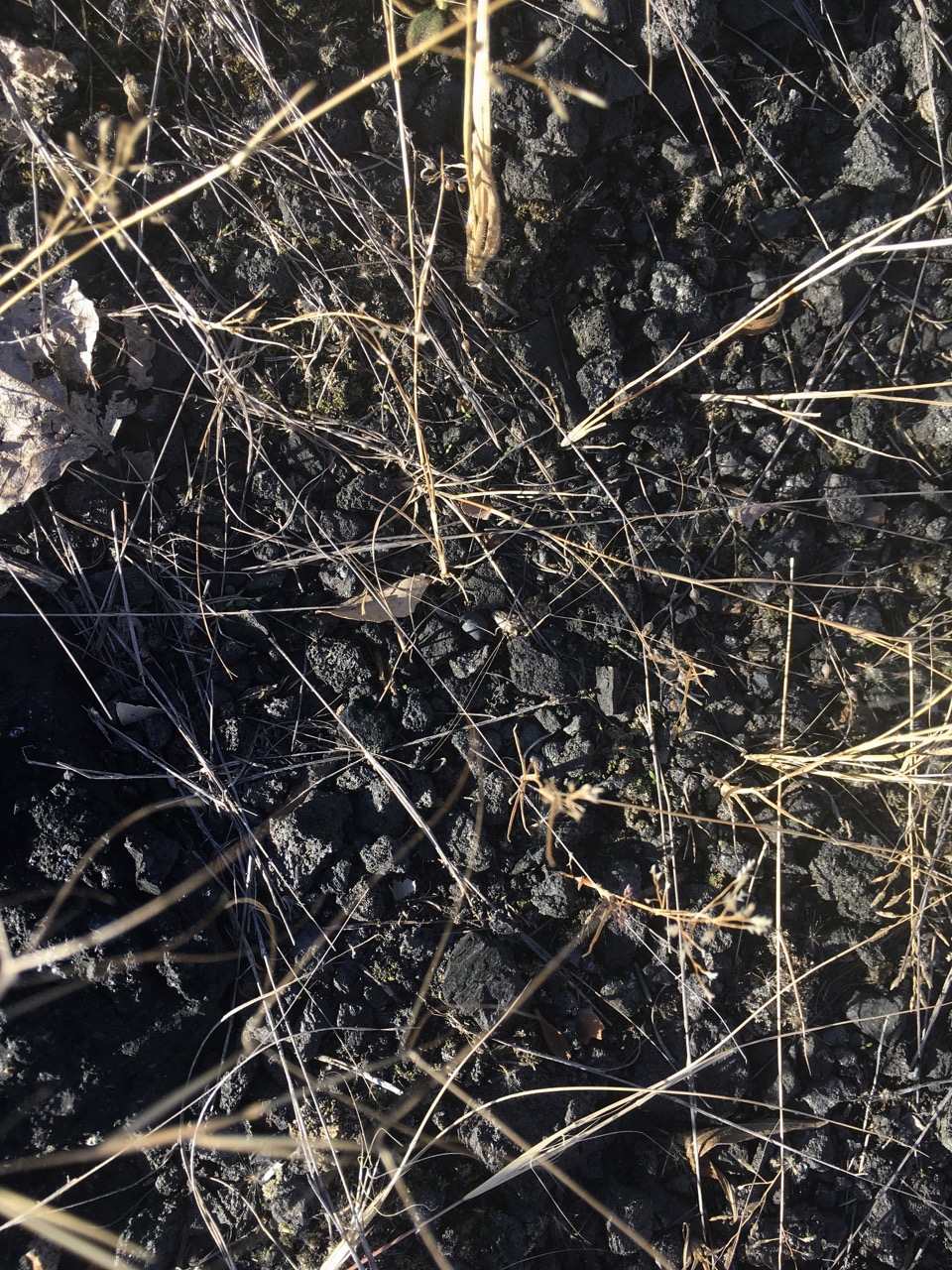
But what does this actually look like? It’s trivial for me to imagine, but not so for others. Here’s a collection of images I found that may help to visualize it.

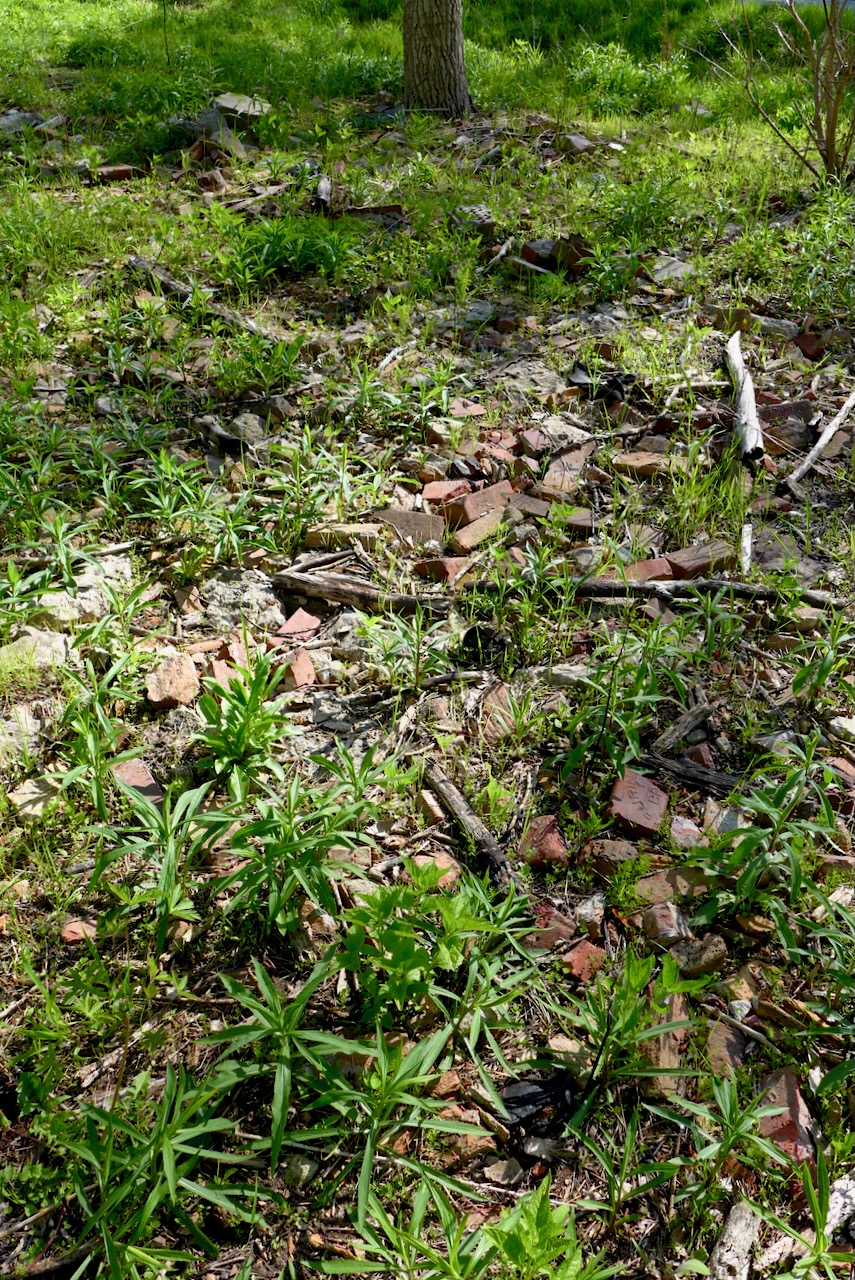
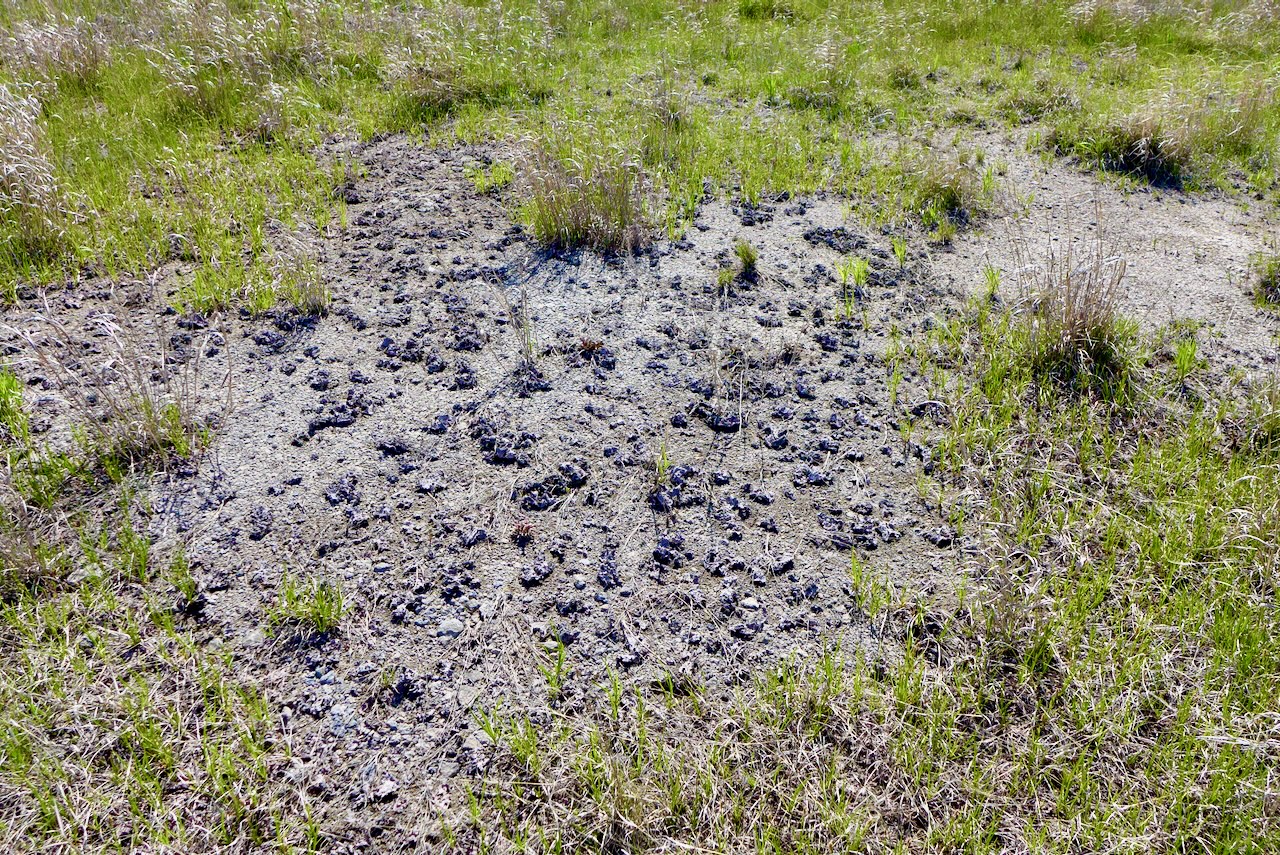
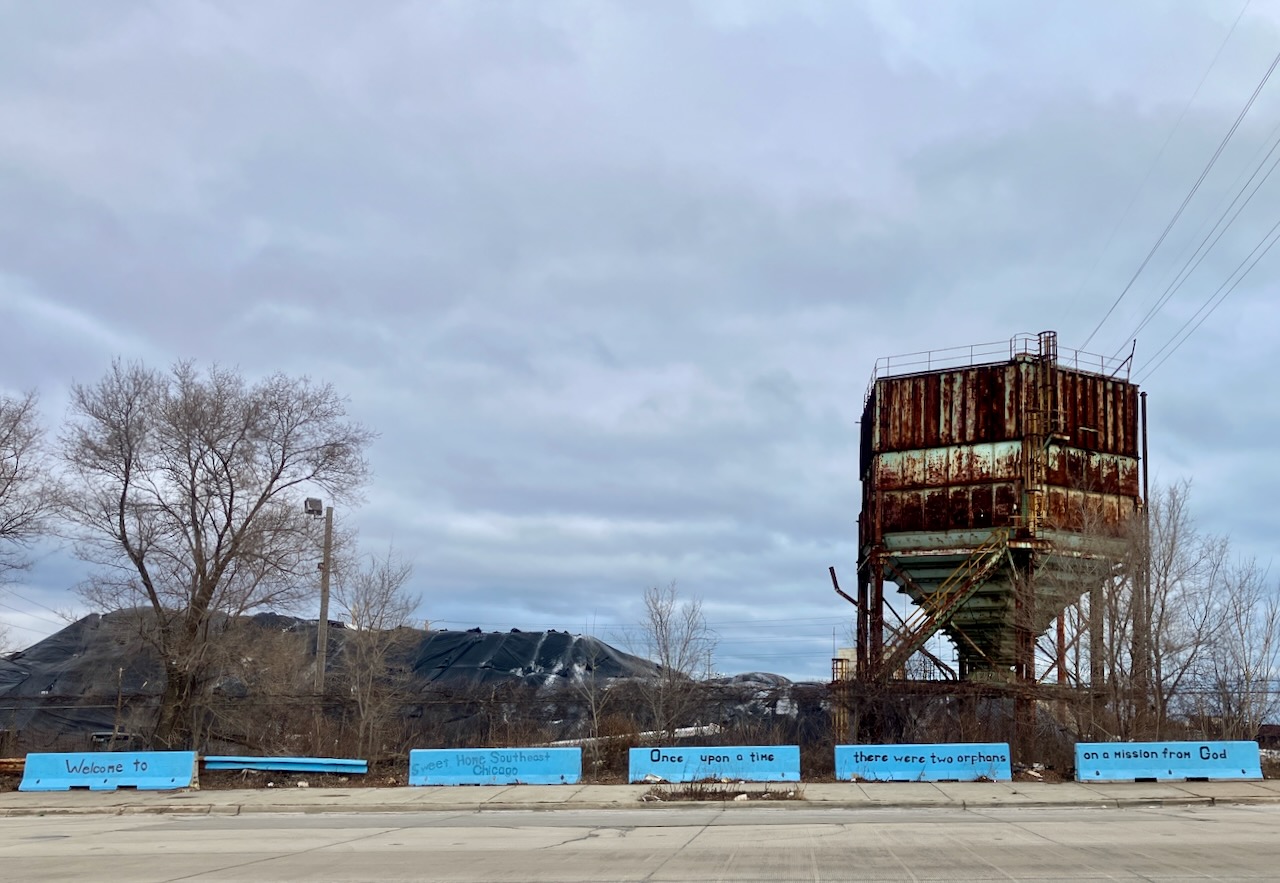
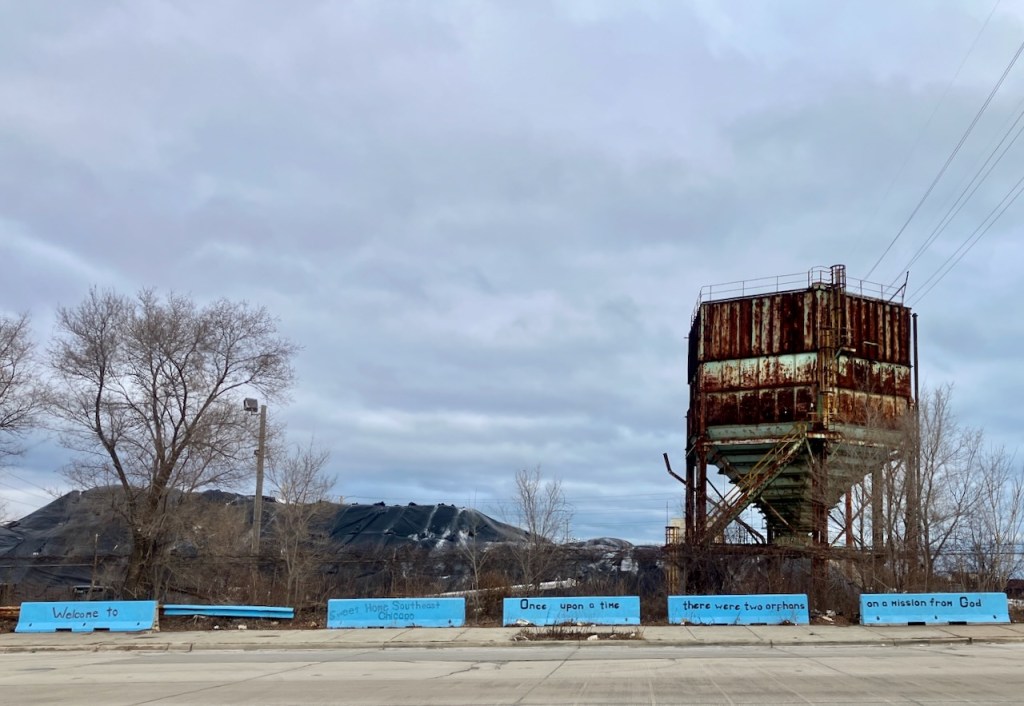
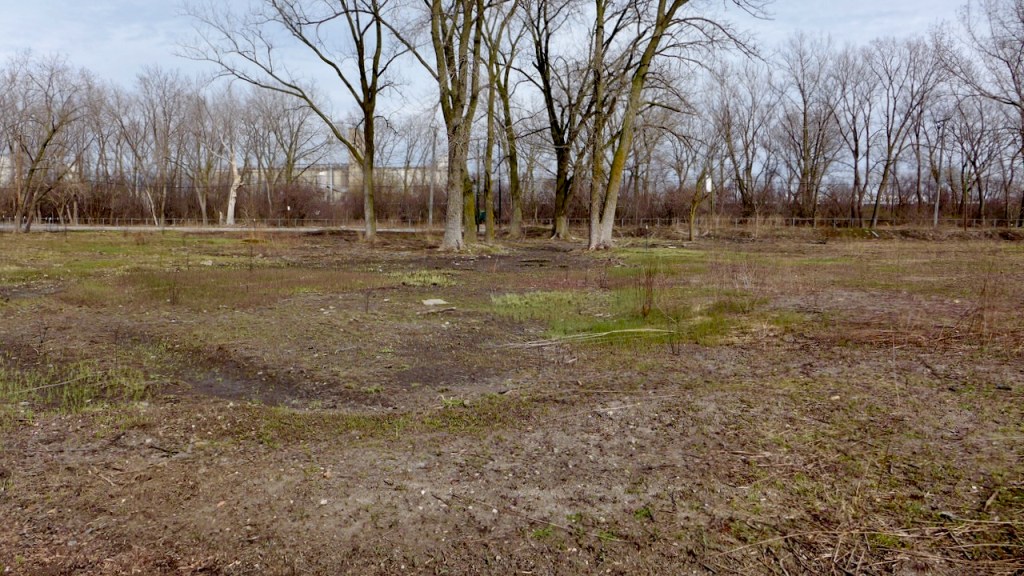
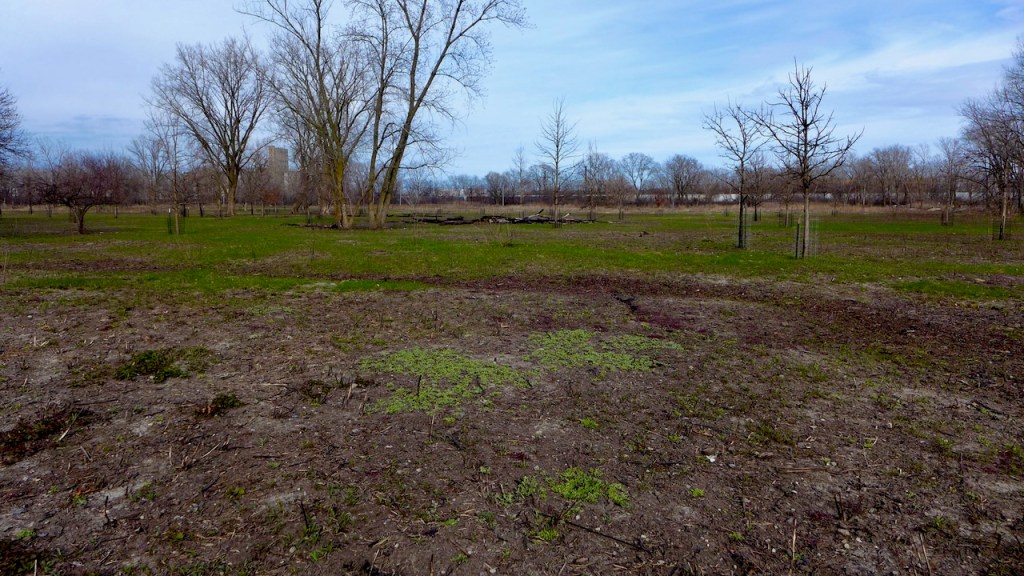
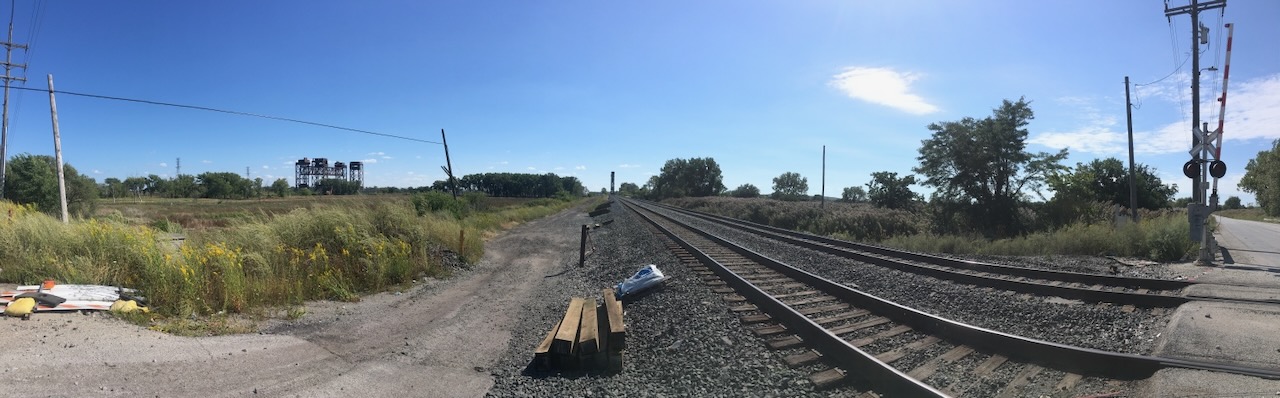
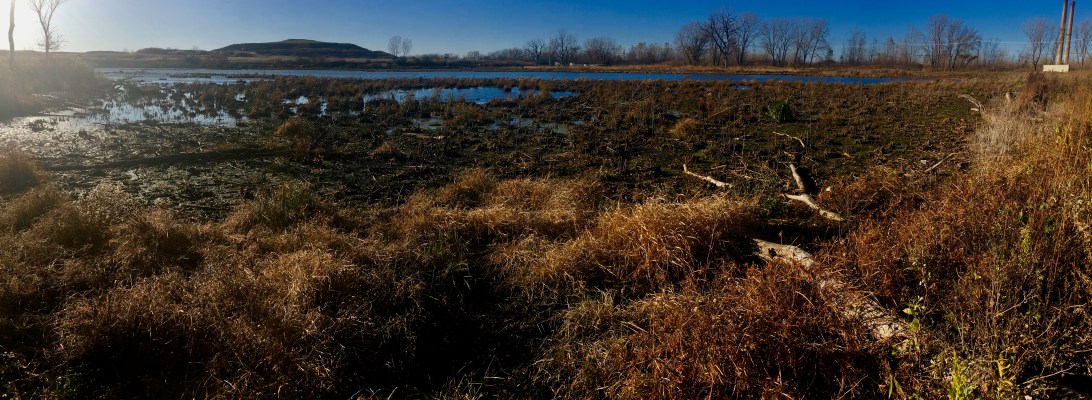
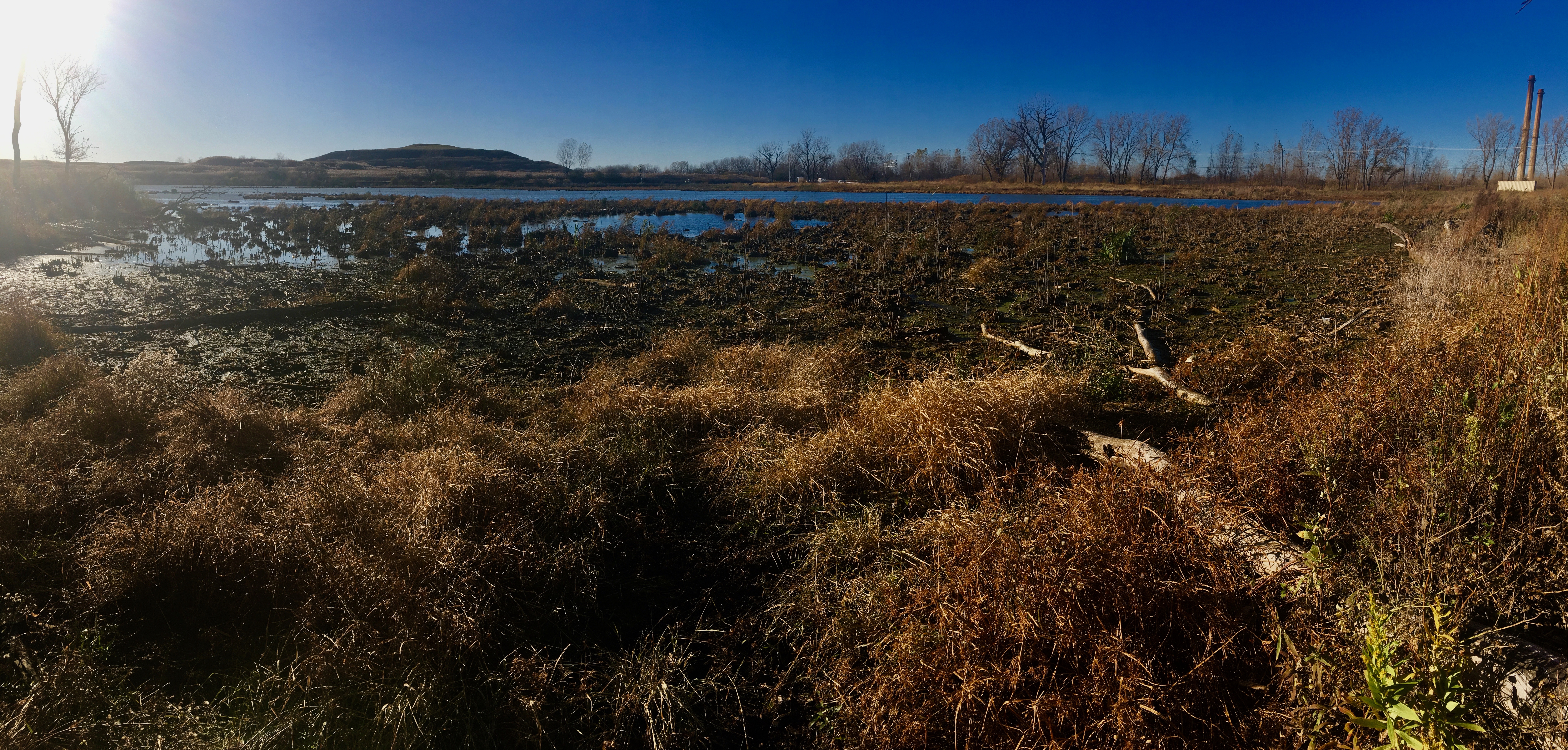
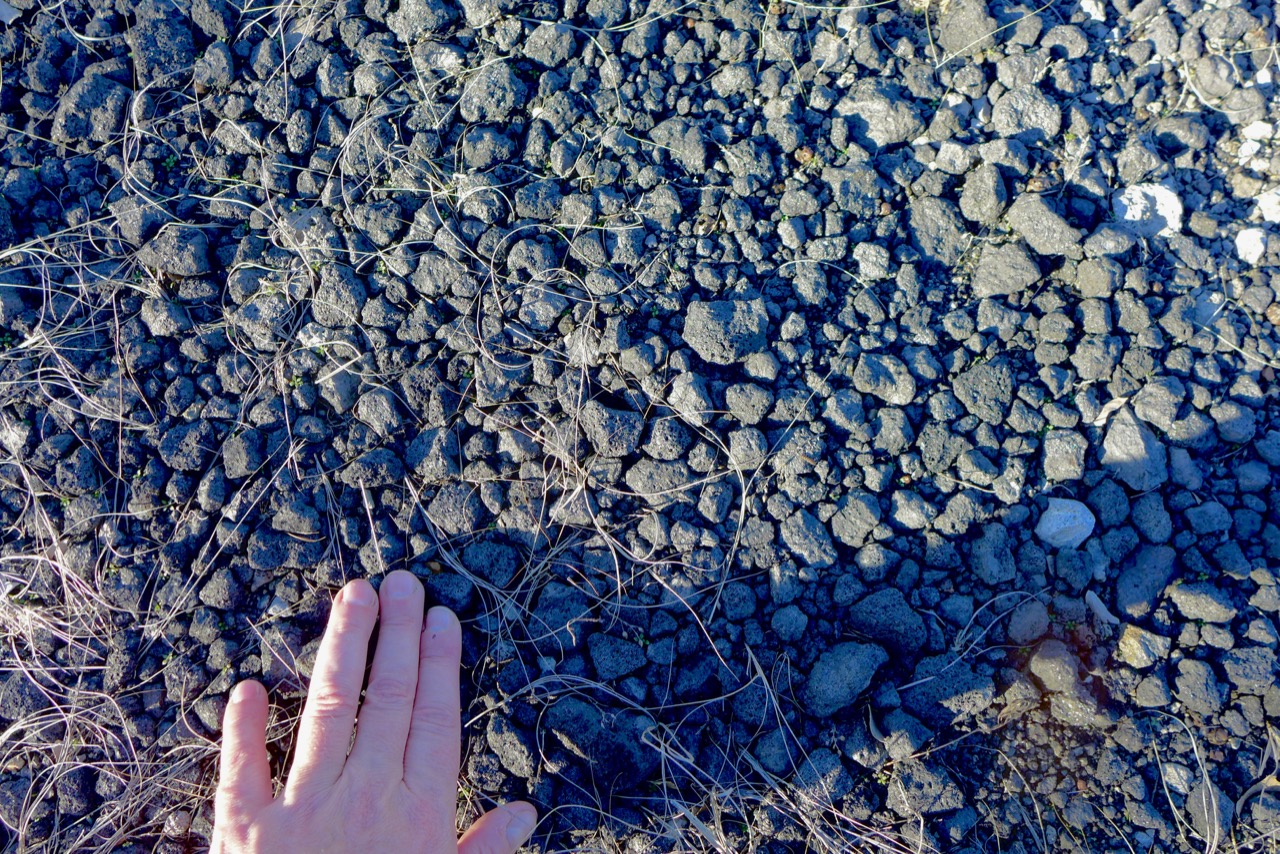
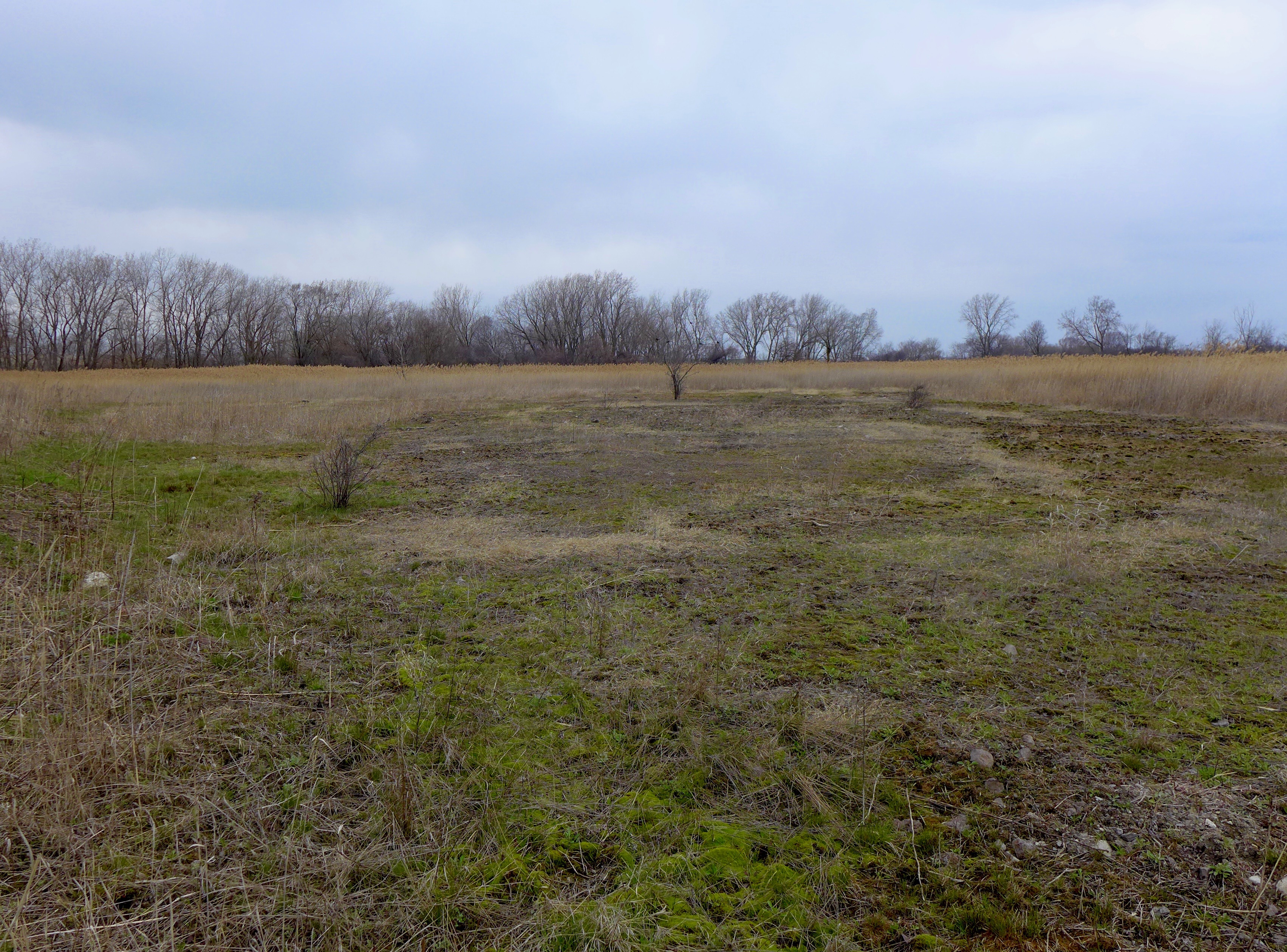
The transect goes from northish to southish on the east side of Big Marsh Park, across what’s affectionately called Mars, because of the unearthly iron-red slag. The transect is about 600m.
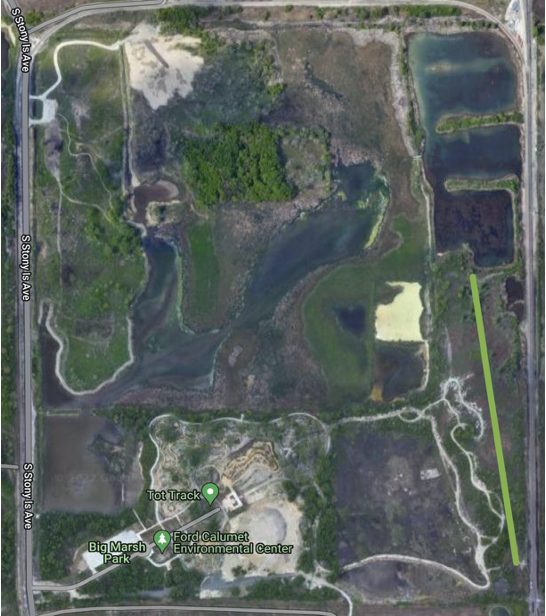
We set up a plot every 25m and record plant species and coverage twice a year. At the paired plots every 50m, there’s an additional plot on the opposite site of the marker, that was cleared of all plant material when plots were set up in 2020.
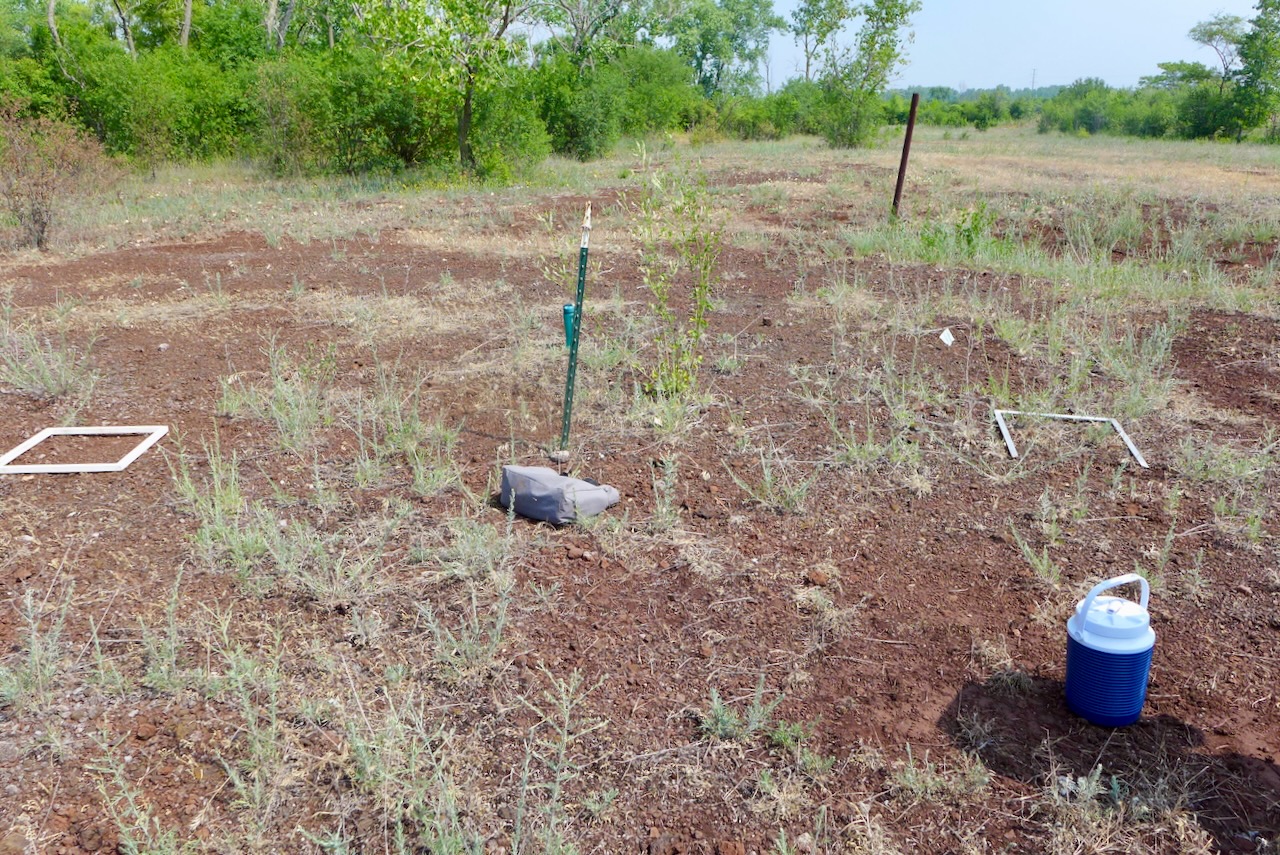
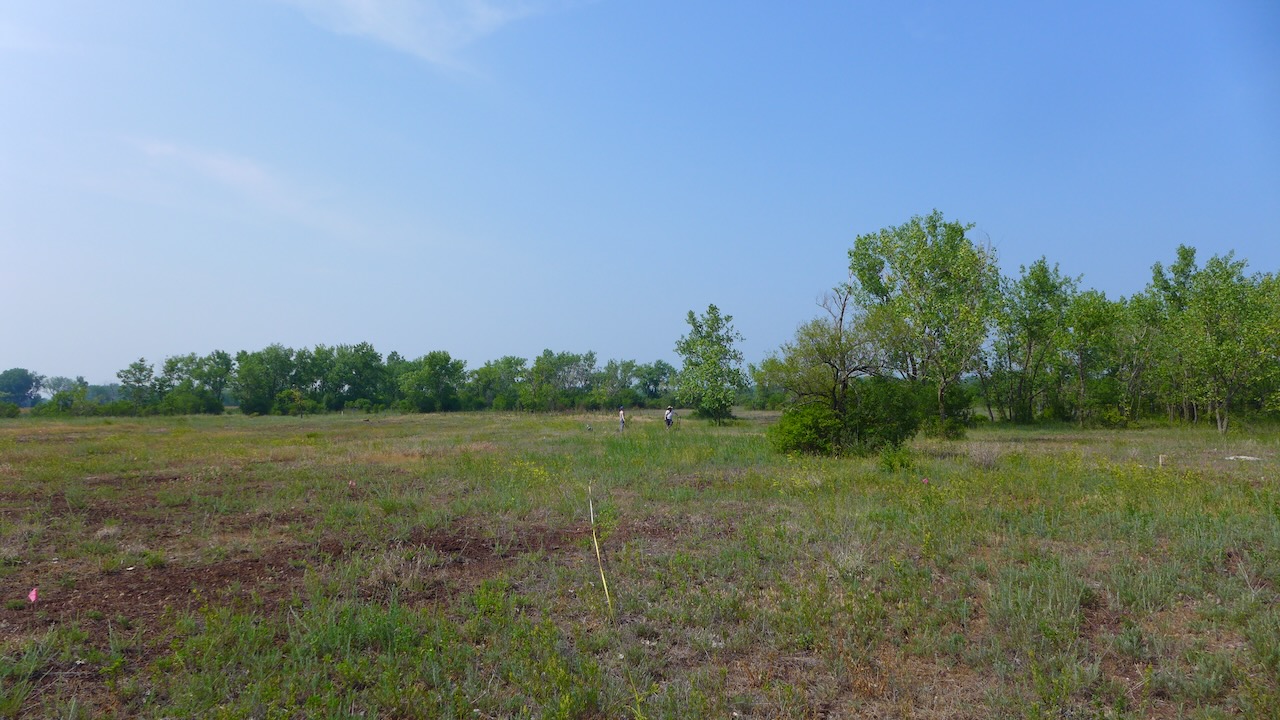
Paired plots at 350, looking north.

What’s the point of clearing plots? We want to see if there is a trend in the species that are able to persist on “bare ground,” and if there is a predictable order in which species make themselves at home in the plot, or a process called “ecological succession.”
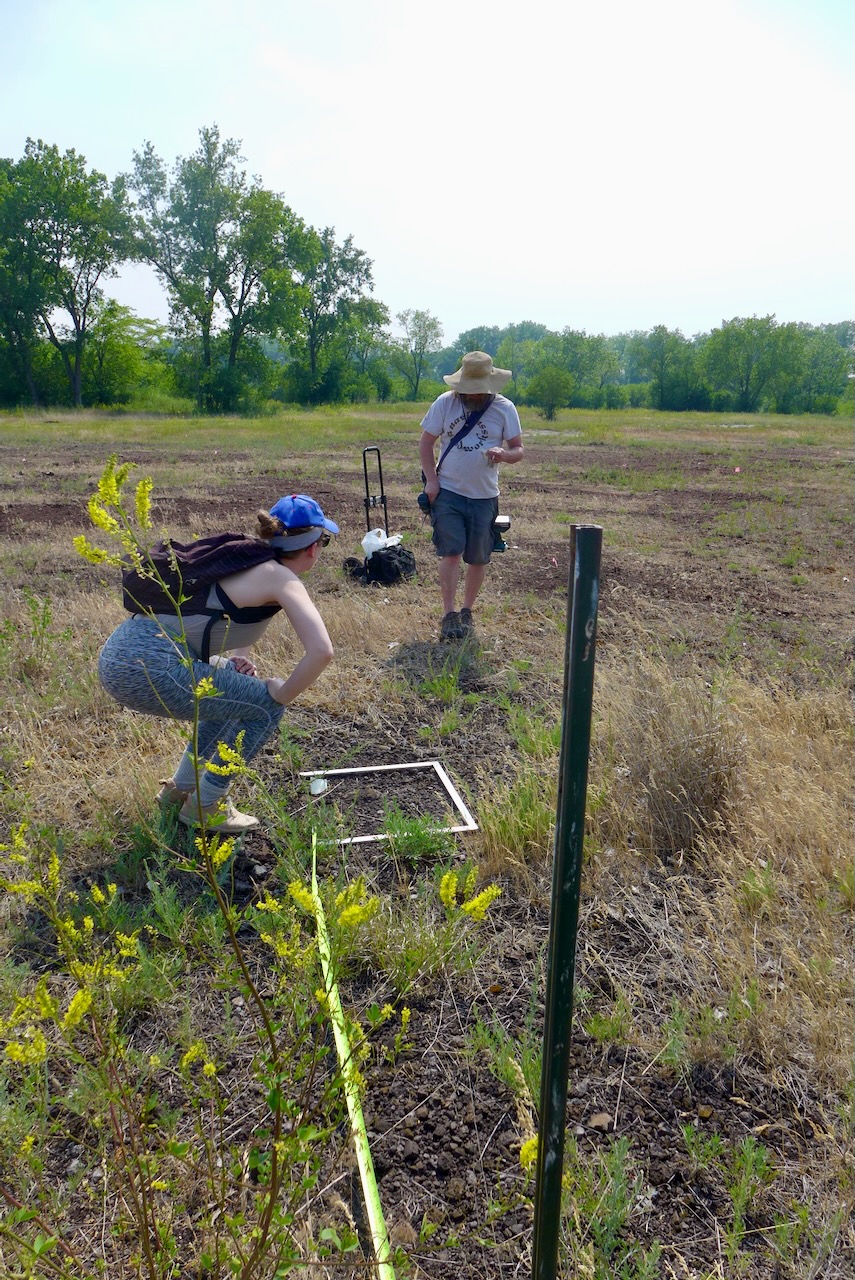
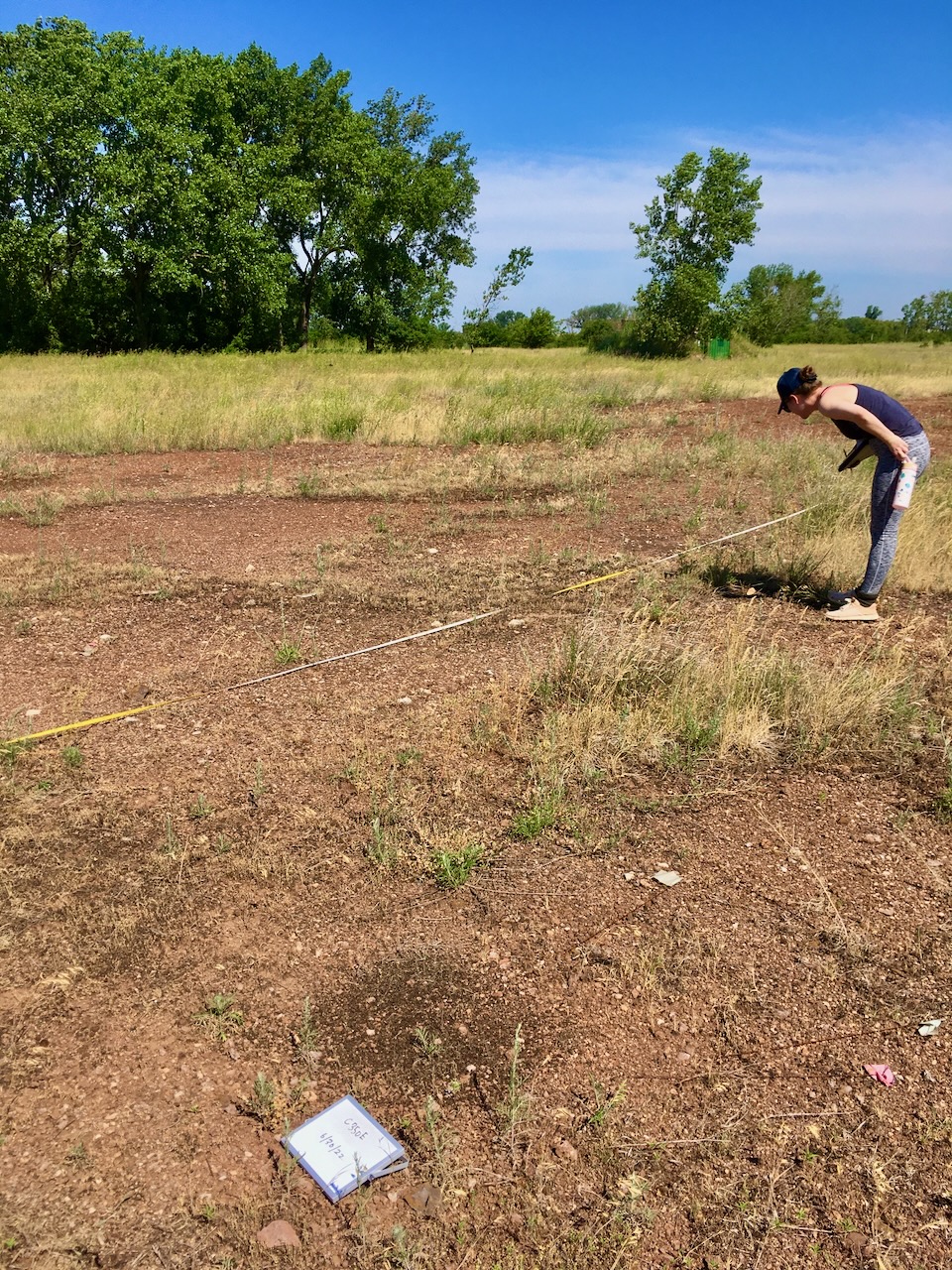
Paired plots at 200m, looking west.
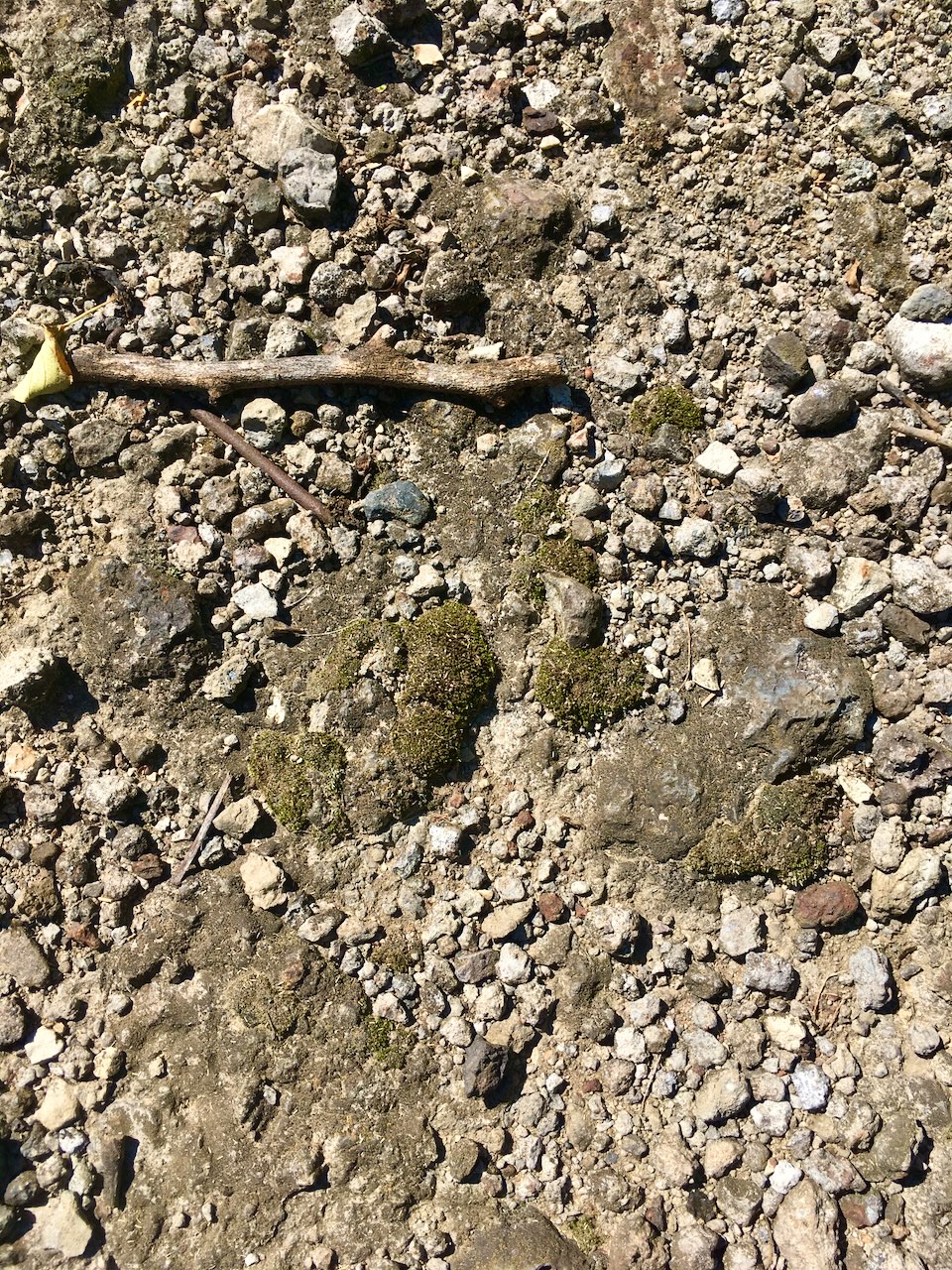
My favorite plot, full of Nostoc, at 350m, looking northwest.

By surveying the plants every year, we will see how community composition changes over time. We’ve collected six years of data, so stay tuned for a publication in the next decade!
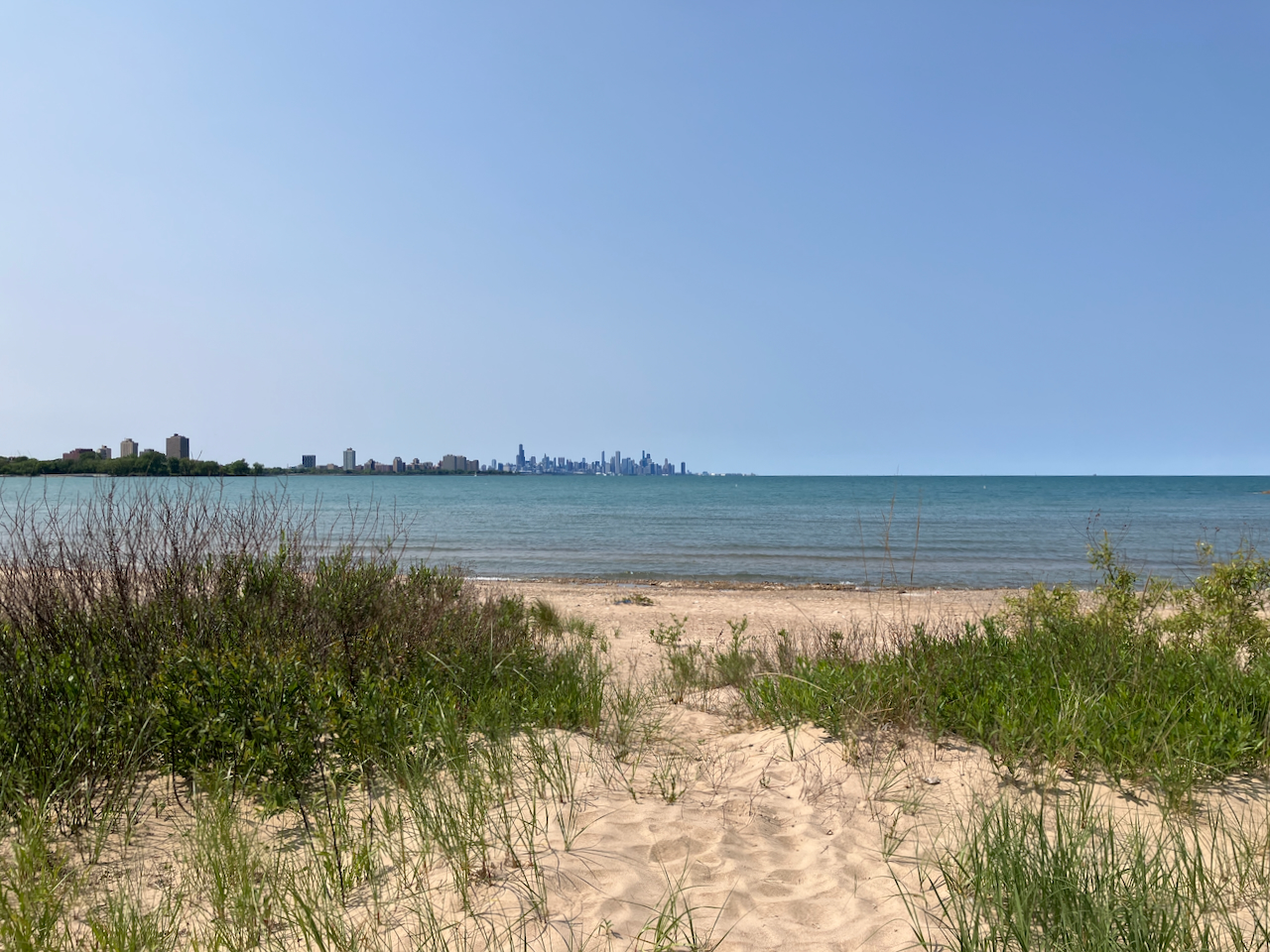
Marian R. Byrnes Park, IL • May 2025

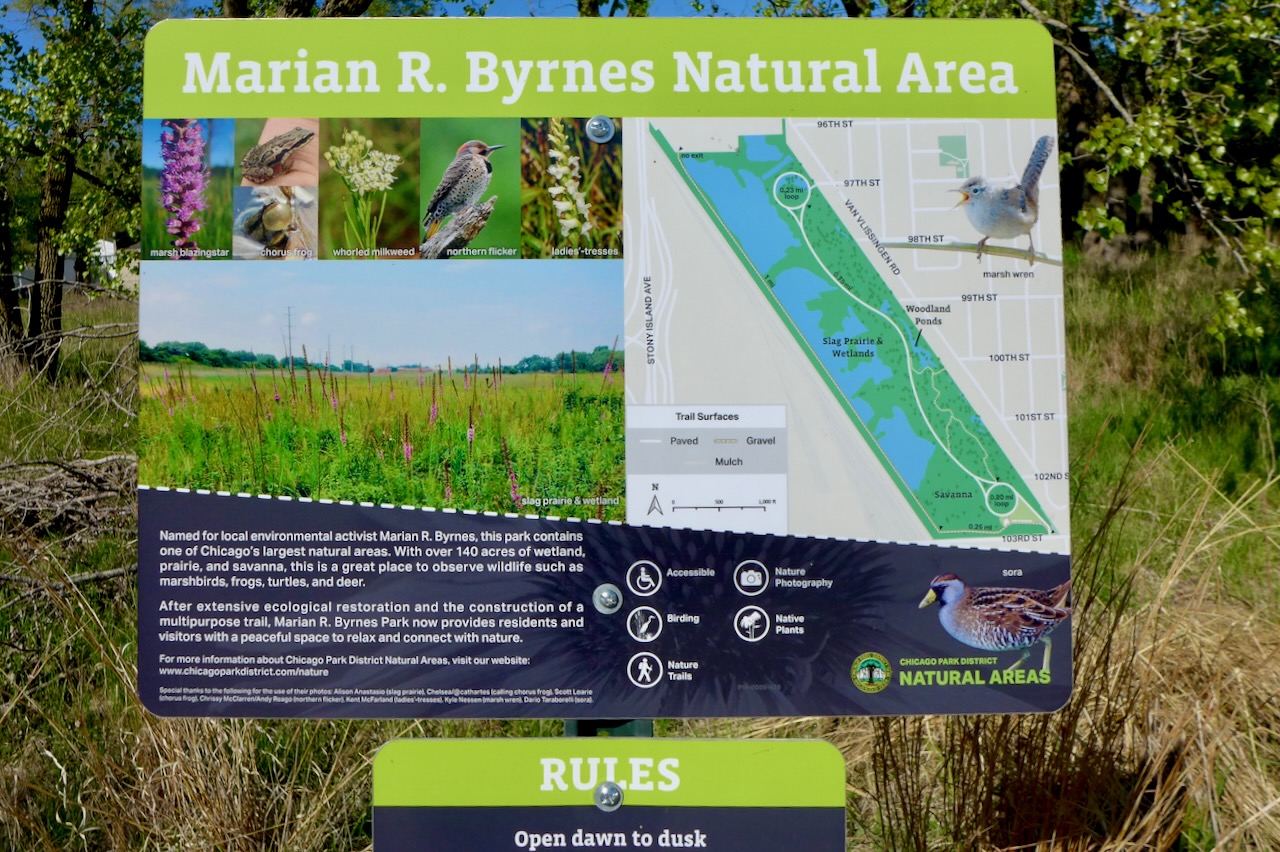
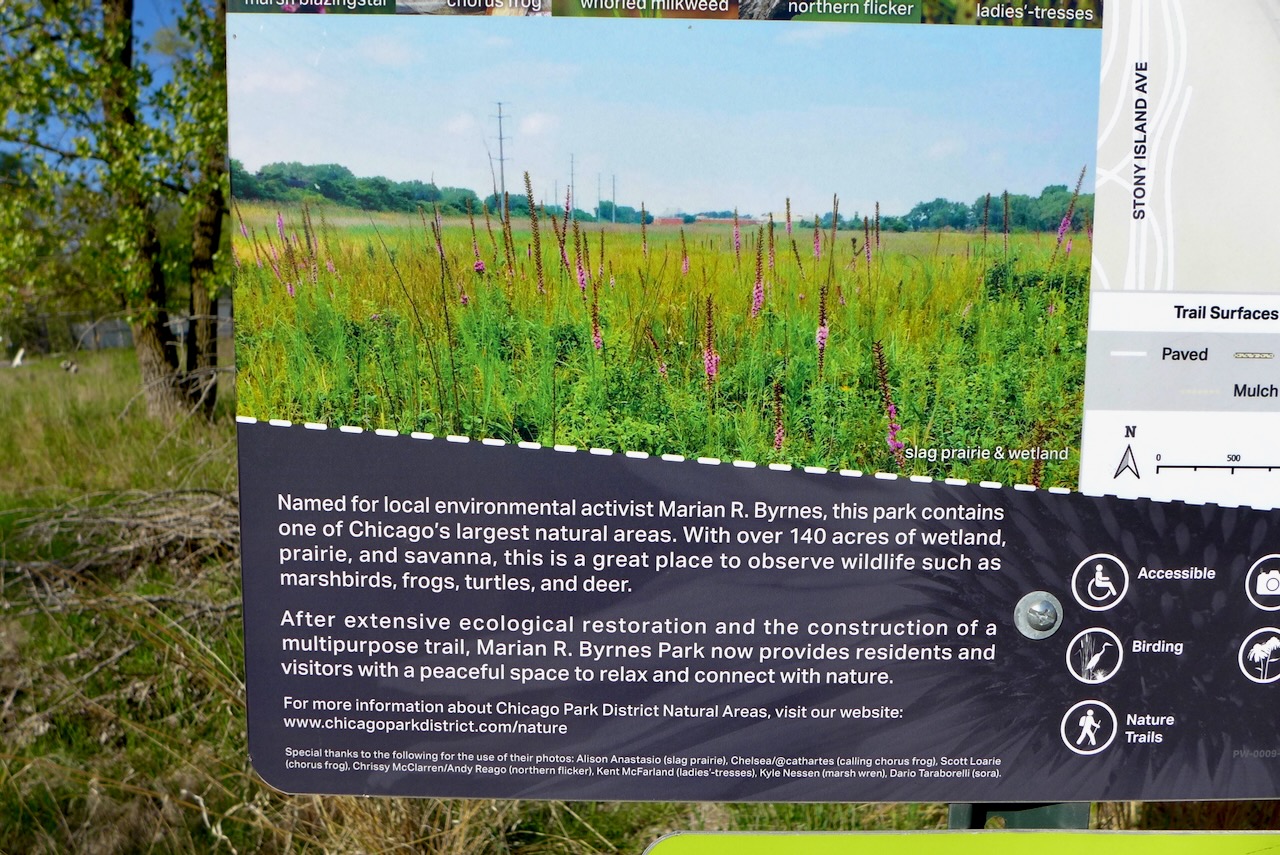
This place is a unique kind of urban restoration. Van Vlissingen Park has been owned by the Chicago Park District since 2011. When we first started visiting, it was an overgrown, impenetrable, Phragmites-filled mess, like many public lands around Chicago in the 80s through early 2000s.

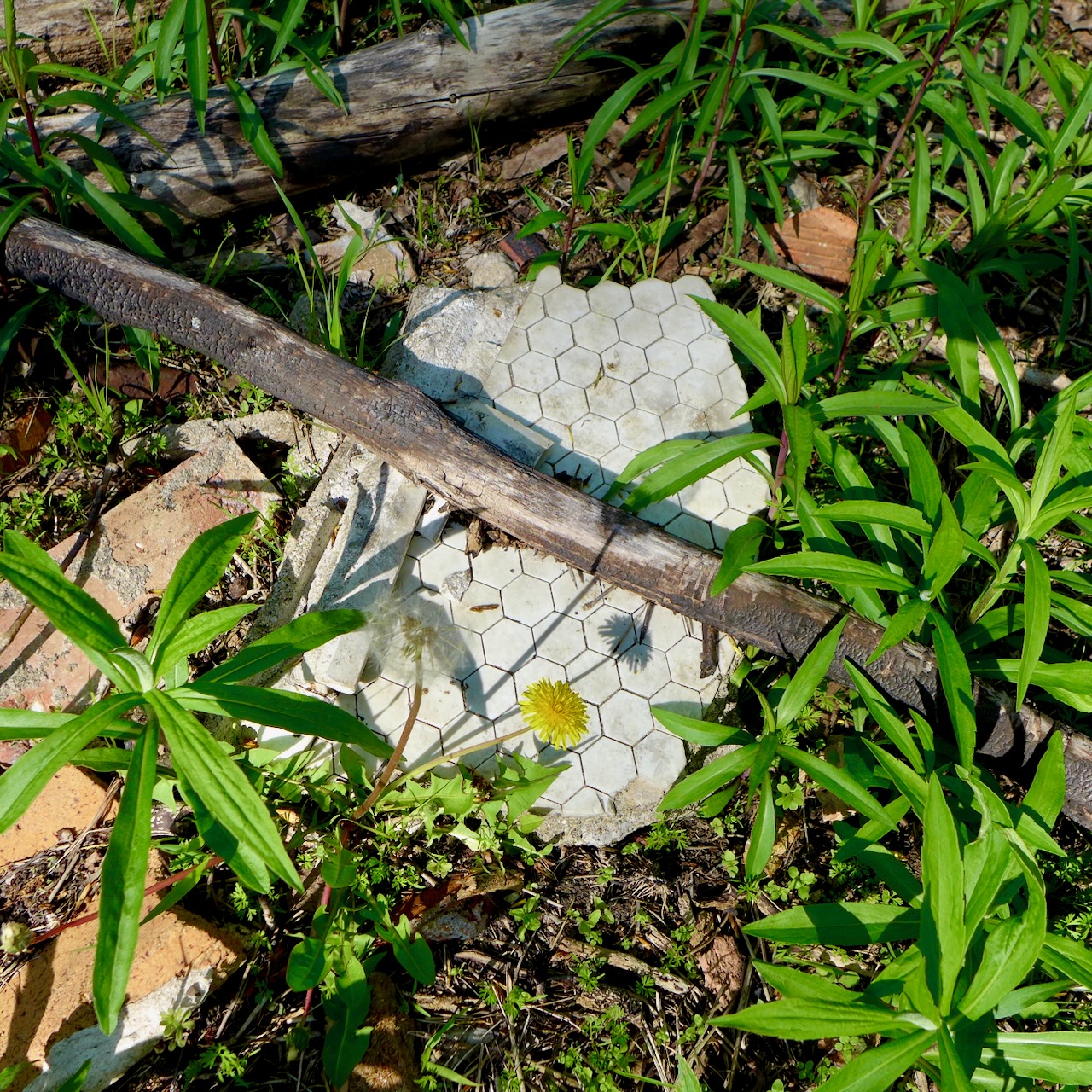
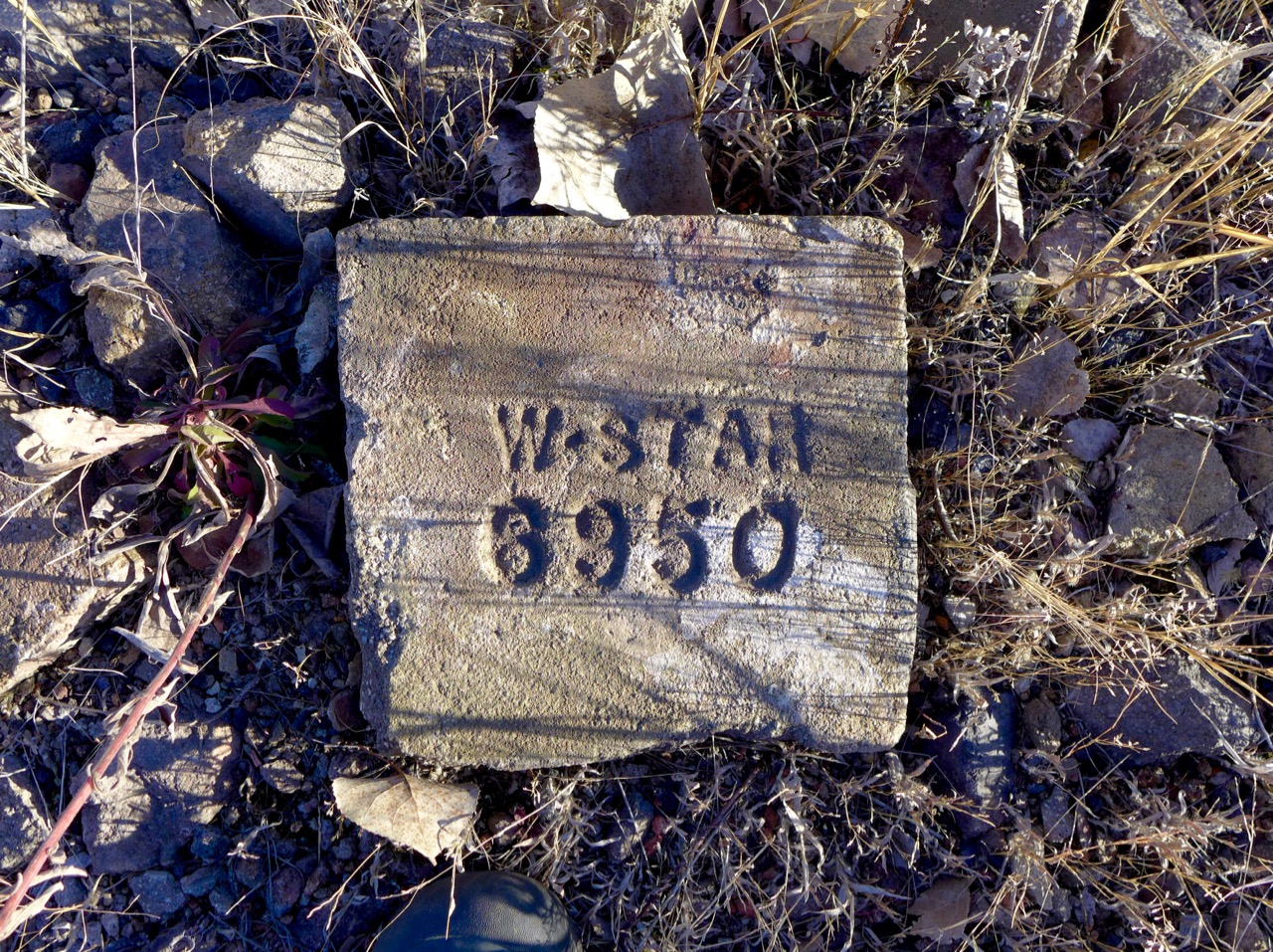
And the restoration isn’t back to some pre-colonial time; this is no remnant habitat here. It’s a spontaneous ecosystem that moved in on a bed of slag and construction waste. Some of the waste continues to erupt from layers of soil; bricks and building materials form vignettes highlighting the ever present human input into these urban ecosystems.

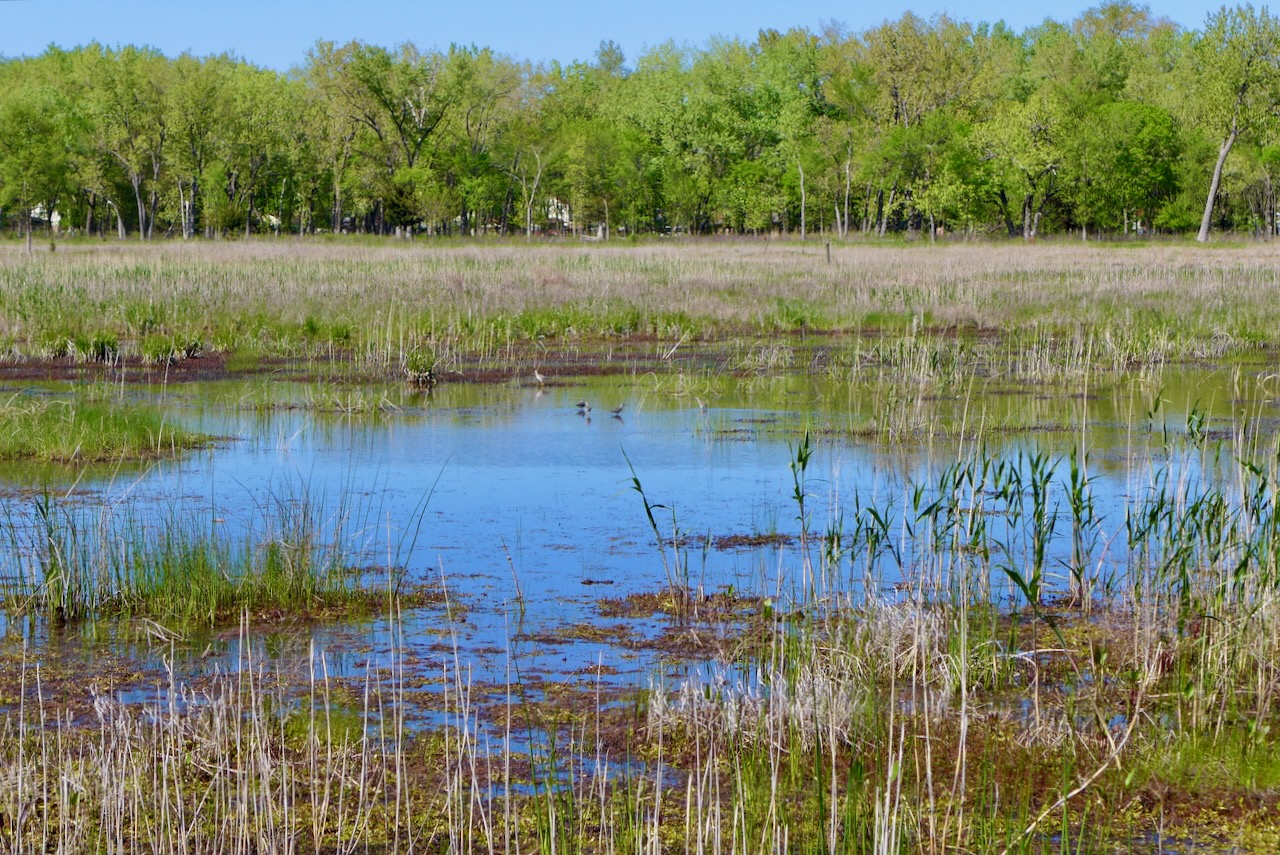
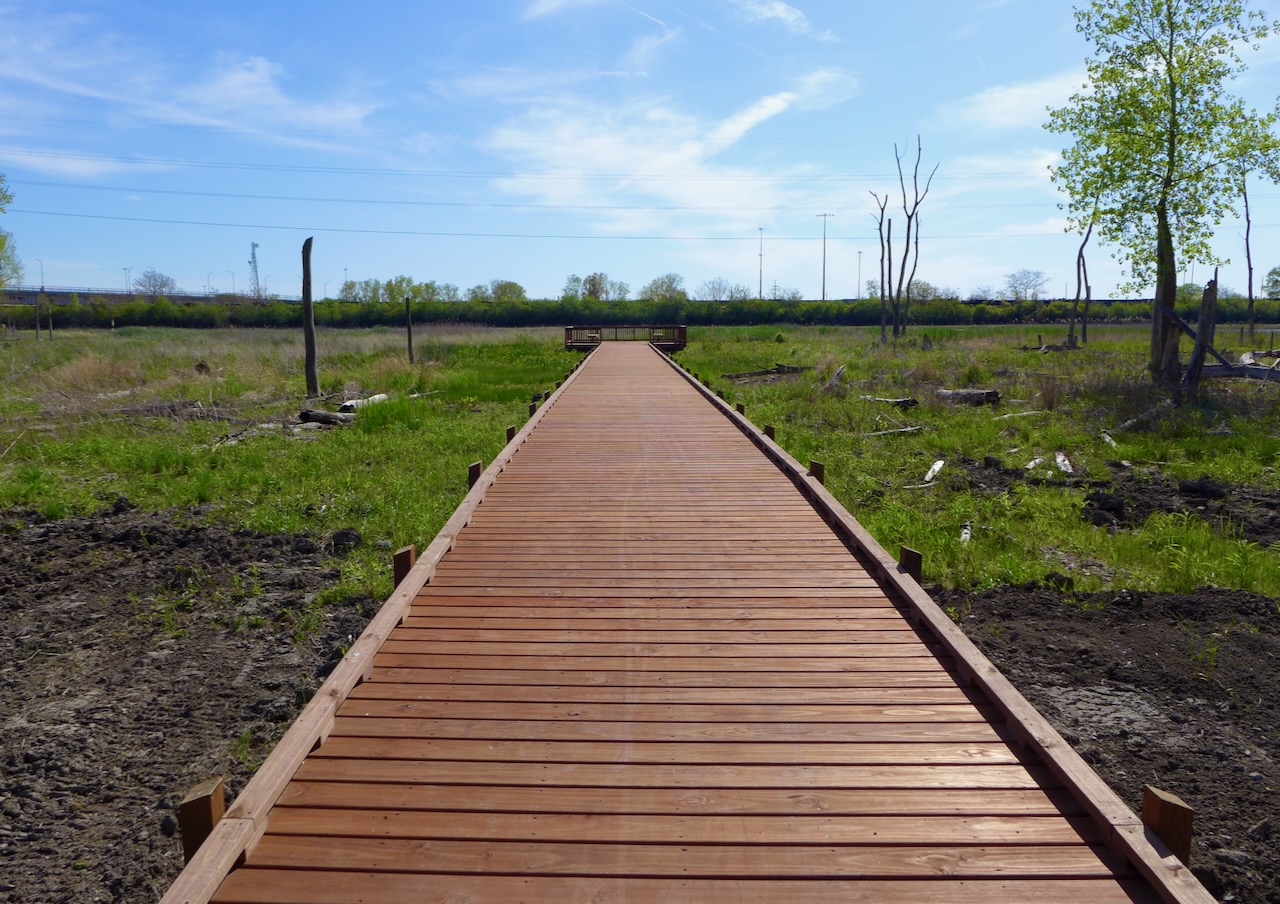
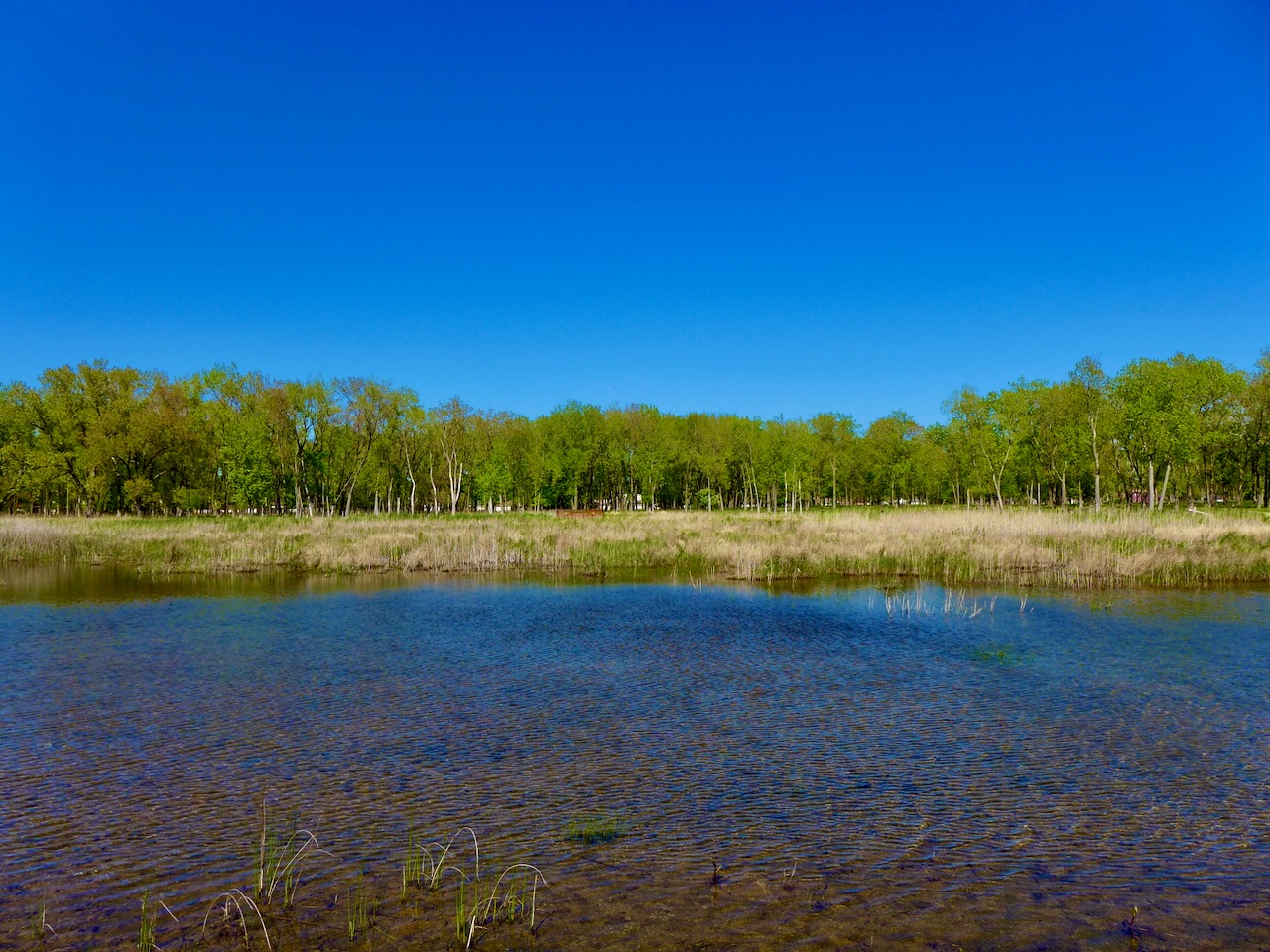
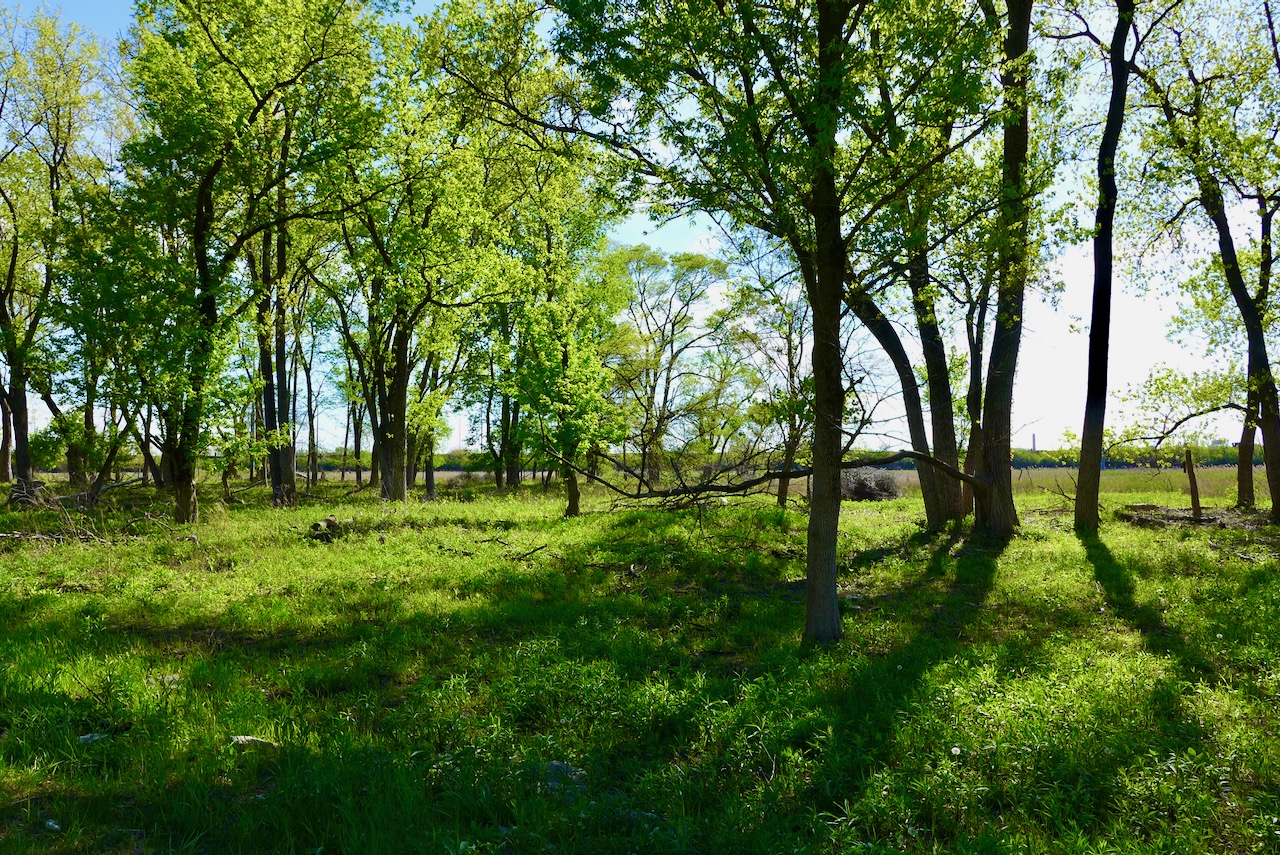
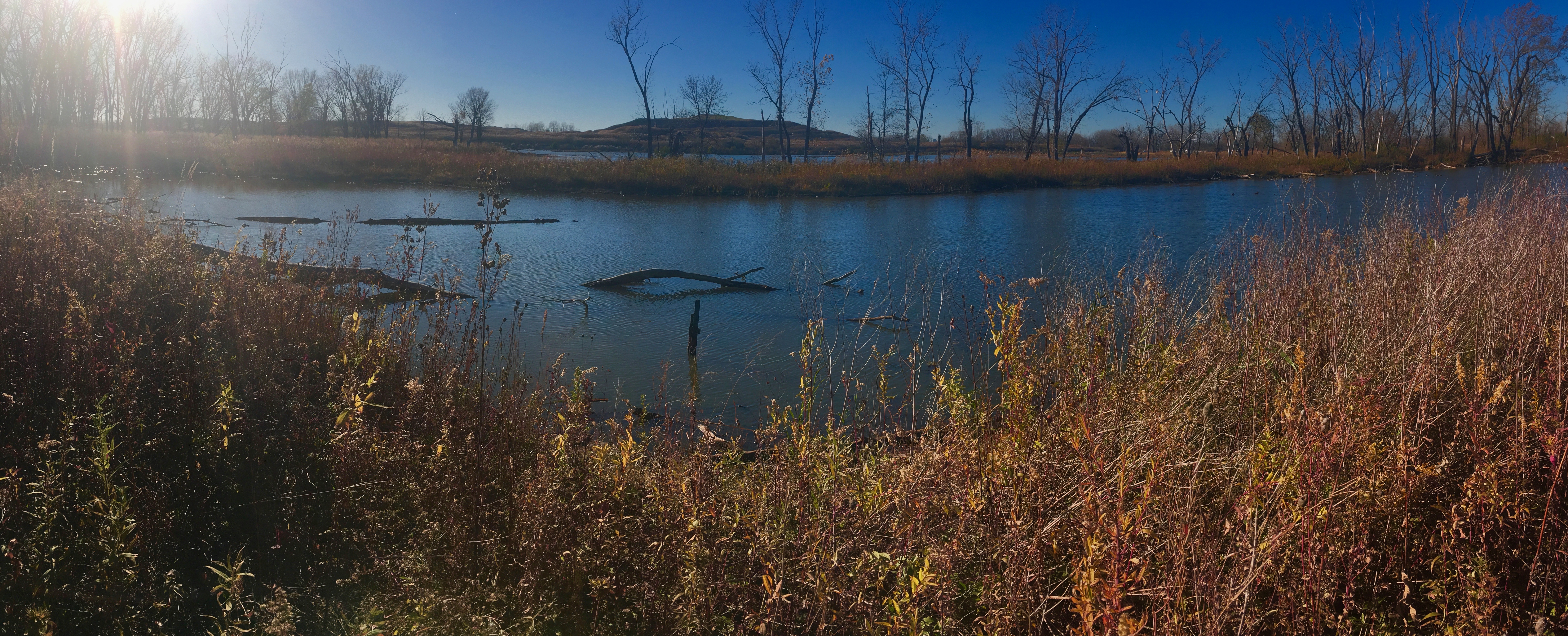
Now that it’s Marian R. Byrnes Natural Area, it’s a beautiful slag prairie and wetland, with a luxurious woodland path.

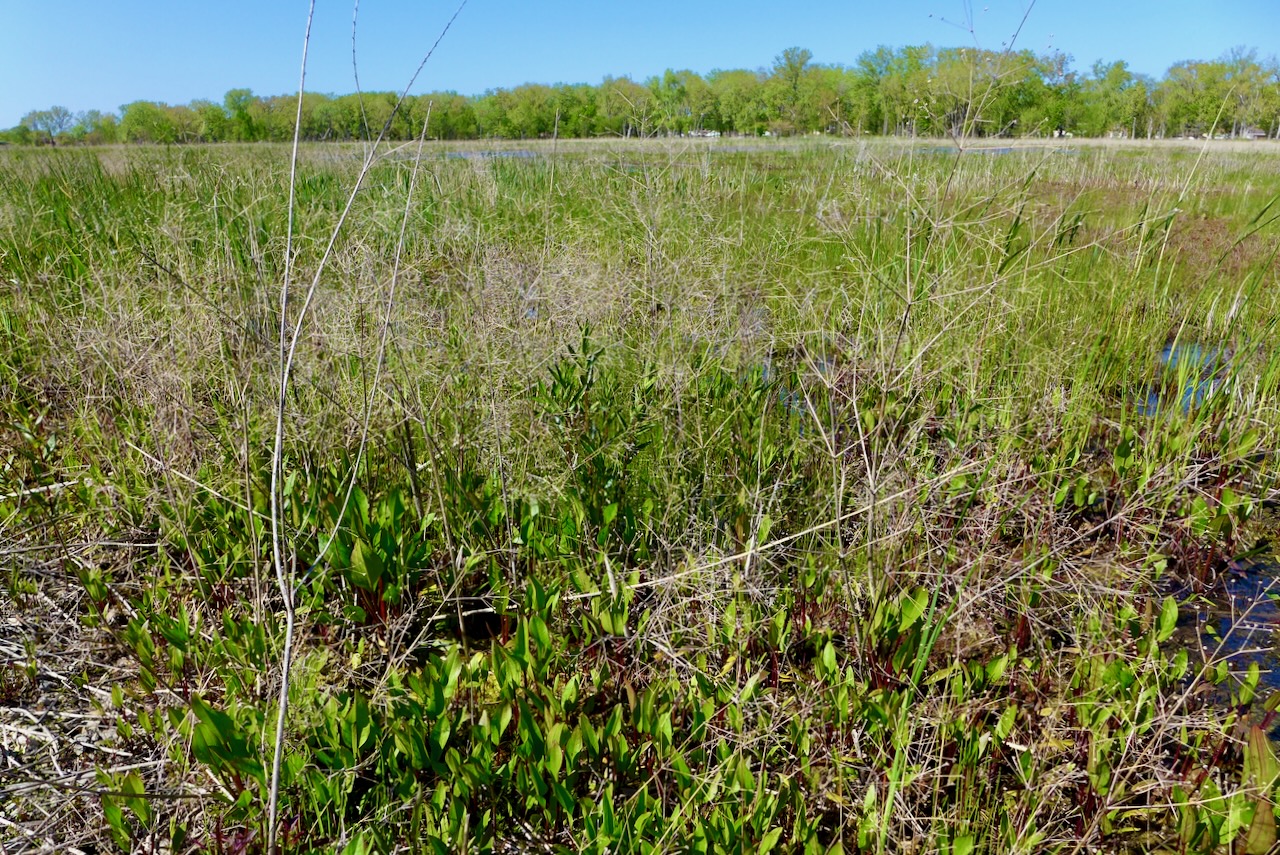
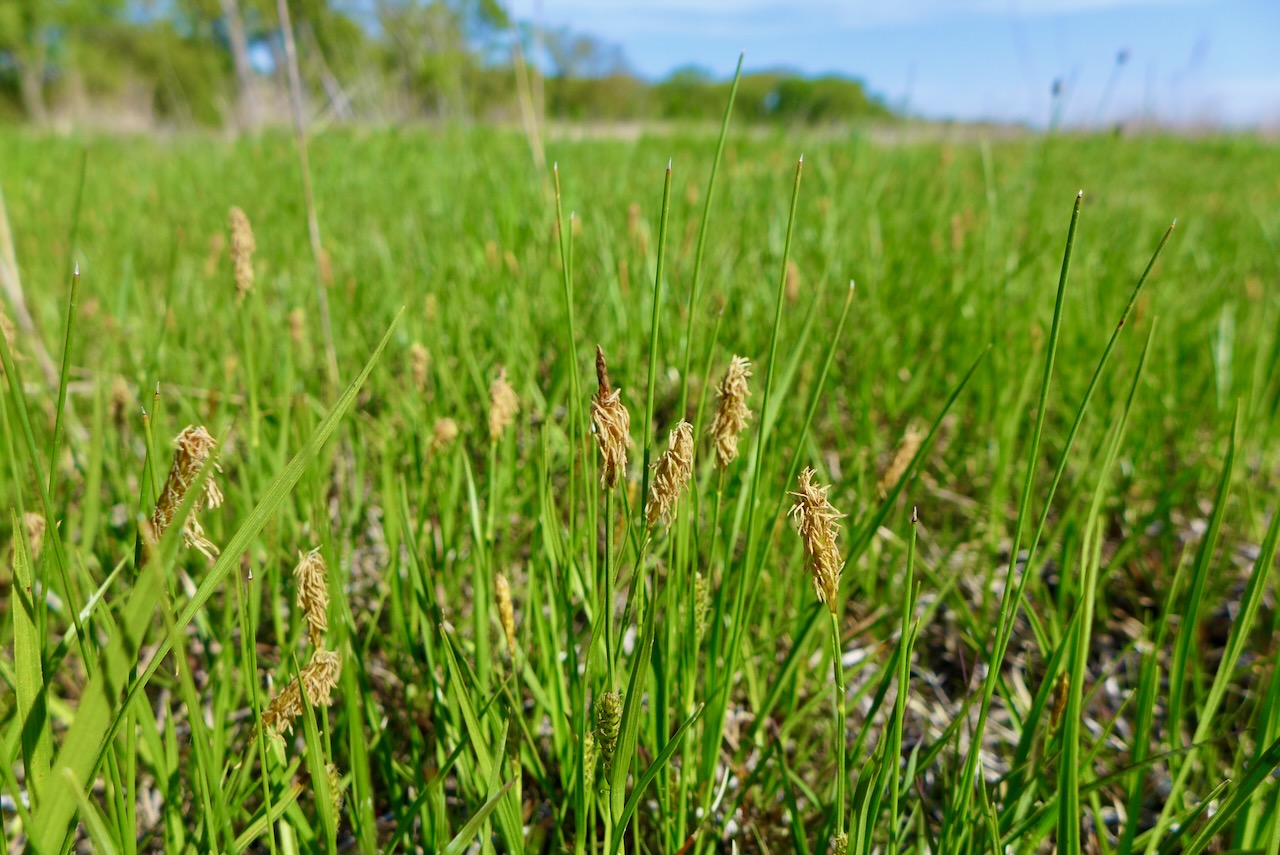
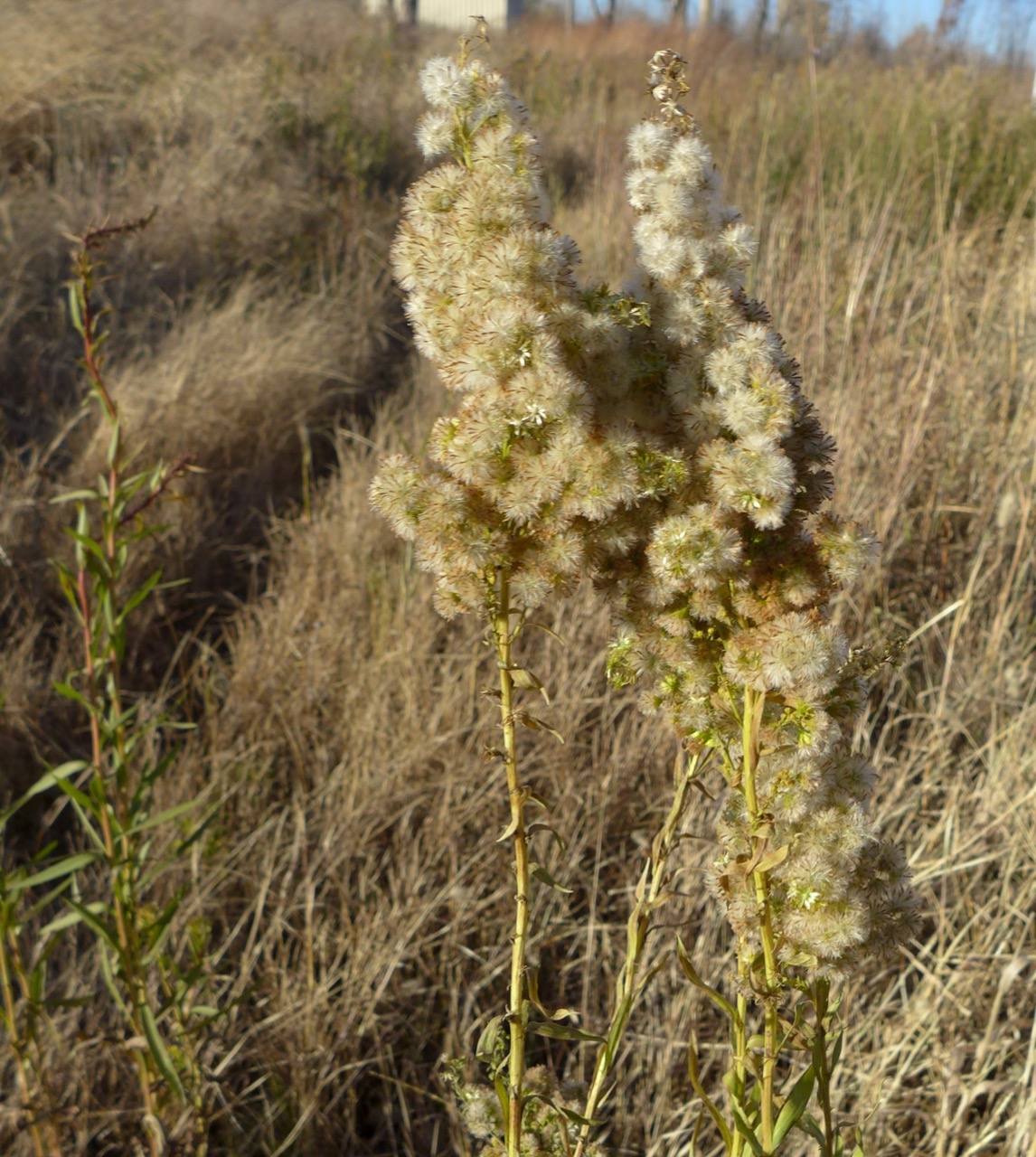
Alisma inflorescences from last year, and new vegetative growth

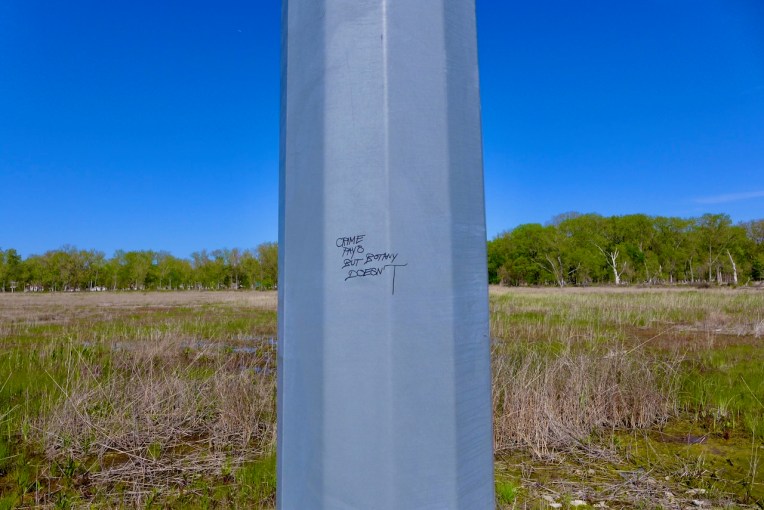
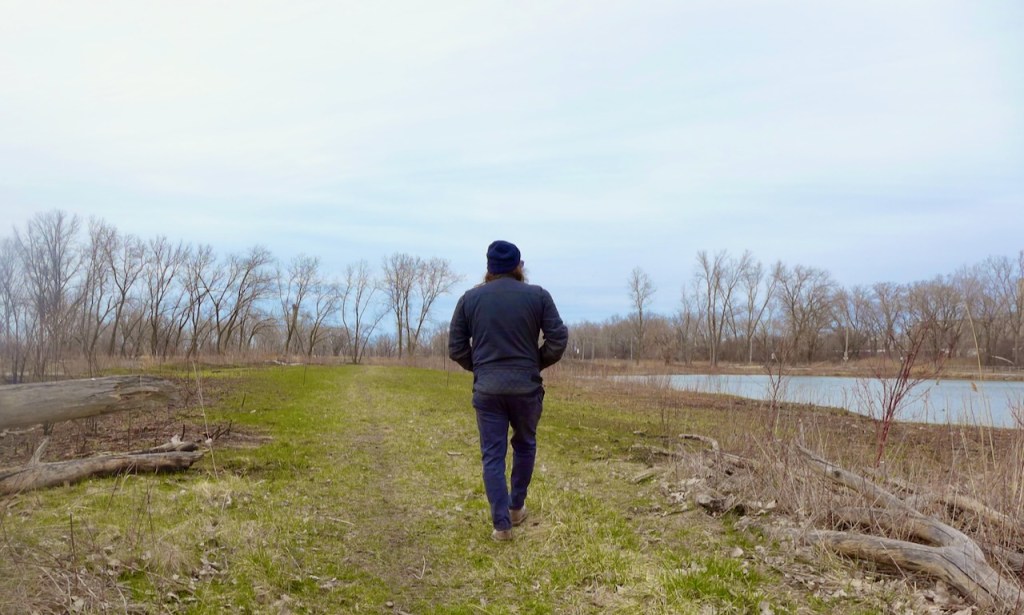
an honor for another explorer of underappreciated ecosystems to make his mark here!
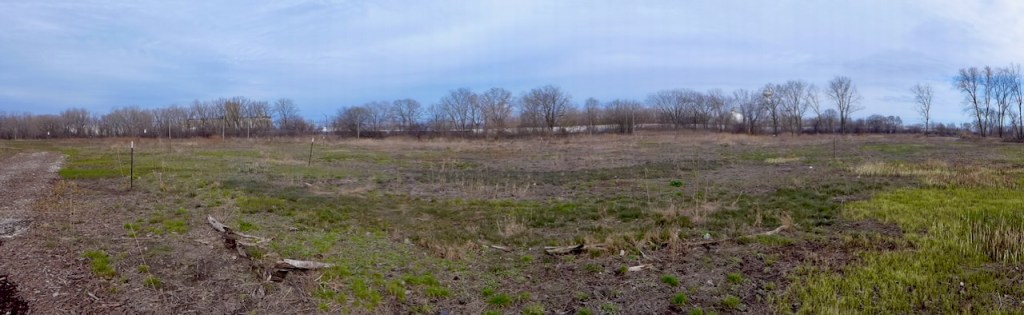
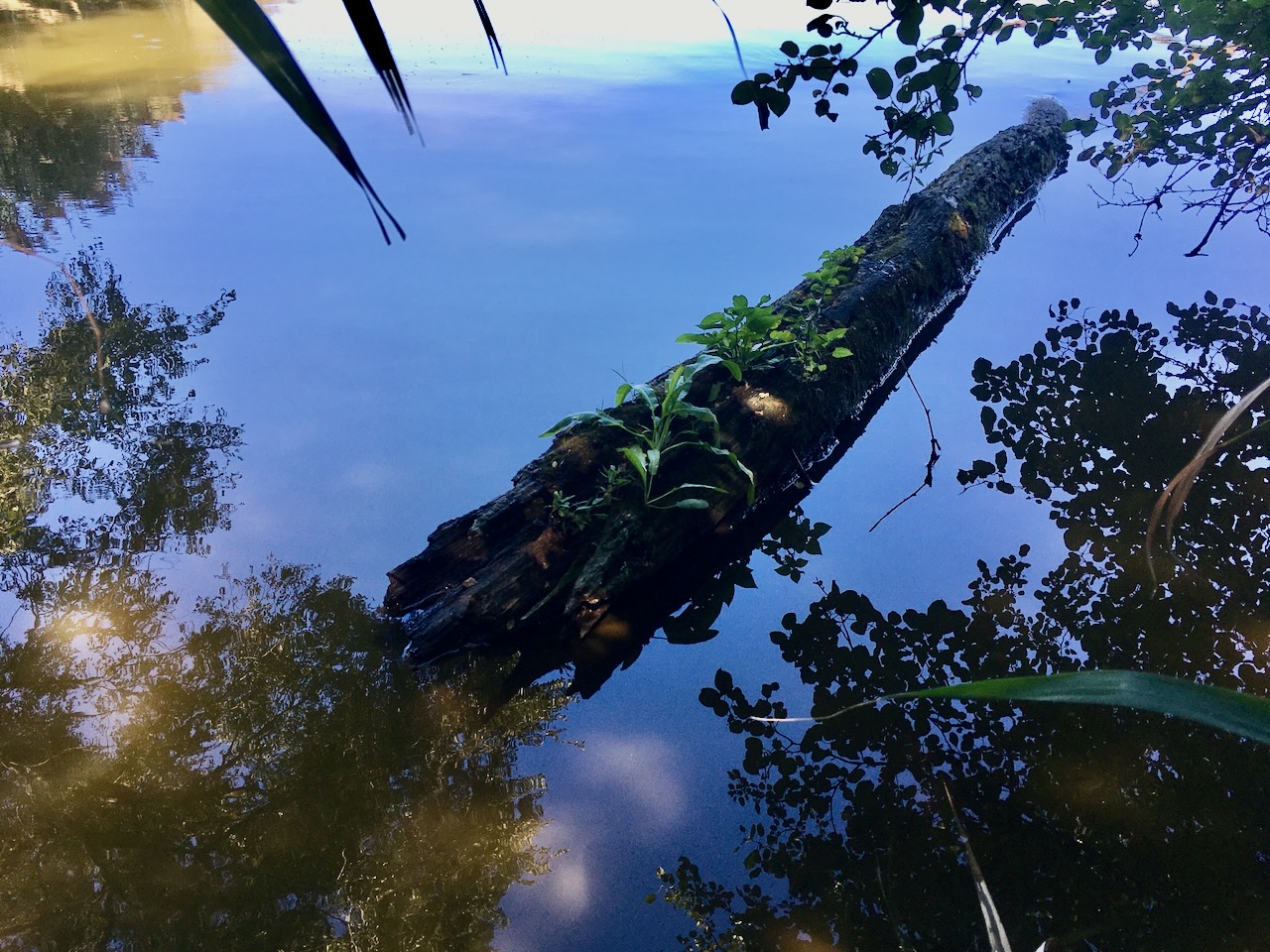
with the water level down across the site, you can see balled up Nostoc, slowly dehydrating

Indian Ridge Marsh, IL • March 2024

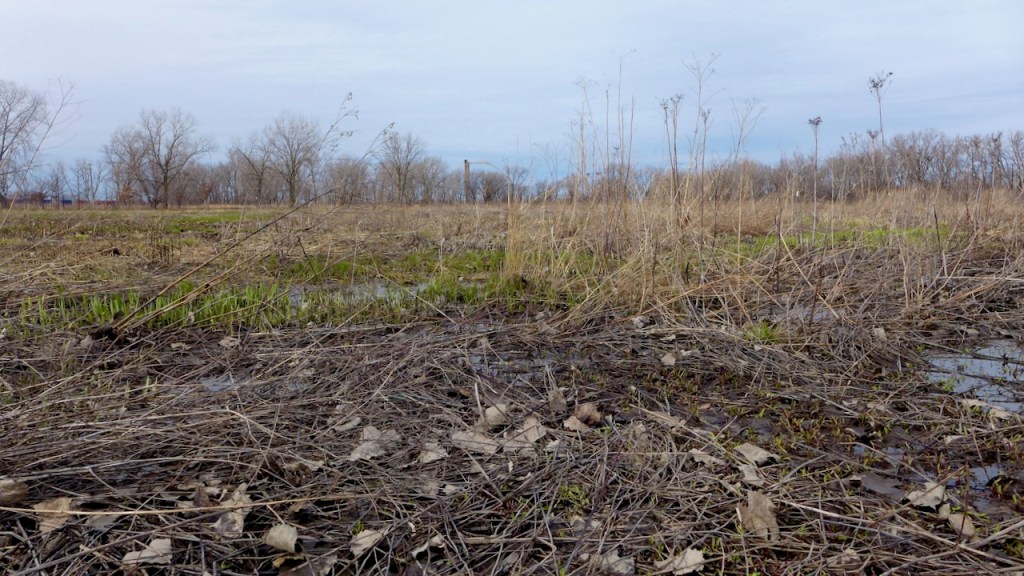
A recent controlled burn here has left a patchwork of new growth of sedges, rushes, and grasses, which will be punctuated with fireworks of colorful flowers later in the year.

other fun finds included:
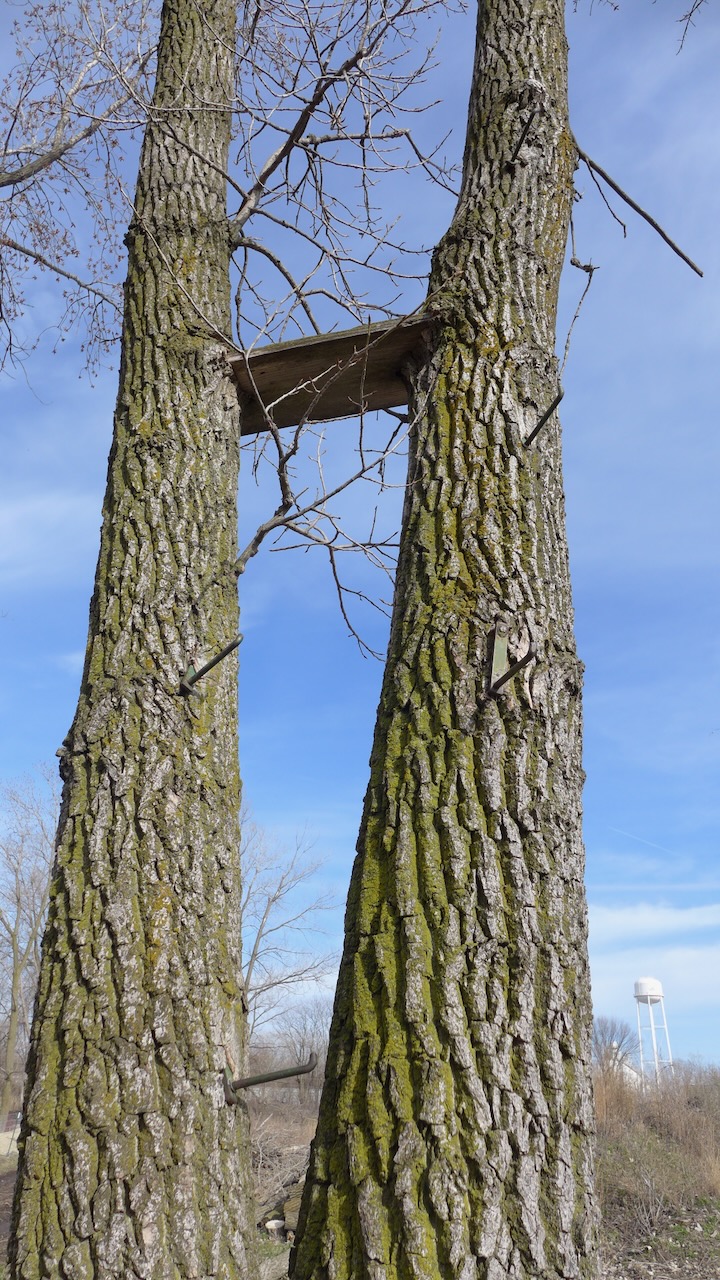
a well supported bench on high – probably useful for waterfowl hunting.

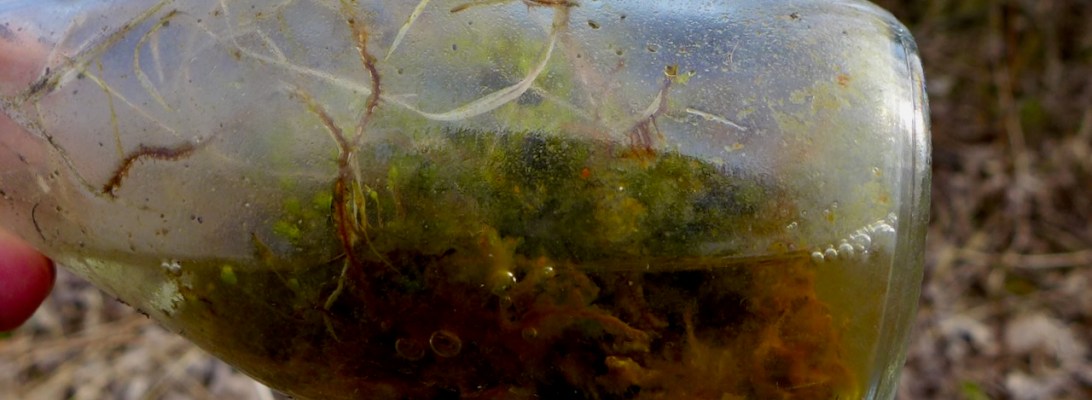
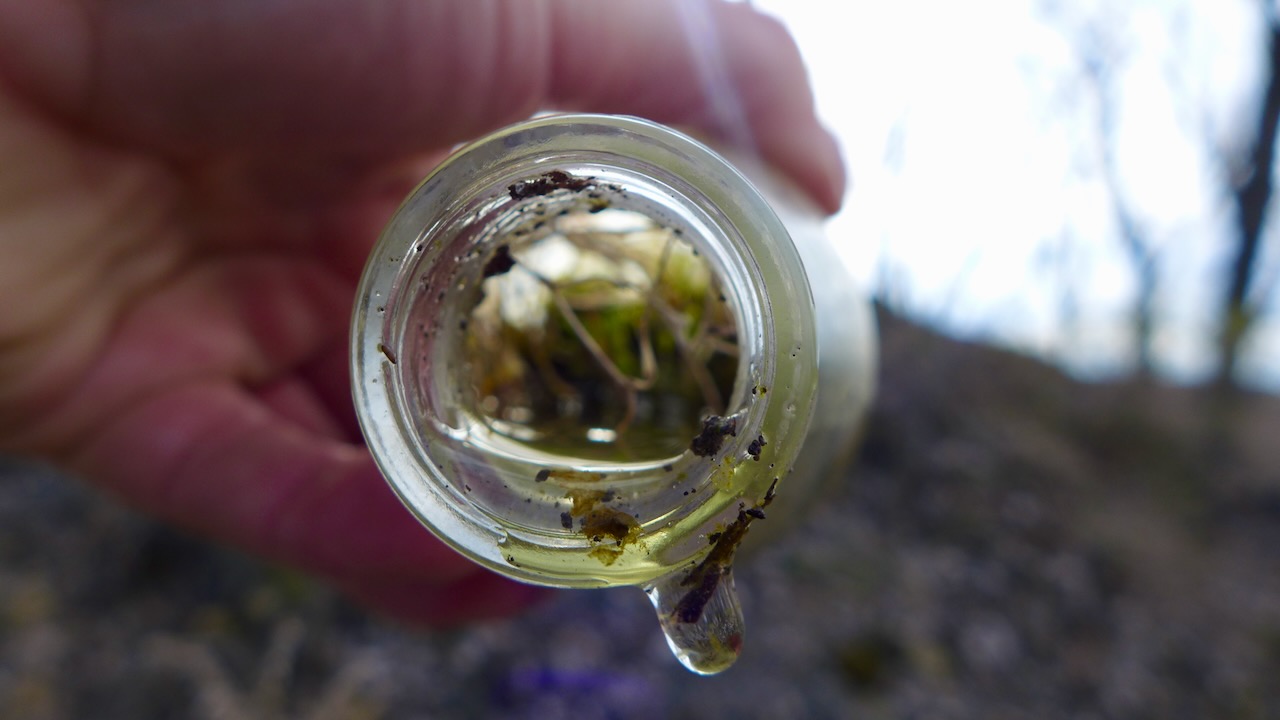
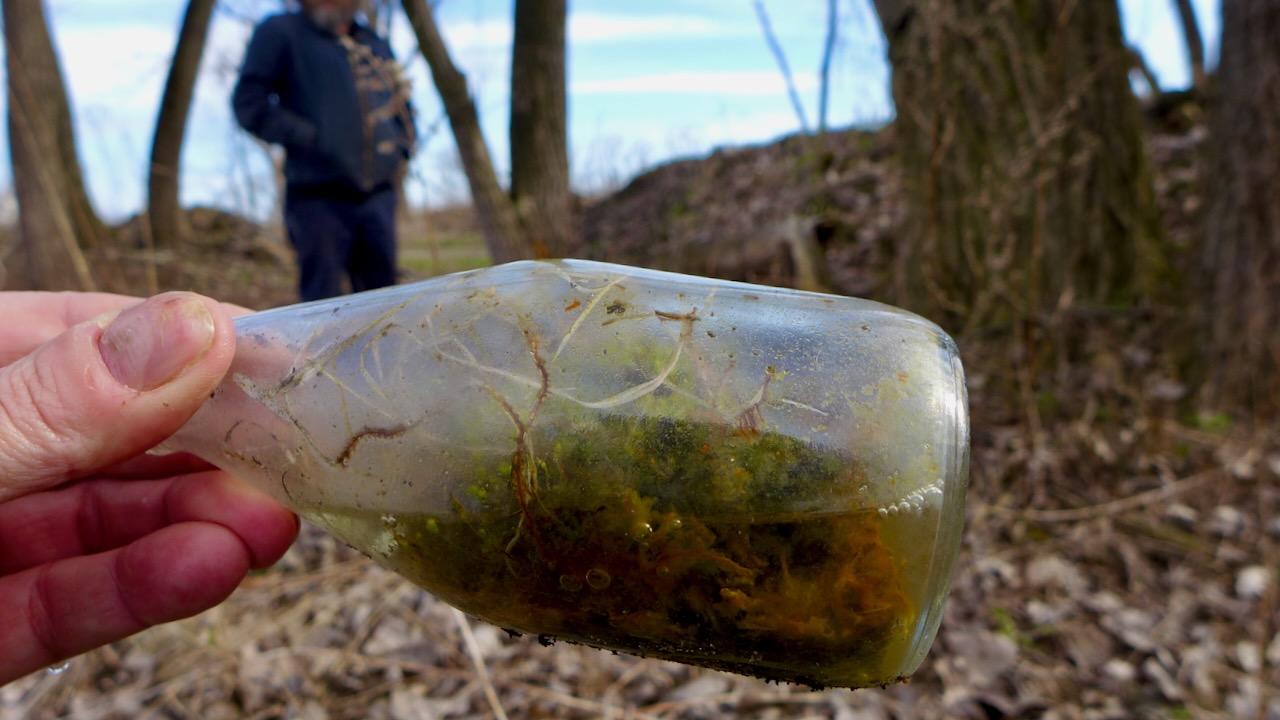
a spontaneous terrarium.

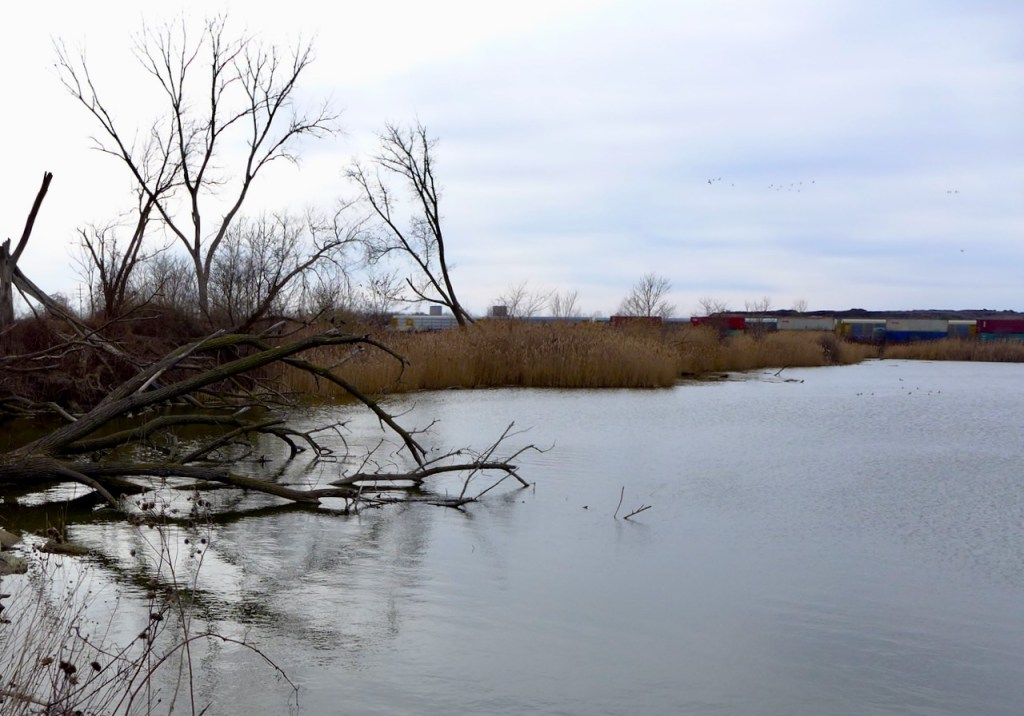
nice views.

Gun Club Ponds, Chicago, IL • September 2022

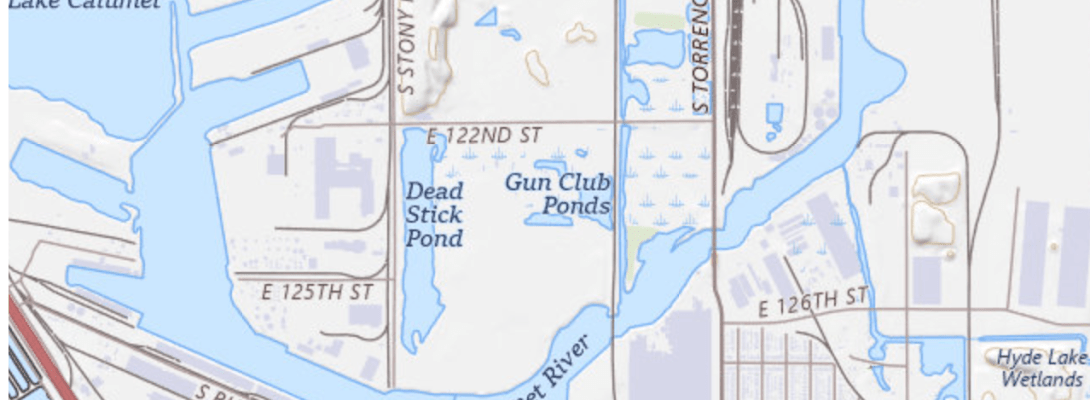
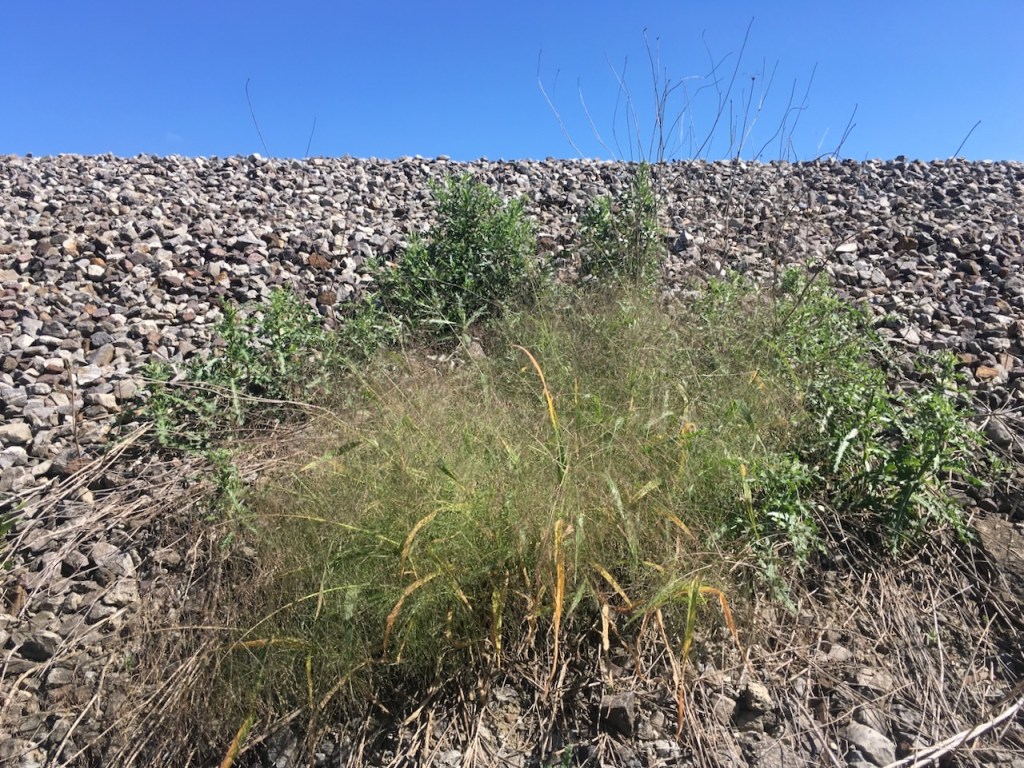
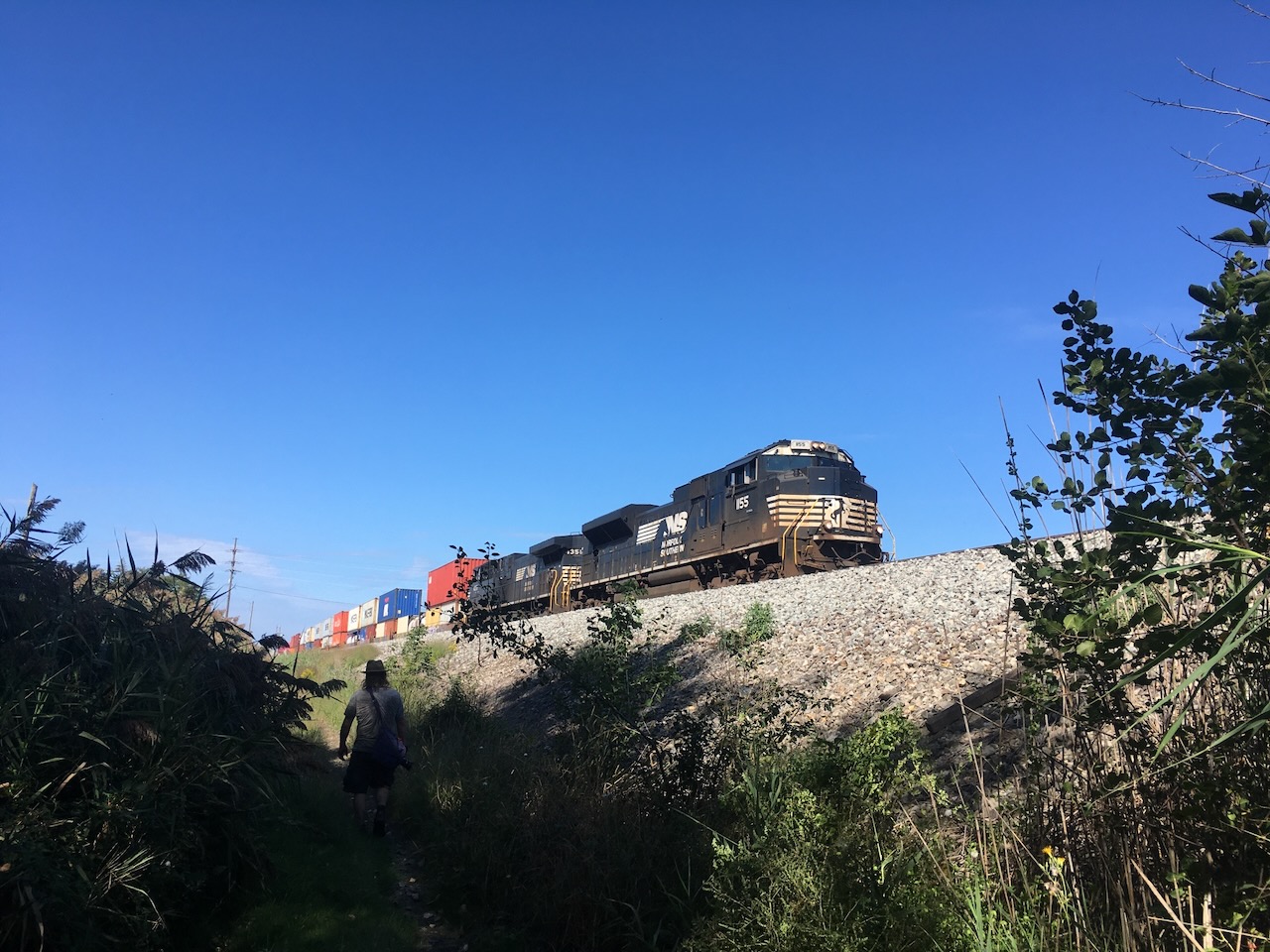
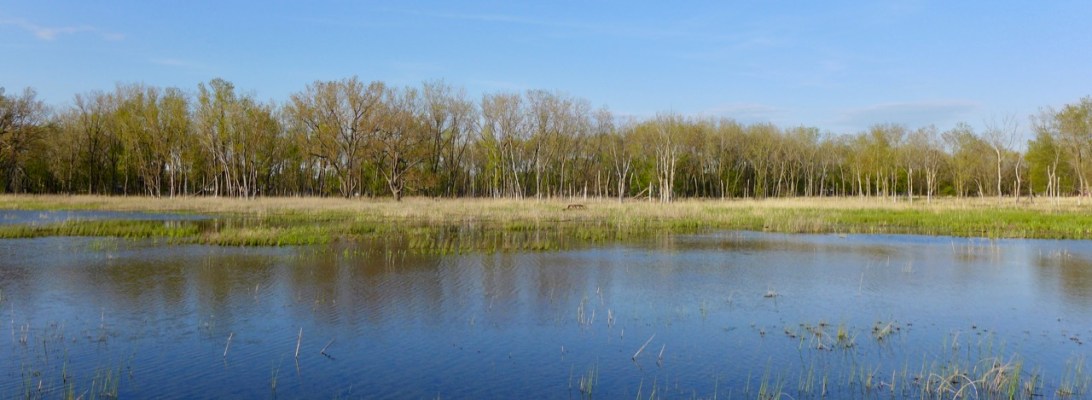
Old maps call this spot Gun Club Ponds, and it doesn’t take long, after walking the narrow strip between the railroad embankment and wall of Phragmites, that the gun club comes into focus.

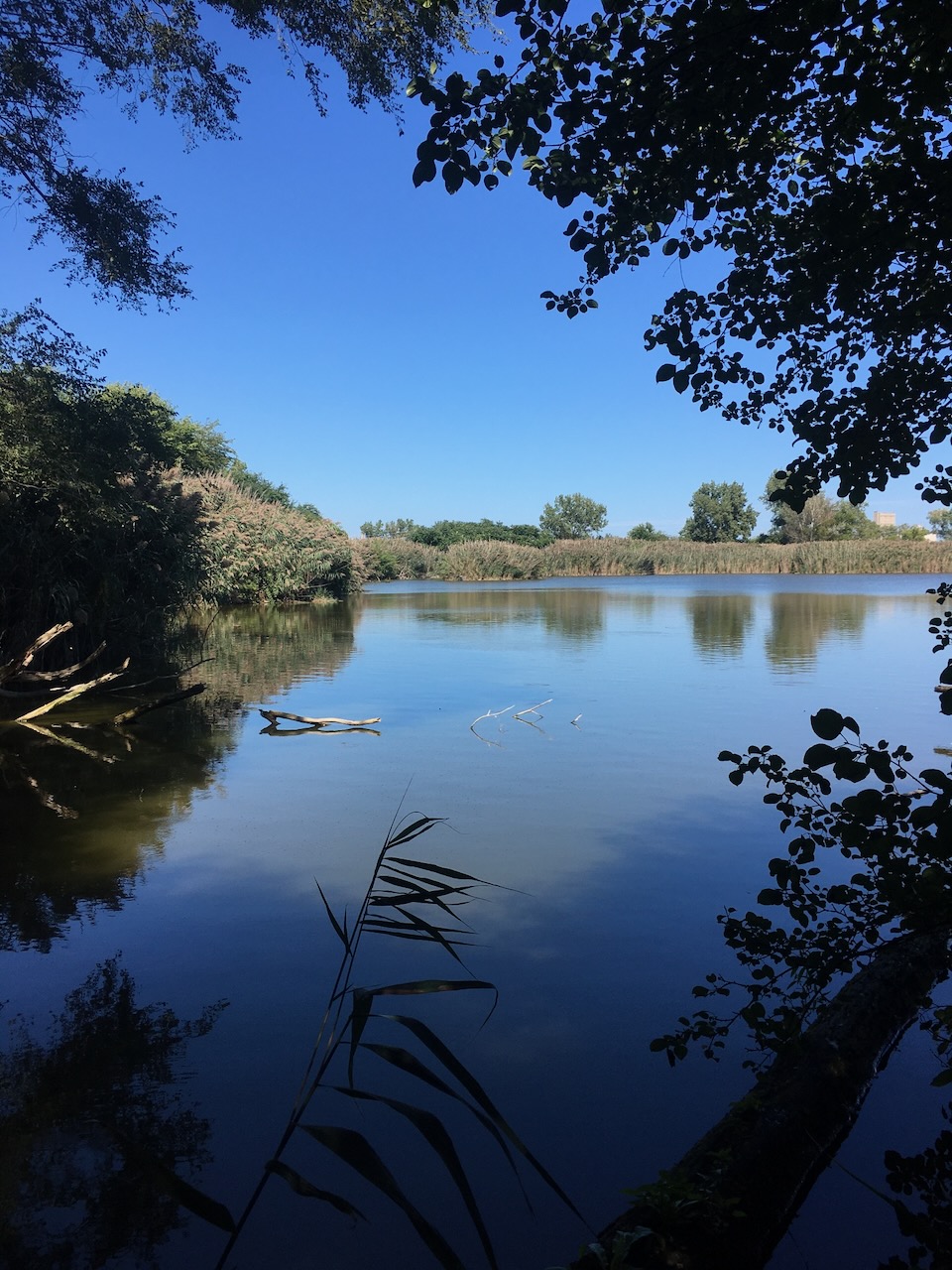
A good place to look for waterfowl.

there’s slag here too!
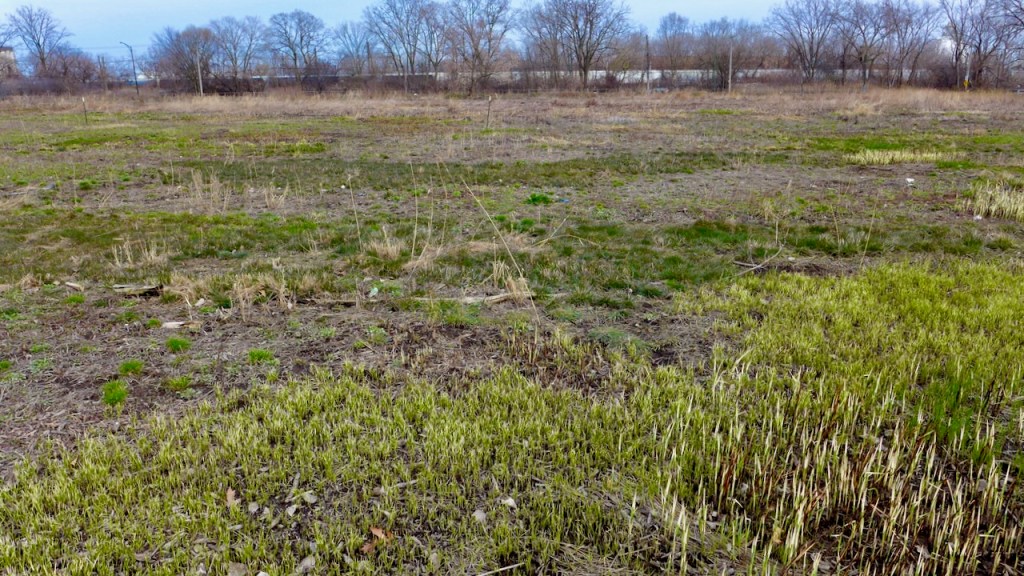
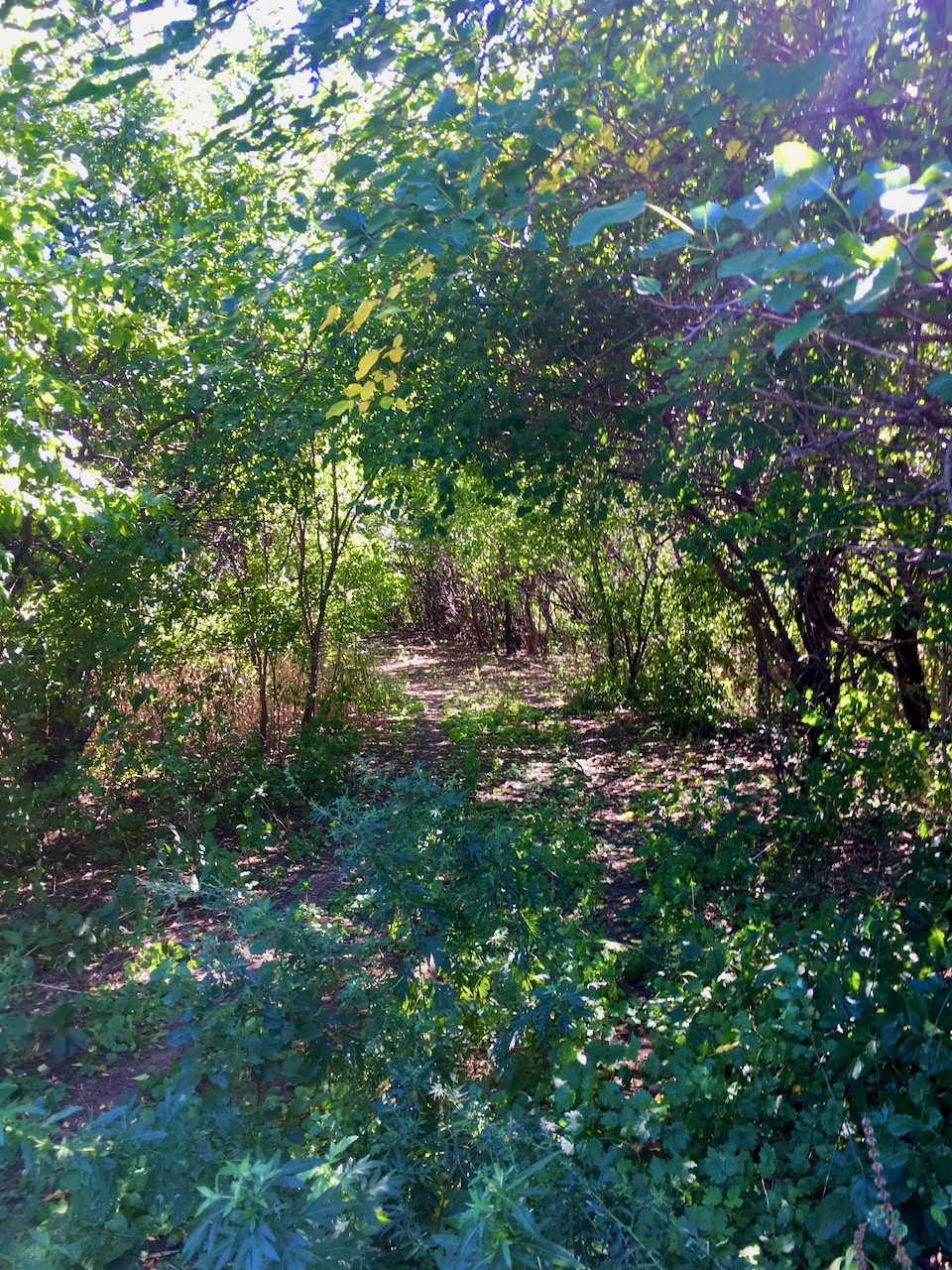
a tunnel of european buckthorn leads us to the ponds.

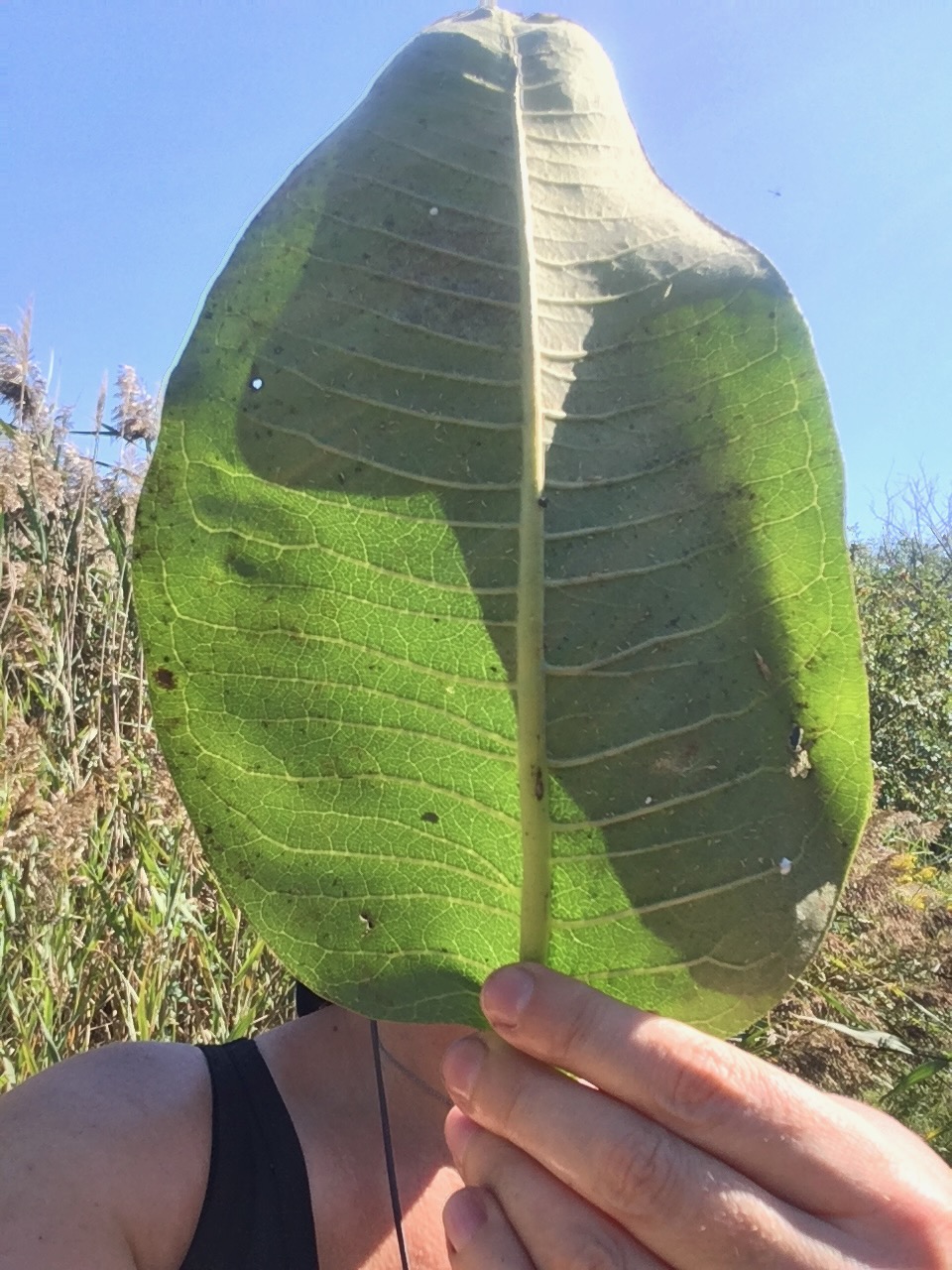
it’s big leaf season as we head back over the tracks to the Indian Ridge Marsh parking lot.

Indian Ridge Marsh and beyond, IL • November 2020

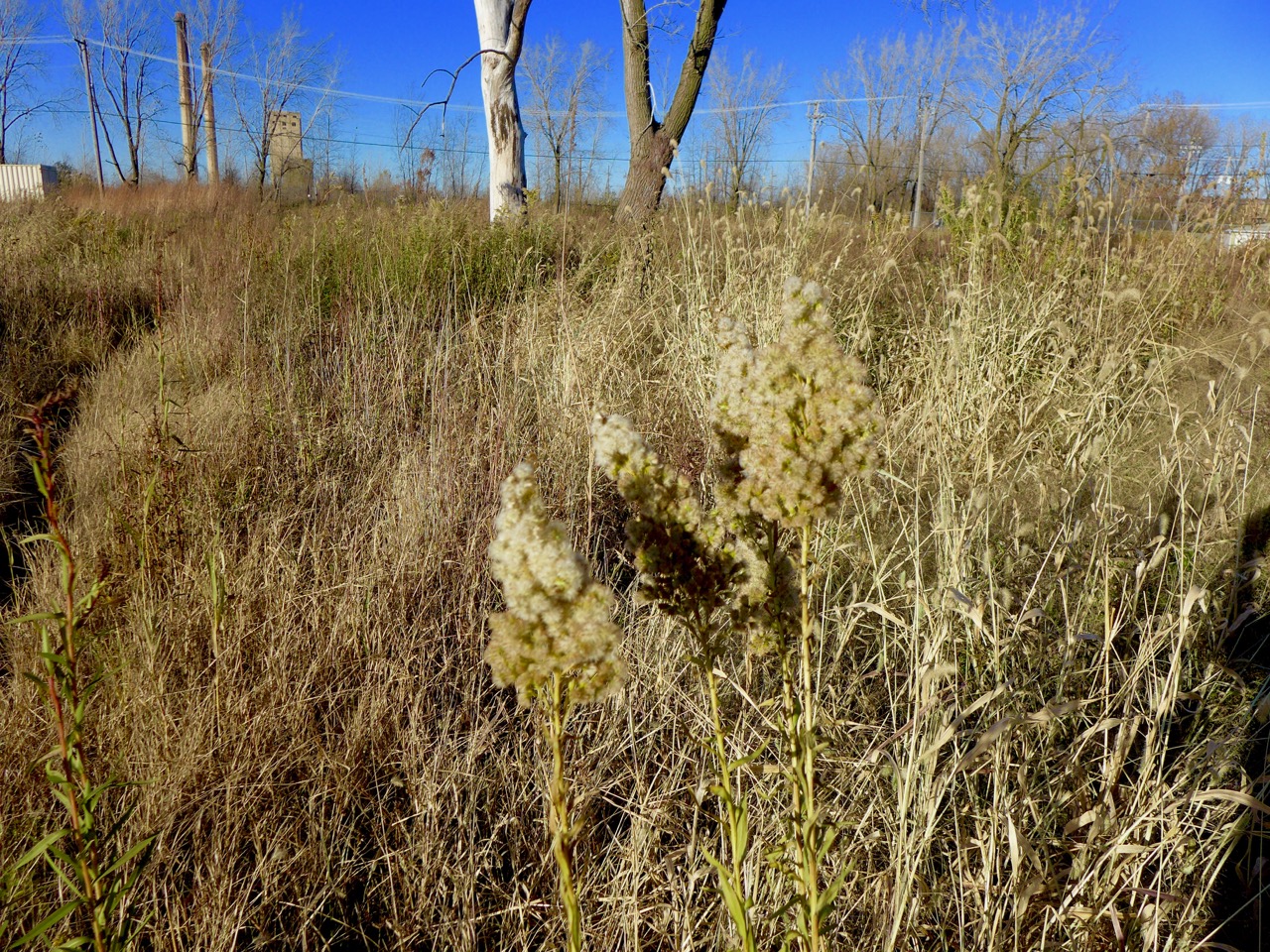
A gorgeously warm November afternoon yielded a golden IRM, with the last of the asters and goldenrod setting seed.

I started on the trail going north, through the wet prairie-

-and then kept going.

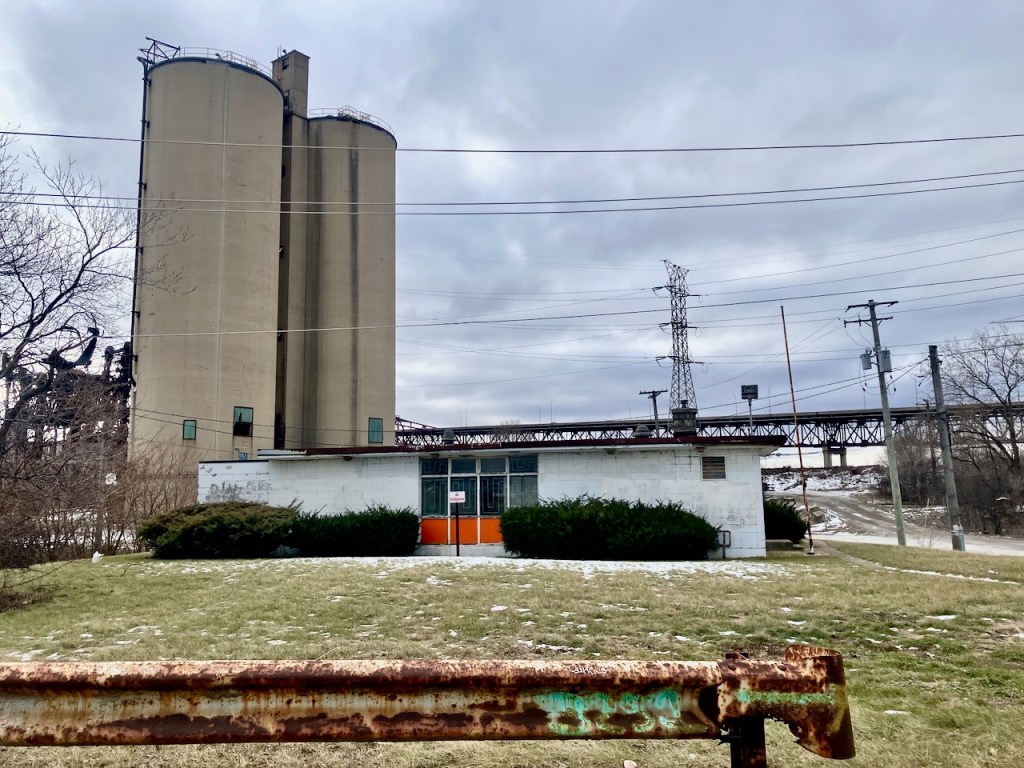
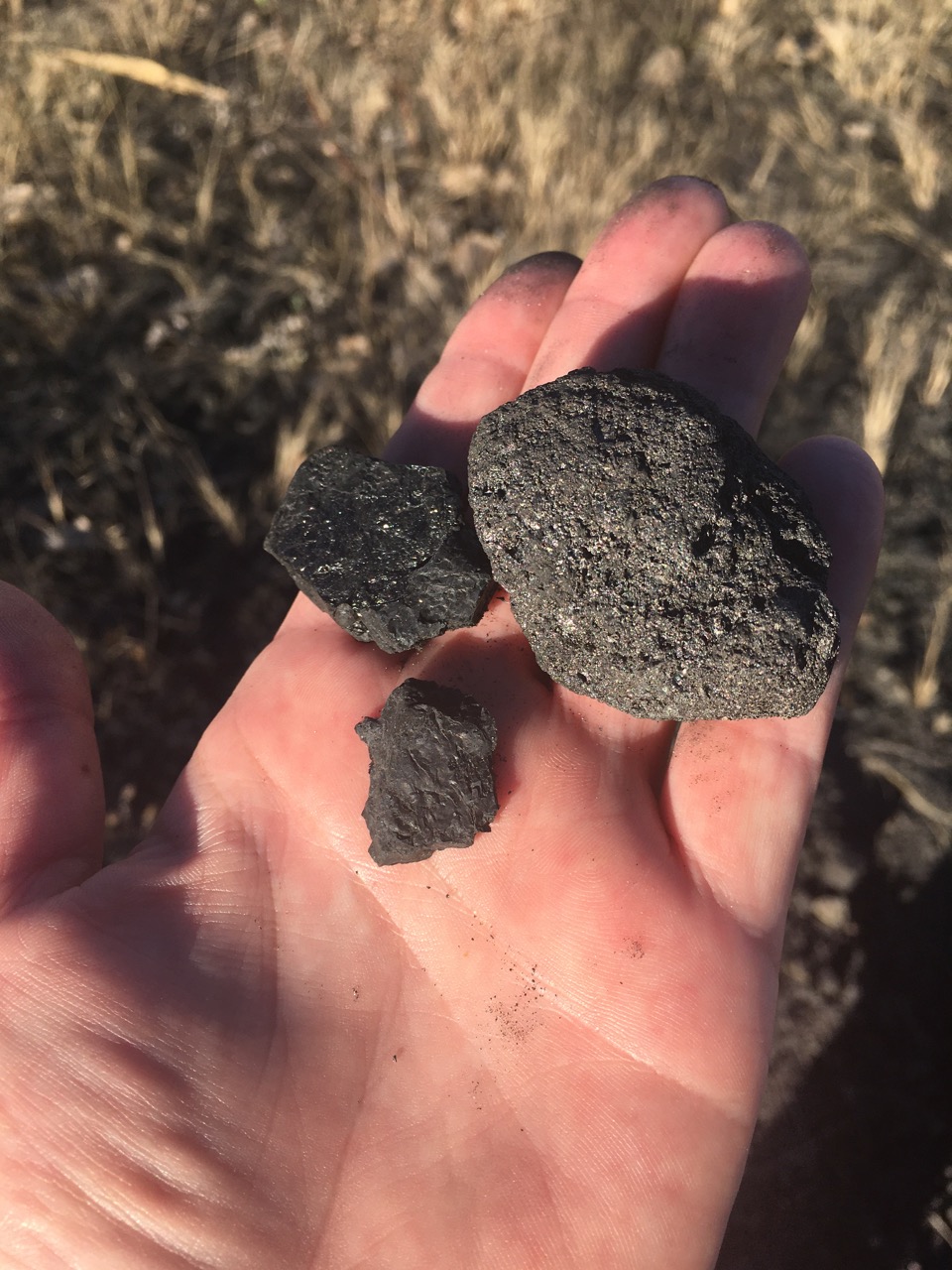
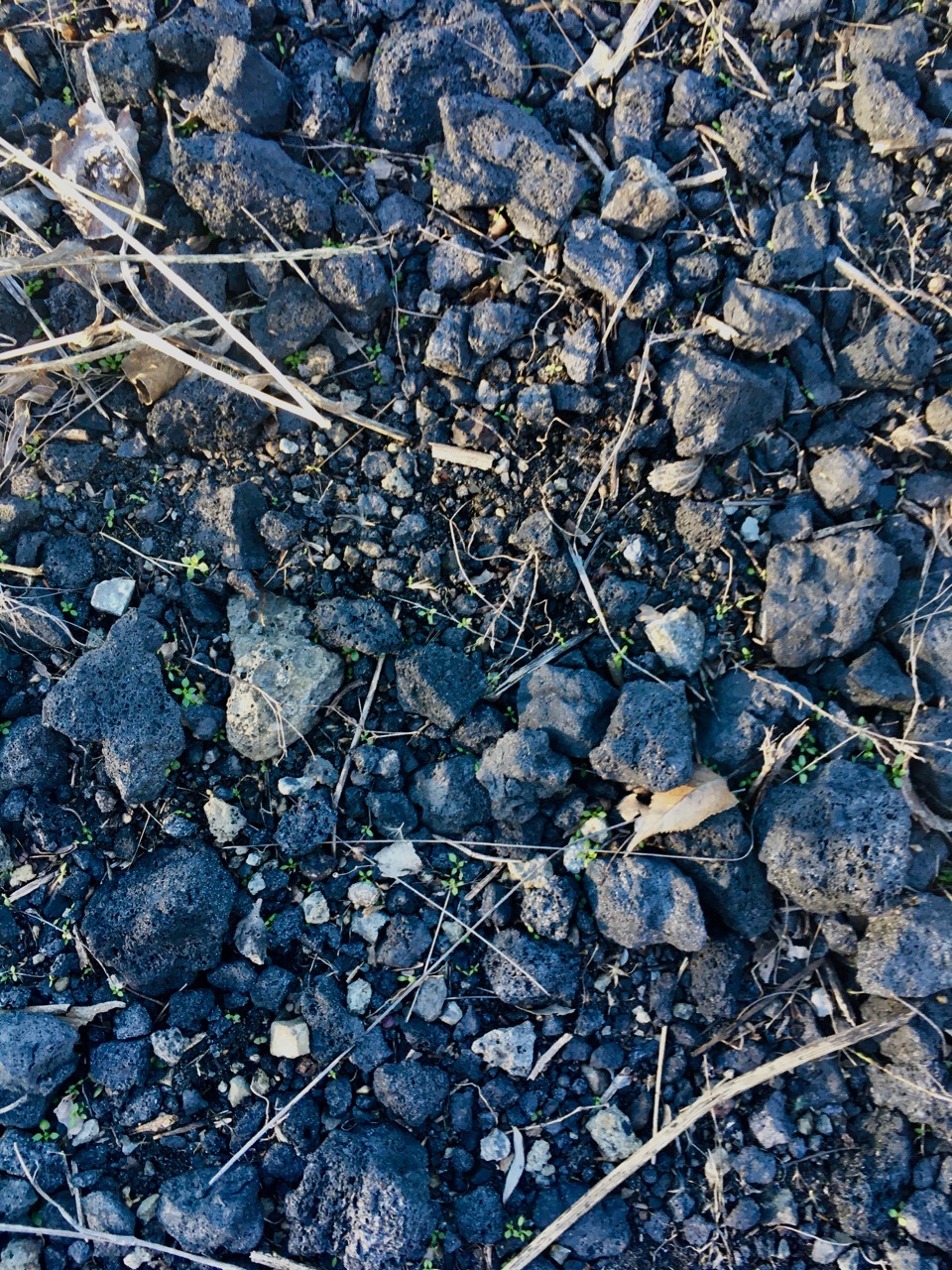
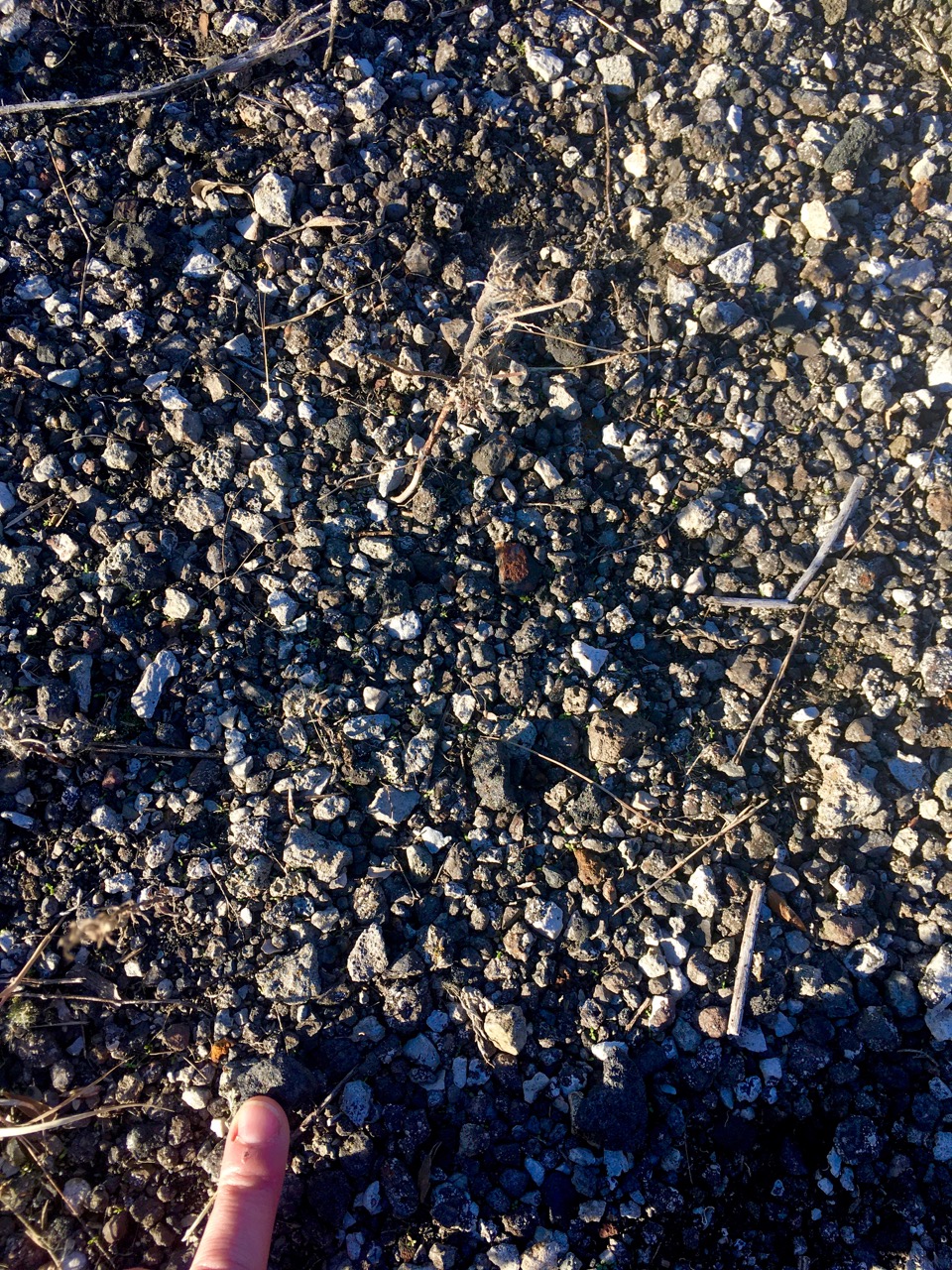
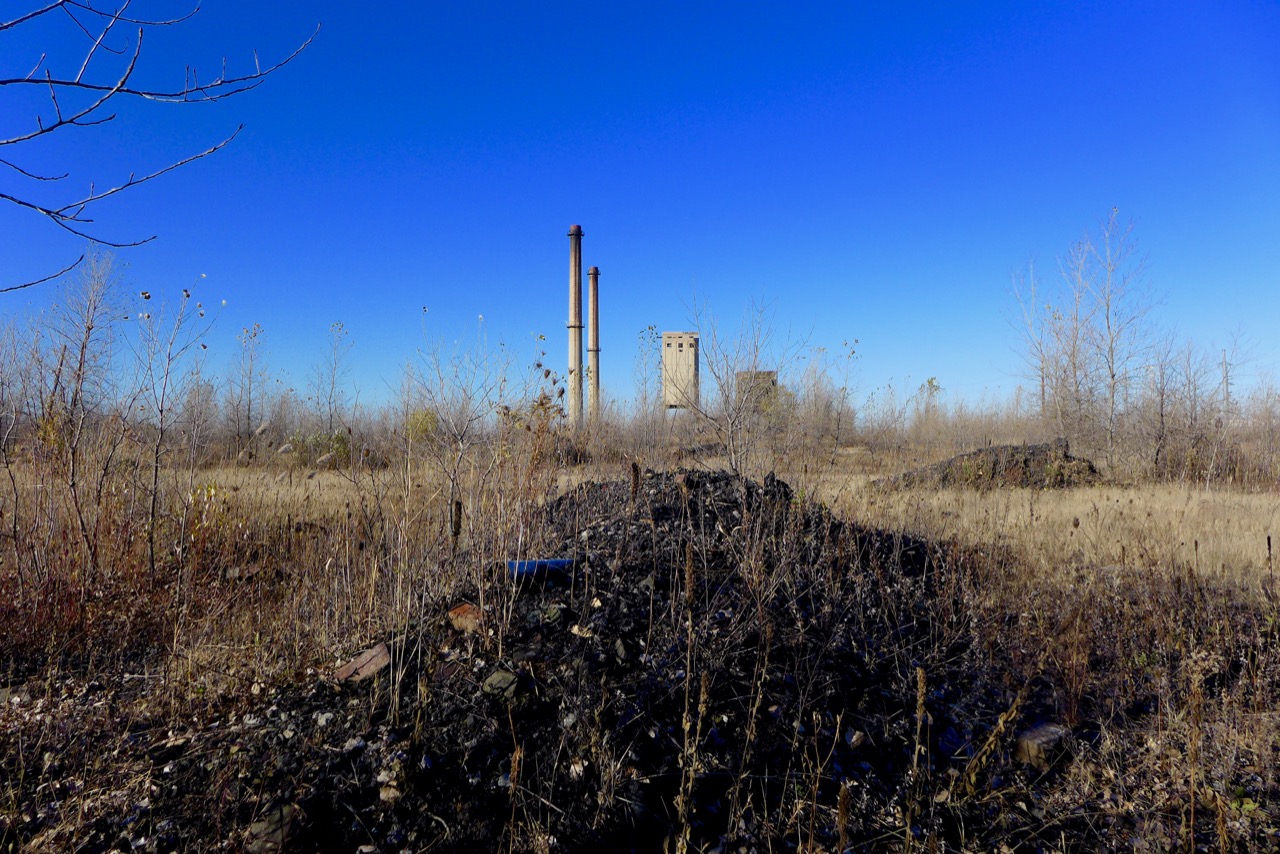
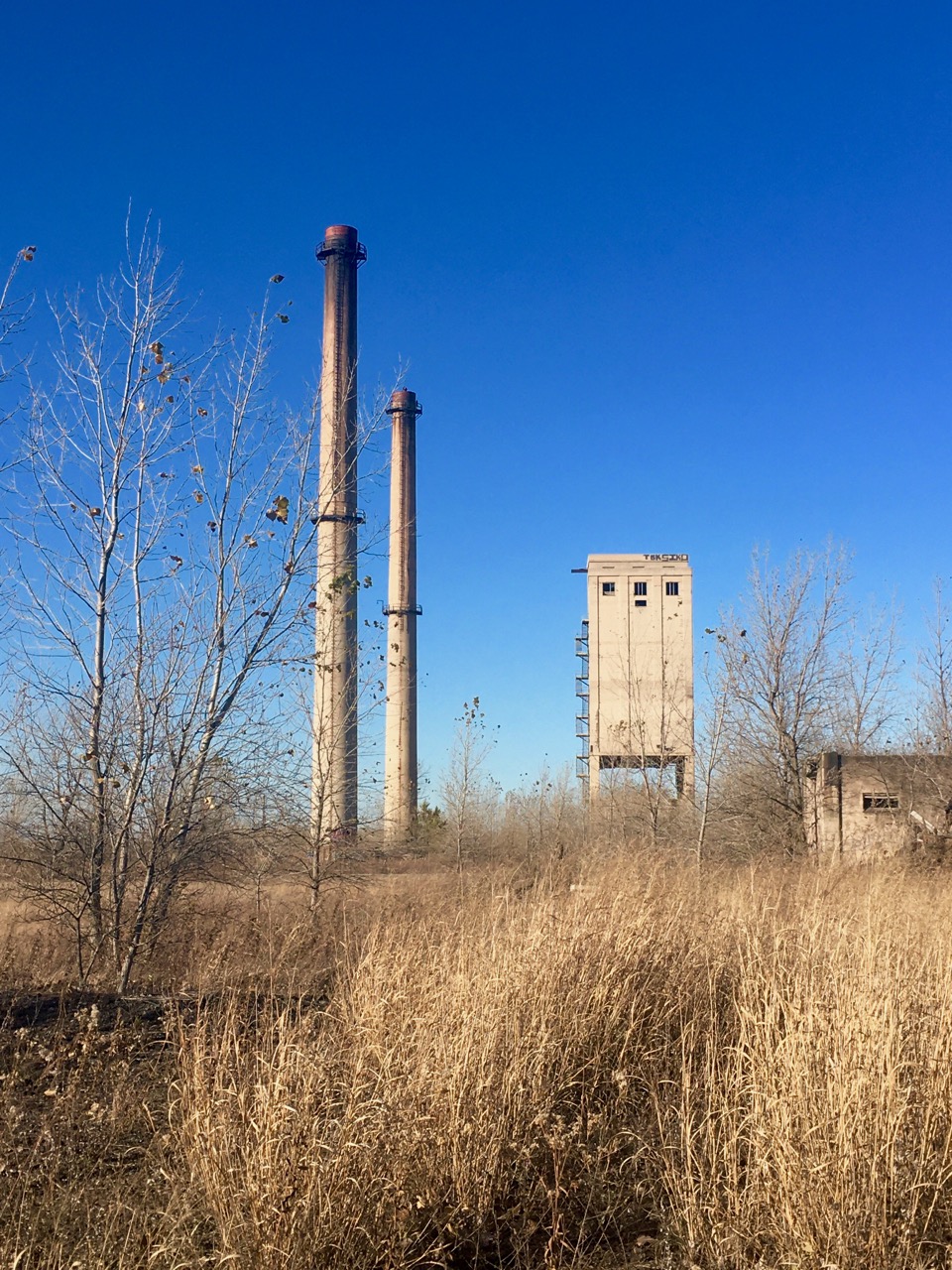
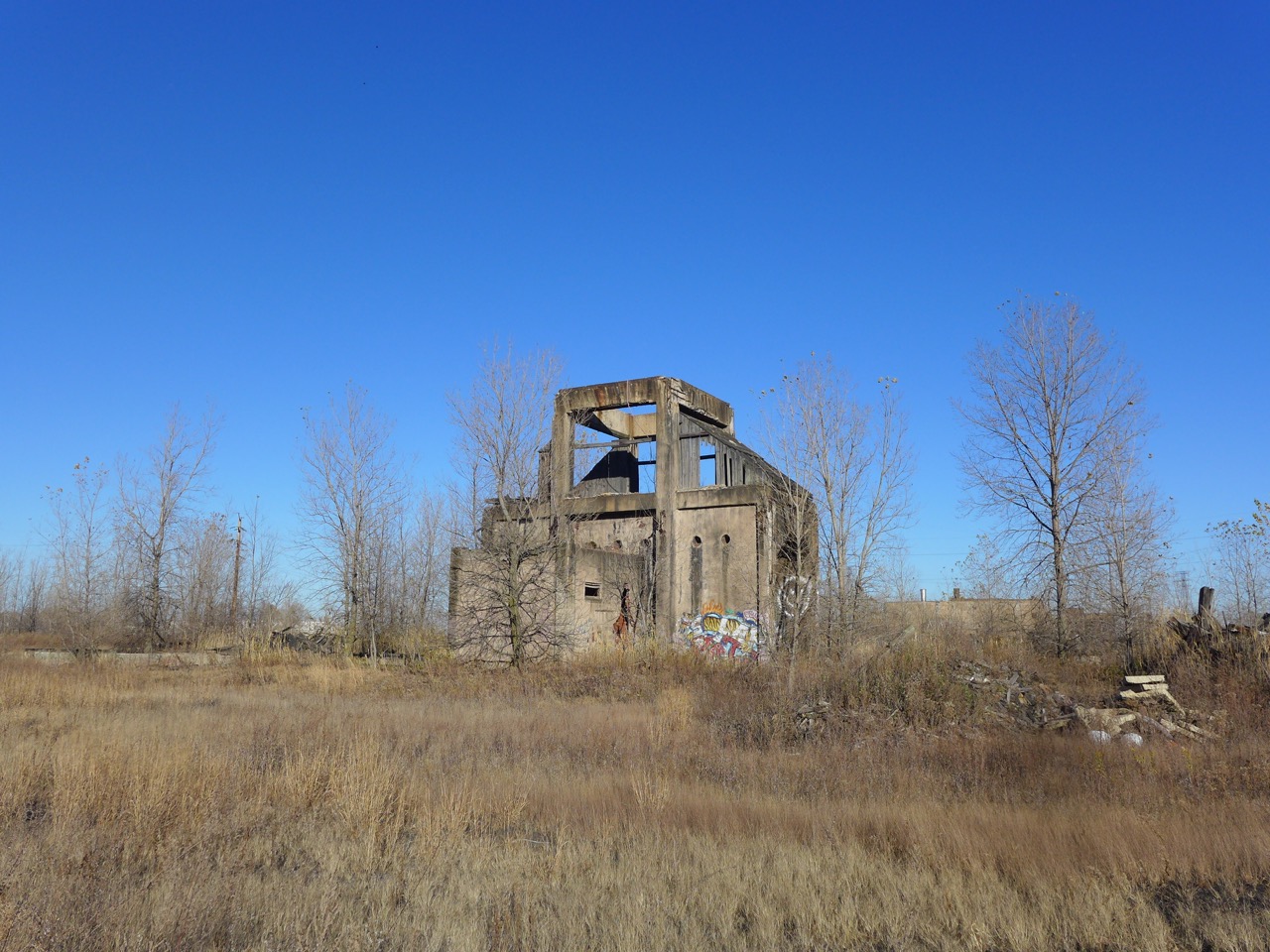
At the old Wisconsin Steel/Acme Coke site I found a new slag for the typology- charcoal briquet slag?! It was all quite dark black (some were also really lightweight), even if the raking sun bleached out some of the photos below. Or maybe this is just some coking byproduct.

It was really quiet and isolated in a sea of Aristida and a few interspersed cottonwoods and willows. I’m quite surprised I didn’t see any deer or other animals about. In fact, I was only surrounded by birds birds birds (mostly dark eyed juncos), in the the many standing dead trees – and a big crabapple – once back at Indian Ridge Marsh.

Marian R. Byrnes Park, Chicago, IL • June 2020

I’ve spent many months at Marian Byrnes Park- mostly doing research and botanizing. It’s where my favorite slag wetland is, a secret garden hidden behind a lovely woodland stroll. Just a few years ago, this park was pretty overgrown and inaccessible. Now it’s such a gem, with great shaded walking trails in a narrow savanna-esque strip, right off of 103rd.

Out on the slag, we see a human-modified ecosystem, just like the woodland (which of course is a highly managed park) but it’s such an unfamiliar landscape. You see remnants of its recent past as a flydumping mecca and plants that looks like weeds on concrete.

But with little human intervention for several decades in the management of this ecosystem, one could argue it’s more “natural” than the familiar tall trees and open understory along the path.

Big Marsh, Chicago IL • April 2020

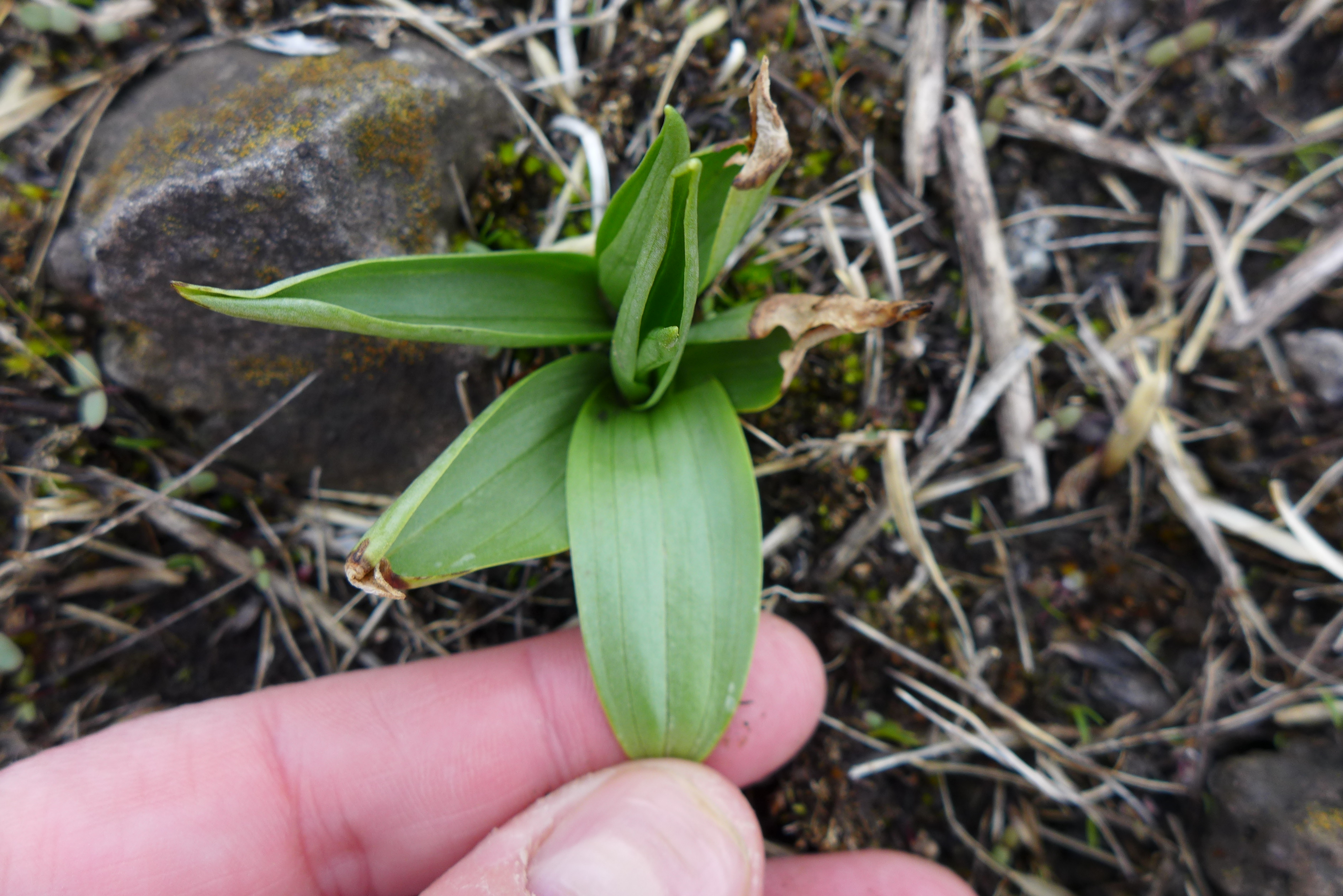
Would you believe there are orchids and rare sedges on this slag wetland at Big Marsh?

P1100576I present to you the strappy leaves of Spiranthes cernua. P1100580


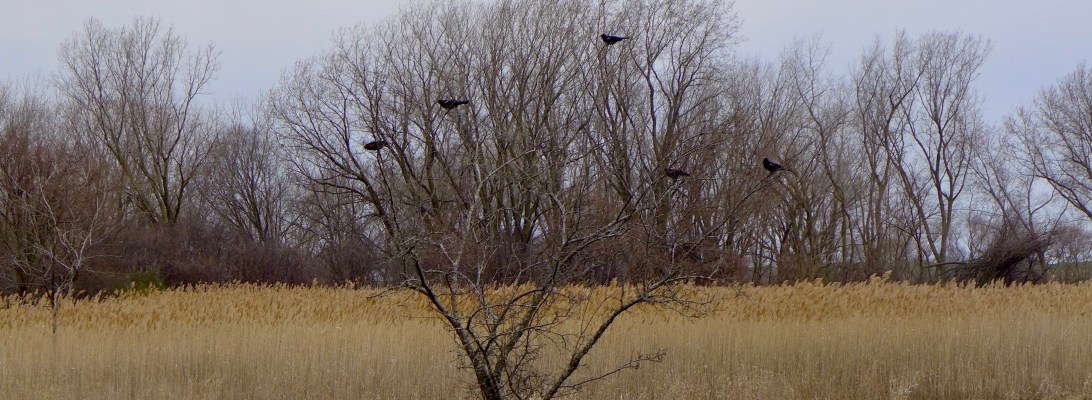
This might be one of my most favorite photos at Big Marsh. I spent 10s of hours at this site during the summer of 2018 and literally never saw a bird in this tree! The site always seemed quiet in animal life, but rich in plant life.

P1100577