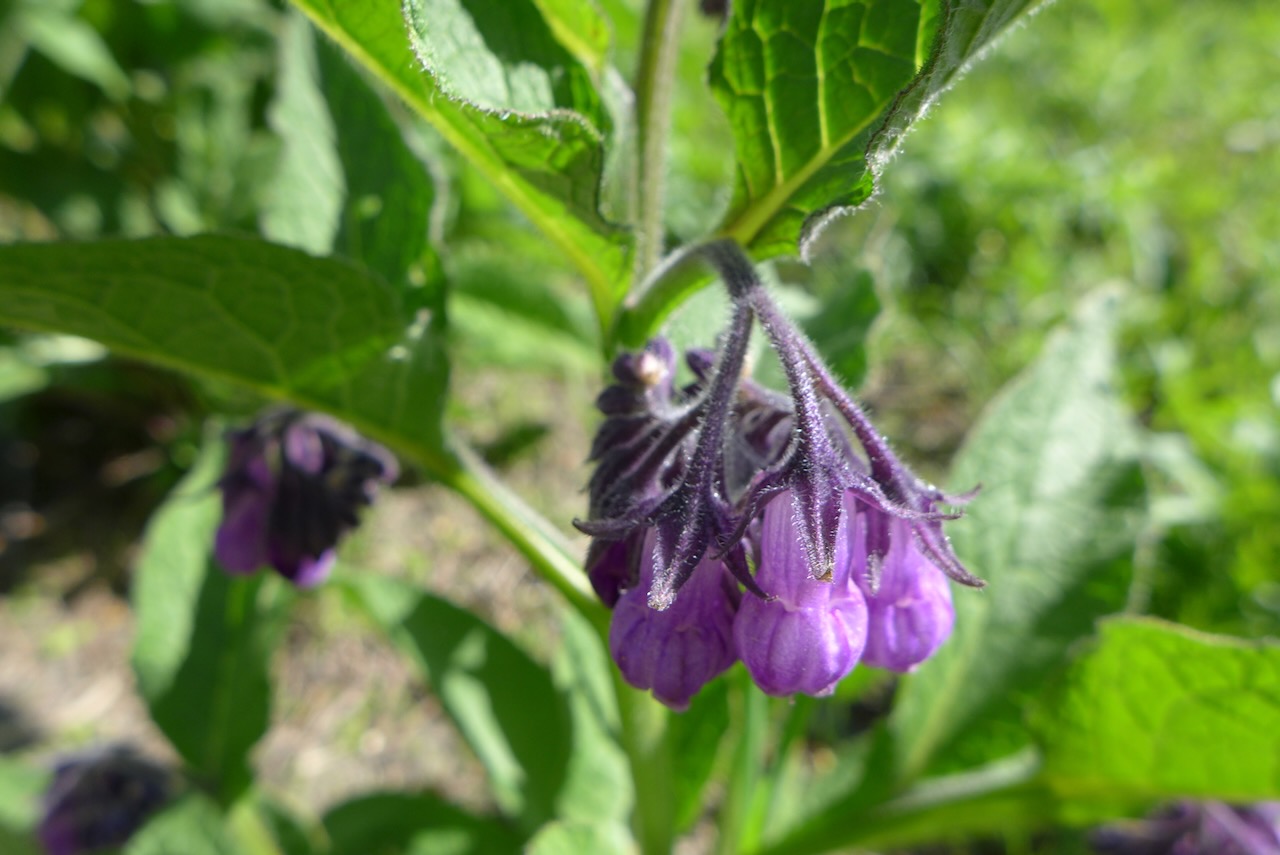
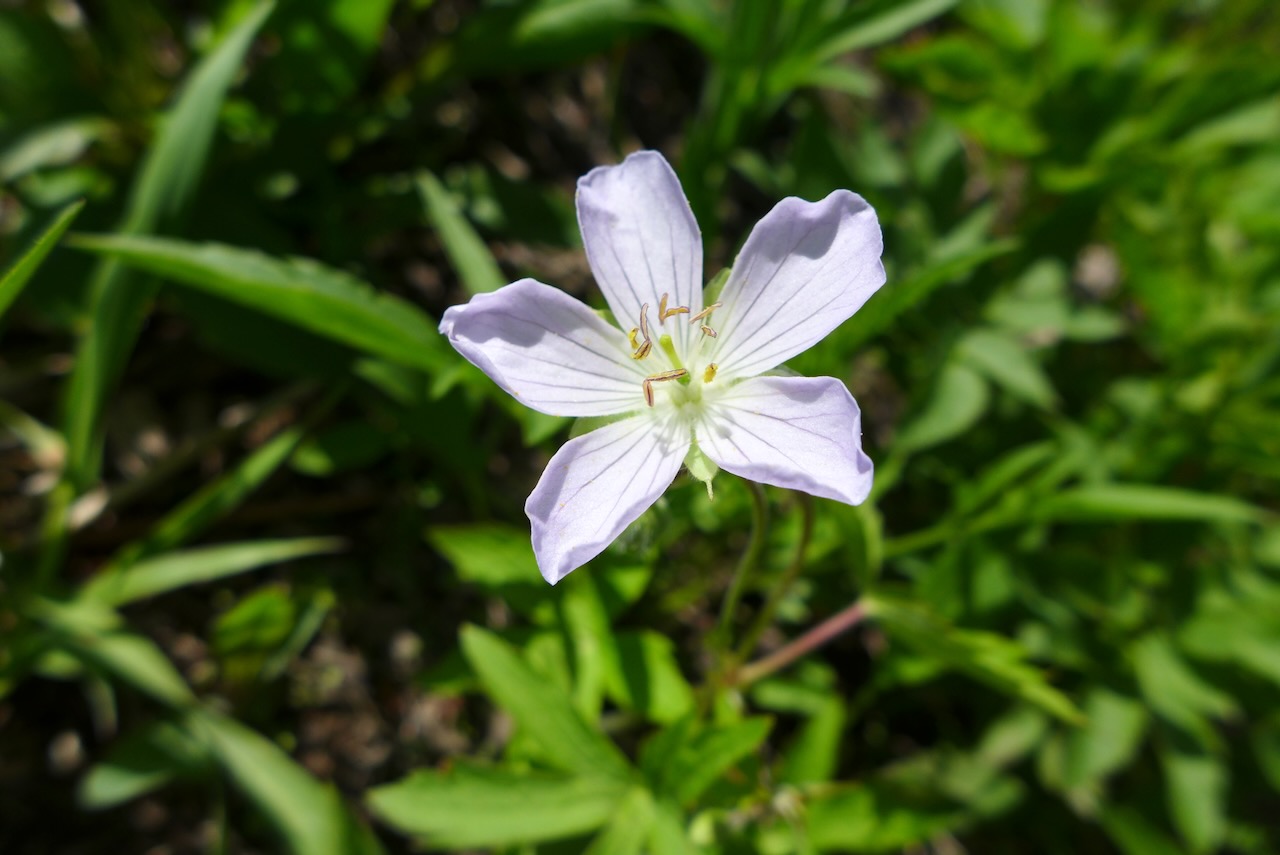
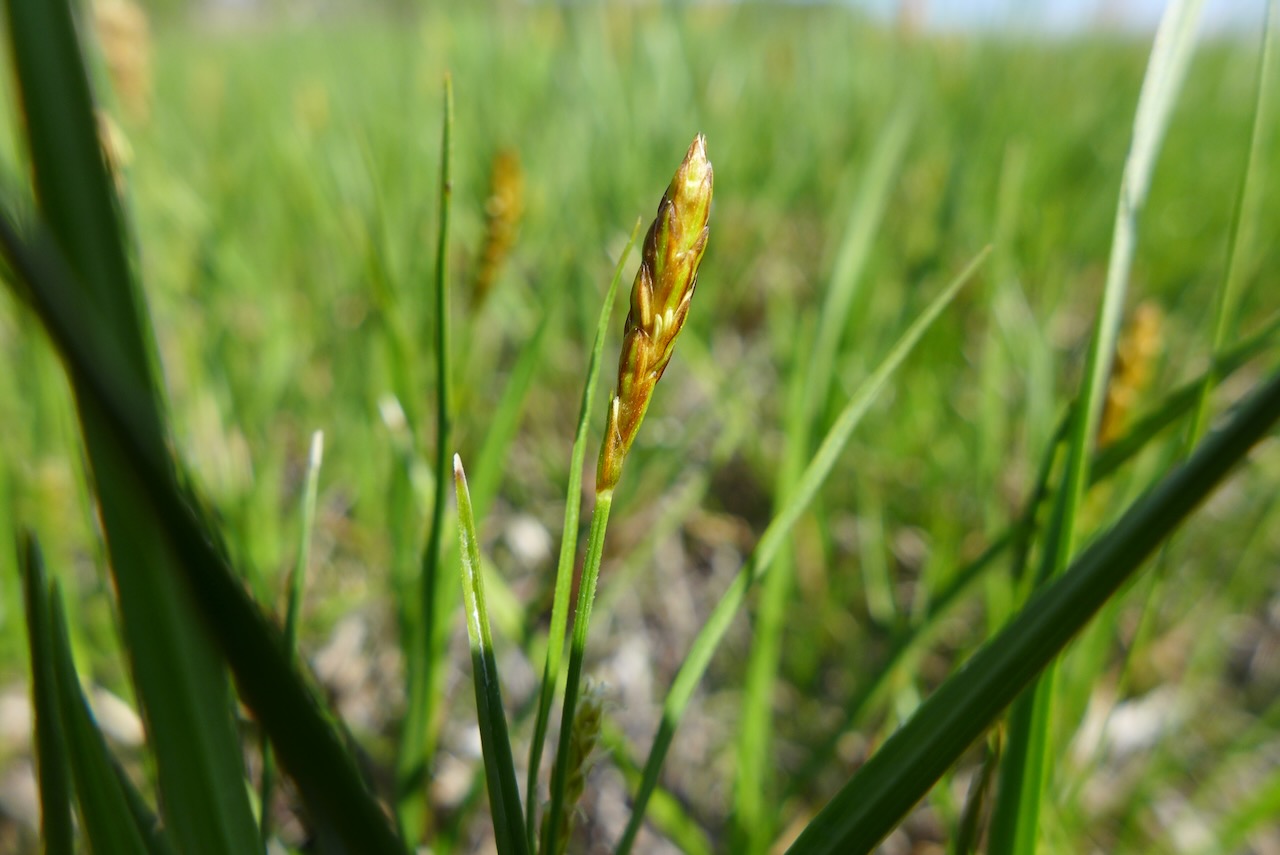
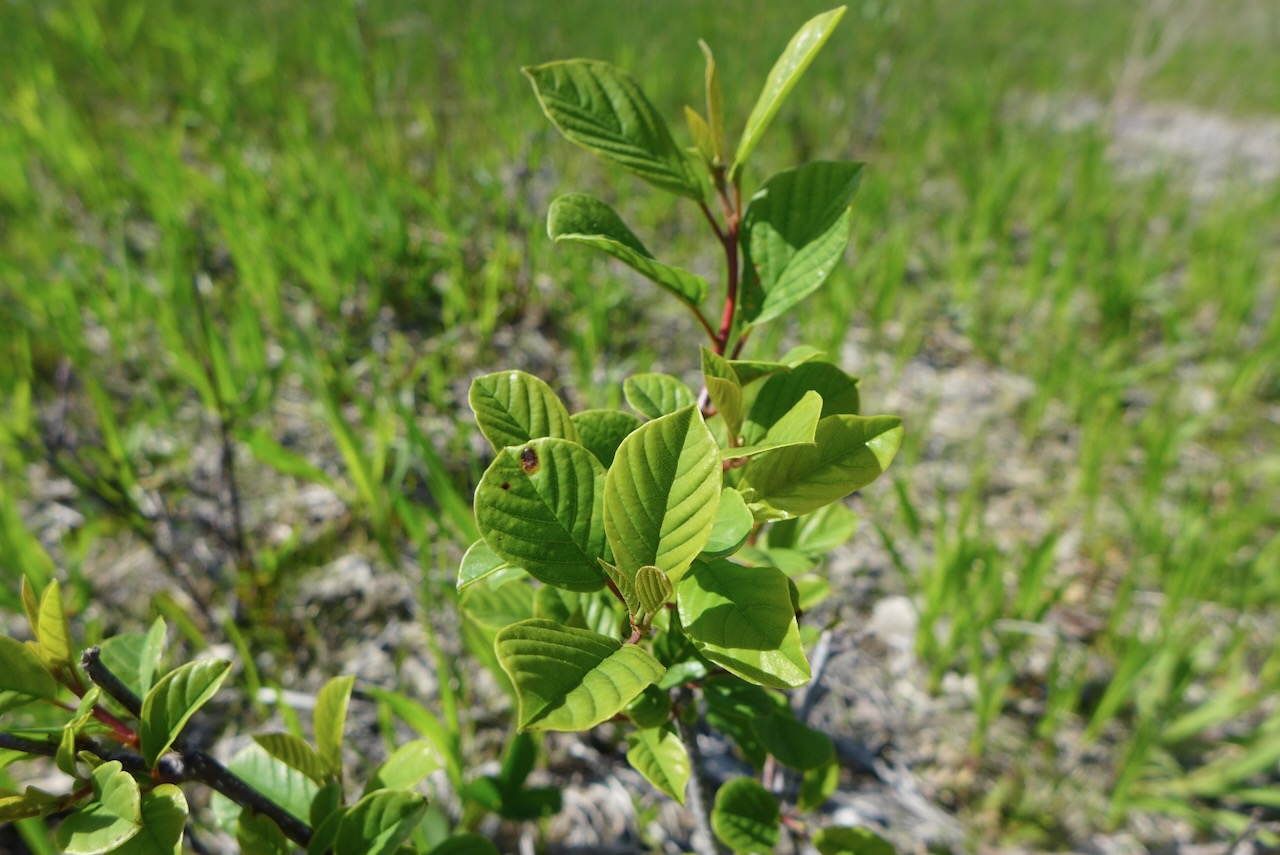
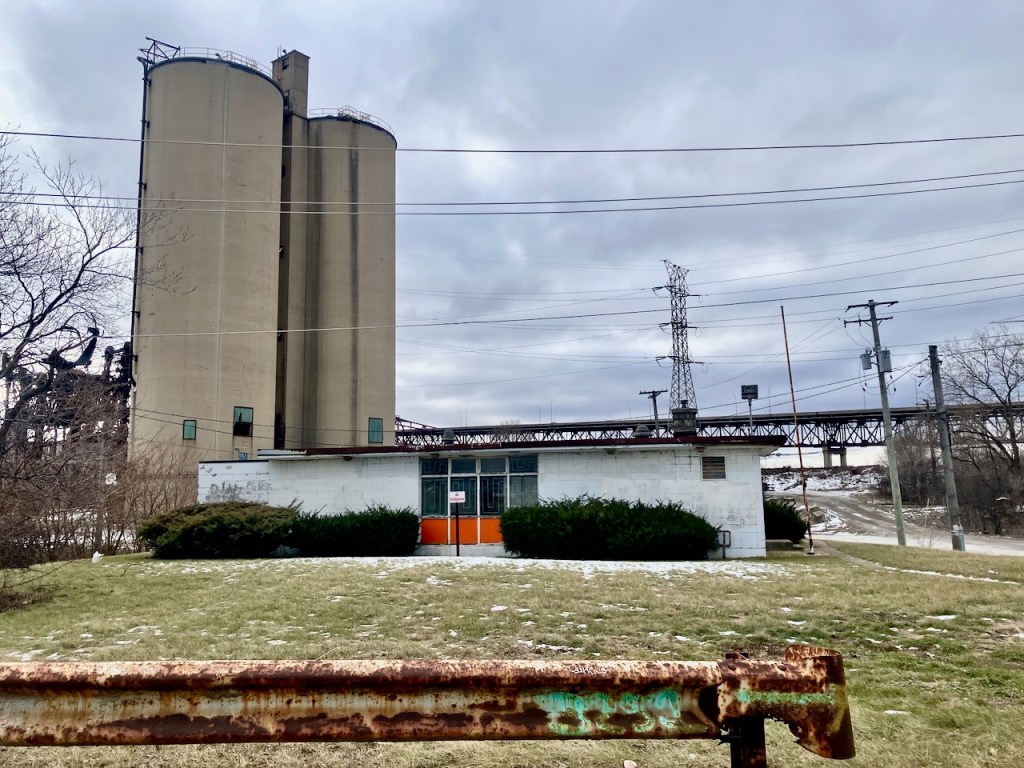
it’s Spiranthes season! • August 2026

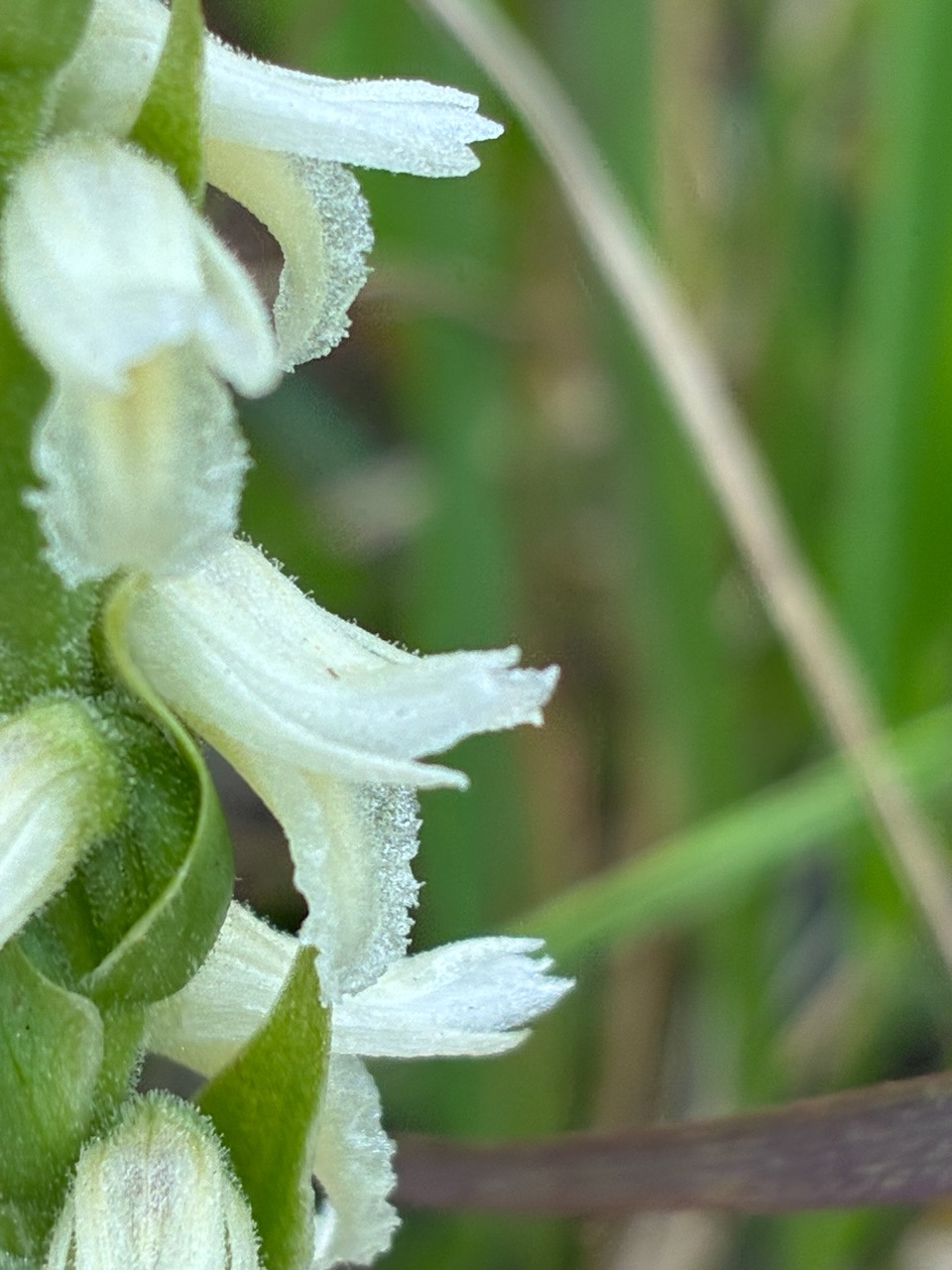
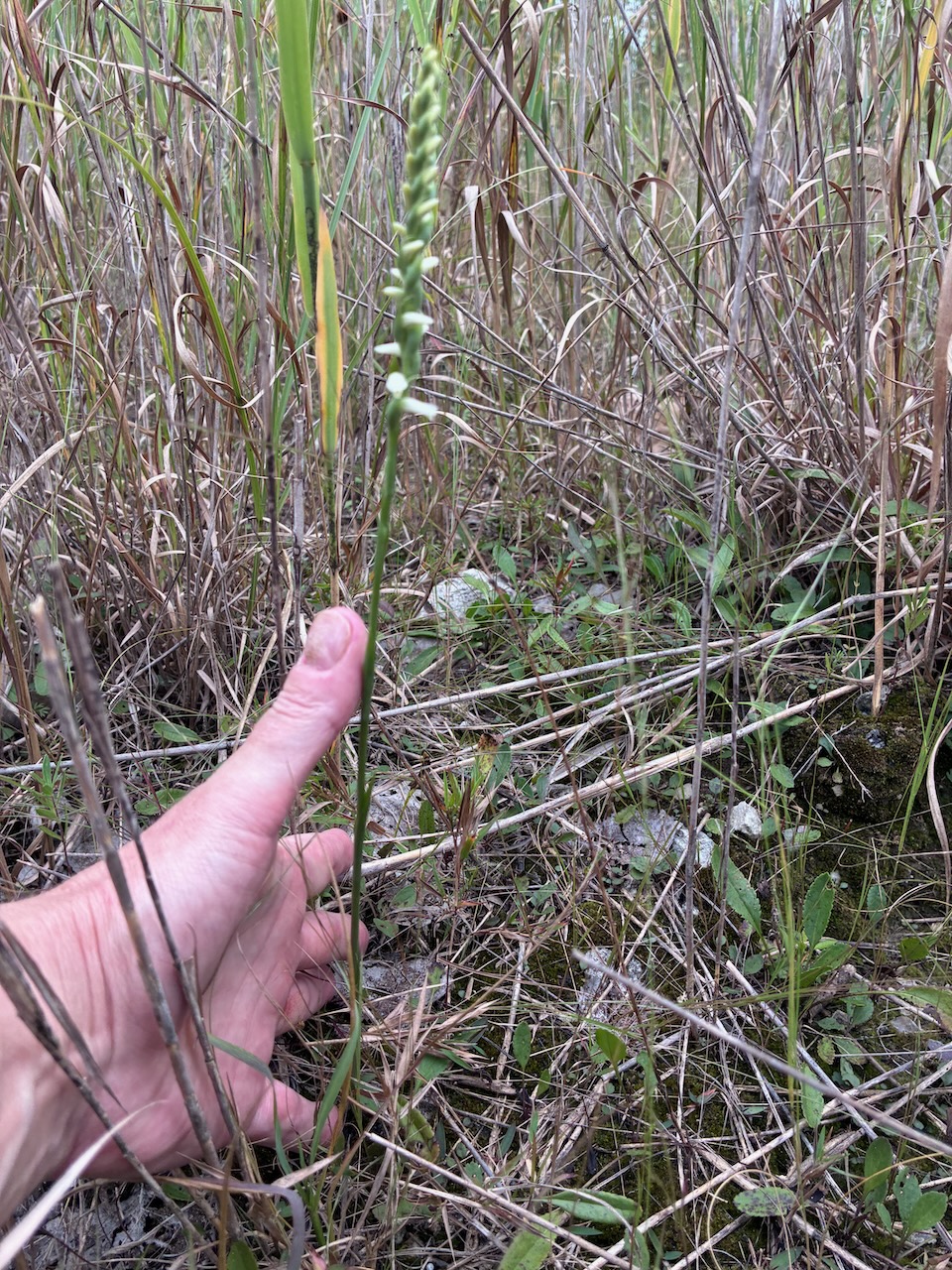
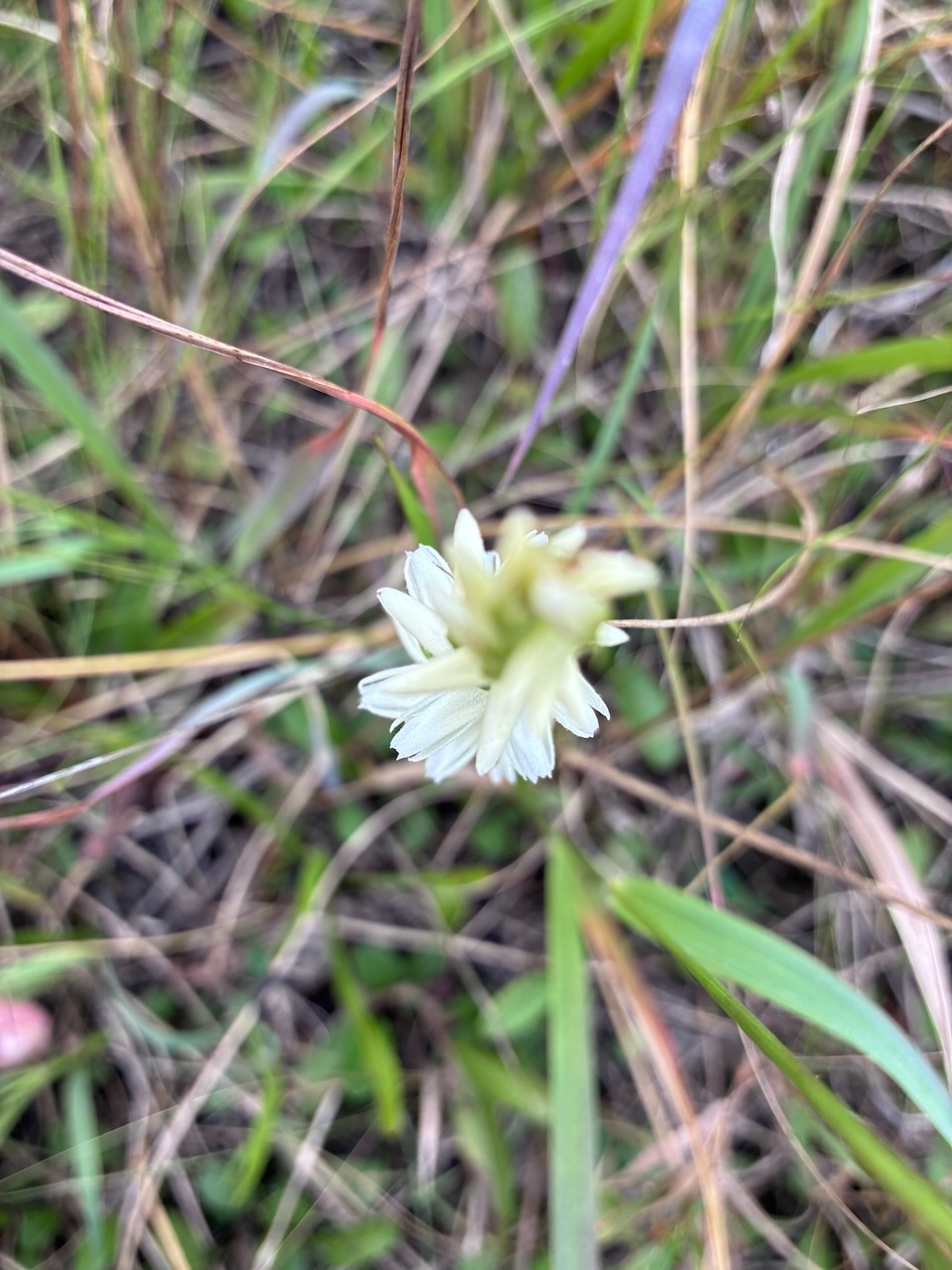
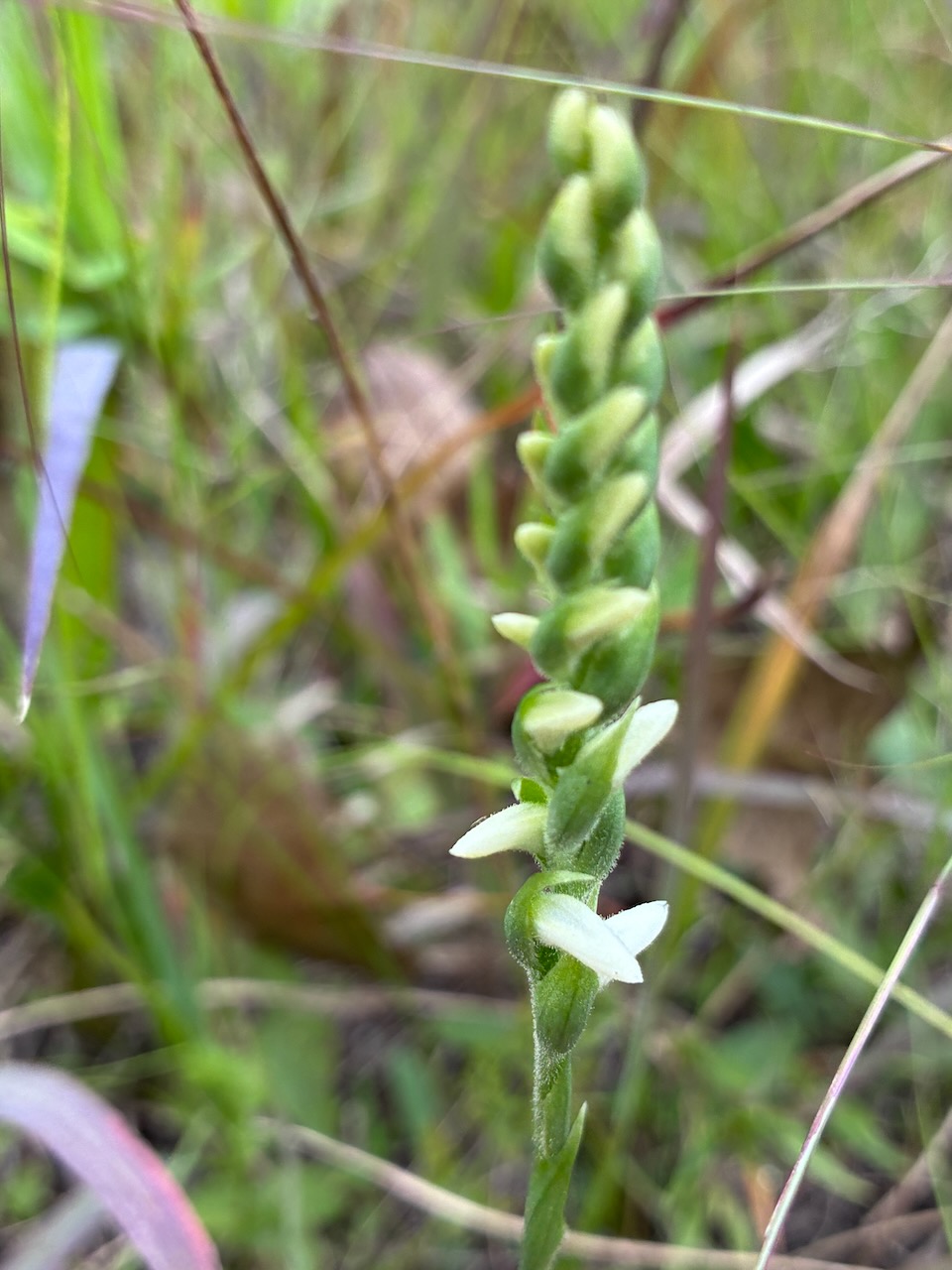
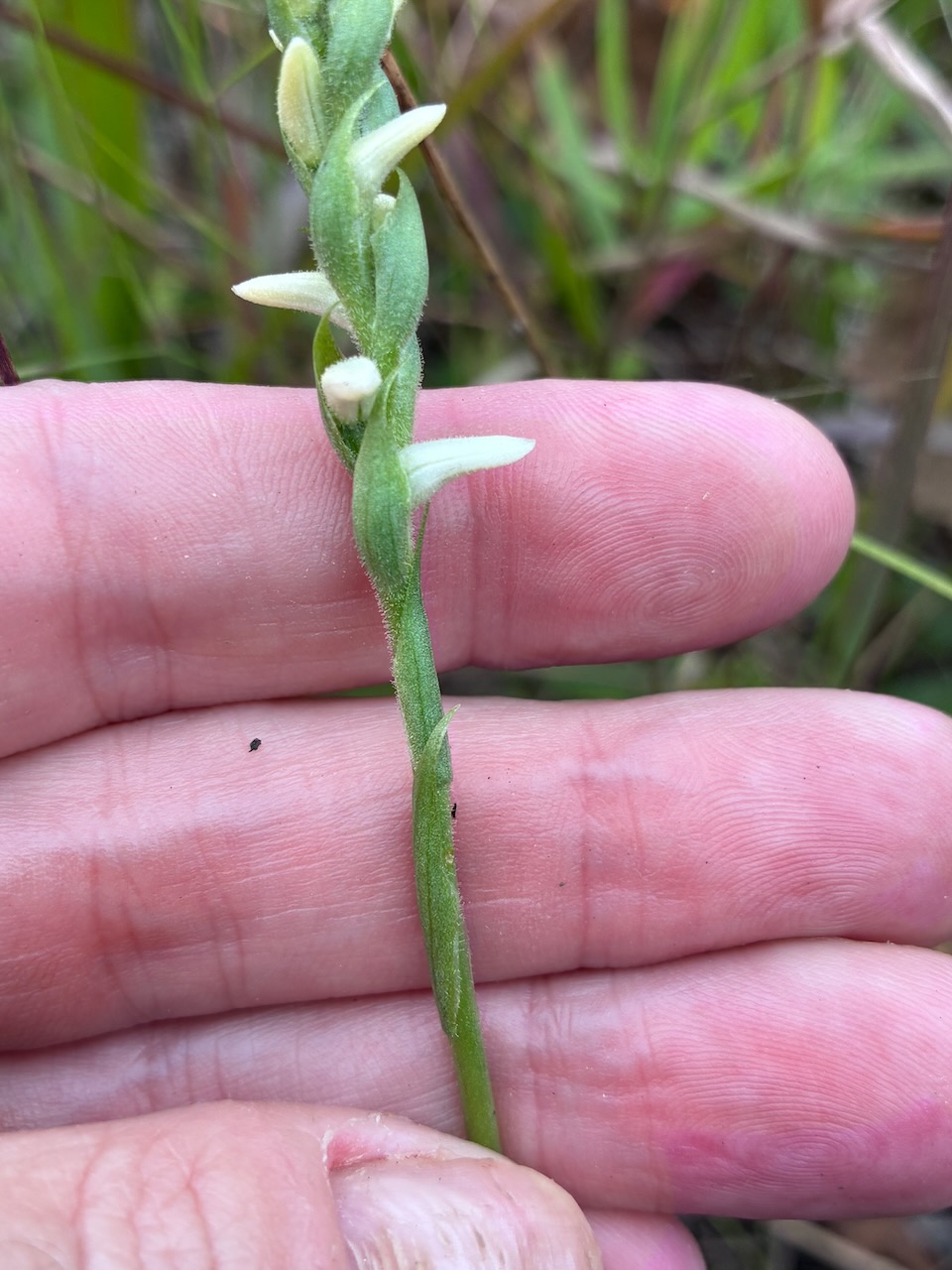
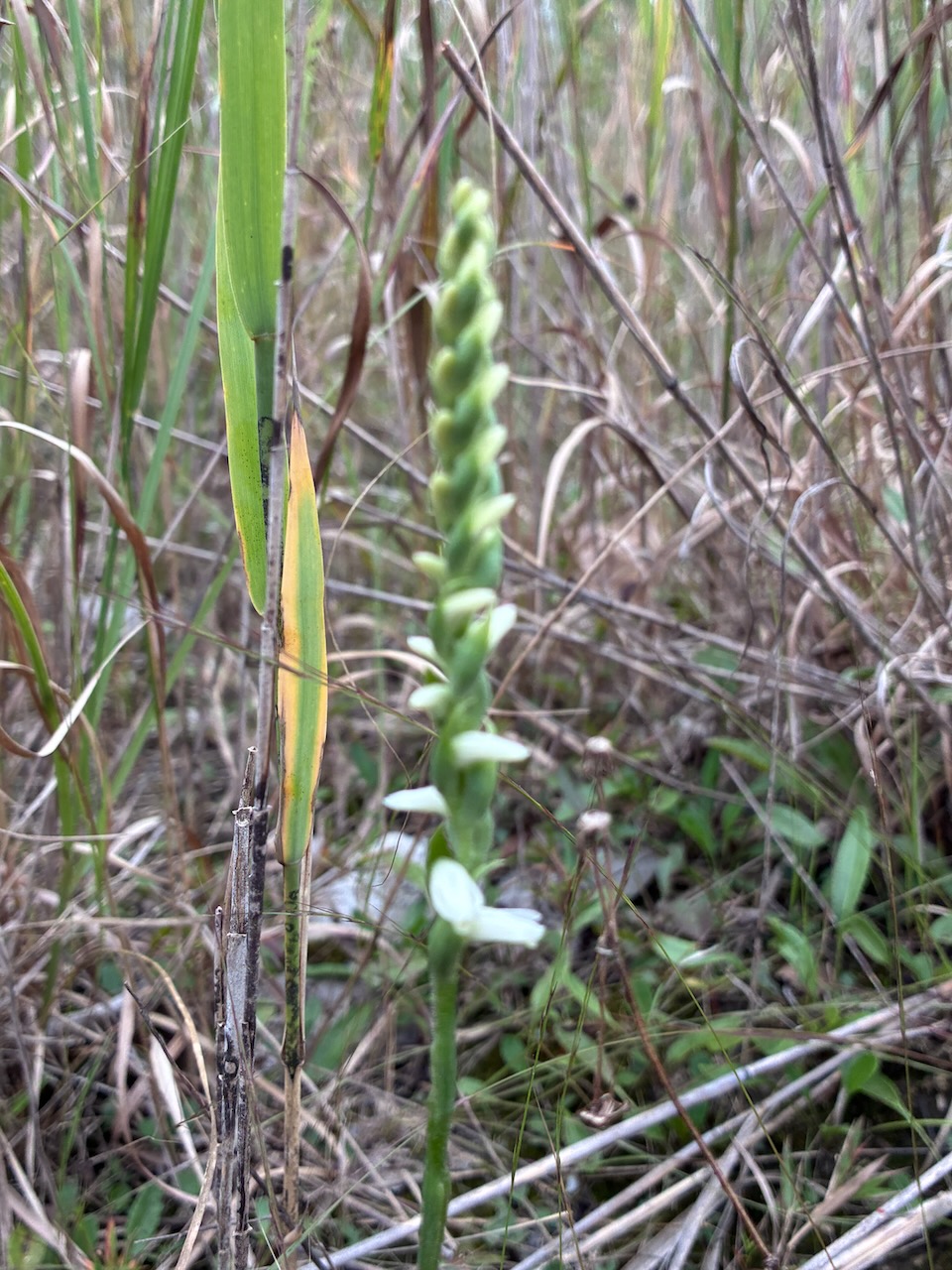
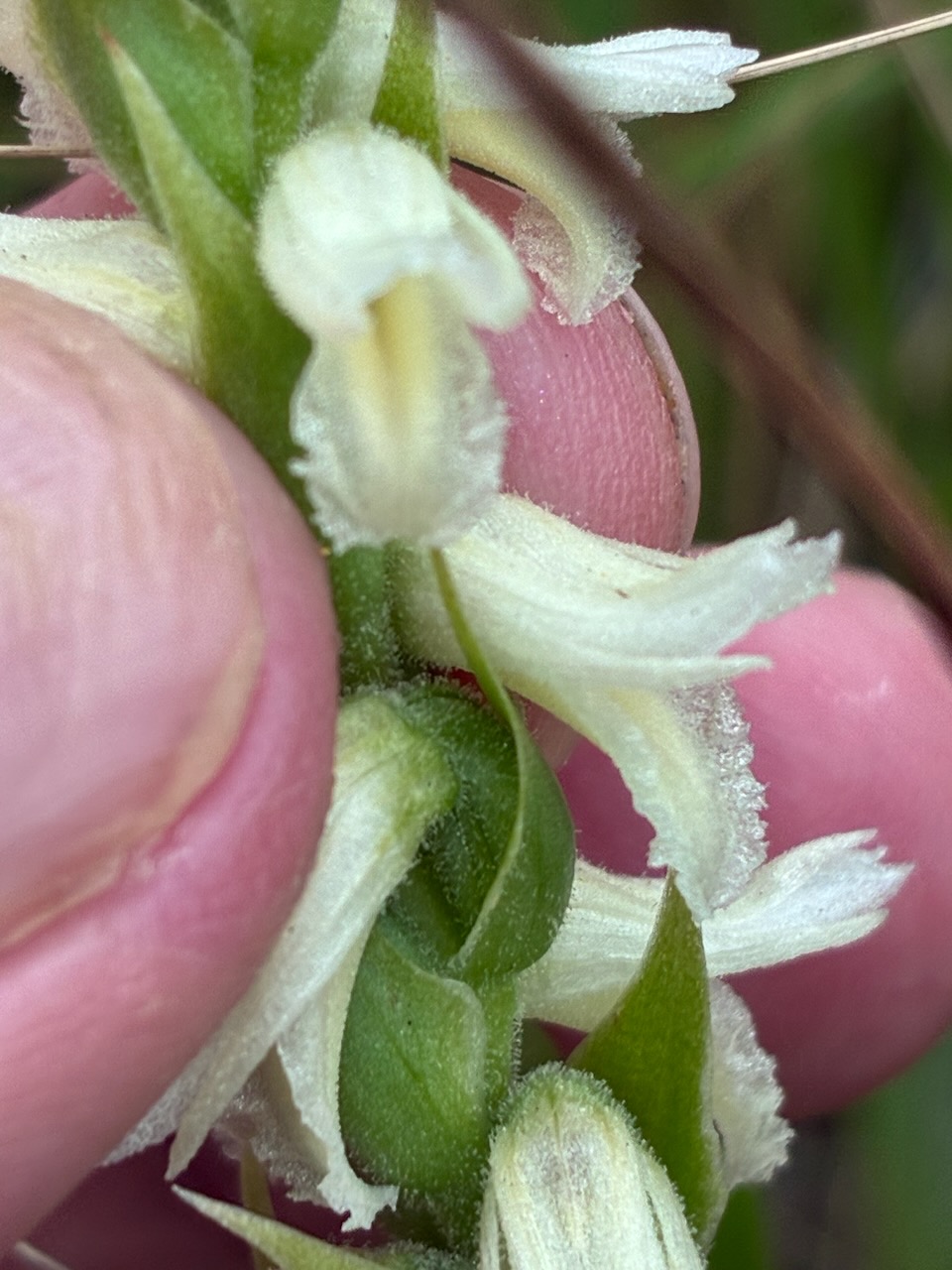
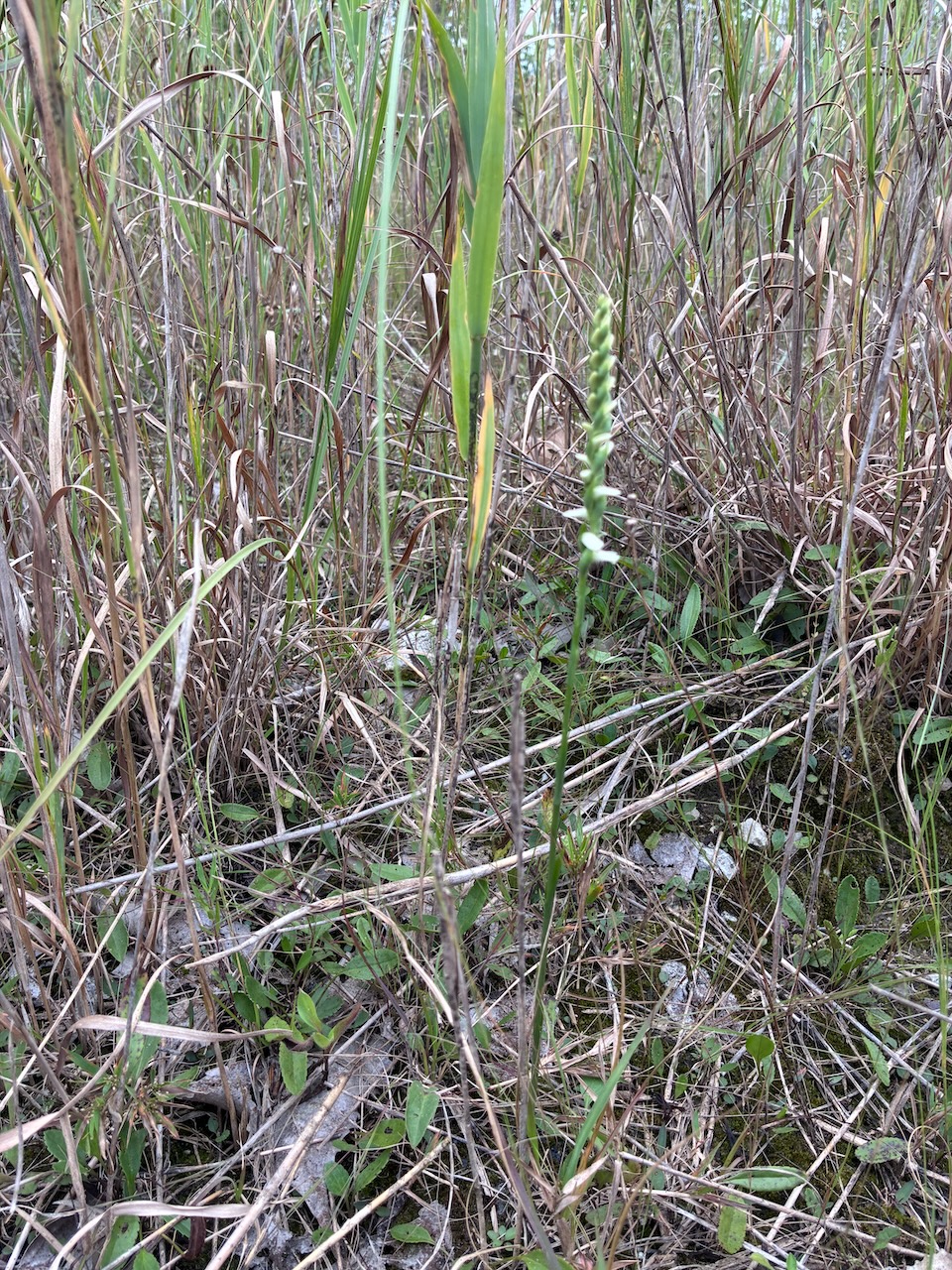
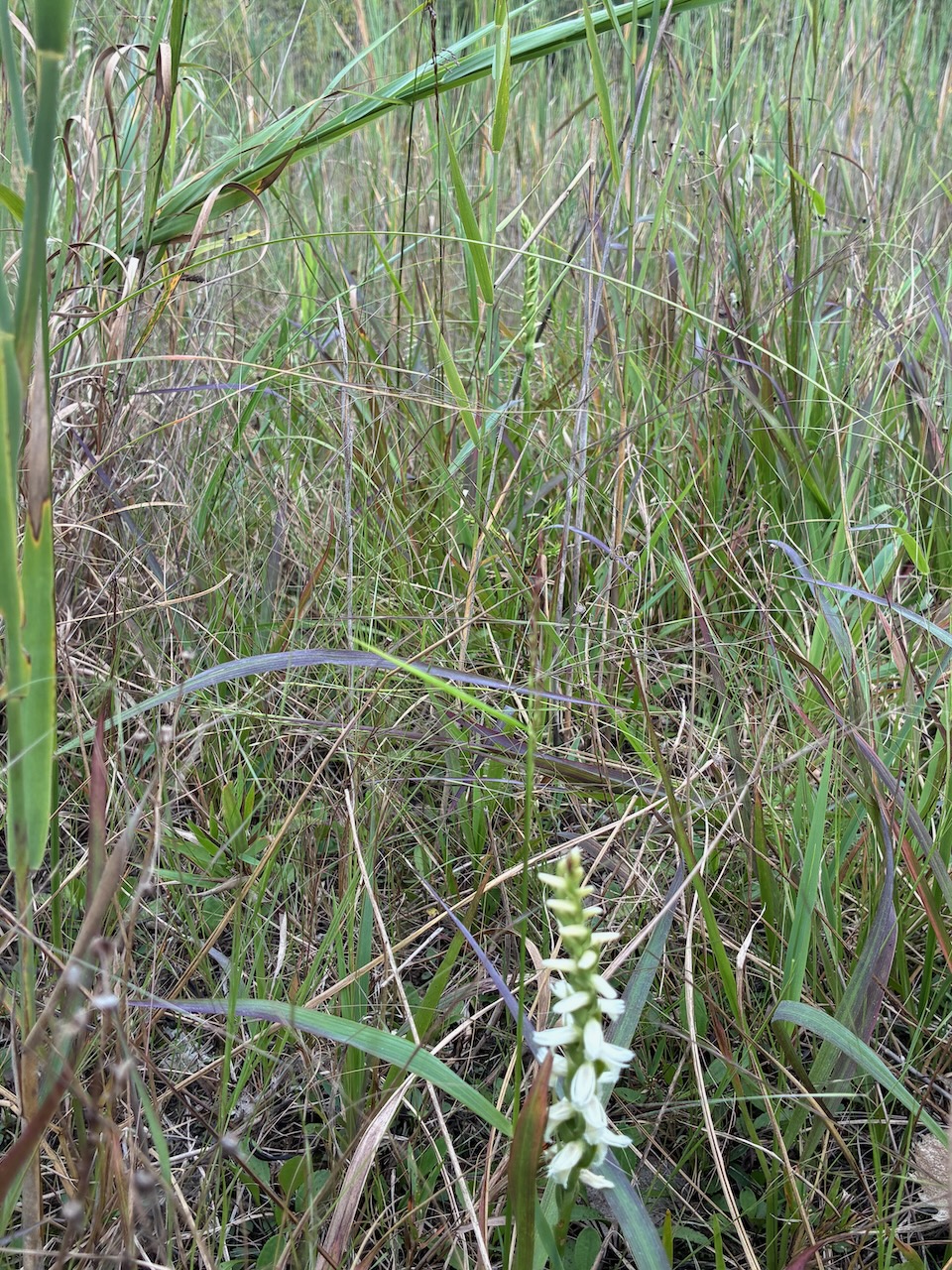
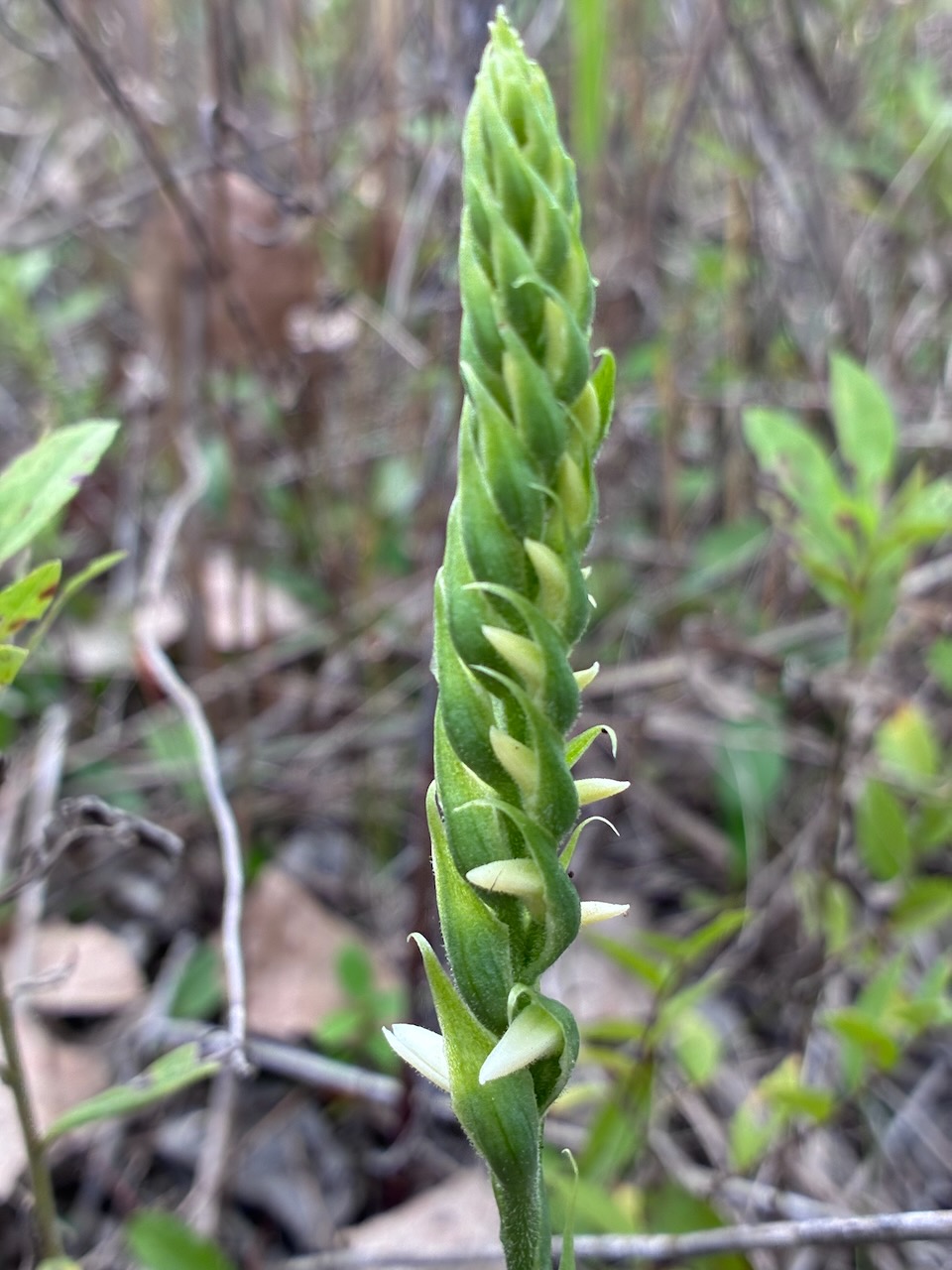
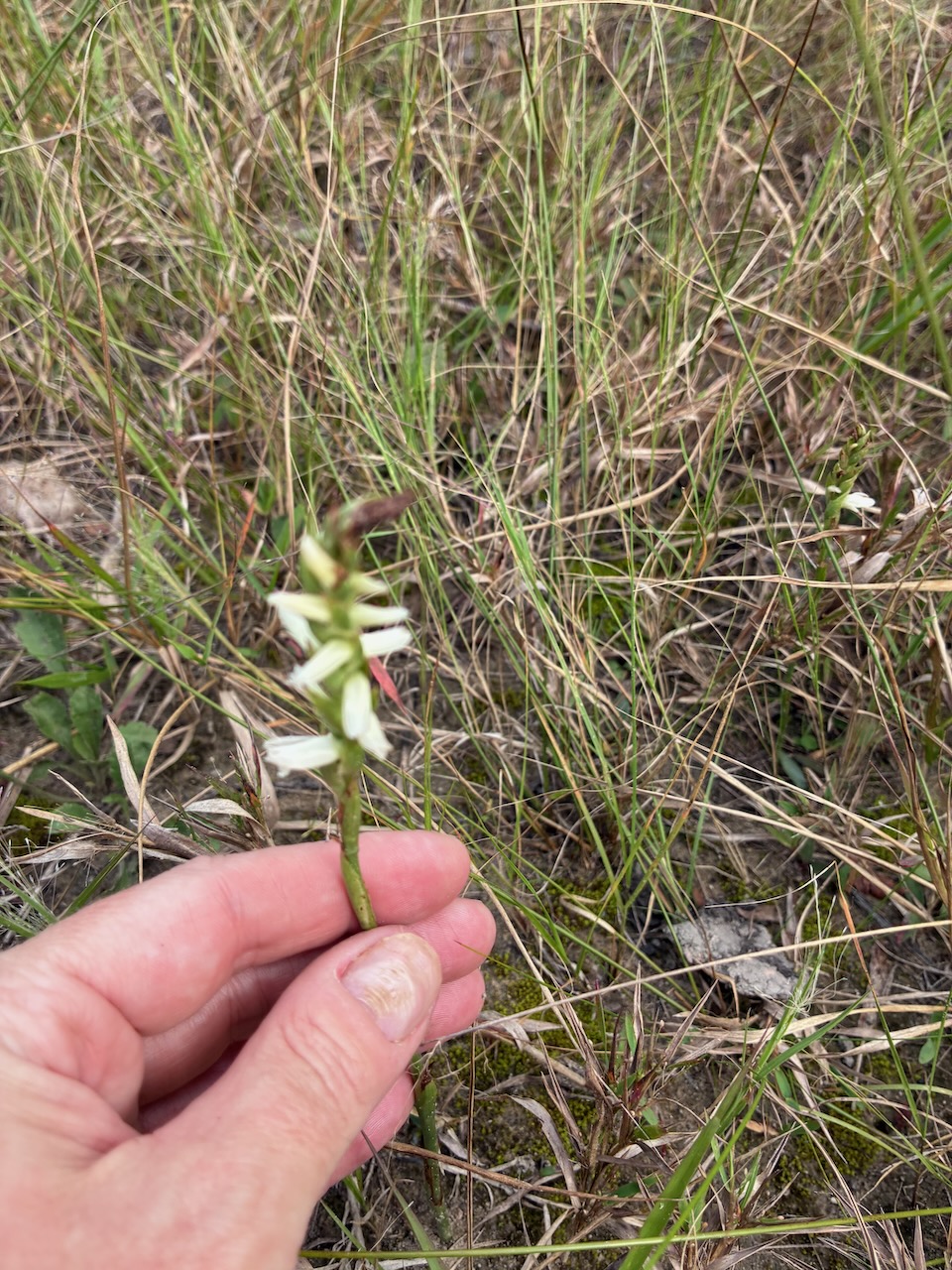
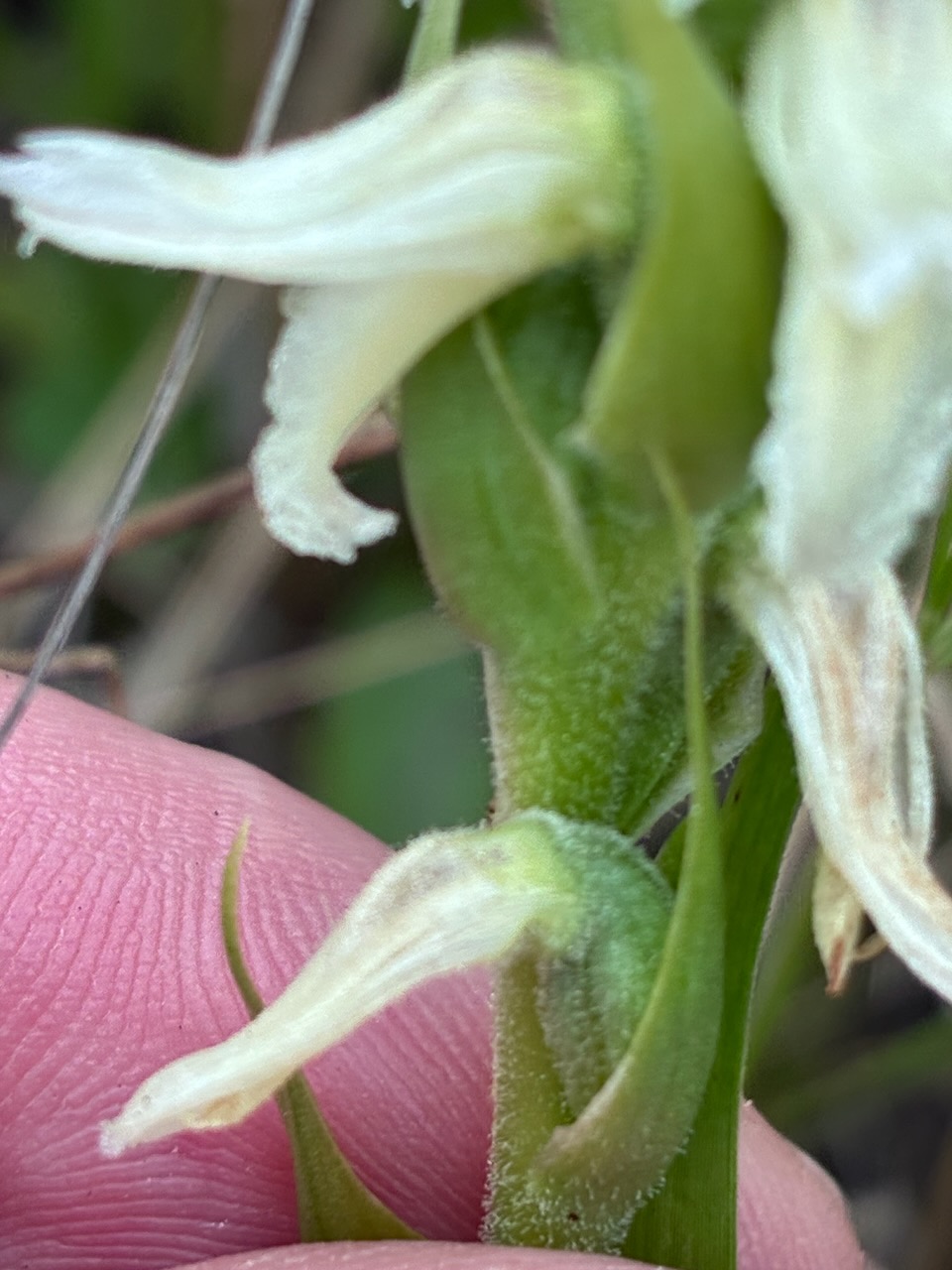
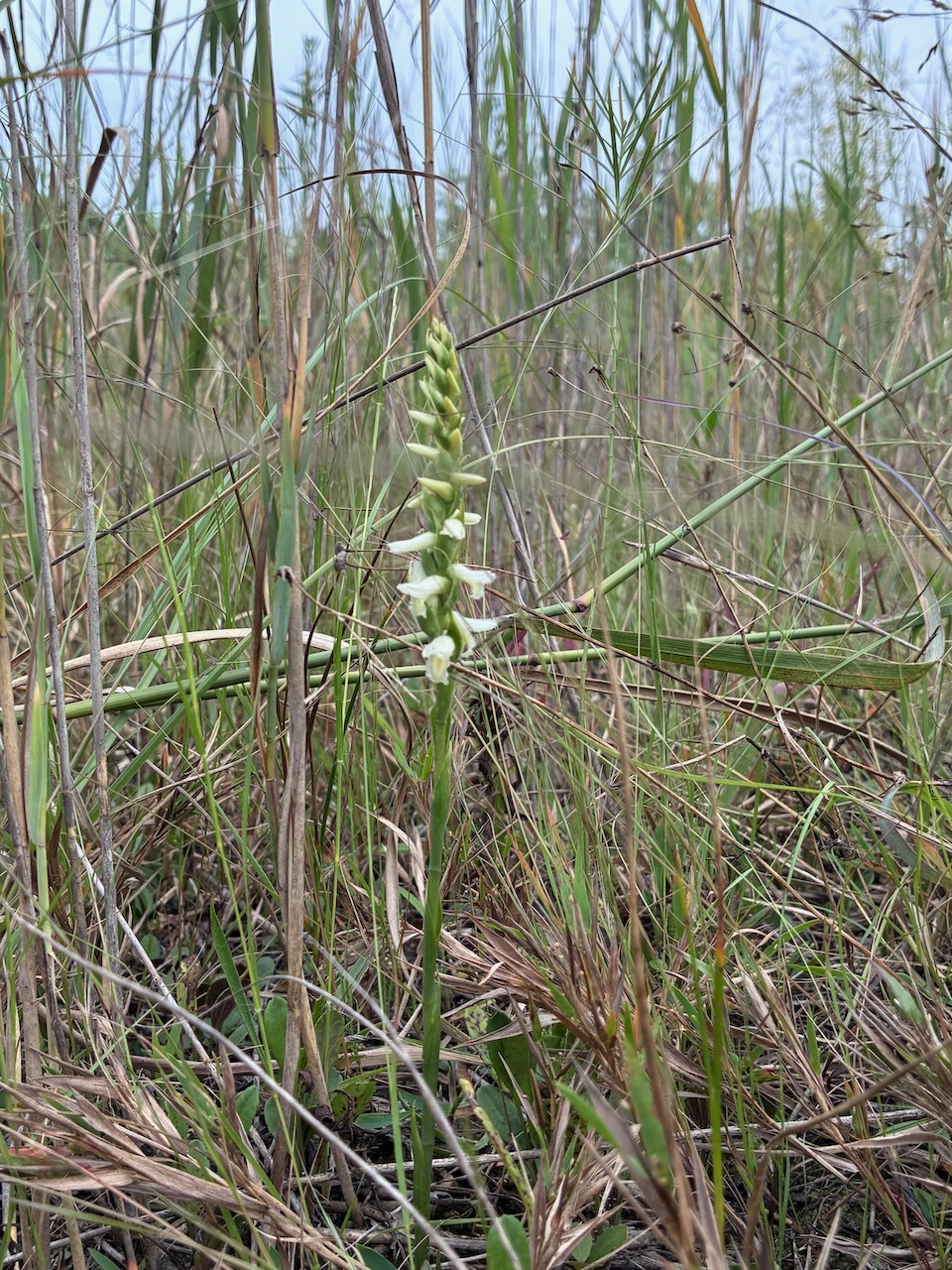
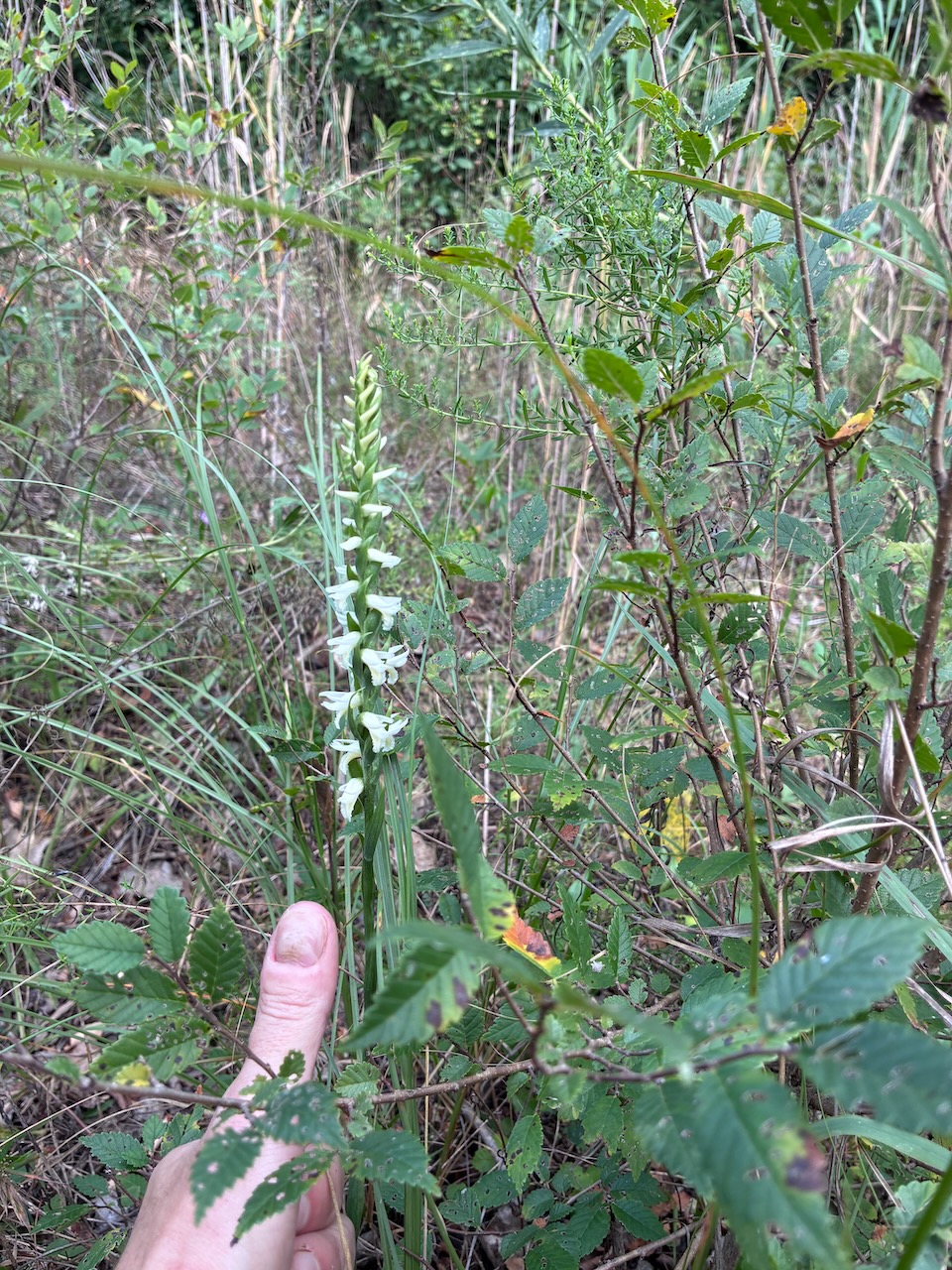
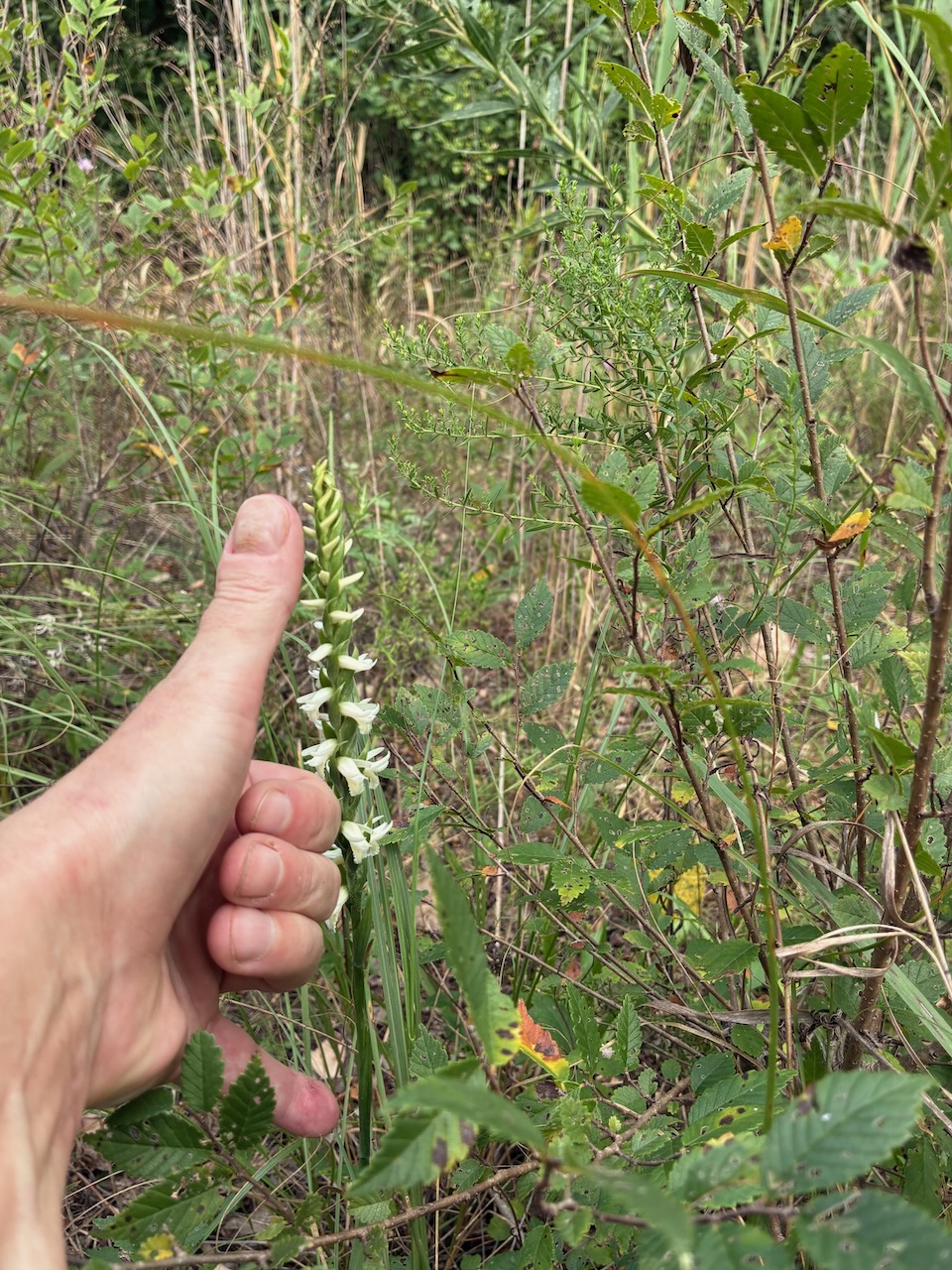
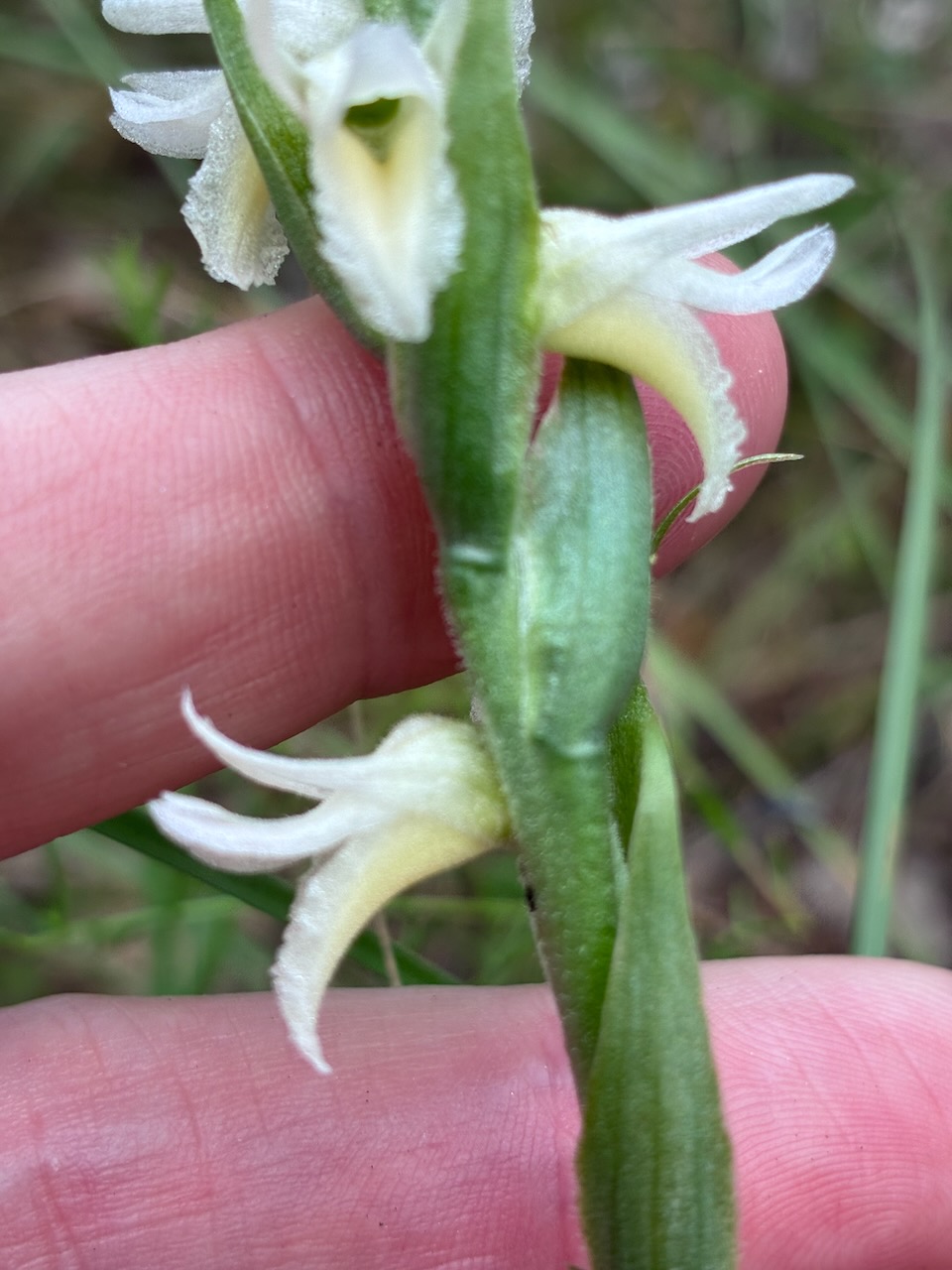
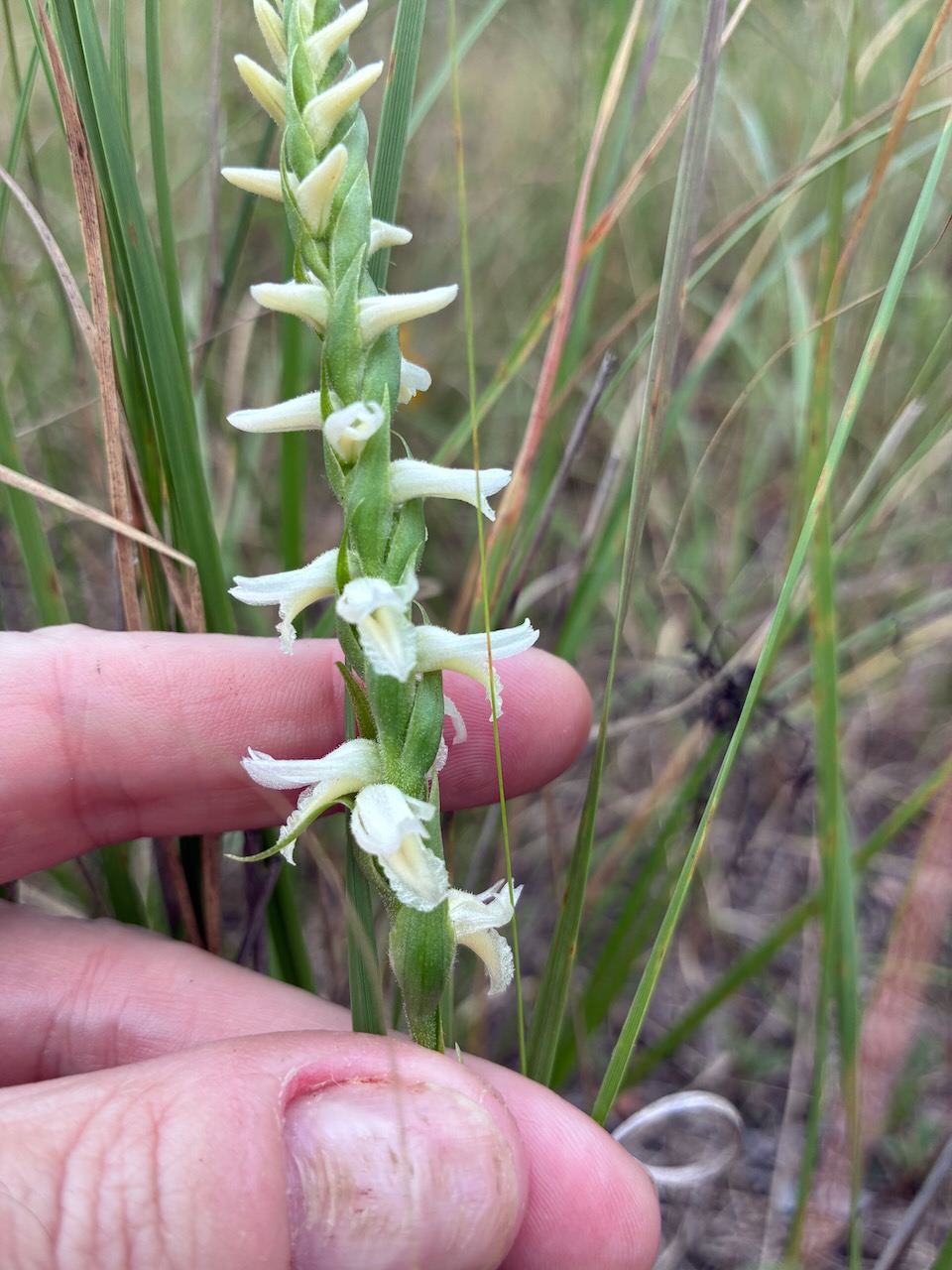
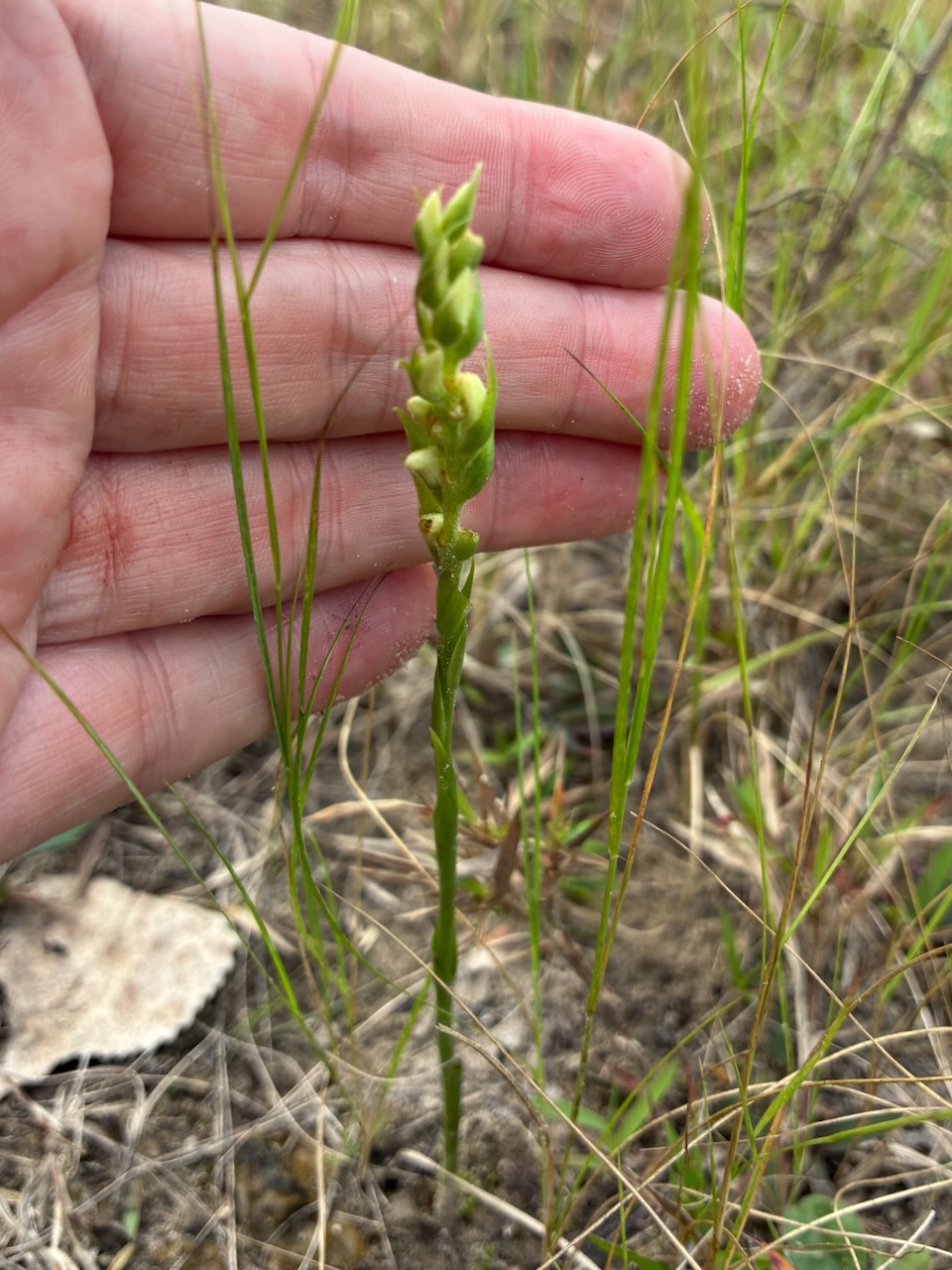
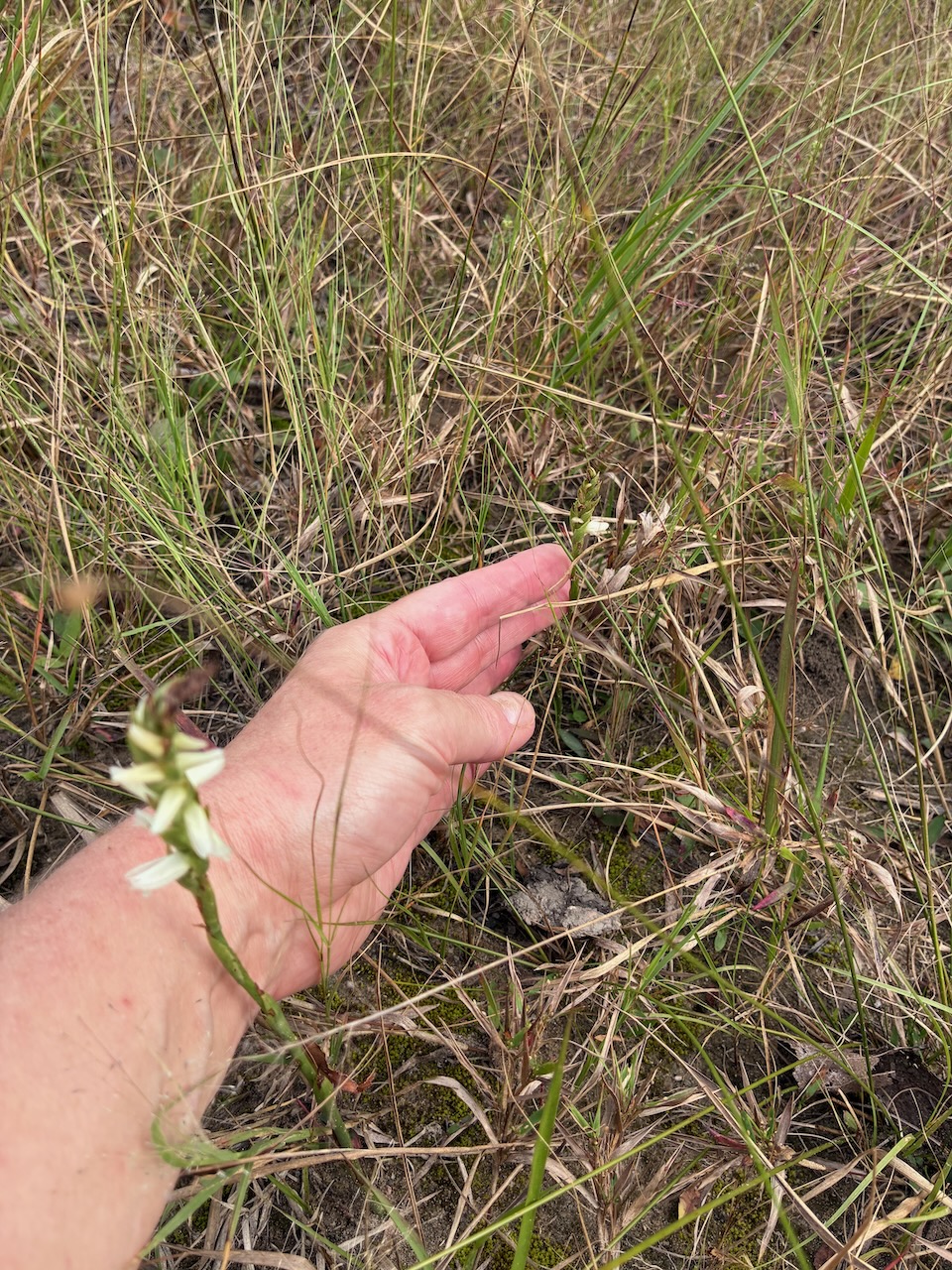
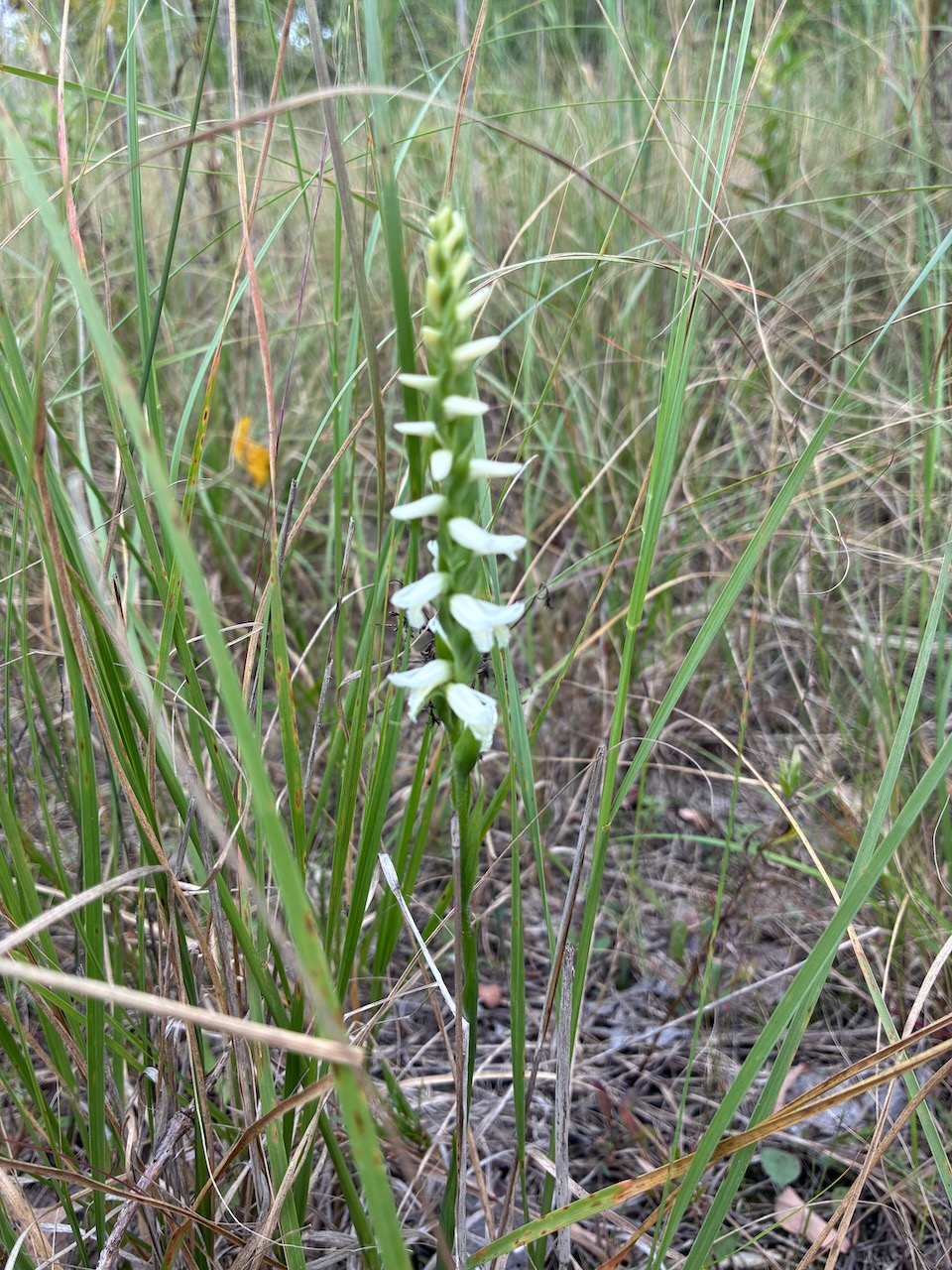
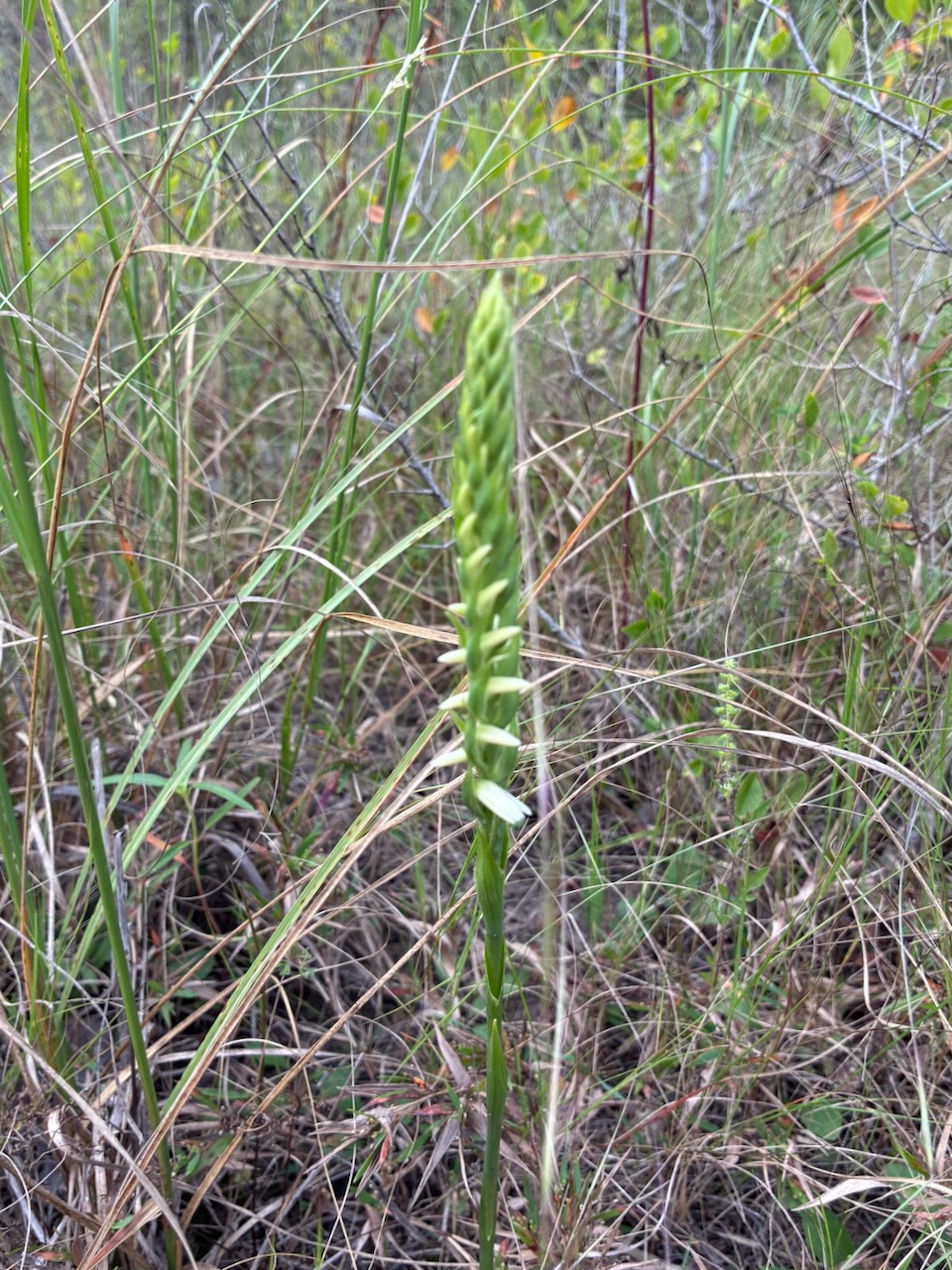
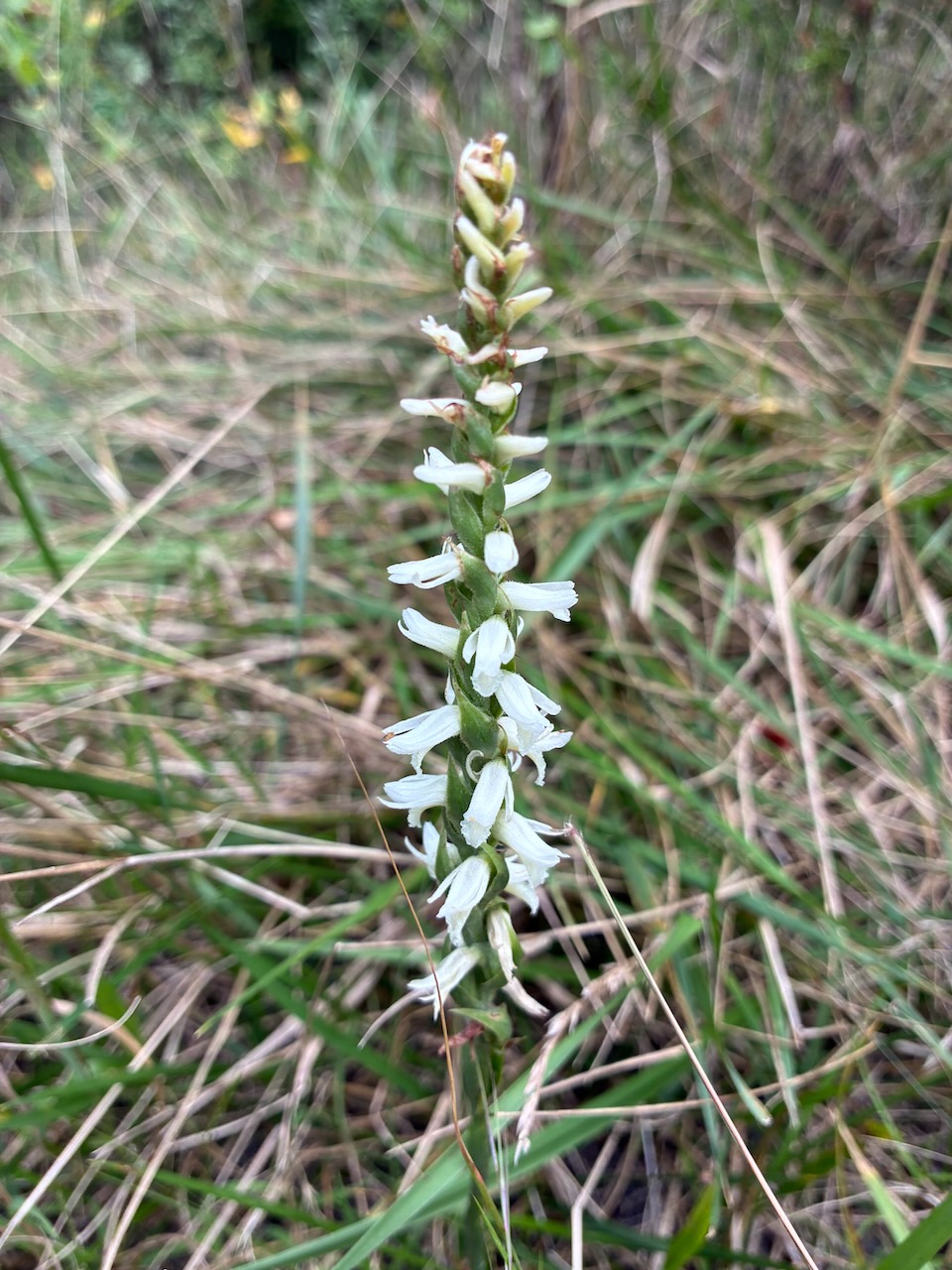
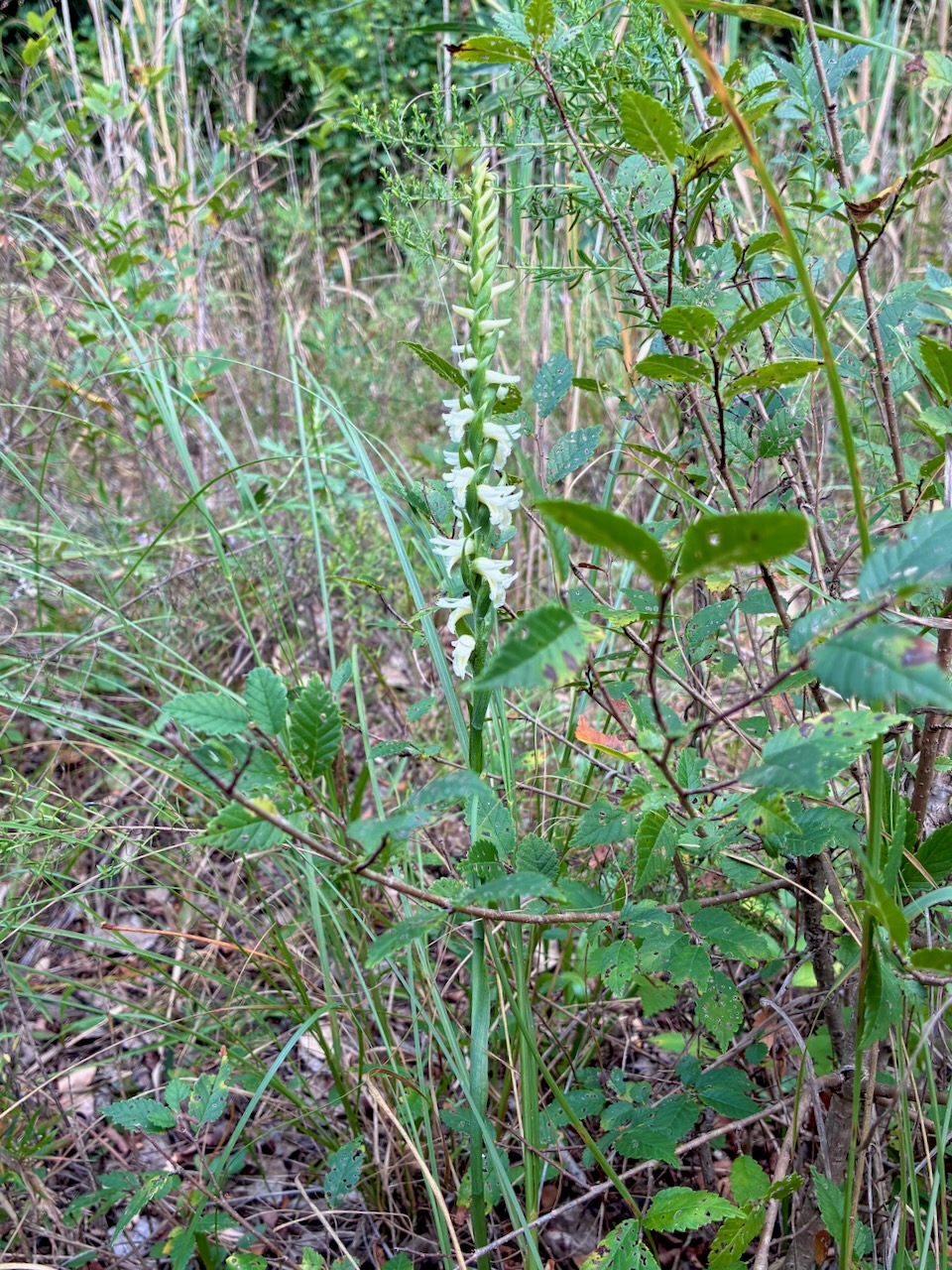
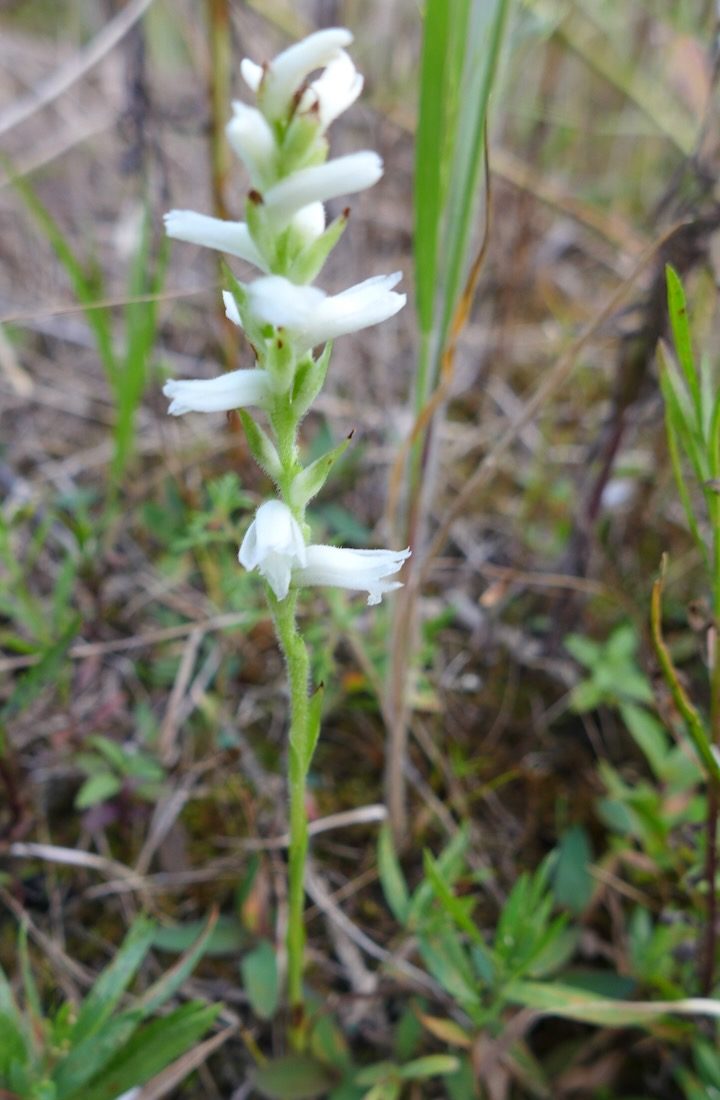
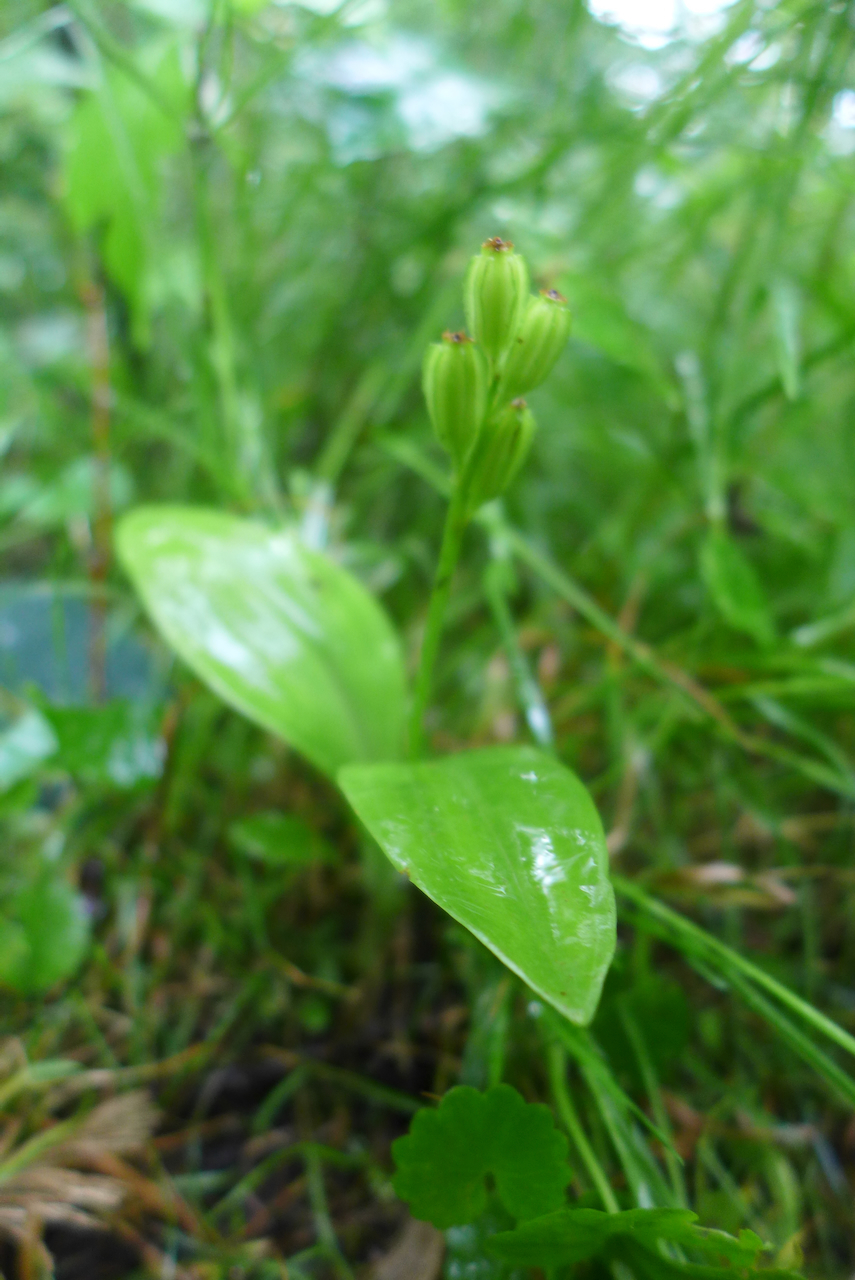
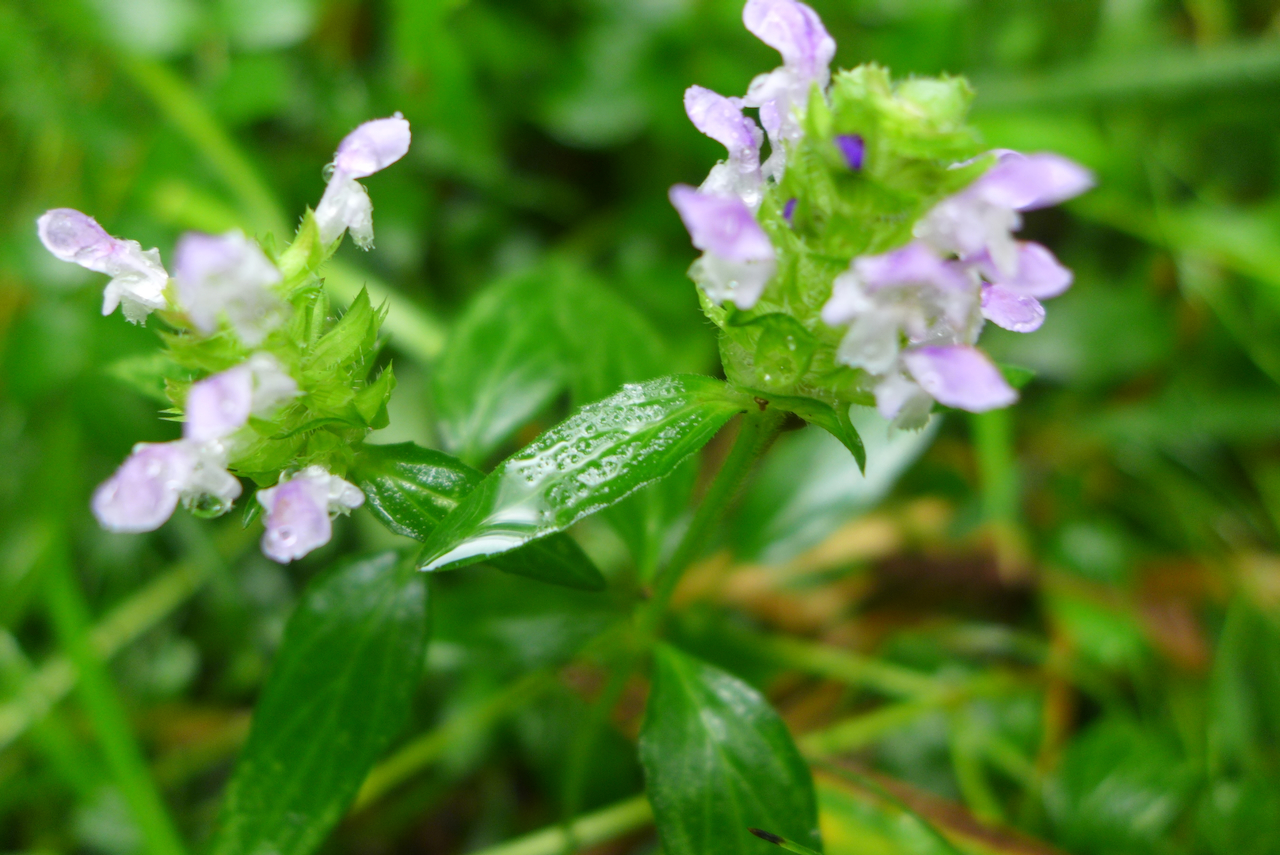
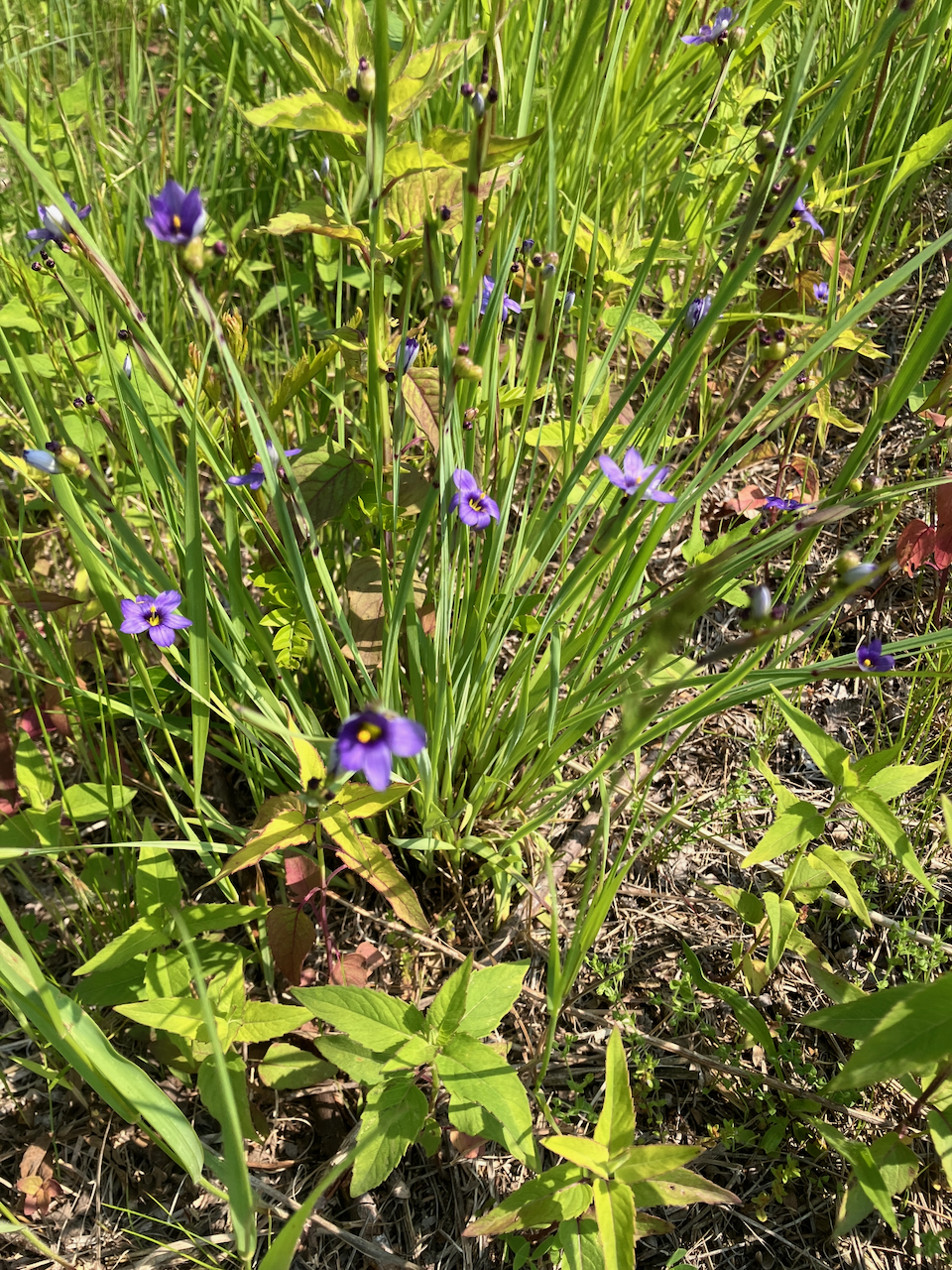
It’s Spiranthes season! These local native orchids are part of a species complex known to interbreed, so who knows what “species” they are. you can just stick with their common name, ladies’ tresses.
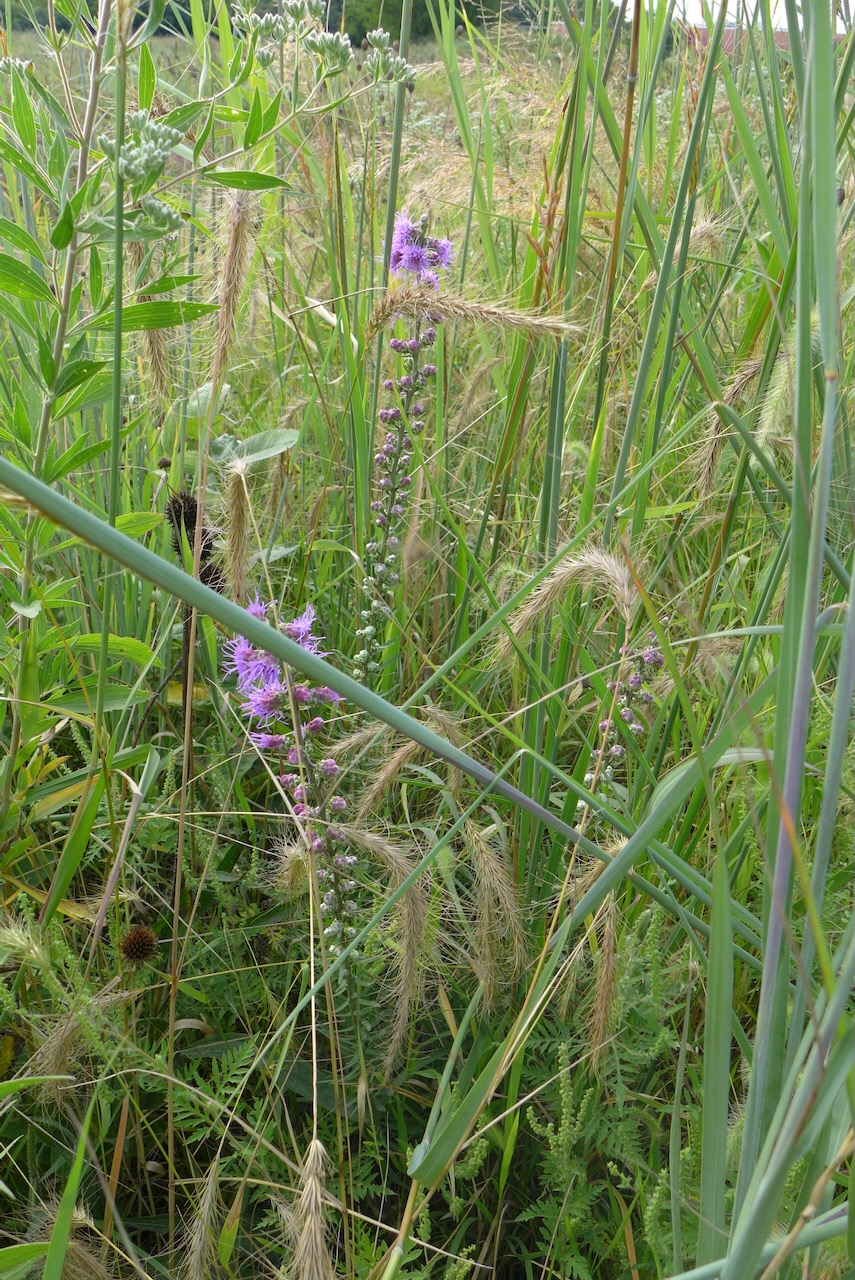
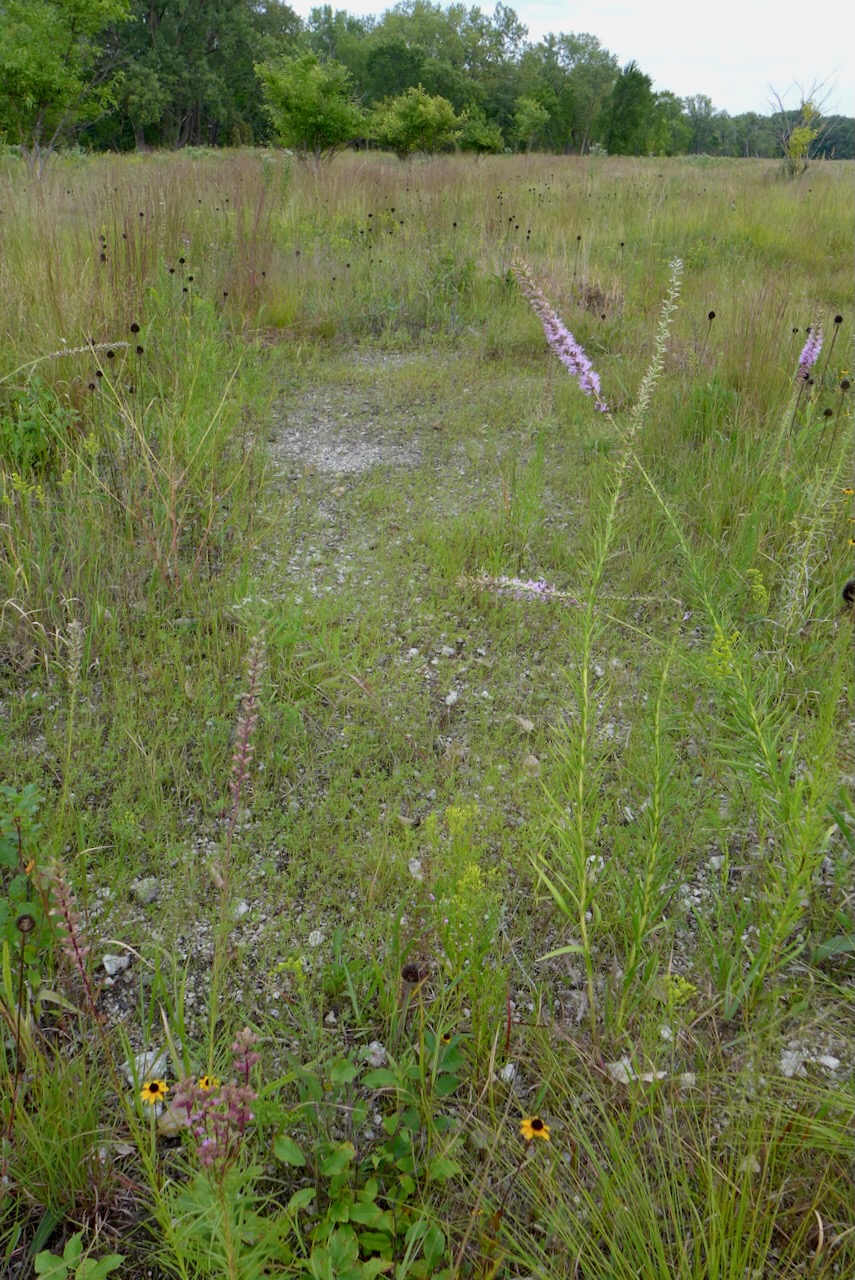
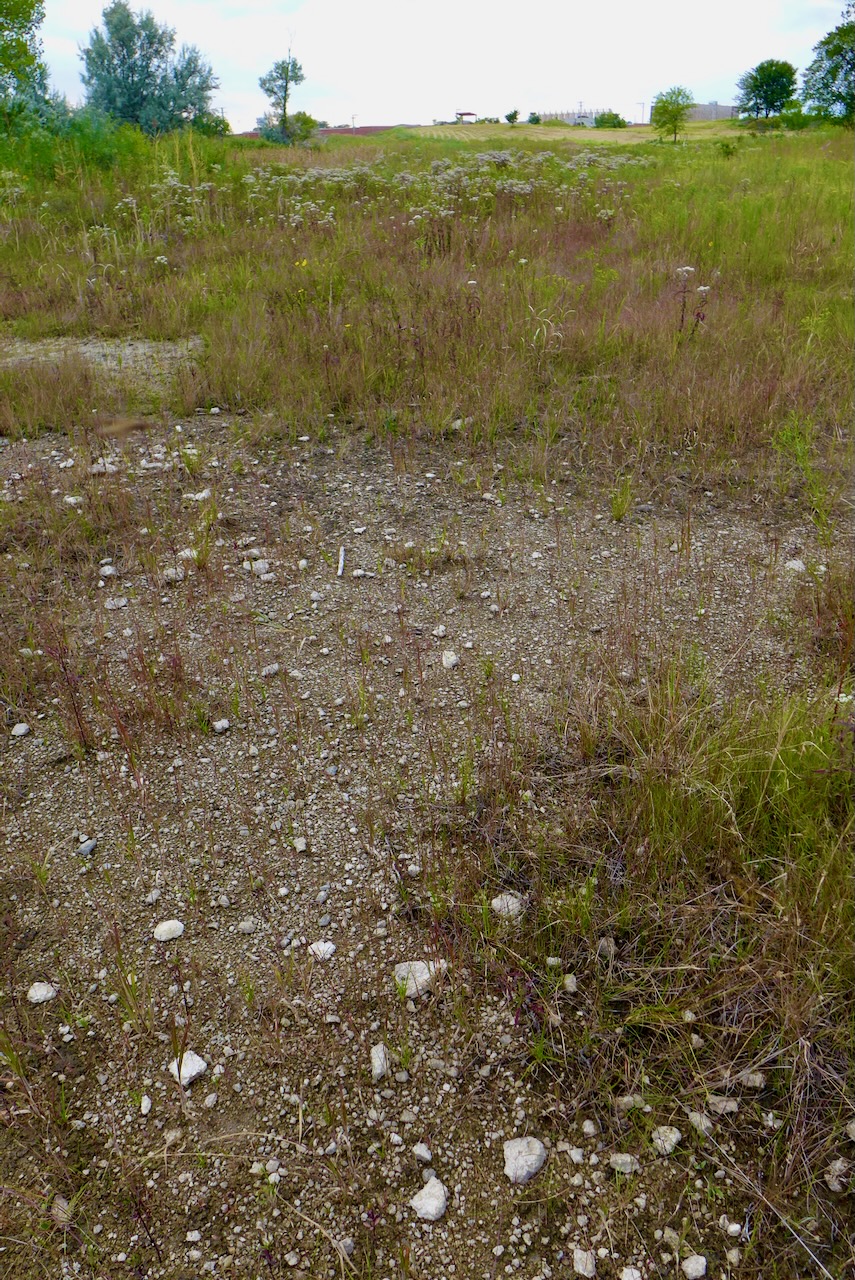
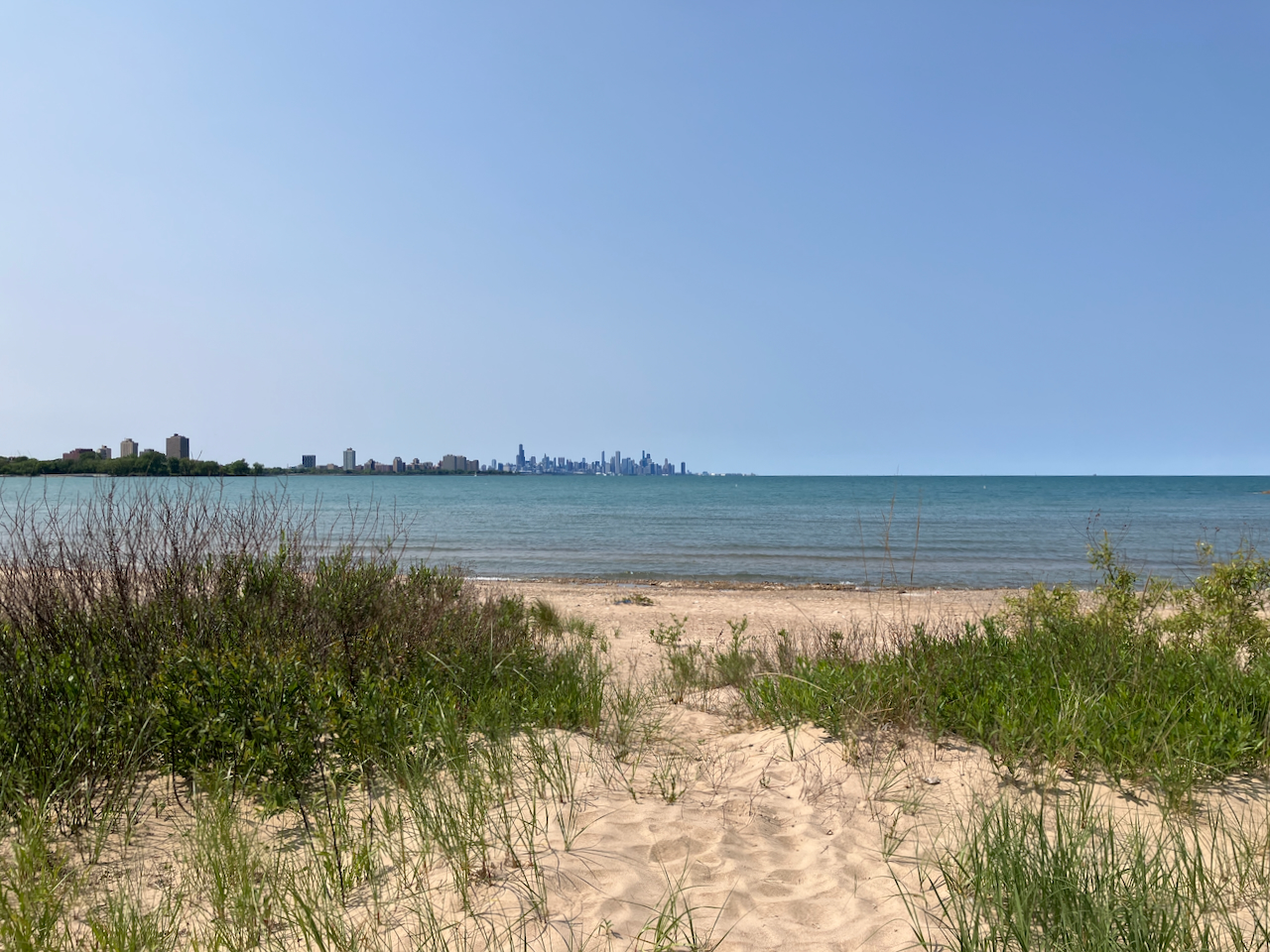
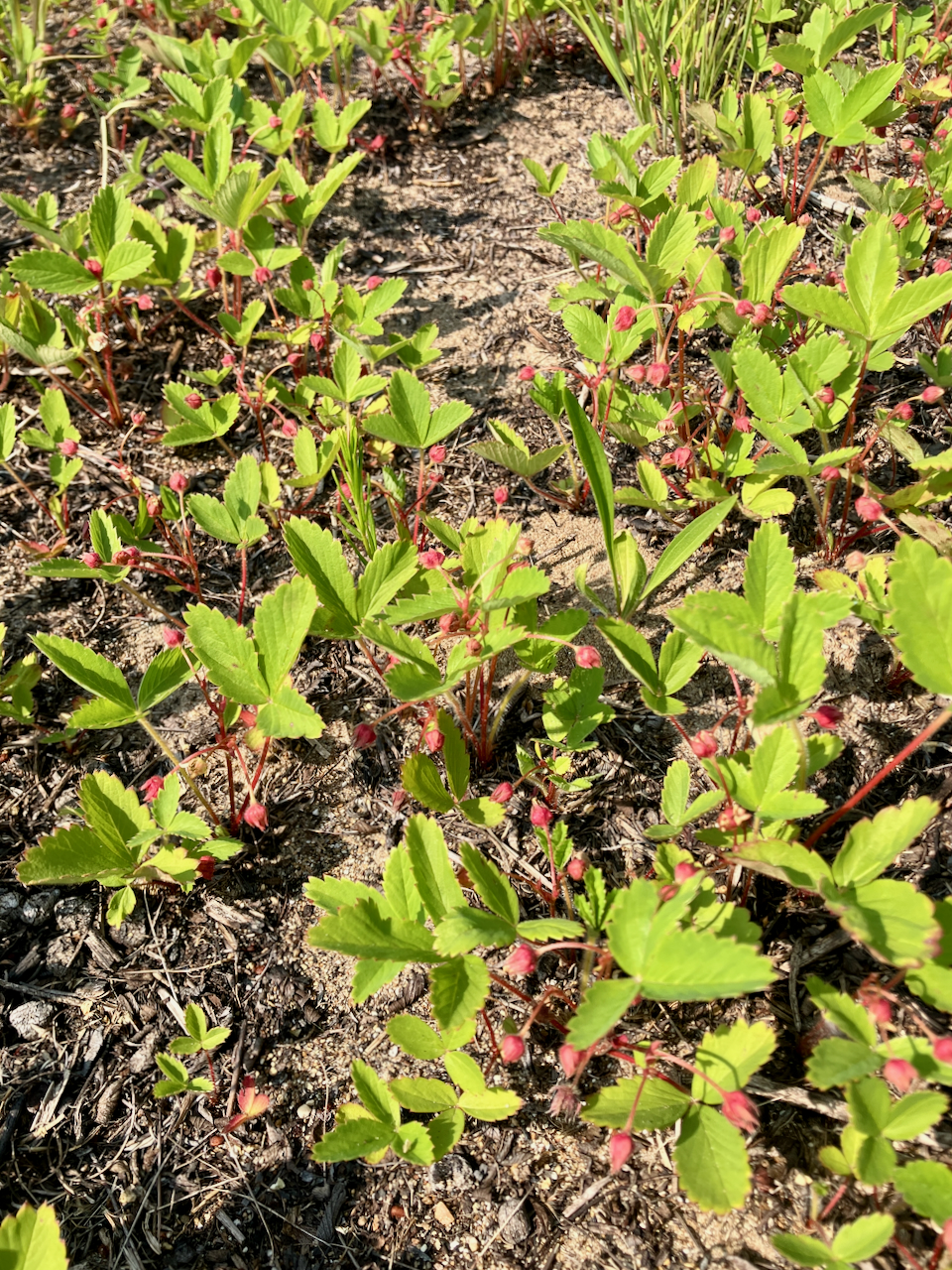
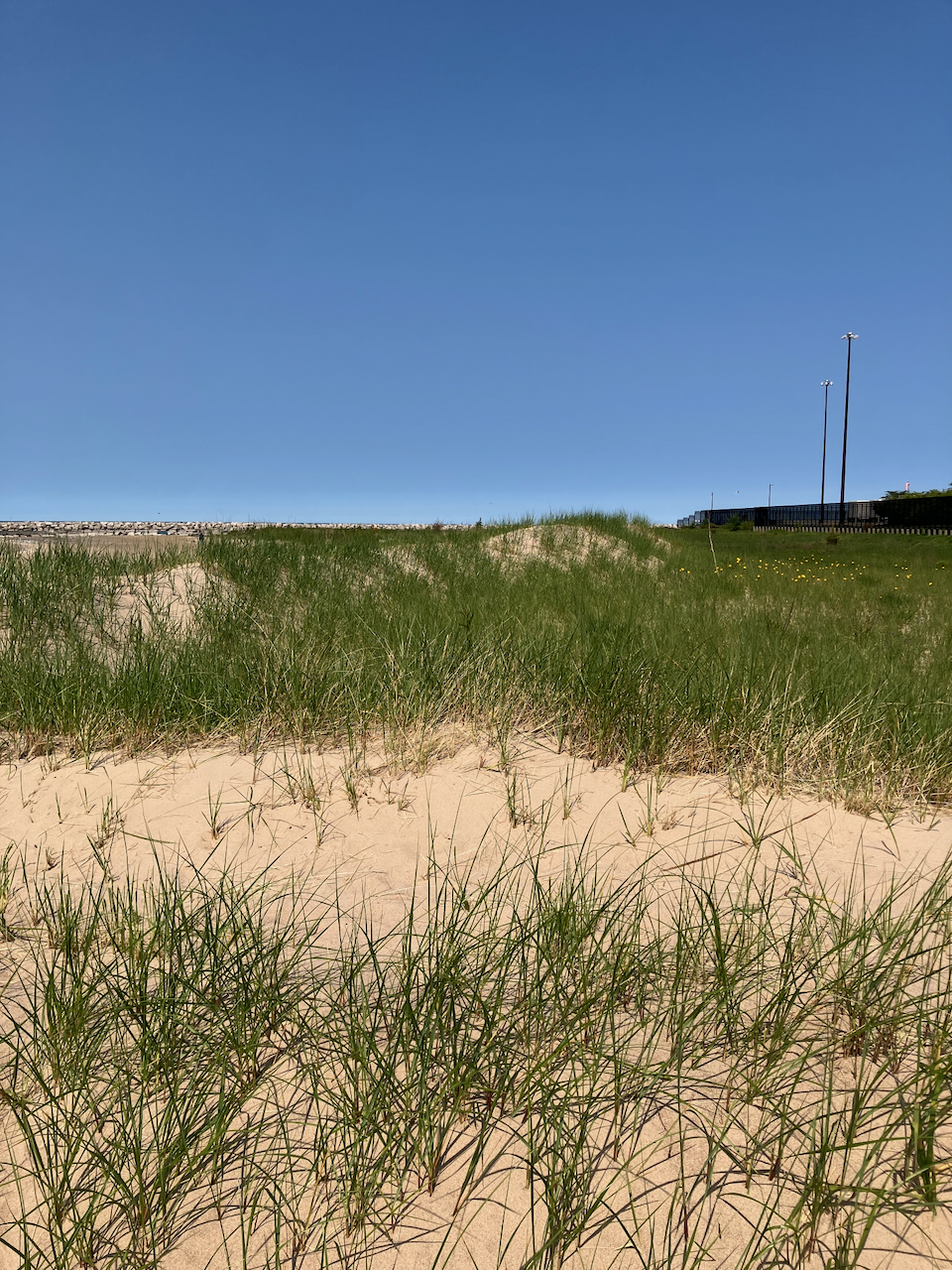
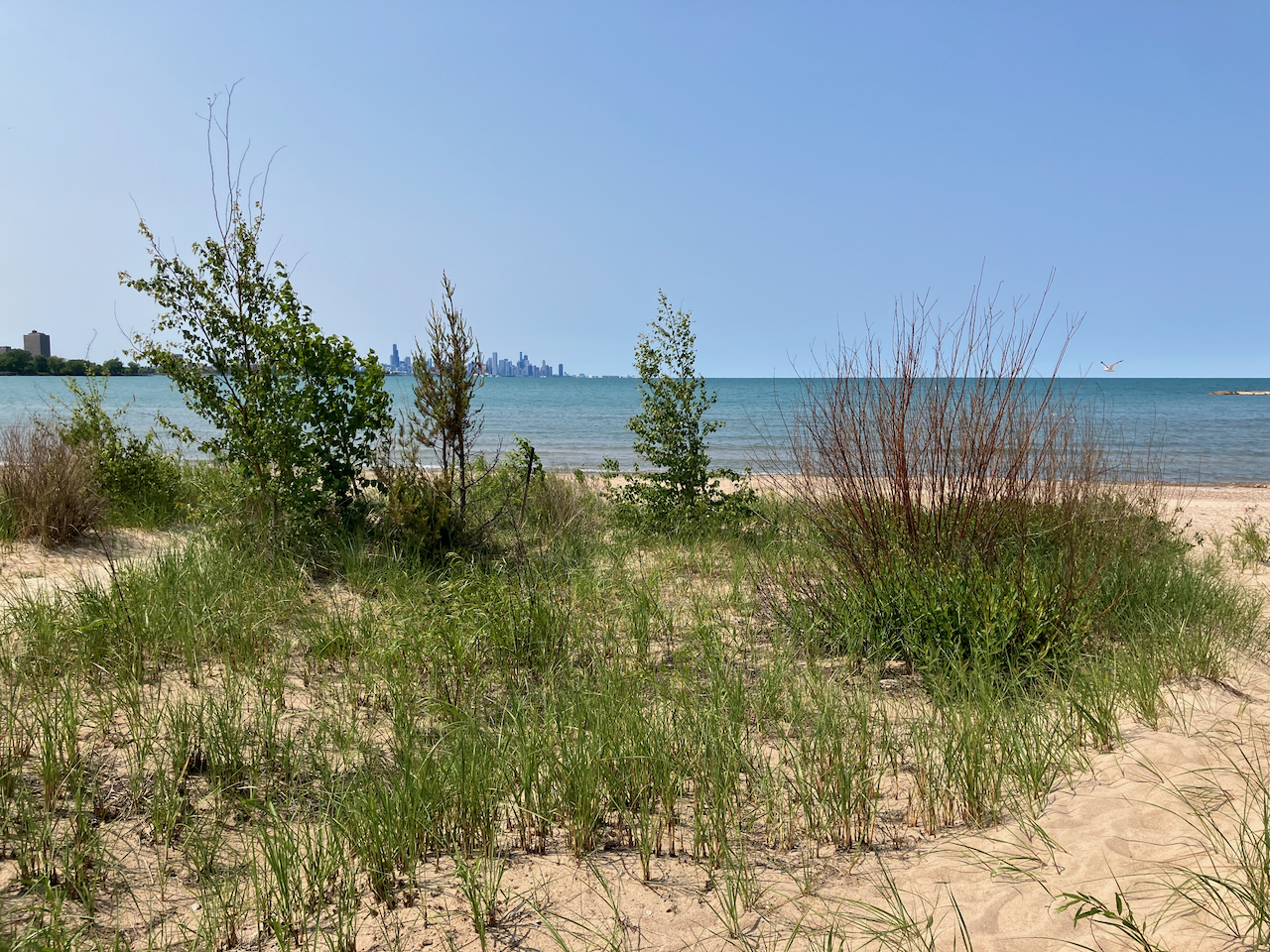
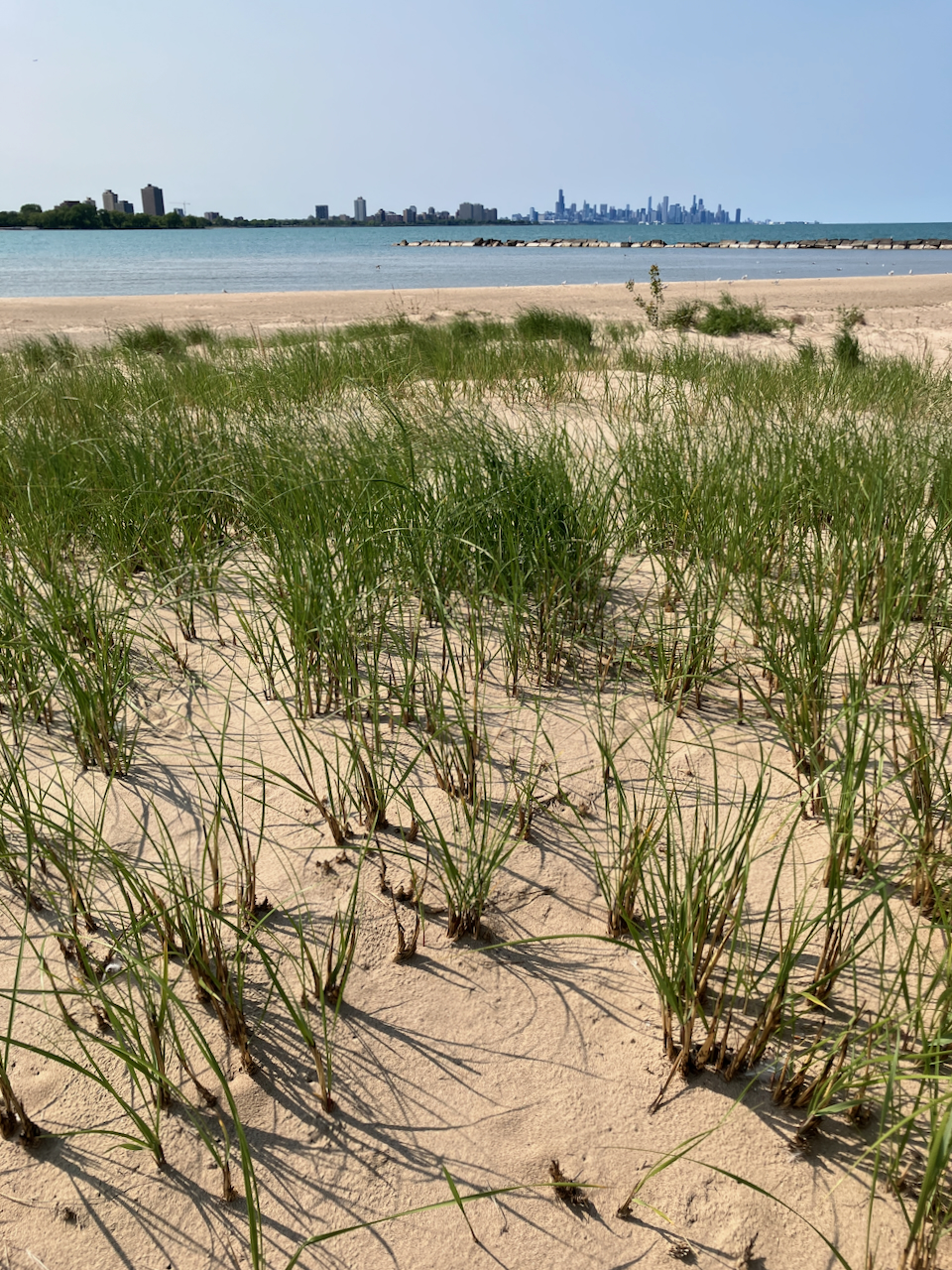
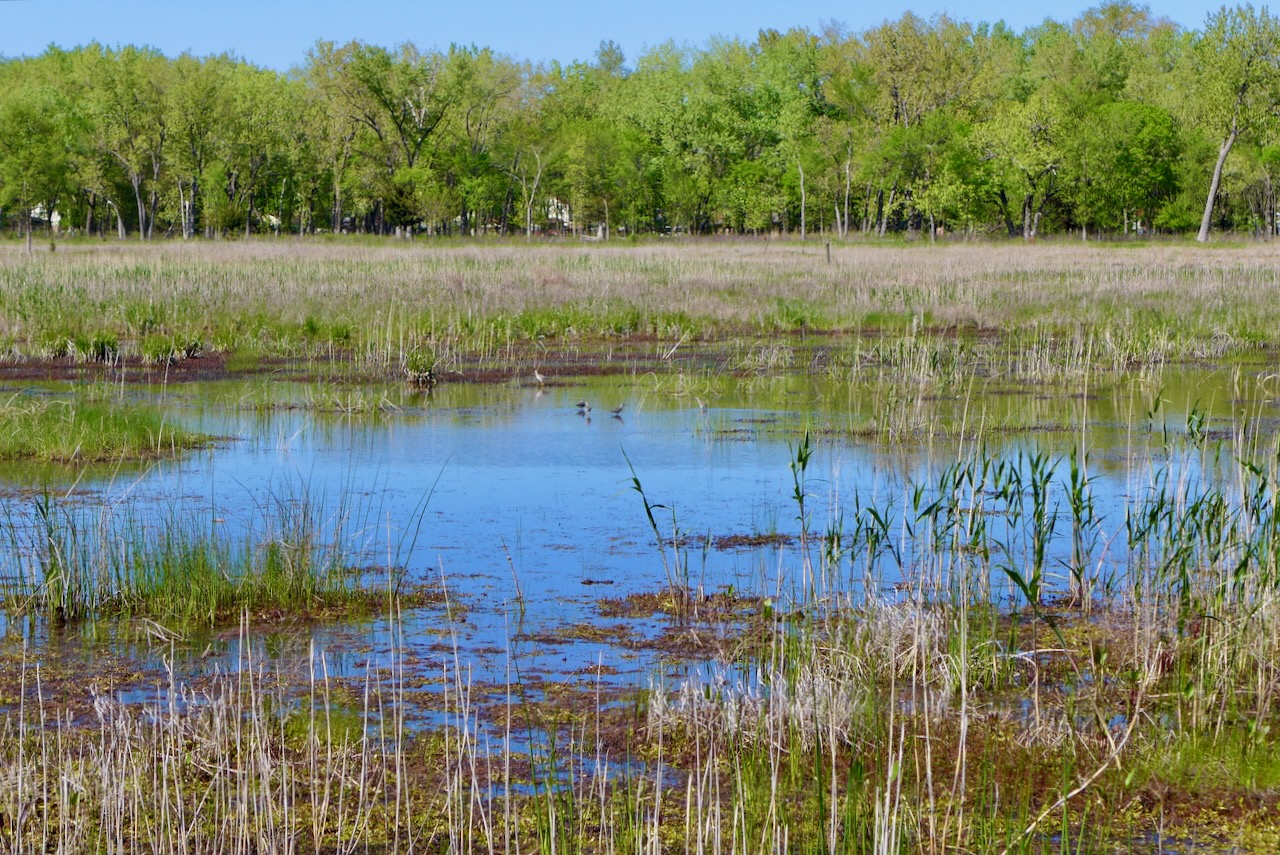
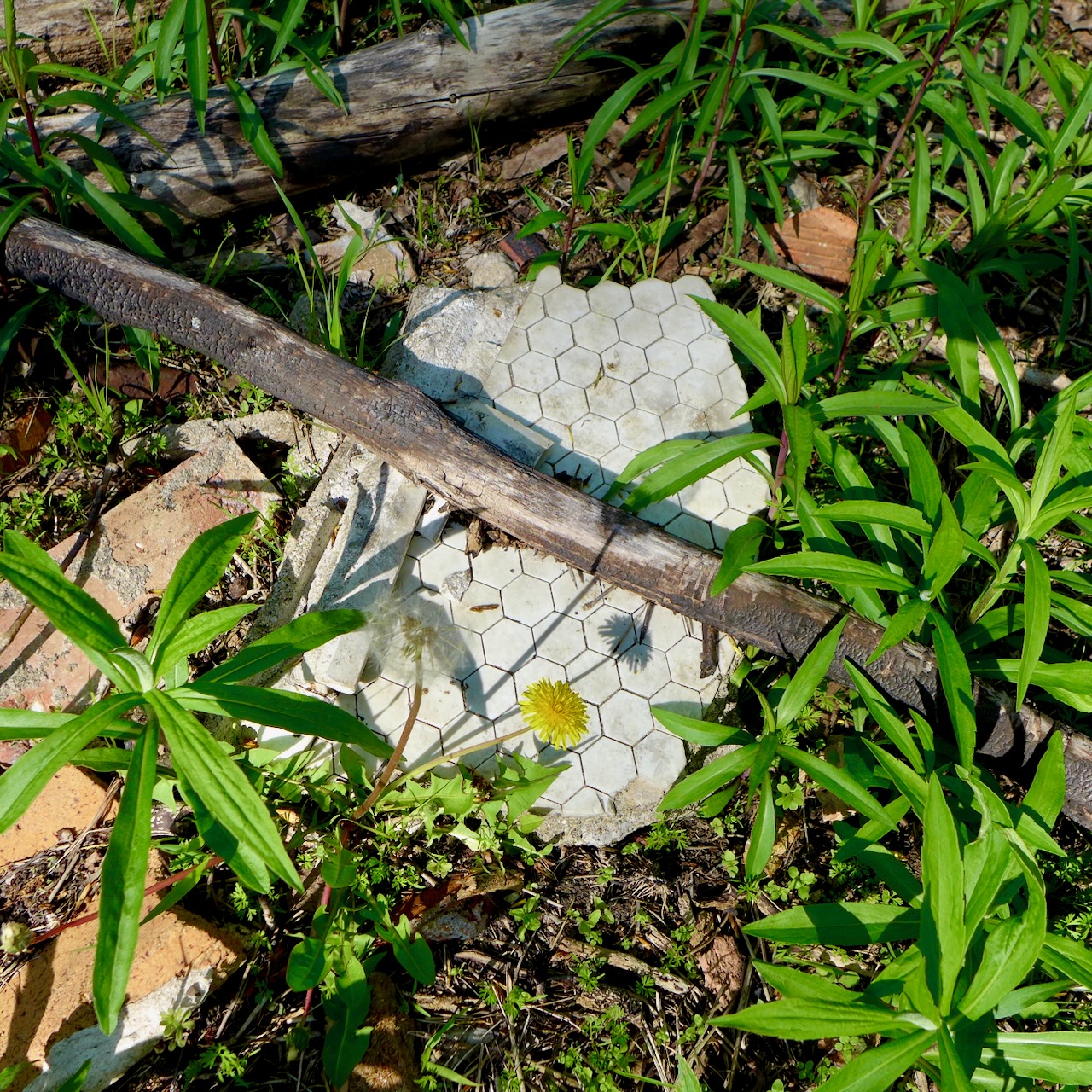
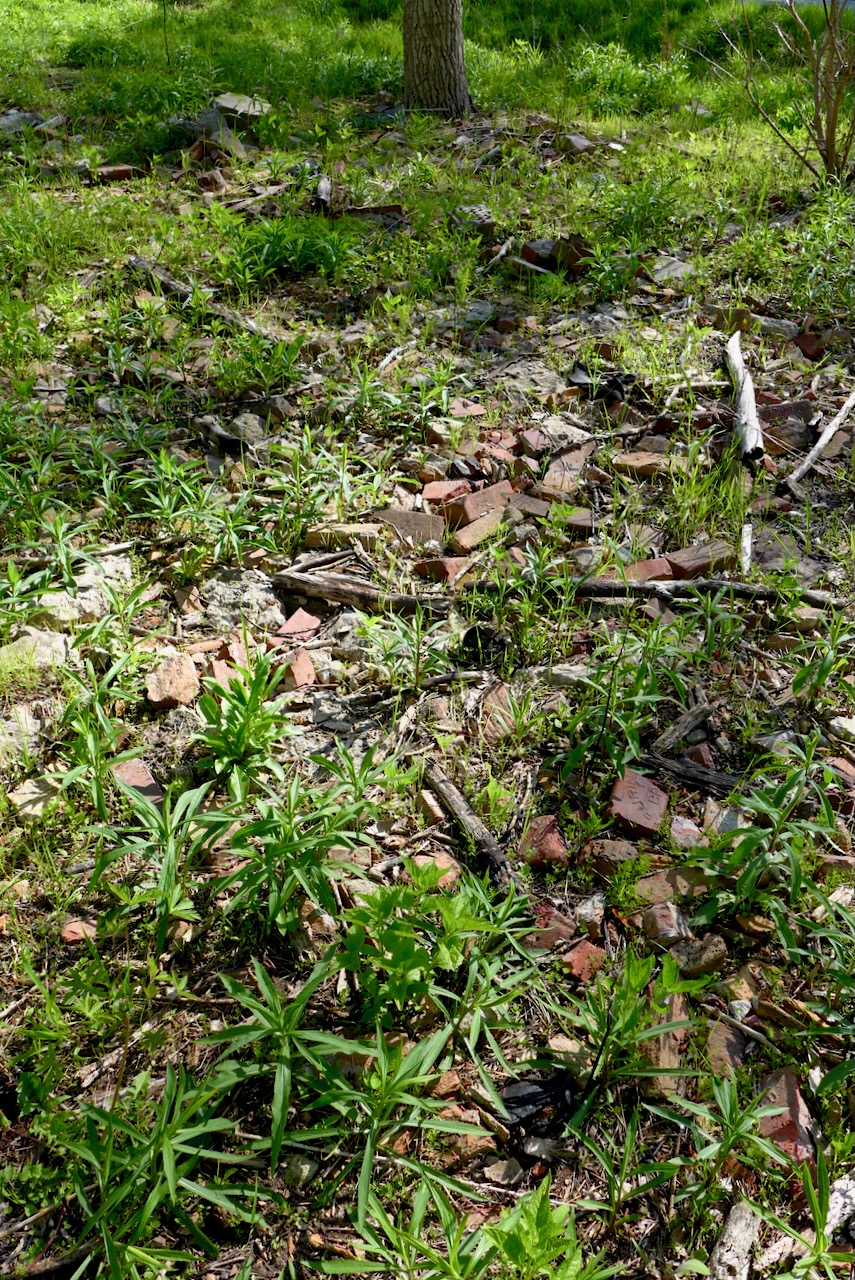
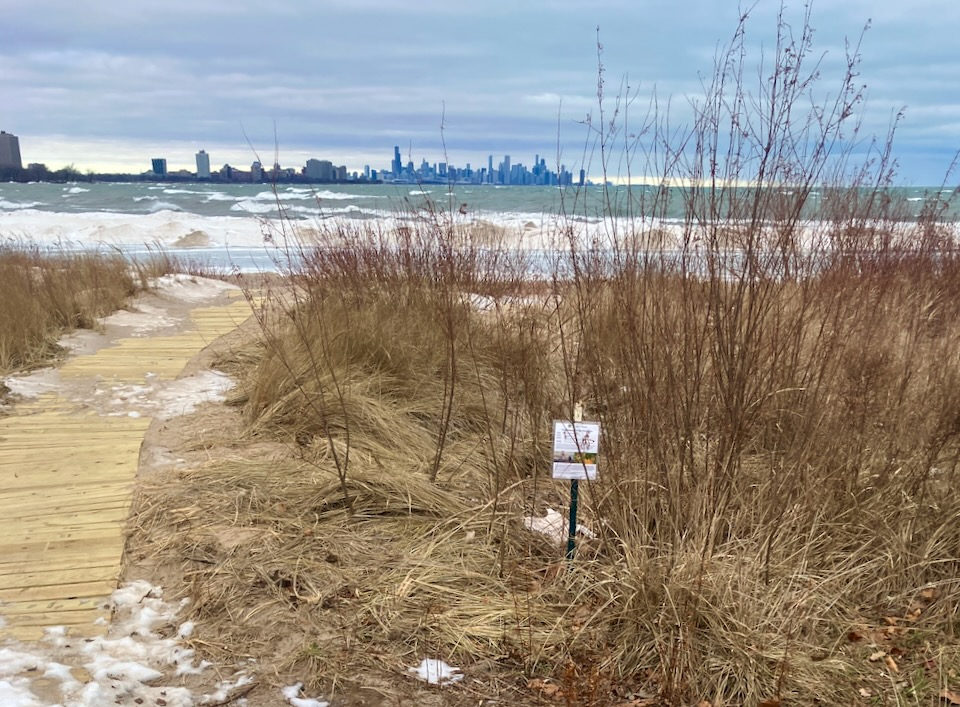
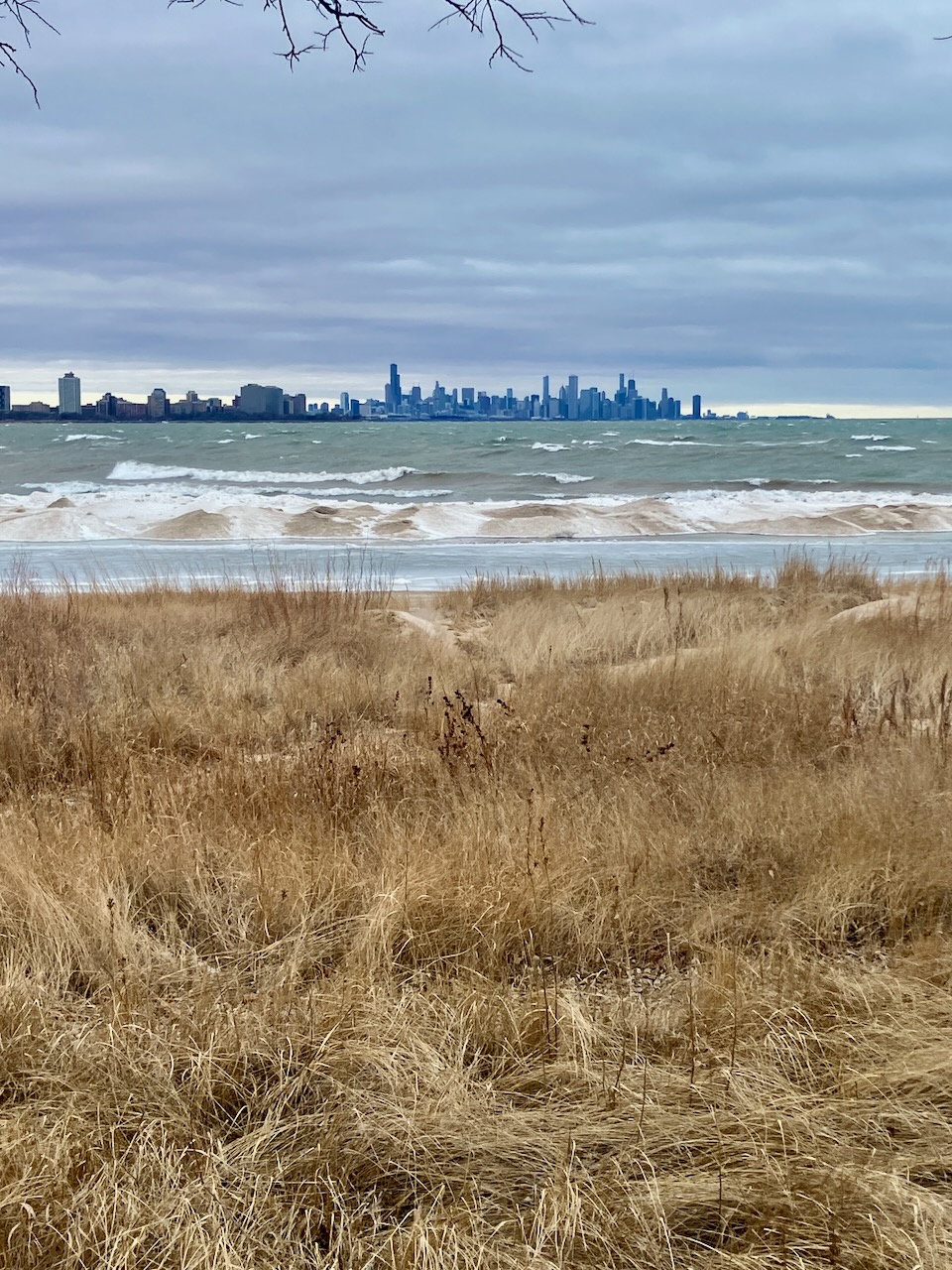
I found these in bloom, days apart, at a lakefront dune ecosystem in South Shore neighborhood, and a vacant post-industrial lot in Vet’s Park neighborhood. which are which?
You can find hundreds and hundreds in bloom on the South Side of Chicago and the South Suburbs – if you know where to look.

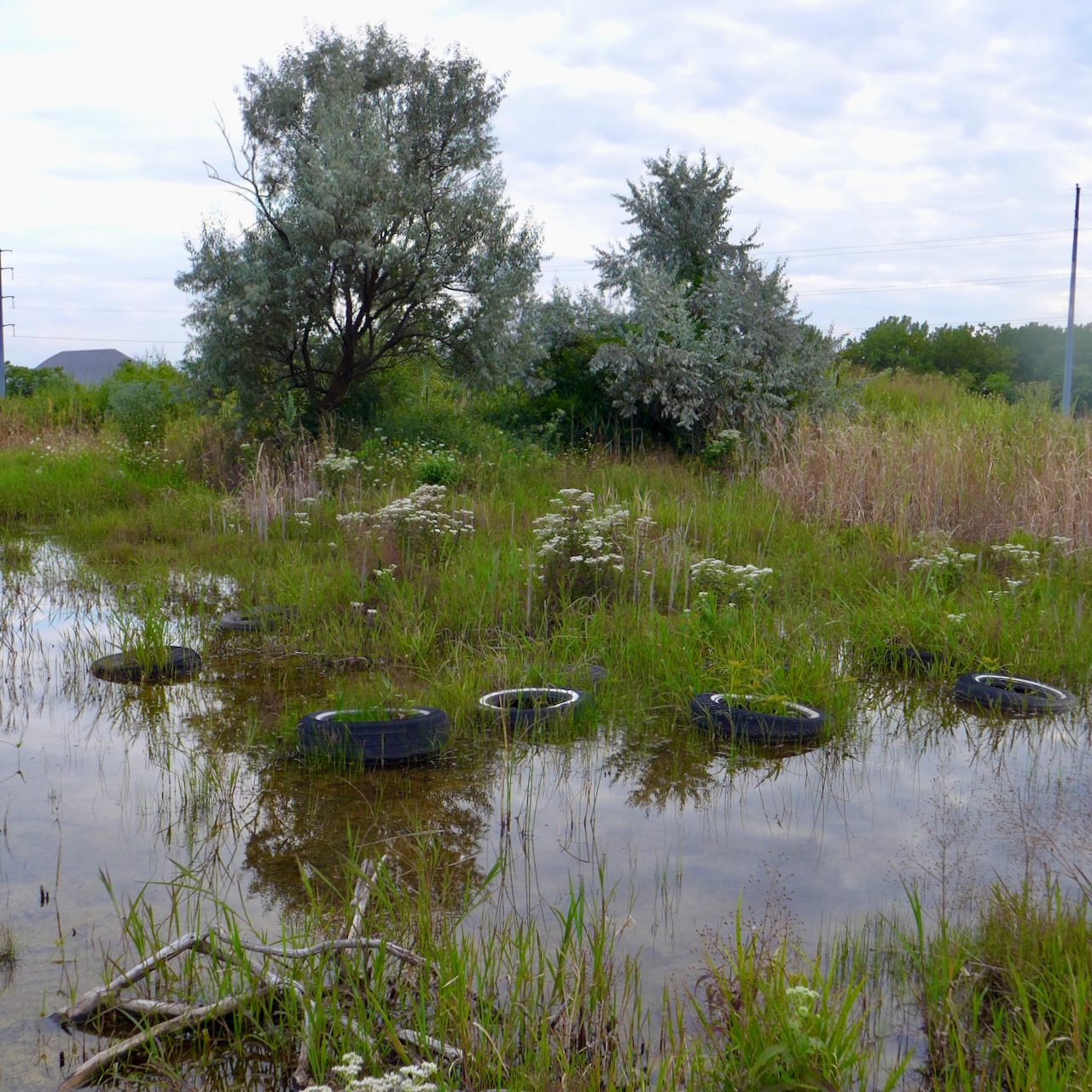
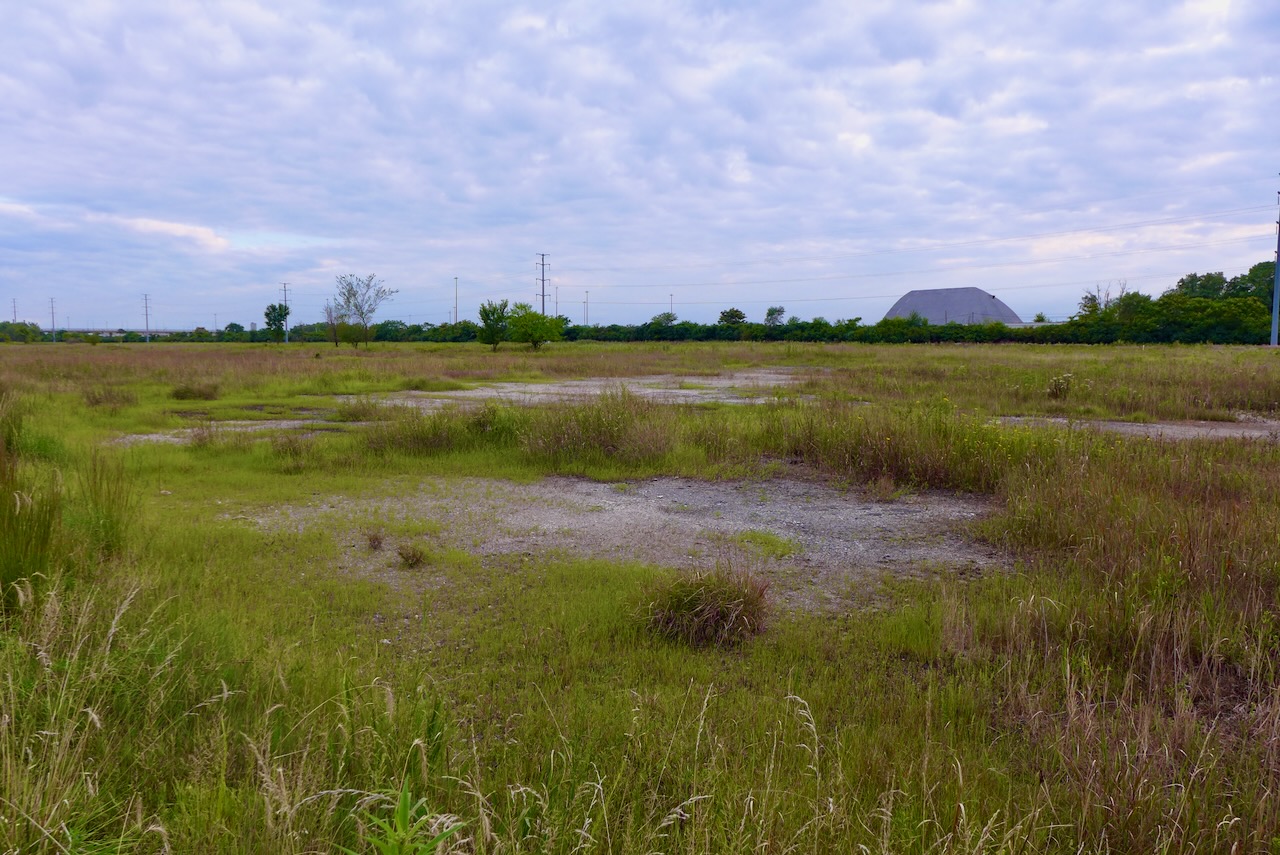
…brought to you by your local natural area OR vacant post-industrial flydumping slag parcel.
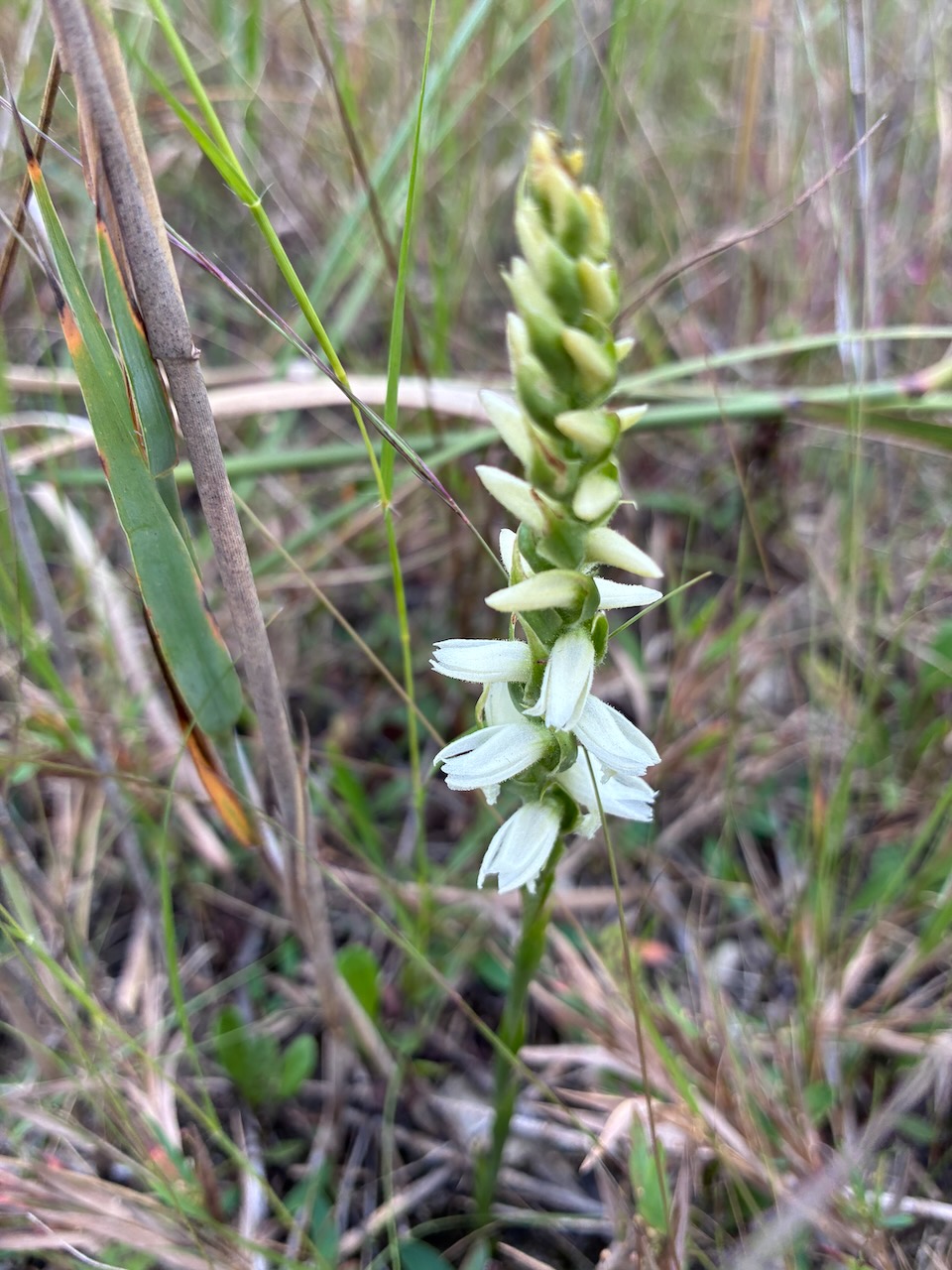
Marian R. Byrnes Park, IL • August 2025
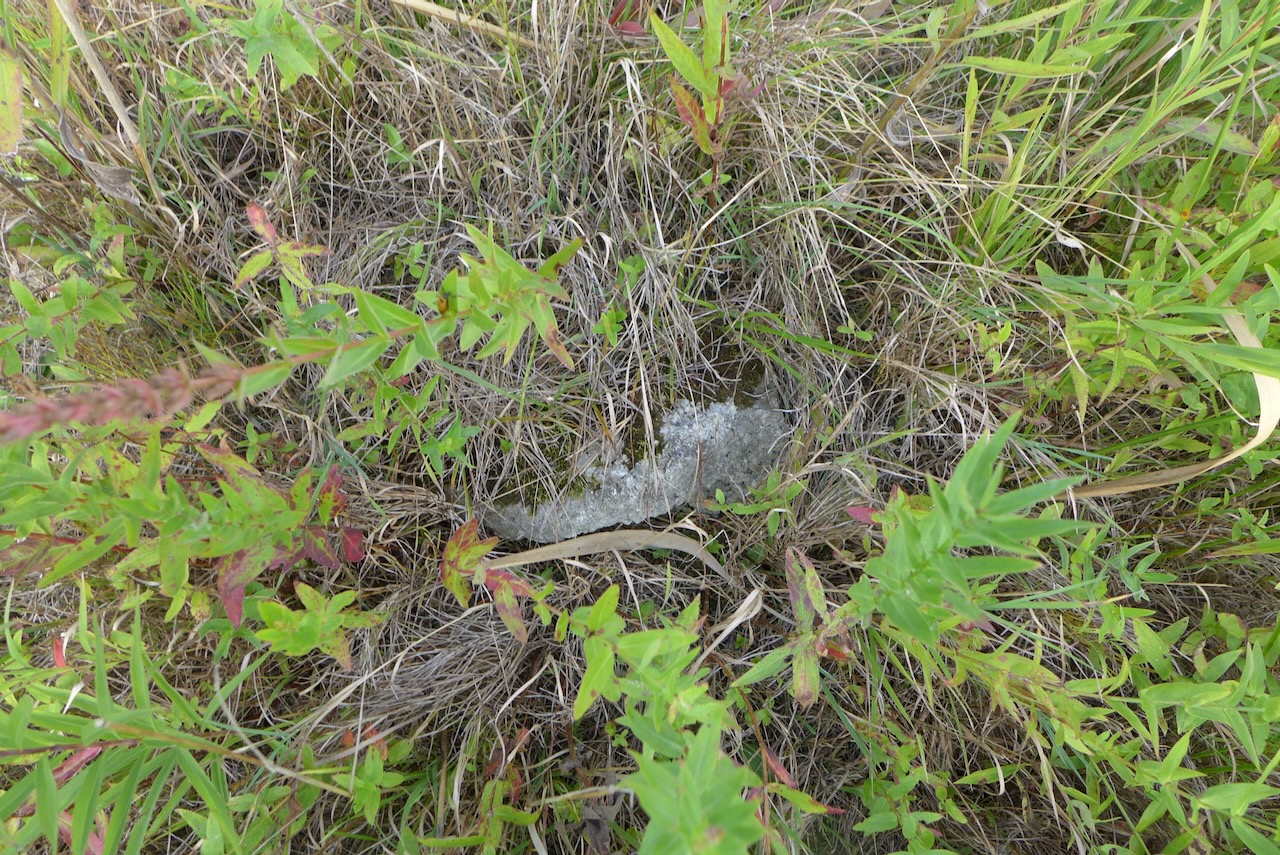
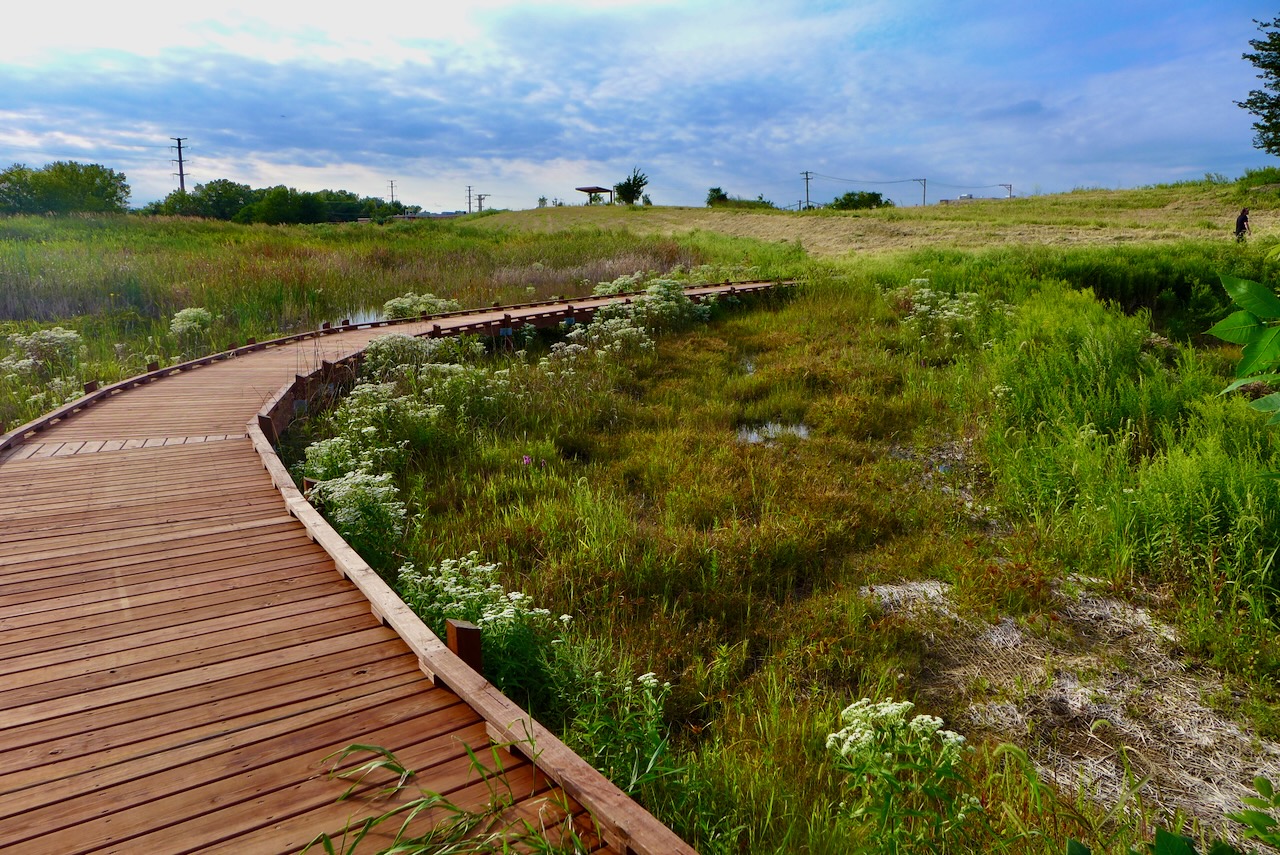
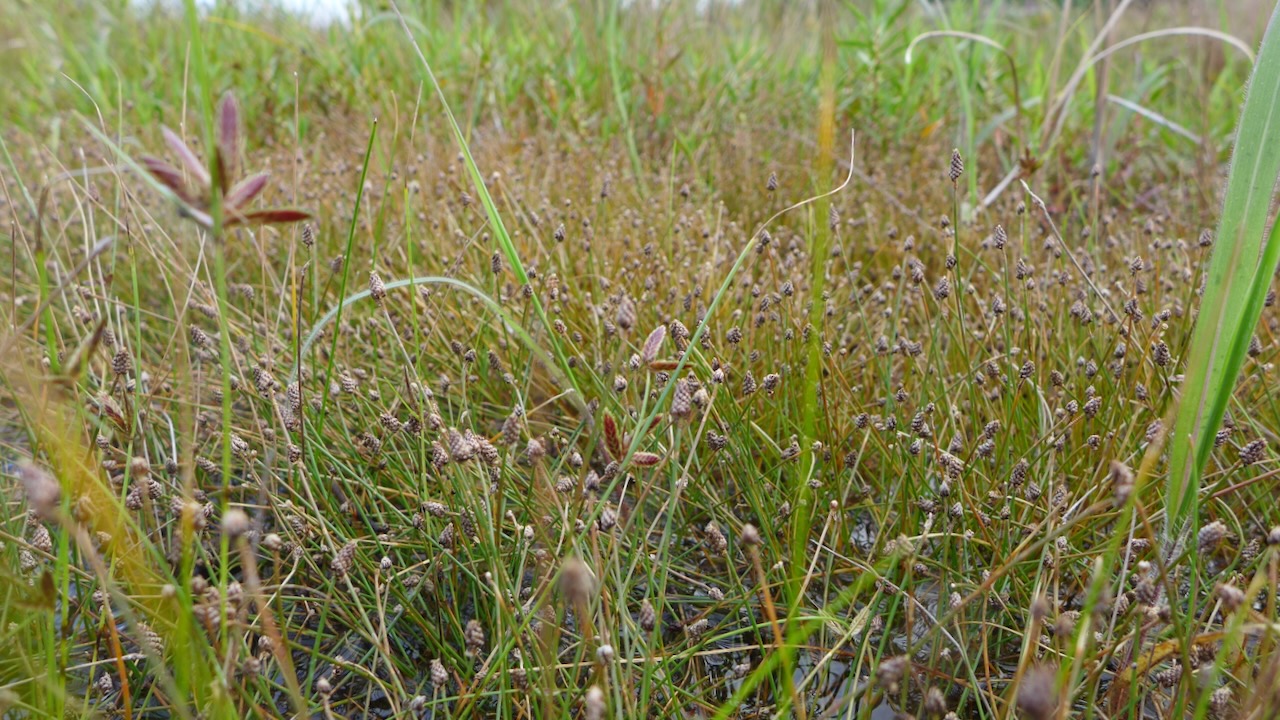
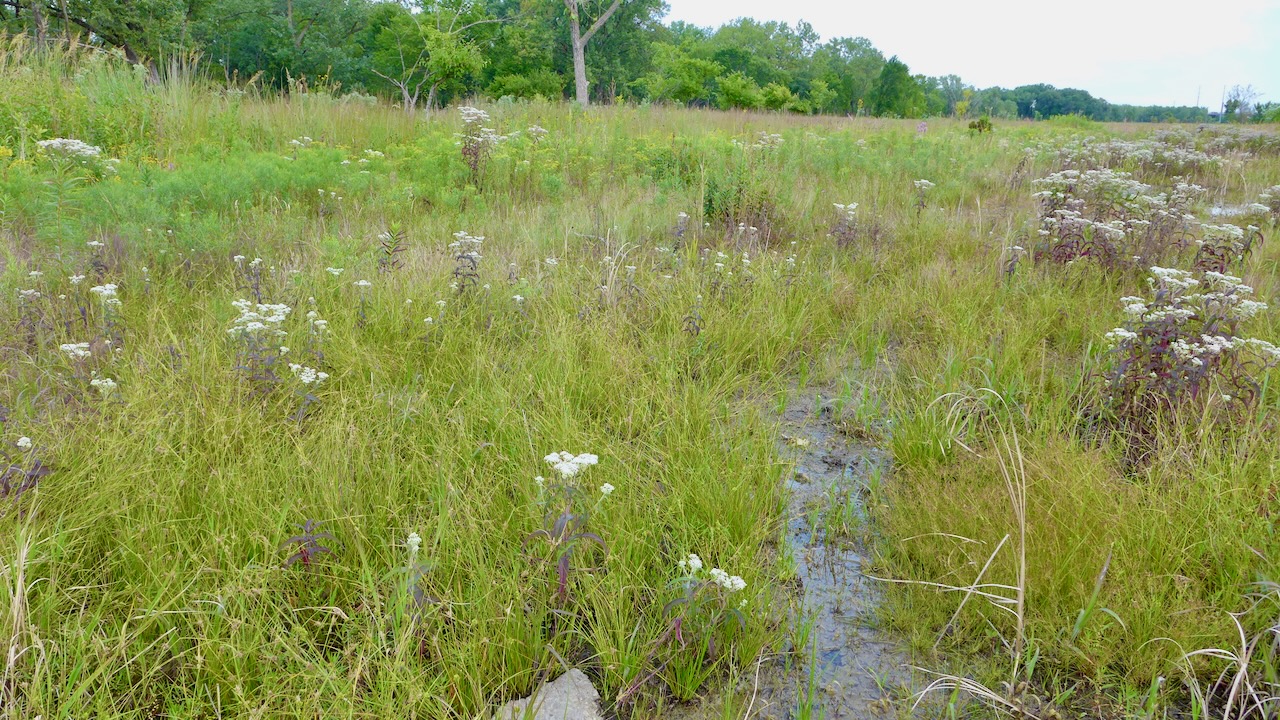
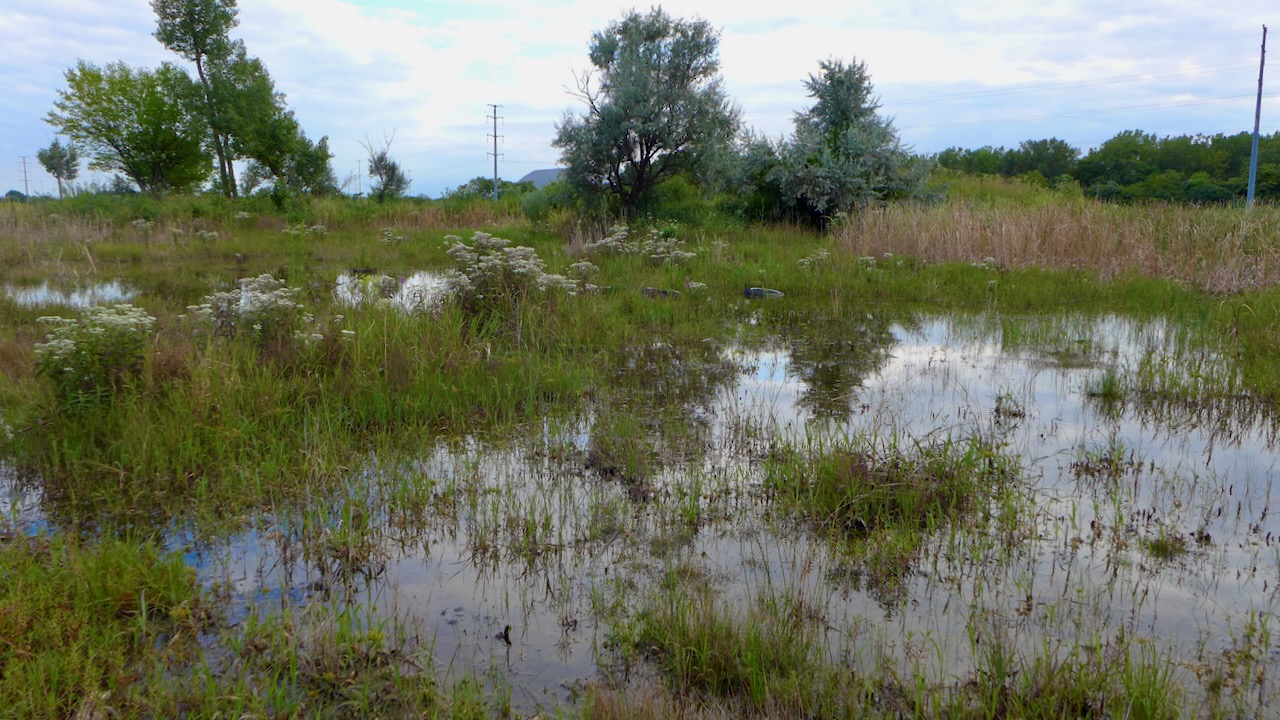
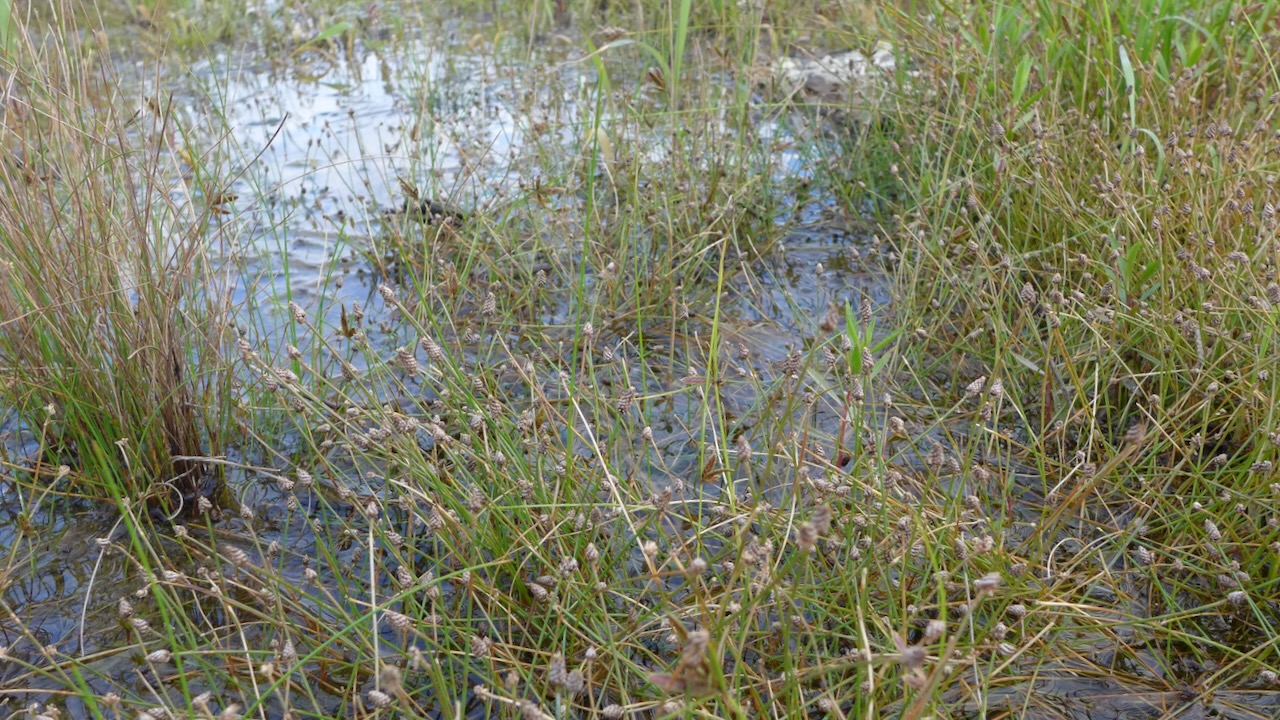
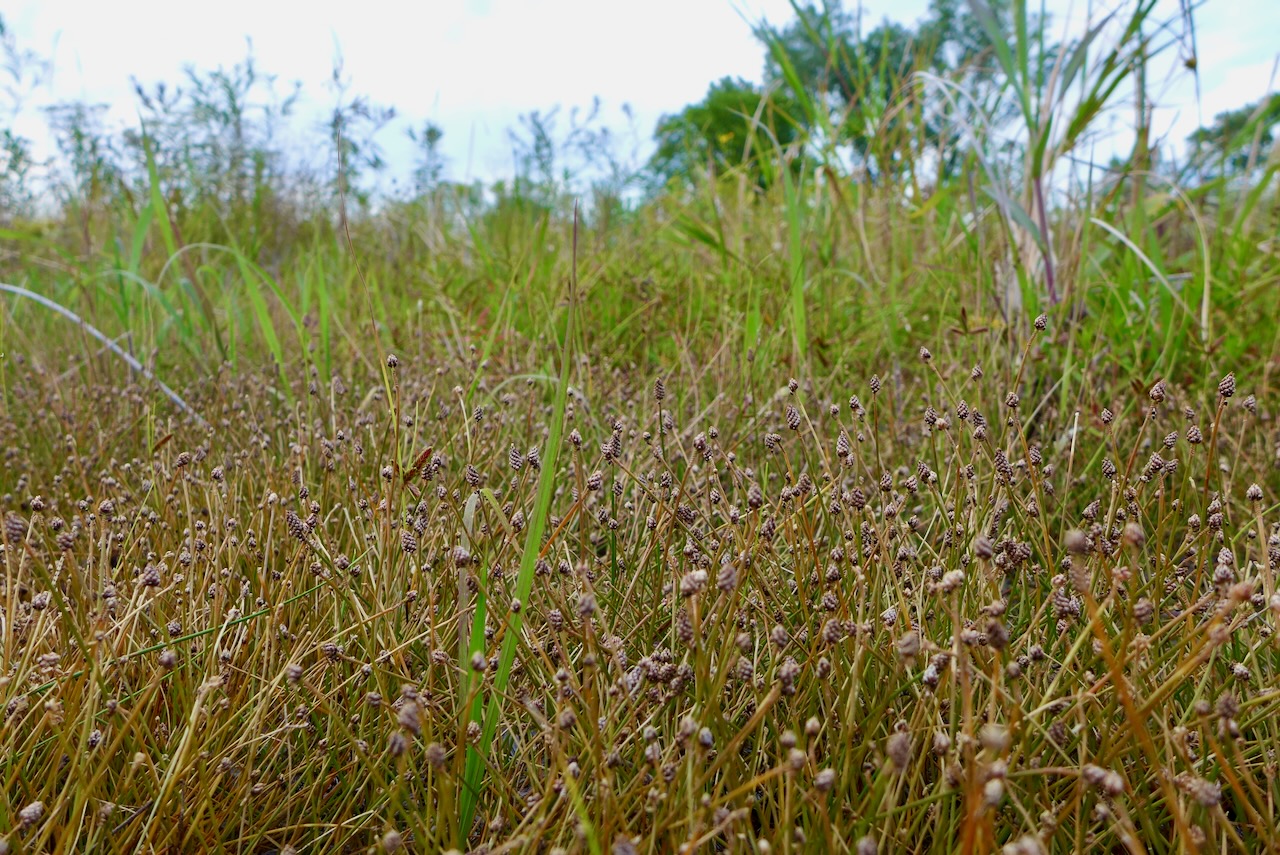
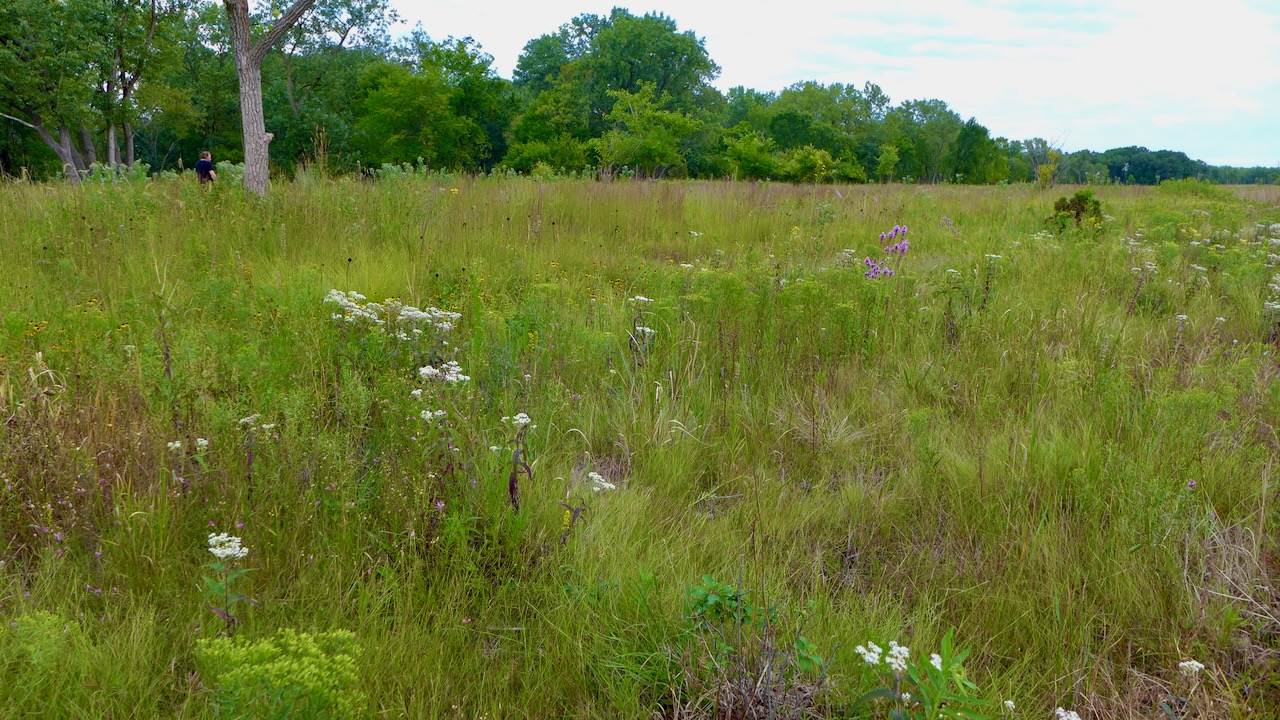
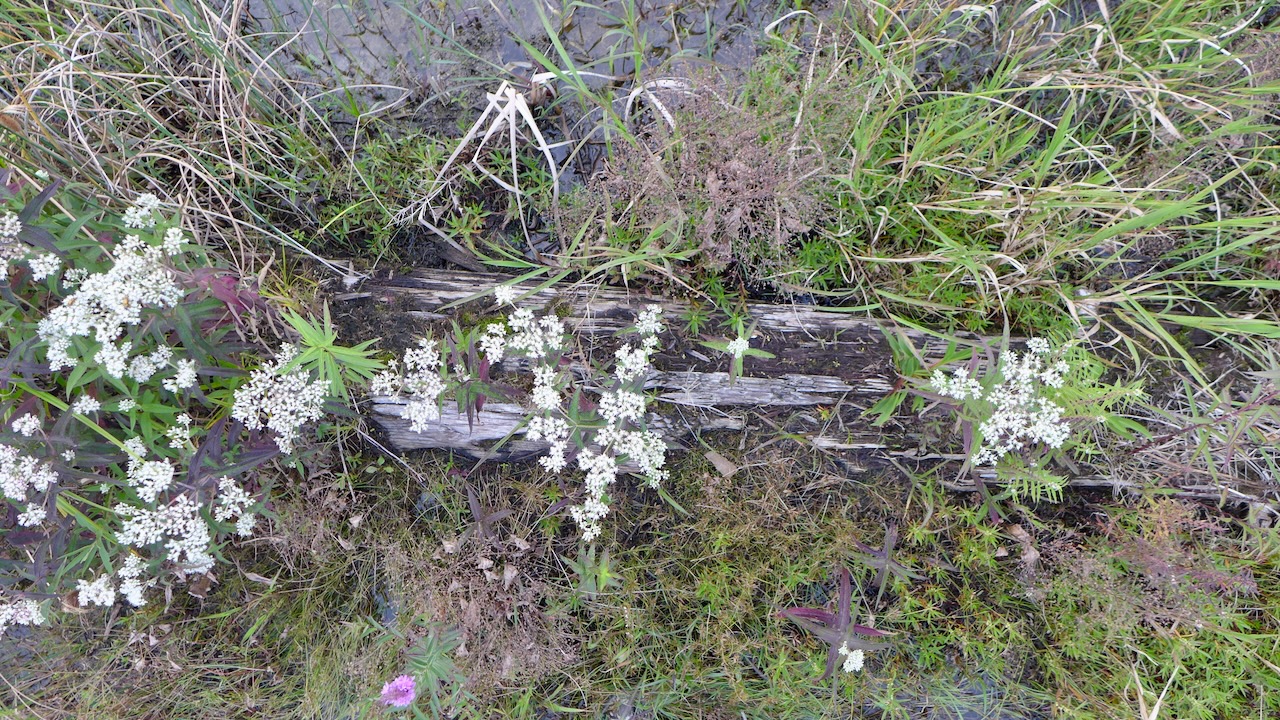
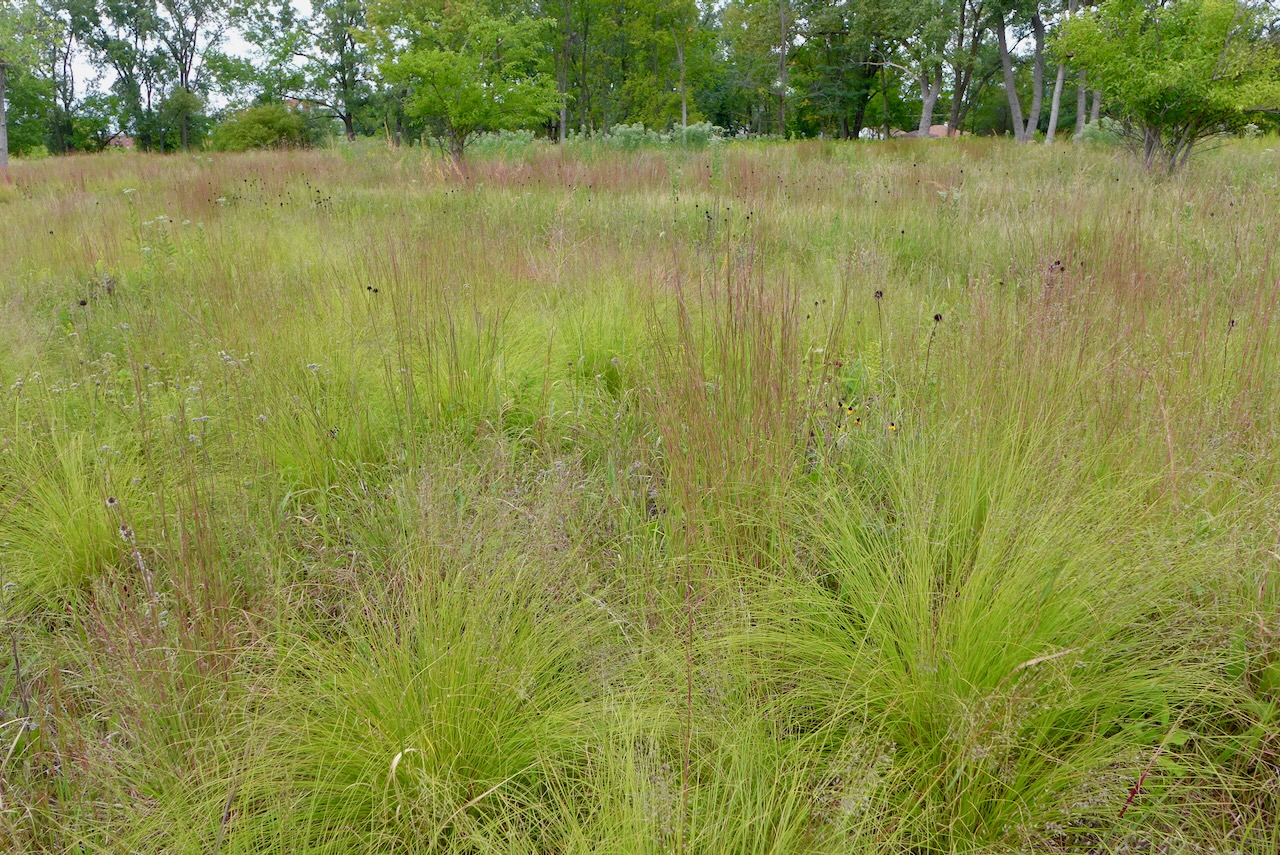
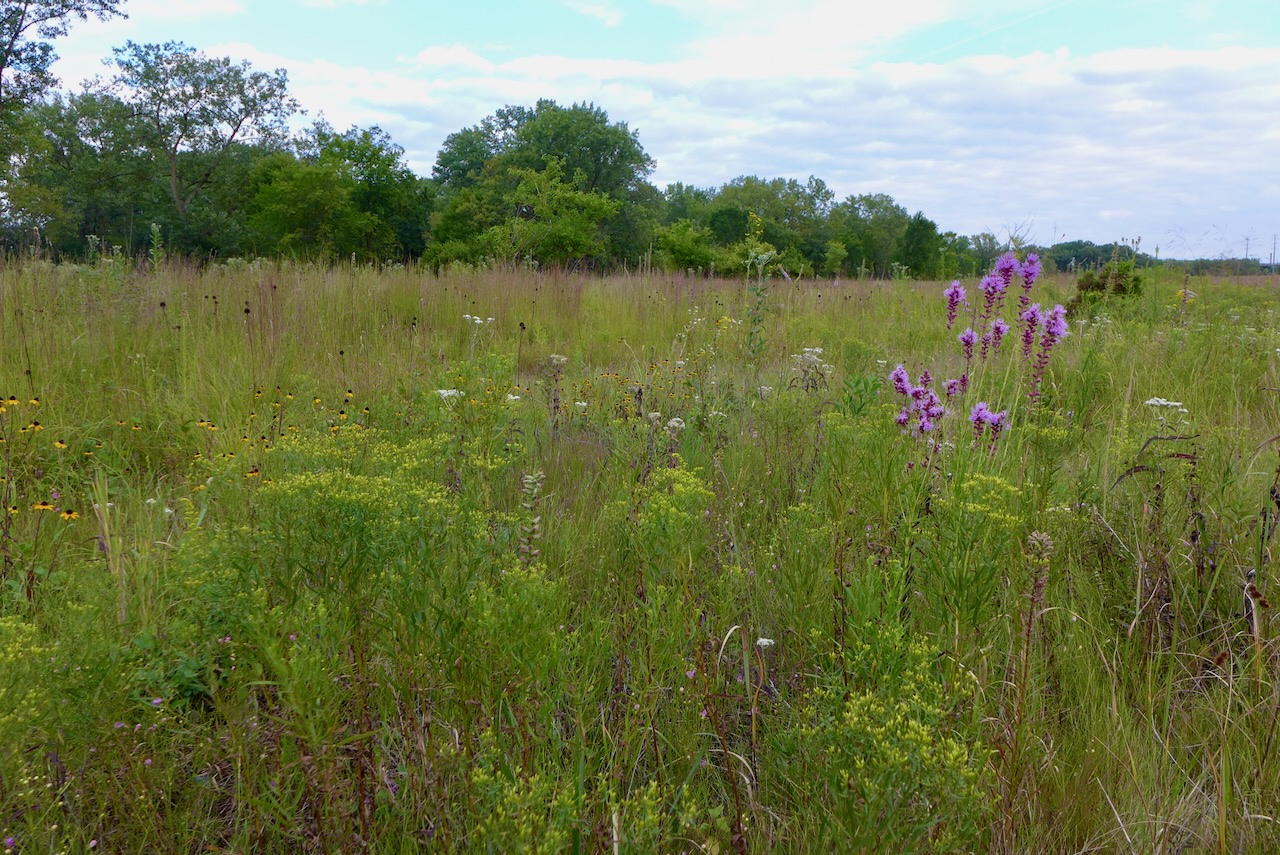
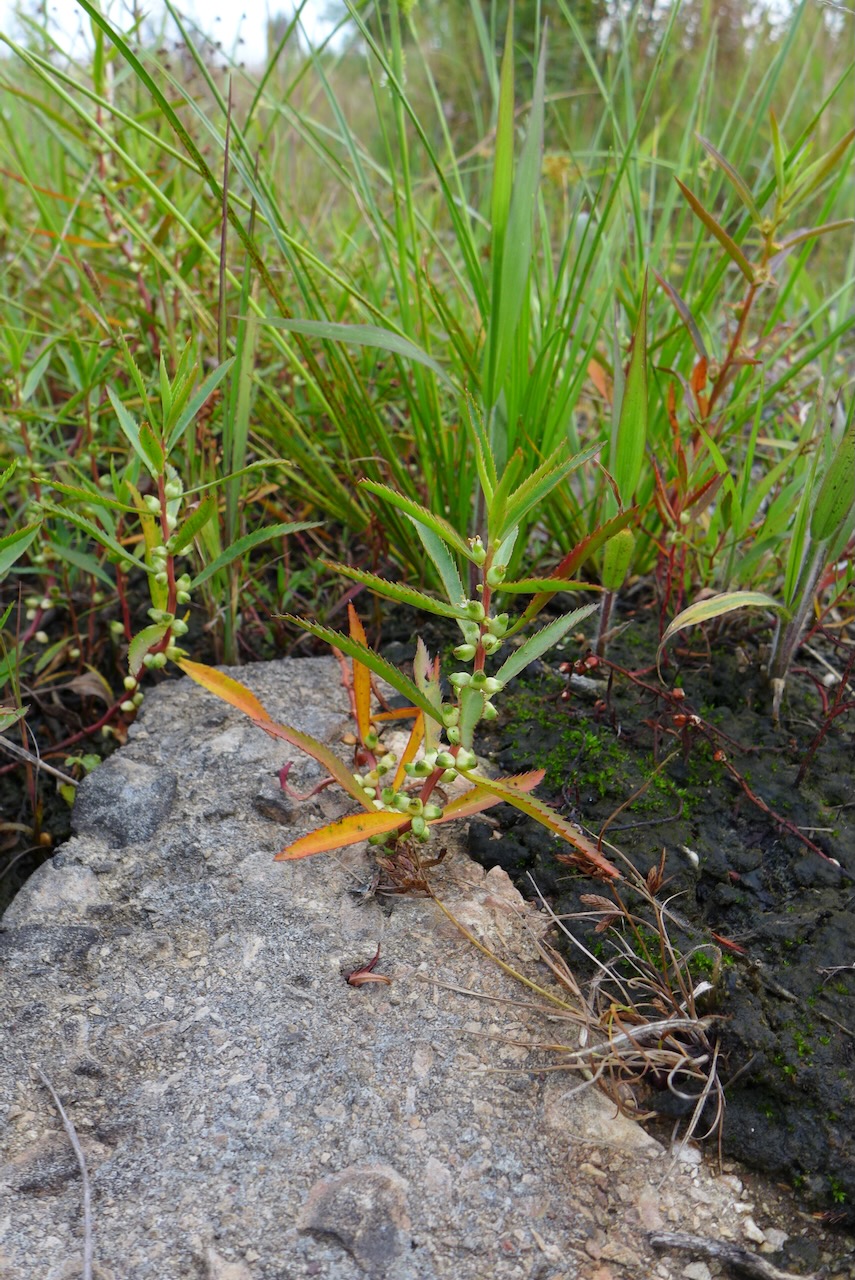
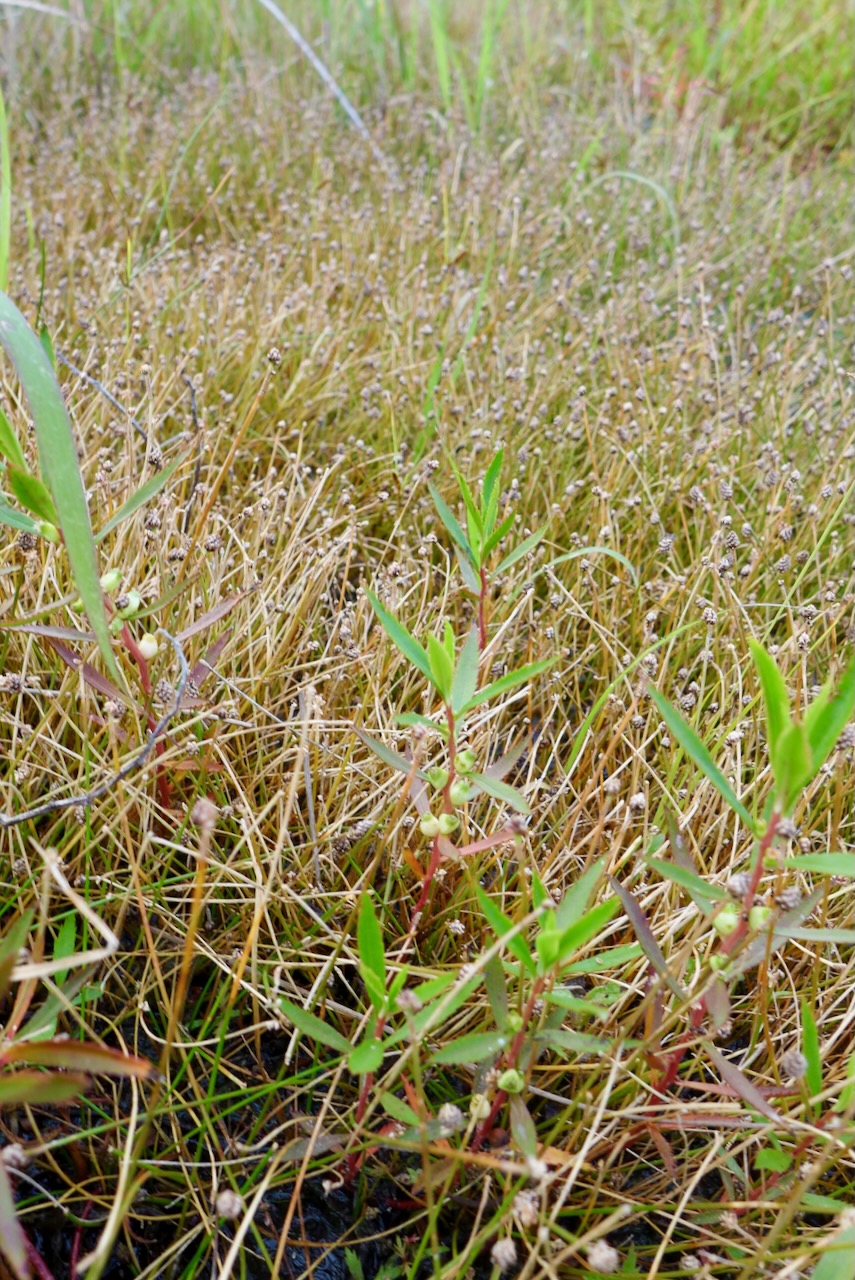
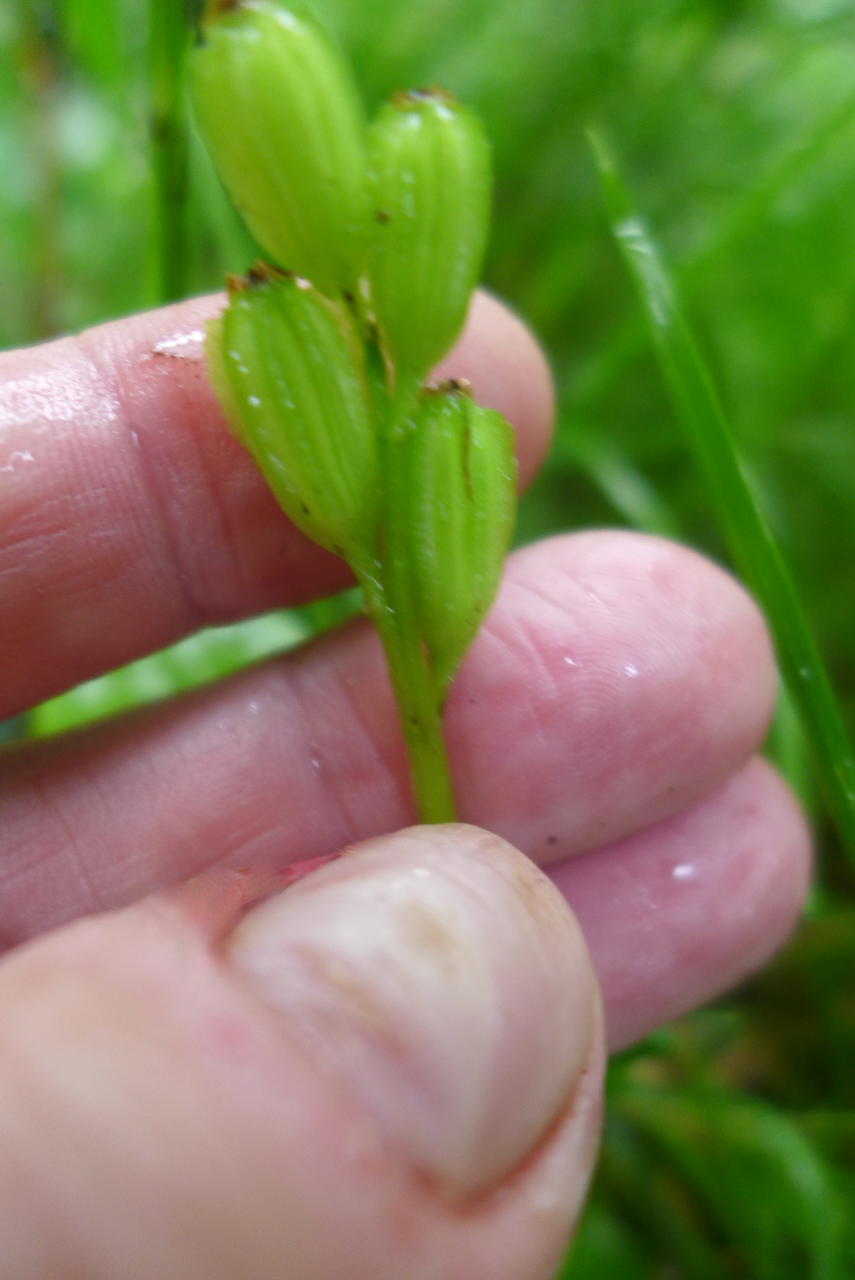
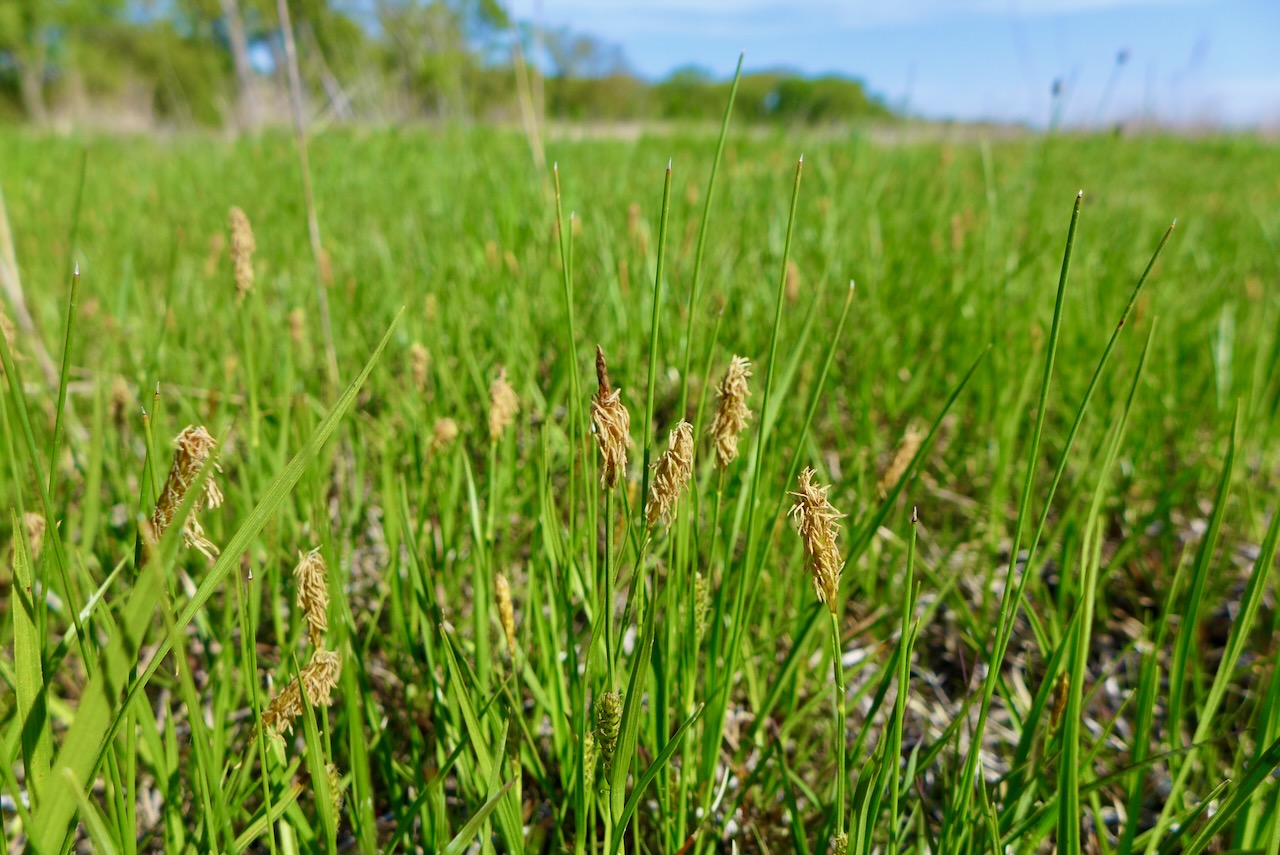
August and September at slag sites like Marian Byrnes are vibrant and full of special plants like ladies’ tresses orchids and Eleocharis geniculata, a rare spikerush.
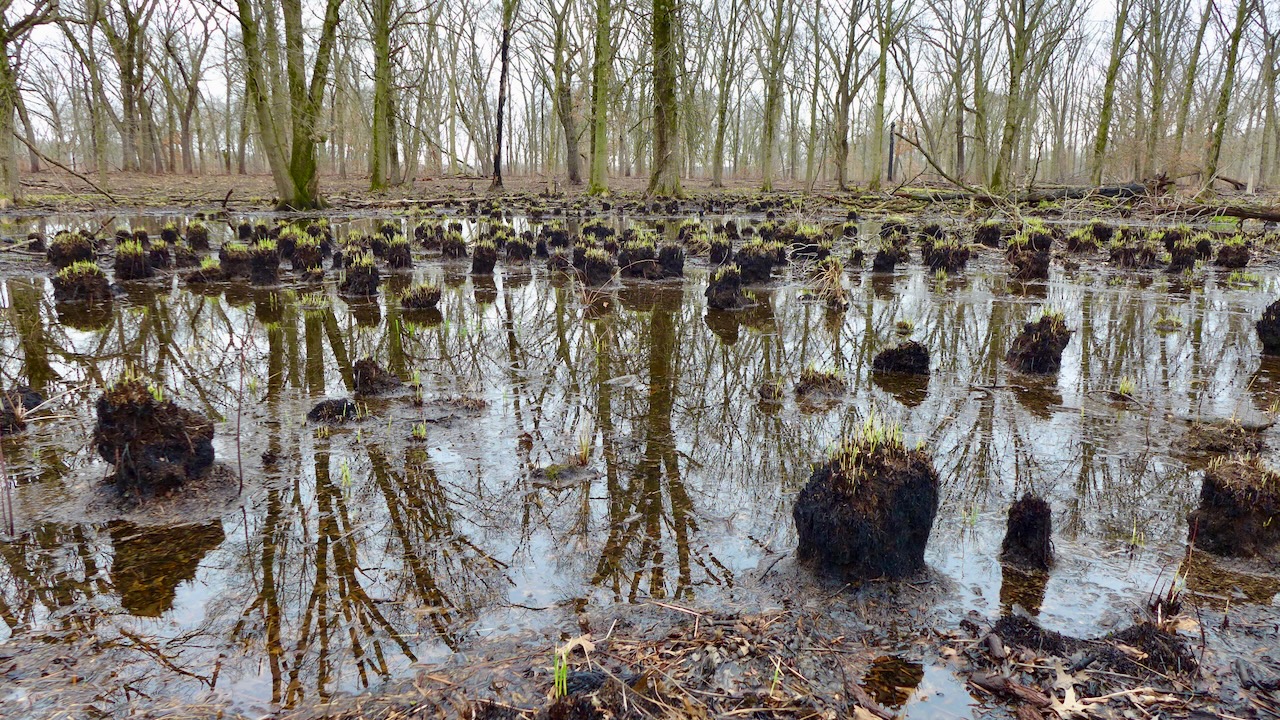
Only a few years ago this place was dominated by fascinating but unruly spontaneous vegetation. Removal of invasive species, and a light touch on selective plant additions with intentional focus on vegetation that already are known to persist in slag habitats, lets this park lean into its spontaneous origins as a riotous garden.

Sand Ridge, Calumet City, IL • July 2025

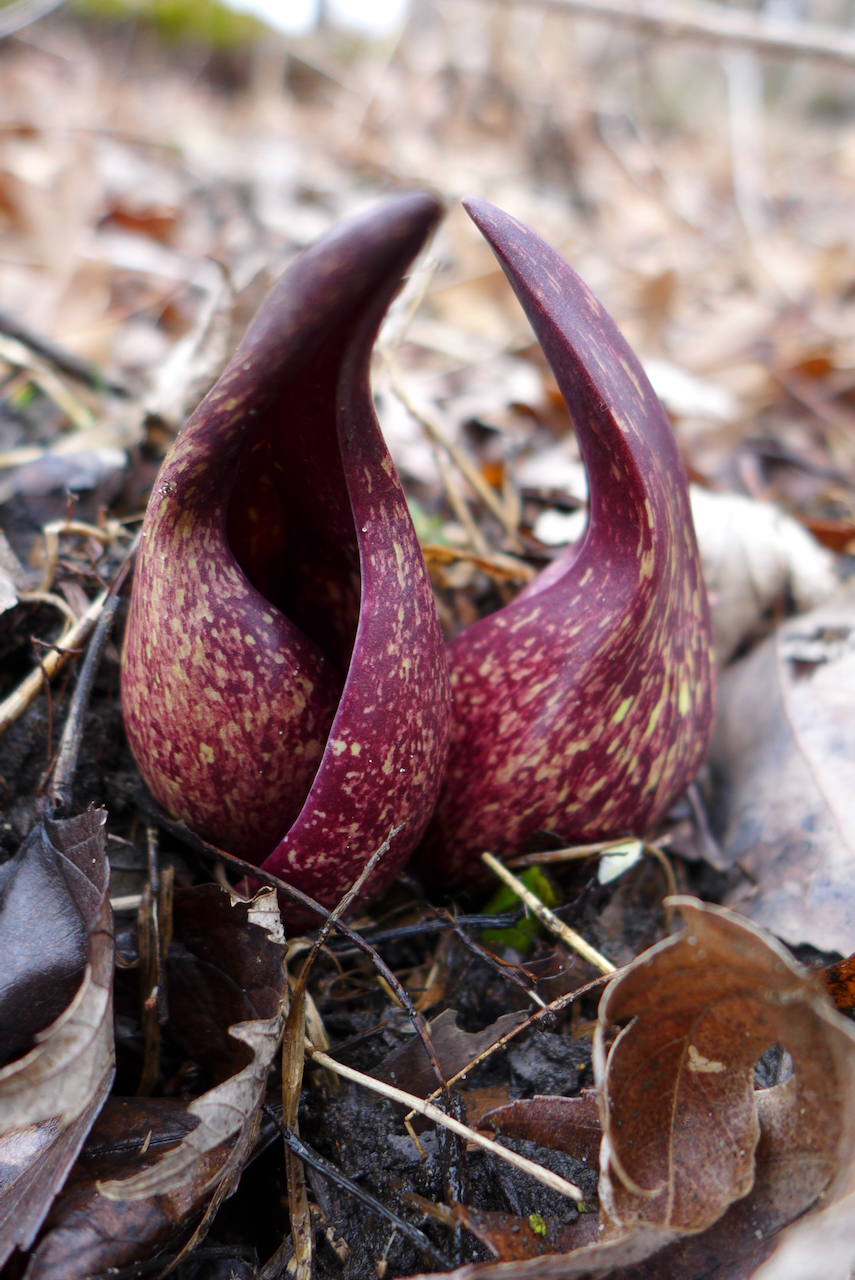
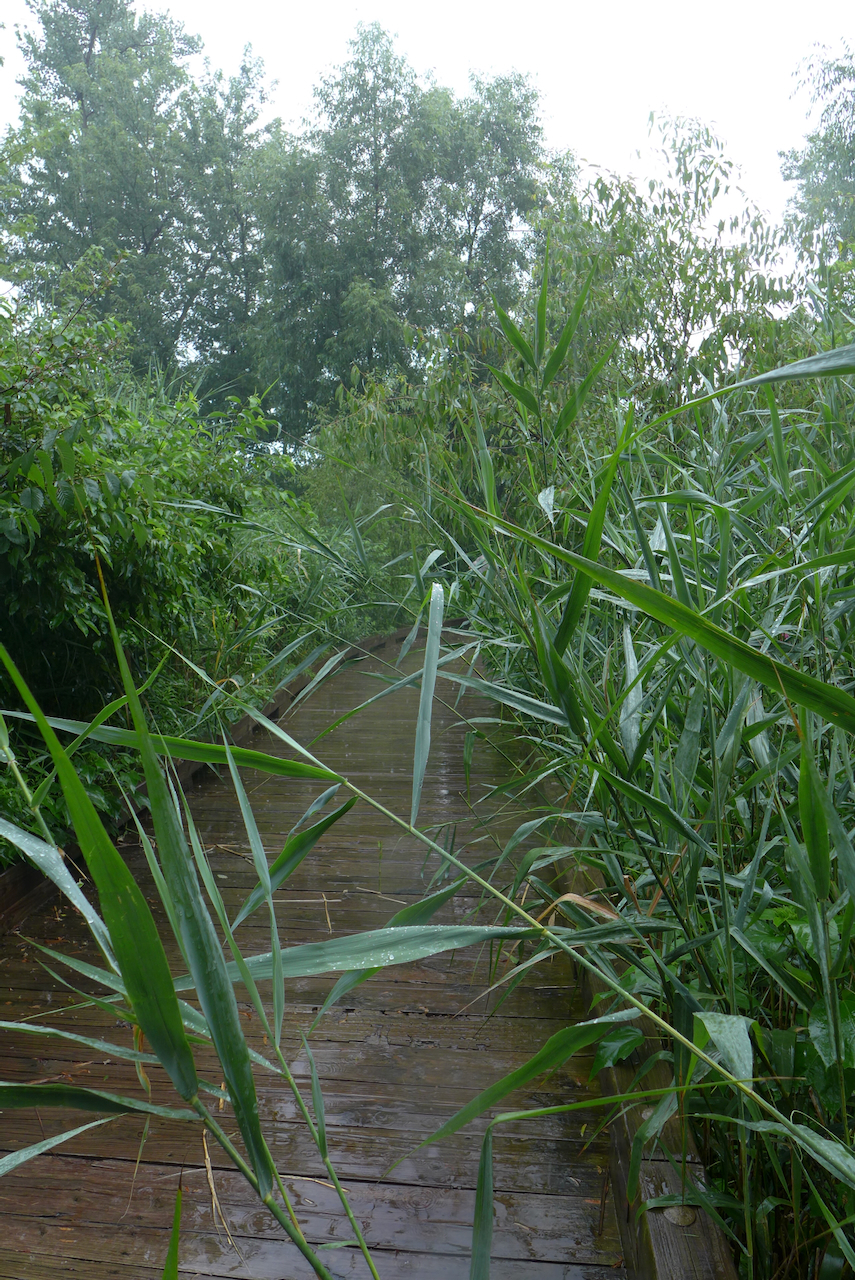
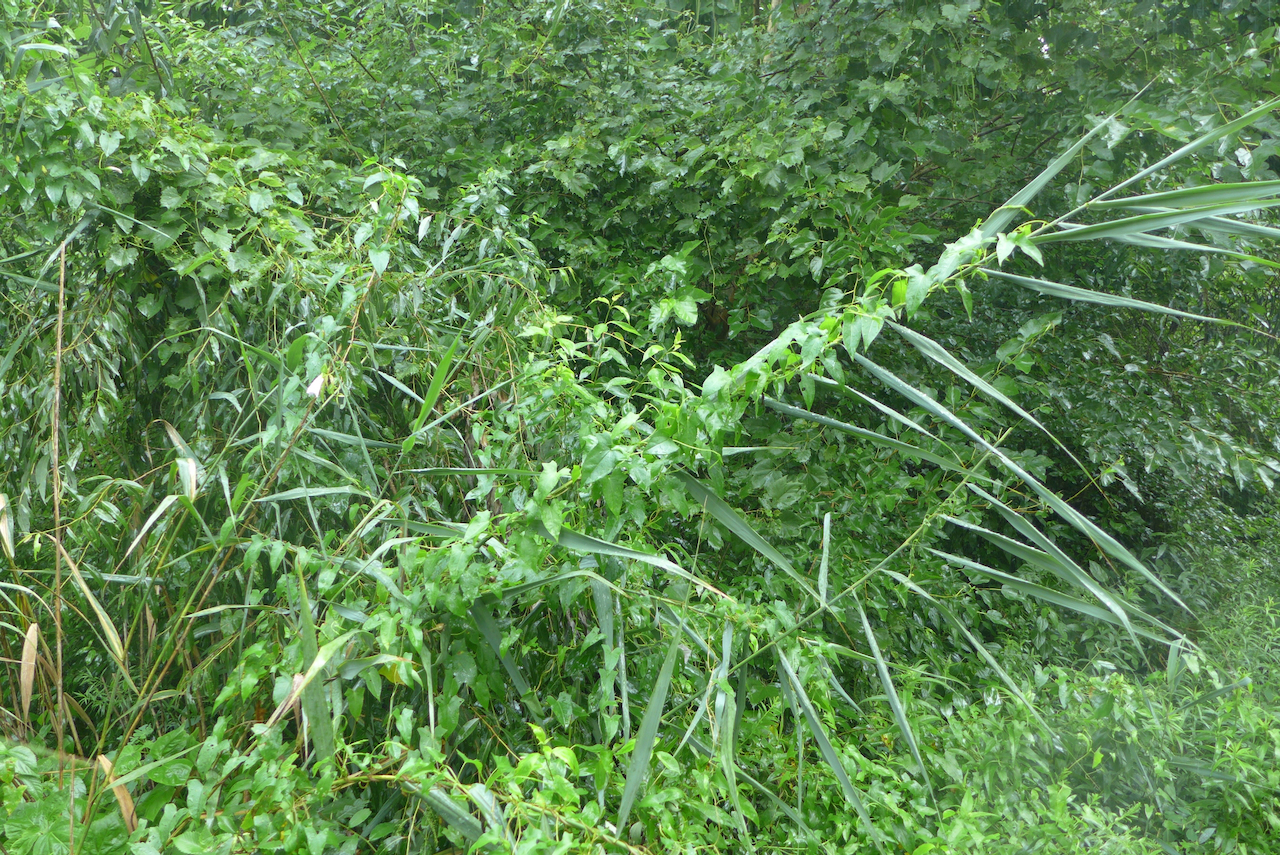
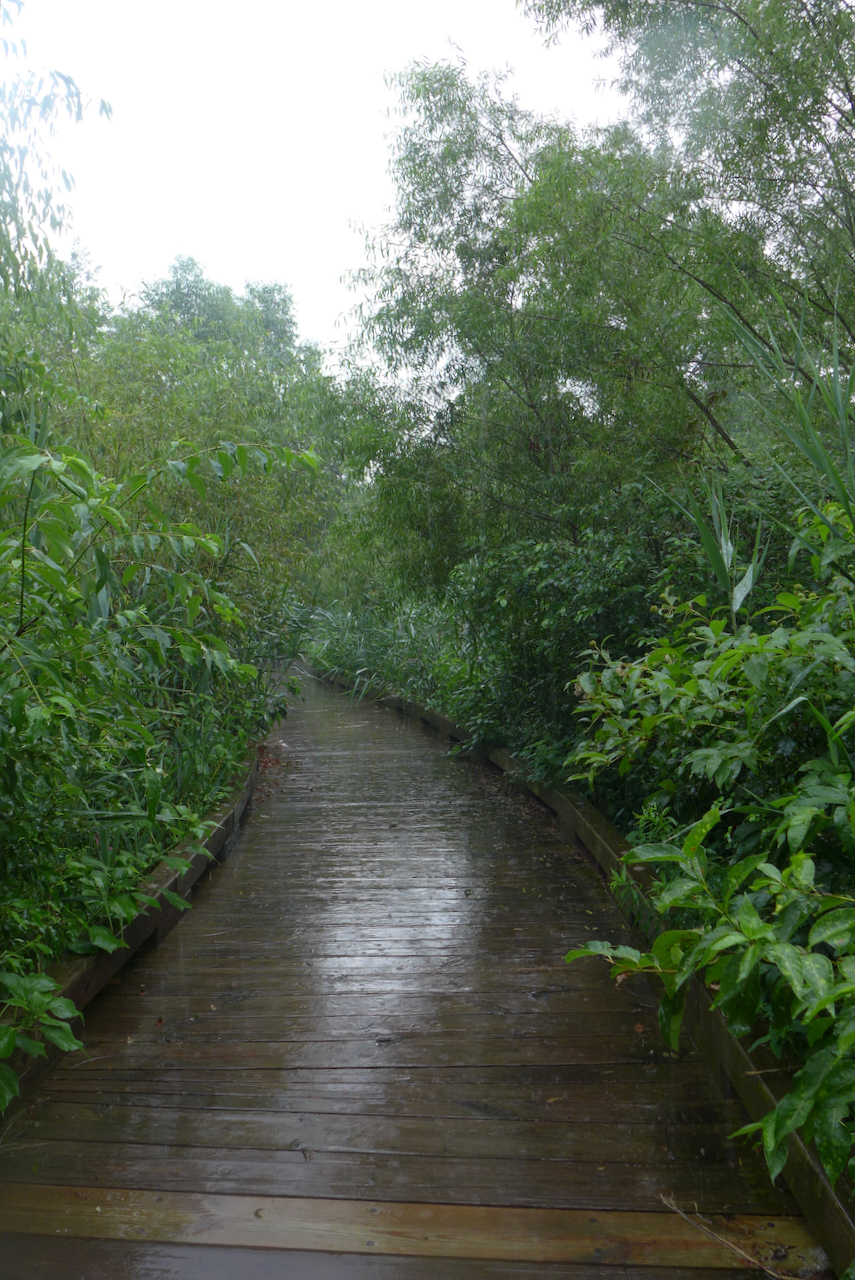
In recent years, I’ve visited Sand Ridge more often in the early spring, to locally see skunk cabbages and ephemerals. On this day in July, it’s rainy and overgrown with the amorphous green of a late summer urban woodland.

In the rain, the amorphous green belies the competition in front of us: just out of frame,

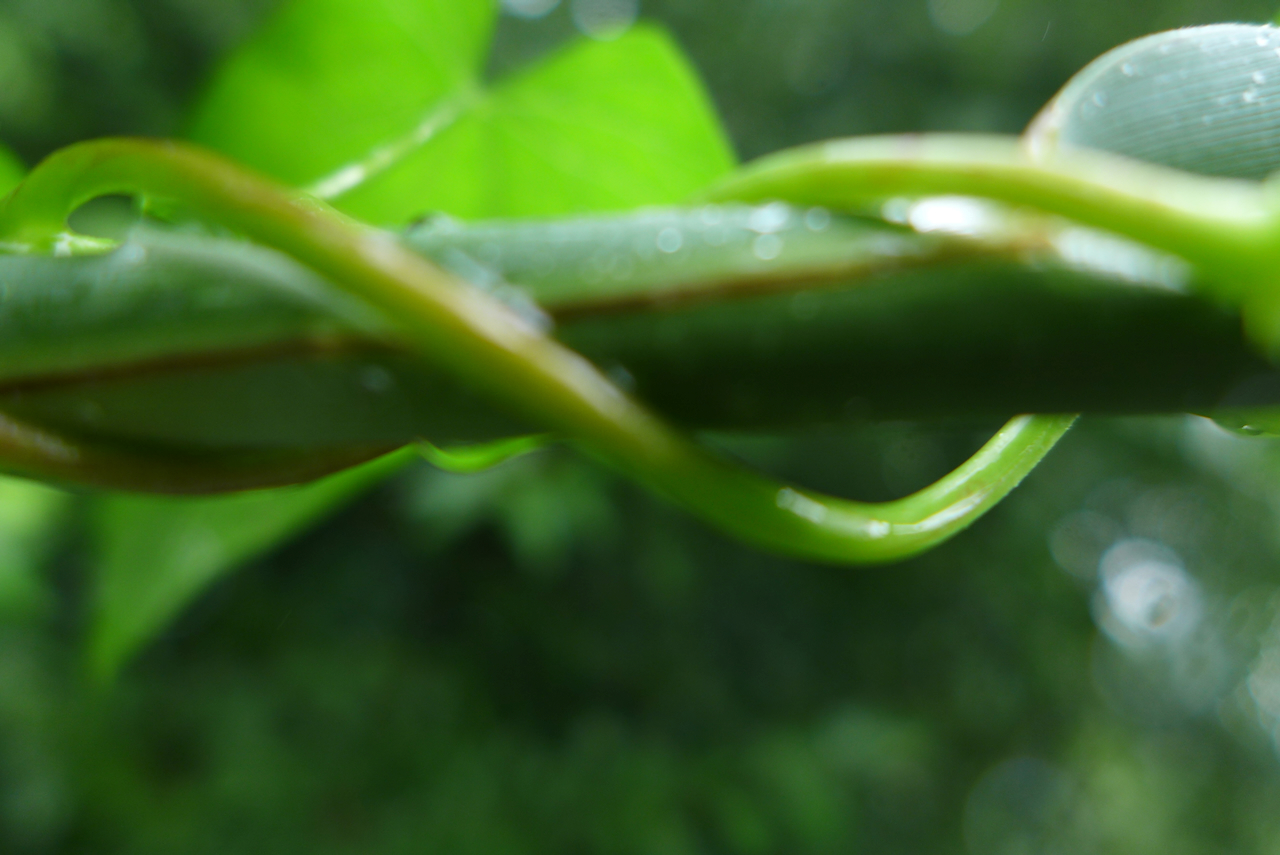
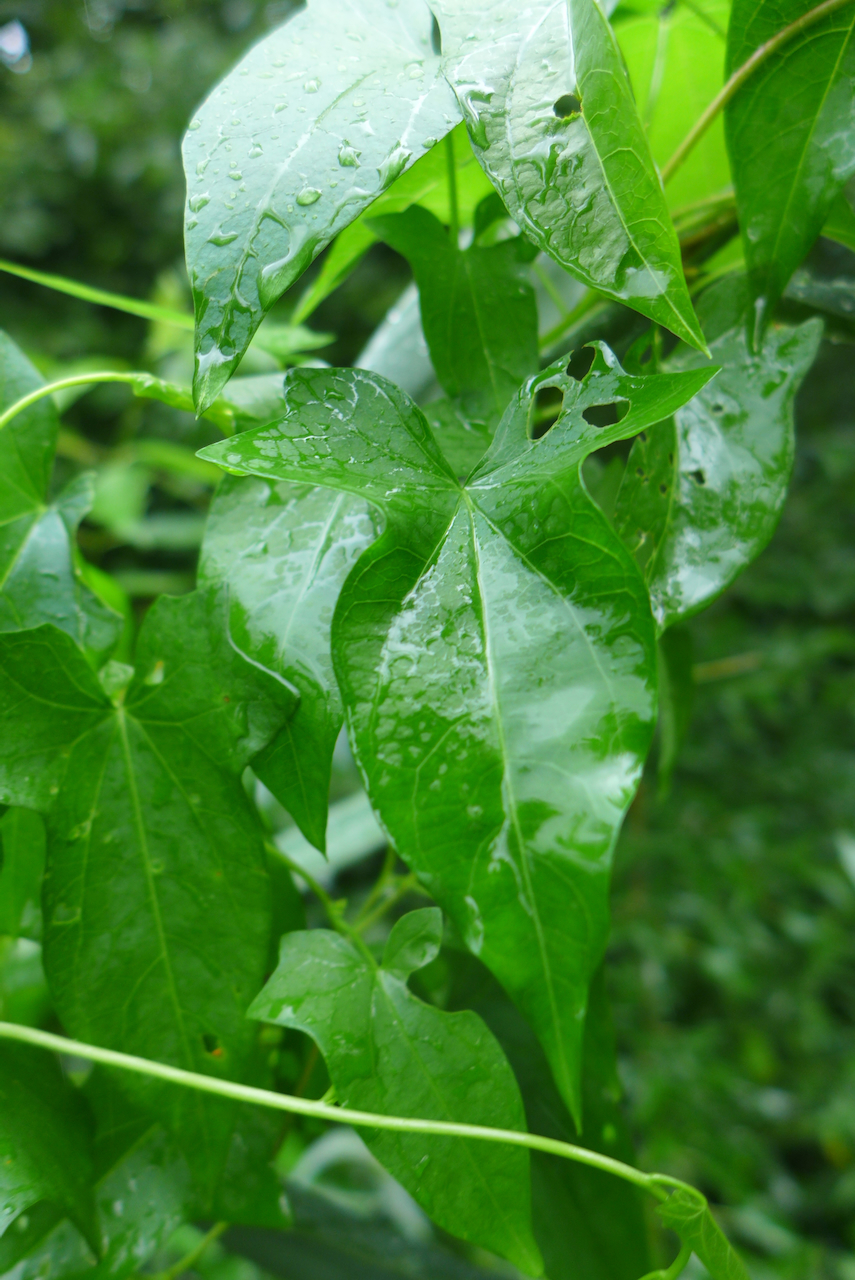
the hedge bindweed vine is twisting up Phragmites, taking down and smothering this towering invasive plant. Living the vine life is just about spreading out and getting as much leaf area in sun as fast as possible. Think kudzu, bindweed, invasive Fallopia.

I’ve been visiting the same fen orchids at Sand Ridge for a few years now in different seasons. Note to self – remember that late-July is likely too late to see them in flower!

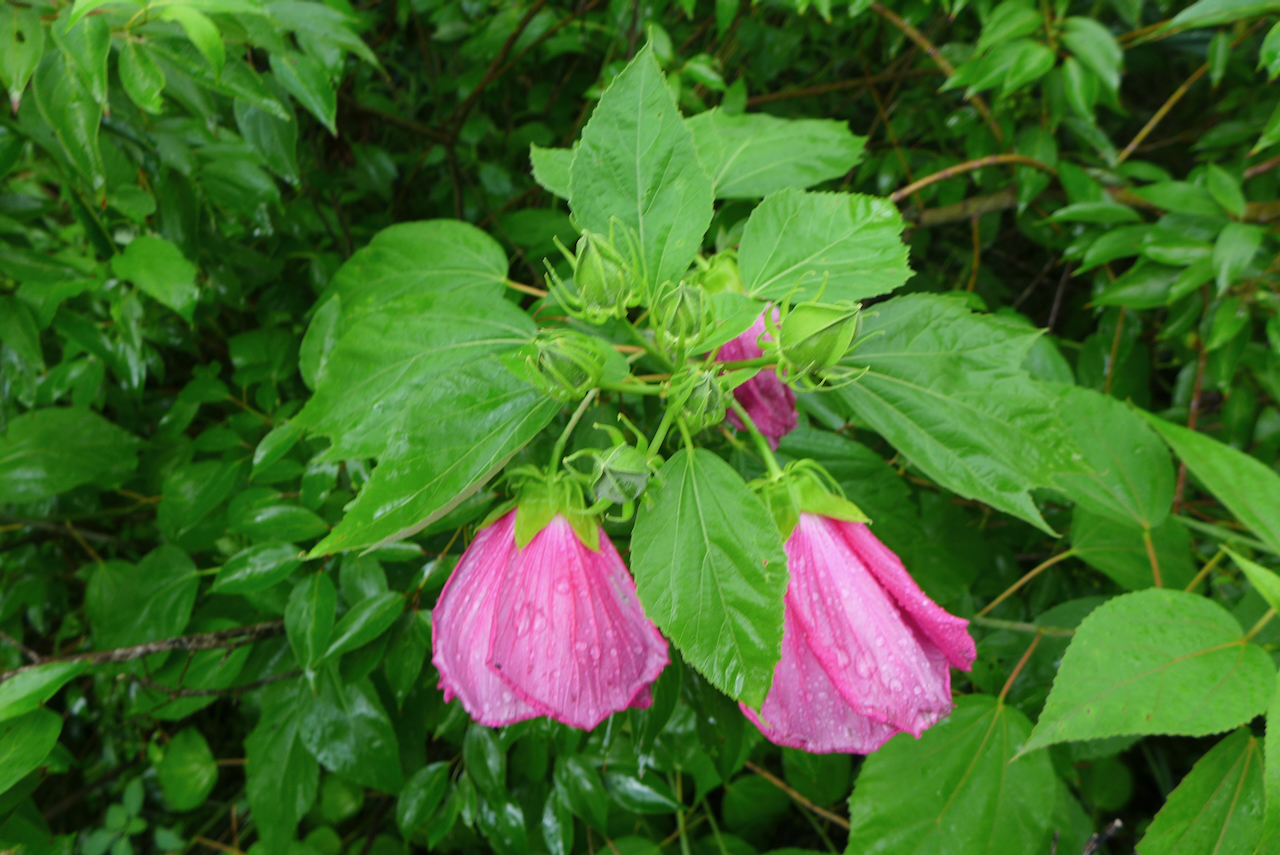
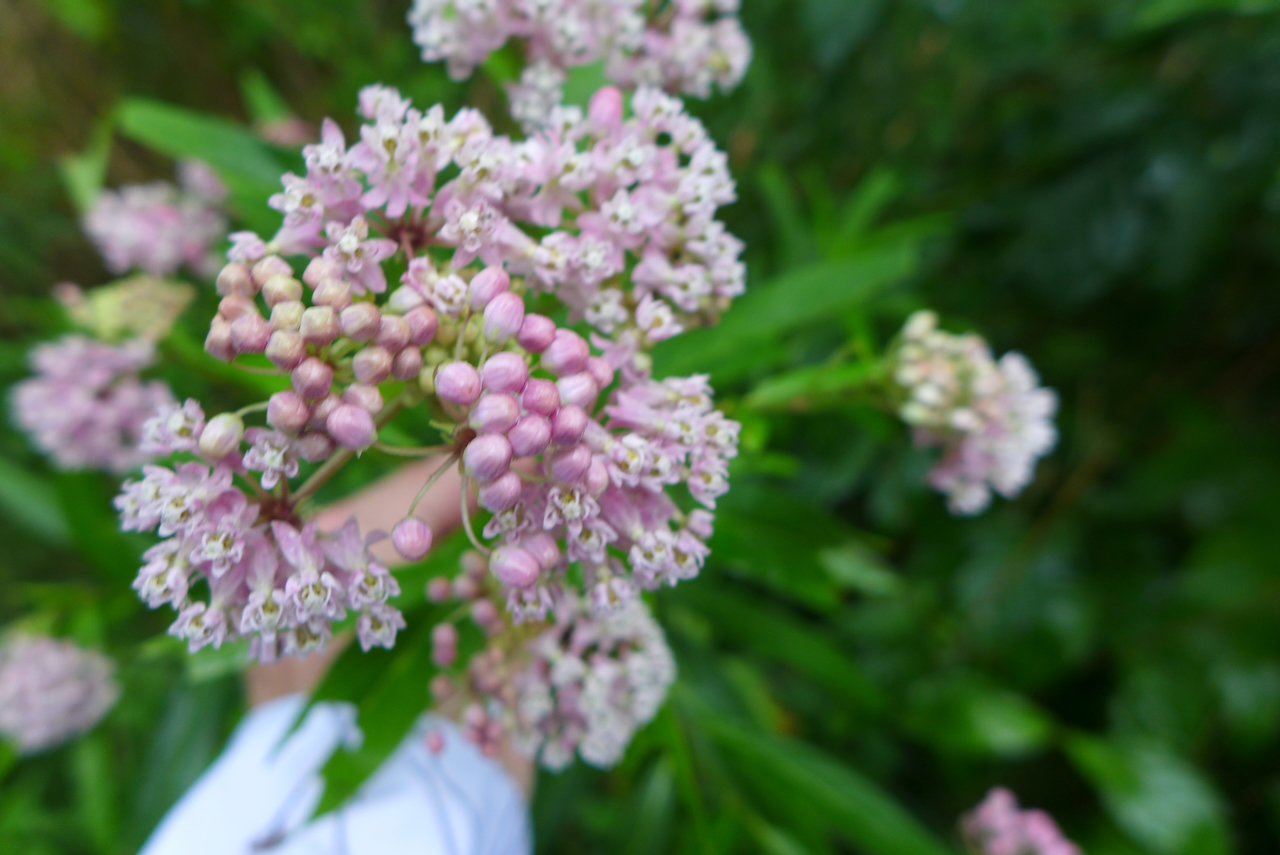
The swamp mallow are just starting to flower. In another few weeks, either side of the boardwalk will be profusely fuchsia!

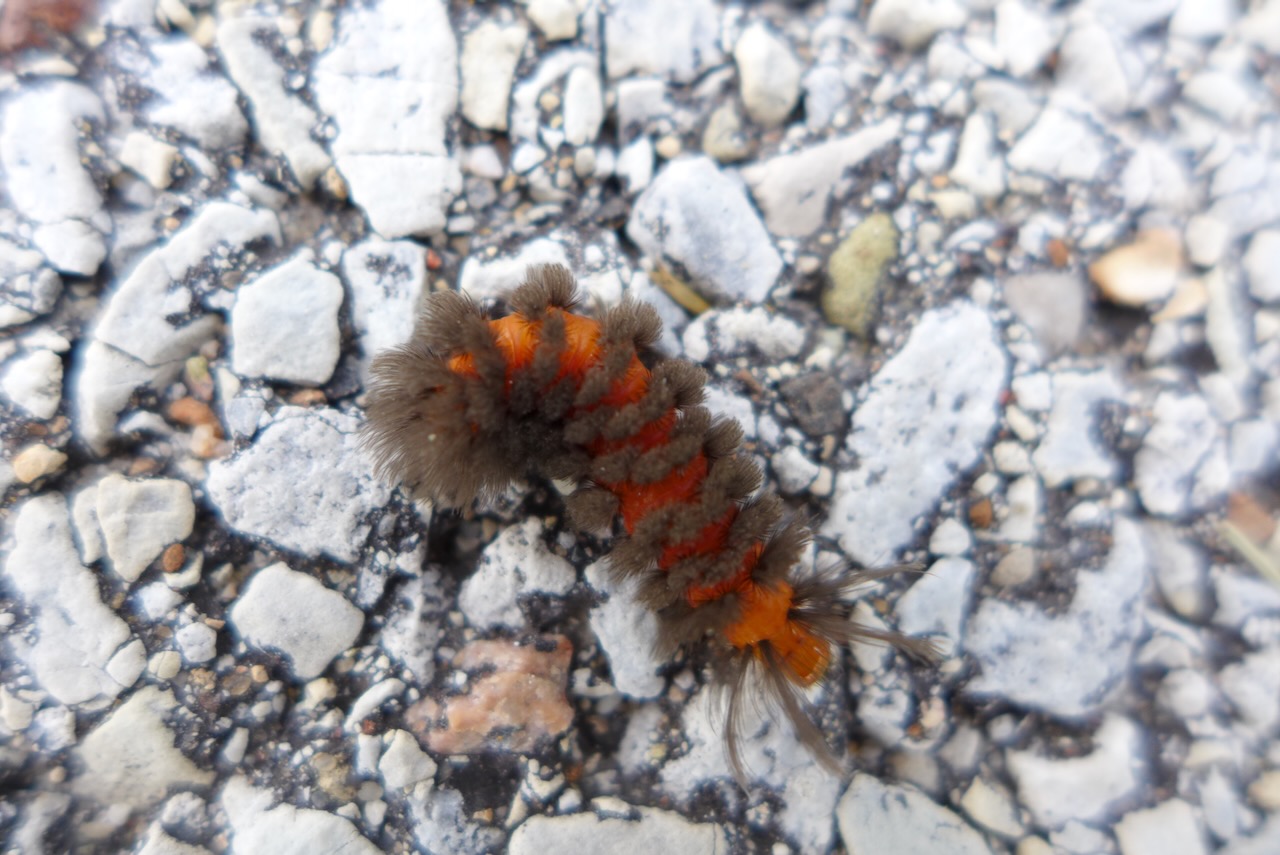
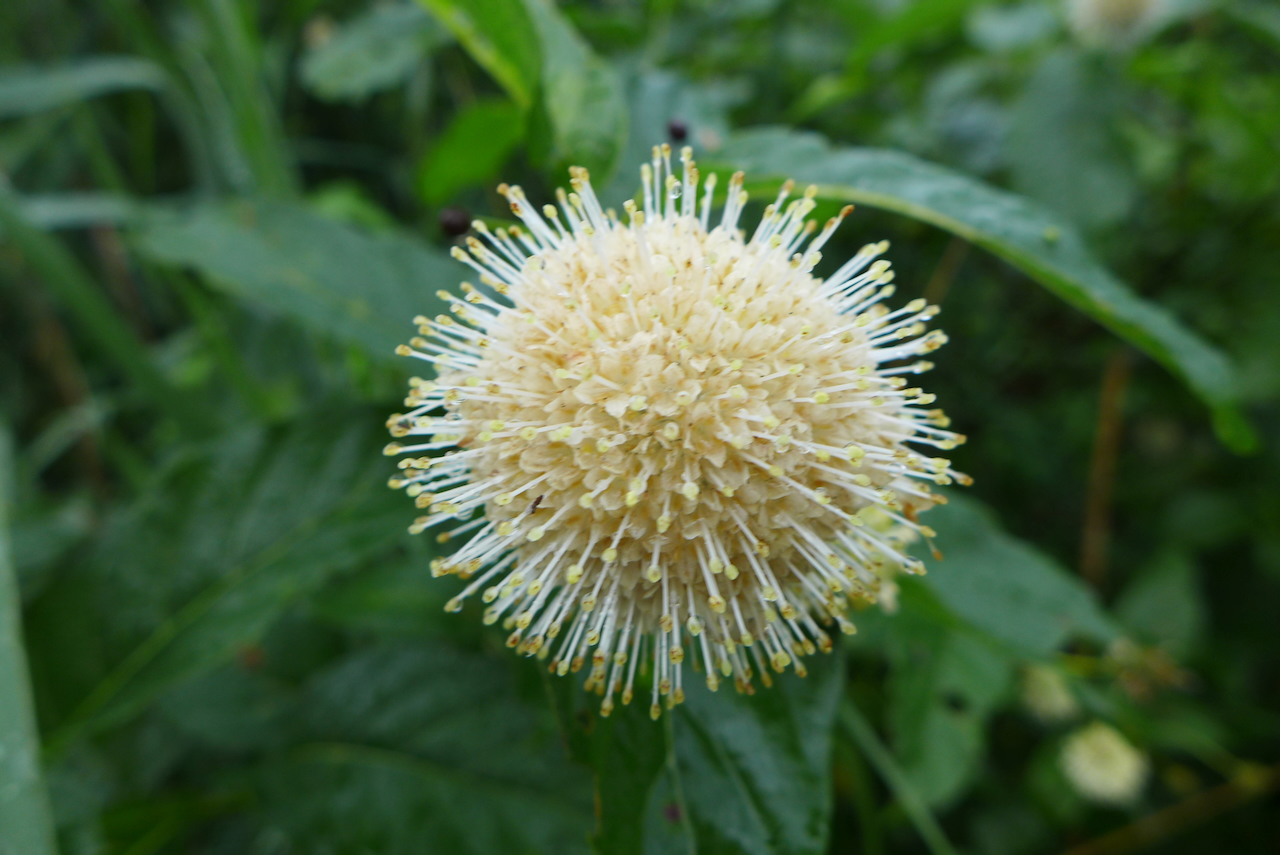
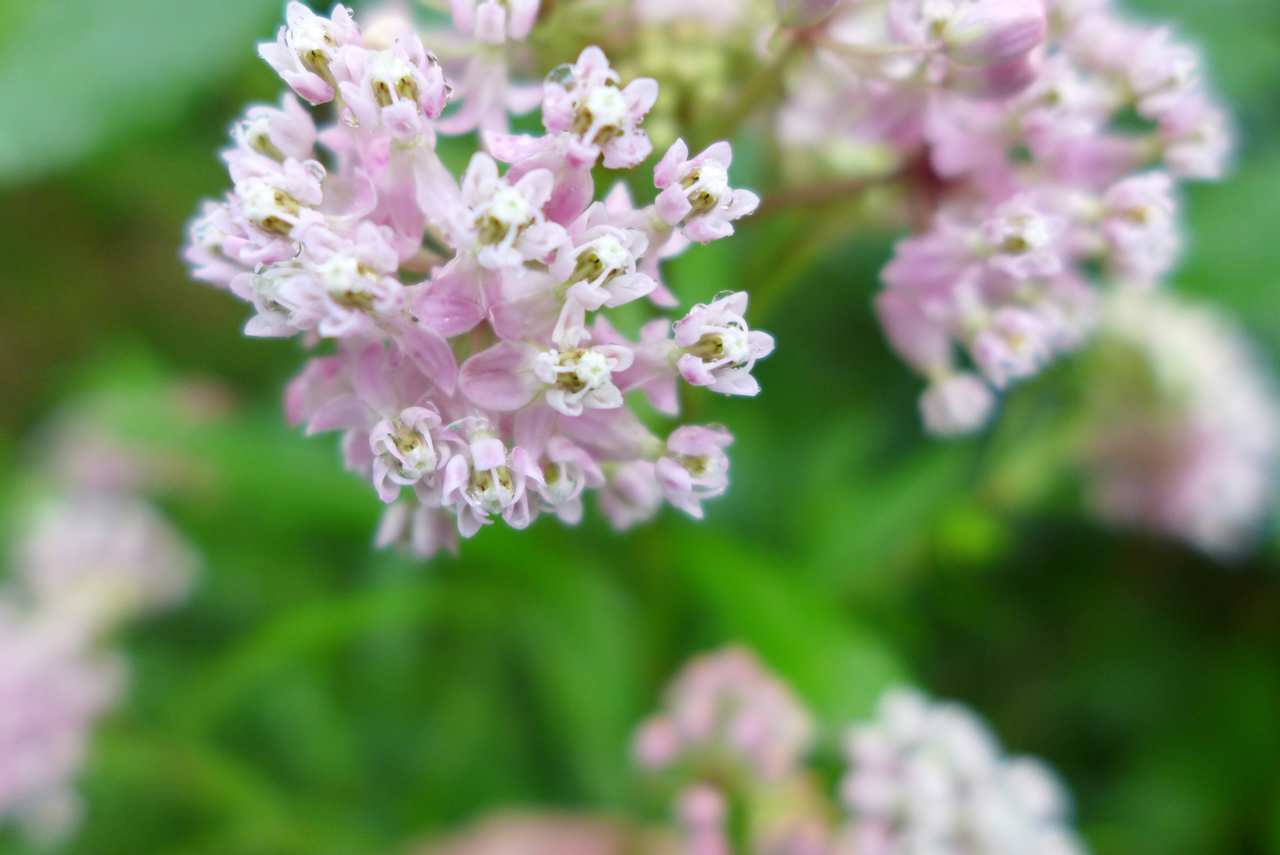
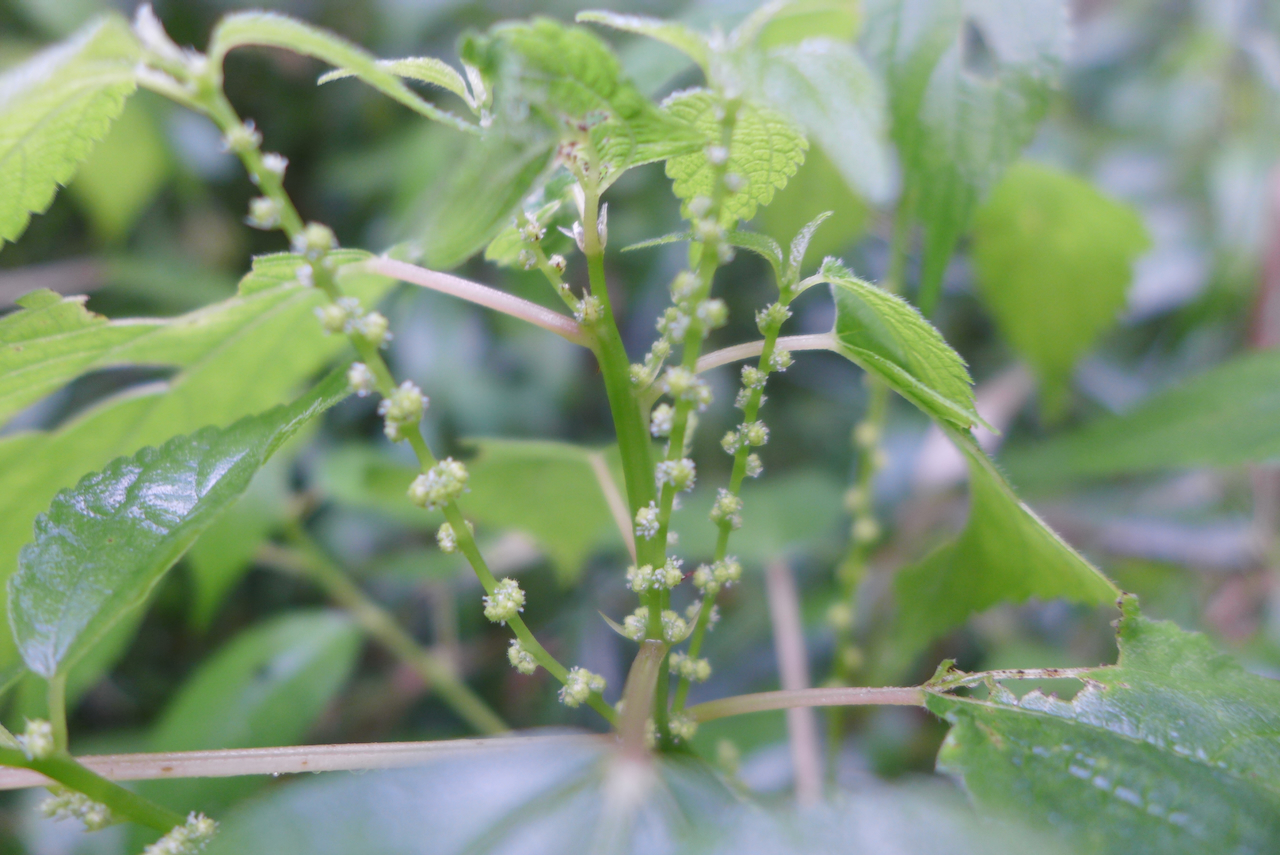
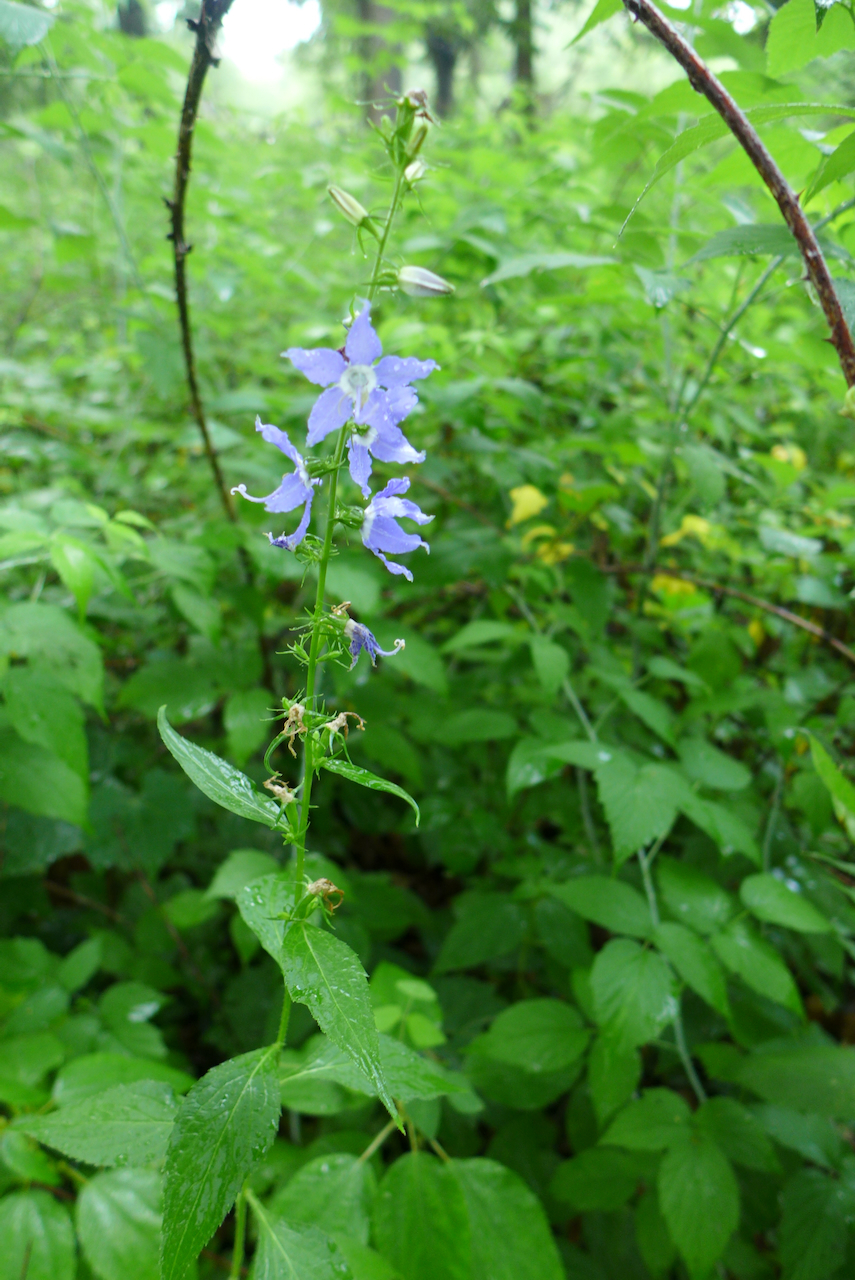
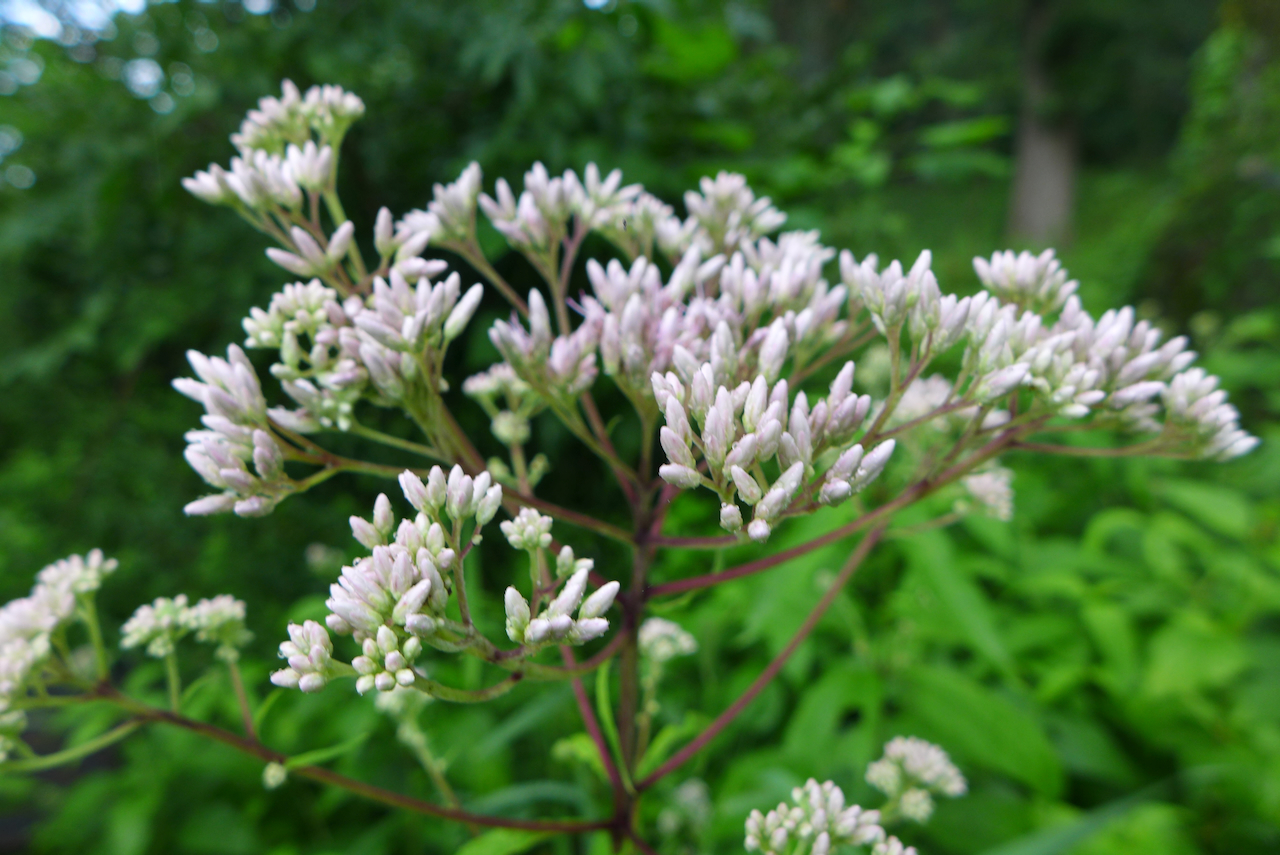
An assortment of other plant friends (and enemies!) on the trail:

Marian R. Byrnes Park, IL • May 2025

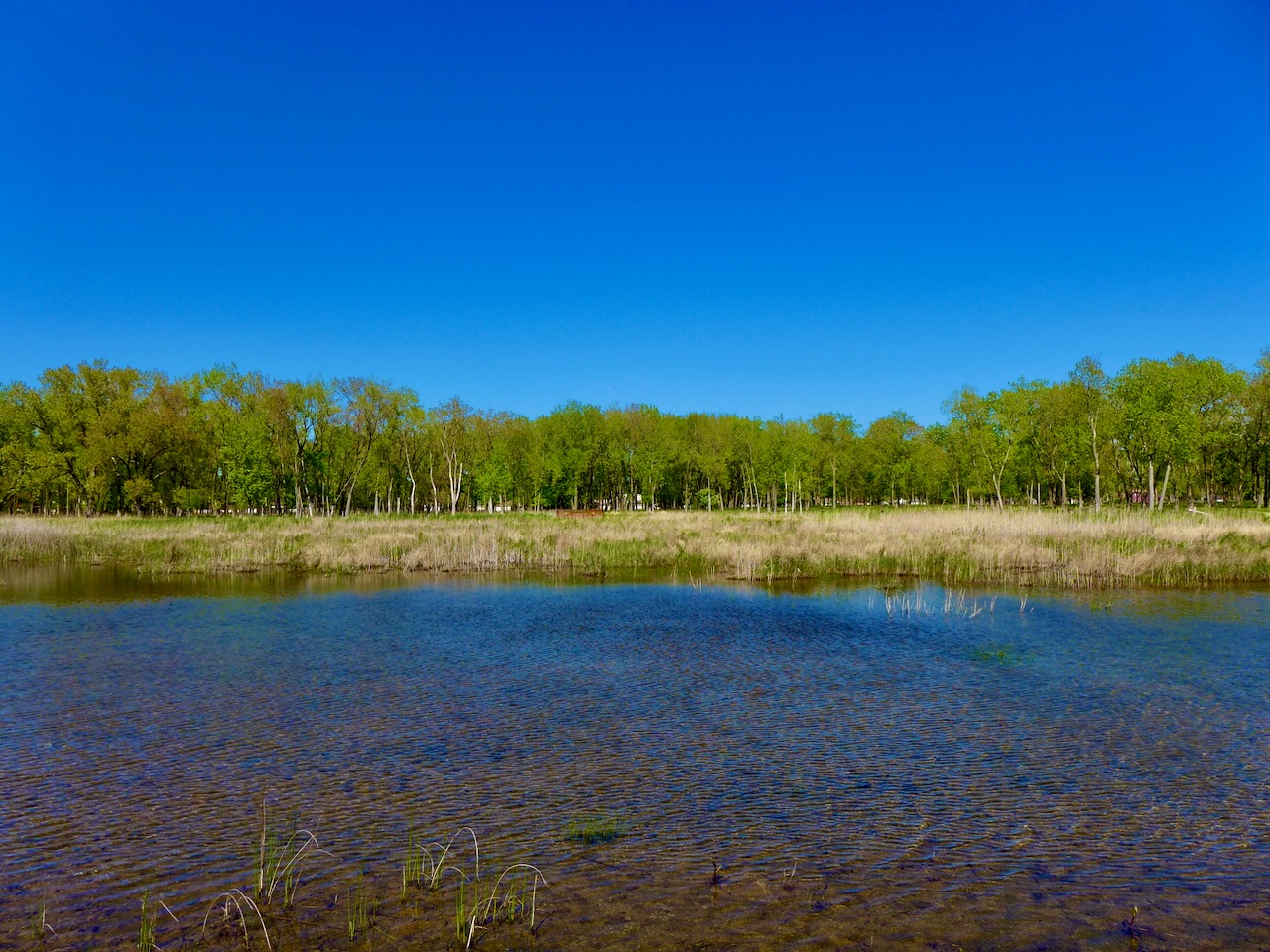
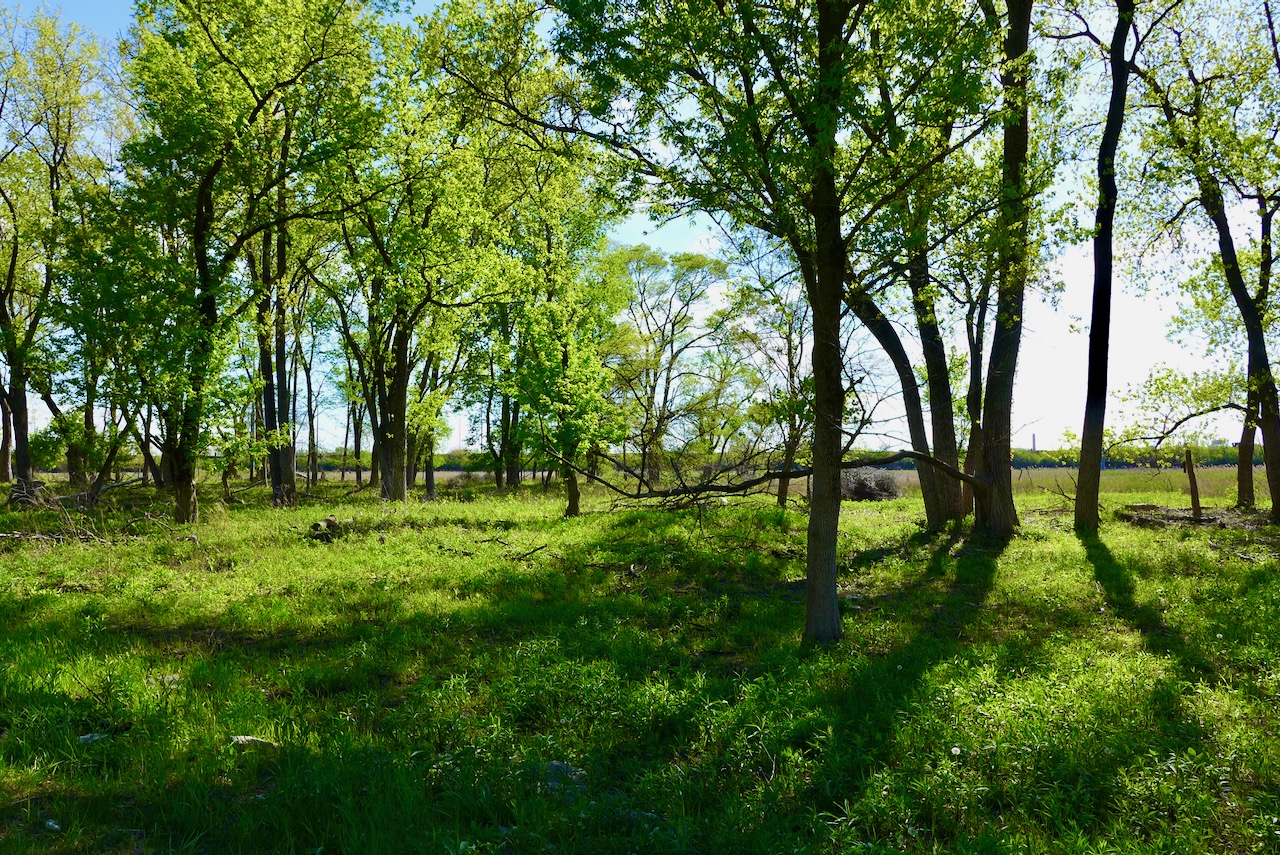
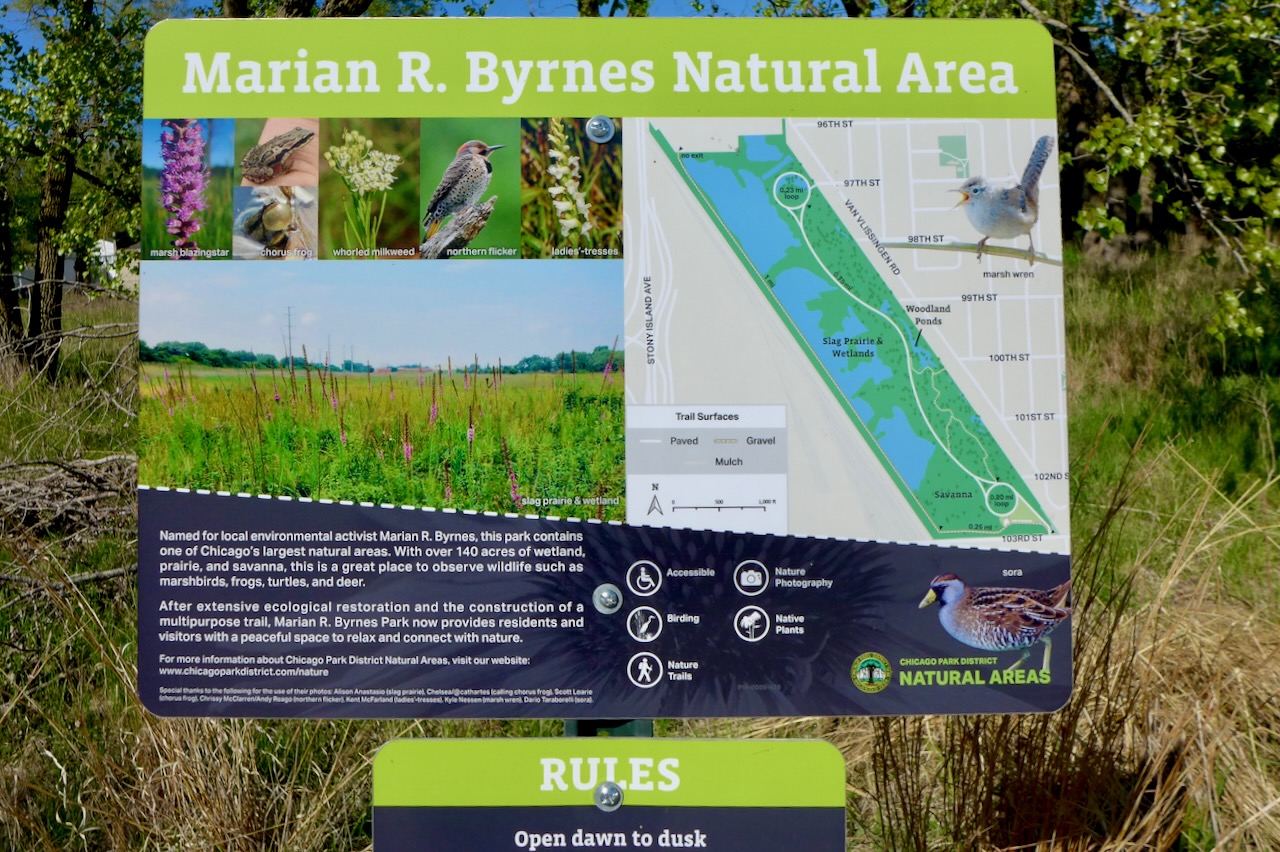
This place is a unique kind of urban infrastructure. Van Vlissingen Park has been owned by the Chicago Park District since 2011. When we first started visiting, it was an overgrown, impenetrable, Phragmites-filled mess, like many public lands around Chicago in the 80s through early 2000s.

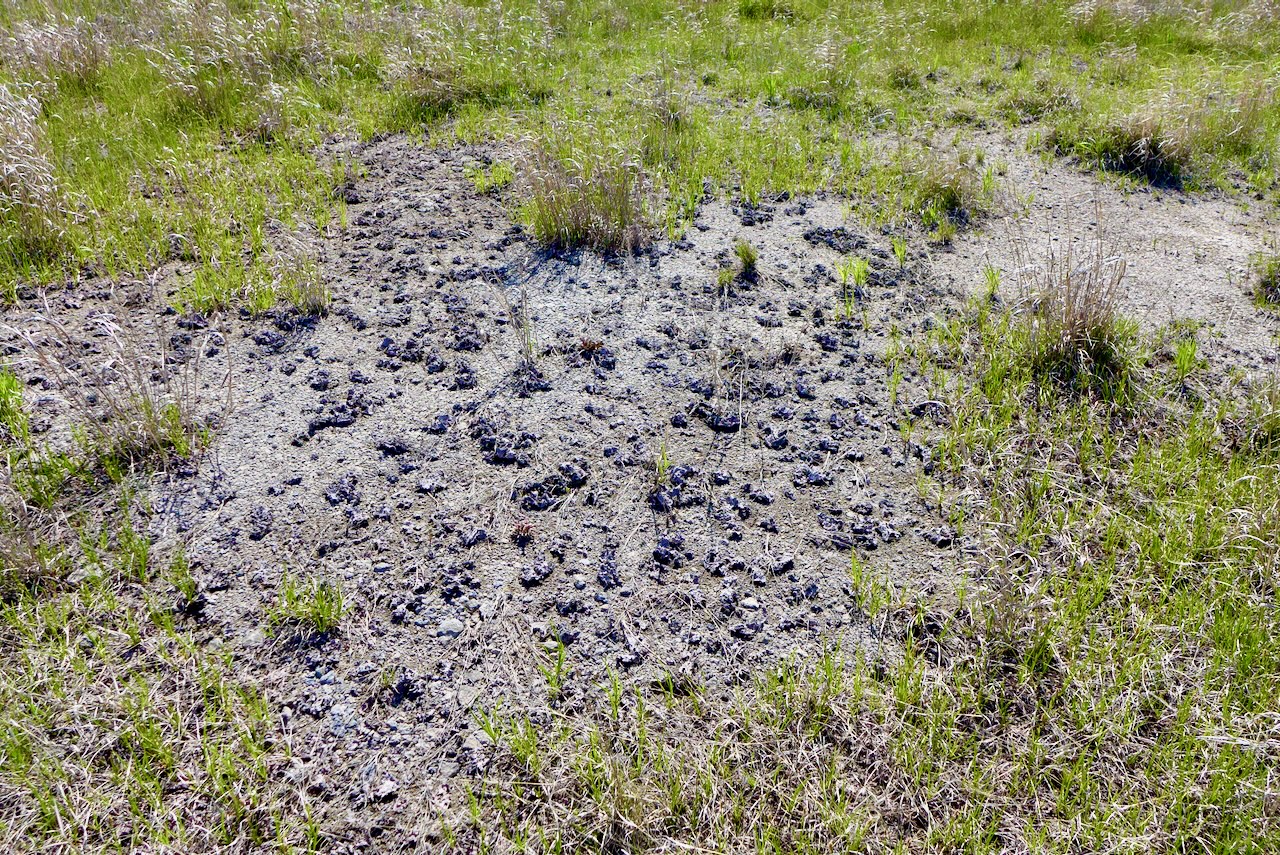
And the “habitat restoration” isn’t back to some pre-colonial time; this is no remnant habitat here. It’s a spontaneous ecosystem that moved in on a bed of slag and construction waste and has been strengthened and structured by the Park District.

This is how urban restoration works.

Some of the waste continues to erupt from layers of soil; bricks and building materials form vignettes highlighting the ever present human input into these urban ecosystems.

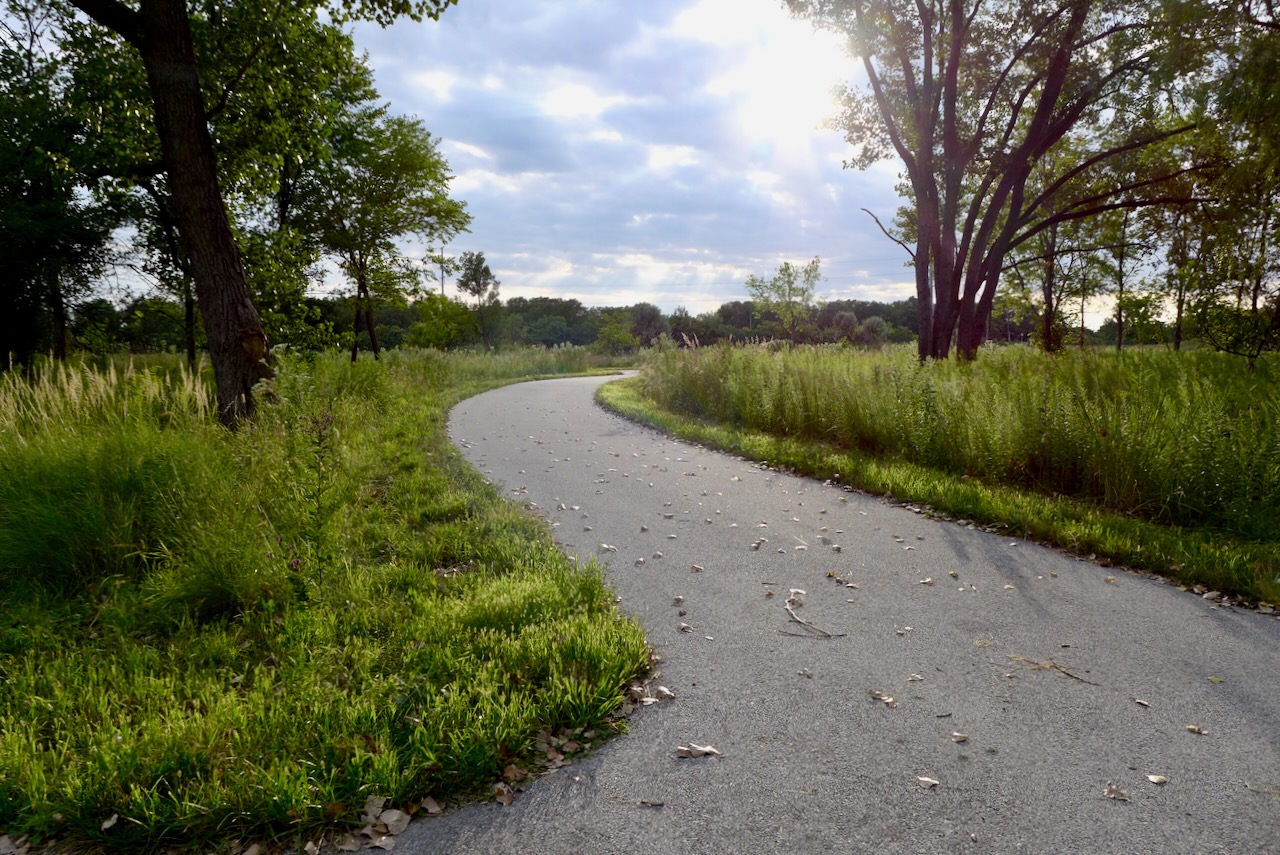
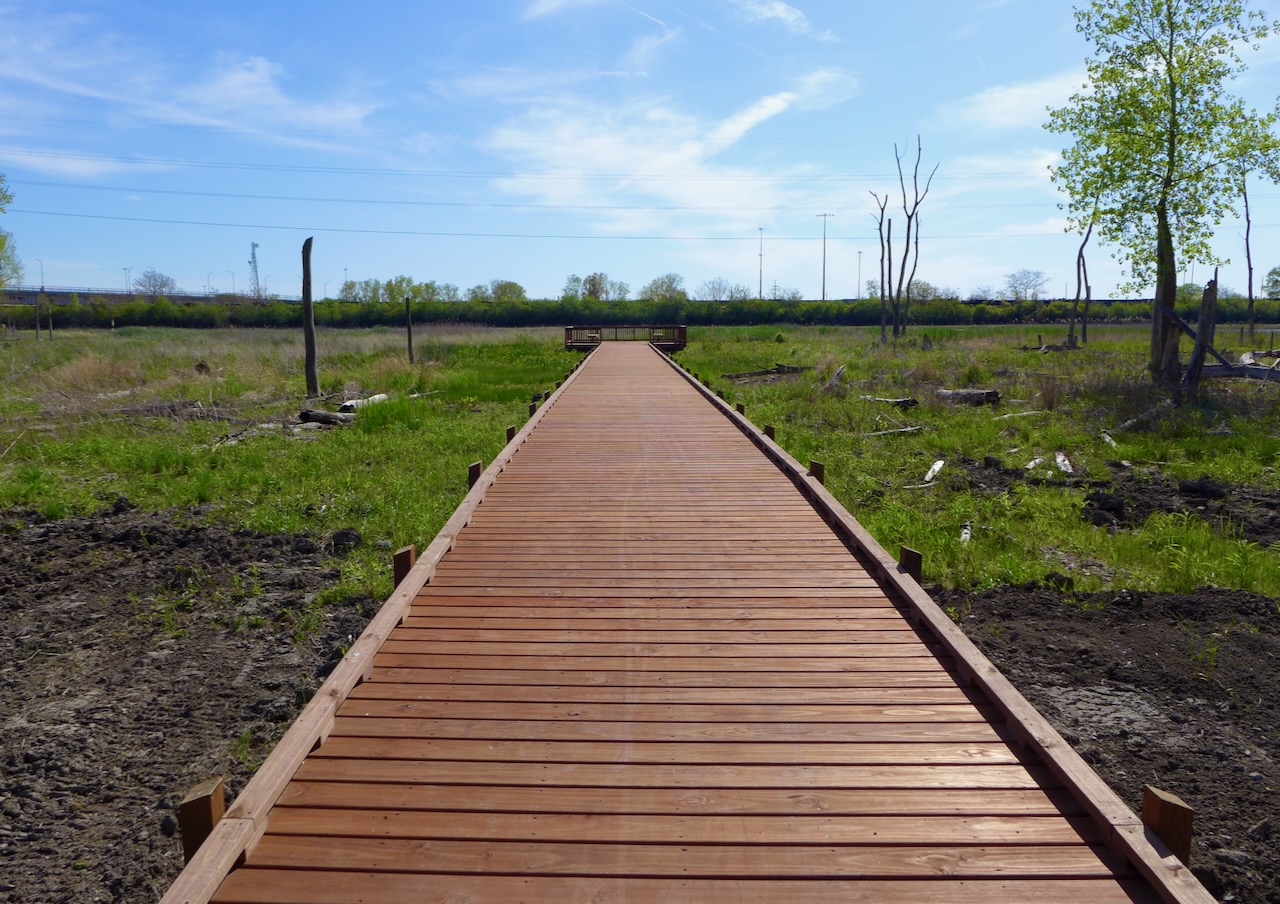
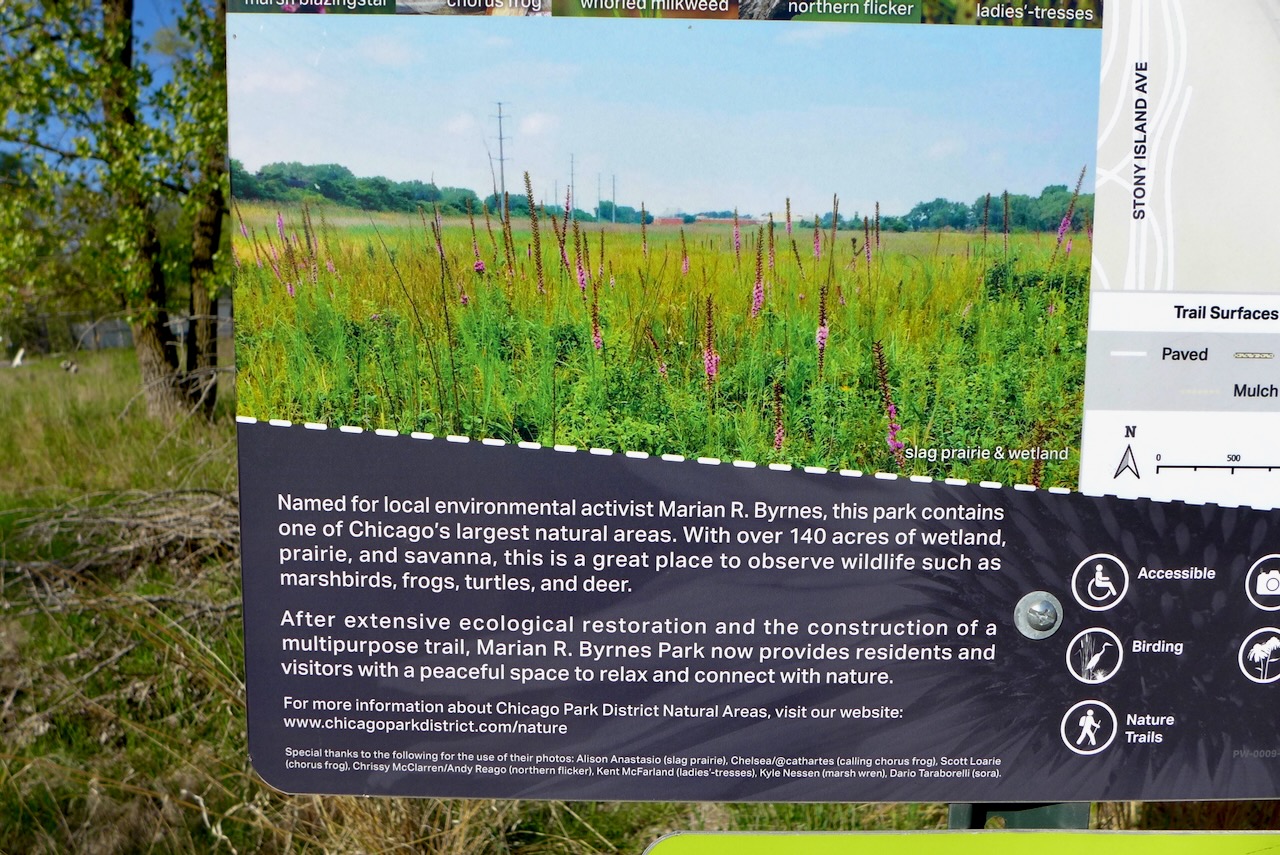
Now that it’s Marian R. Byrnes Natural Area, the beautiful slag barrens – prairie and wetland – are showcased with a boardwalk, alongside a luxurious woodland path through cottonwoods and young oaks, and an overlook at the far north side.

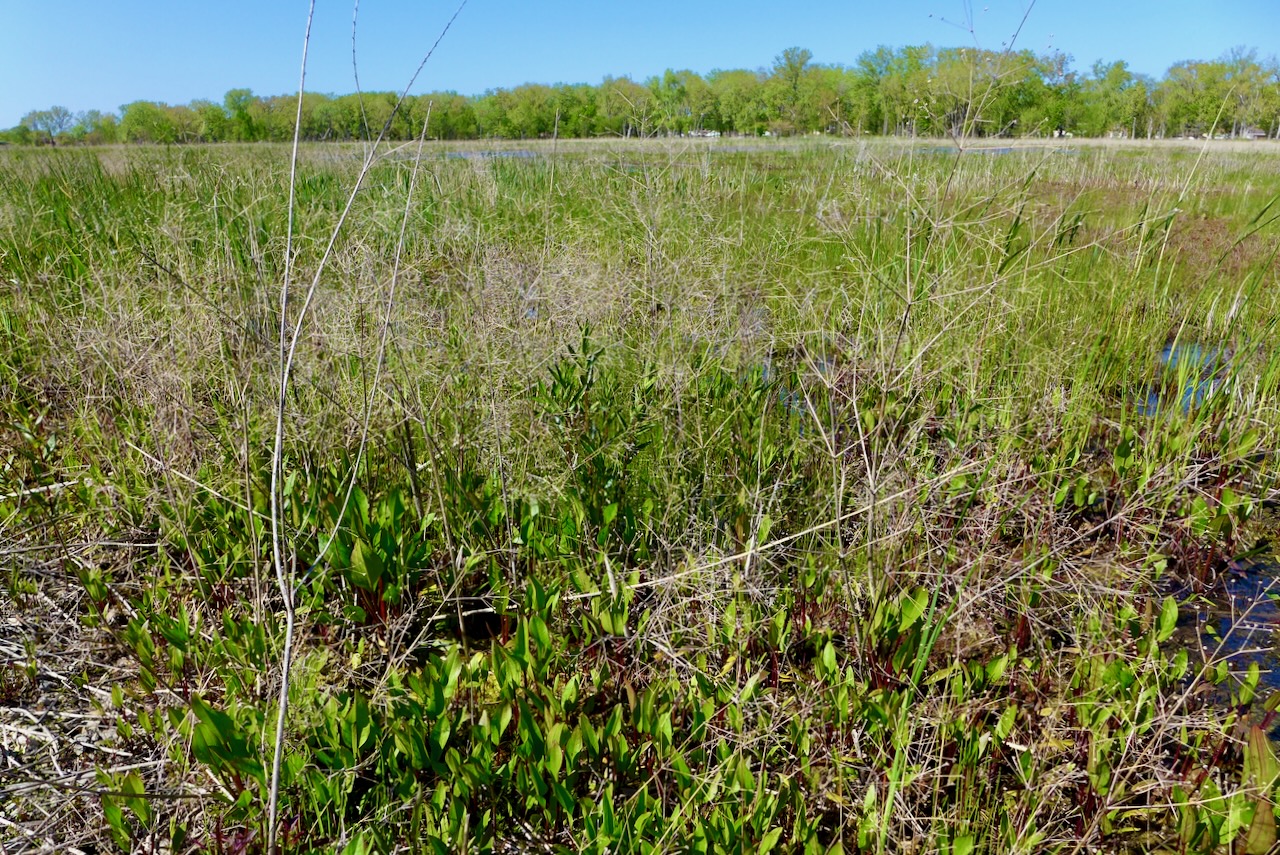
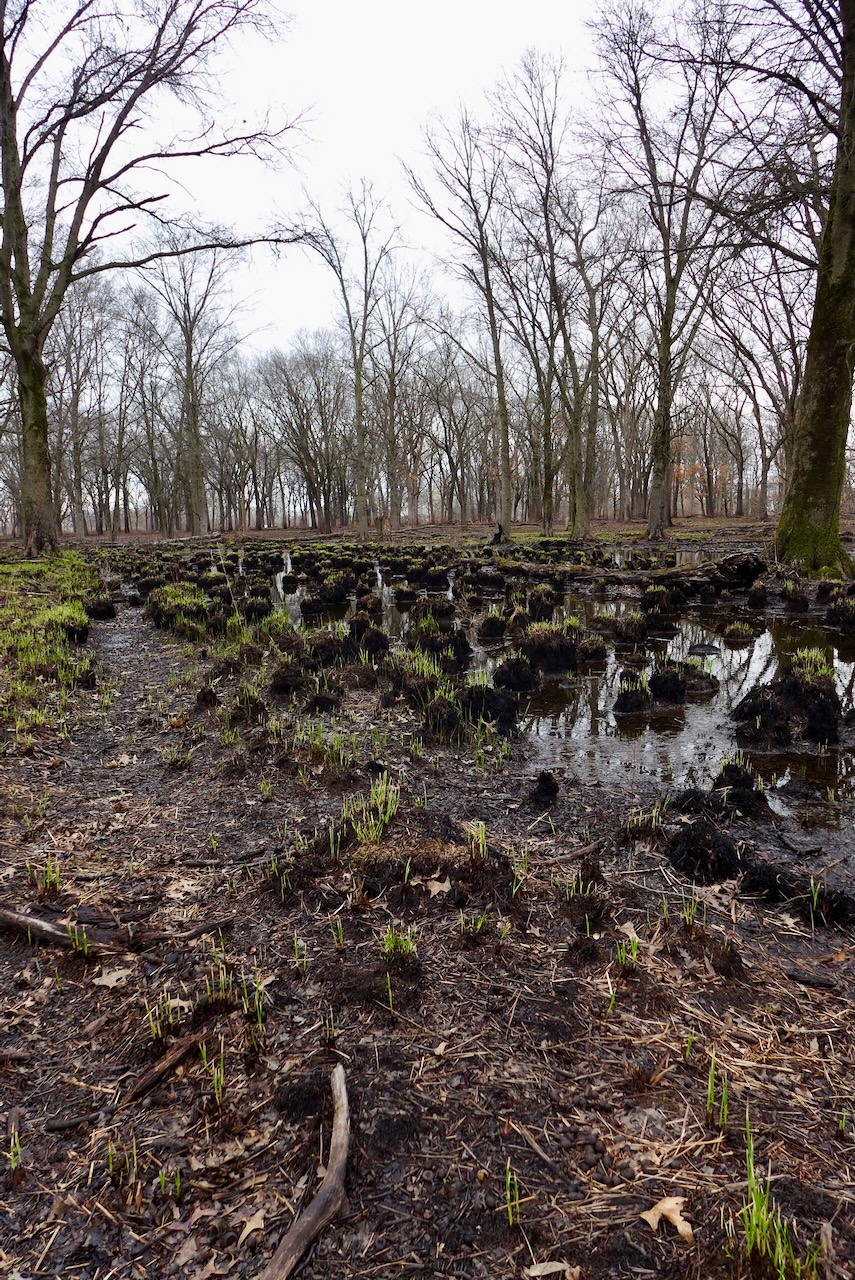
Alisma inflorescences from last year, and new vegetative growth

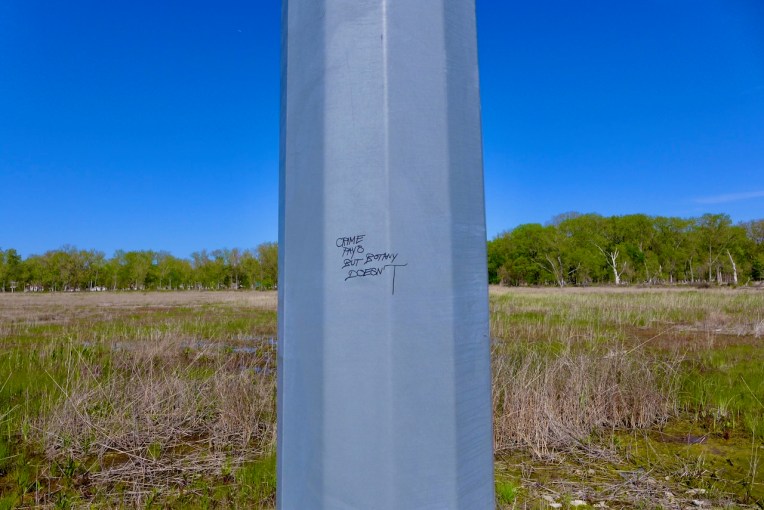
an honor for another explorer of underappreciated ecosystems to make his mark here!
with the water level down across the site, you can see balled up Nostoc, slowly dehydrating

Powderhorn, Chicago IL • April 2025

Powderhorn encompasses a vast tract of land, owned and managed by the Forest Preserve District of Cook County, on the far southeast side of Chicago. It’s a stocked lake with fishers all year round, an award-winning remnant dune and swale habitat,

a to-be-acquired industrial lot with rail tankers, a railroad track lined with Phragmites, and disused land in a residential district made into an urban sponge that captures rainwater and drains it in to the lake. Altogether, it makes a really nice urban greenspace

that works with the land and hydrology and habitats, and enhances what they already are (minus some invasive species and plus some light mowing). Check out this terrific Storymap about the most recent restoration project!

…

…

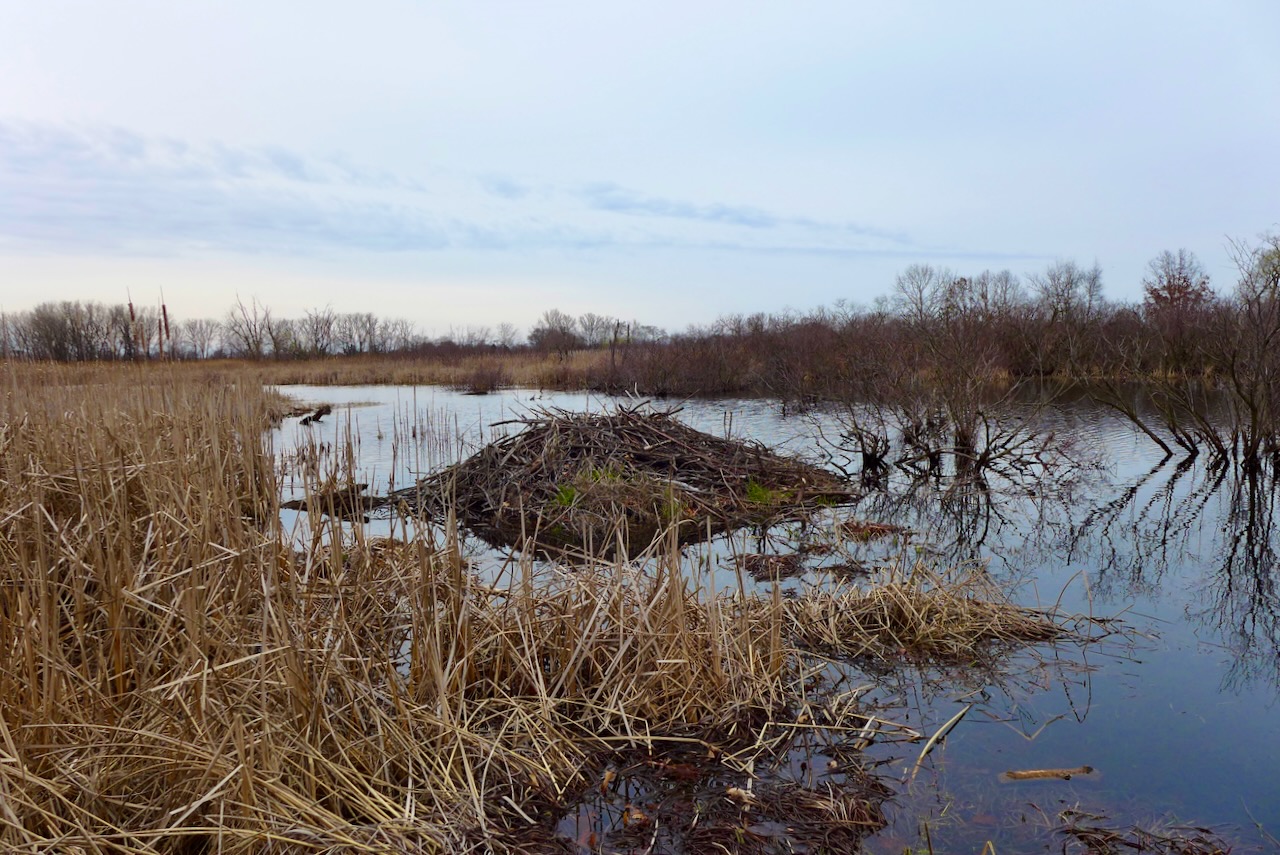
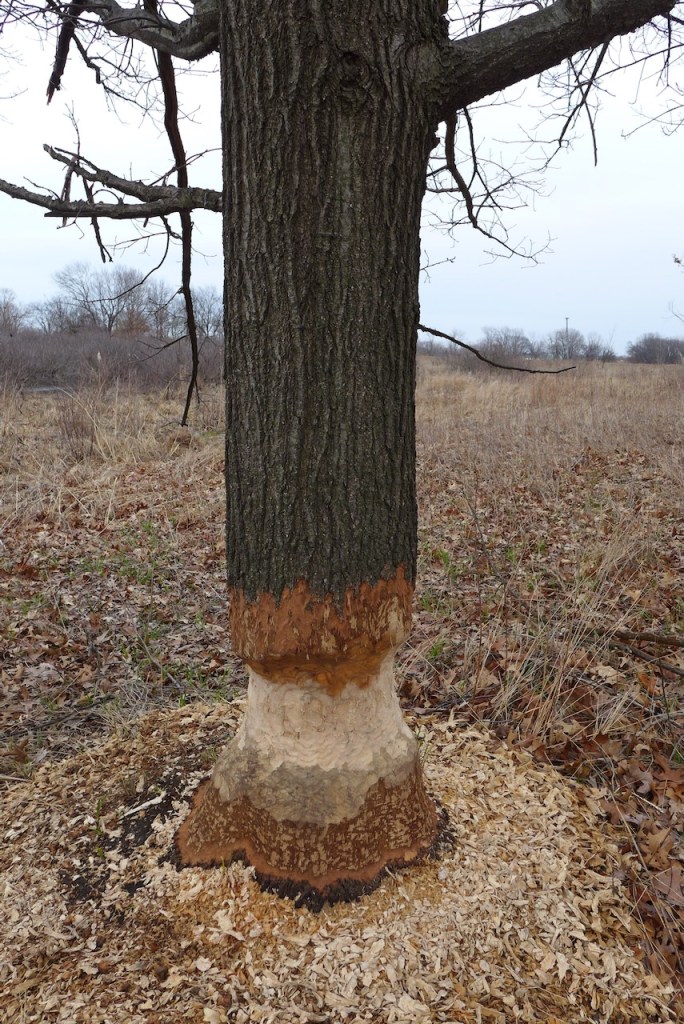
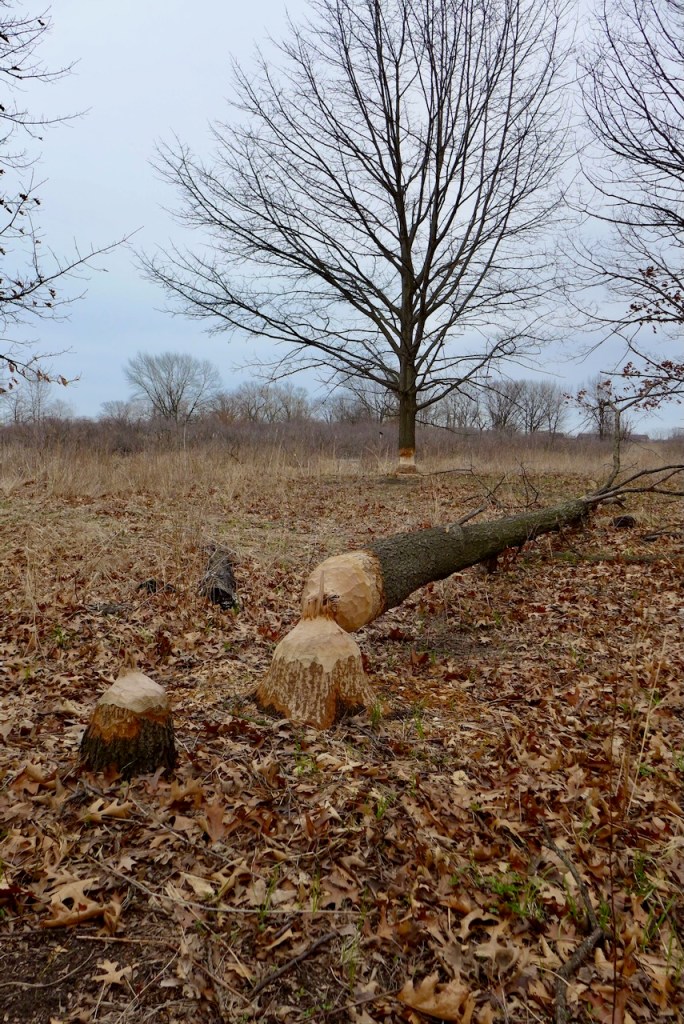
We saw lots of evidence of beavers!

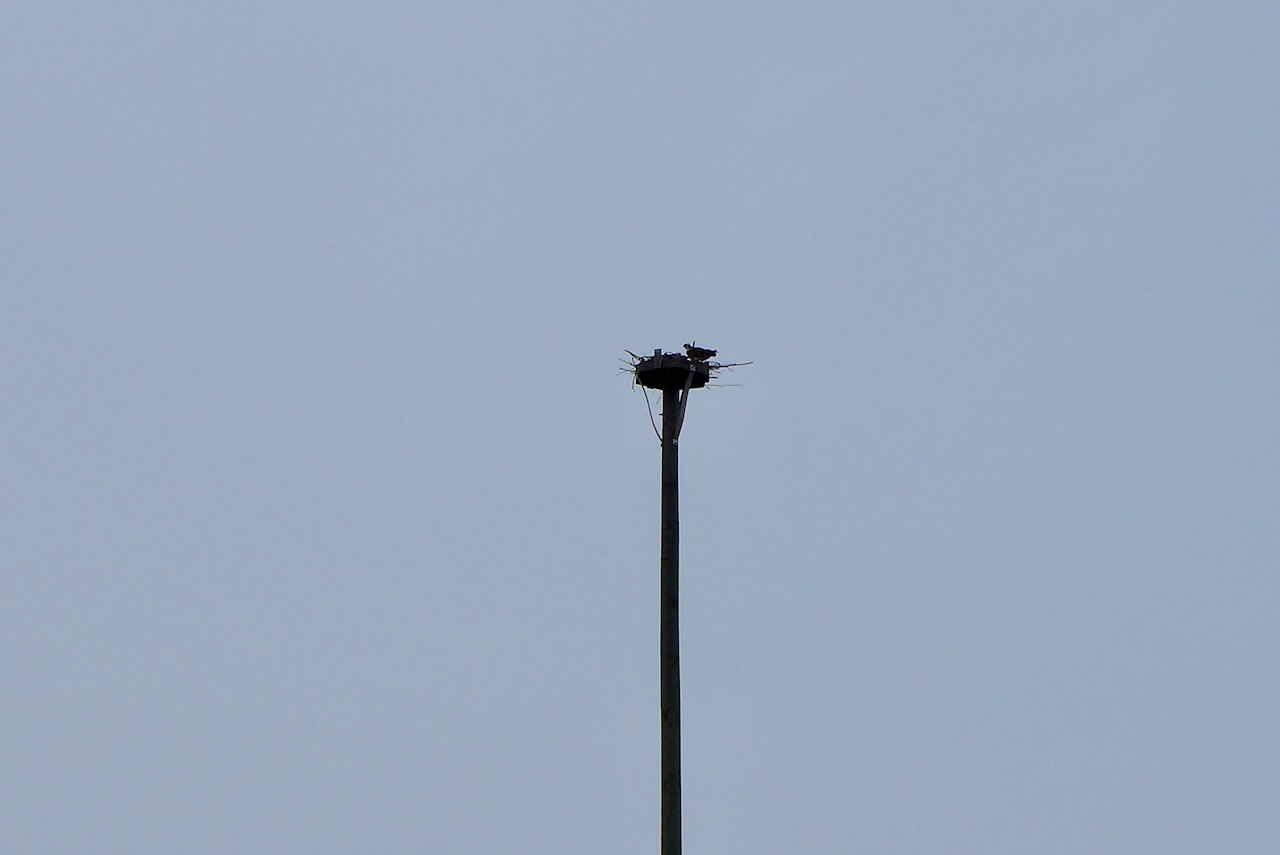
and other wildlife — like this osprey on a nest on a human-constructed osprey tower!