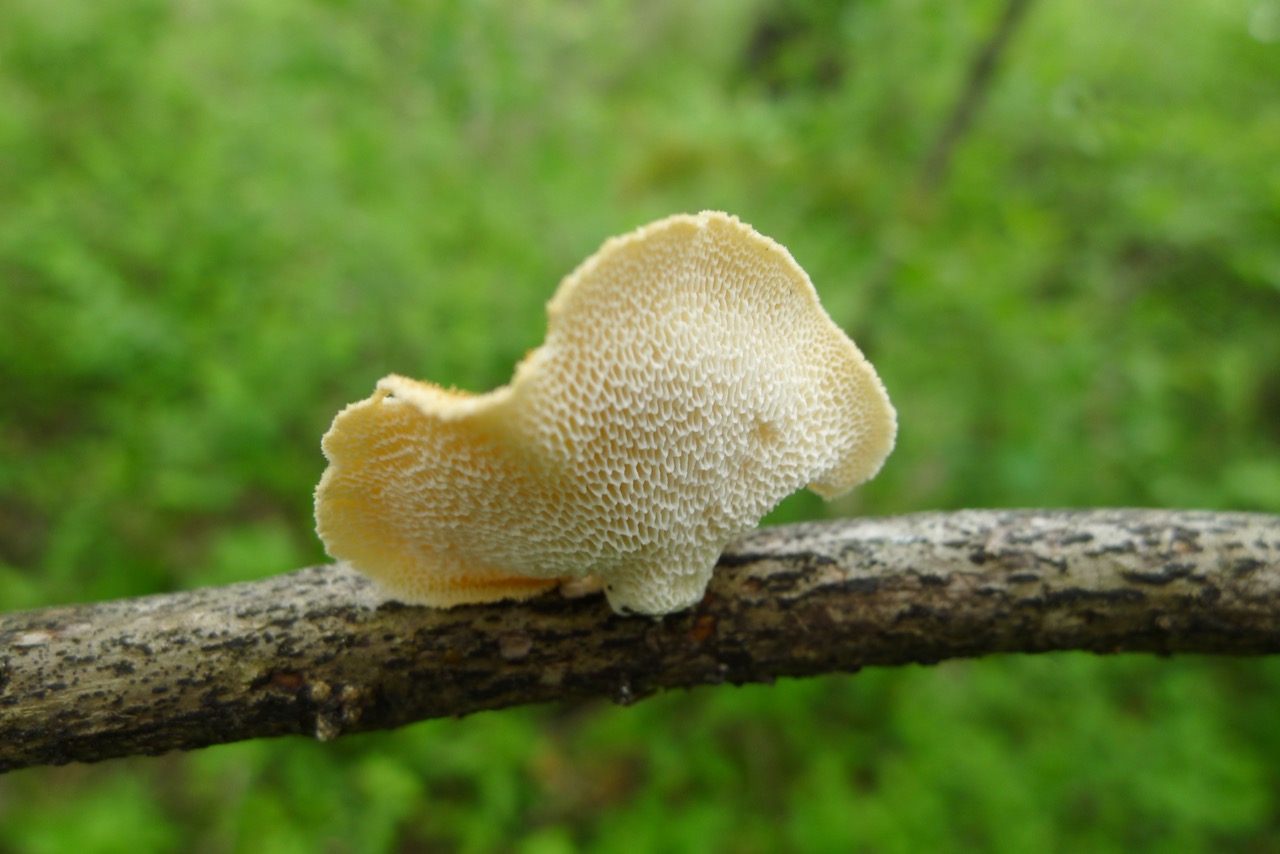
I love Northwest Indiana and the Indiana Dunes. It was my first anchor to the Calumet. I’ve had lots of proto-CRAC adventures to Cowles Bog, spending days laying on the beach, watching bugs and primary succession, and making short nature films in the woods and on the trails. At that place, surrounded by explicit monuments to industry and progress, there was no way to avoid the truth that all nature is and has been affected by humans.
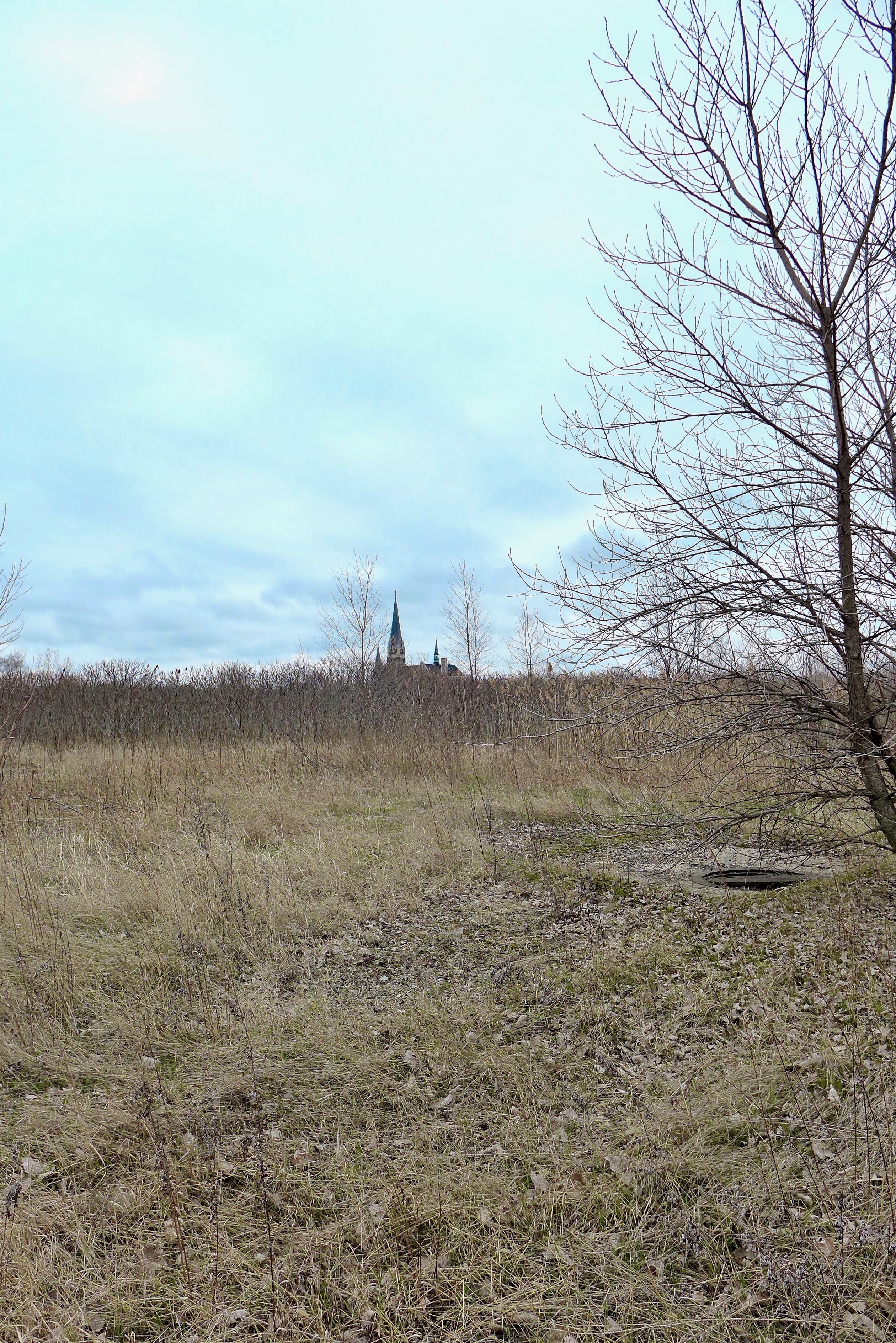
In July 2026, we continued our exploration of Woodlake Dunes Savanna, part of the parcel of INDU, in the eastern most part of Gary. We’ve driven past it hundred of times and though just half a mile from Hwy 12/Dunes Highway, the screen of dead trees and Phragmites along with a moat, always seemed to preclude a “quick look.”
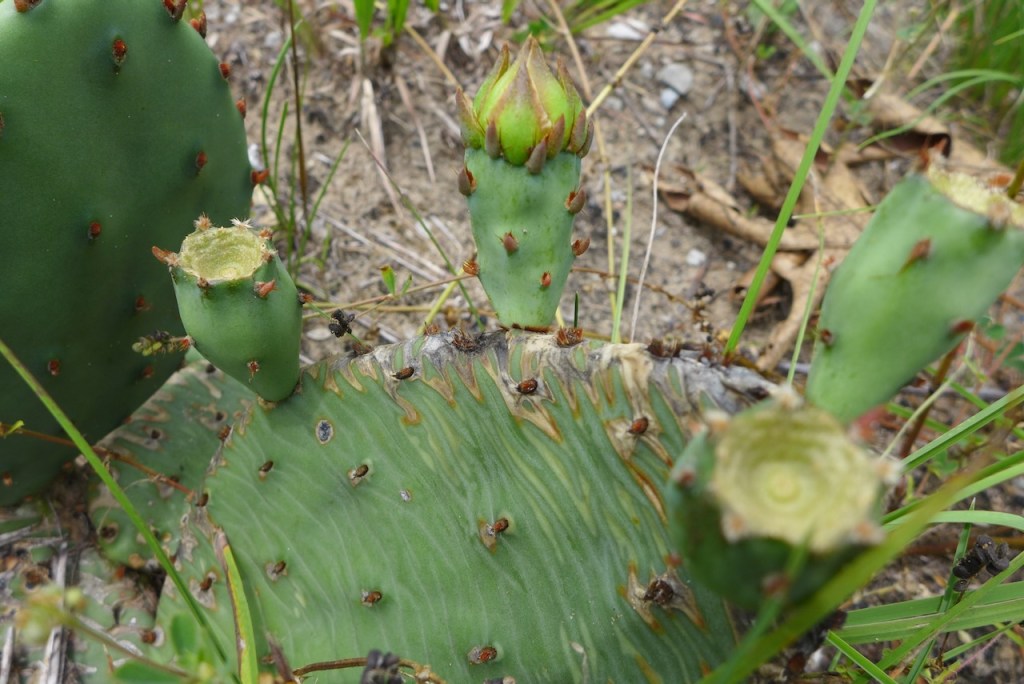
Once off the highway, a modest neighborhood is surrounded by a landscape that is obviously cared for. The lack of flydumping, trash, and invasive species make the view on the north side of the street a green tableau, with prickly pear cactus in the front yard.
It was a glorious day when we did visit: sunny and not too hot or humid. A treat for July!
I look forward to learning and sharing more about the history of this site, and of the incredible high quality dunes, swales, savannas, pannes, blowouts, wet prairies, and ephemeral ponds that are in Gary, Indiana! Don’t sleep on nature in the Region!
—
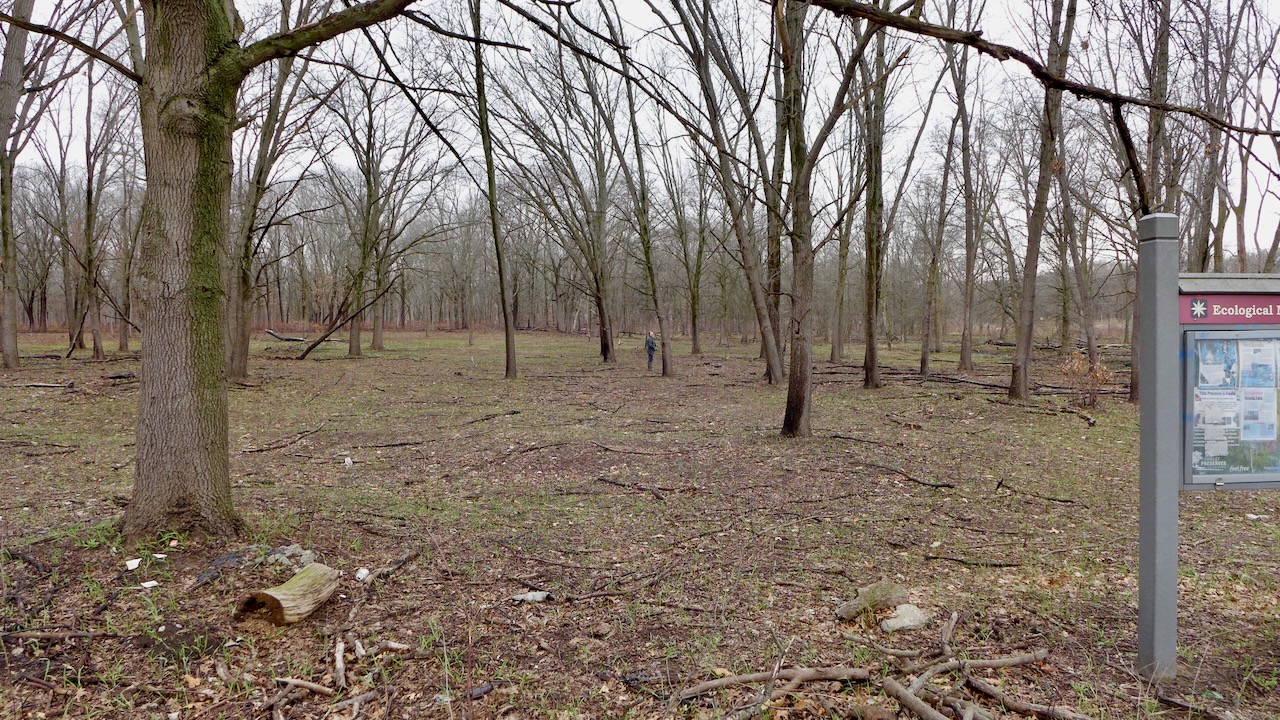
We started in a sand prairie as we approached dune ridges and oak openings.
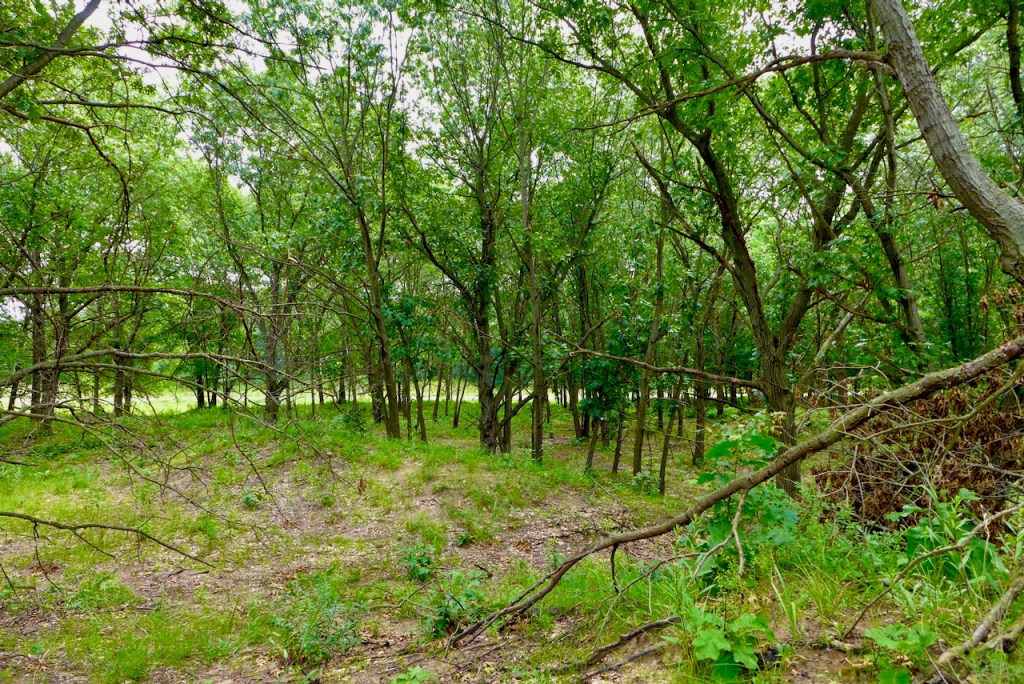
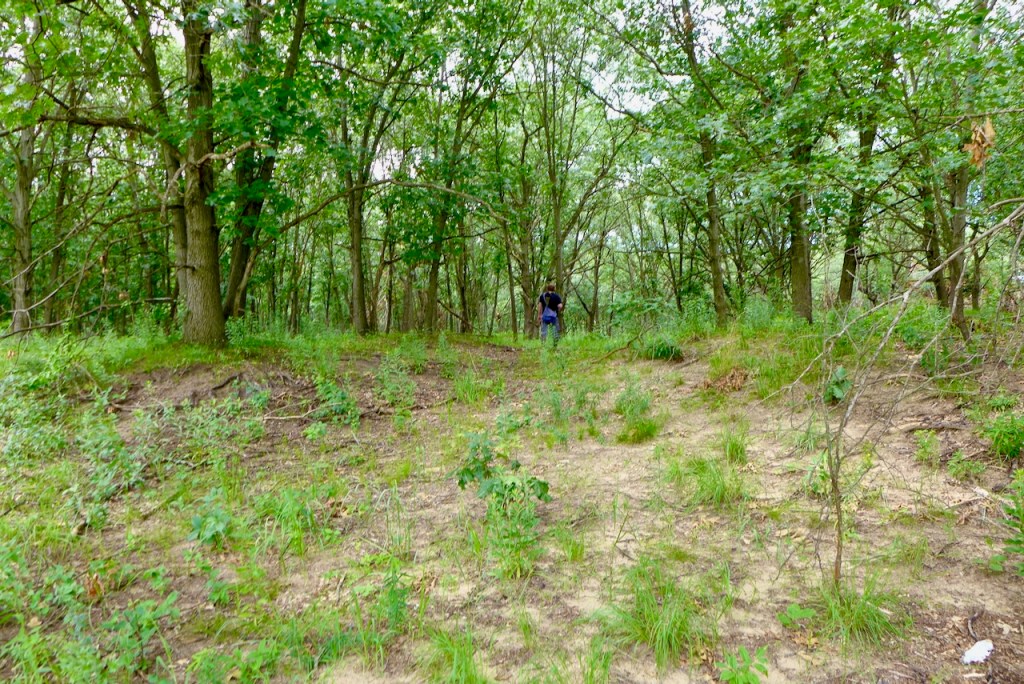
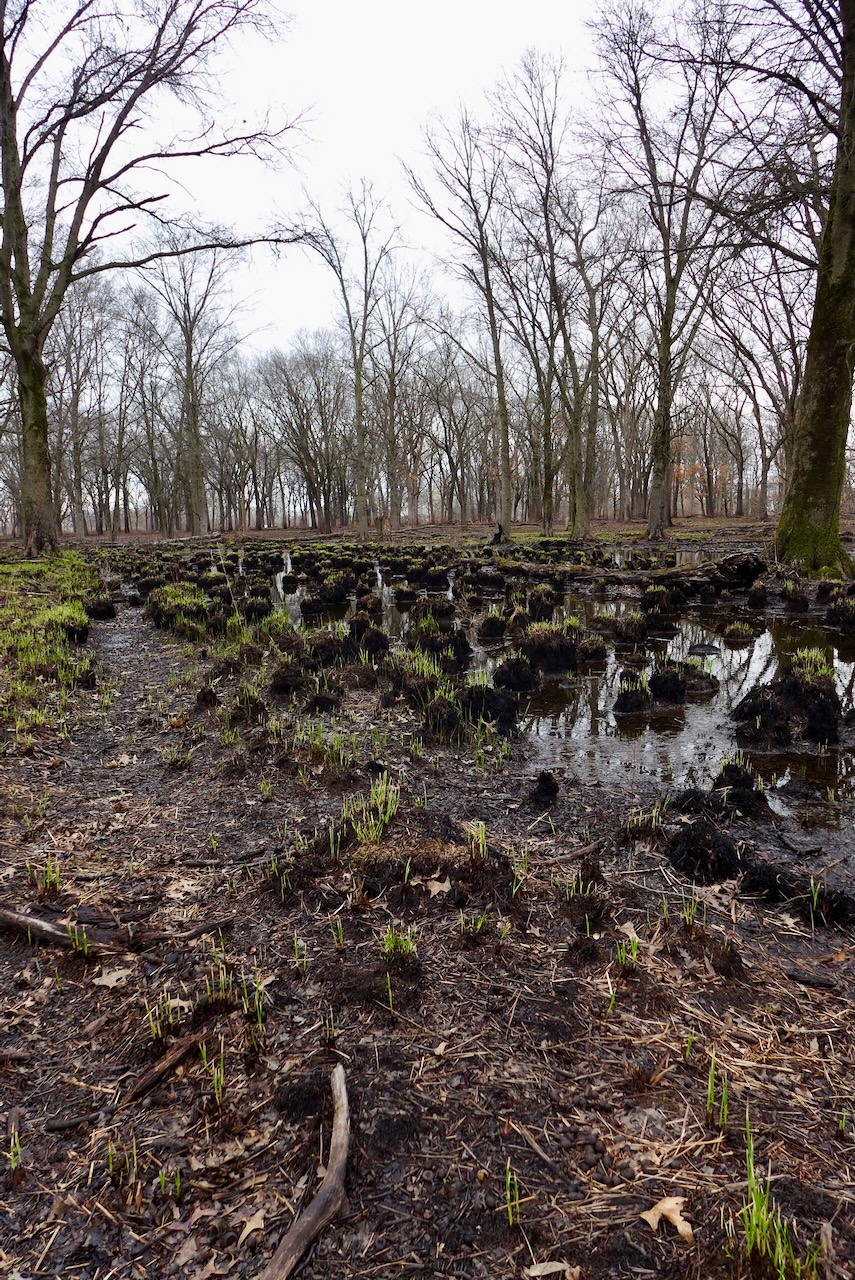
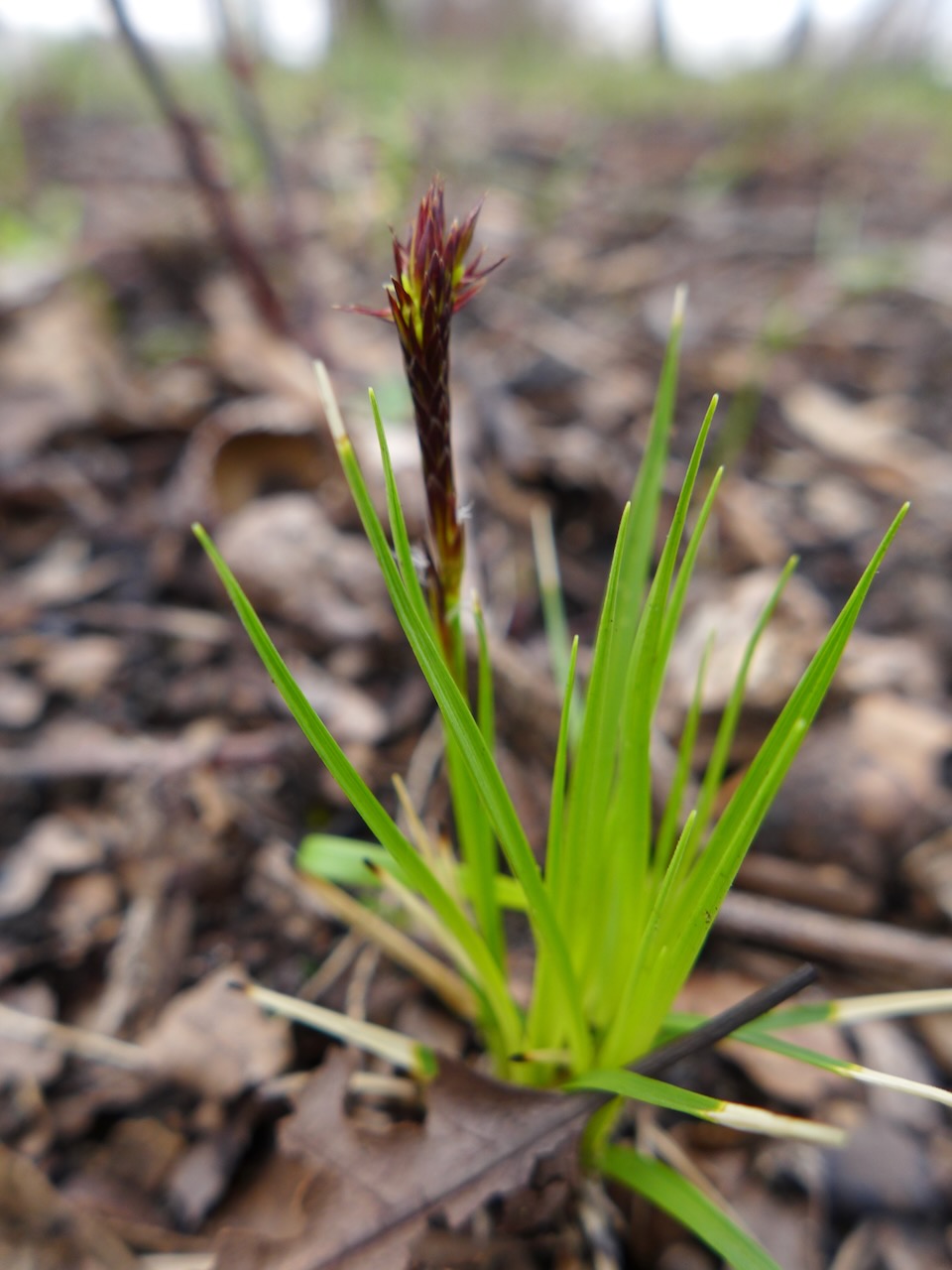
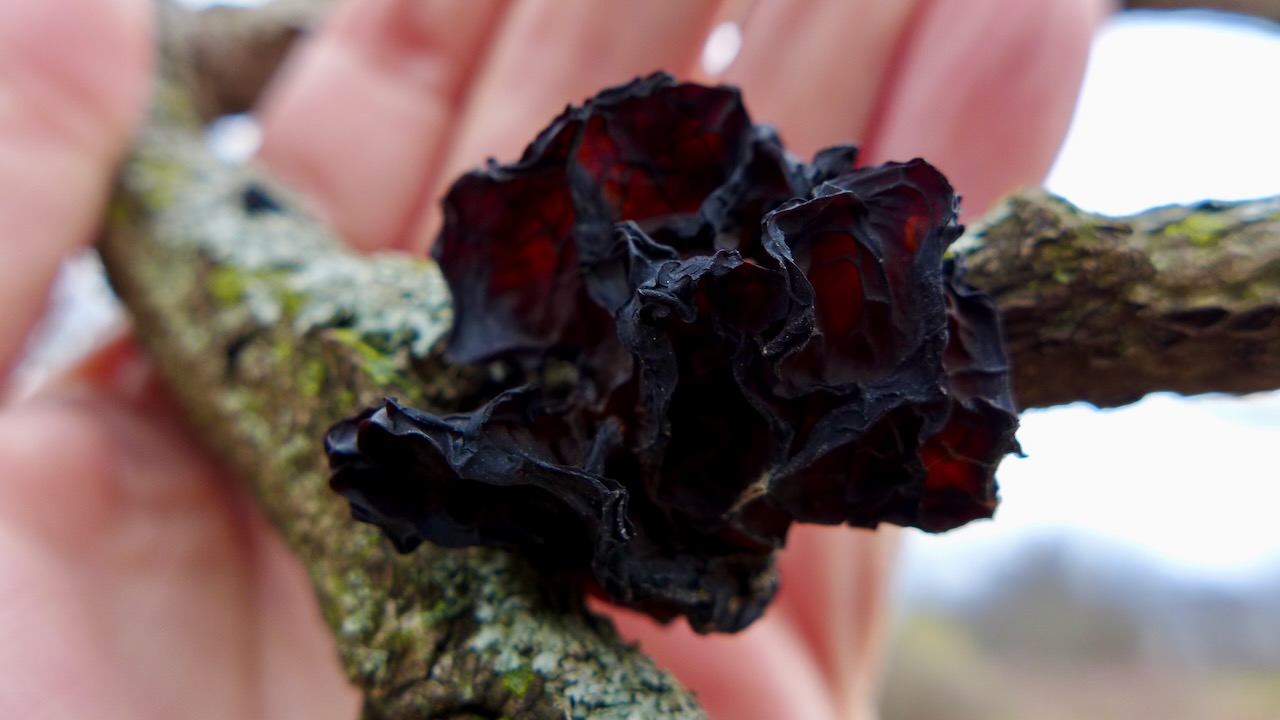
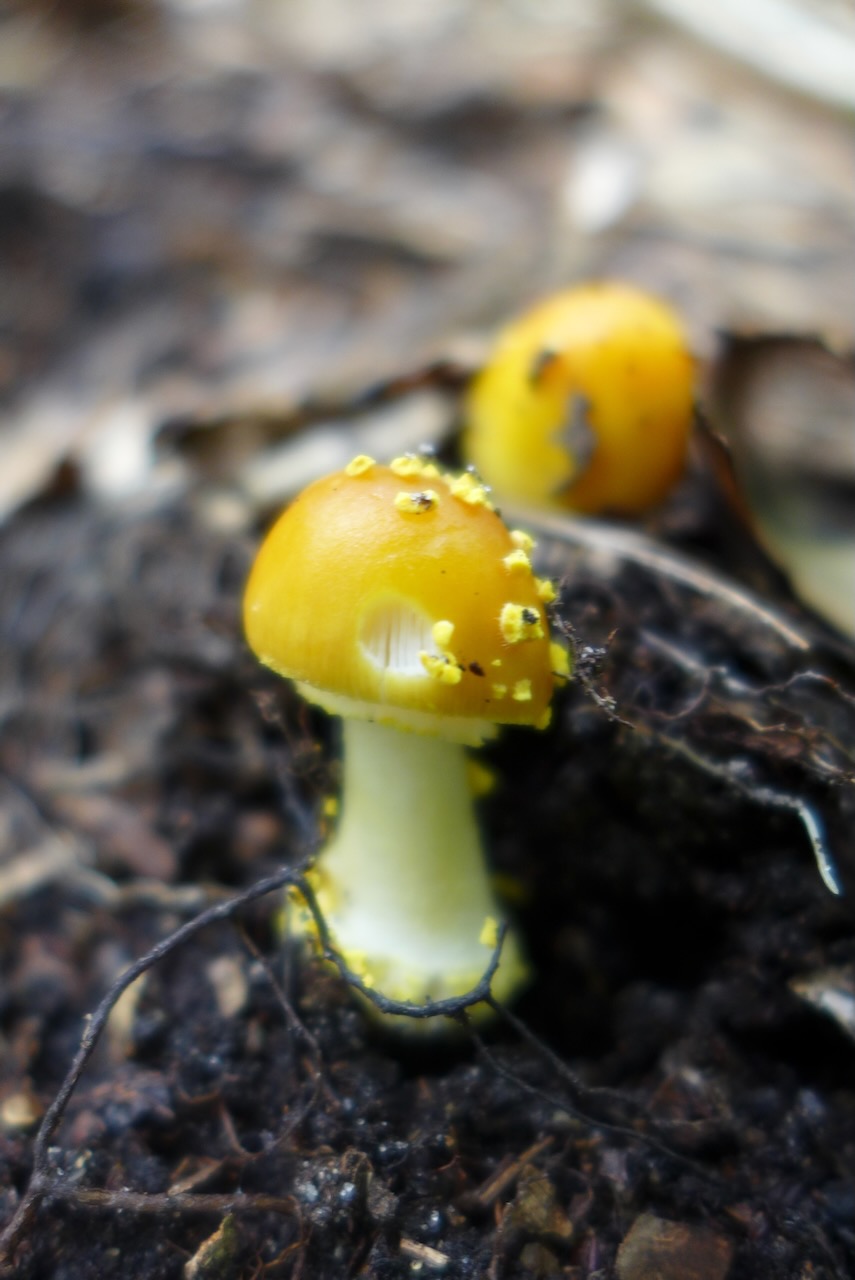
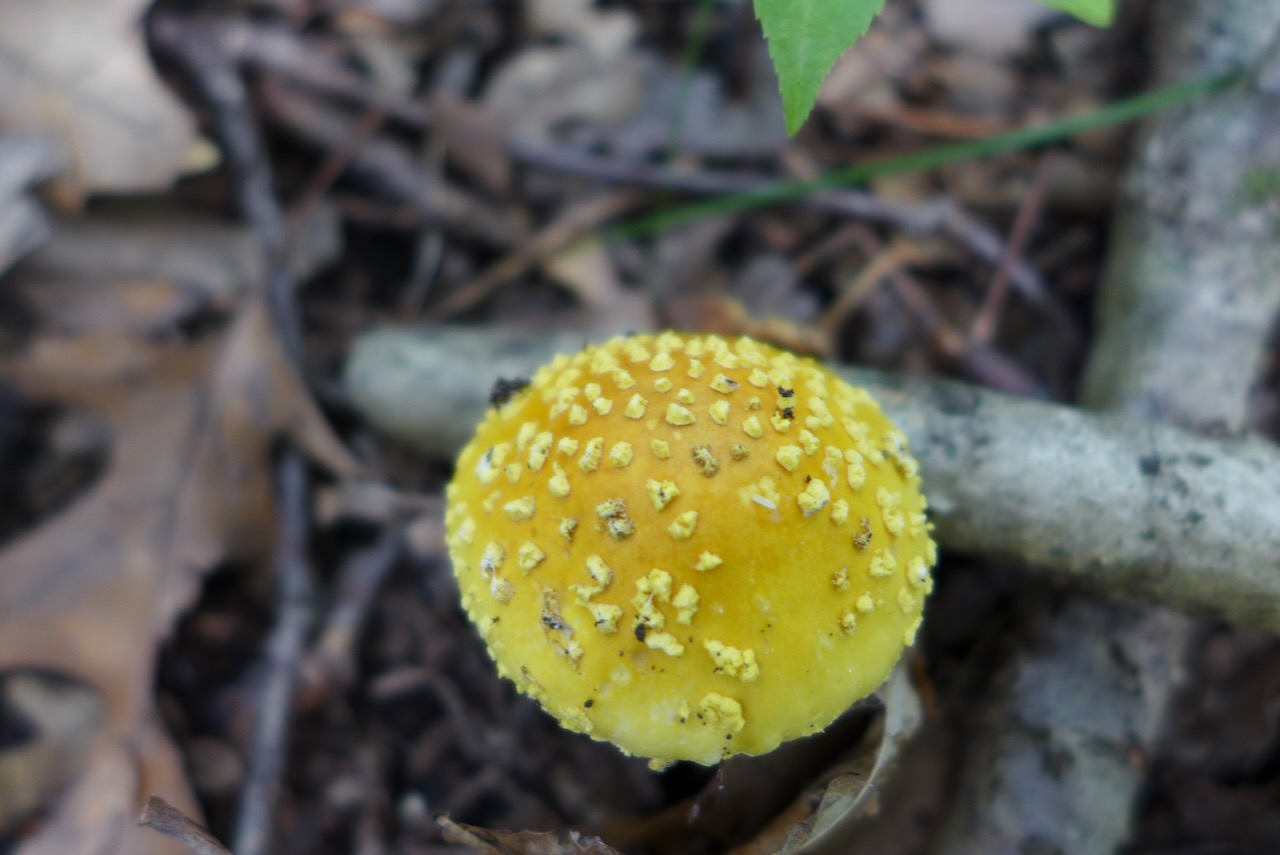
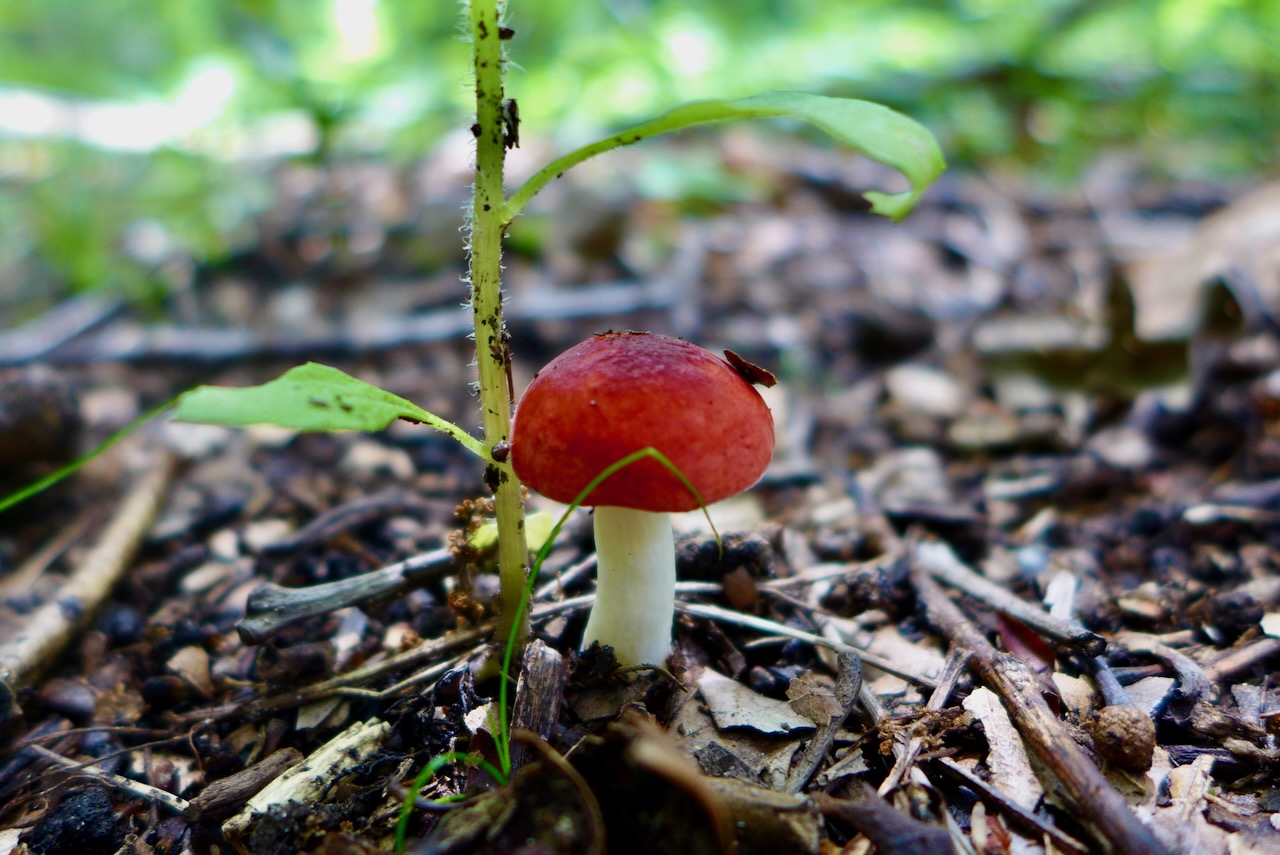
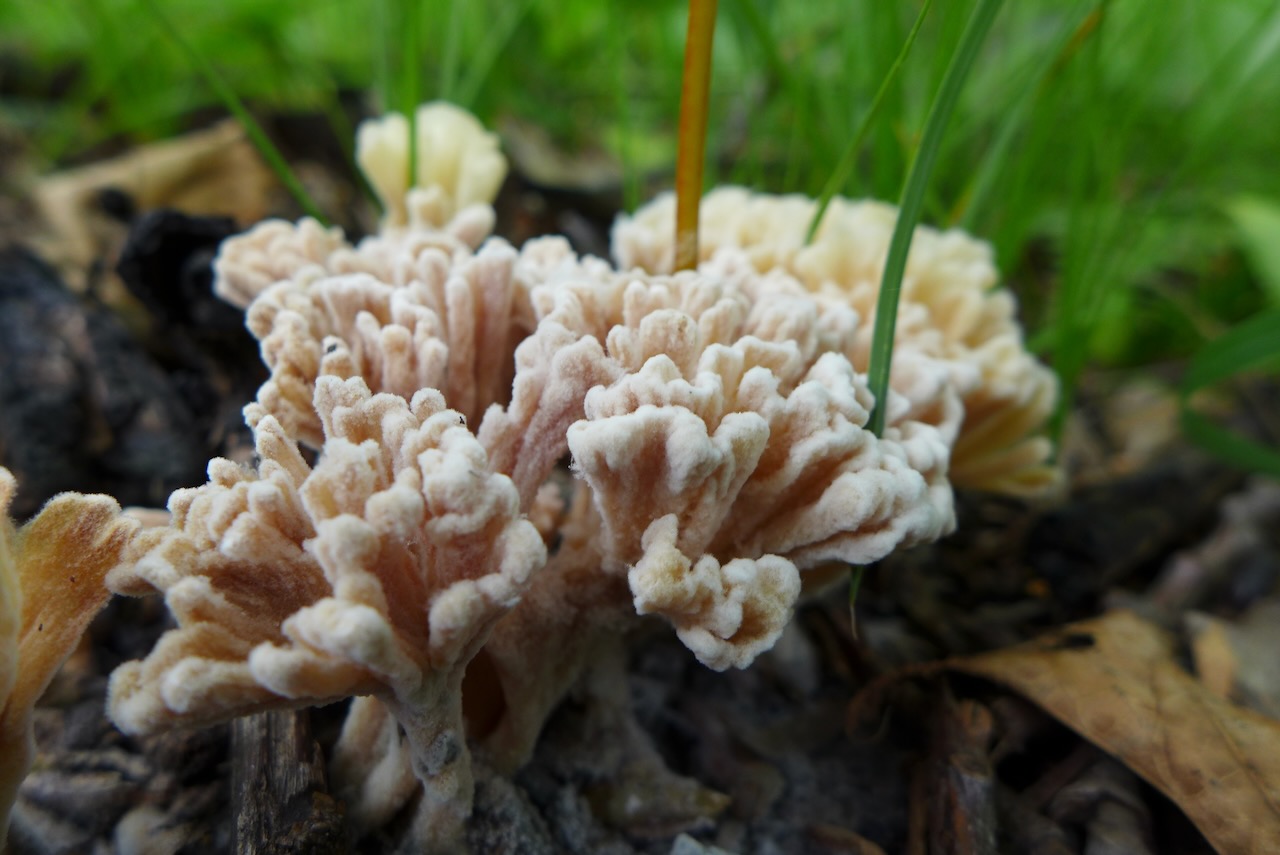
In the woodland, we found a lot of round friends and a few squiggly ones.
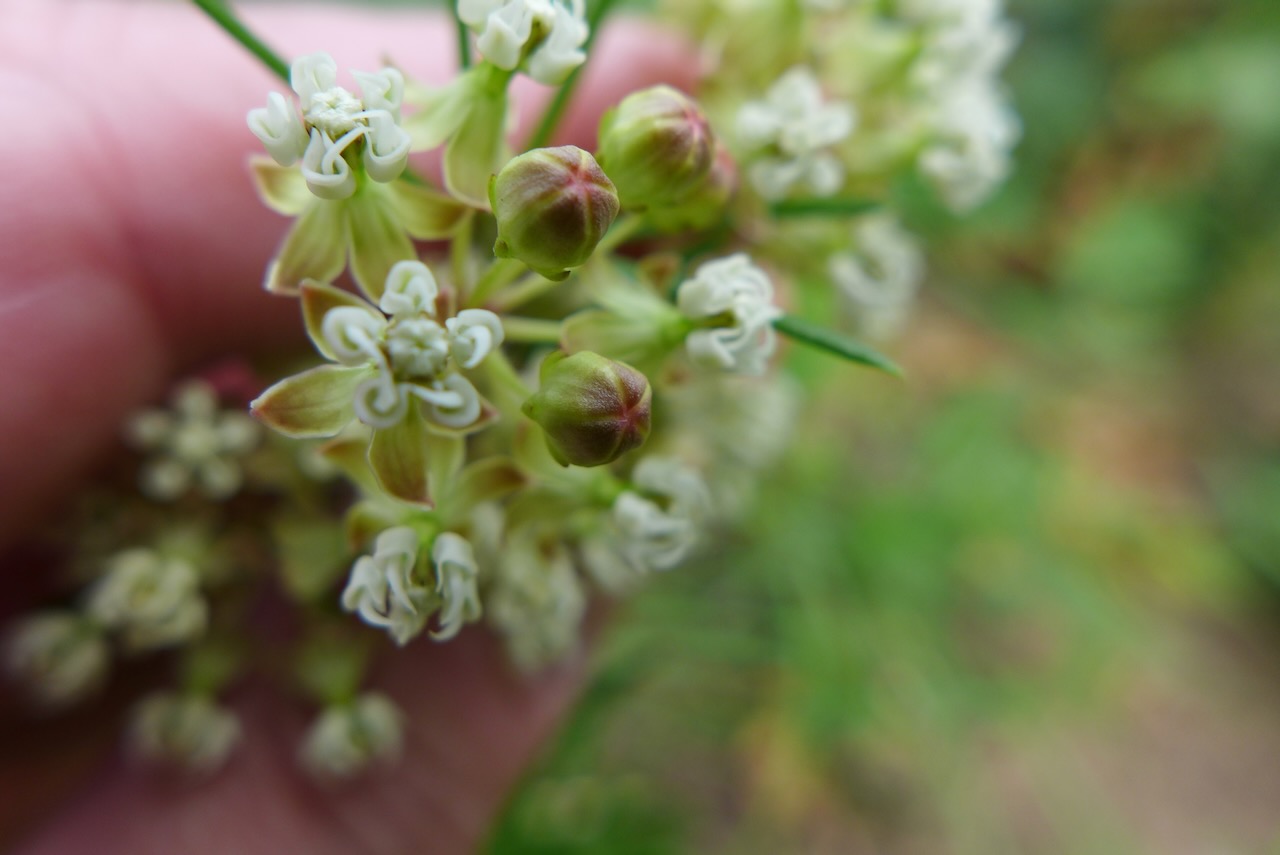
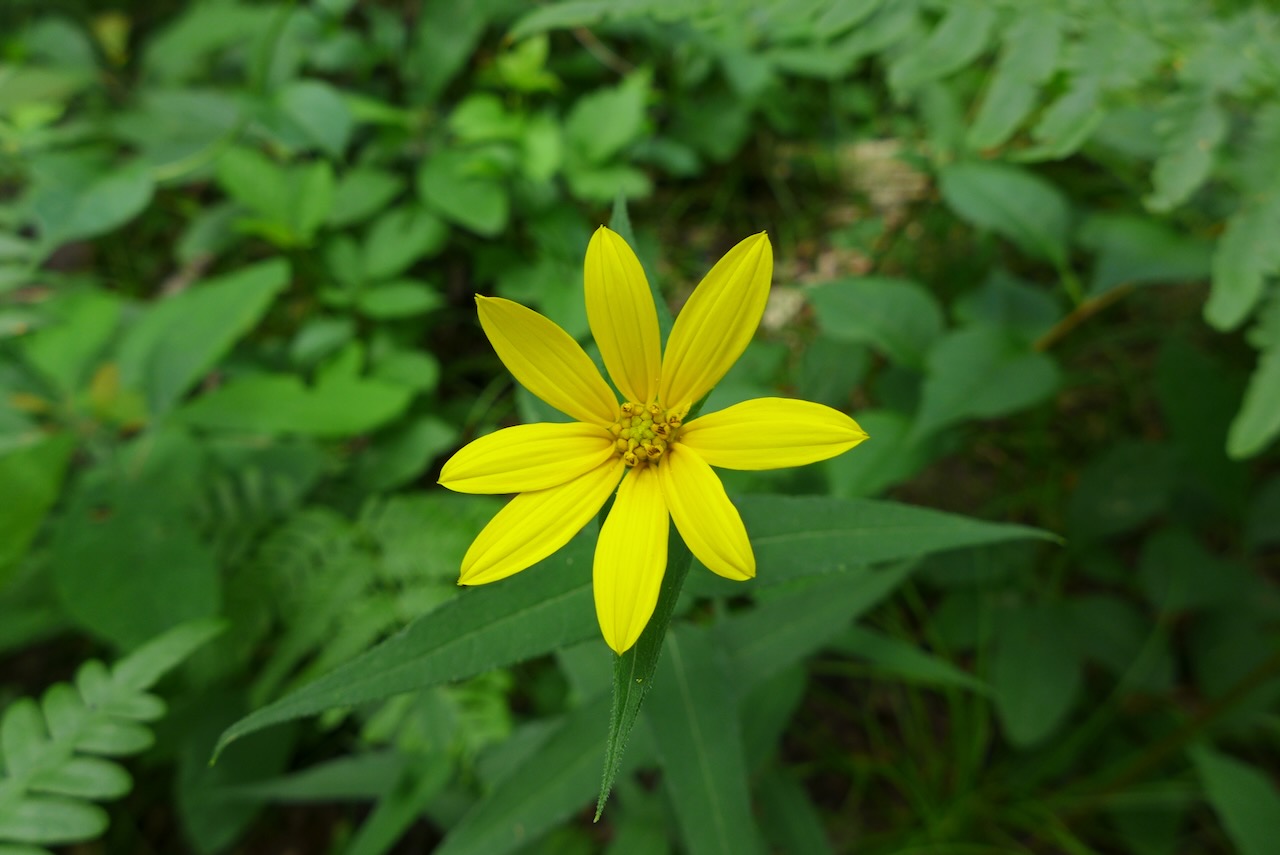
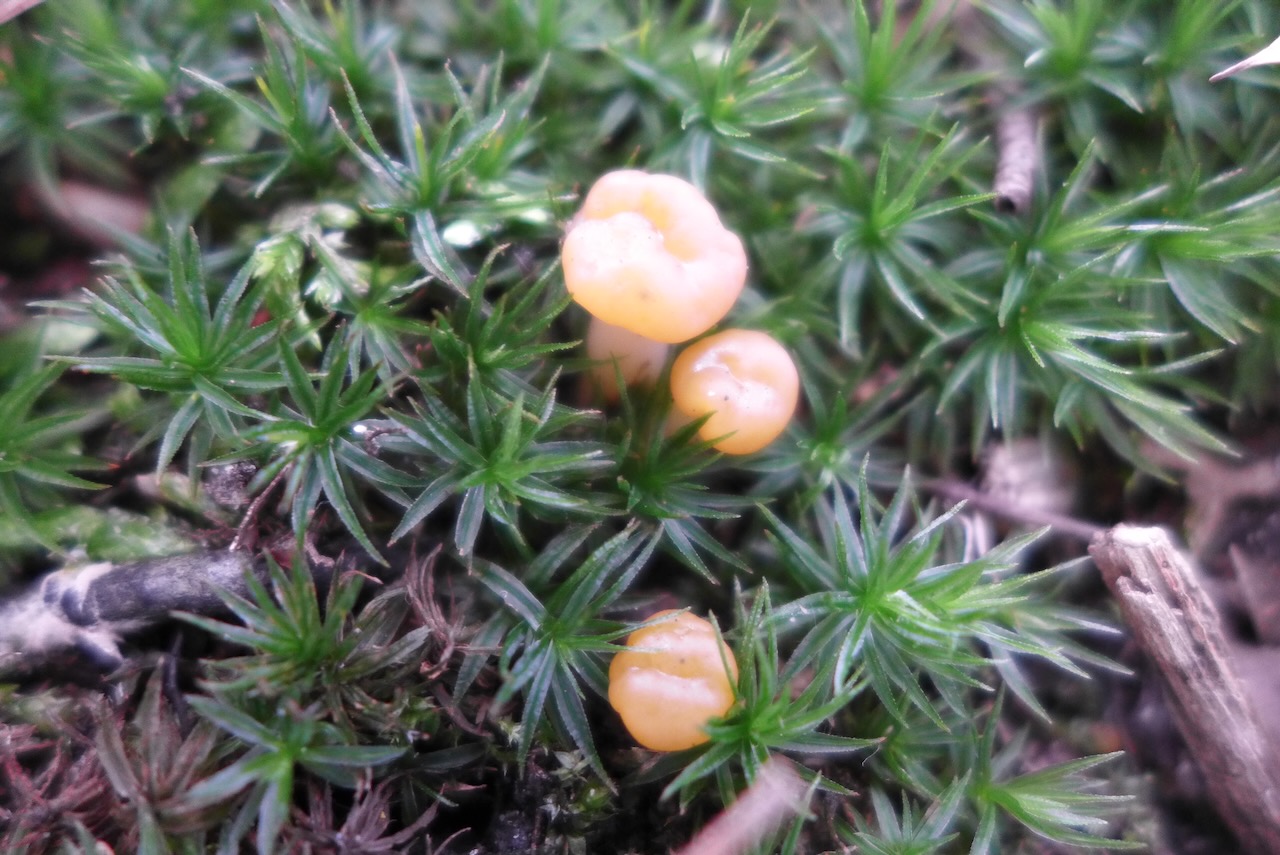
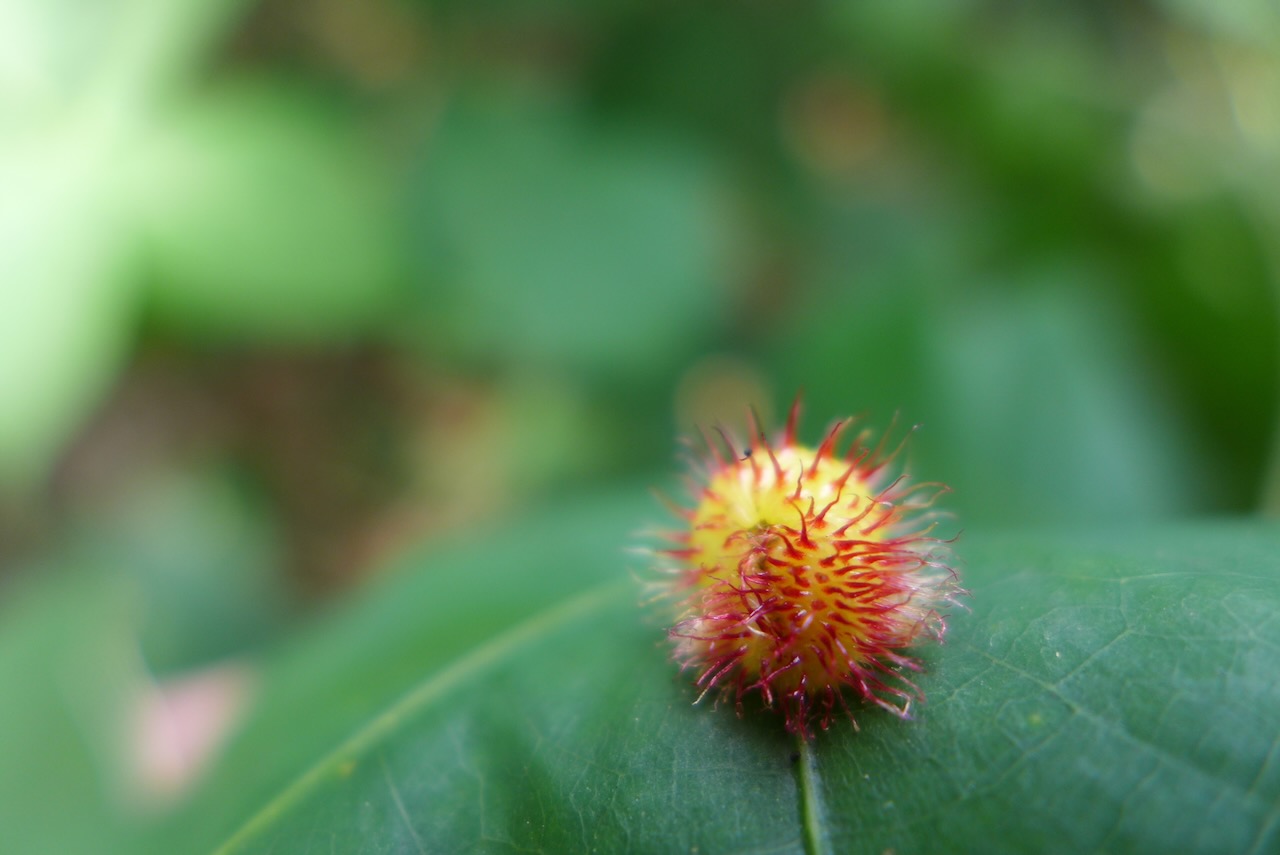
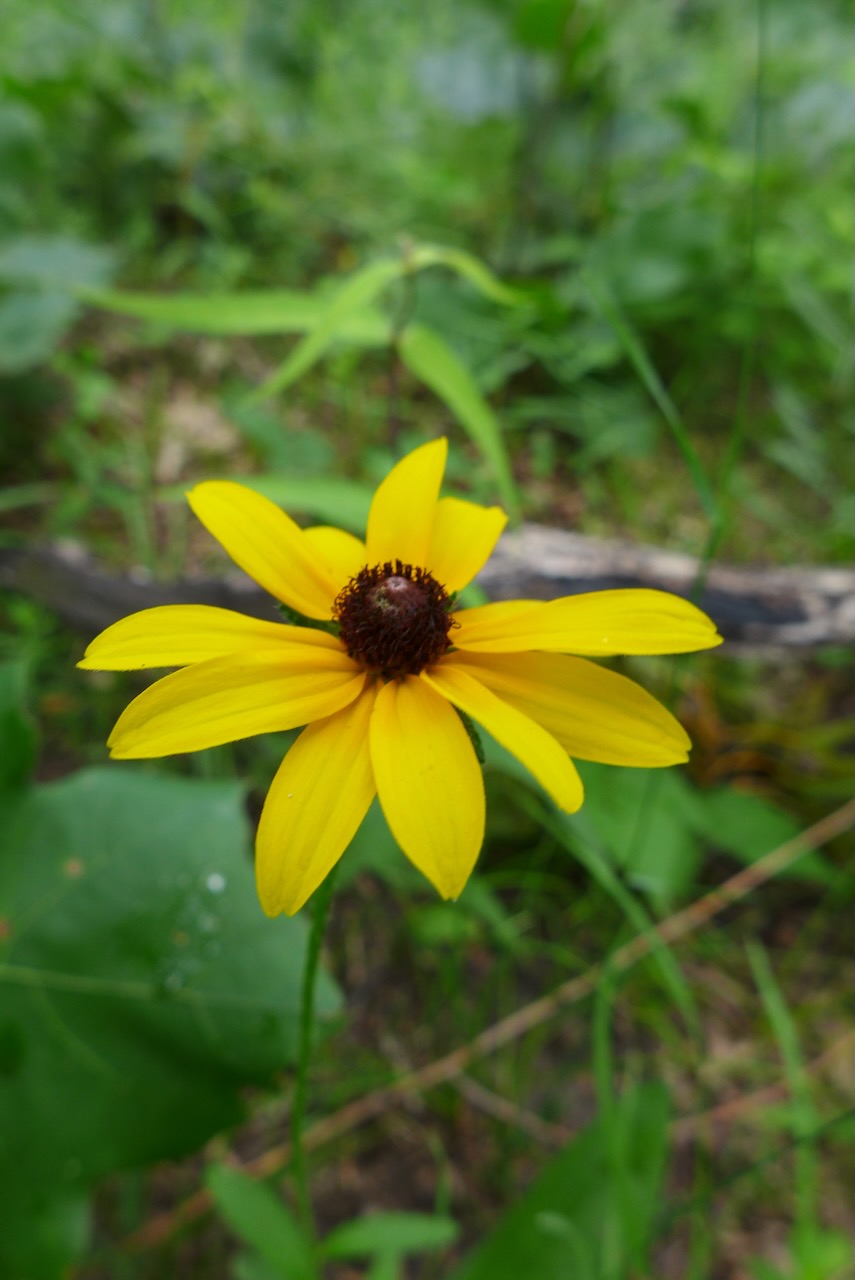
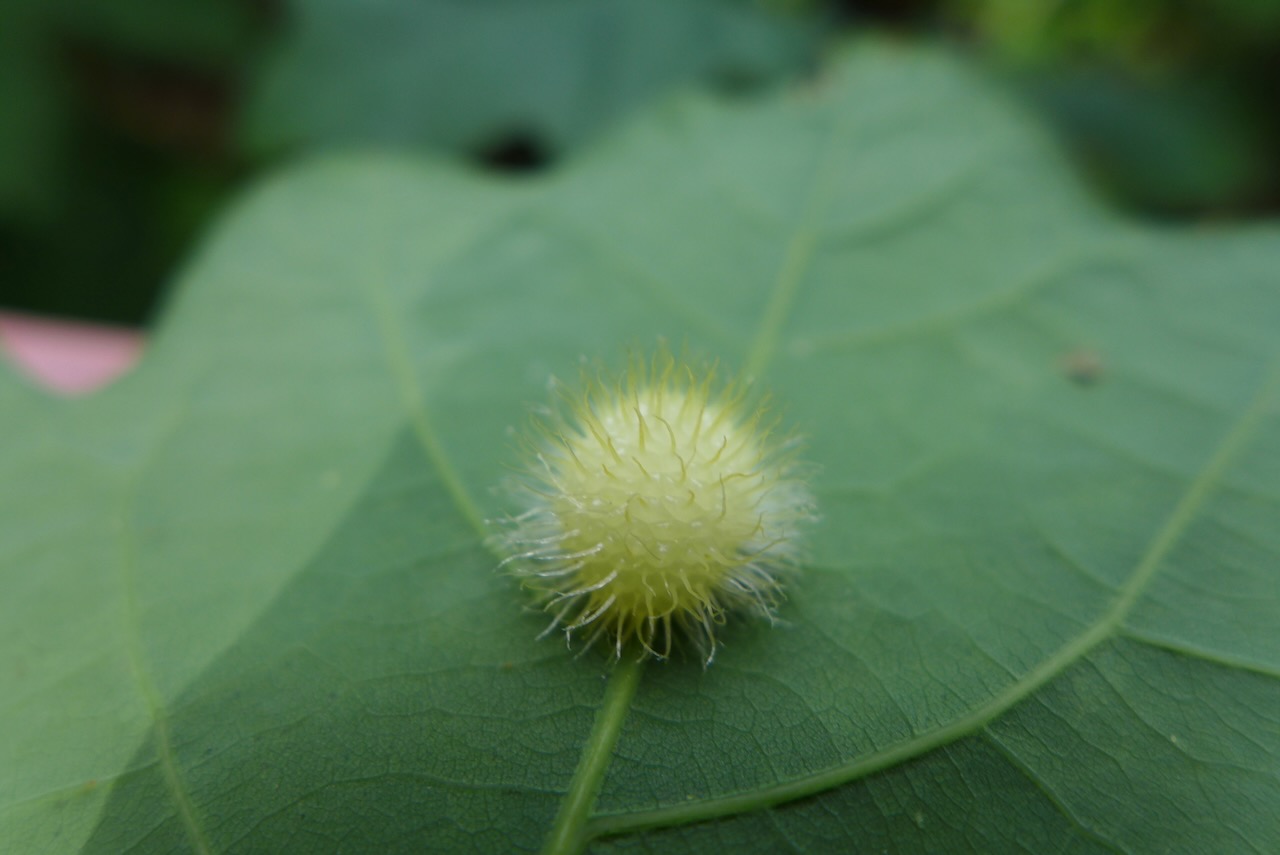
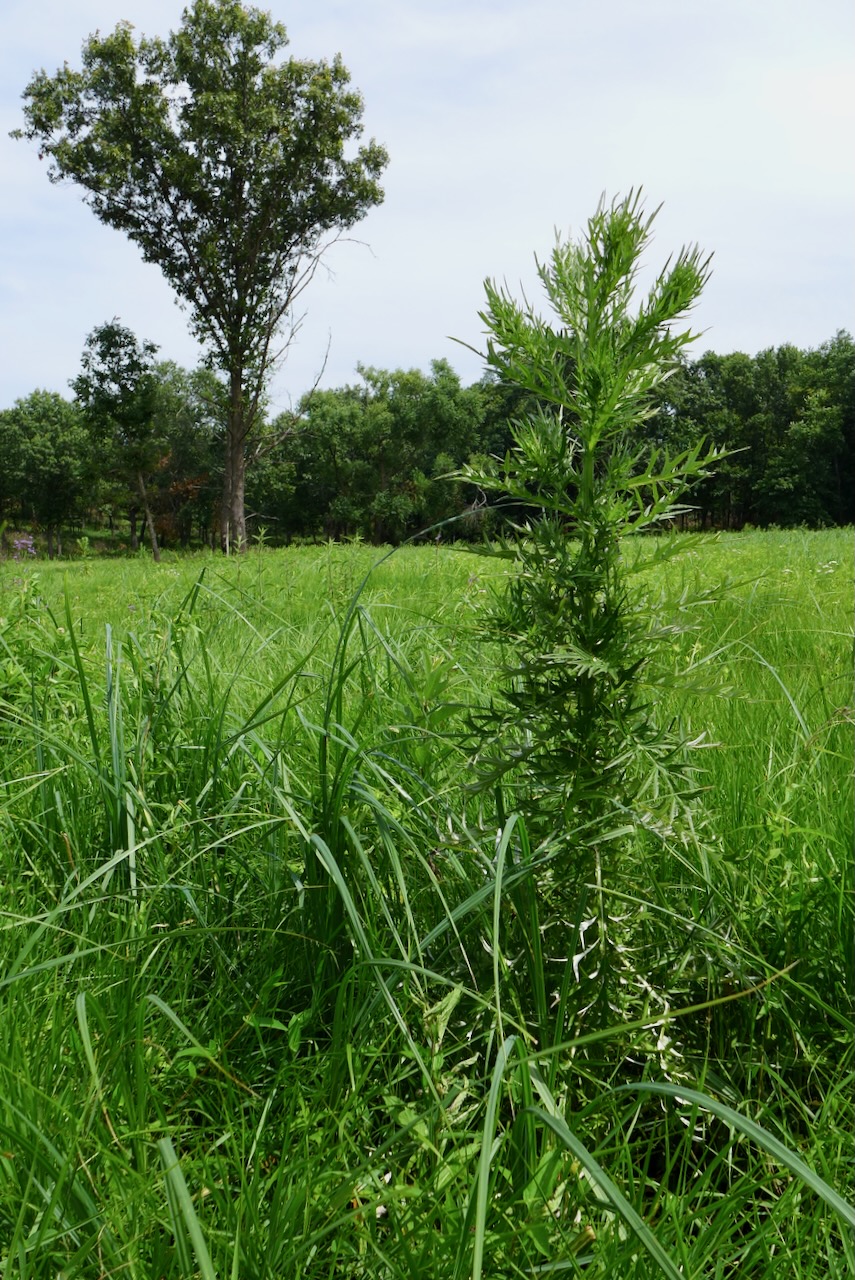
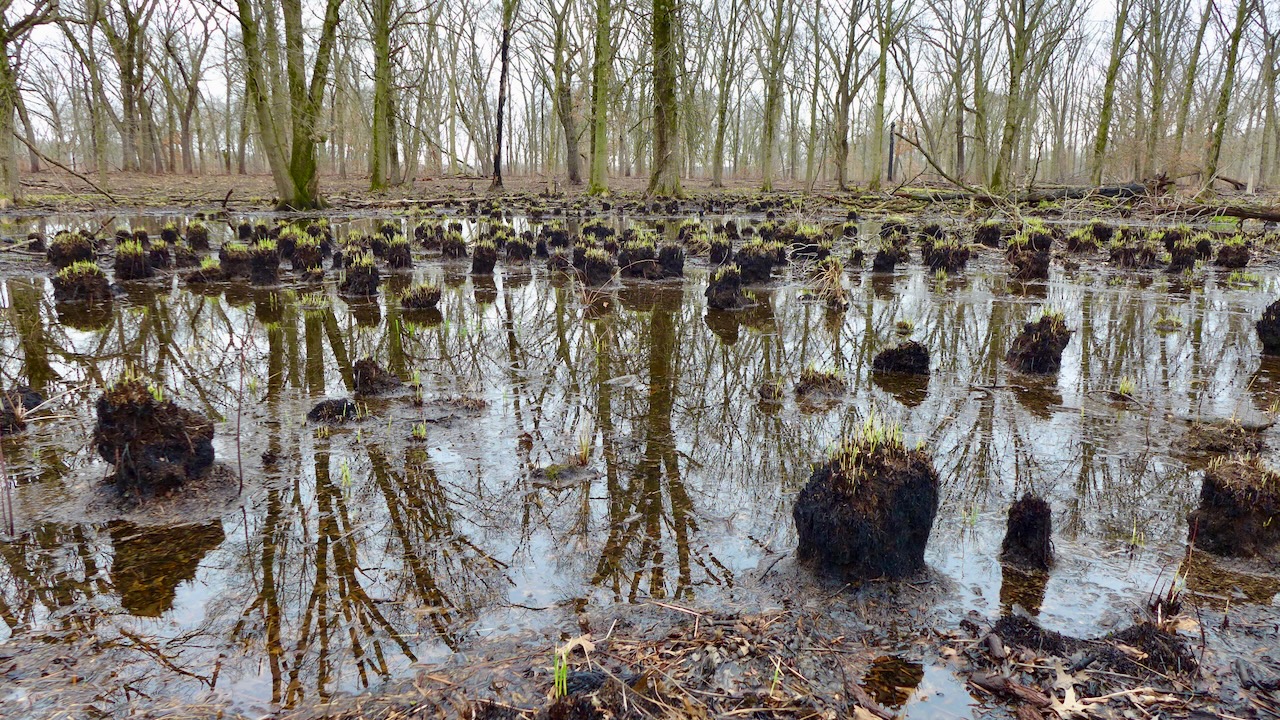
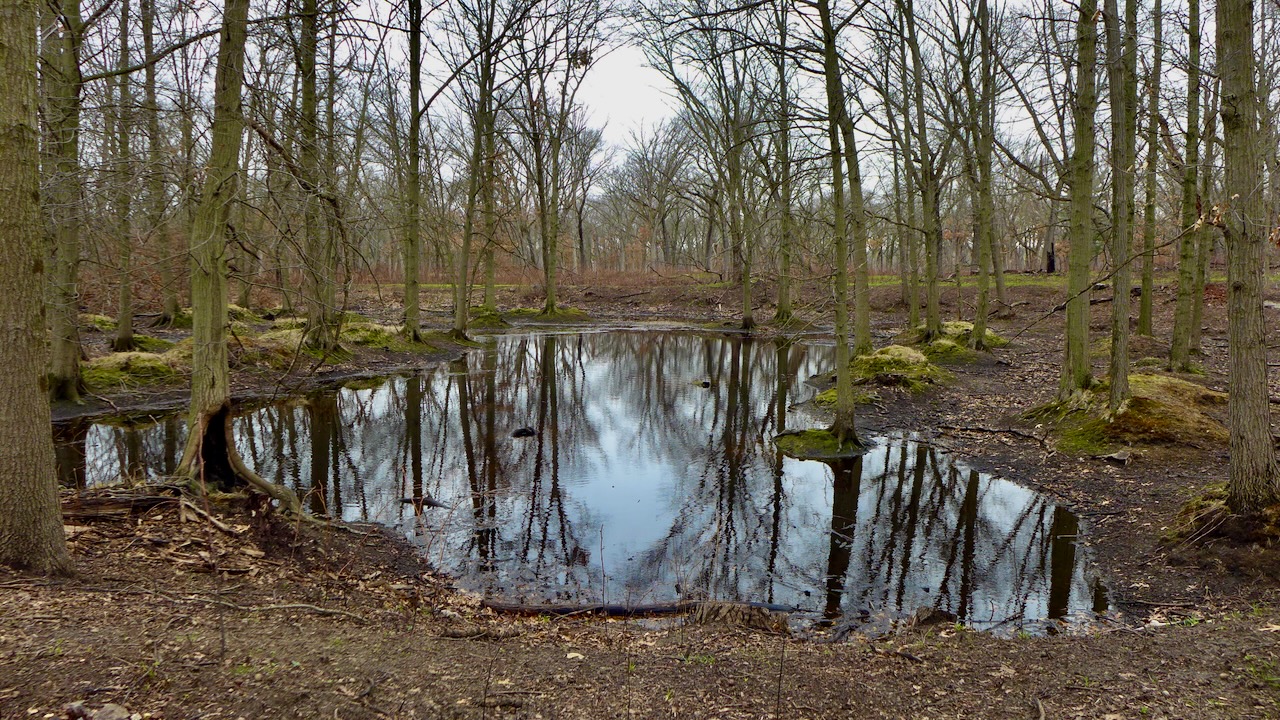
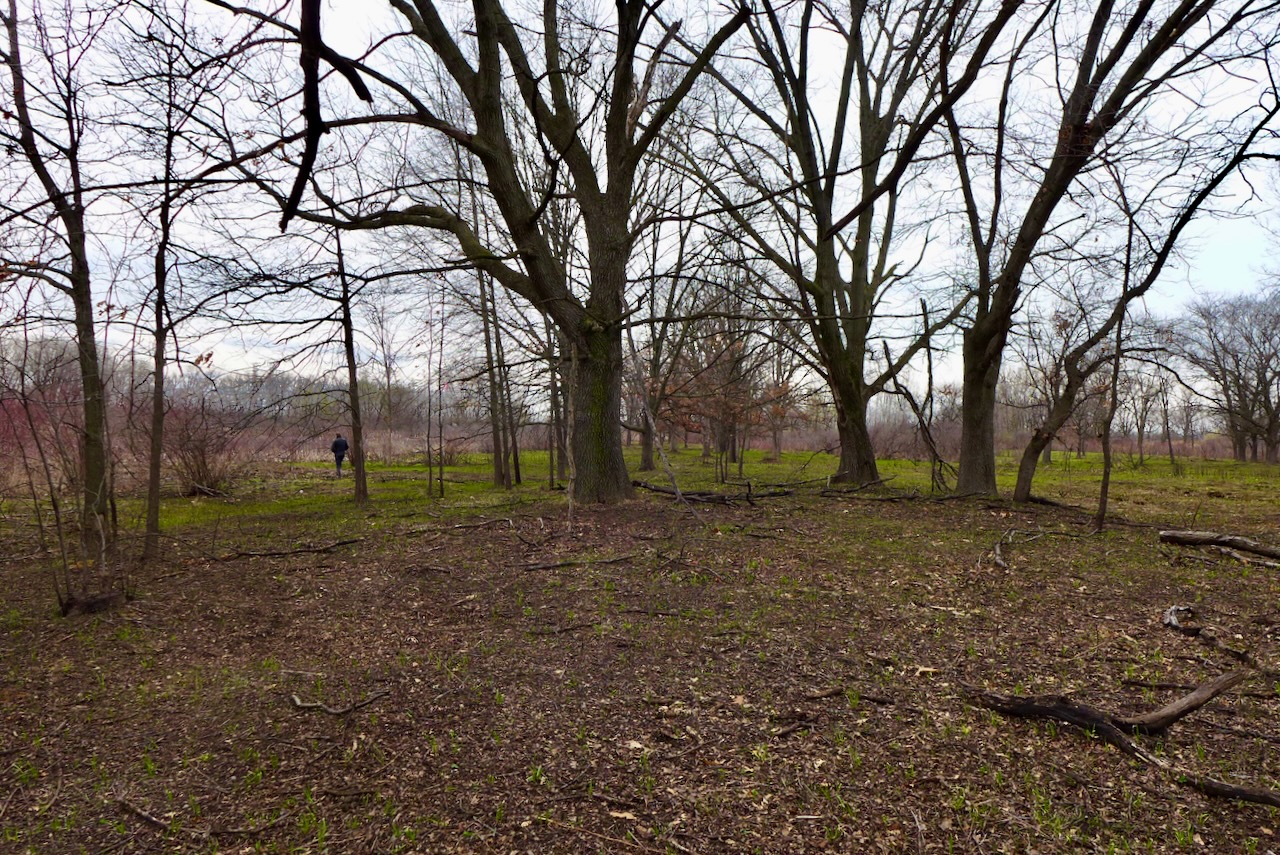
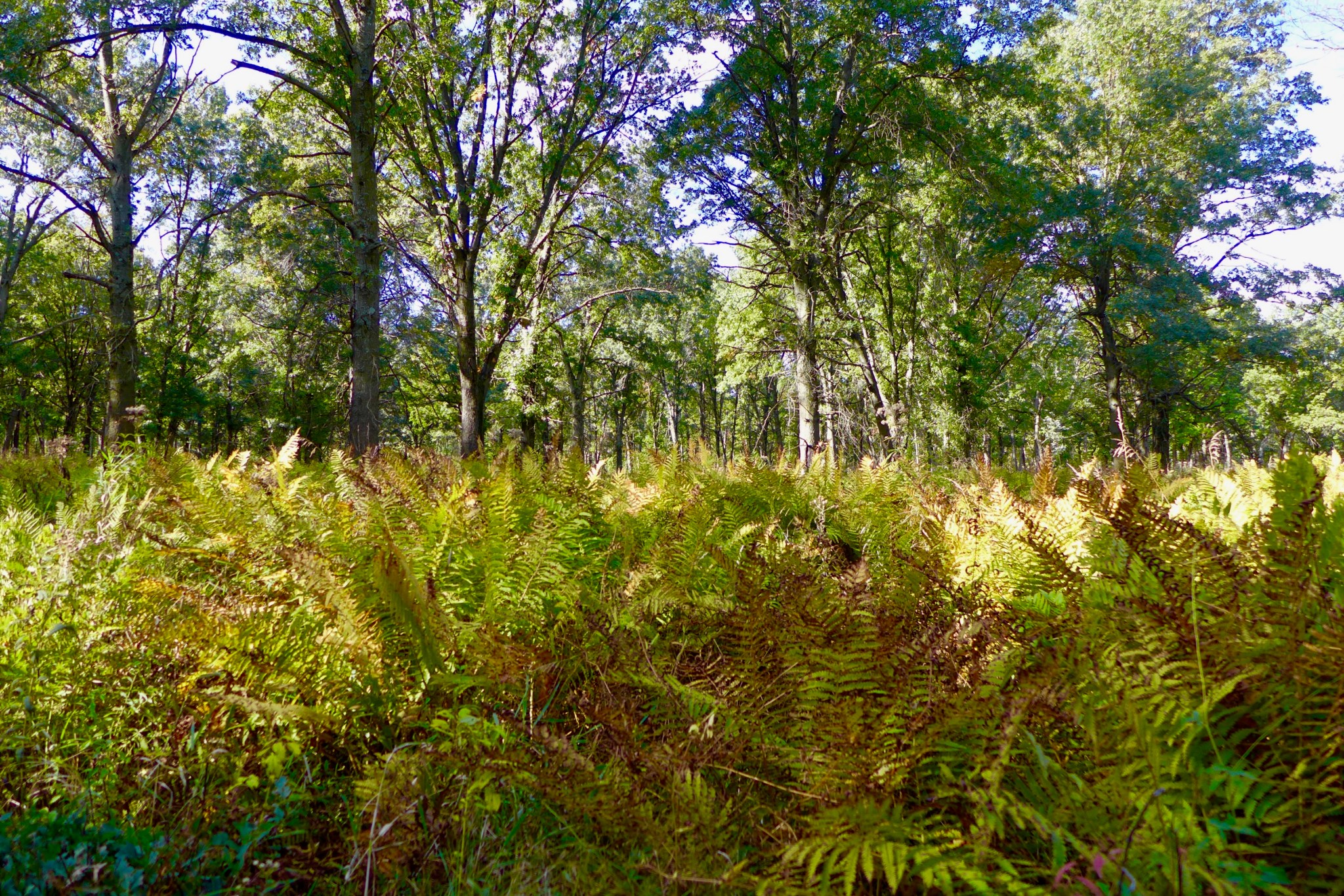
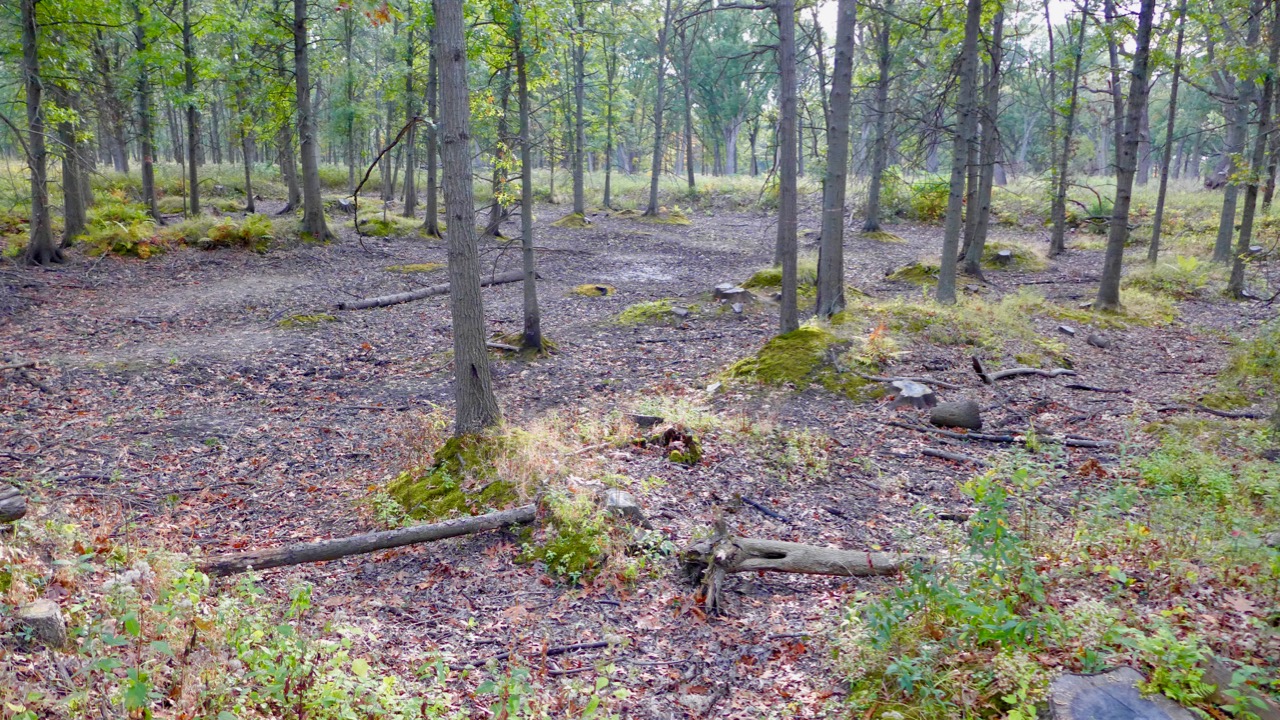
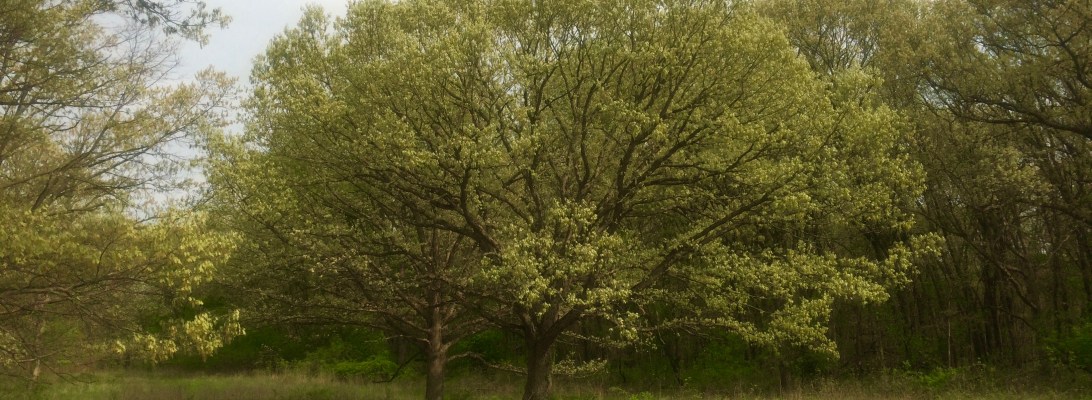
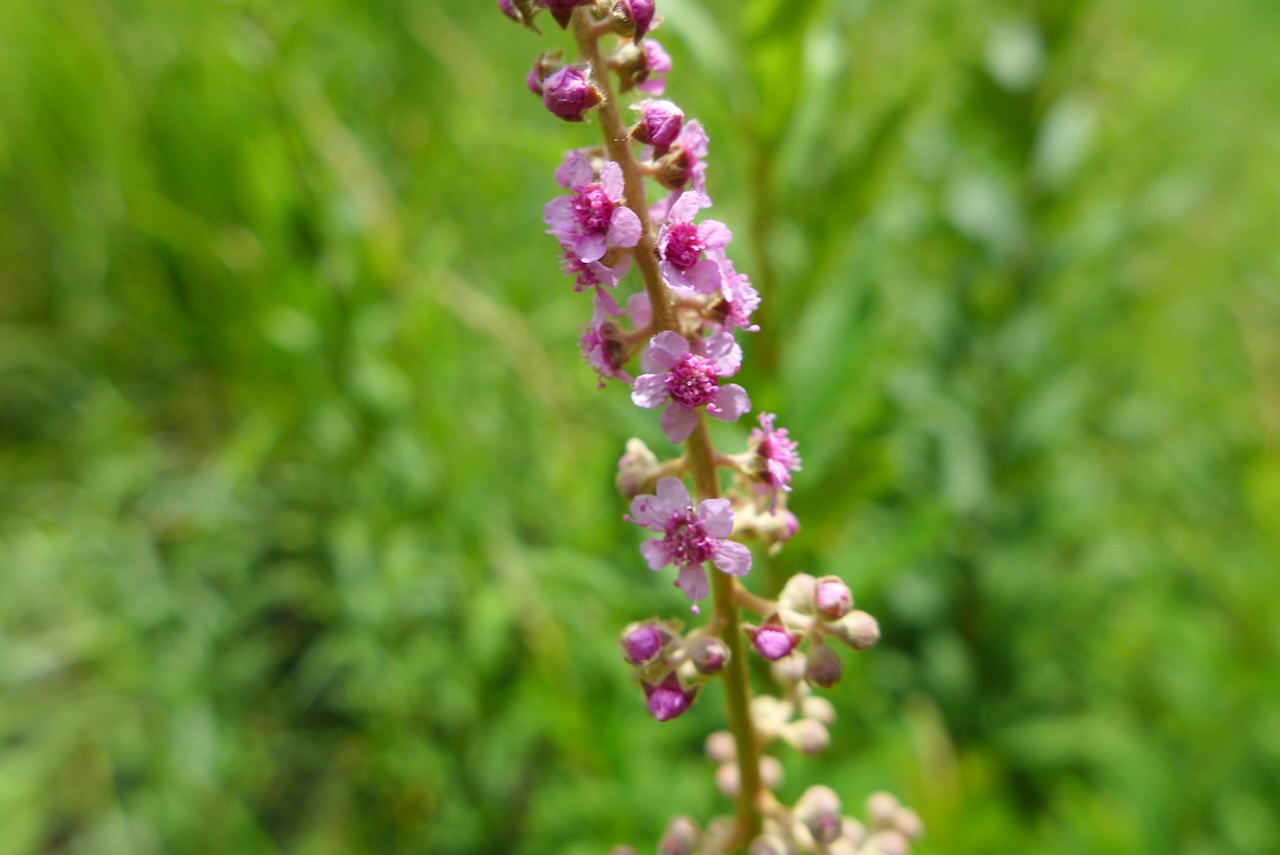
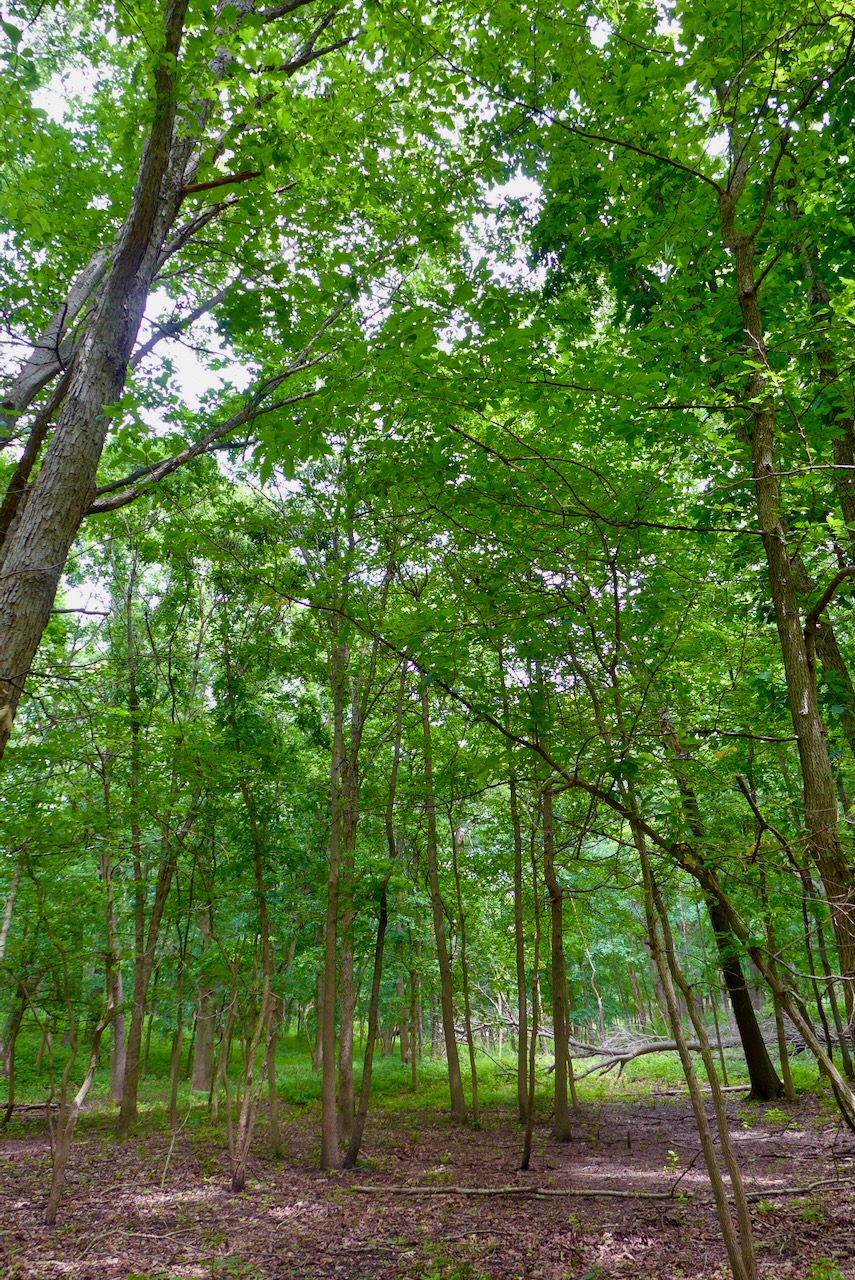
These back dune complexes, a few miles south of Lake Michigan, are old, and have mature ecosystems – oak savanna in stable areas. Where repeated disturbance from lightning, storms, land management activities, and hydrological change occurs, blowouts, wet prairie, pannes, and other oak openings yield vibrant communities of grasses, allies, and forbs.
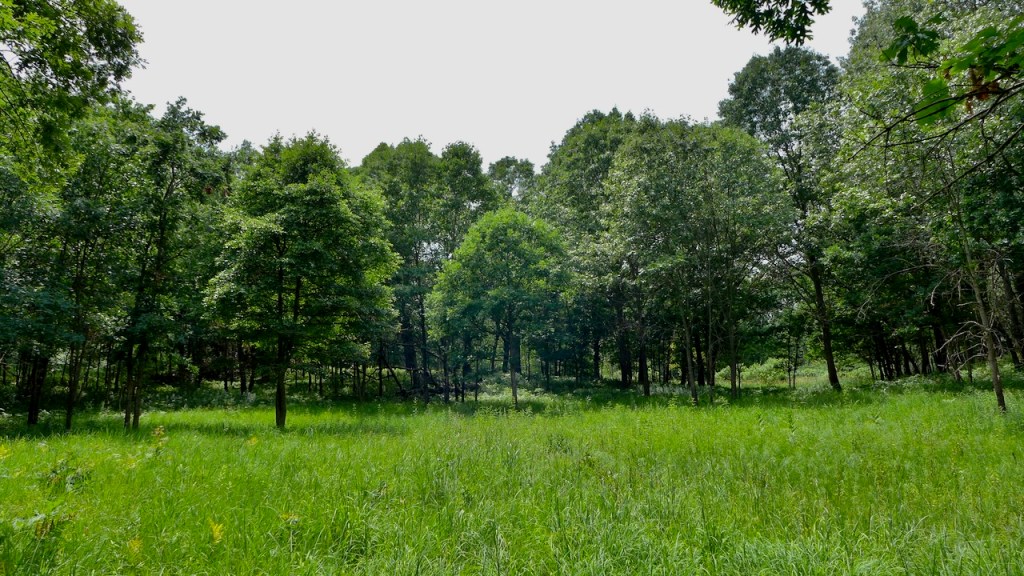
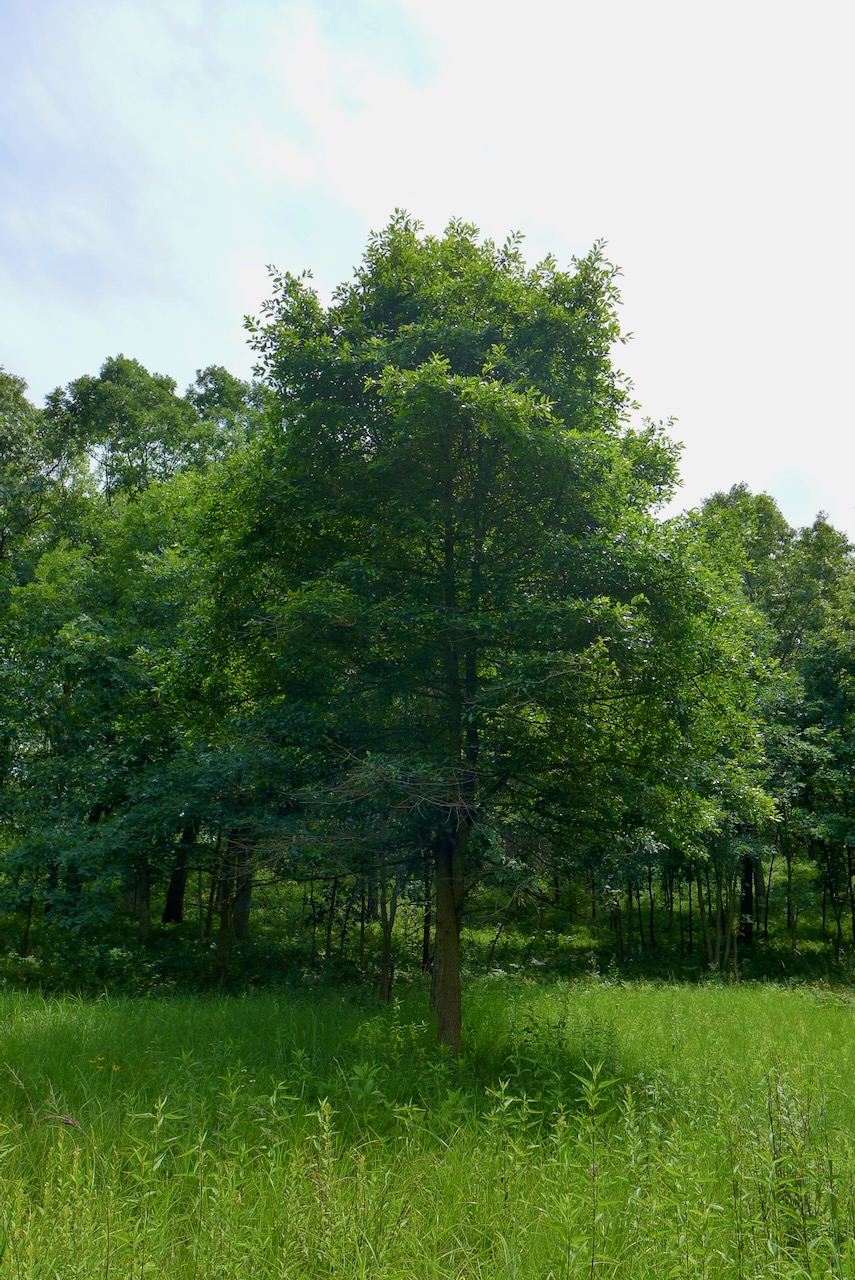
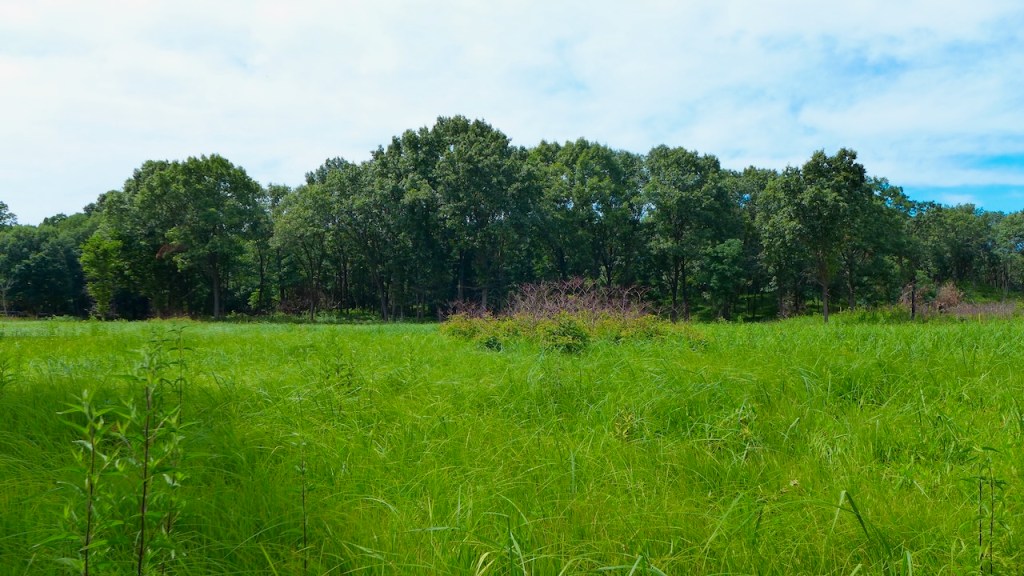
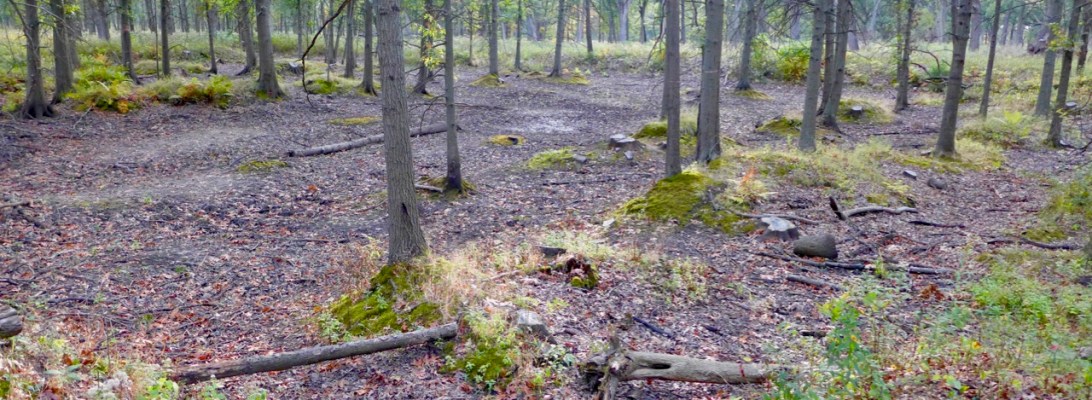
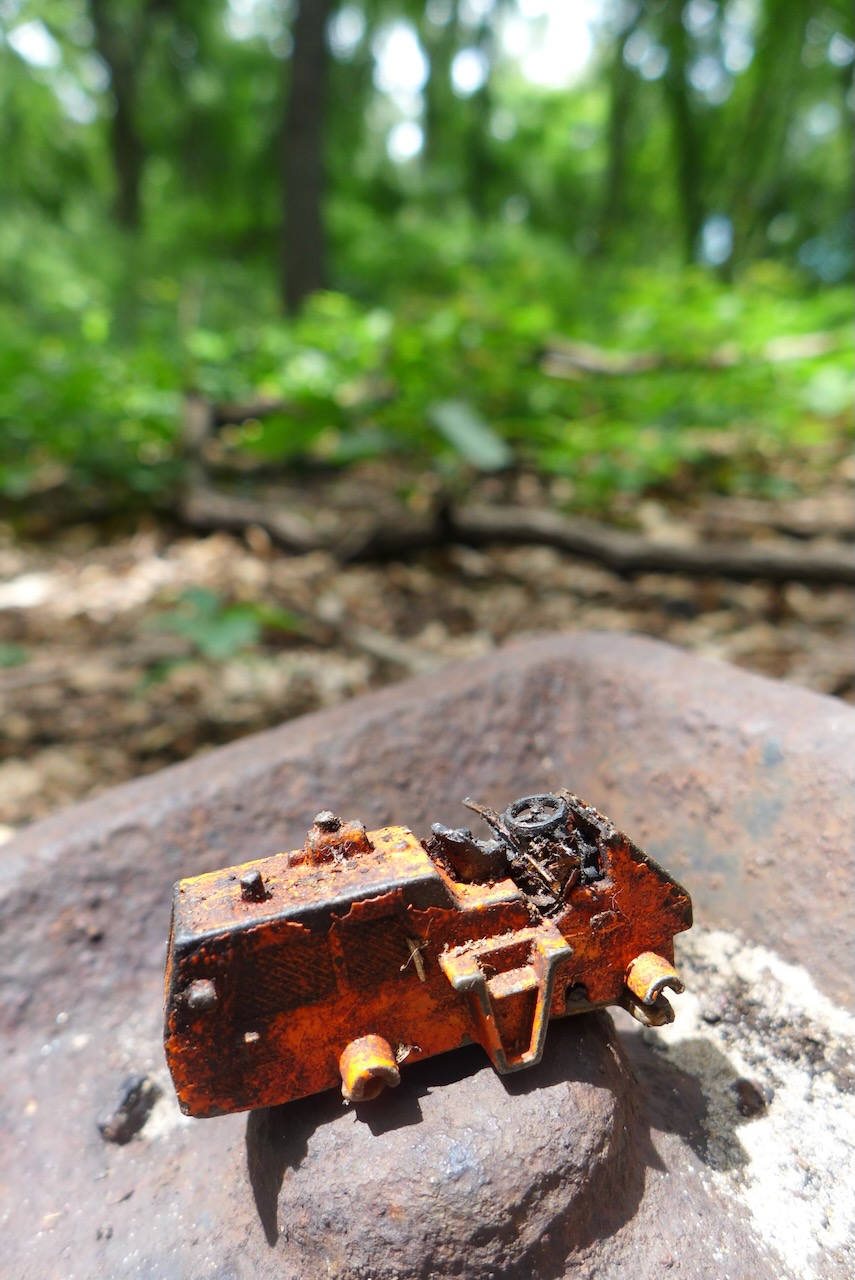
Sometimes the hydrology changes in those wet areas, and baby trees fill in those openings. People have gathered here before – if only to dispose of things that are now historical treasures.
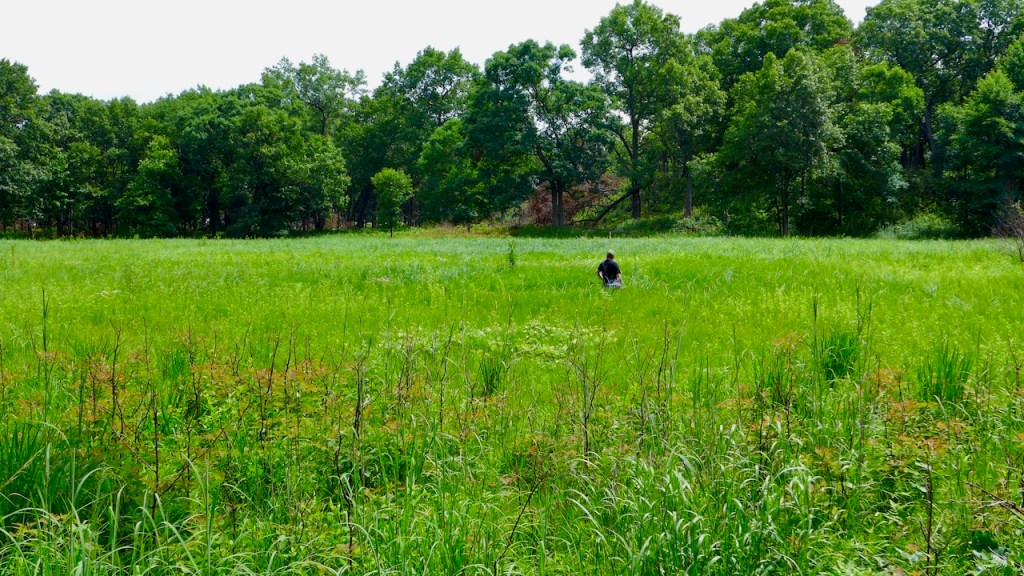
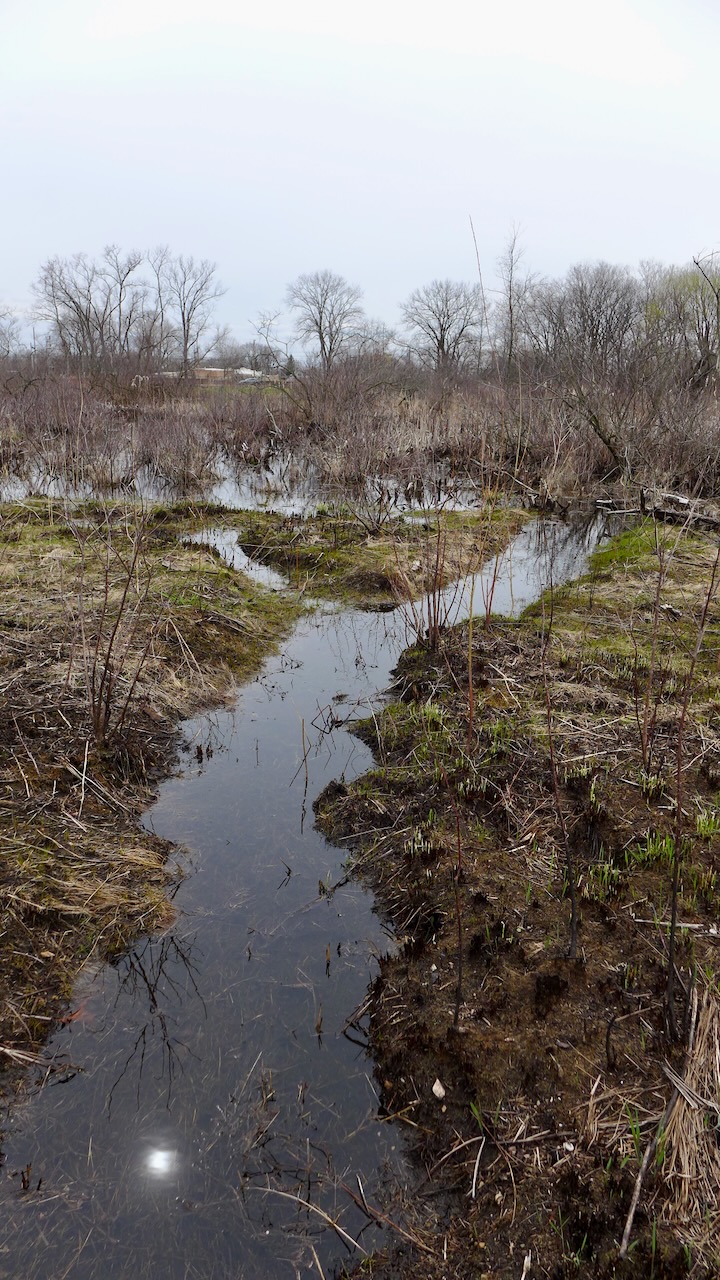
We traversed a beautiful wet prairie on the way back to the car.