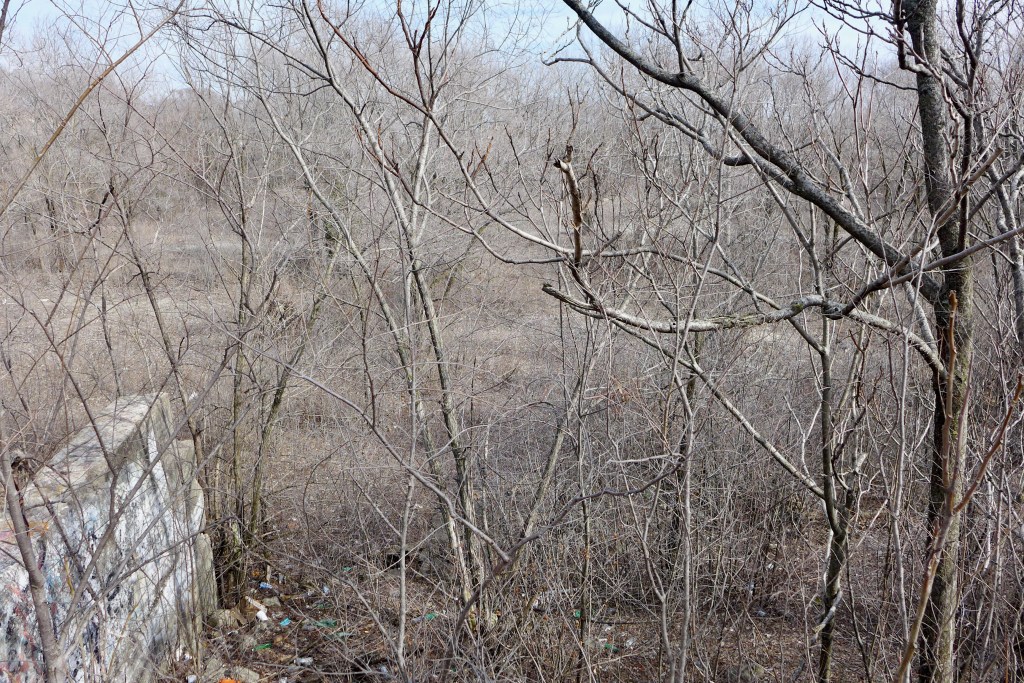
The Mars Transect @ Big Marsh, IL

I recently had a conversation with a colleague about what in the heck a transect is. In ecology, it’s just an experimental tool, to help orient you to the landscape. Literally, it’s a line with known geographical coordinates. Gradients of various types are often revealed along a transect, through repeated sampling or experimental plots.

Urbanists like to talk about transects, especially in the context of the typology of the city. The transect articulates transitions between zones, with the idea that there are concentric circles of economic activities as you move out from the central city, from dense urban core, to sparse rural farmhouses.
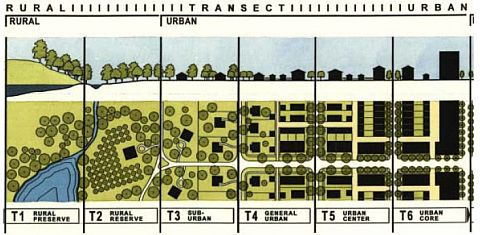
Anyway, at Big Marsh, we are using the transect on Mars to look at how vegetation and soil characteristics vary along this transect, and over time. Part of our slow science research.

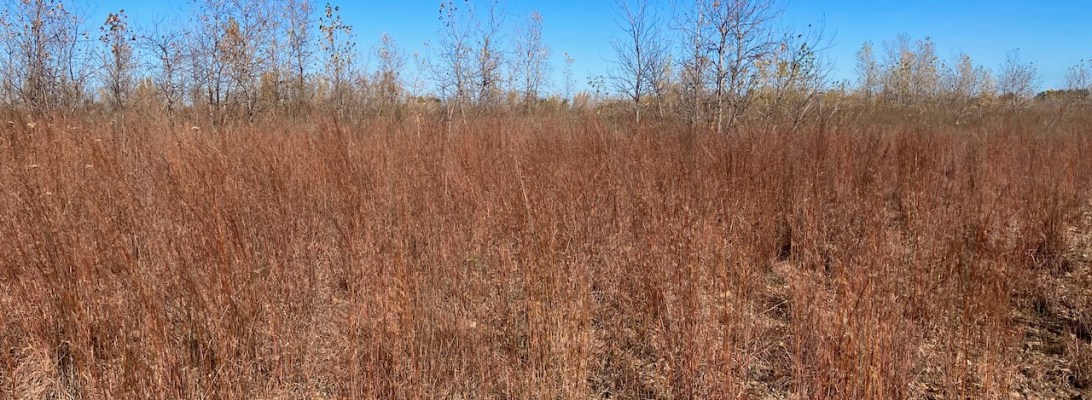
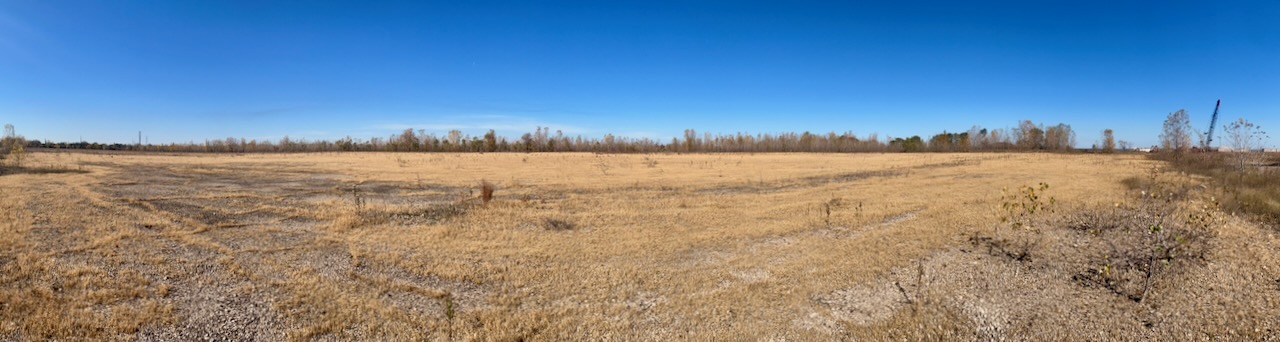
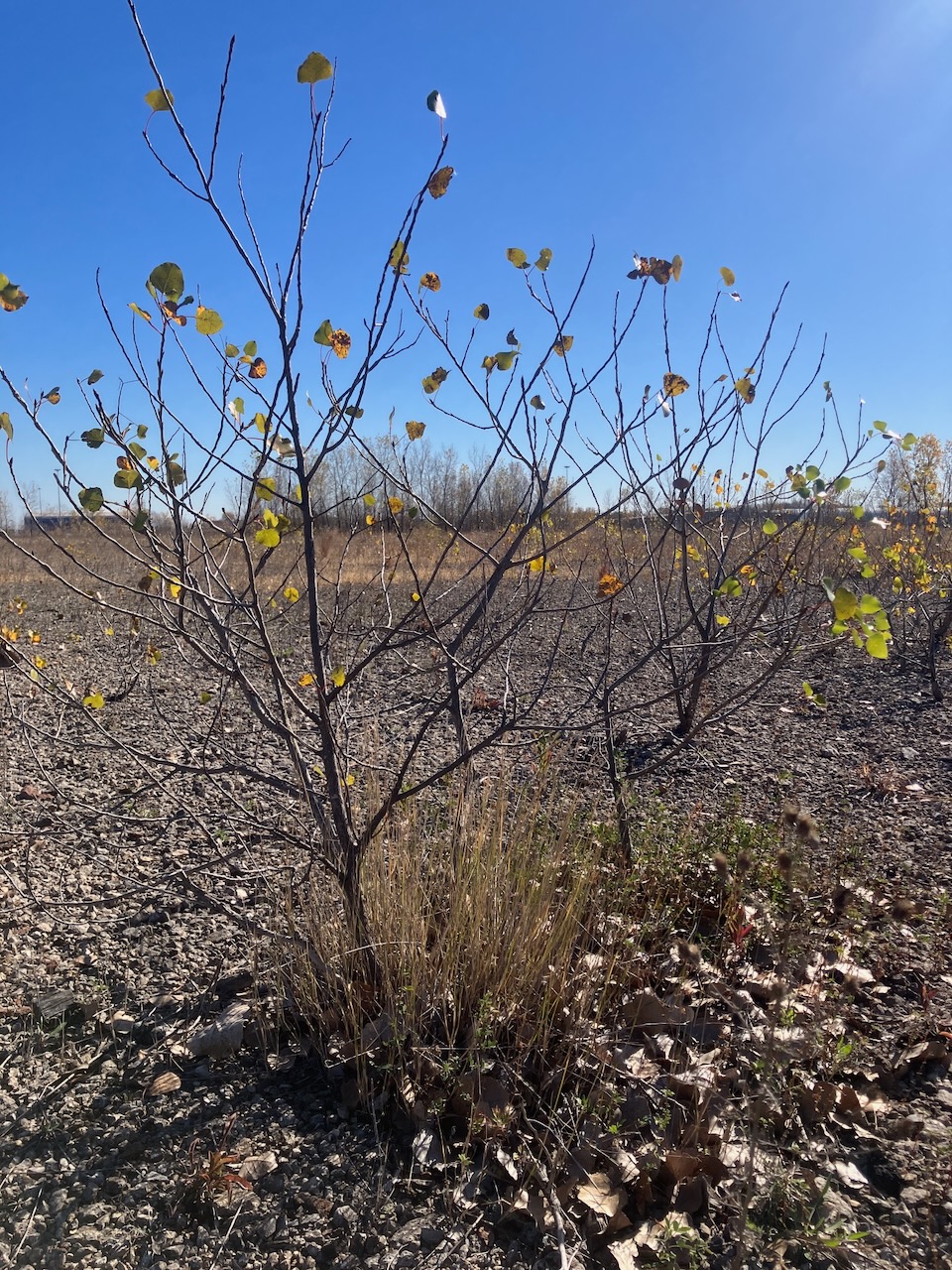
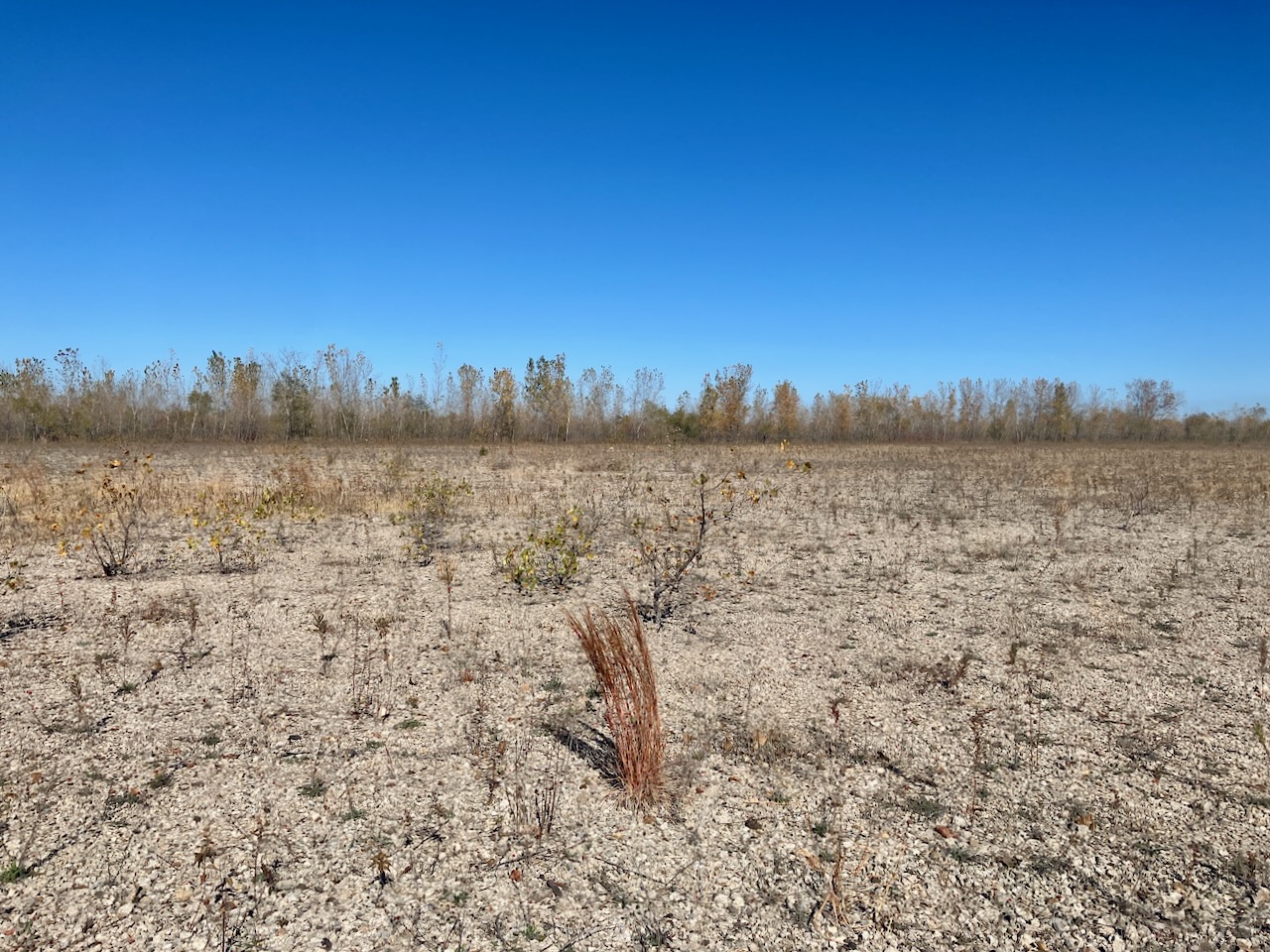
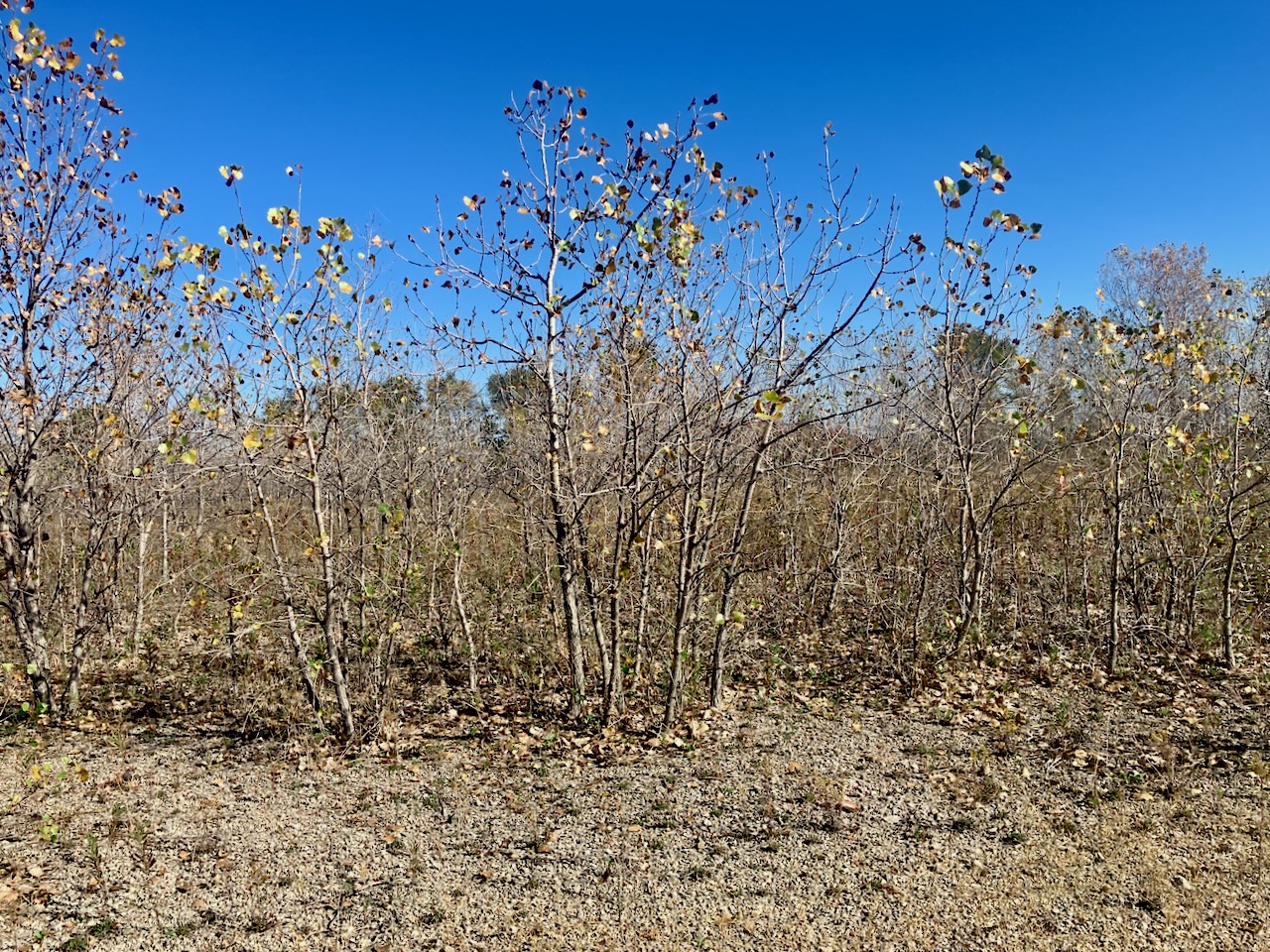
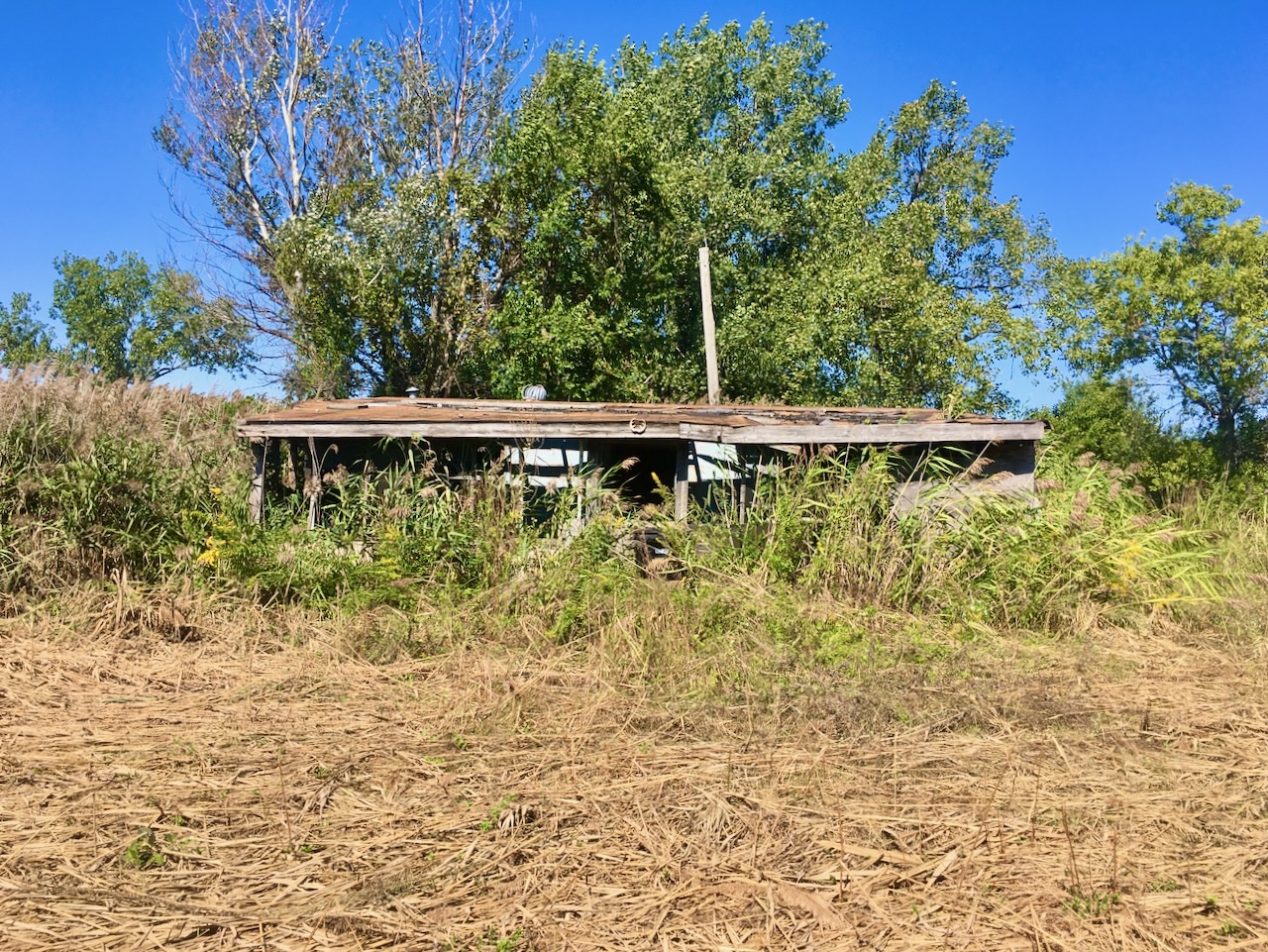
But what does this actually look like? It’s trivial for me to imagine, but not so for others. Here’s a collection of images I found that may help to visualize it.

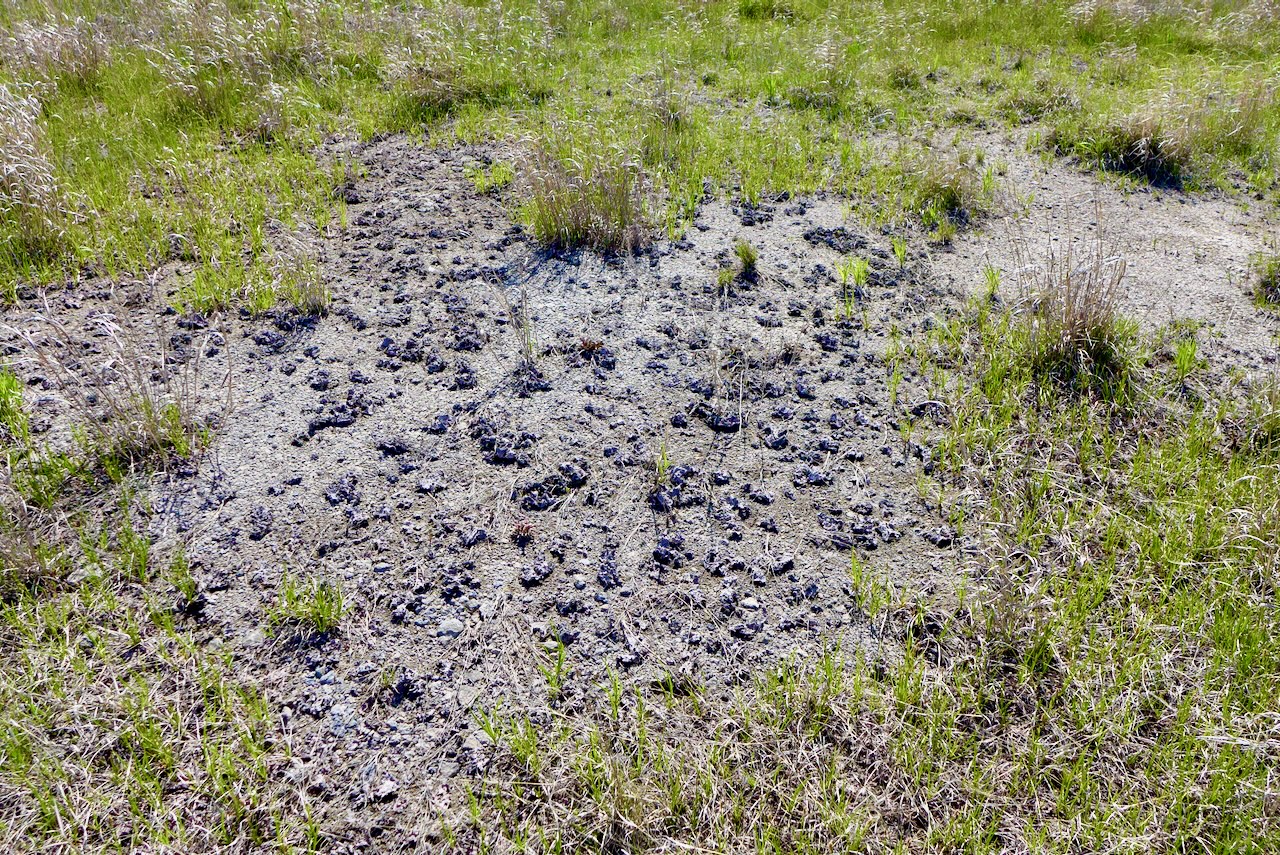
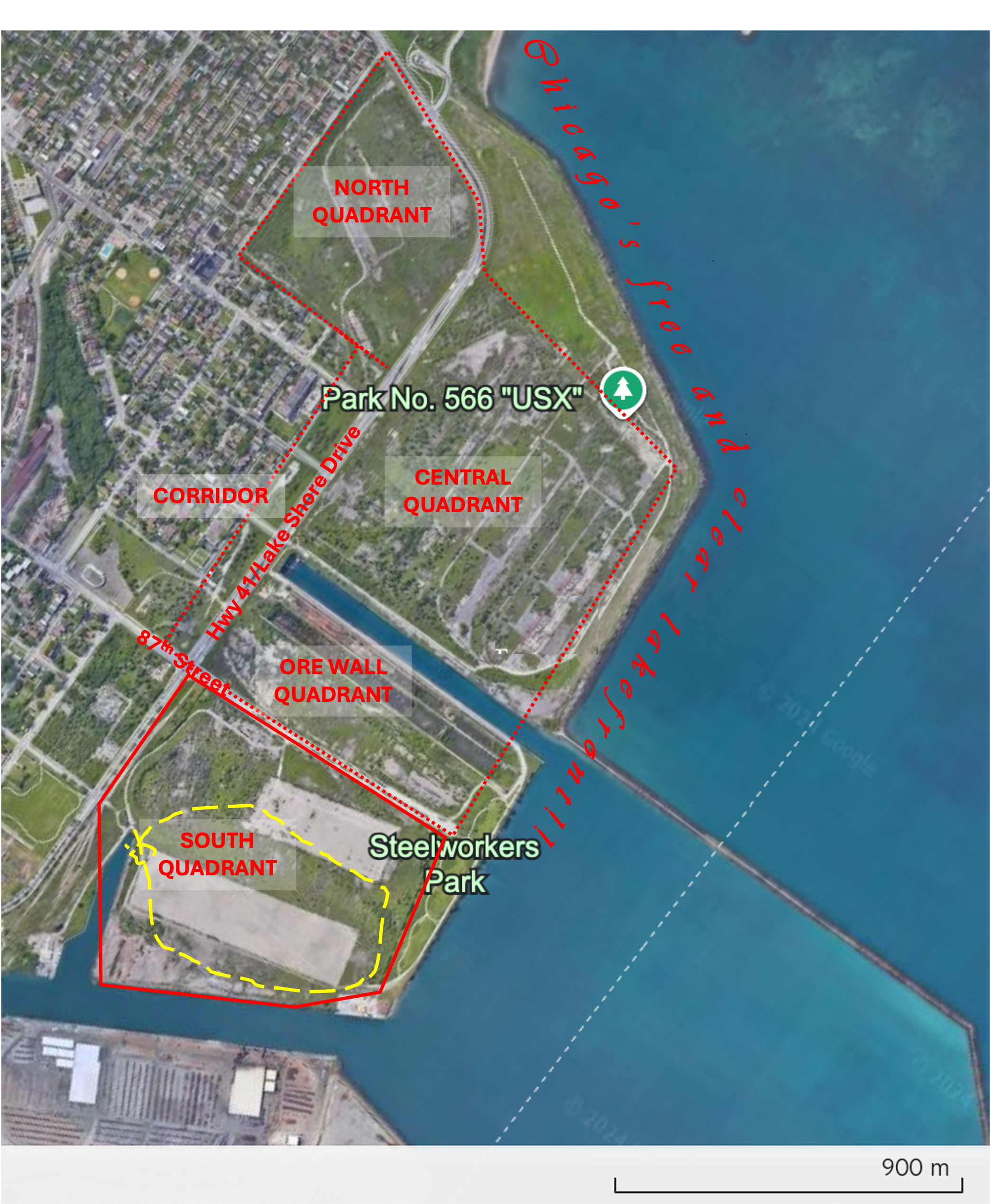
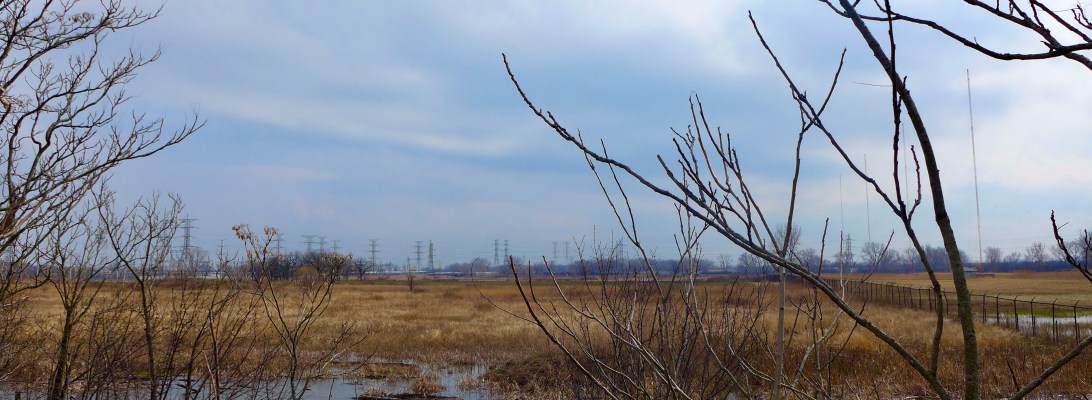
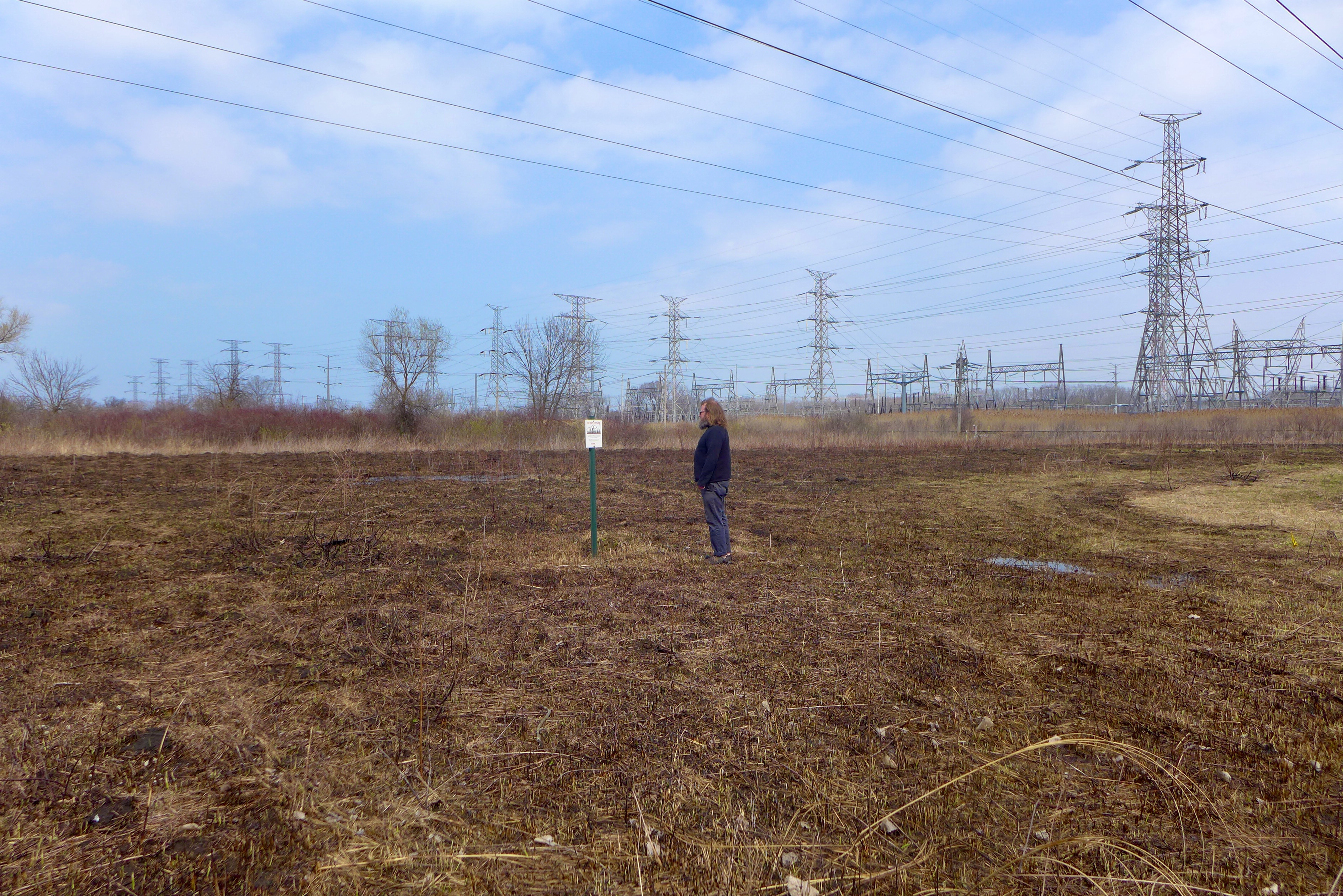
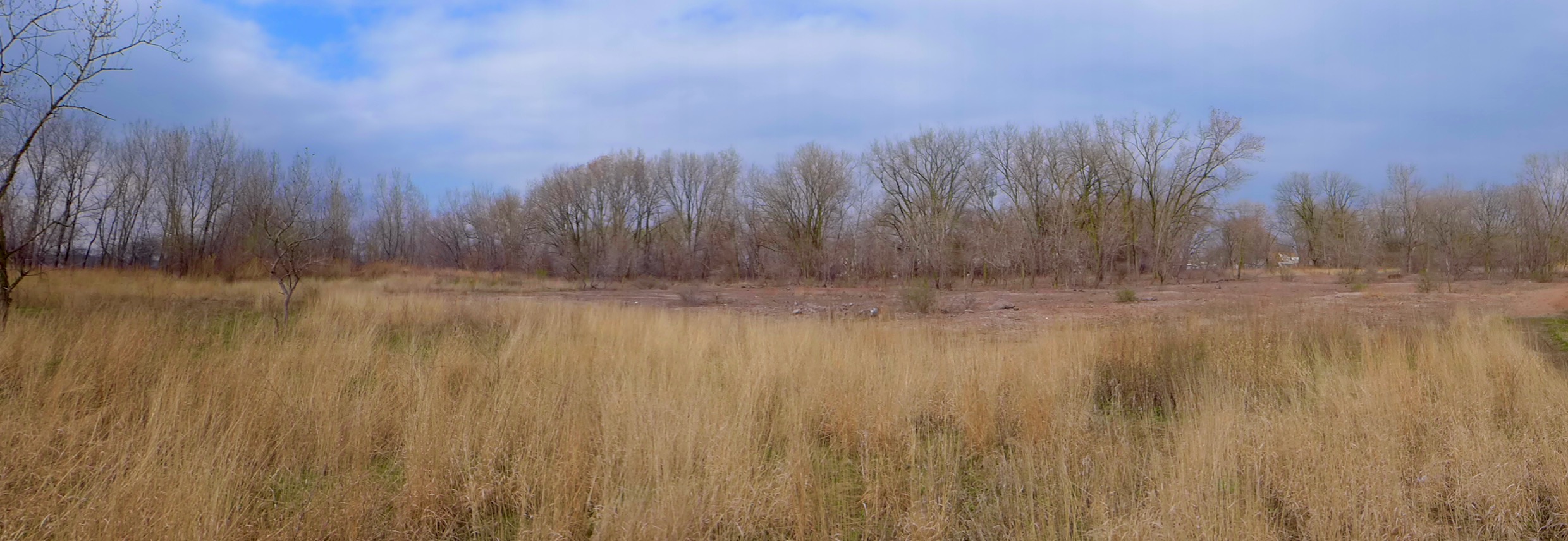
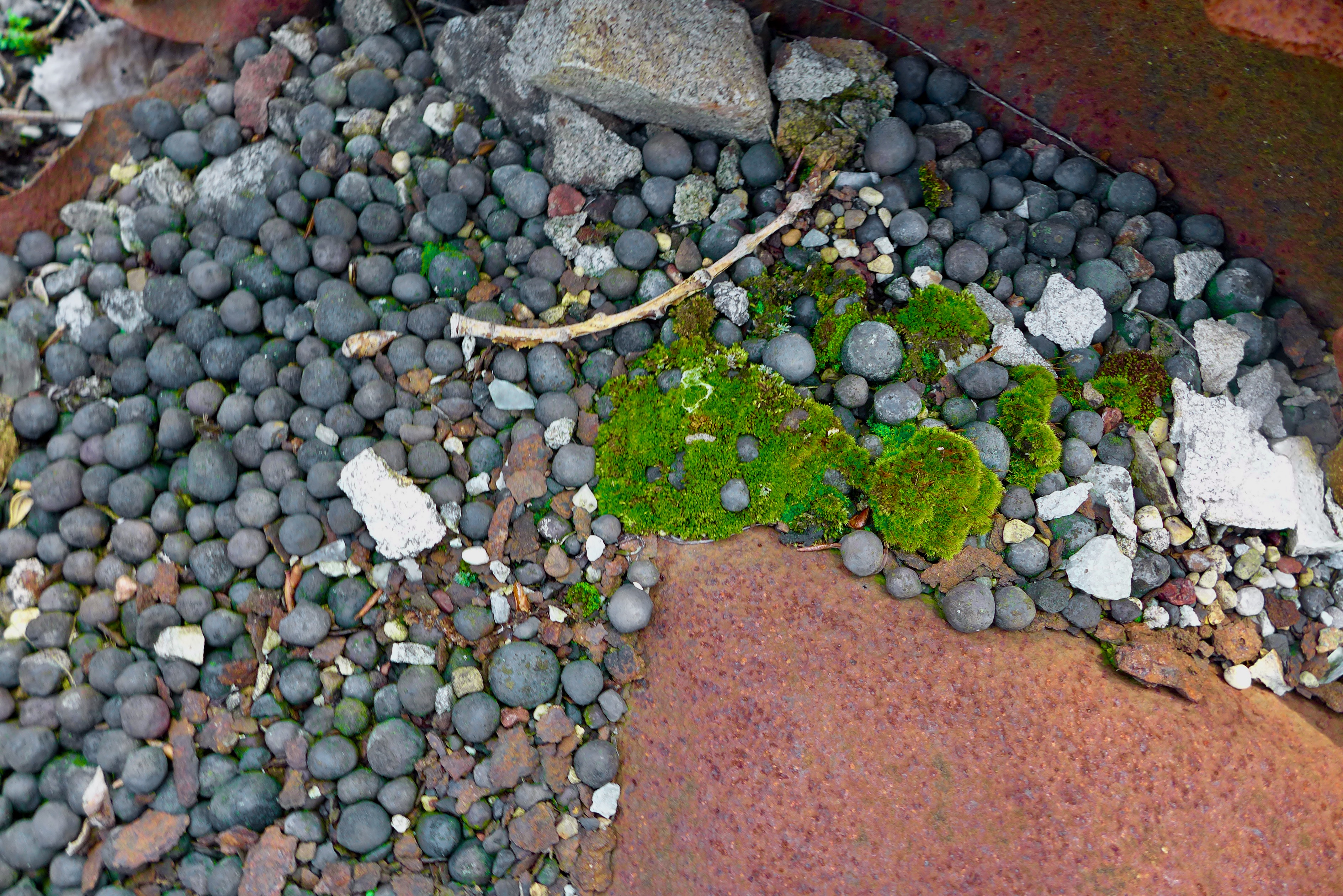
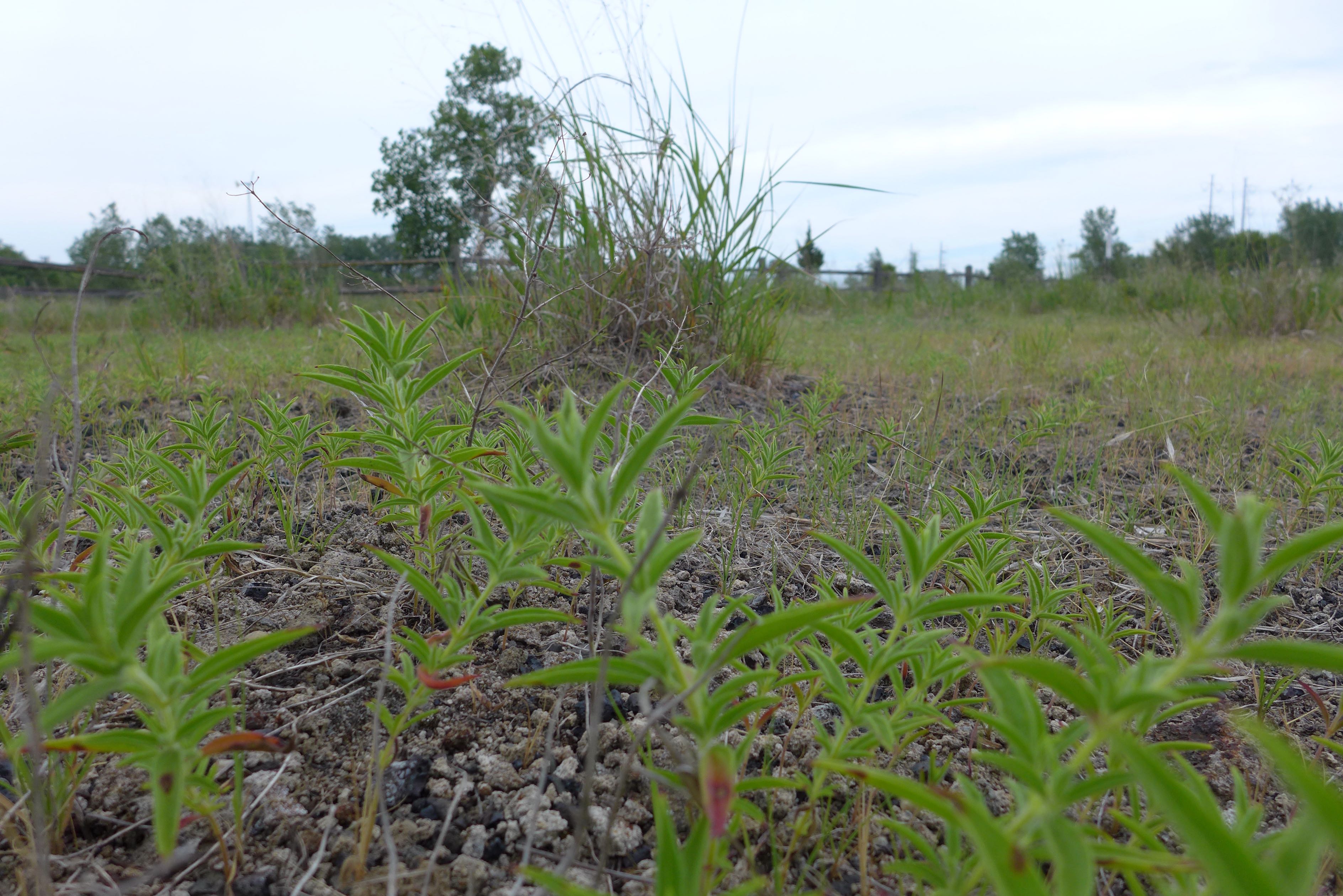
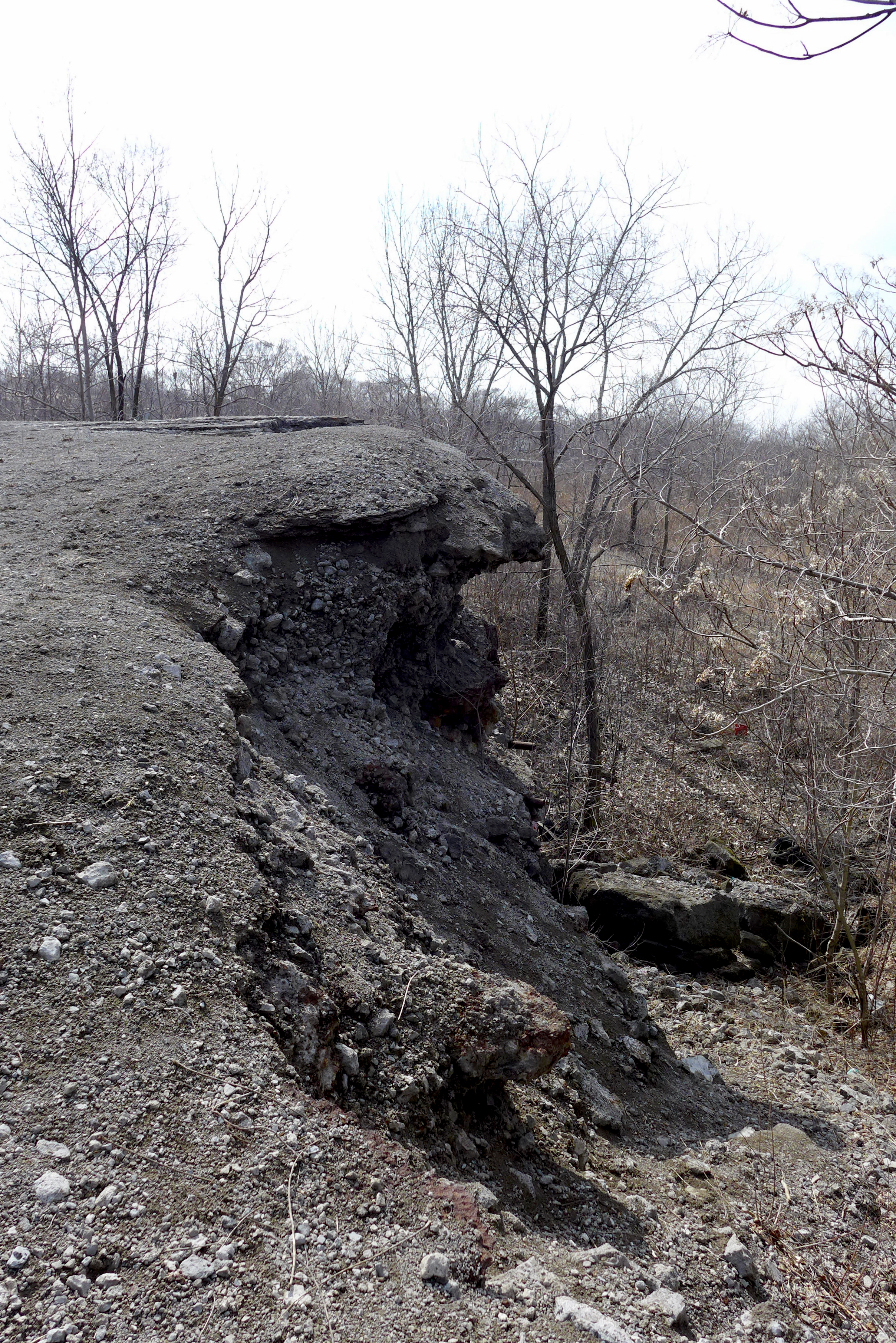
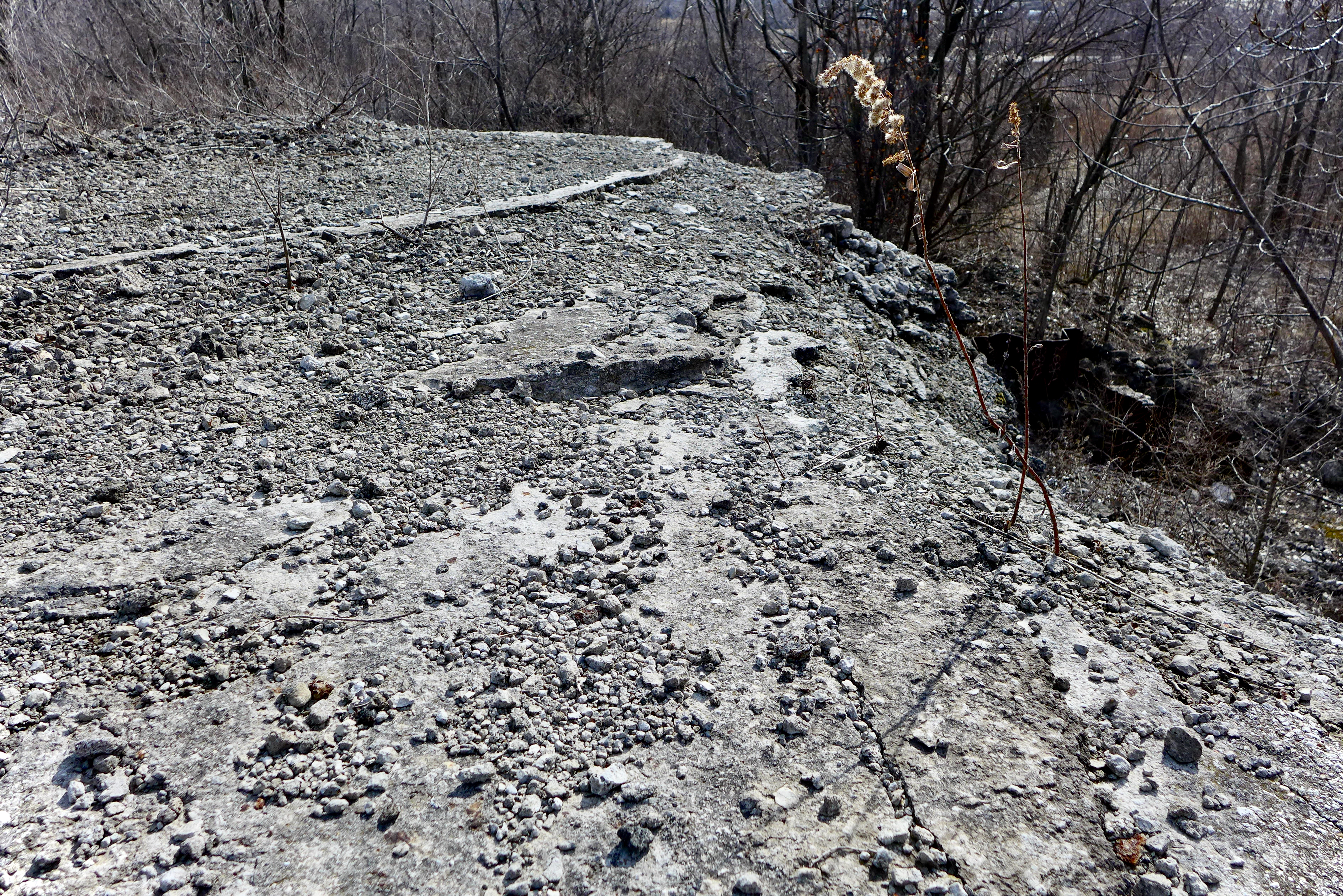
The transect goes from northish to southish on the east side of Big Marsh Park, across what’s affectionately called Mars, because of the unearthly iron-red slag. The transect is about 600m.
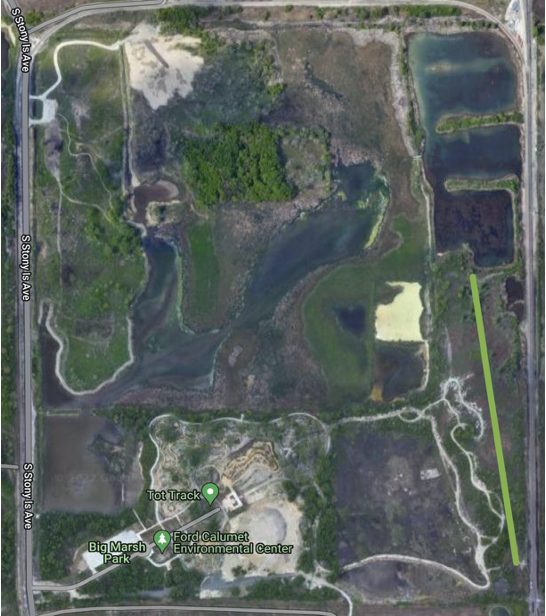
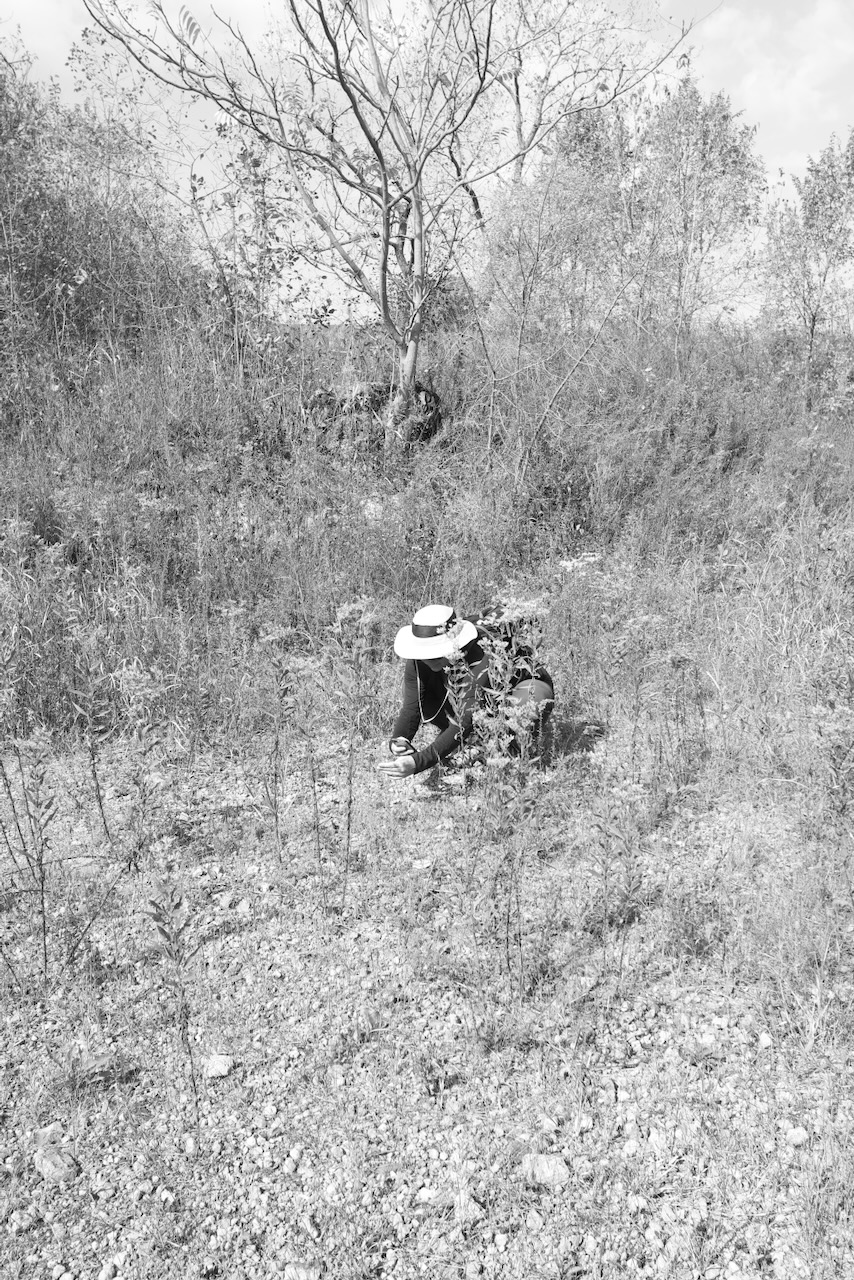
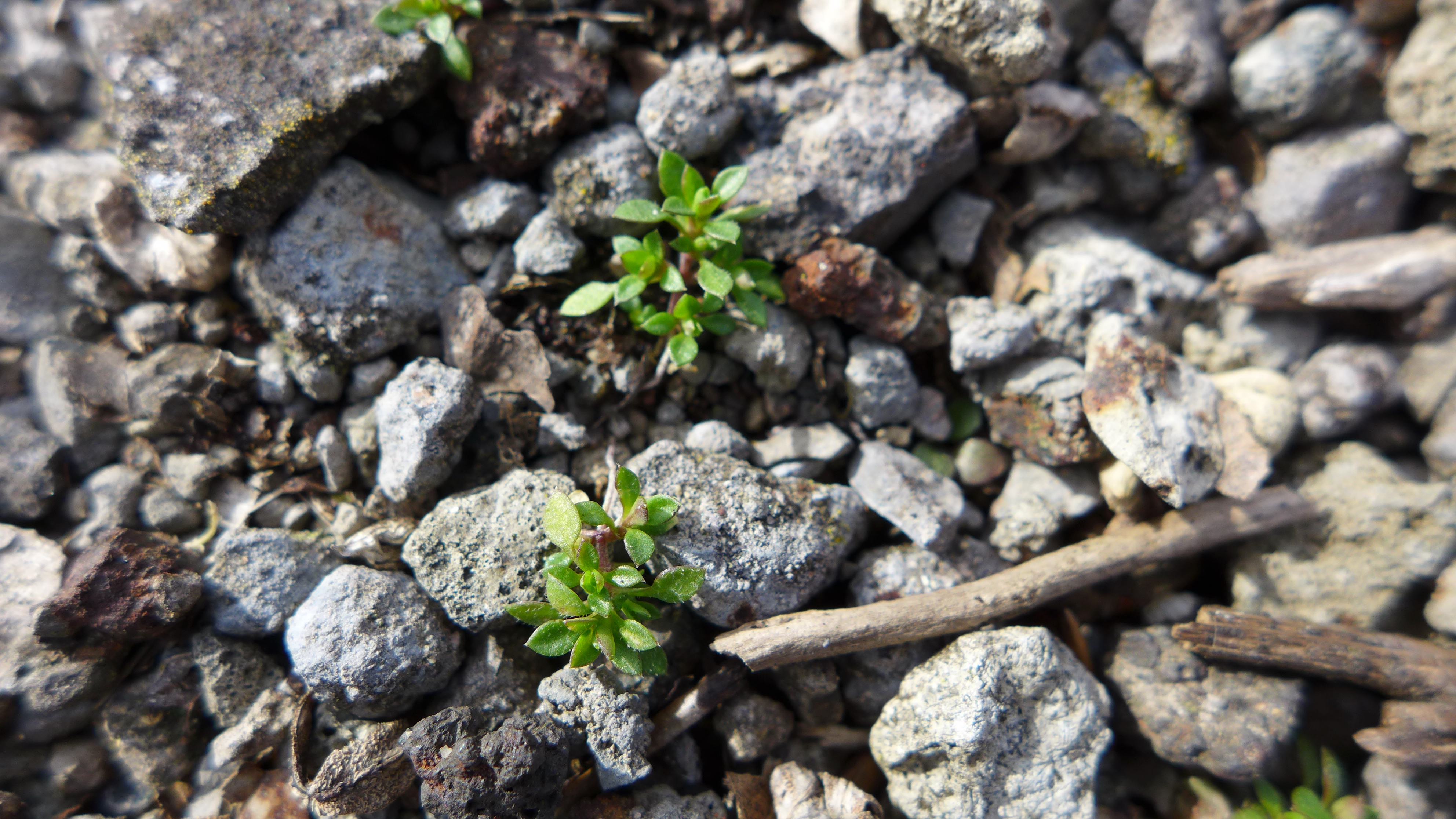
We set up a plot every 25m and record plant species and coverage twice a year. At the paired plots every 50m, there’s an additional plot on the opposite site of the marker, that was cleared of all plant material when plots were set up in 2020.
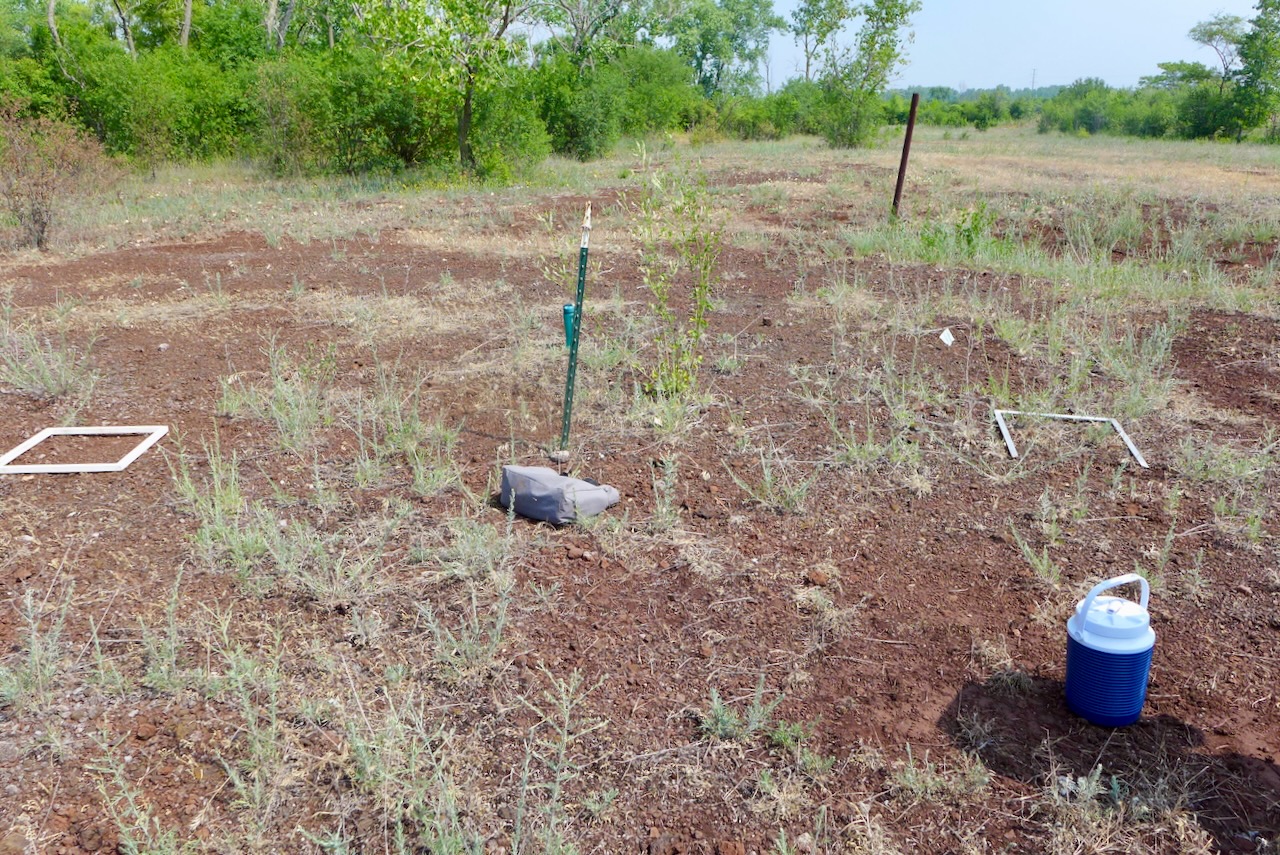
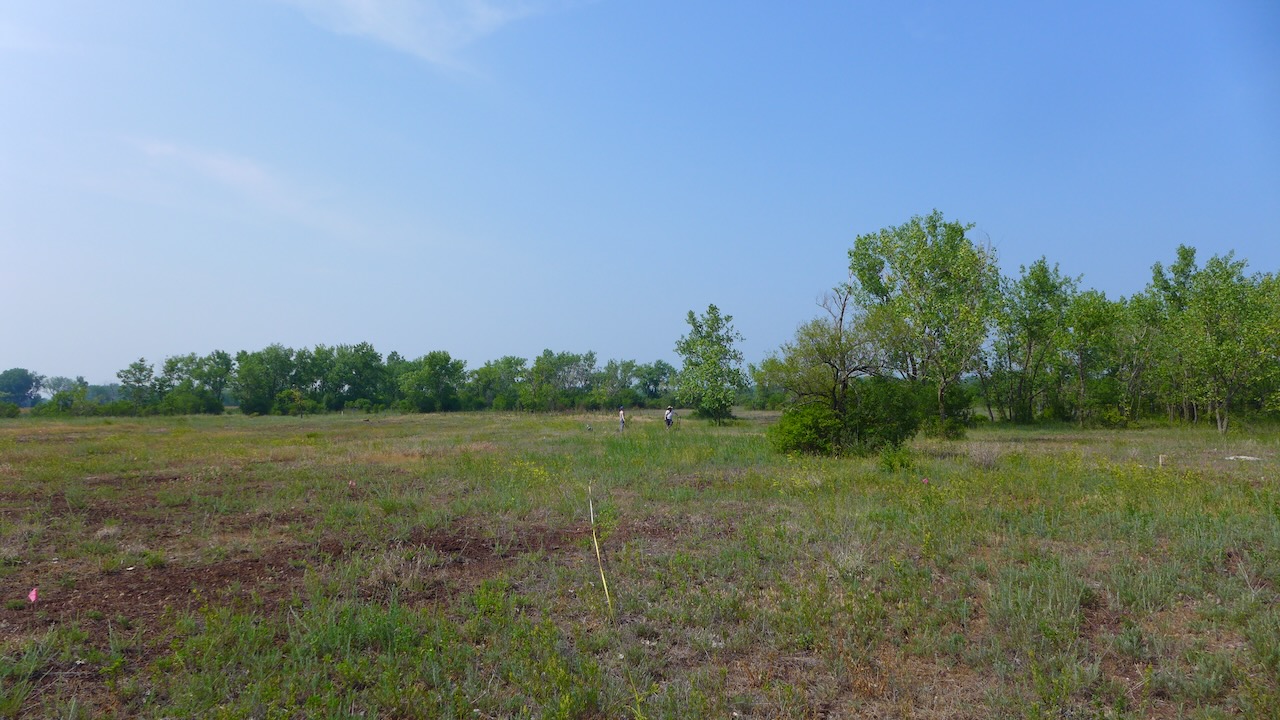
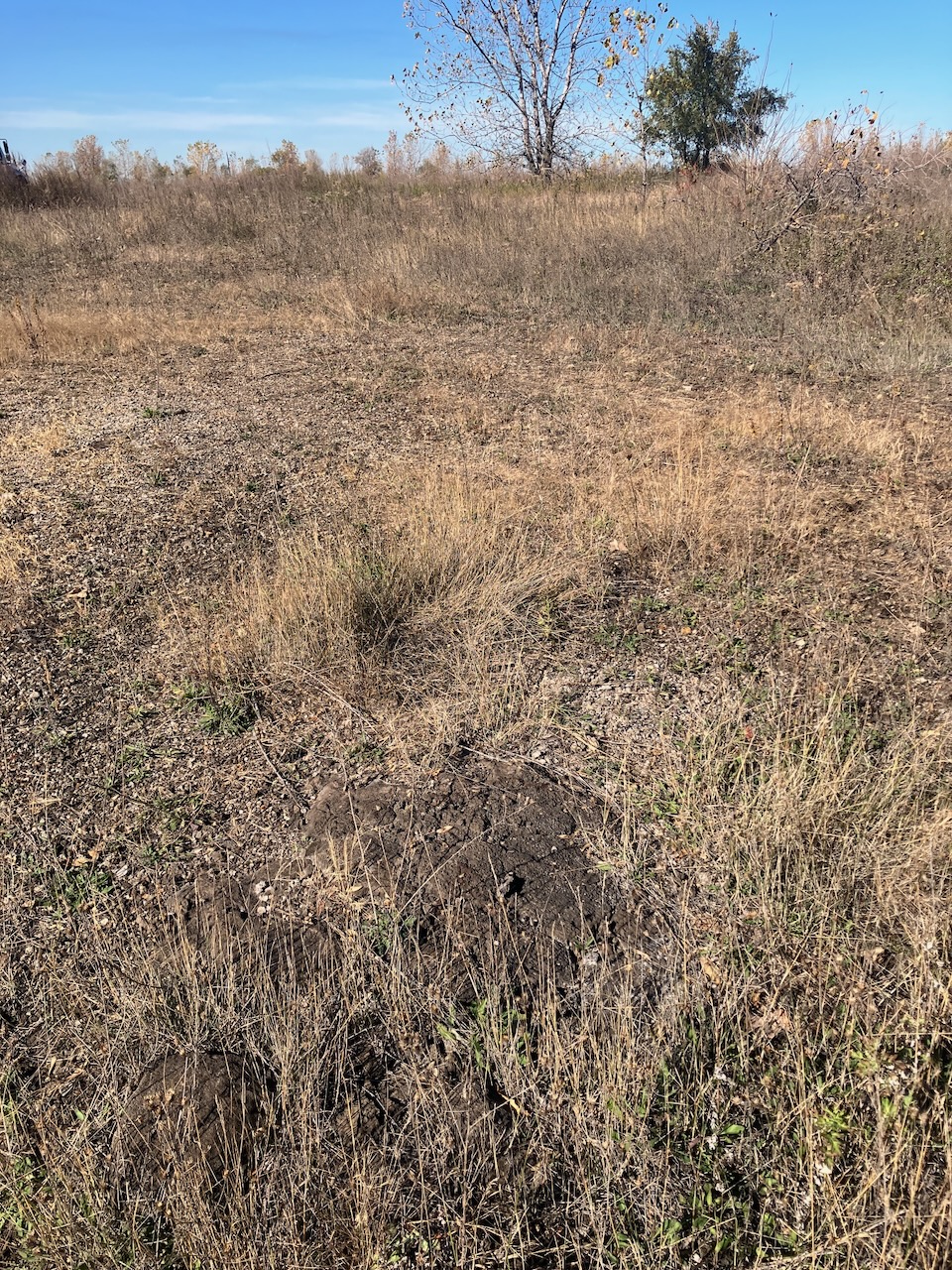
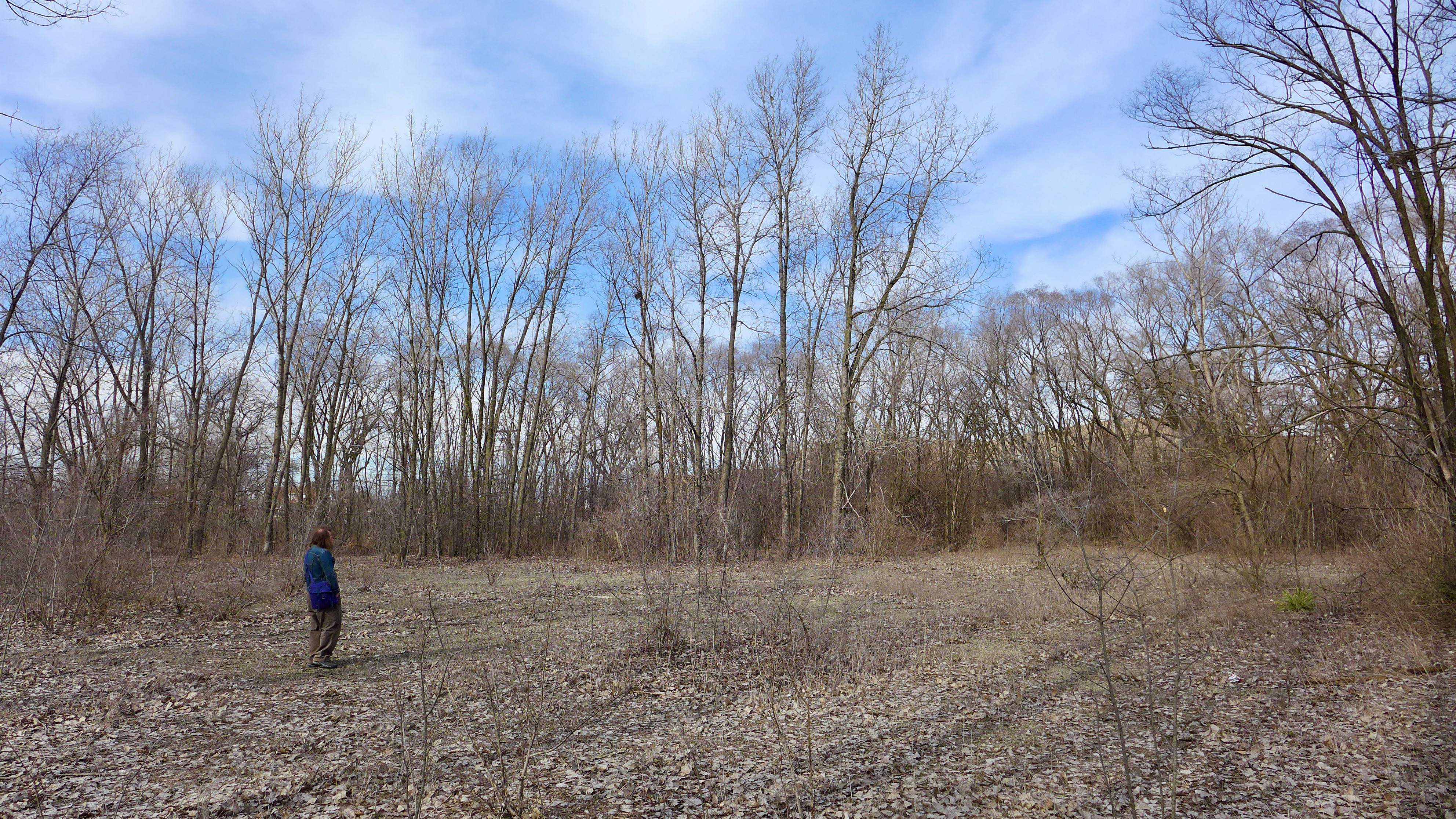
Paired plots at 350, looking north.

What’s the point of clearing plots? We want to see if there is a trend in the species that are able to persist on “bare ground,” and if there is a predictable order in which species make themselves at home in the plot, or a process called “ecological succession.”
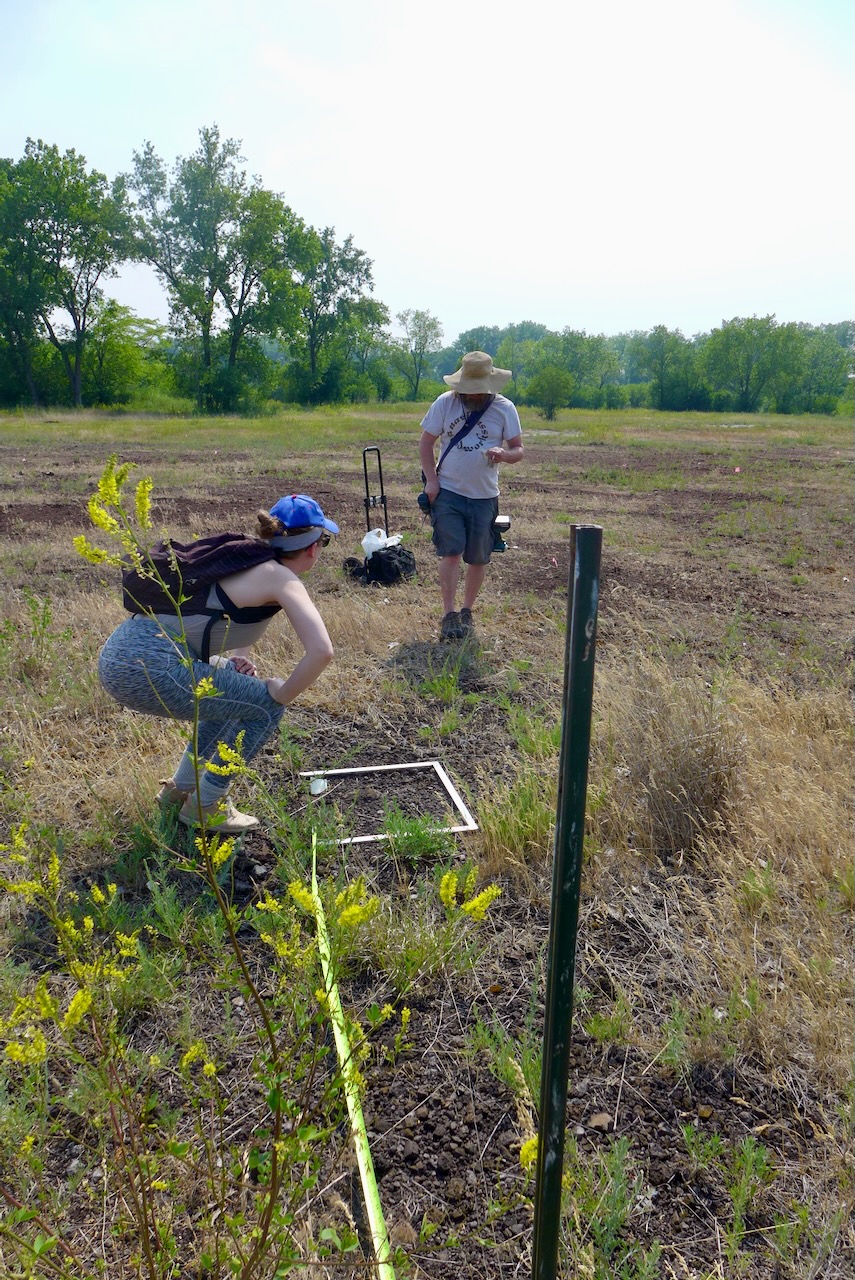
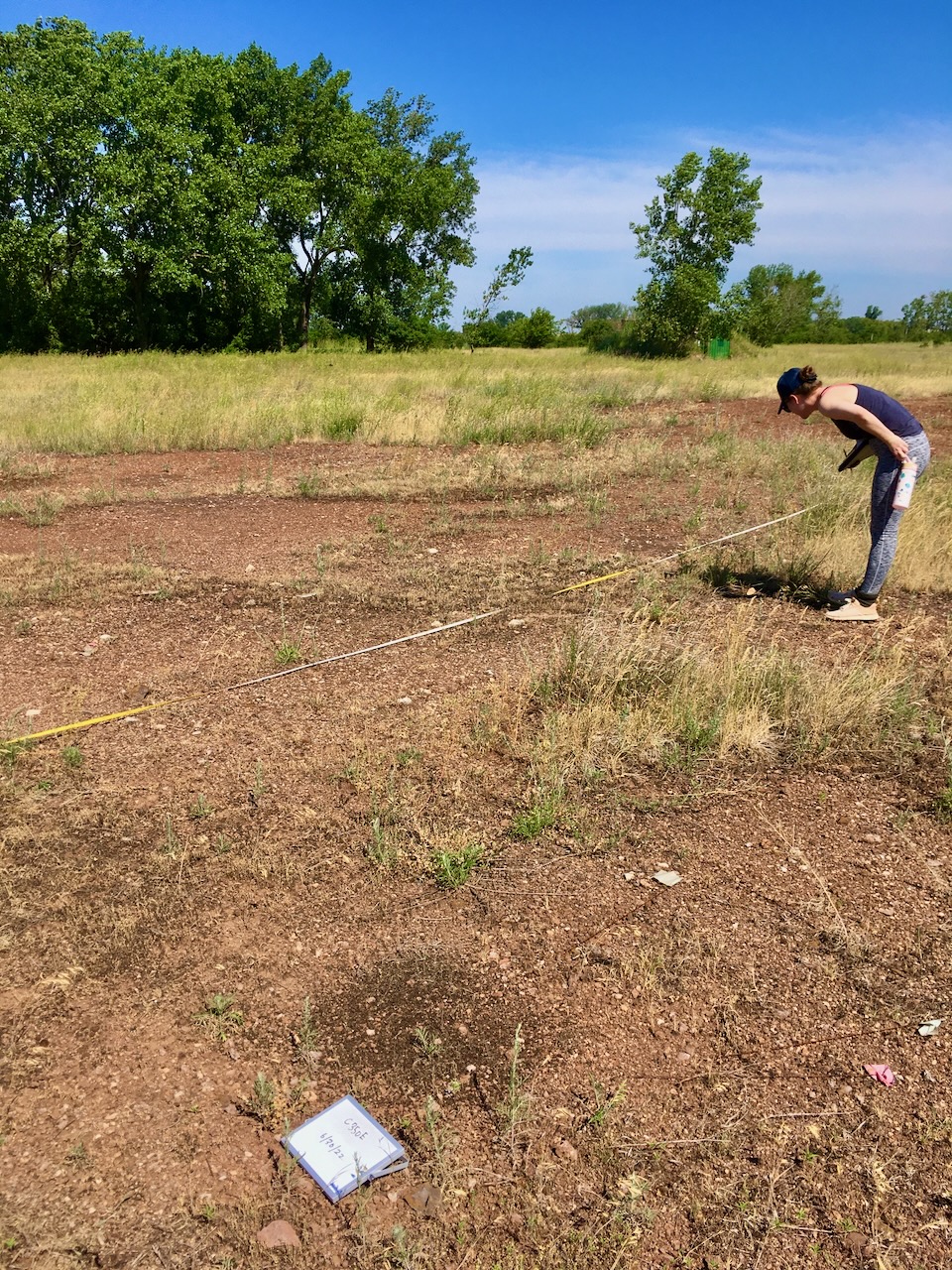
Paired plots at 200m, looking west.
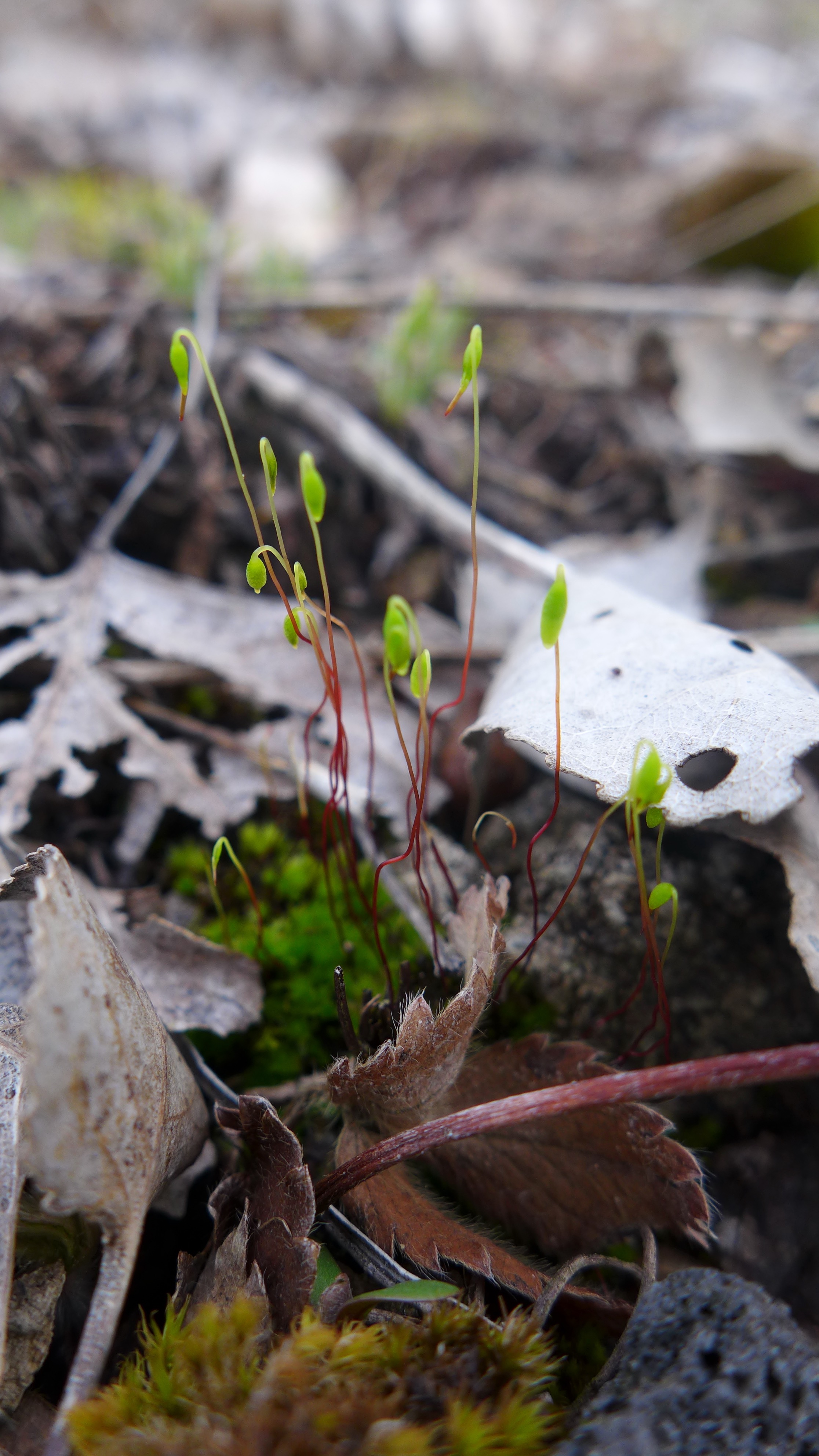
My favorite plot, full of Nostoc, at 350m, looking northwest.

By surveying the plants every year, we will see how community composition changes over time. We’ve collected six years of data, so stay tuned for a publication in the next decade!
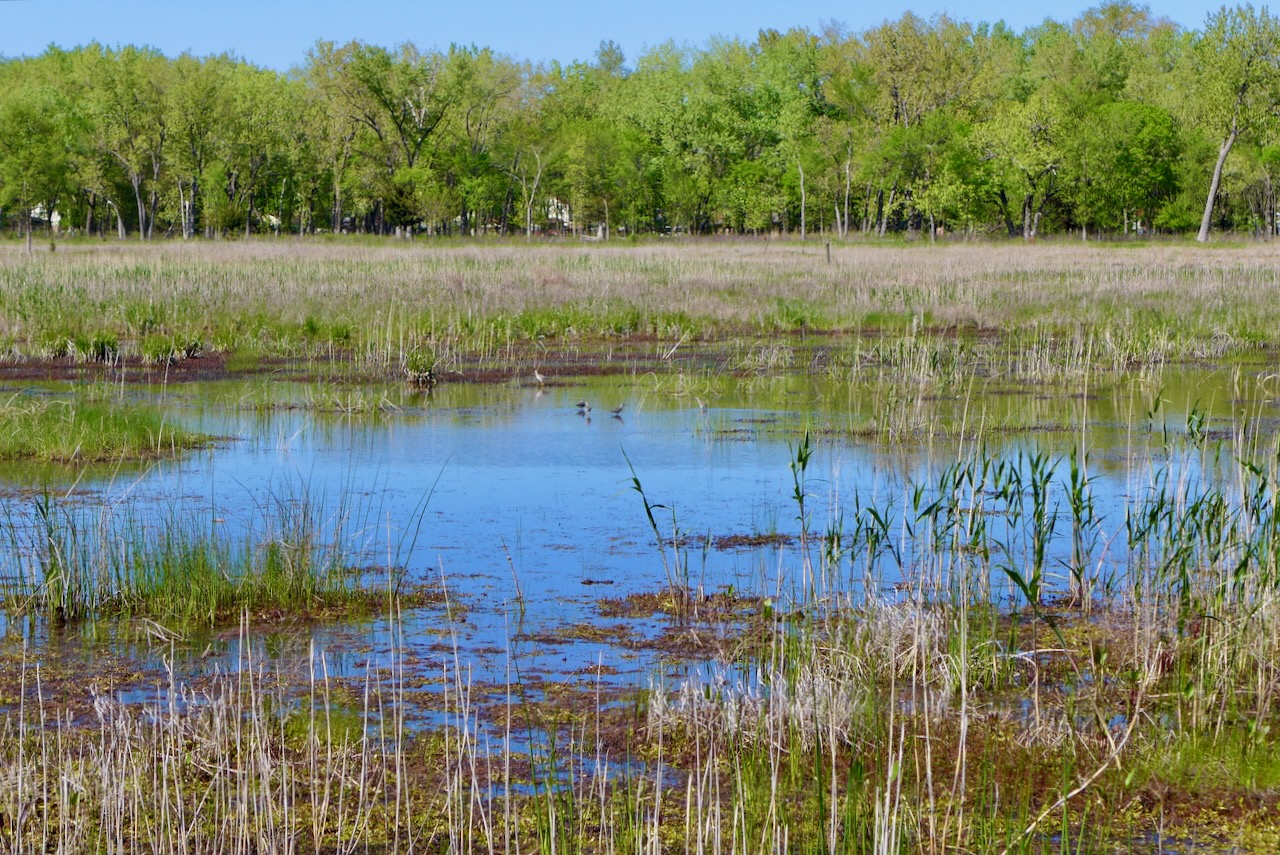
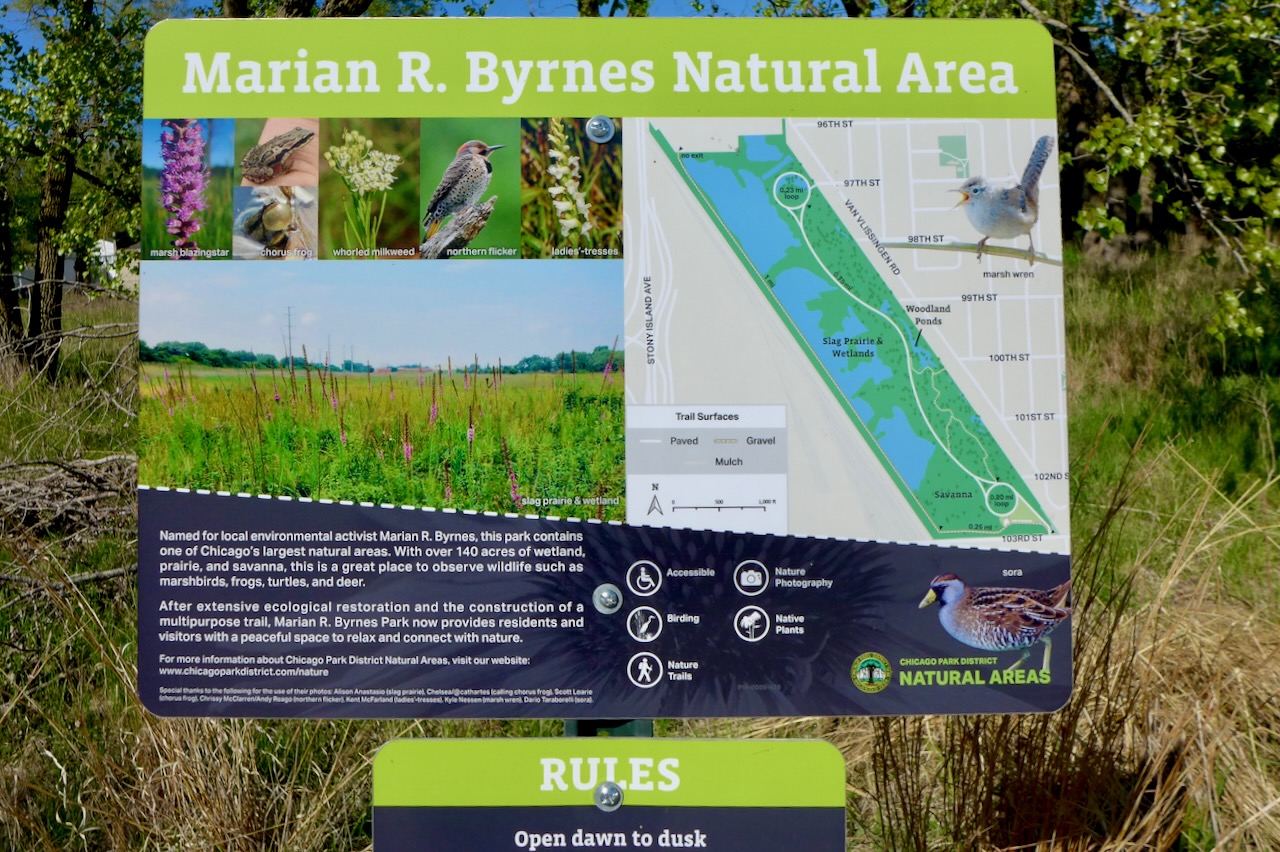
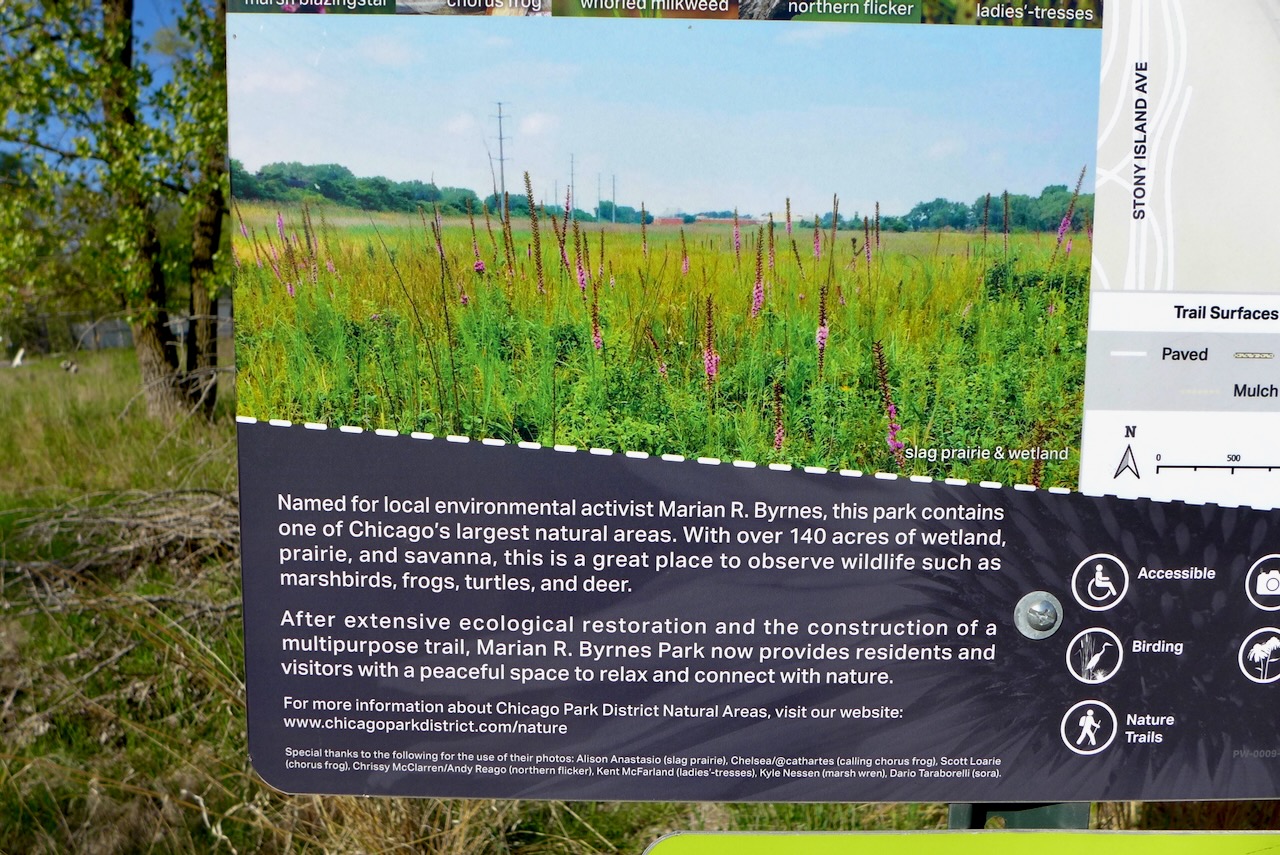
Marian R. Byrnes Park, IL • May 2025

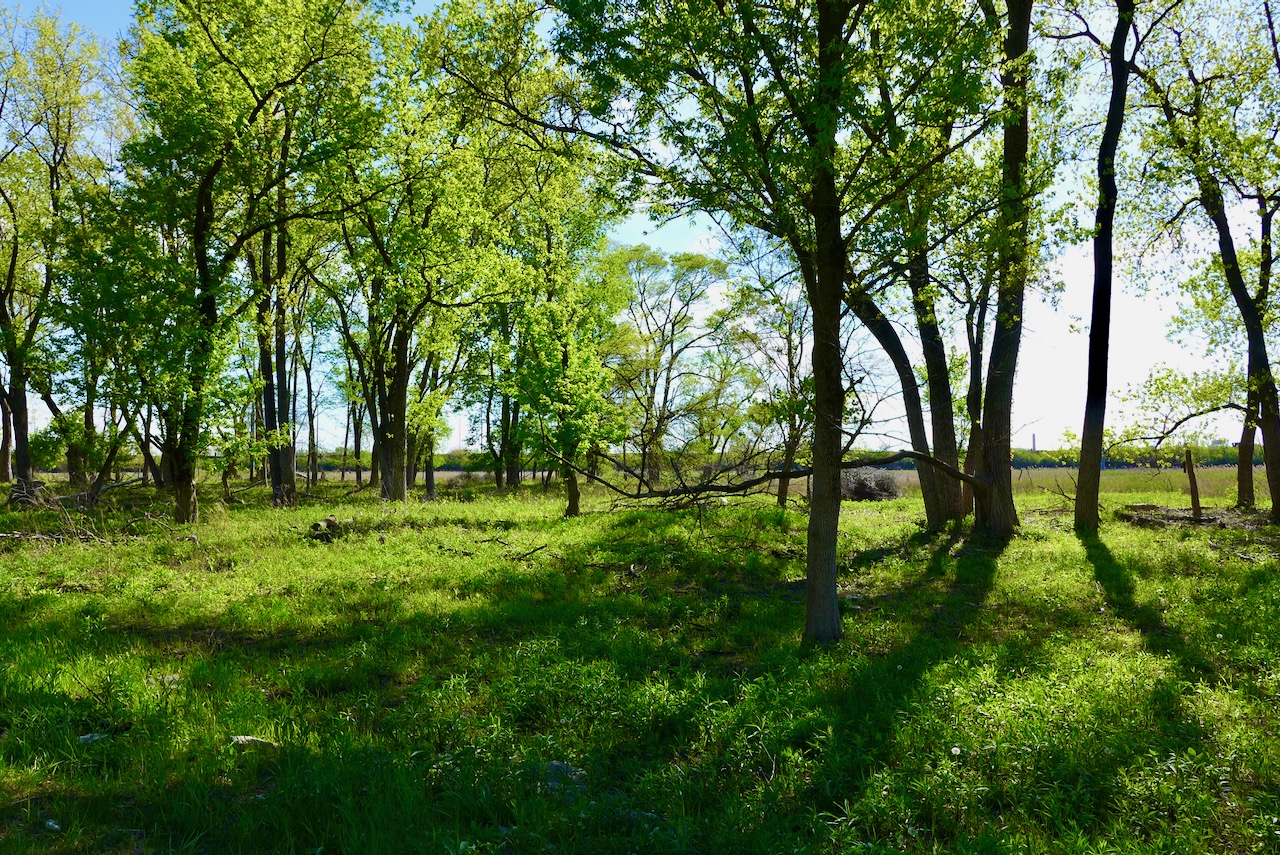
This place is a unique kind of urban restoration. Van Vlissingen Park has been owned by the Chicago Park District since 2011. When we first started visiting, it was an overgrown, impenetrable, Phragmites-filled mess, like many public lands around Chicago in the 80s through early 2000s.

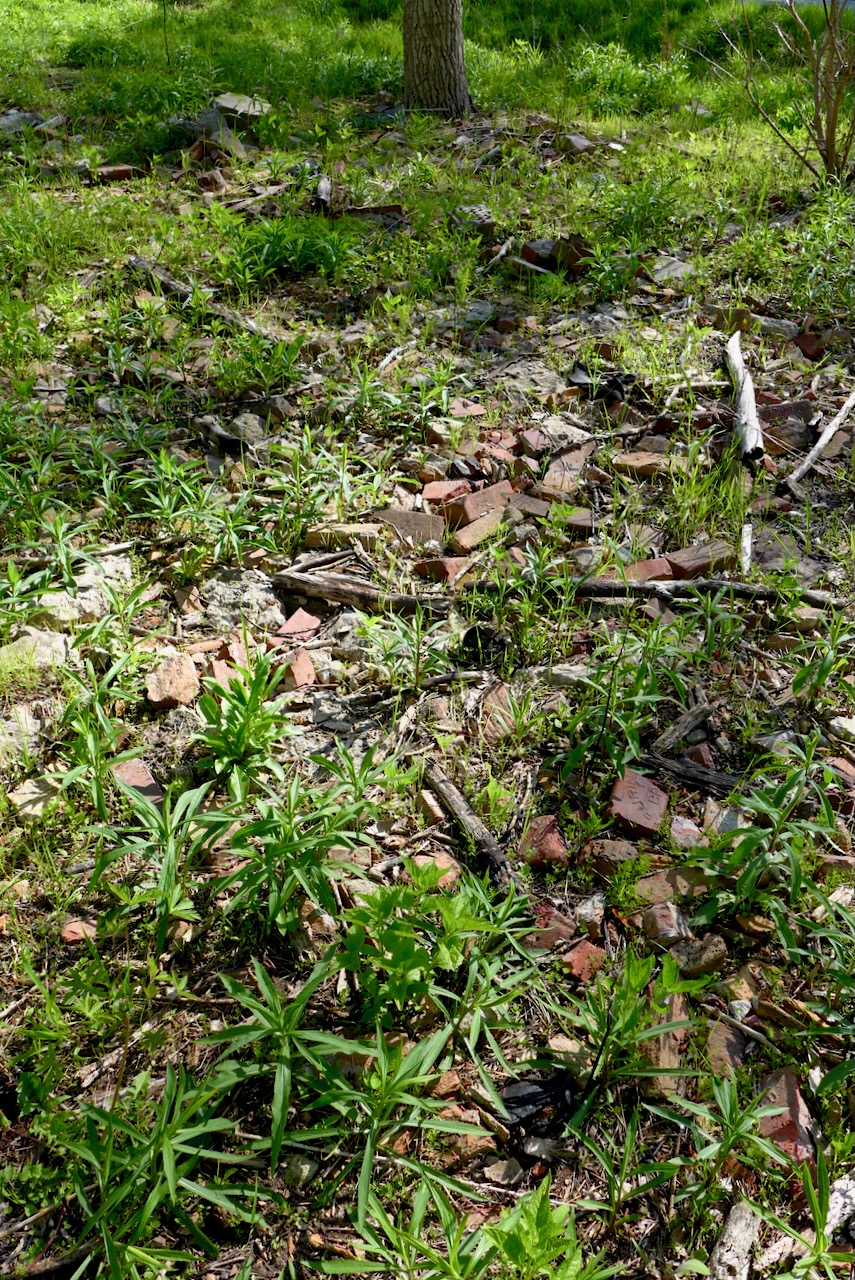
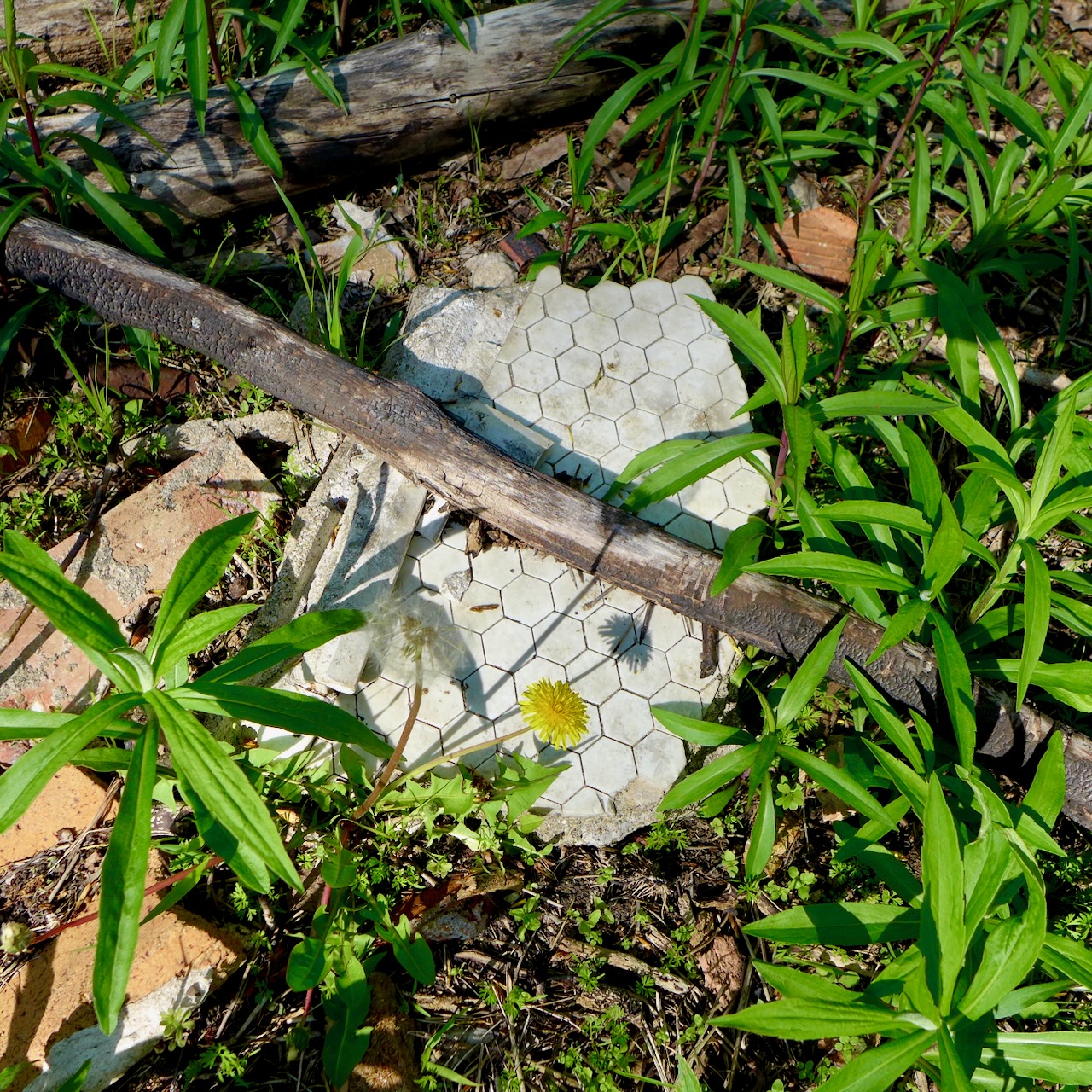
And the restoration isn’t back to some pre-colonial time; this is no remnant habitat here. It’s a spontaneous ecosystem that moved in on a bed of slag and construction waste. Some of the waste continues to erupt from layers of soil; bricks and building materials form vignettes highlighting the ever present human input into these urban ecosystems.

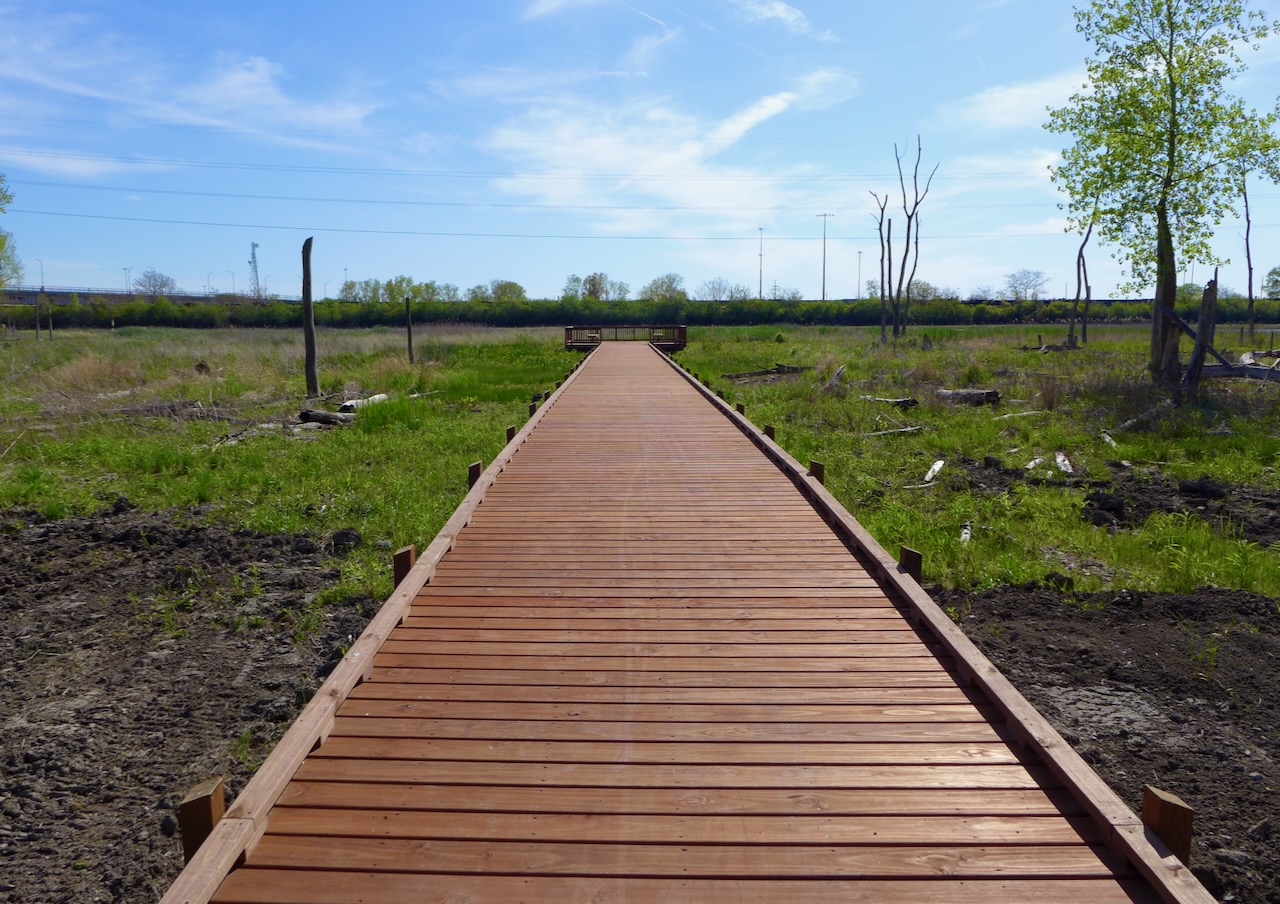
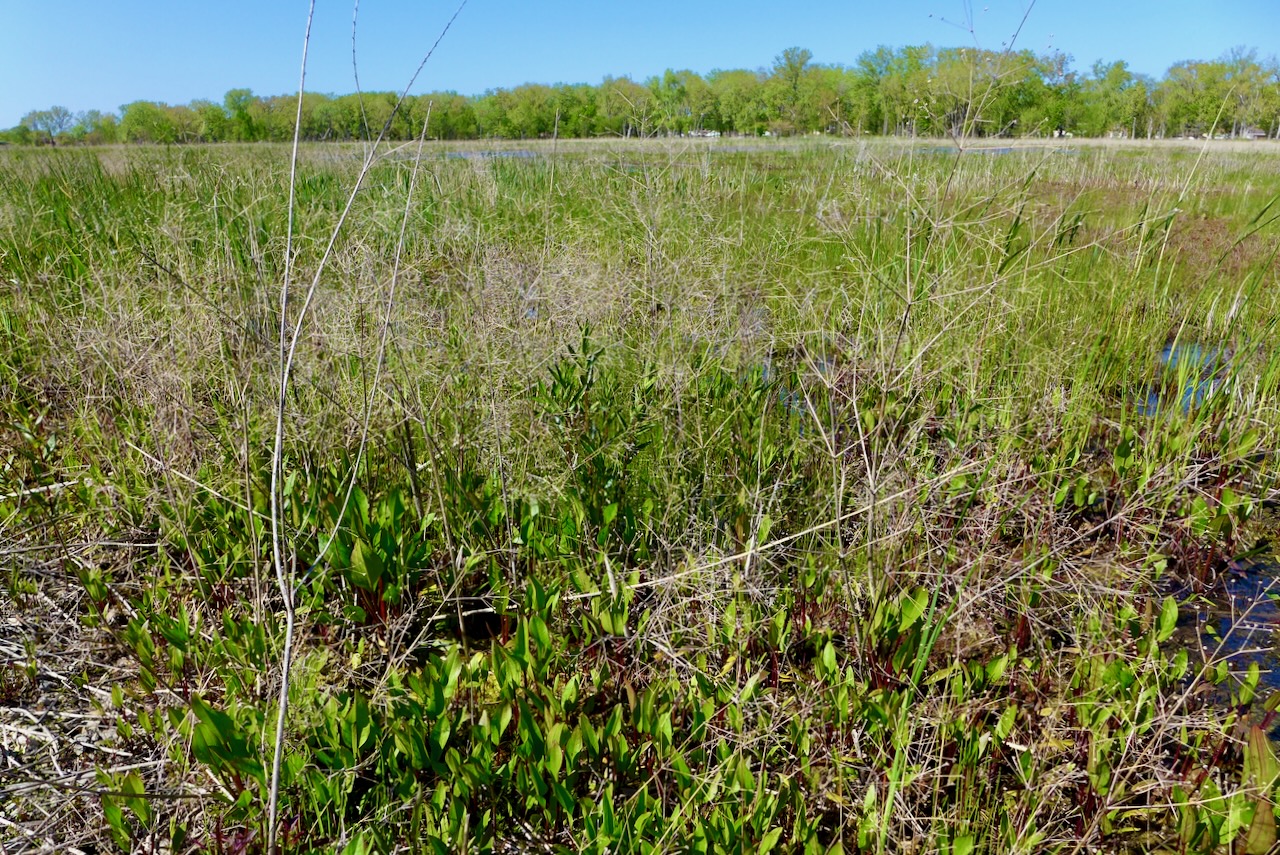
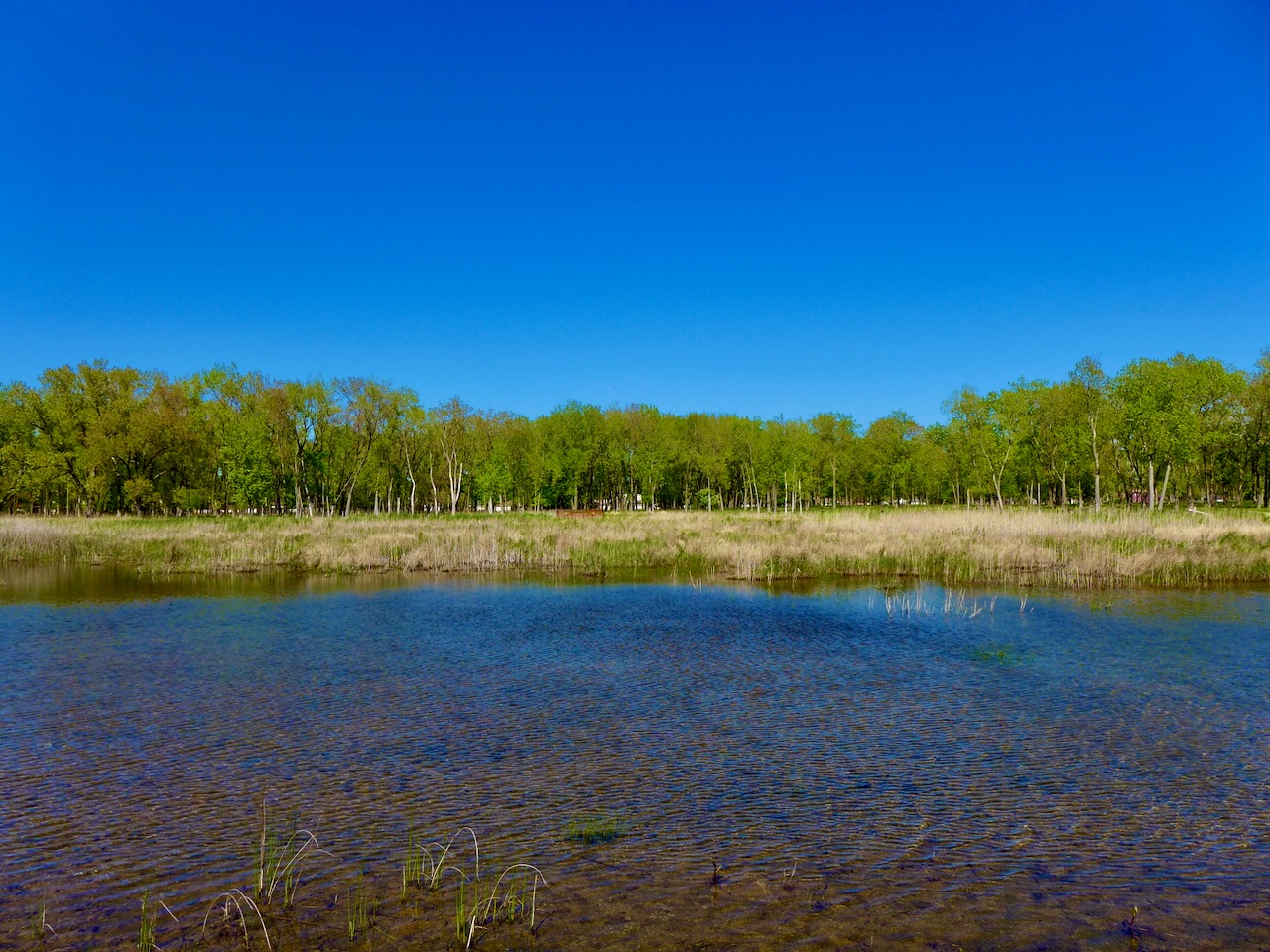
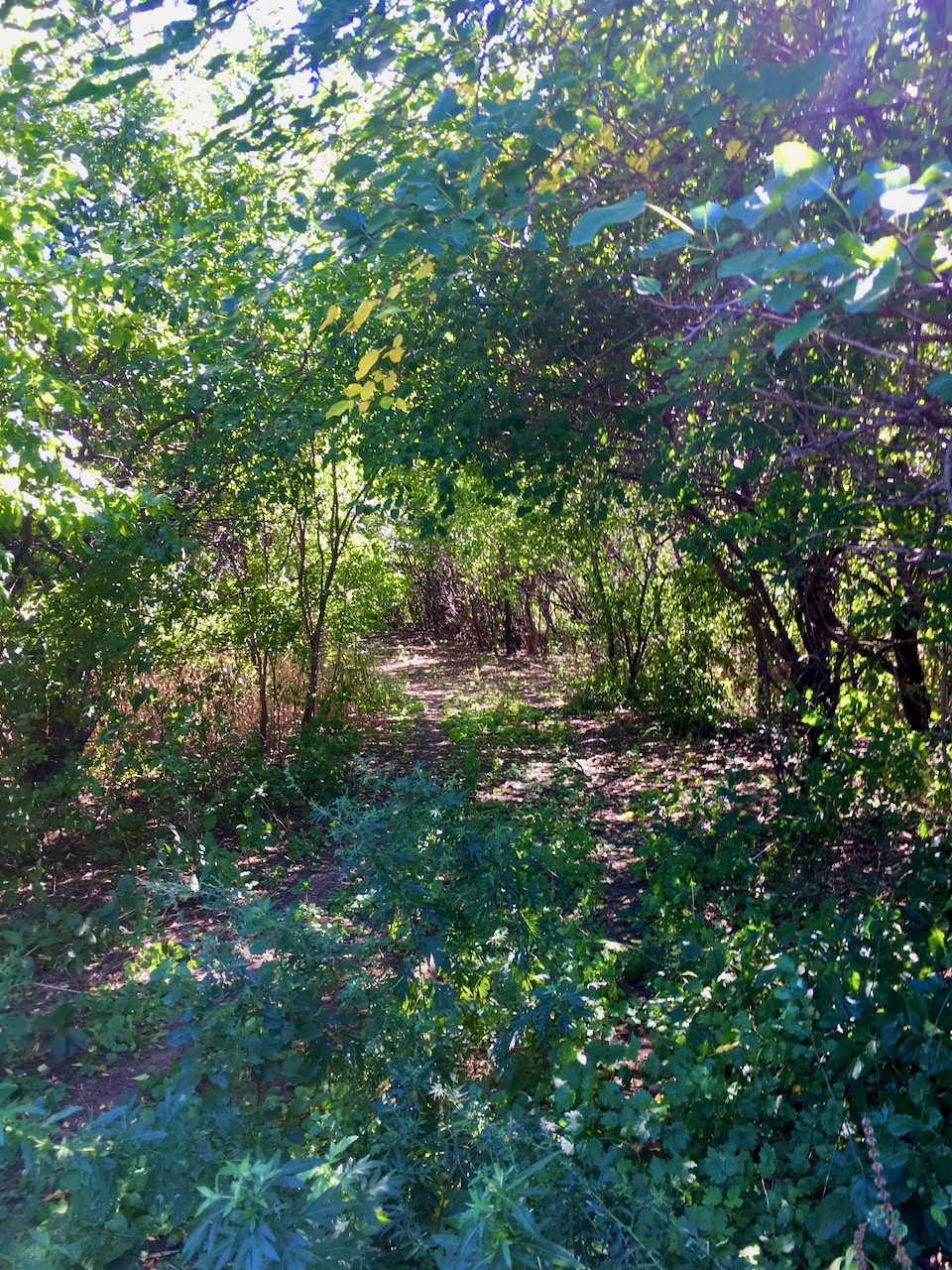
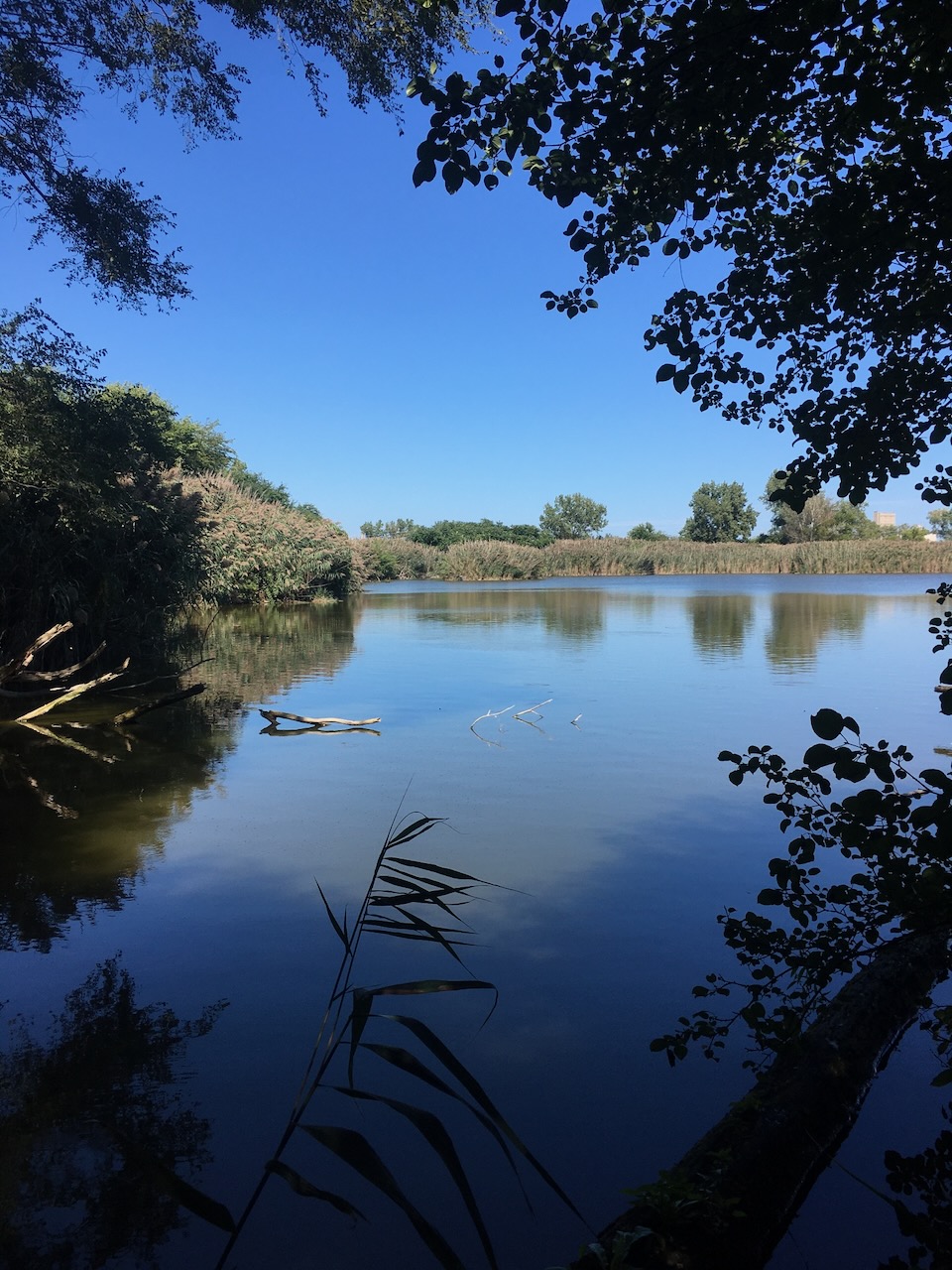
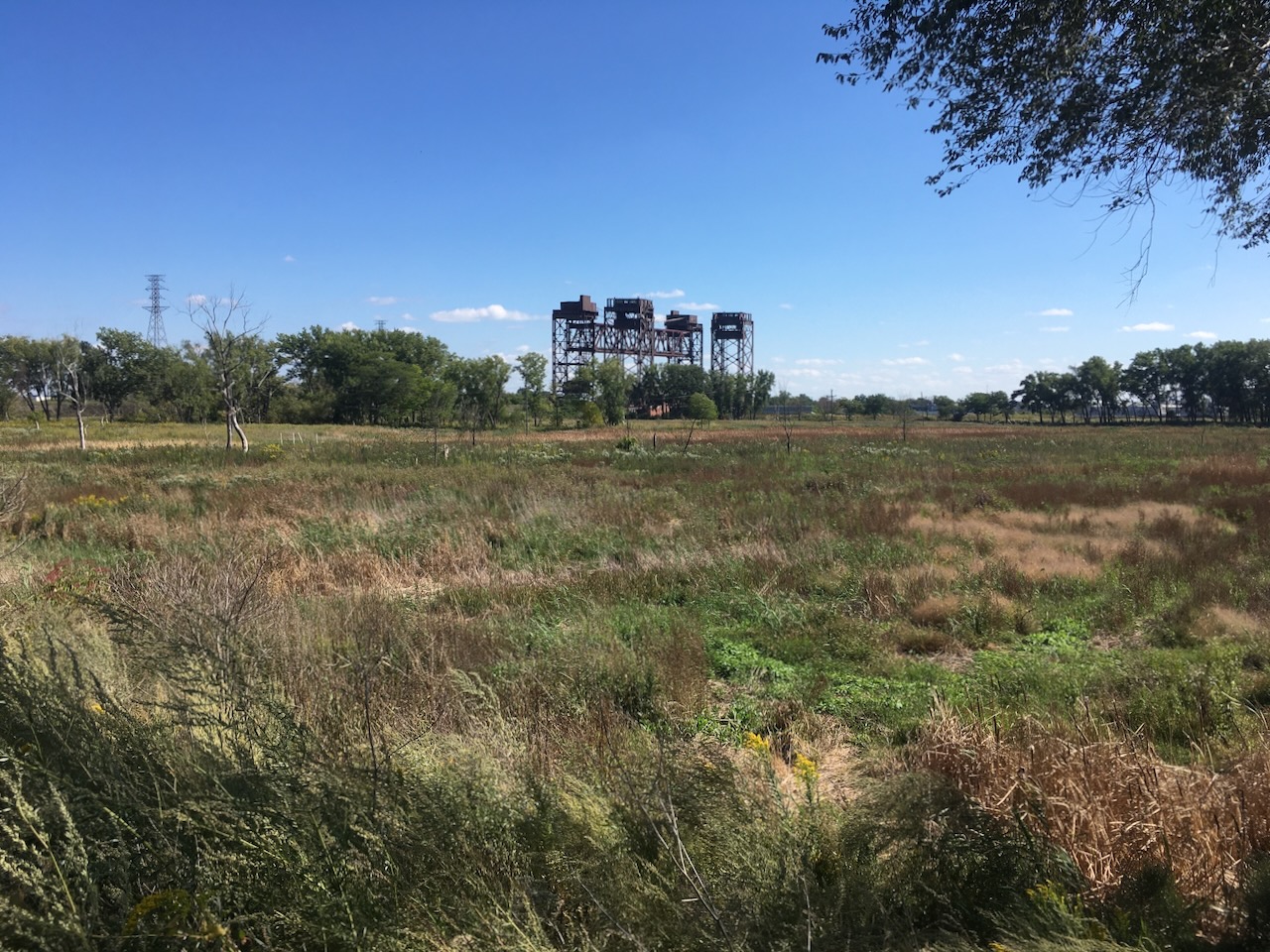
Now that it’s Marian R. Byrnes Natural Area, it’s a beautiful slag prairie and wetland, with a luxurious woodland path.

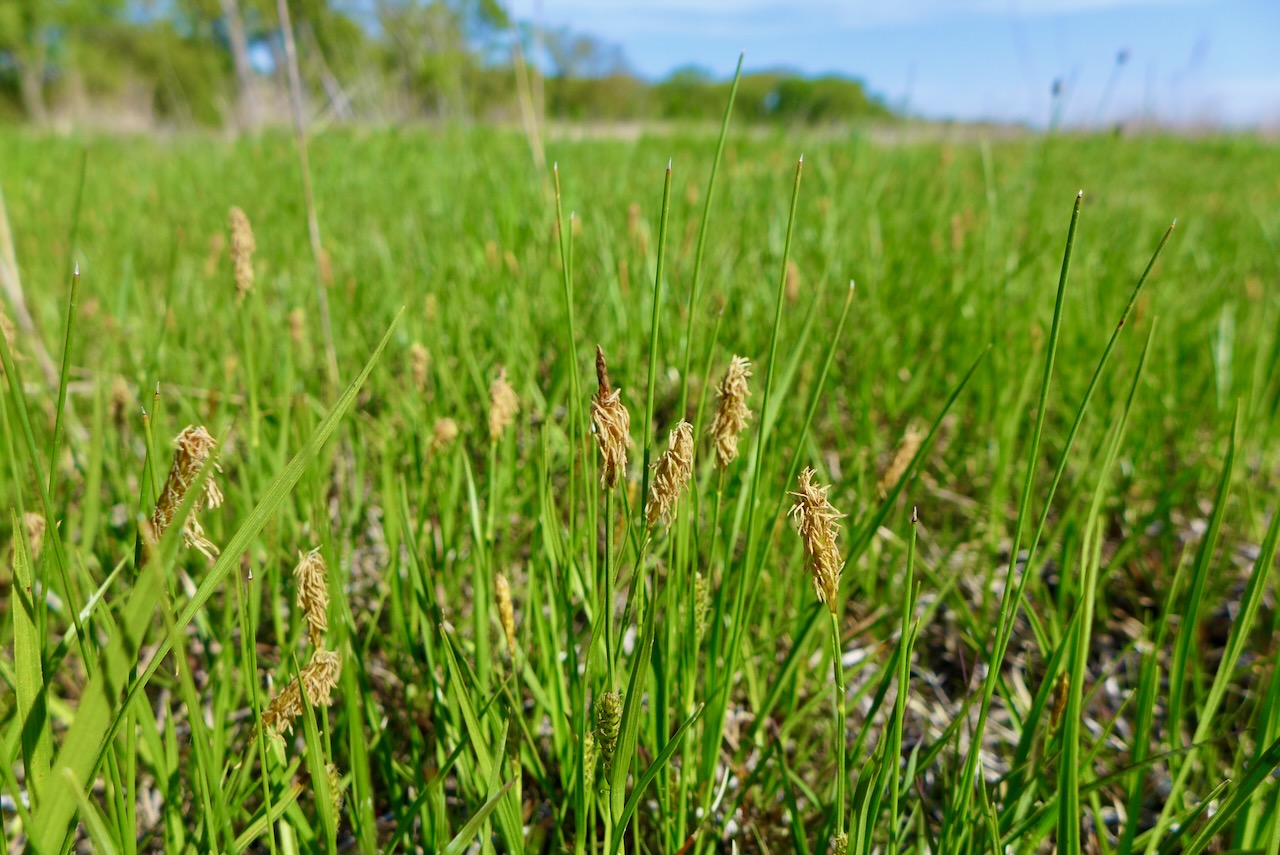
Alisma inflorescences from last year, and new vegetative growth

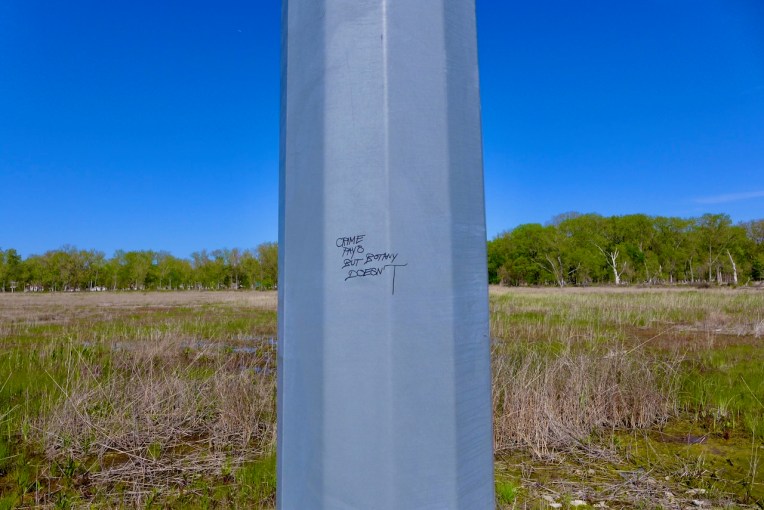
an honor for another explorer of underappreciated ecosystems to make his mark here!
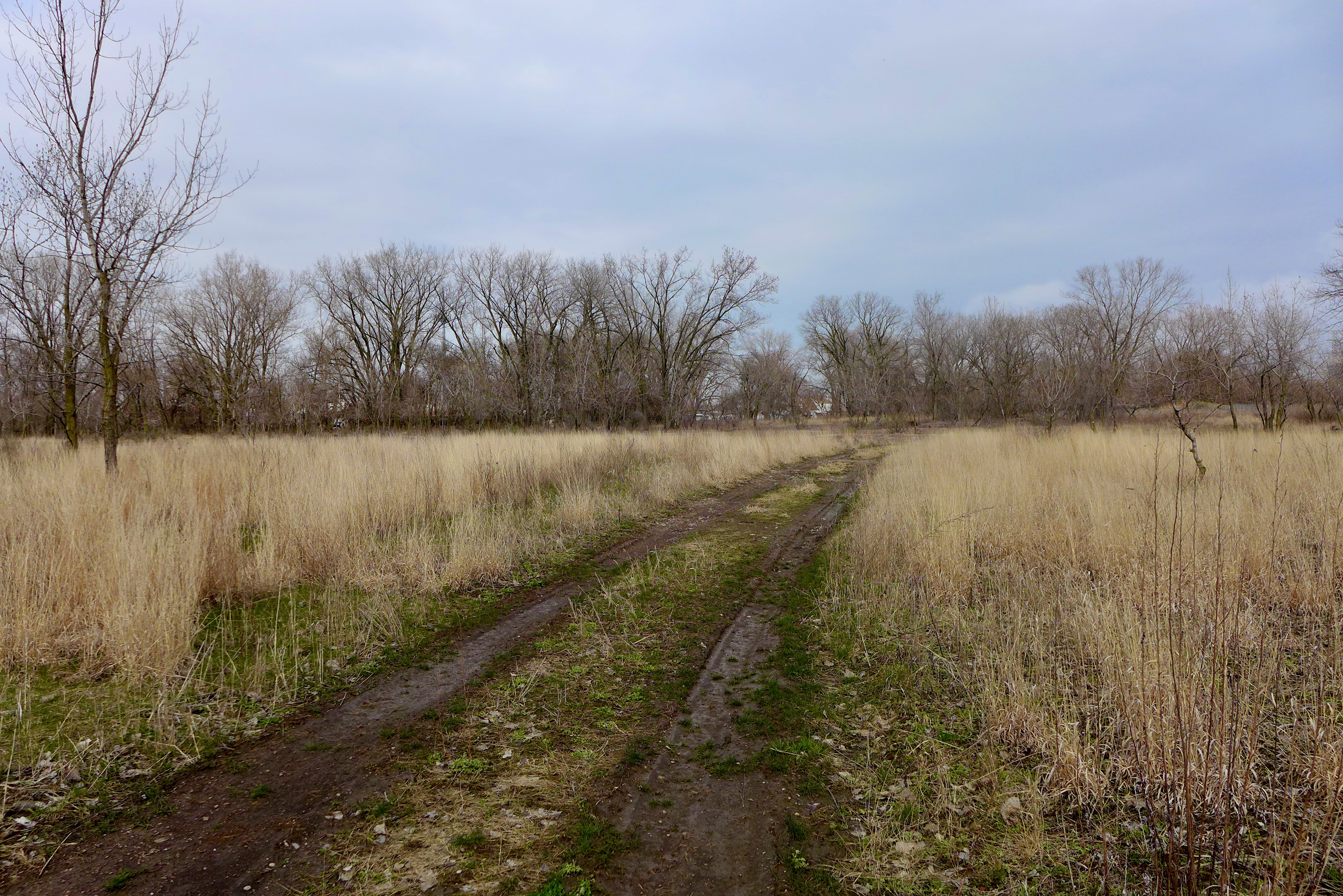
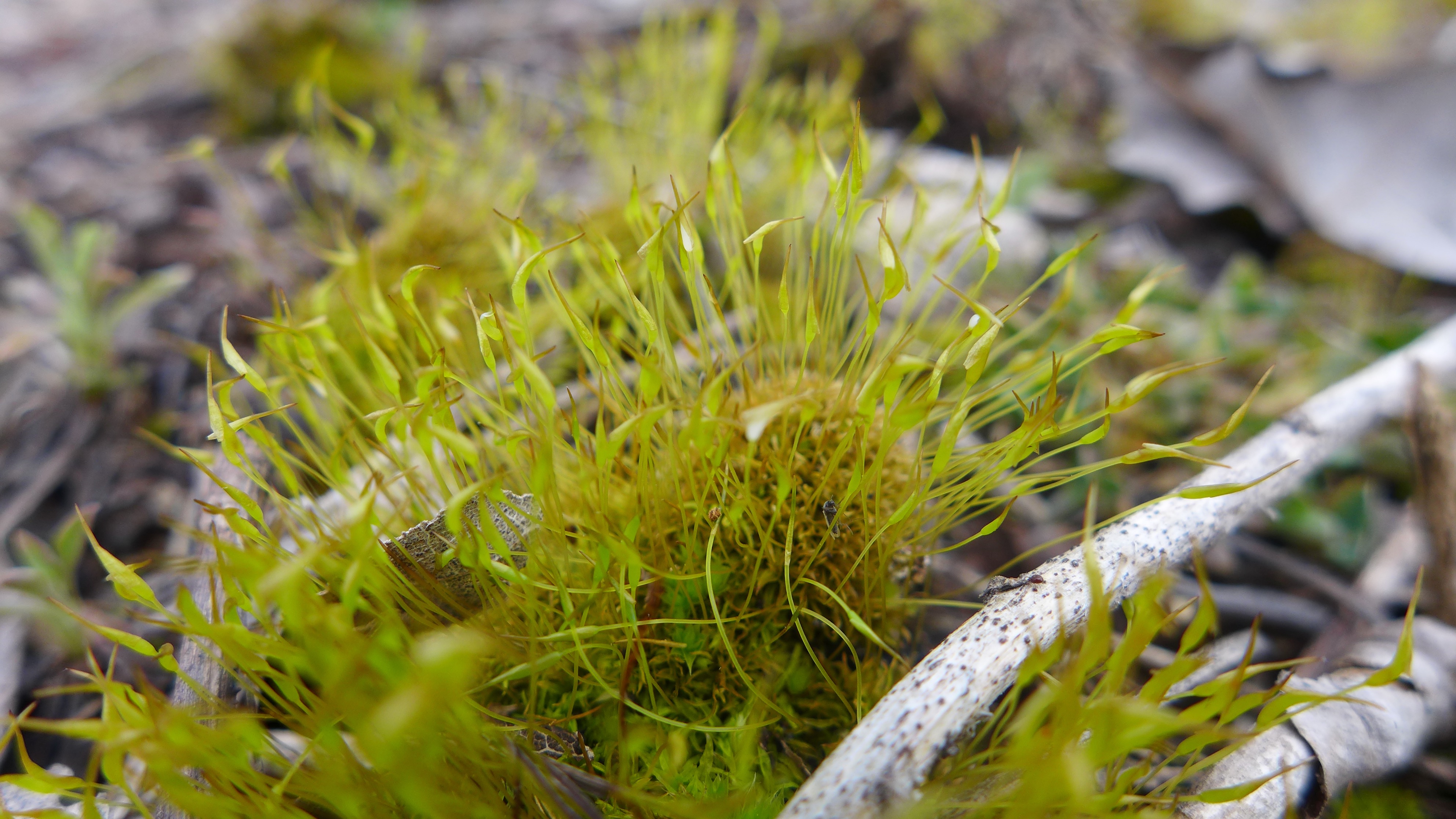
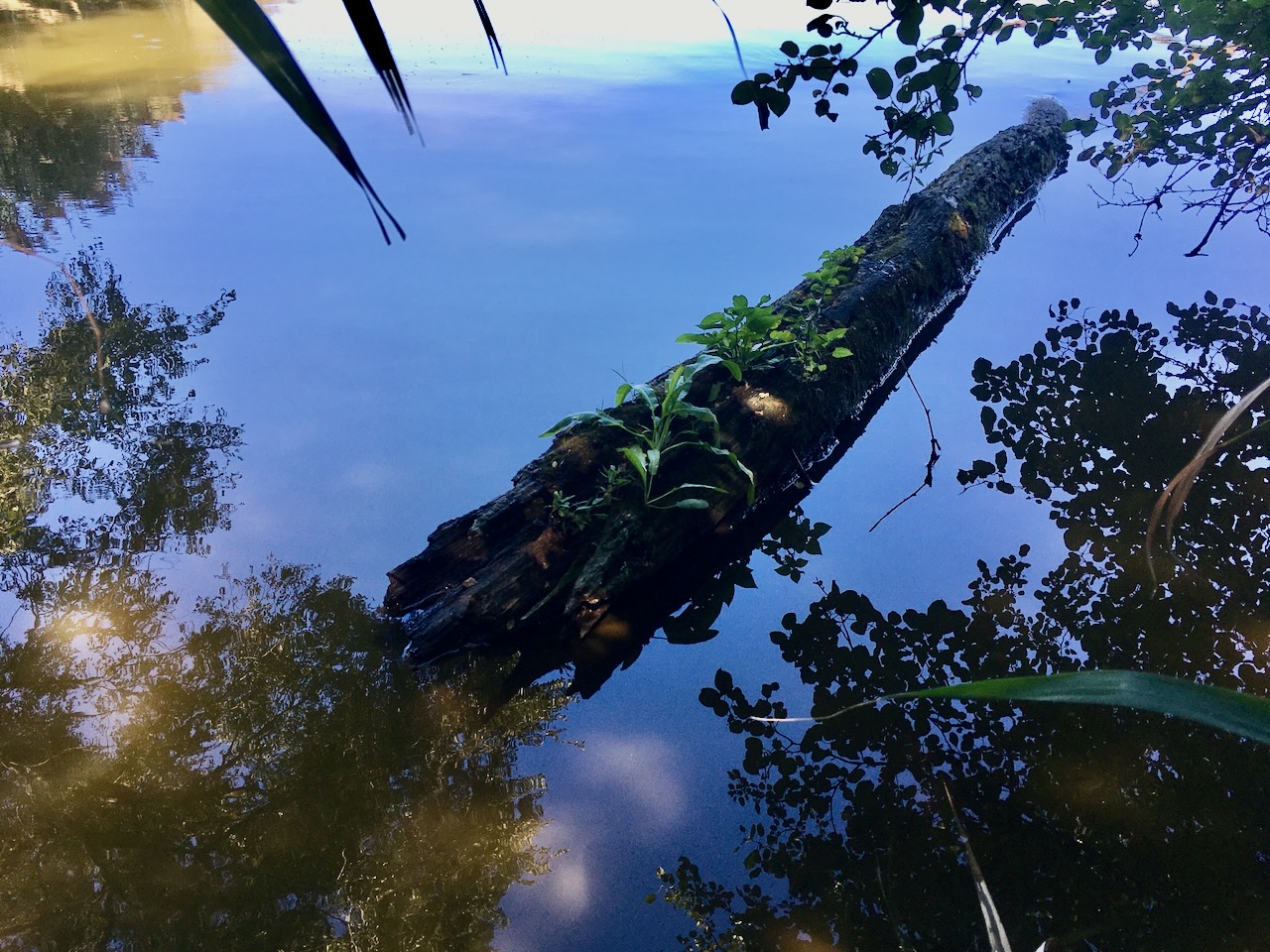
with the water level down across the site, you can see balled up Nostoc, slowly dehydrating

US Steel Southworks, IL • October 2024

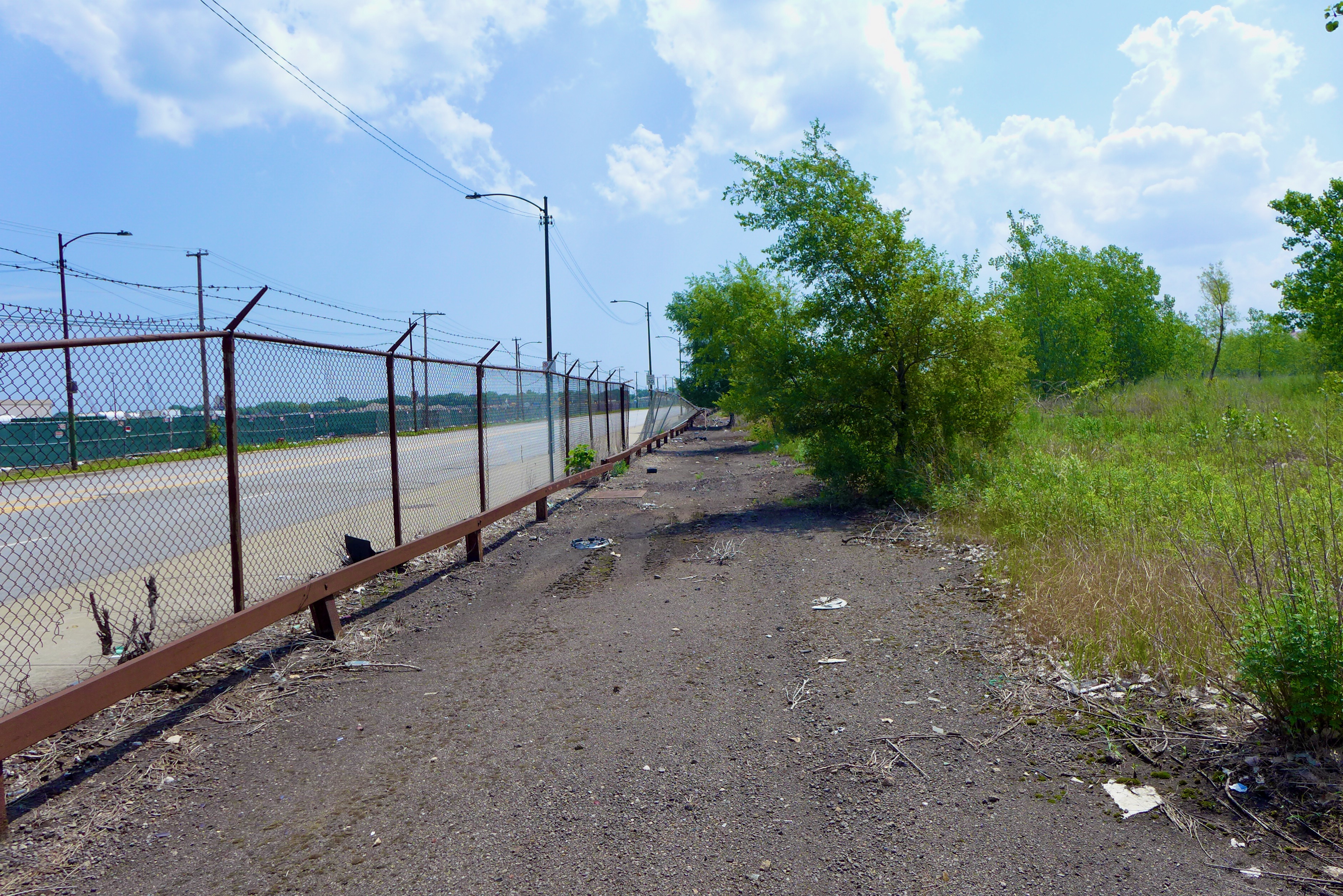
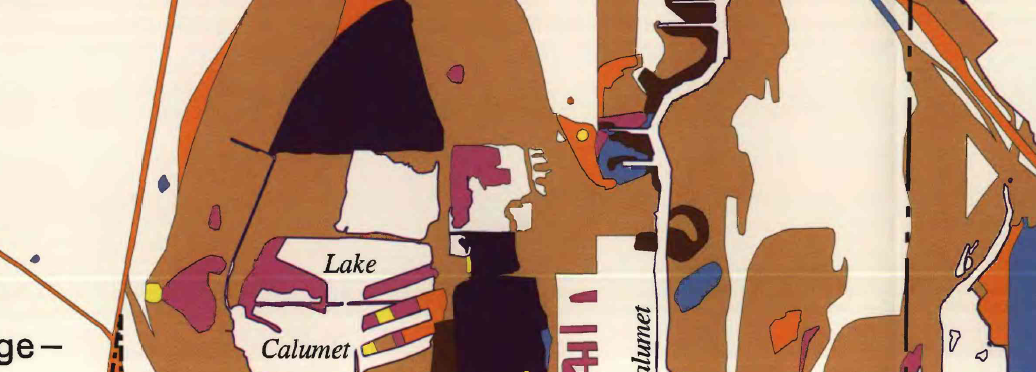
I hadn’t been to this parcel – south of 87th, abutting the mouth of the Calumet River – in awhile, but I wanted to see what ephemeral ecosystem on Calumet slag barrens on the US Steel Southworks (USX) site will be lost when the Chicago quantum campus is built.

The USX site is one of the wildest greenspaces in Chicago – in a really unregulated state. Since most of the property is not under active land management, all manner of wildlife can wander around with little chance of interaction with humans. At dusk and dawn, large mammals are plentiful.

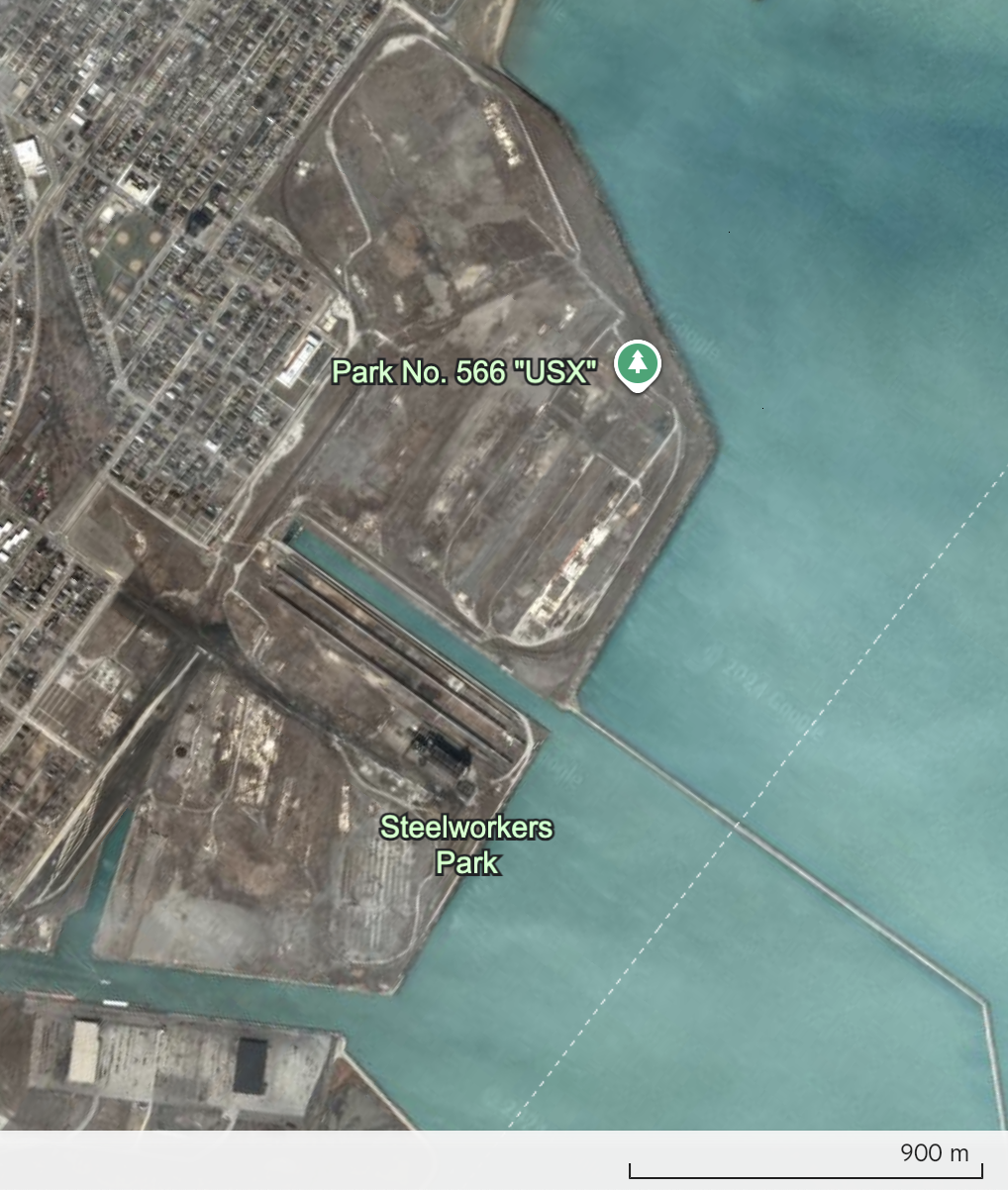
First, a little bit about this parcel. Unlike the north and central parcels of the site, this spot on the far southeast has arguably had the most disturbance due to development: fill has been added and graded around these ~40 acres since at least 2003. In 2011, Dave Matthews Band played a show, beneath “truckloads of wood chips … imported to cover the ground.” (I must return to hypothesize about differences in plant community on slag with, and without, this organically rich additive!)

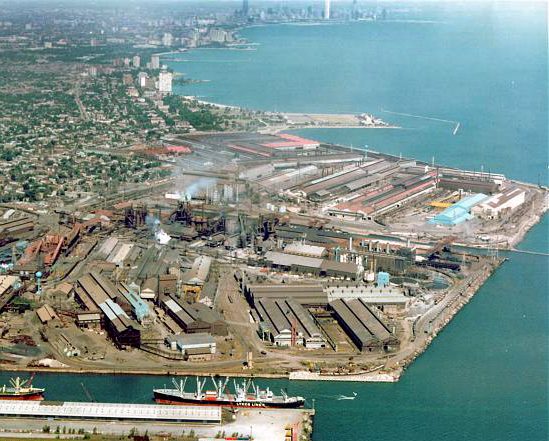
Buildings were still at the site in 1991; by the year 2000, most structures were gone and there was a fence next to the Bush on the west so that the whole property was invisible to the public.

Today, the vast open areas with crushed gravel-like slag can sustain wave after wave of short lived annuals that thrive in disturbed areas.

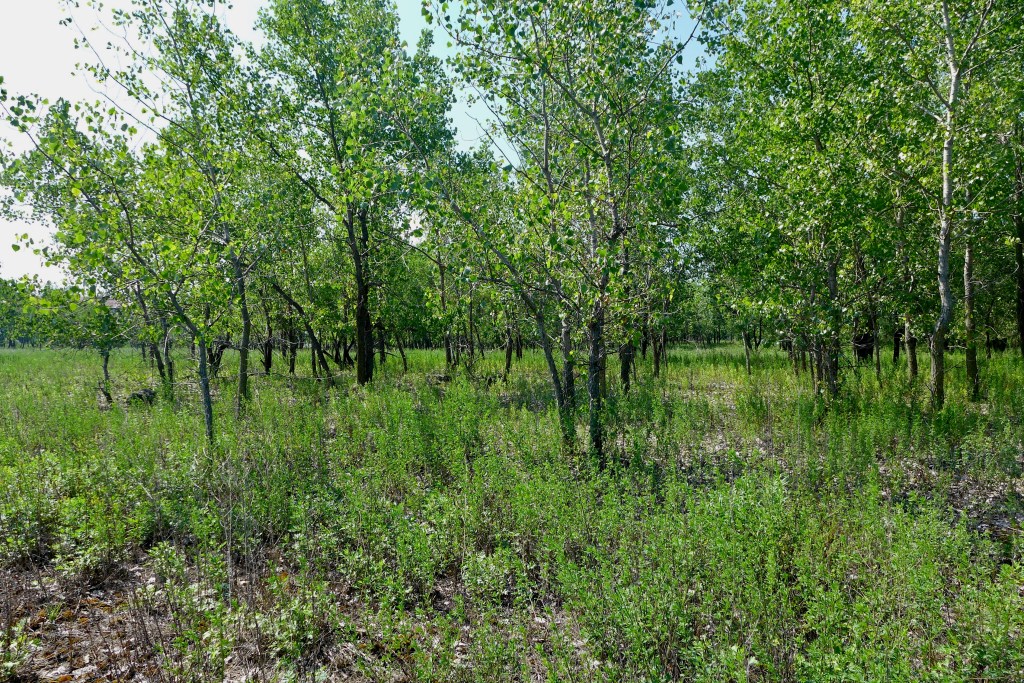
Other quadrants haven’t been regraded as recently, and here, copses of pygmy cottonwoods show us where nutrients and organic matter have collected.

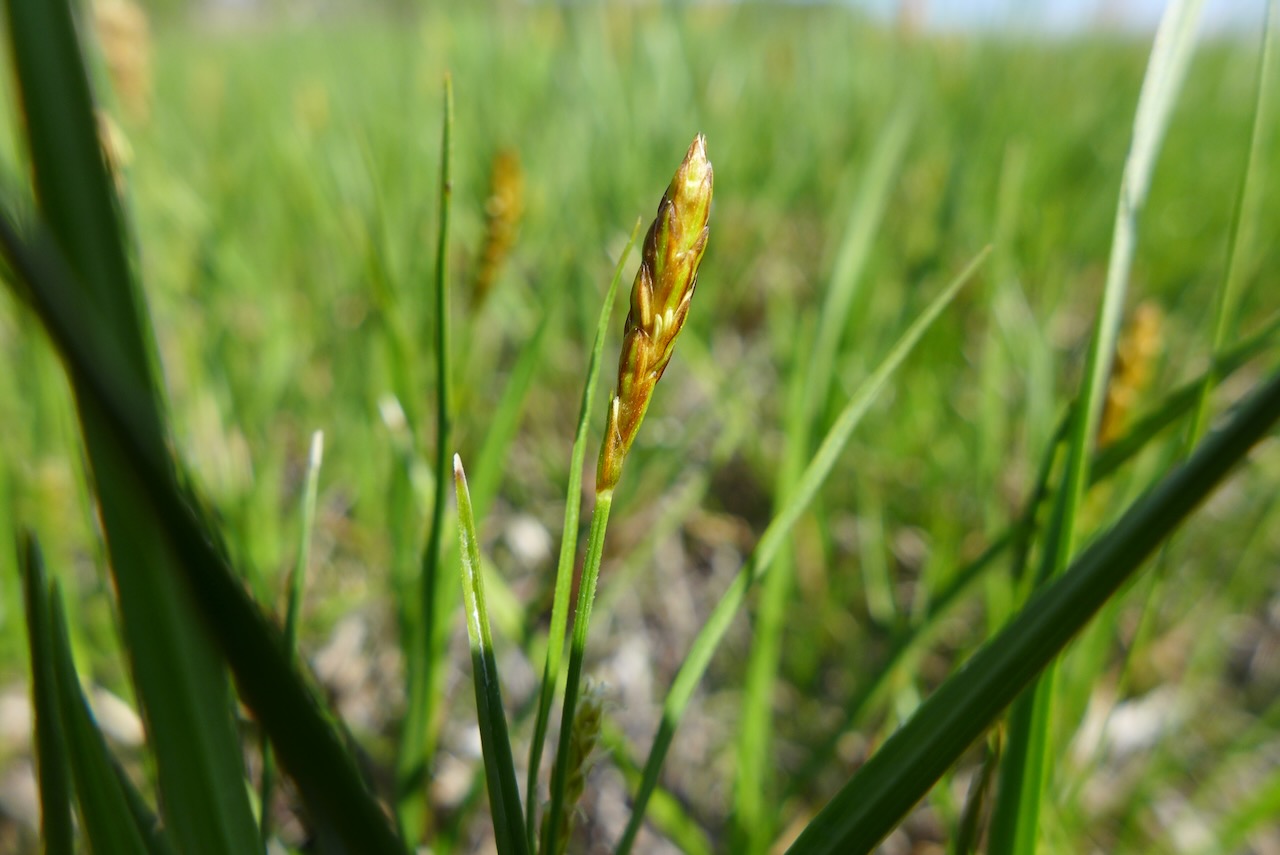
I never thought of using the infamous Phragmites as an indicator species, but from our research on slag barrens, we have found the most interesting plant species in the depressions and wetlands of the slag barrens. In this case, the telltale seedheads (often confused for “prairie grasses”) belie the rare native orchids, sedges, and spike rushes that can similarly tolerate these damp human-modified sites. There wasn’t much to see in December around the Phrag, but it would be worth checking out in the summer, if the site is still accessible.

Elsewhere at the site…

South Slip
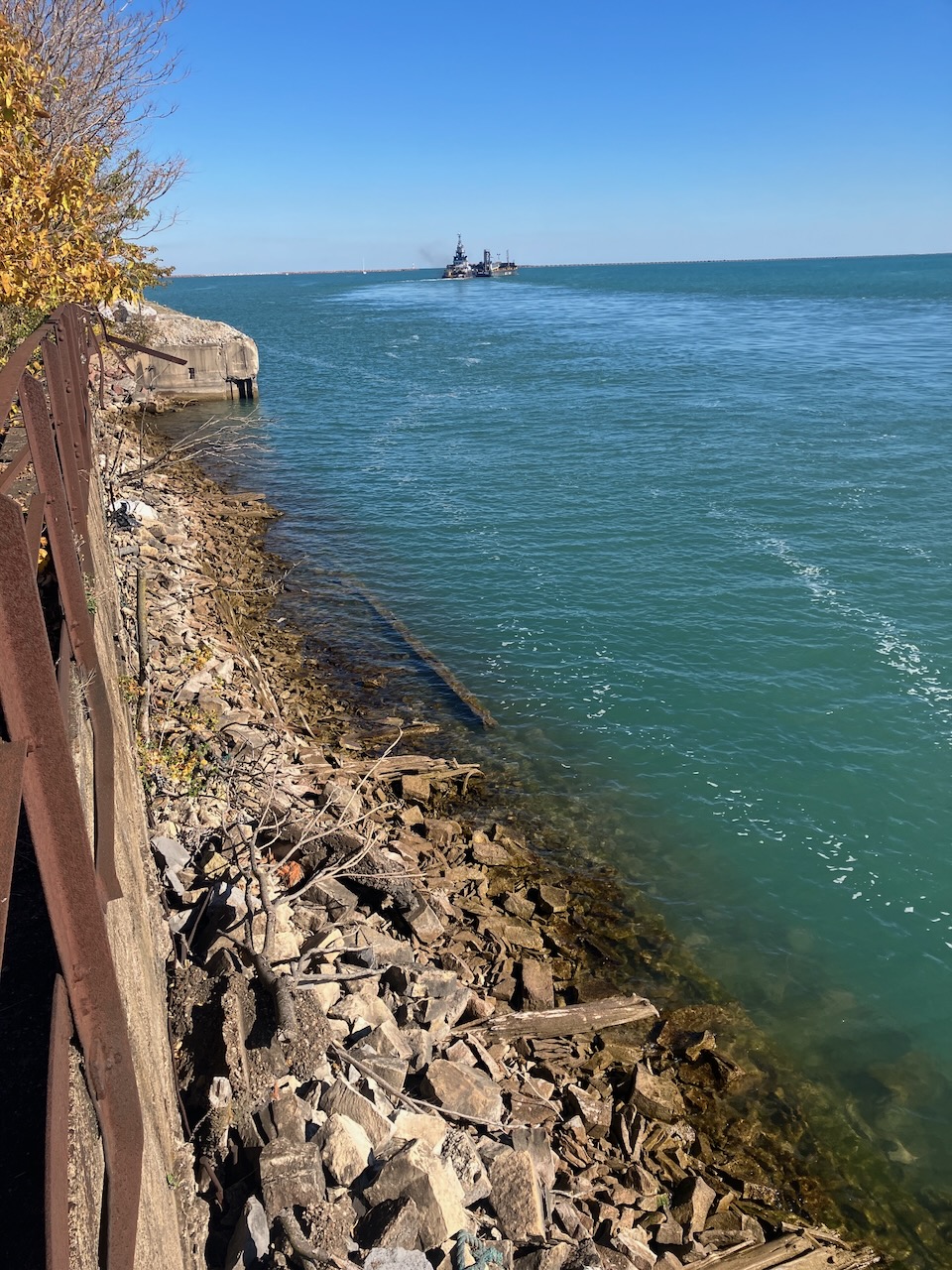
barge headed into Lake Michigan from the mouth of the Calumet River

Burnham Prairie, IL • April 2024

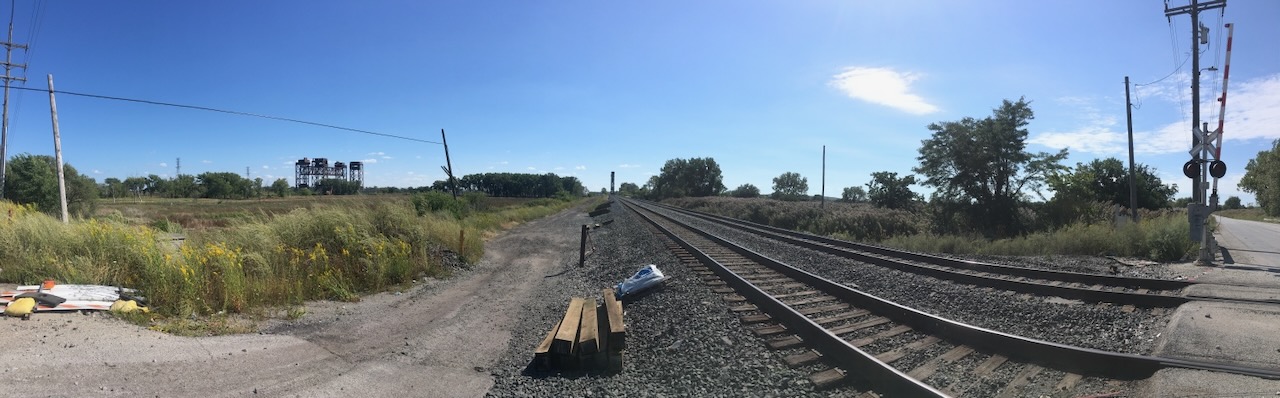
We came up through the south end of Burnham Prairie, over several sets of railroad tracks. There was no parking lot; it just seemed like a close spot based on Google Maps.

We found a recent burn by Com Ed,

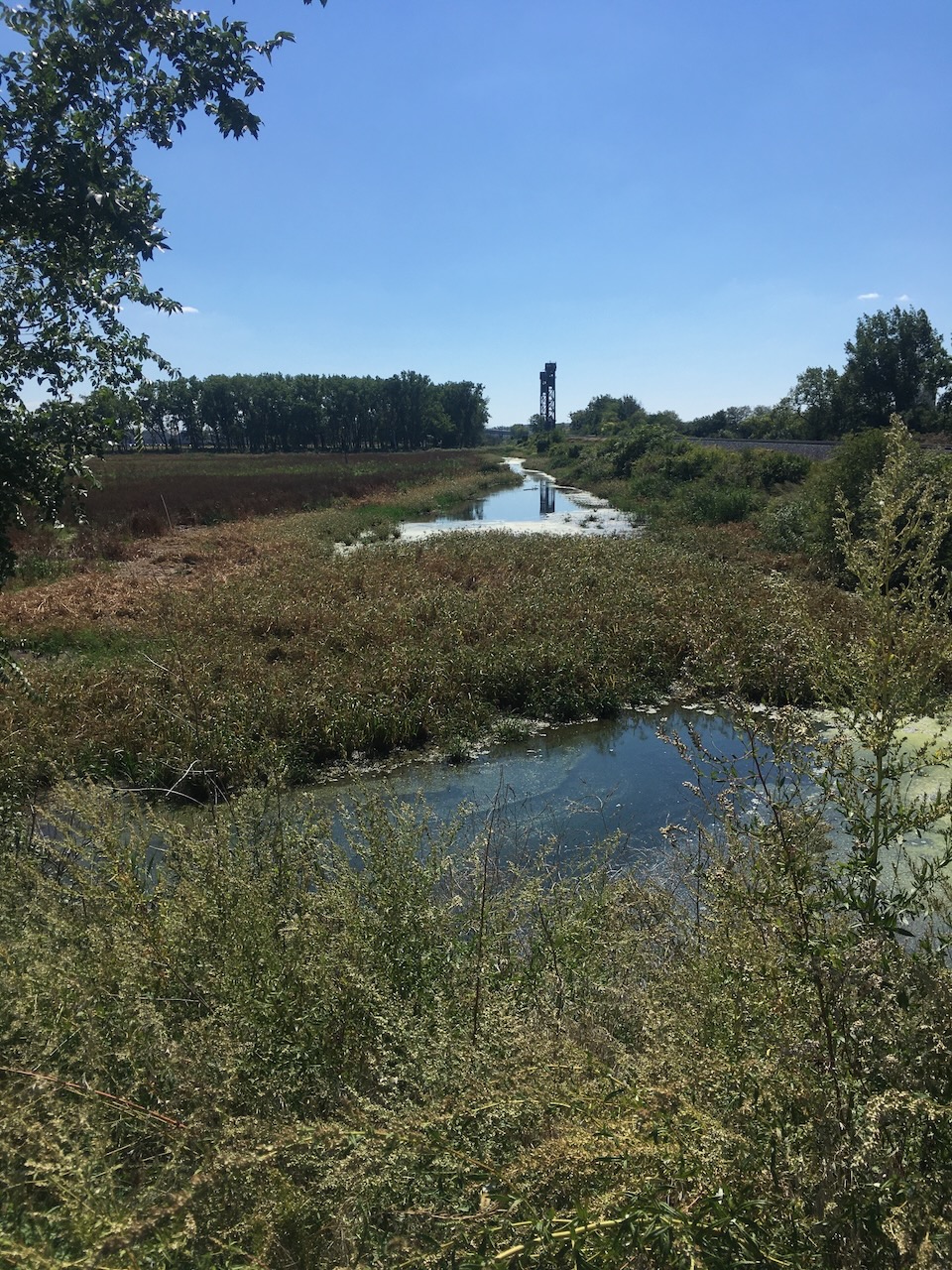
and skirted the wetlands of the Illinois State Nature Preserve.

We turned back and drove up to the north end of Burnham Prairie, well-hidden in the furthest reaches of residential Burnham, abutting the Grand Calumet River.

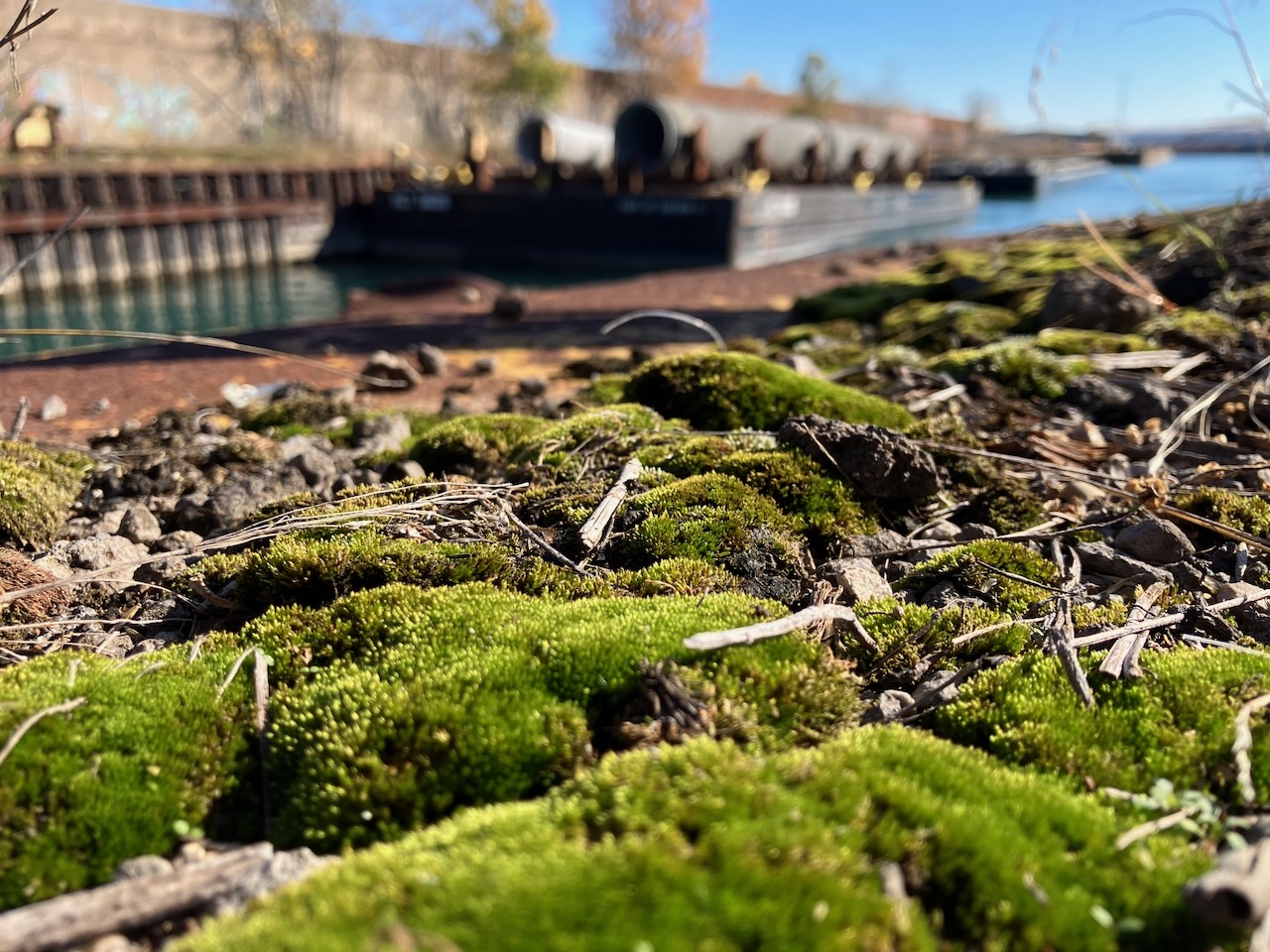
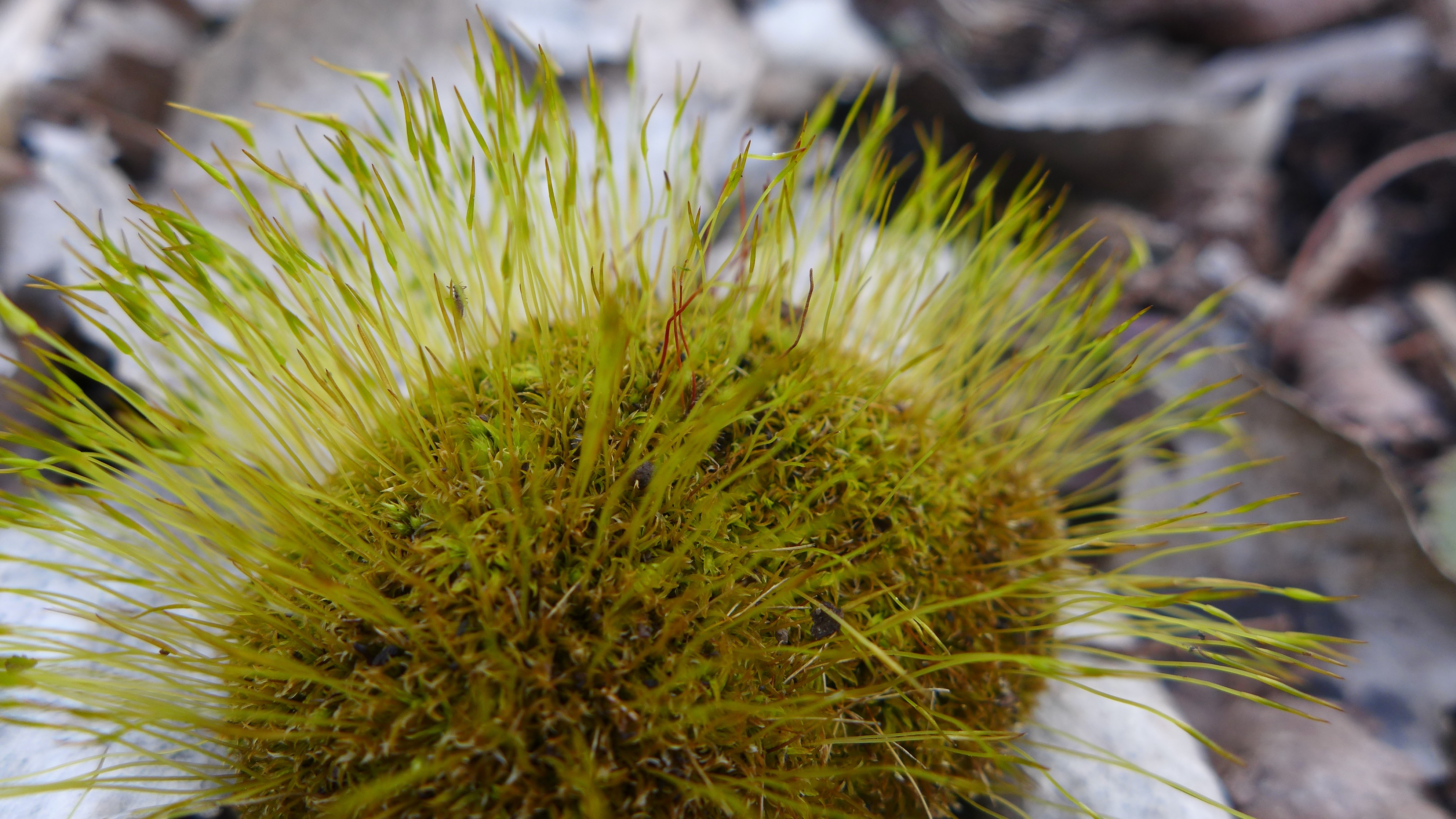
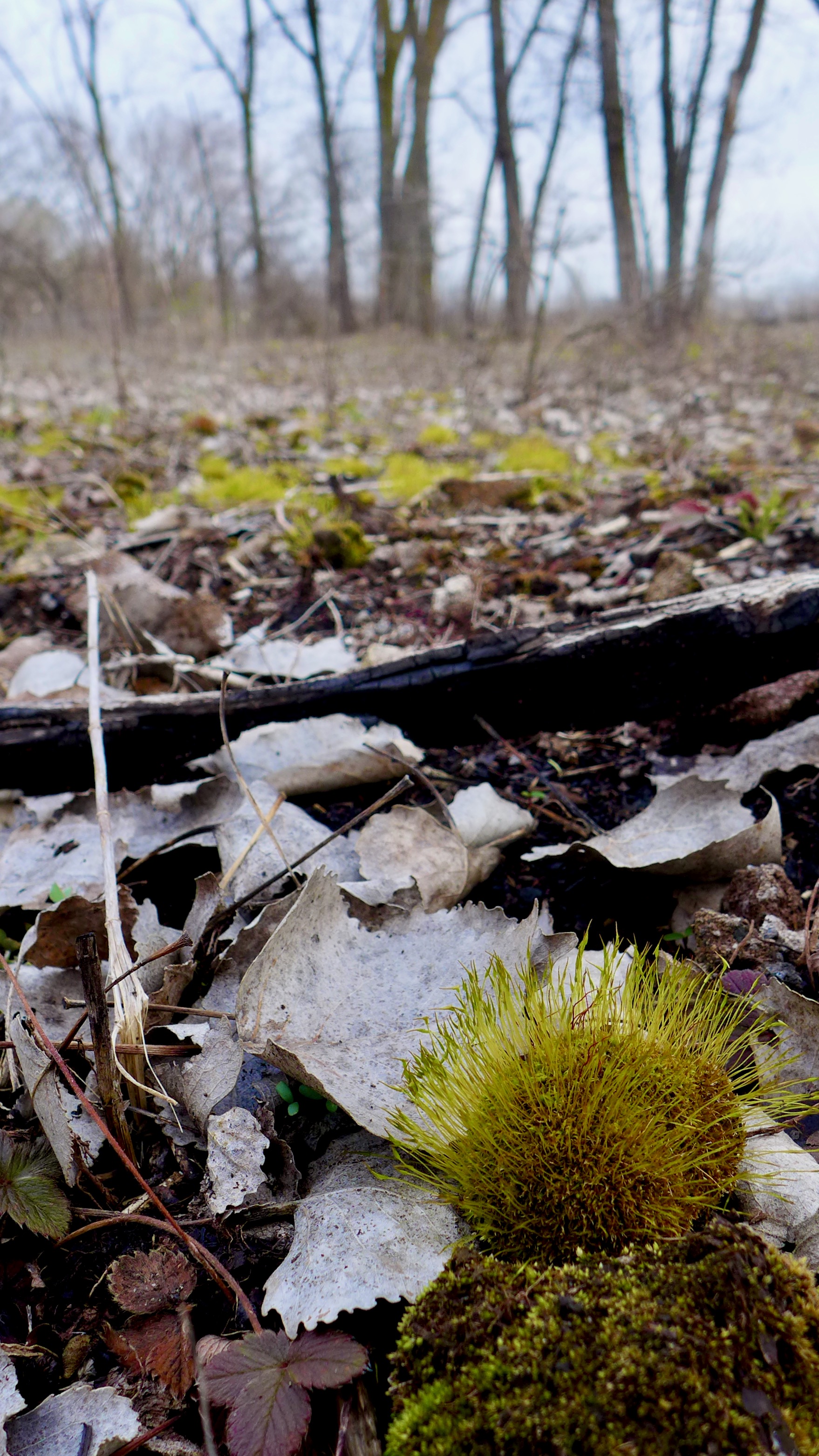
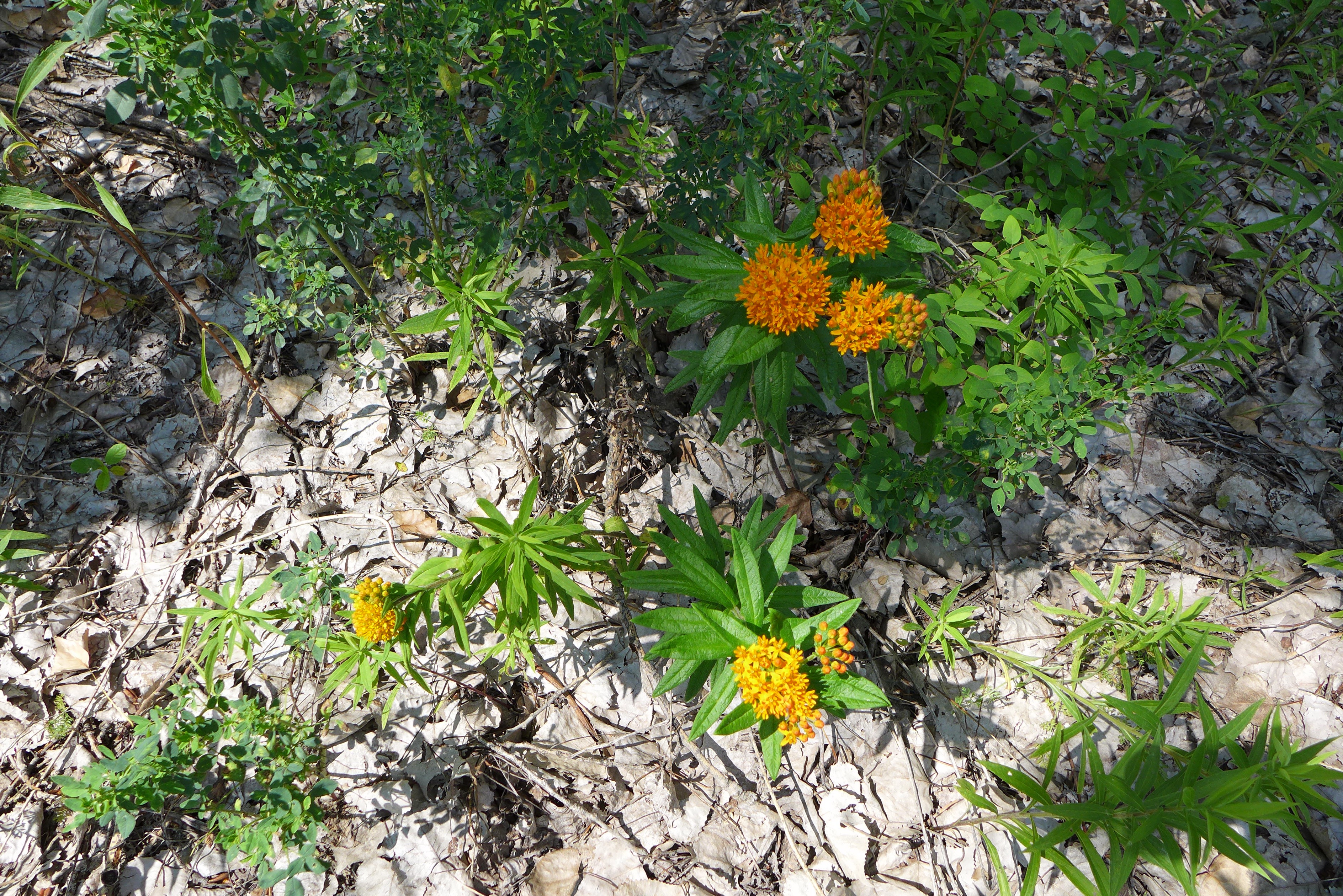
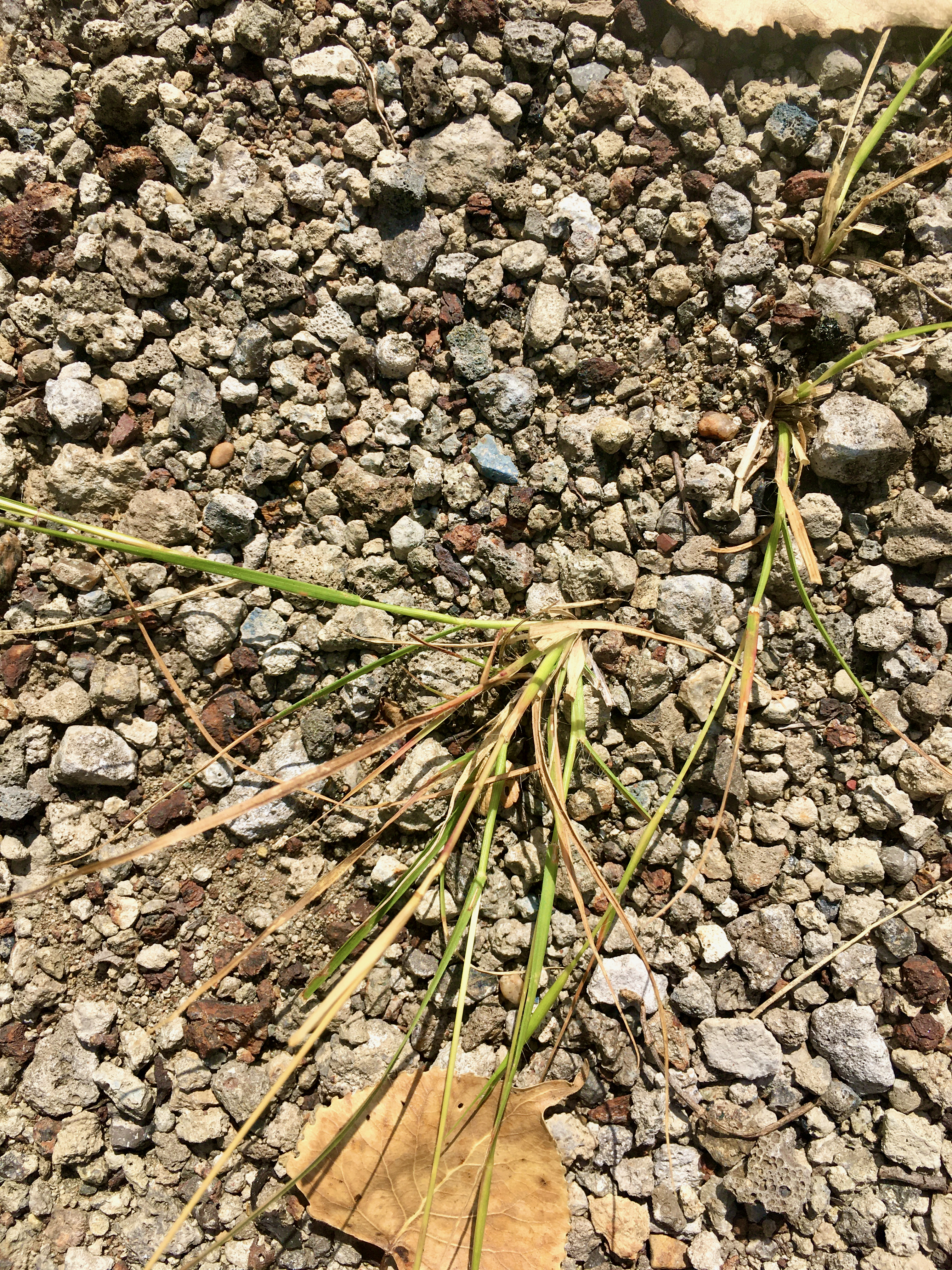
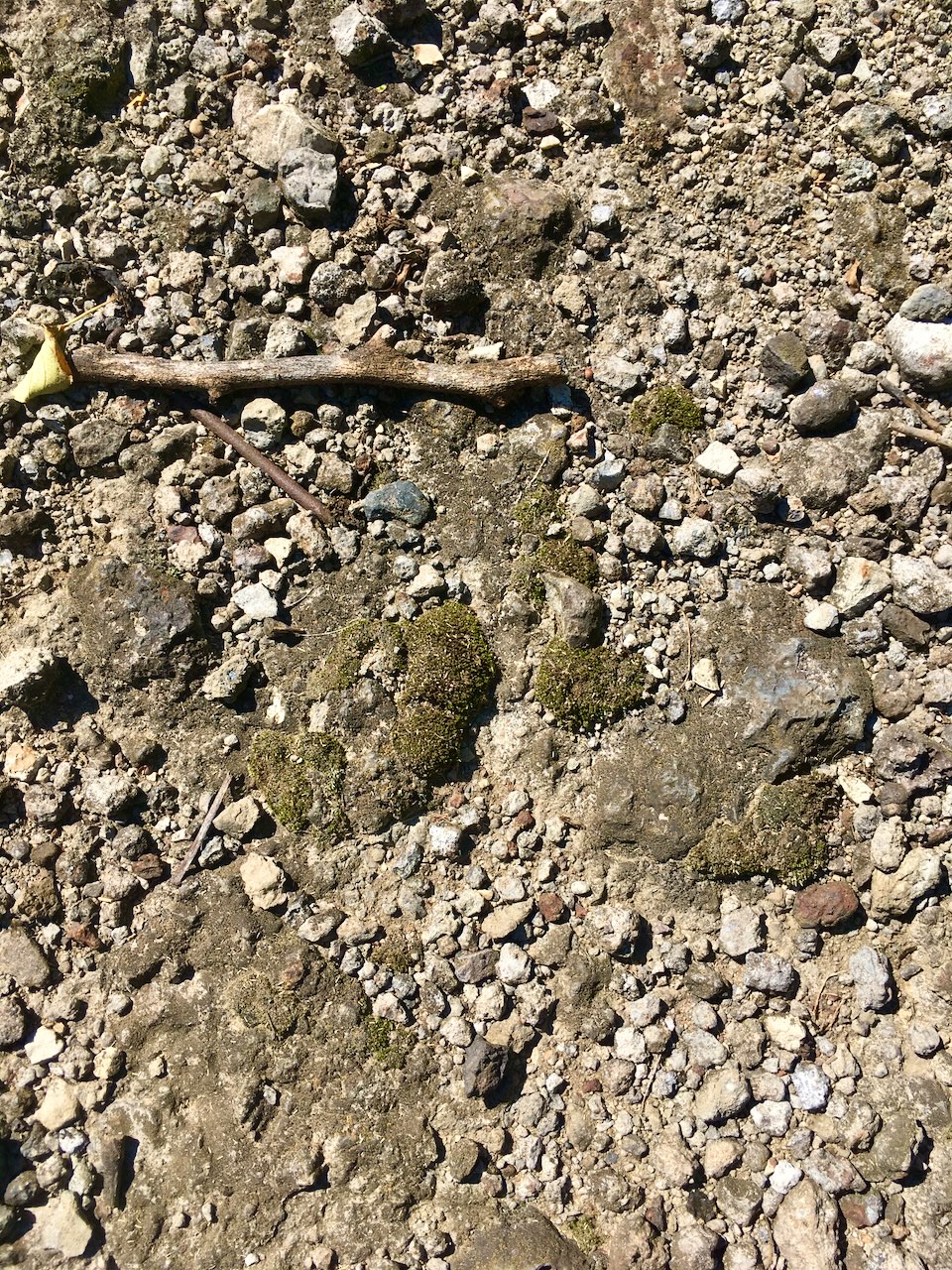
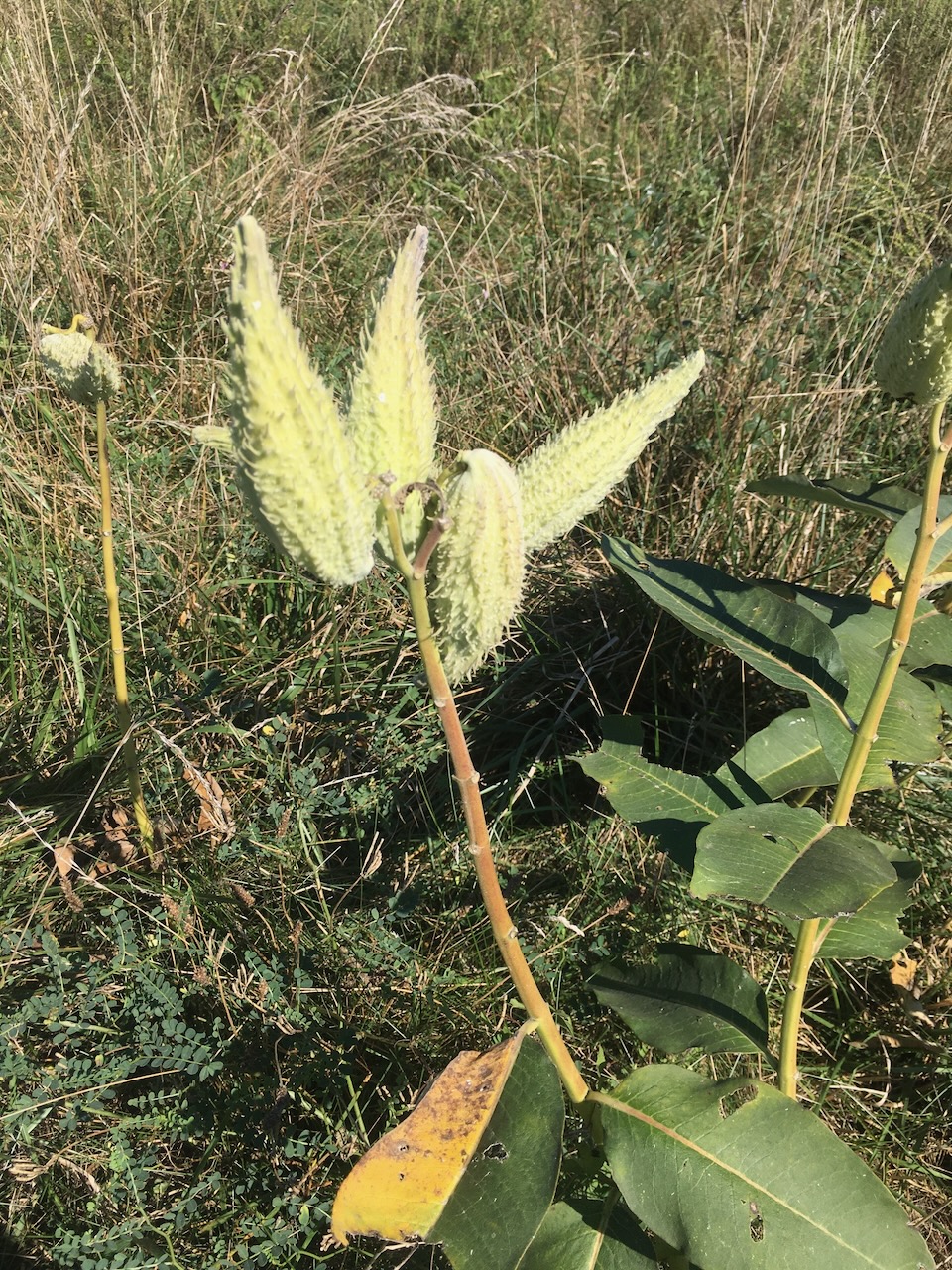
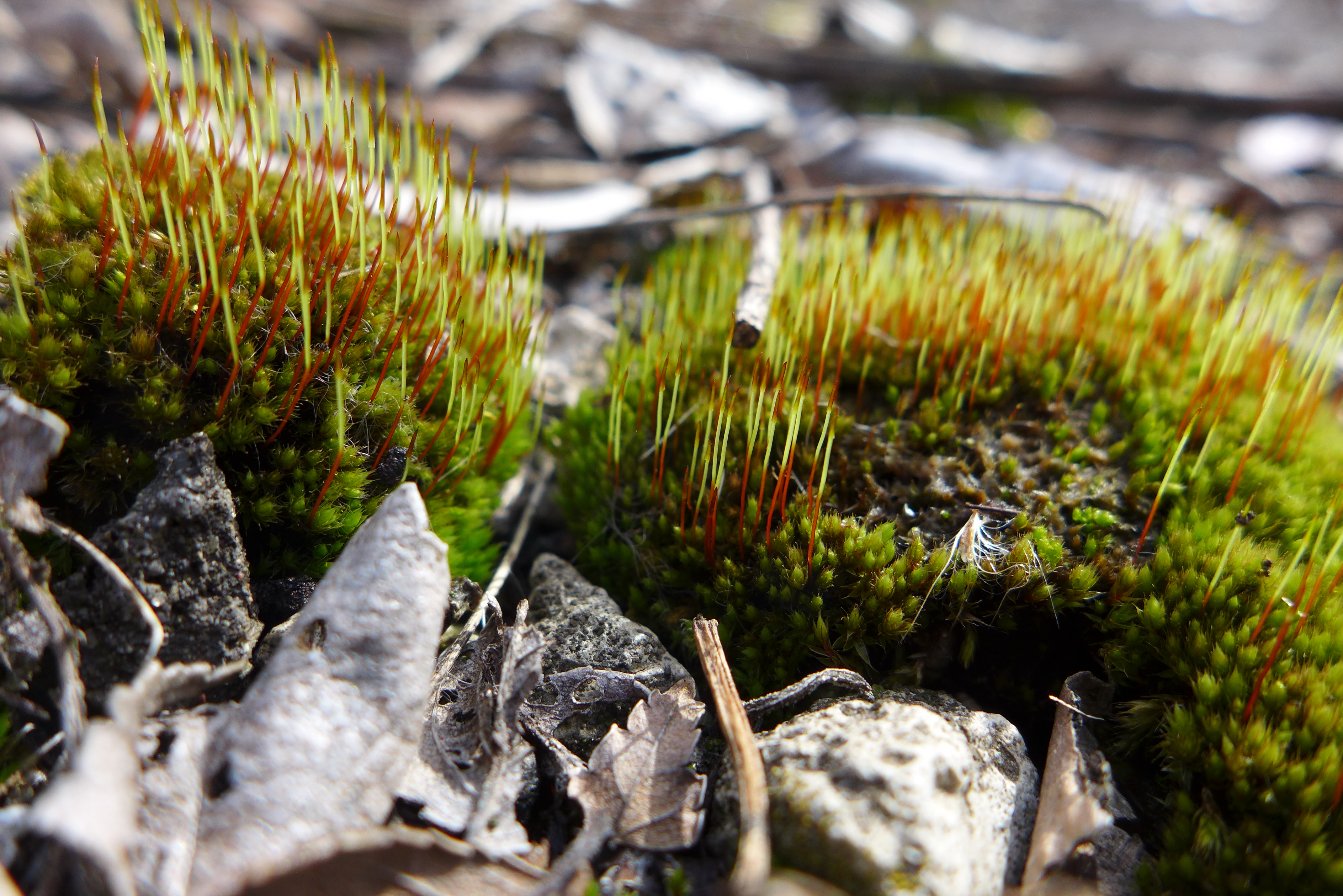
As we approached the slag prairie I realized I’d forgotten how much like Mars this slag is: everything is very stunted (very clear in cottonwoods); spotted knapweed is a champ and brings all the pollinators to the yard; there are a few Liatris, lots of whorled milkweed, some sumac; mosses making the barrens less barren.

Check out another visit to the same site a few years ago: Burnham Prairie, IL • March 2016

Slag Cliffs/Vet’s Park, Chicago, IL • September 2022: revisiting an orchid hypothesis

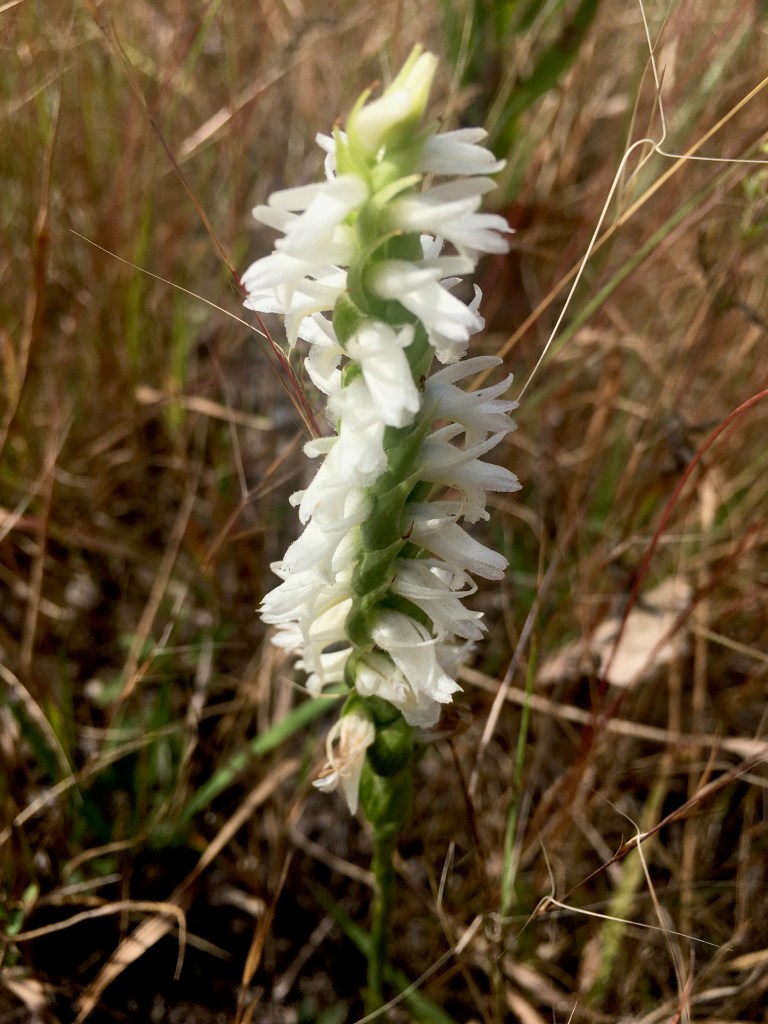
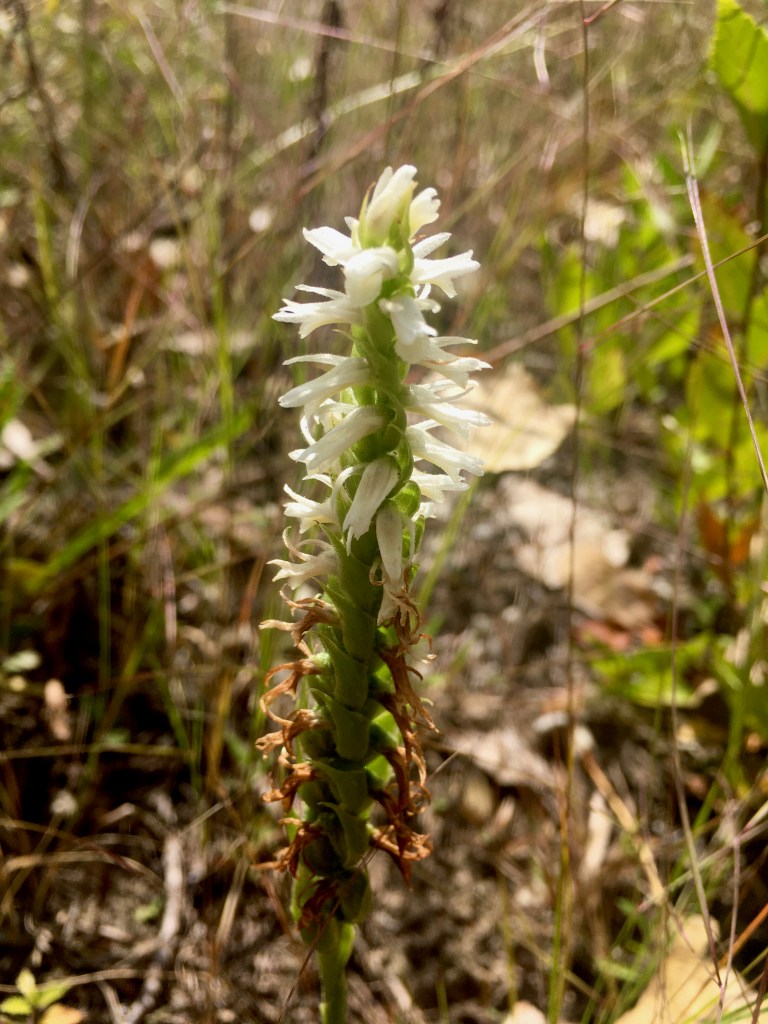
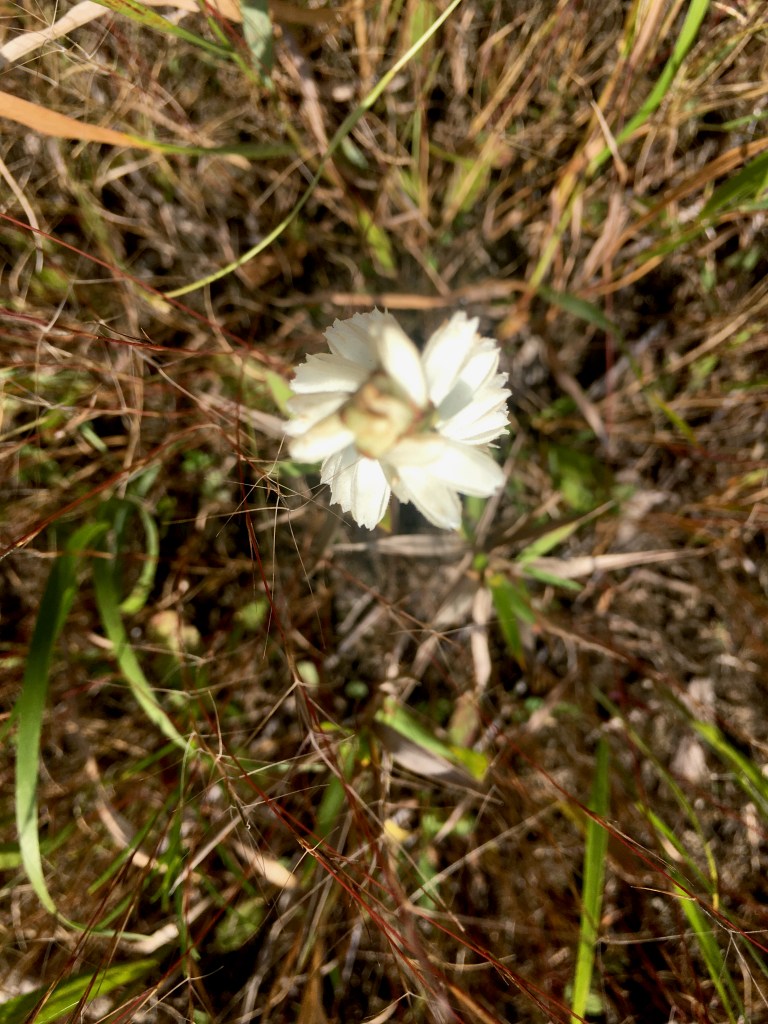
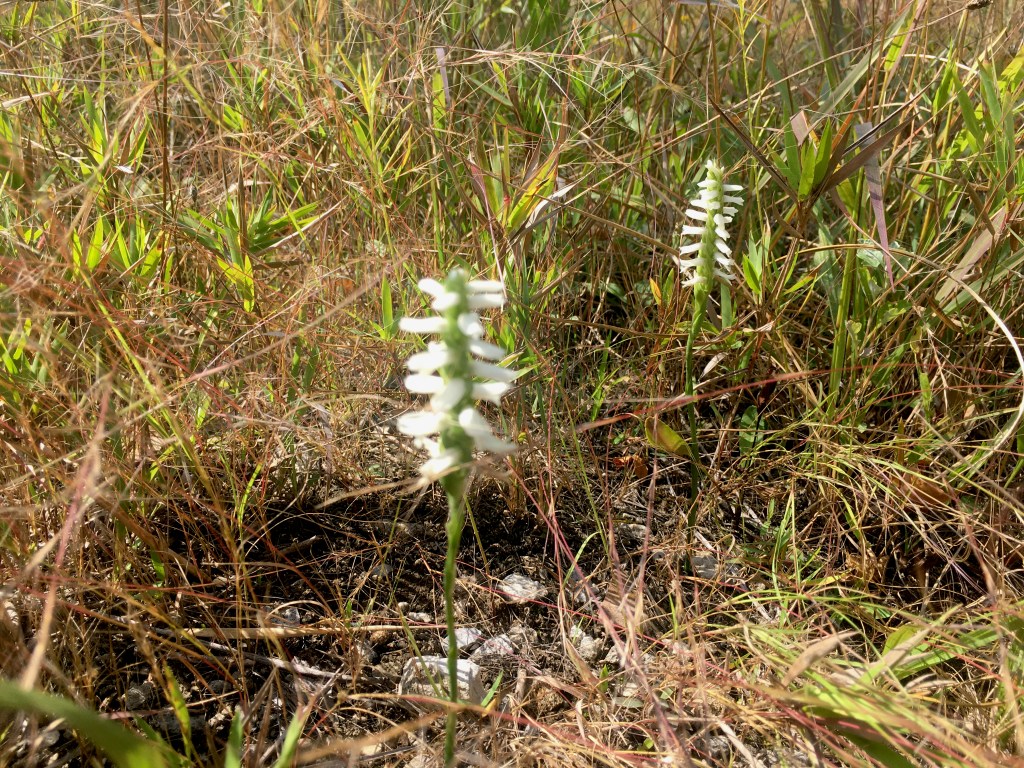
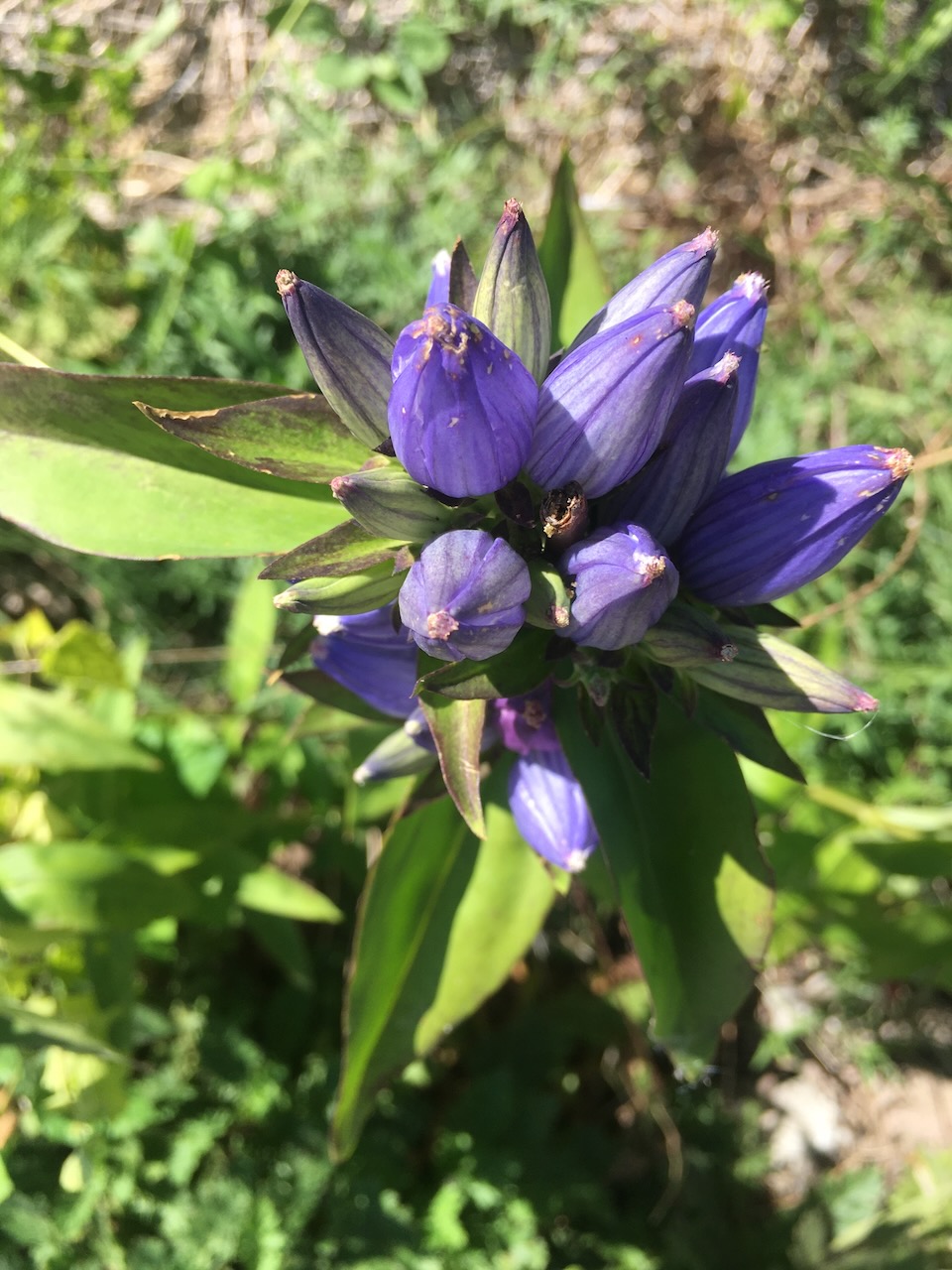
Remember earlier this year when I mused on whether the slag depression with Phragmites and grasses west of the slag cliffs might foster a Spiranthes population? MY FRIENDS, IT DOES.

I parked across the railroad tracks and walked in near the hay bales. I audibly squealed when I saw the first orchid! Check out the video below where I get very excited and wax romantic about this little mesic slag landscape.
Gun Club Ponds, Chicago, IL • September 2022

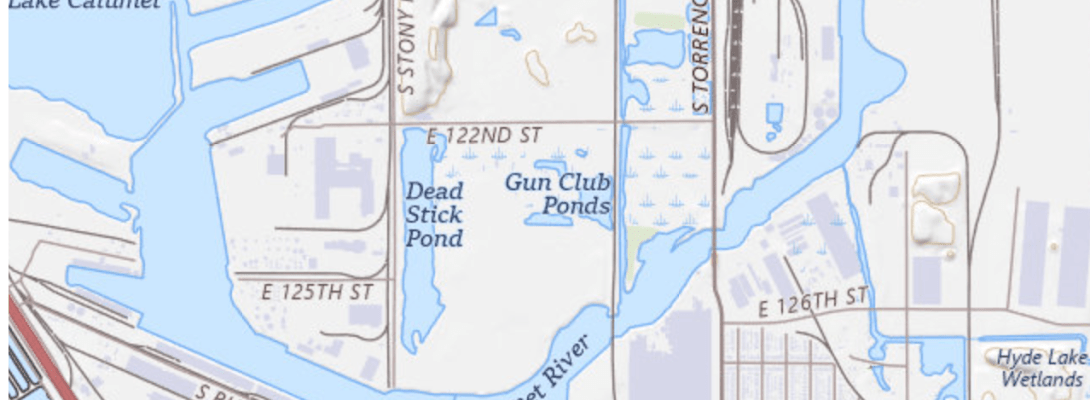
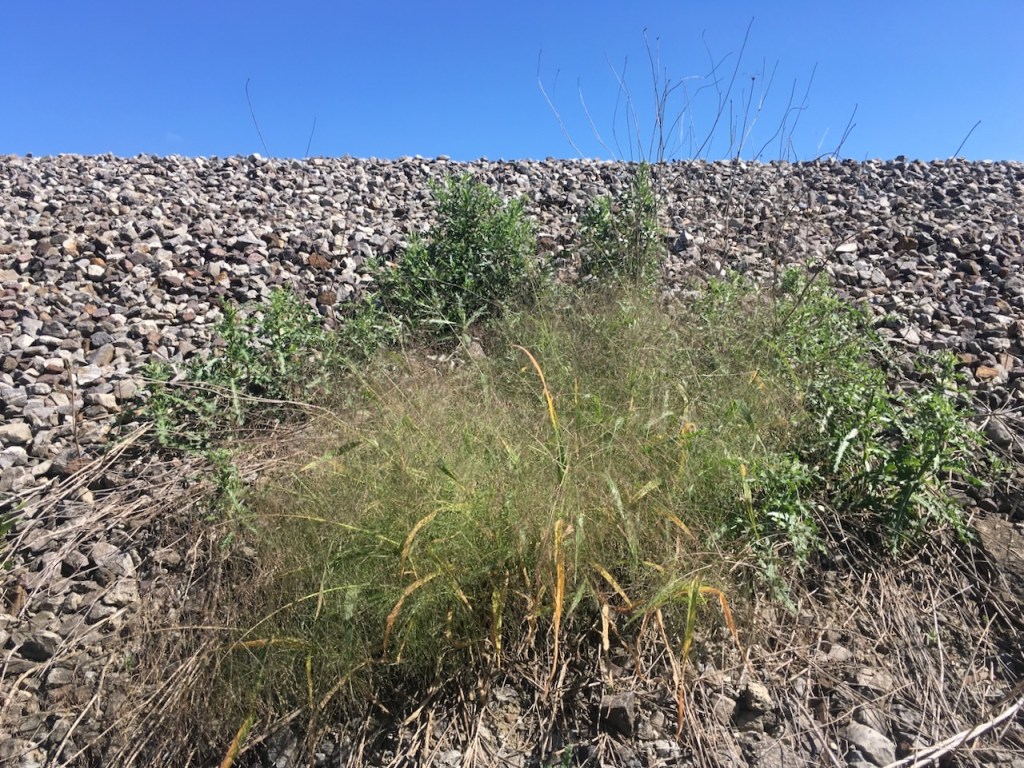
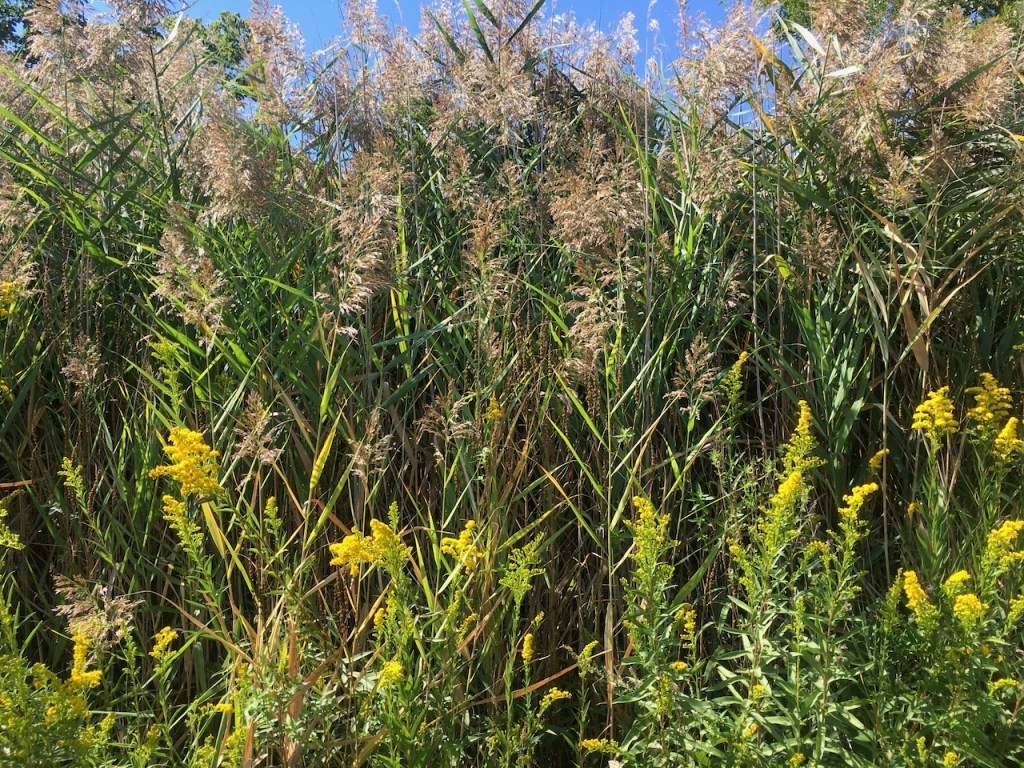
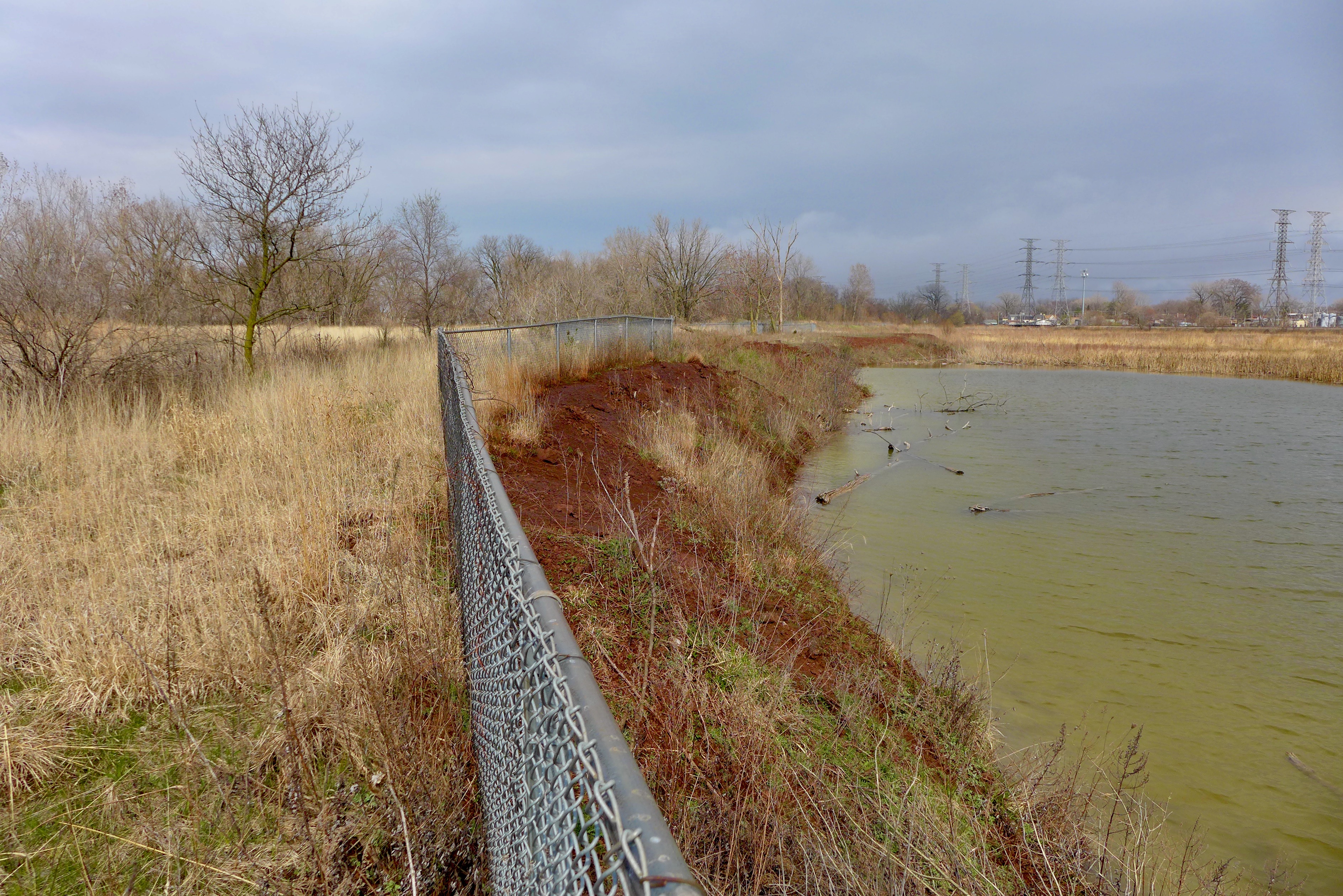
Old maps call this spot Gun Club Ponds, and it doesn’t take long, after walking the narrow strip between the railroad embankment and wall of Phragmites, that the gun club comes into focus.

A good place to look for waterfowl.

there’s slag here too!

a tunnel of european buckthorn leads us to the ponds.

it’s big leaf season as we head back over the tracks to the Indian Ridge Marsh parking lot.

Bairstow Trailhead, IN • July 2022

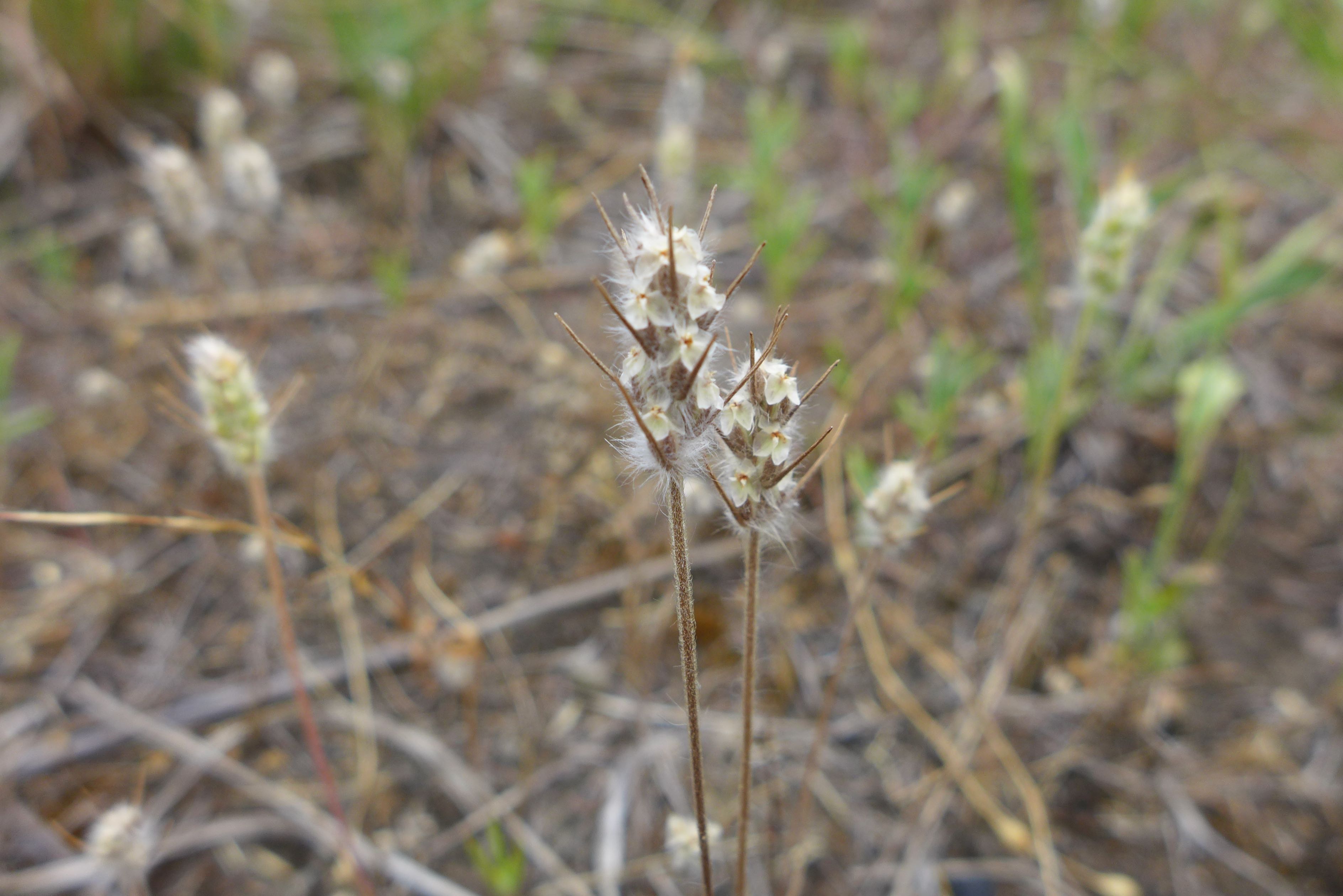
In the great slag reconnaissance of 2022, we finally visited a whole host of sites from the slag map for use in botanical surveys next year. This looks like a spot that has the usual suspects, and some new friends, like the woolly plantain (Plantago patagonica) – a species I haven’t noticed on slag before!
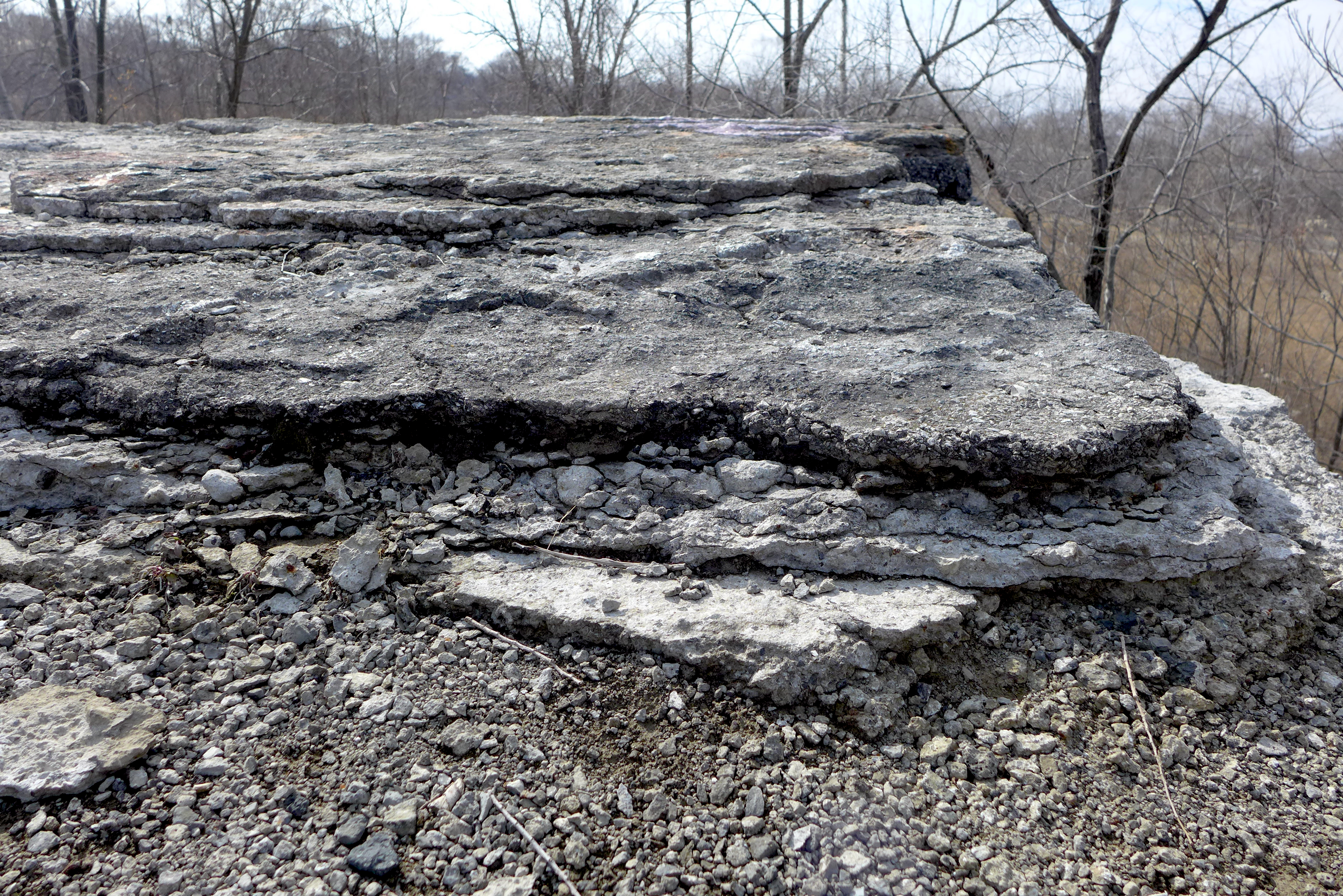
Slag Cliffs, Chicago, IL • March 2022

I’ve been eyeing this site for a few years, never confident to visit it the first time alone. Who knew what was behind the overgrown tree-line at the edge of the lot?

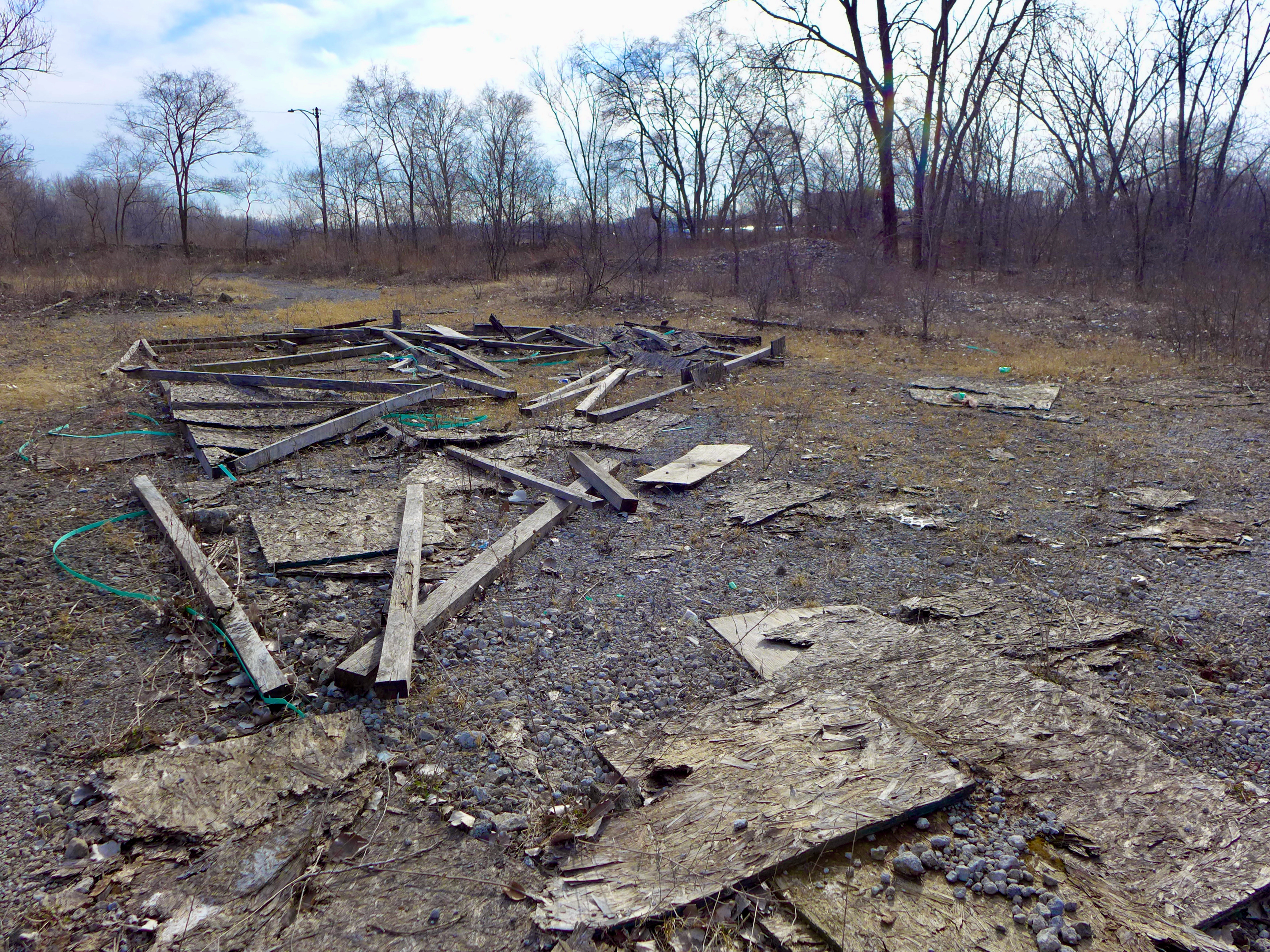
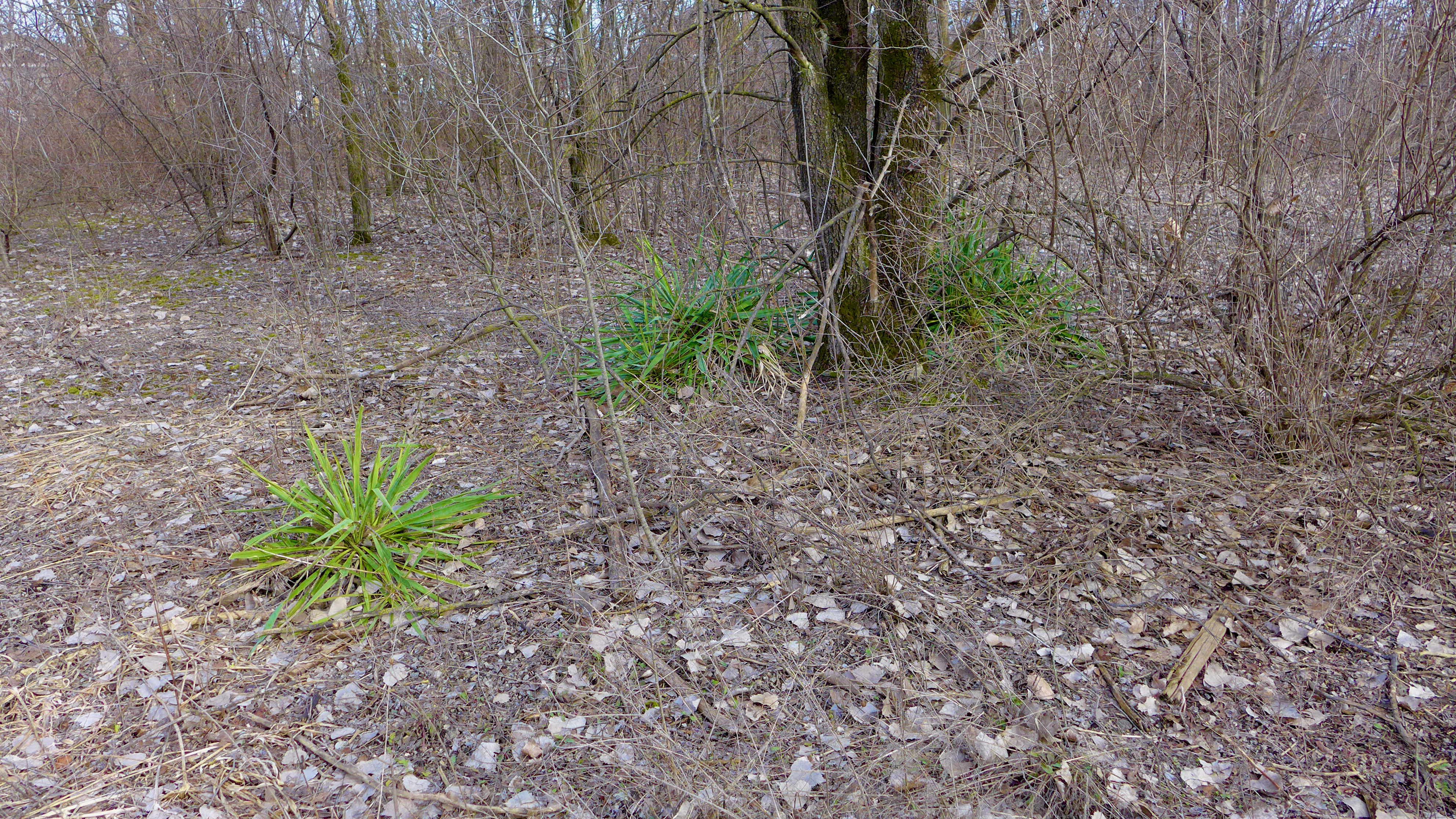
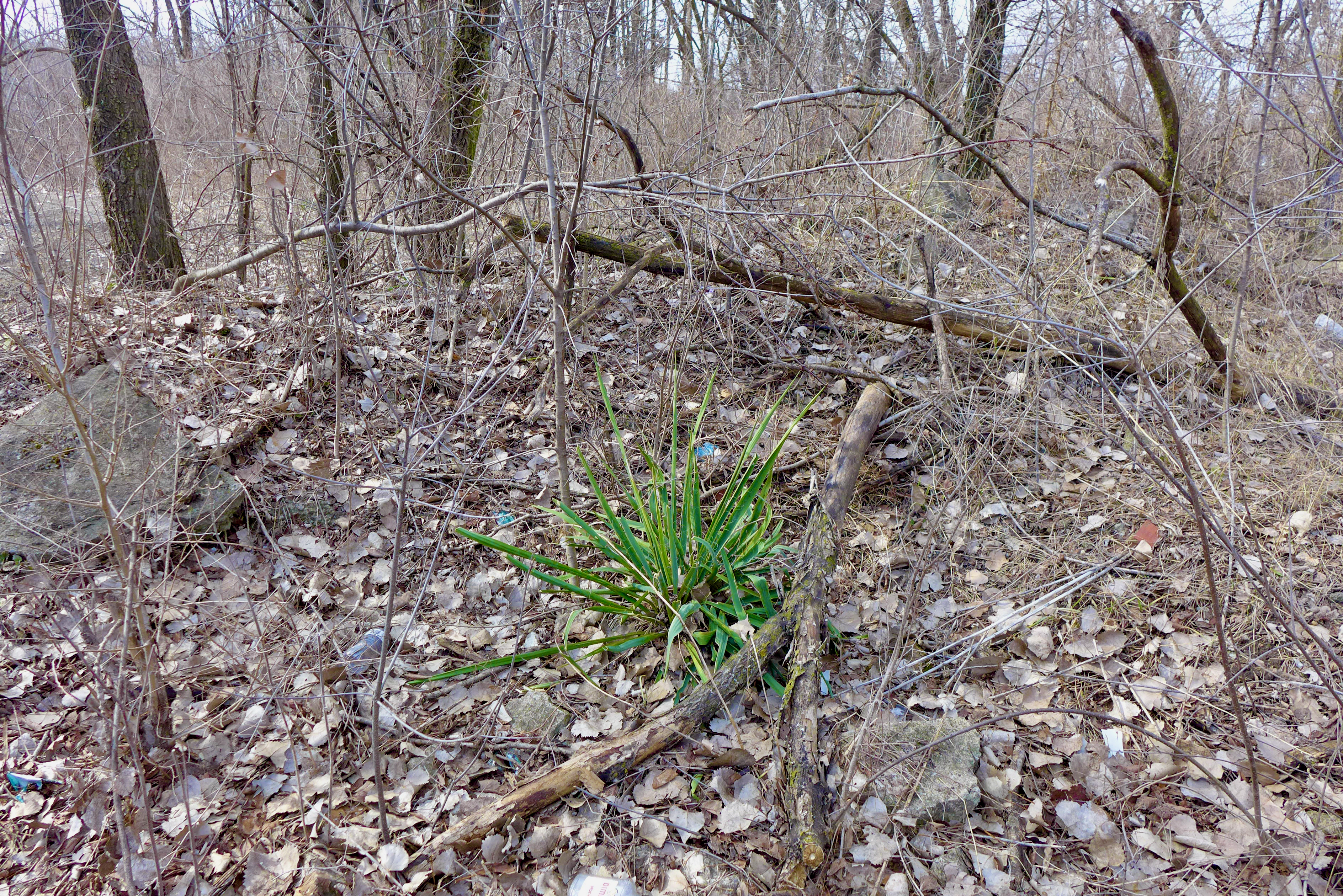
We went together and it turns out that in late winter, perennial plants are greening up and glowing among the dreary cottonwood leaves. It’s a well-used place with past attempts at structures and social gatherings strewn about. No one else was here today though.

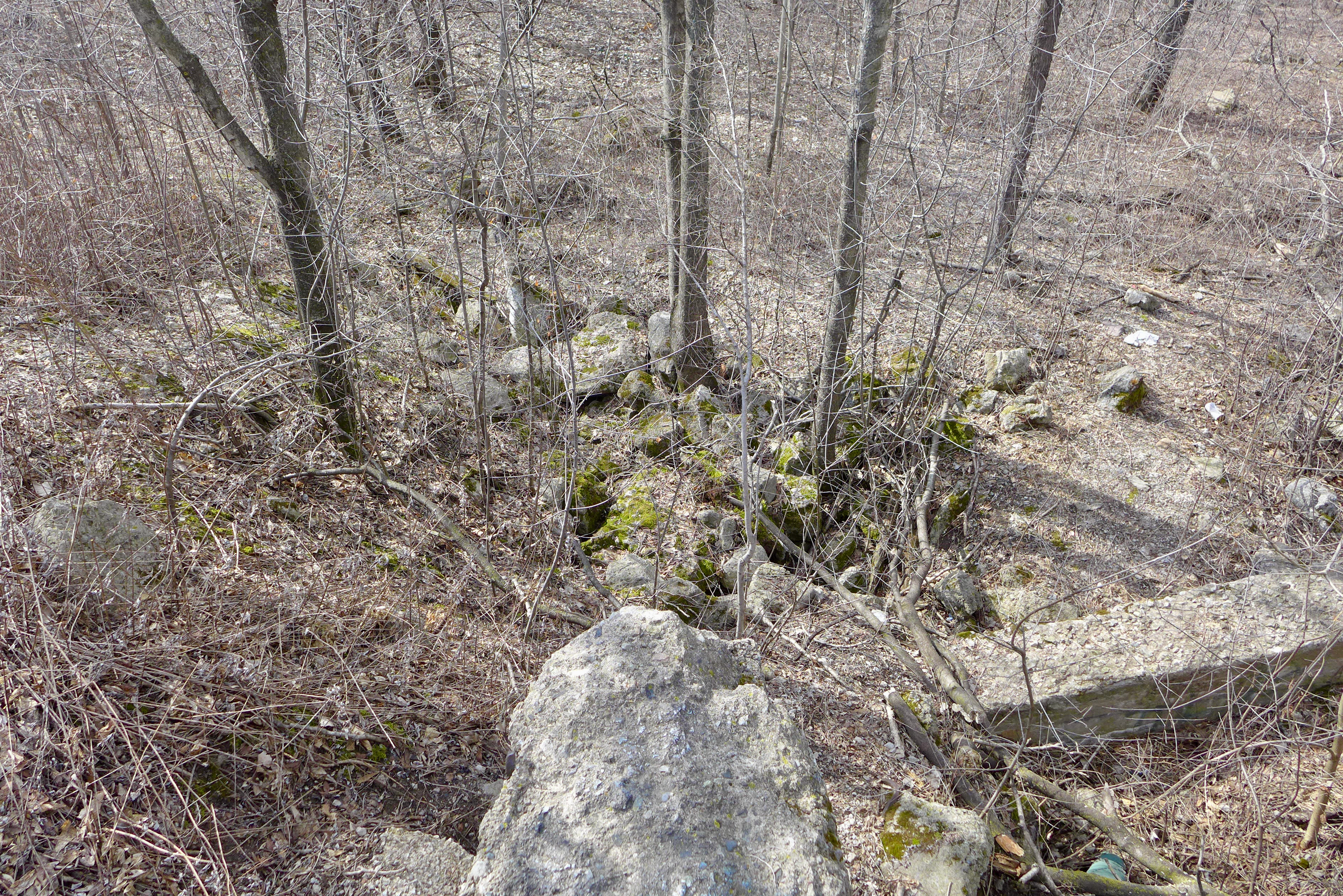
There’s a giant slag heap, one of the few in the area (but also: Shroud site, some parts of the old USX site). Holmes and Kubbing (2022) find slag heaps with ecosystems in Pittsburgh; in the Calumet Crescent we mostly see slag-filled depressions with slag as ground-level substrate. Remember that the Calumet was a vast wetland complex, yielding pockets in the landscape that were convenient to fill with steel production byproducts (e.g. slag) and other industrial waste.

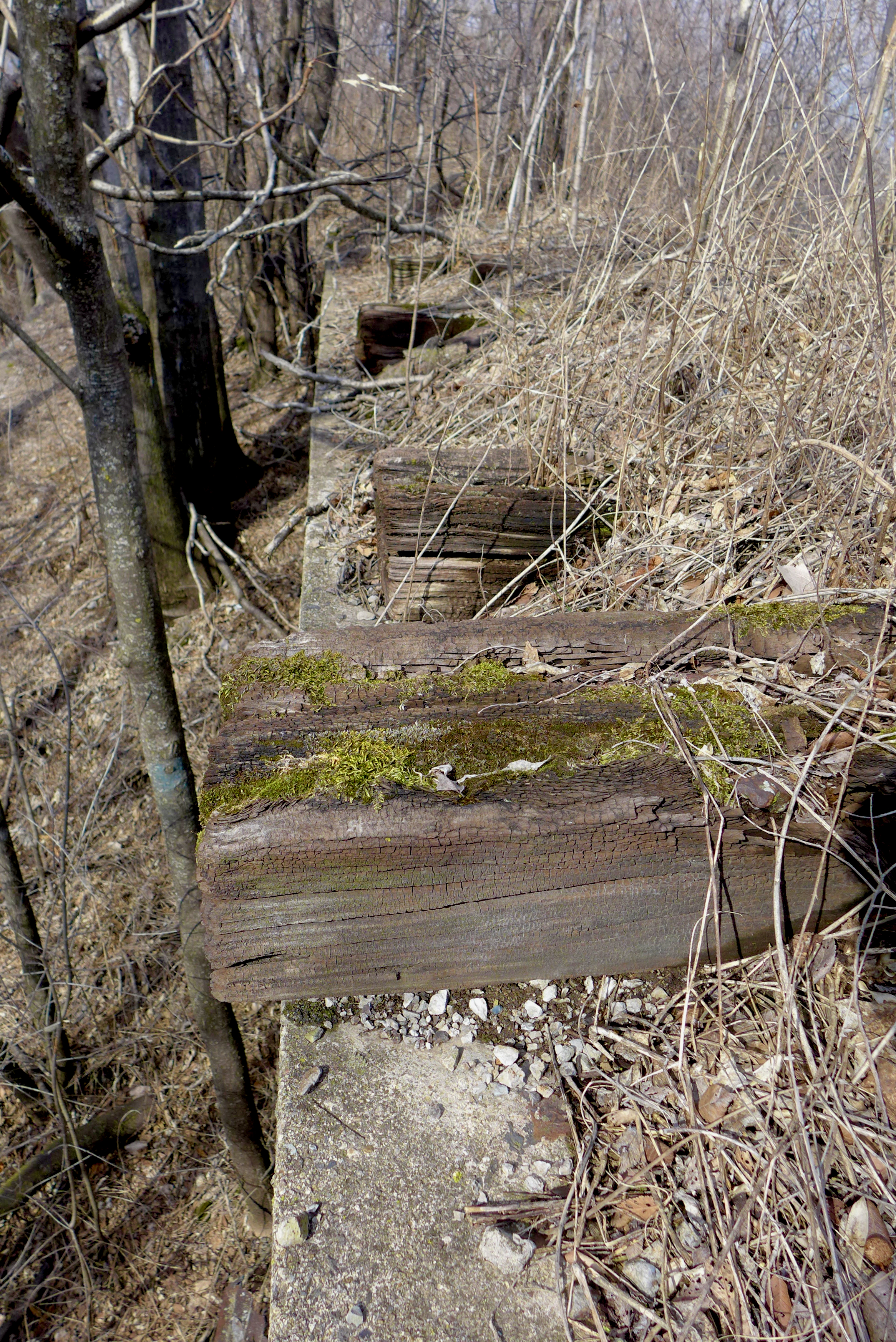
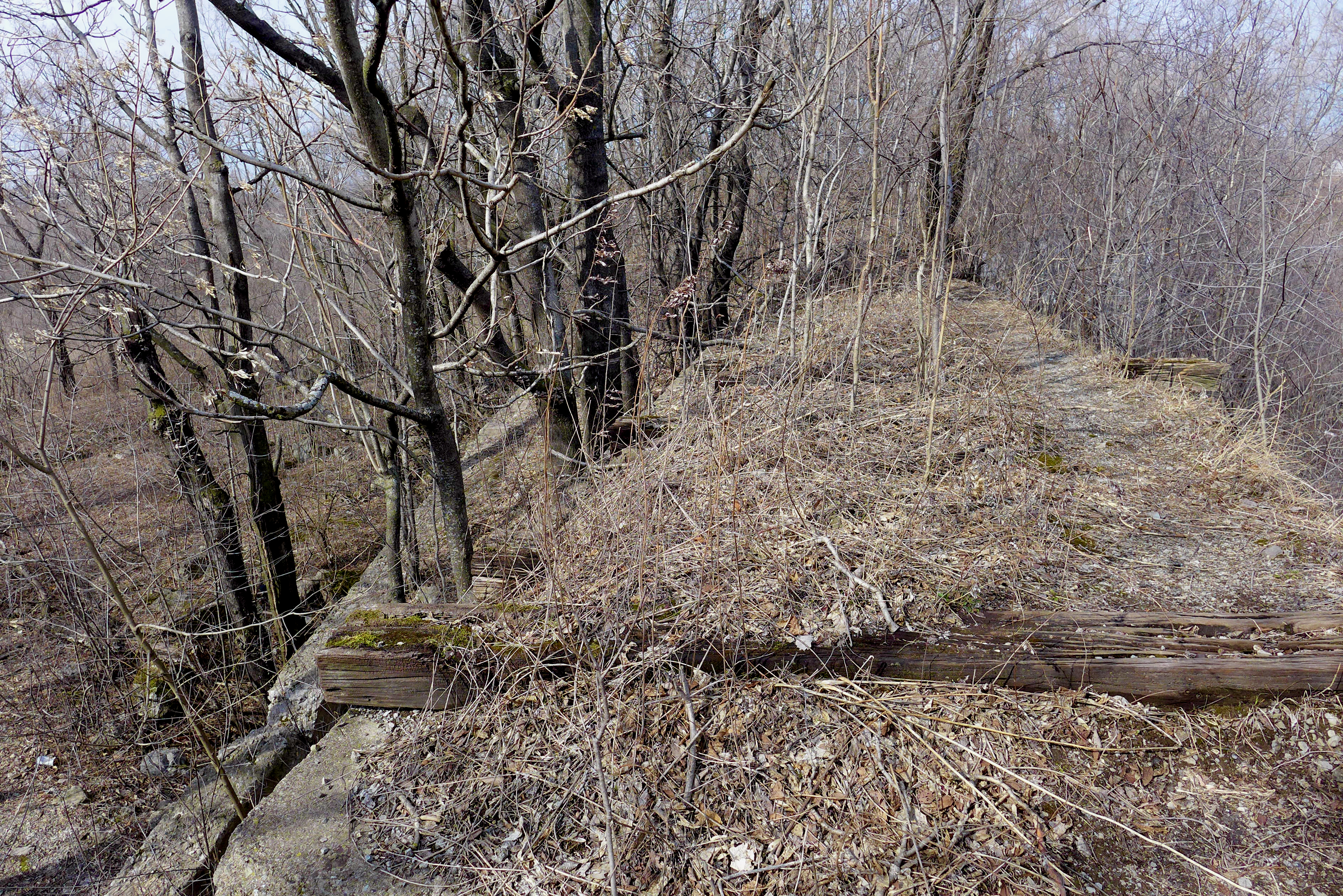
The slag pile, or slag cliffs, rose up out of the woods of neighborhood volunteer junk trees: Ailanthus, ash, elm, cottonwood, a few juniper. The heap had clearly been used as a raised railroad spur, a way to transport in and out whatever was made here. To the east, these woods spread out and made way for big openings that have been used for ATV trails and bike jumps.

From the top of the slag cliffs, turning to the west was a delightful area with real promise: an ecosystem that grew up on slag and has created its own islands of organic material. A light canopy of slag-stunted rugged trees poked through diverse grasses. It looked like a slag savanna that may potentially be comparable to the high quality slag complex we see at Big Marsh and Marian Byrnes Parks?

It’s winter now, but this seems like a mesic area that might be wet enough for orchids?! I’d expect Liatris, hopefully Spiranthes, some sedges and rushes. We’ll revisit at the end of summer.
–> Revisit of this site in September 2022: orchids!