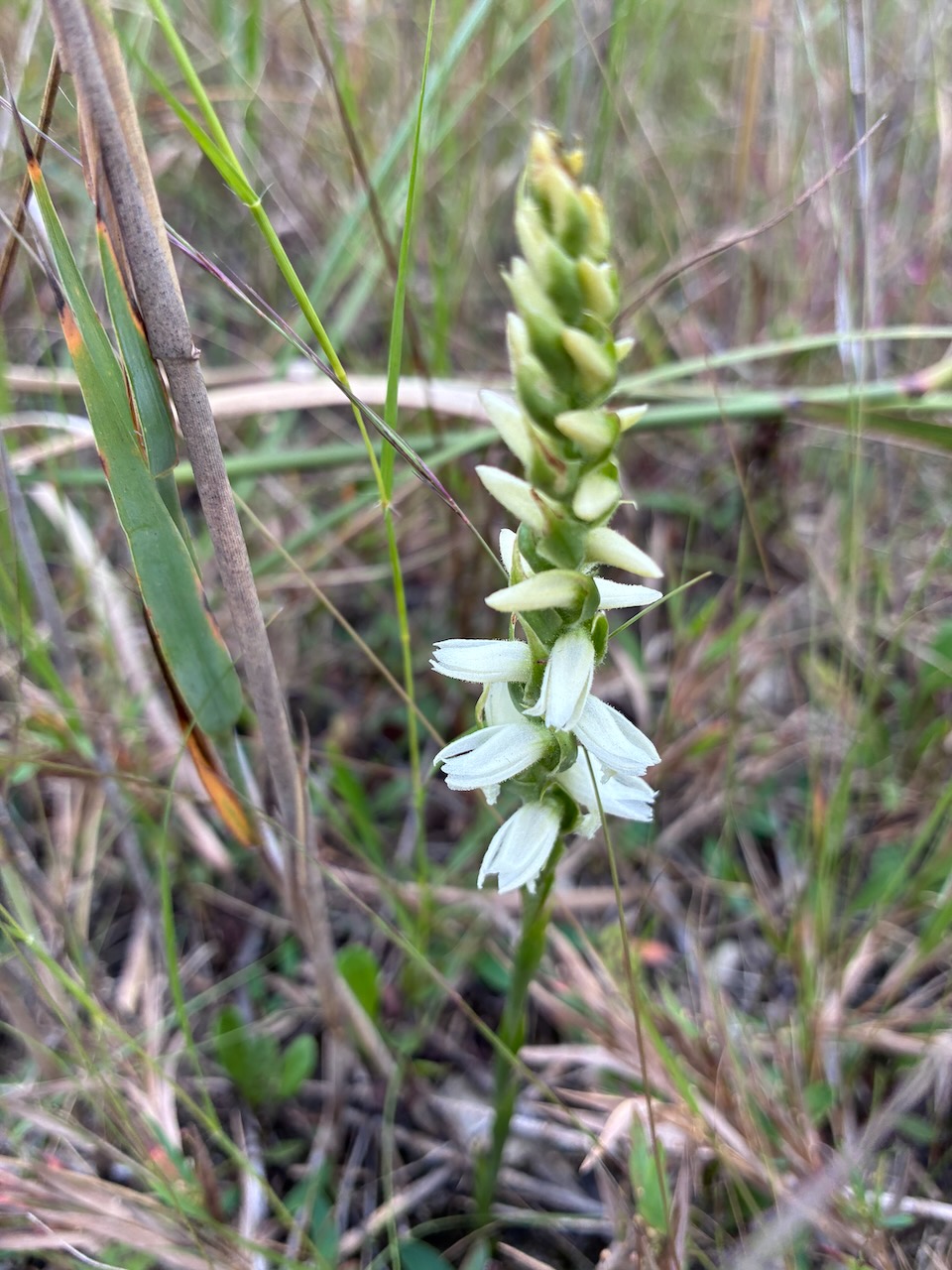
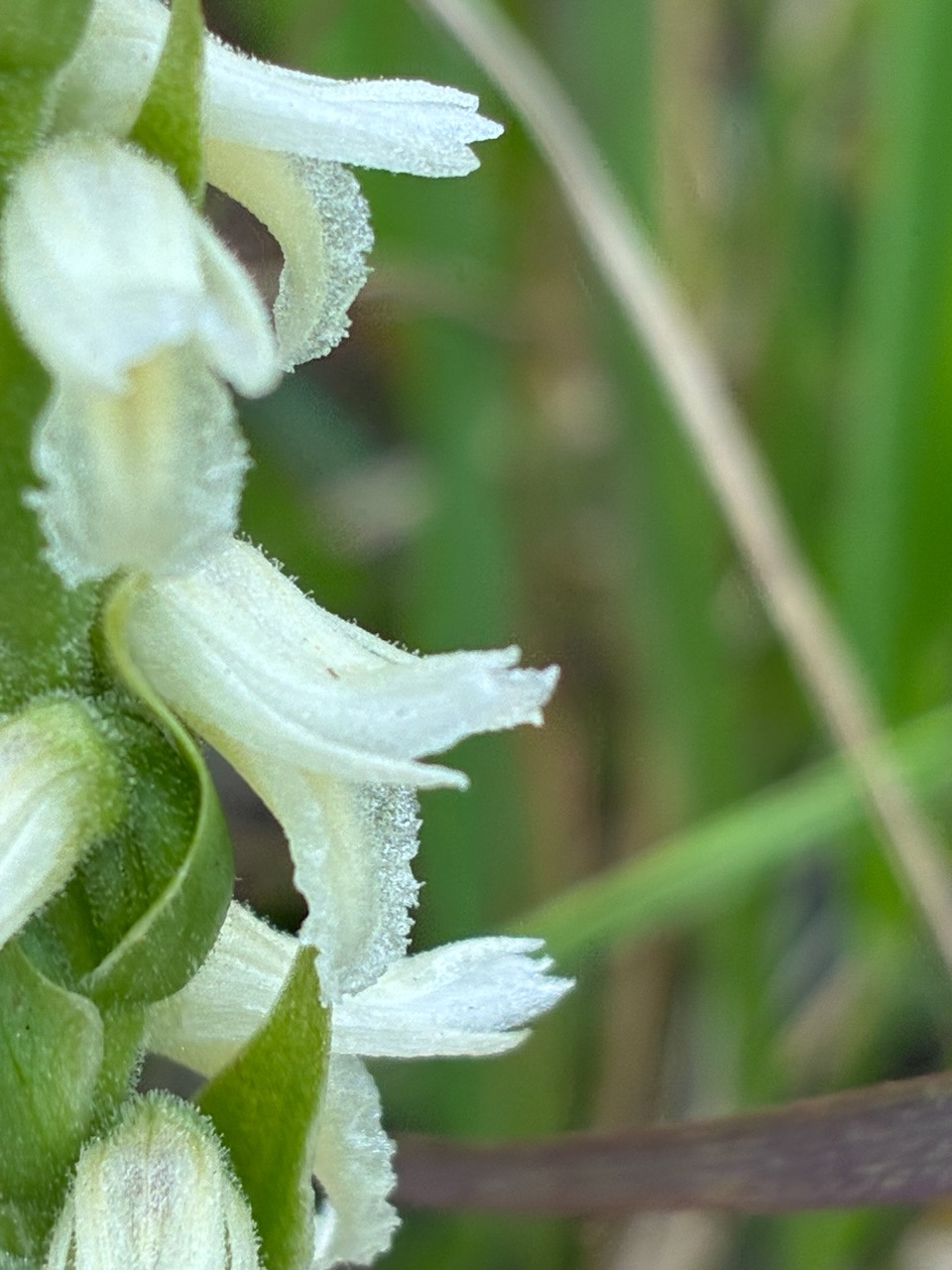
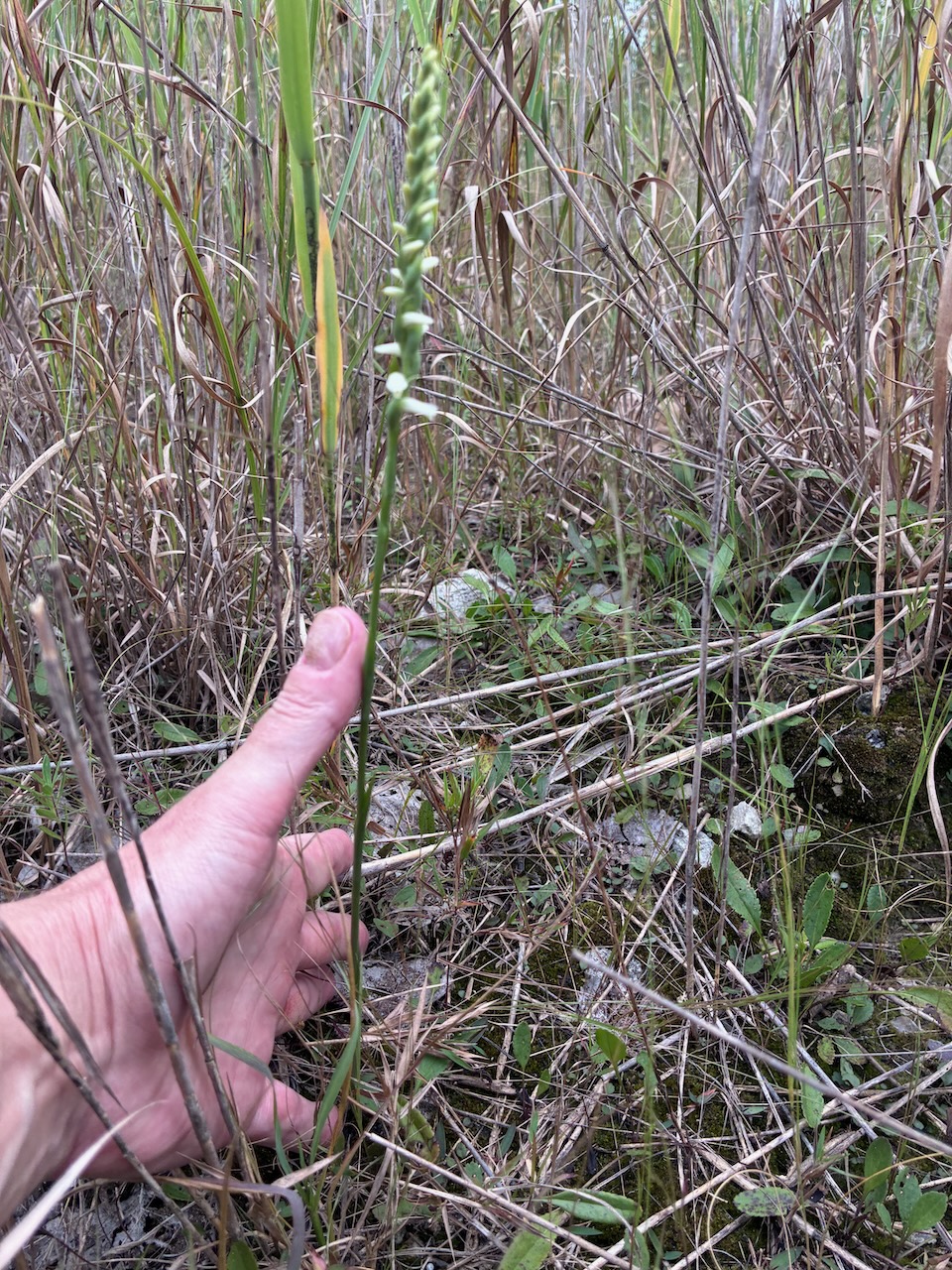
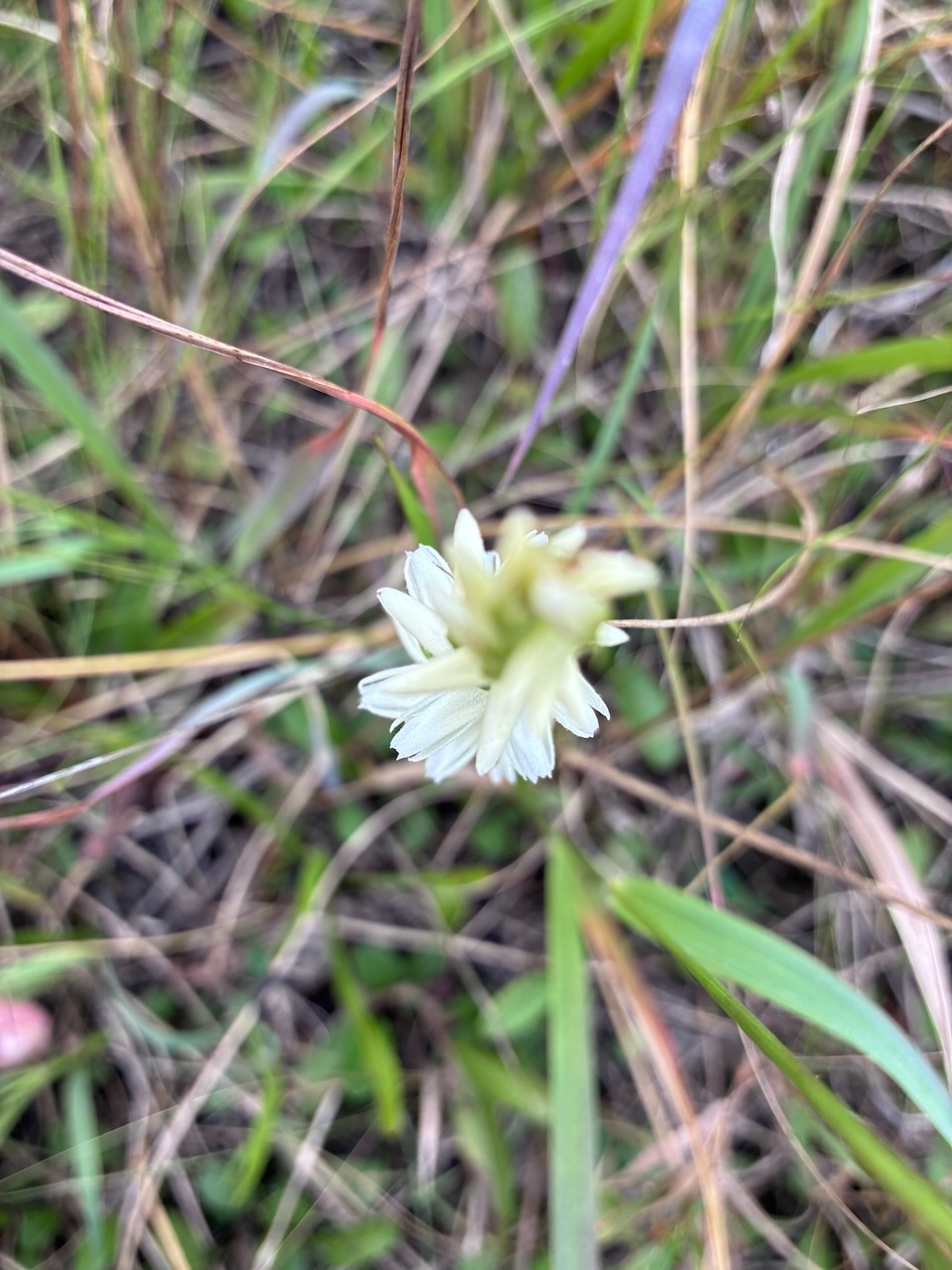
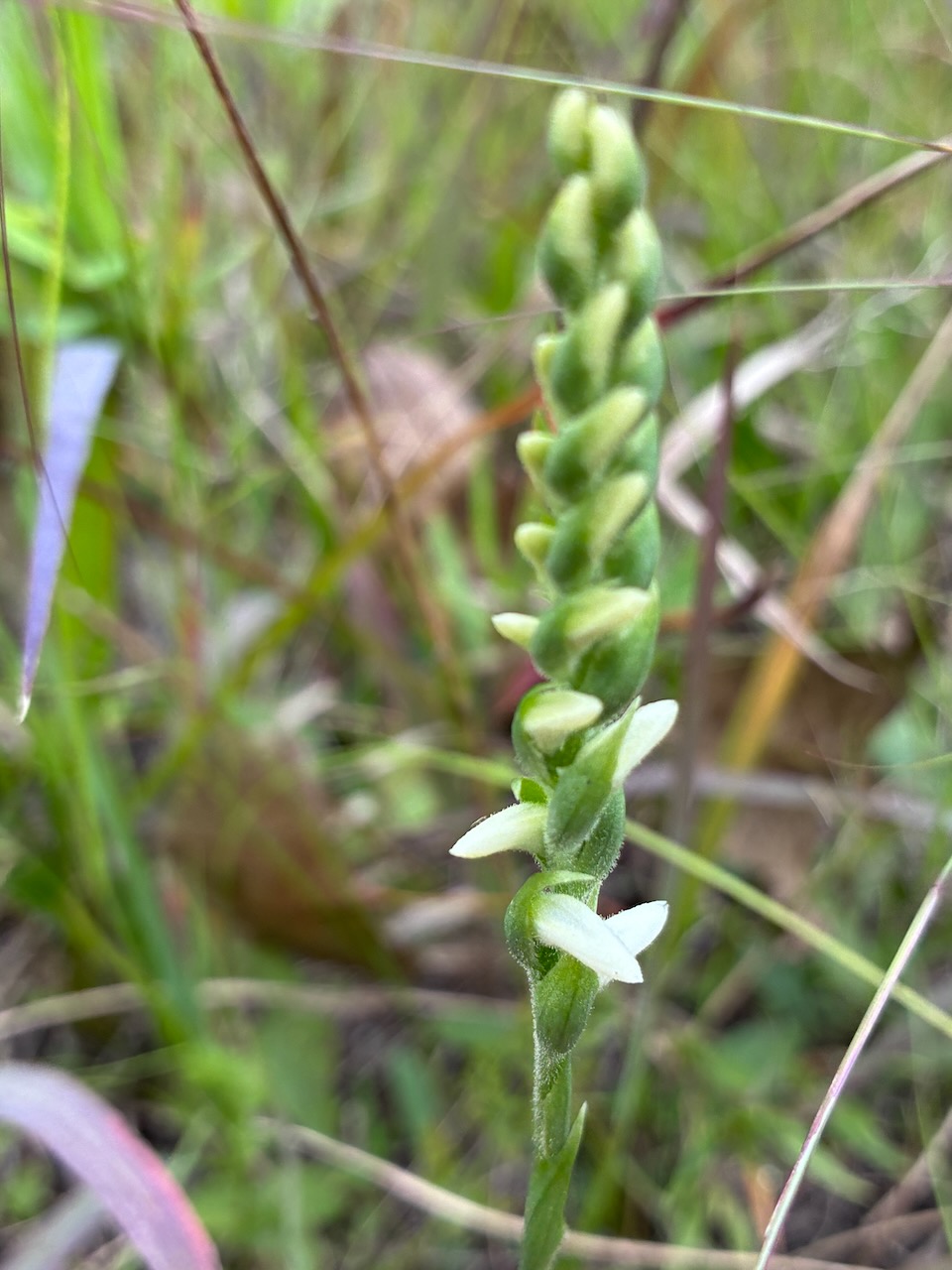
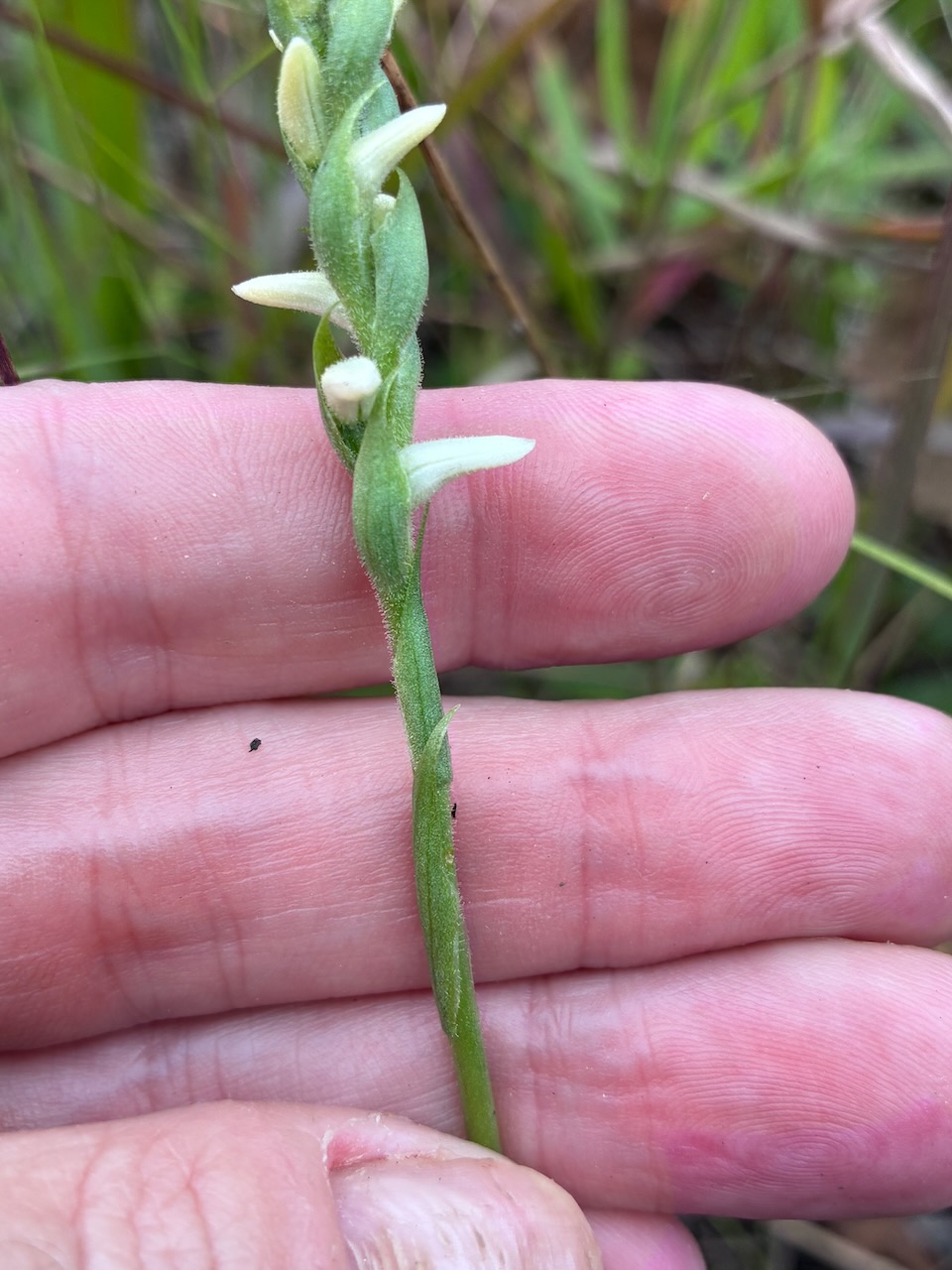
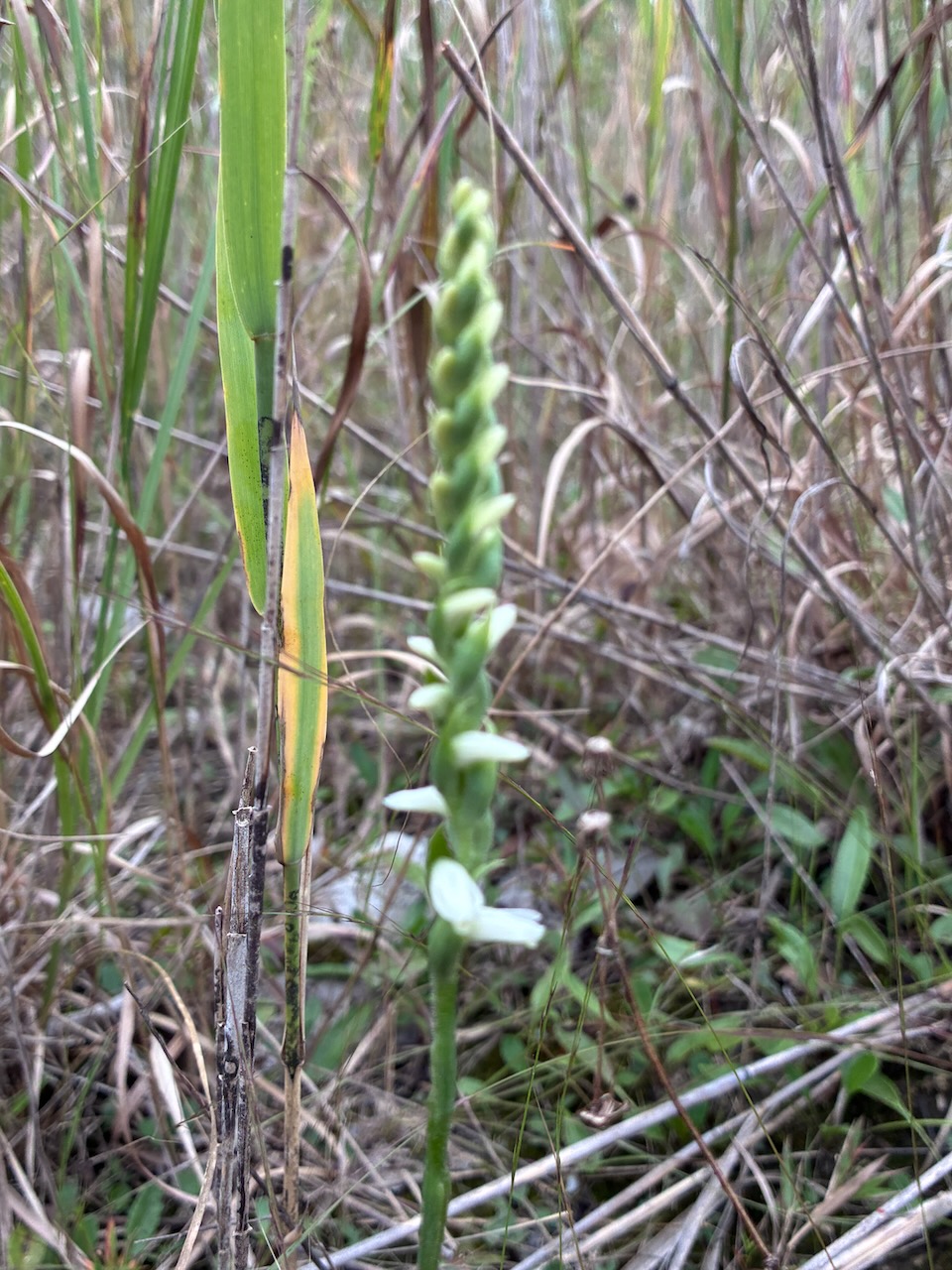
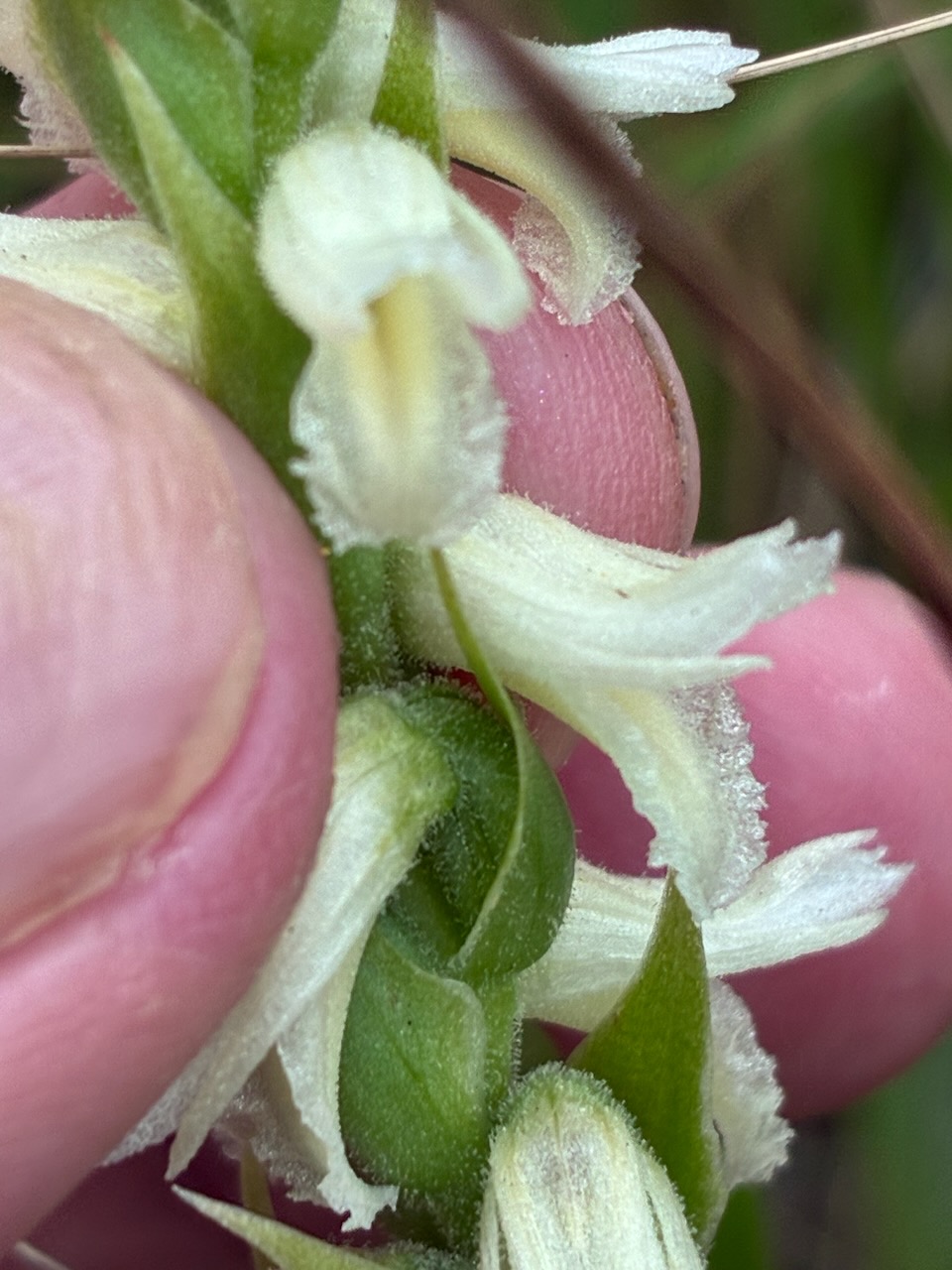
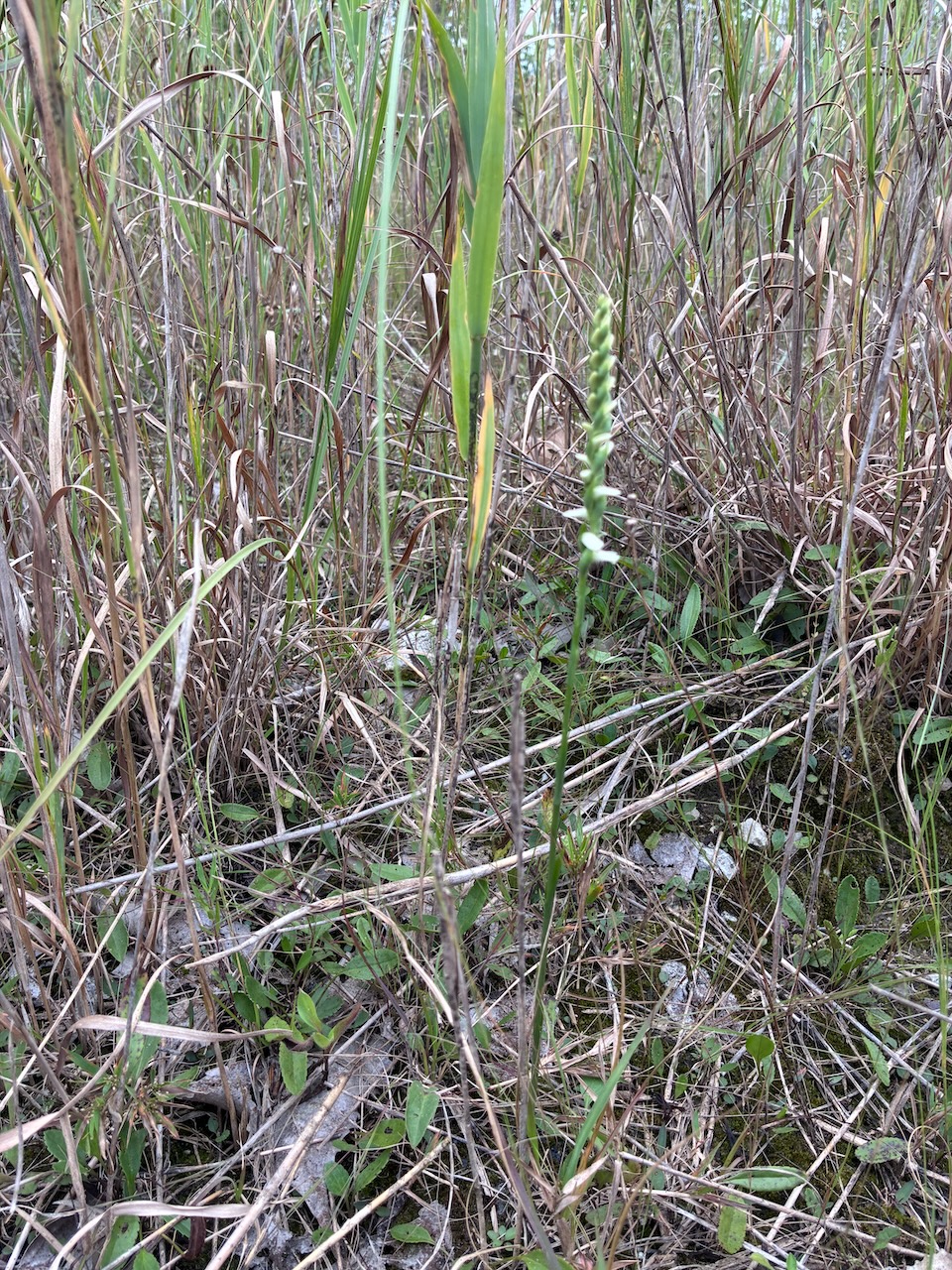
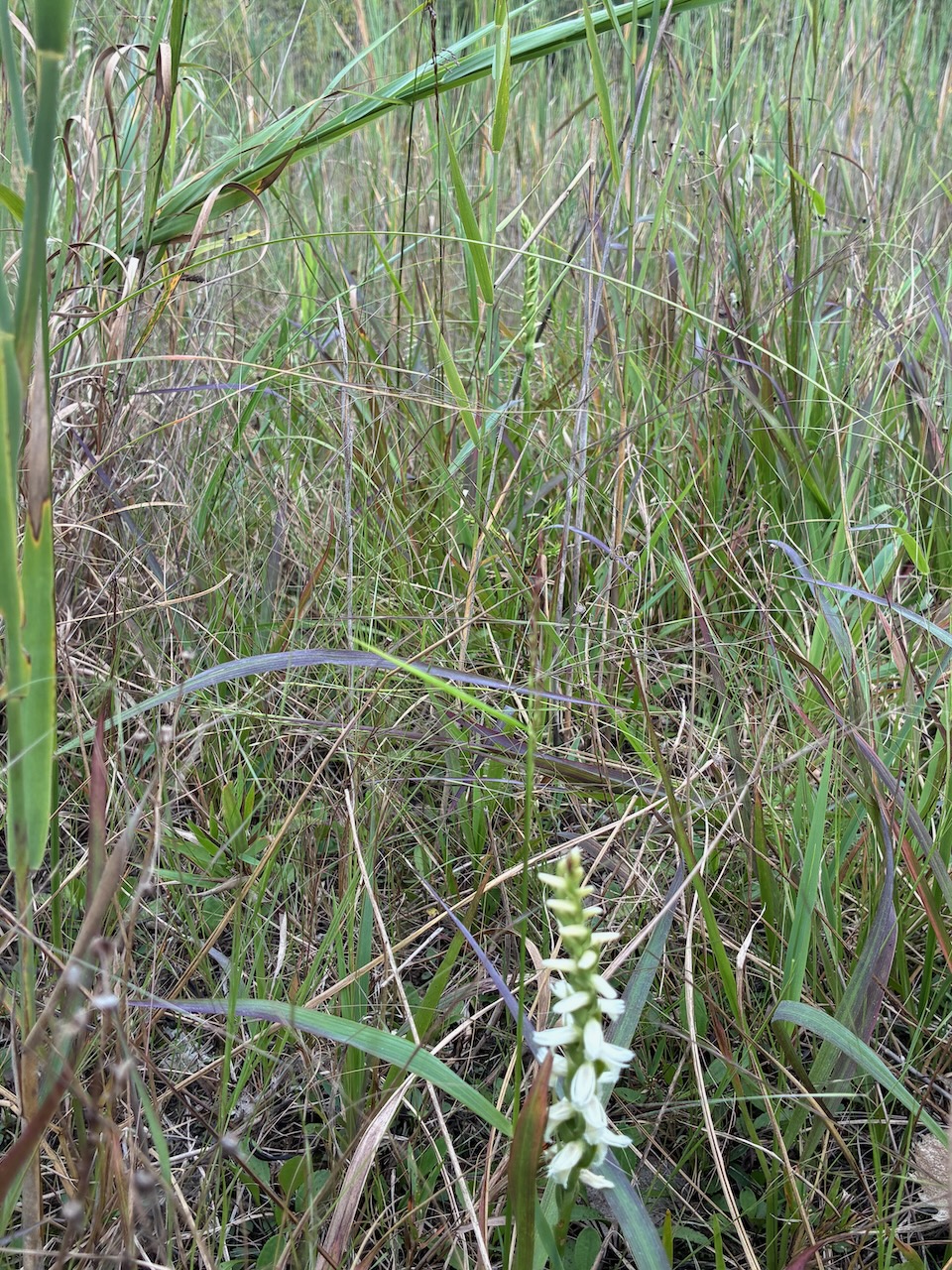
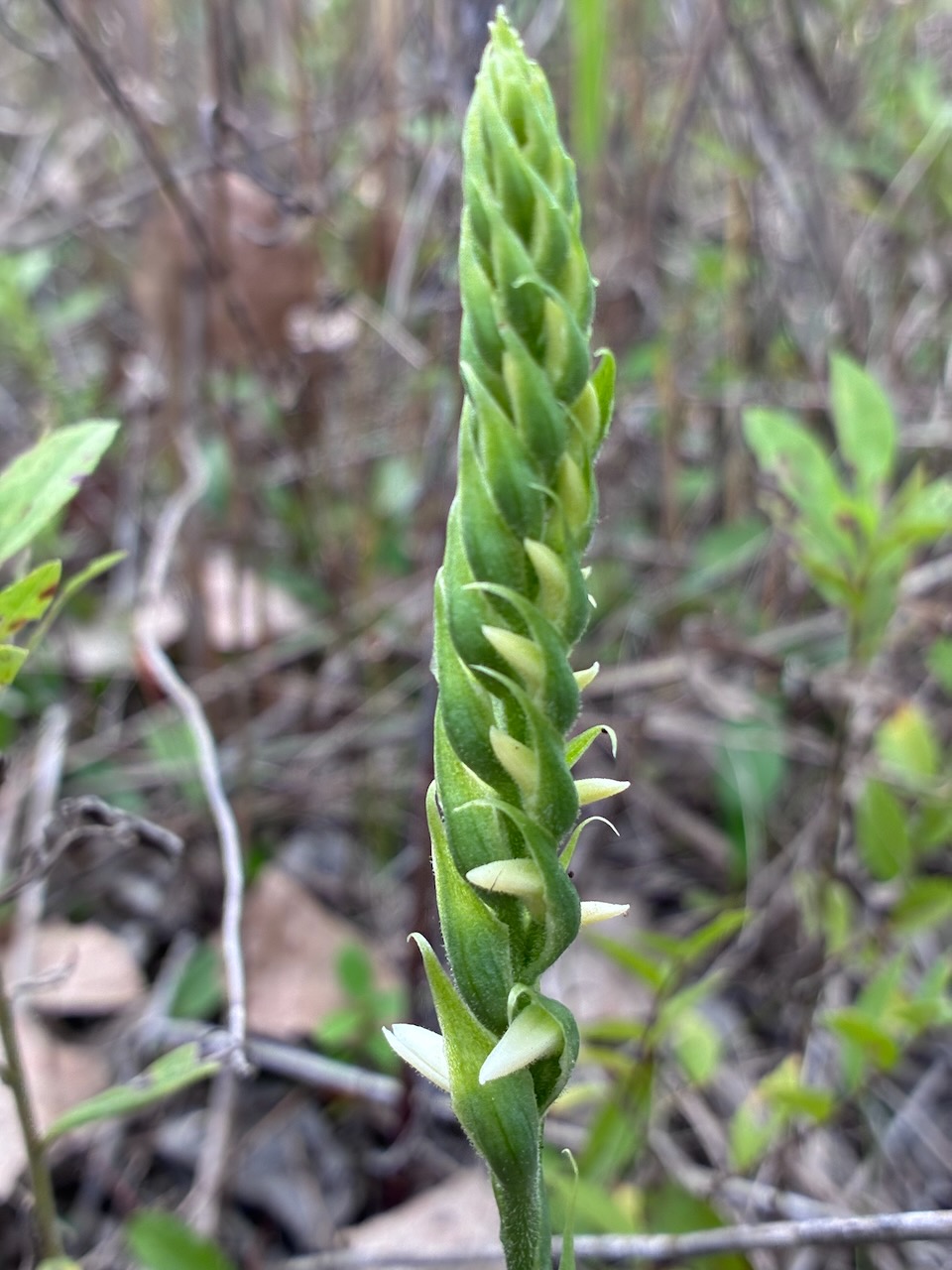
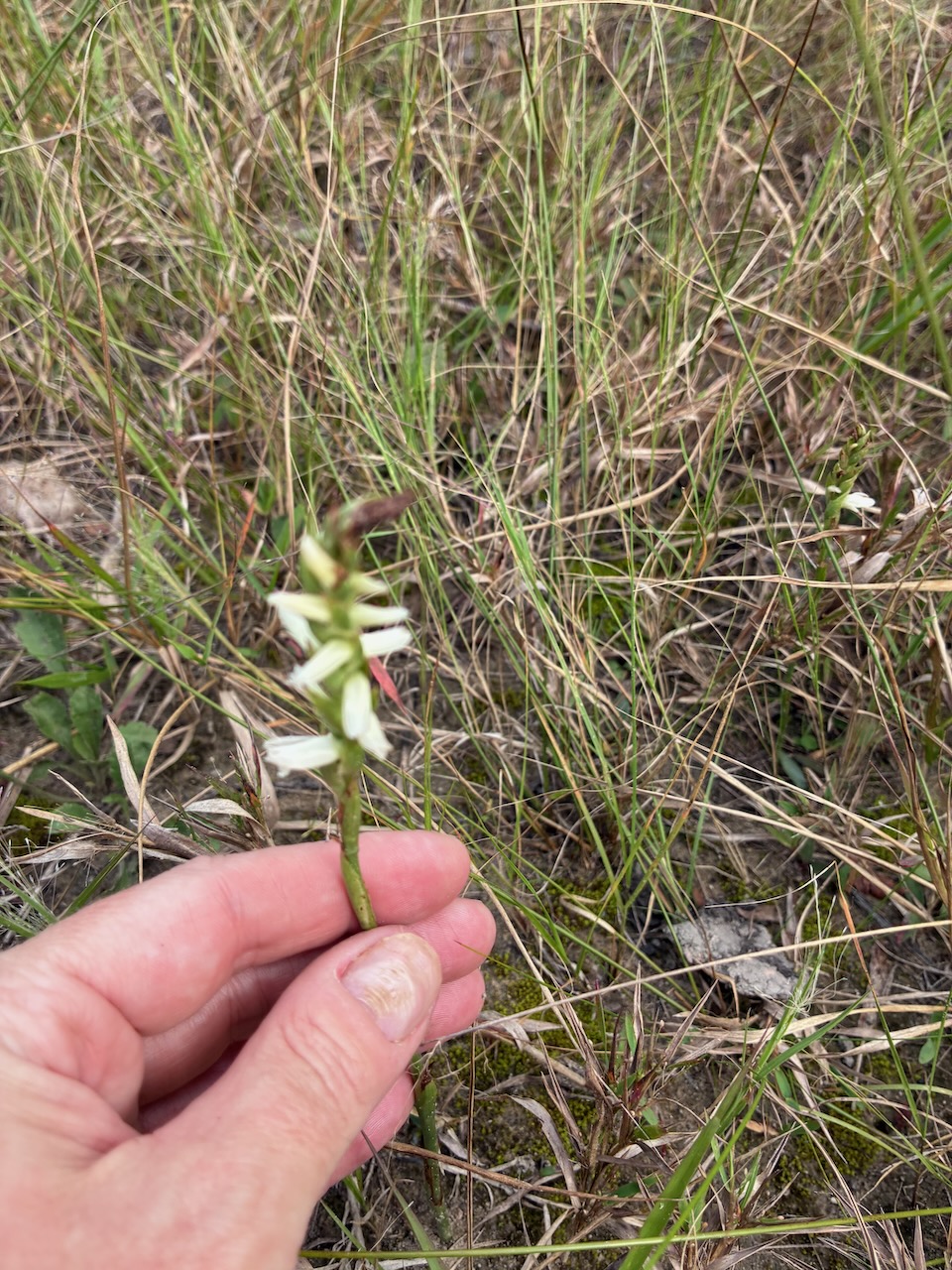
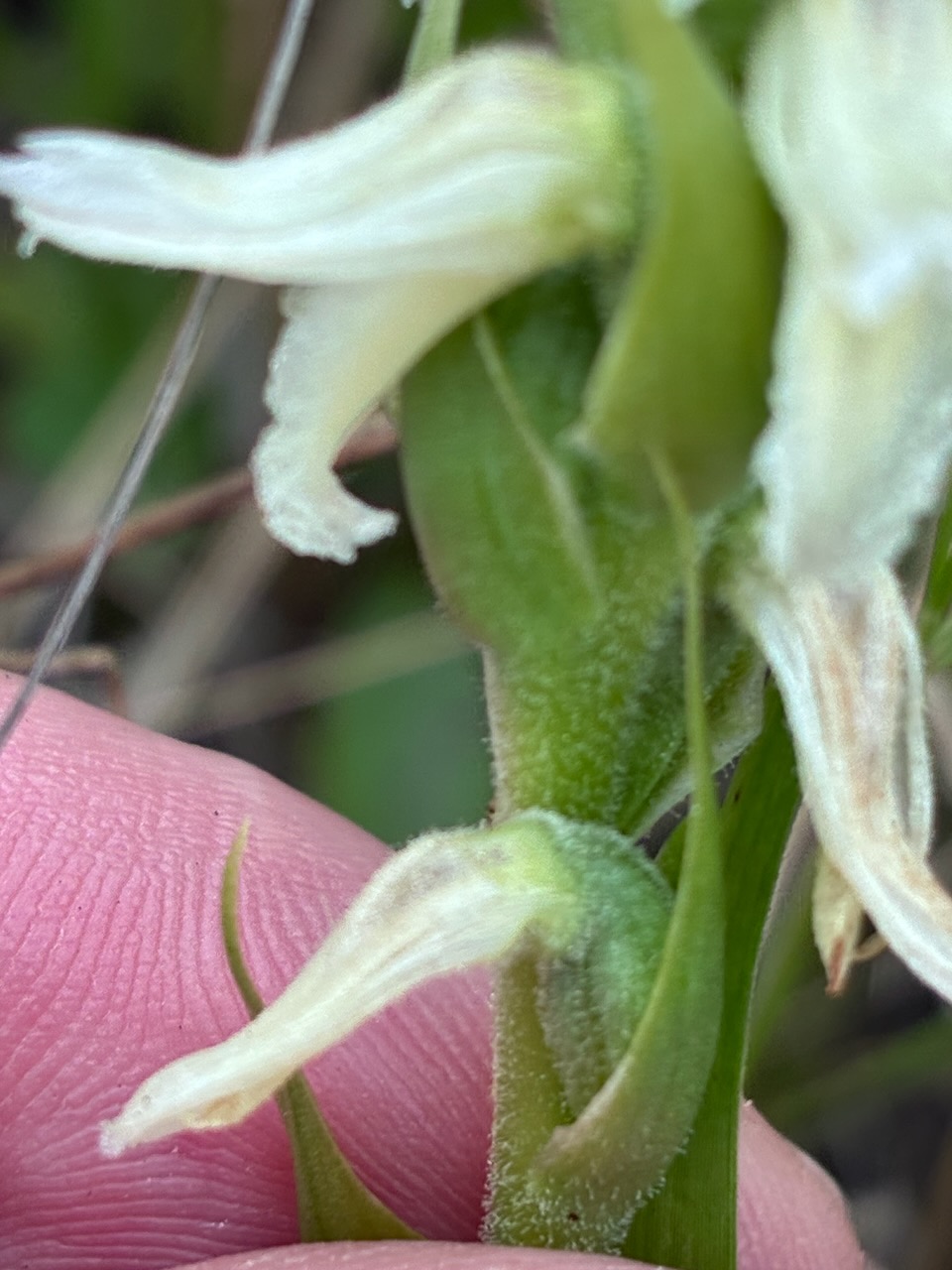
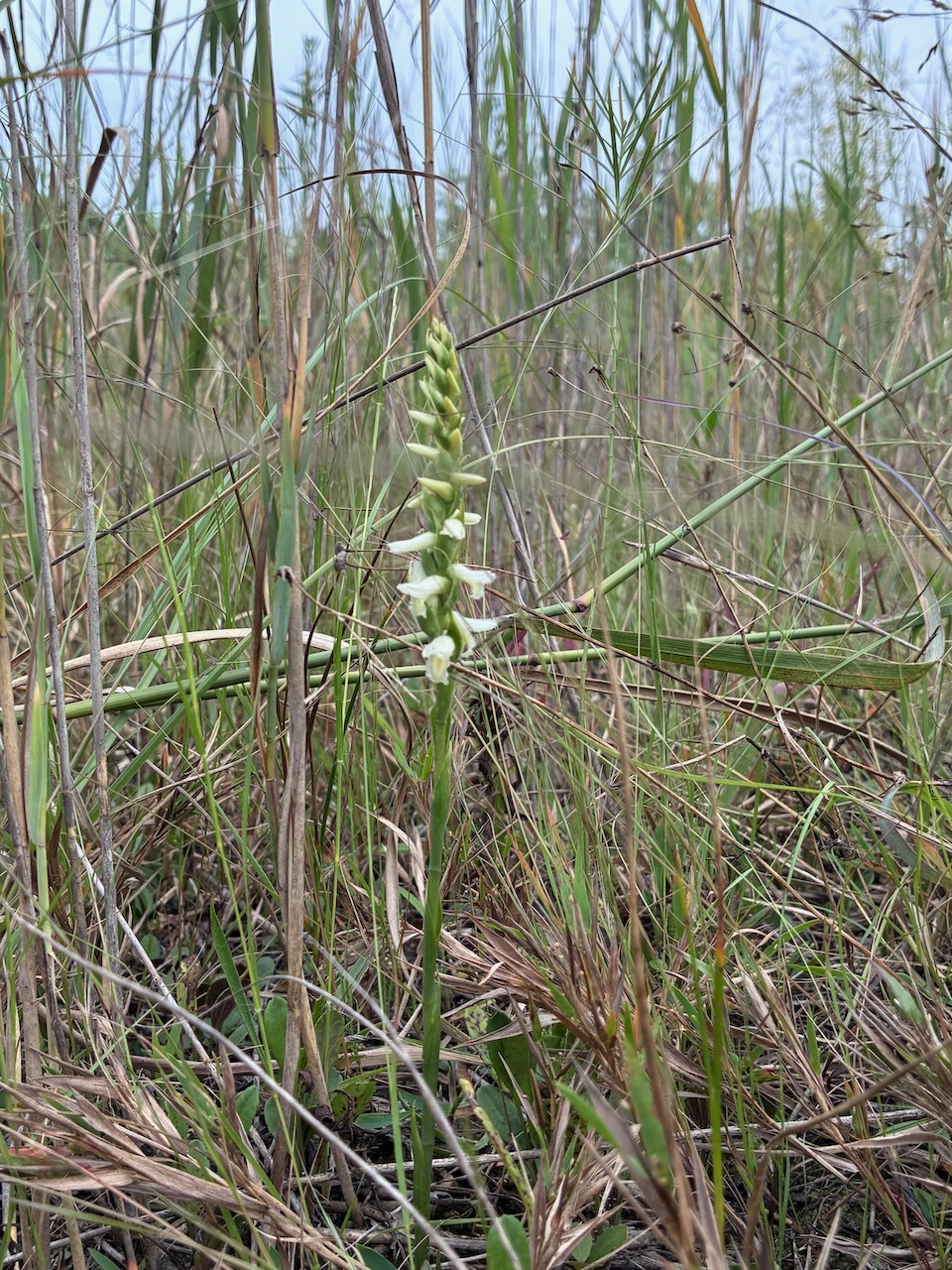
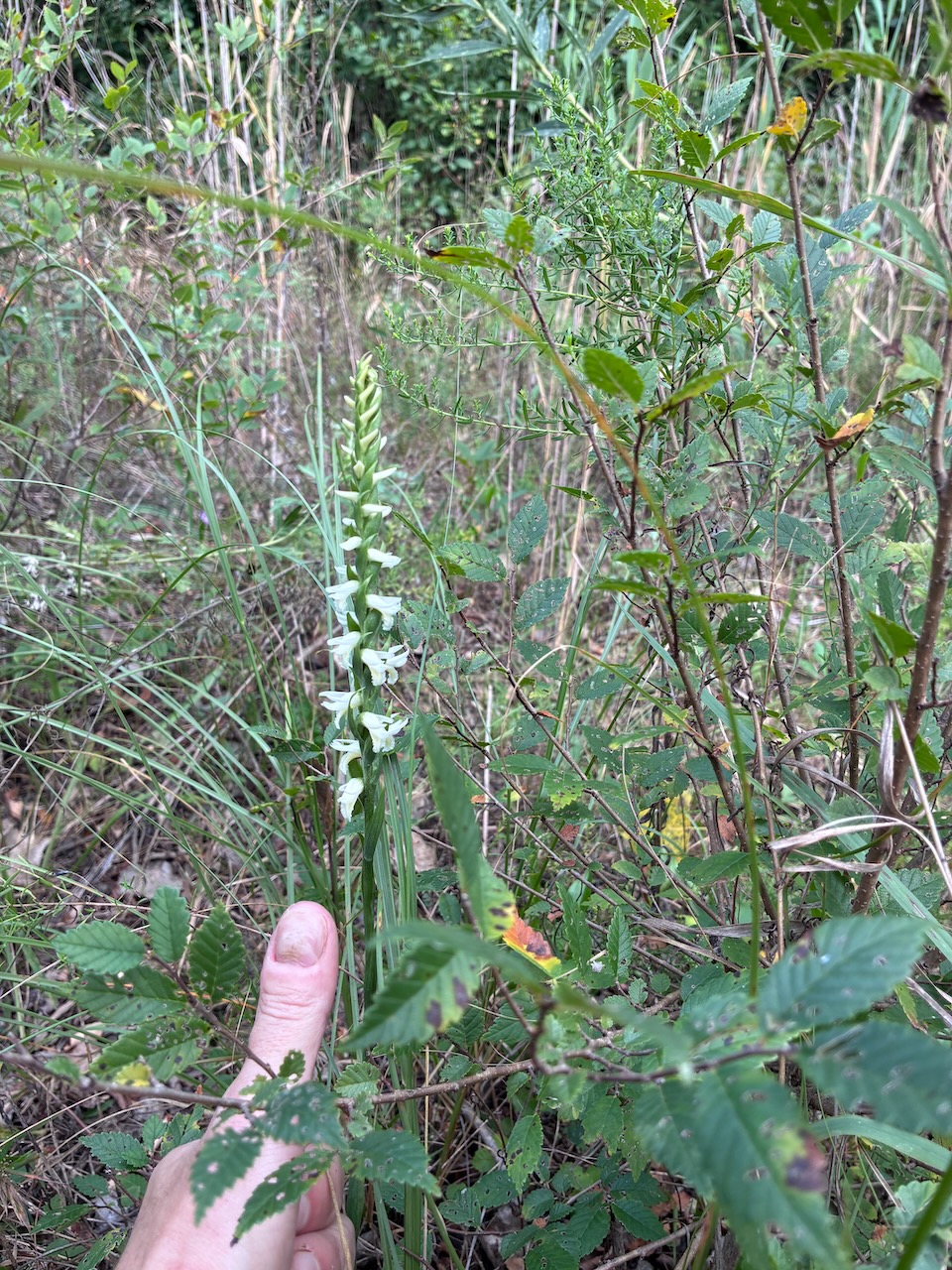
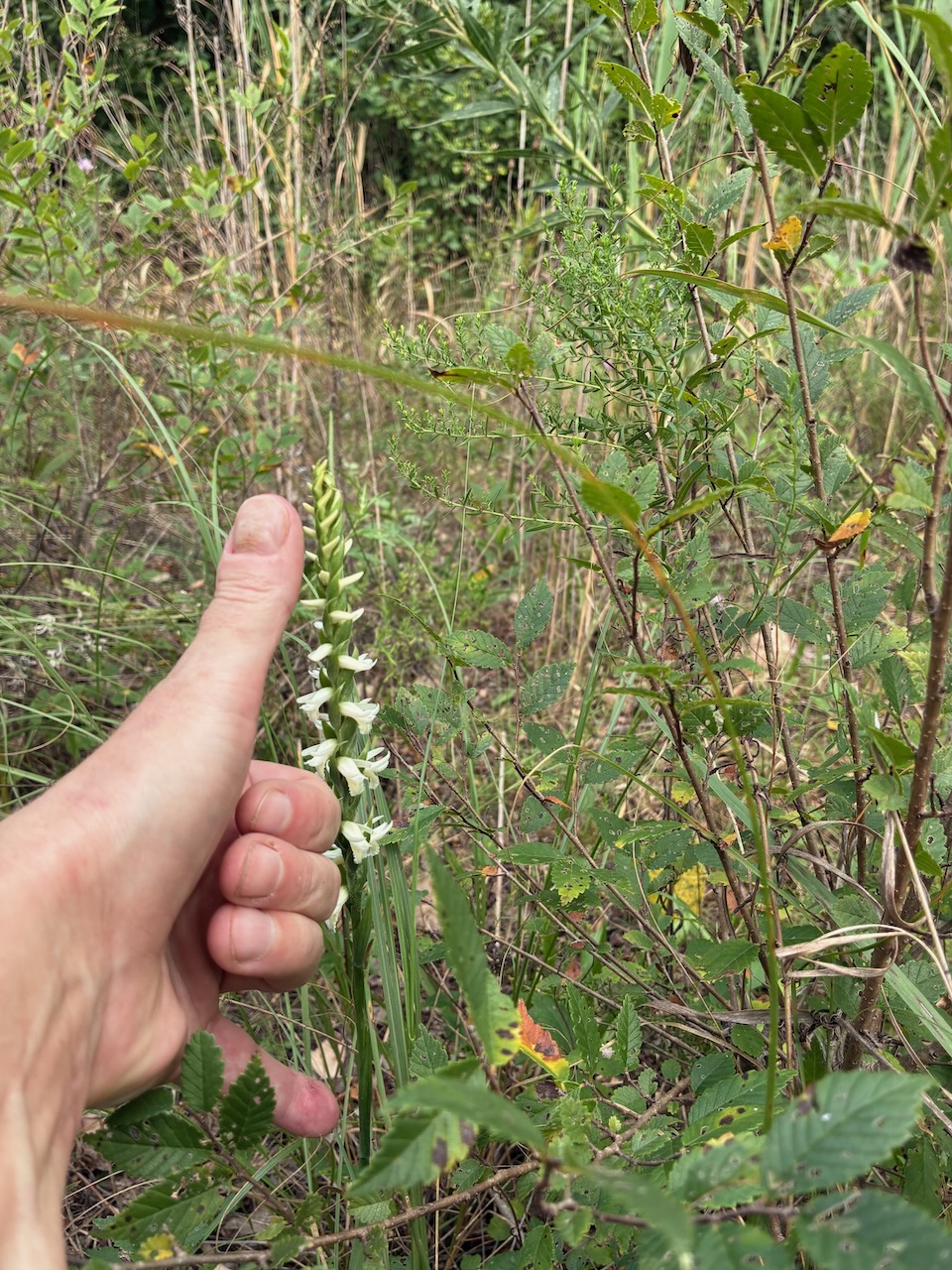
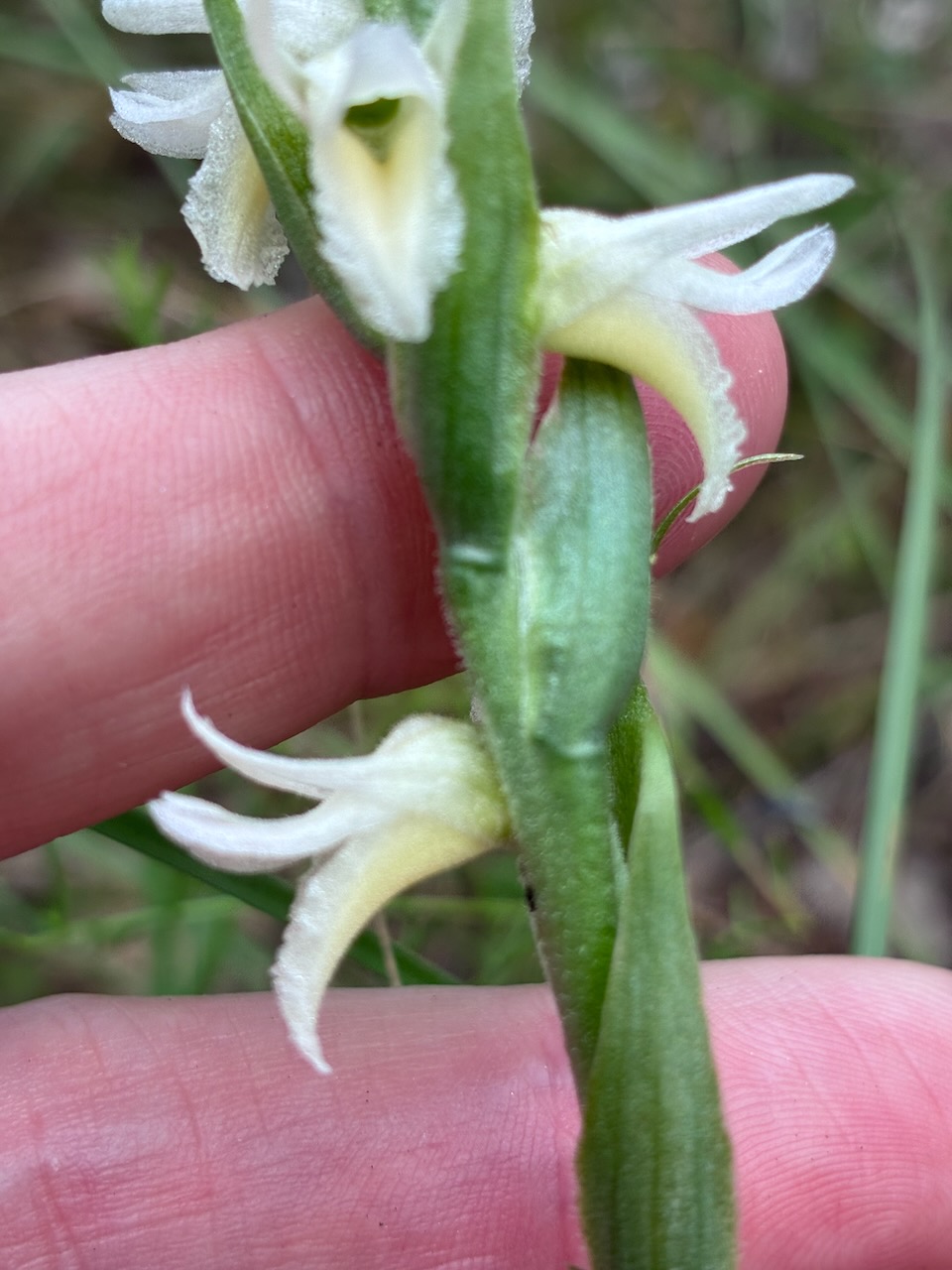
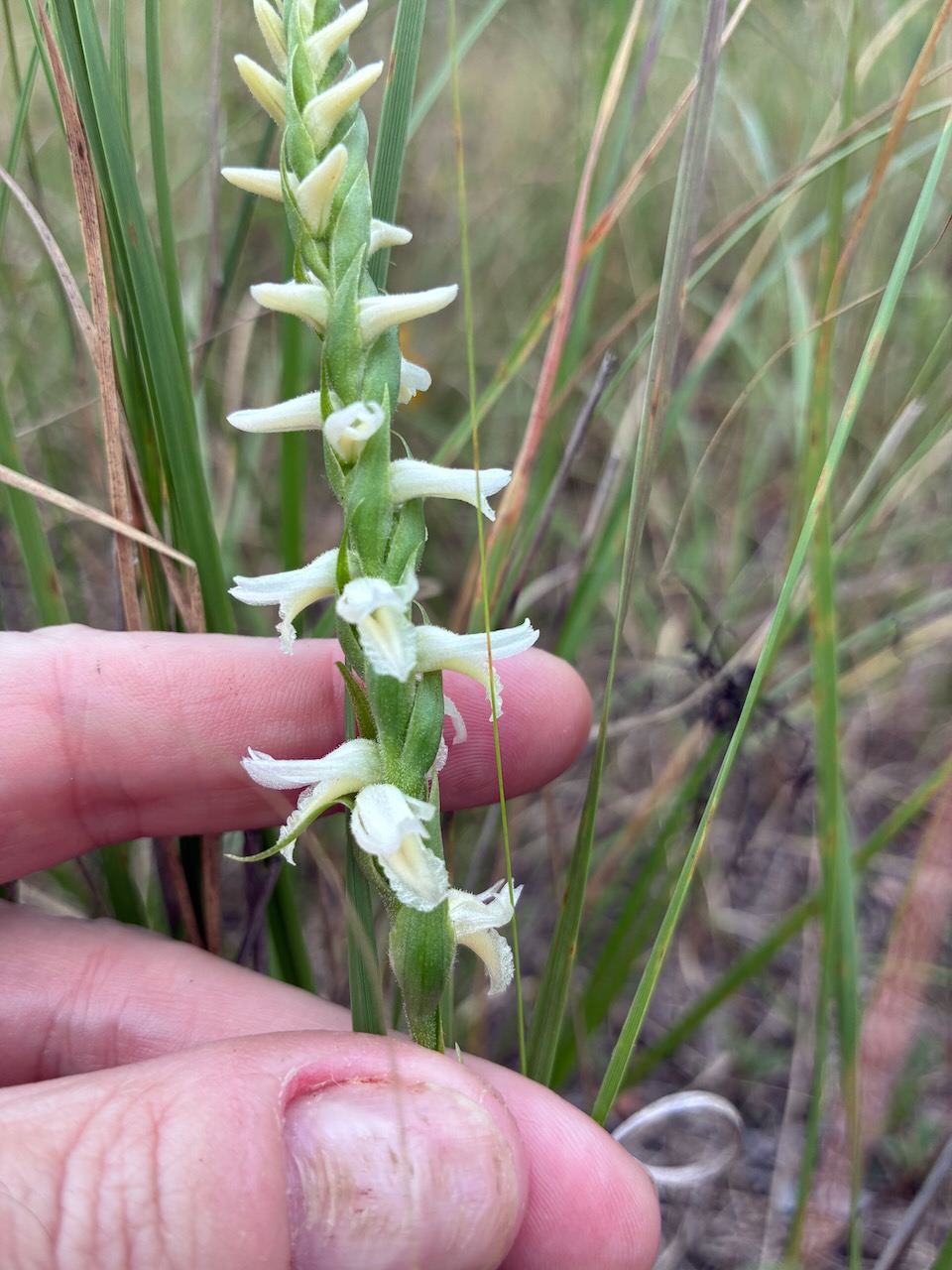
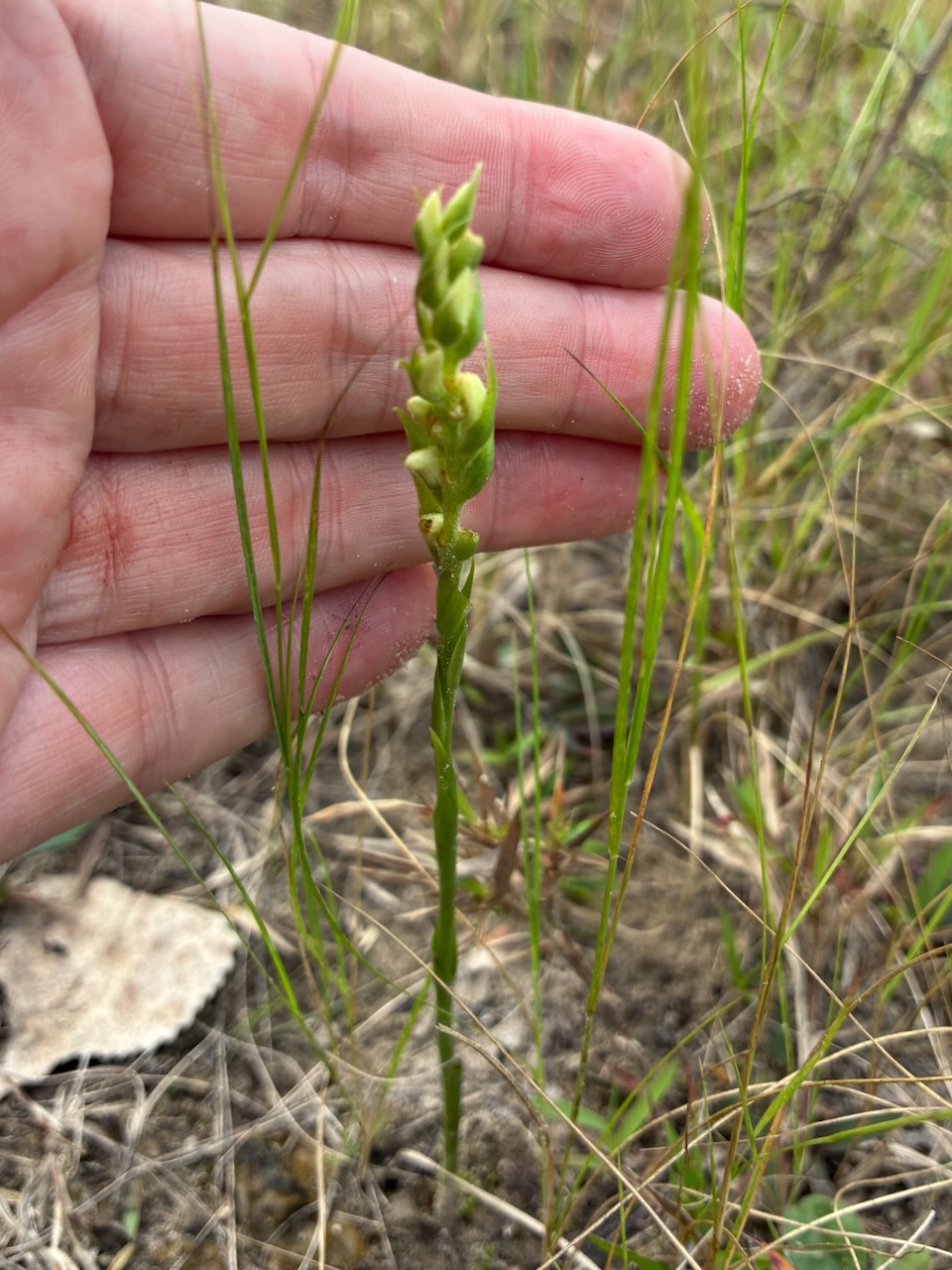
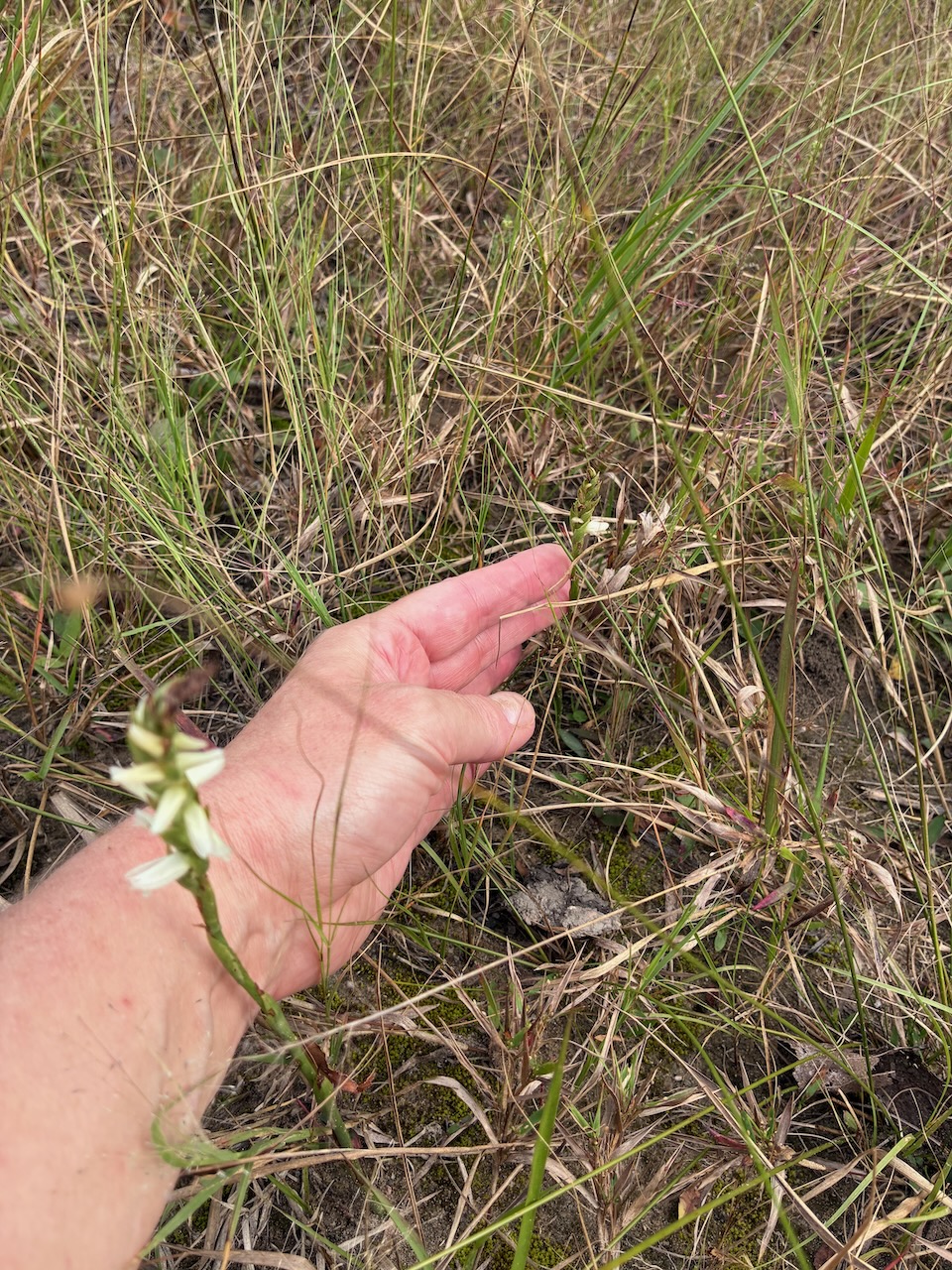
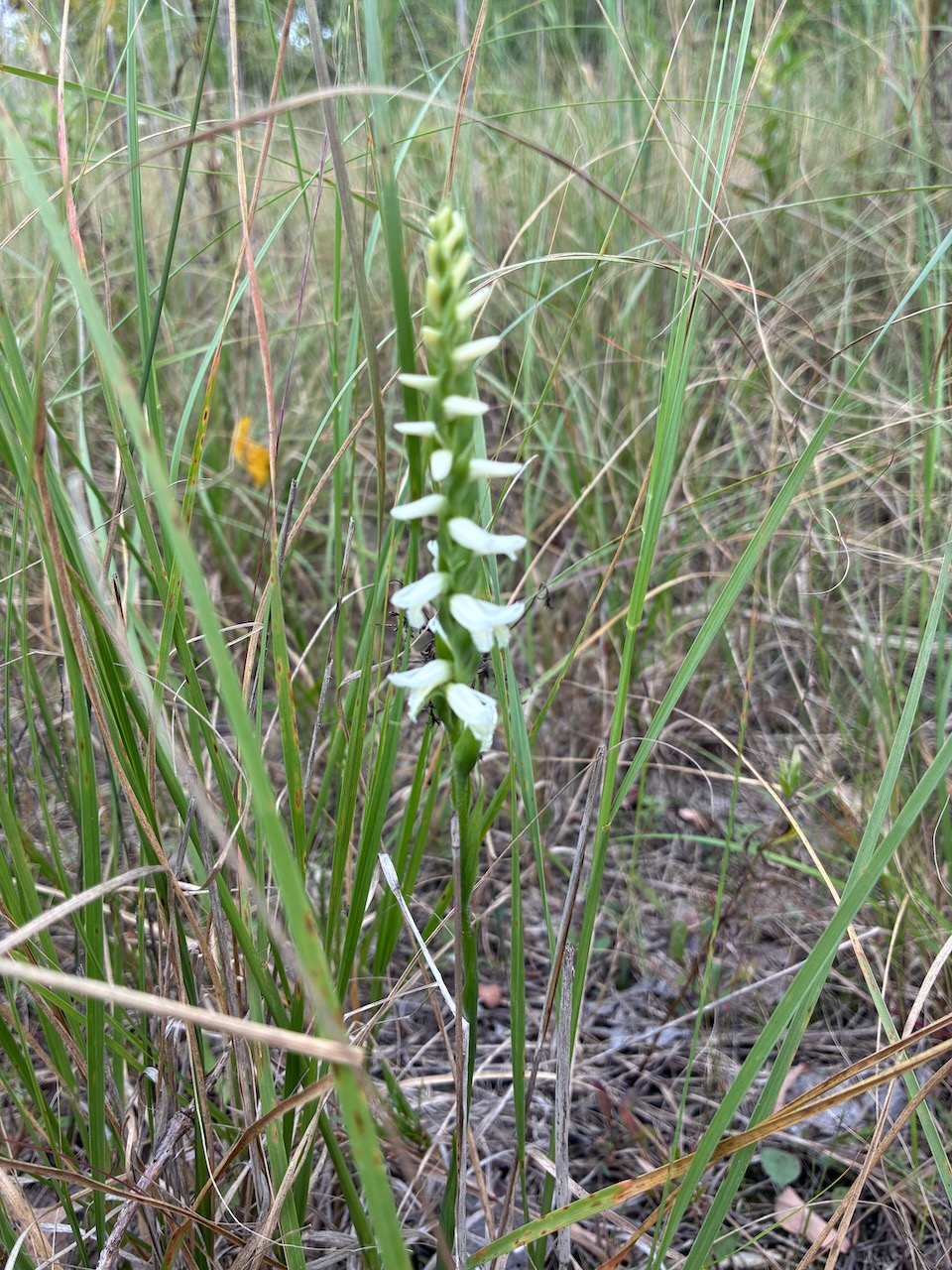
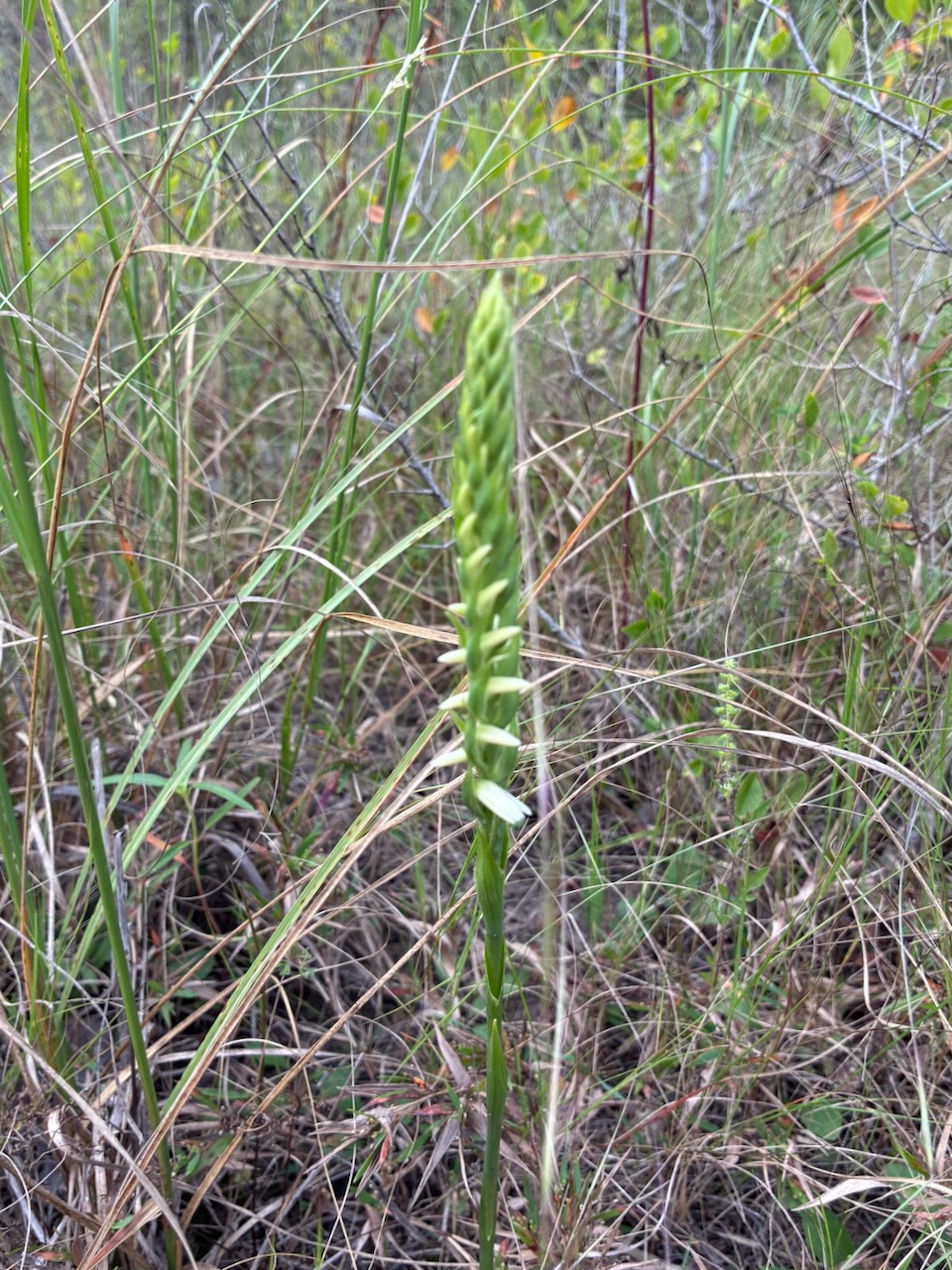
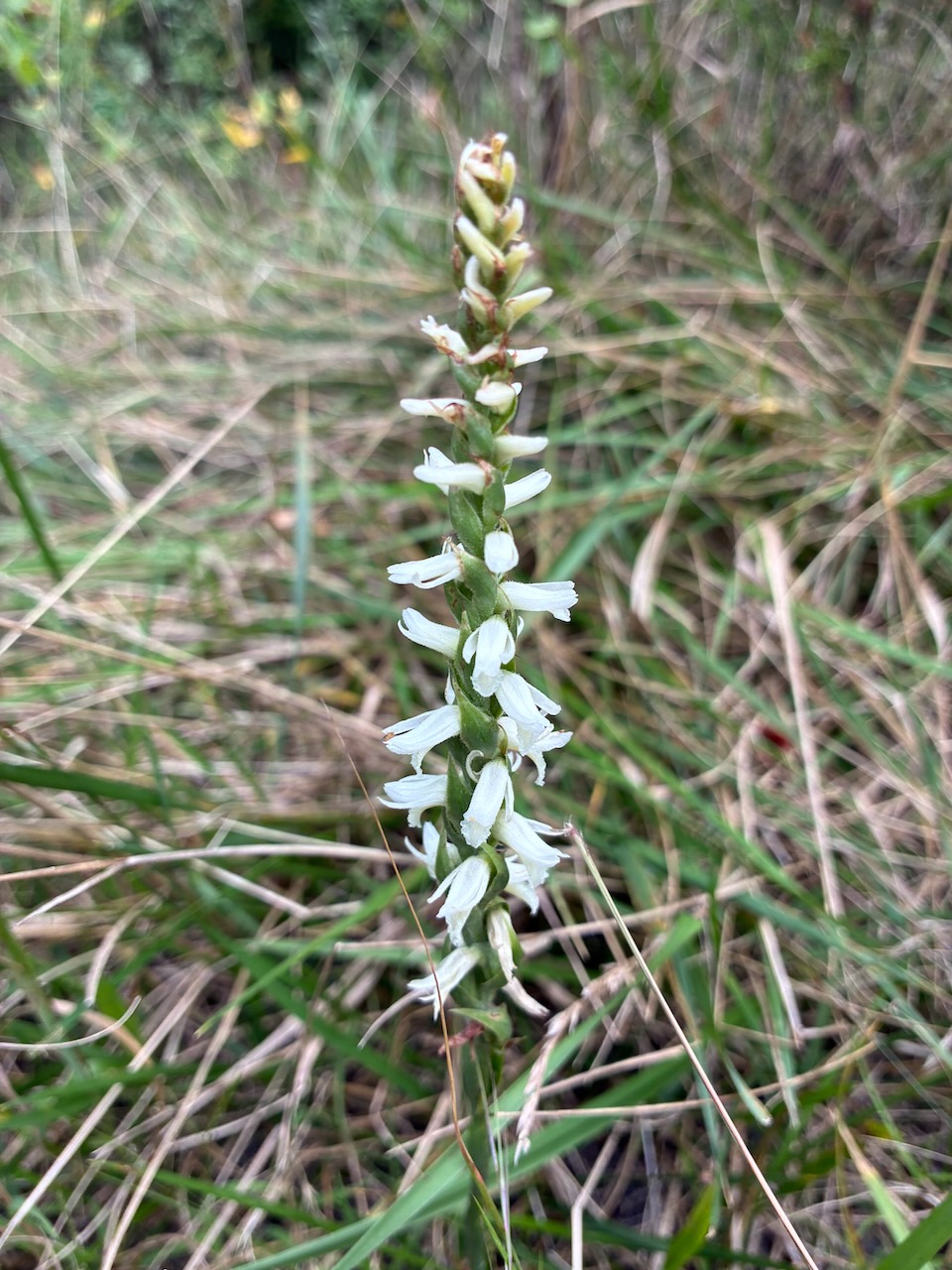
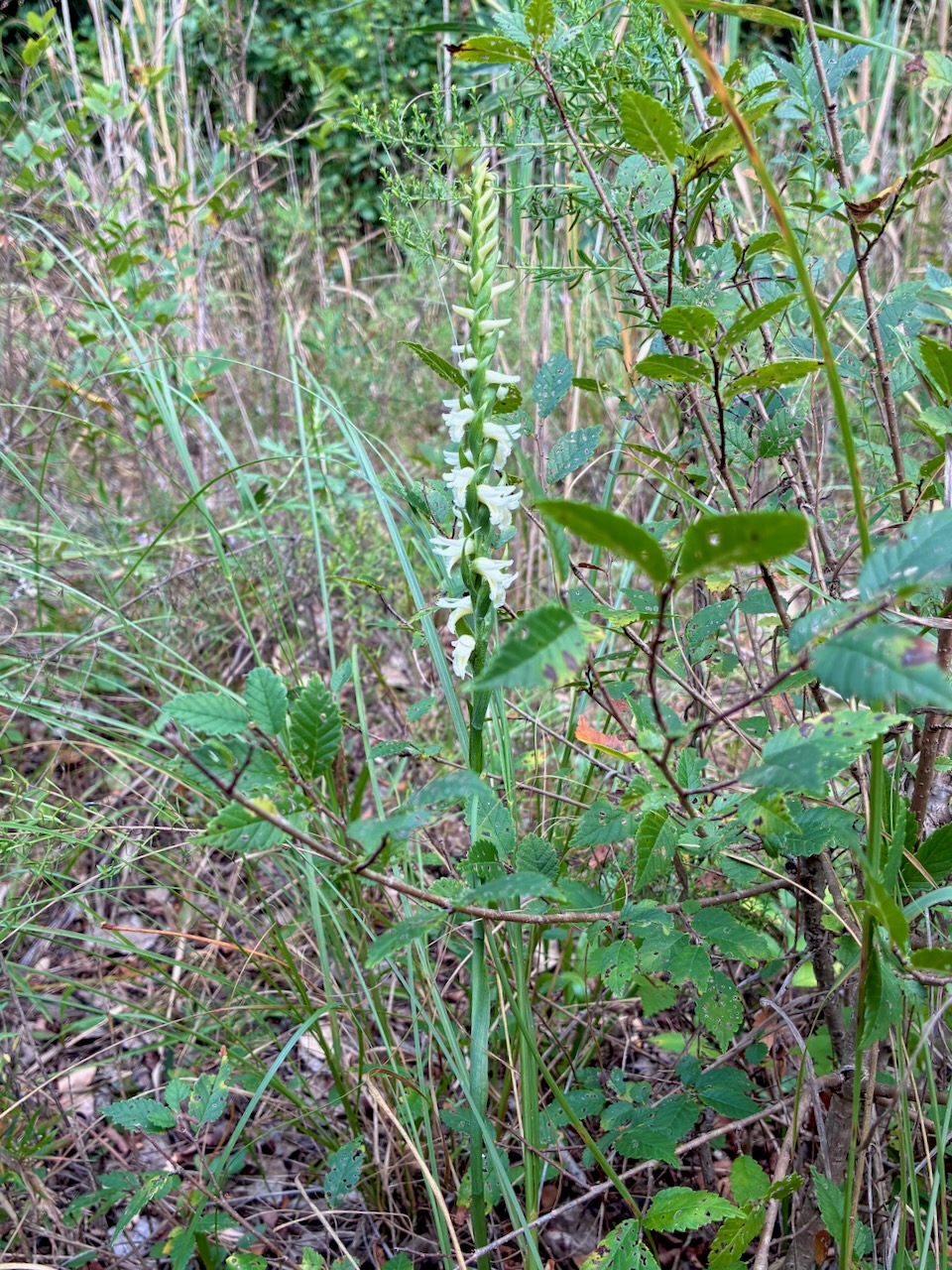
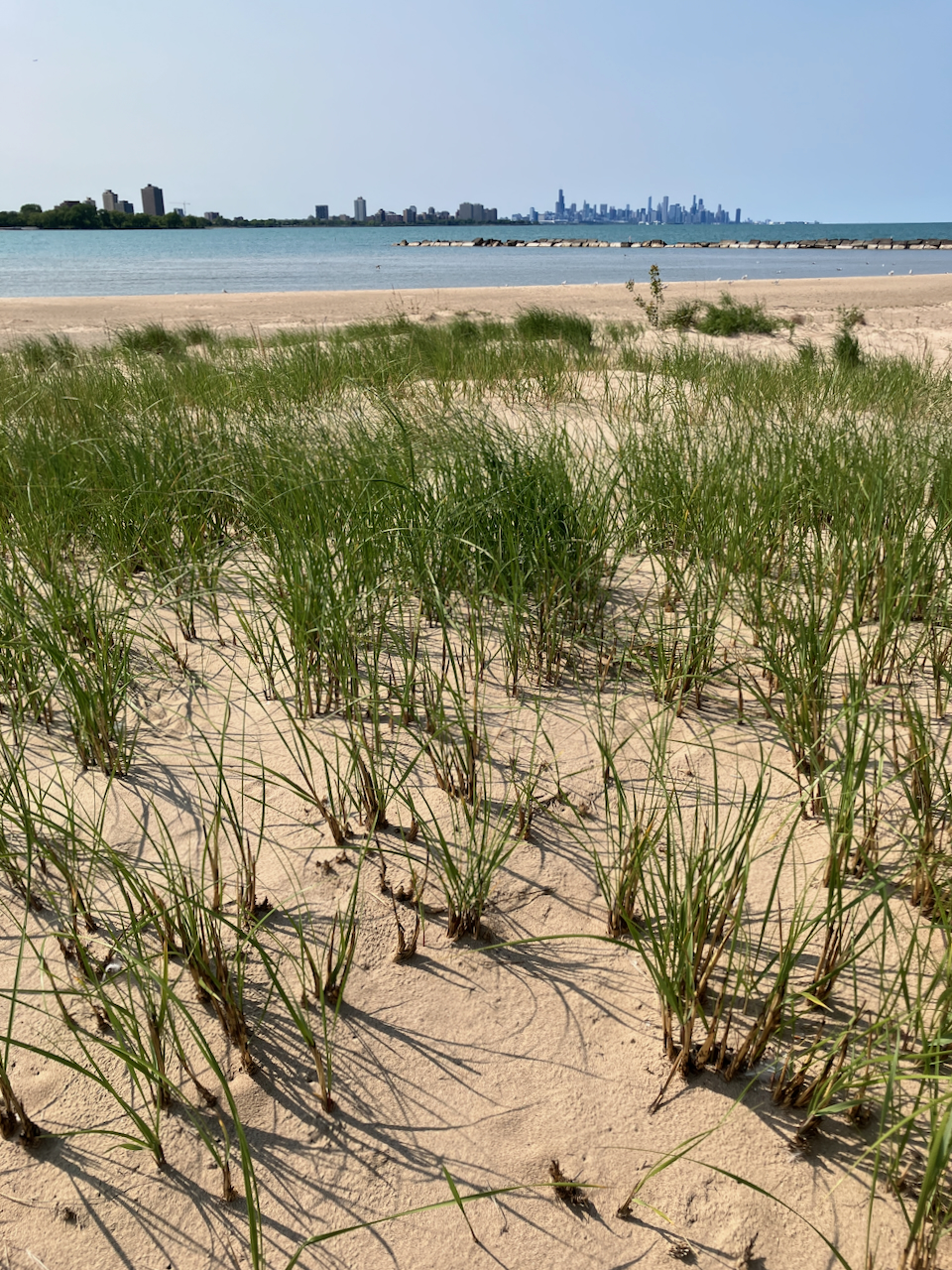
It’s Spiranthes season! These local native orchids are part of a species complex known to interbreed, so who knows what “species” they are. you can just stick with their common name, ladies’ tresses. I found these in bloom, days apart, at a lakefront dune ecosystem in South Shore neighborhood, and a vacant post-industrial lot in Vet’s Park neighborhood. which are which? You can find hundreds and hundreds in bloom on the South Side of Chicago and the South Suburbs – if you know where to look.
…brought to you by your local natural area OR vacant post-industrial flydumping slag parcel.
I recently had a conversation with a colleague about what the heck a transect is. In ecology, it’s just an experimental tool, to help orient you to the landscape. Literally, it’s a line with known geographical coordinates. Gradients of various types are often revealed along a transect, through repeated sampling or experimental plots.
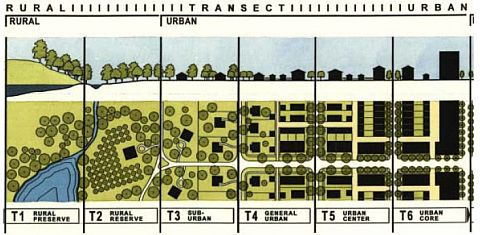
Urbanists like to talk about transects, especially in the context of the typology of the city. The transect articulates transitions between zones, with the idea that there are concentric circles of economic activities as you move out from the central city, from dense urban core, to sparse rural farmhouses.
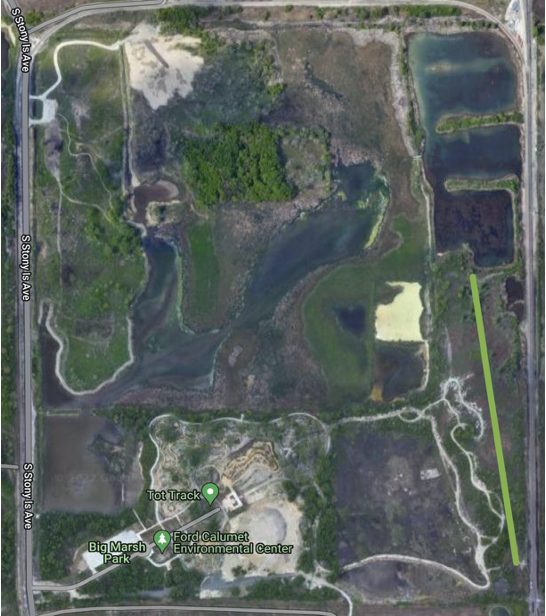
At Big Marsh, we are using the transect on Mars to look at how vegetation and soil characteristics vary along this transect, and over time. Part of our slow science research.
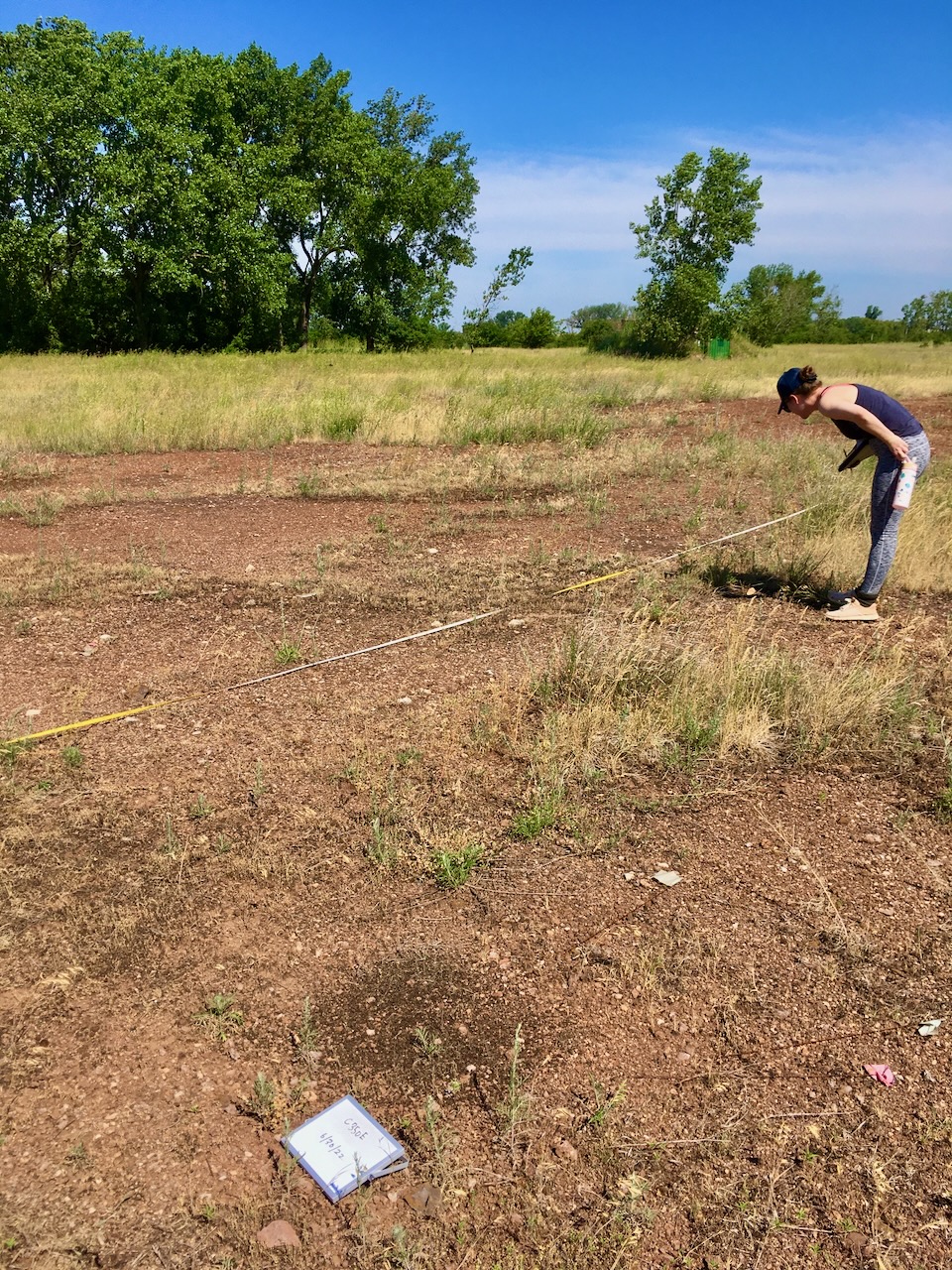
But what does this actually look like? It’s trivial for me to imagine, but not so for others. Here’s a collection of images I found that may help to visualize it.
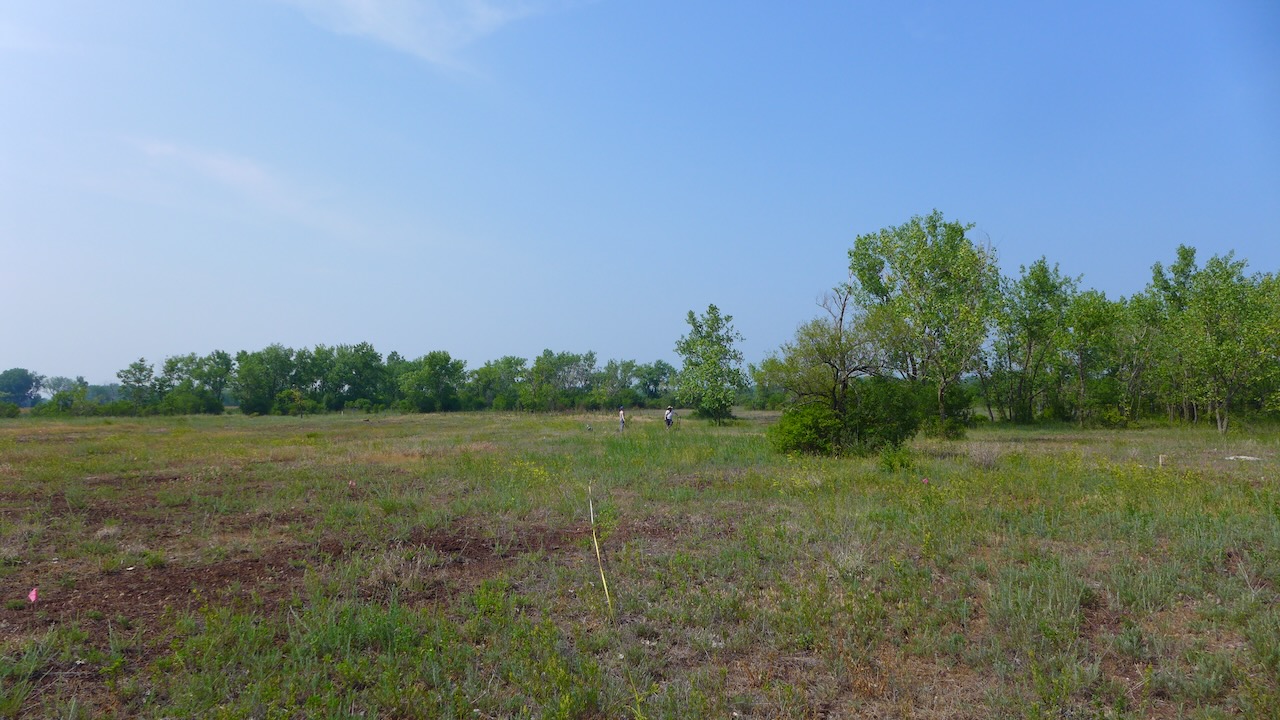
The transect goes from northish to southish on the east side of Big Marsh Park, across what’s affectionately called Mars, because of the unearthly iron-red slag. The transect is about 600m.
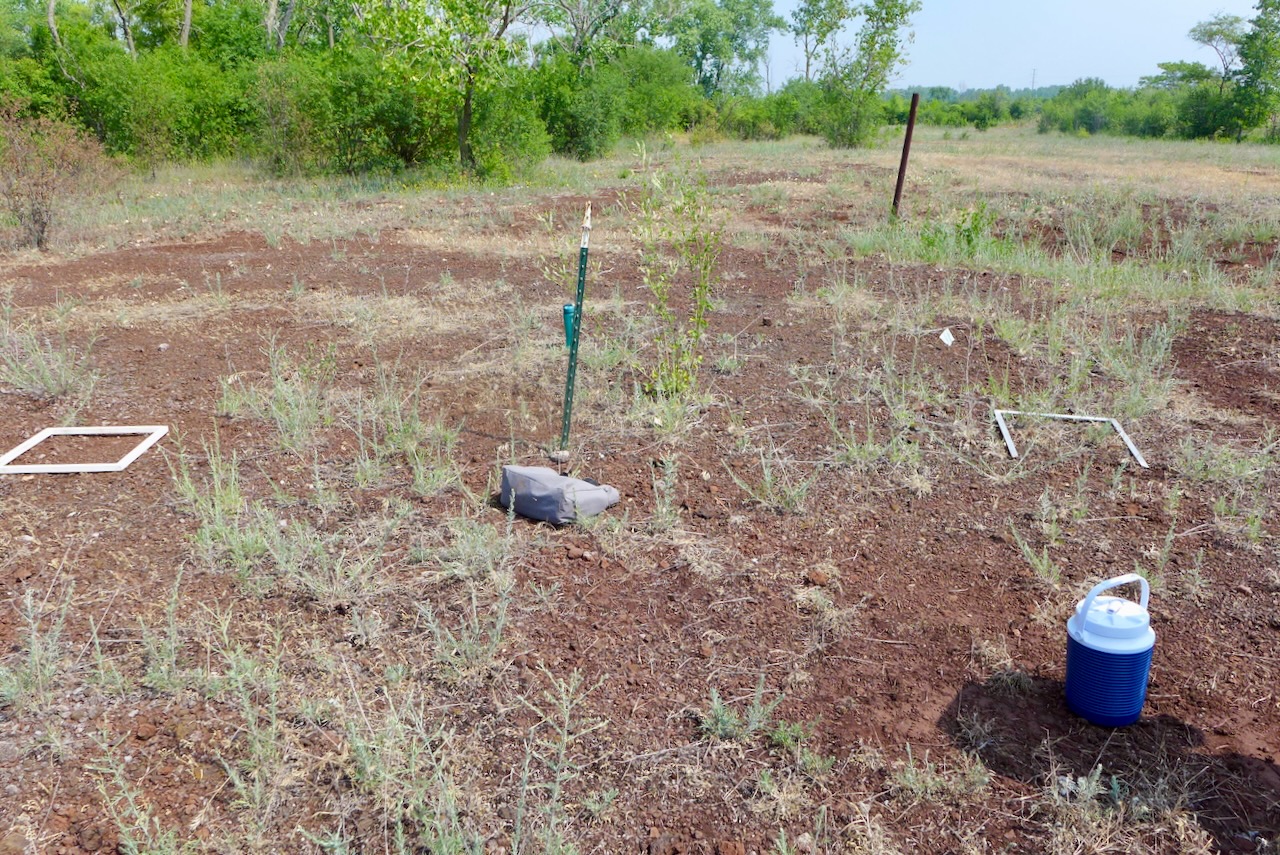
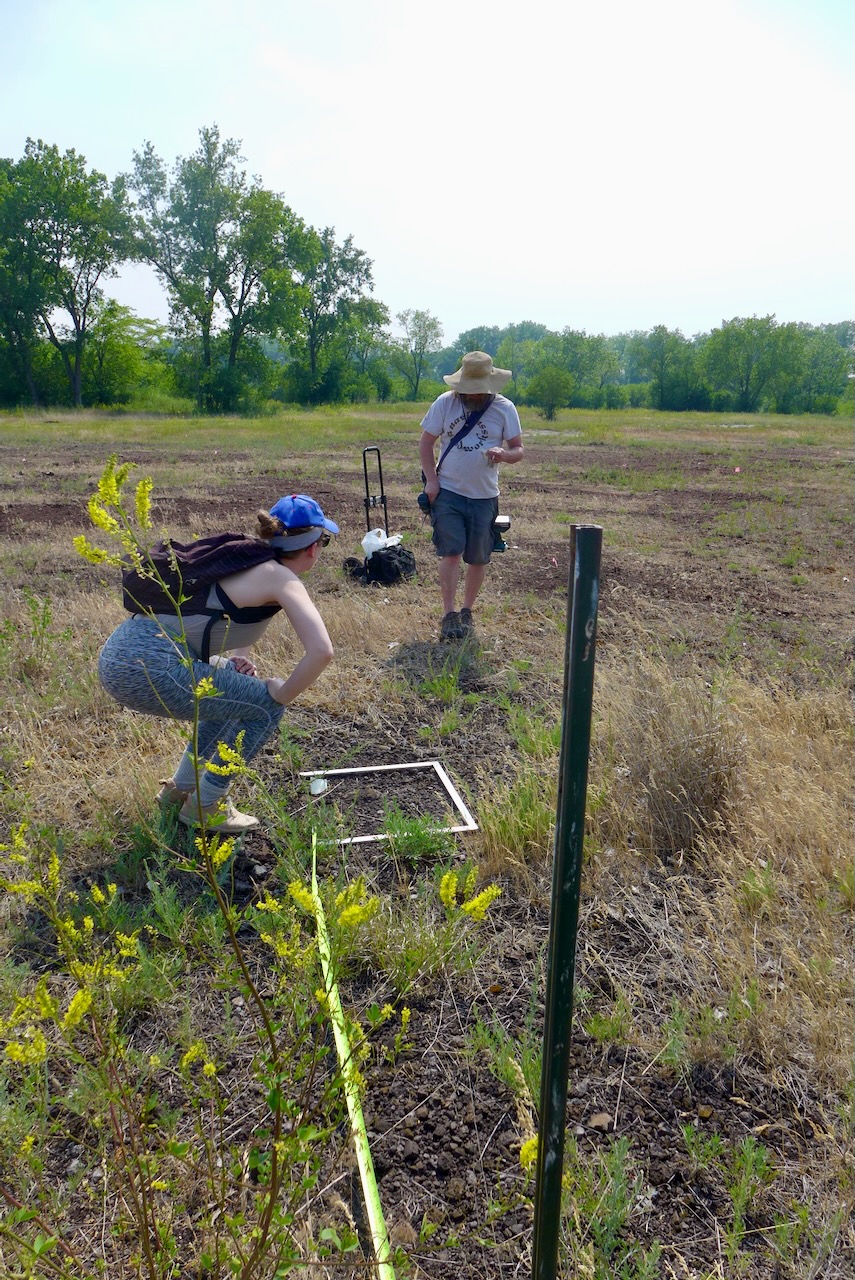
We set up a plot every 25m and record plant species and coverage twice a year. At the paired plots every 50m, there’s an additional plot on the opposite site of the marker, that was cleared of all plant material when plots were set up in 2020.
Paired plots at 50m, looking north.
Paired plots at 350, looking north.
What’s the point of clearing plots? We want to see if there is a trend in the species that are able to persist on “bare ground,” and if there is a predictable order in which species make themselves at home in the plot, or a process called “ecological succession.”
Paired plots at 200m, looking west.
My favorite plot, full of Nostoc, at 350m, looking northwest.
By surveying the plants every year, we will see how community composition changes over time. We’ve collected six years of data, so stay tuned for a publication in the next decade!
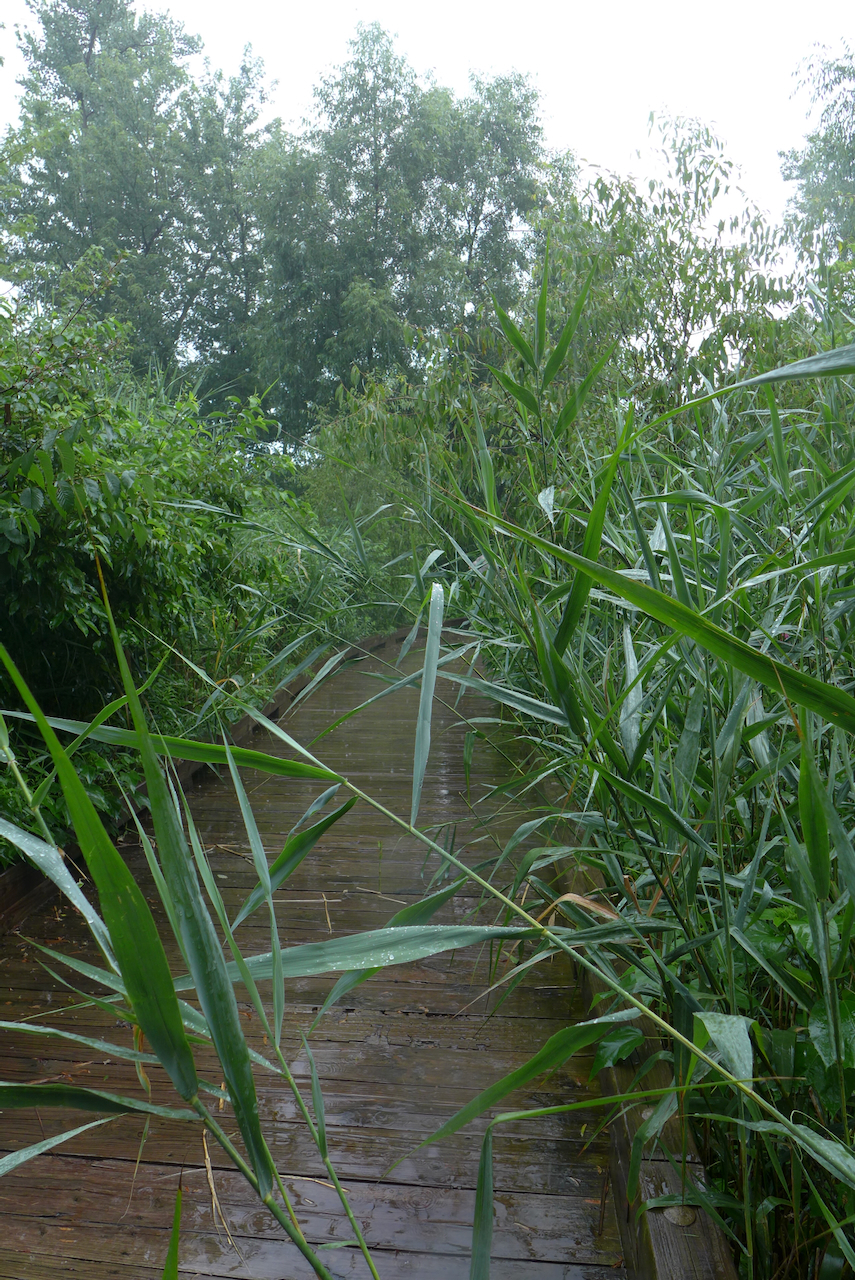
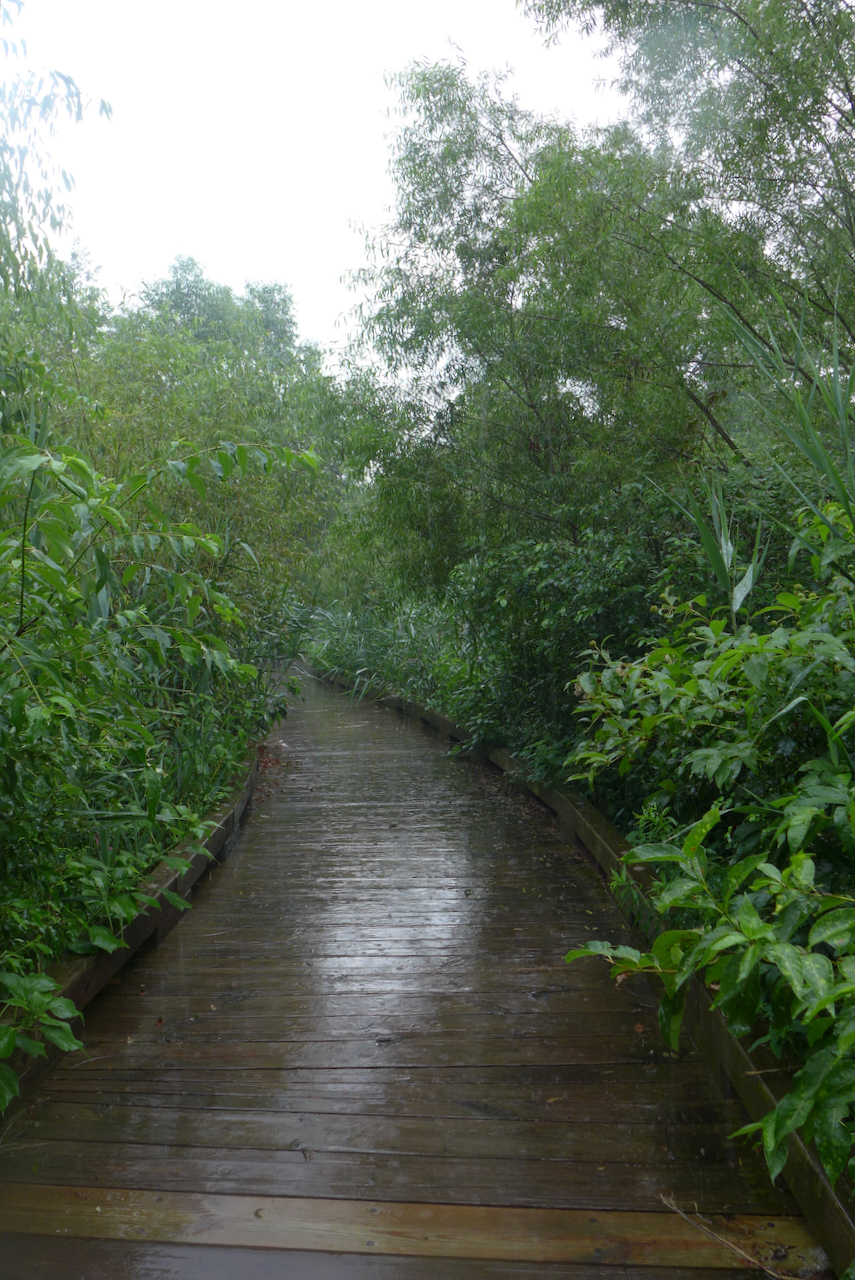
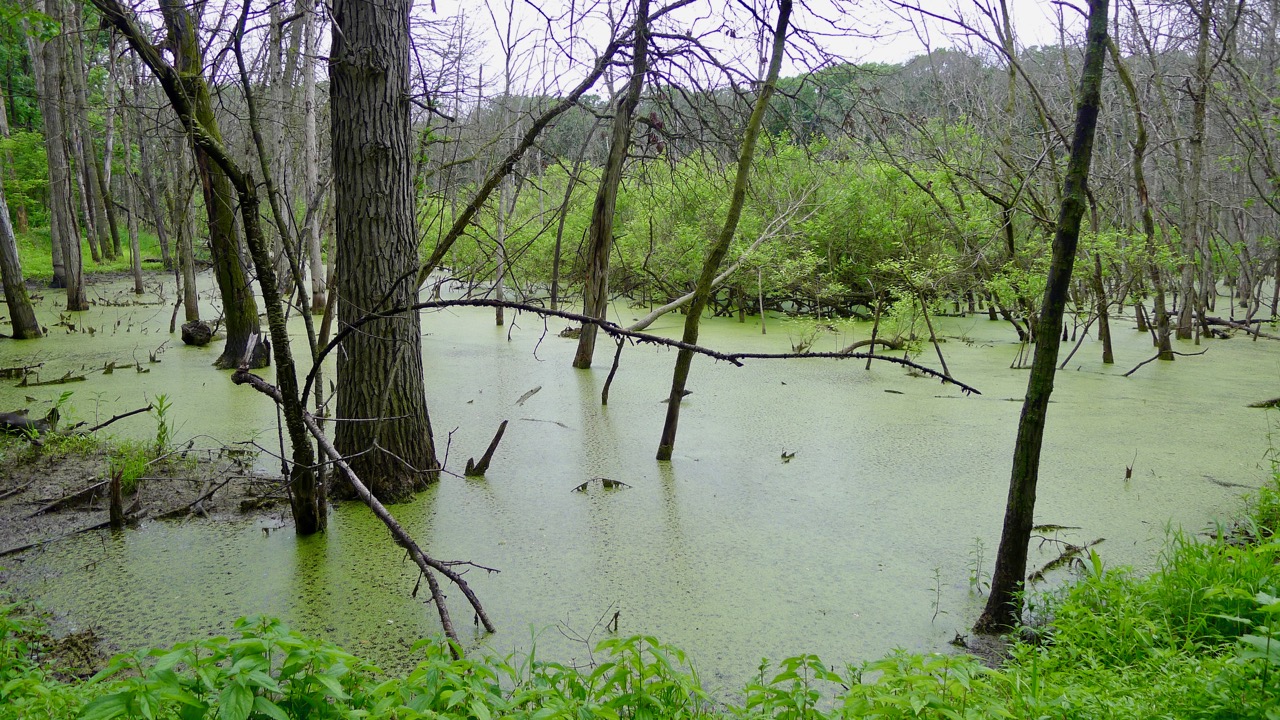
In recent years, I’ve visited Sand Ridge more often in the early spring, to locally see skunk cabbages and ephemerals. On this day in July, it’s rainy and overgrown with the amorphous green of a late summer urban woodland.
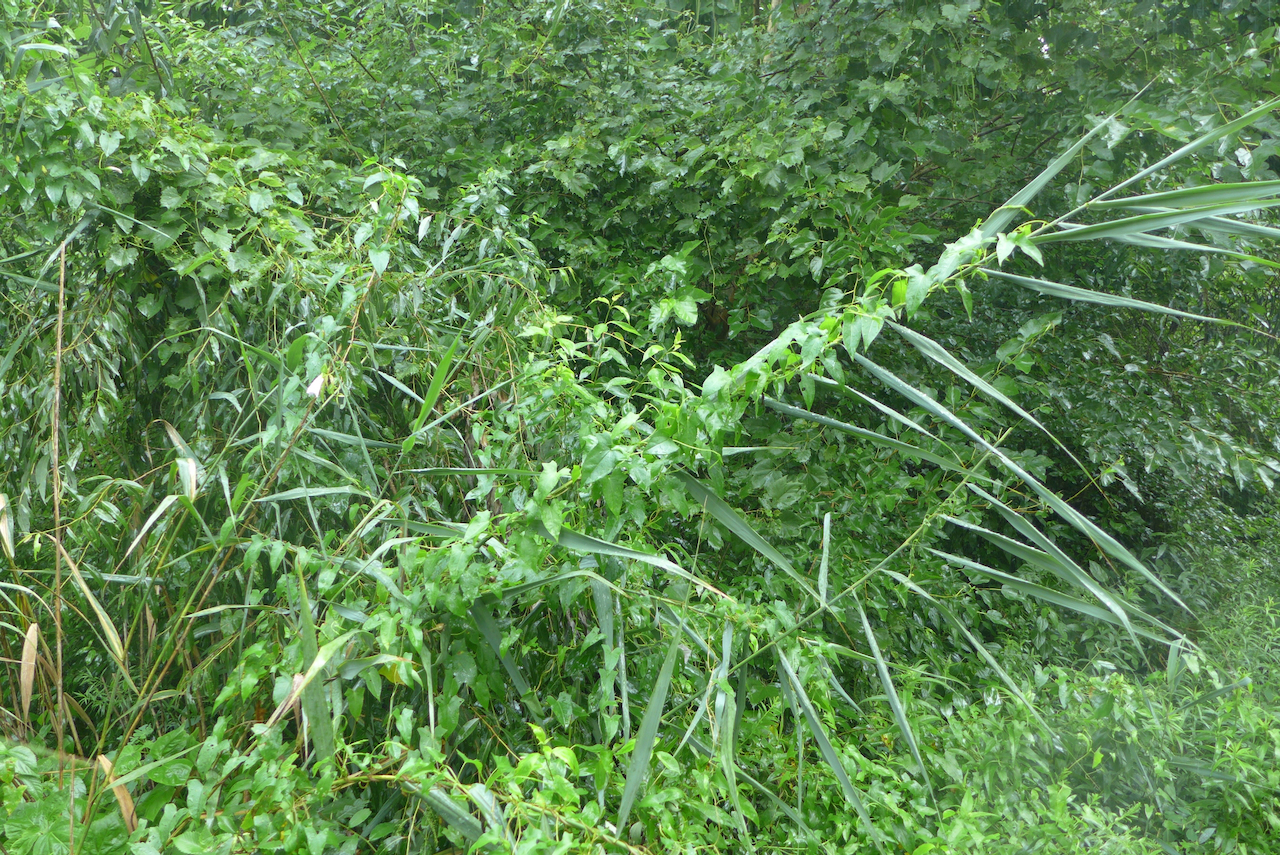
In the rain, the amorphous green belies the competition in front of us: just out of frame,
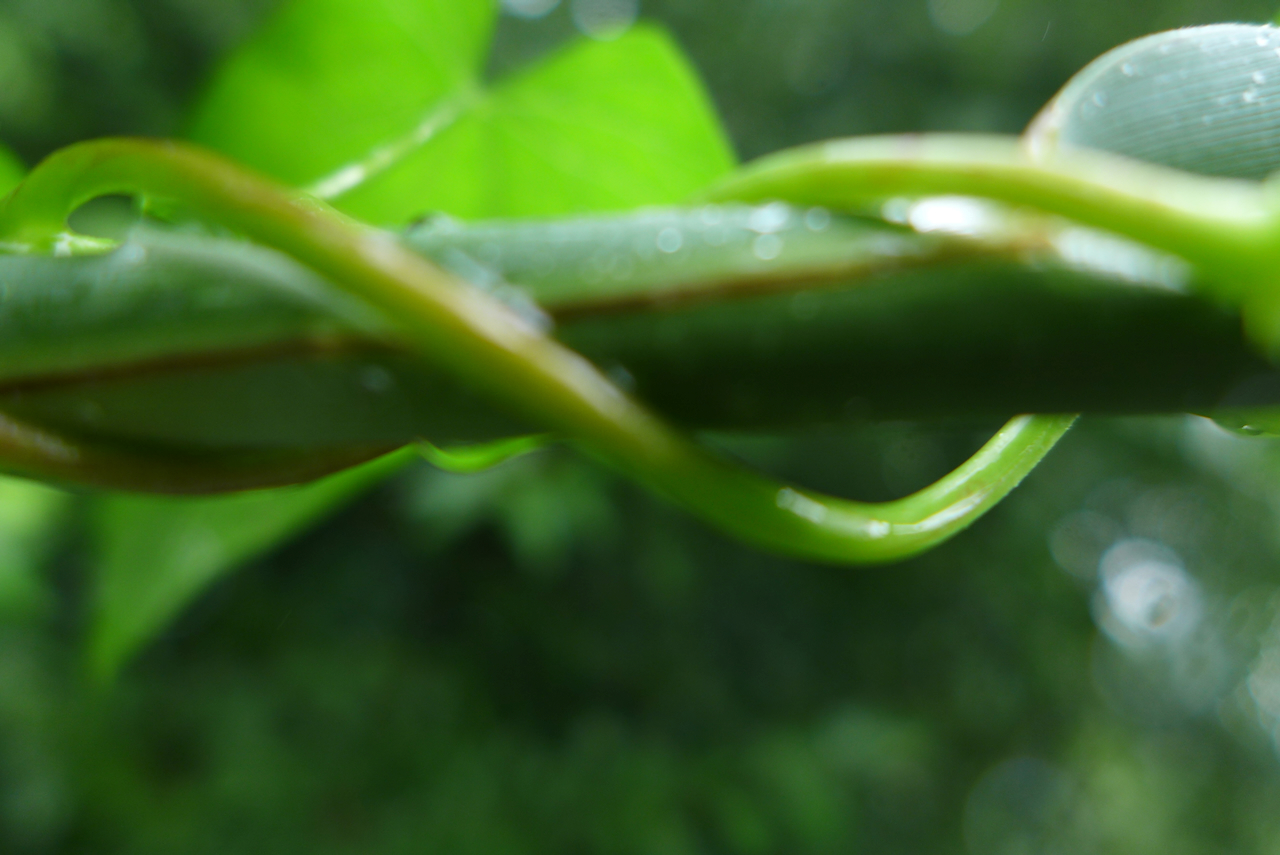
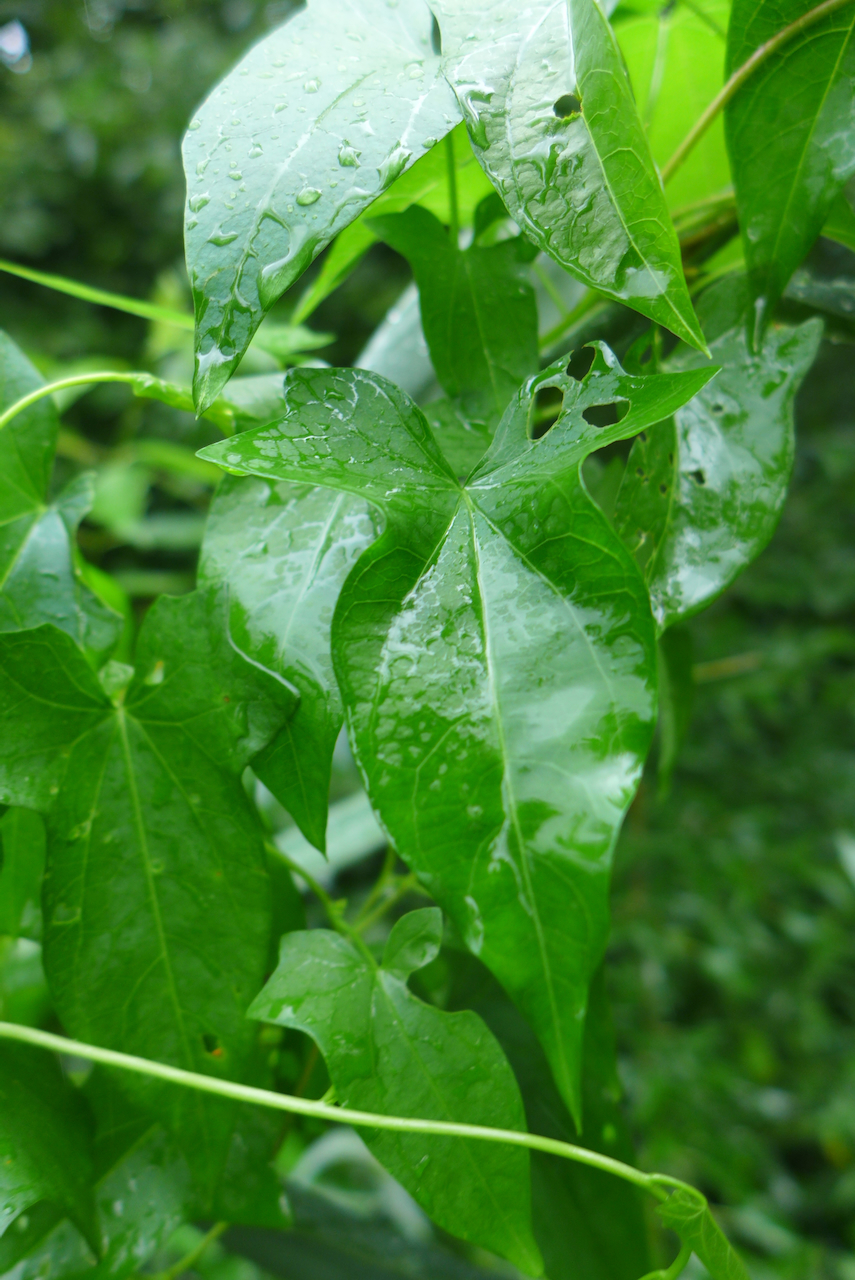
the hedge bindweed vine is twisting up Phragmites, taking down and smothering this towering invasive plant. Living the vine life is just about spreading out and getting as much leaf area in sun as fast as possible. Think kudzu, bindweed, invasive Fallopia.
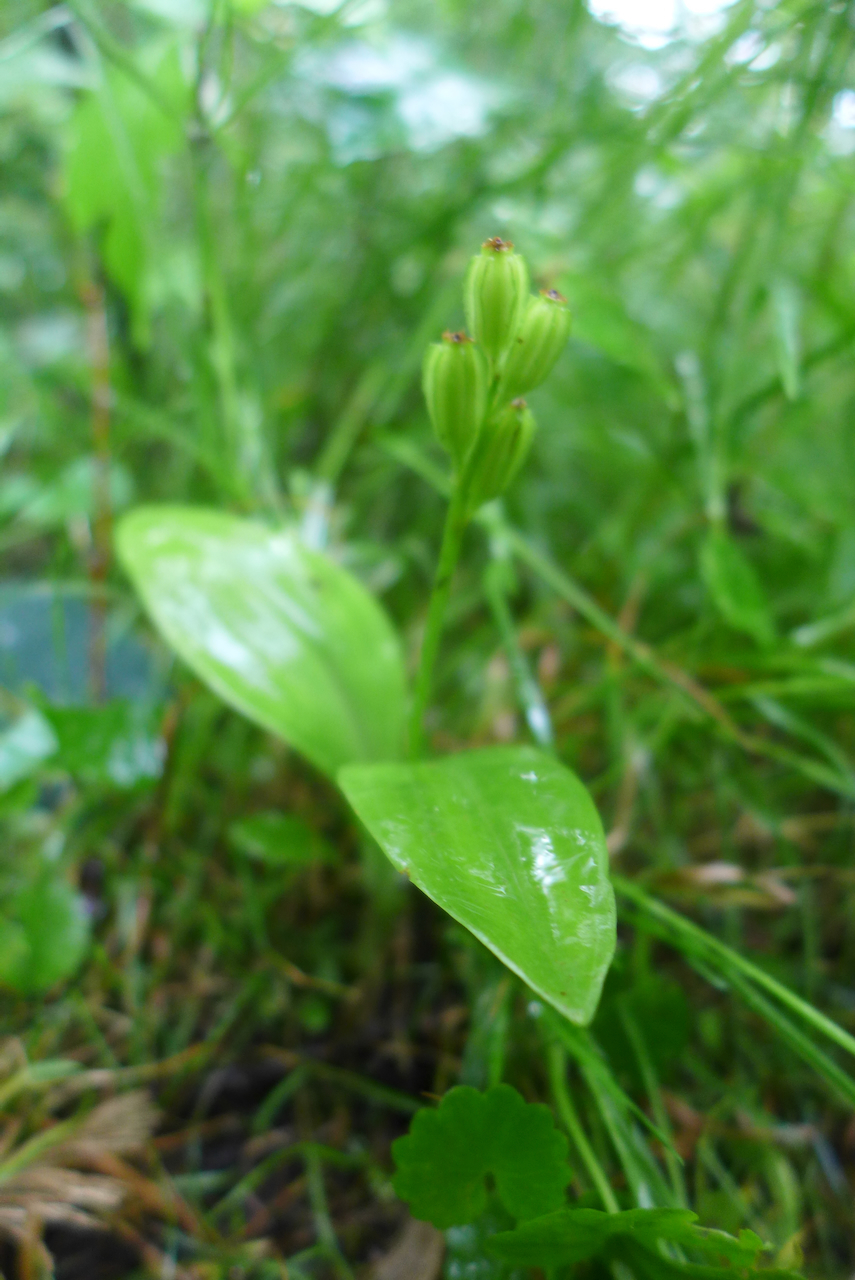
I’ve been visiting the same fen orchids at Sand Ridge for a few years now in different seasons. Note to self – remember that late-July is likely too late to see them in flower!
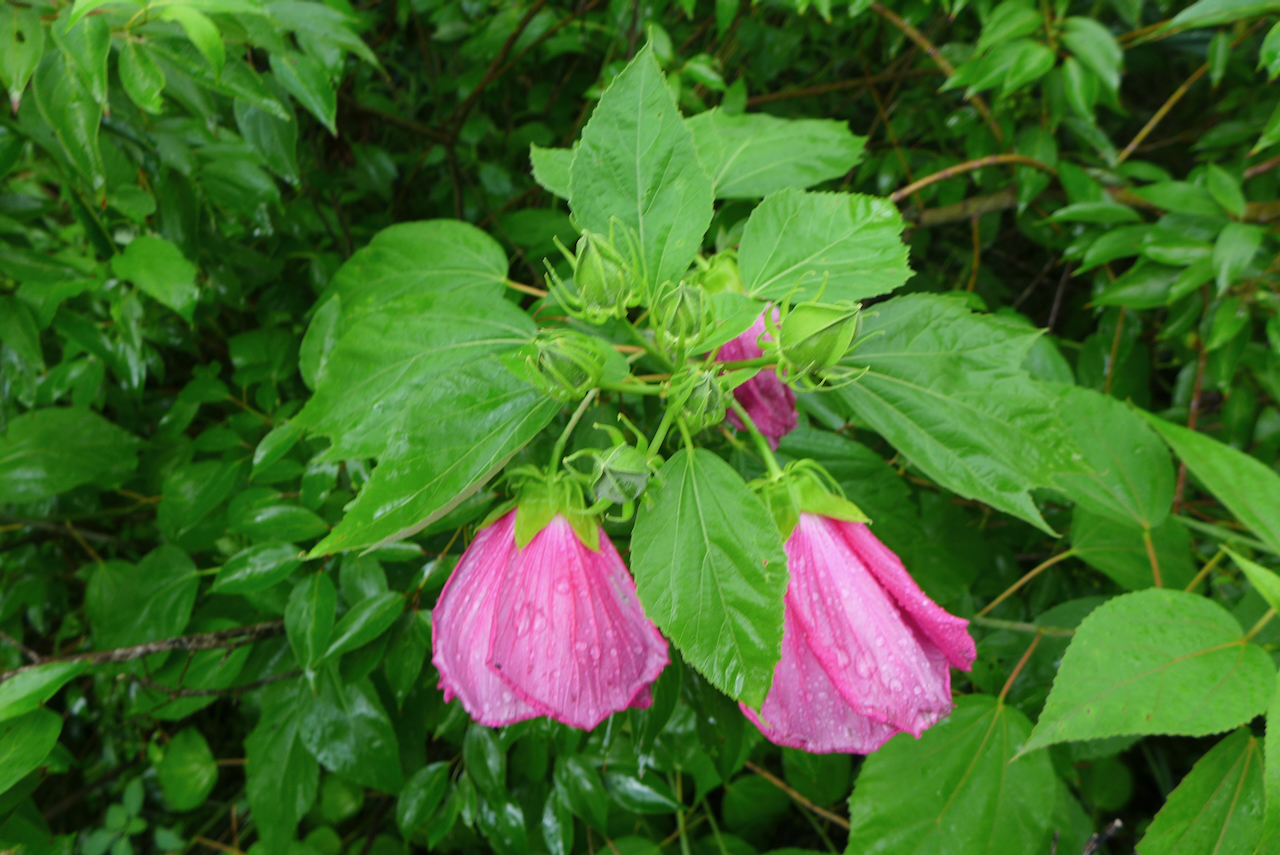
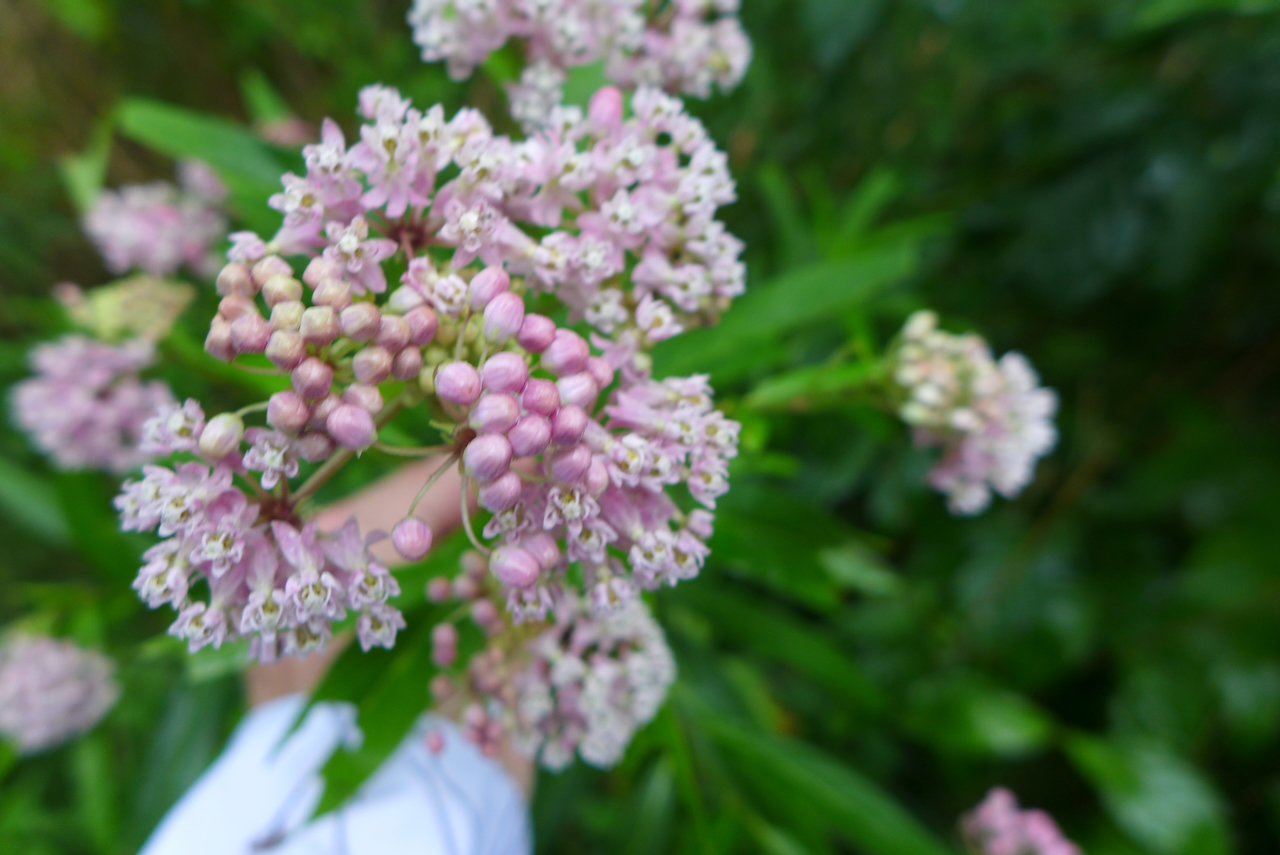
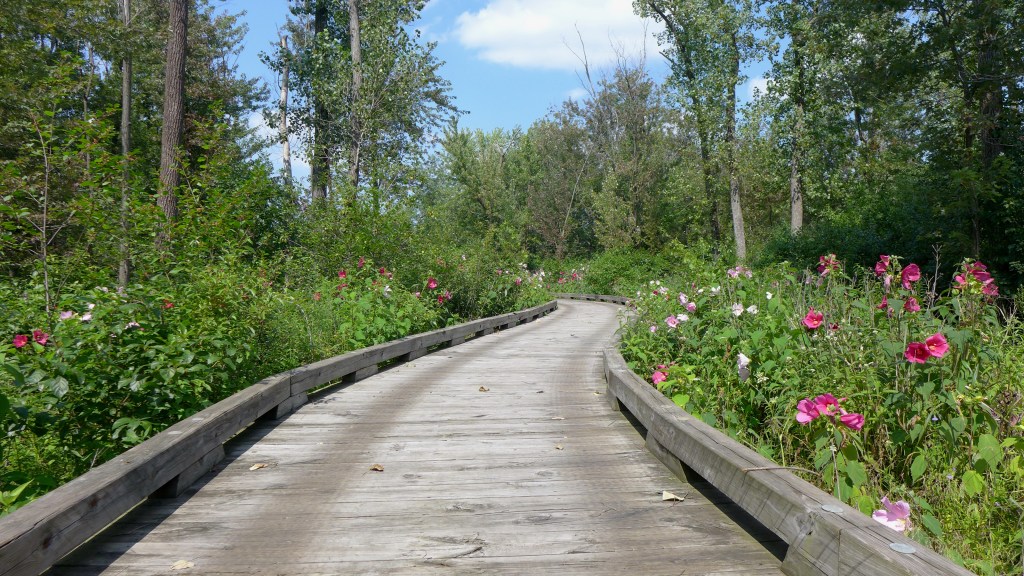
The swamp mallow are just starting to flower. In another few weeks, either side of the boardwalk will be profusely fuchsia!
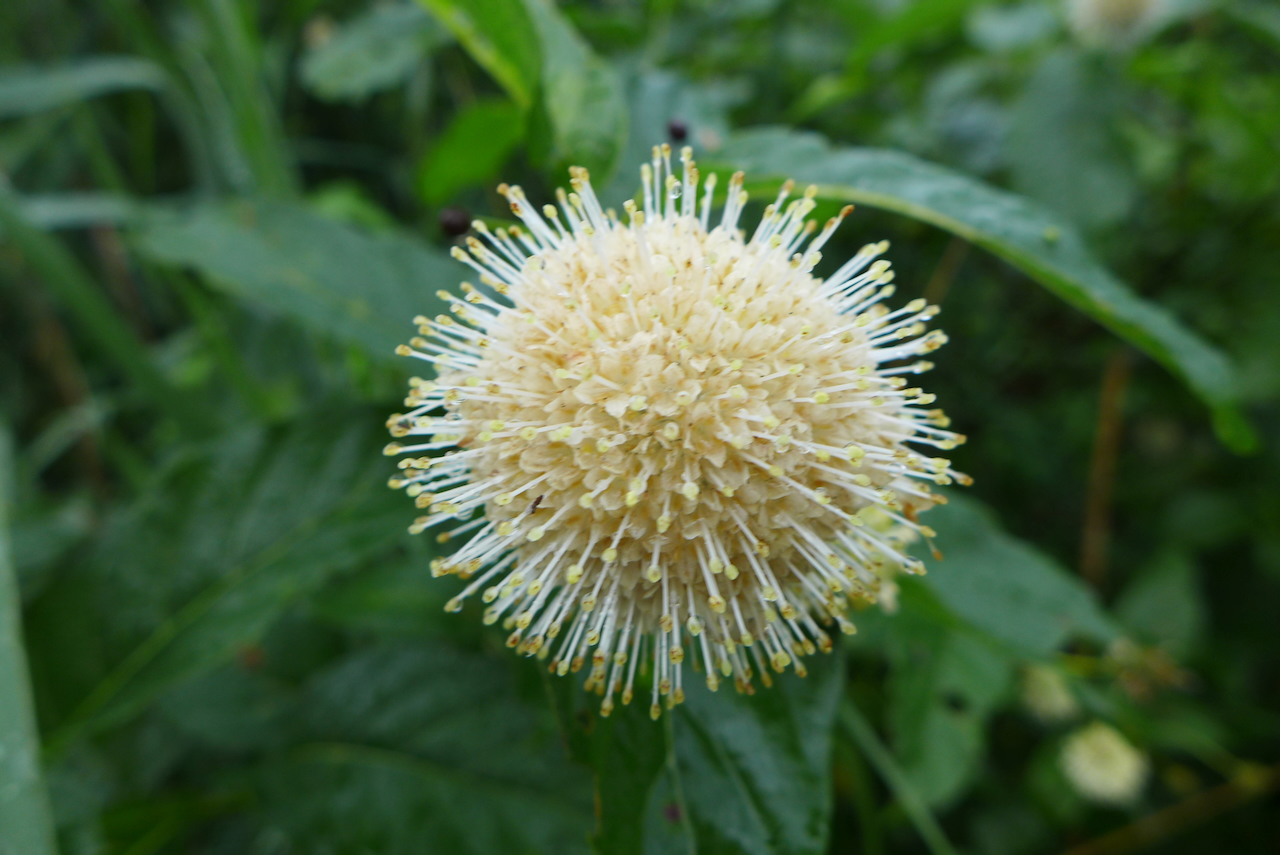
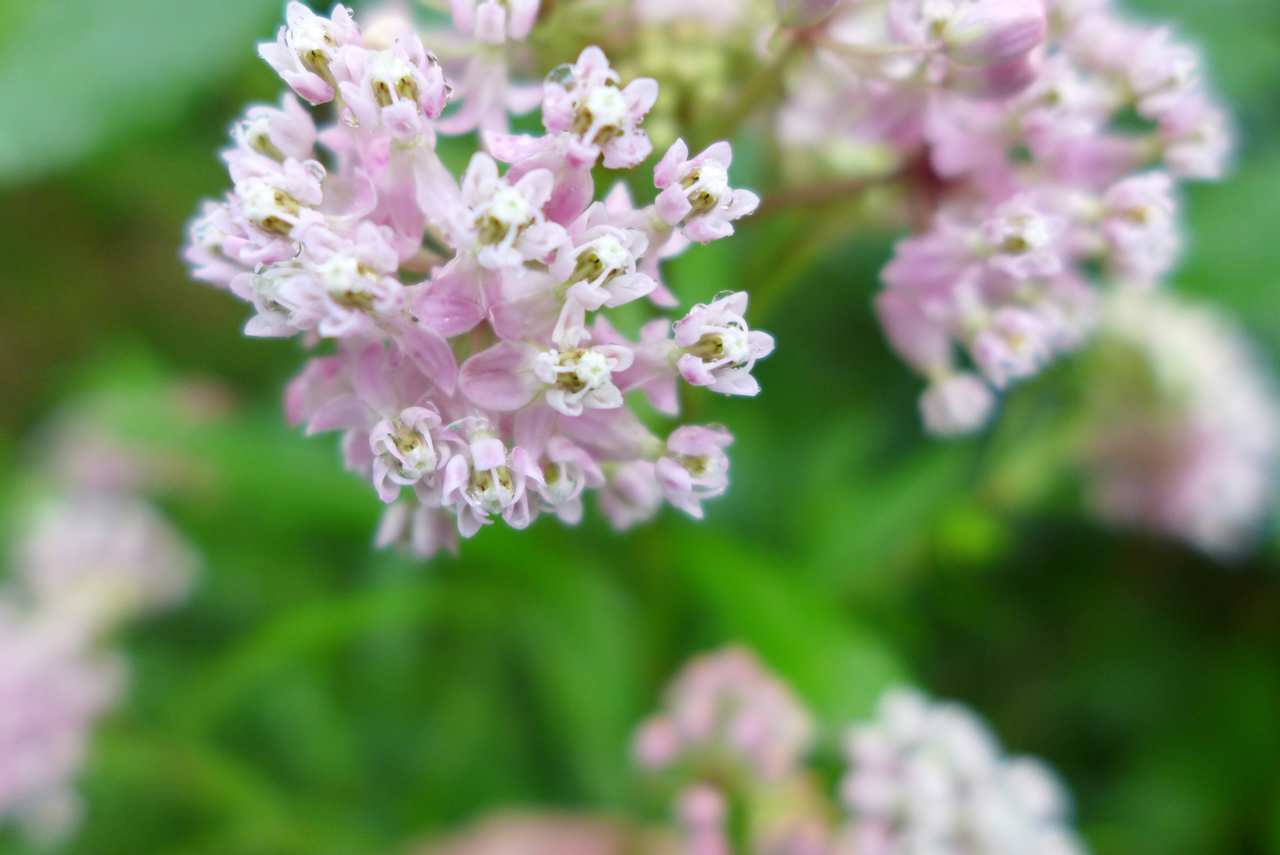
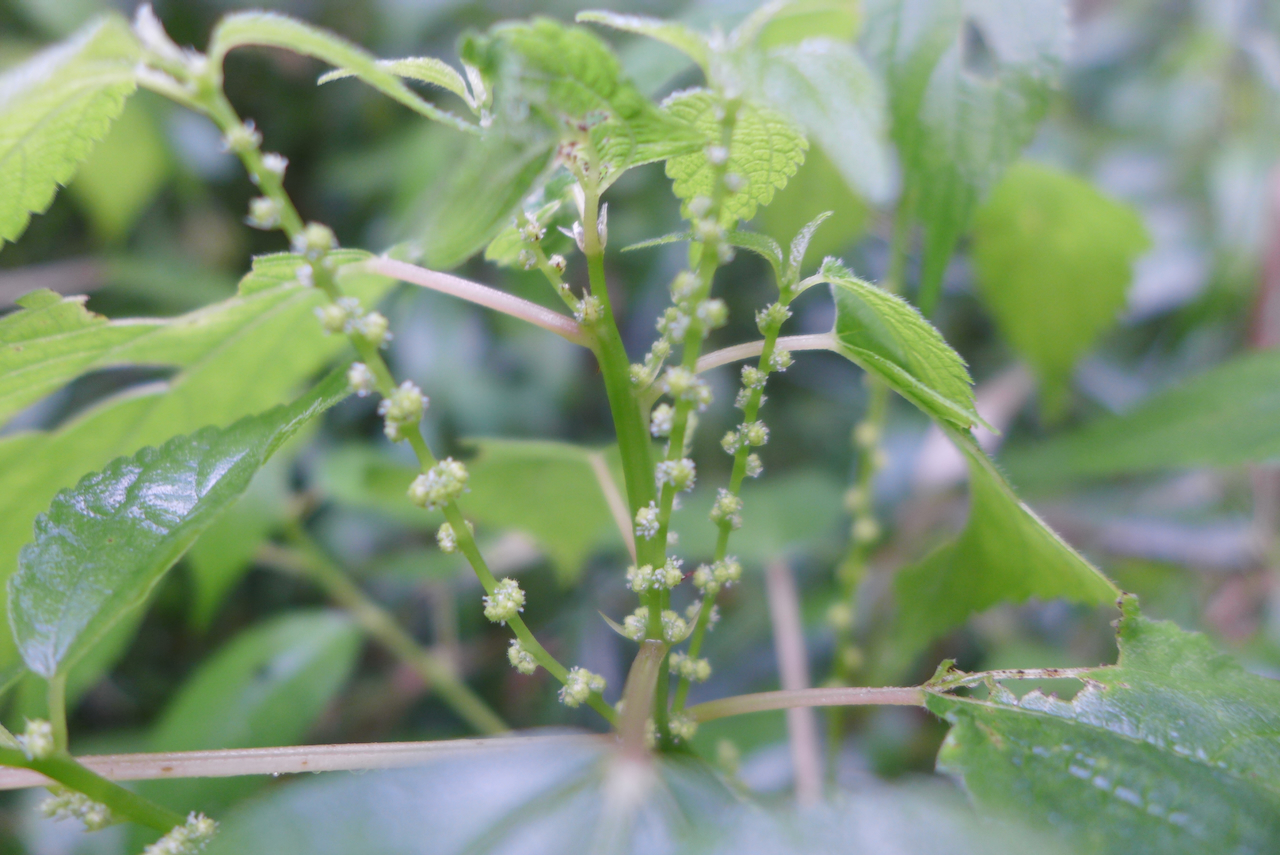
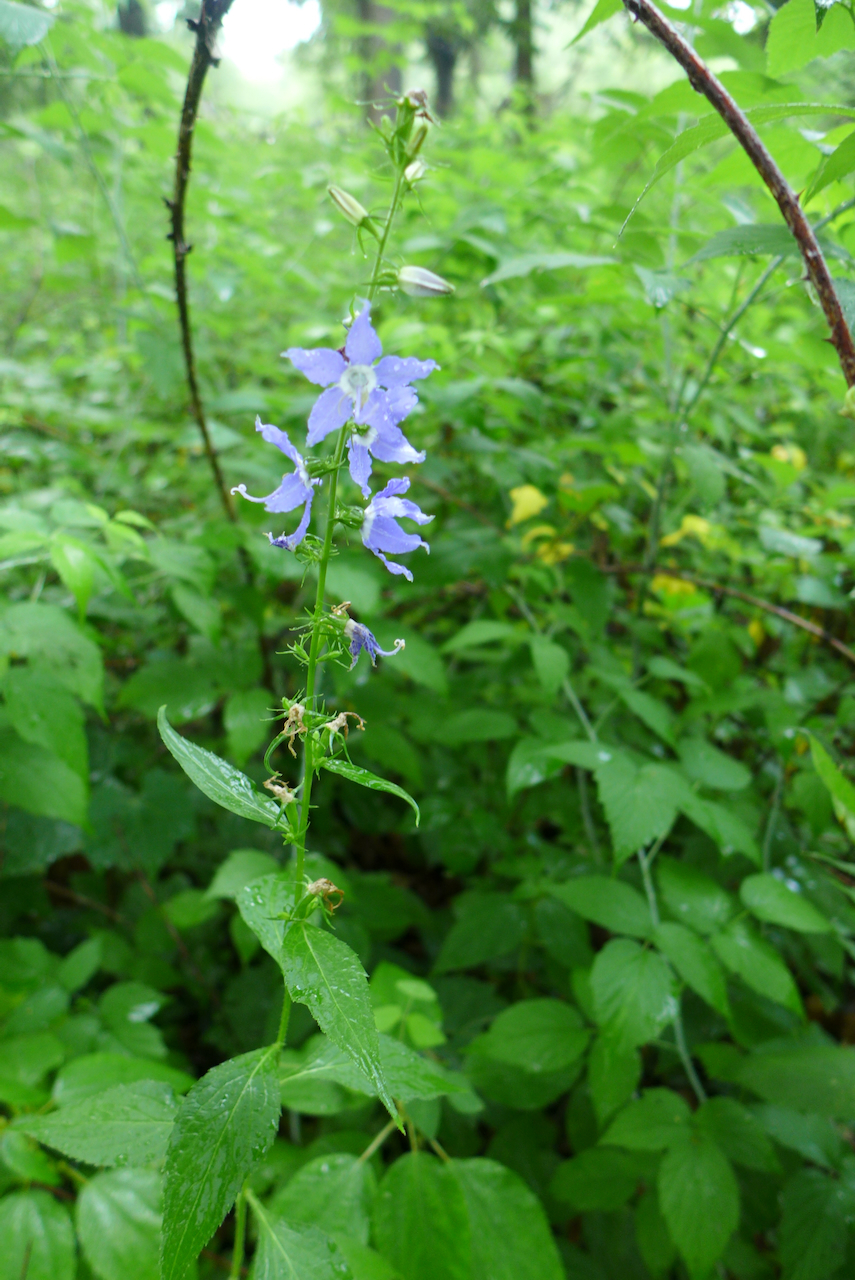
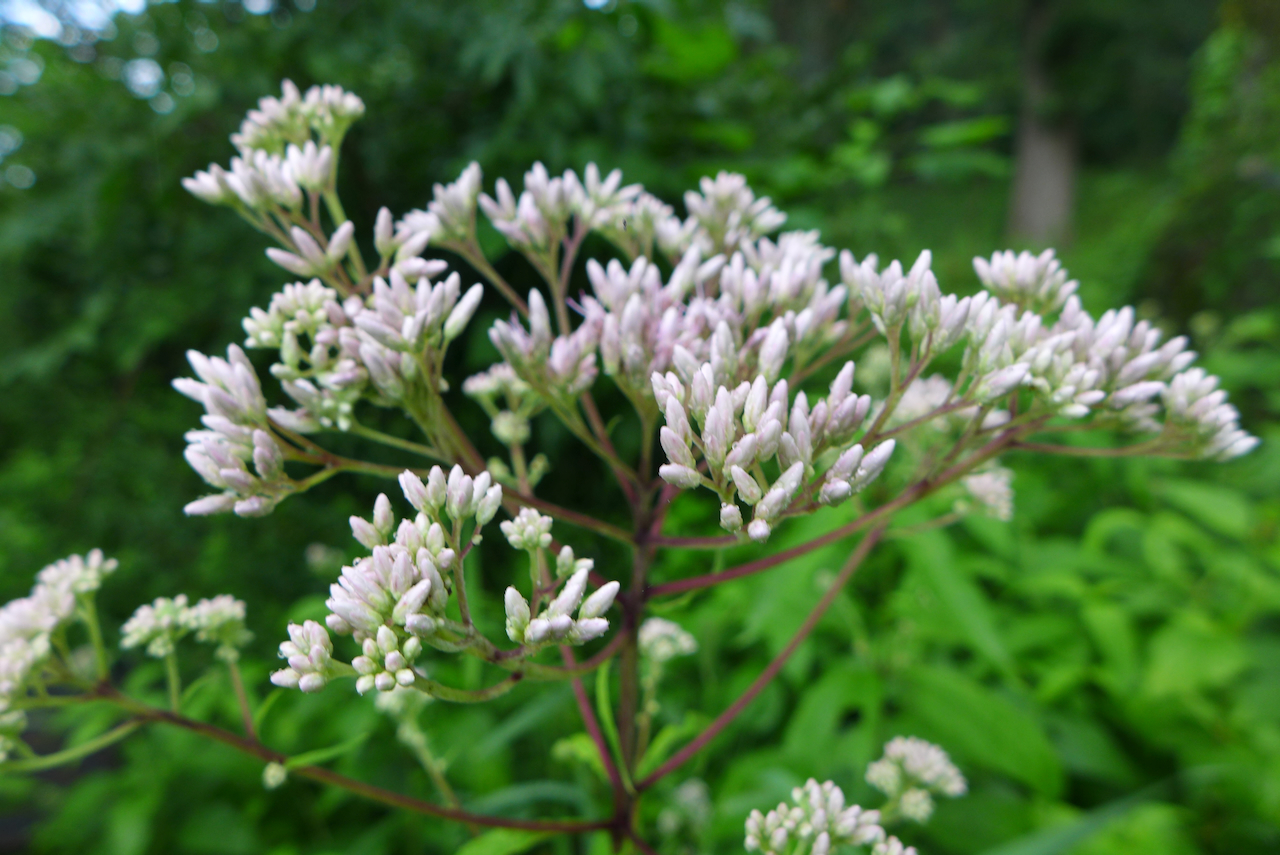
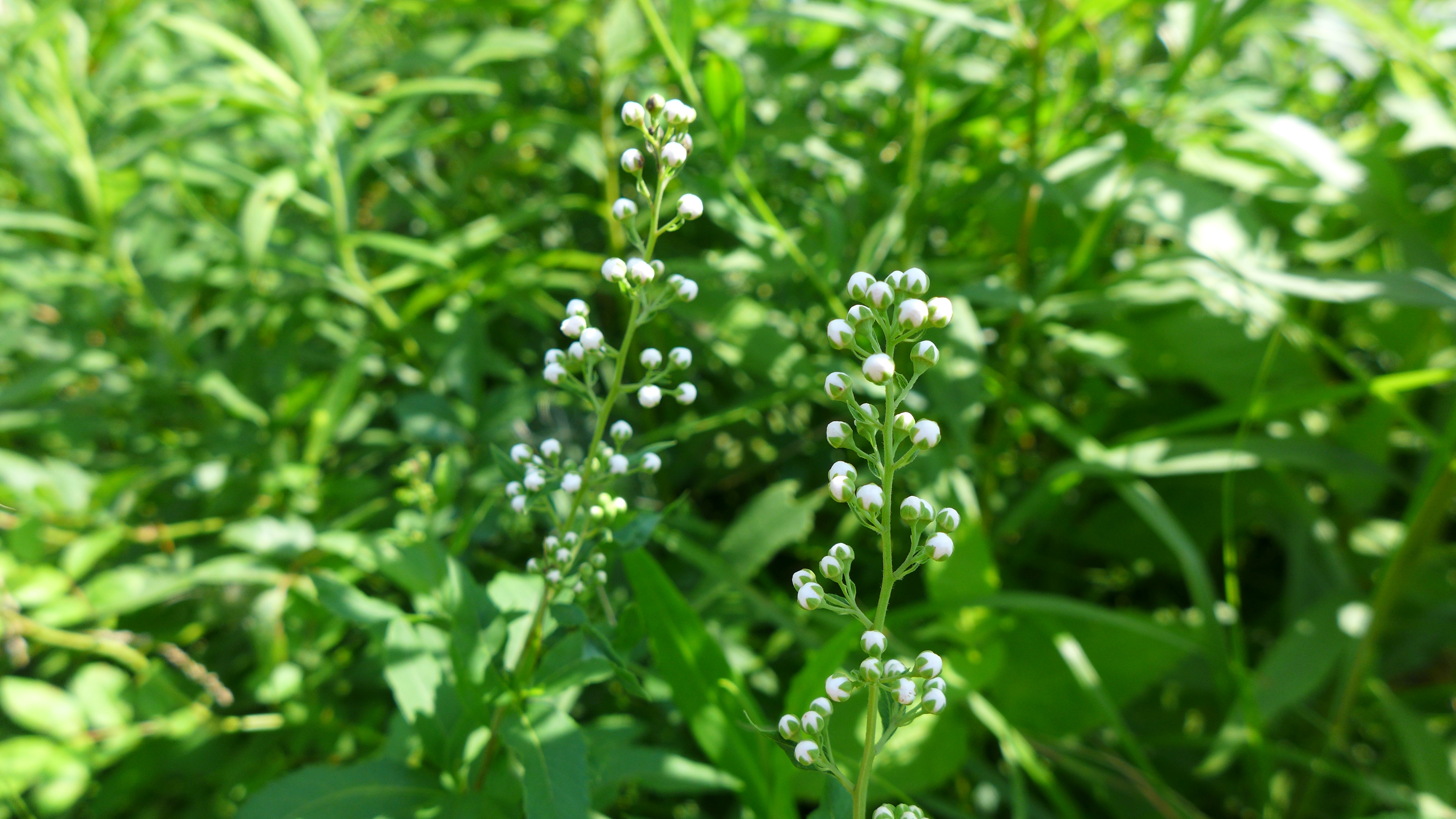
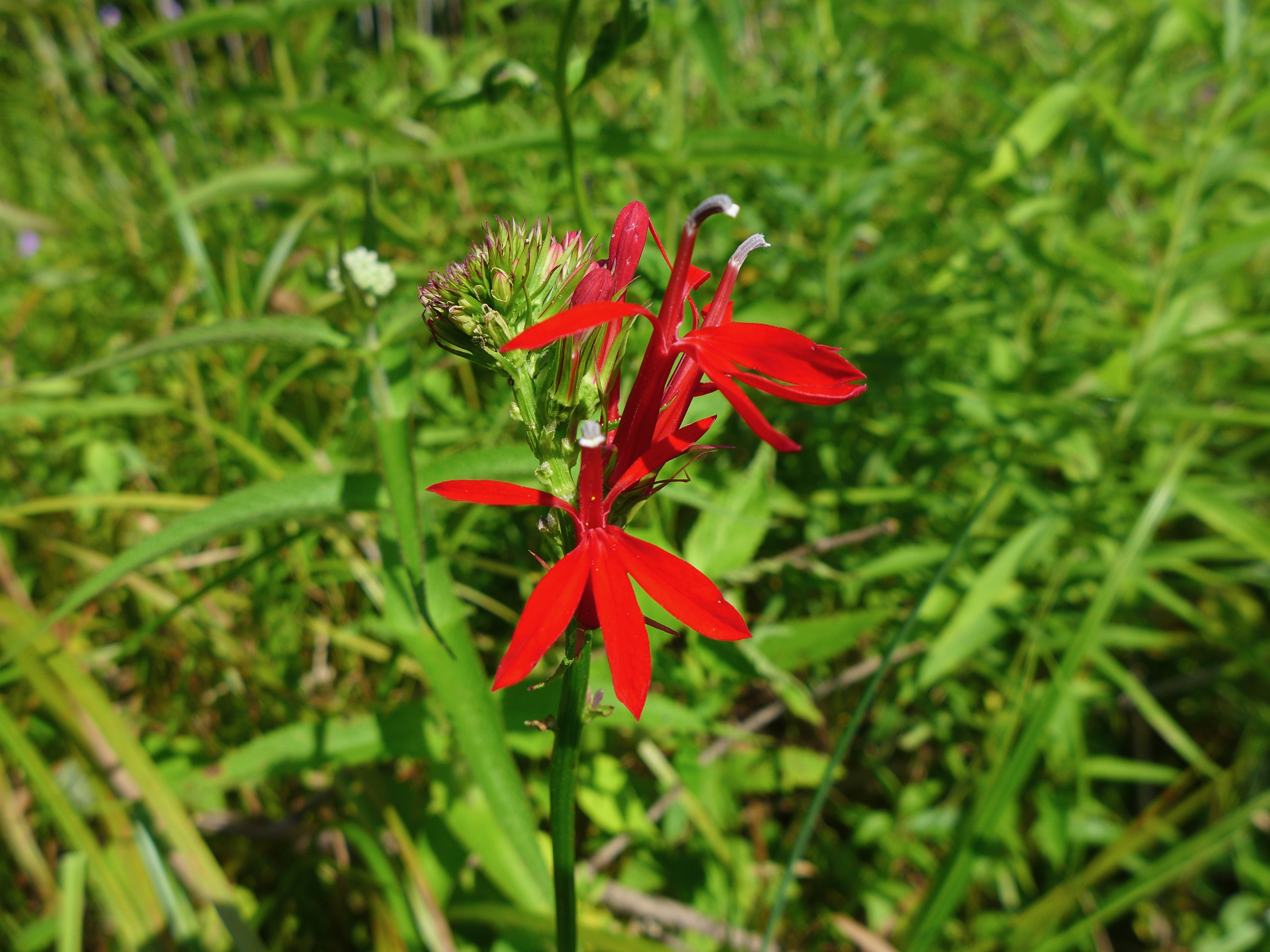
An assortment of other plant friends (and enemies!) on the trail:
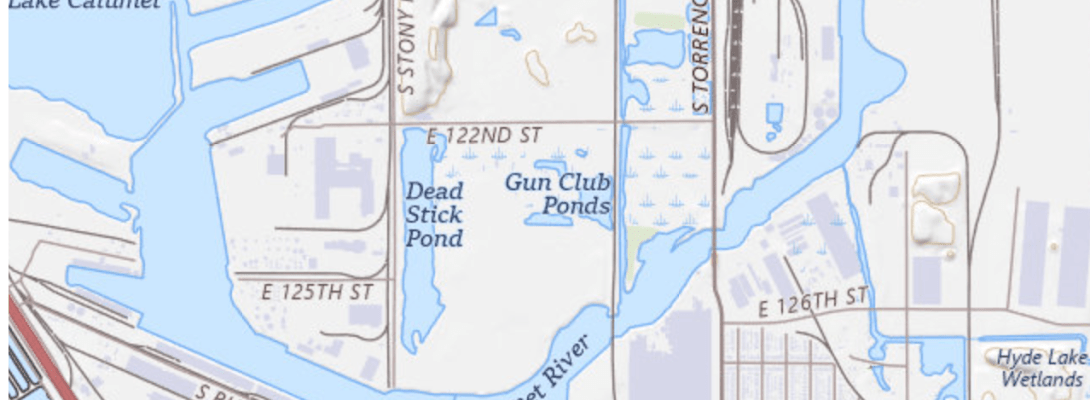
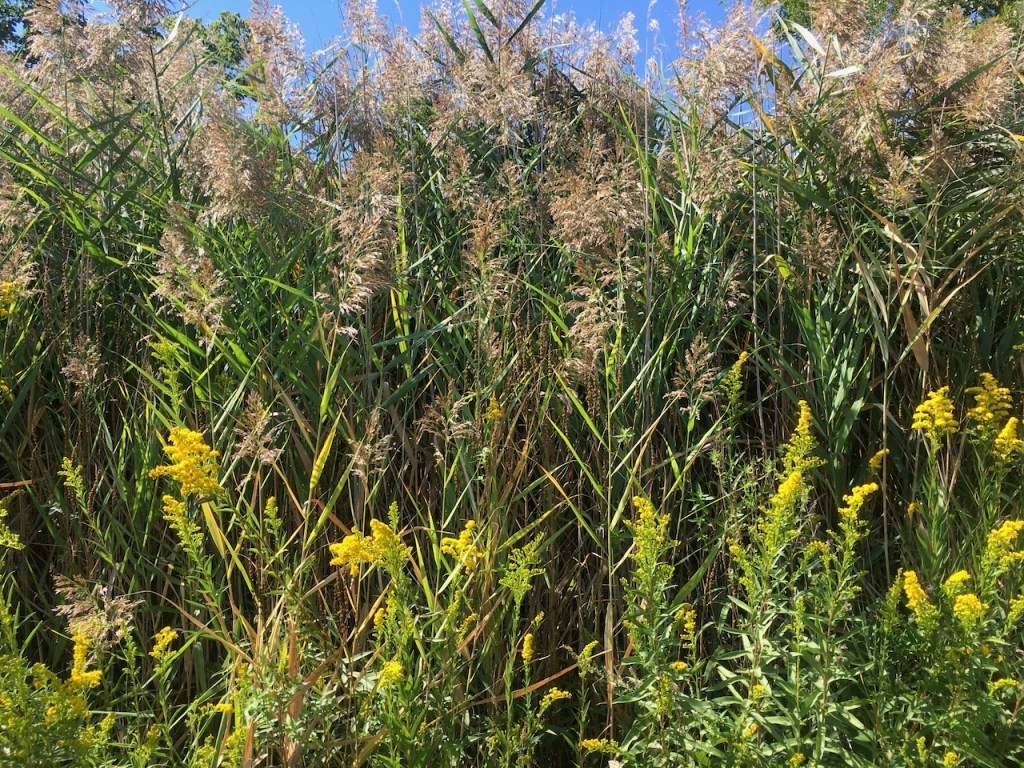
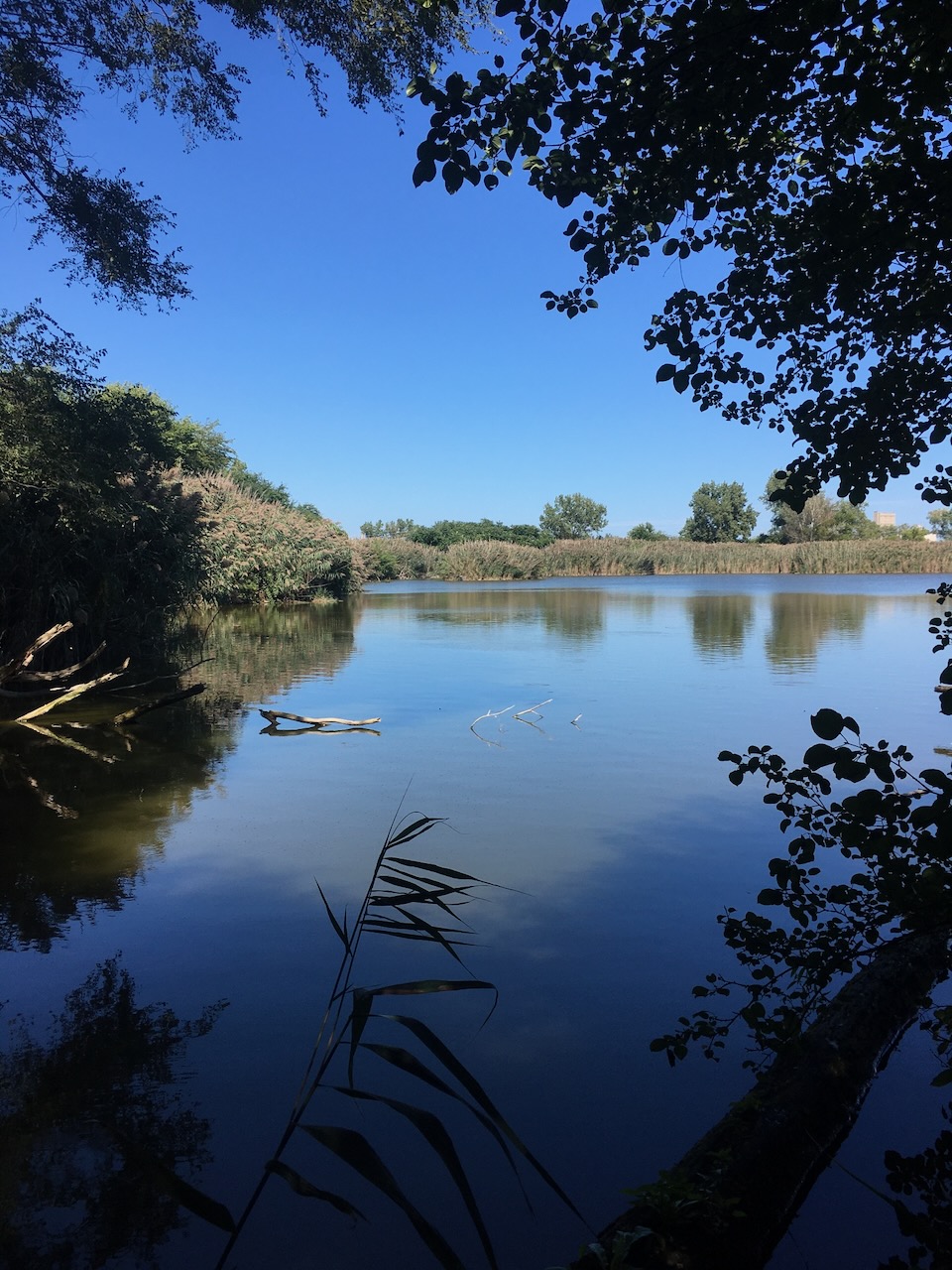
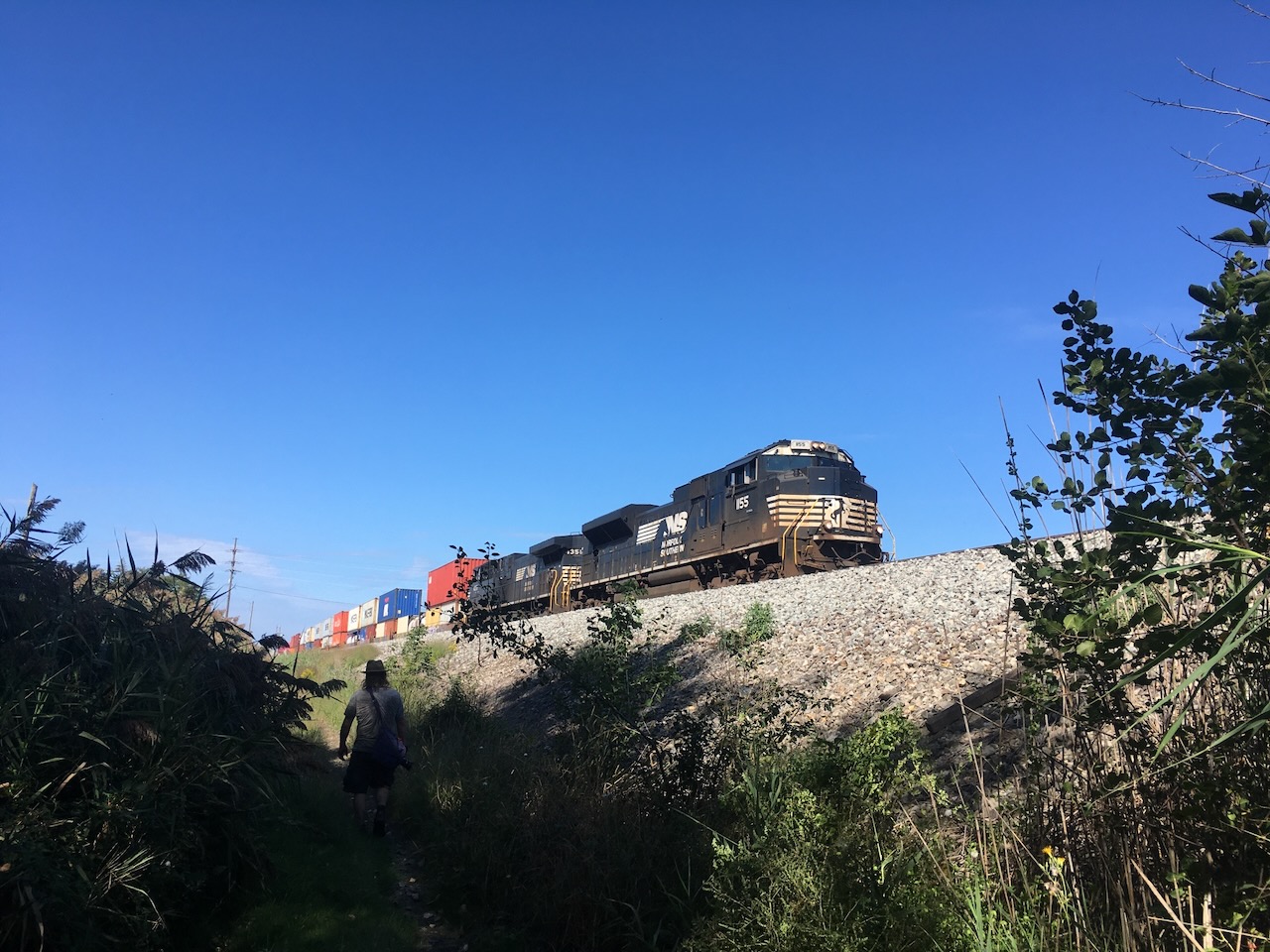
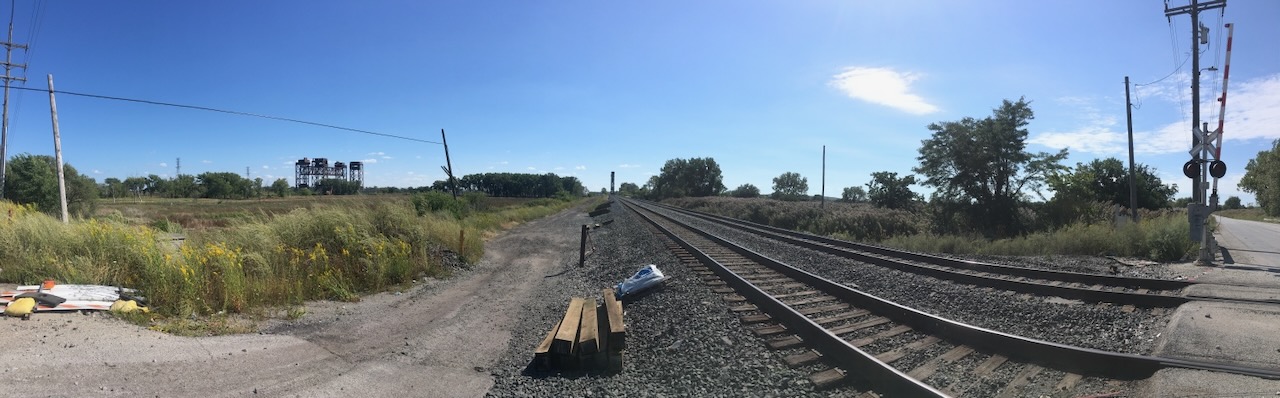
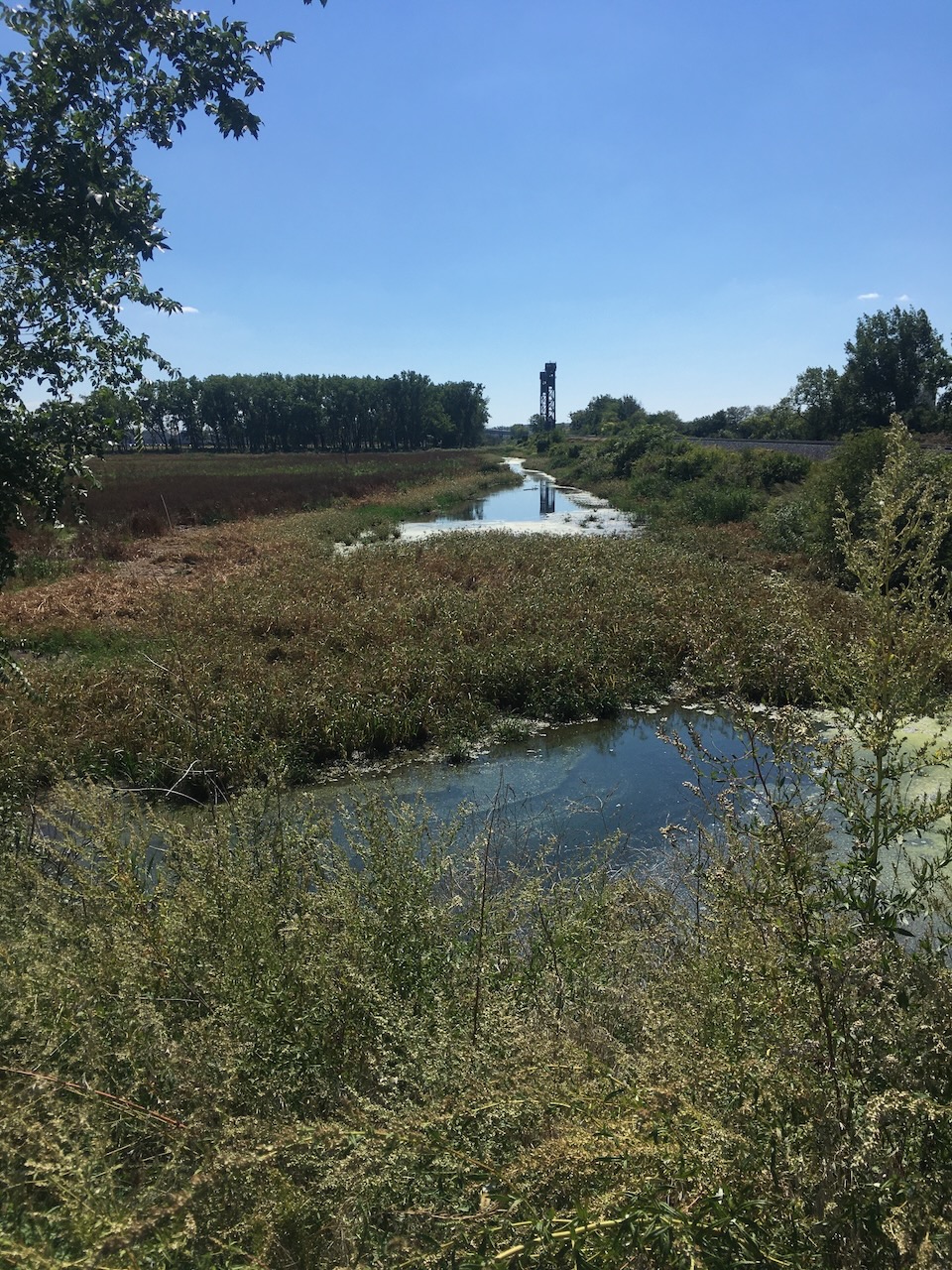
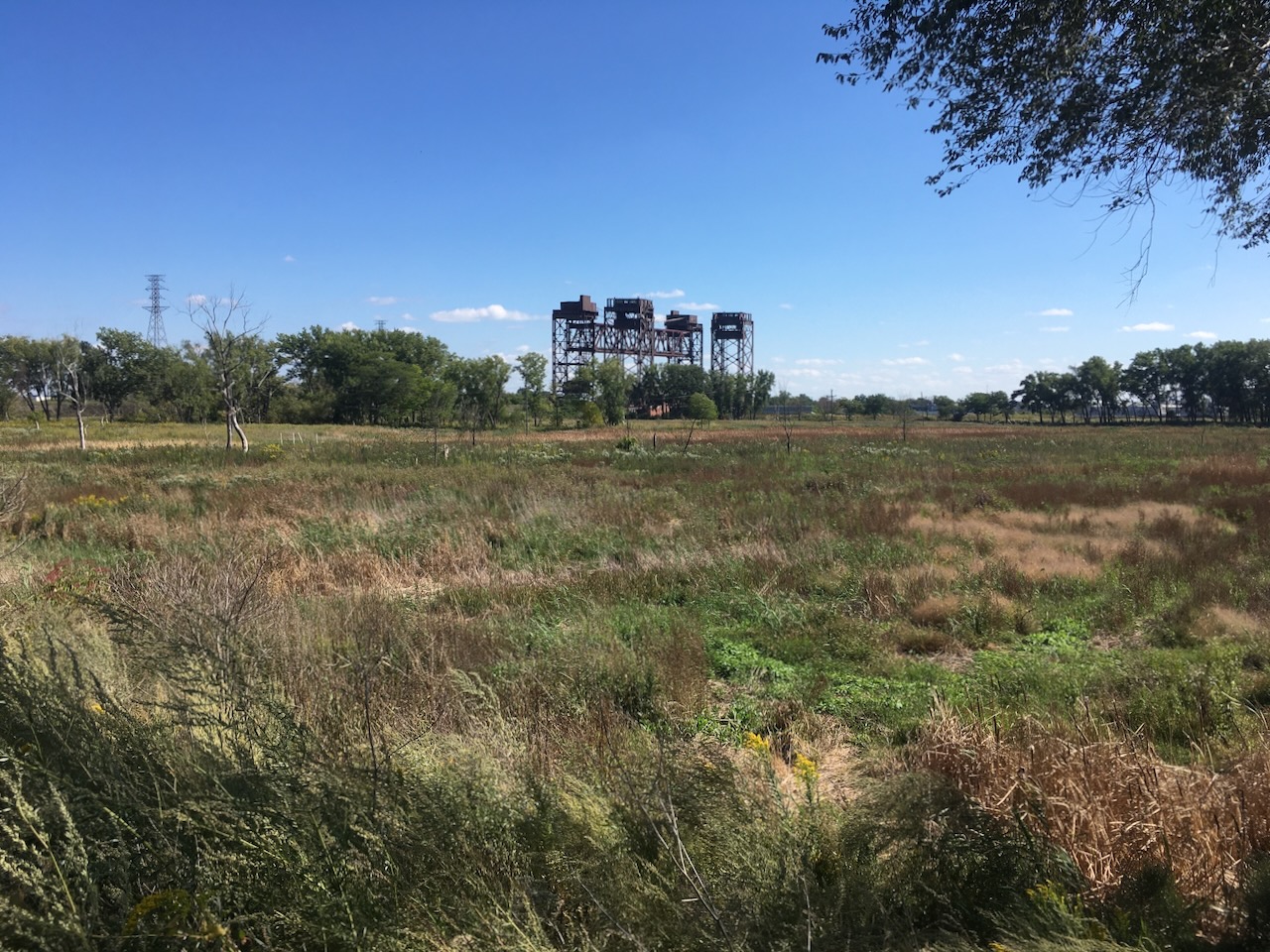
Old maps call this spot Gun Club Ponds, and it doesn’t take long, after walking the narrow strip between the railroad embankment and wall of Phragmites, that the gun club comes into focus.
A good place to look for waterfowl.
there’s slag here too!
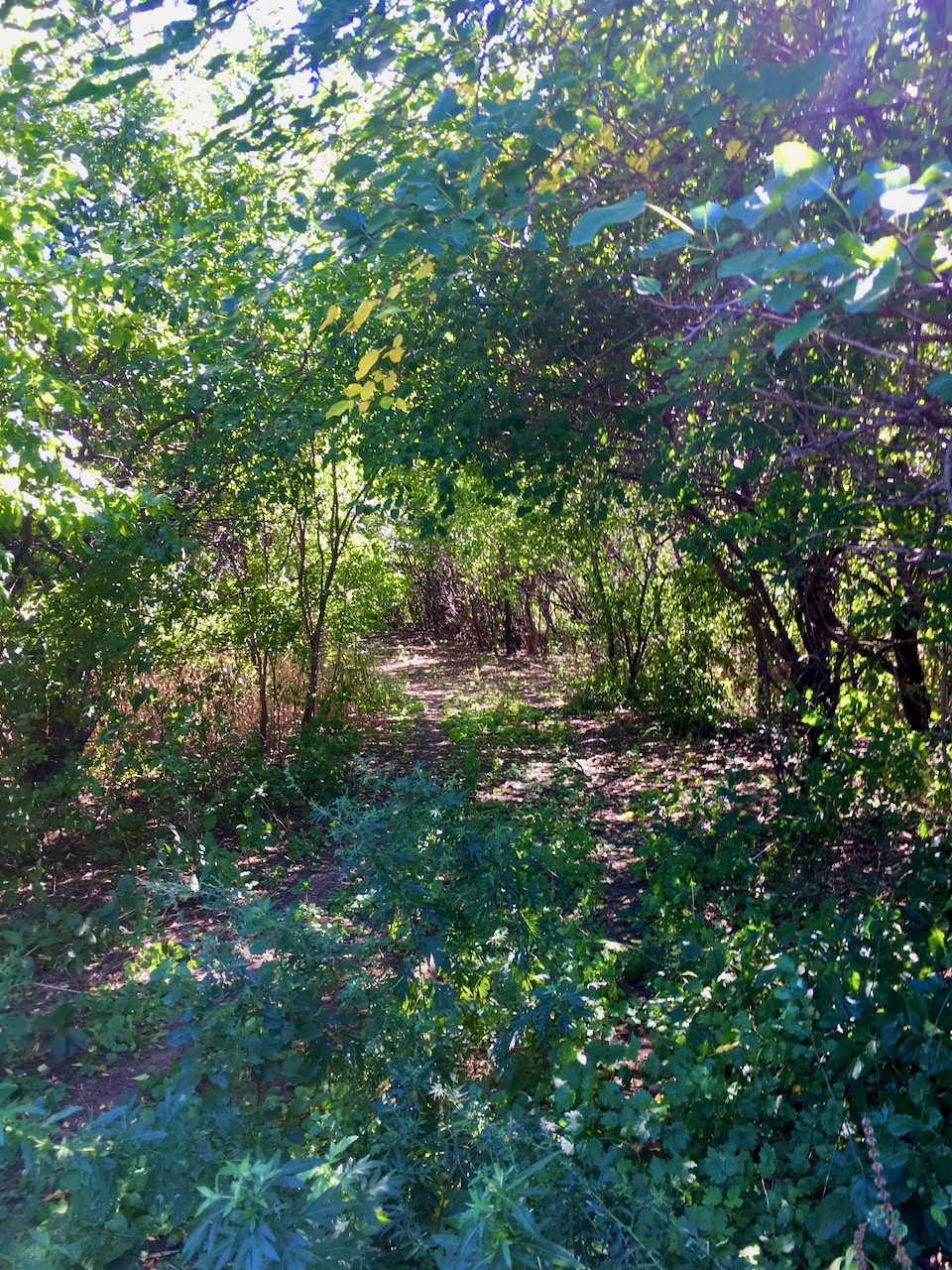
a tunnel of european buckthorn leads us to the ponds.
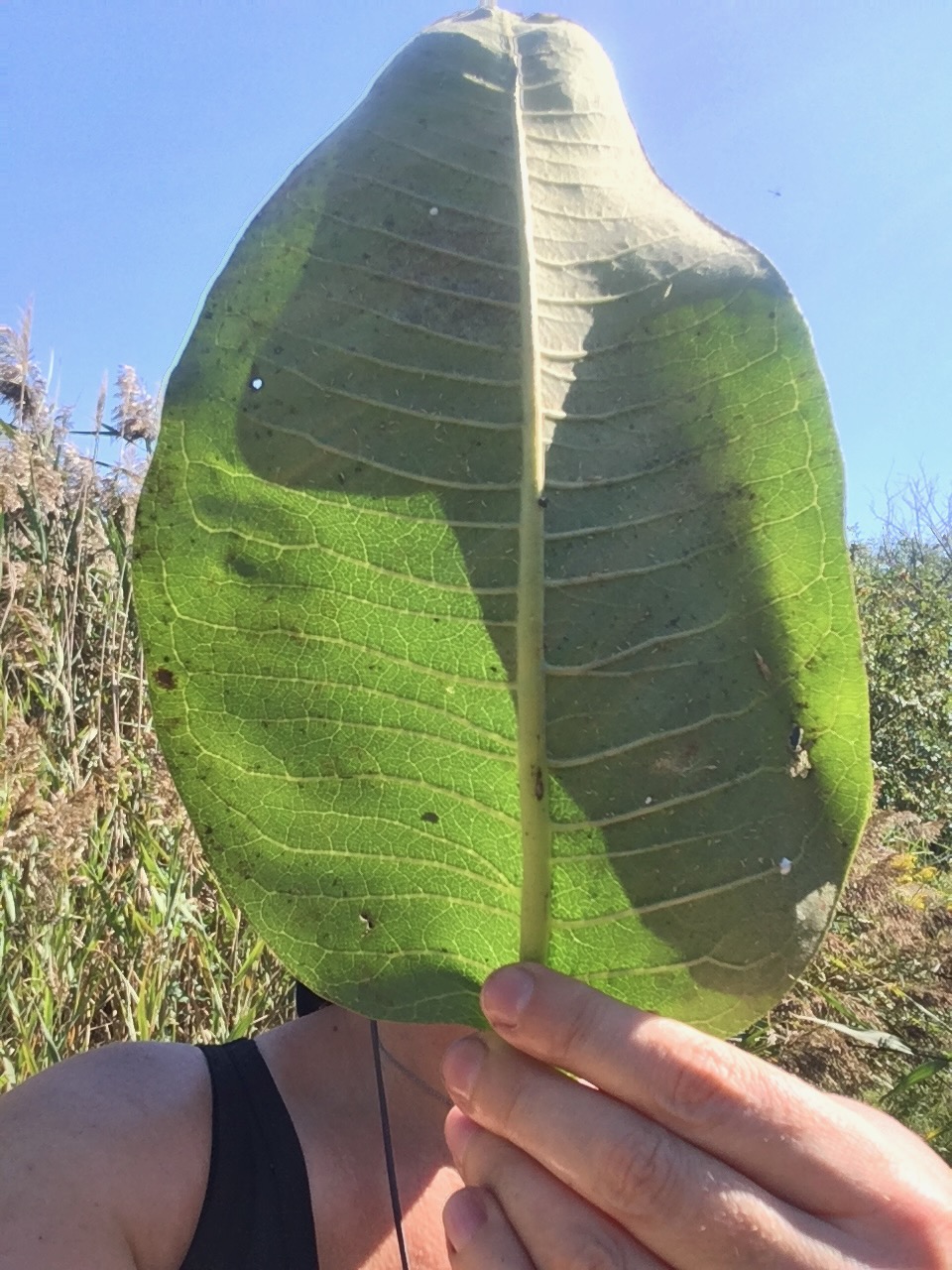
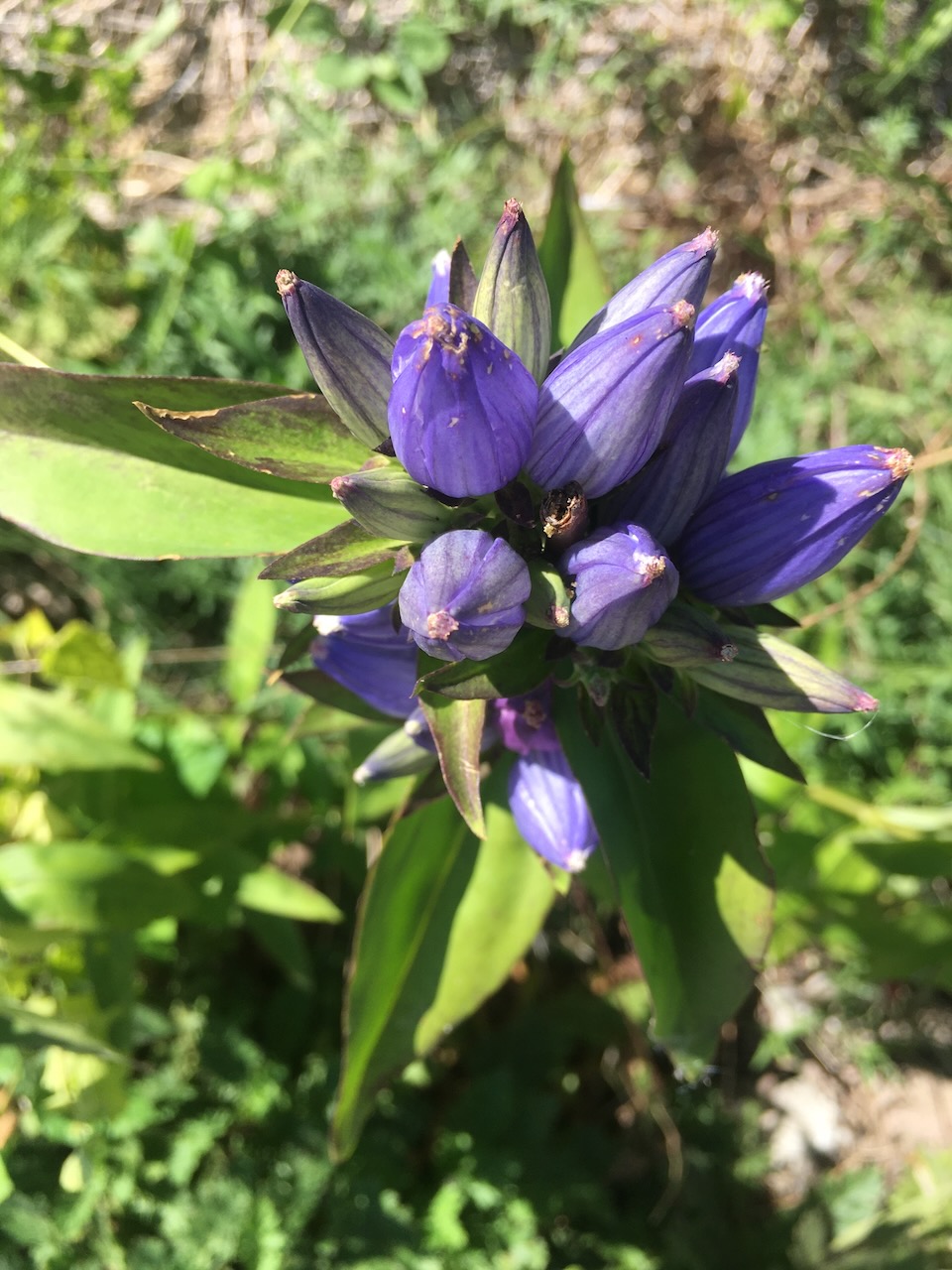
it’s big leaf season as we head back over the tracks to the Indian Ridge Marsh parking lot.
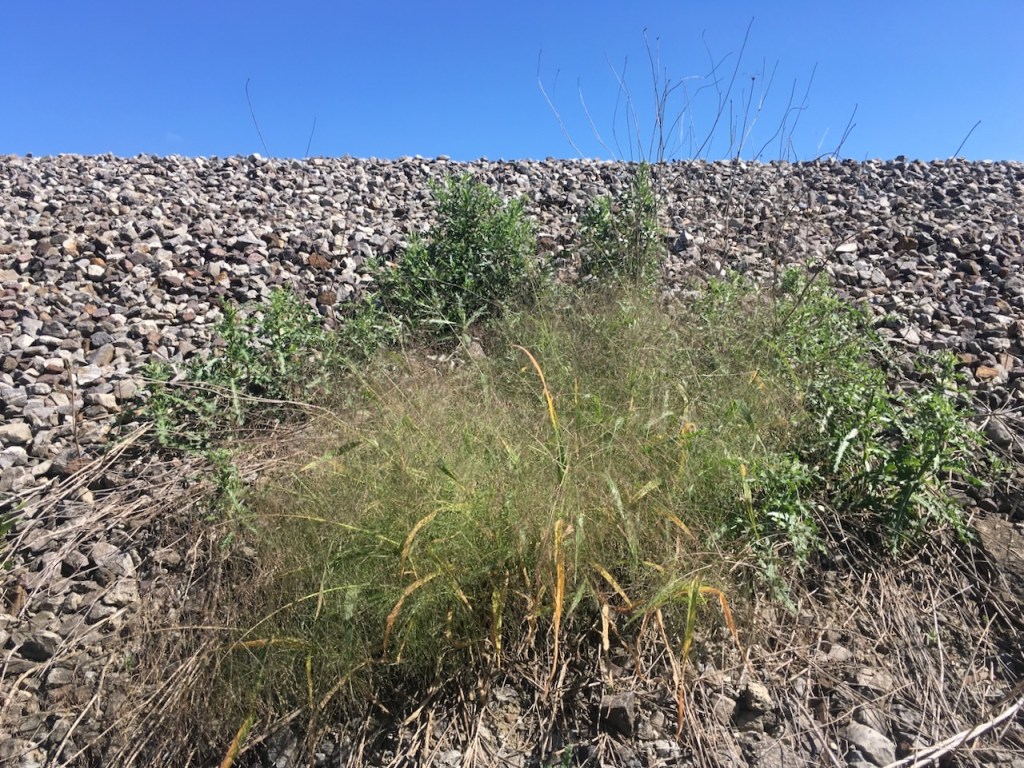
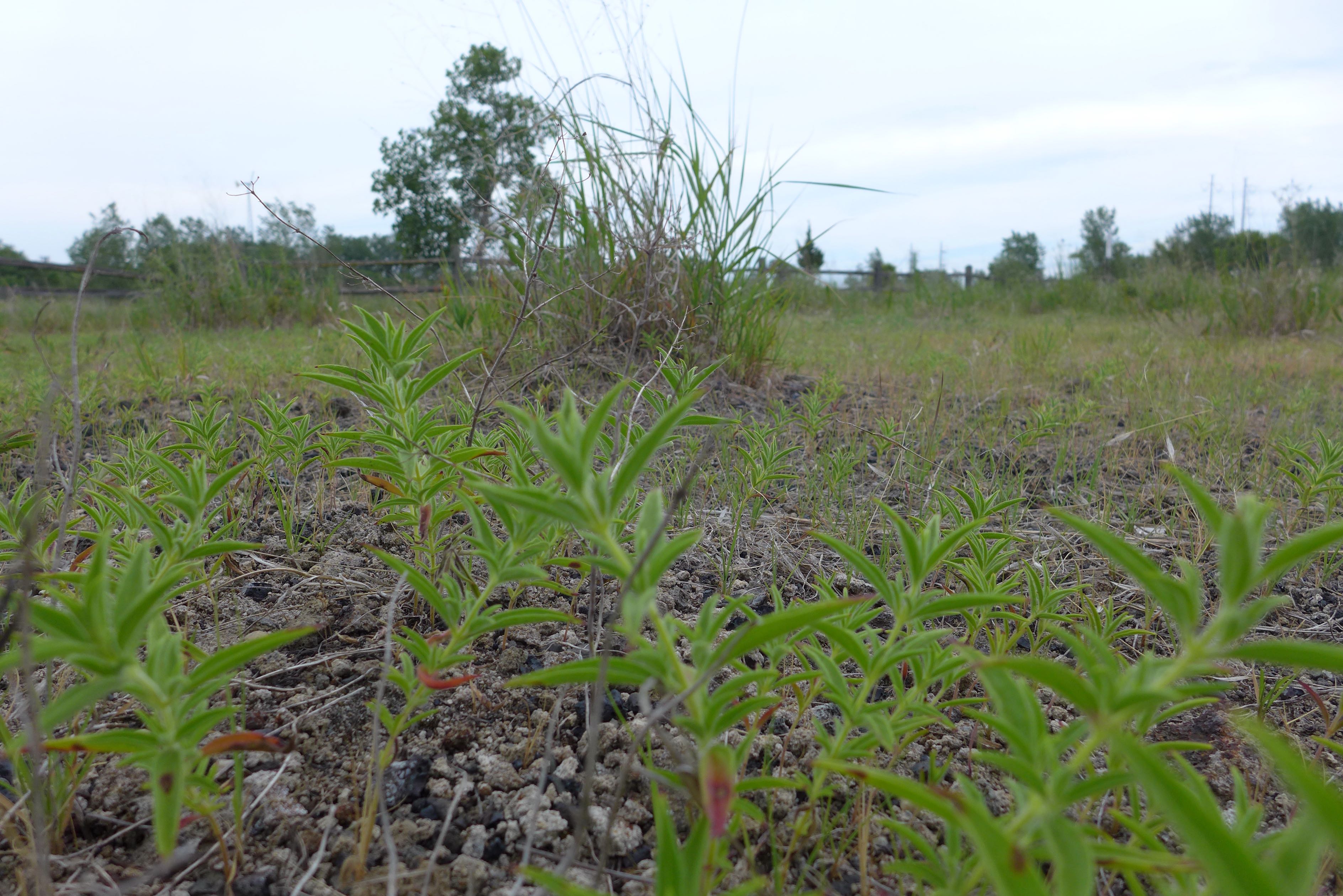
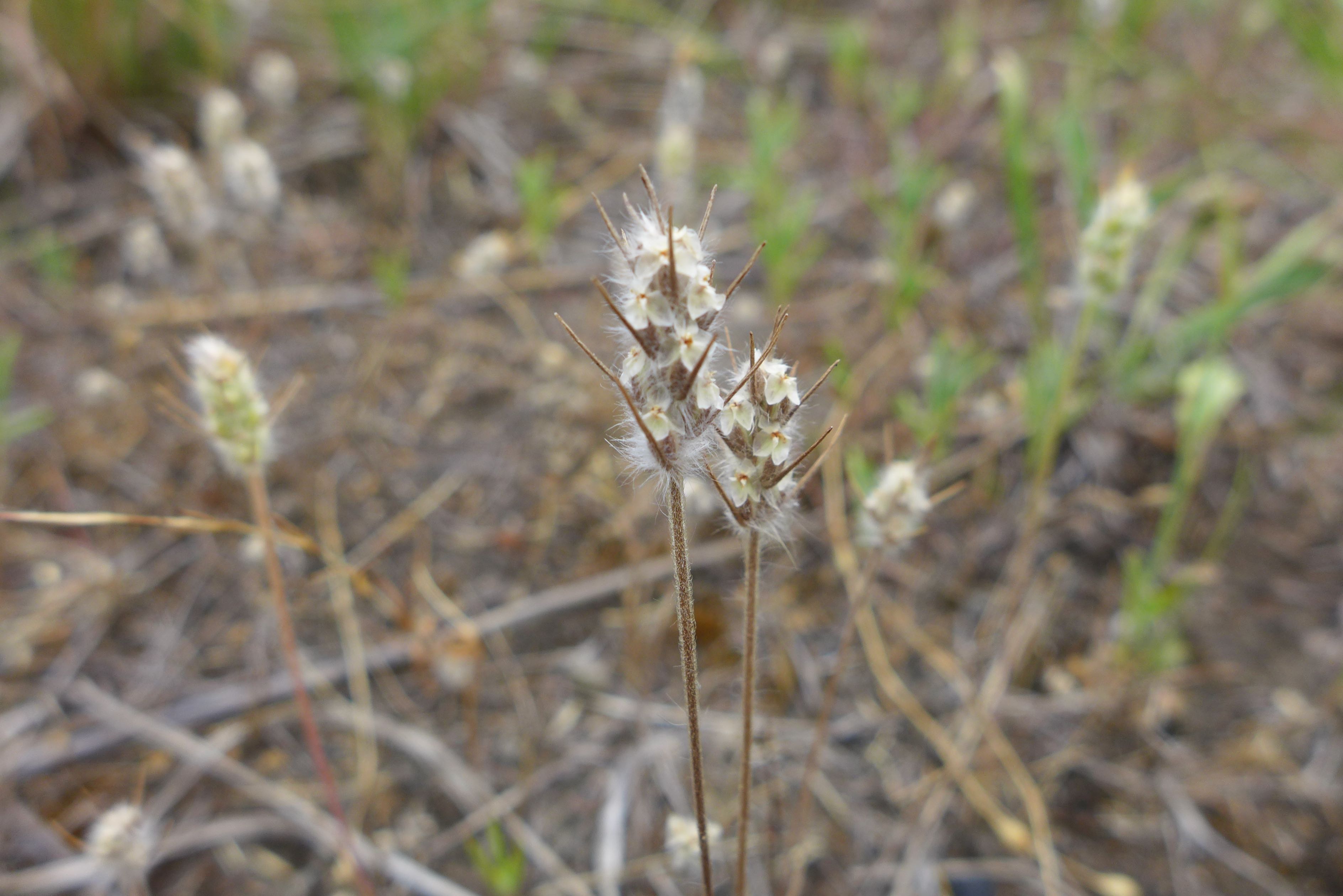
In the great slag reconnaissance of 2022, we finally visited a whole host of sites from the slag map for use in botanical surveys next year. This looks like a spot that has the usual suspects, and some new friends, like the woolly plantain (Plantago patagonica) – a species I haven’t noticed on slag before!
July is just the beginning of mallow season at Sand Ridge. Imagine the flowers twice as dense along the sides of the boardwalk – only a week or two away!











 Calumet Region Adventure Club
_Figure_2.jpg)