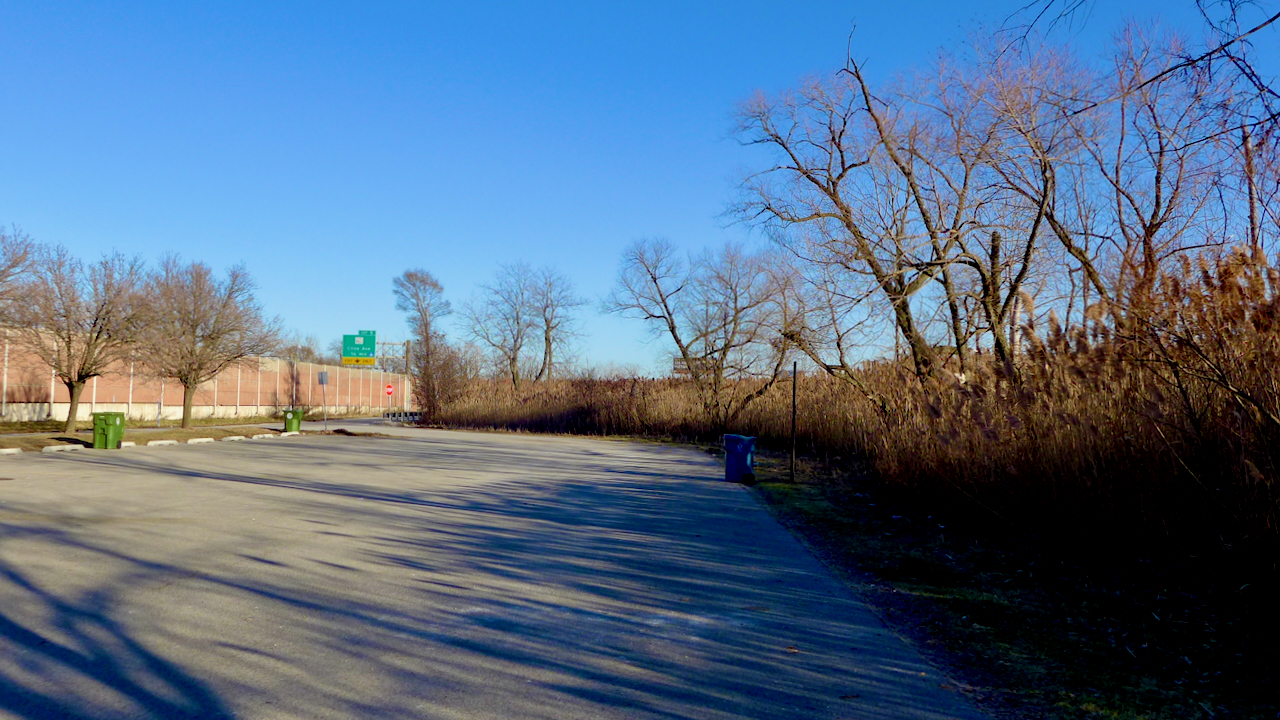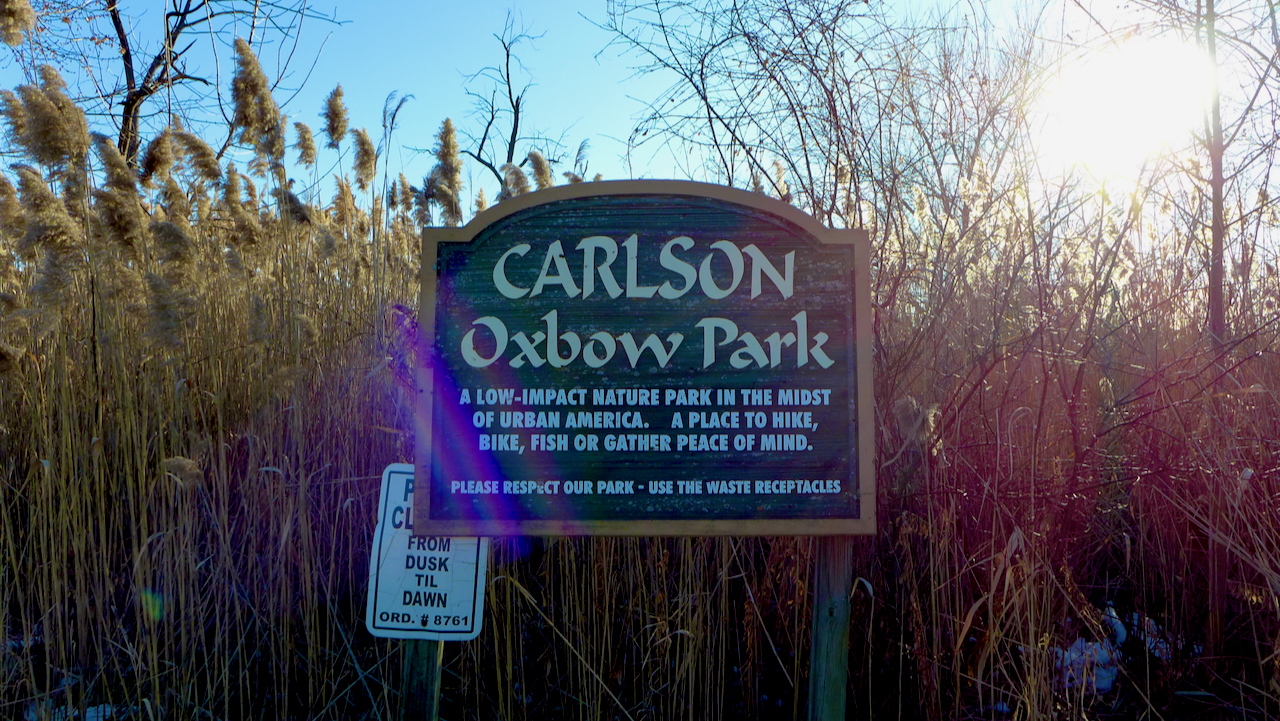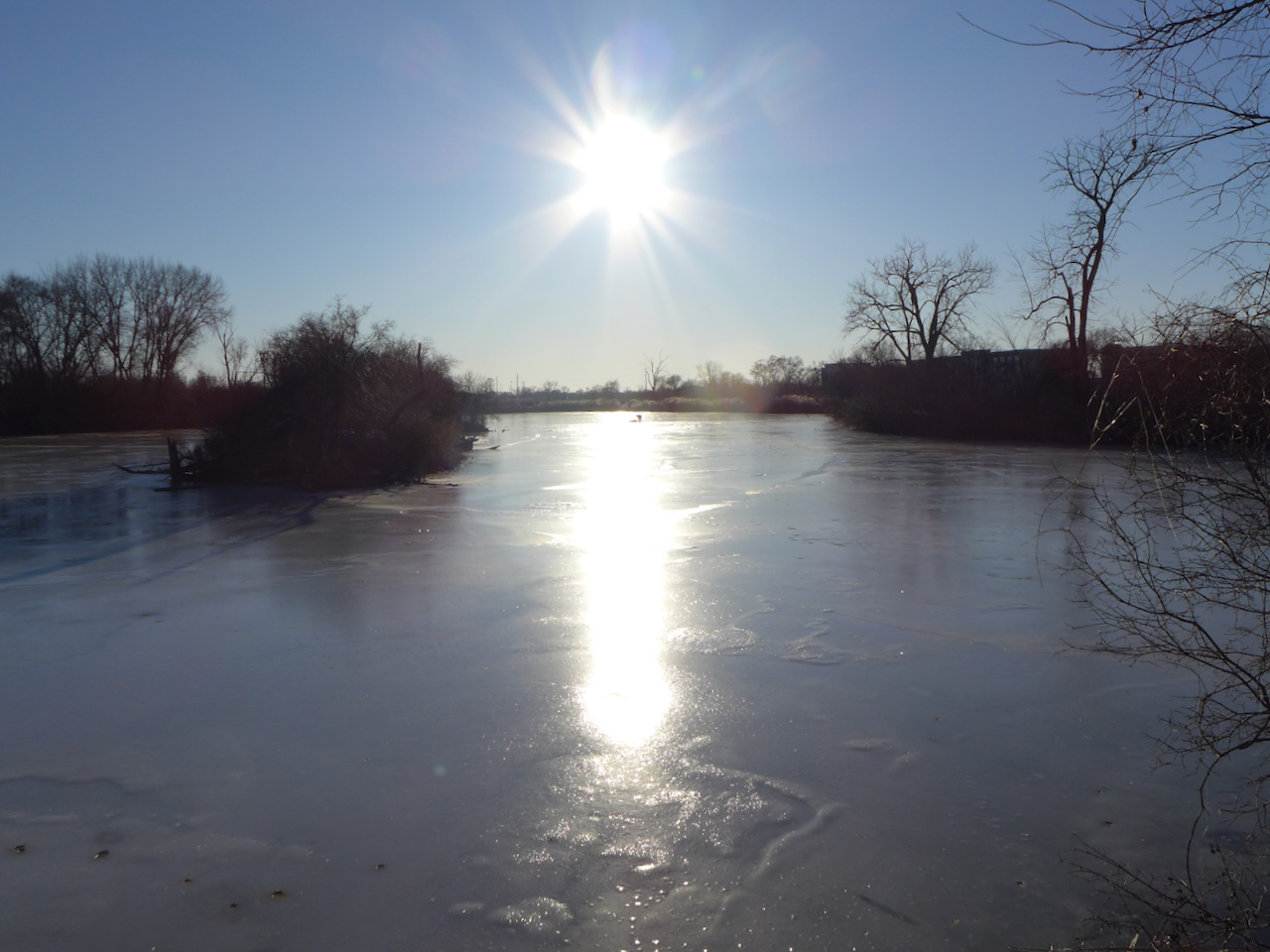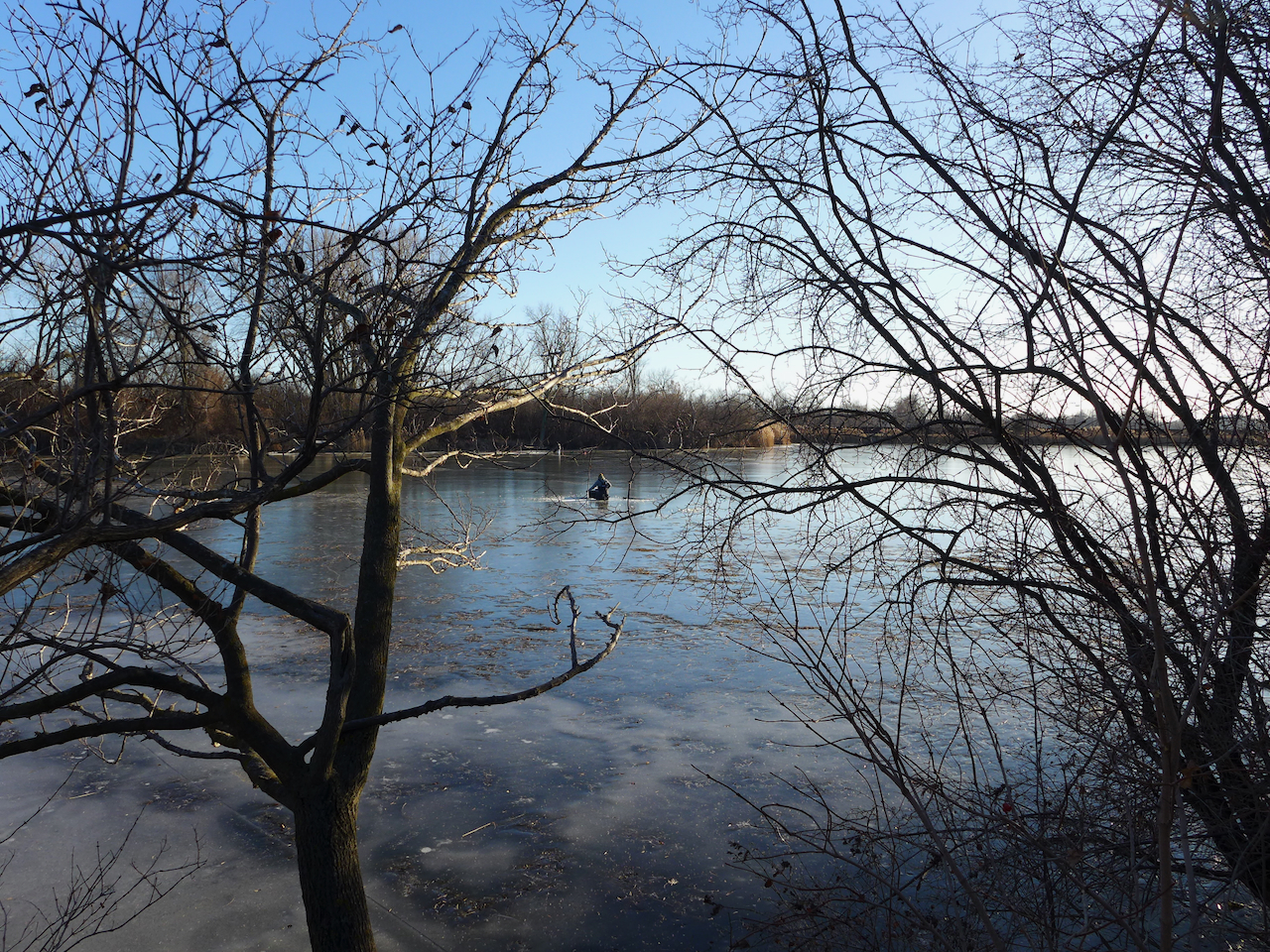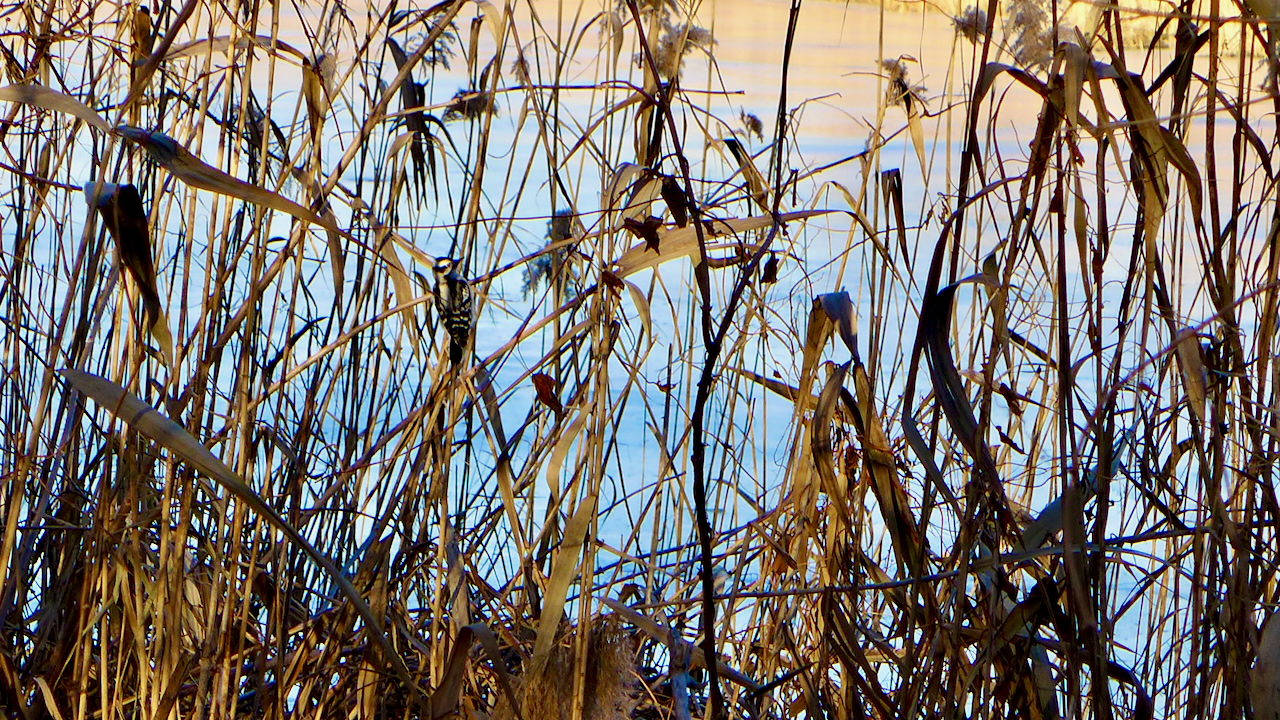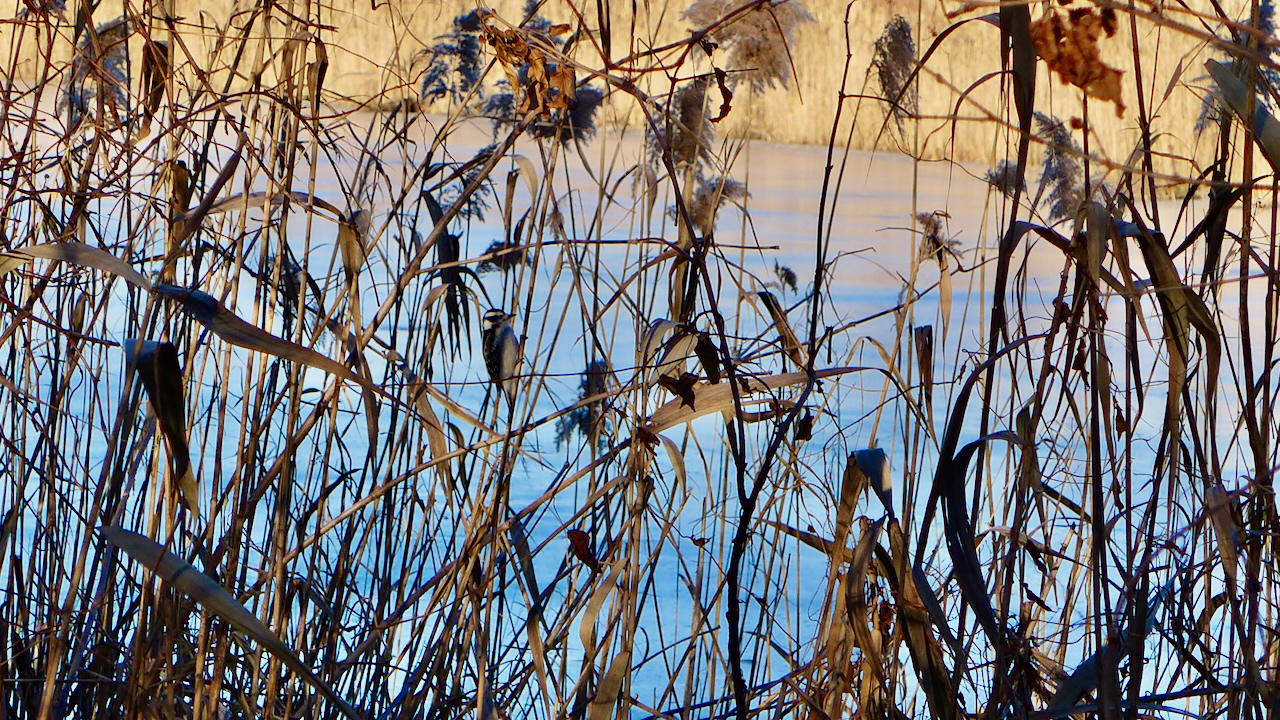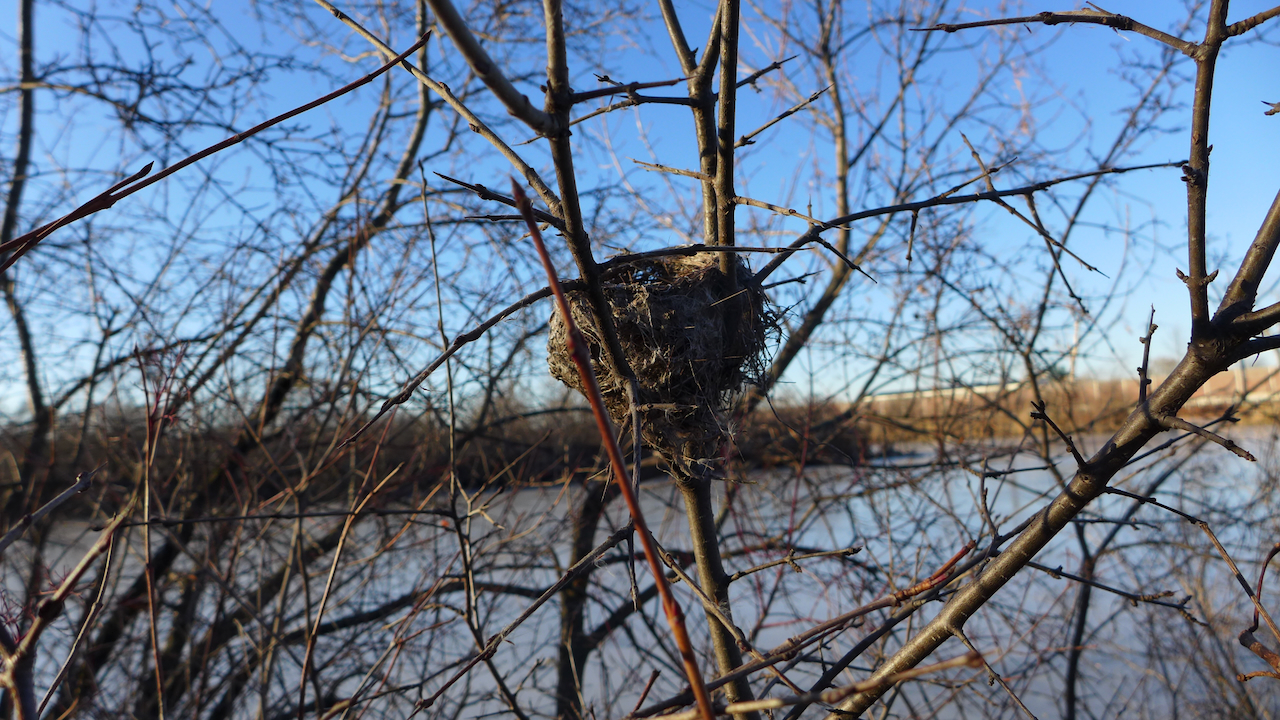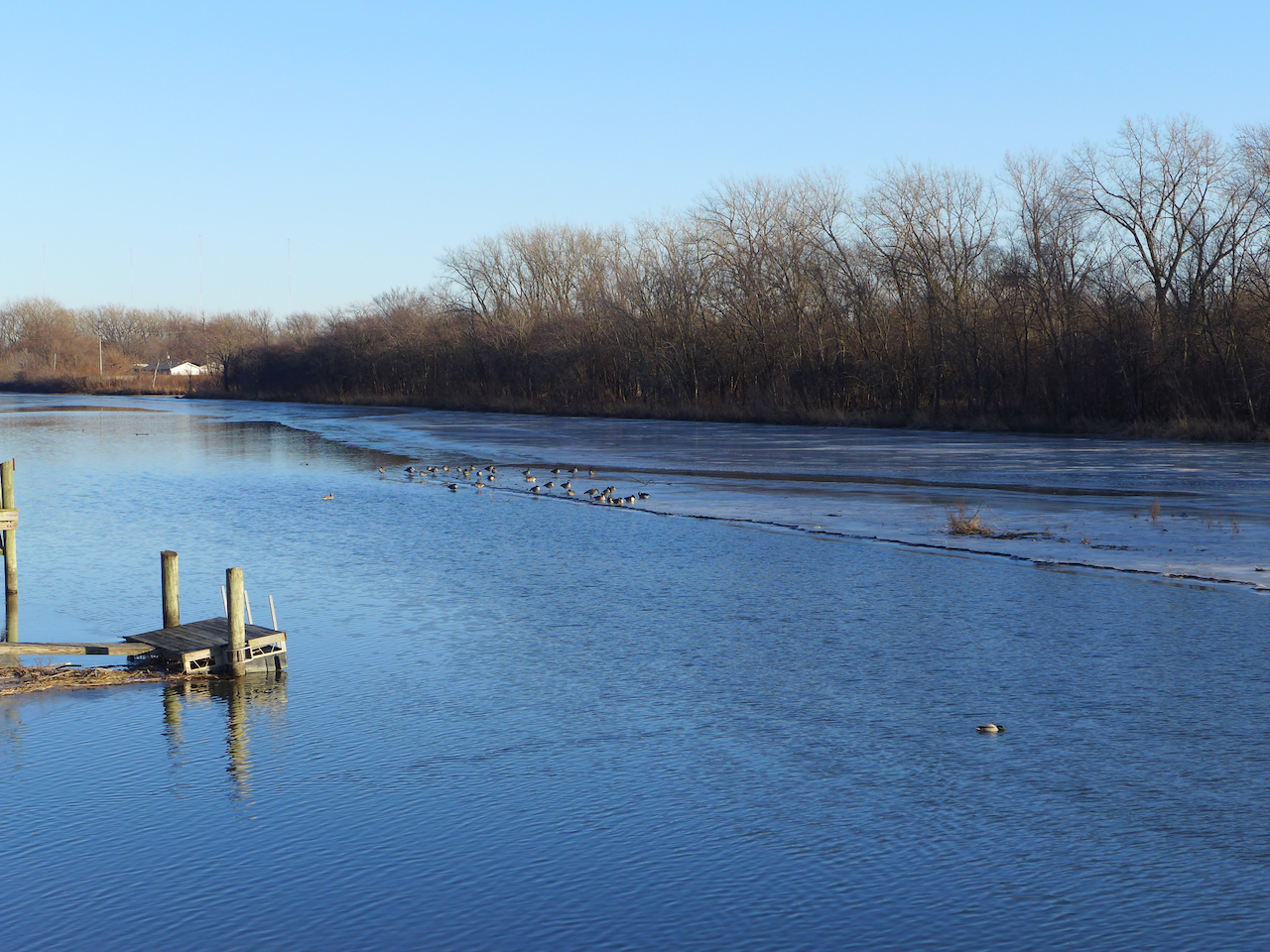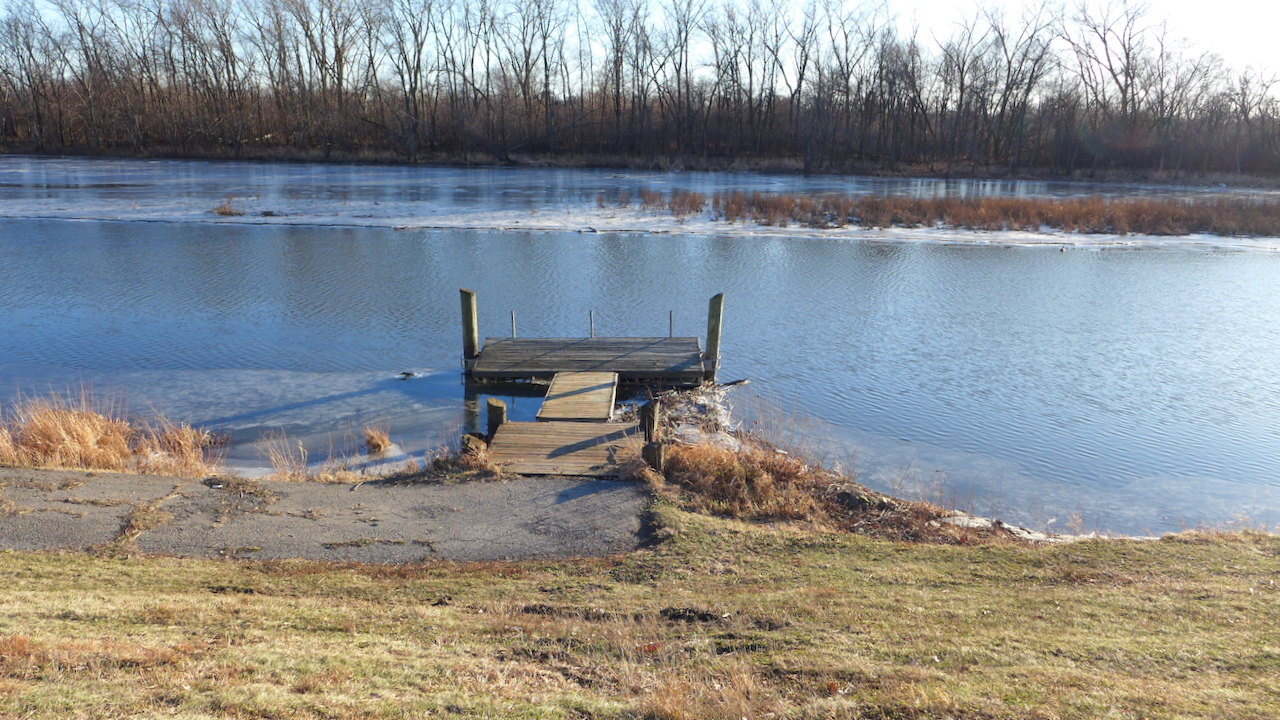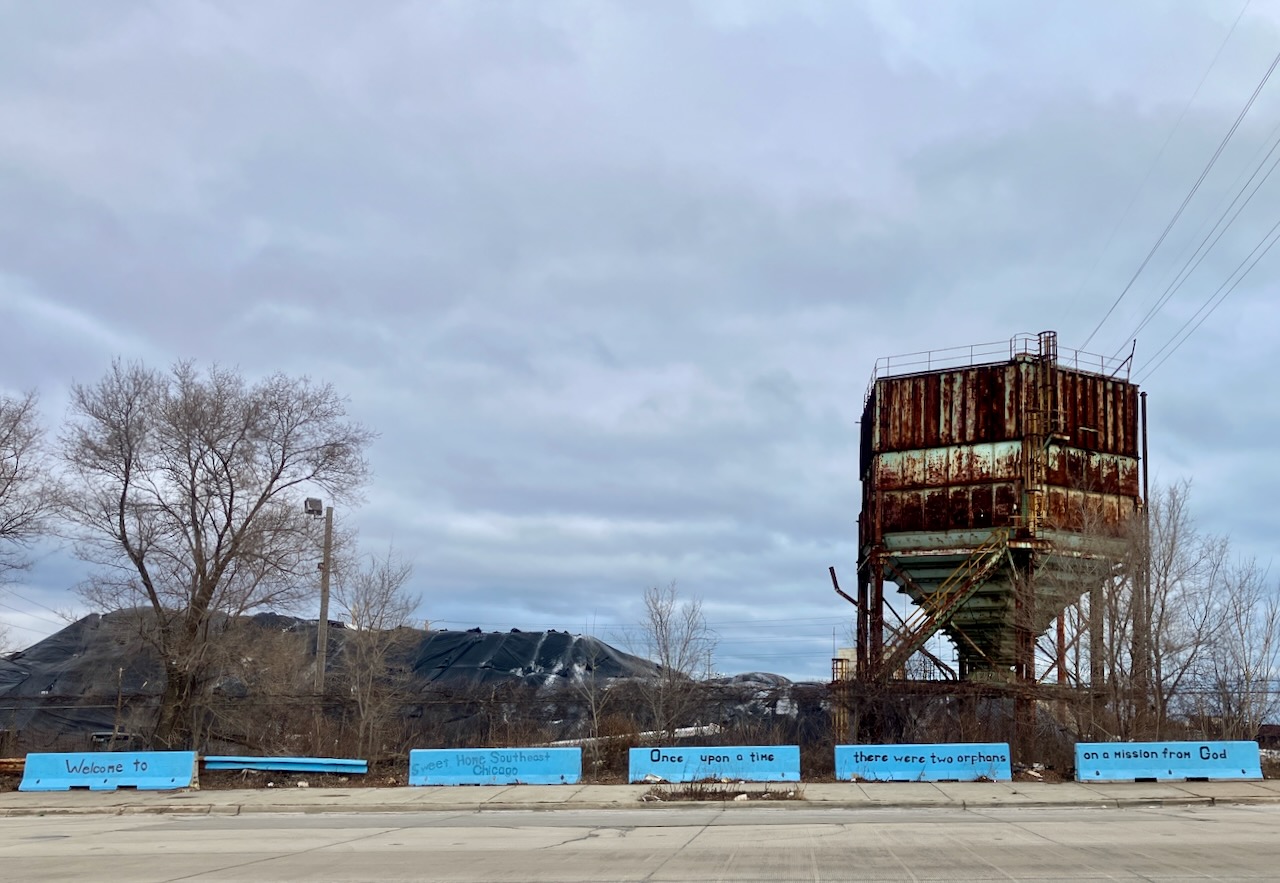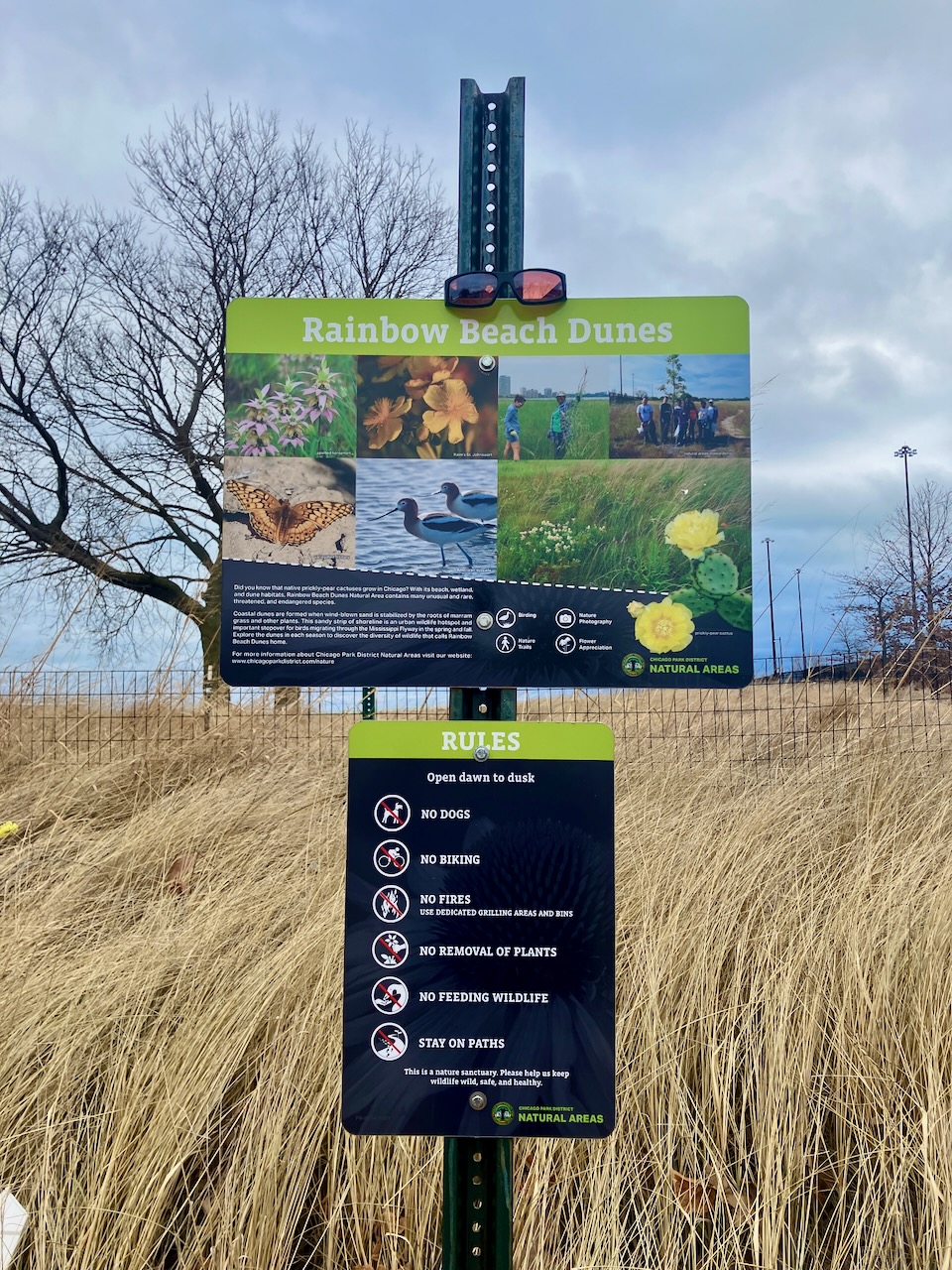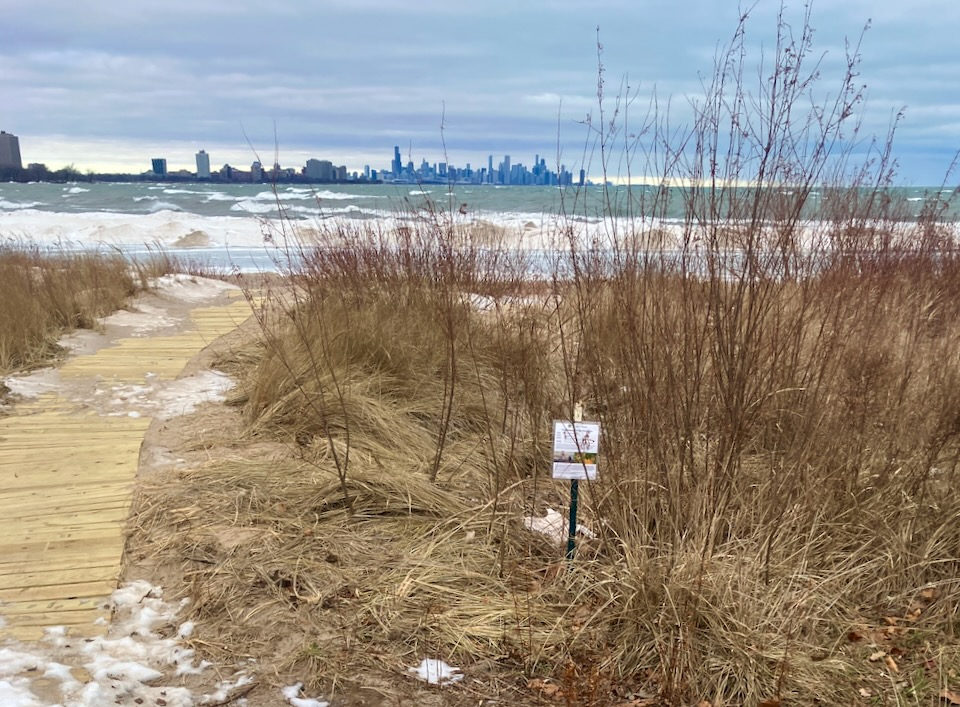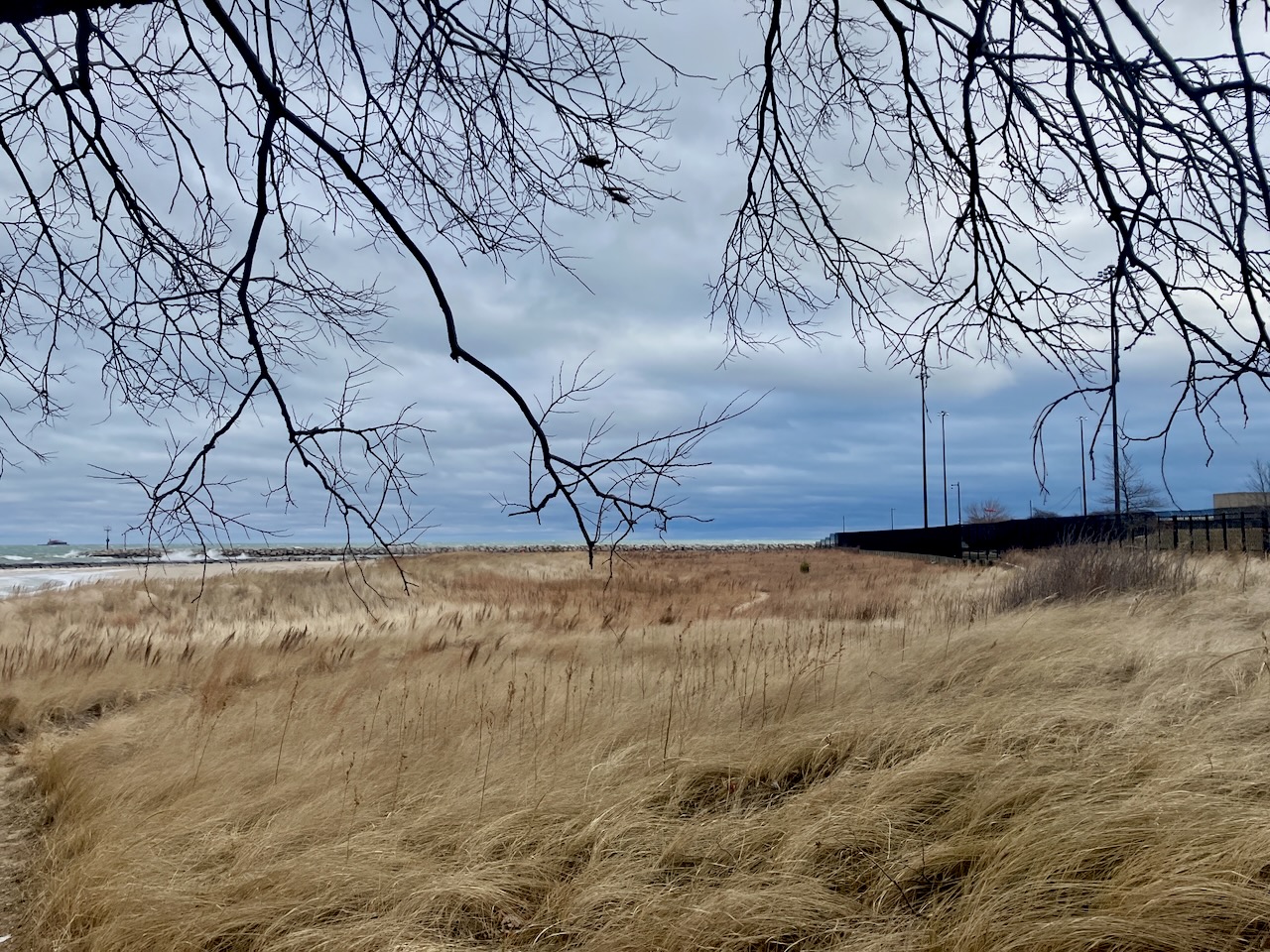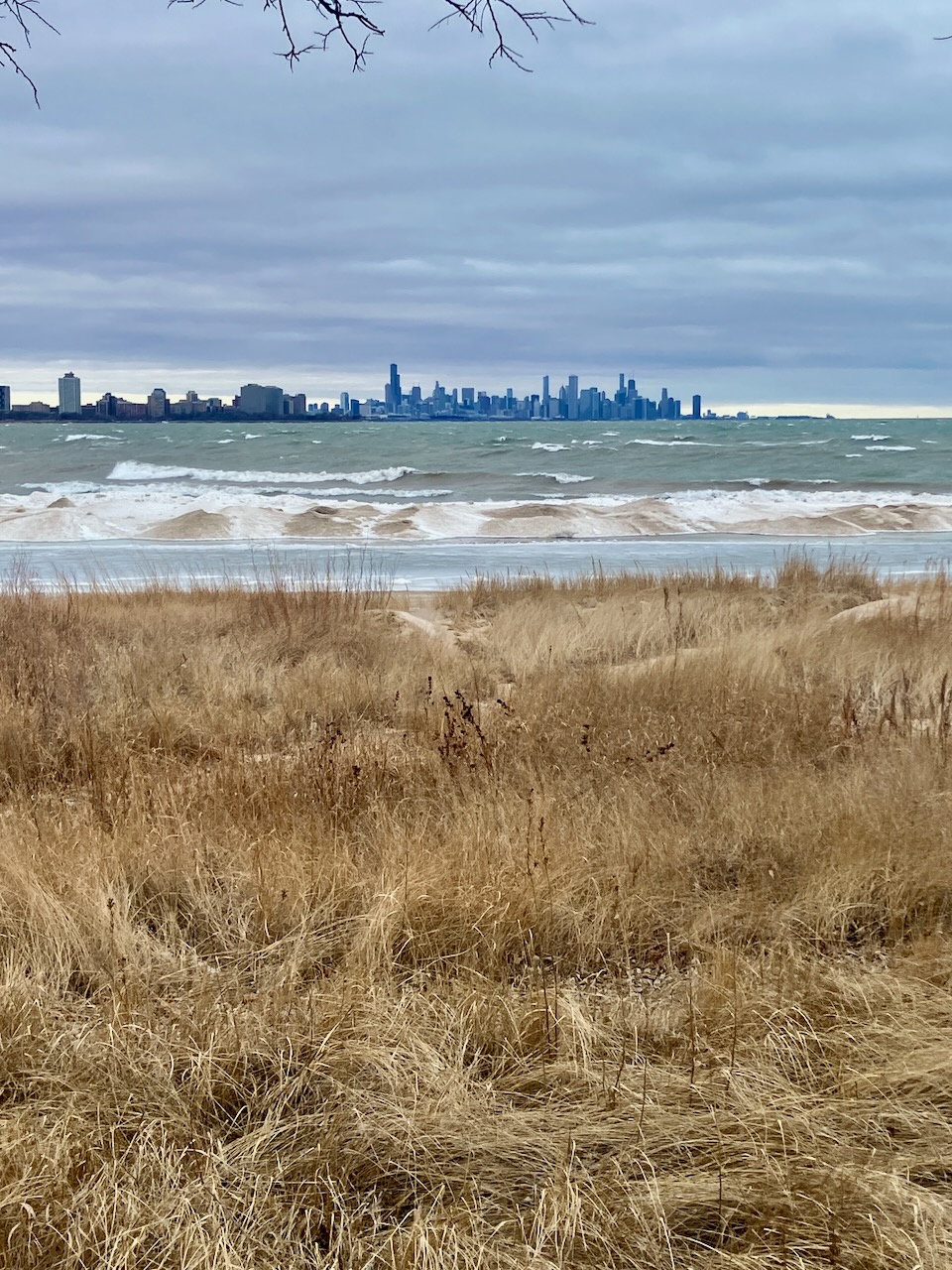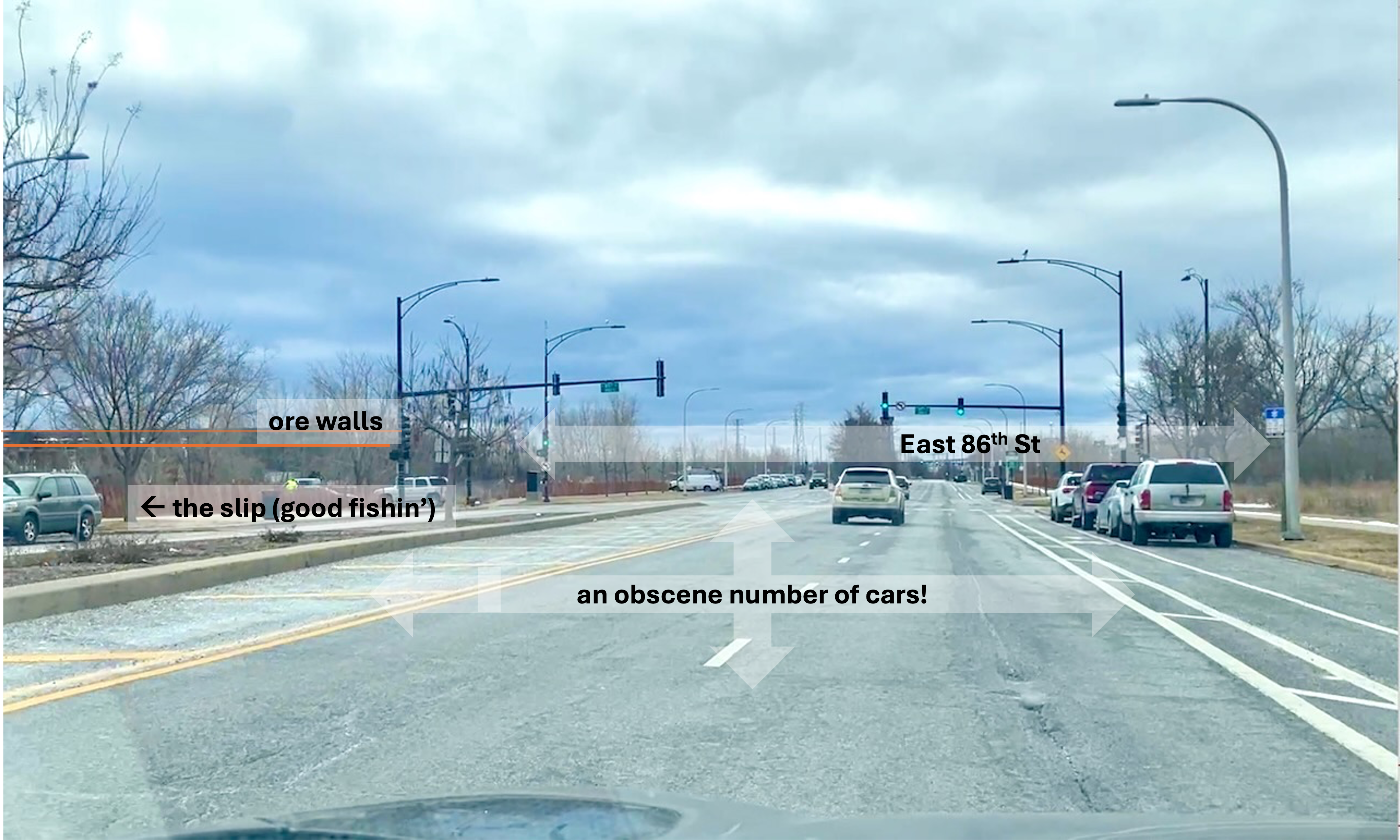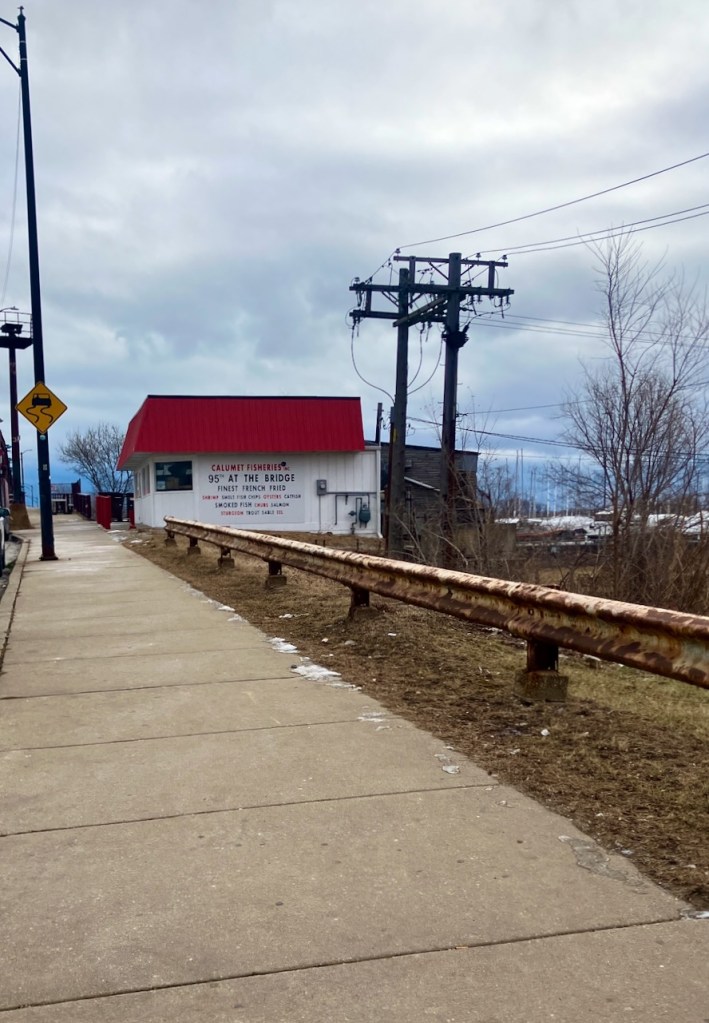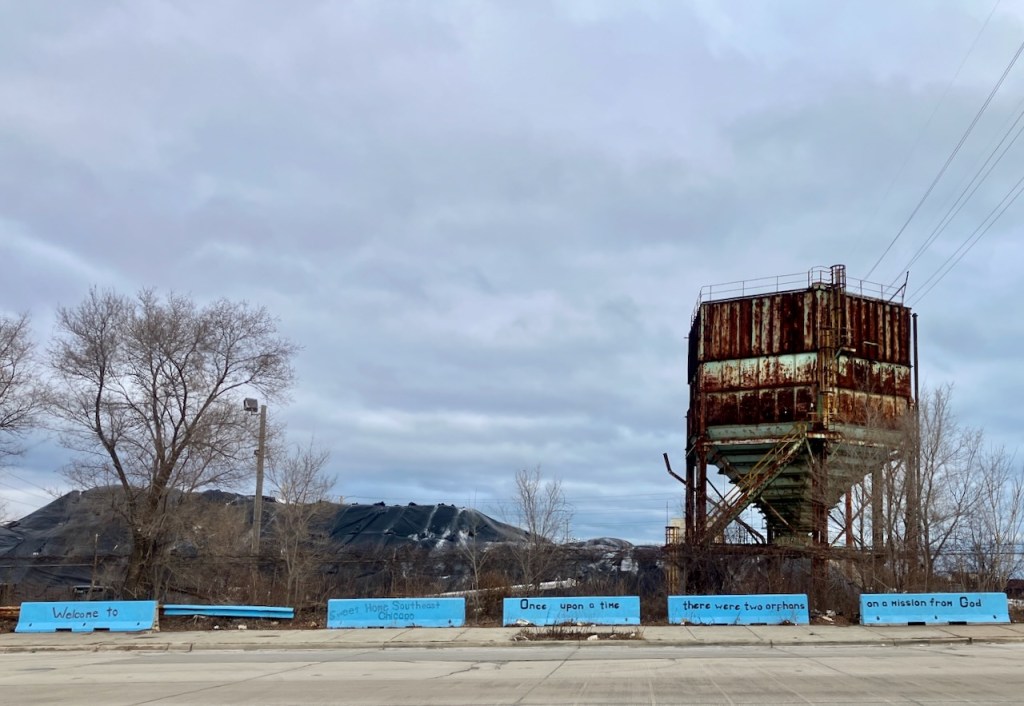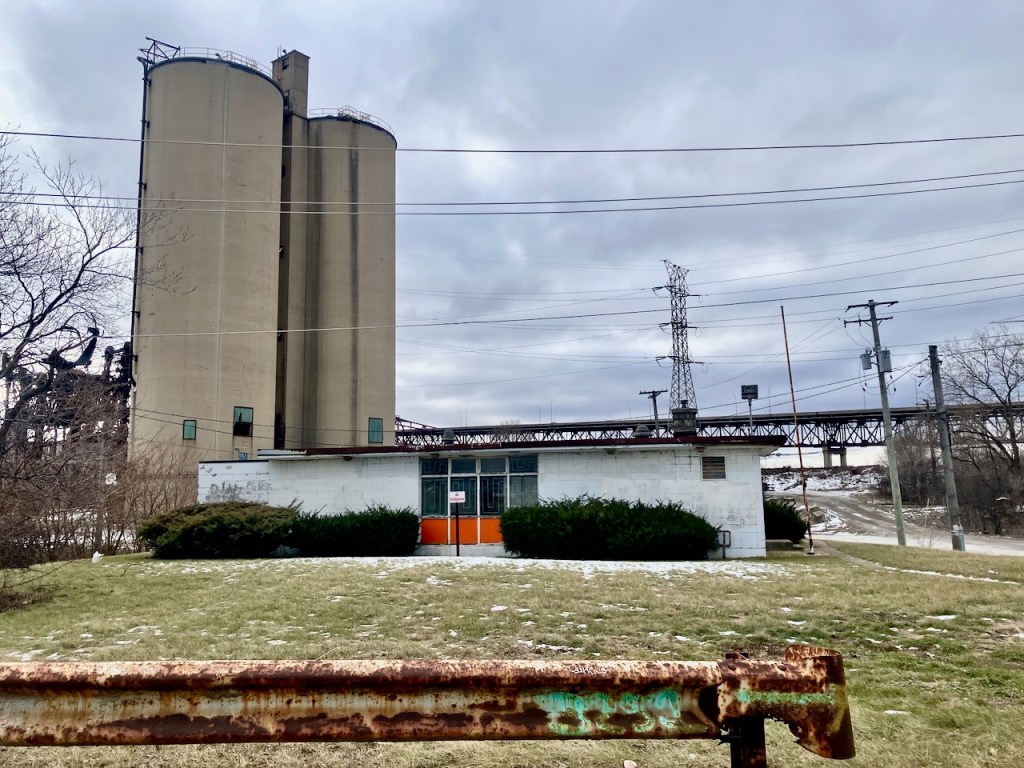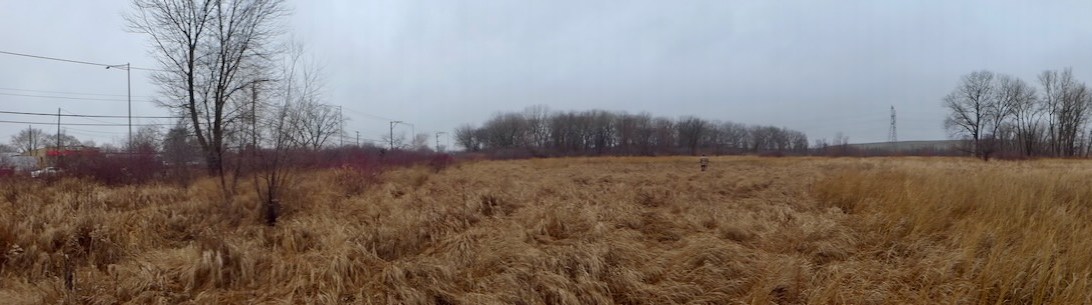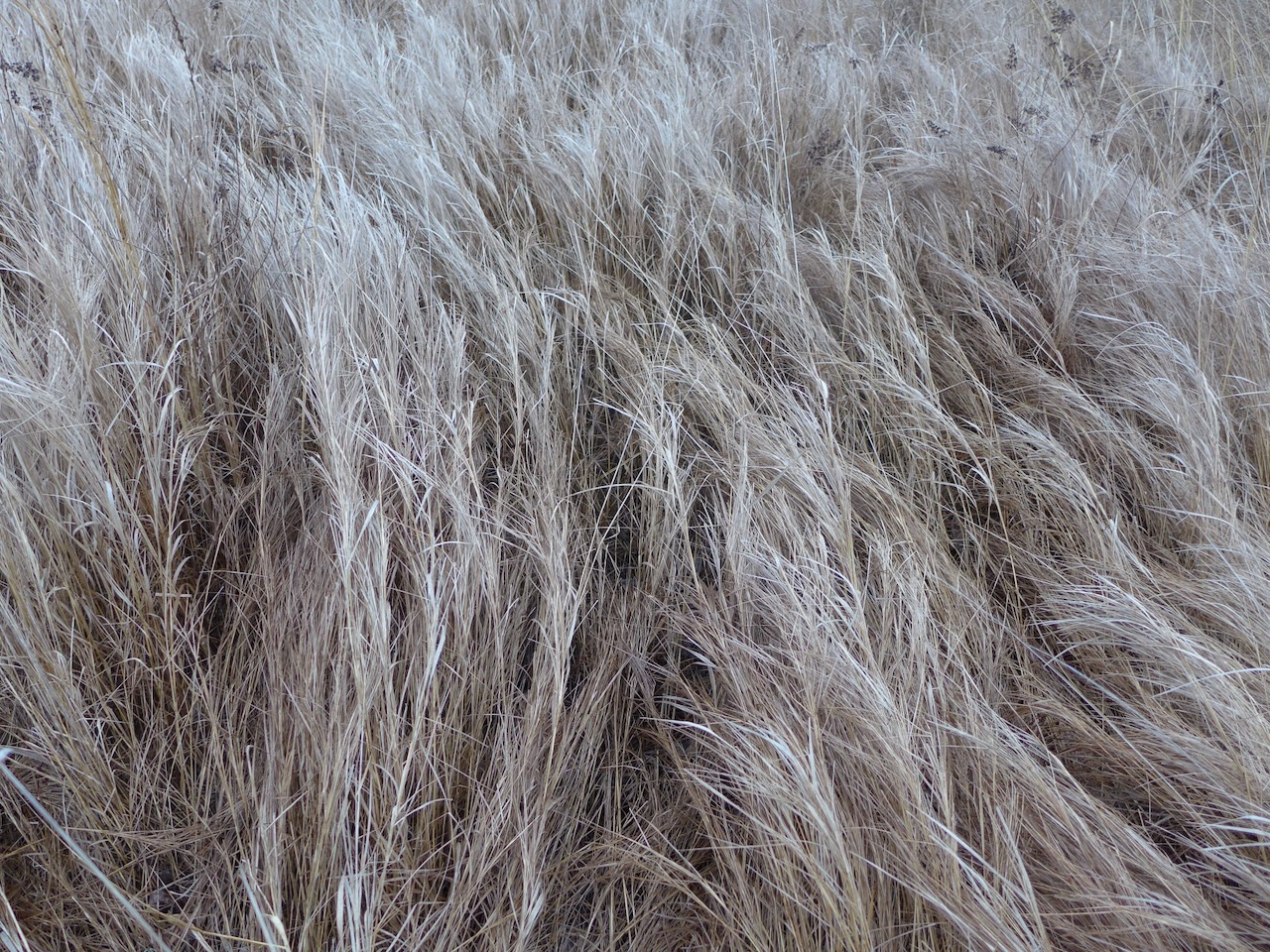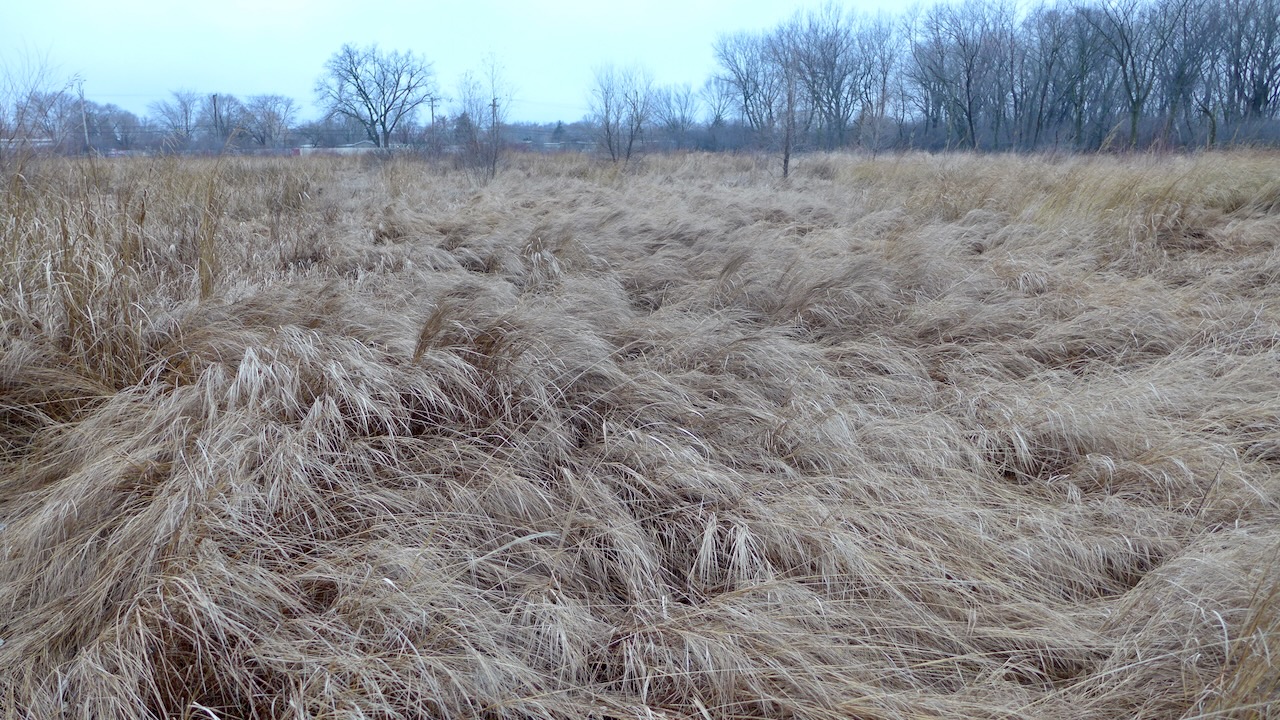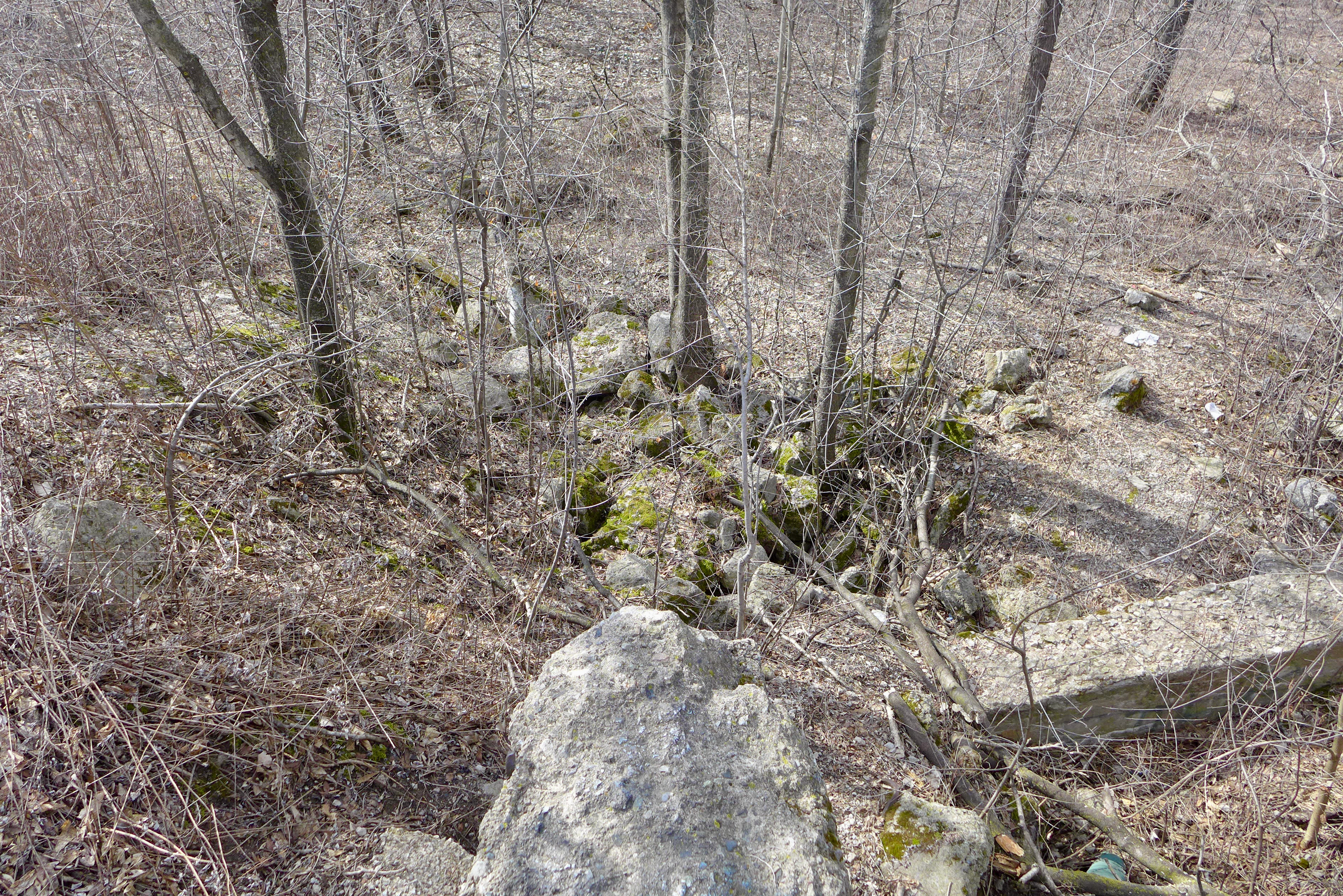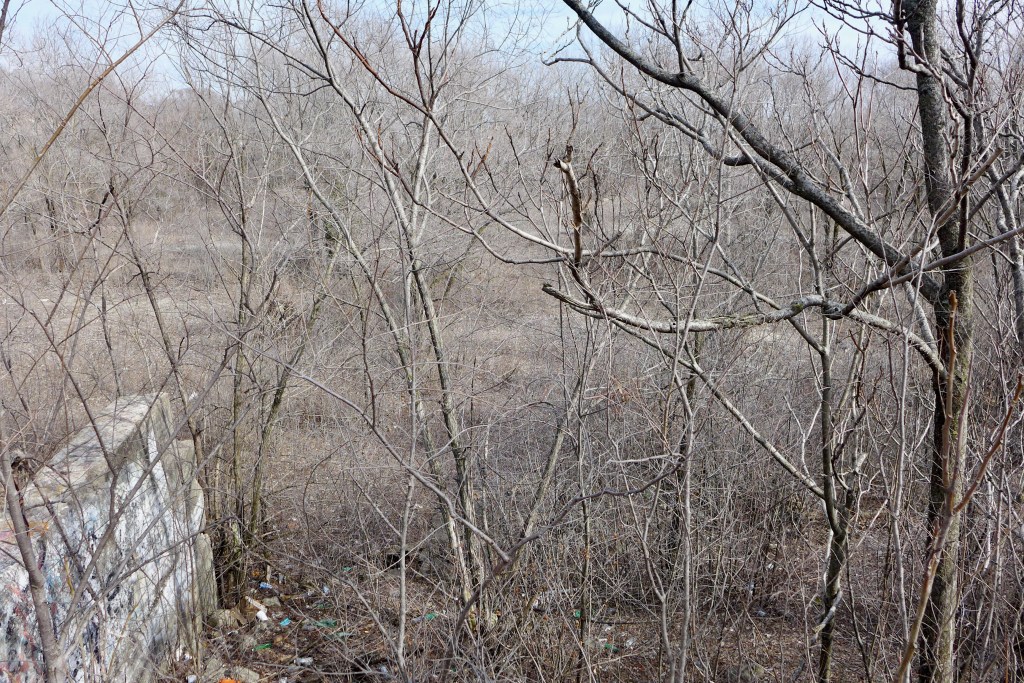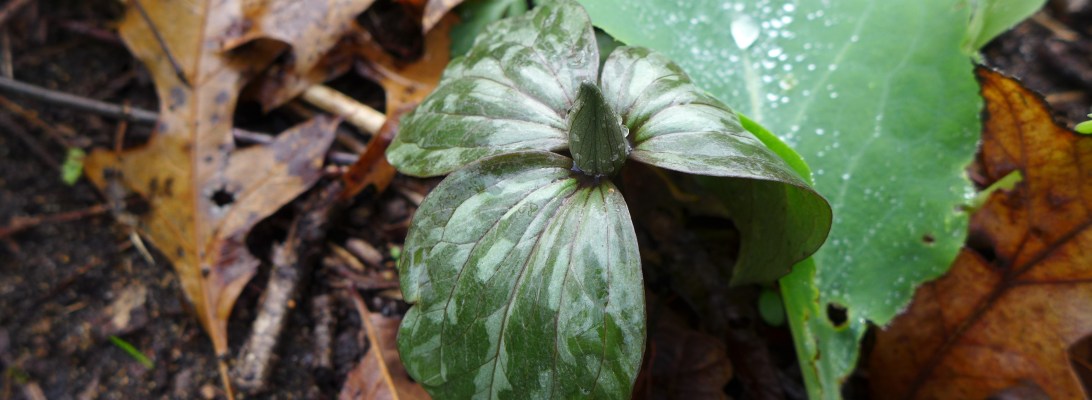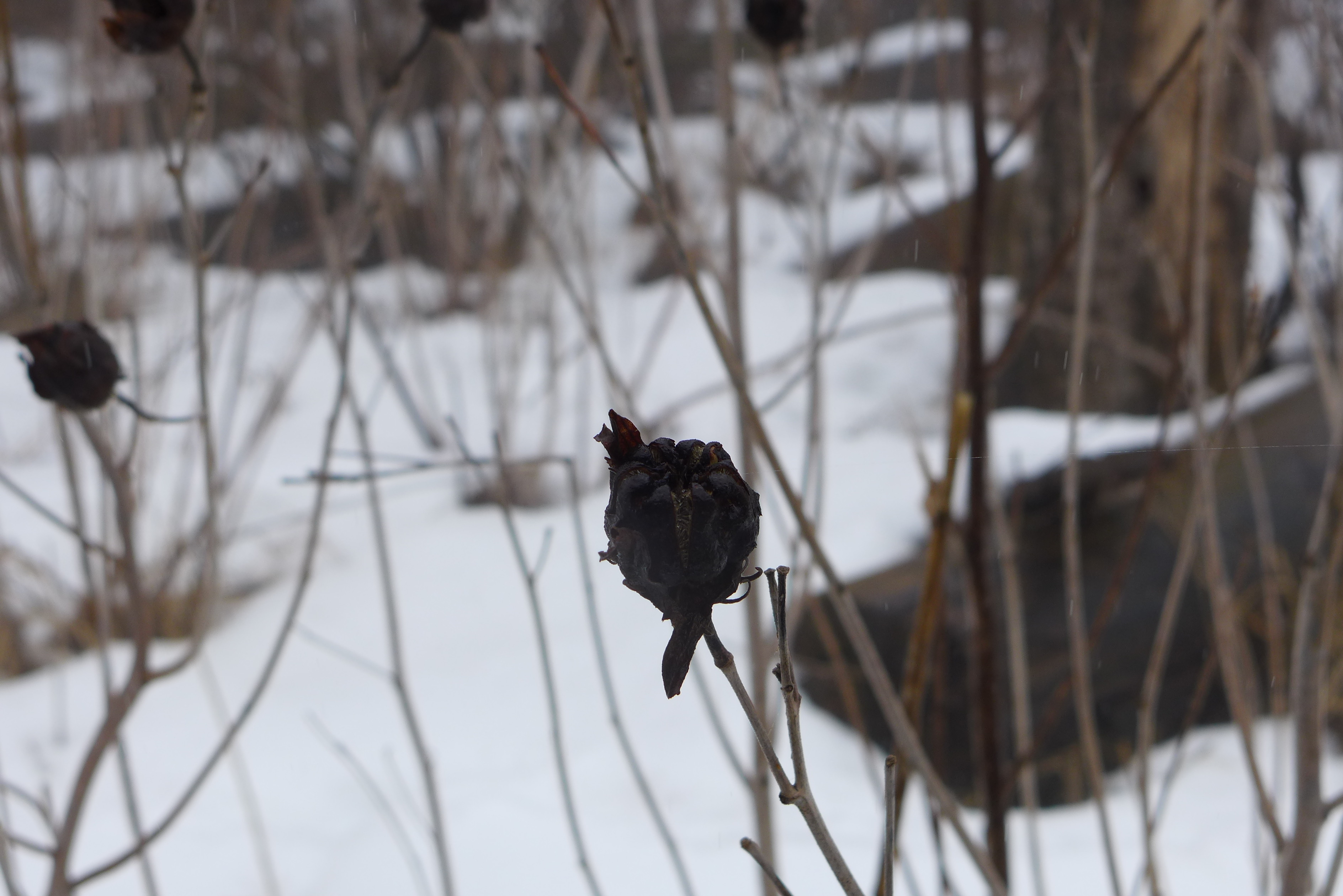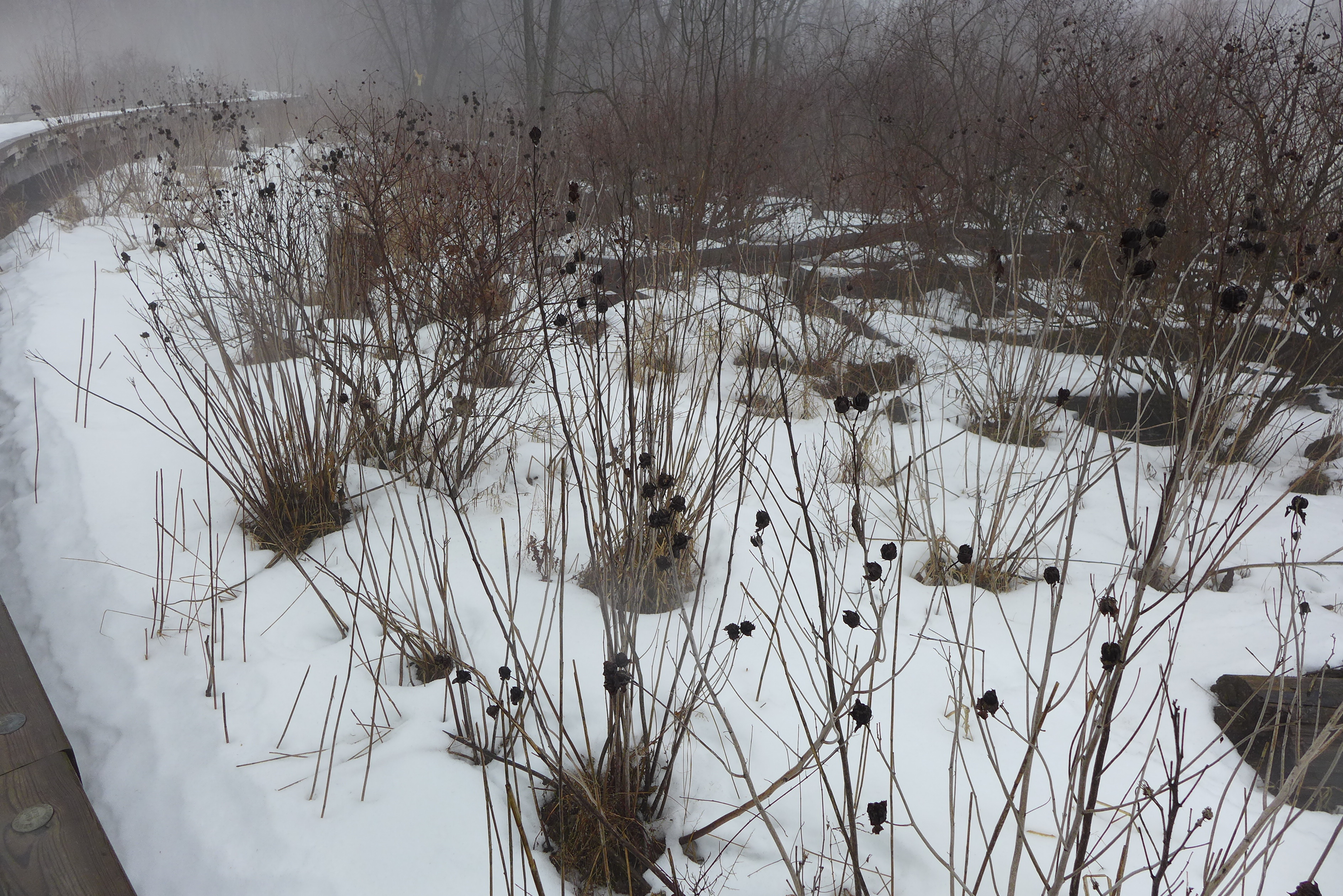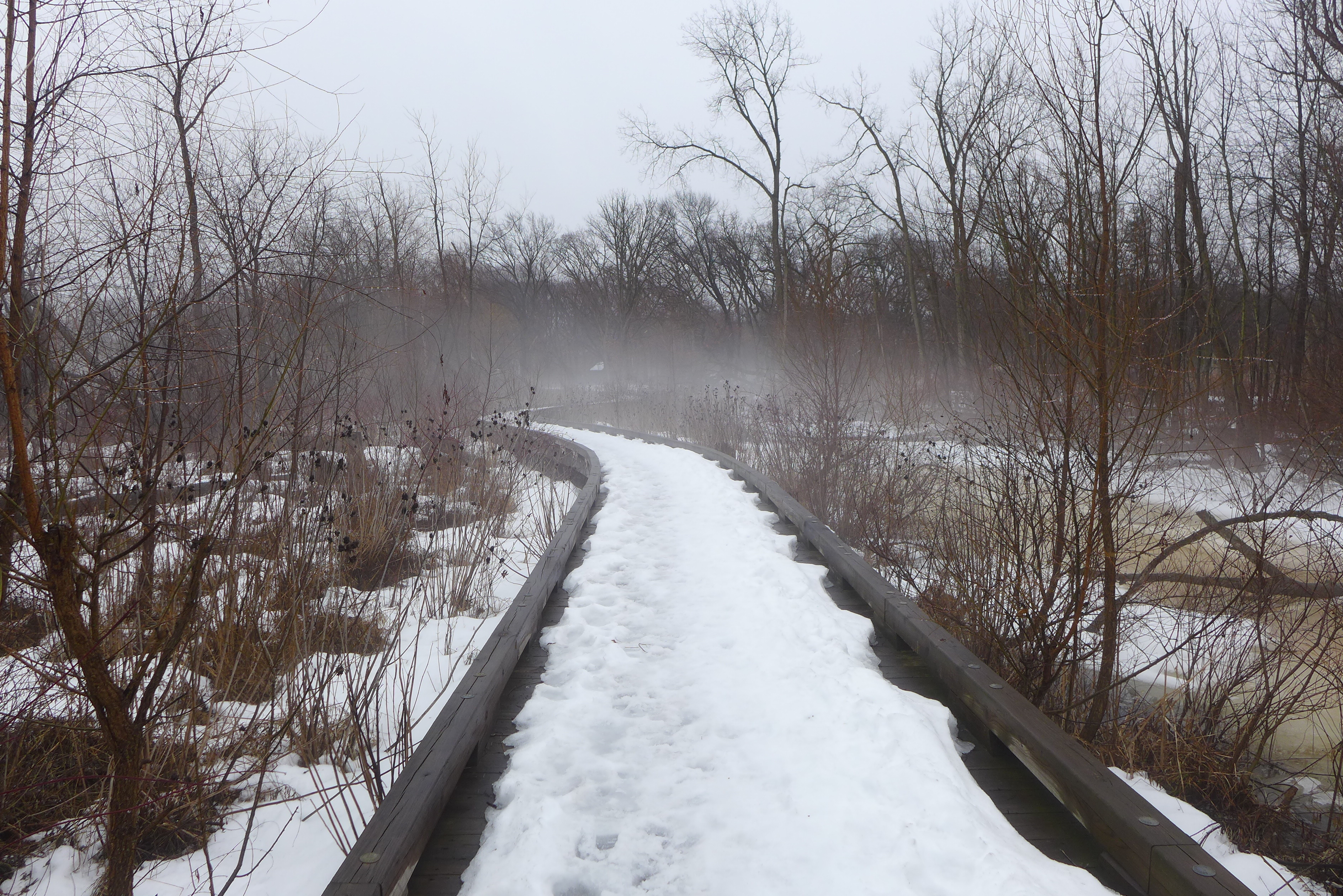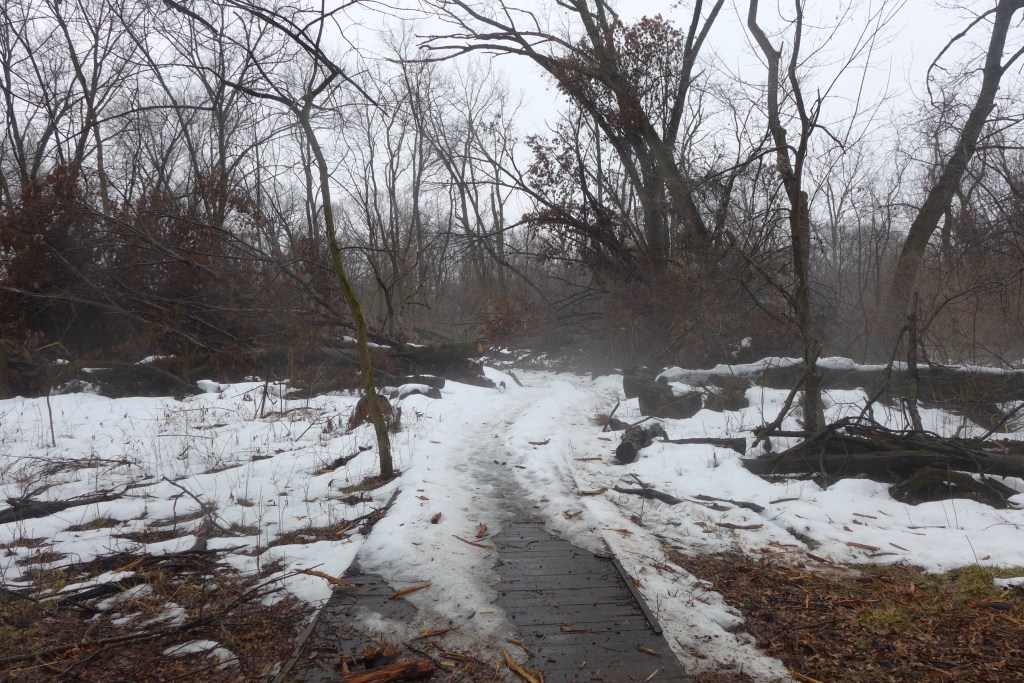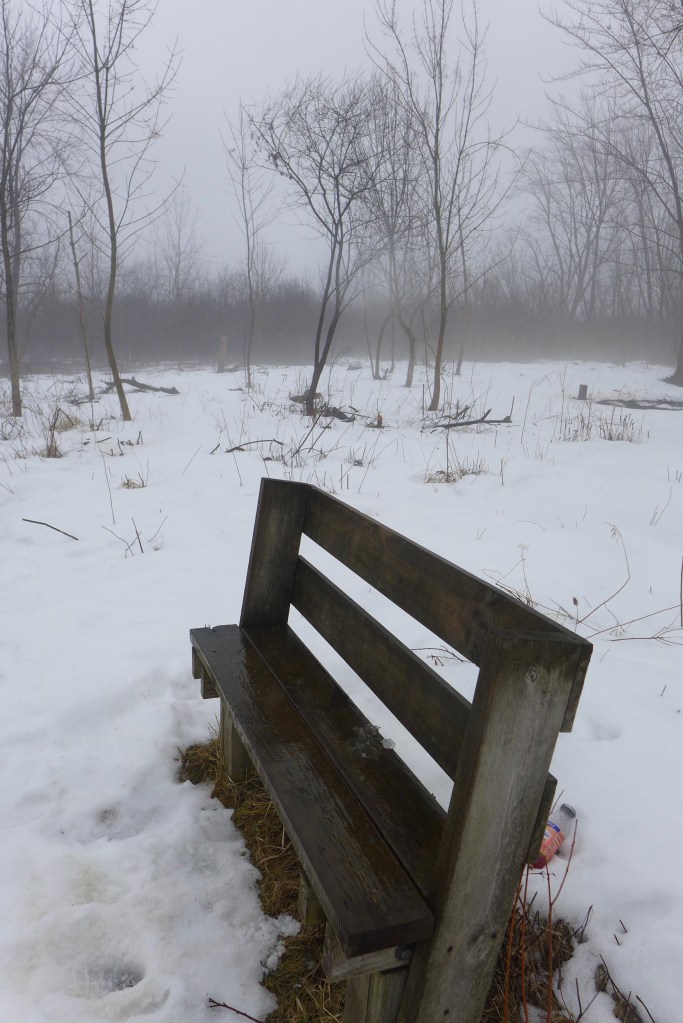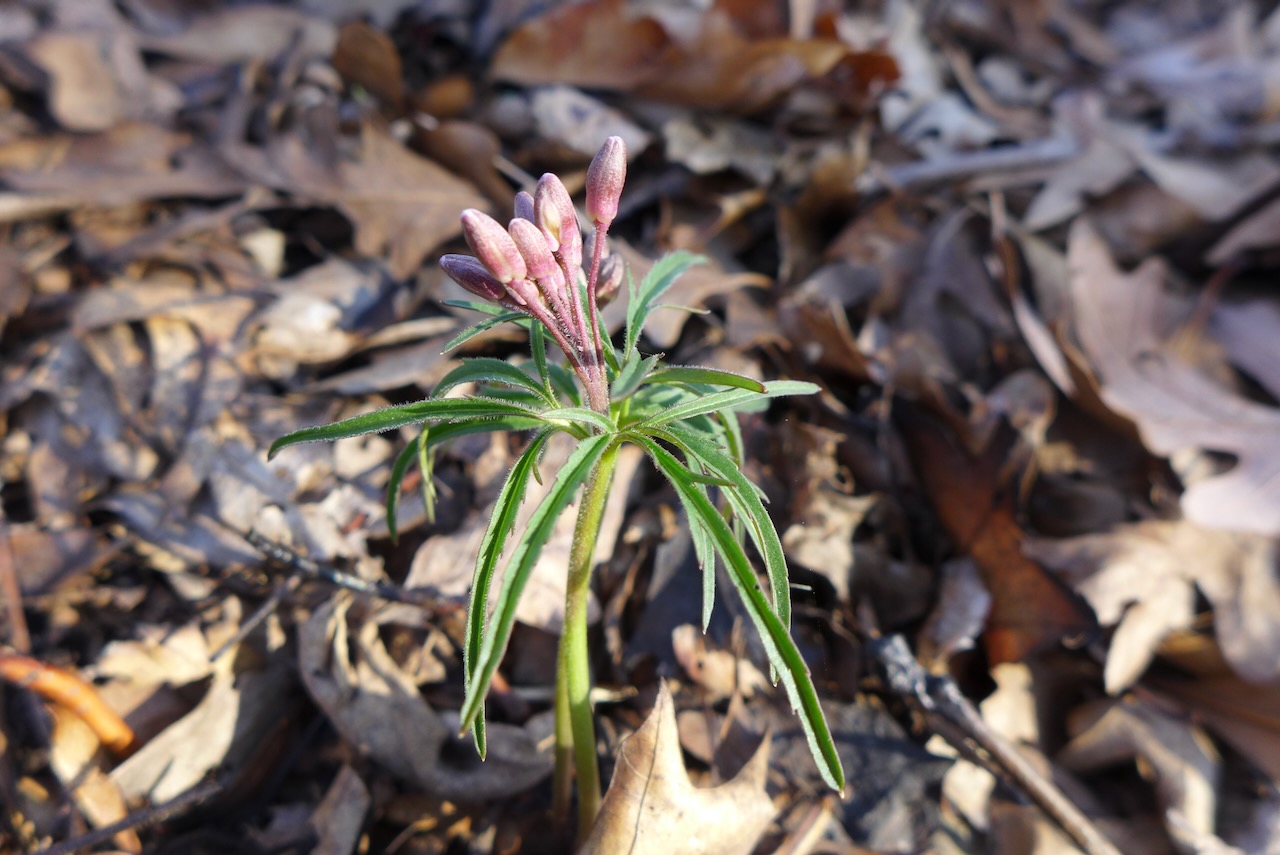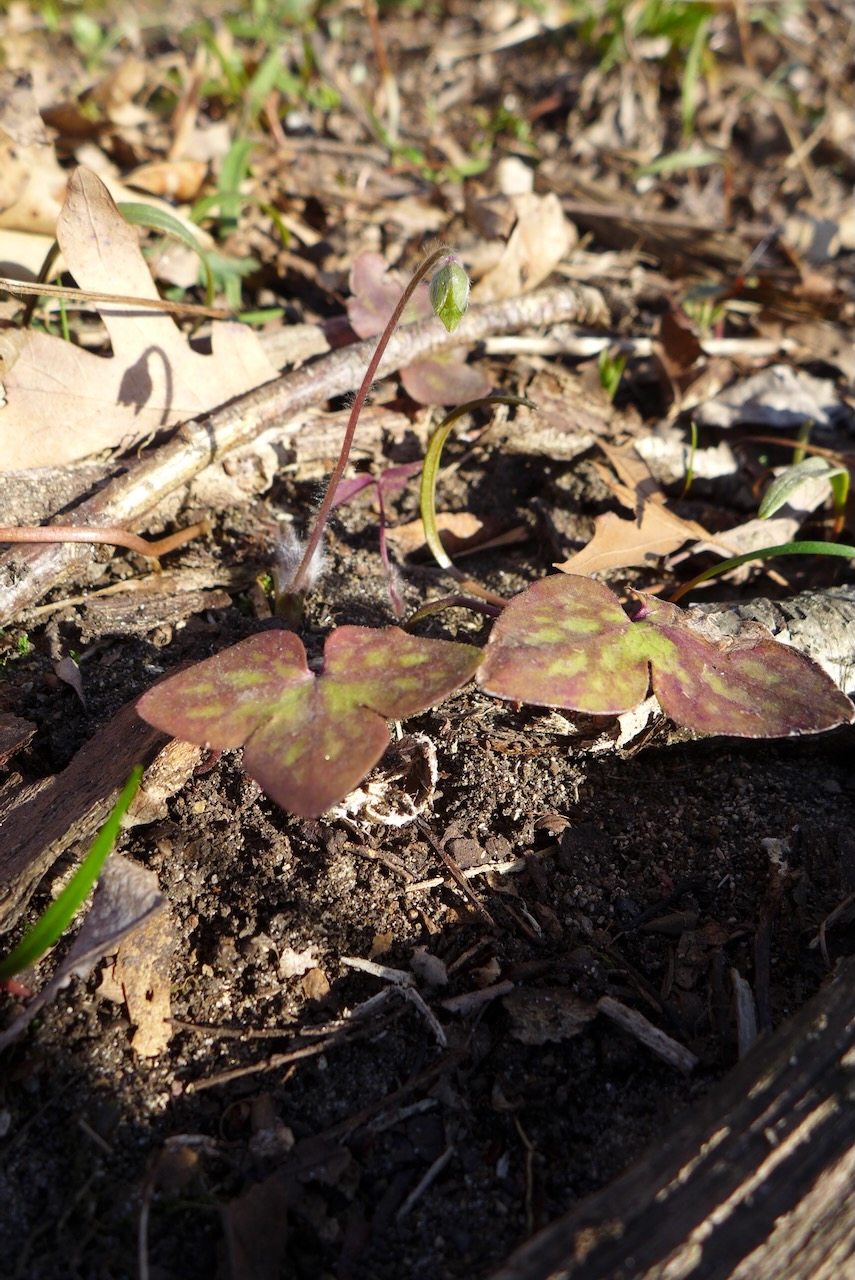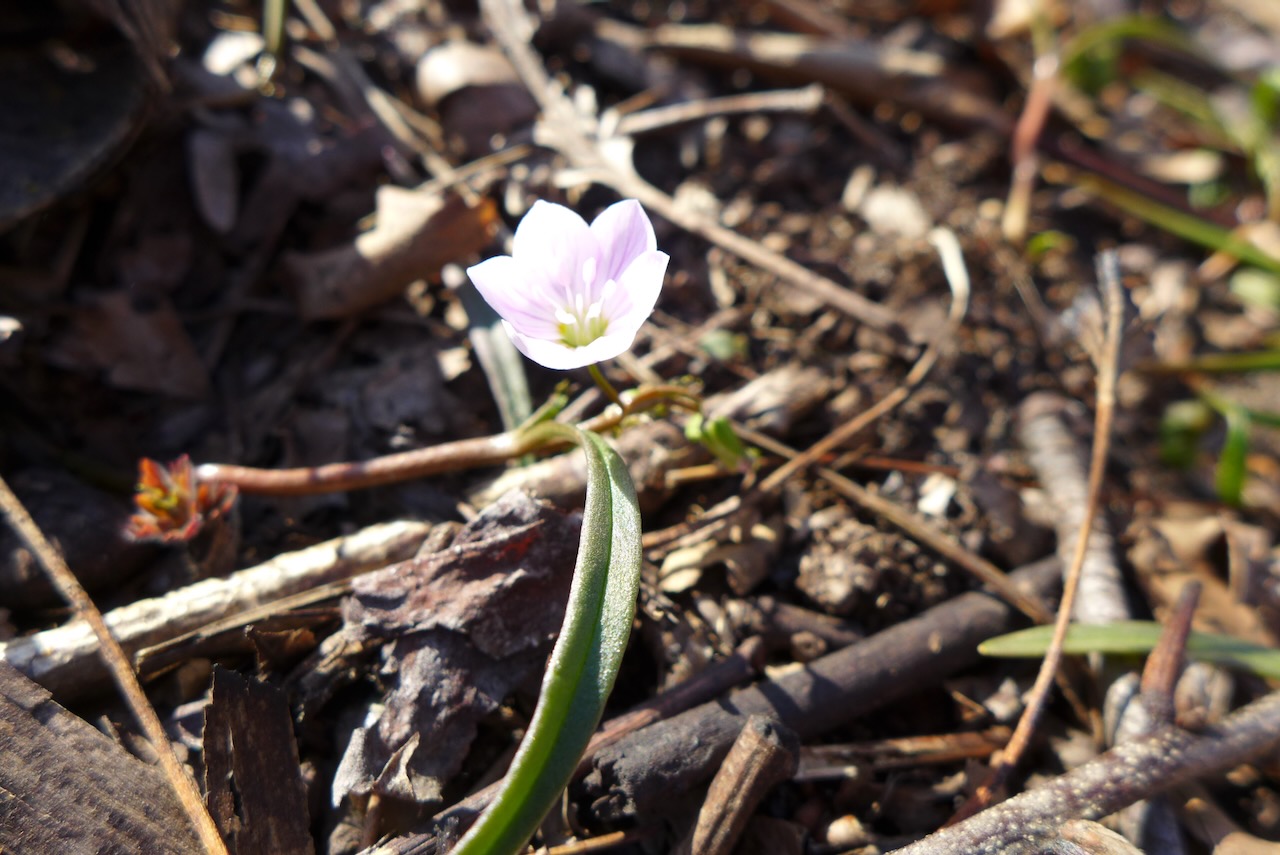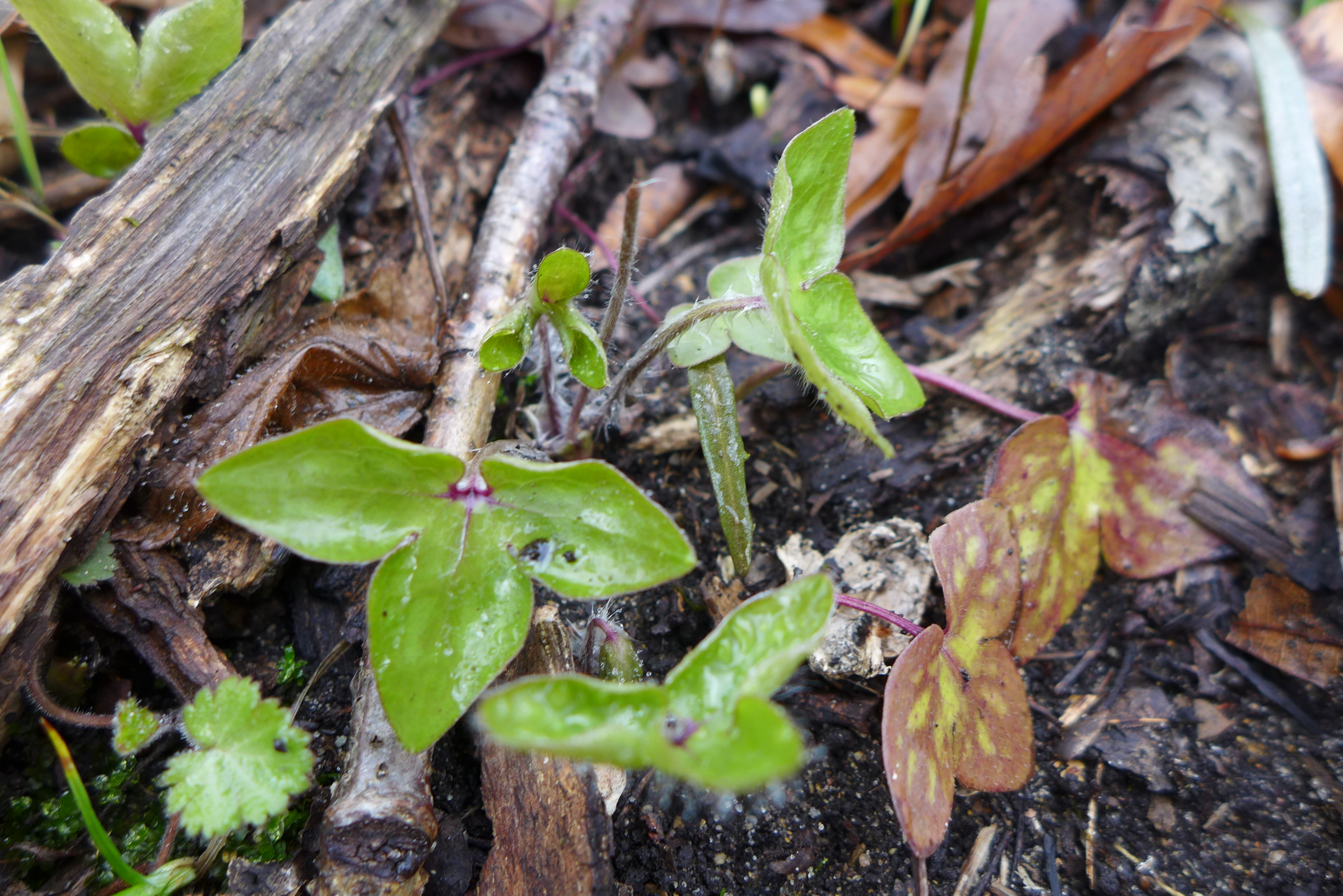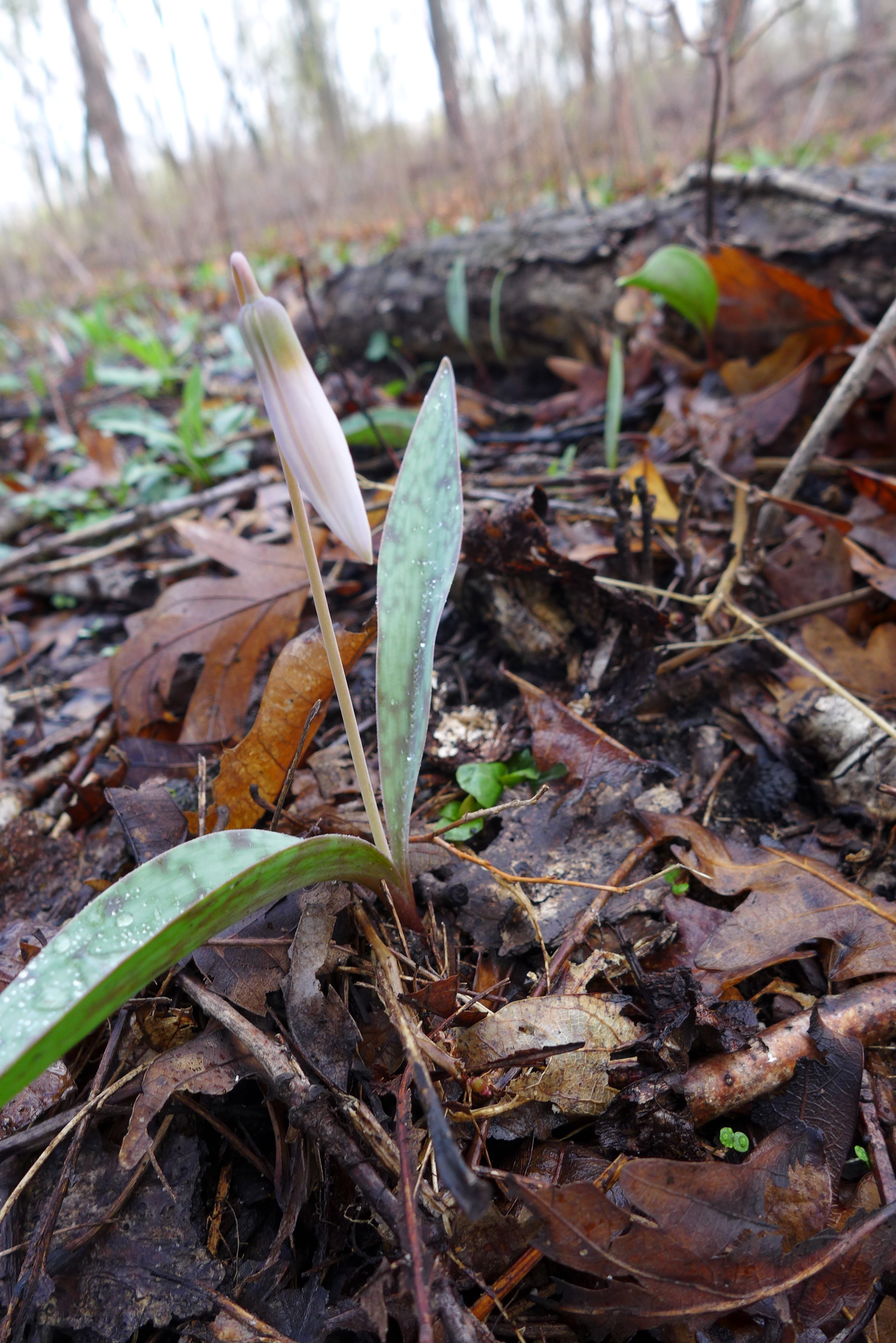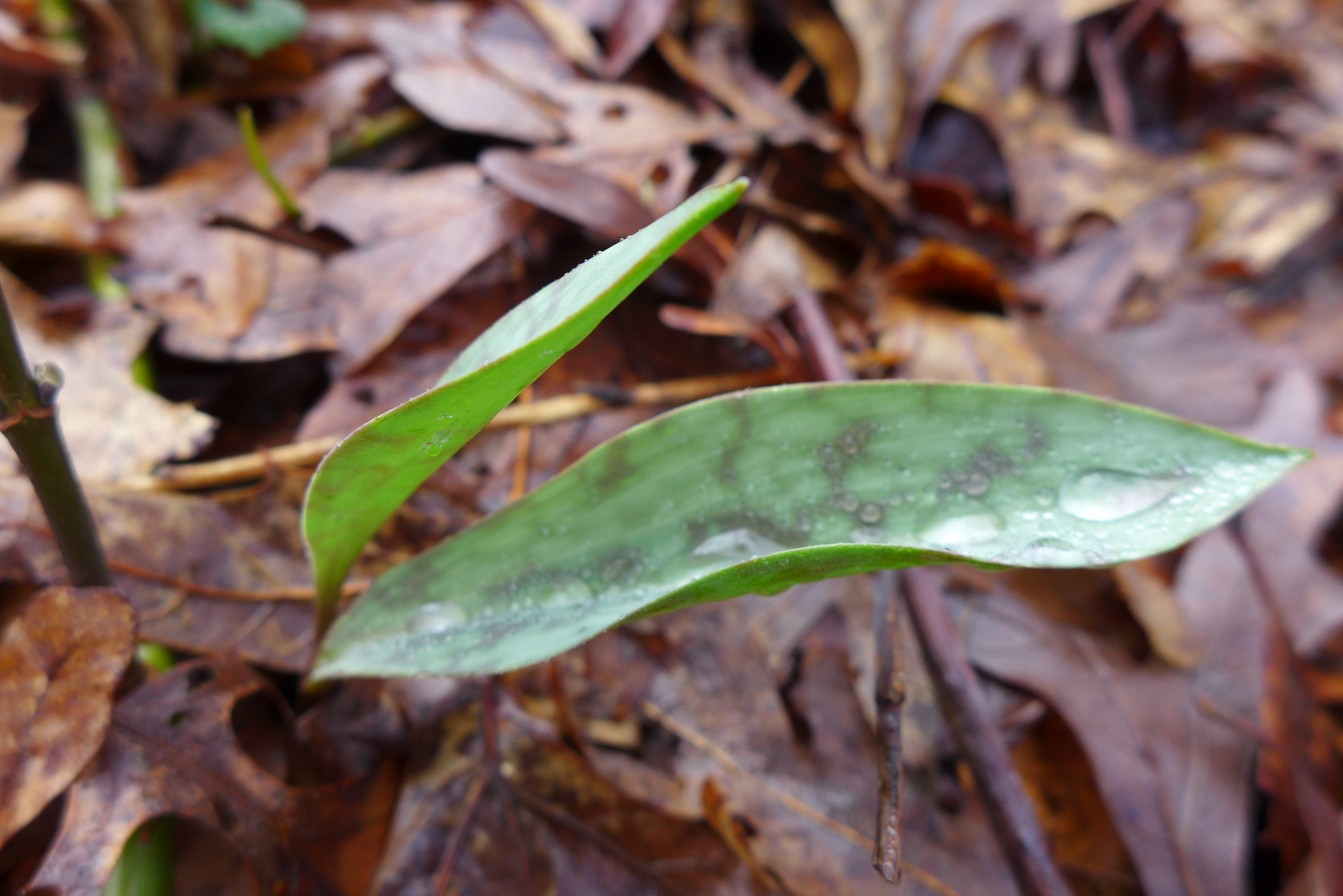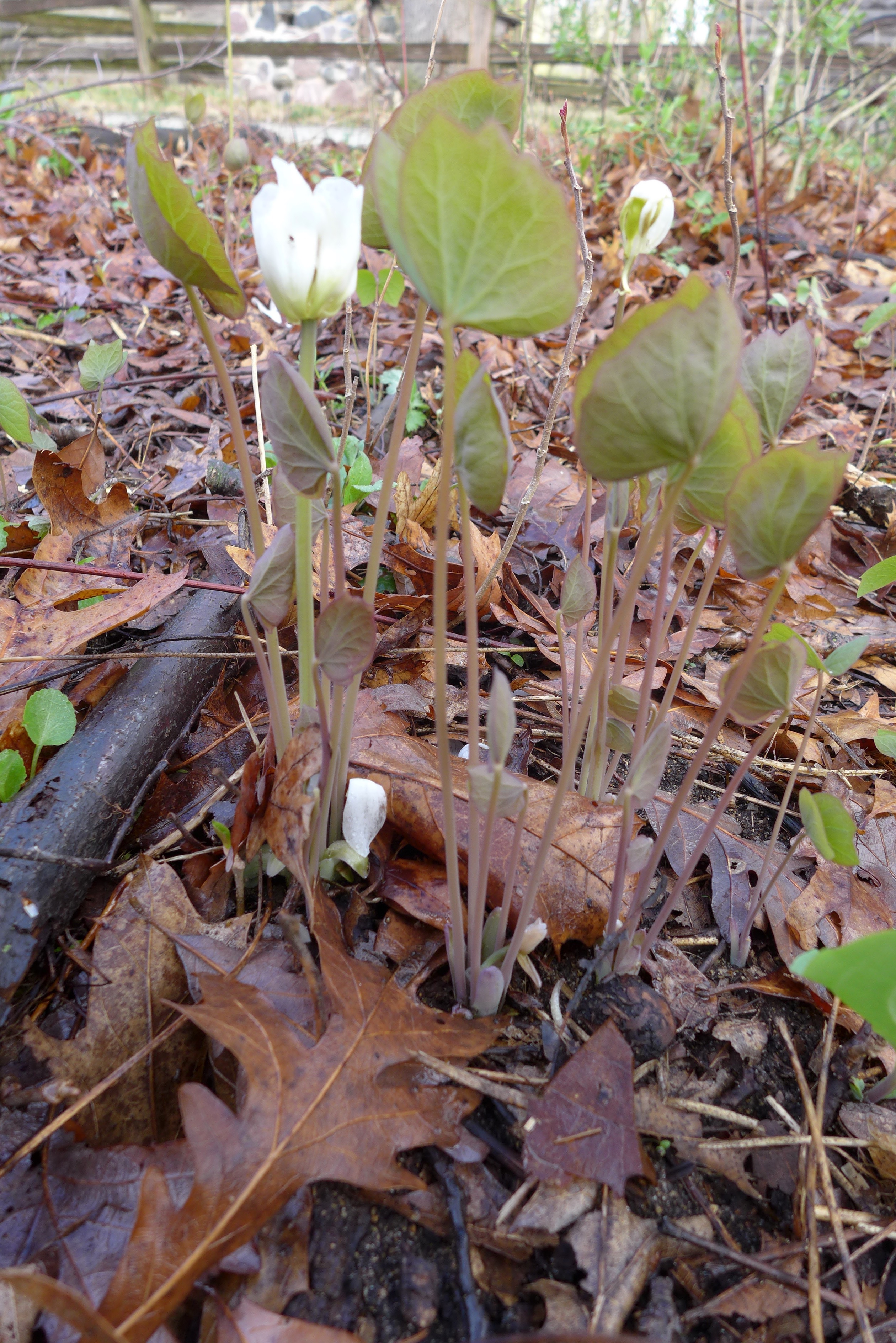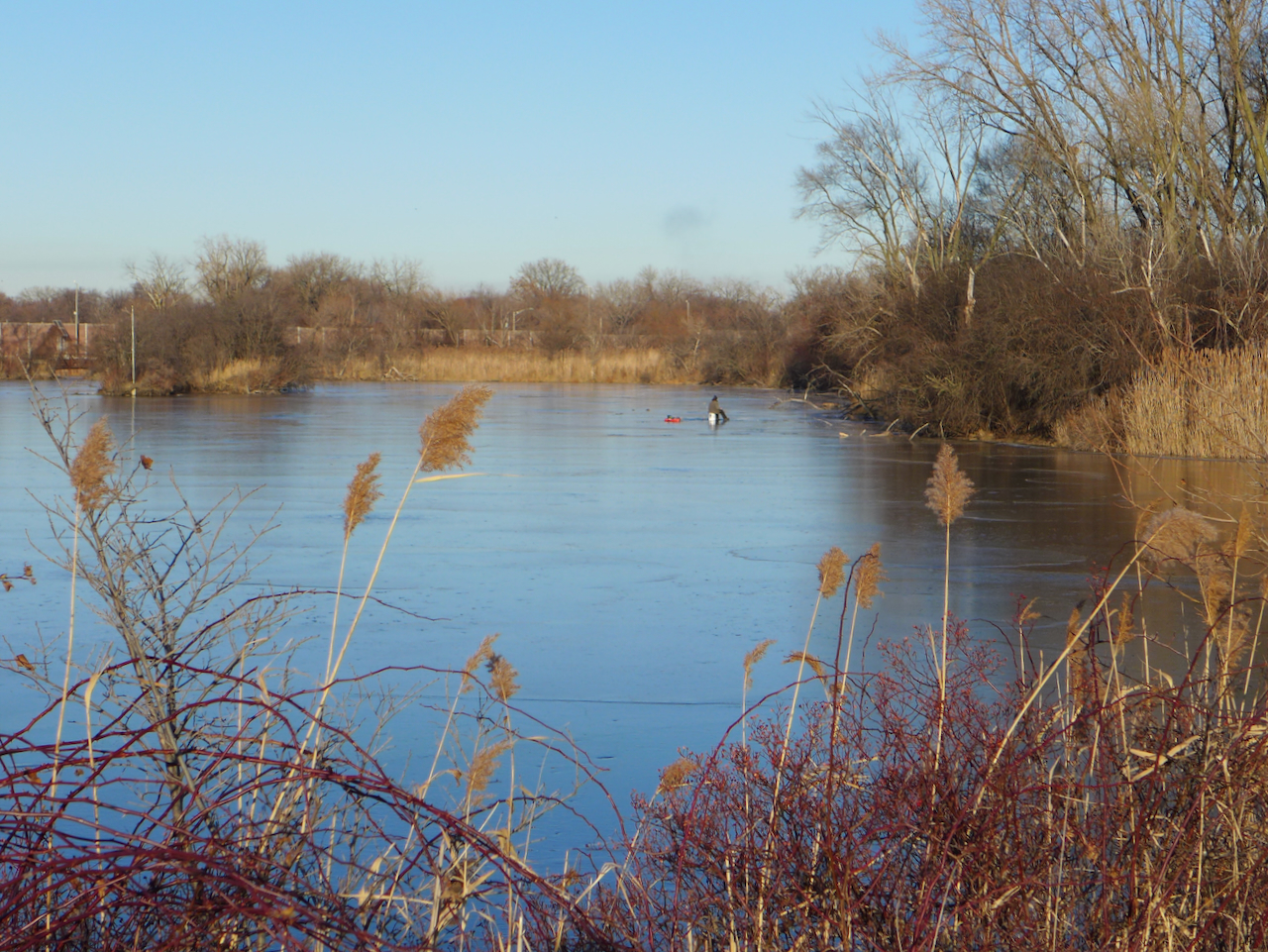
A quick drive by a few of our favorite spots, on a sunny and extremely brisk morning, starting at RBD.


driving south, on our way past the fishers…

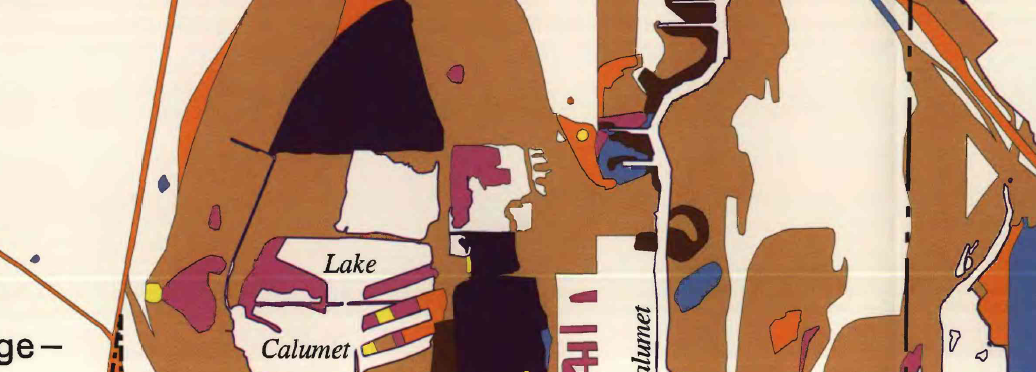
…to get some fish the easy way, at Calumet Fisheries!


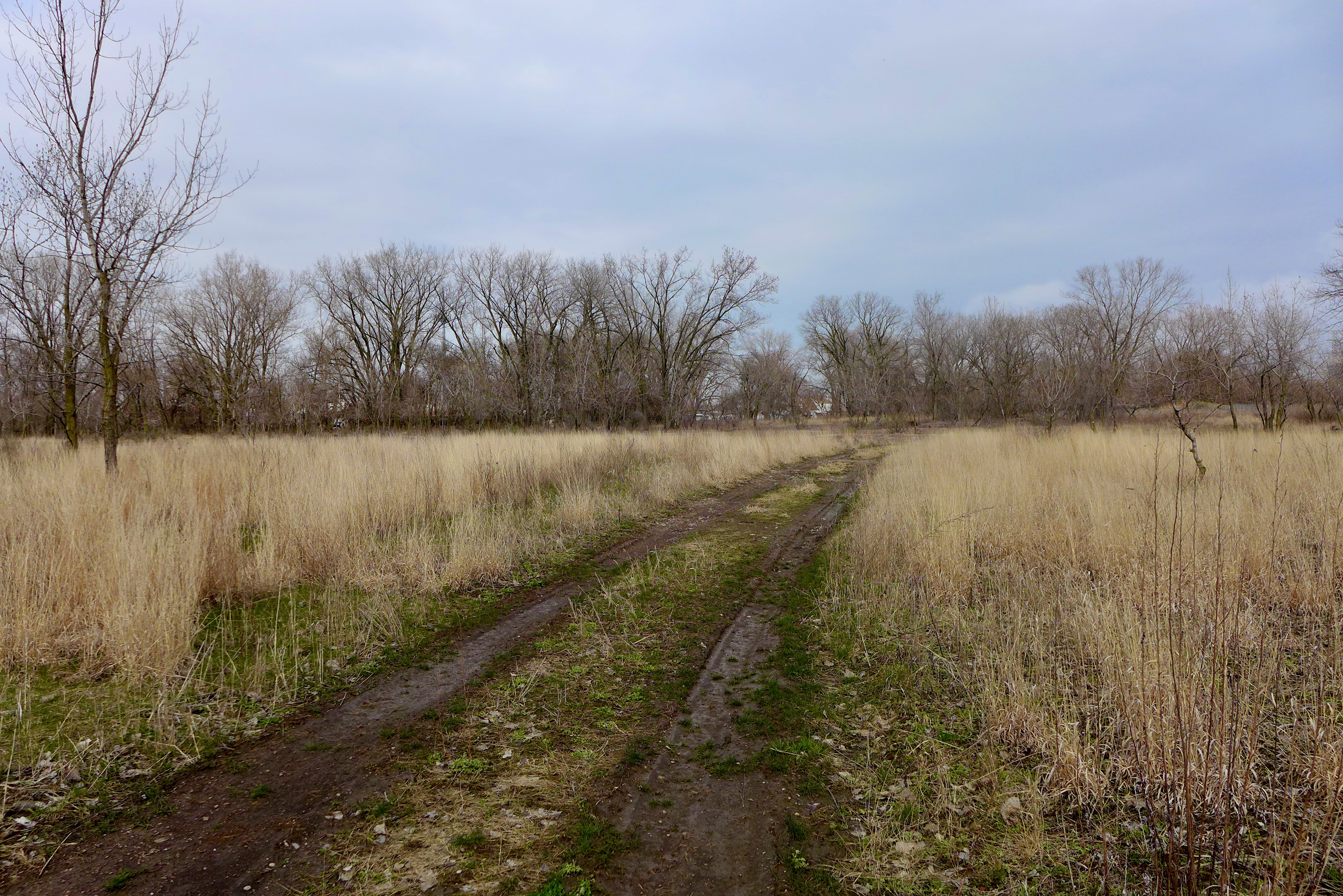
We came up through the south end of Burnham Prairie, over several sets of railroad tracks. There was no parking lot; it just seemed like a close spot based on Google Maps.
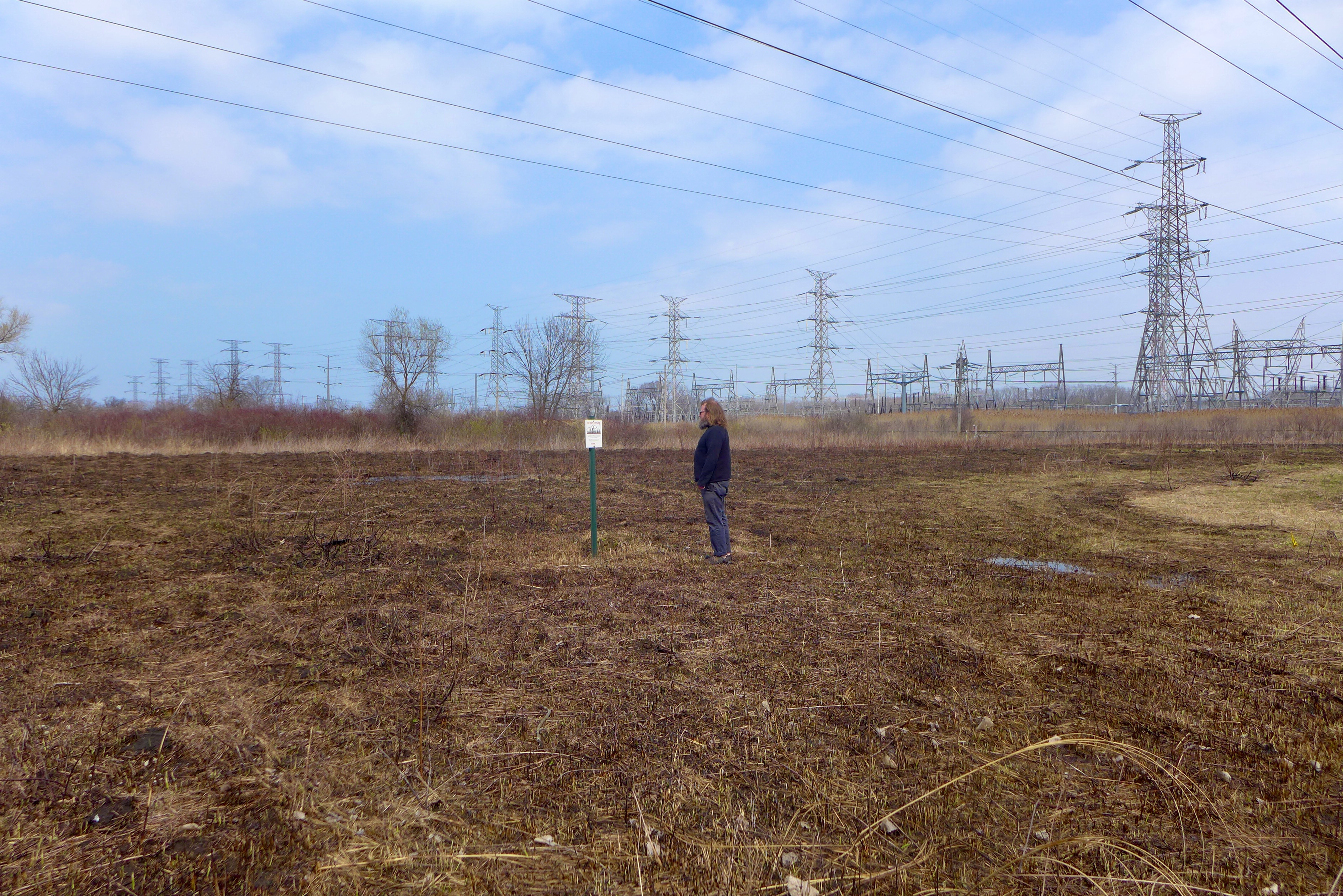
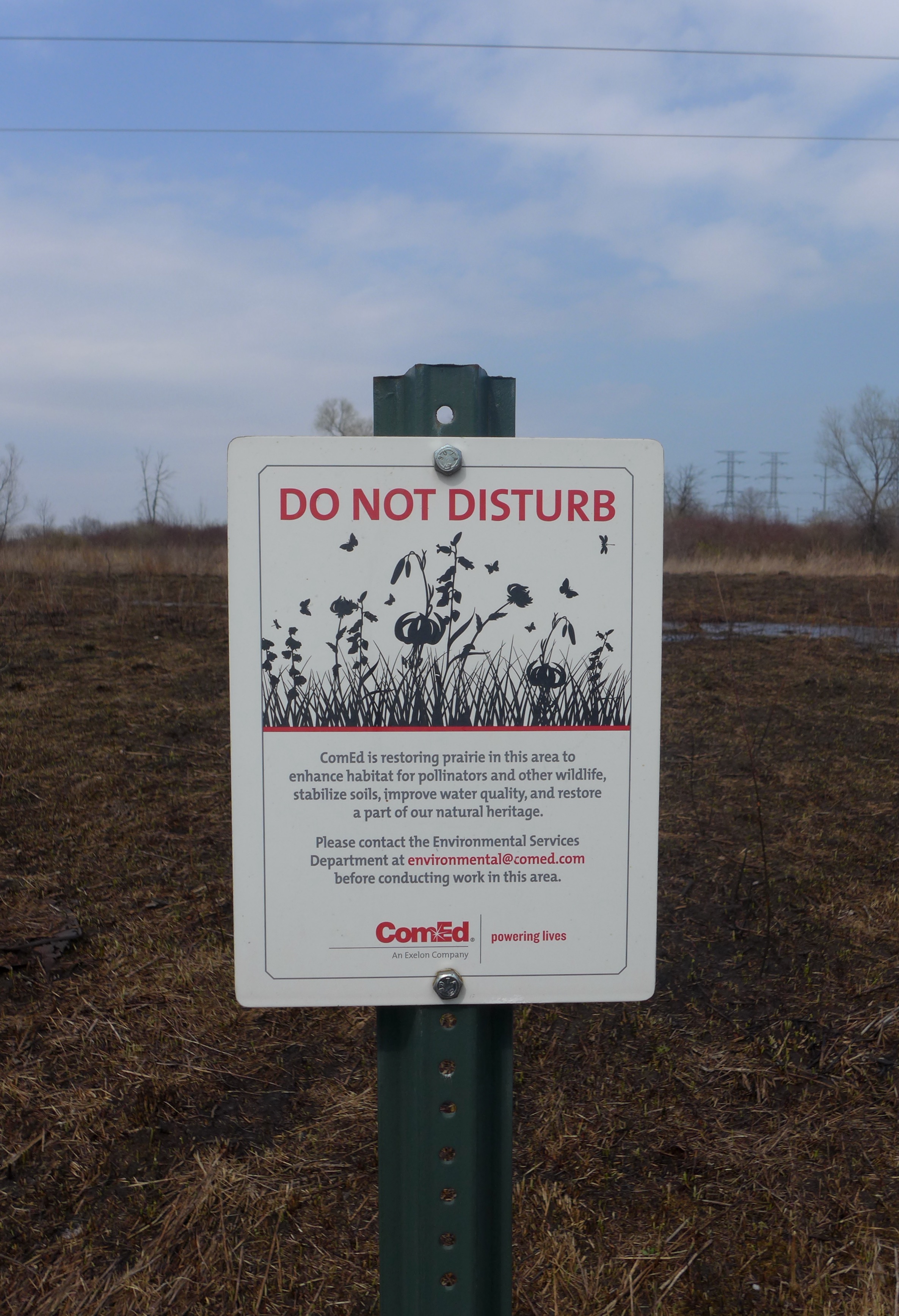
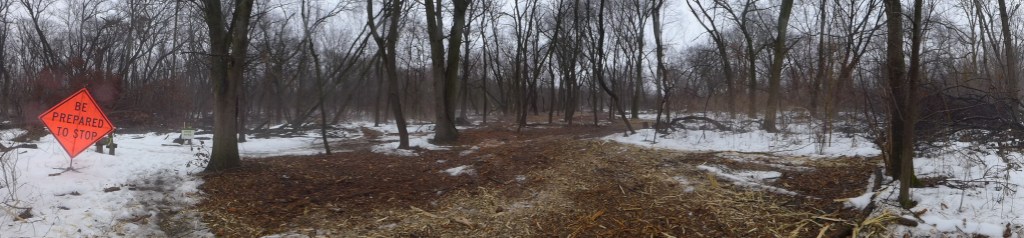
We found a recent burn by Com Ed,


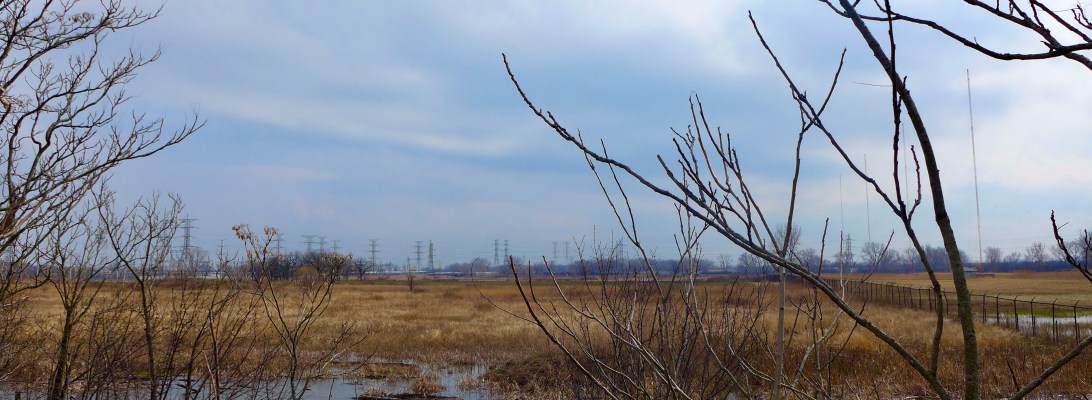
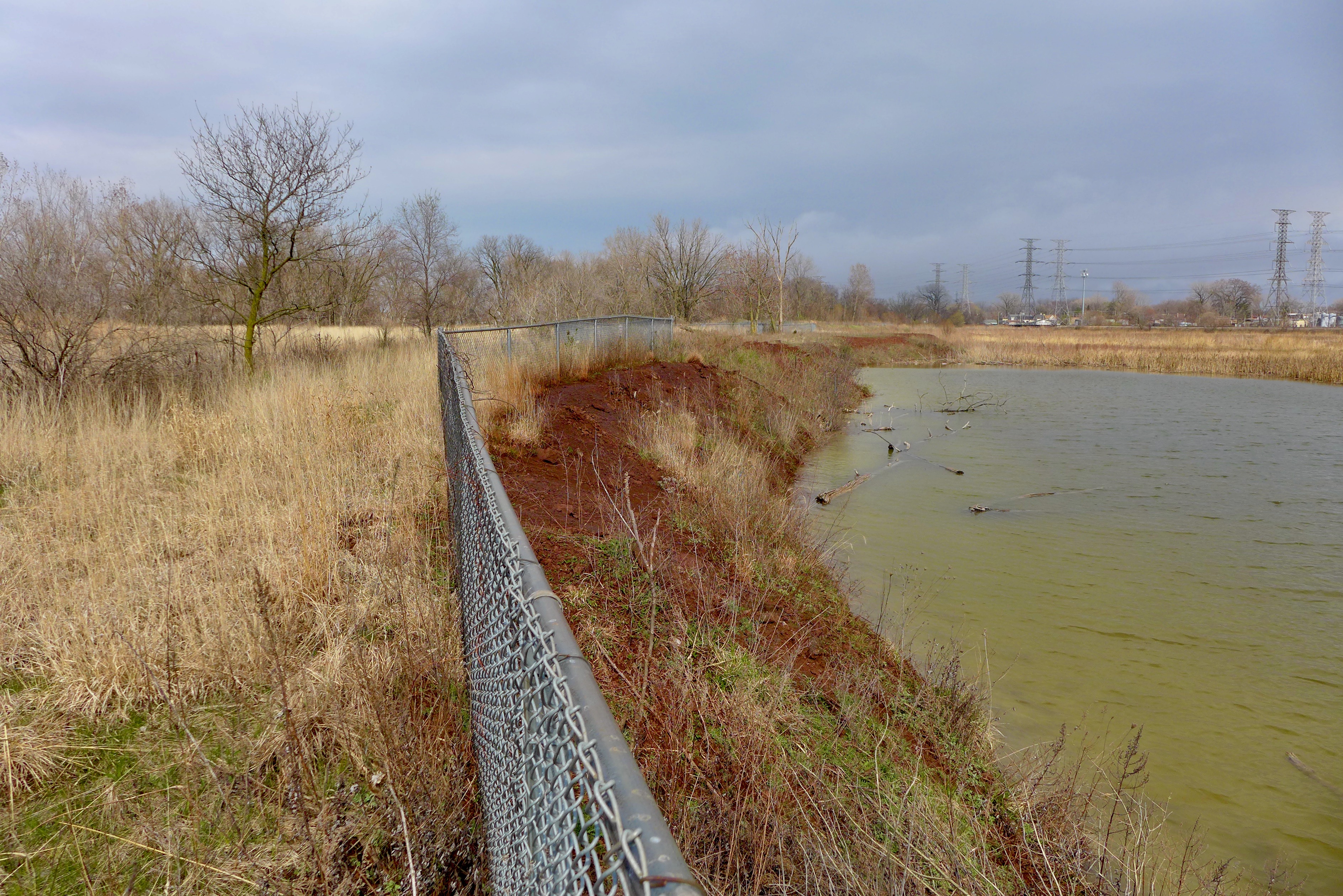
and skirted the wetlands of the Illinois State Nature Preserve.

We turned back and drove up to the north end of Burnham Prairie, well-hidden in the furthest reaches of residential Burnham, abutting the Grand Calumet River.
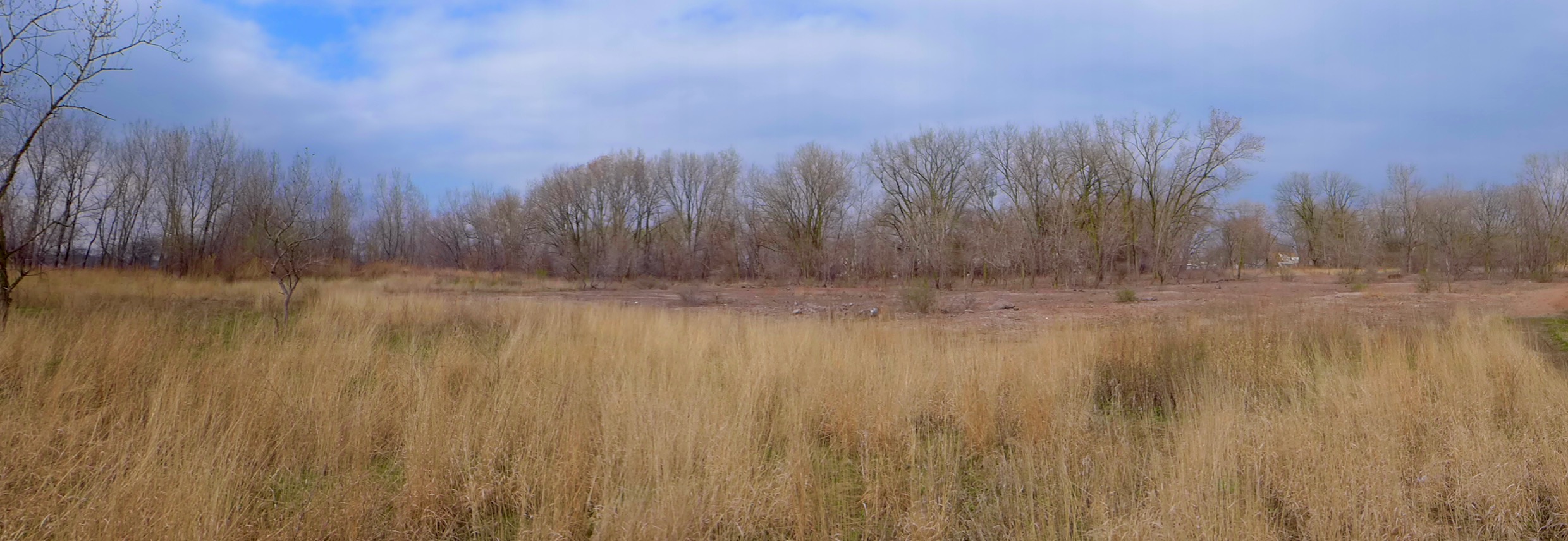
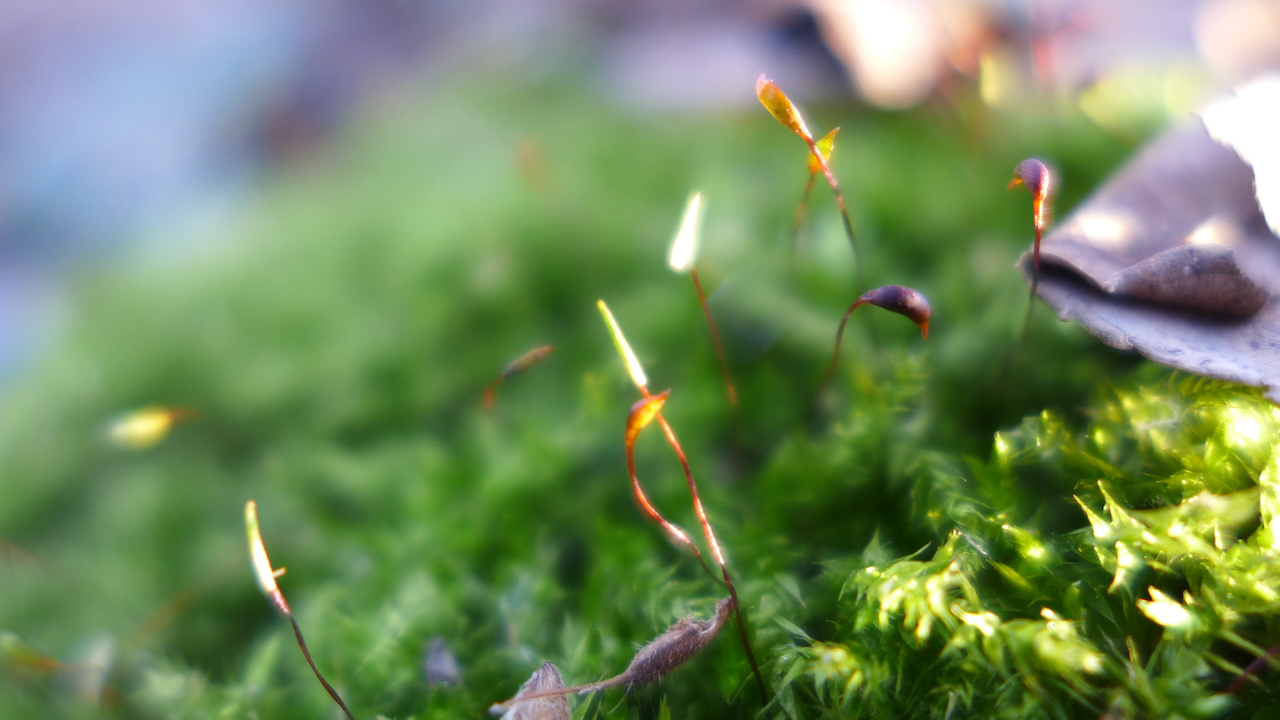
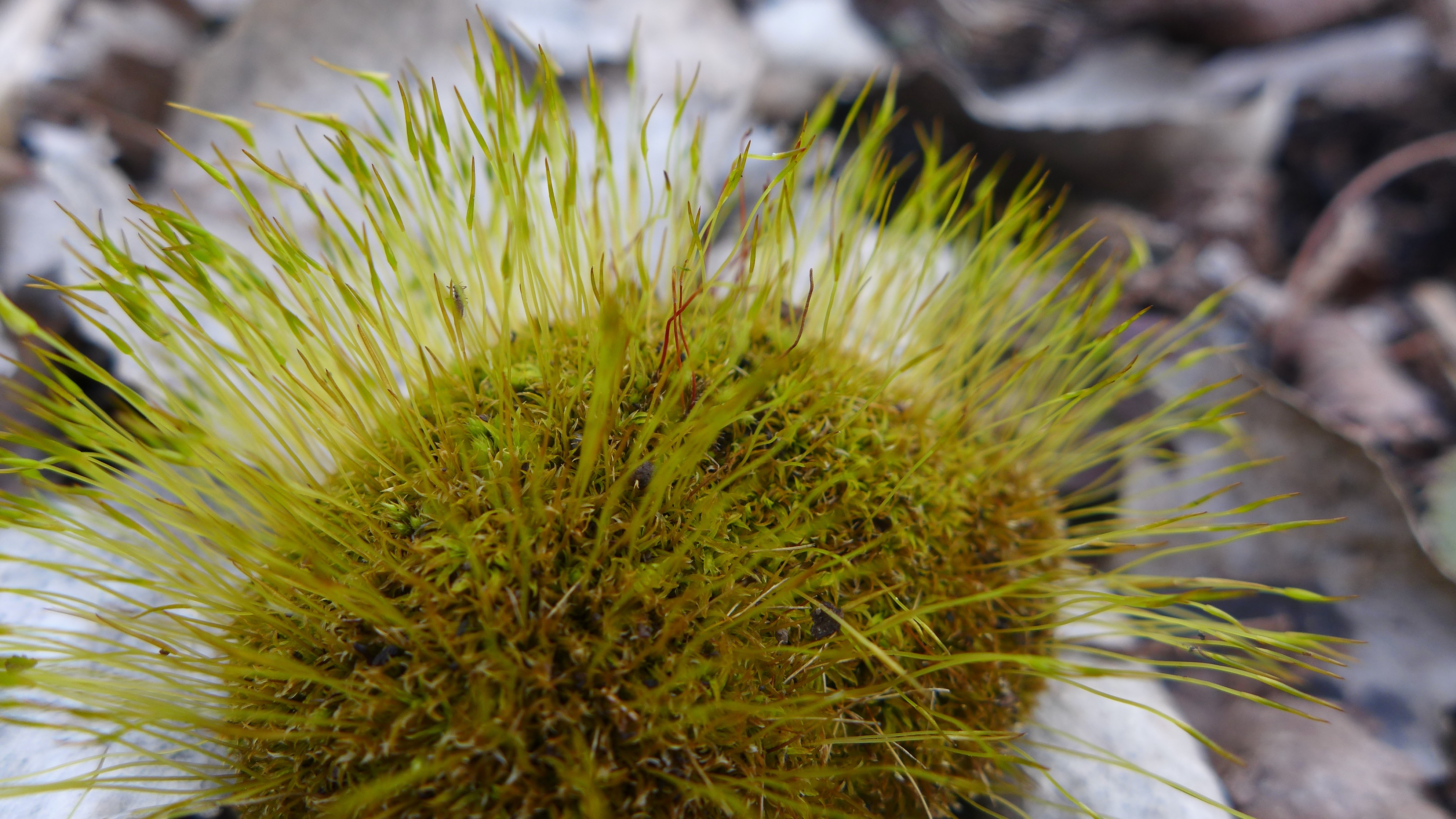
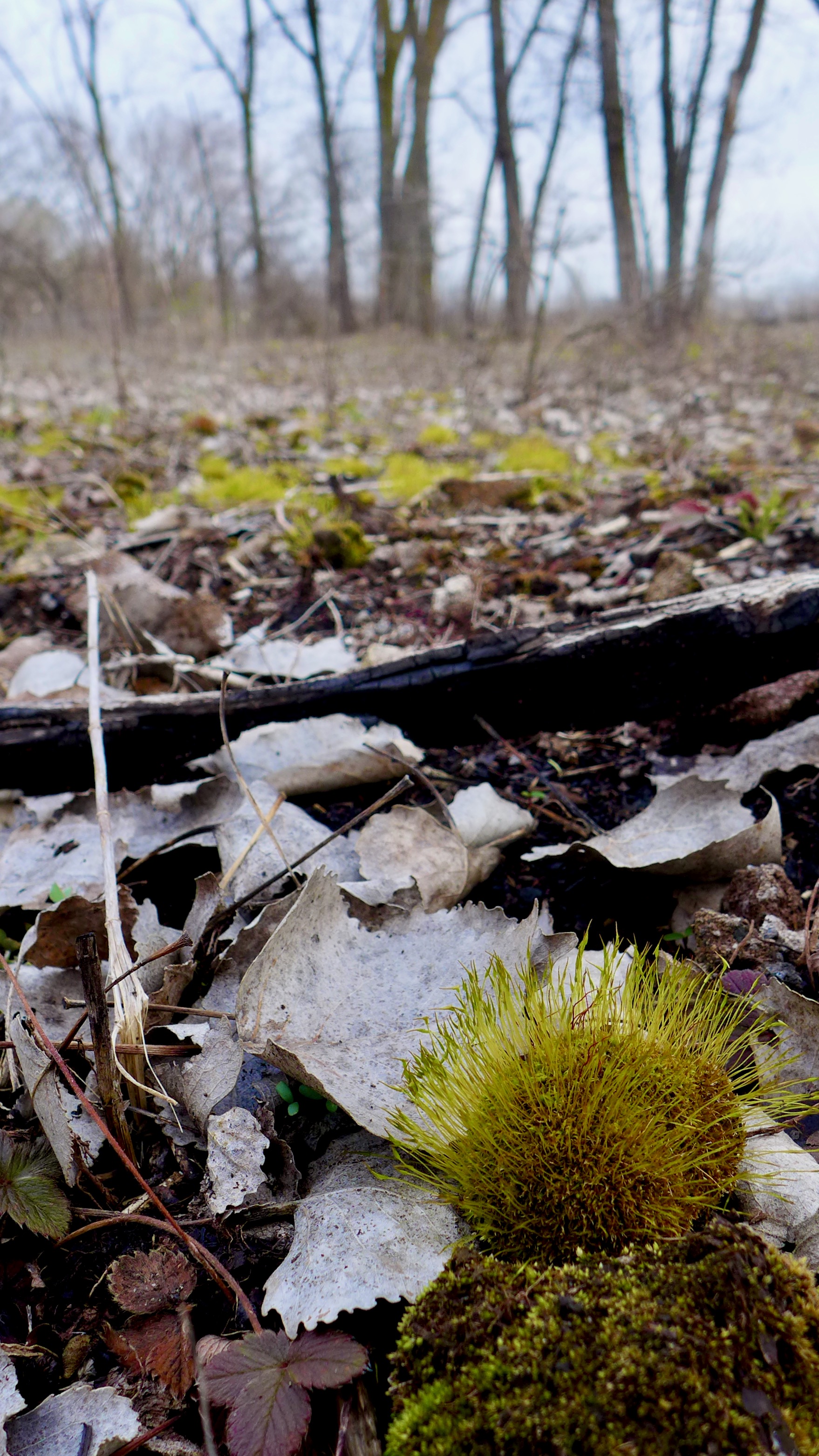
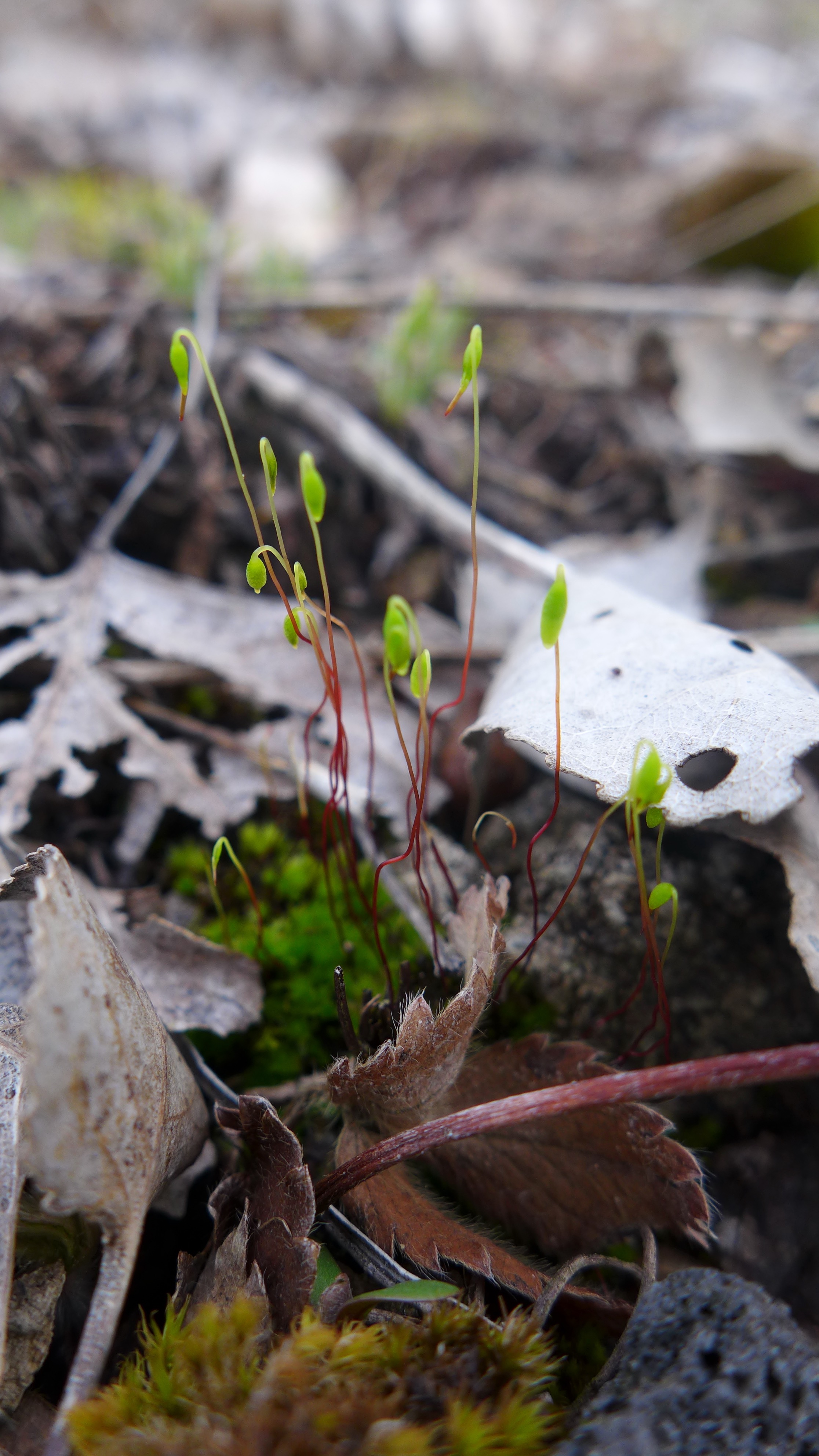
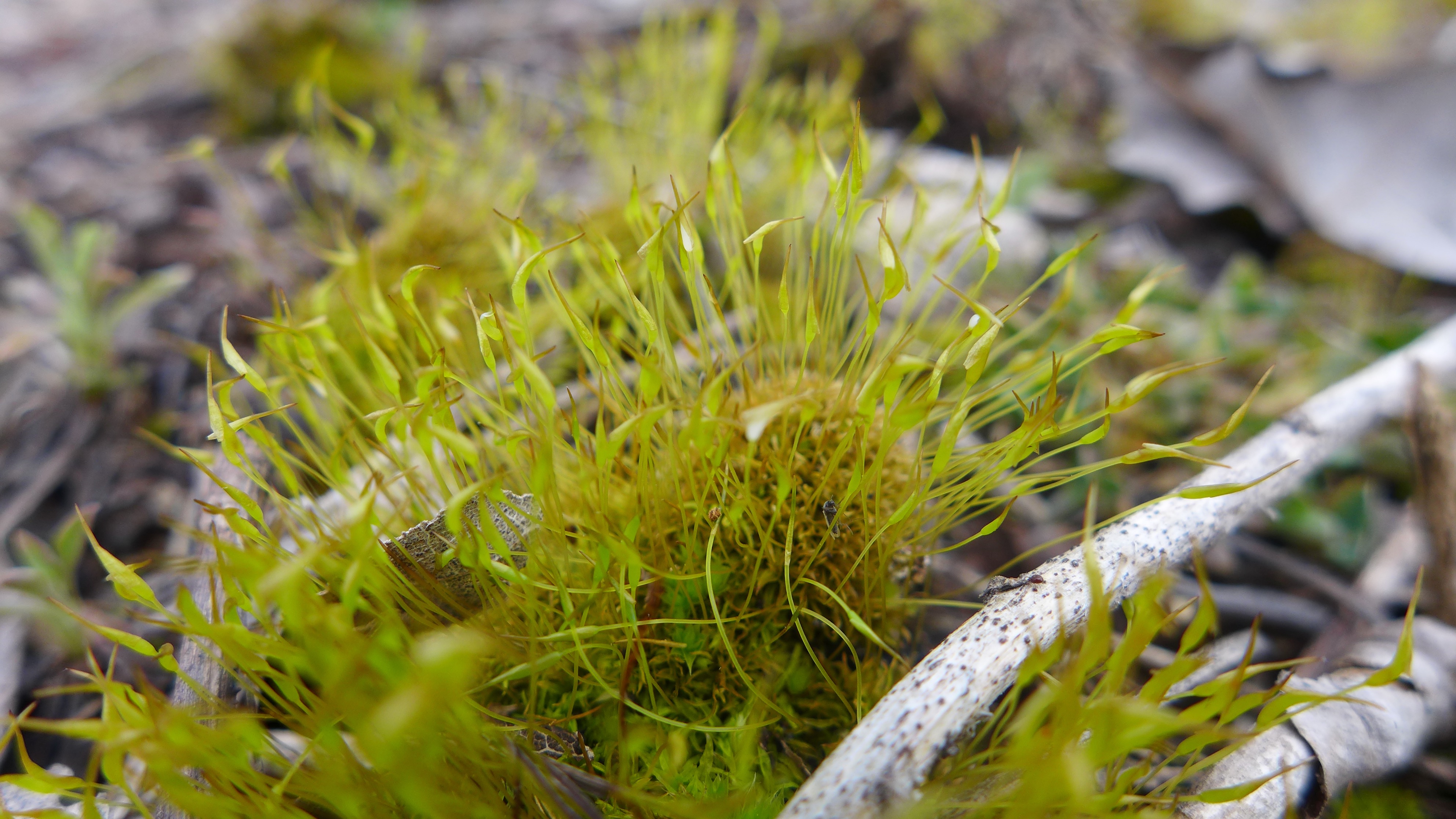
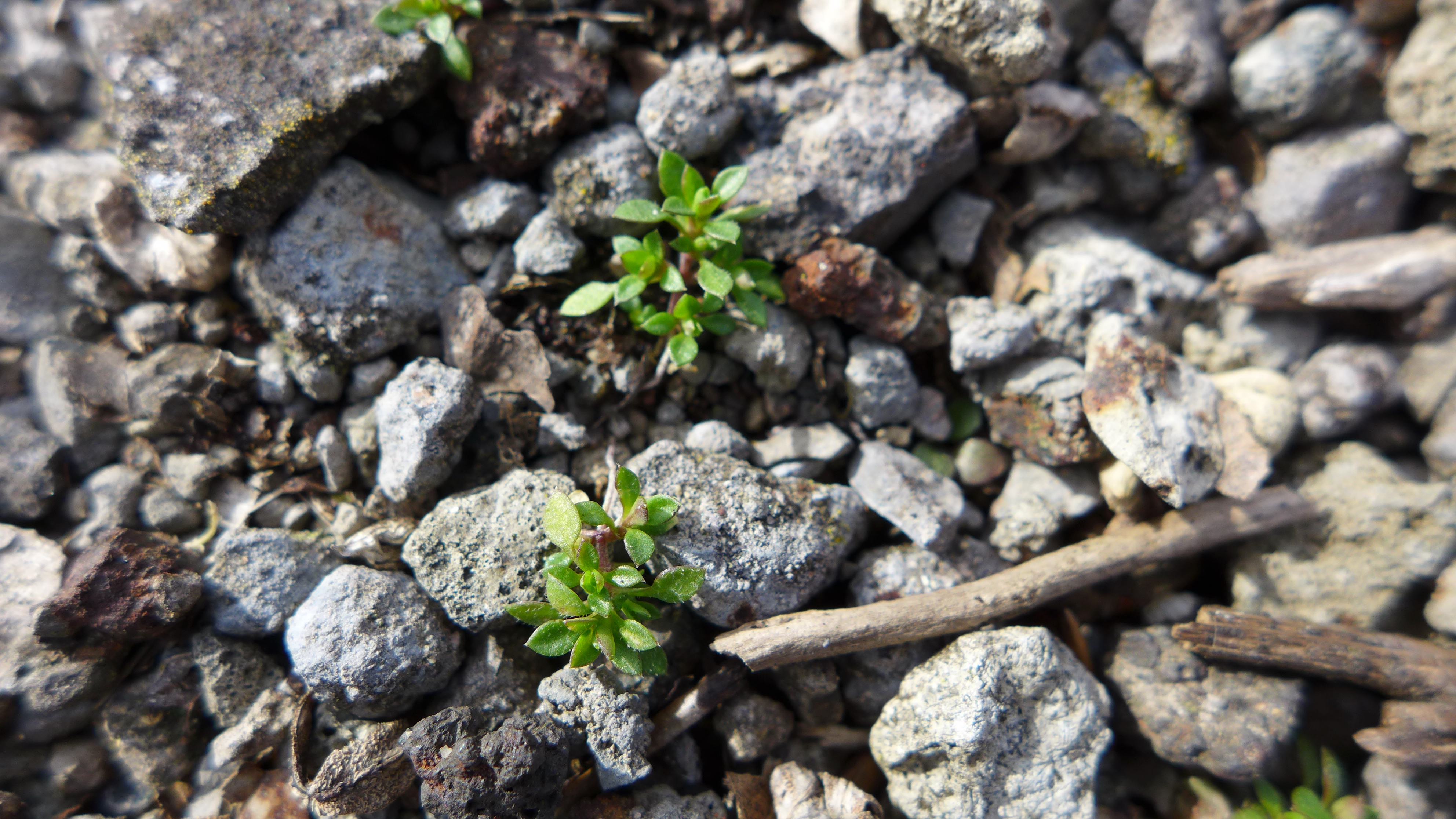
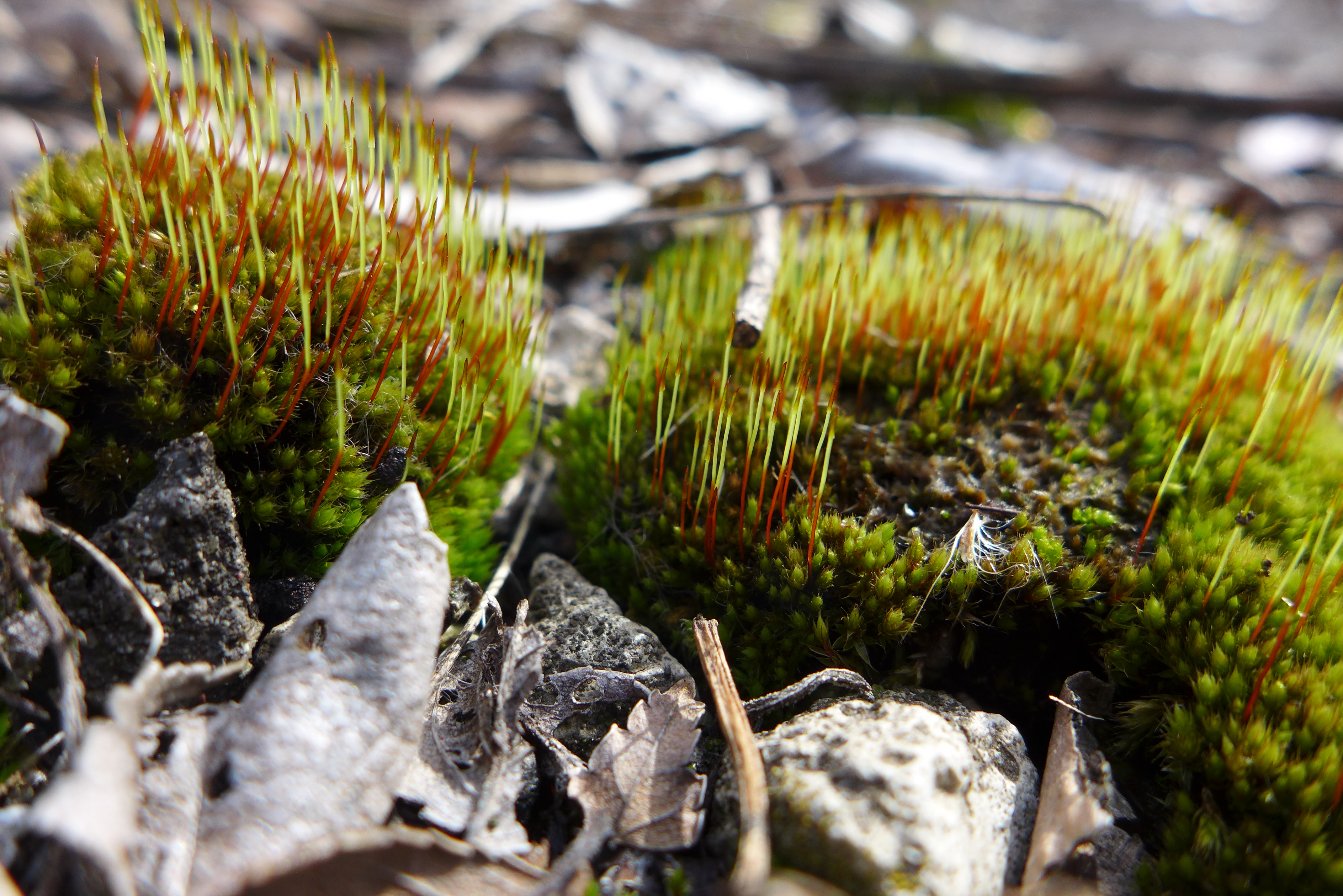
As we approached the slag prairie I realized I’d forgotten how much like Mars this slag is: everything is very stunted (very clear in cottonwoods); spotted knapweed is a champ and brings all the pollinators to the yard; there are a few Liatris, lots of whorled milkweed, some sumac; mosses making the barrens less barren.


Check out another visit to the same site a few years ago: Burnham Prairie, IL • March 2016
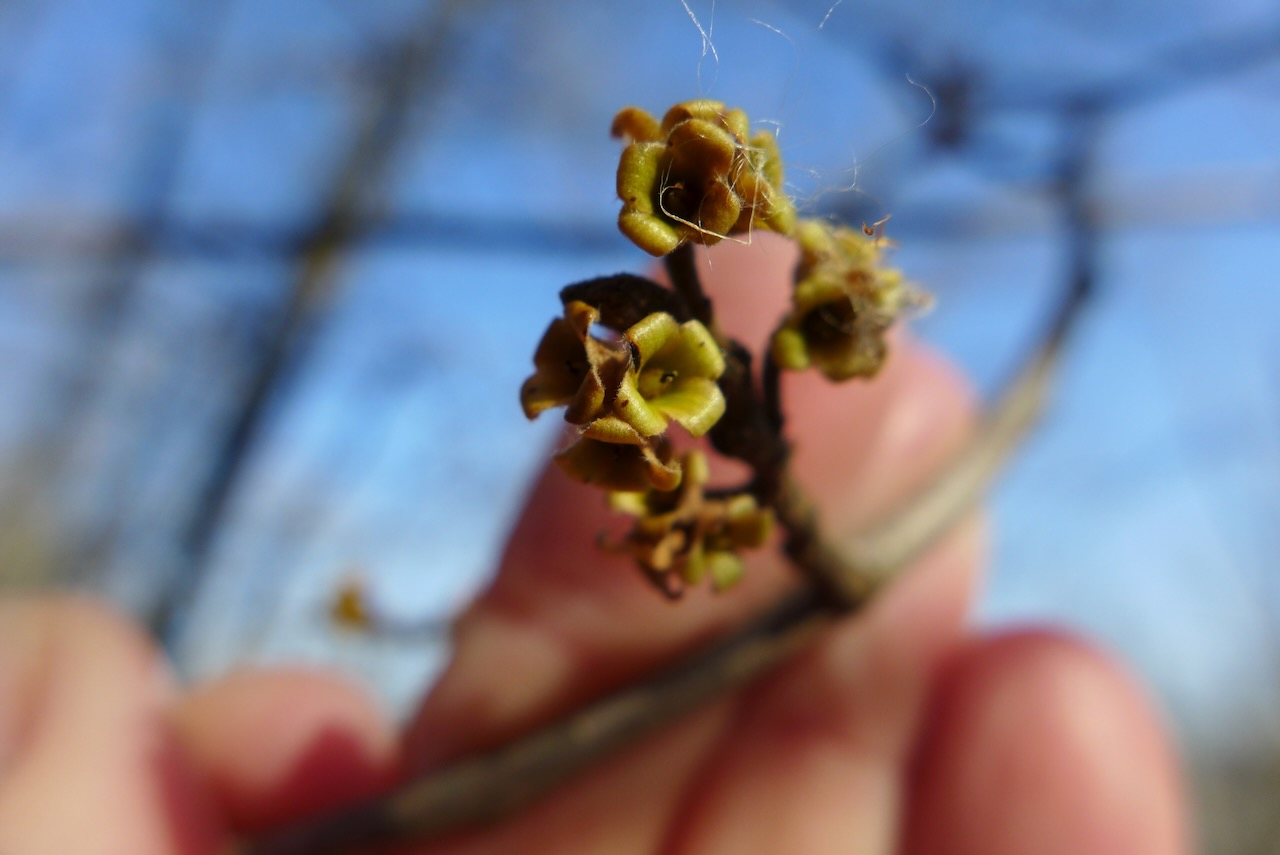
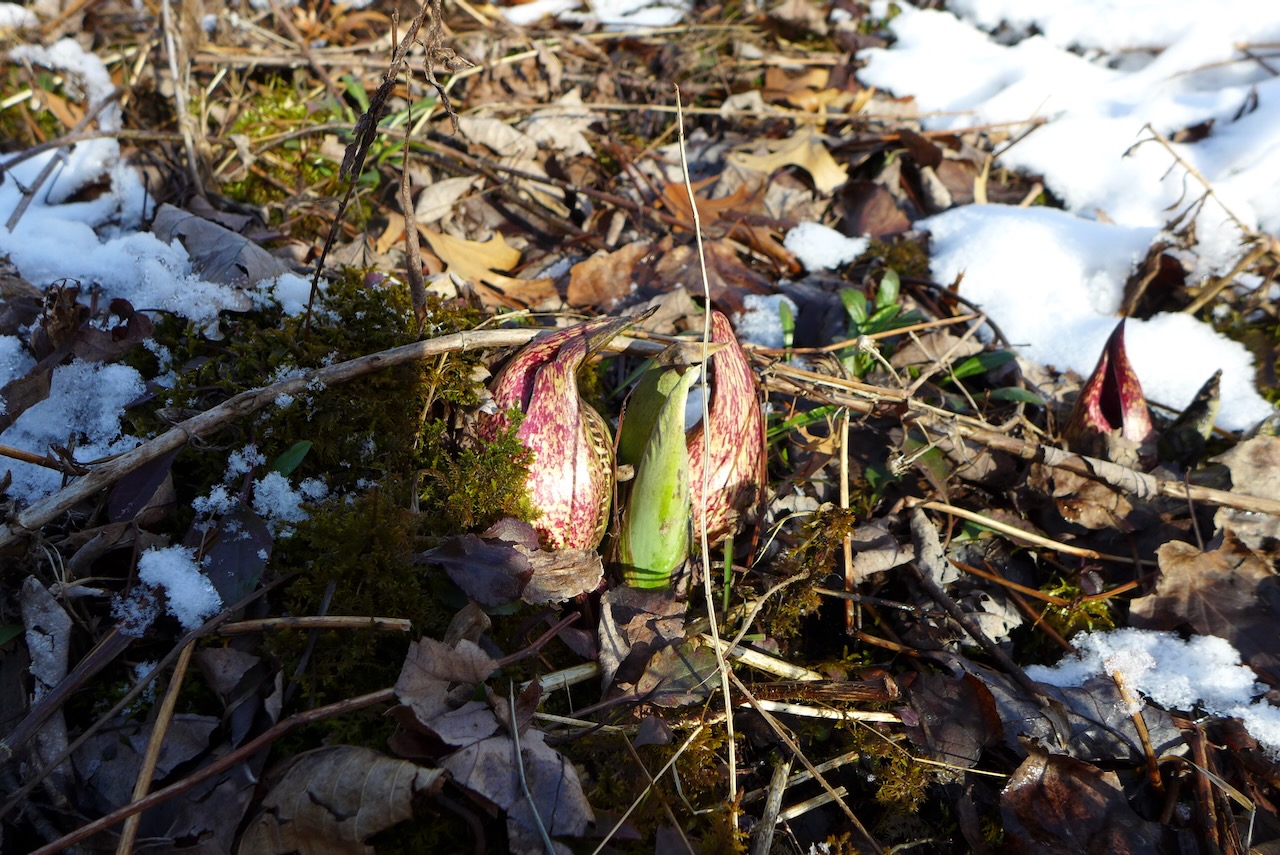
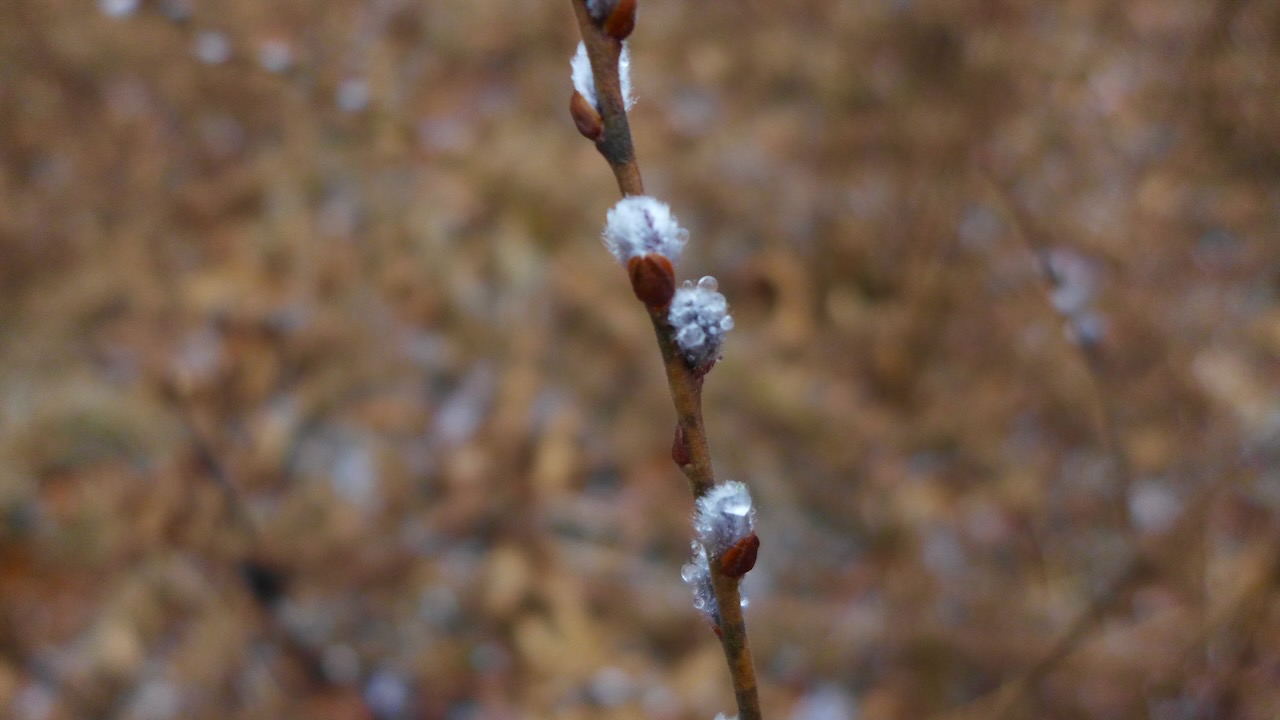
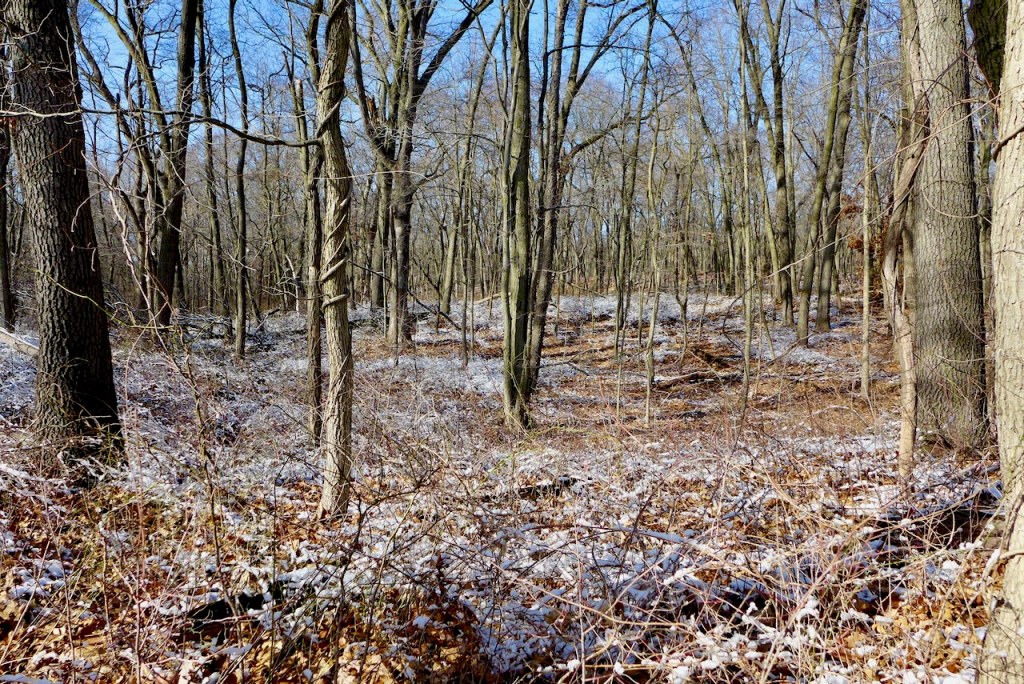
a brisk walk at Cowles Bog (named for your hero and mine, Henry Chandler Cowles) yields early flowers and fruits in wintry landscapes.


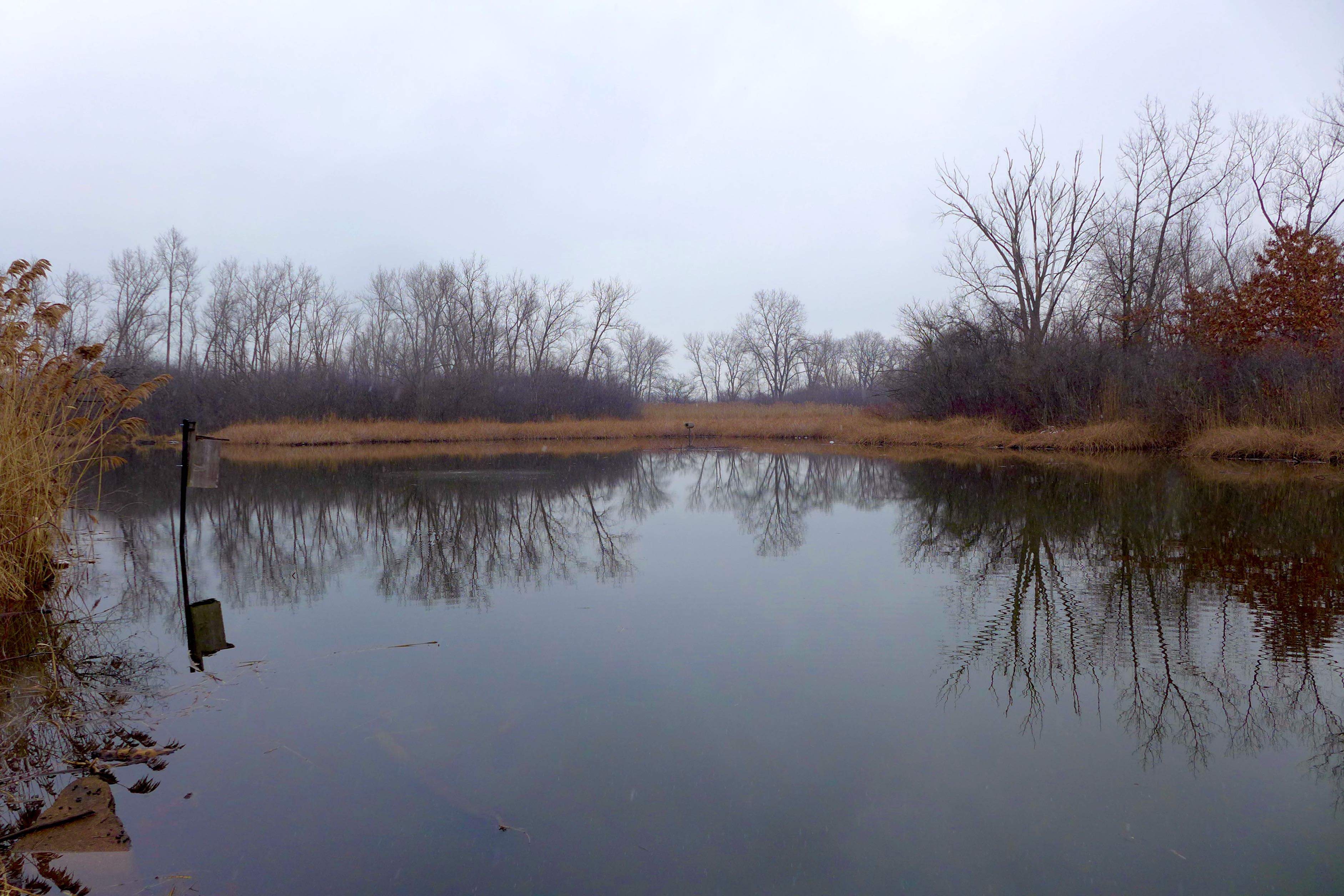
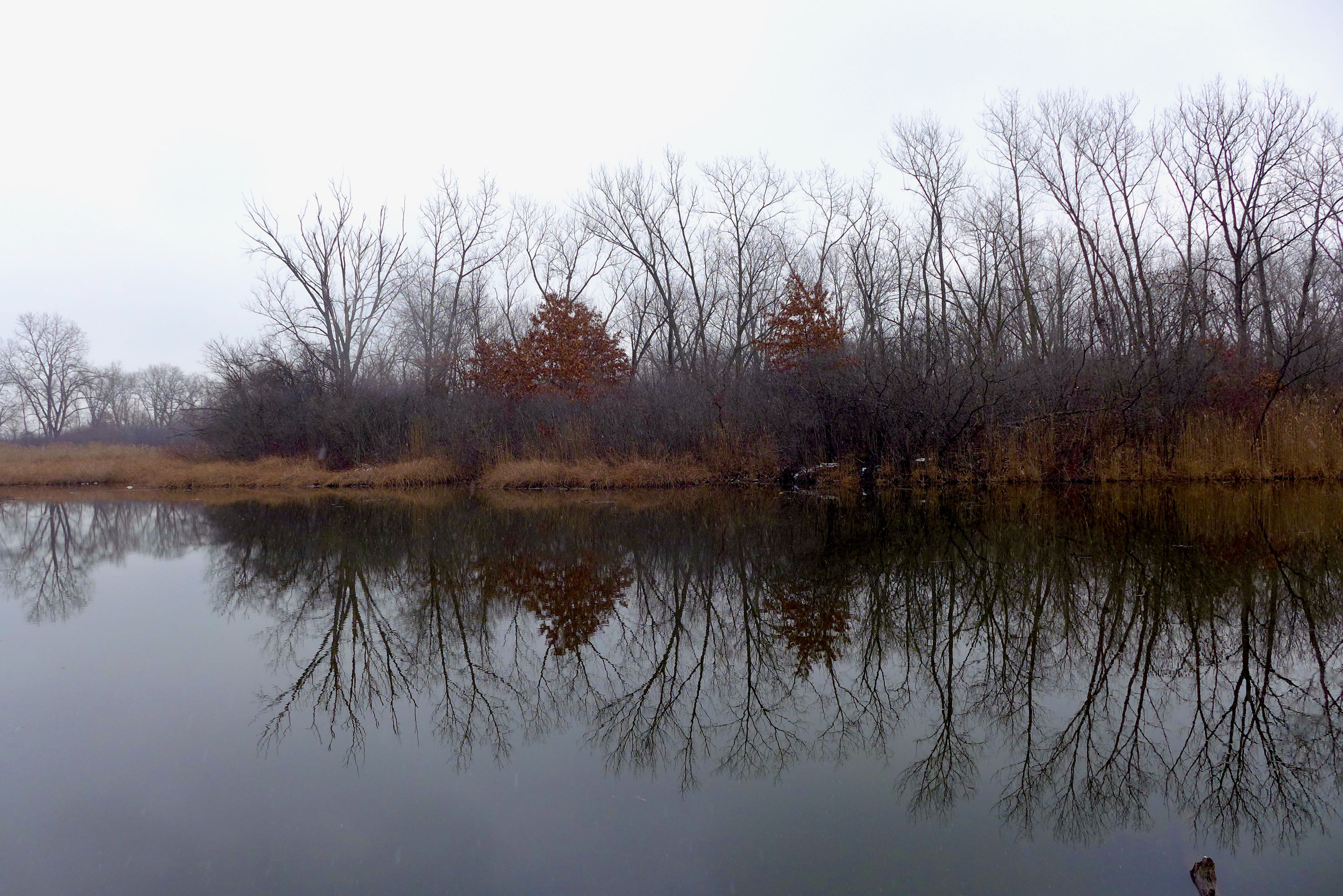
A boat launch at Wolf Lake and a hydrological connection to Powderhorn Lake are new initiatives by the Forest Preserves and State Park. The connection between these bodies of water is an important one in reconstituting the wetland complex that has characterized the Calumet Crescent in the last 10,000 years.
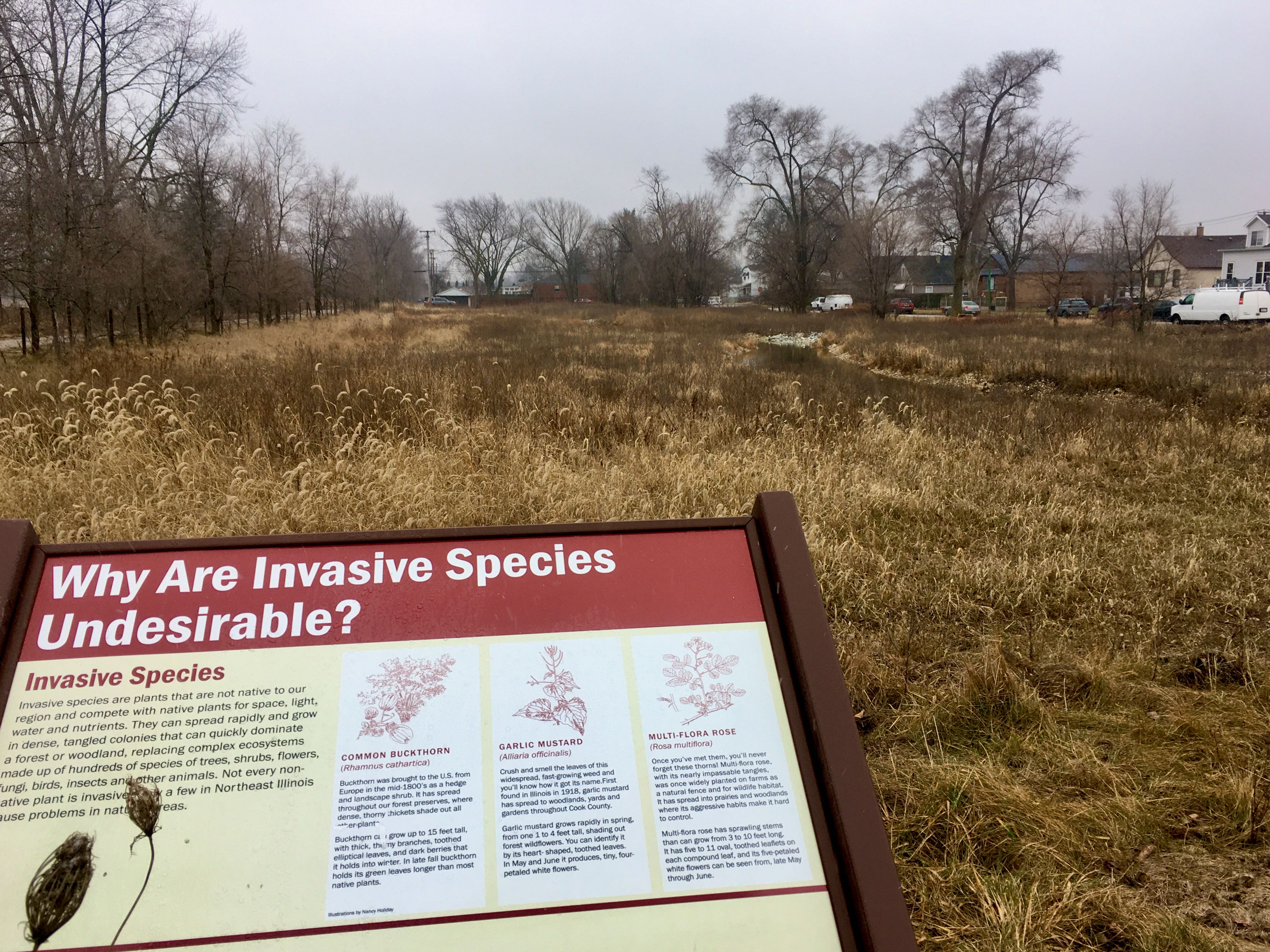
Looking south towards Powderhorn, this new naturalized channel was constructed in an empty, perennially flooded lot. This green infrastructure is beneficial to the surrounding human community (decreasing local flooding) and connecting the animal communities.


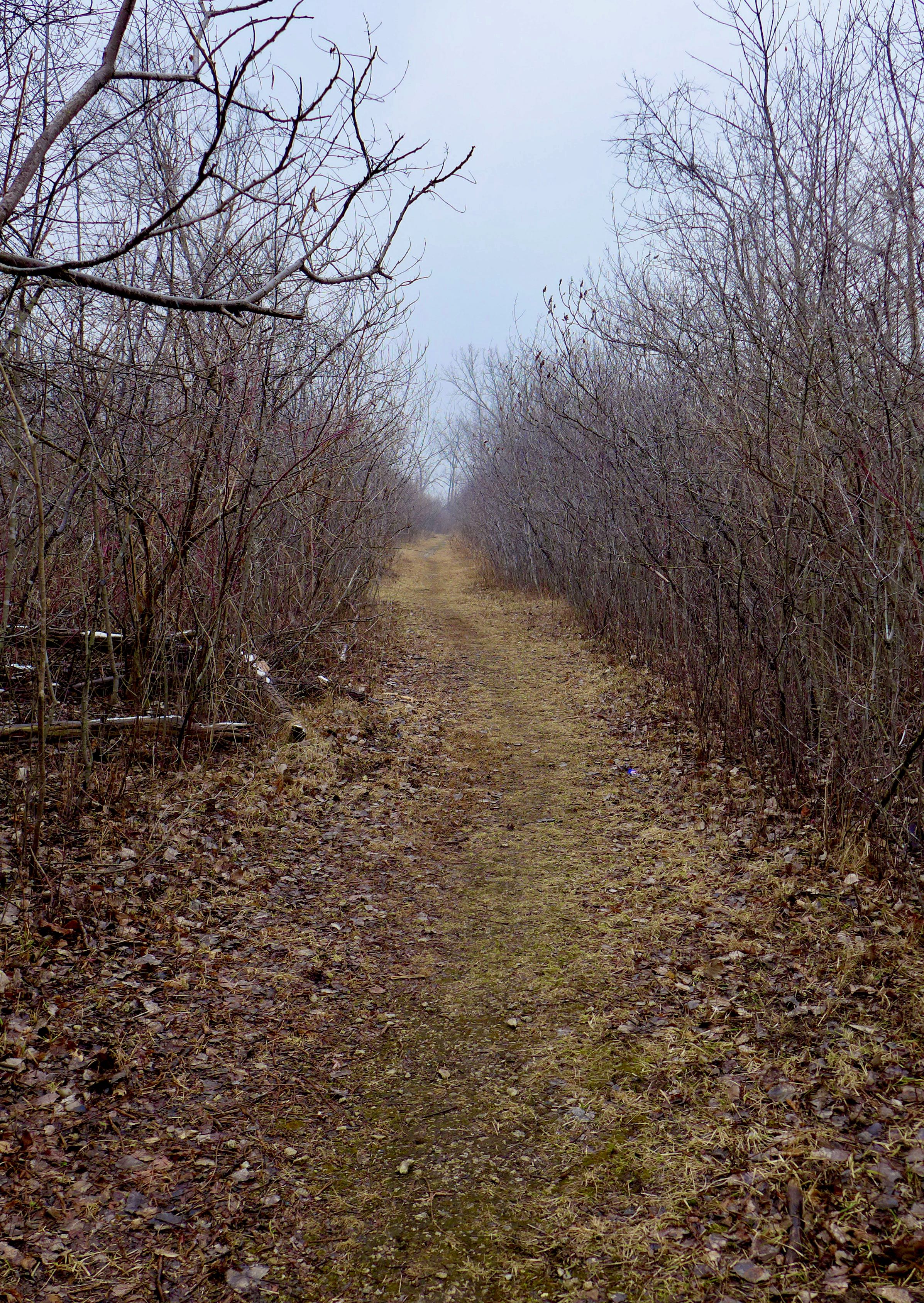
Walking north, a buckthorn protected path affords coverage for waterfowl hunters (remember there is a gun club close by and hunting is legal in William Powers State Park) or coyotes, flanked by the transition zones between land and lake.


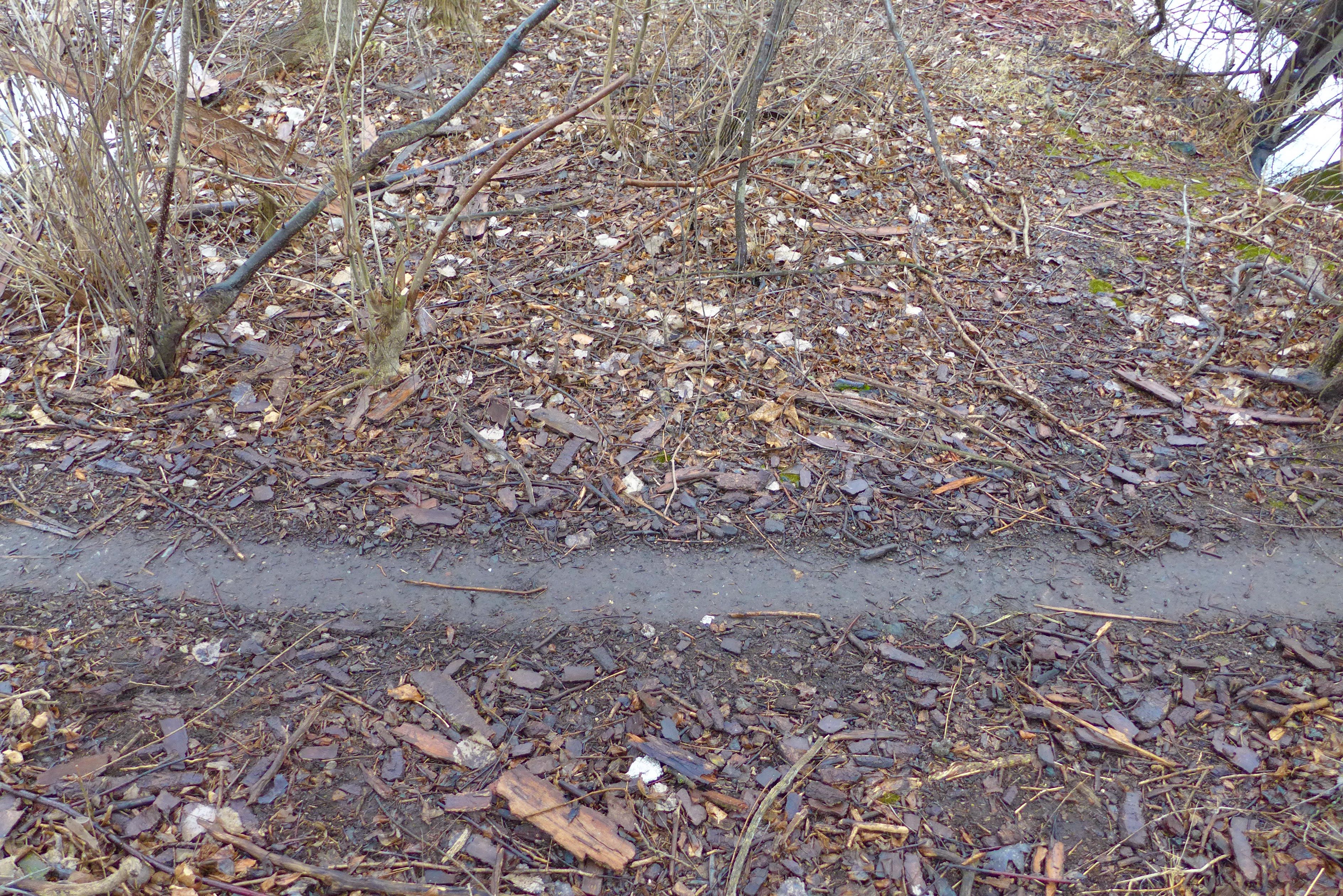
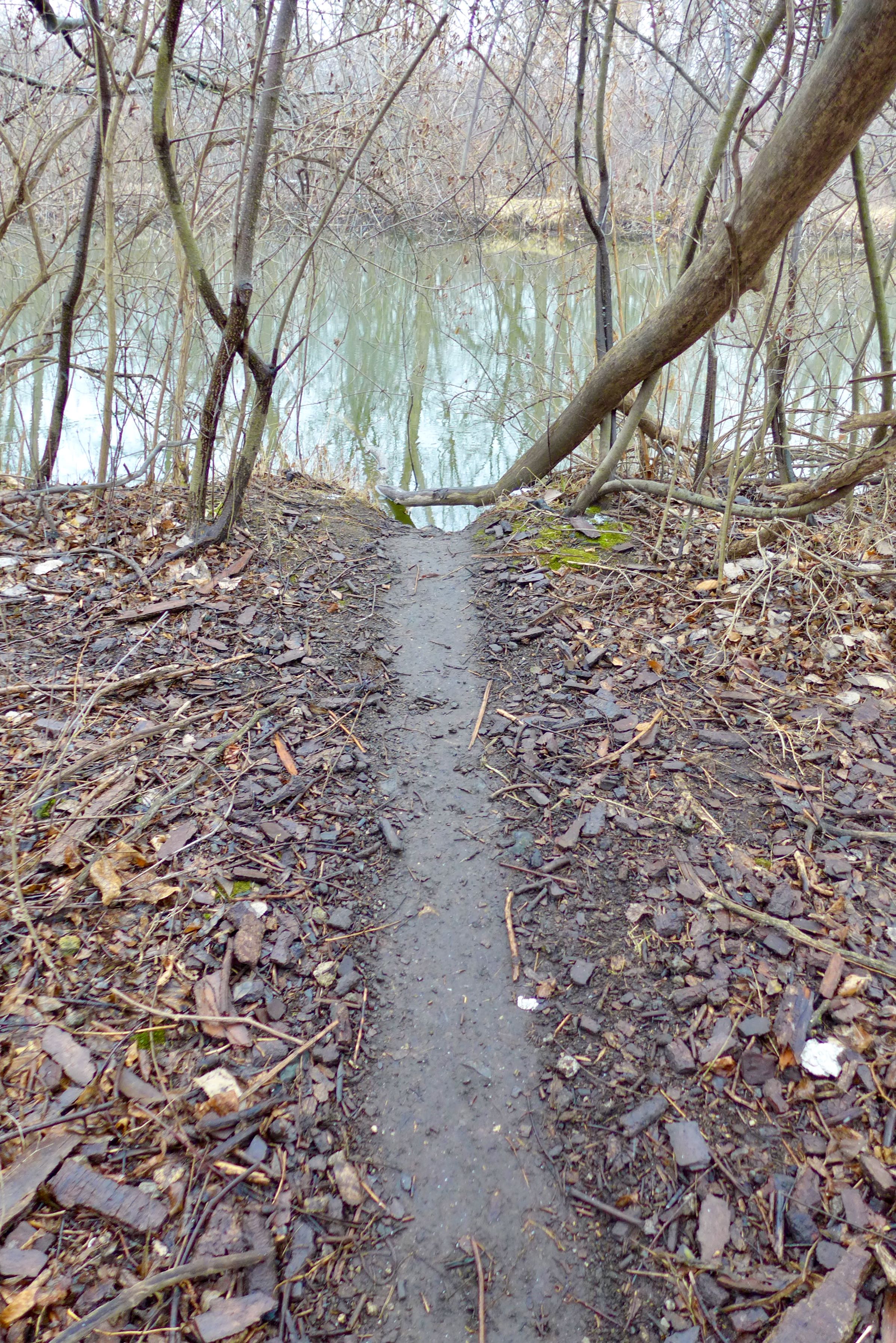
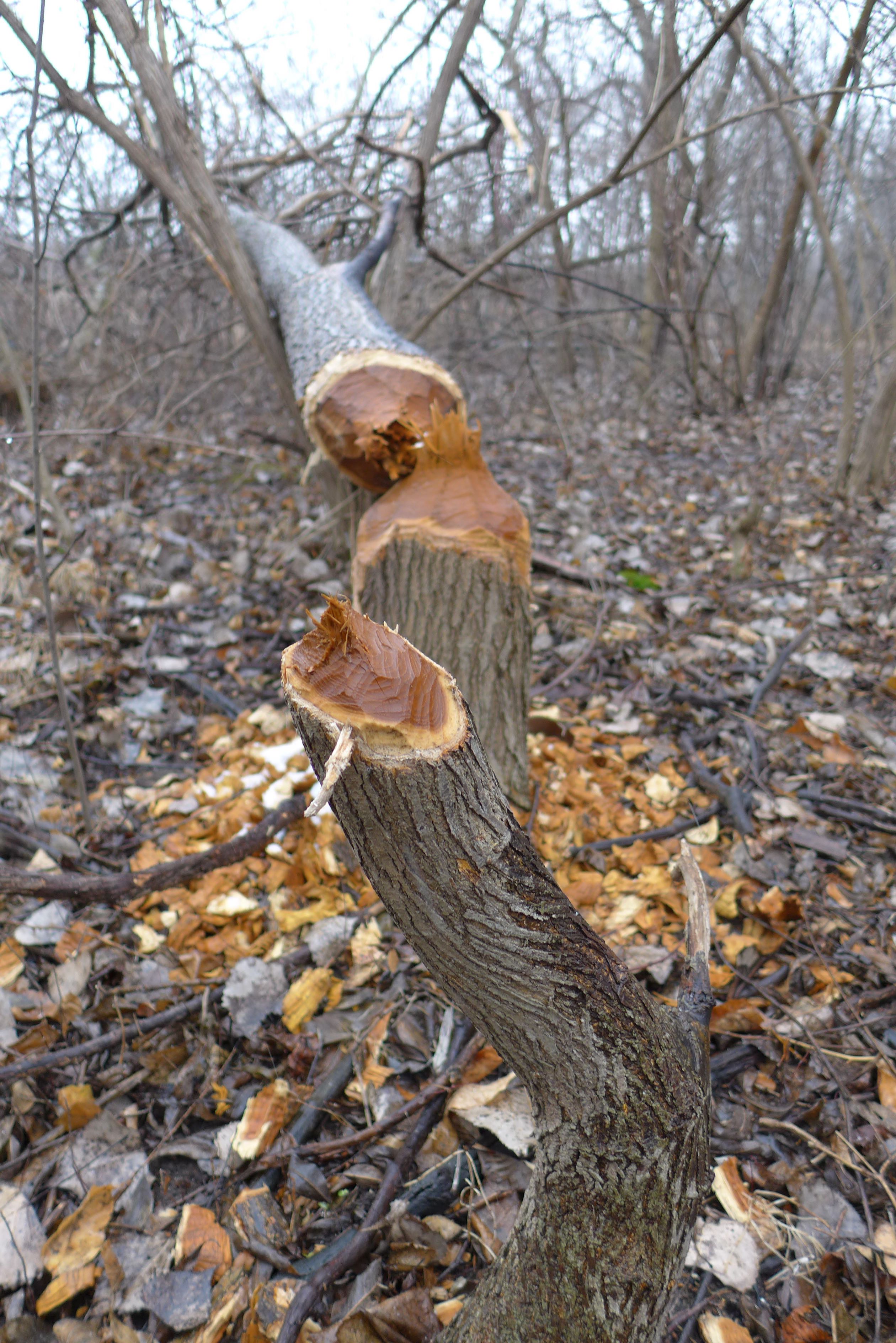
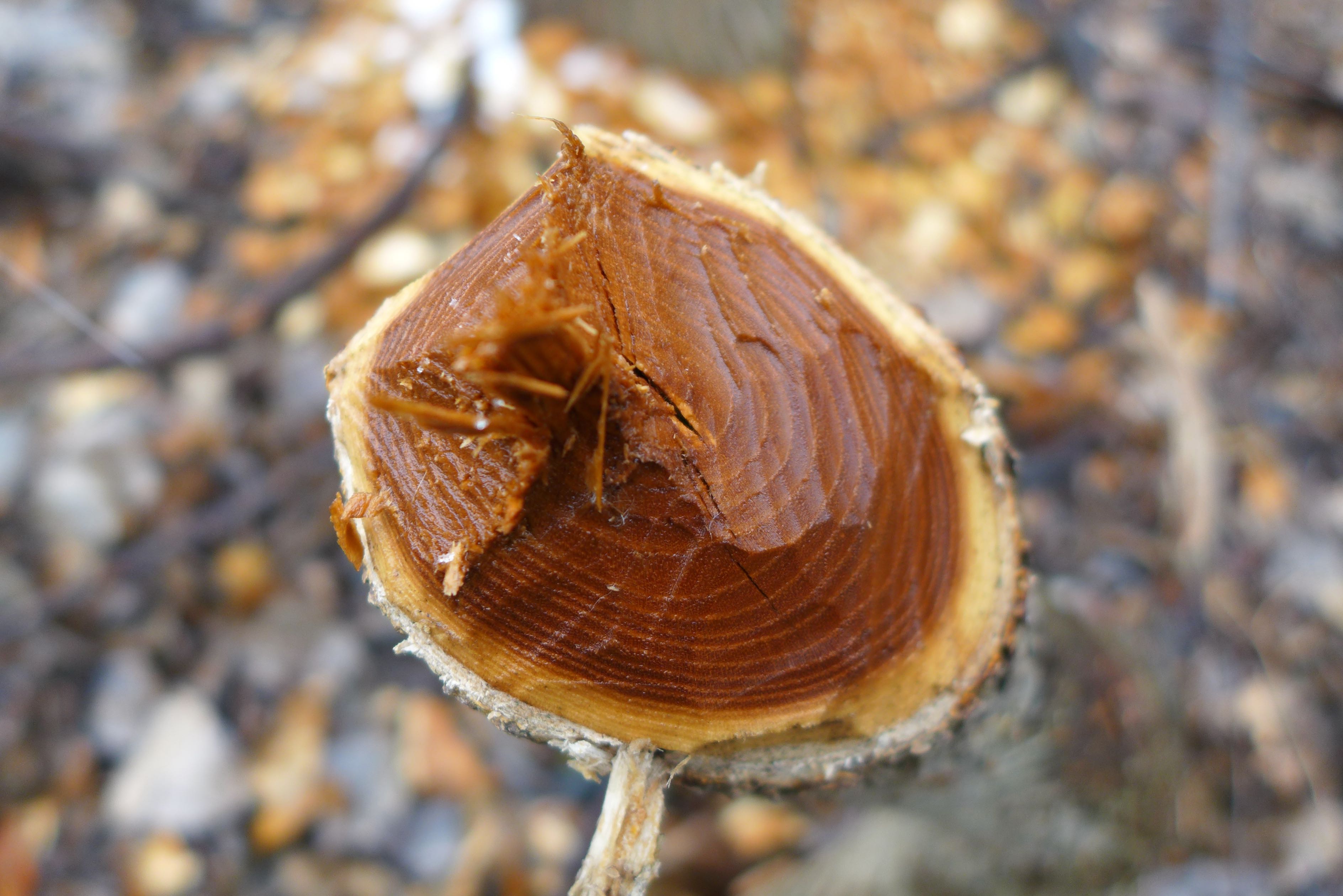
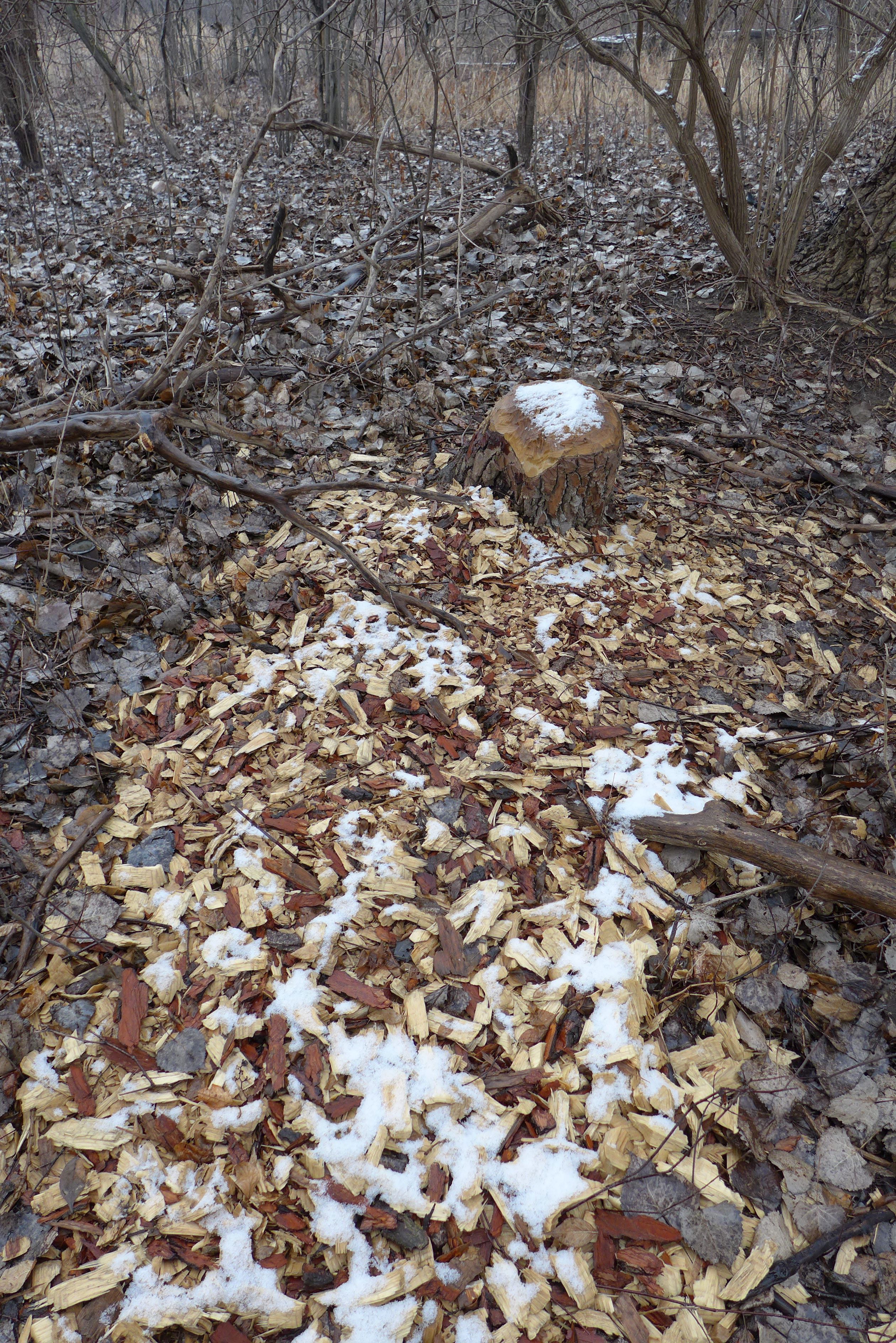
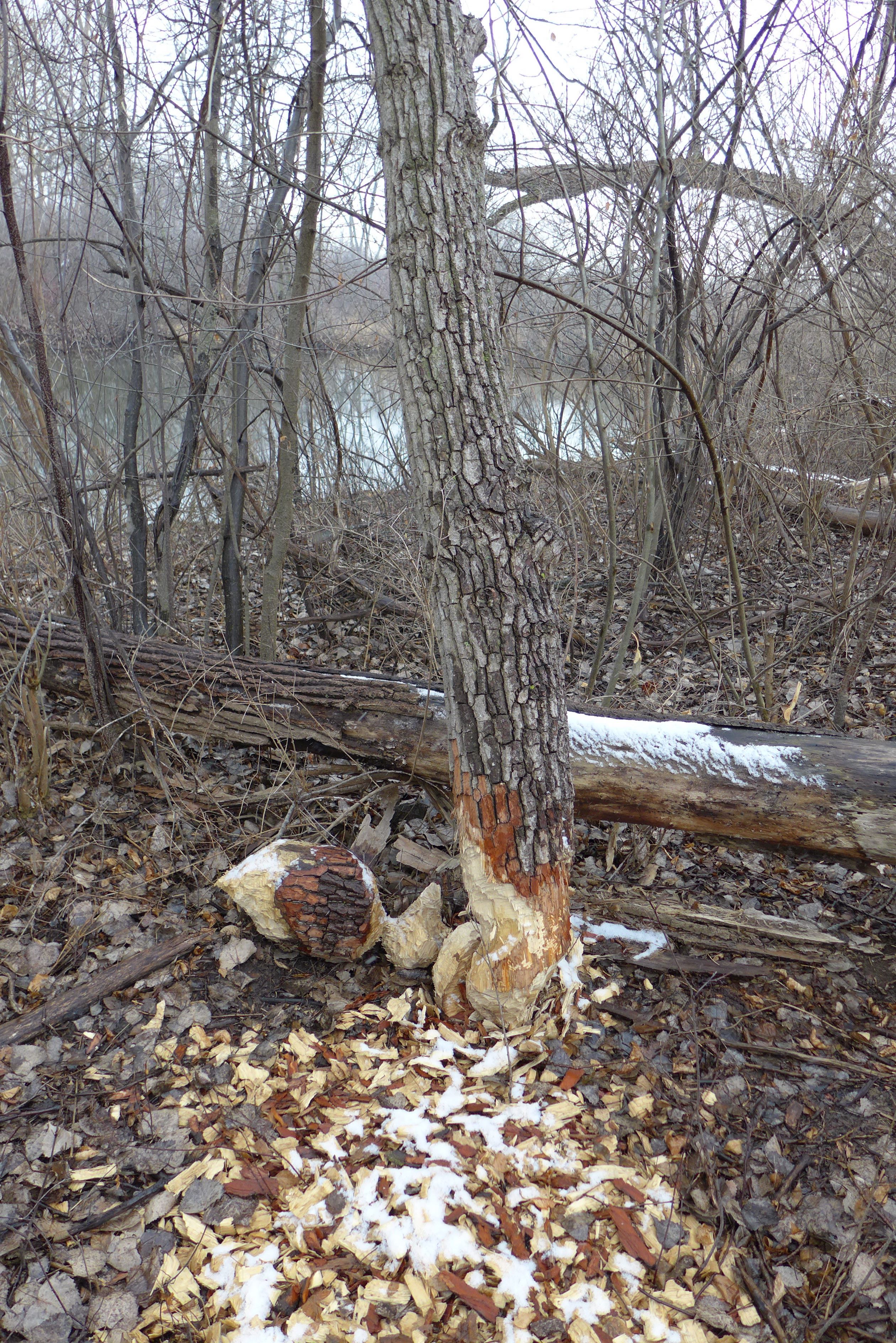
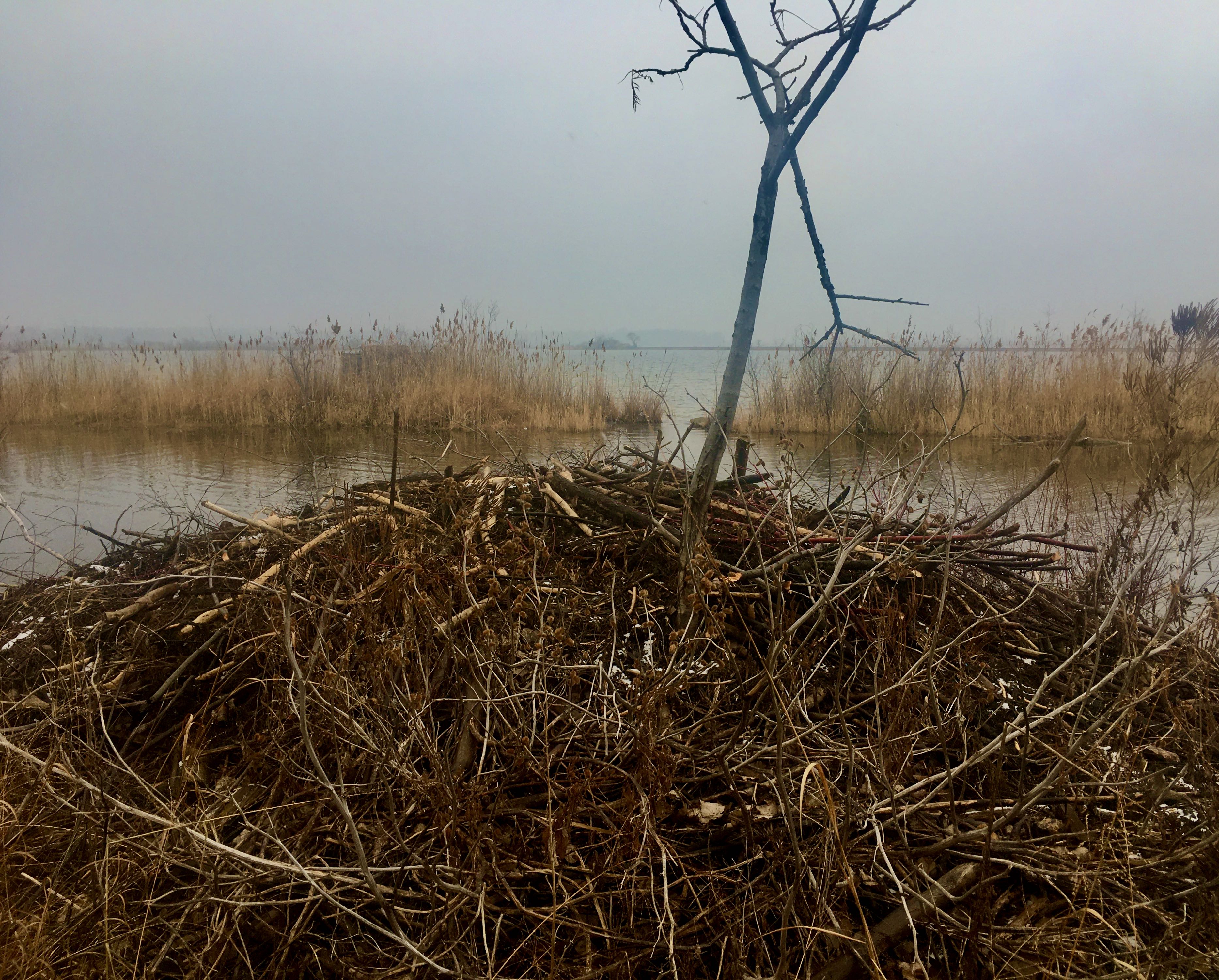
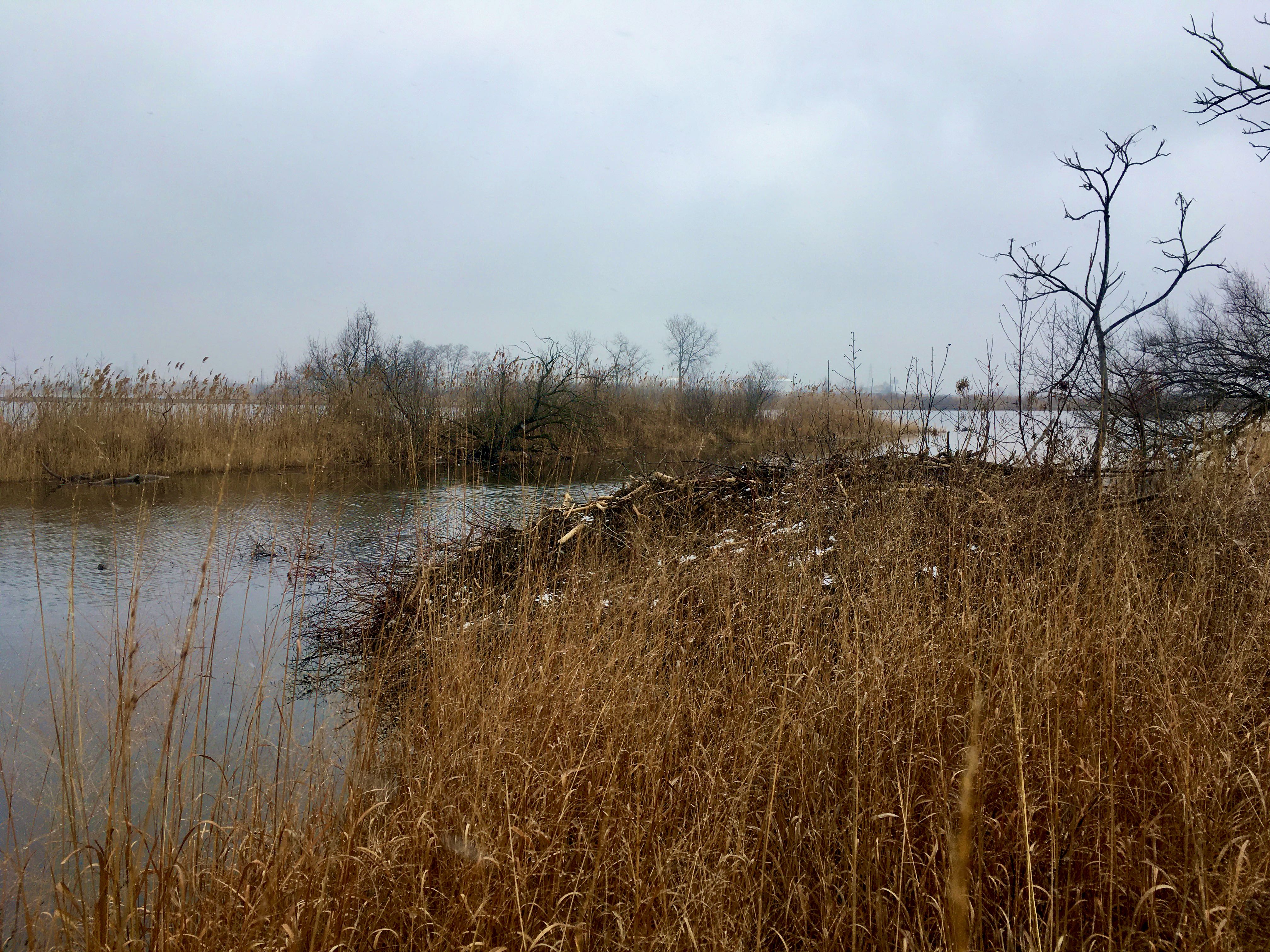
The real action though comes from the beavers. We’ve seen beaver dams around Powderhorn Lake in the past – I wonder if these beaver clans were already connected overland, or if the coming months will be first contact between the populations! I hope someone is using this behavioral, range, and host tree preference data to learn lots about these local ecosystem builders!


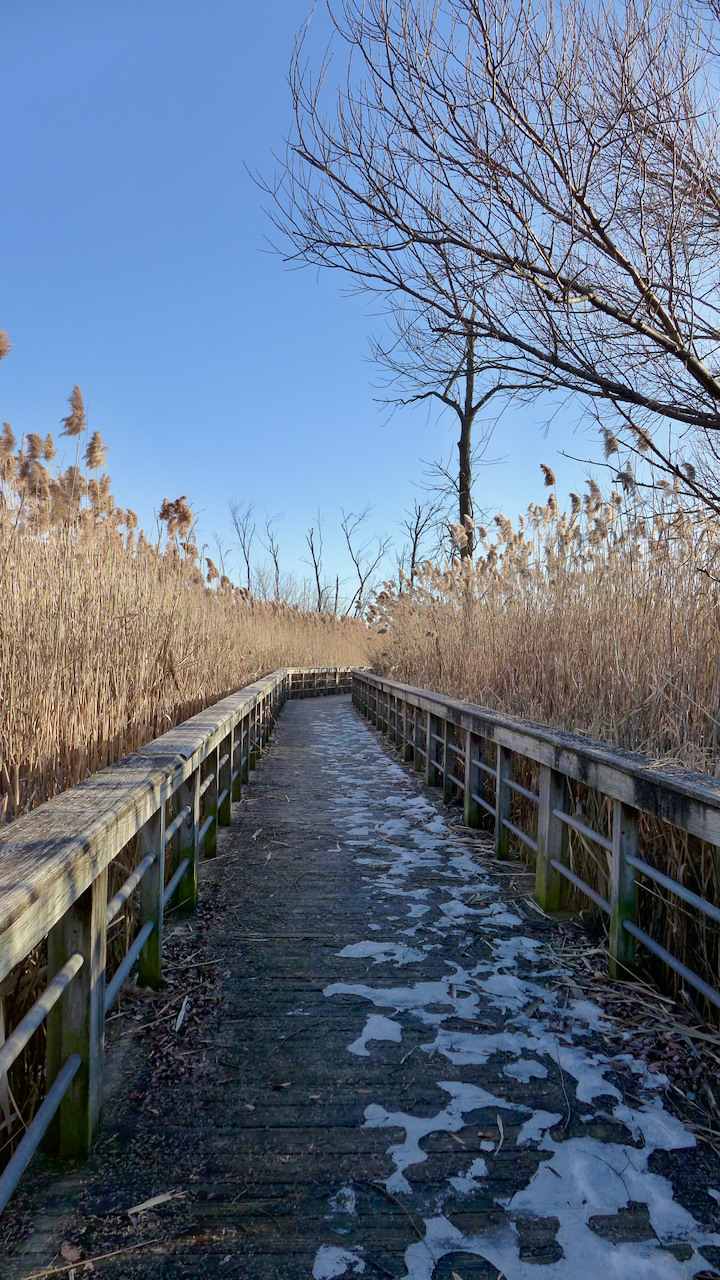
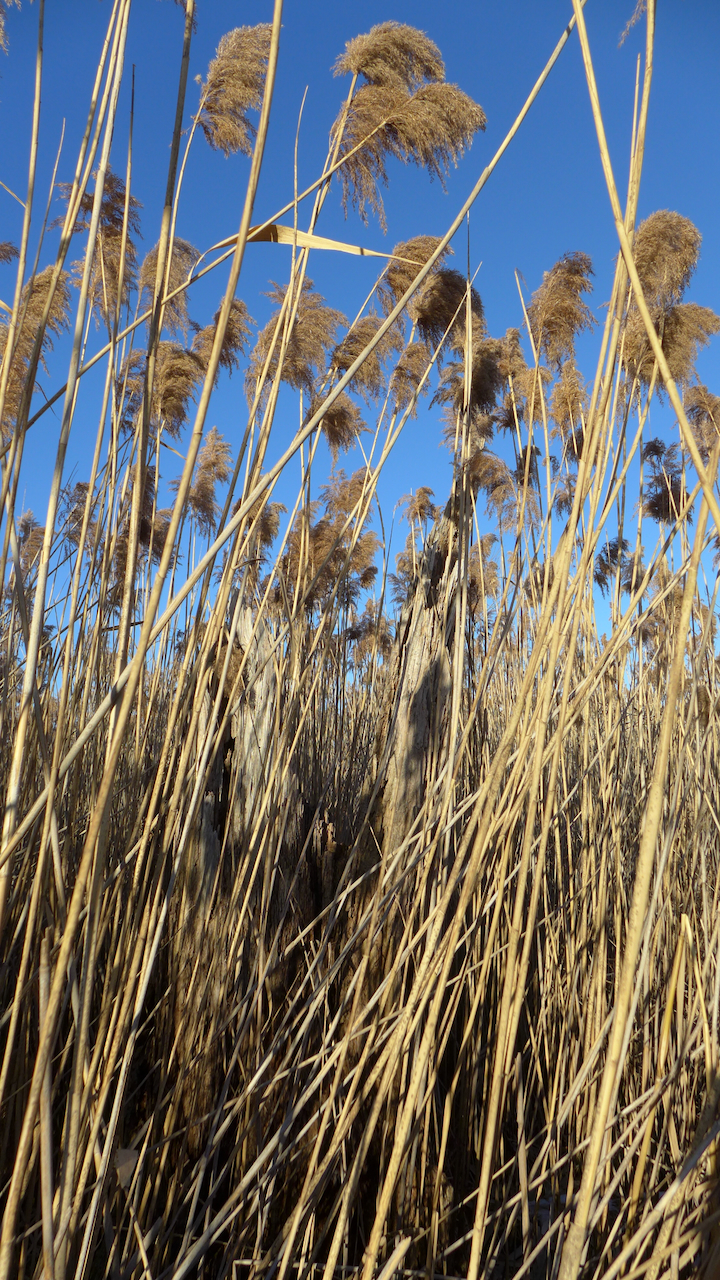
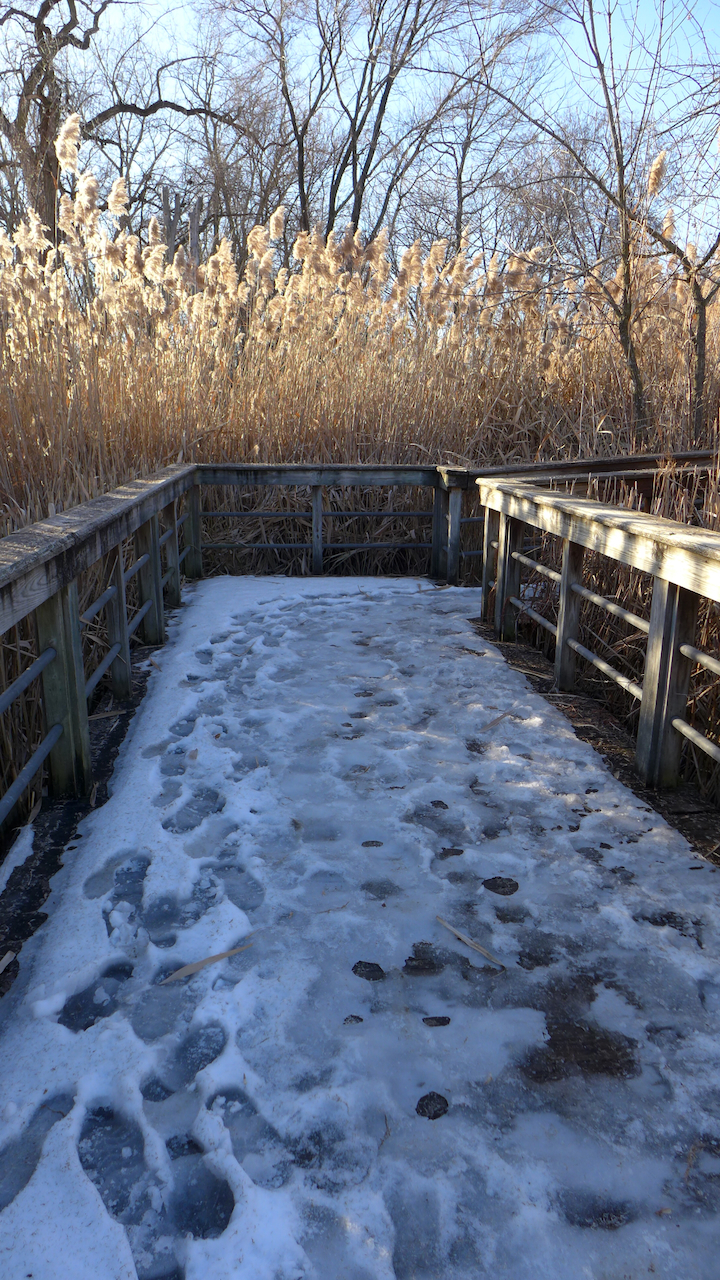
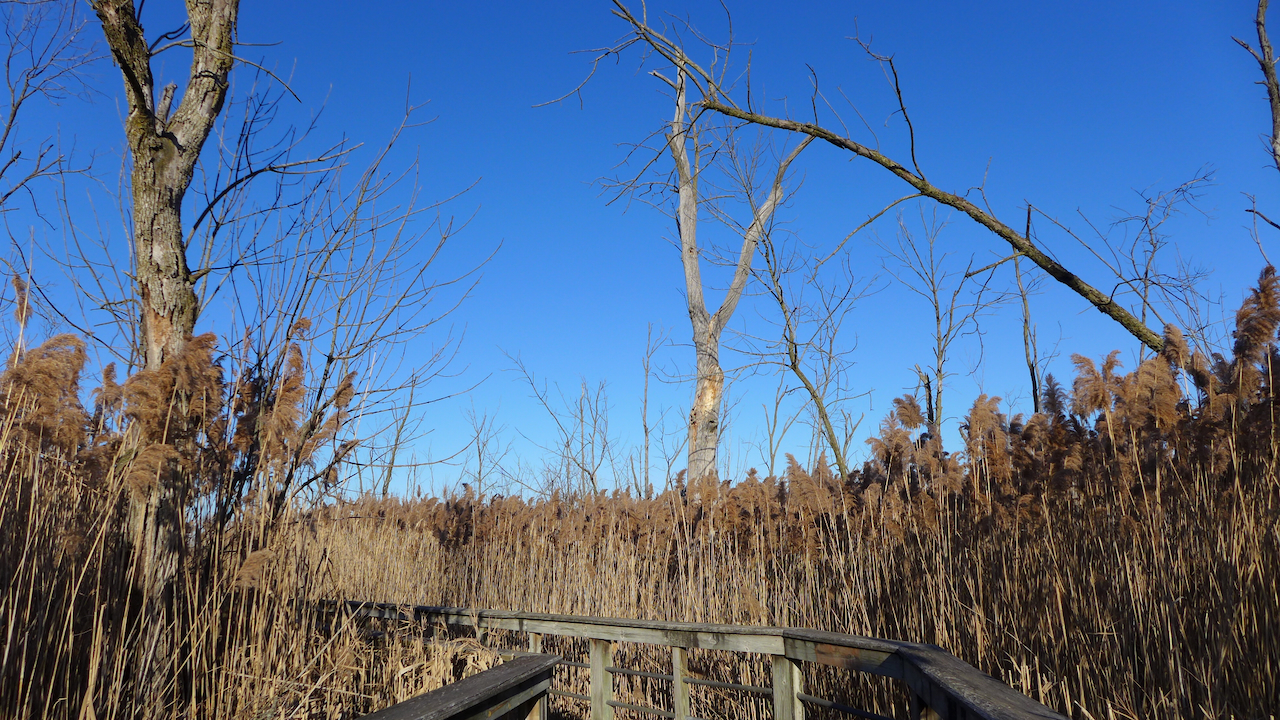
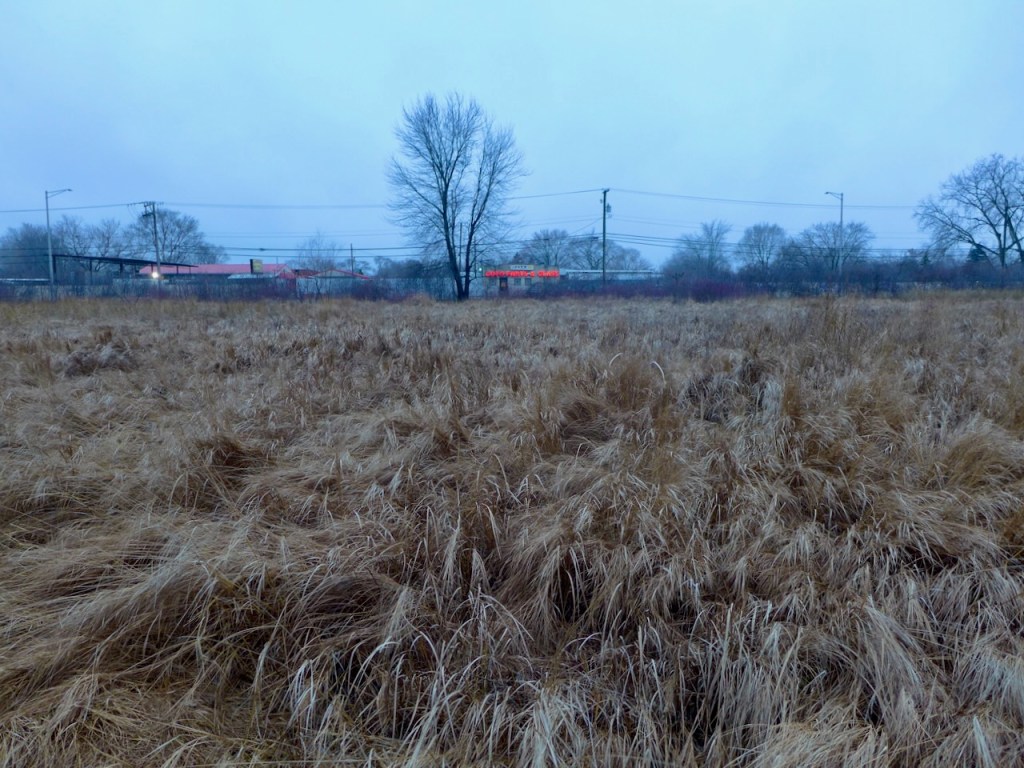
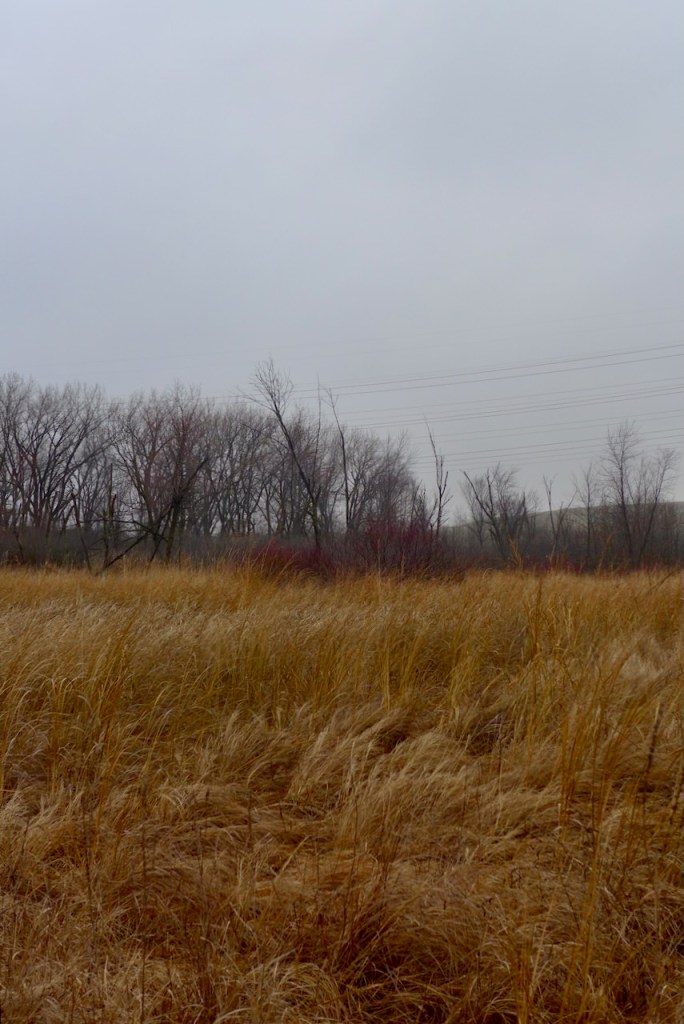
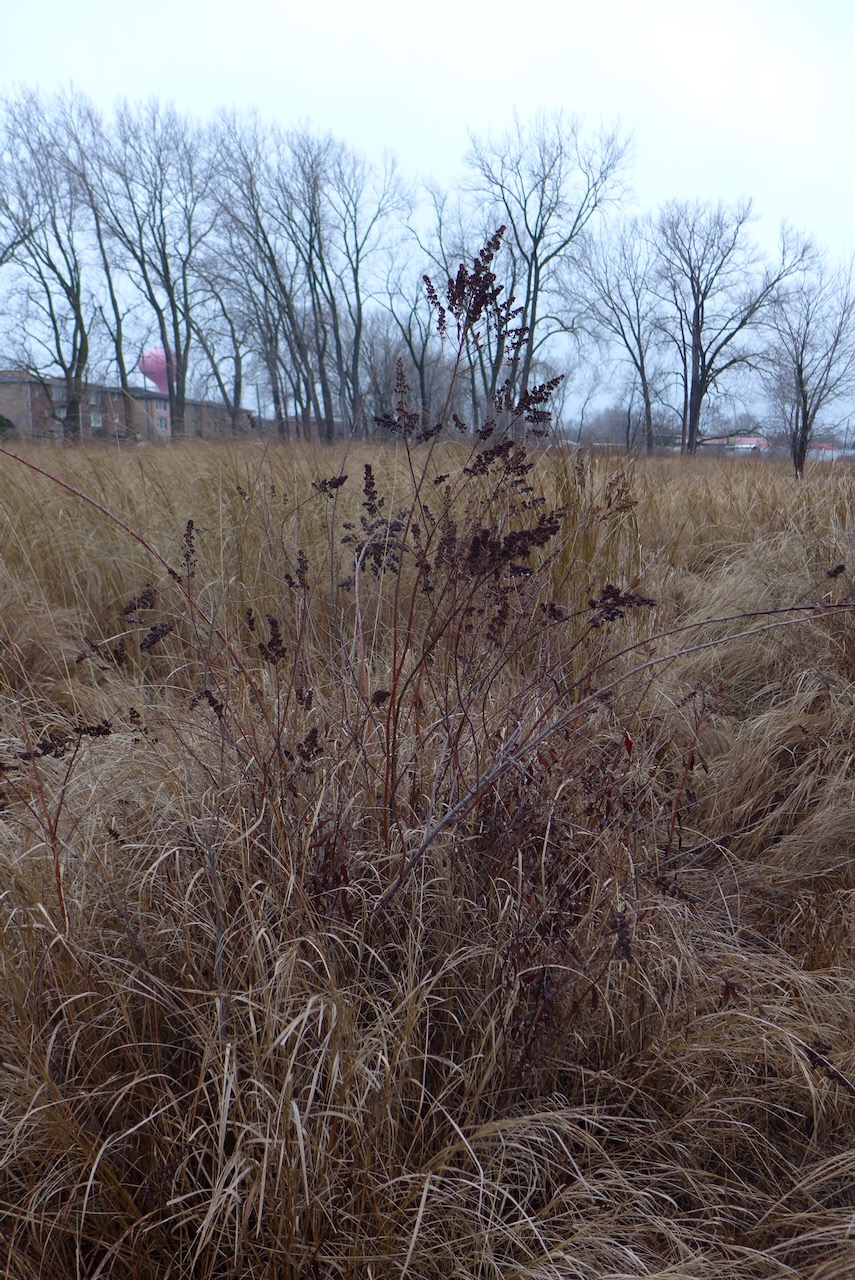
With no one else around, there was a liminal feeling to the masses of Phragmites topped with a cloudy gauze covering the winter afternoon sun.

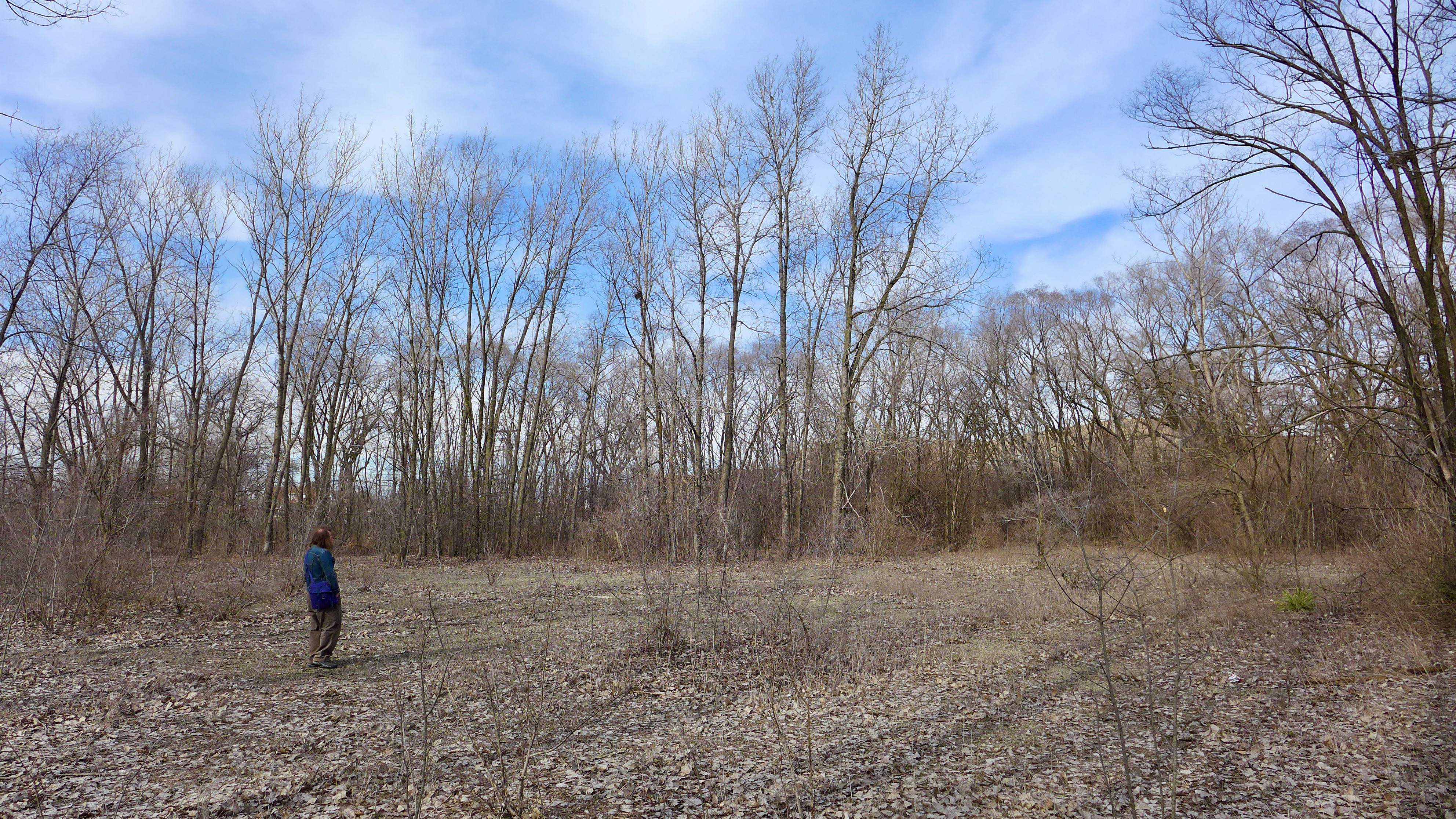
I’ve been eyeing this site for a few years, never confident to visit it the first time alone. Who knew what was behind the overgrown tree-line at the edge of the lot?
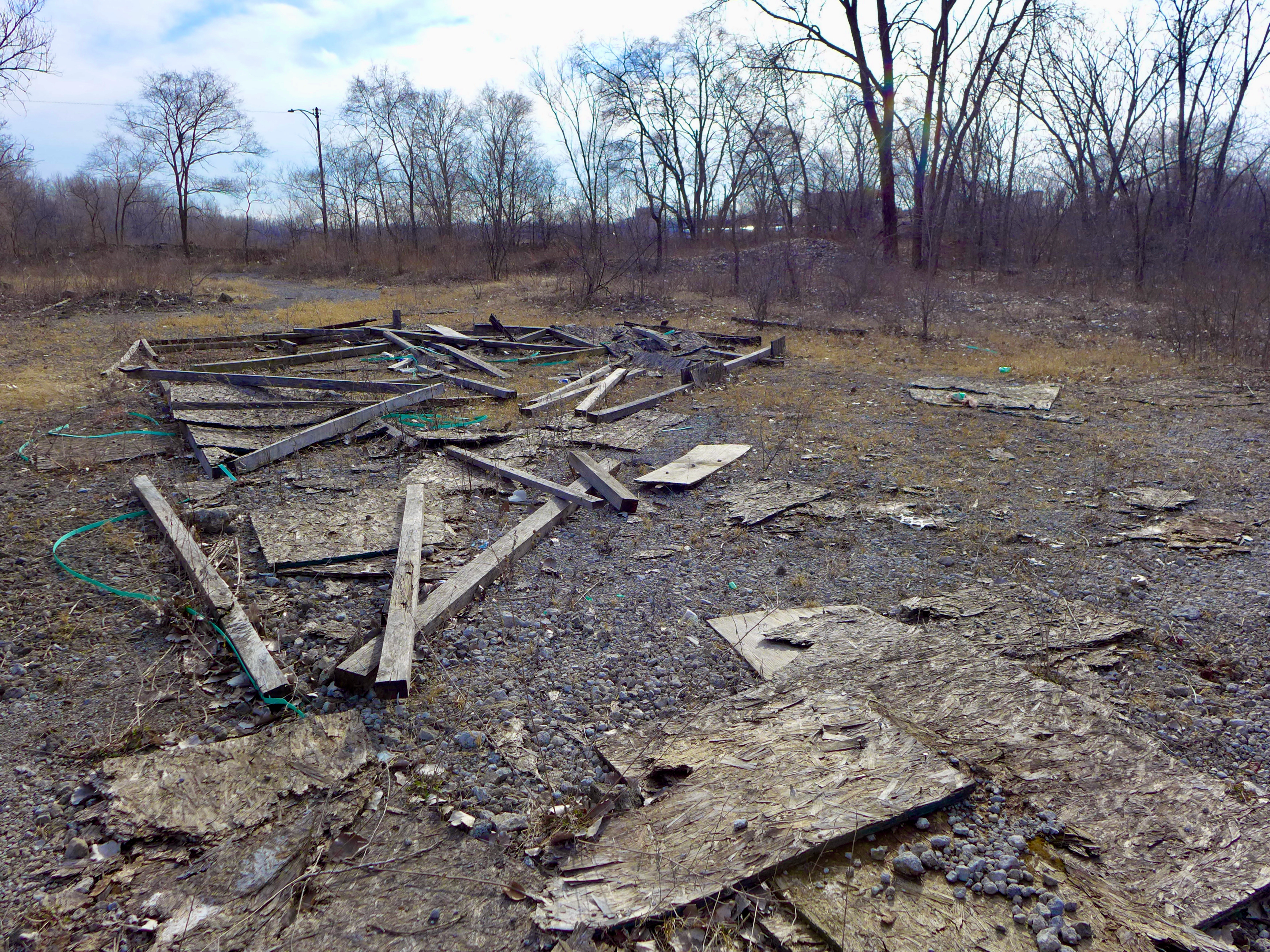
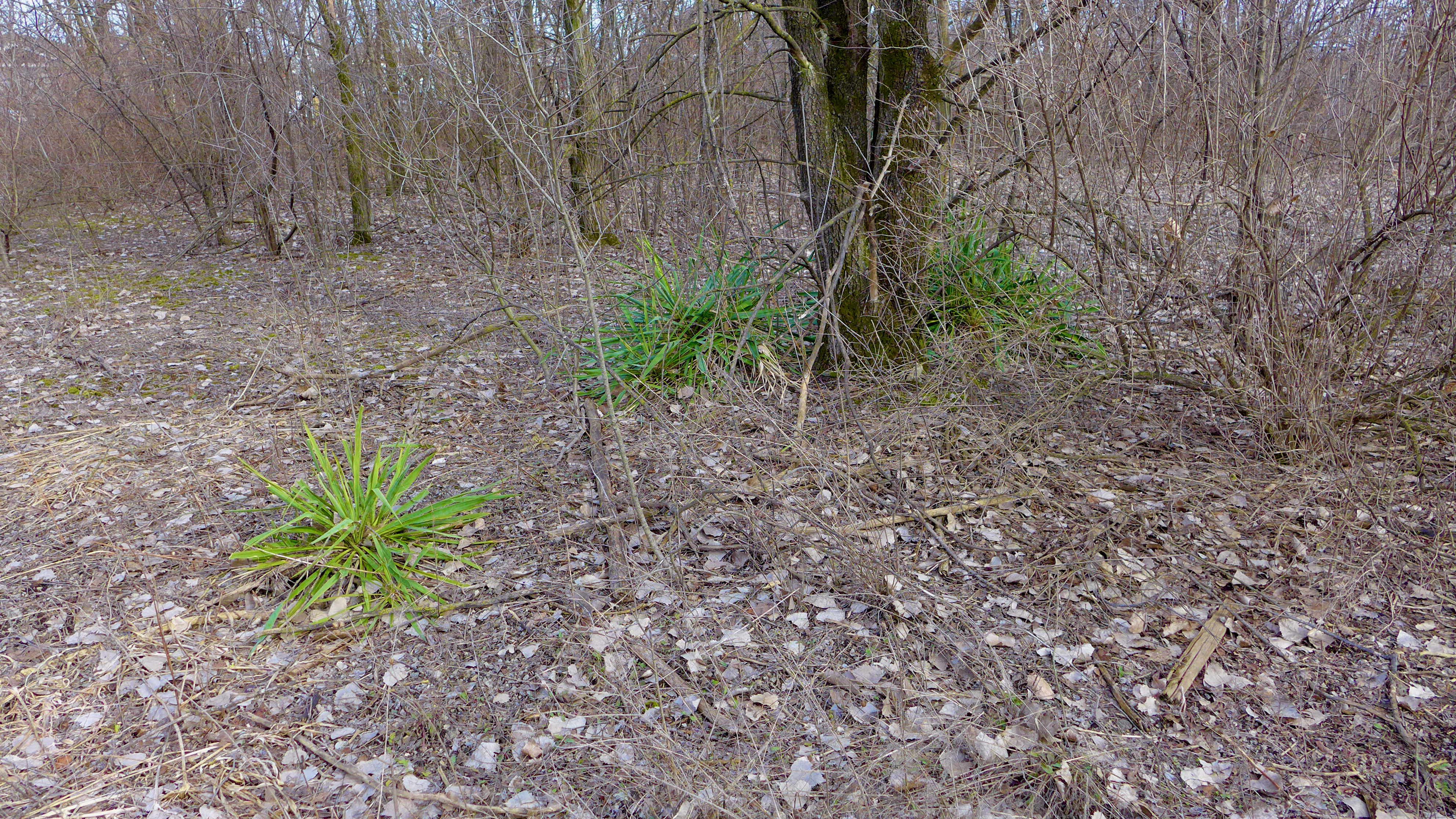
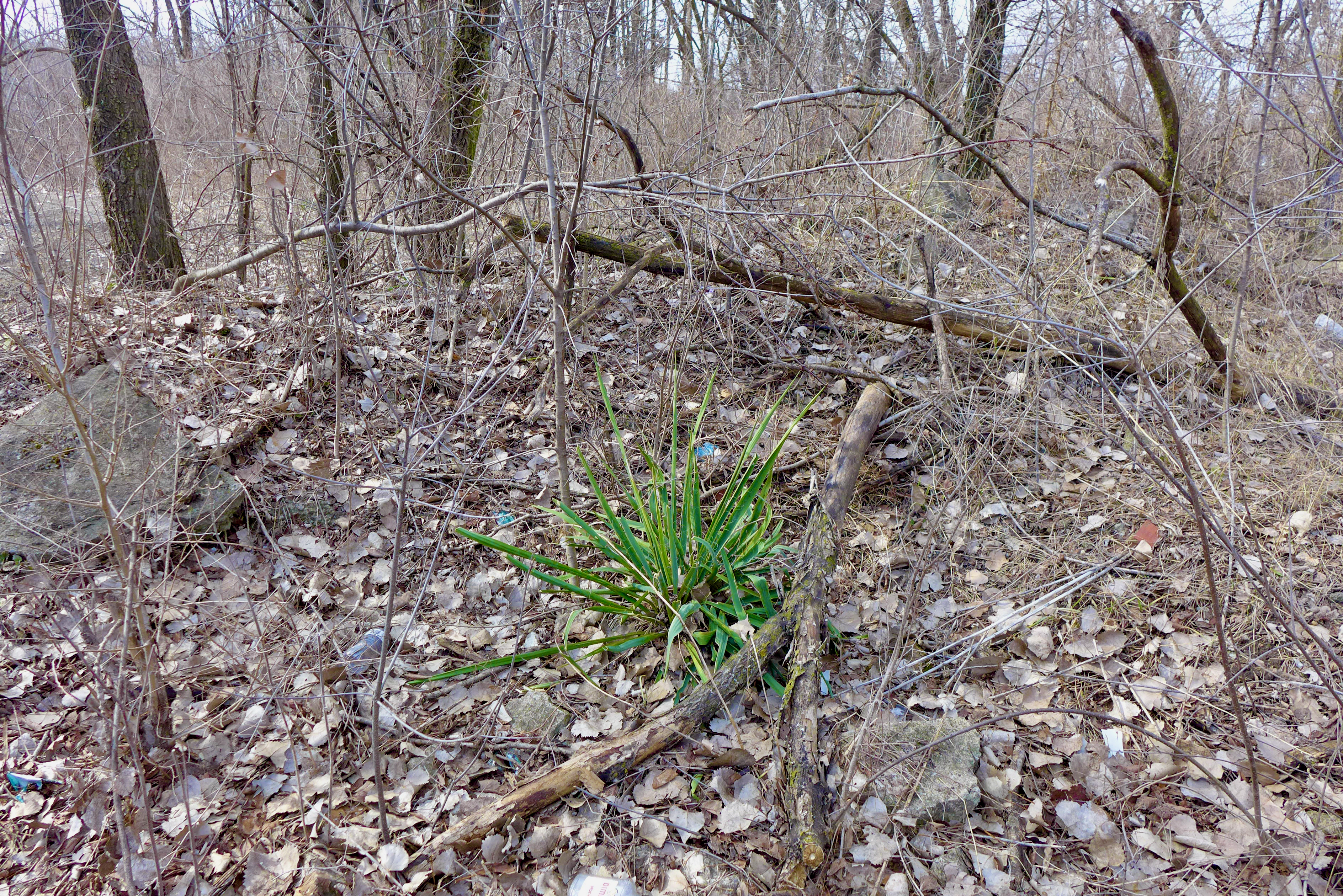
We went together and it turns out that in late winter, perennial plants are greening up and glowing among the dreary cottonwood leaves. It’s a well-used place with past attempts at structures and social gatherings strewn about. No one else was here today though.


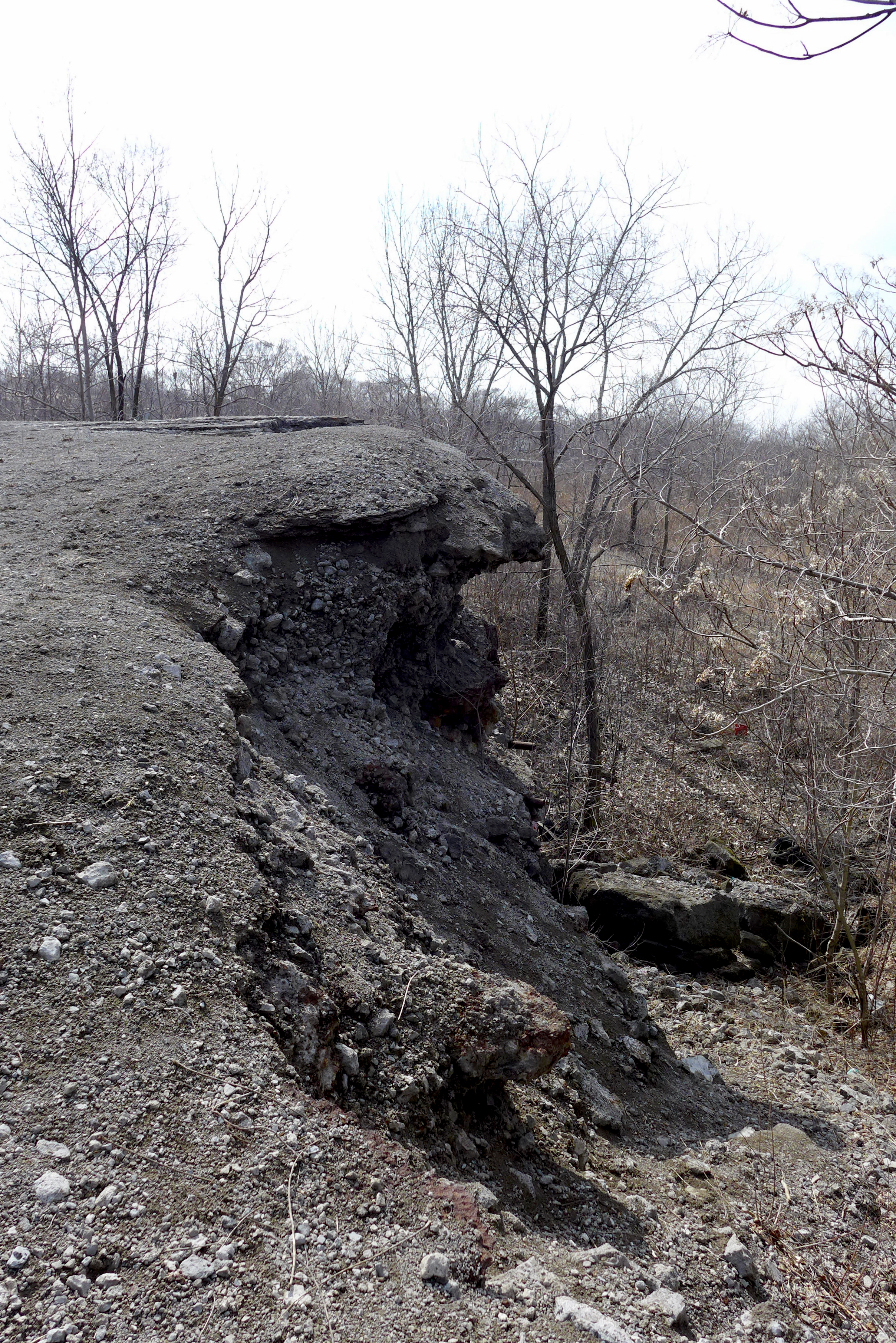
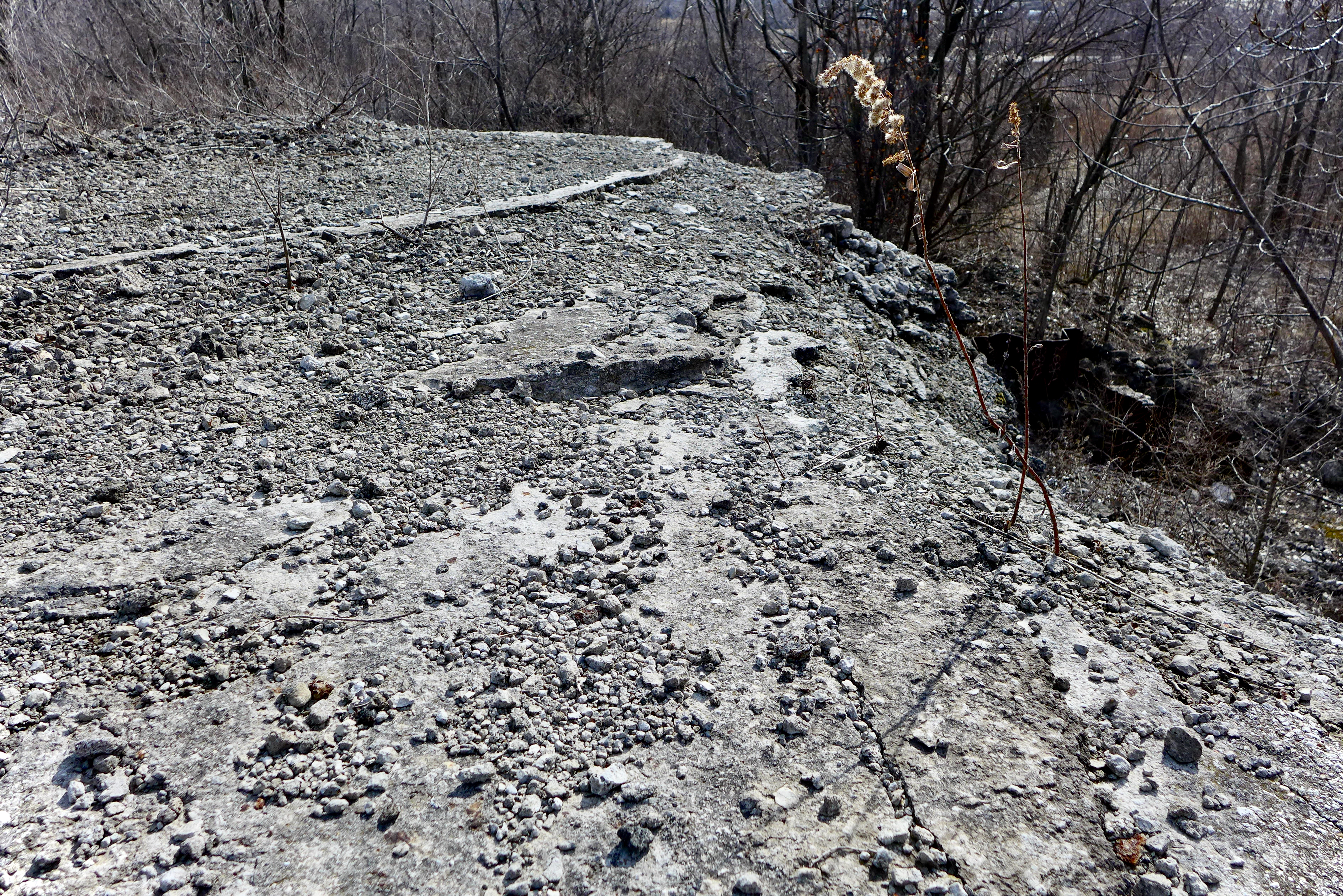
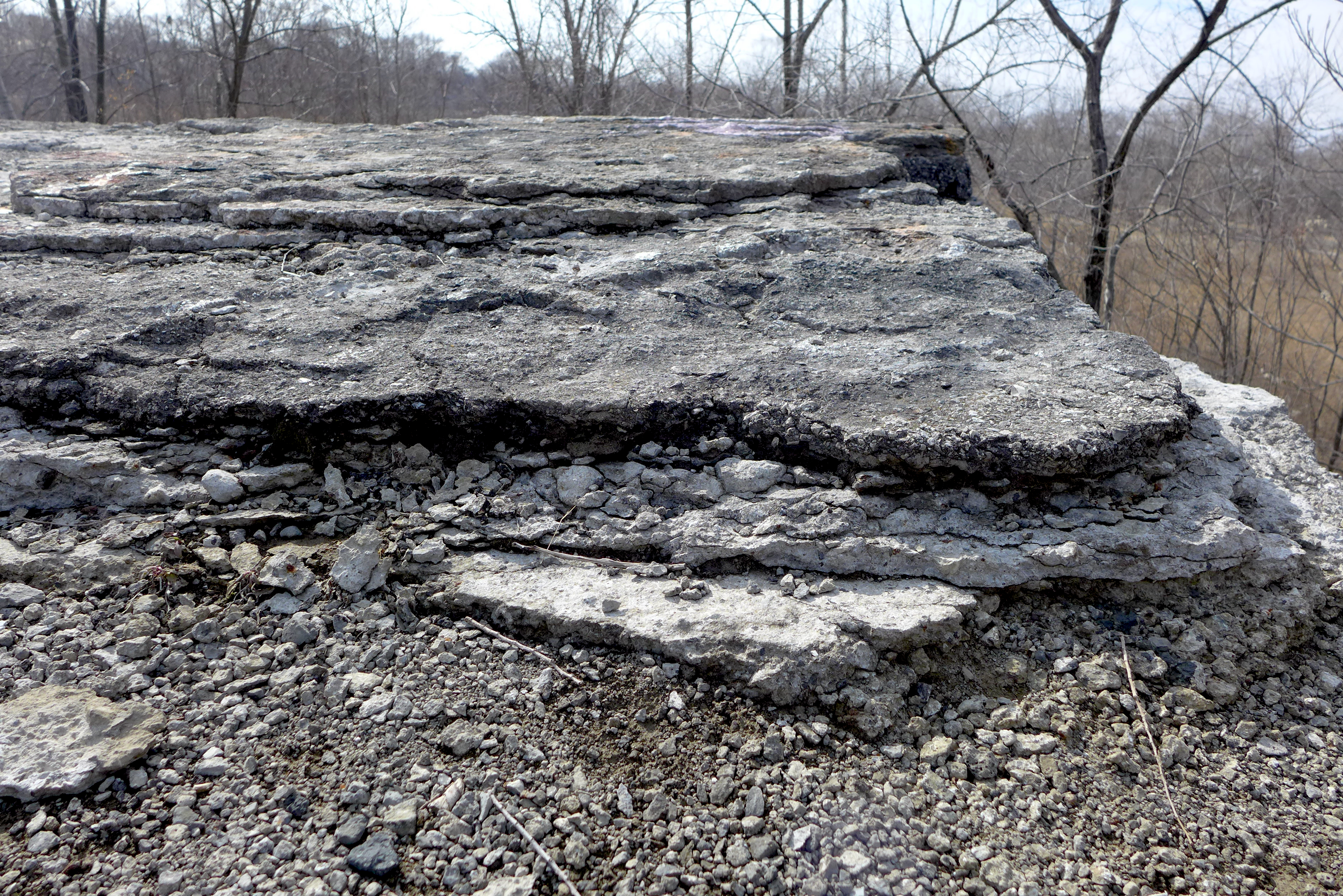
There’s a giant slag heap, one of the few in the area (but also: Shroud site, some parts of the old USX site). Holmes and Kubbing (2022) find slag heaps with ecosystems in Pittsburgh; in the Calumet Crescent we mostly see slag-filled depressions with slag as ground-level substrate. Remember that the Calumet was a vast wetland complex, yielding pockets in the landscape that were convenient to fill with steel production byproducts (e.g. slag) and other industrial waste.


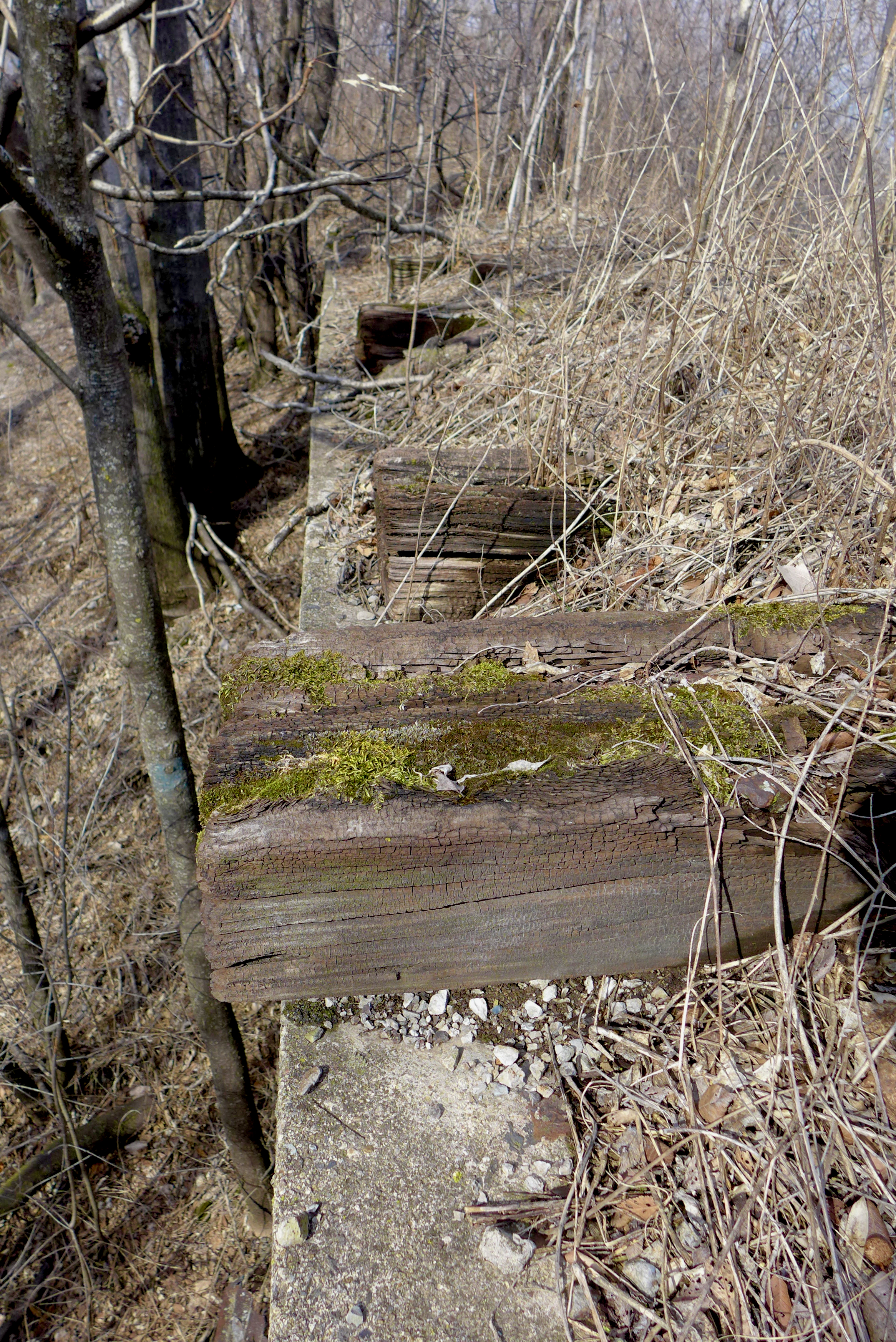
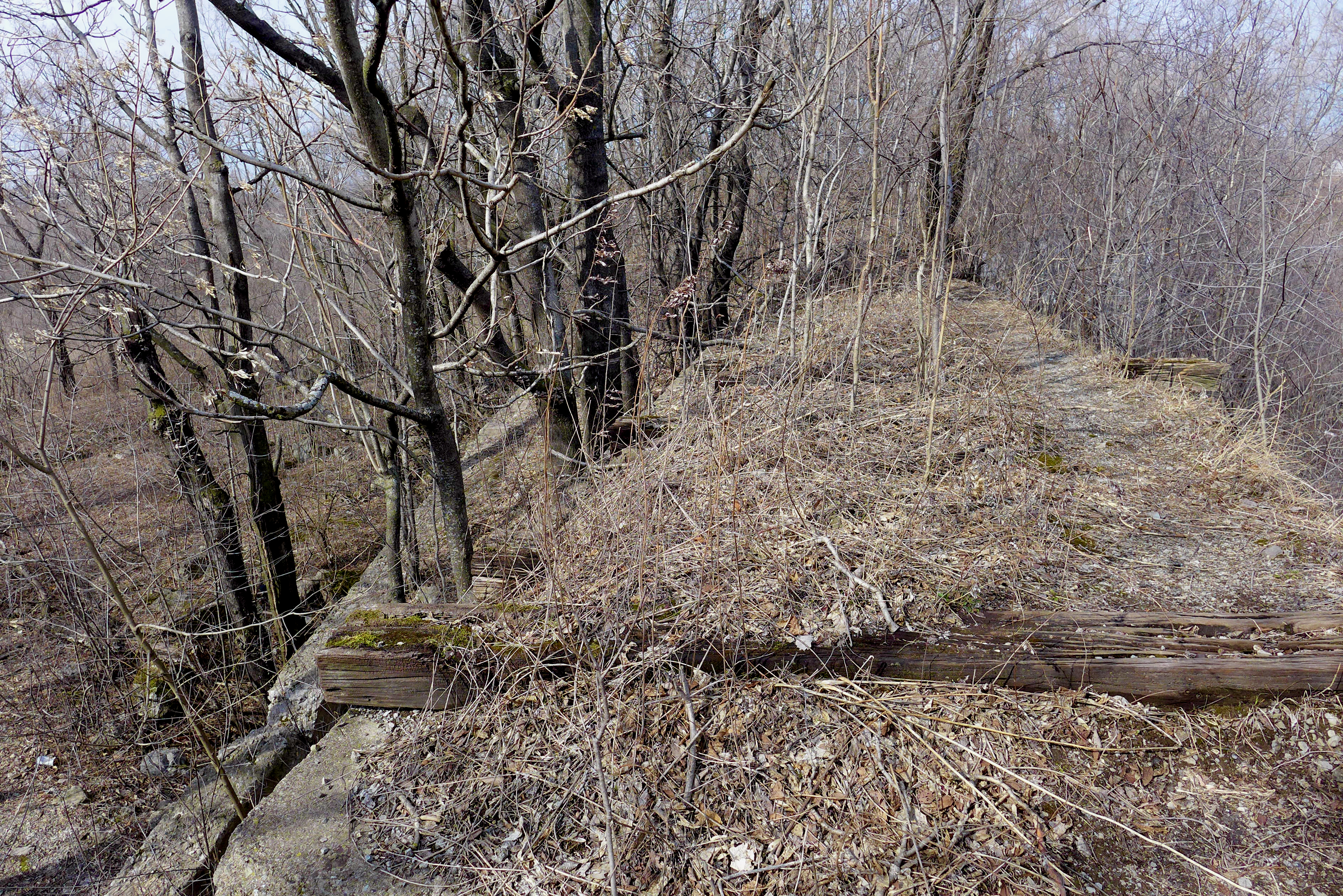
The slag pile, or slag cliffs, rose up out of the woods of neighborhood volunteer junk trees: Ailanthus, ash, elm, cottonwood, a few juniper. The heap had clearly been used as a raised railroad spur, a way to transport in and out whatever was made here. To the east, these woods spread out and made way for big openings that have been used for ATV trails and bike jumps.
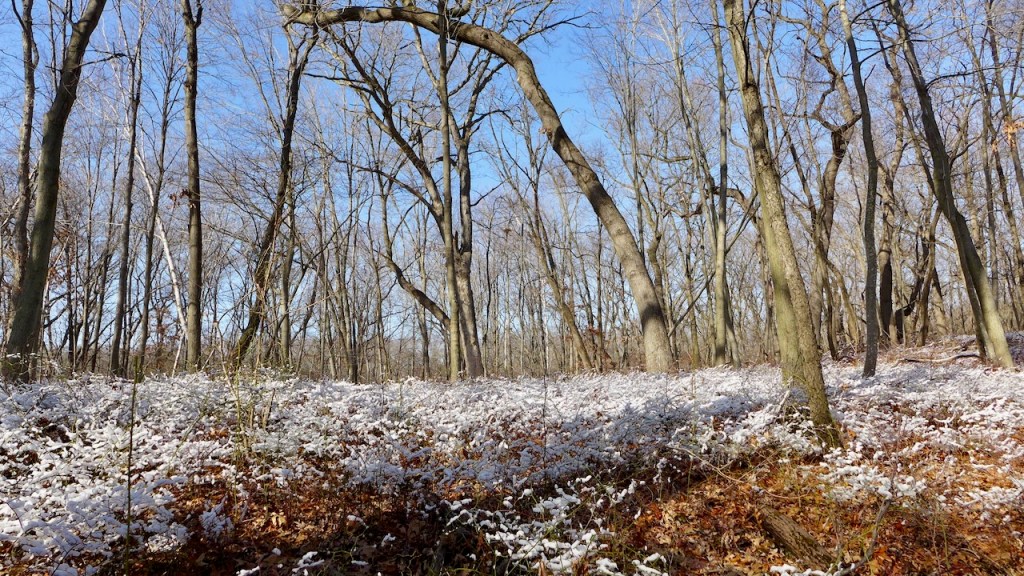


From the top of the slag cliffs, turning to the west was a delightful area with real promise: an ecosystem that grew up on slag and has created its own islands of organic material. A light canopy of slag-stunted rugged trees poked through diverse grasses. It looked like a slag savanna that may potentially be comparable to the high quality slag complex we see at Big Marsh and Marian Byrnes Parks?


It’s winter now, but this seems like a mesic area that might be wet enough for orchids?! I’d expect Liatris, hopefully Spiranthes, some sedges and rushes. We’ll revisit at the end of summer.
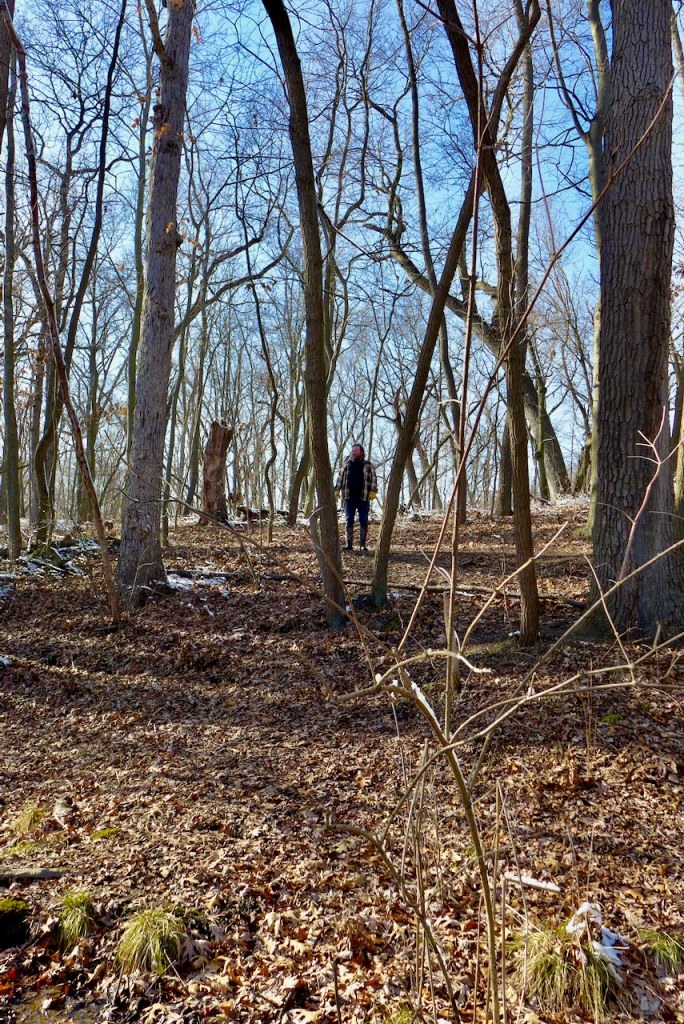


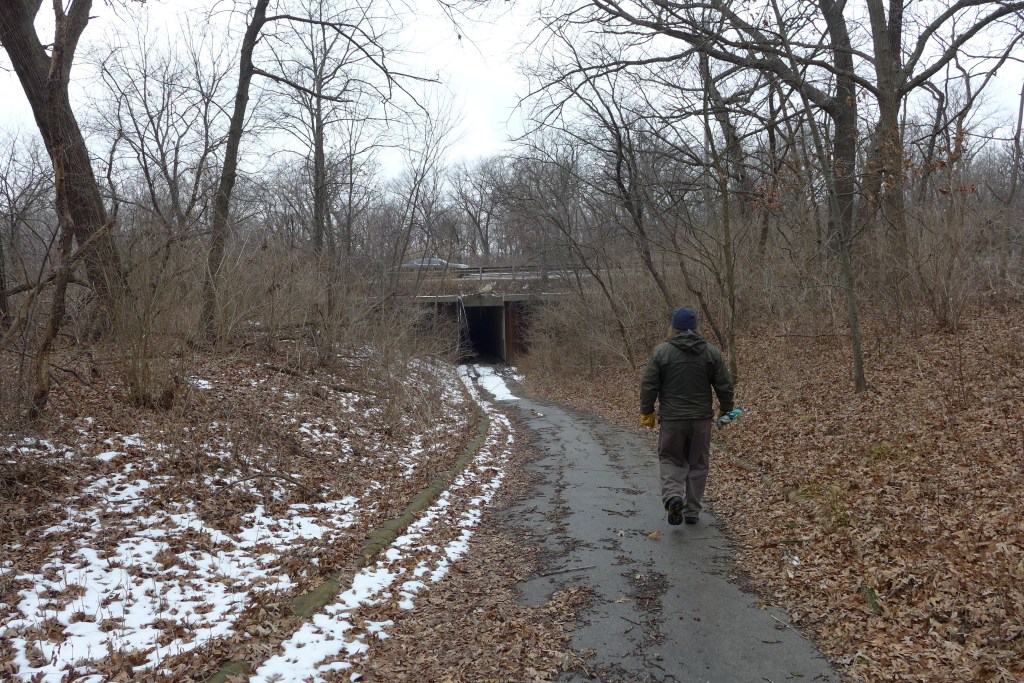
We go to the part of the Salt Creek complex in the northeast corner, often, but here, we approached Brownell Woods from the east side of 394! following the equestrian trail under the freeway.
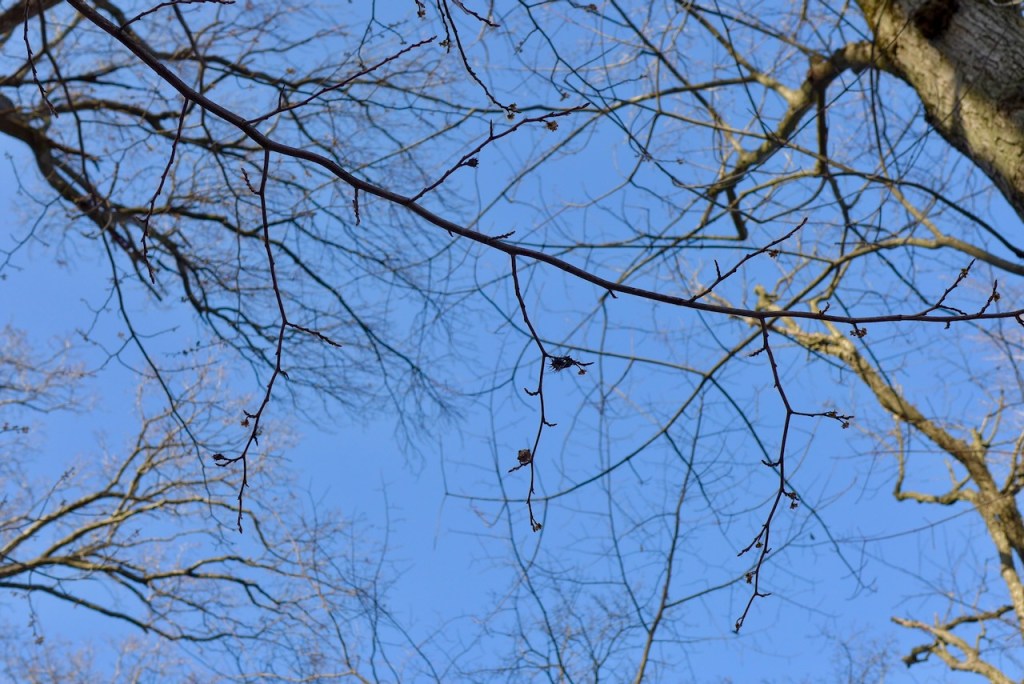
First you walk through an old plantation,
under the freeway,
and back out on the west side, to some strange sights,


but also some familiar ones.
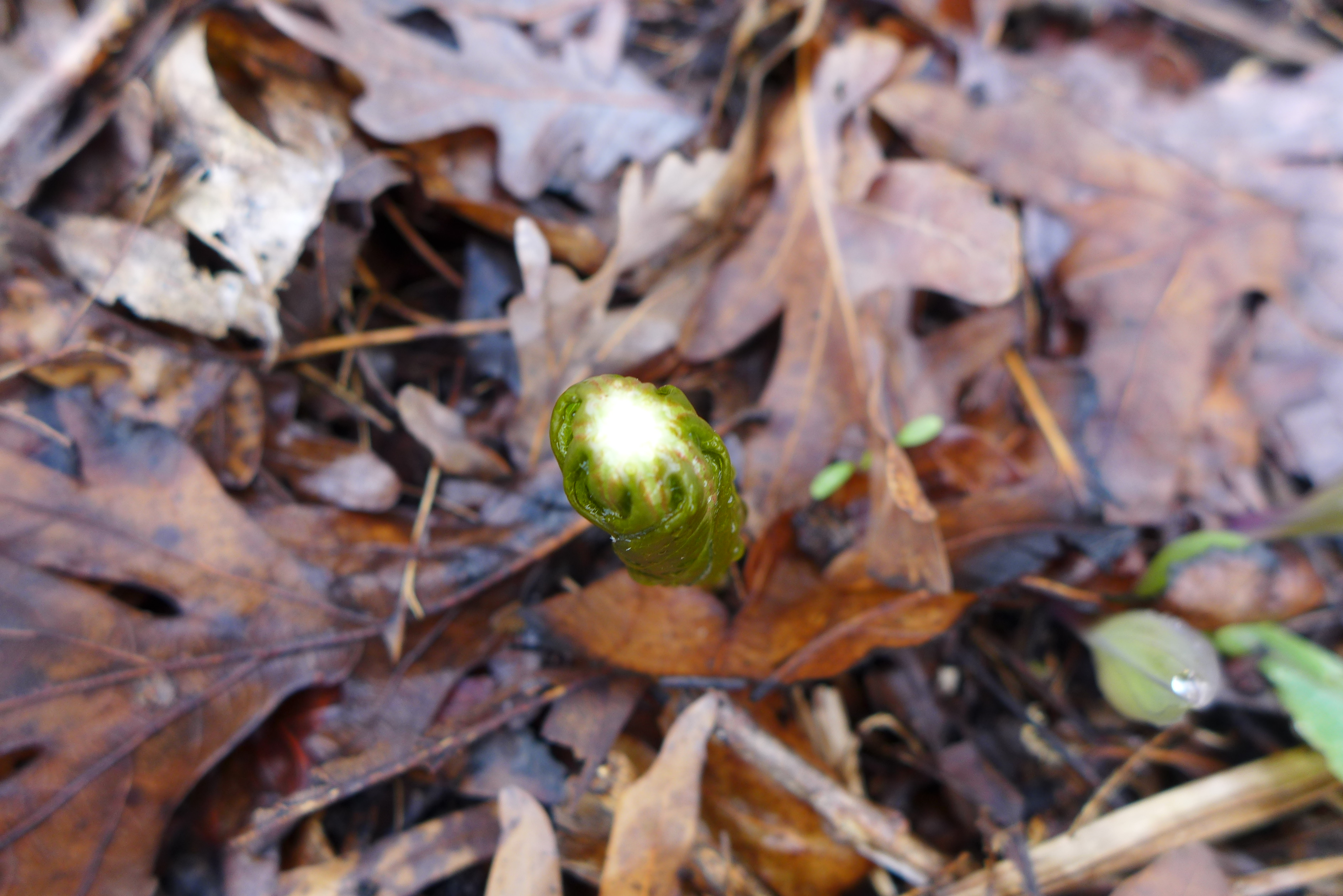


An unseasonably warm day in November – still autumn leaves falling and a cold-blooded friend out and about.