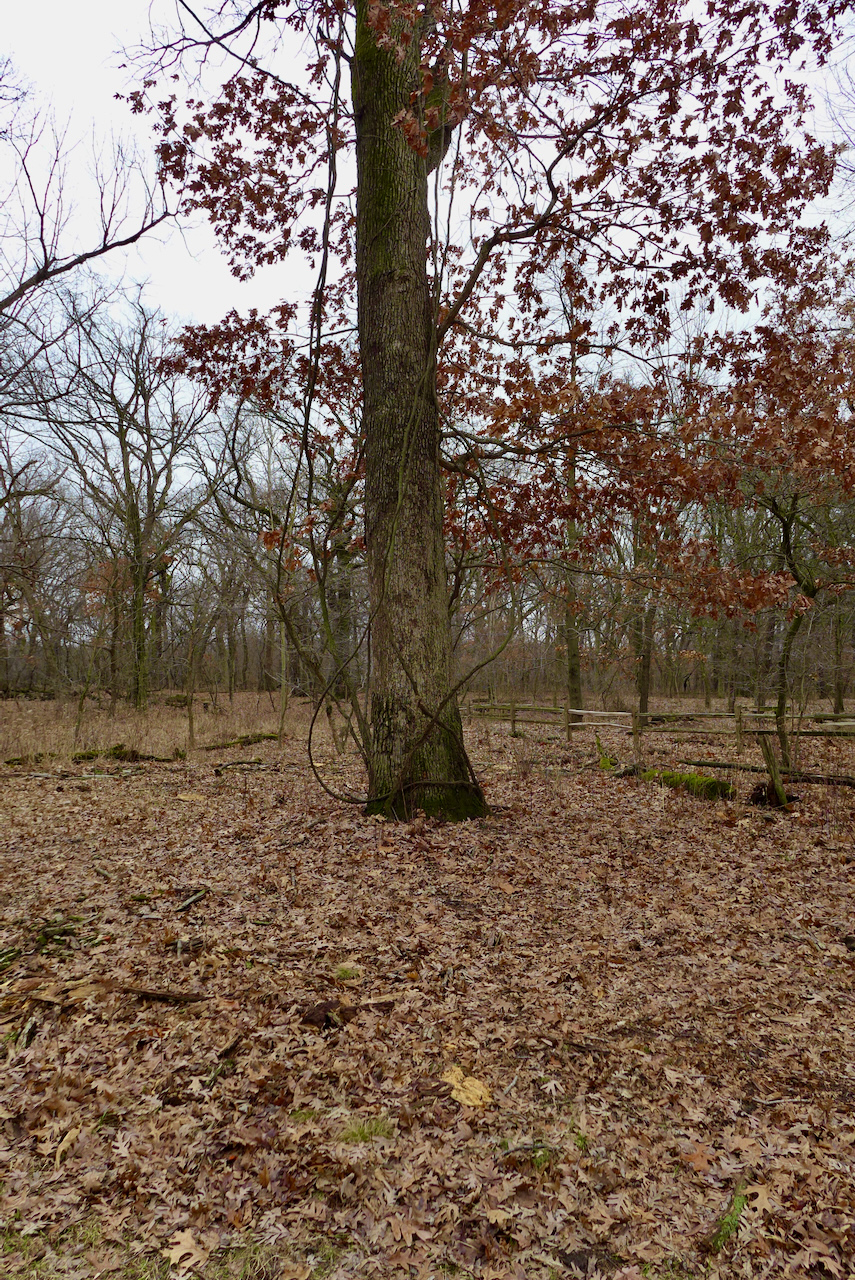
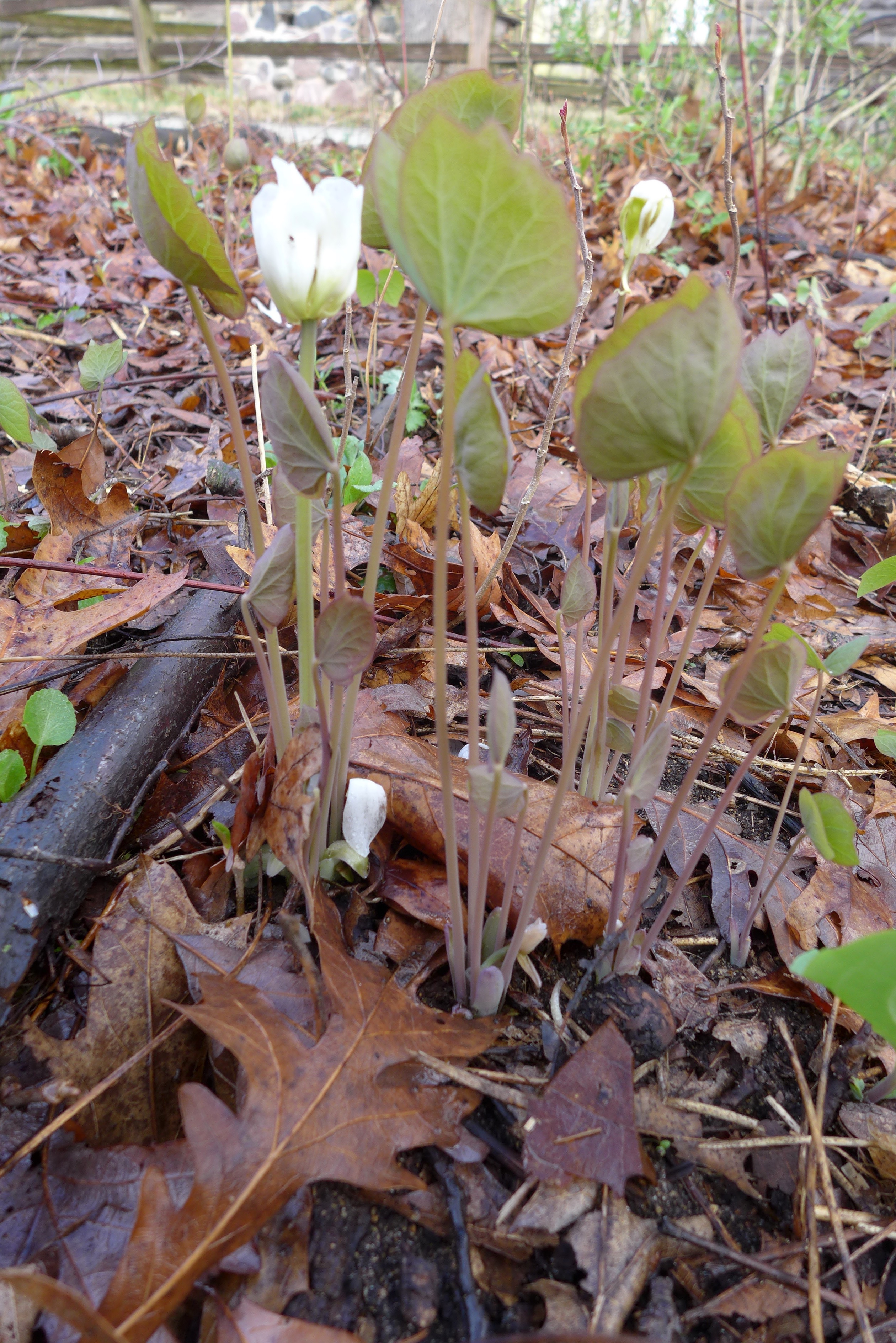
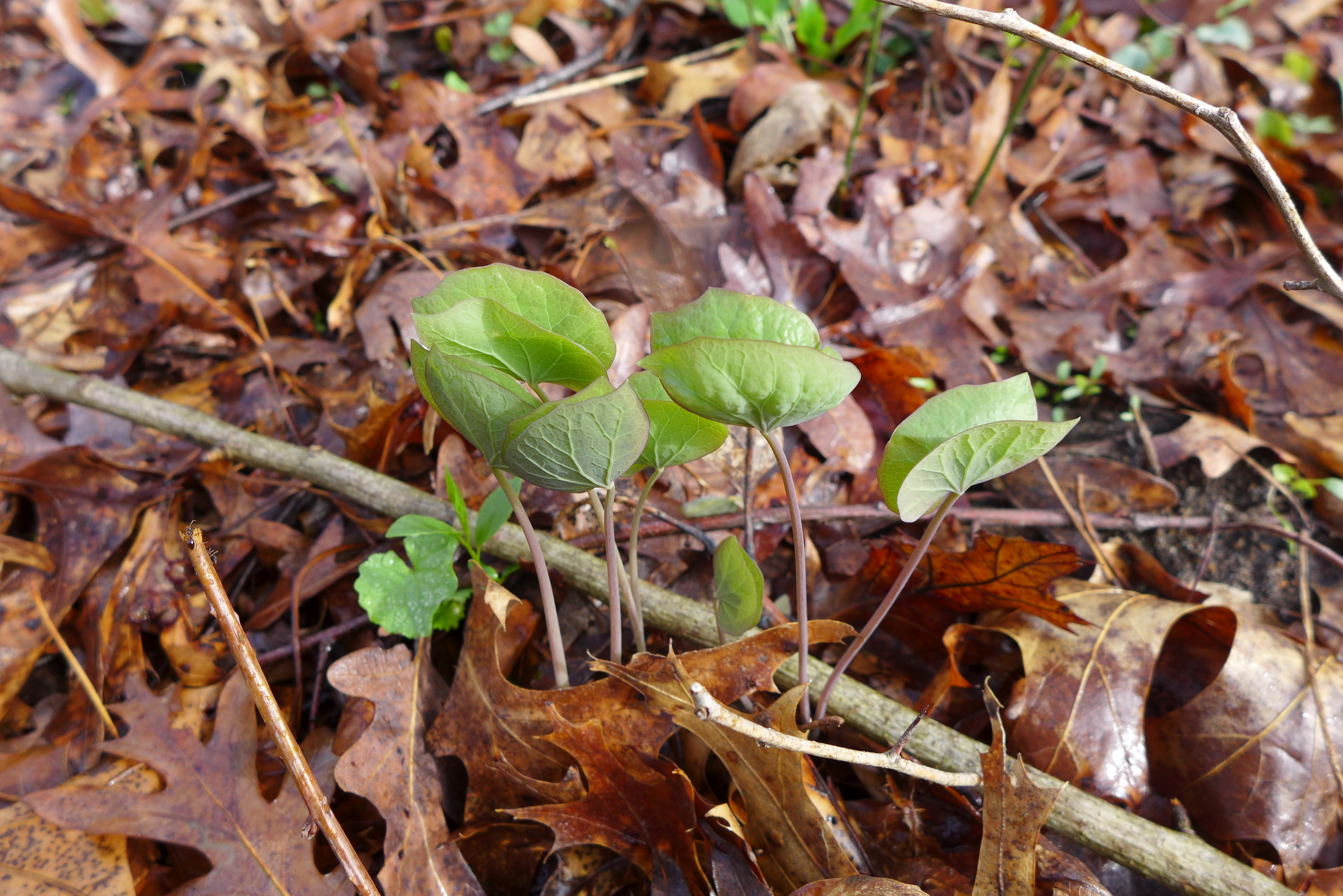
Too early for spring ephemerals in flower; some favorites would be right here under this oak.
But there were other friends to see!
Too early for spring ephemerals in flower; some favorites would be right here under this oak.
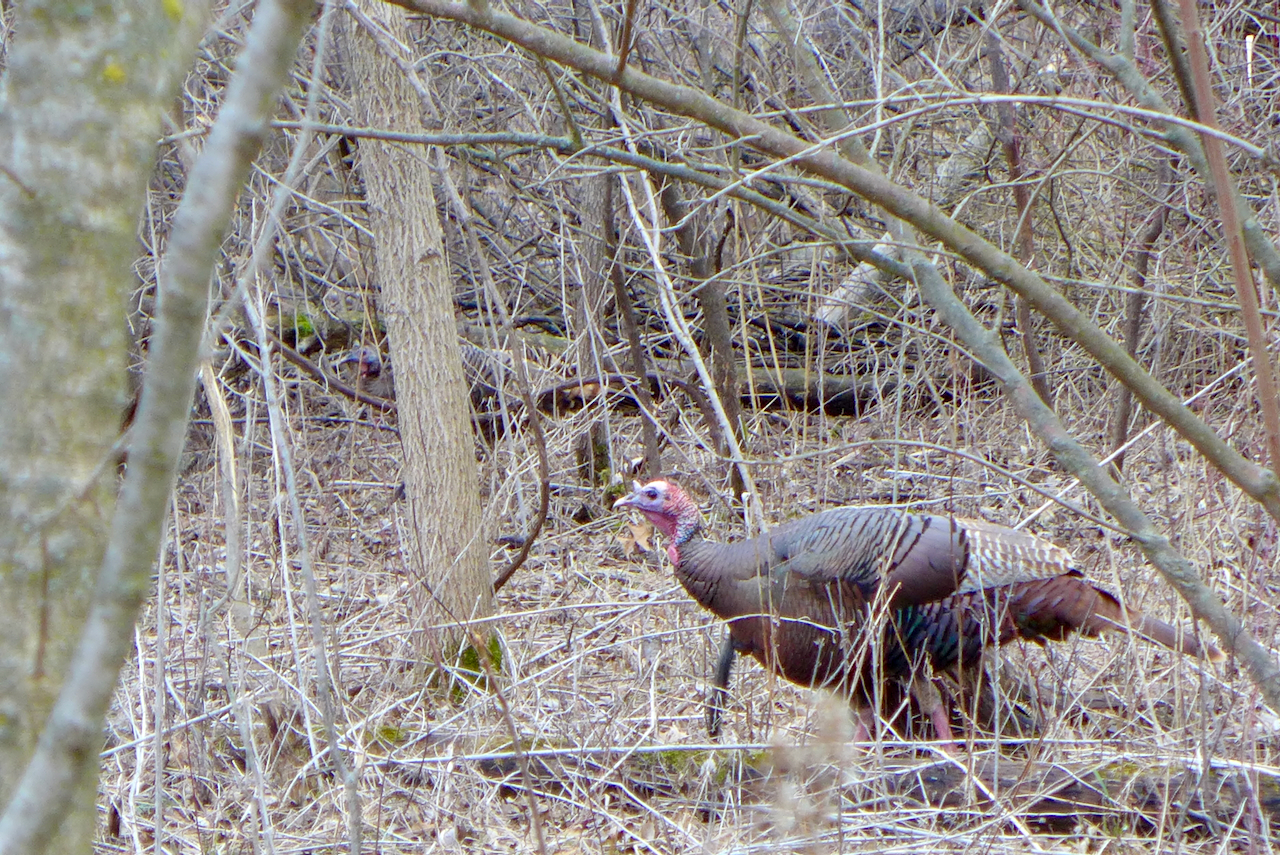
But there were other friends to see!
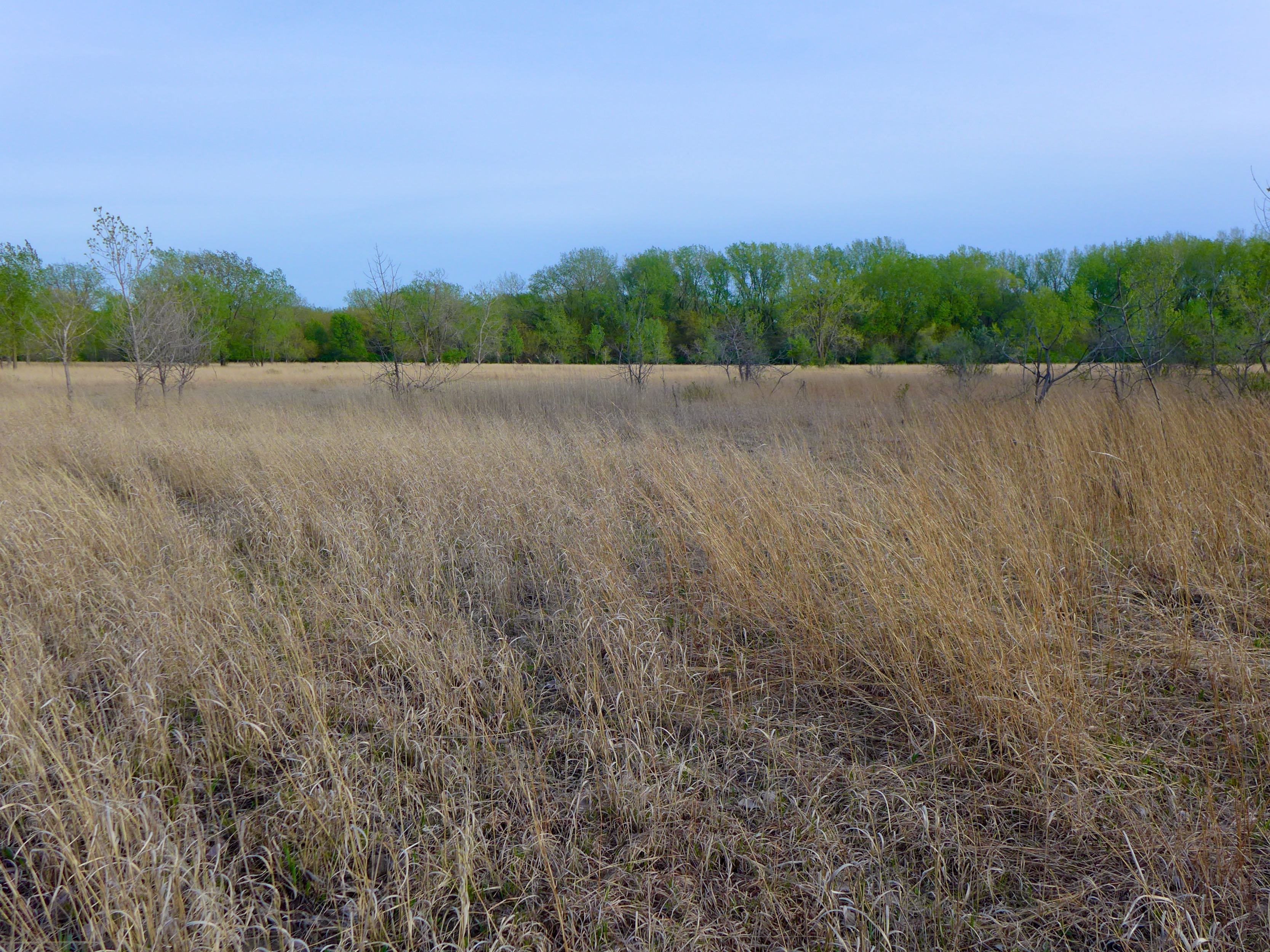
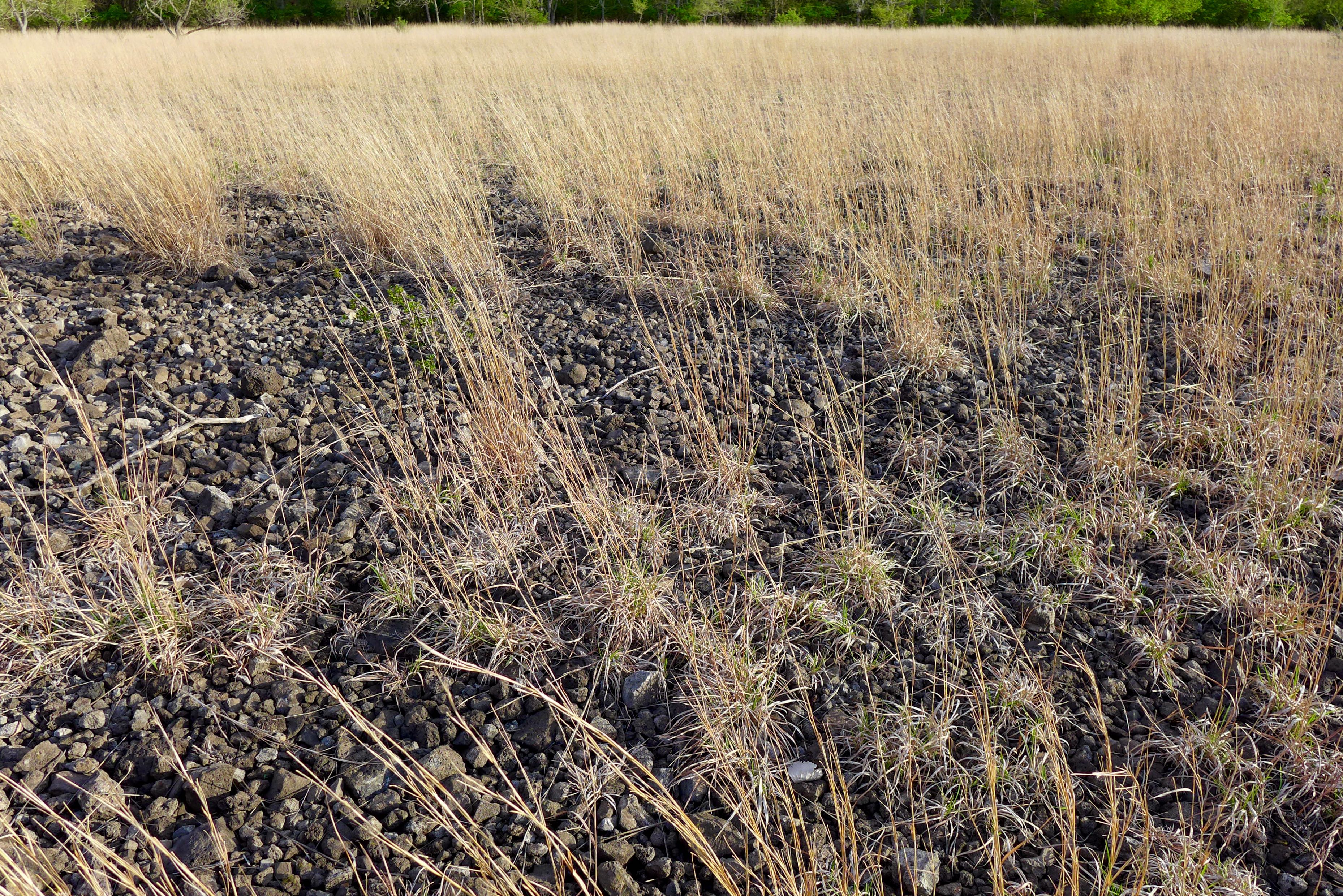
A recent controlled burn here has left a patchwork of new growth of sedges, rushes, and grasses, which will be punctuated with fireworks of colorful flowers later in the year.
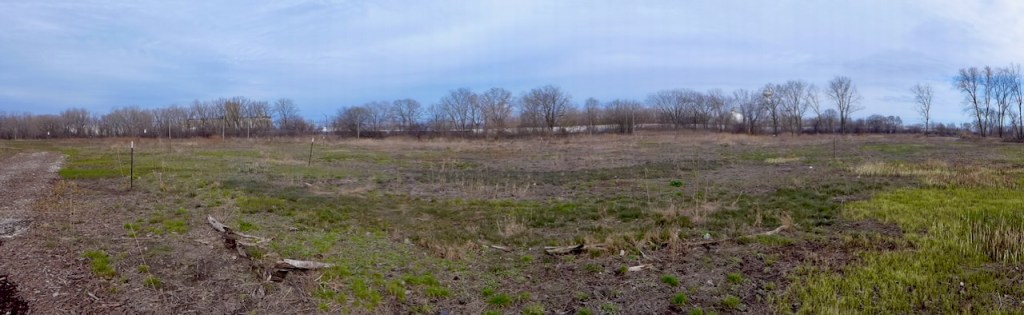
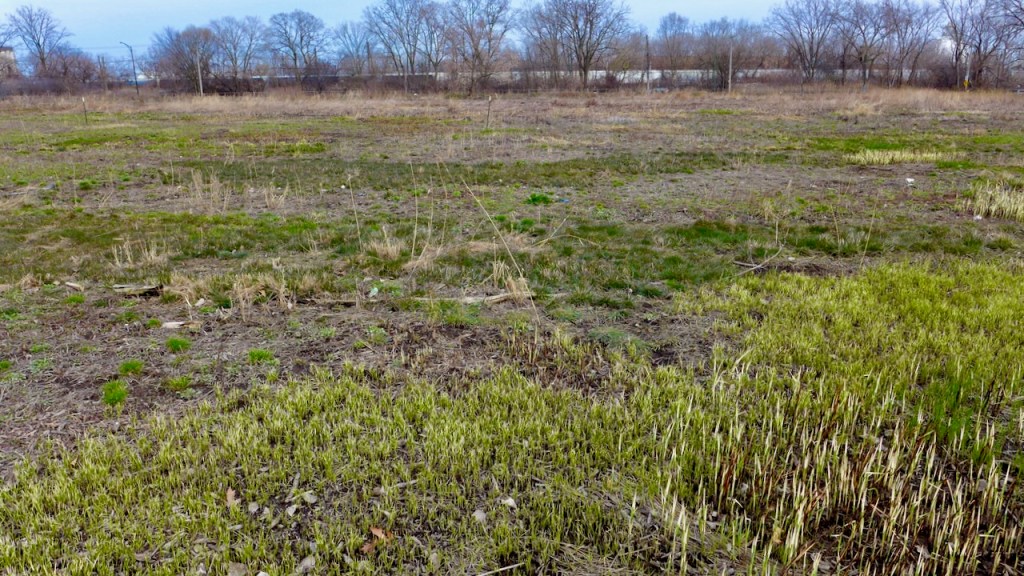
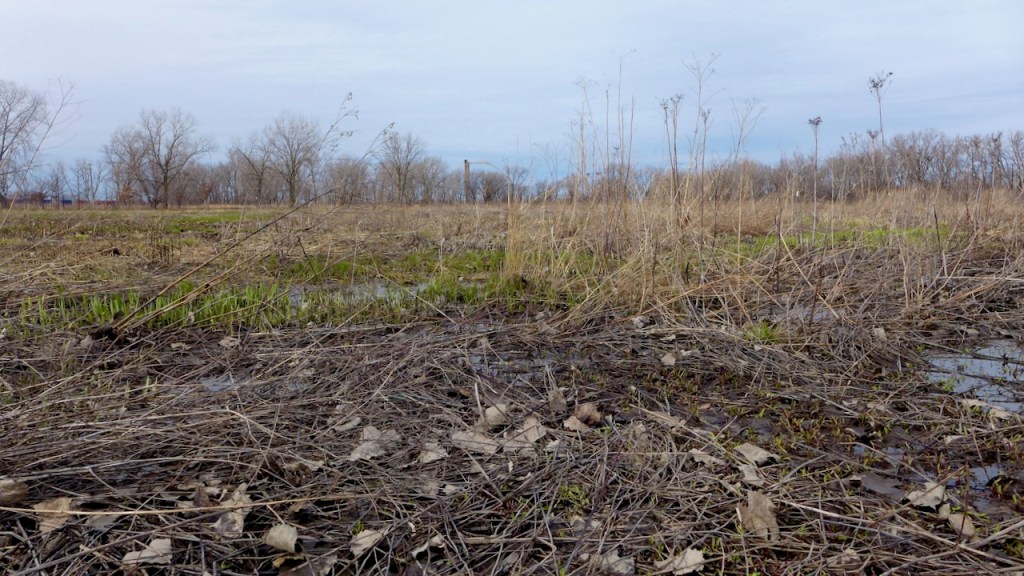
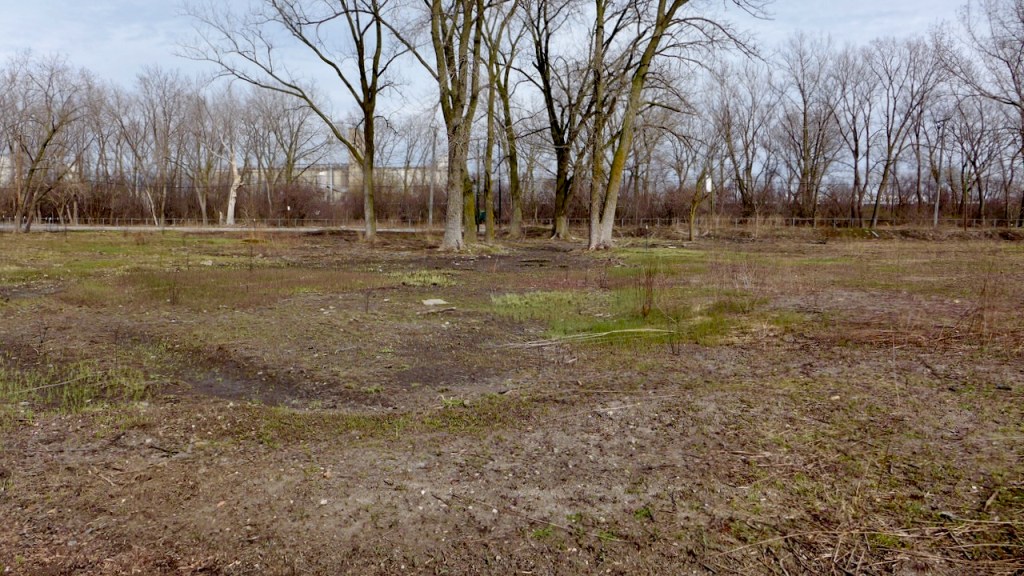
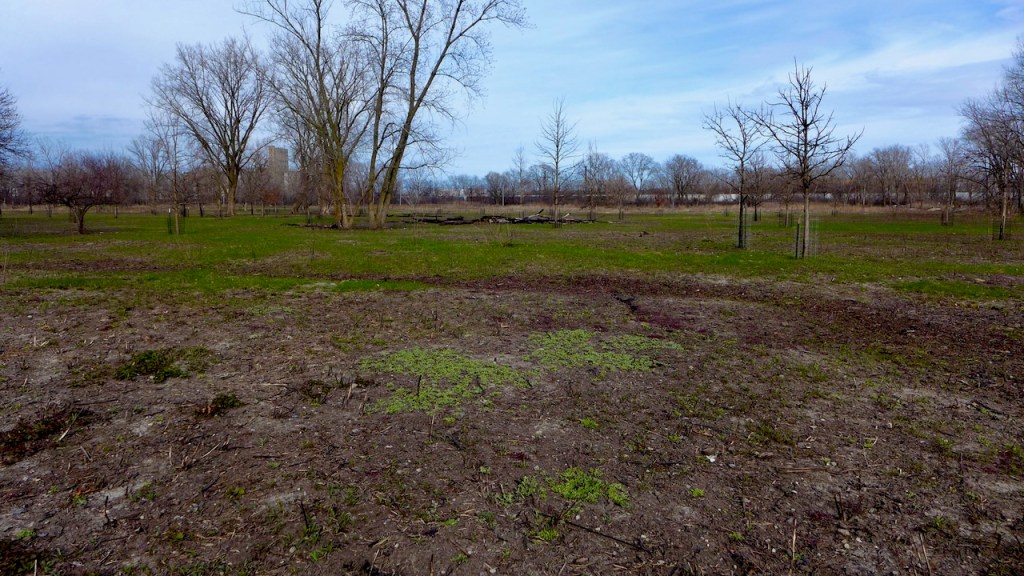
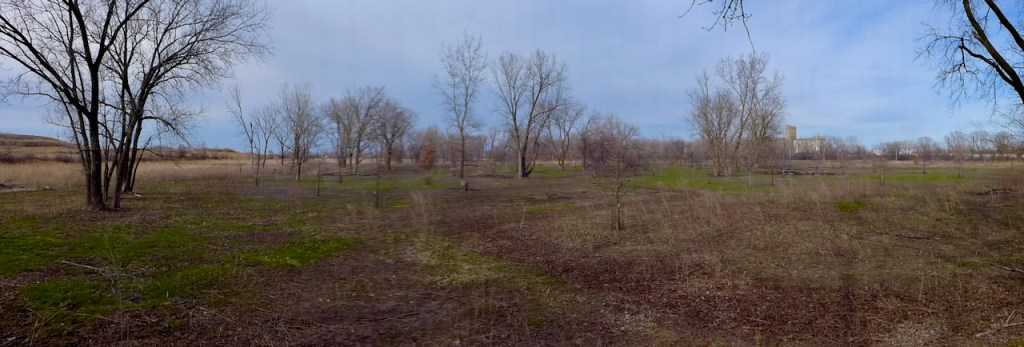
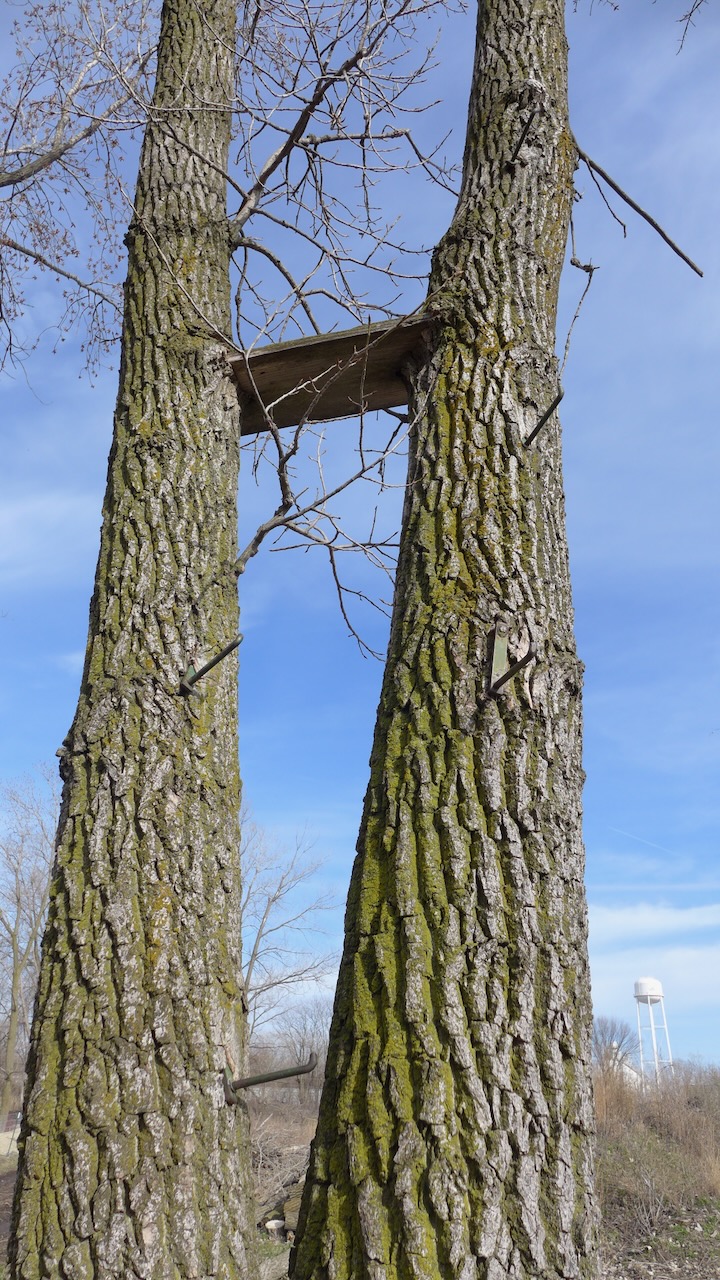
other fun finds included:
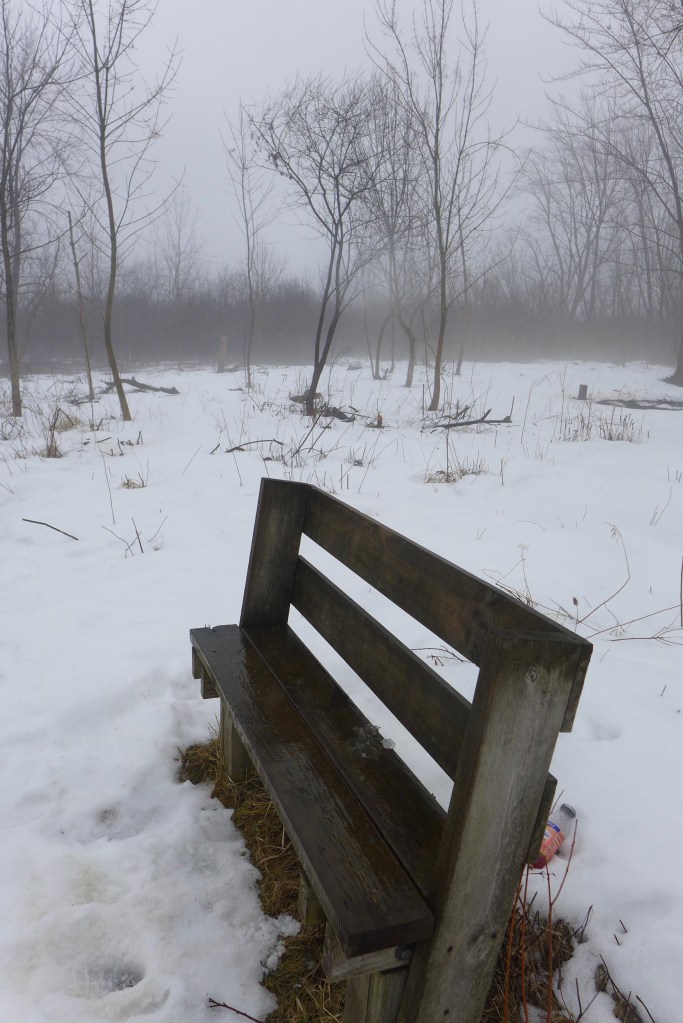
a well supported bench on high – probably useful for waterfowl hunting.
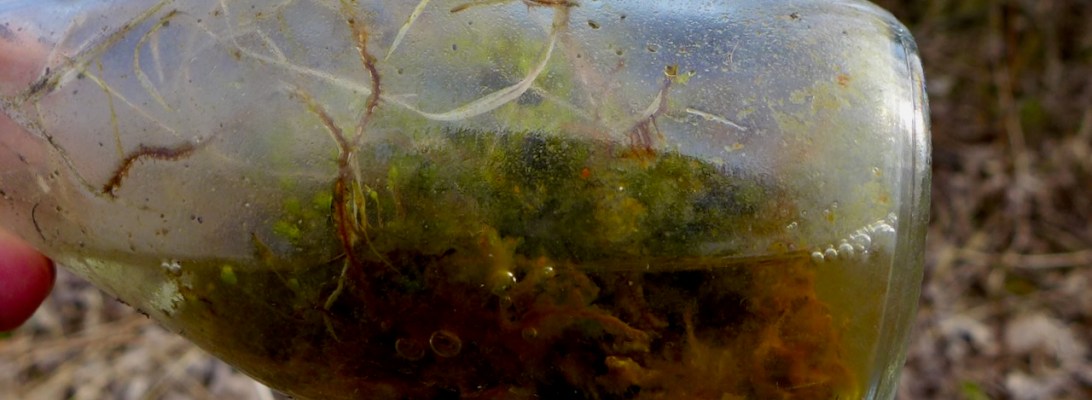
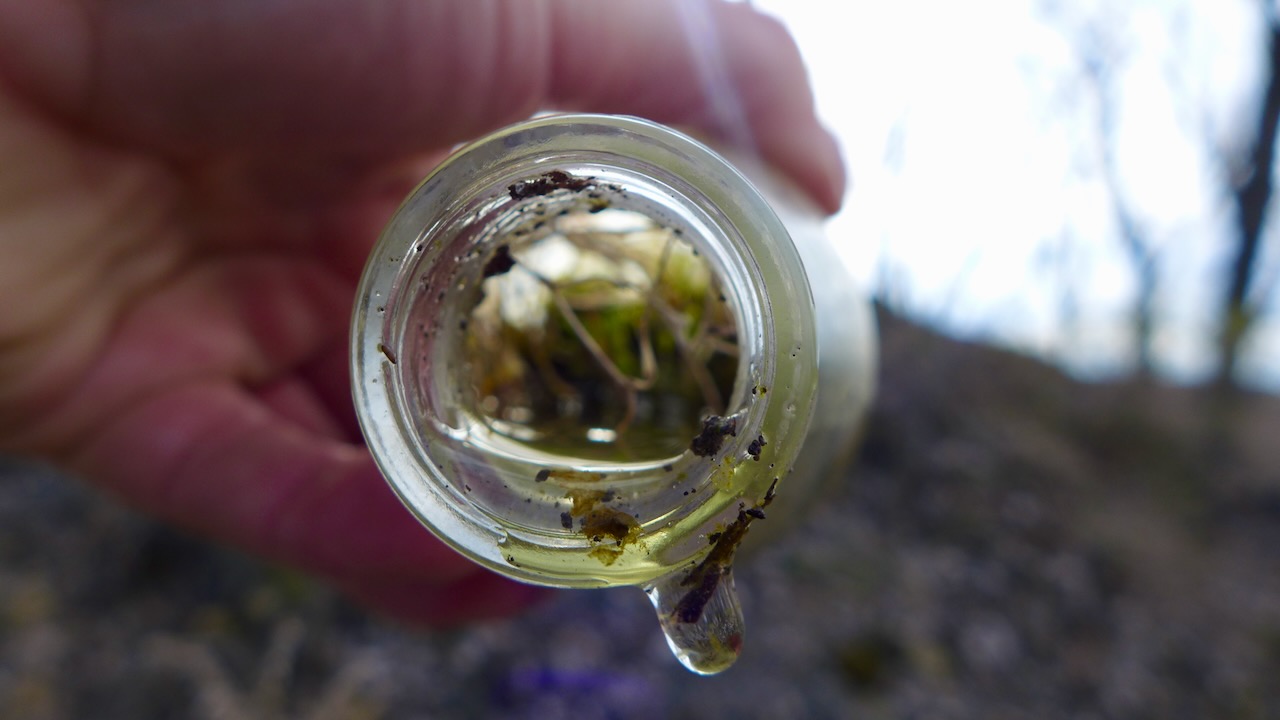
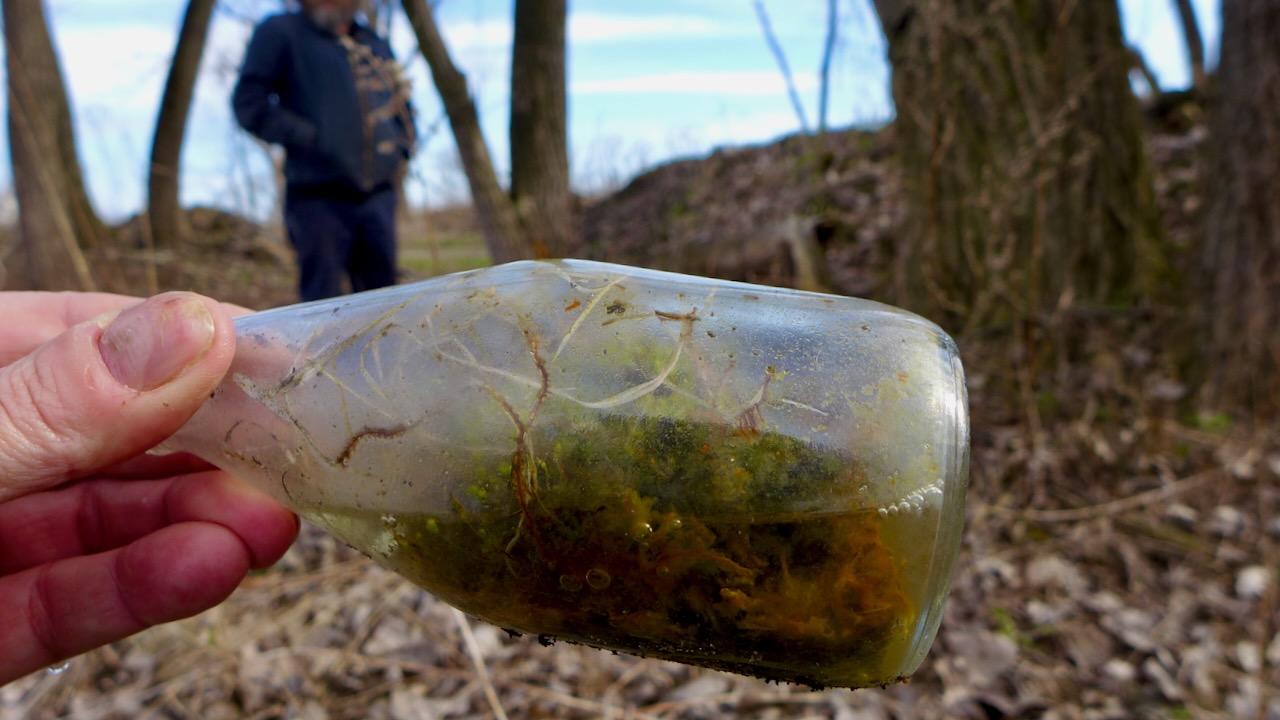
a spontaneous terrarium.
nice views.
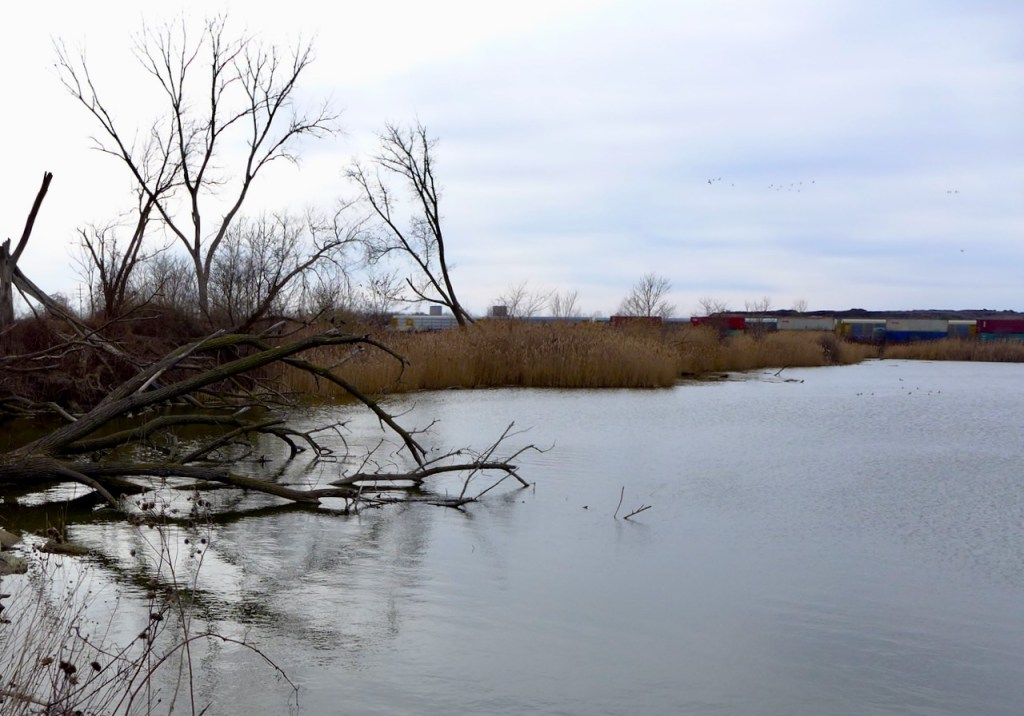
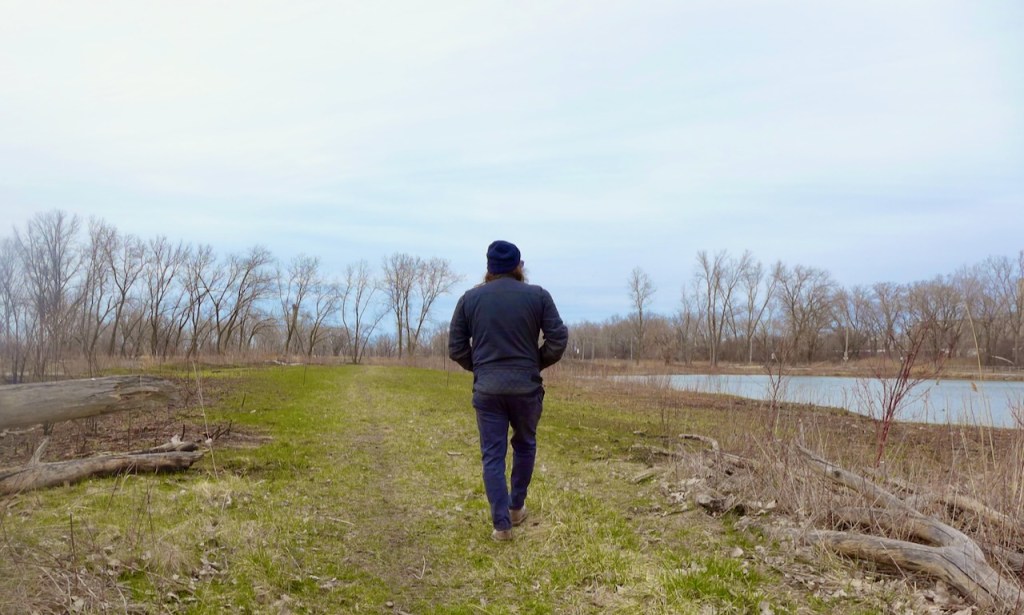
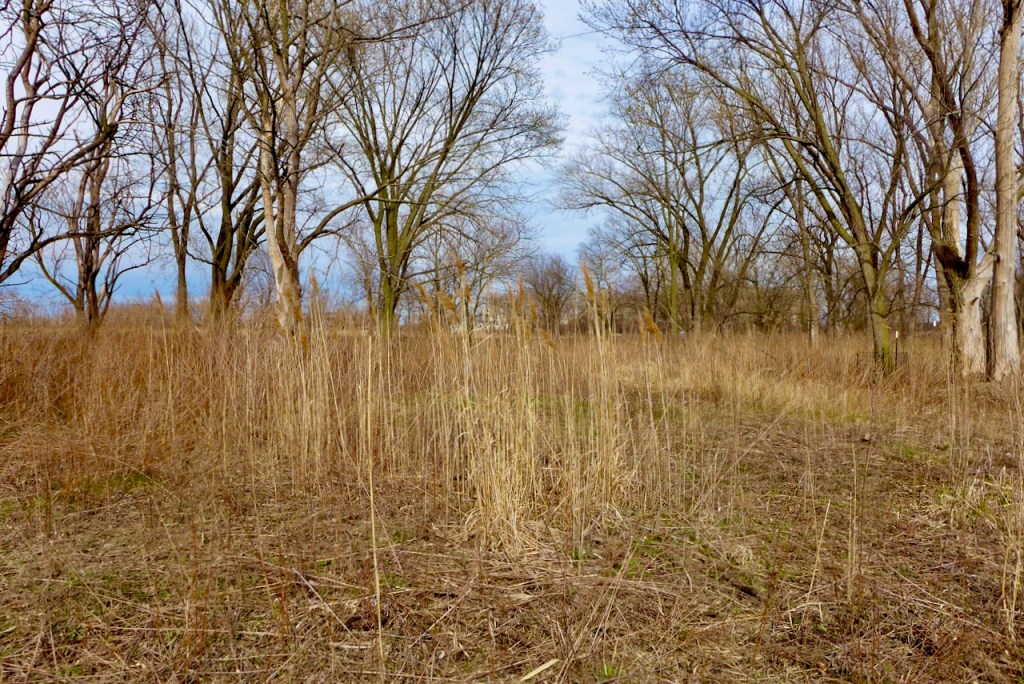
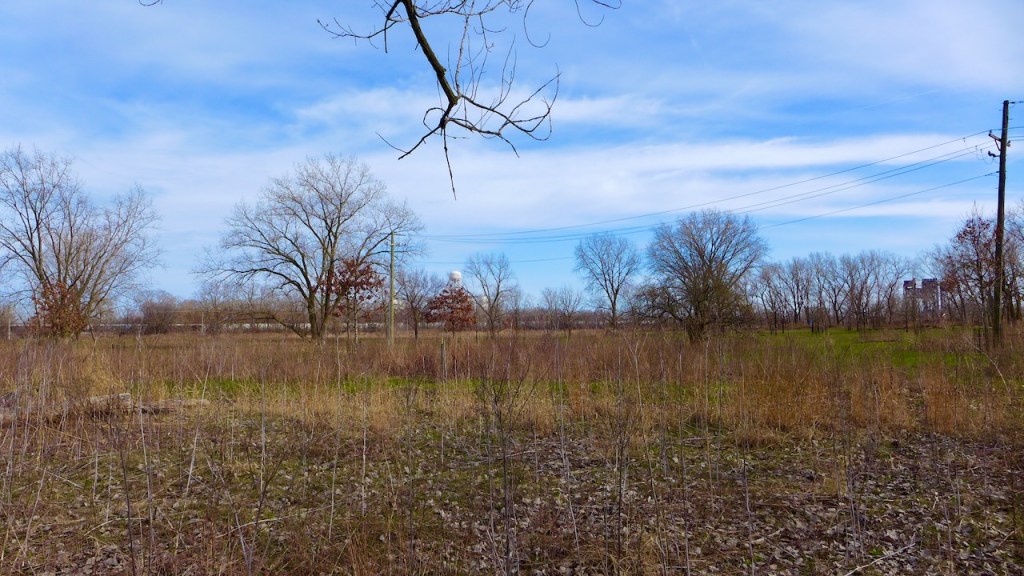
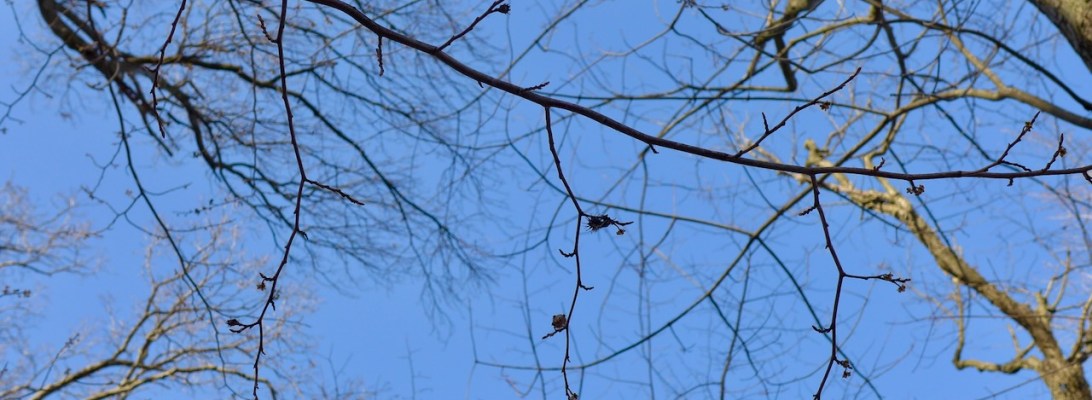
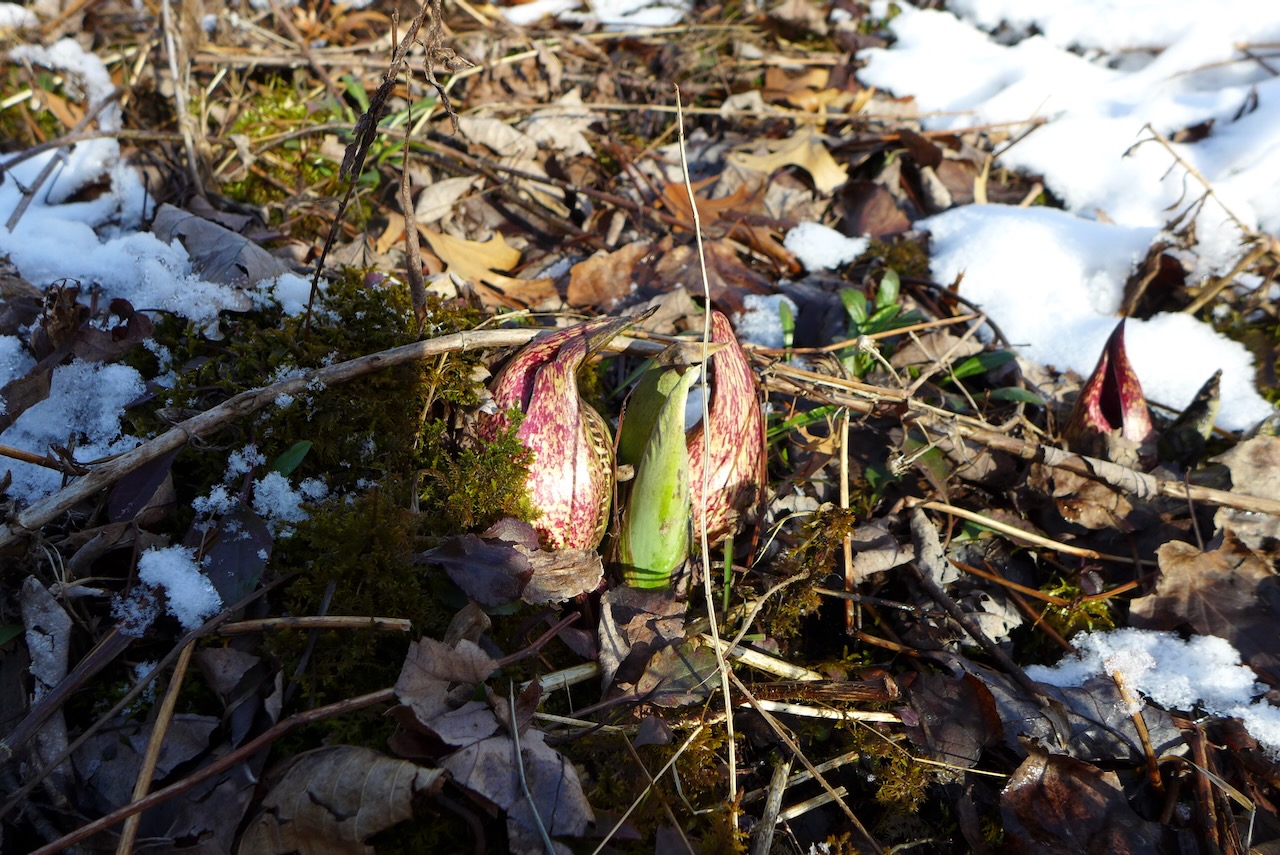
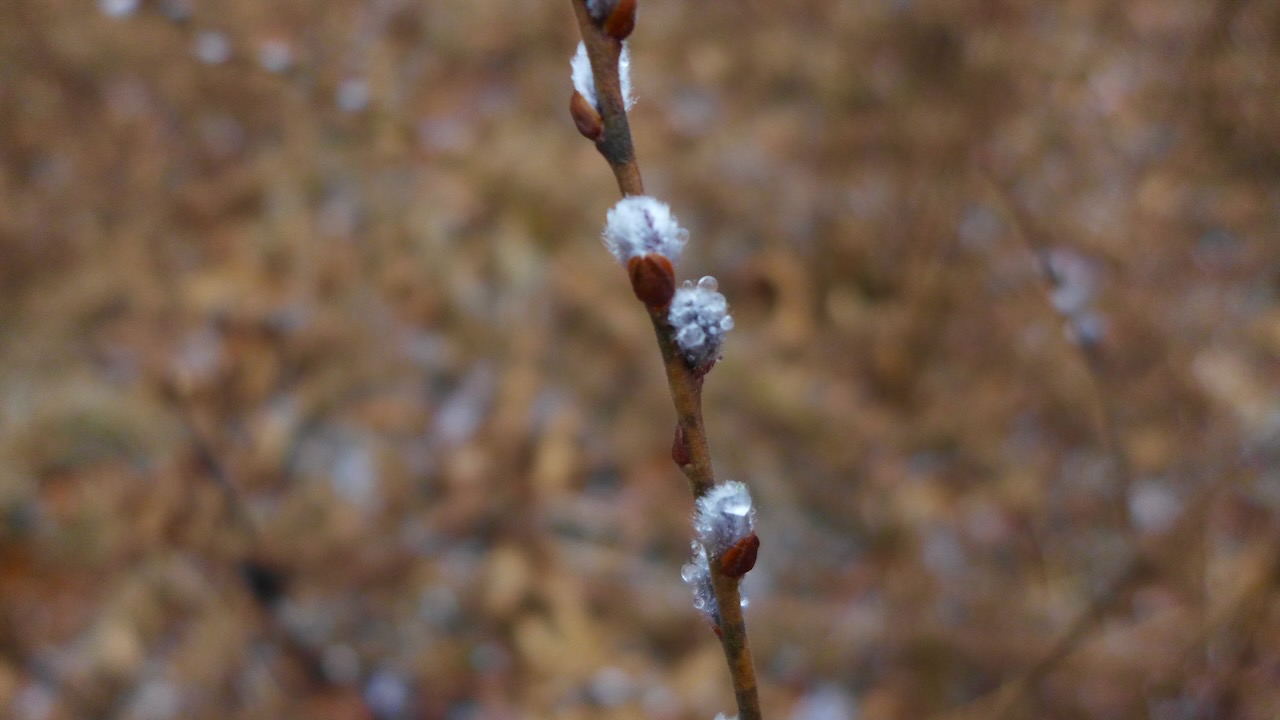
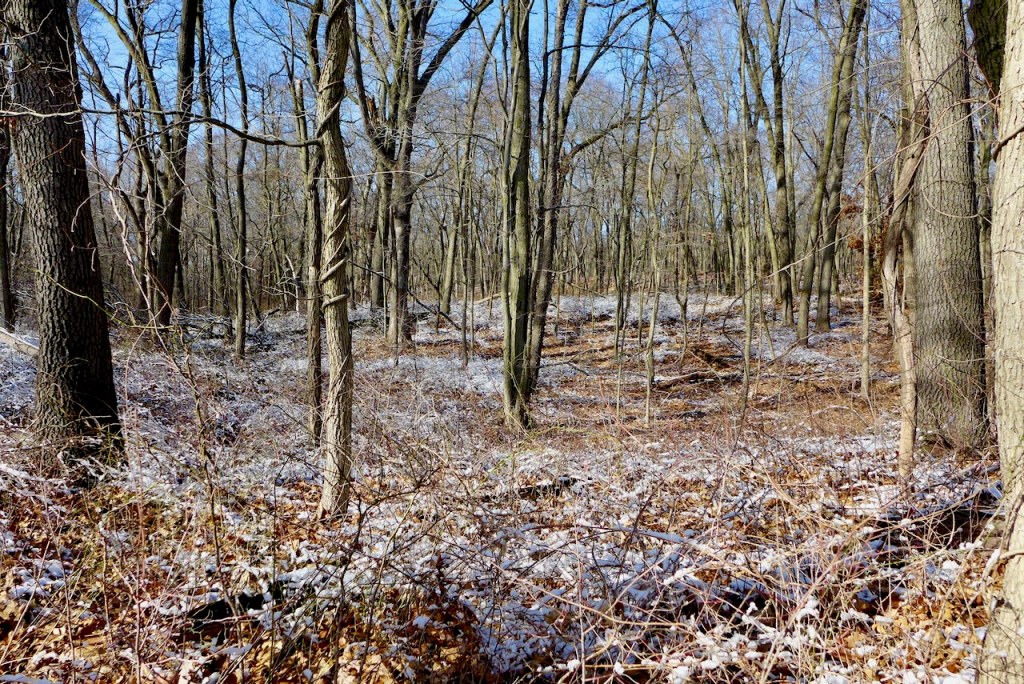
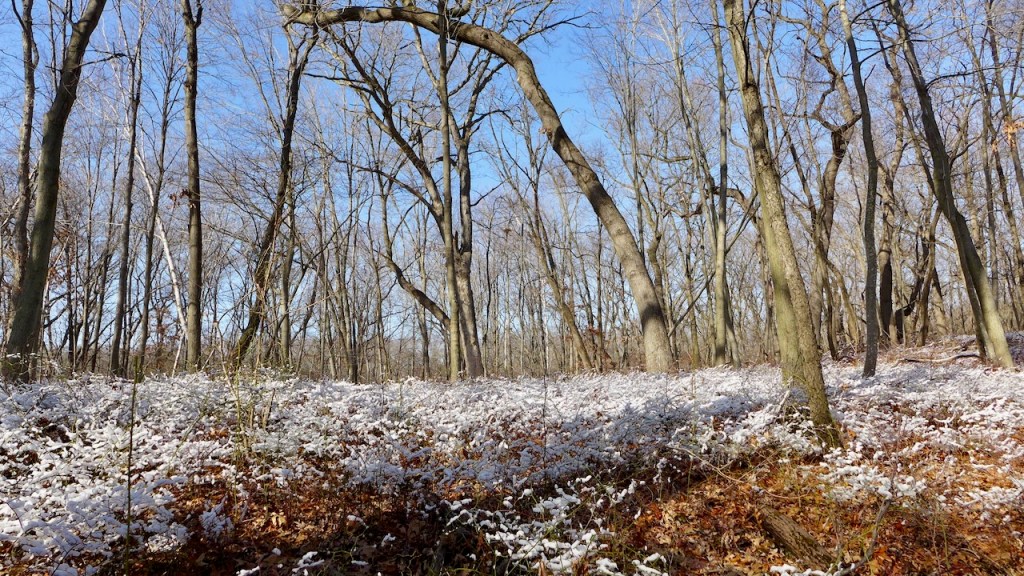
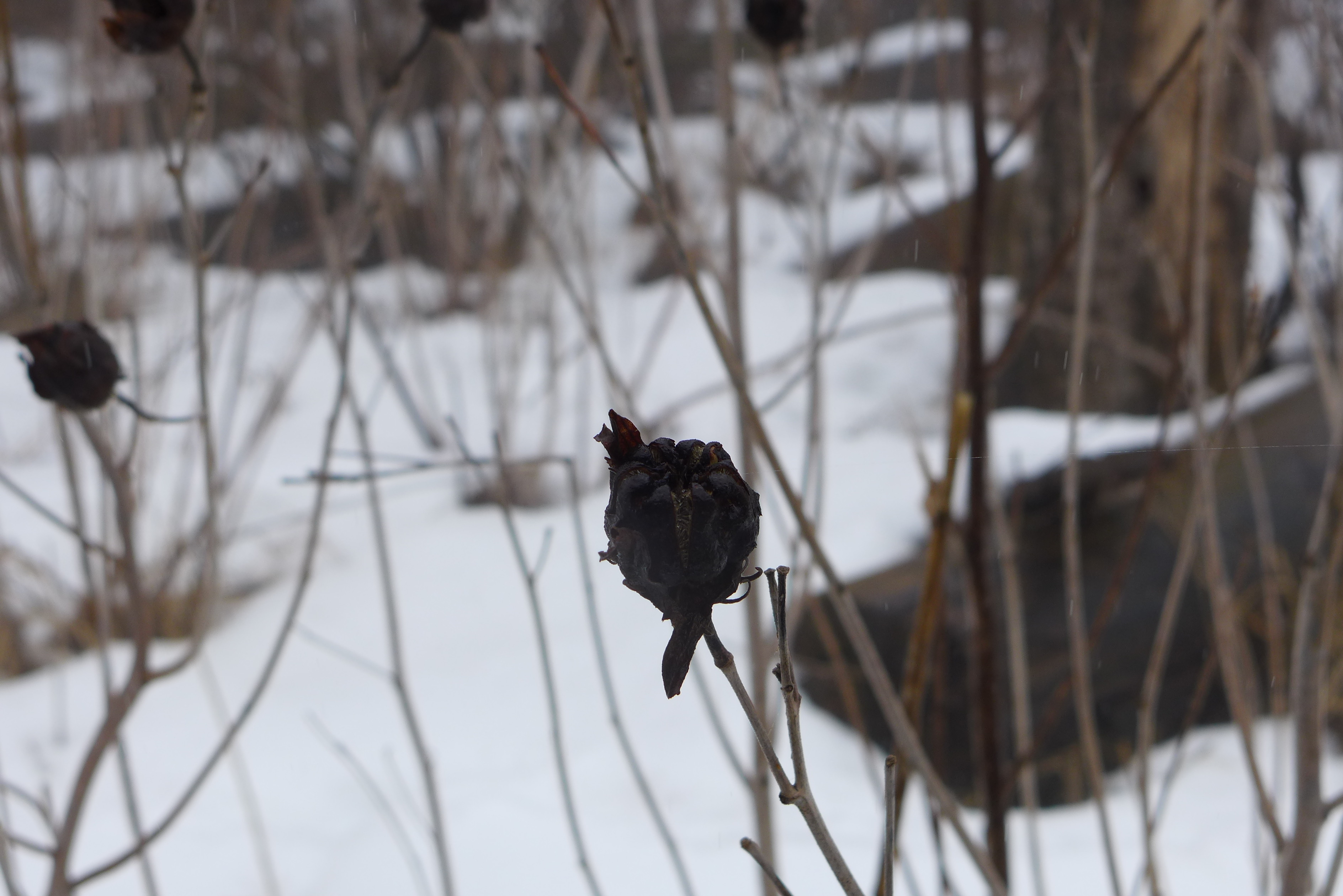
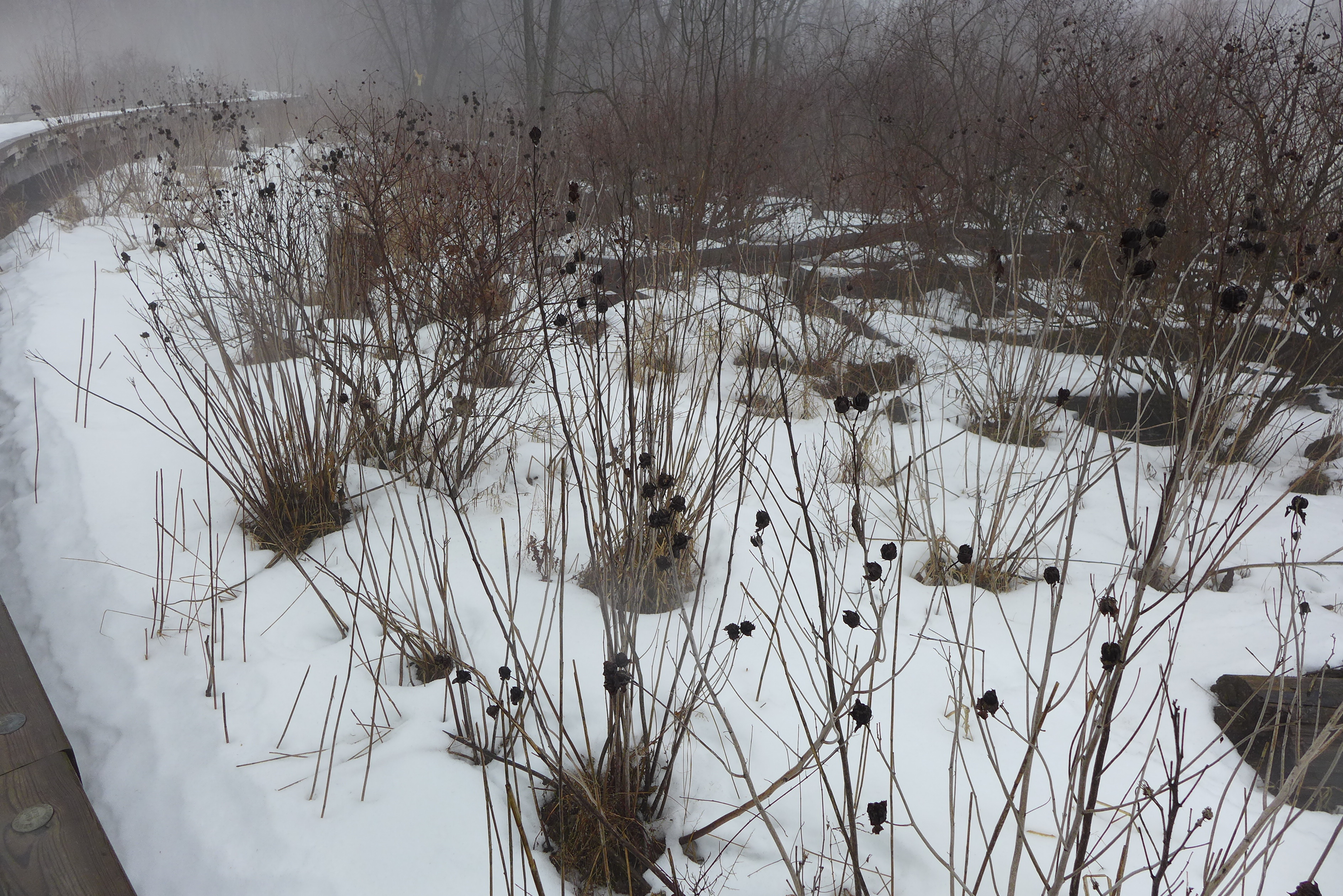
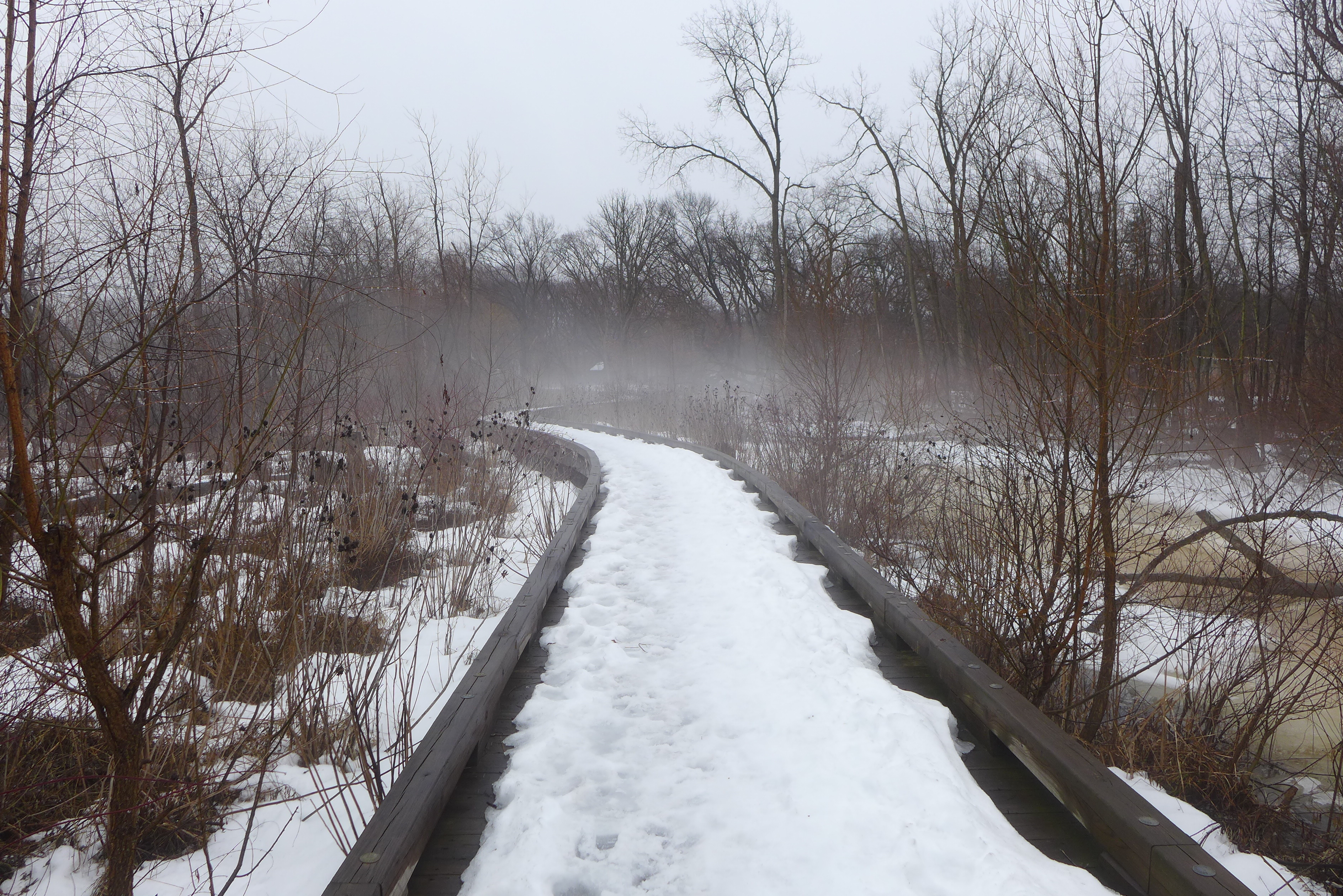
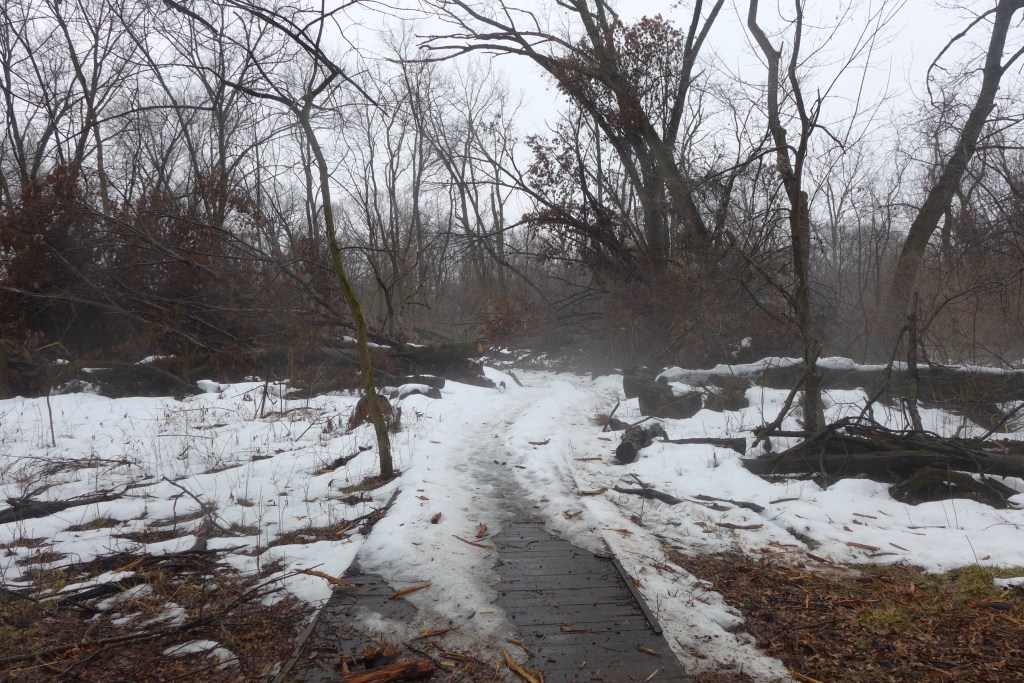
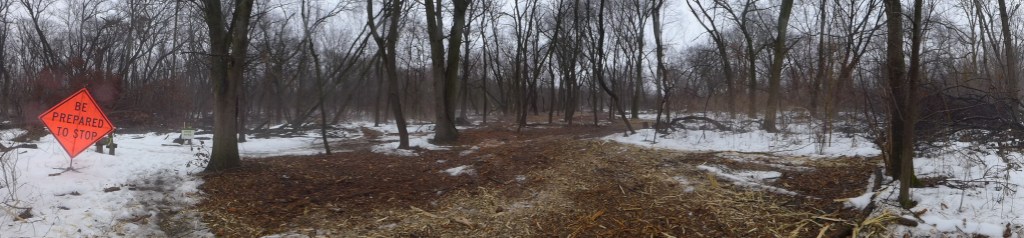
a brisk walk at Cowles Bog (named for your hero and mine, Henry Chandler Cowles) yields early flowers and fruits in wintry landscapes.
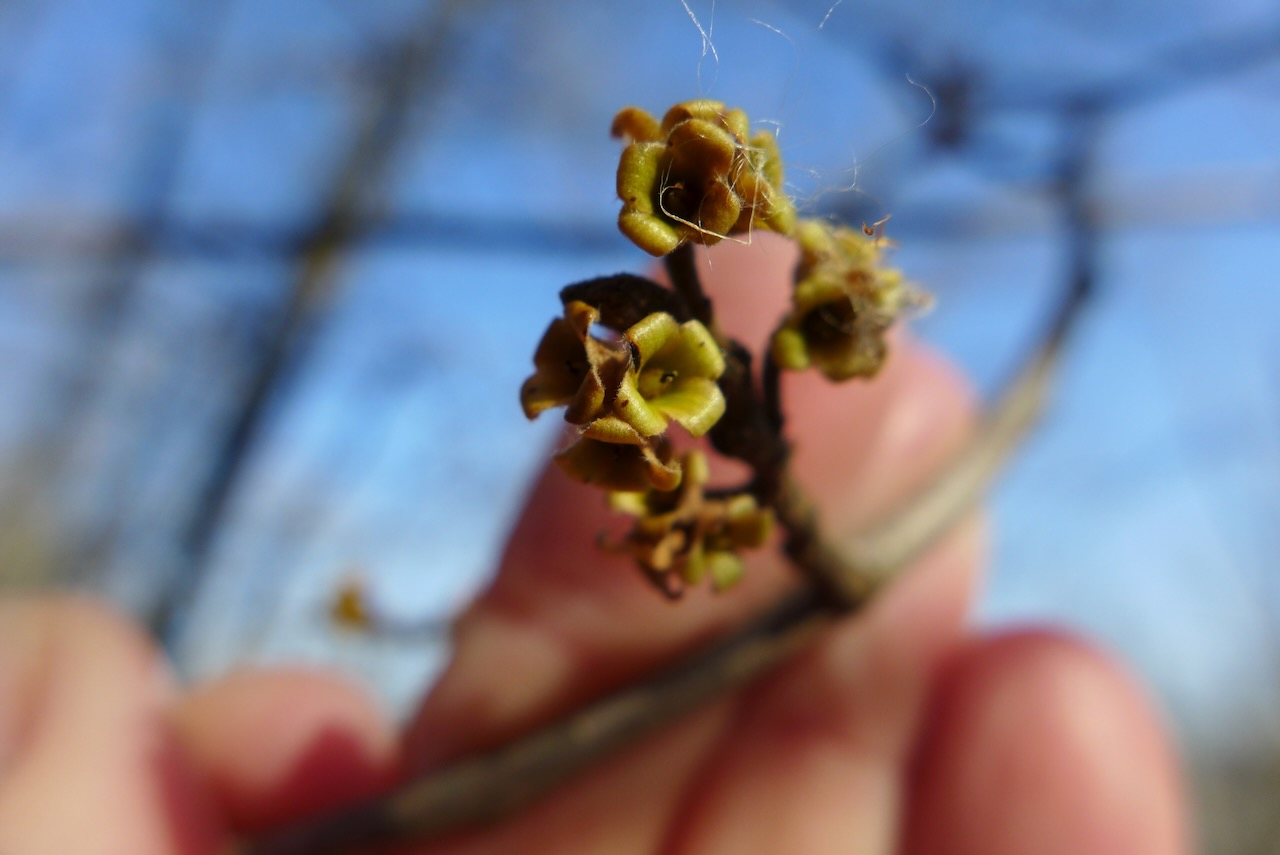

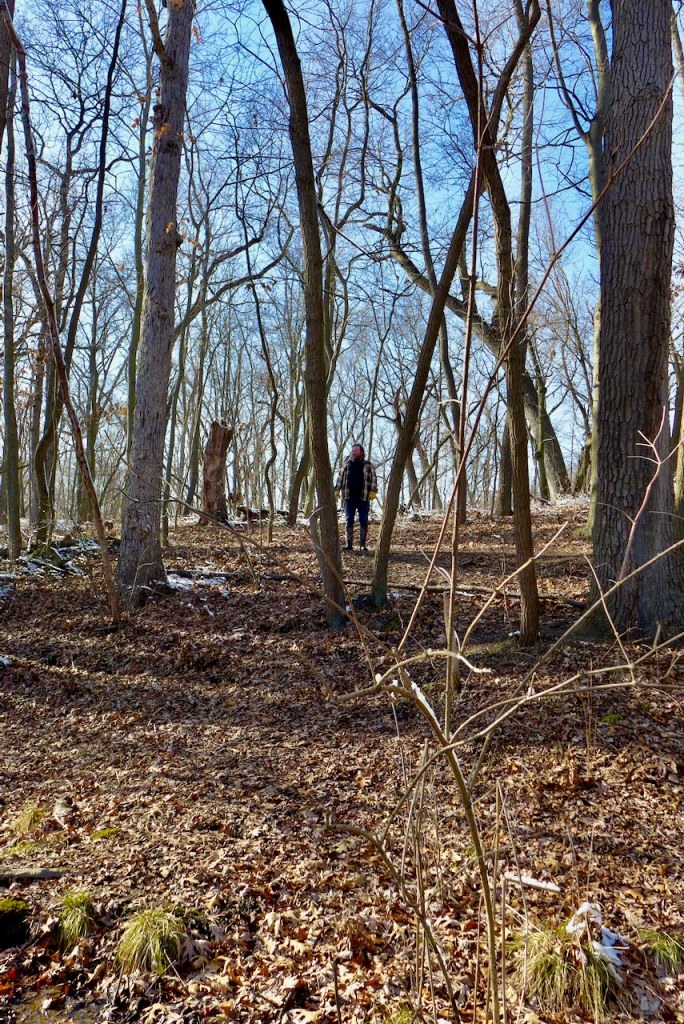
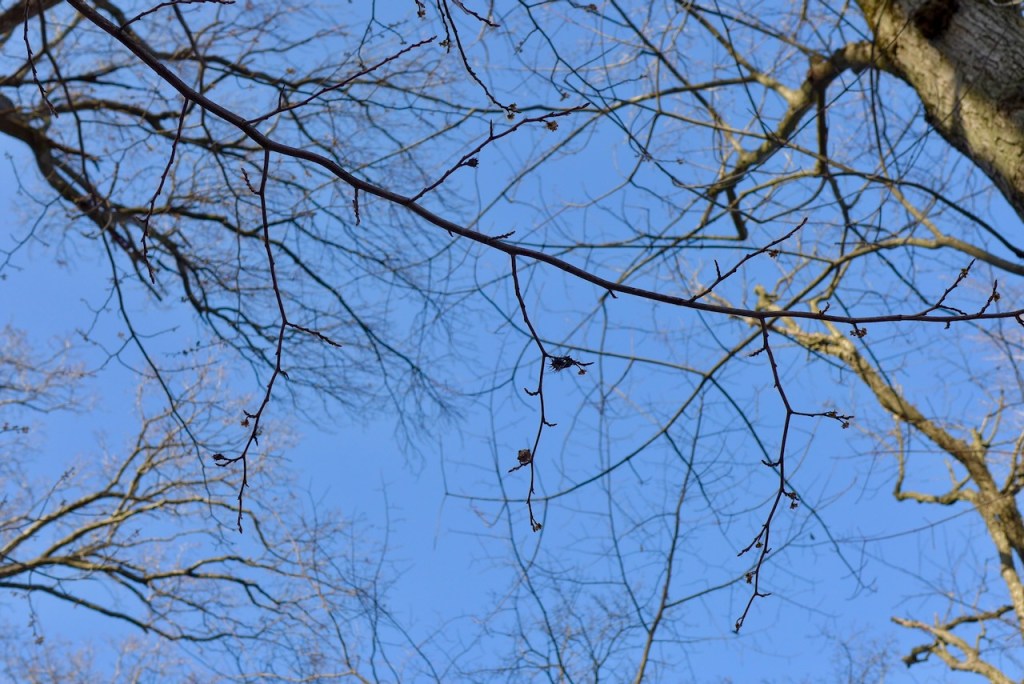
I didn’t remember that we had visited here in May before, but check out May 2017 to see what we found here a few years ago!
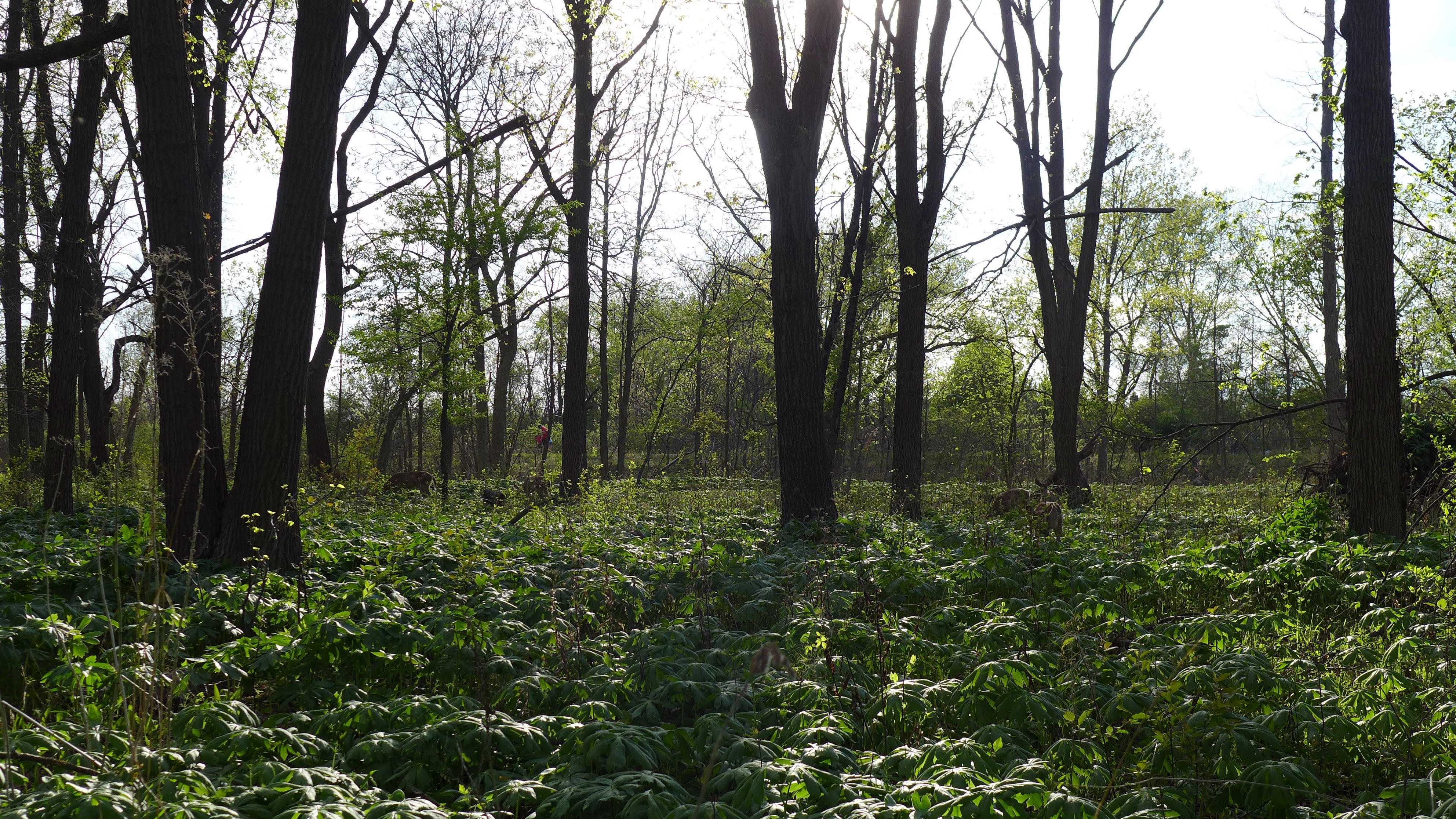
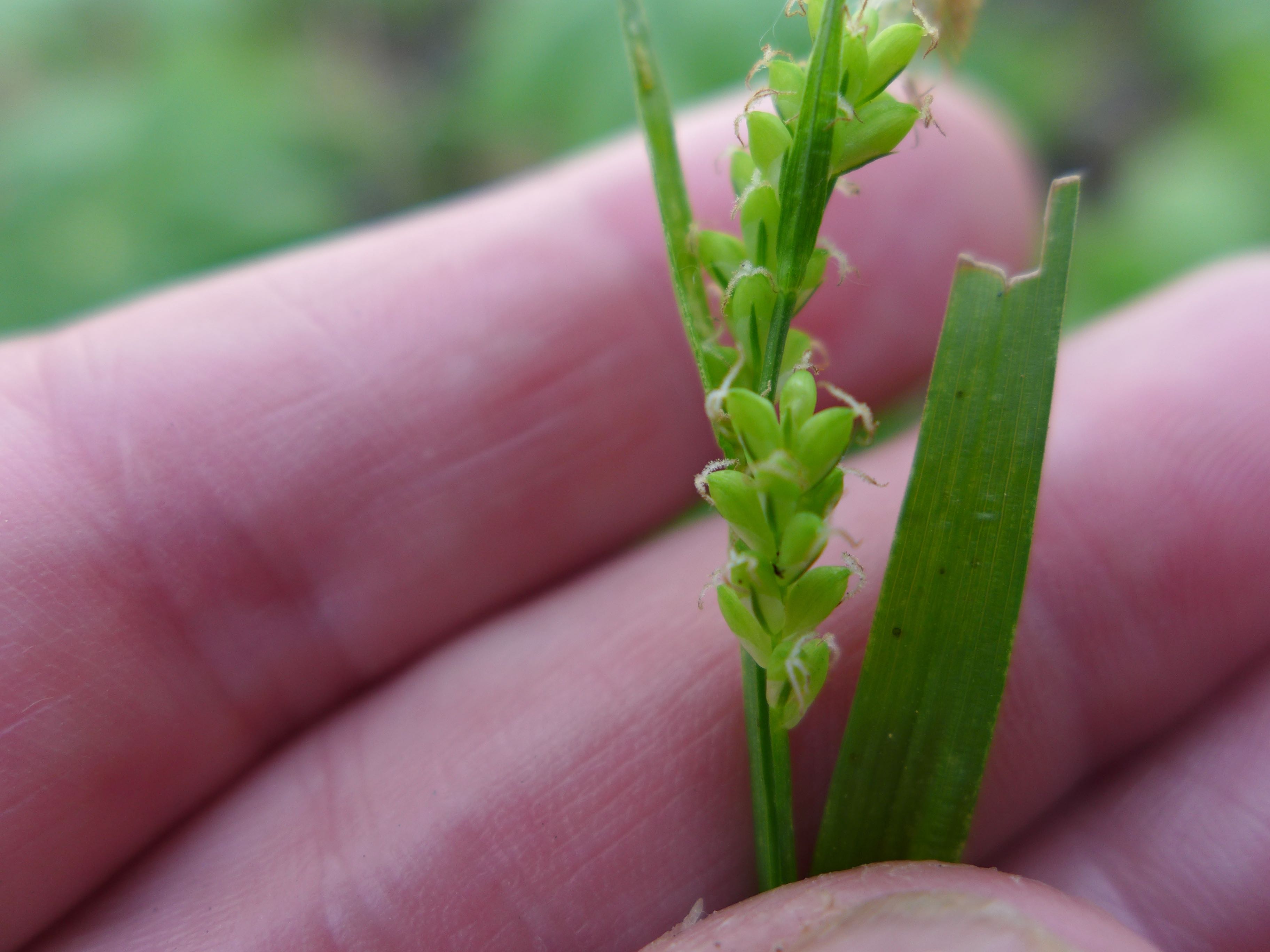
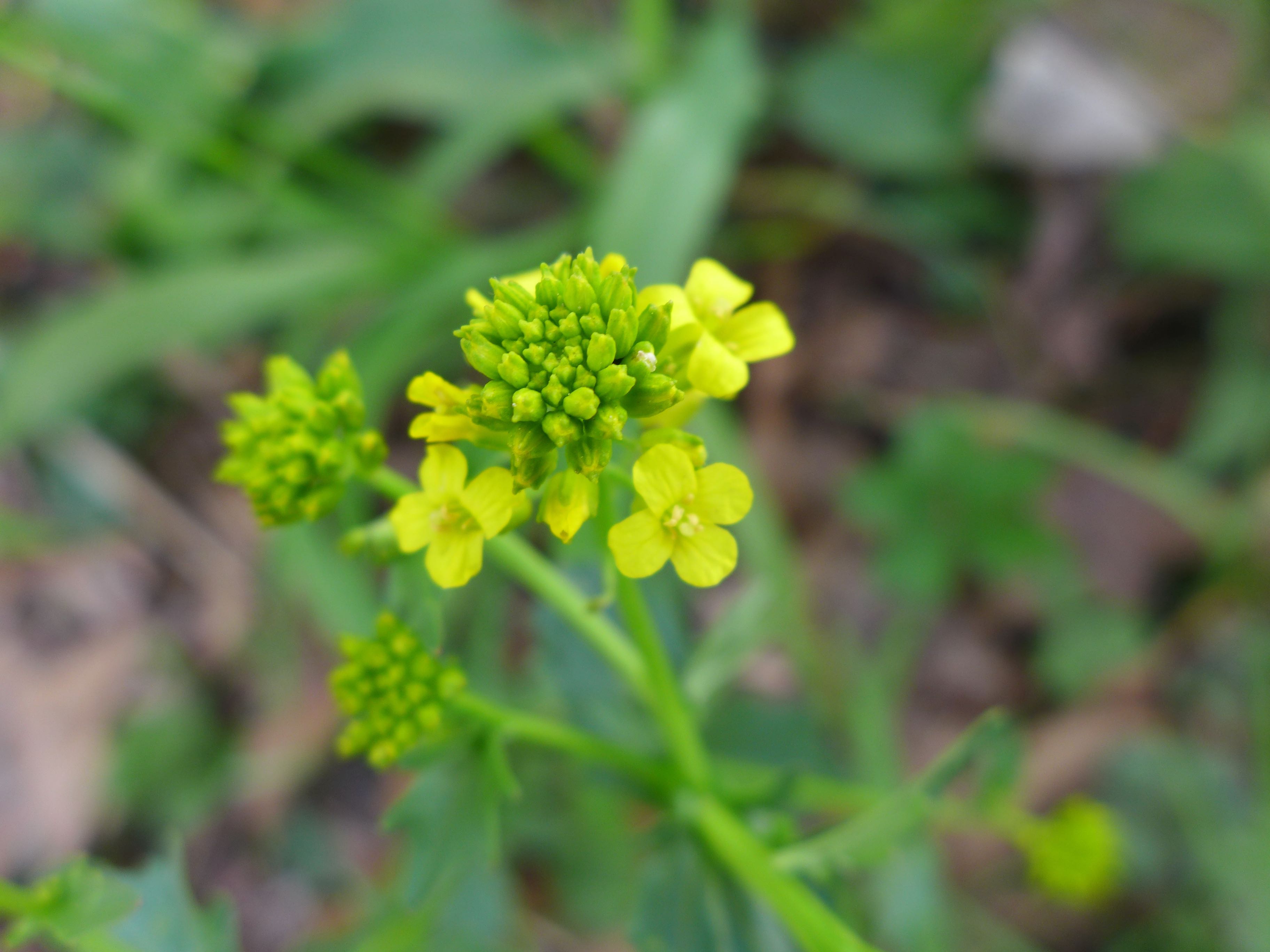
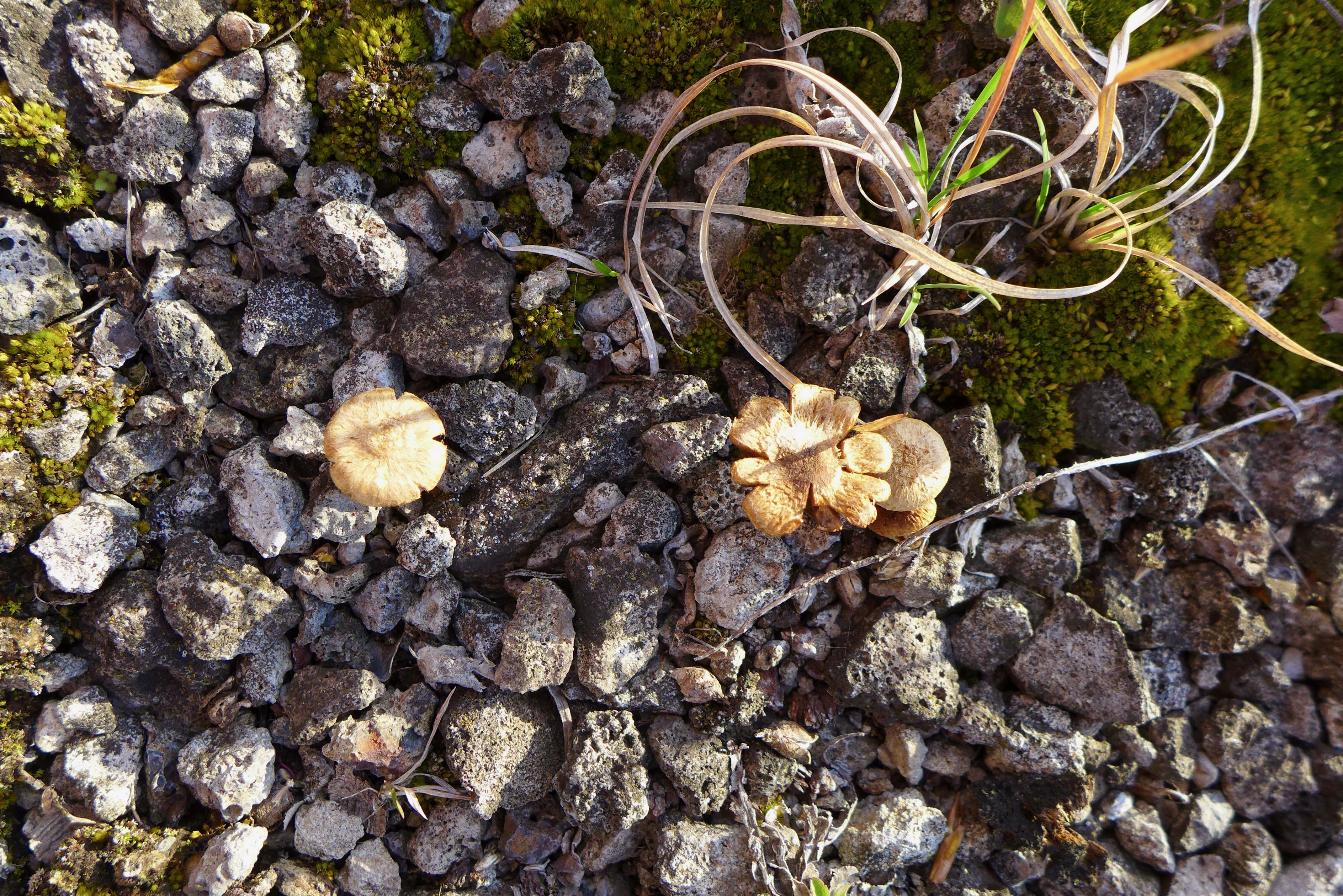
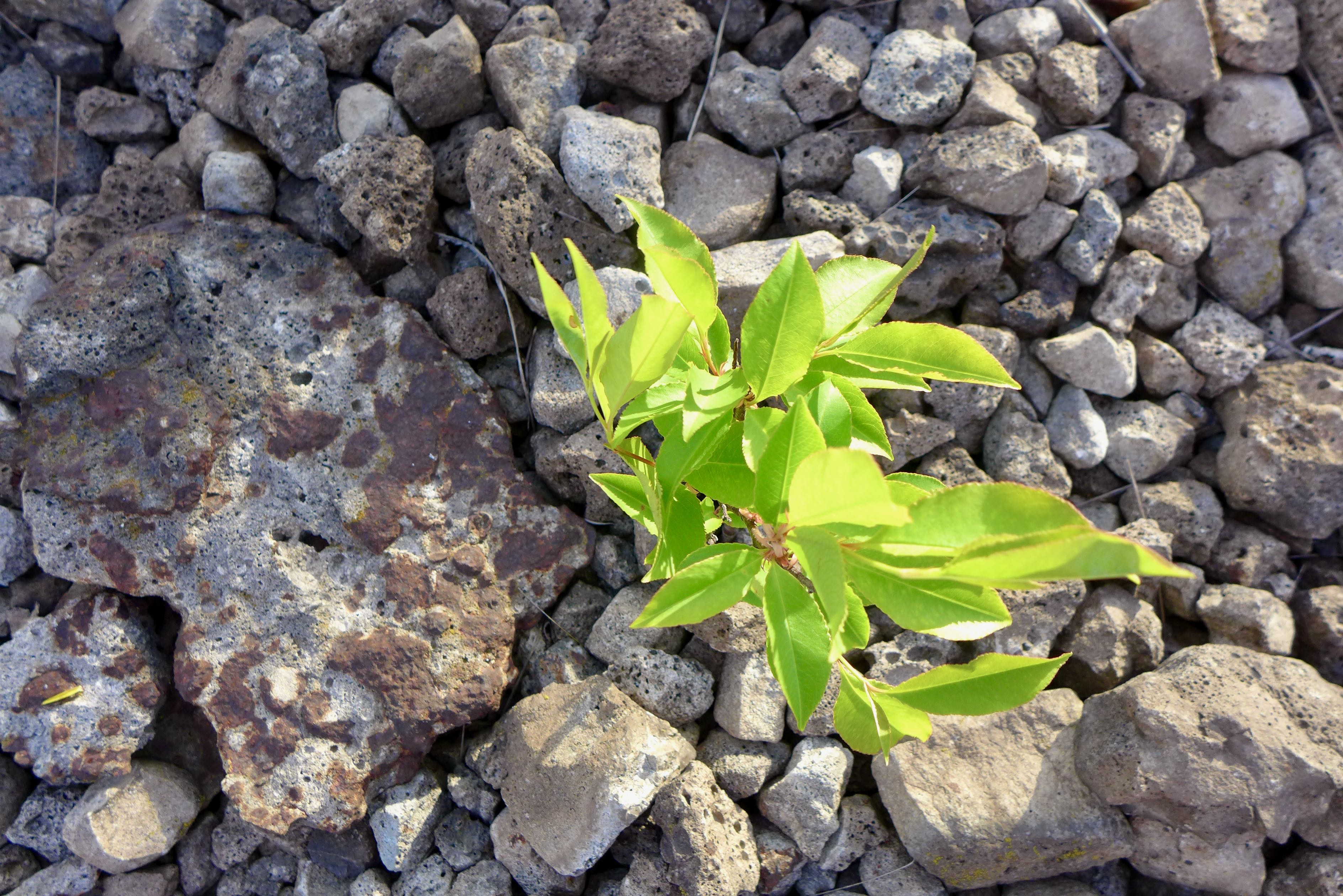
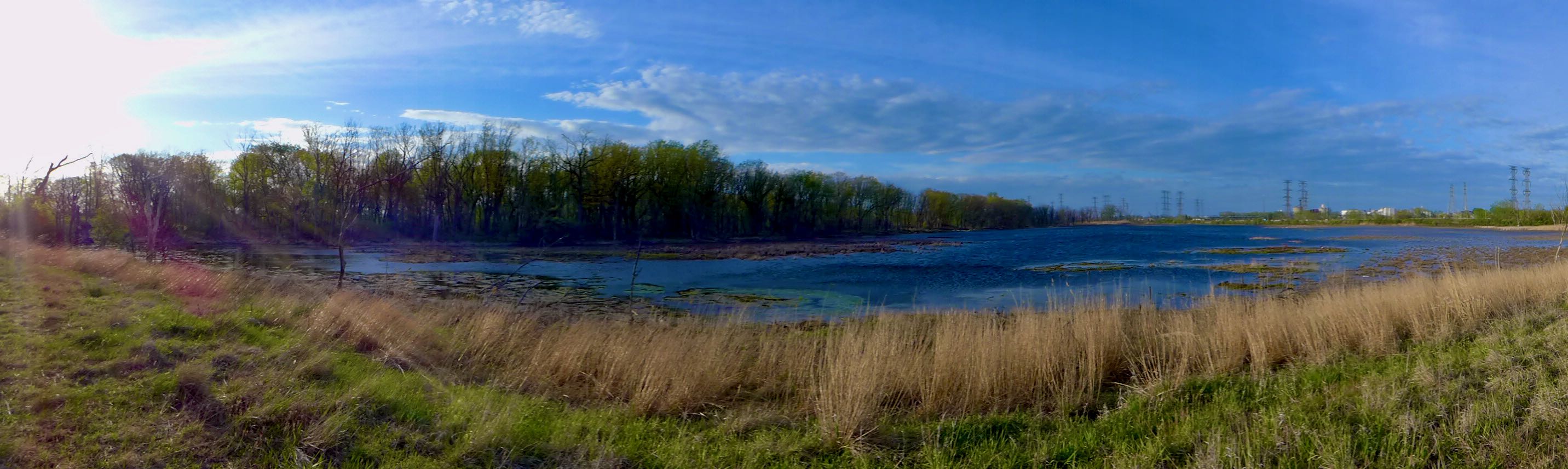
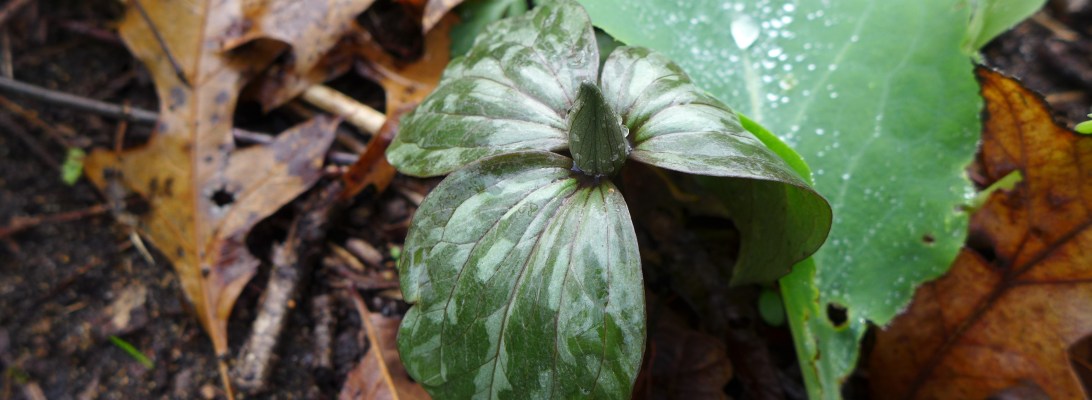
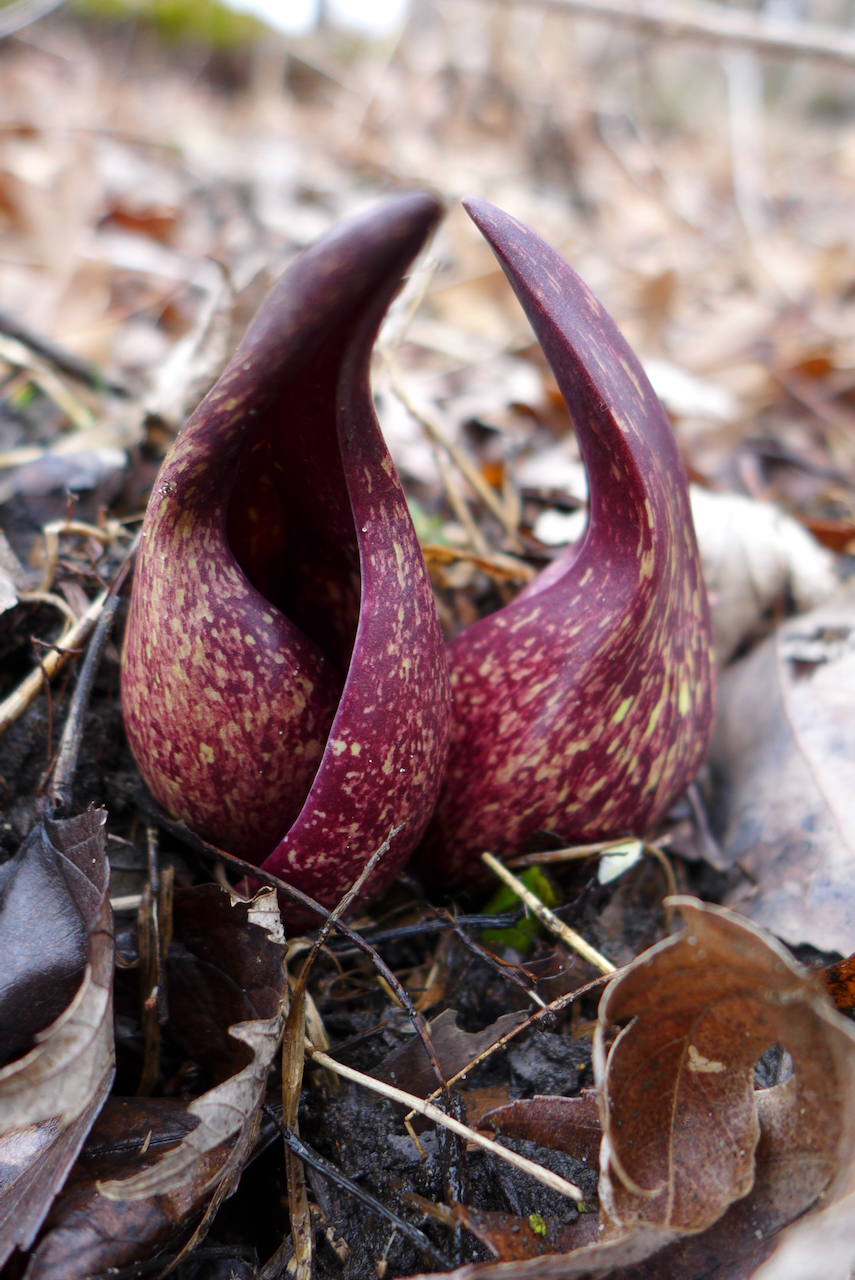
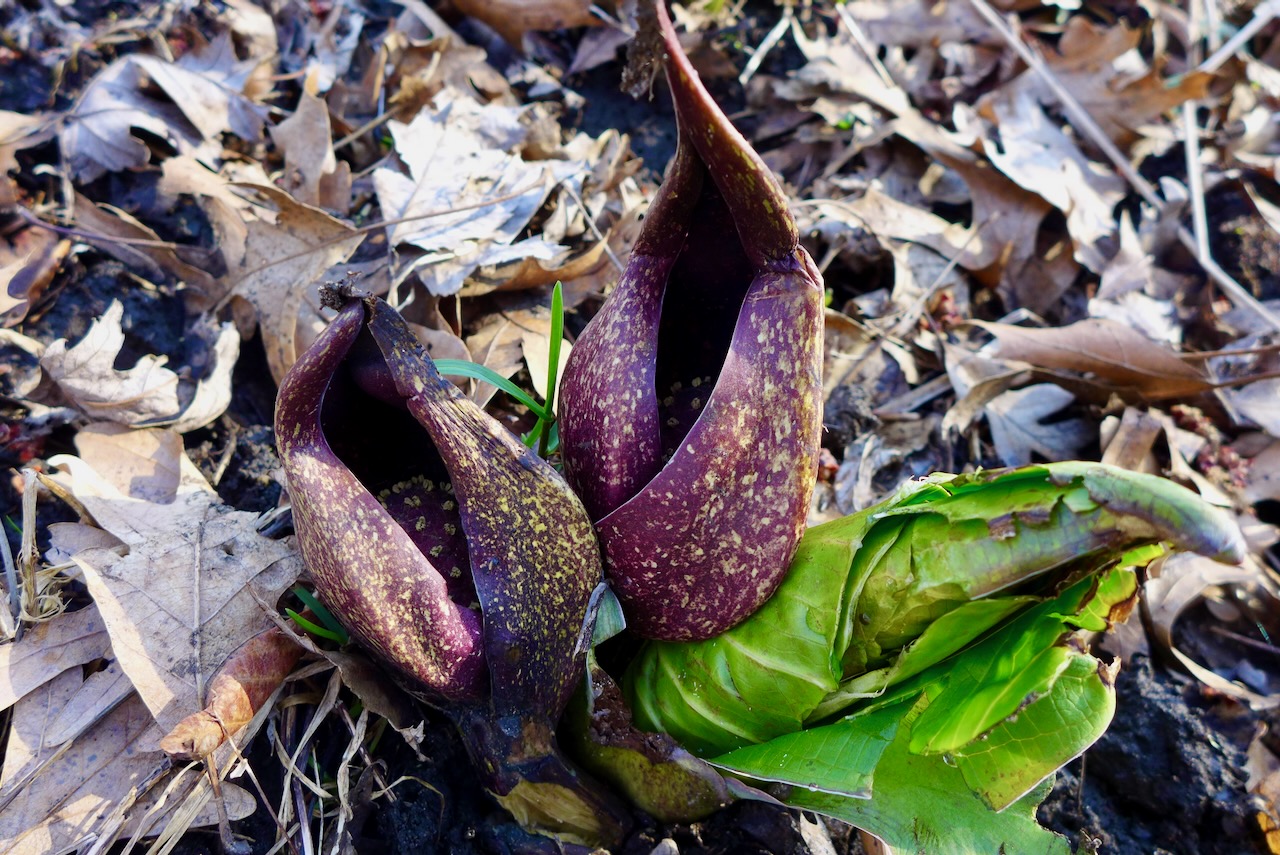
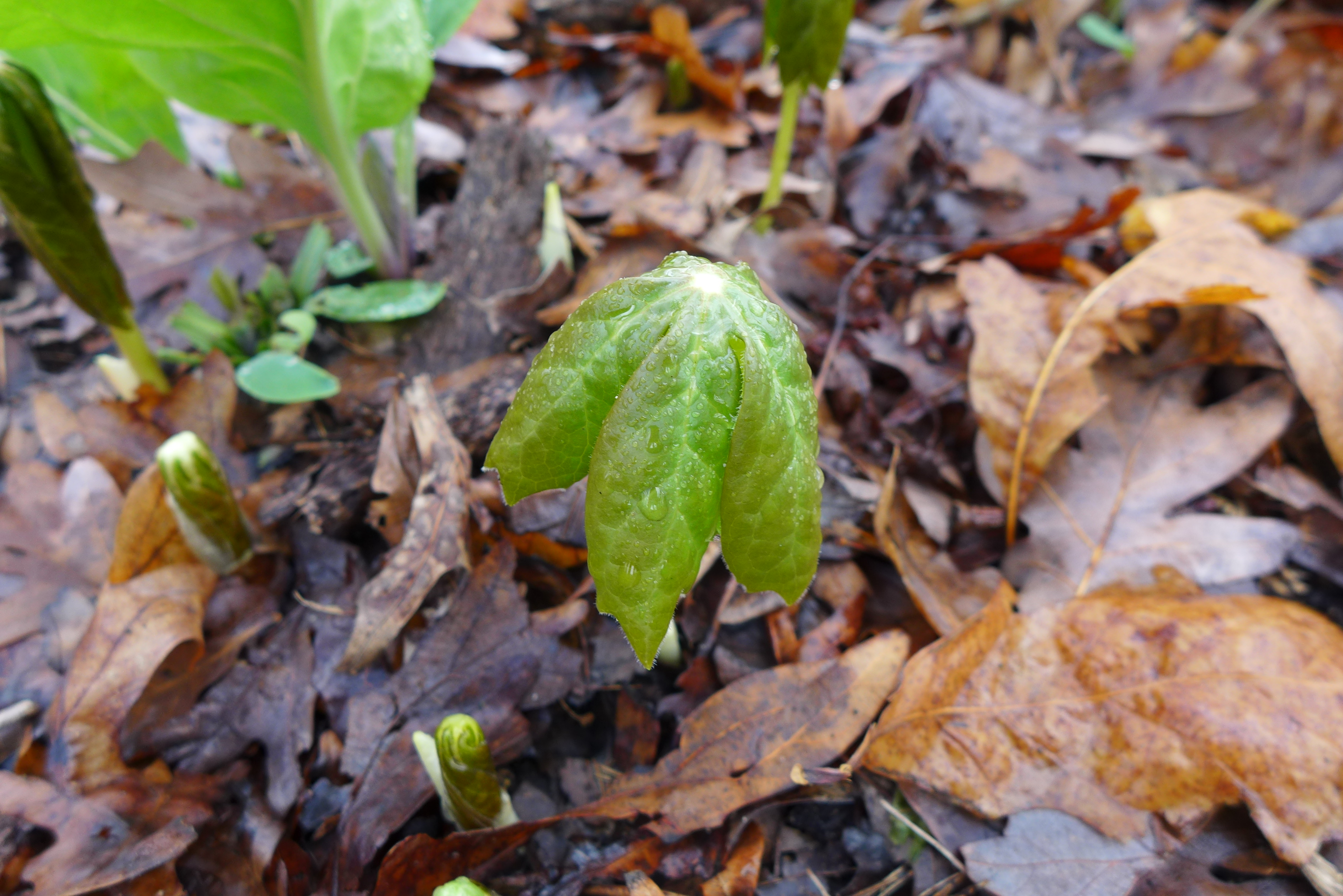
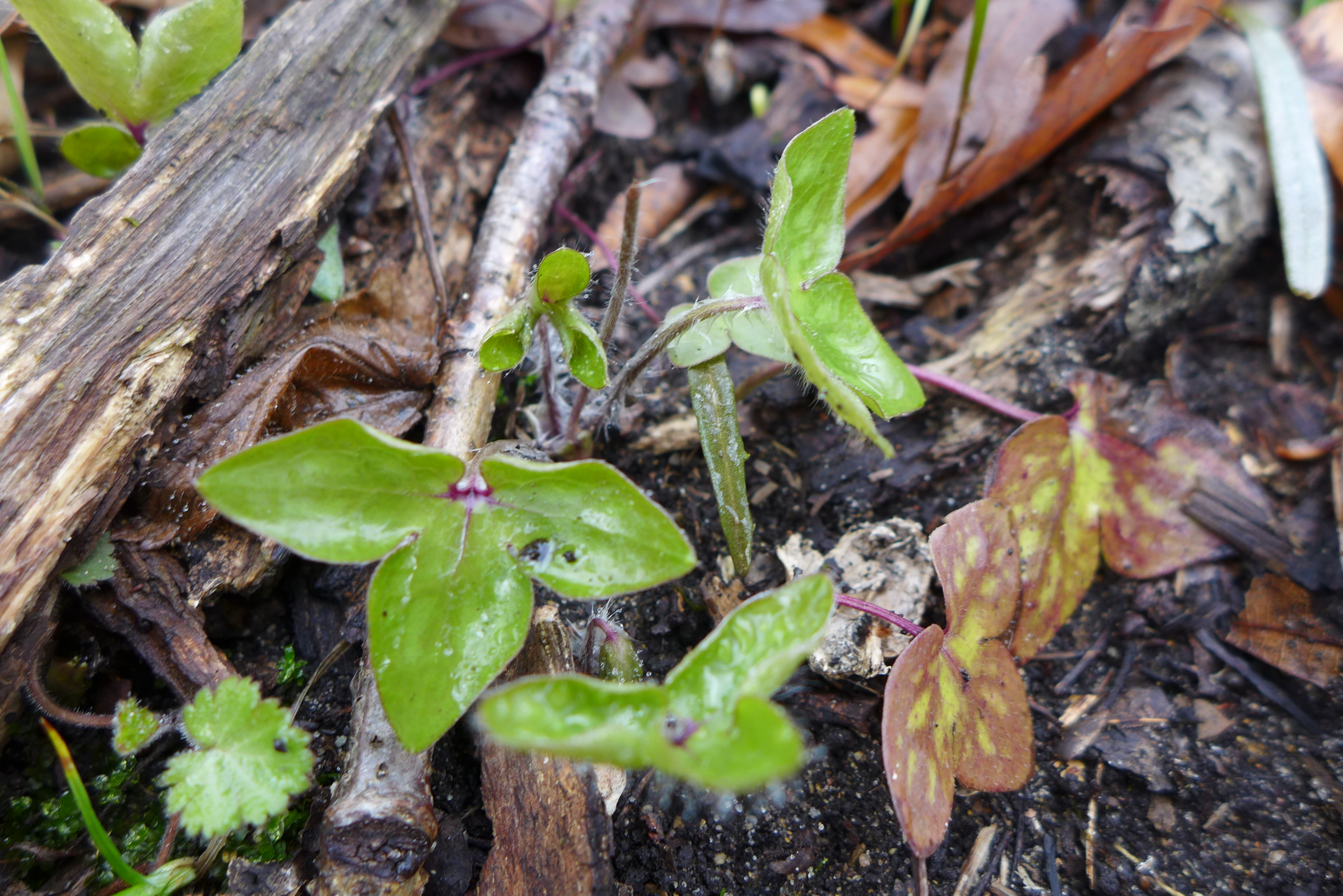
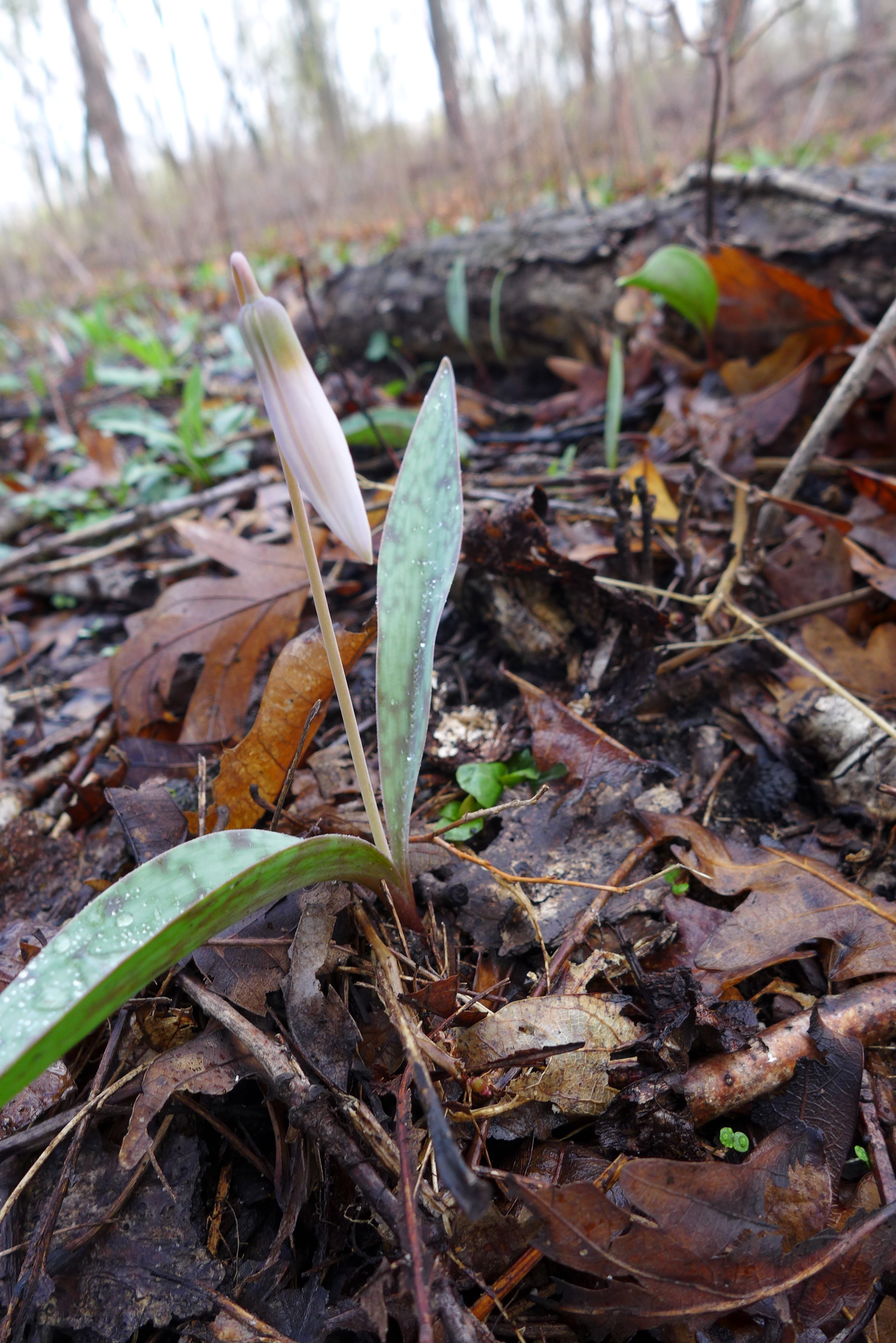
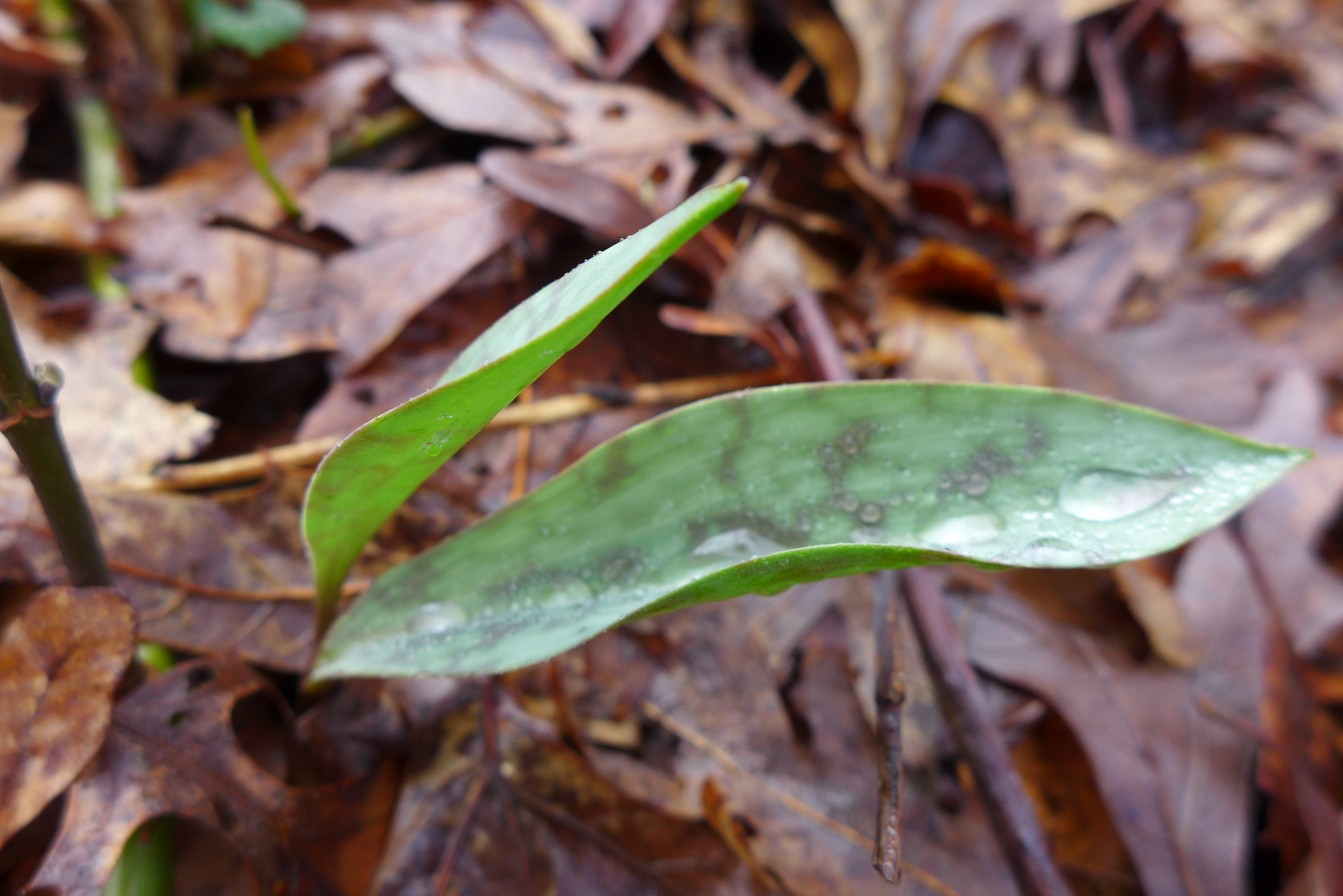
Early in the year yields many trips to the Sand Ridge complex in Calumet City – for wetlands with the year’s earliest flowers, skunk cabbage, and sandy woodland openings with the beginnings of spring ephemerals.
February 28

April 4
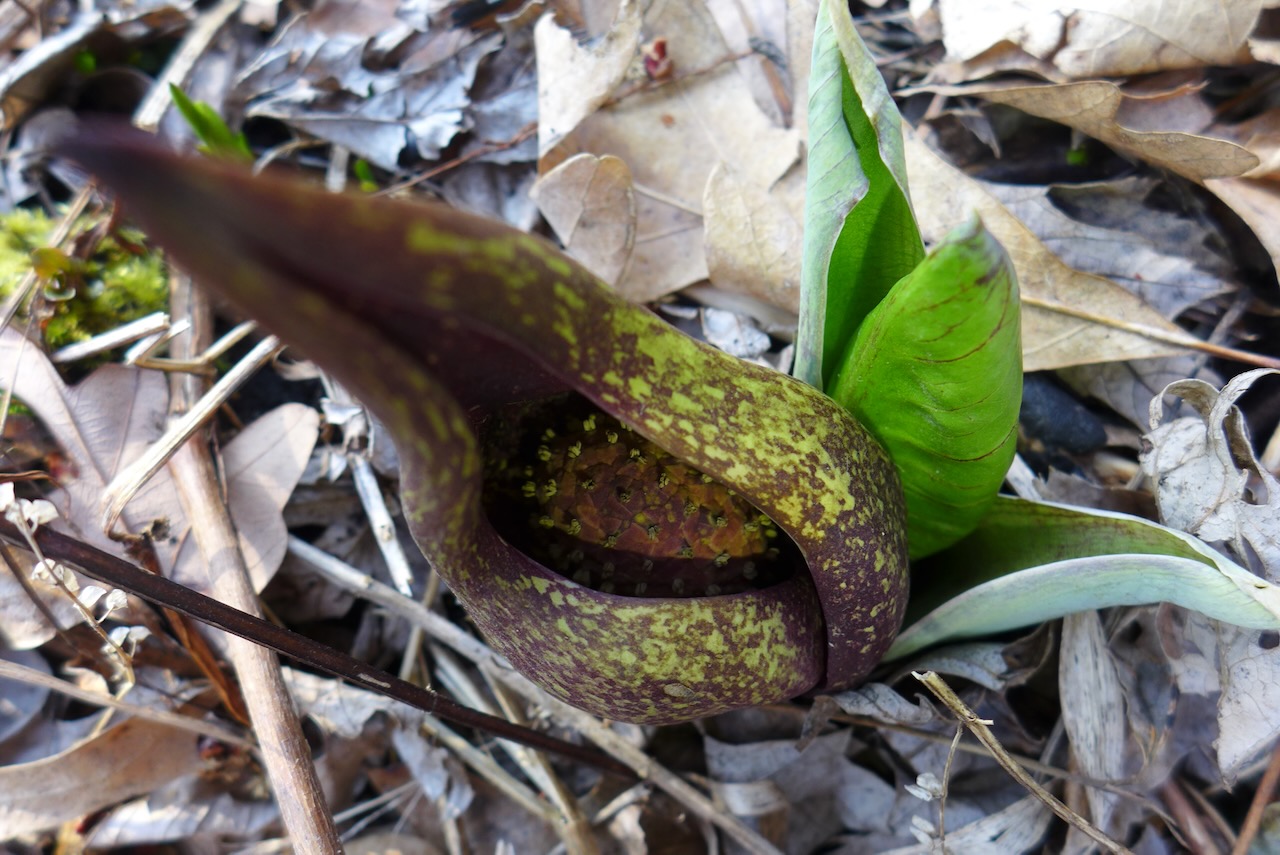
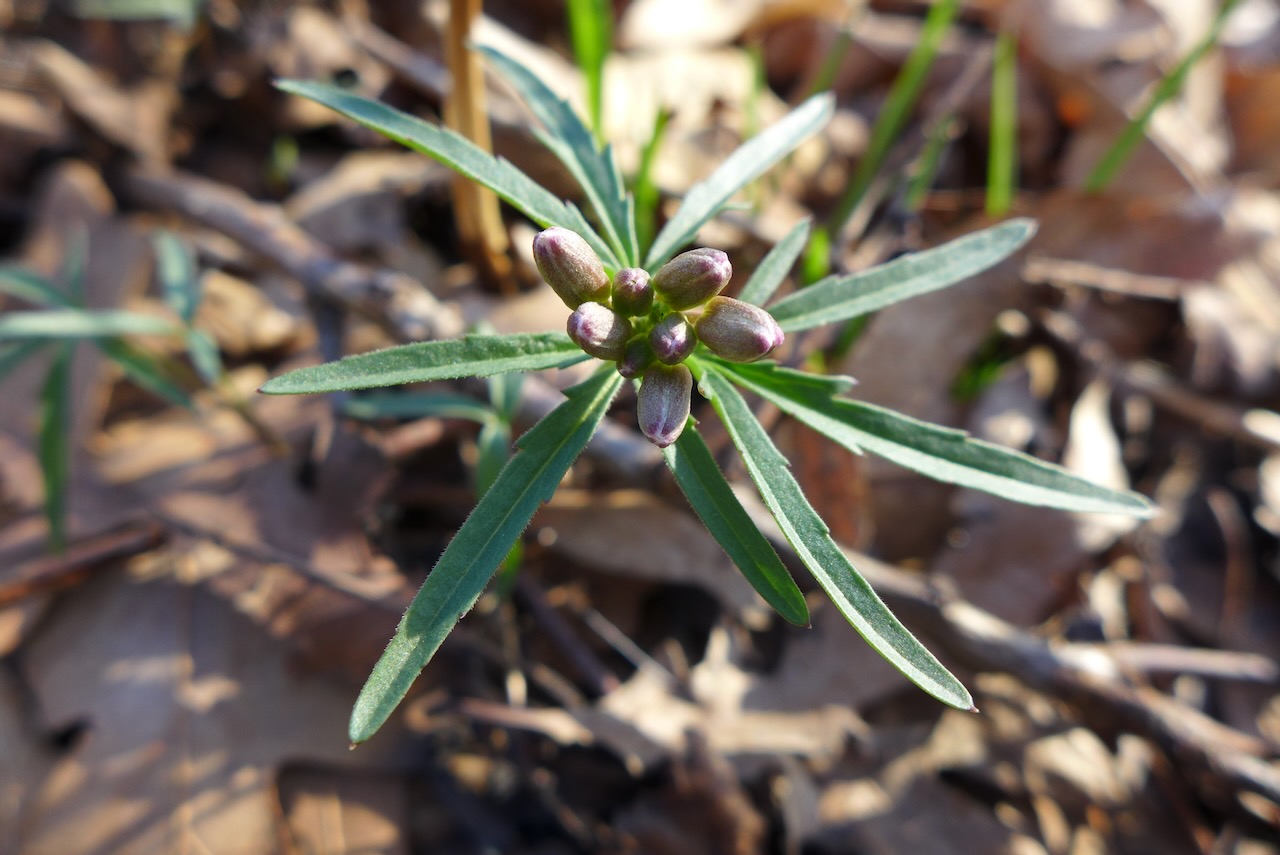
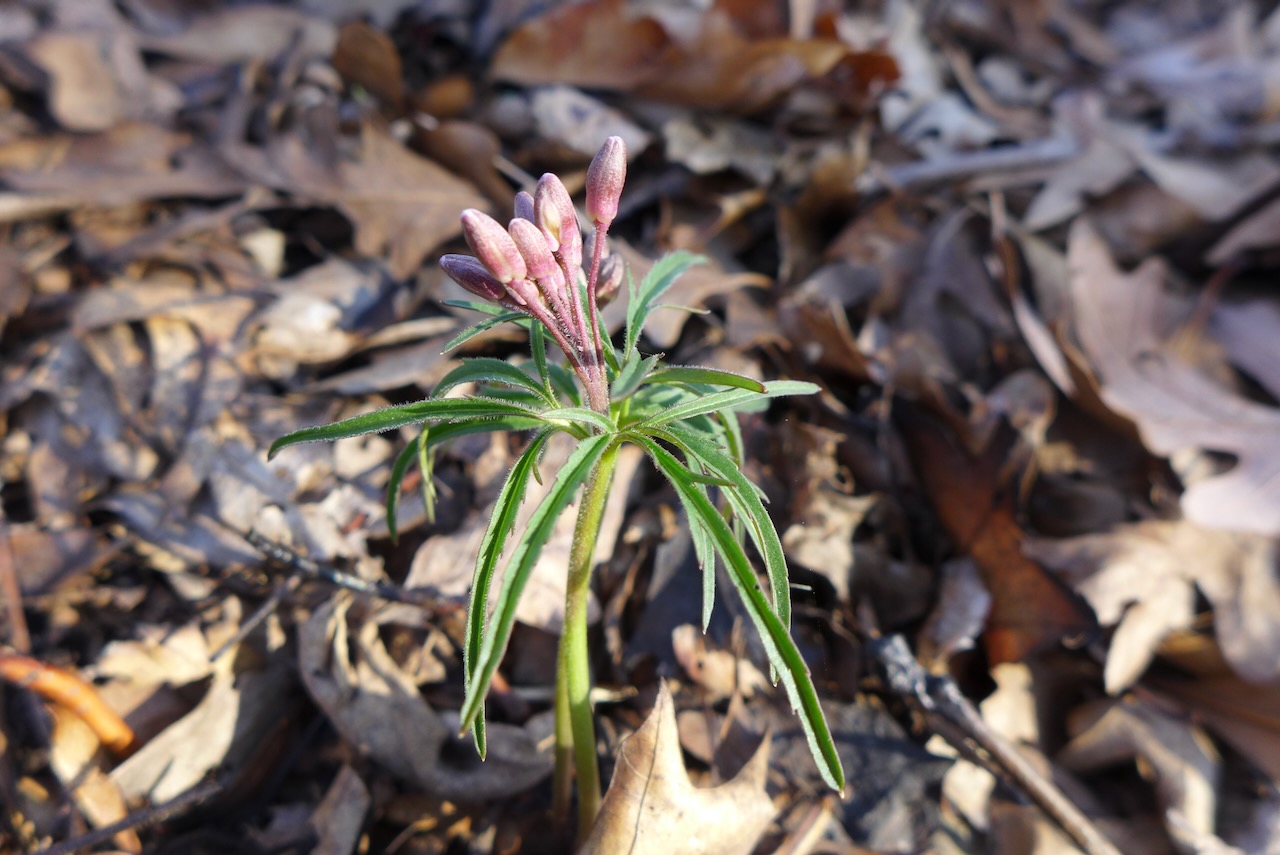
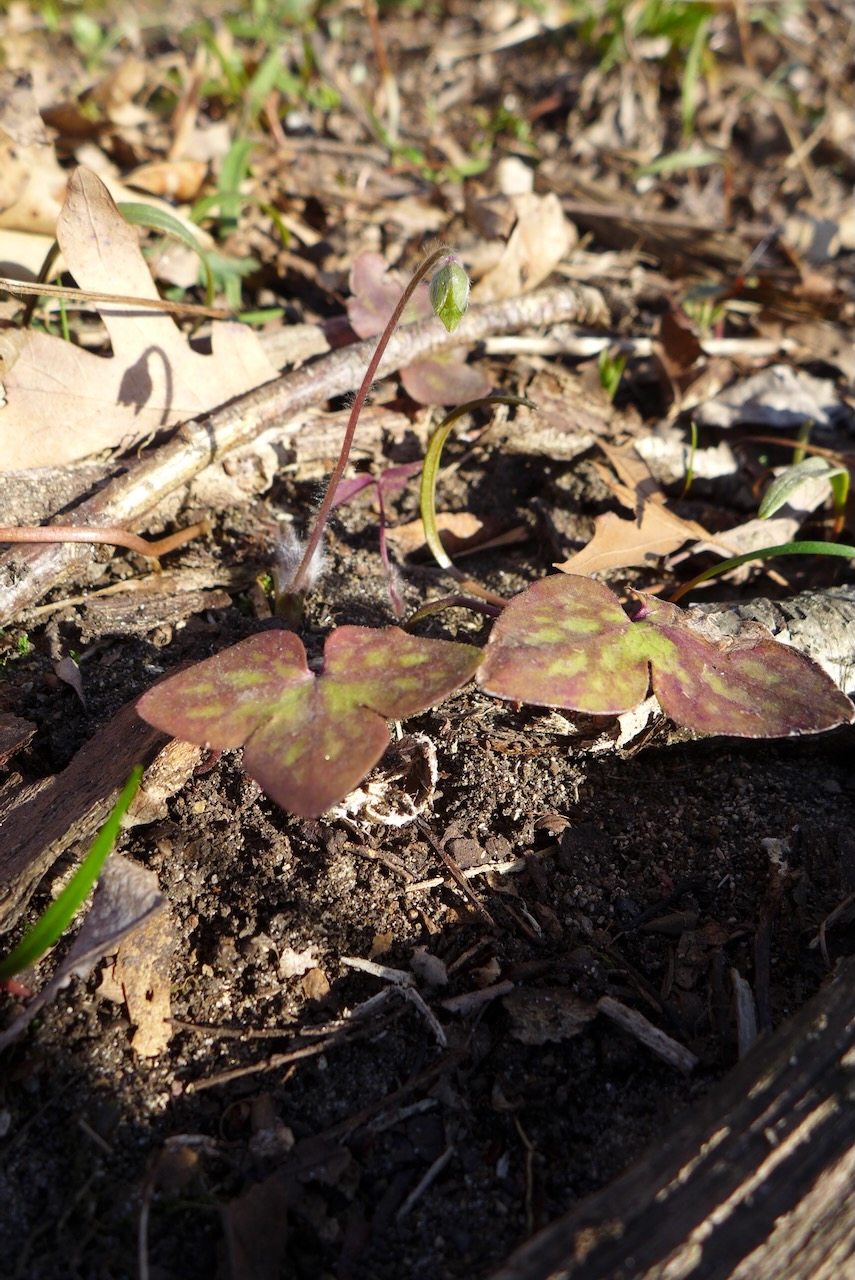
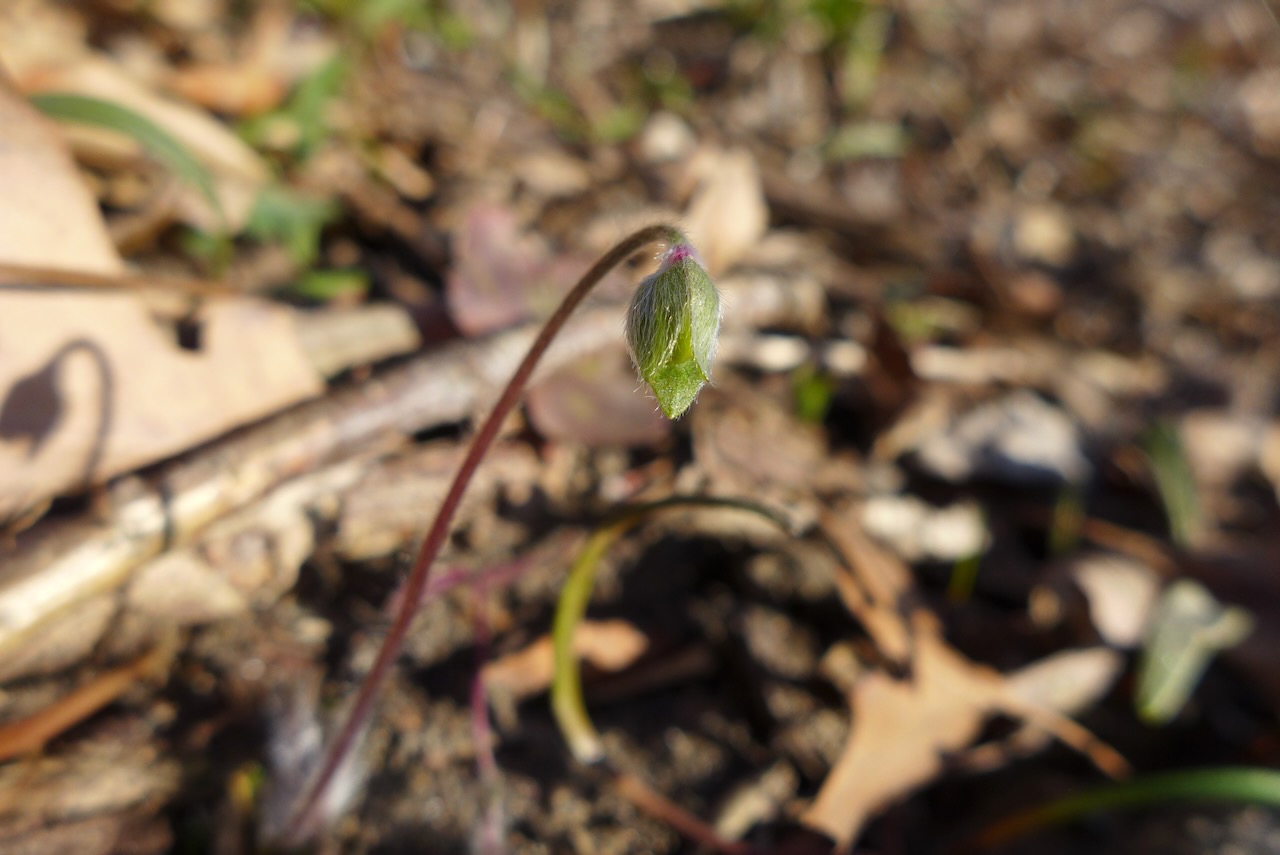
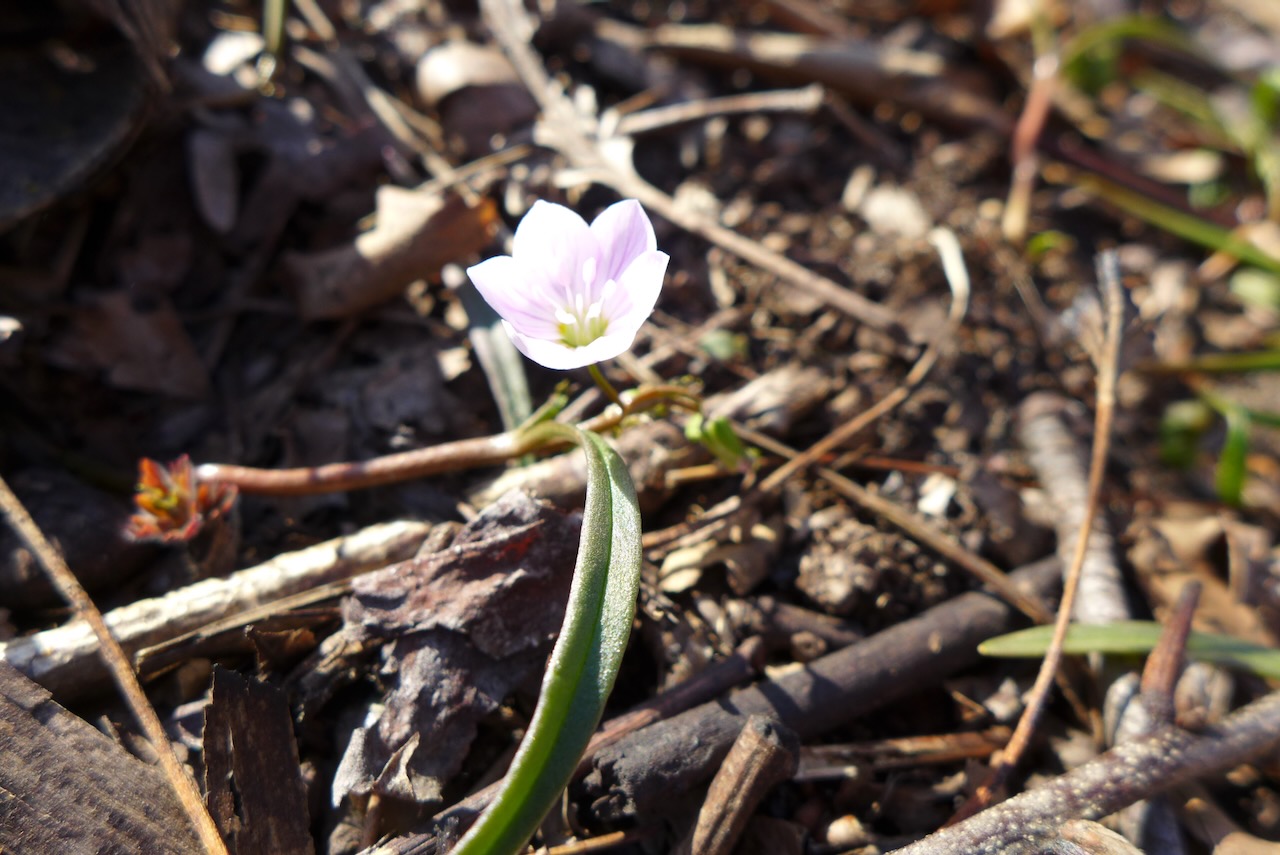
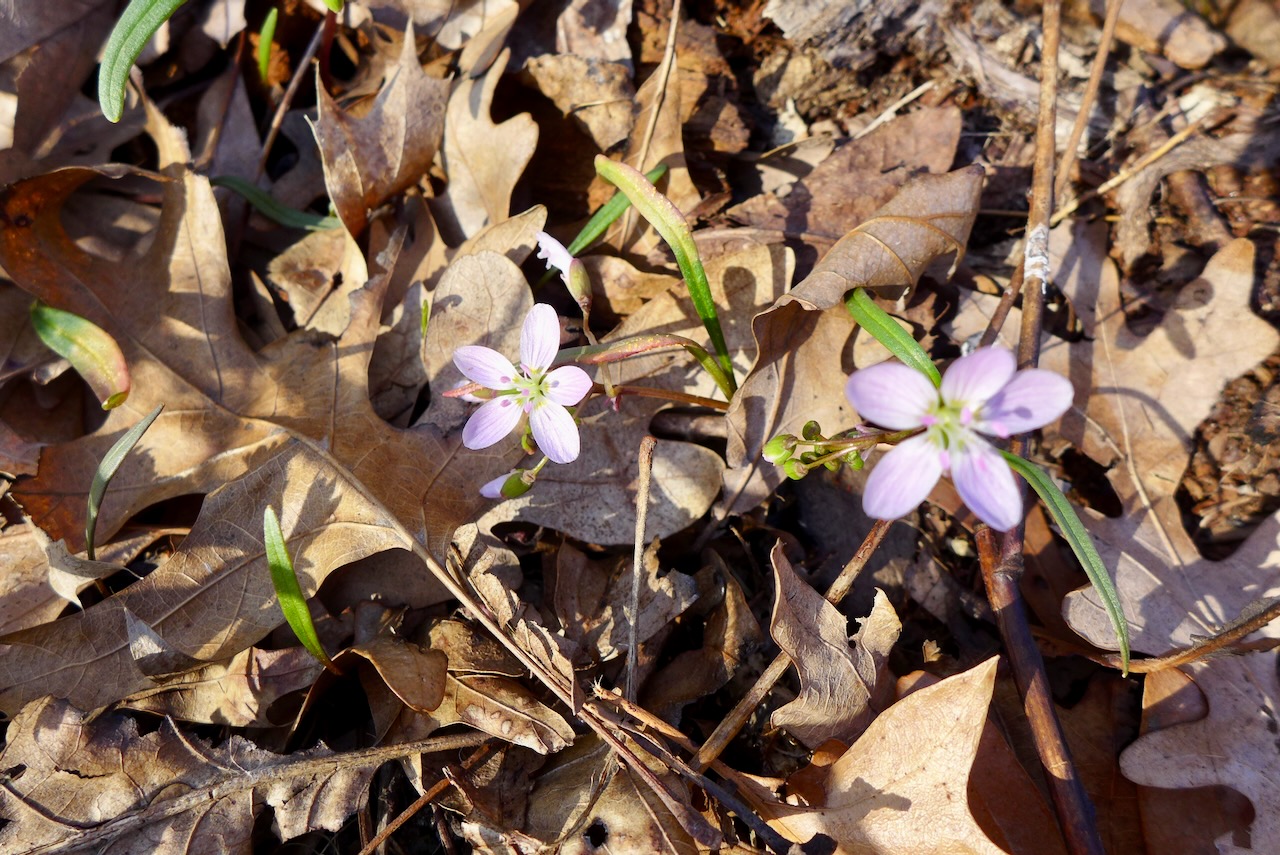
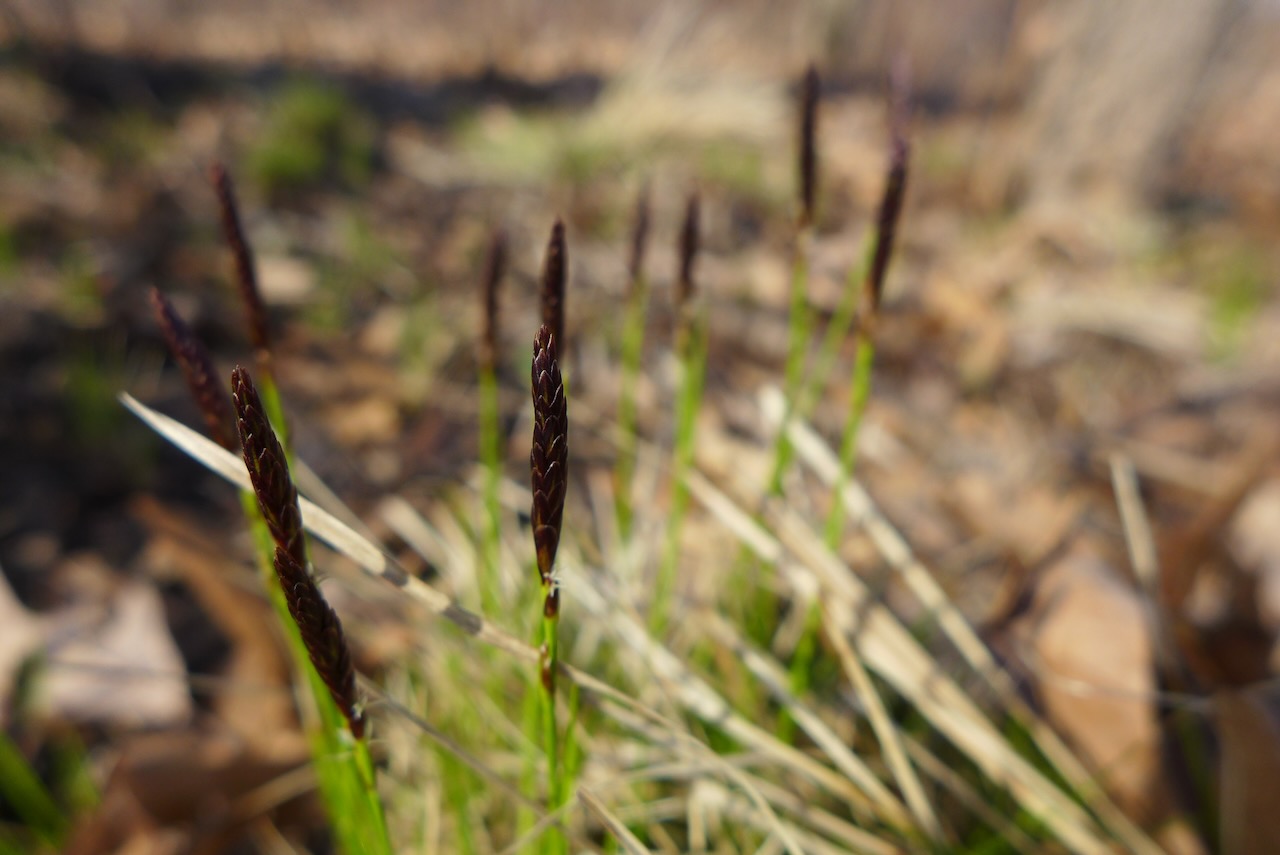
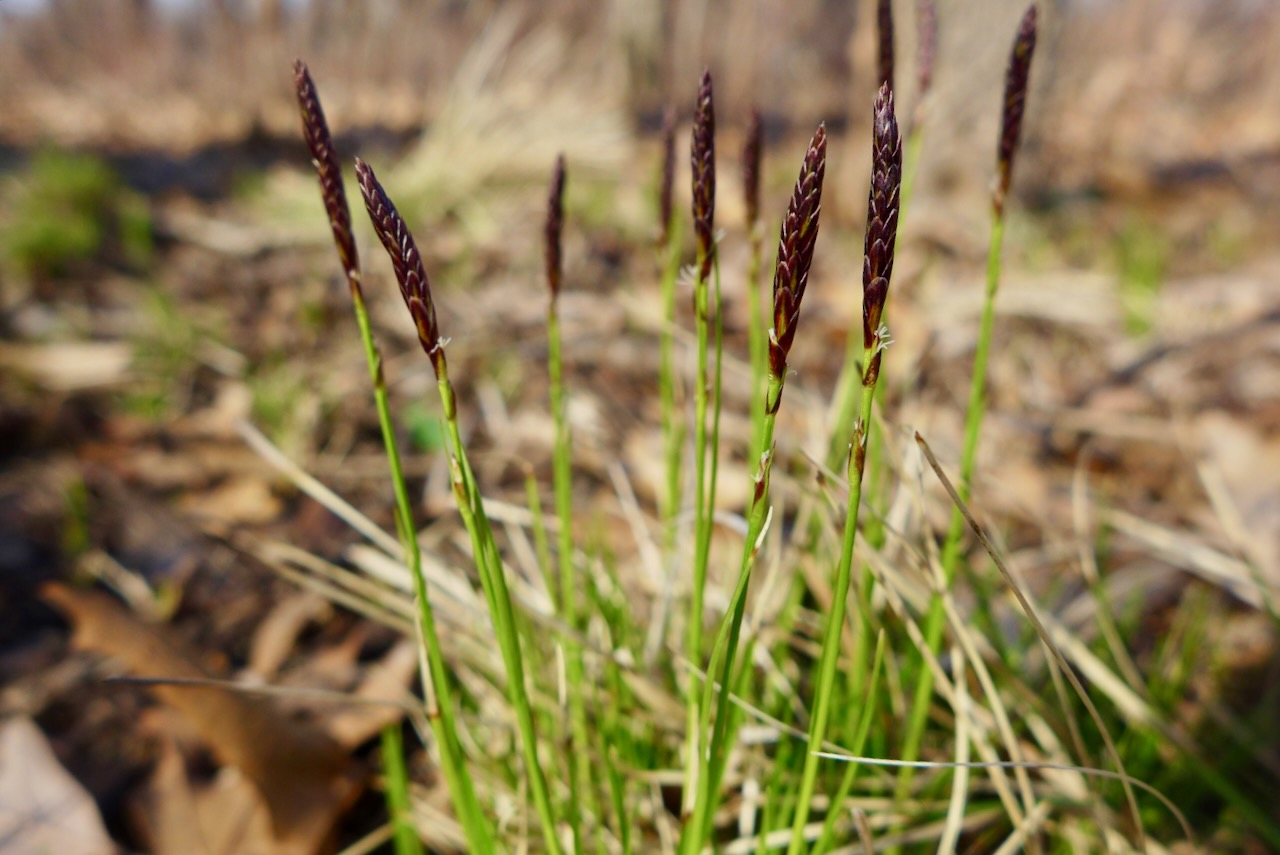
April 11
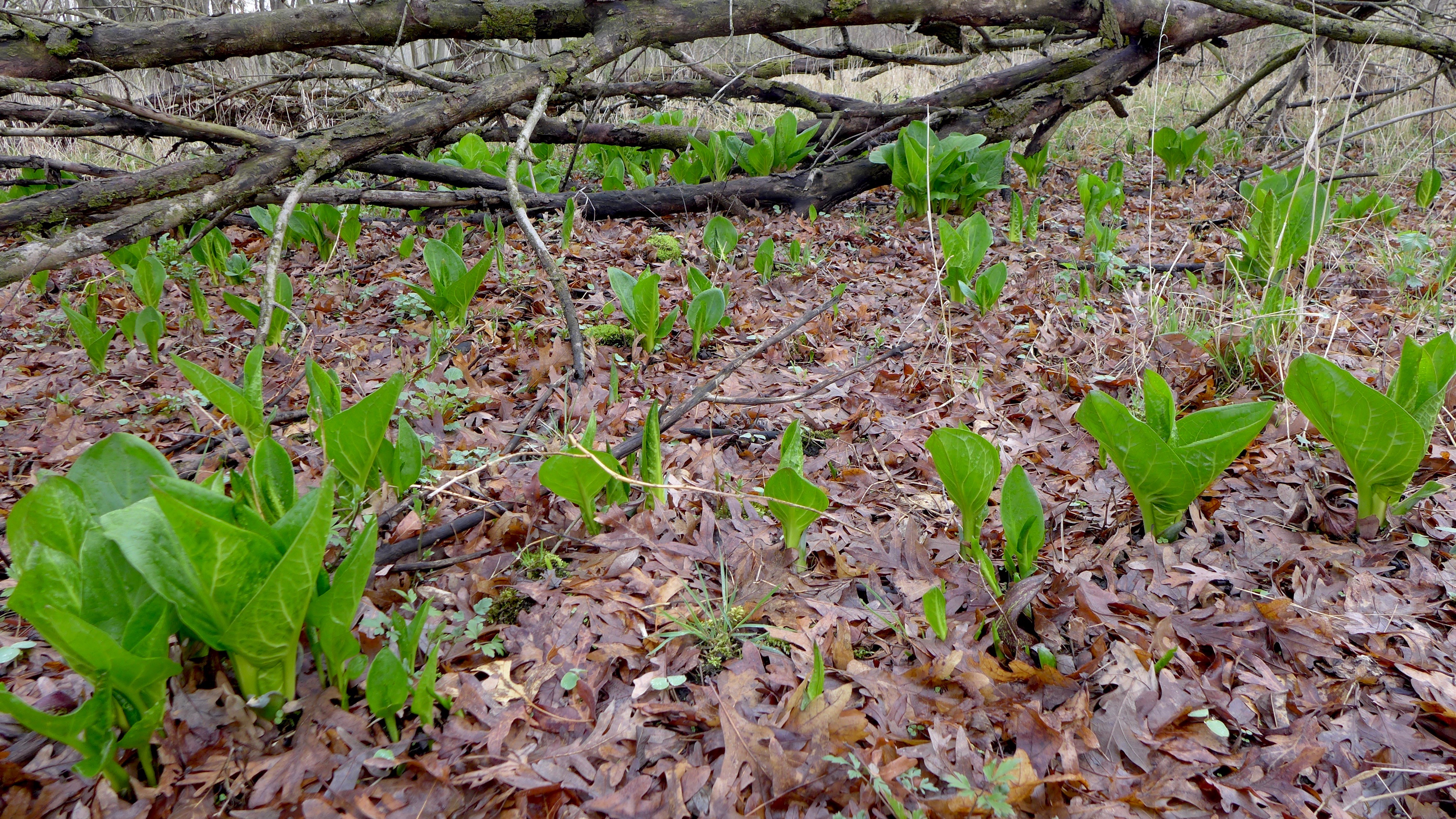
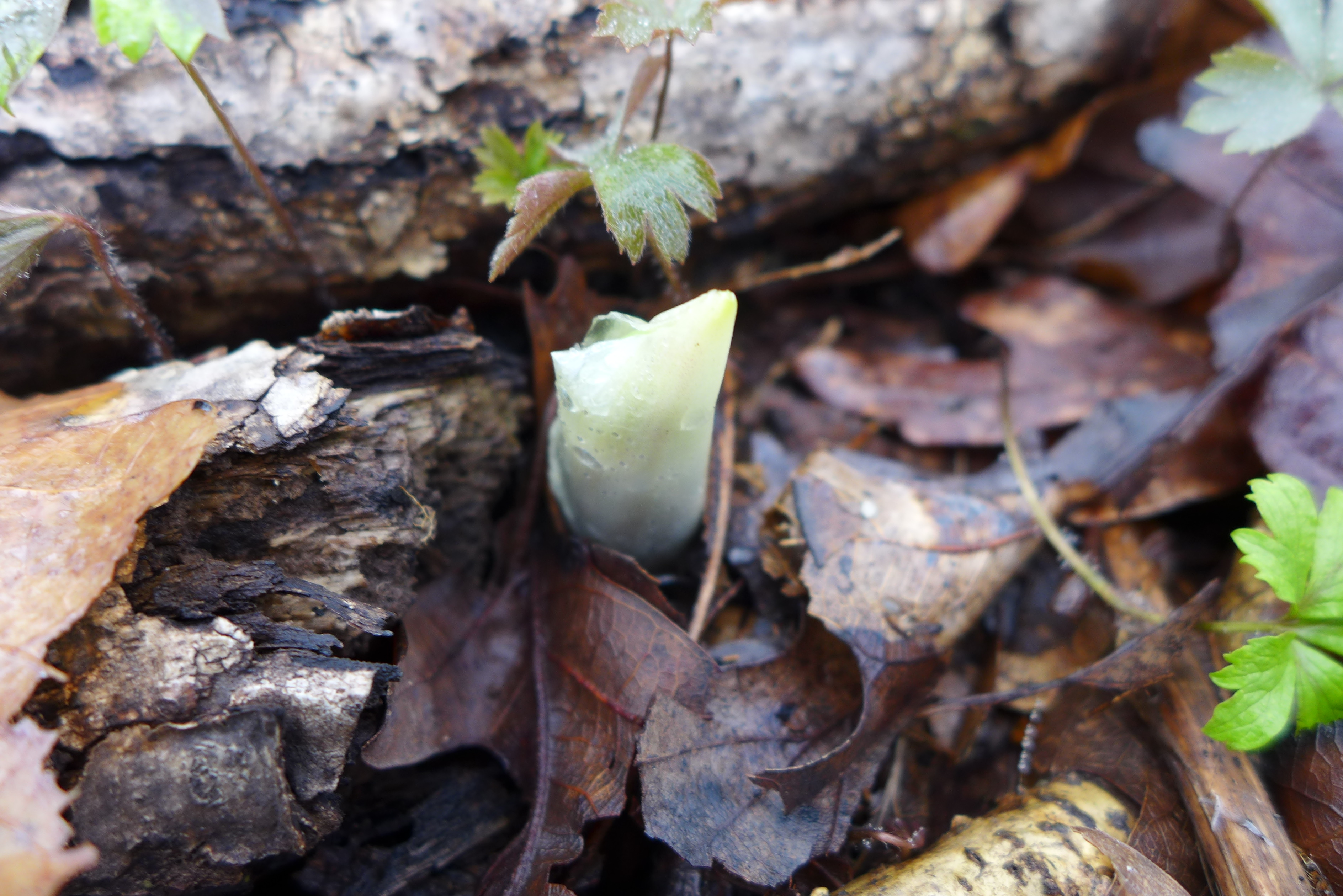
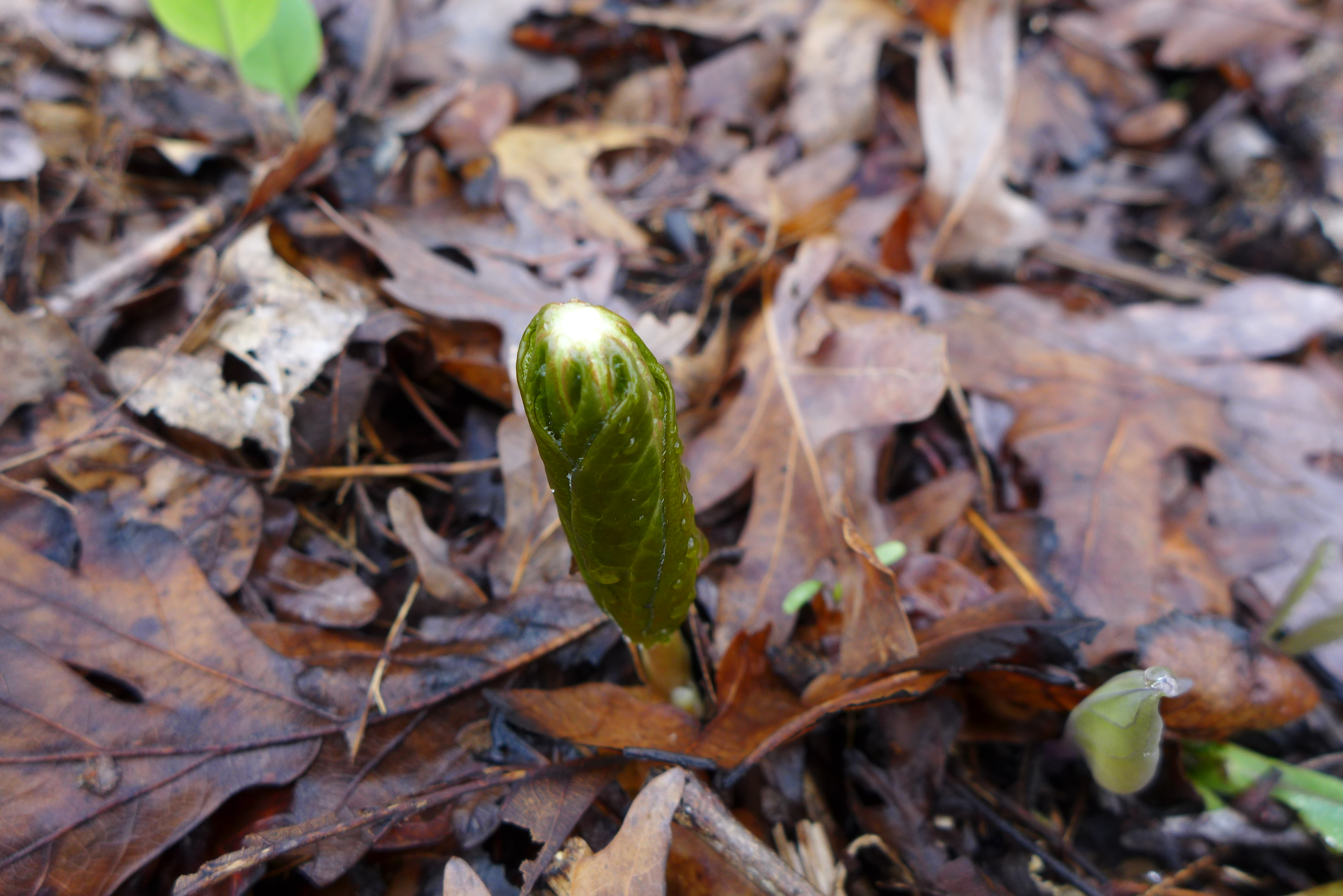
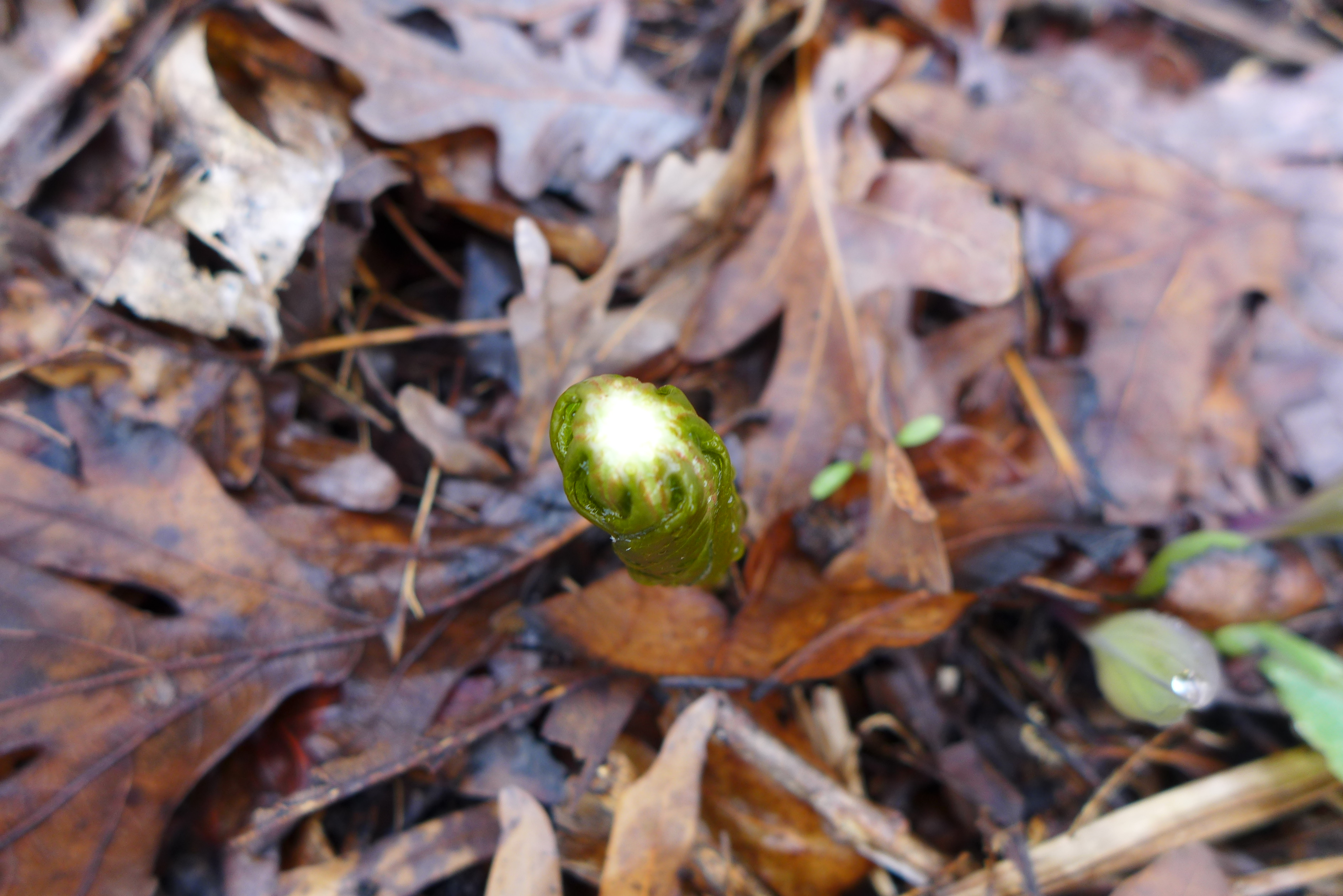
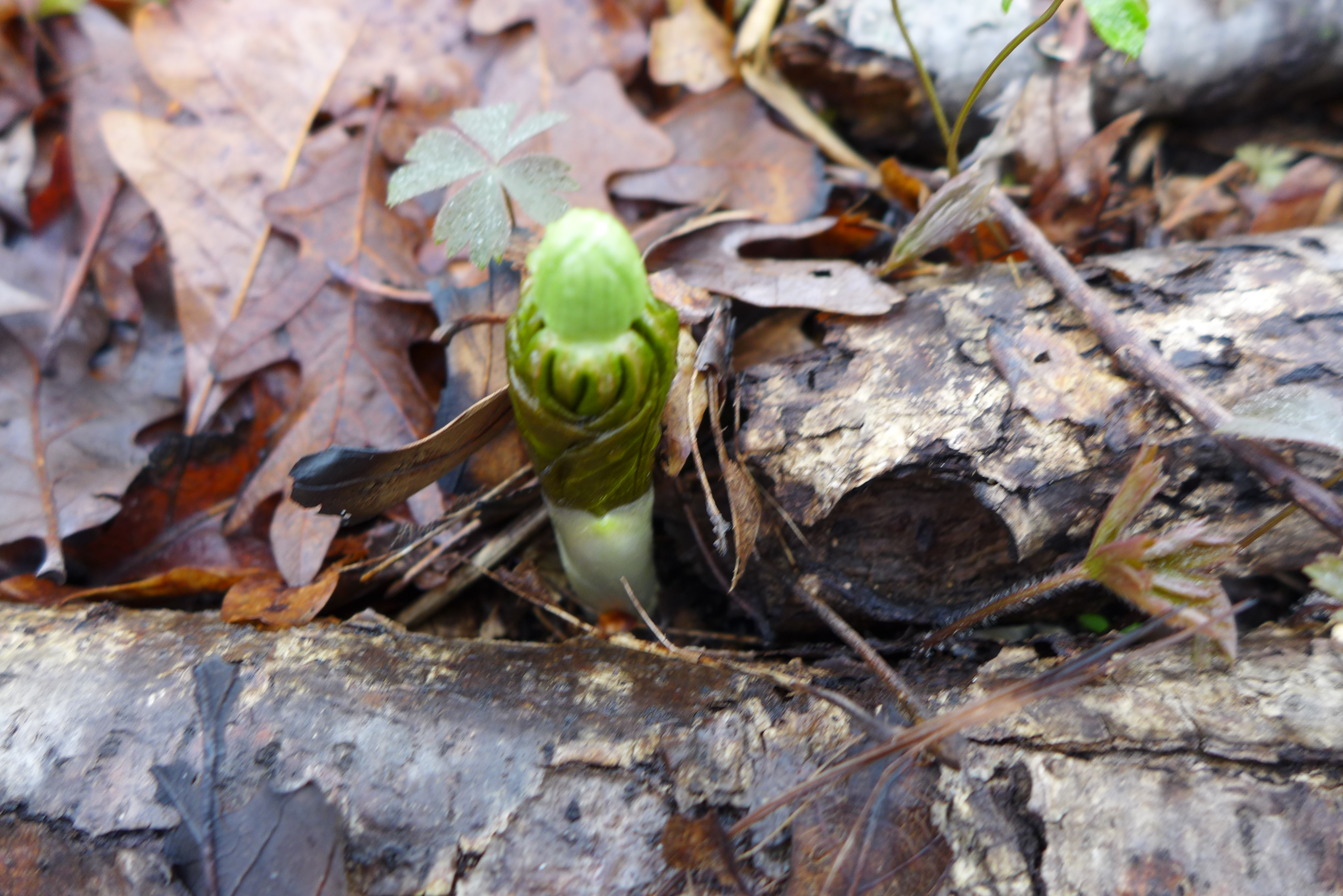

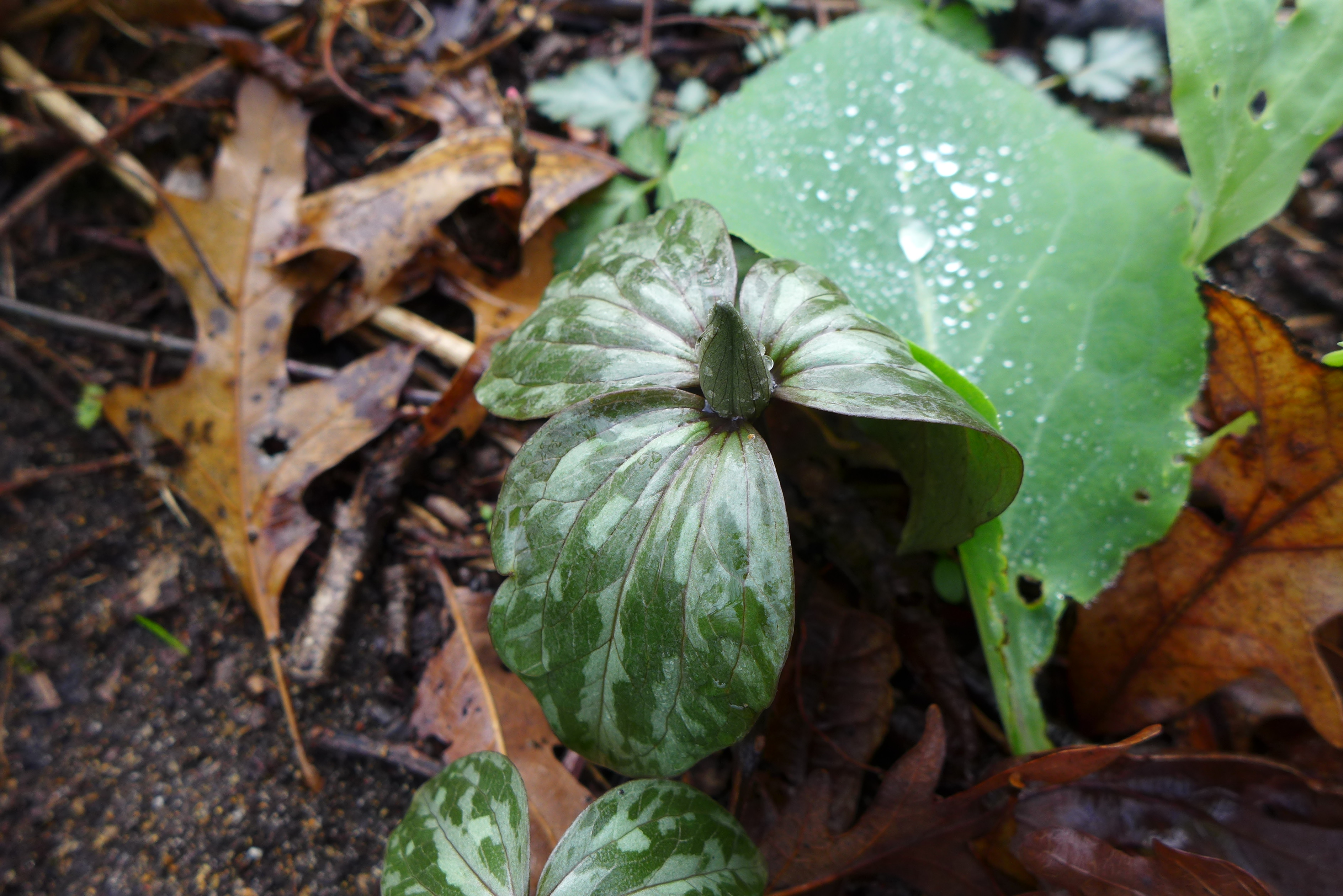
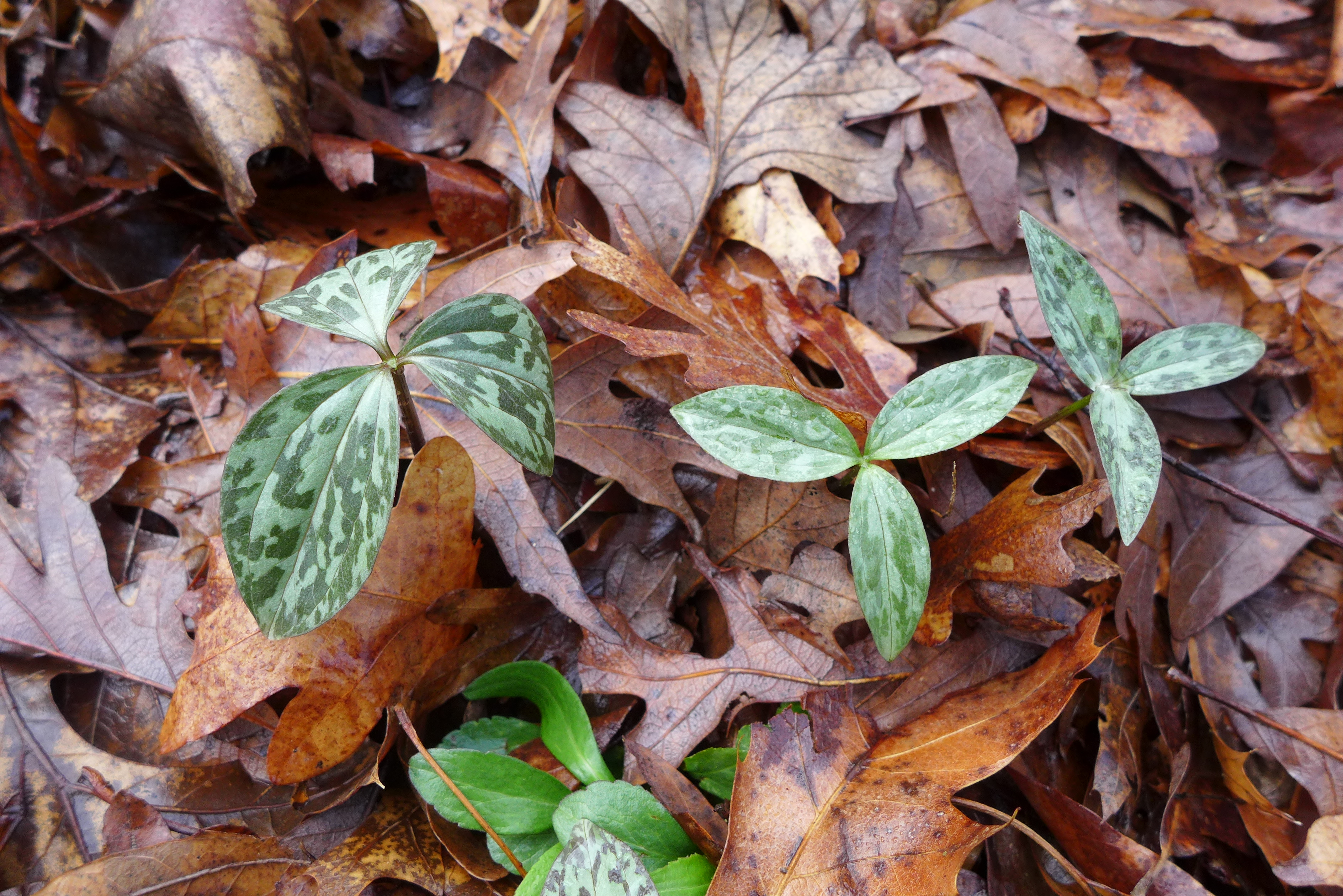
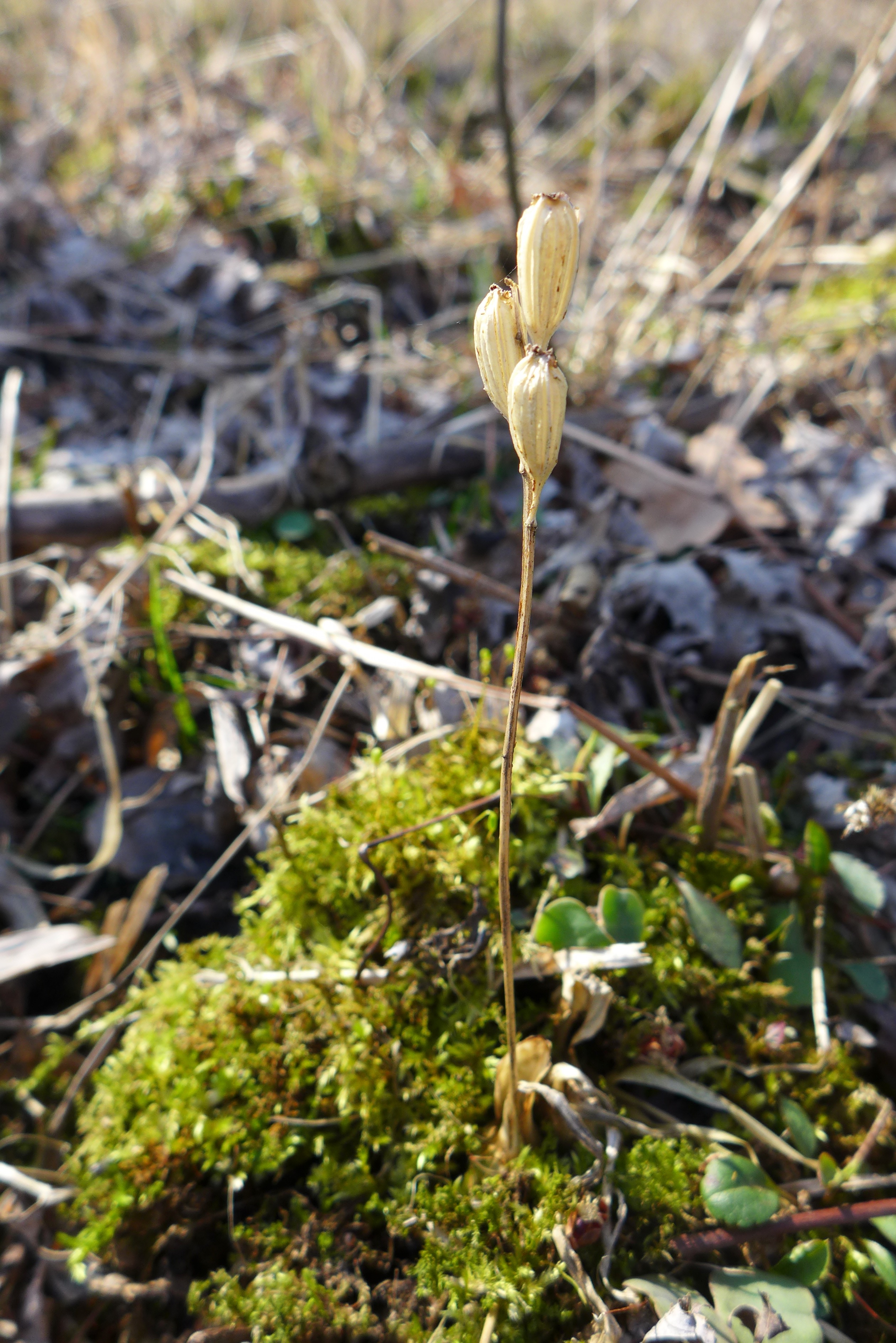
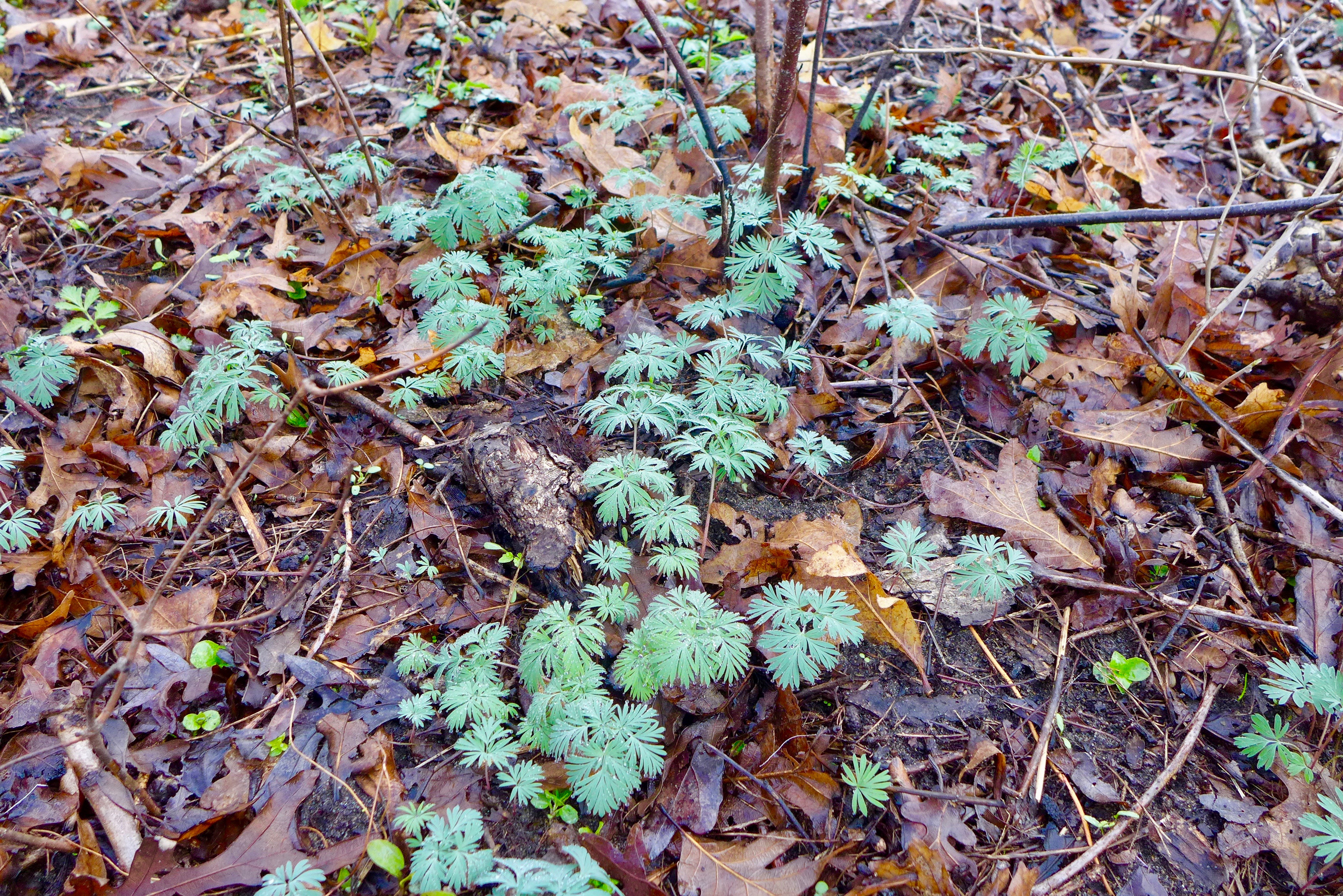
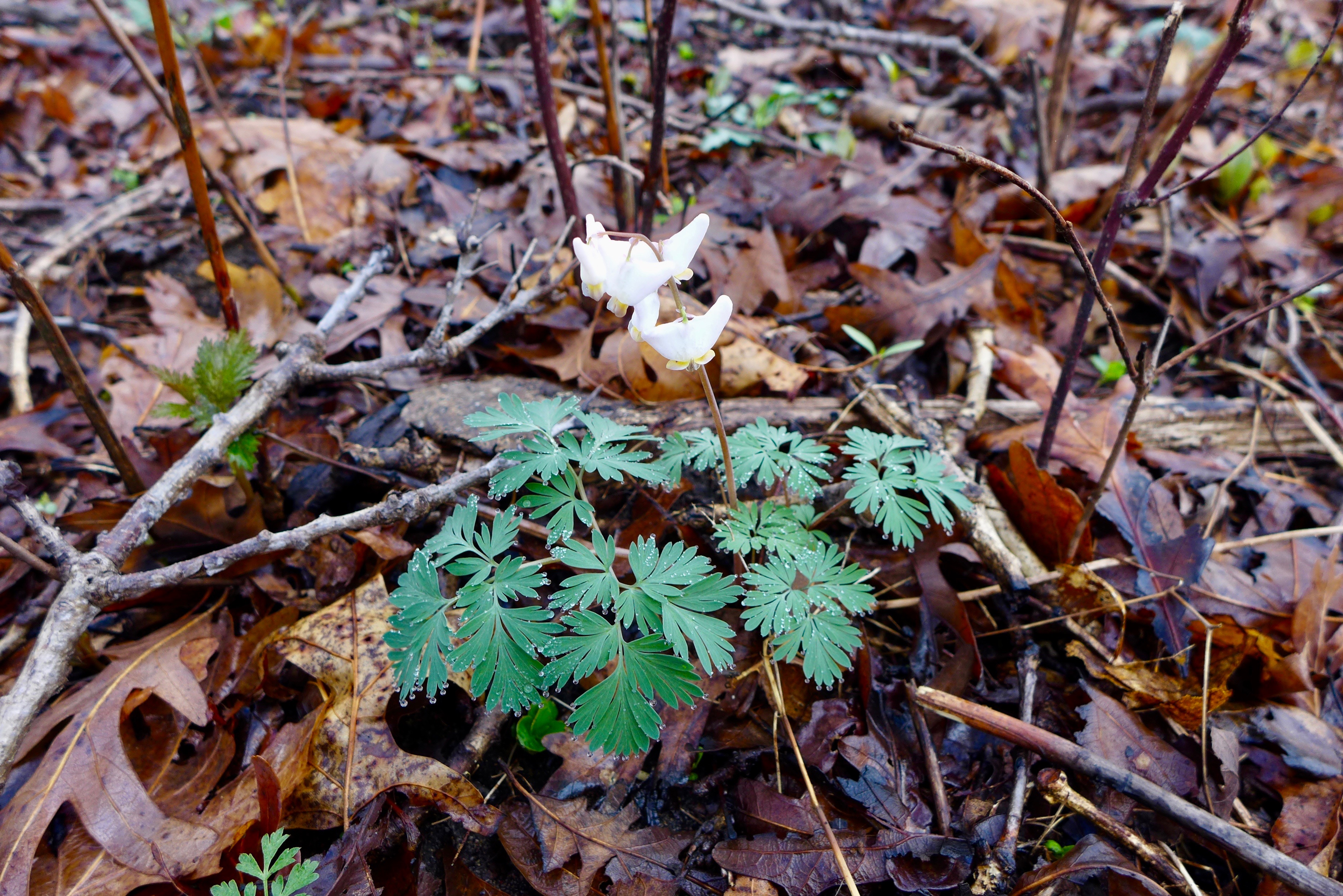
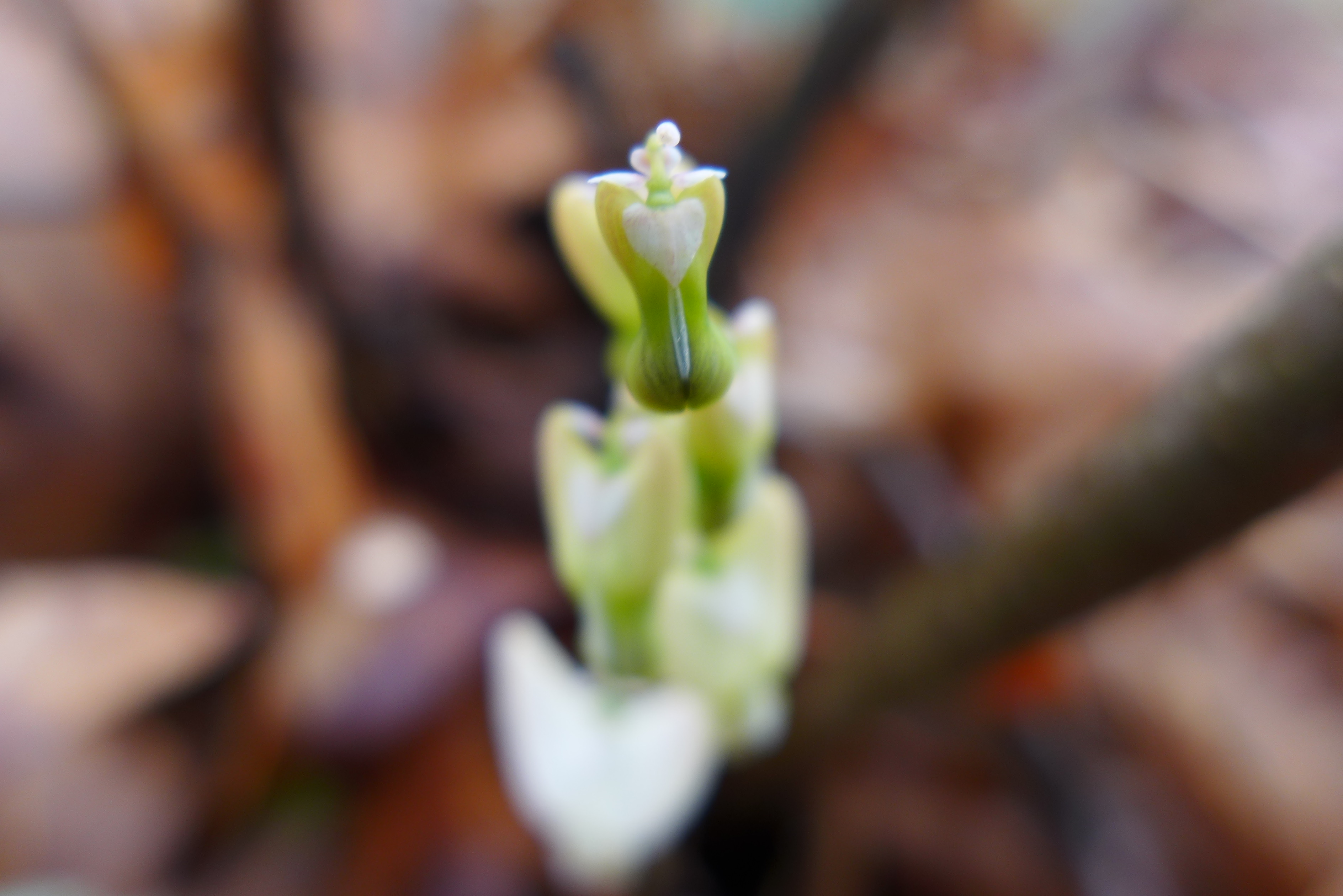
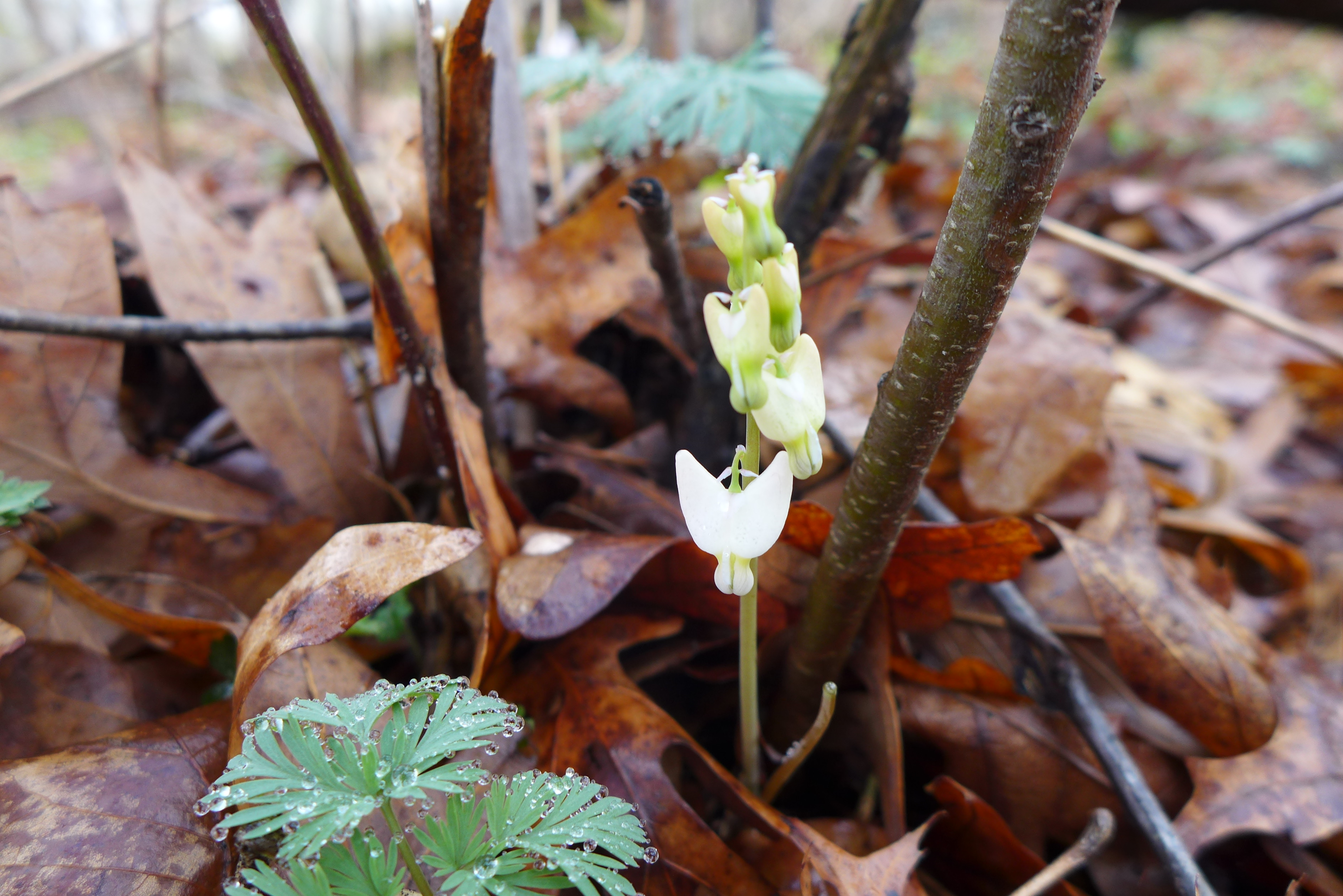
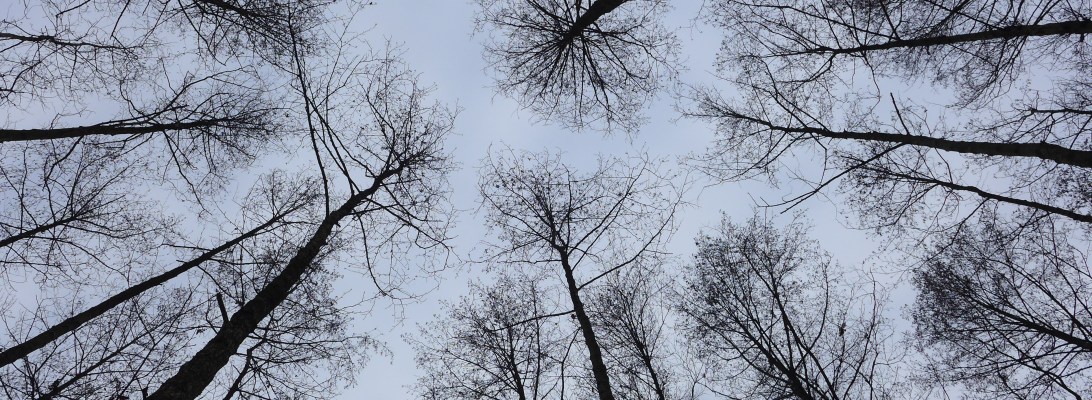
We go to the part of the Salt Creek complex in the northeast corner, often, but here, we approached Brownell Woods from the east side of 394! following the equestrian trail under the freeway.
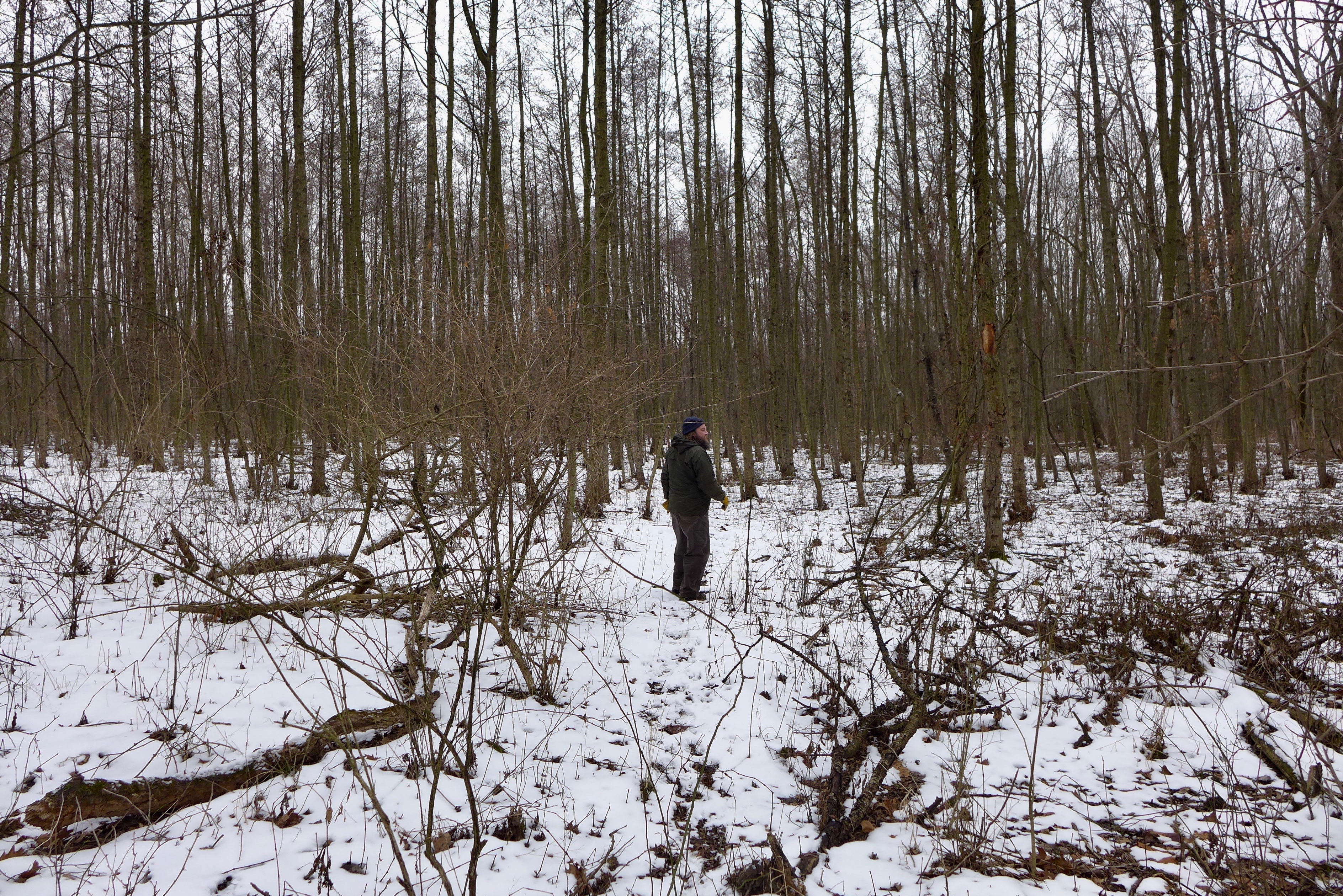
First you walk through an old plantation,

under the freeway,
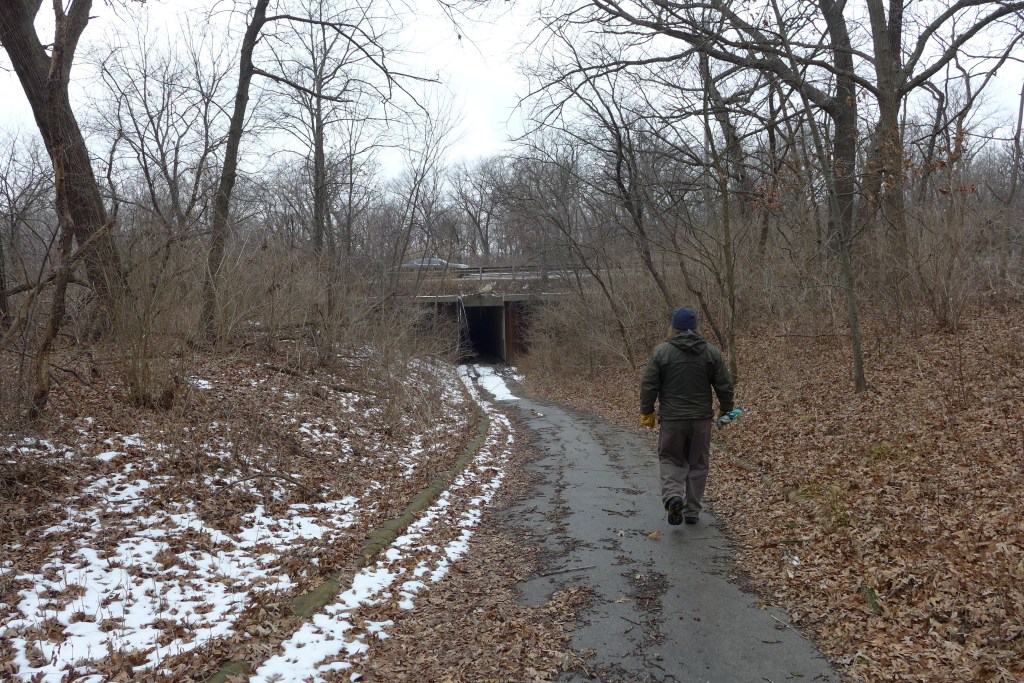
and back out on the west side, to some strange sights,


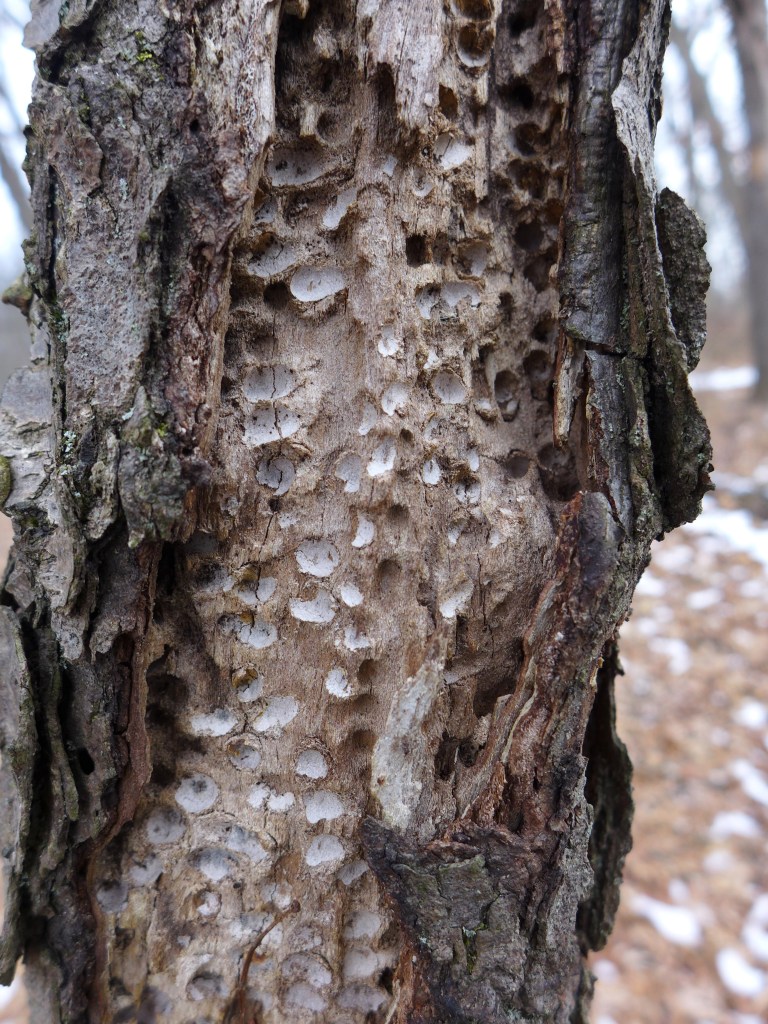
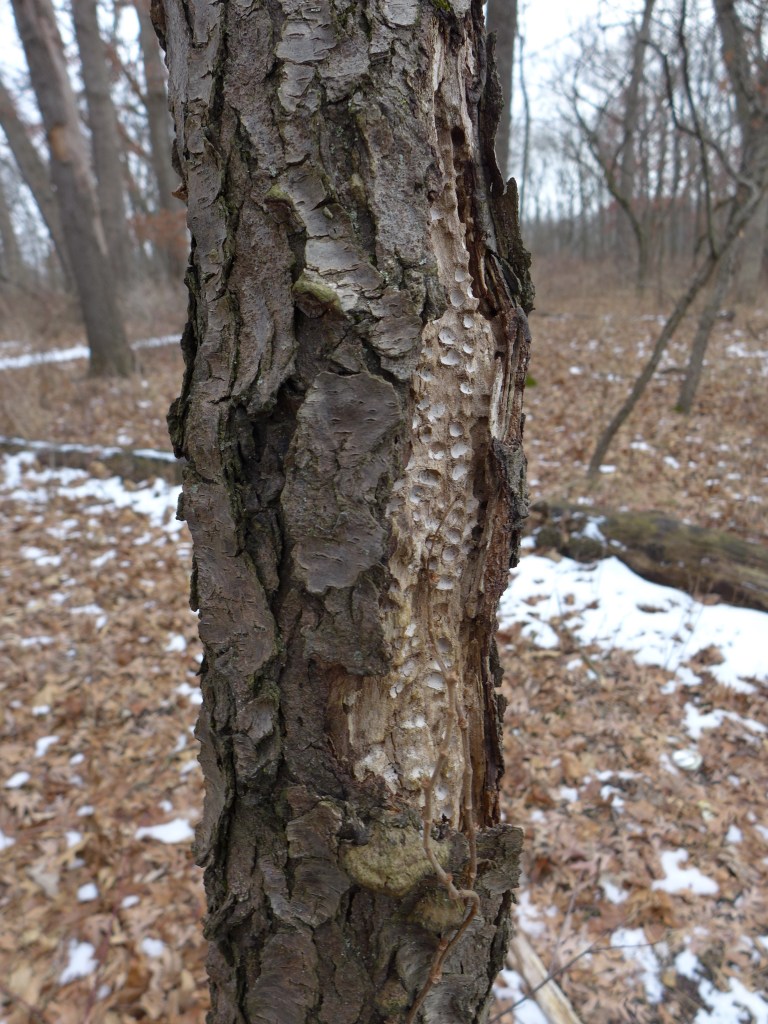
but also some familiar ones.
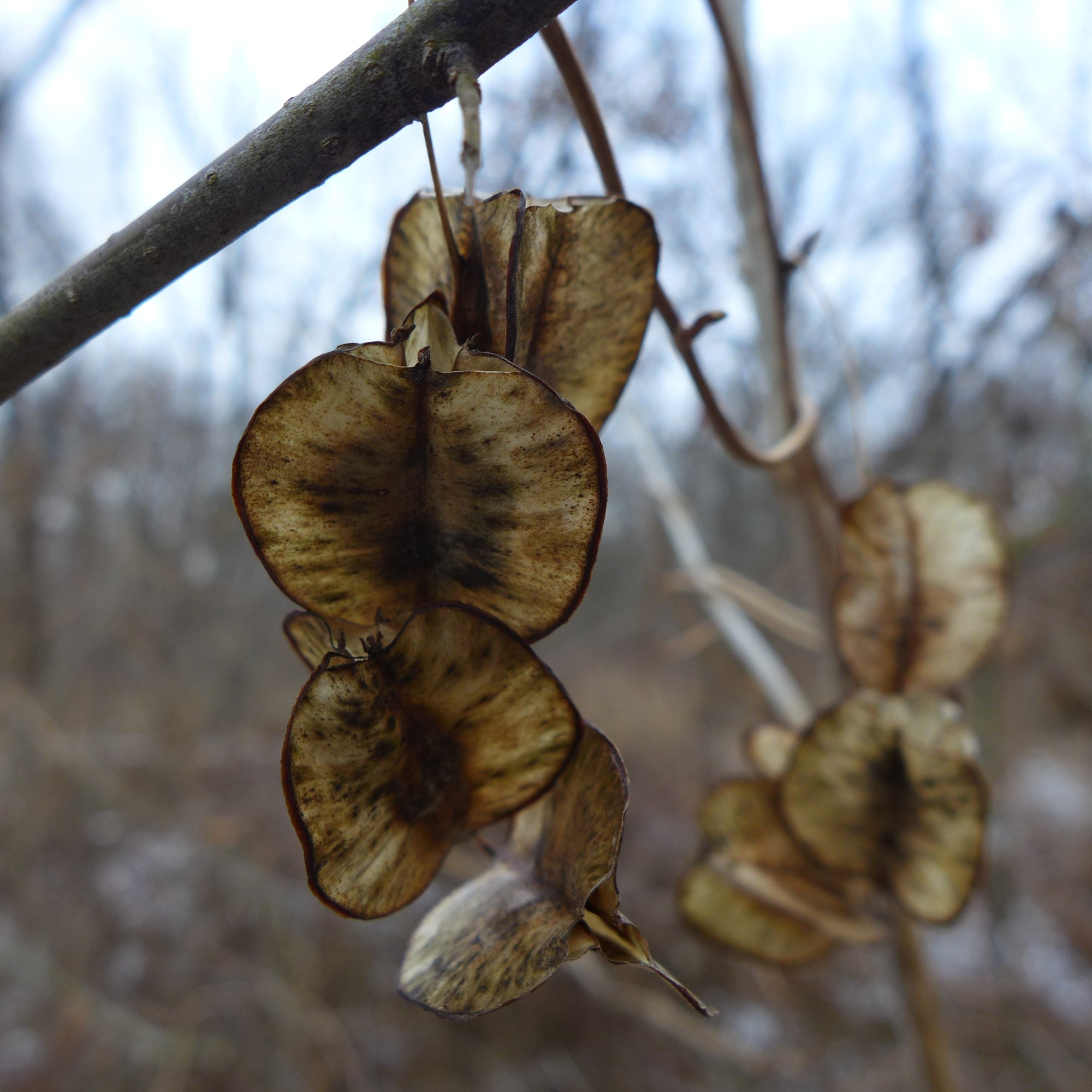


An unseasonably warm day in November – still autumn leaves falling and a cold-blooded friend out and about.
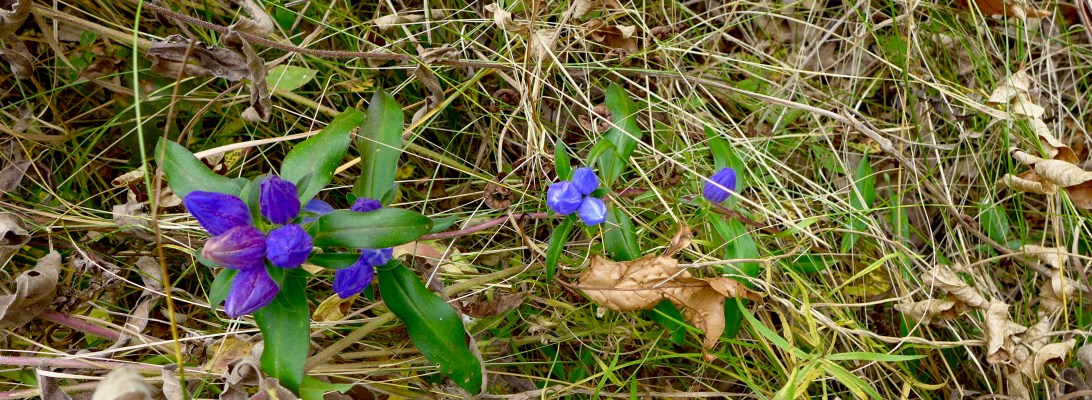
Do you ever get tired of the bottle gentians? Me neither.
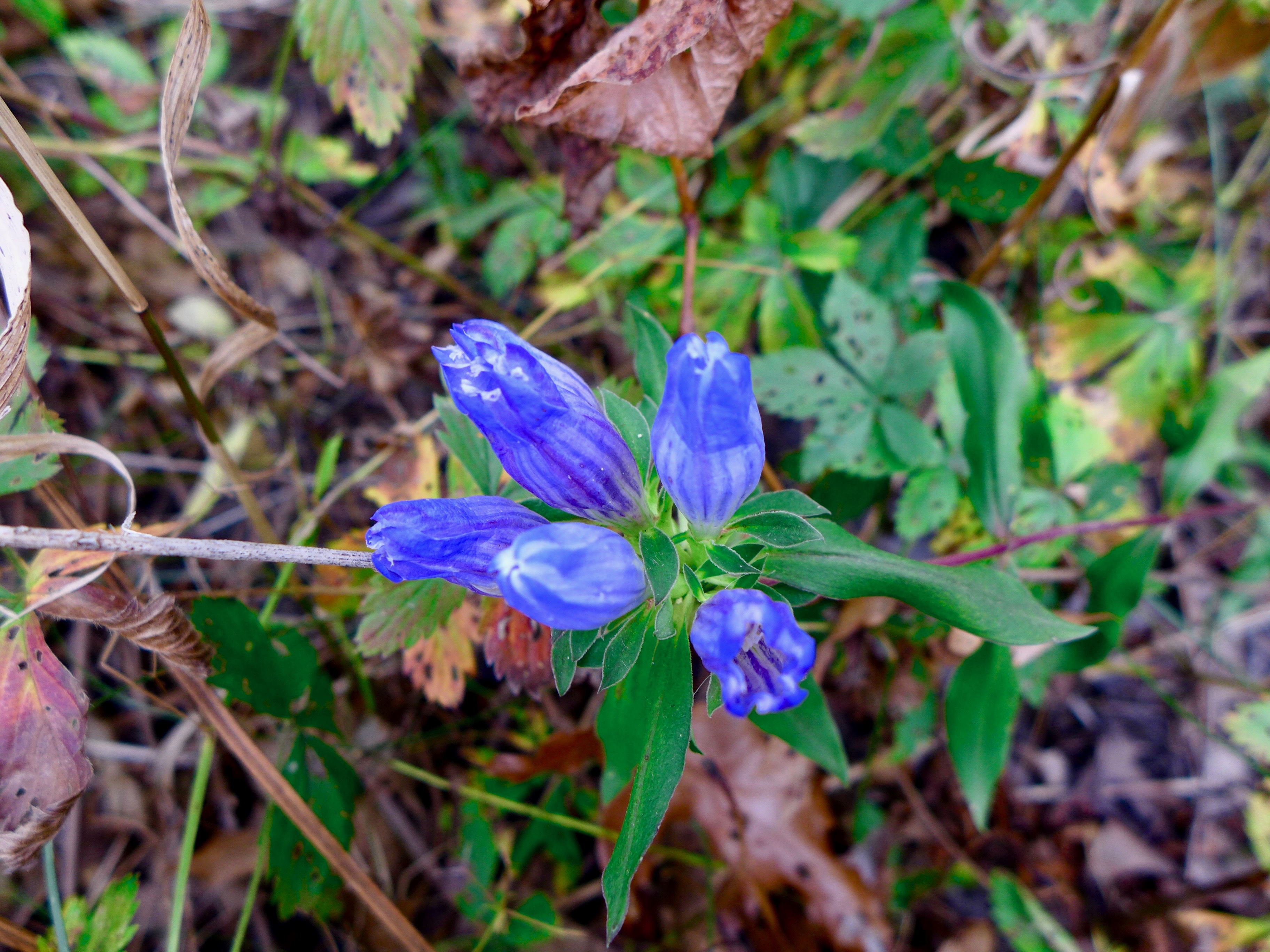
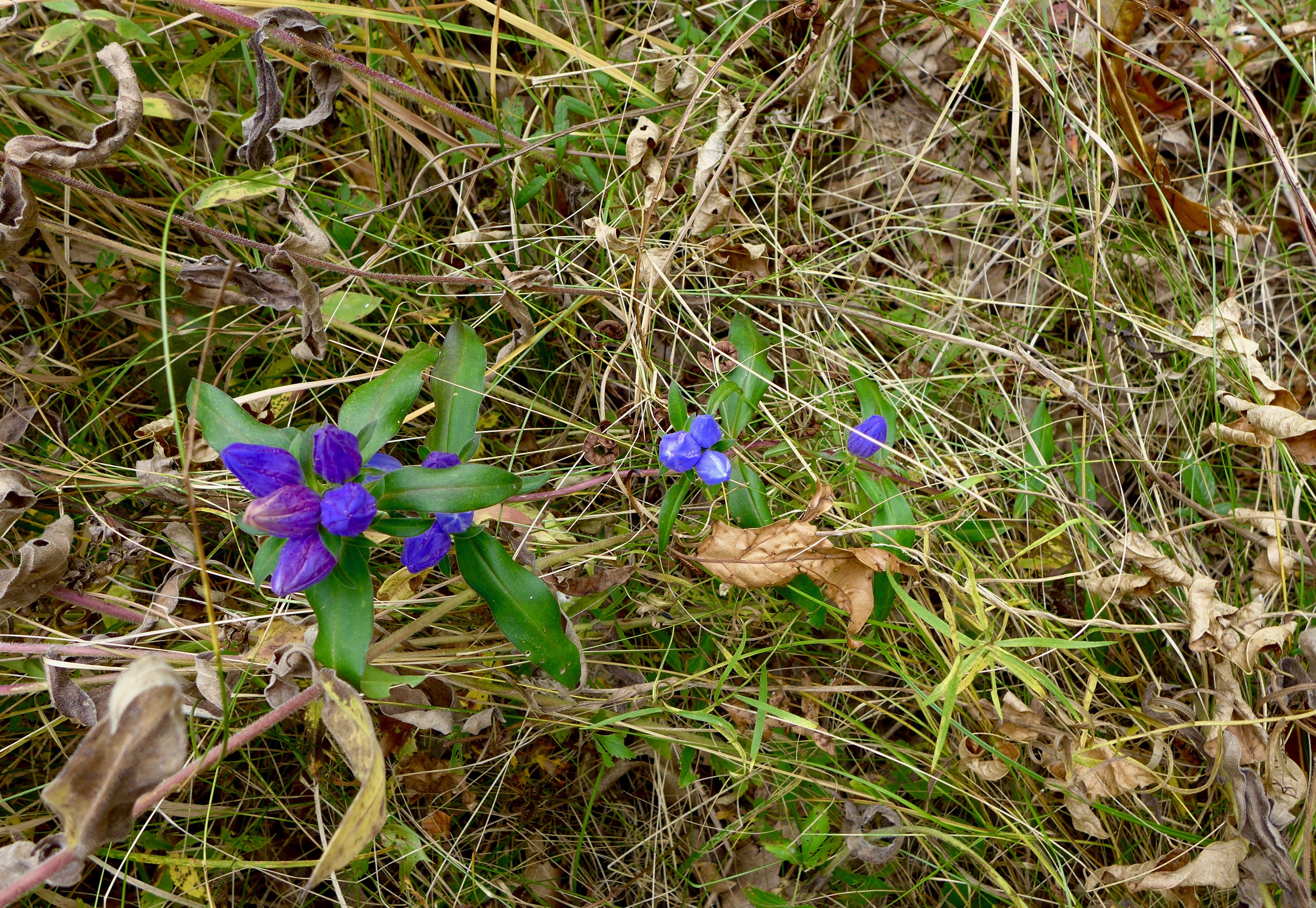
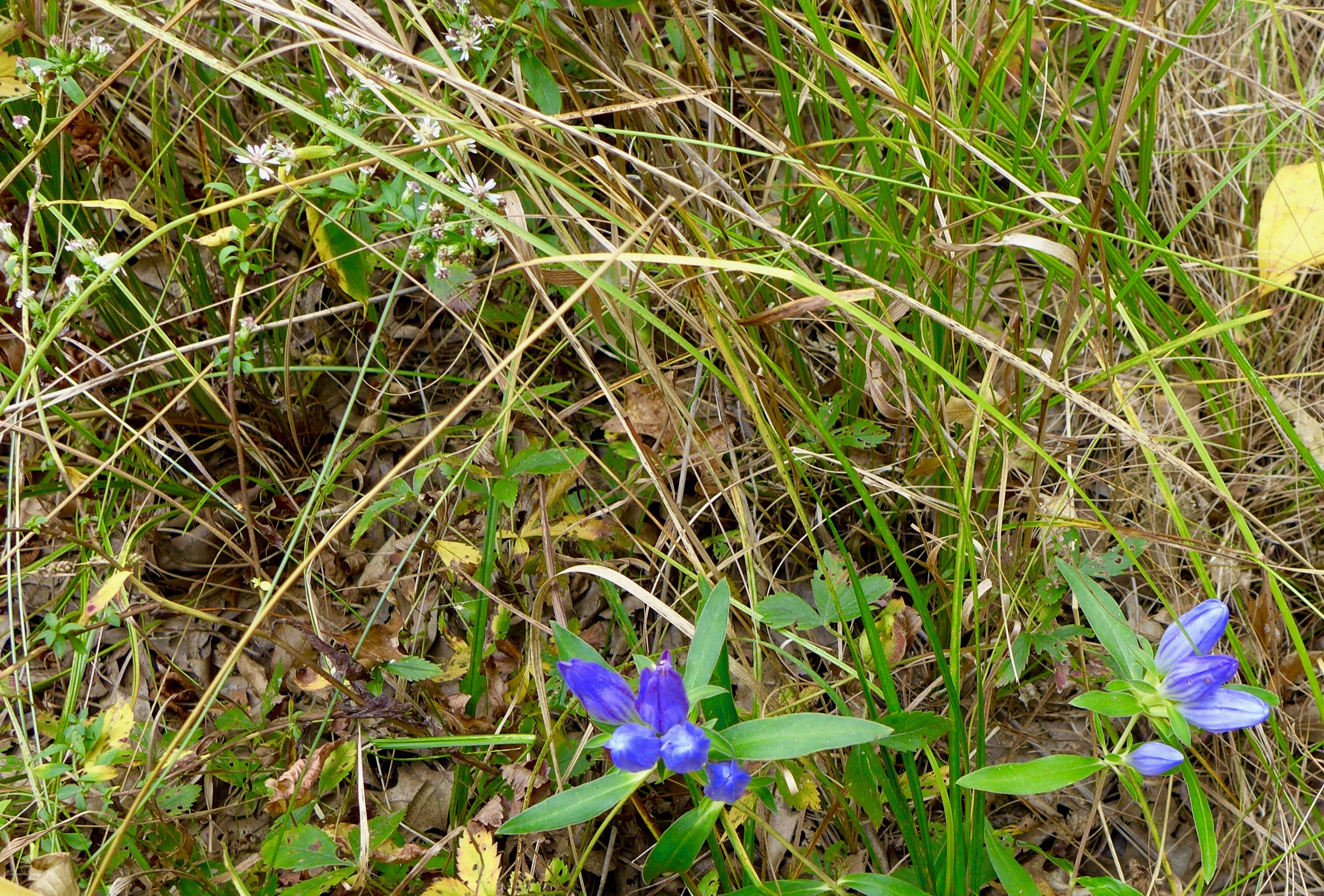
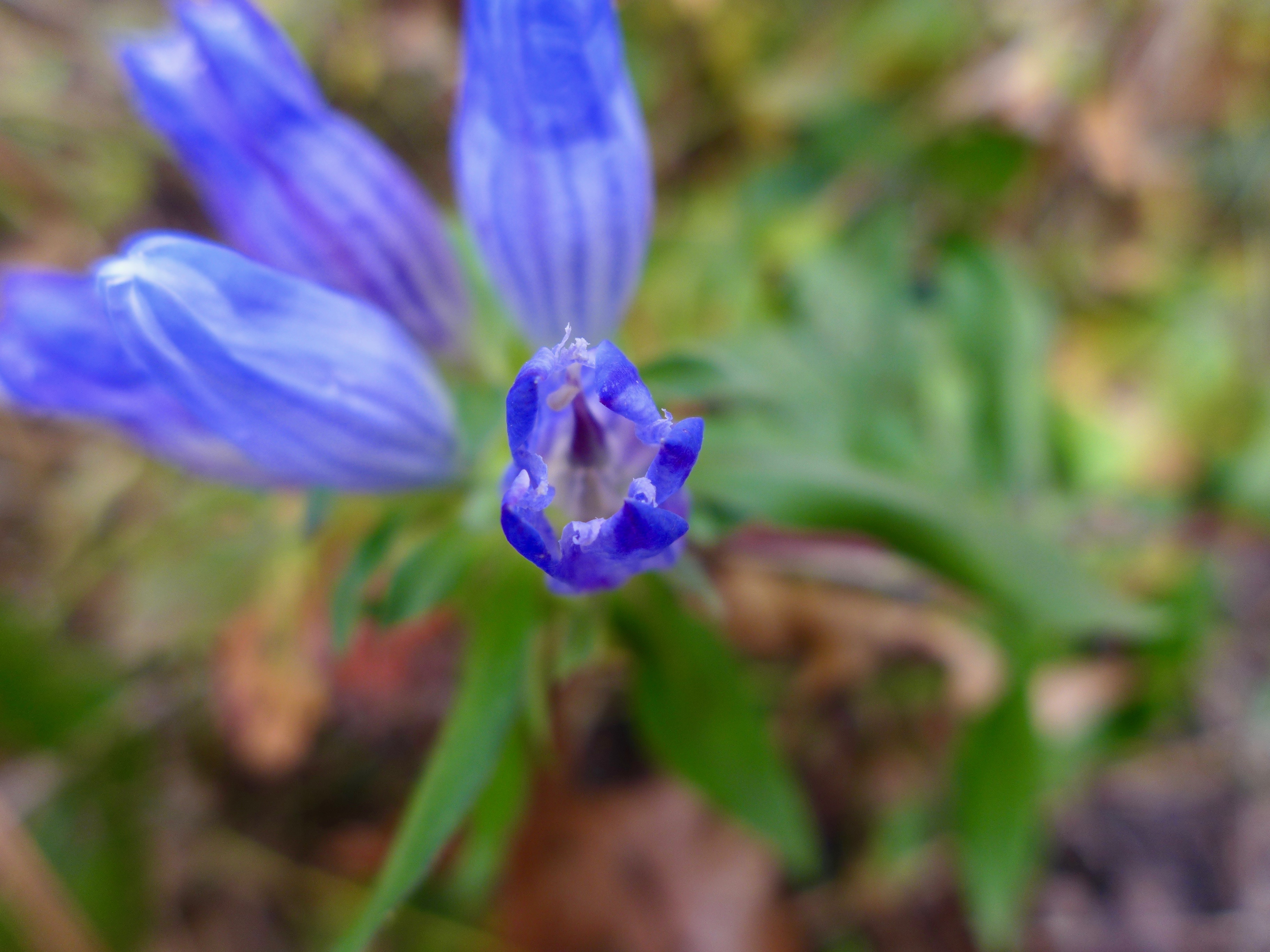
and there is so much else this season, too!

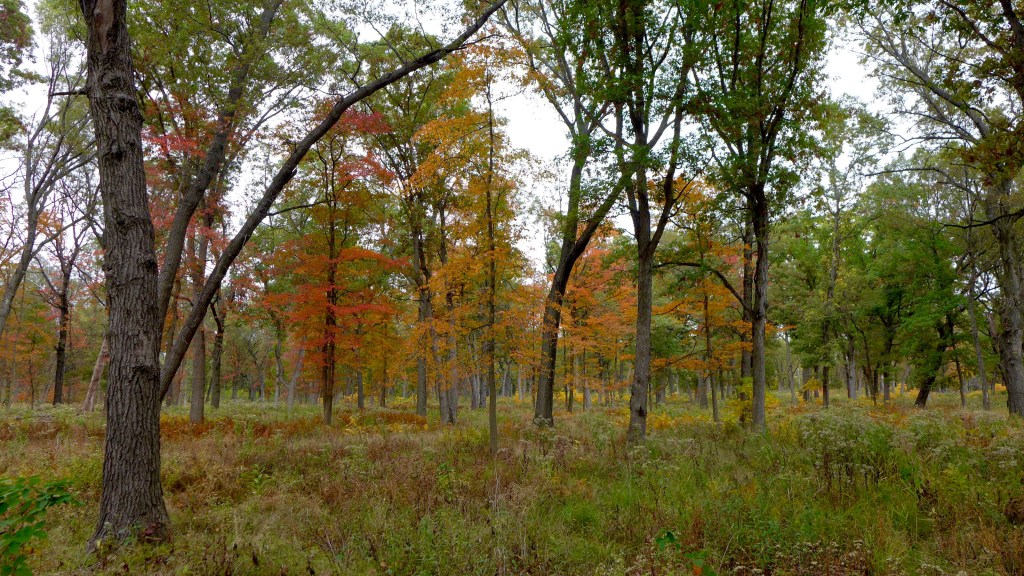
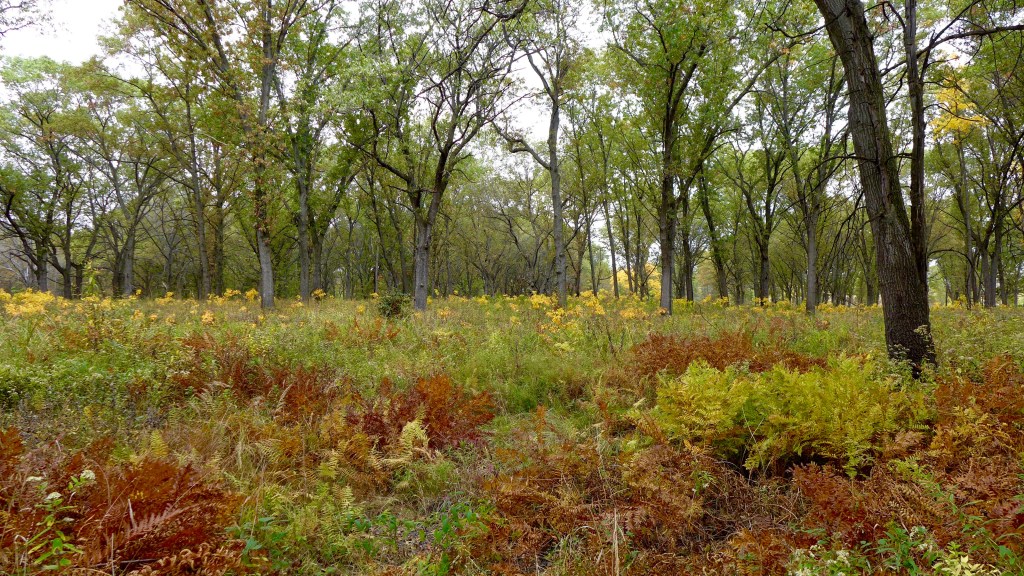
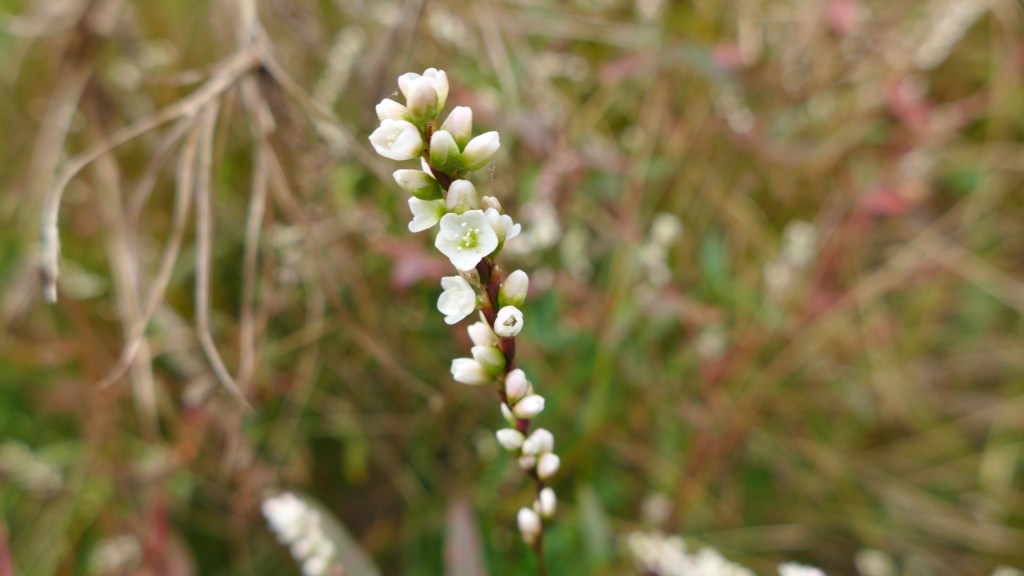
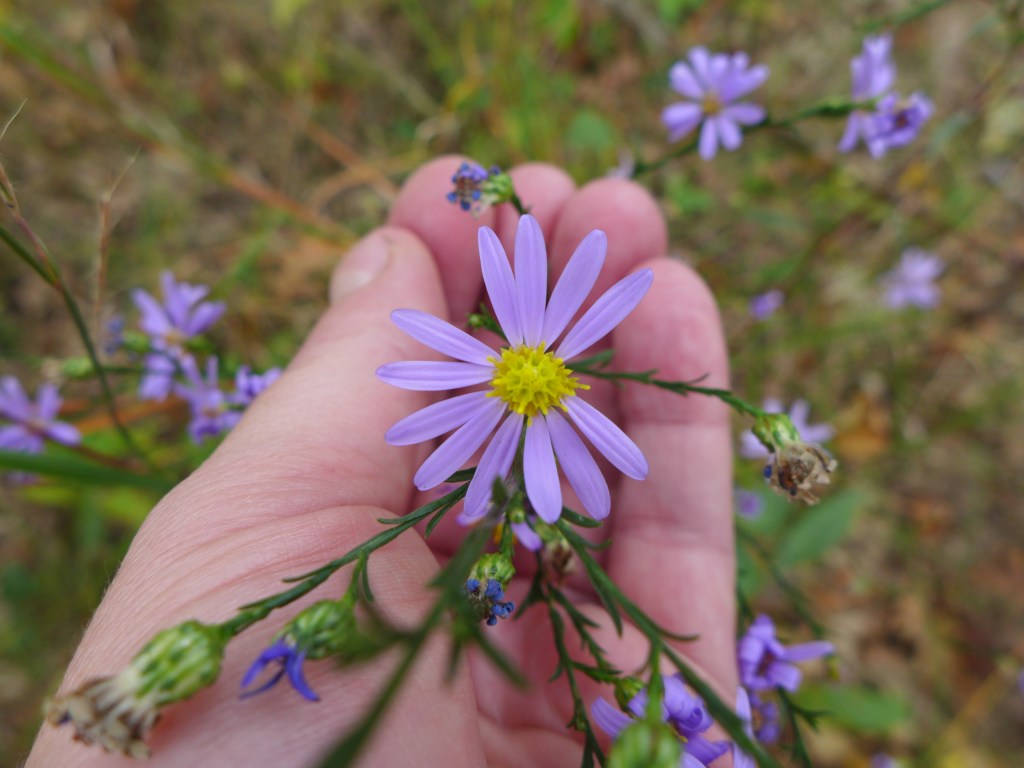
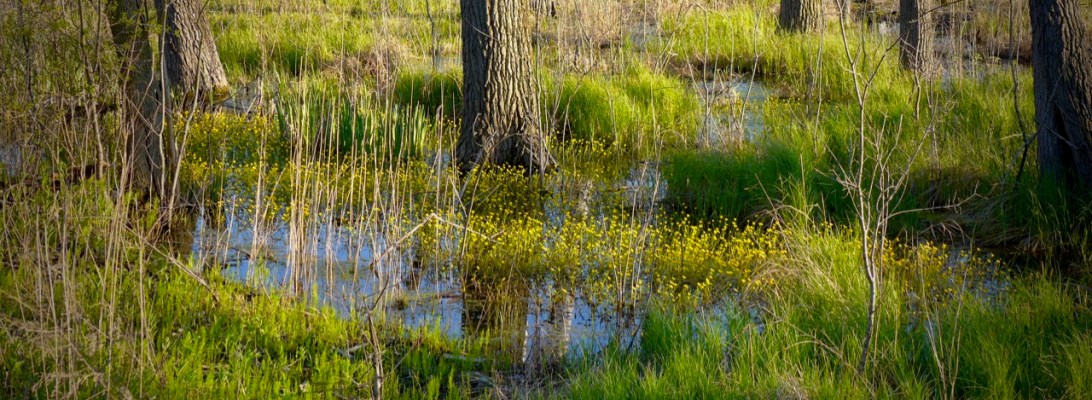
We hadn’t been to the south part of Beaubien in years. We thought we might get a chance to see lots of roosting birds in the trees, but I think we were too early in the evening.


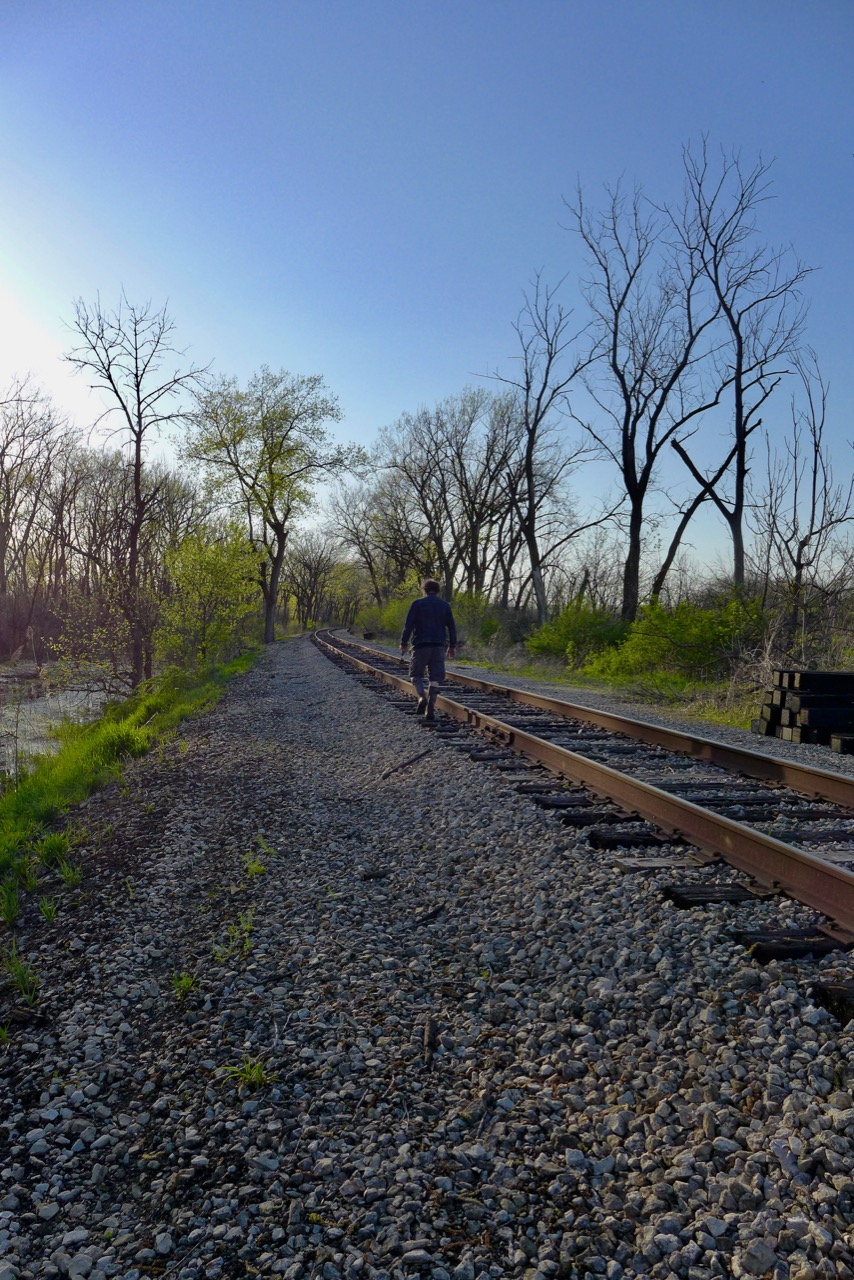
We wanted to get close to the Little Cal so we went down by the railroad tracks, and like most days we CRAC, we thank ourselves for wearing muck boots.
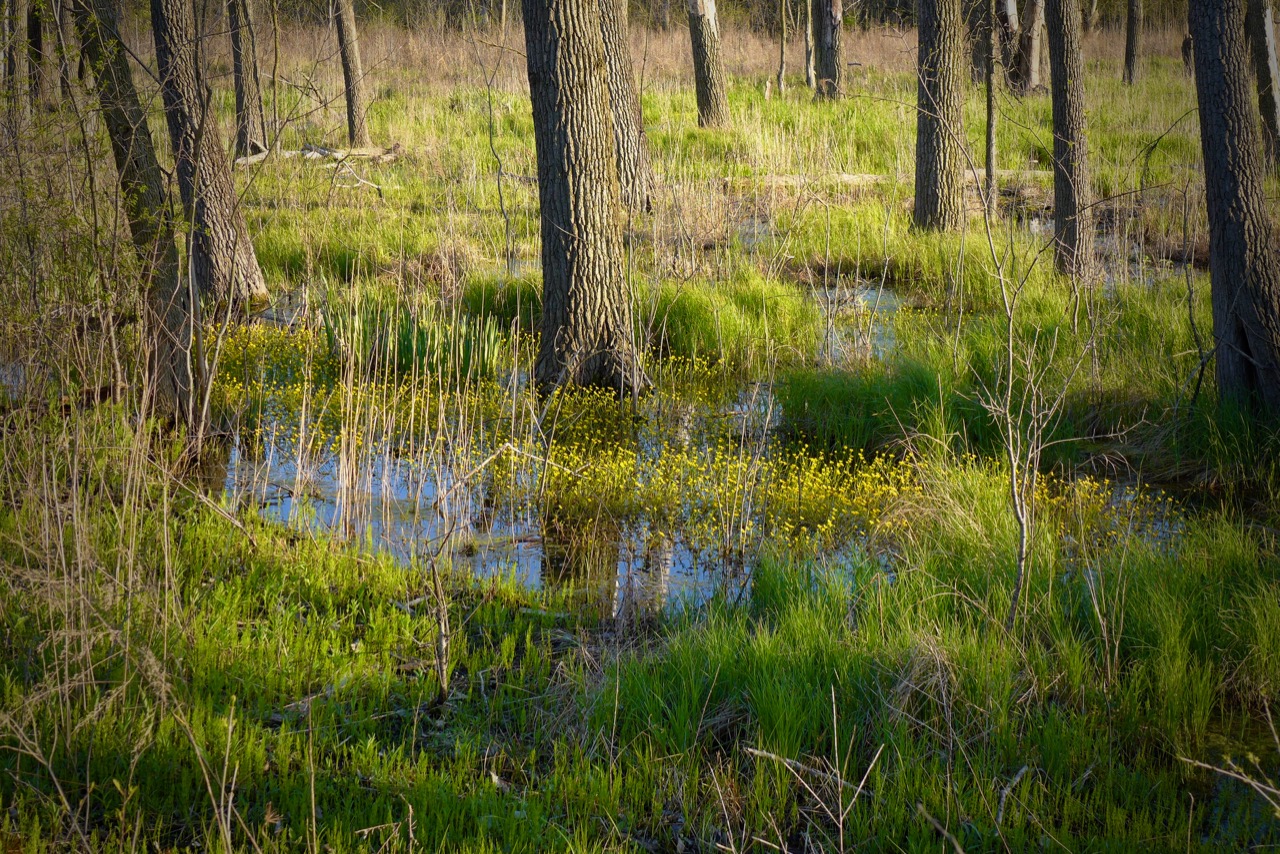
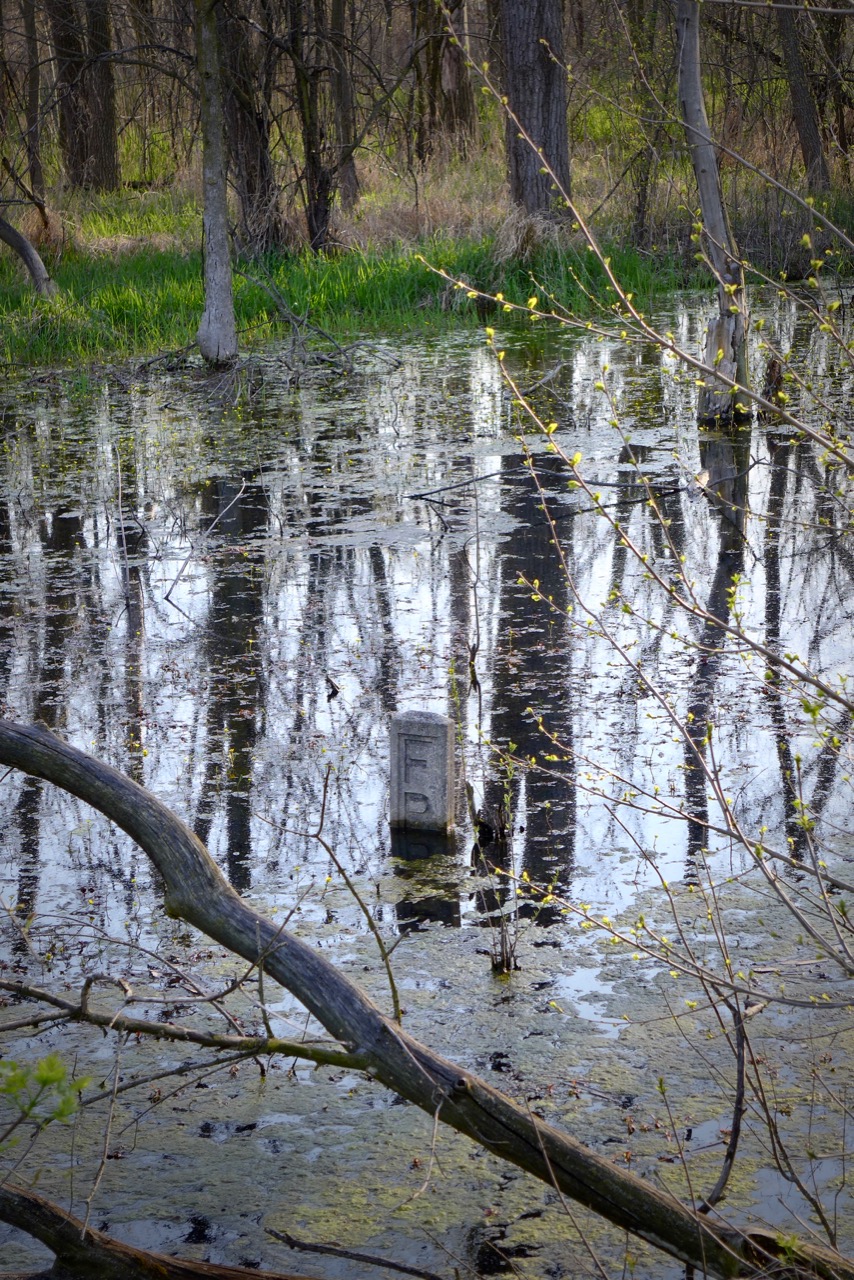
I couldn’t get a good picture of the juvenile bald eagle we saw, but I promise it was there! The trees around this wetland are just the spot to rest and recuperate before going for a hunt over the Little Calumet River.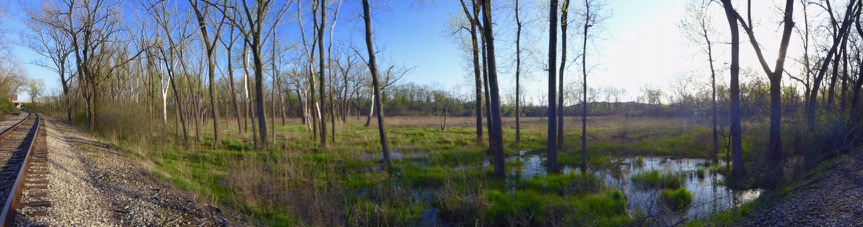


 Calumet Region Adventure Club