An unseasonably warm day in November – still autumn leaves falling and a cold-blooded friend out and about.
Indian Ridge Marsh and beyond, IL • November 2020
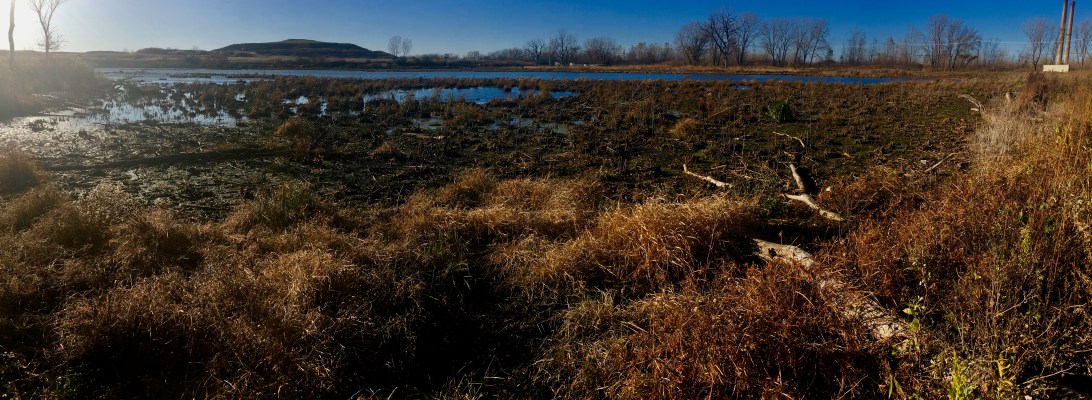
A gorgeously warm November afternoon yielded a golden IRM, with the last of the asters and goldenrod setting seed.
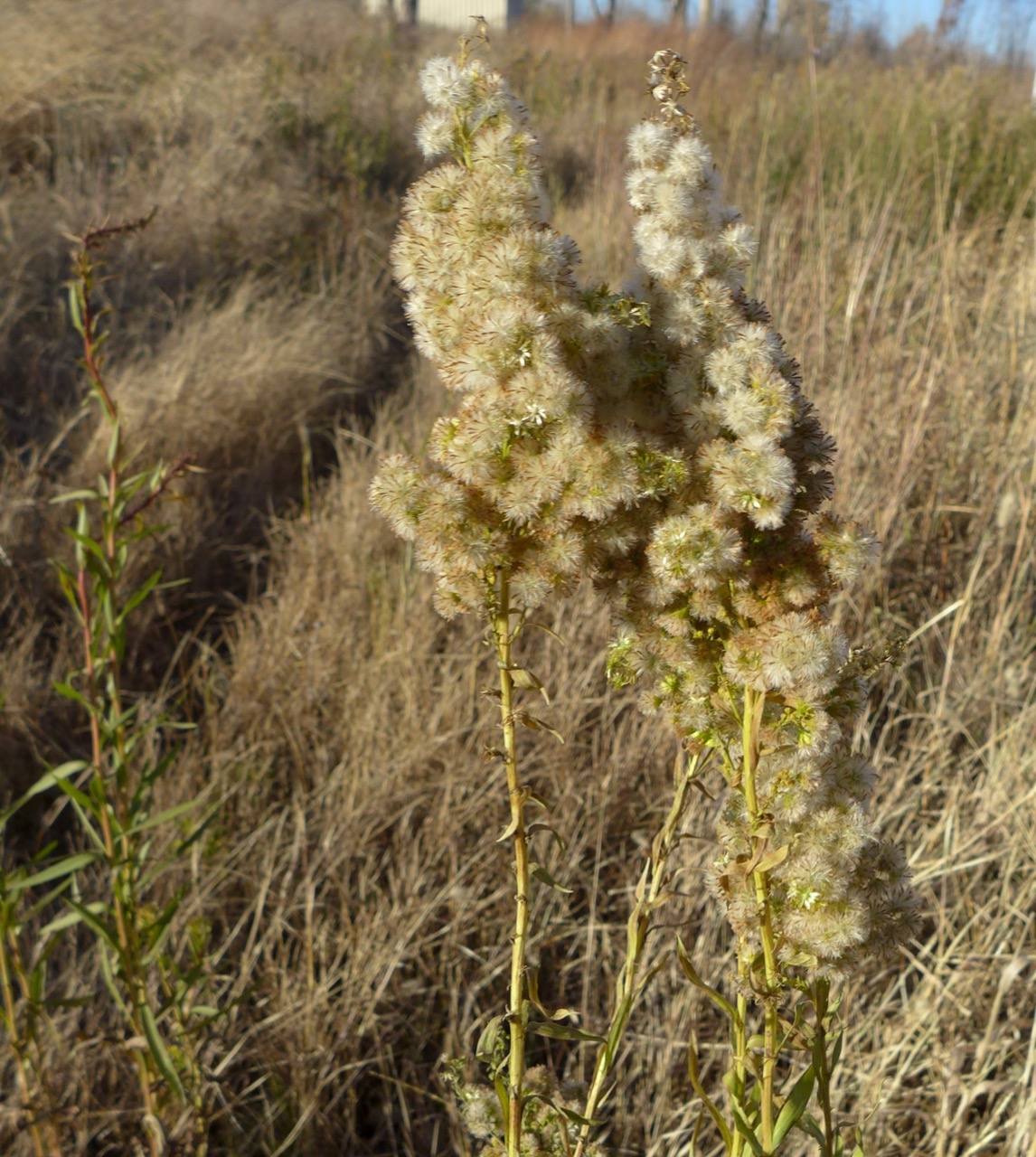
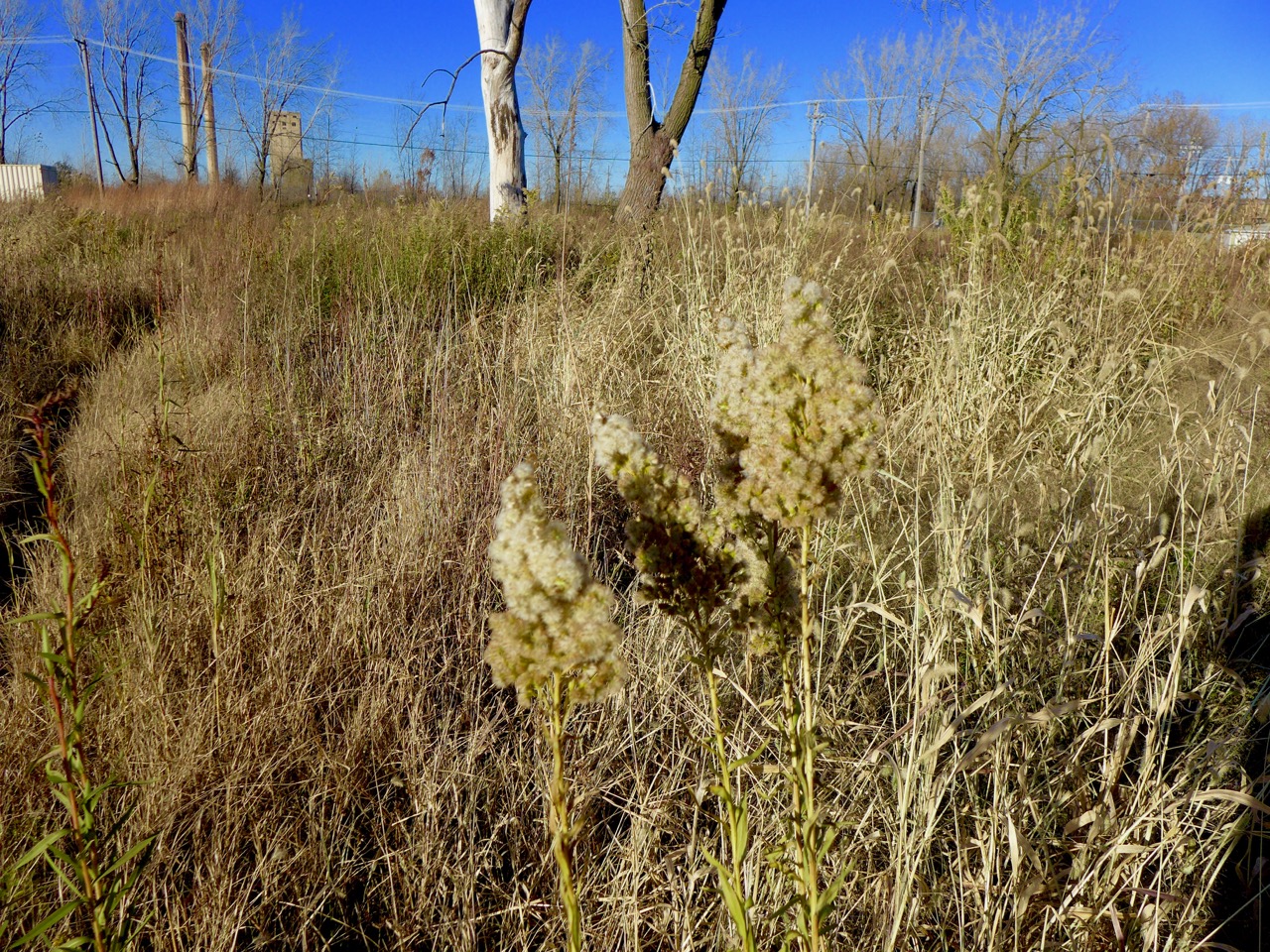
I started on the trail going north, through the wet prairie-
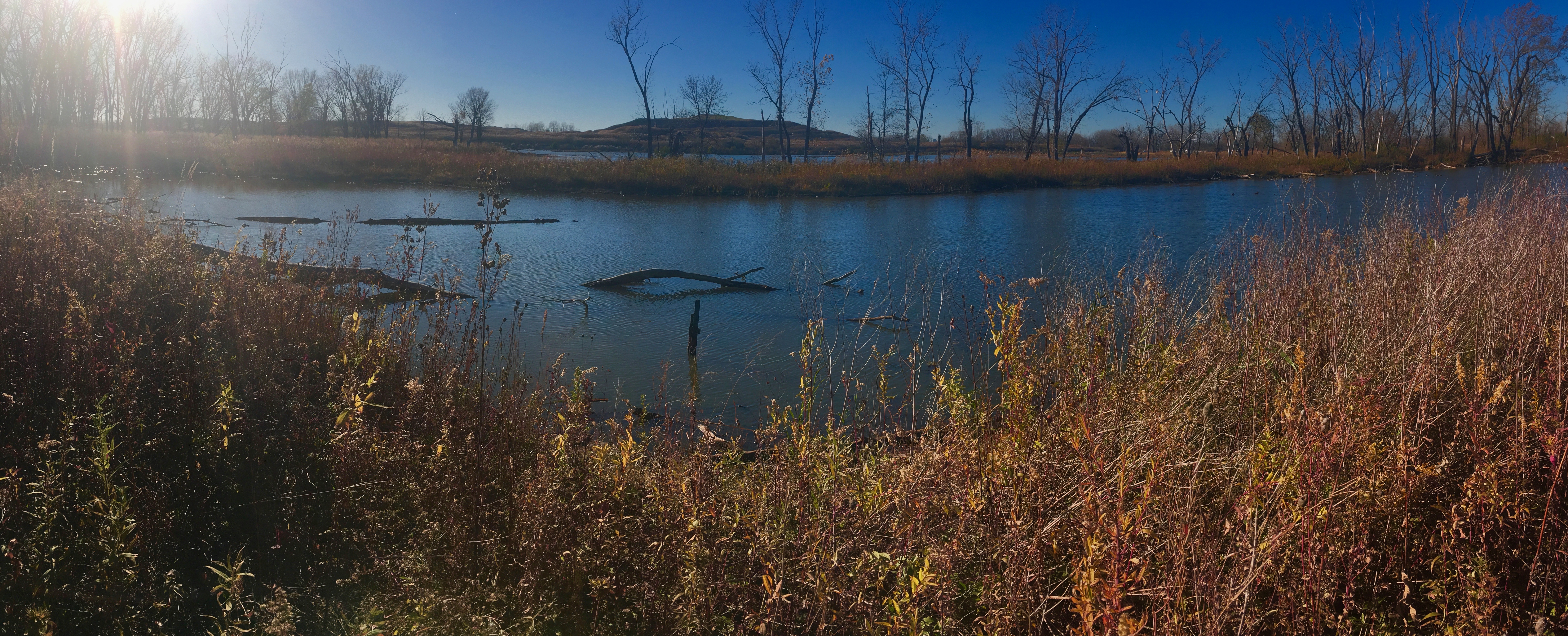
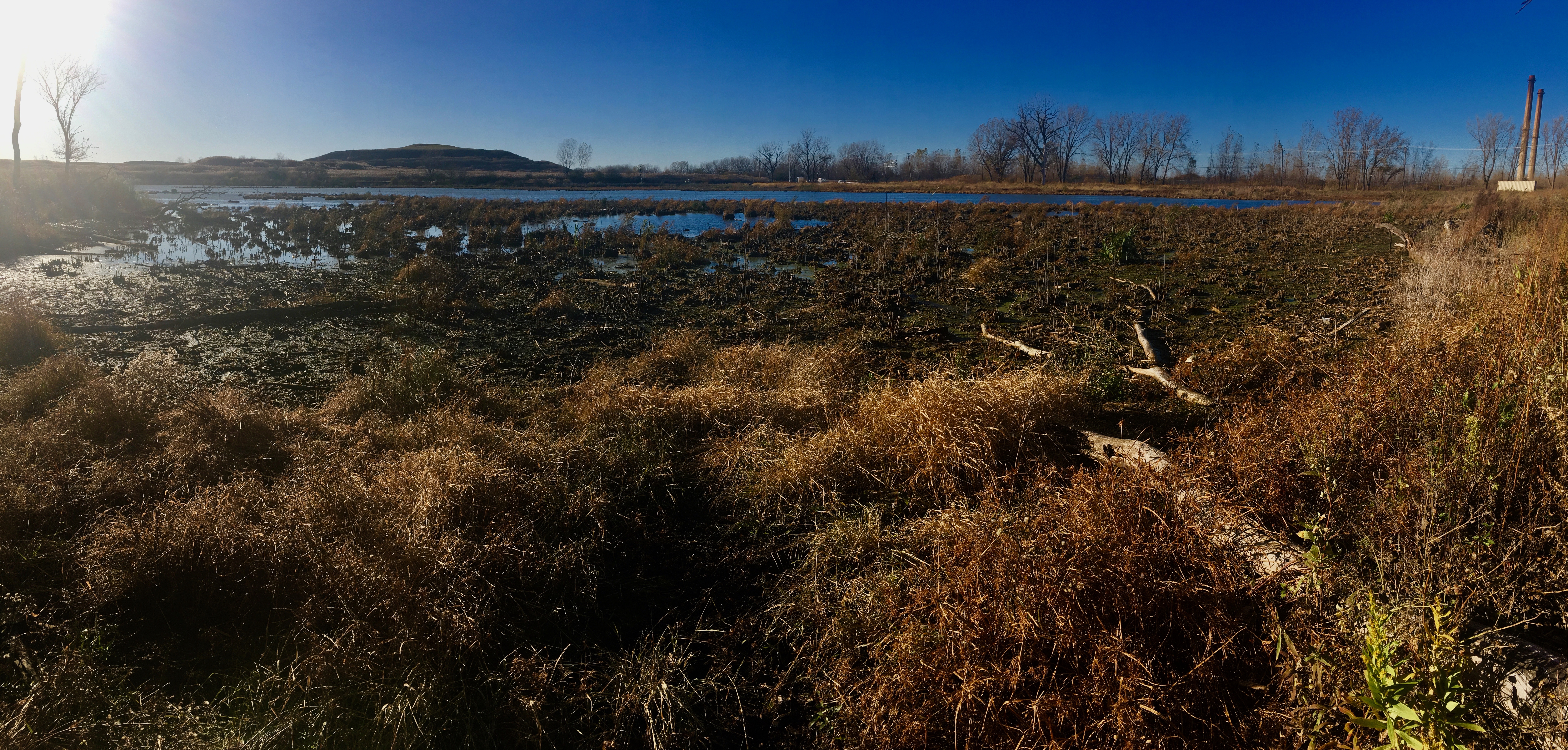
-and then kept going.
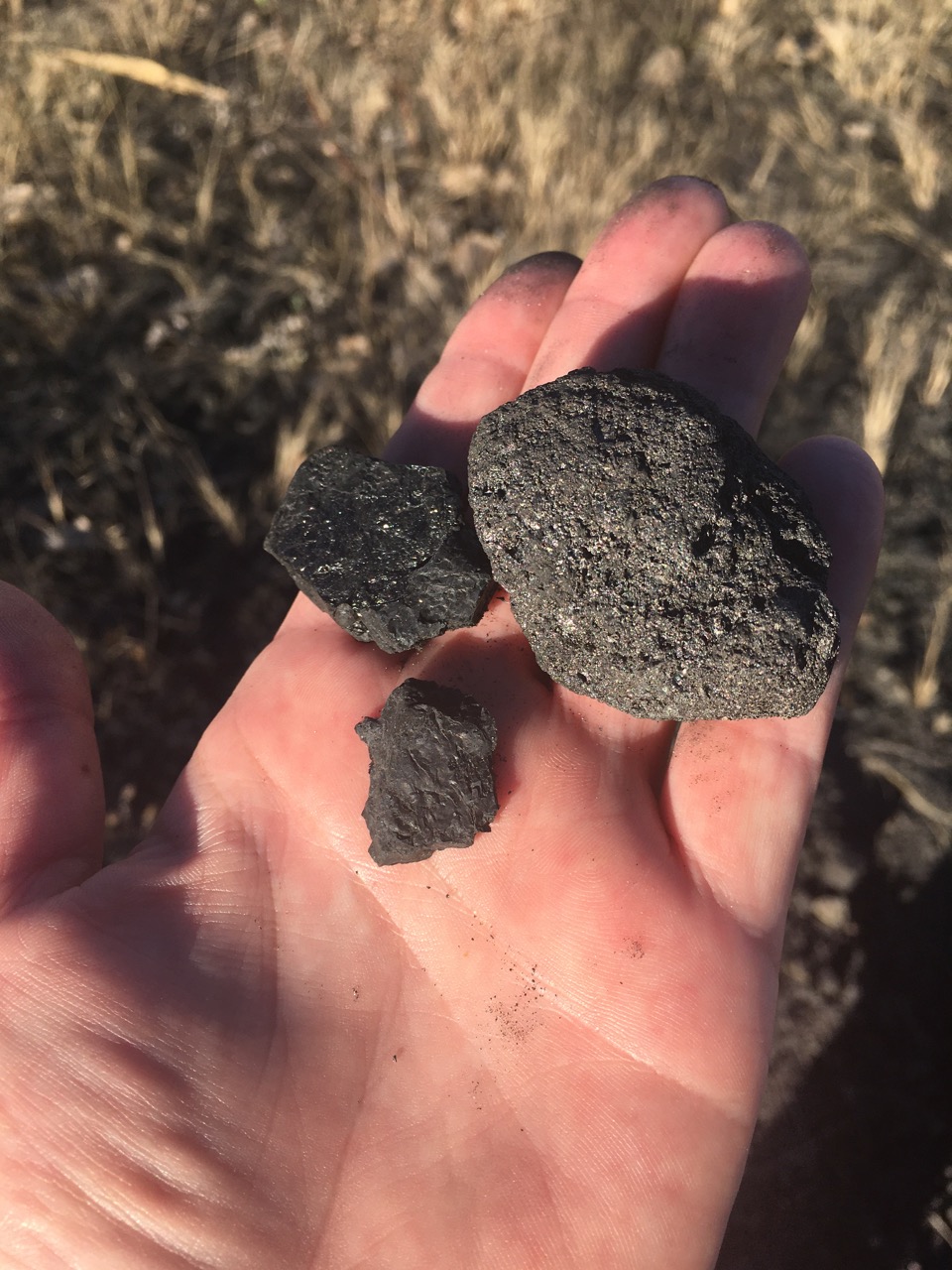
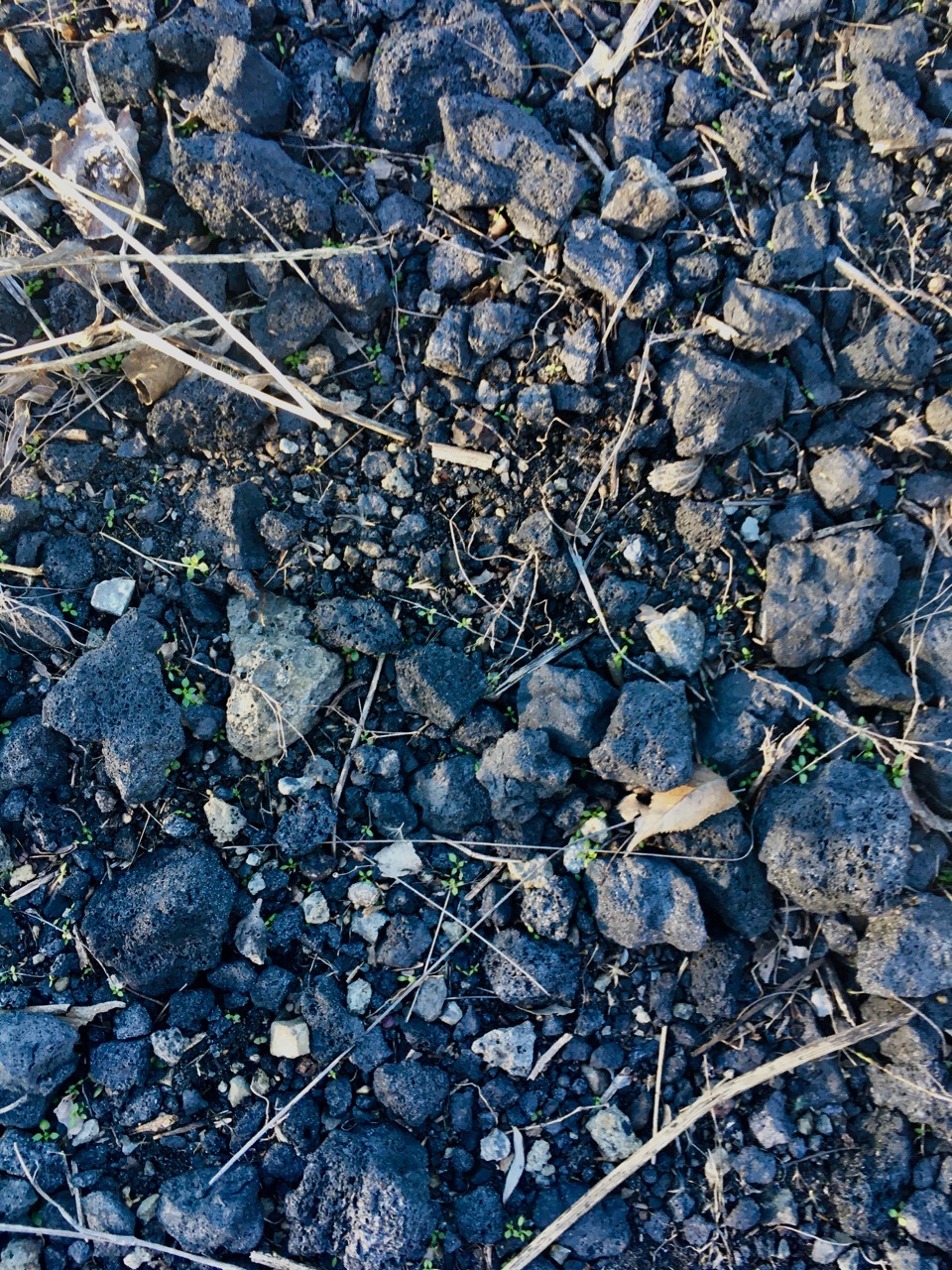
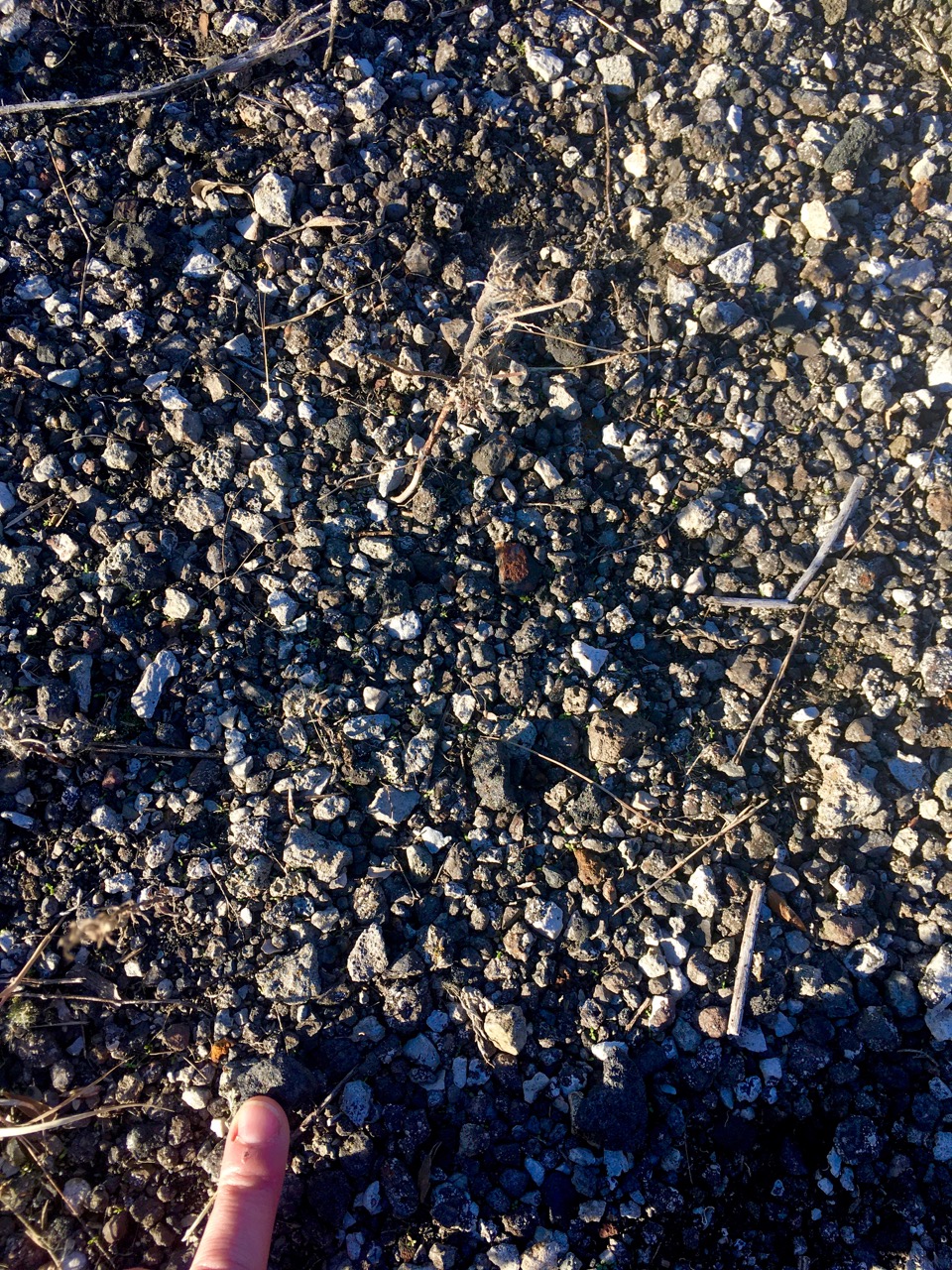
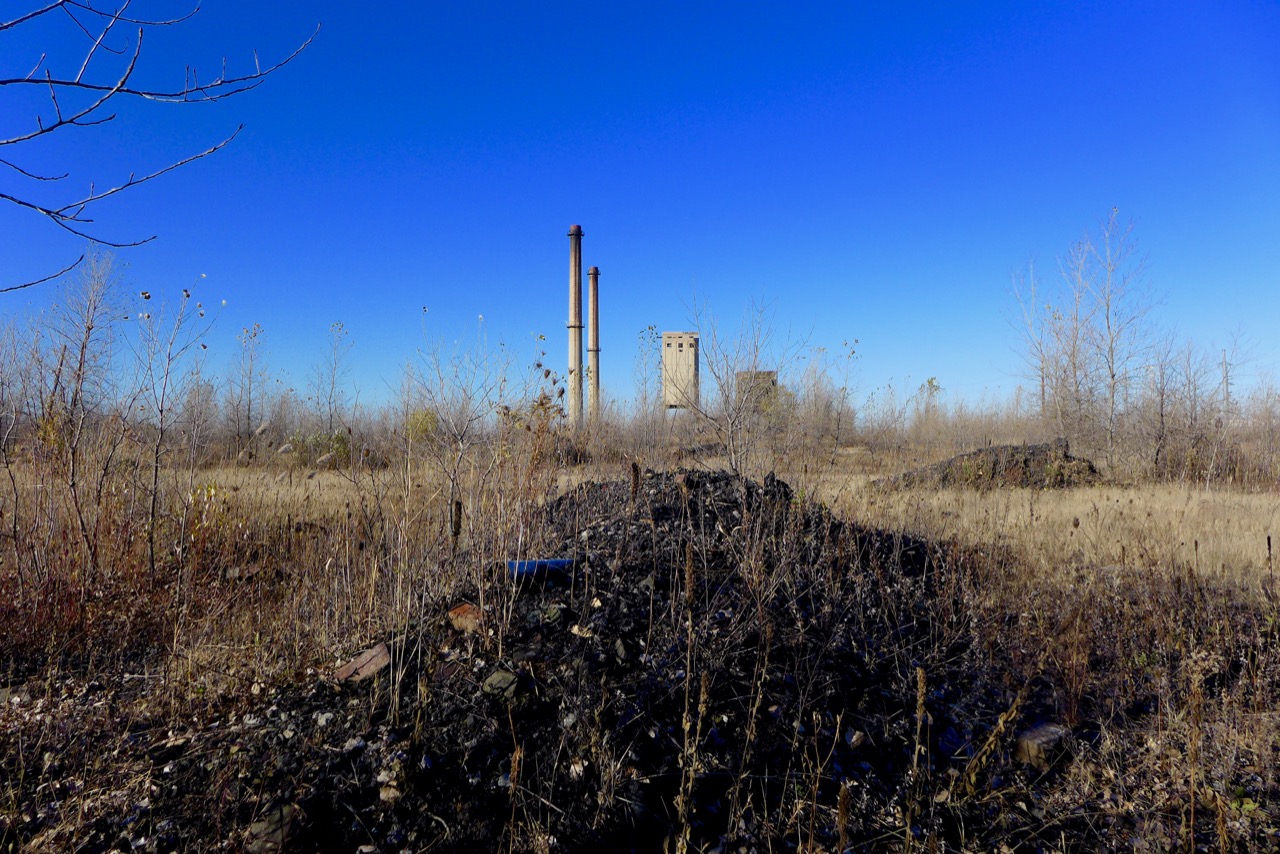
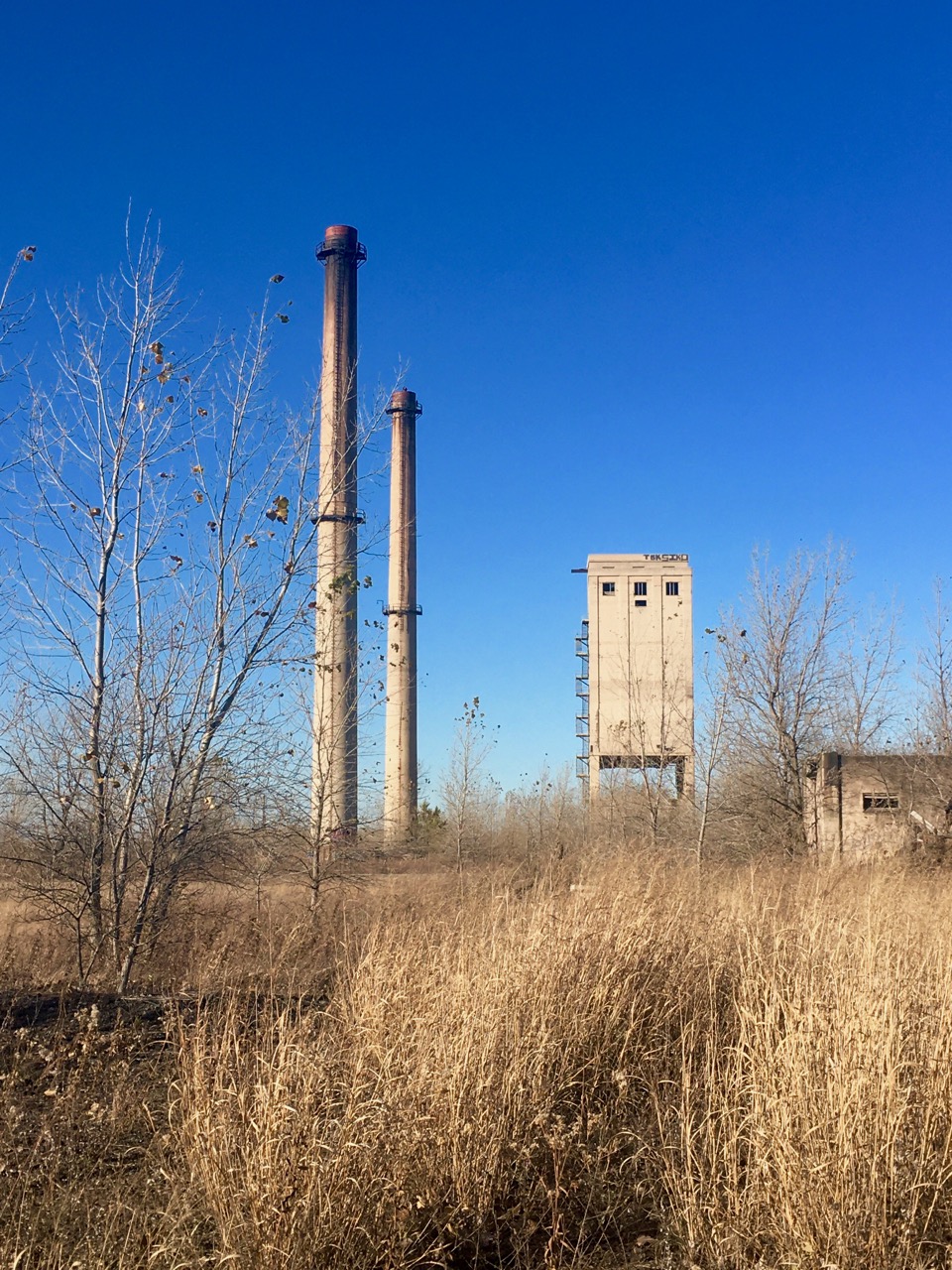
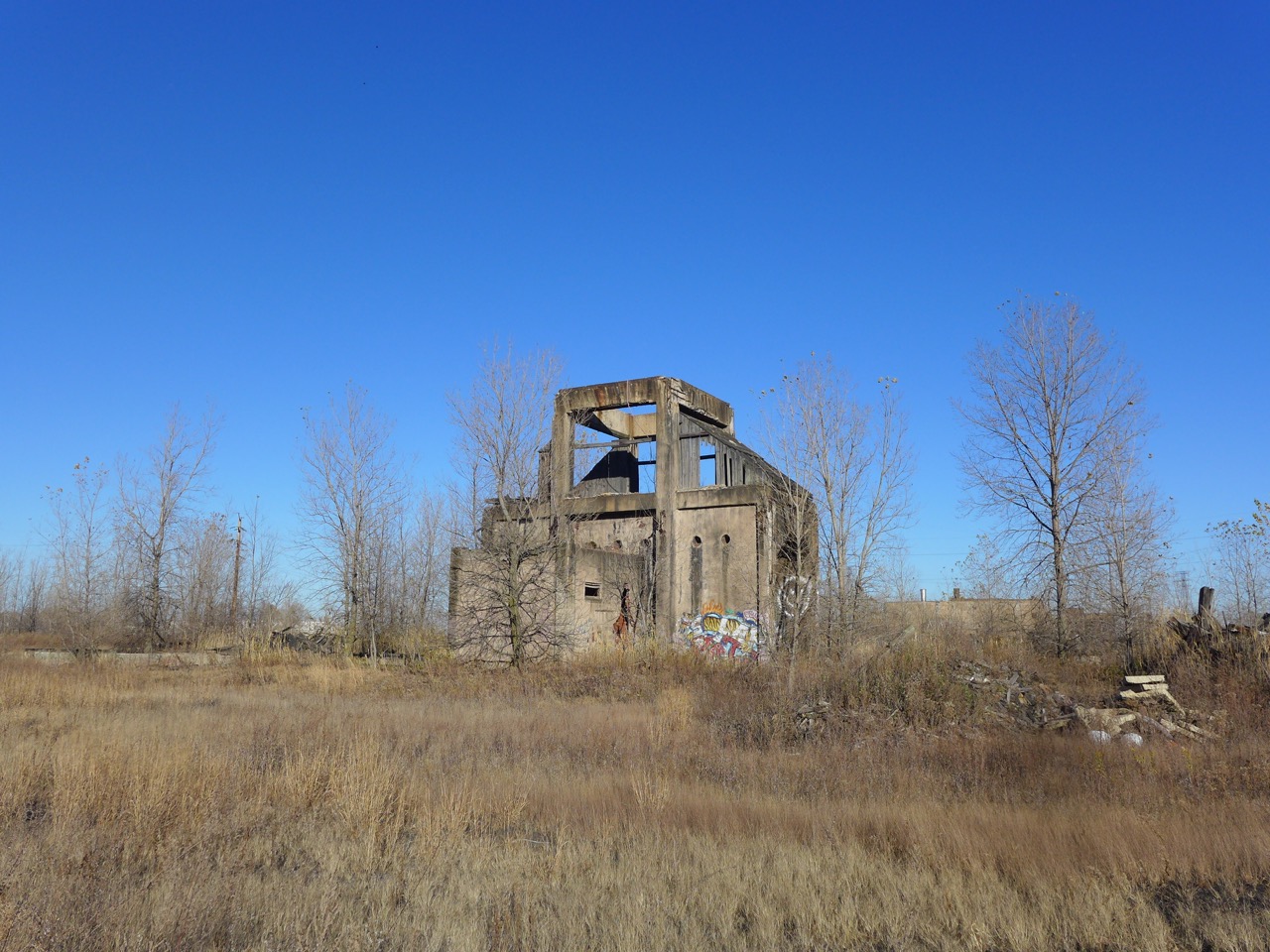
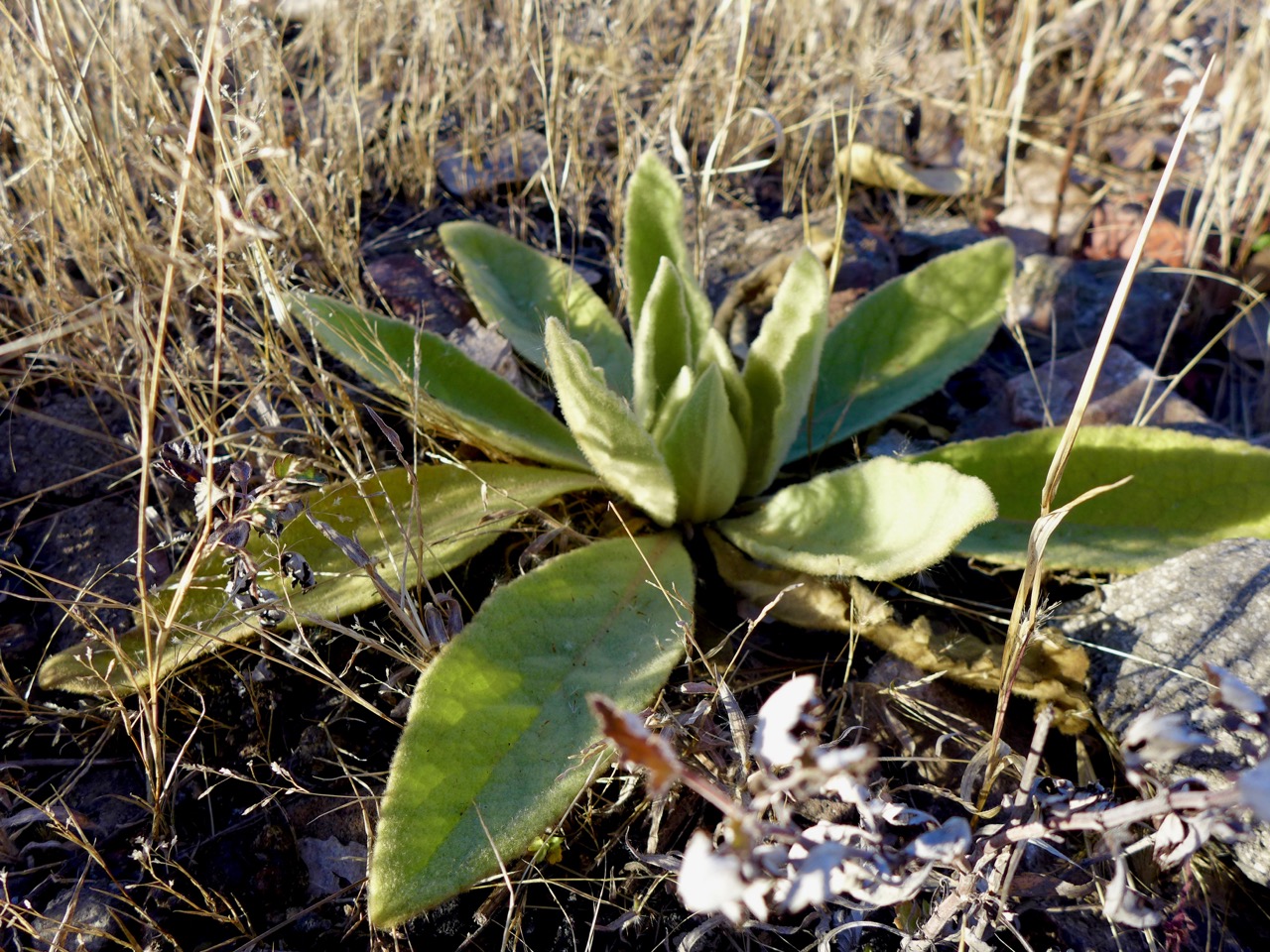
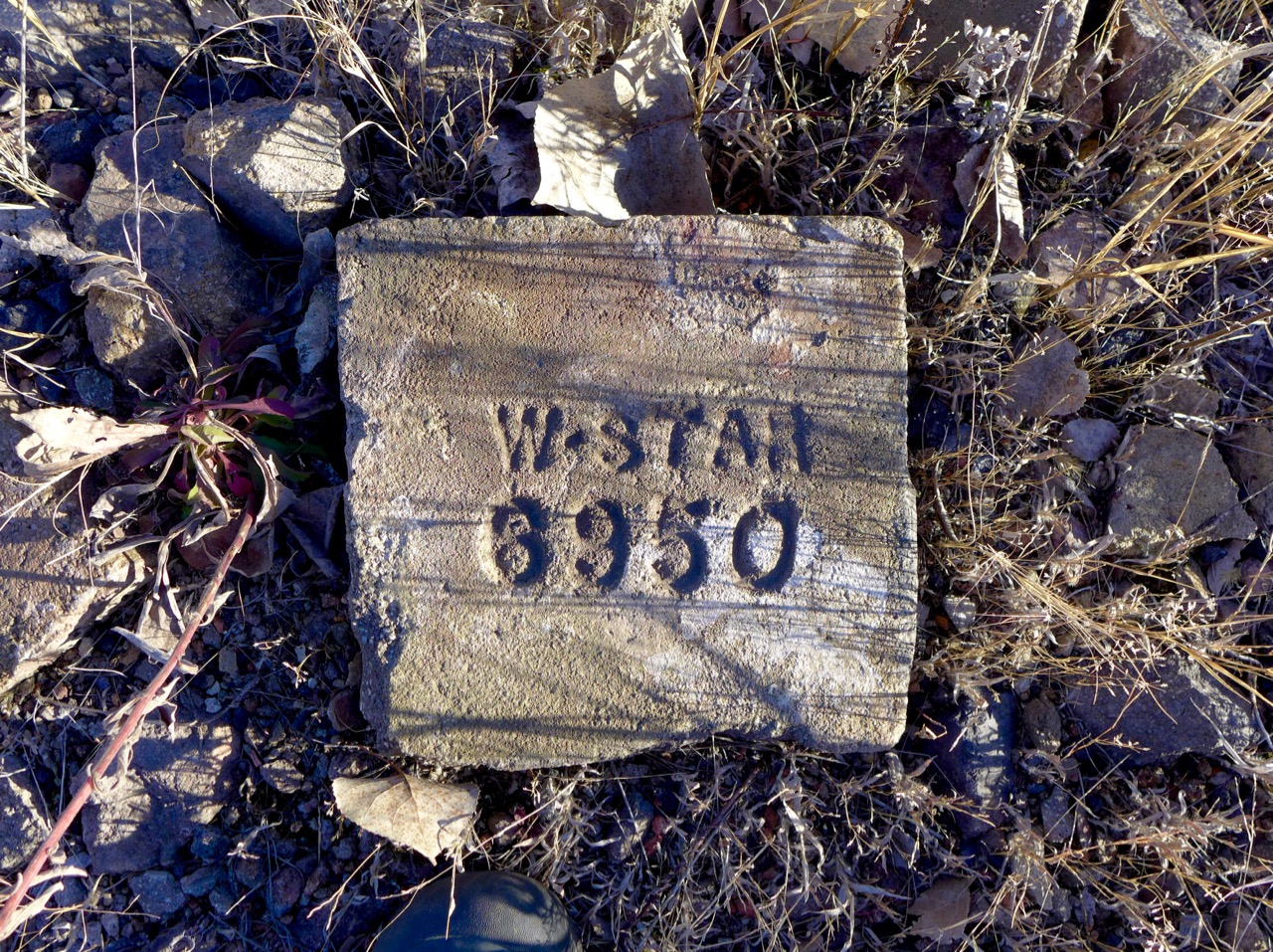
At the old Wisconsin Steel/Acme Coke site I found a new slag for the typology- charcoal briquet slag?! It was all quite dark black (some were also really lightweight), even if the raking sun bleached out some of the photos below. Or maybe this is just some coking byproduct.
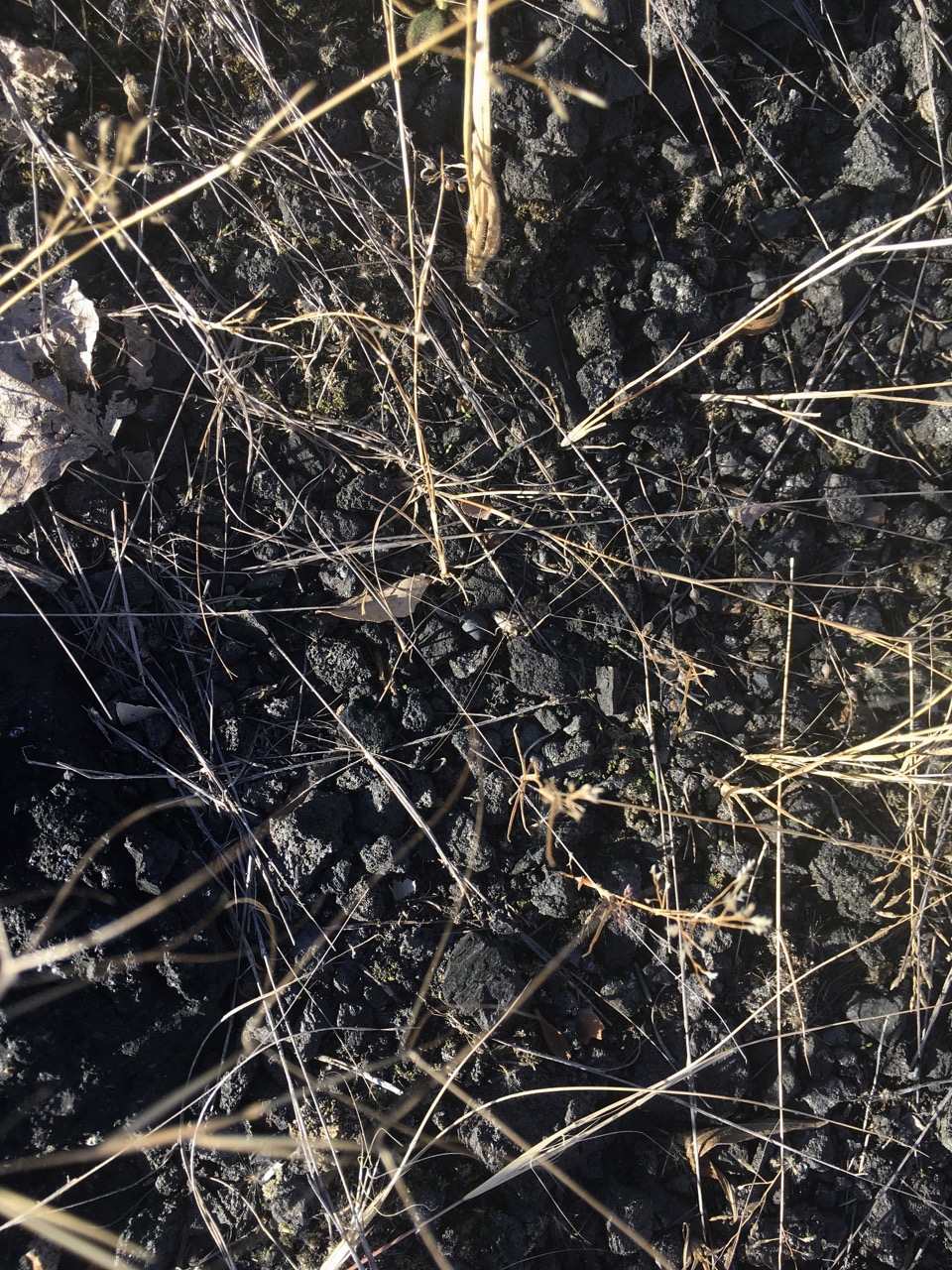
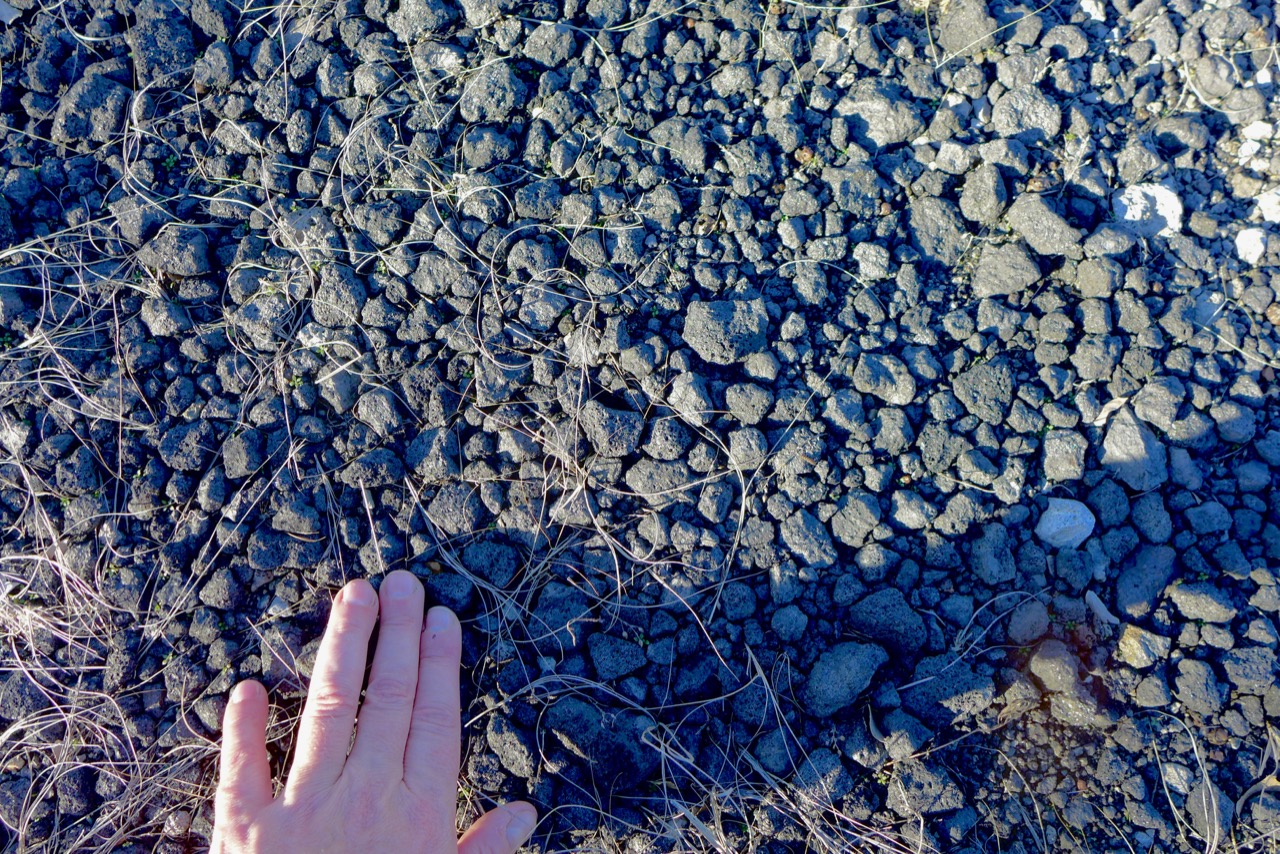
It was really quiet and isolated in a sea of Aristida and a few interspersed cottonwoods and willows. I’m quite surprised I didn’t see any deer or other animals about. In fact, I was only surrounded by birds birds birds (mostly dark eyed juncos), in the the many standing dead trees – and a big crabapple – once back at Indian Ridge Marsh.
Thornton-Lansing Woods, IL • October 2020
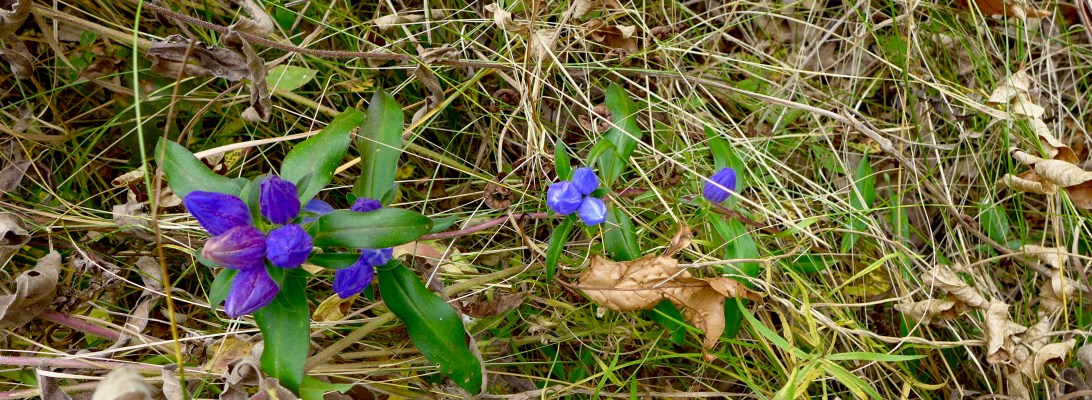
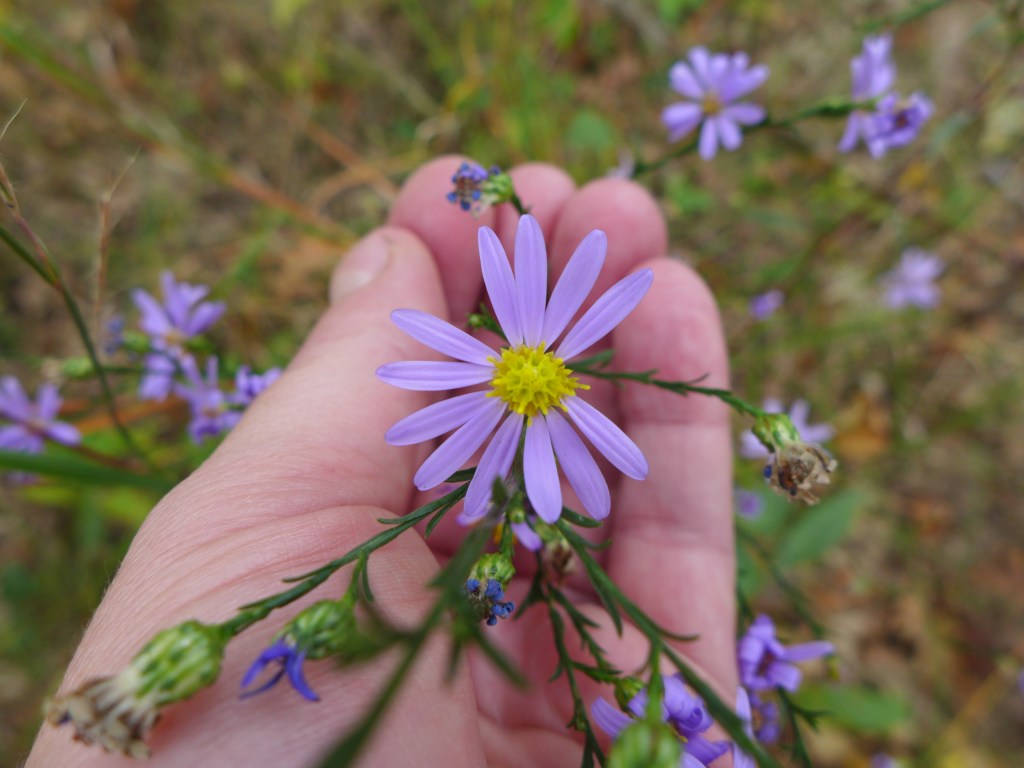
Do you ever get tired of the bottle gentians? Me neither.
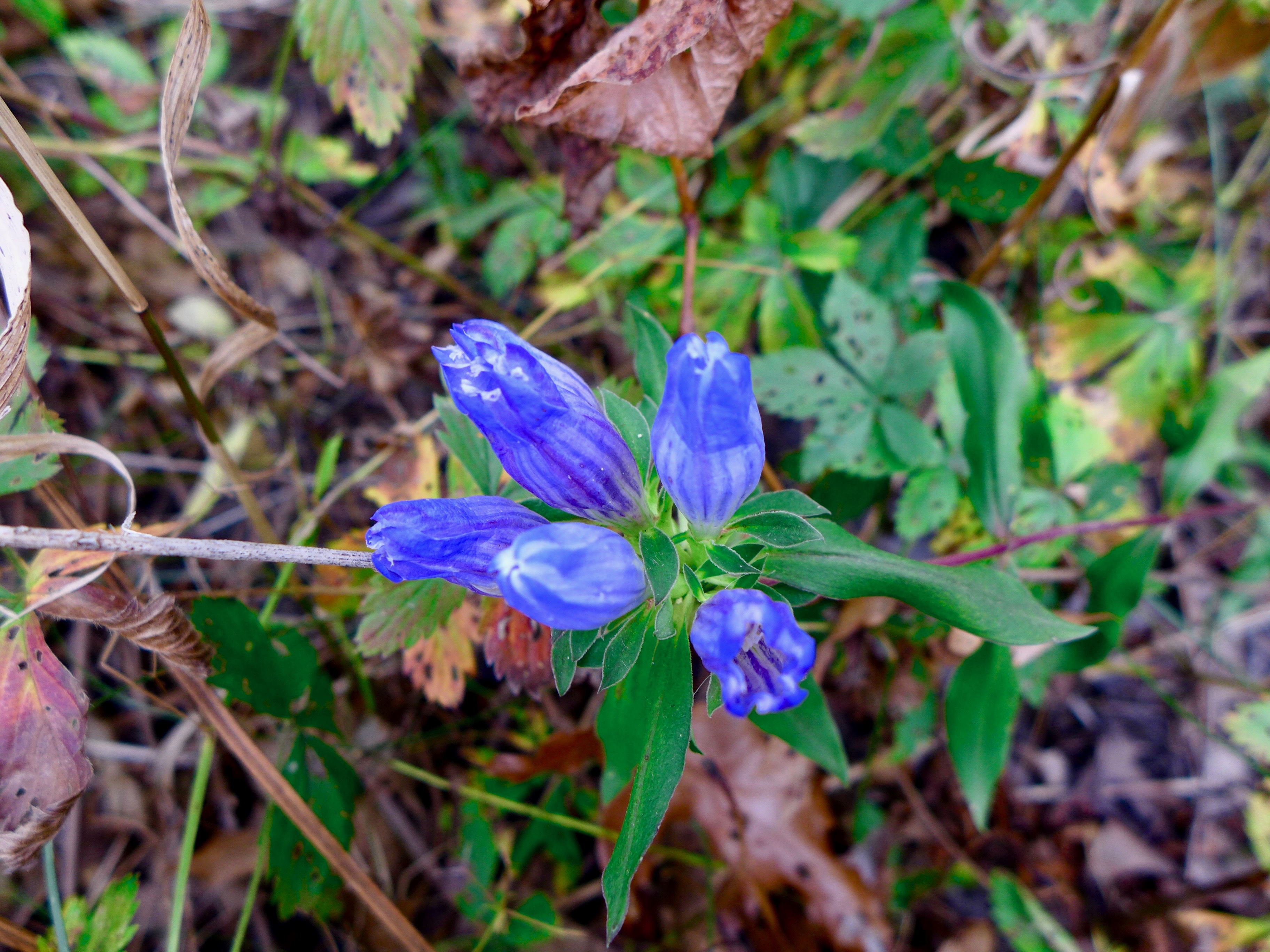
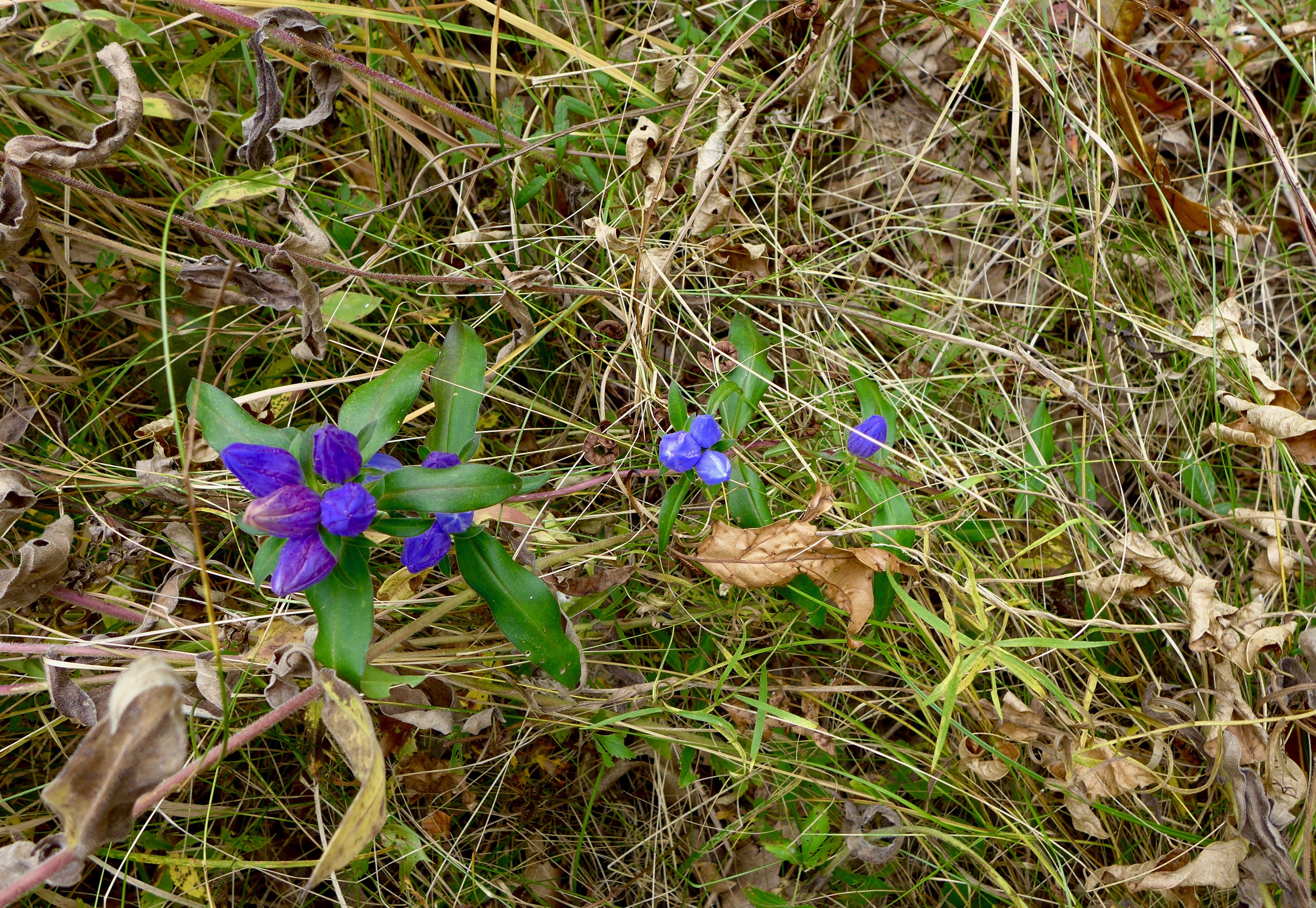
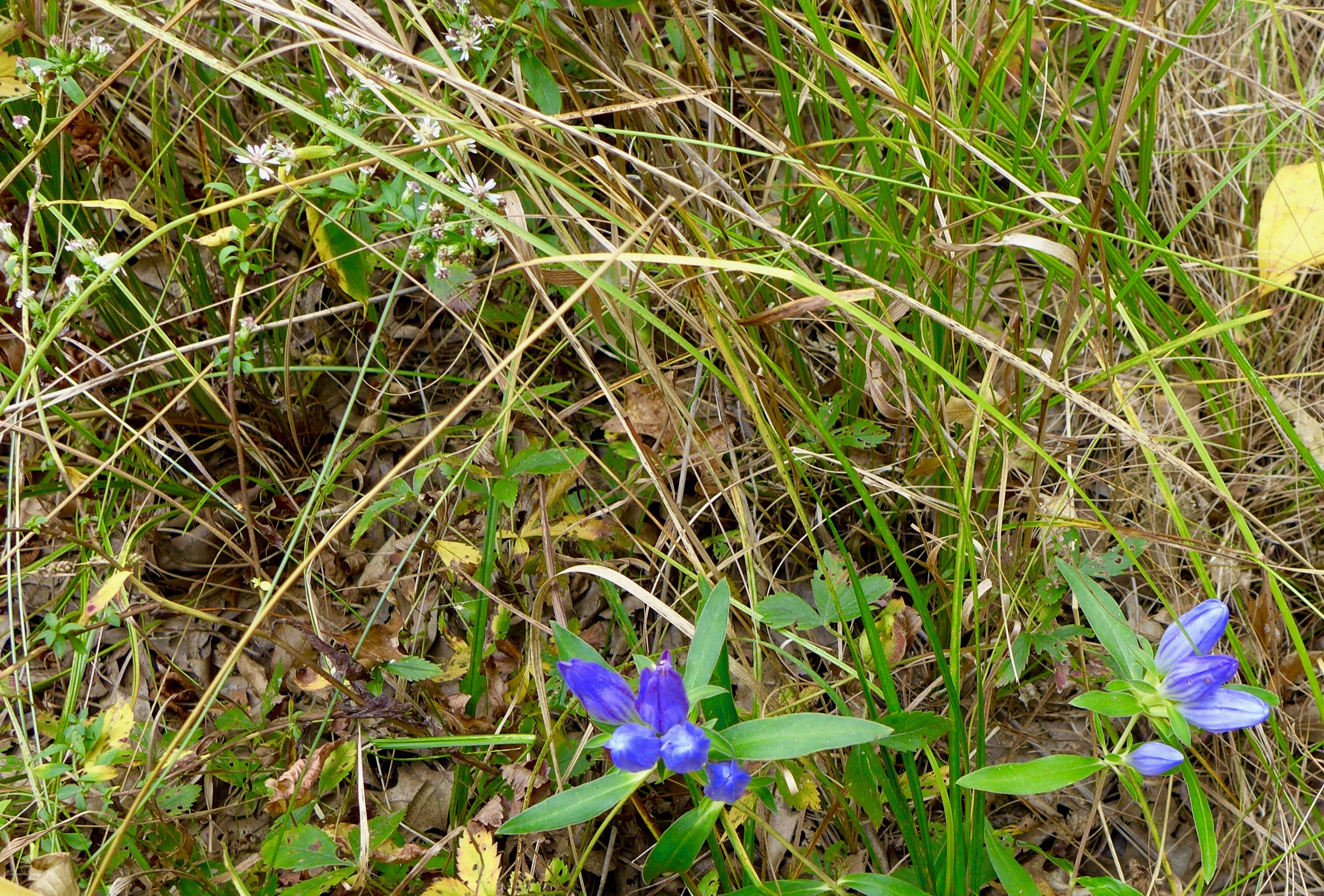
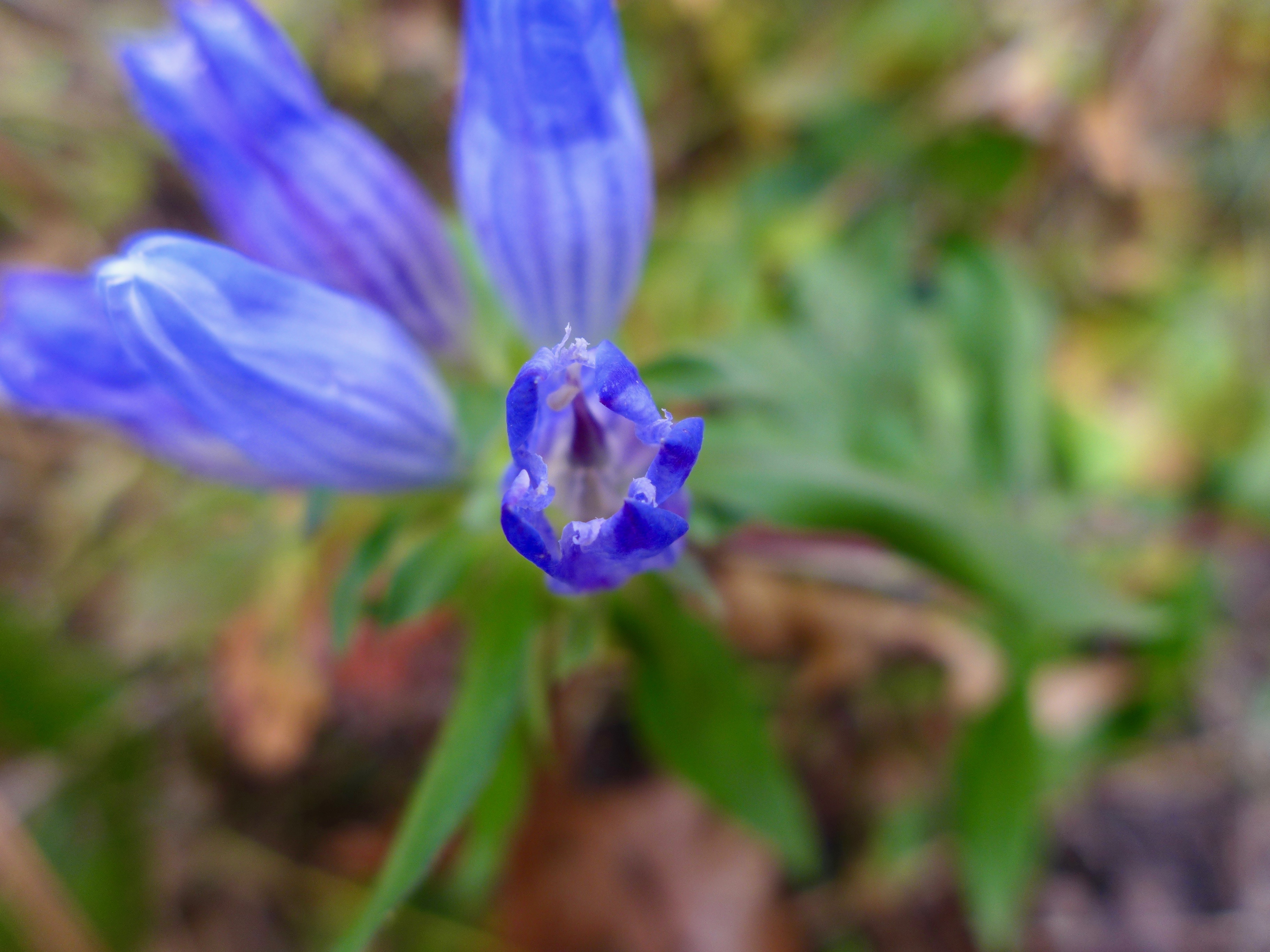
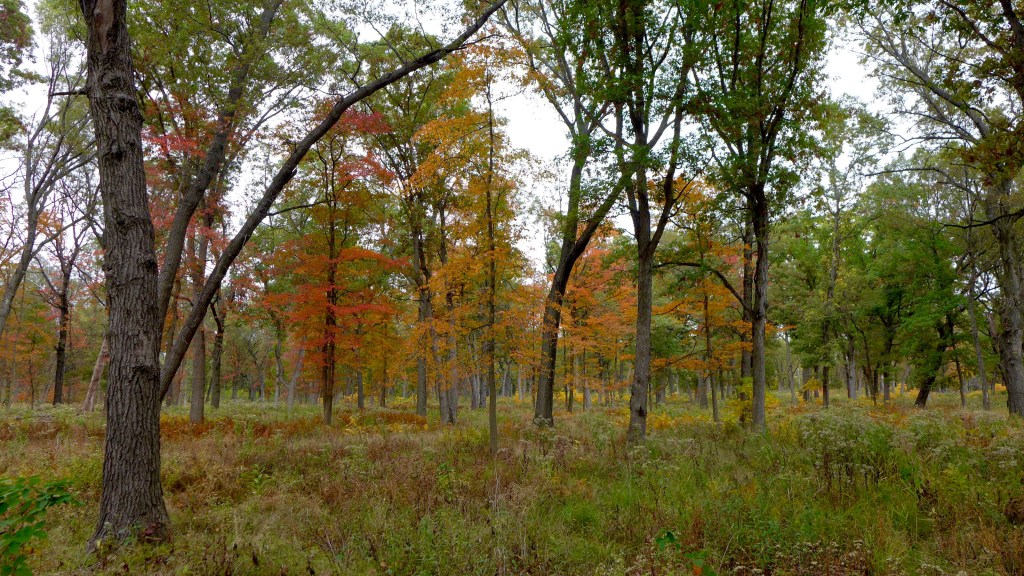
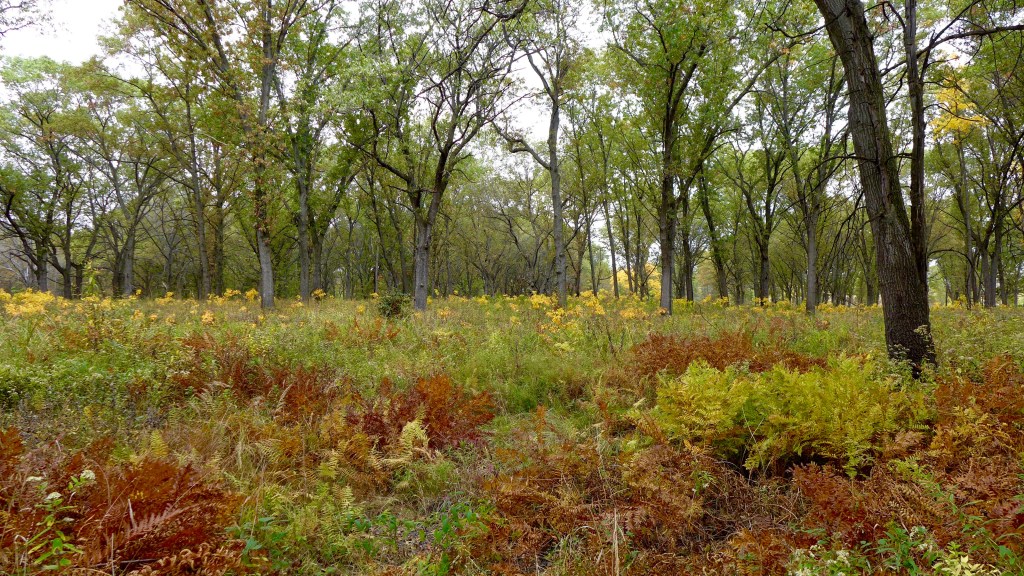
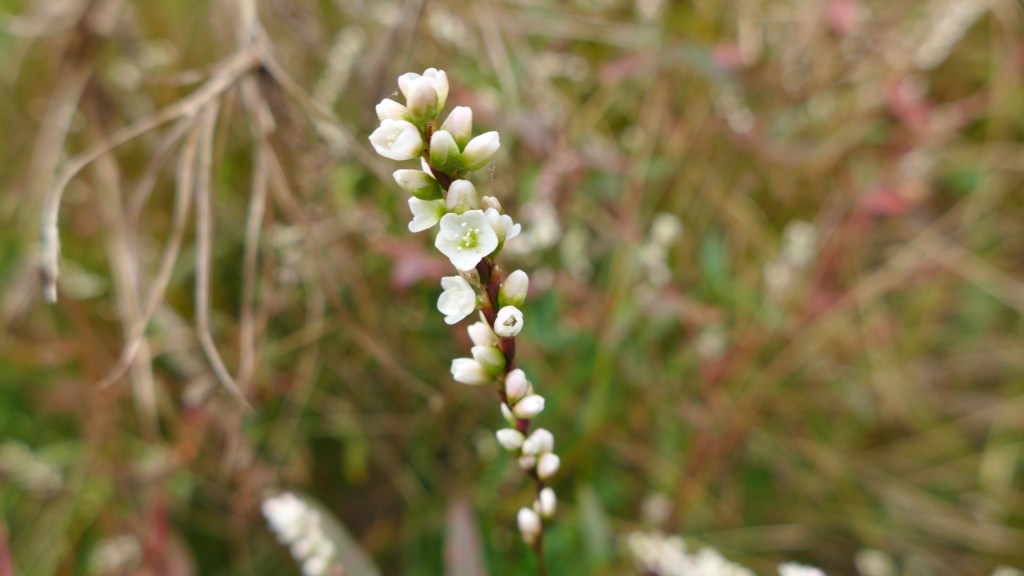
and there is so much else this season, too!

Beaubien Woods, IL • June 2020
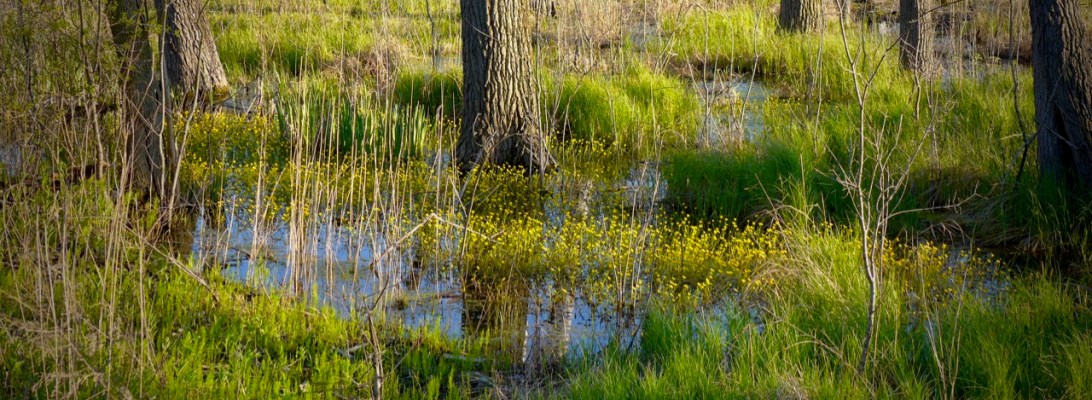
We hadn’t been to the south part of Beaubien in years. We thought we might get a chance to see lots of roosting birds in the trees, but I think we were too early in the evening.


We wanted to get close to the Little Cal so we went down by the railroad tracks, and like most days we CRAC, we thank ourselves for wearing muck boots.
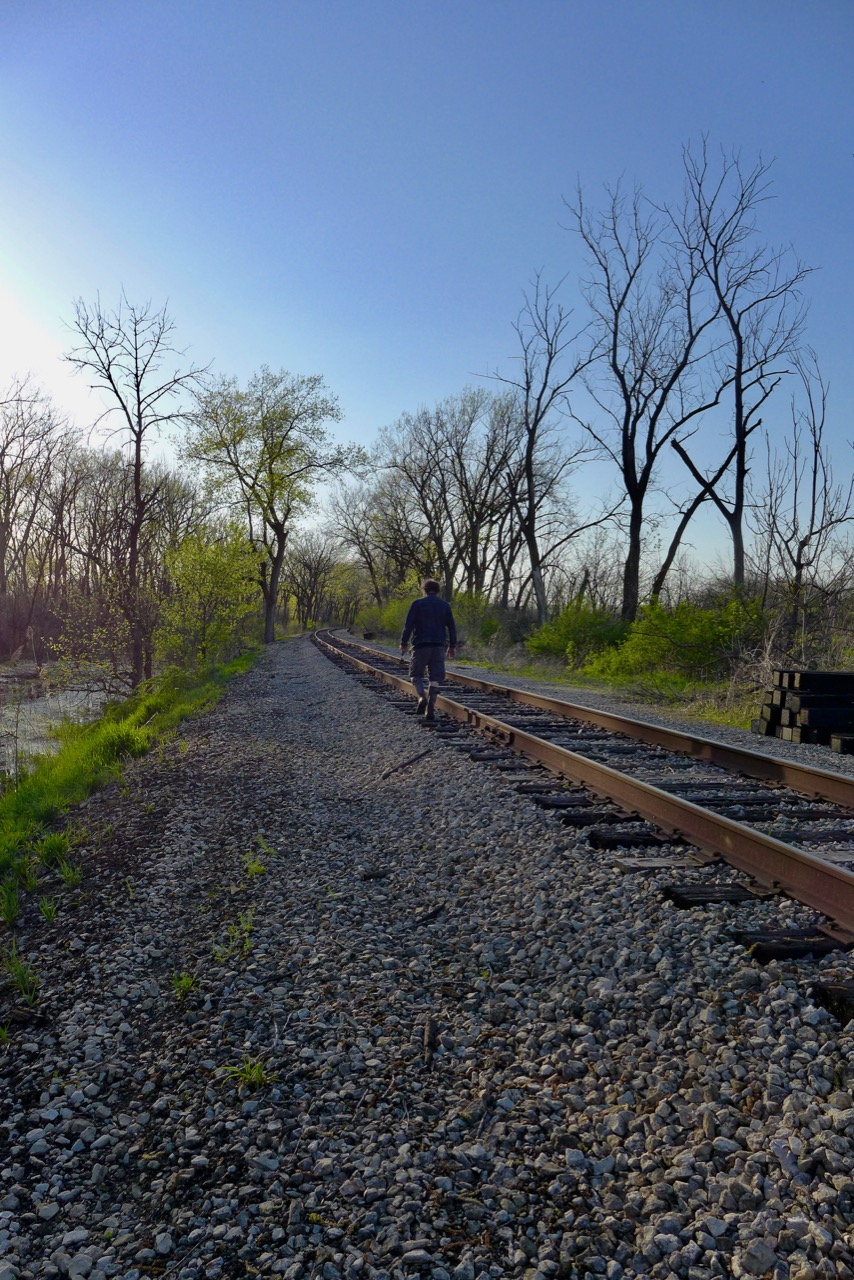
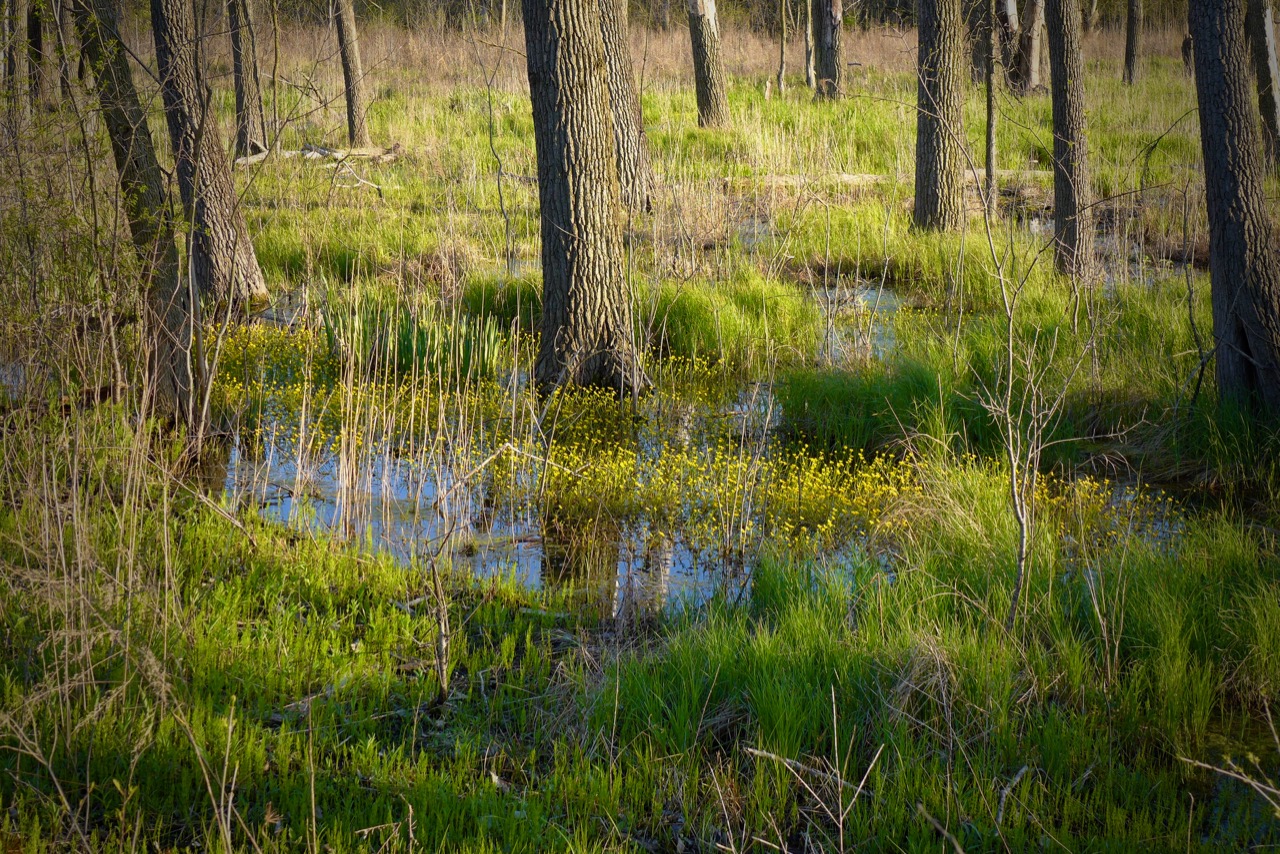
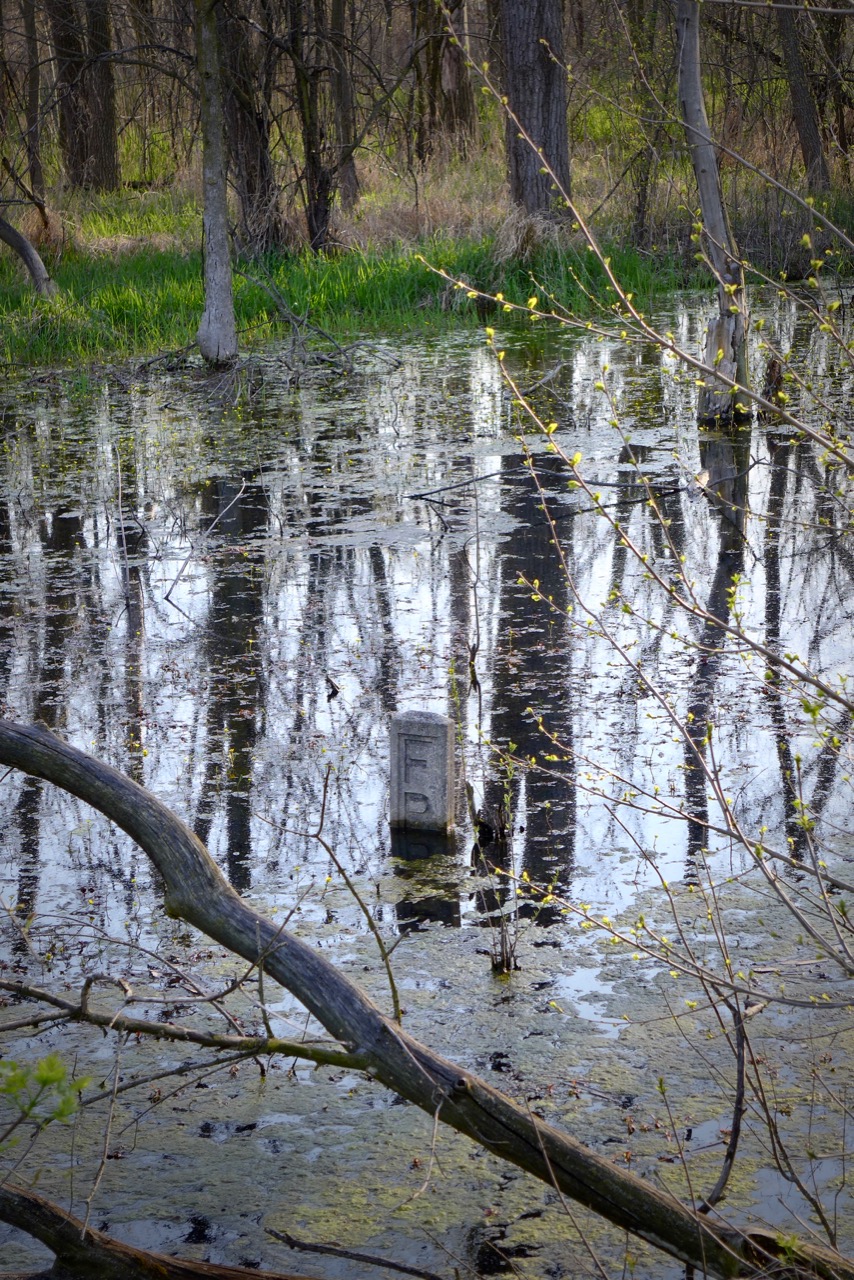
I couldn’t get a good picture of the juvenile bald eagle we saw, but I promise it was there! The trees around this wetland are just the spot to rest and recuperate before going for a hunt over the Little Calumet River.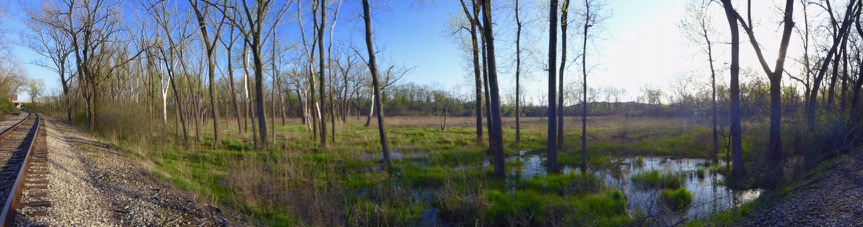


Marian R. Byrnes Park, Chicago, IL • June 2020
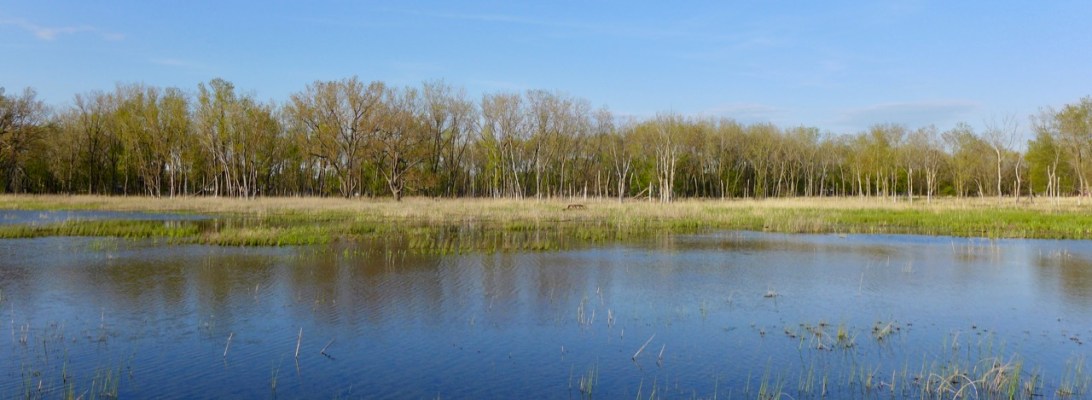
I’ve spent many months at Marian Byrnes Park- mostly doing research and botanizing. It’s where my favorite slag wetland is, a secret garden hidden behind a lovely woodland stroll. Just a few years ago, this park was pretty overgrown and inaccessible. Now it’s such a gem, with great shaded walking trails in a narrow savanna-esque strip, right off of 103rd.


Out on the slag, we see a human-modified ecosystem, just like the woodland (which of course is a highly managed park) but it’s such an unfamiliar landscape. You see remnants of its recent past as a flydumping mecca and plants that looks like weeds on concrete.


But with little human intervention for several decades in the management of this ecosystem, one could argue it’s more “natural” than the familiar tall trees and open understory along the path.


Black Partridge Woods, IL • May 2020
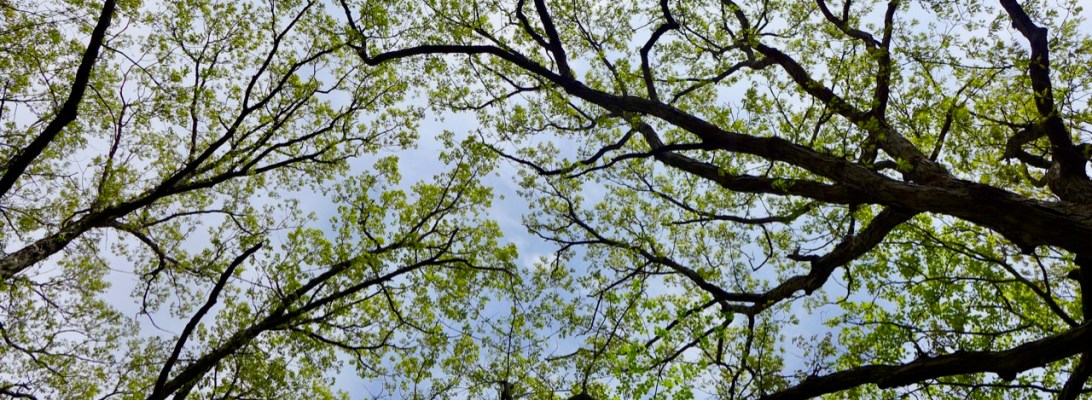
Black Partridge Woods has beautiful spring ephemerals and real nice topography –geology makes these ravines possible!
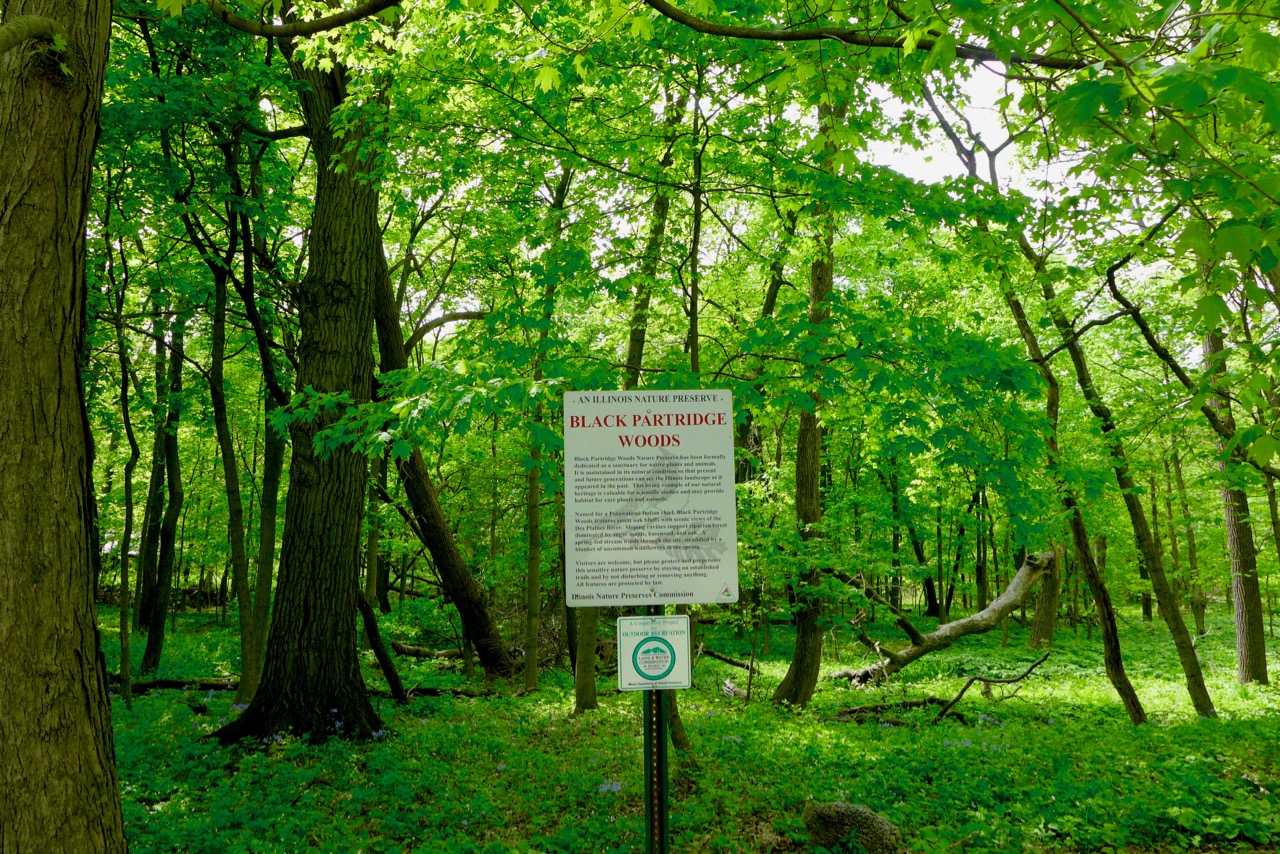
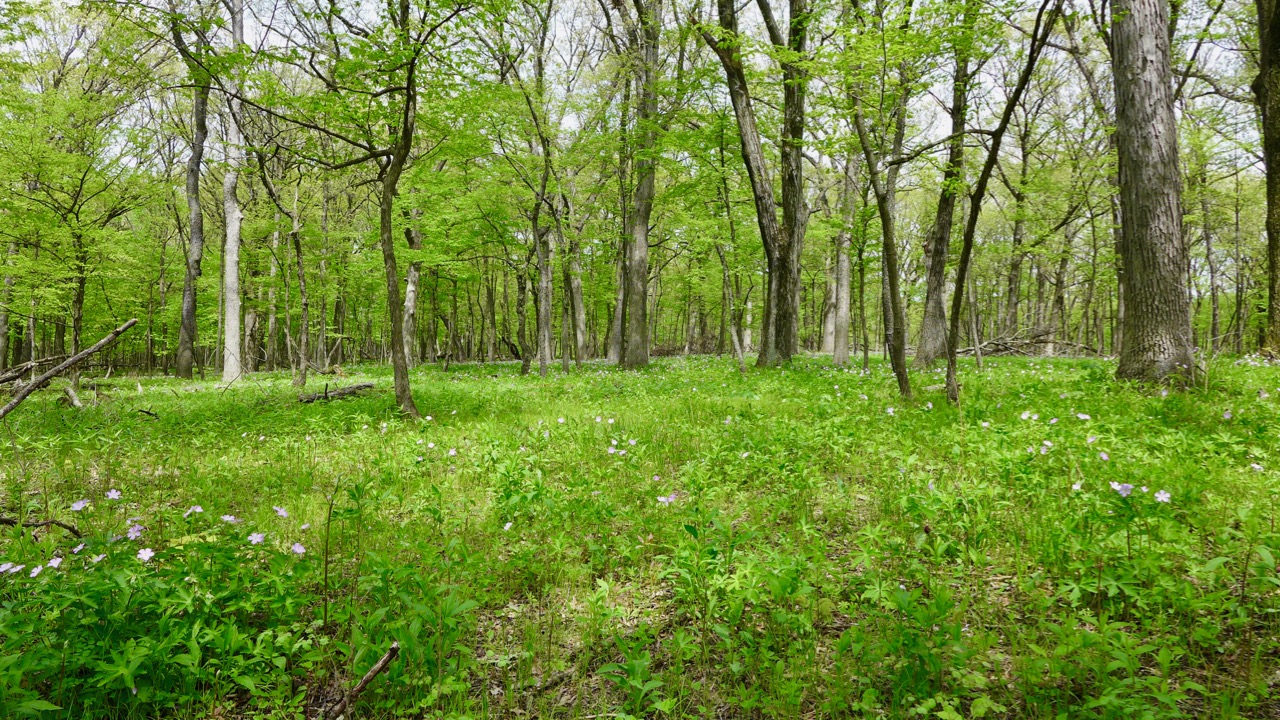
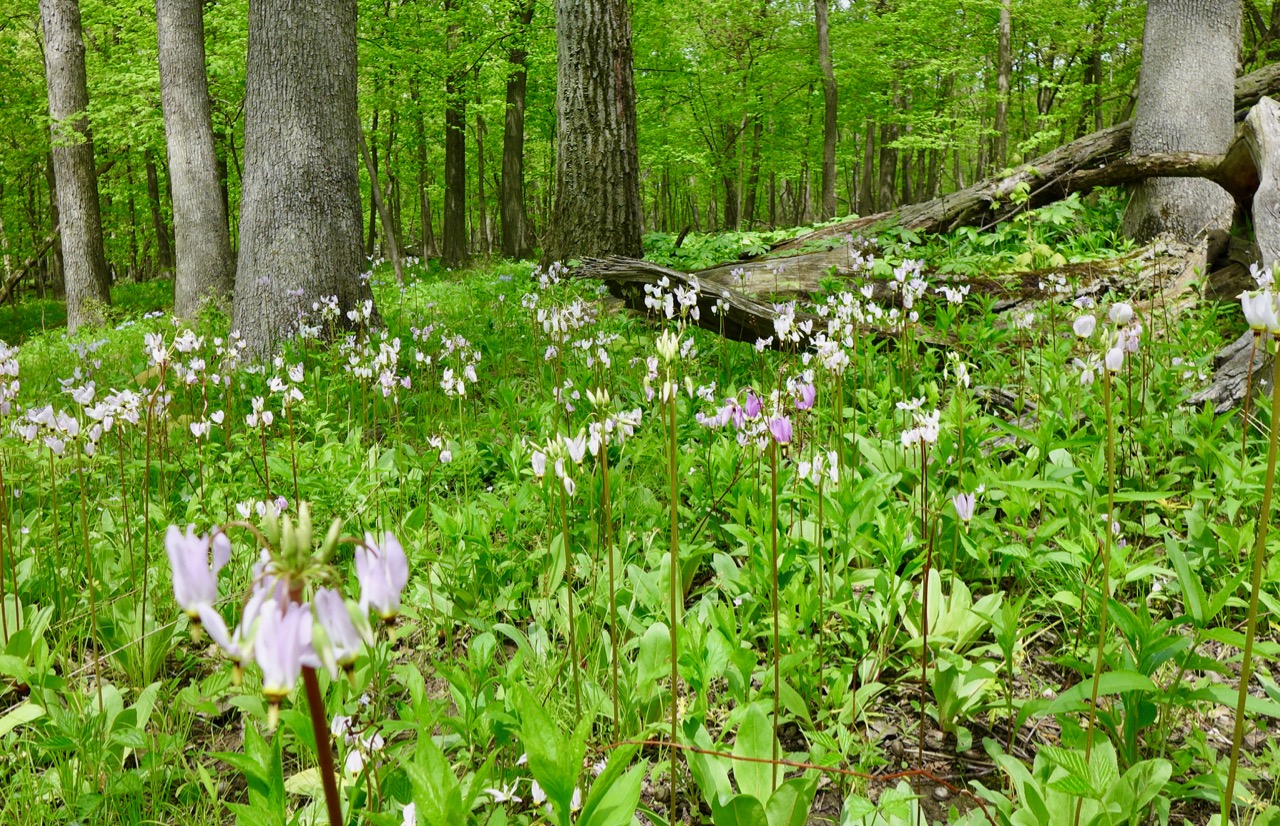
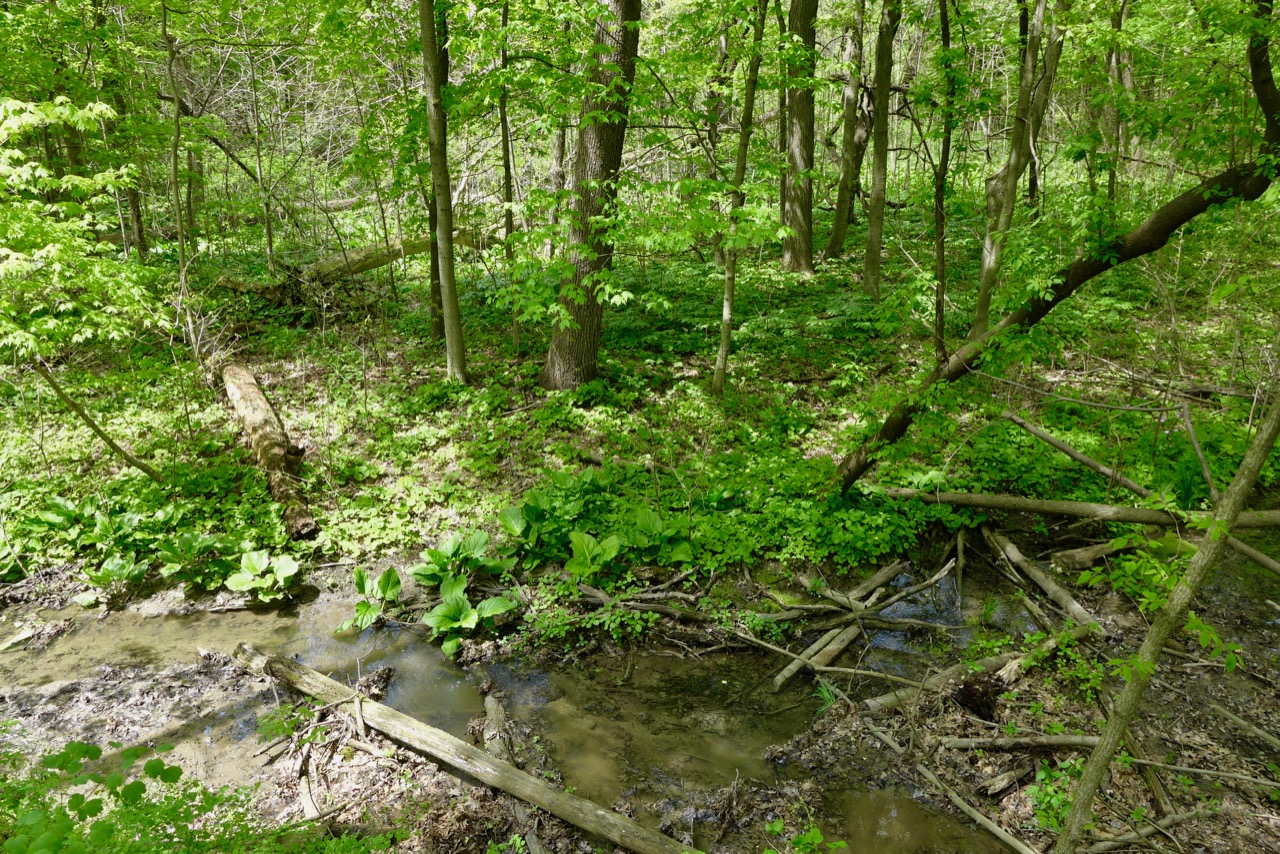
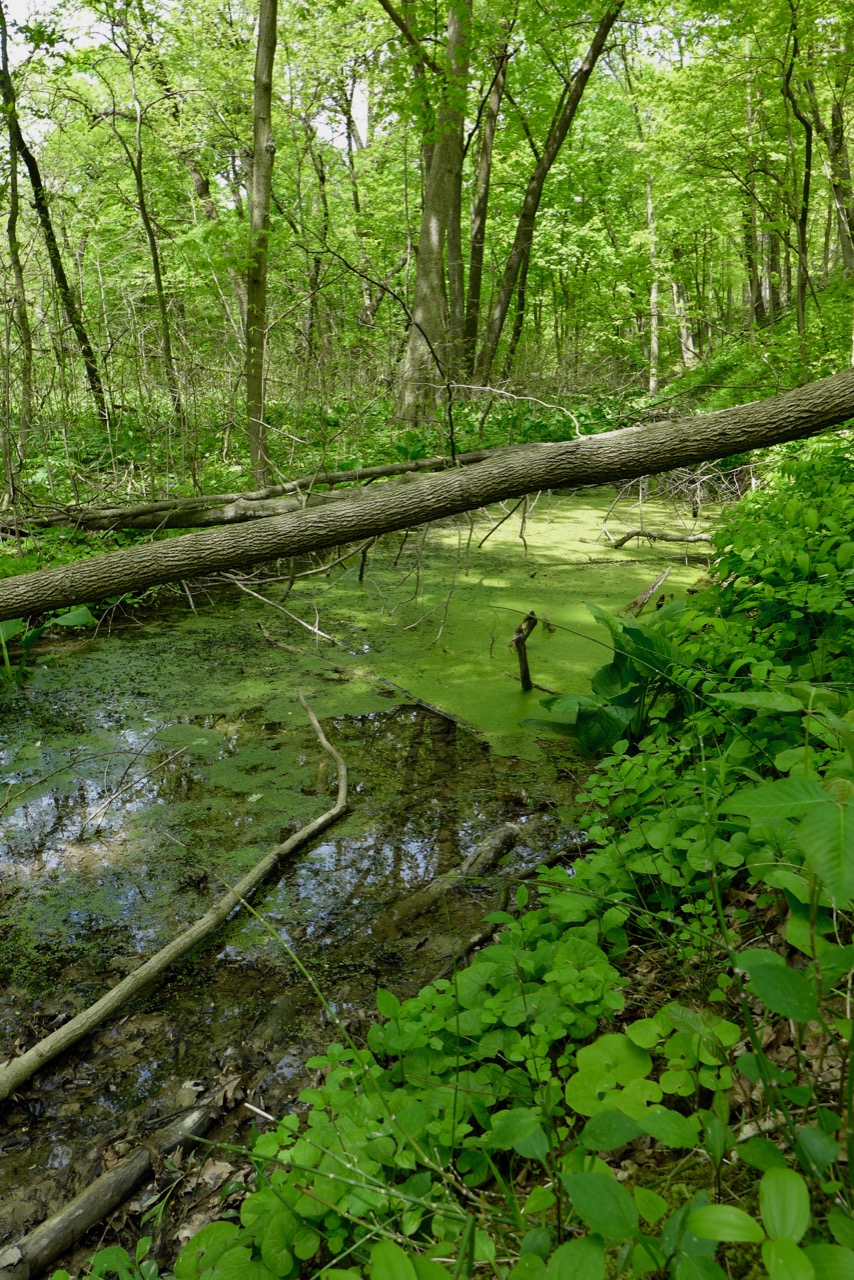


Fields of wood betony are just finishing flowering; bumble bees still want them!


Johnson-Nelson Farmstead, IN • May 2020
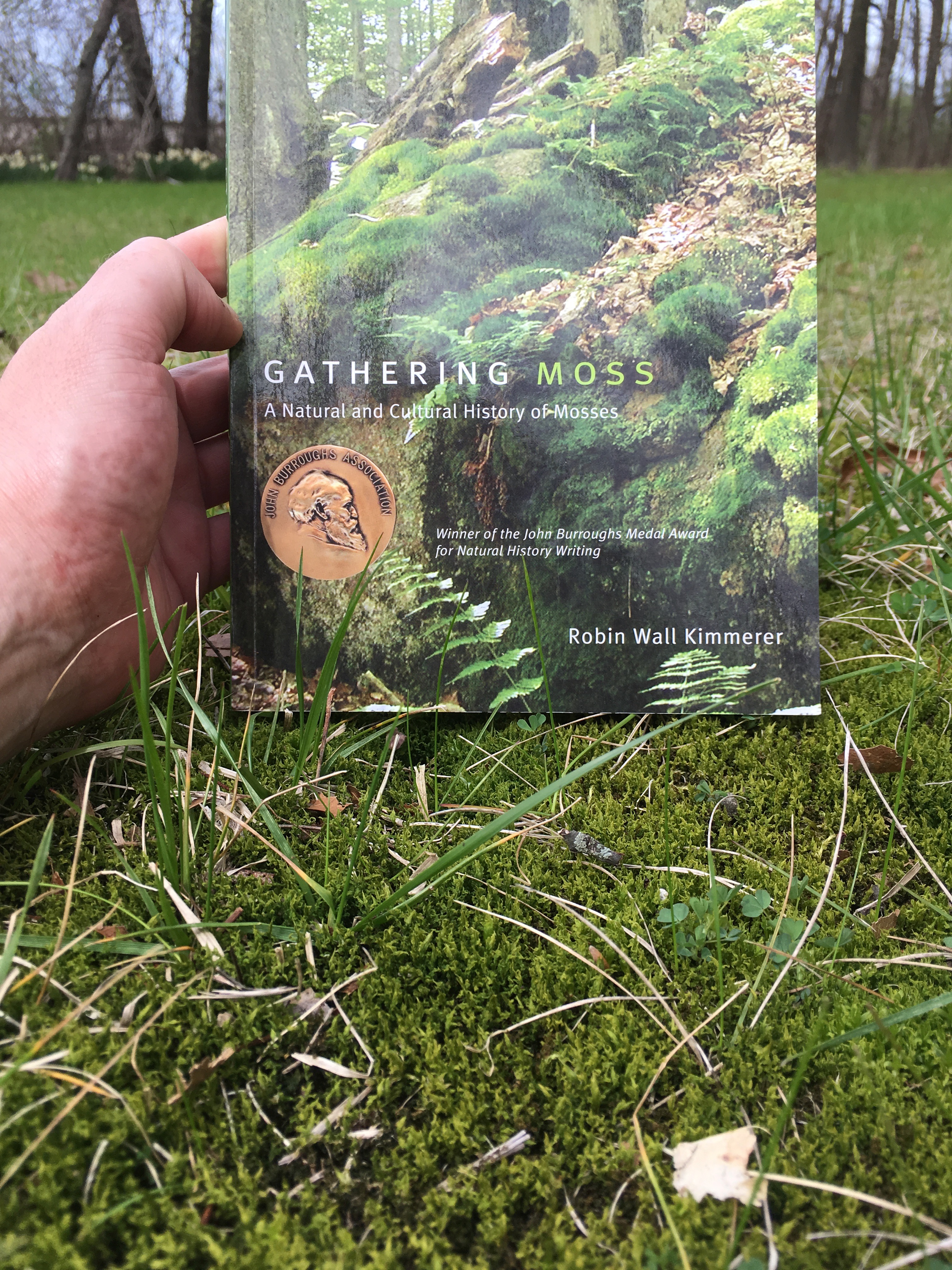
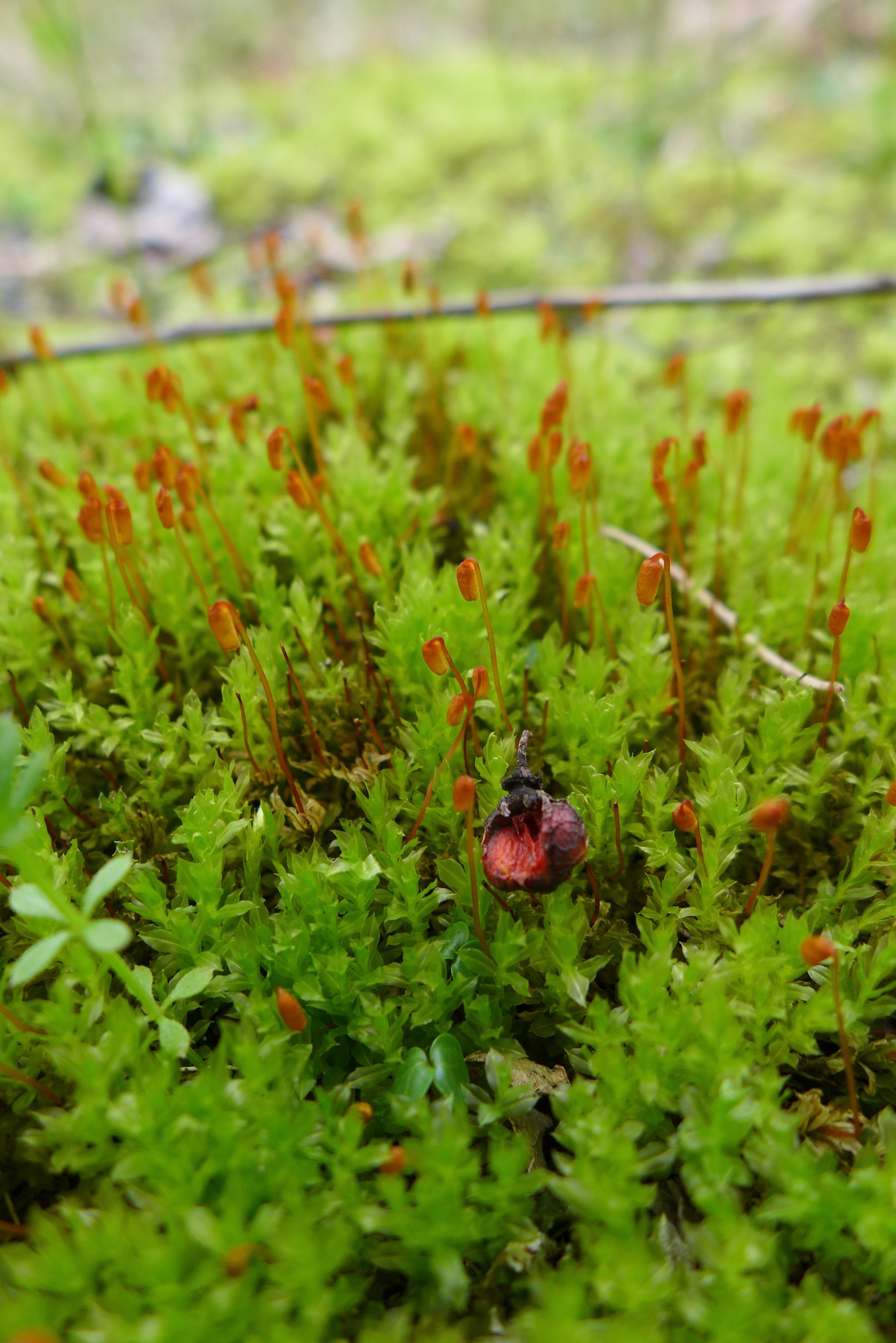
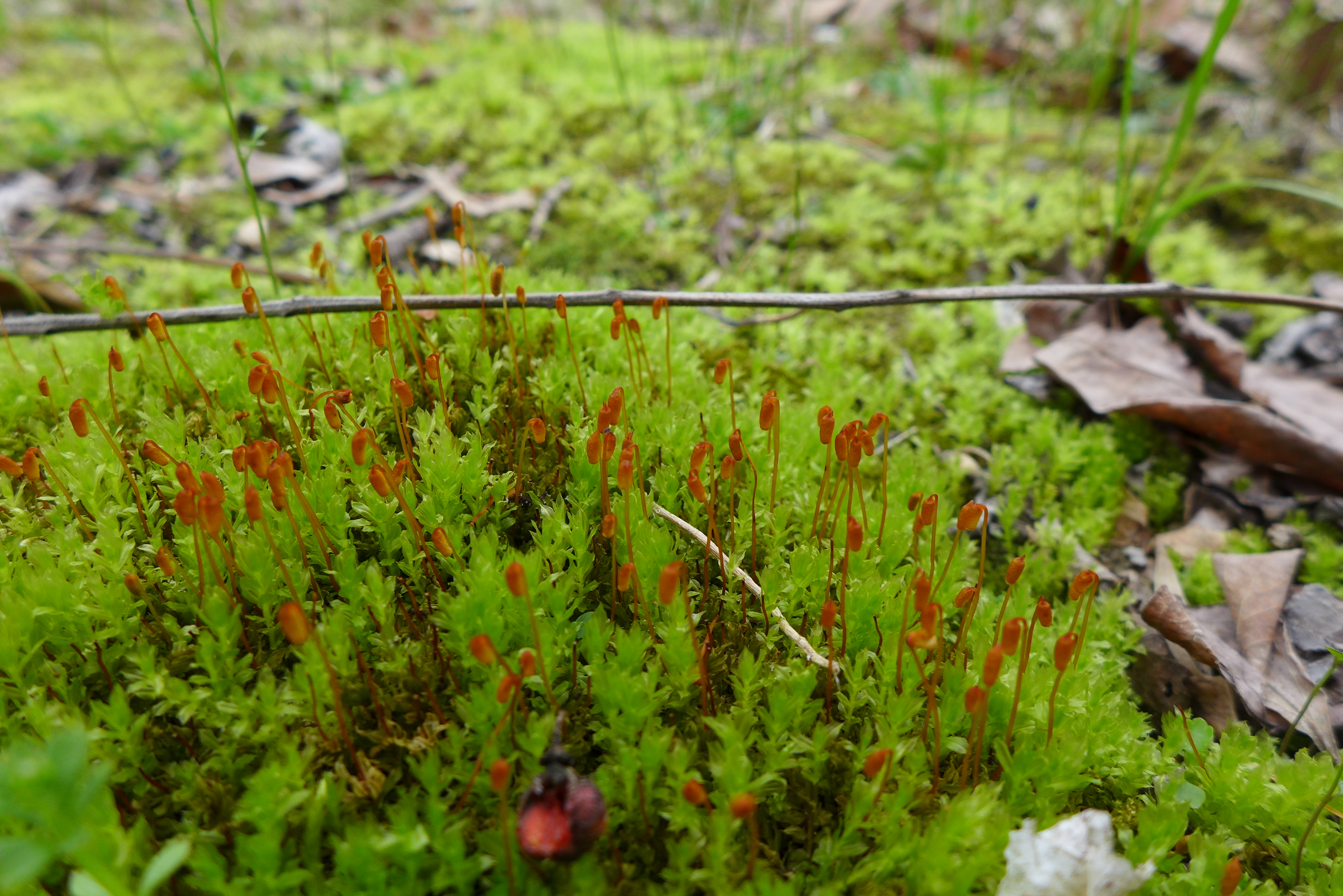
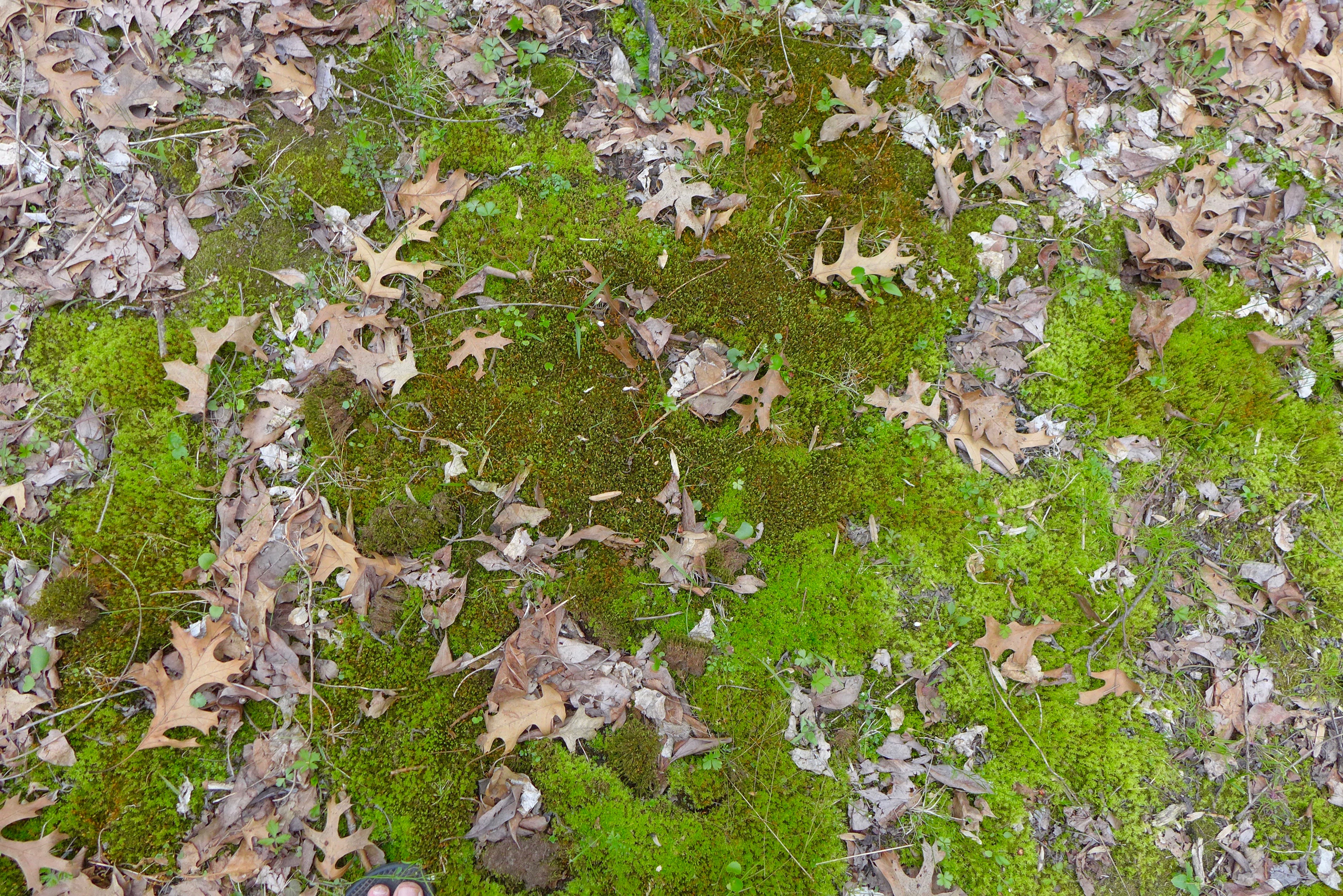
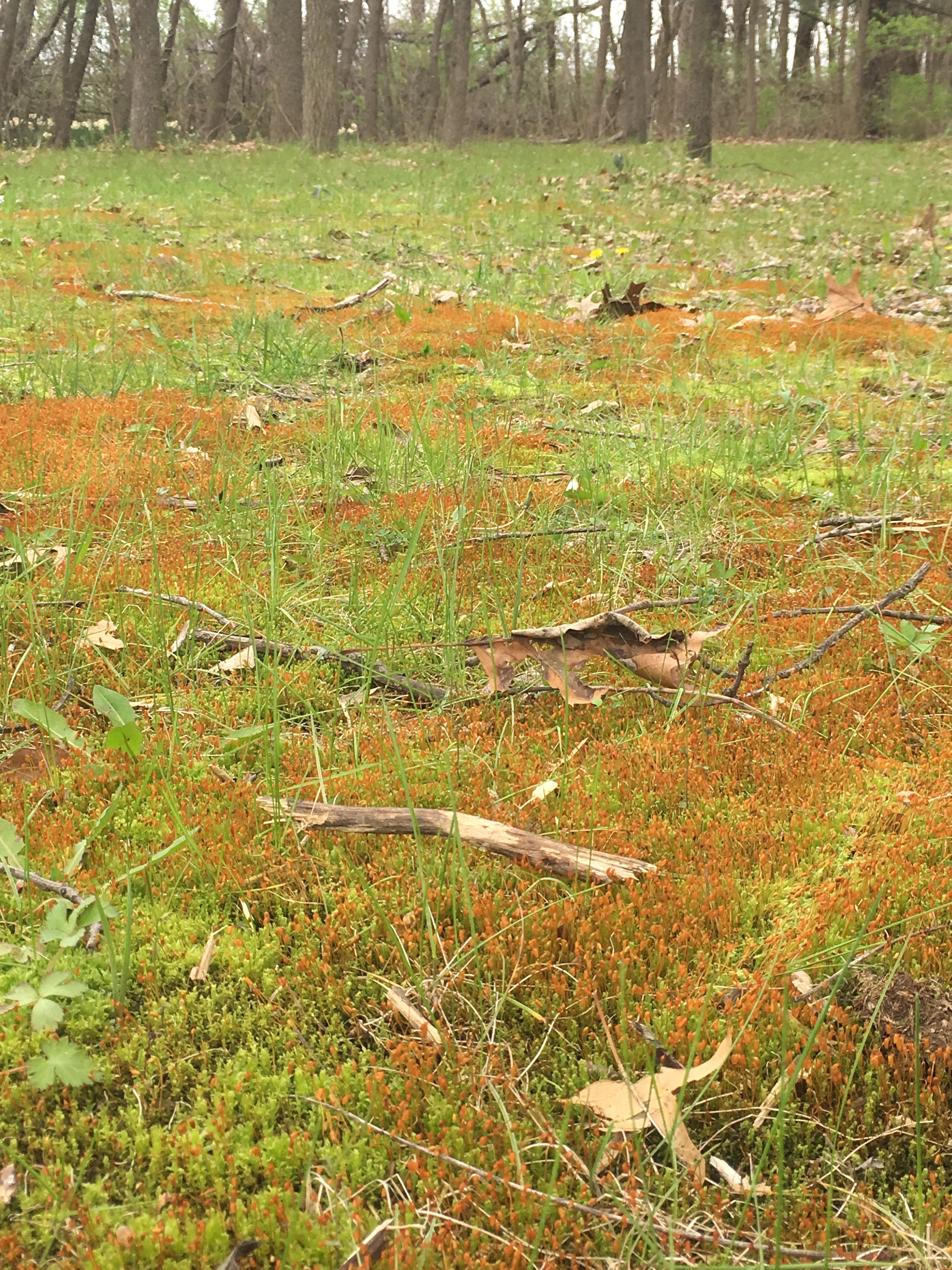
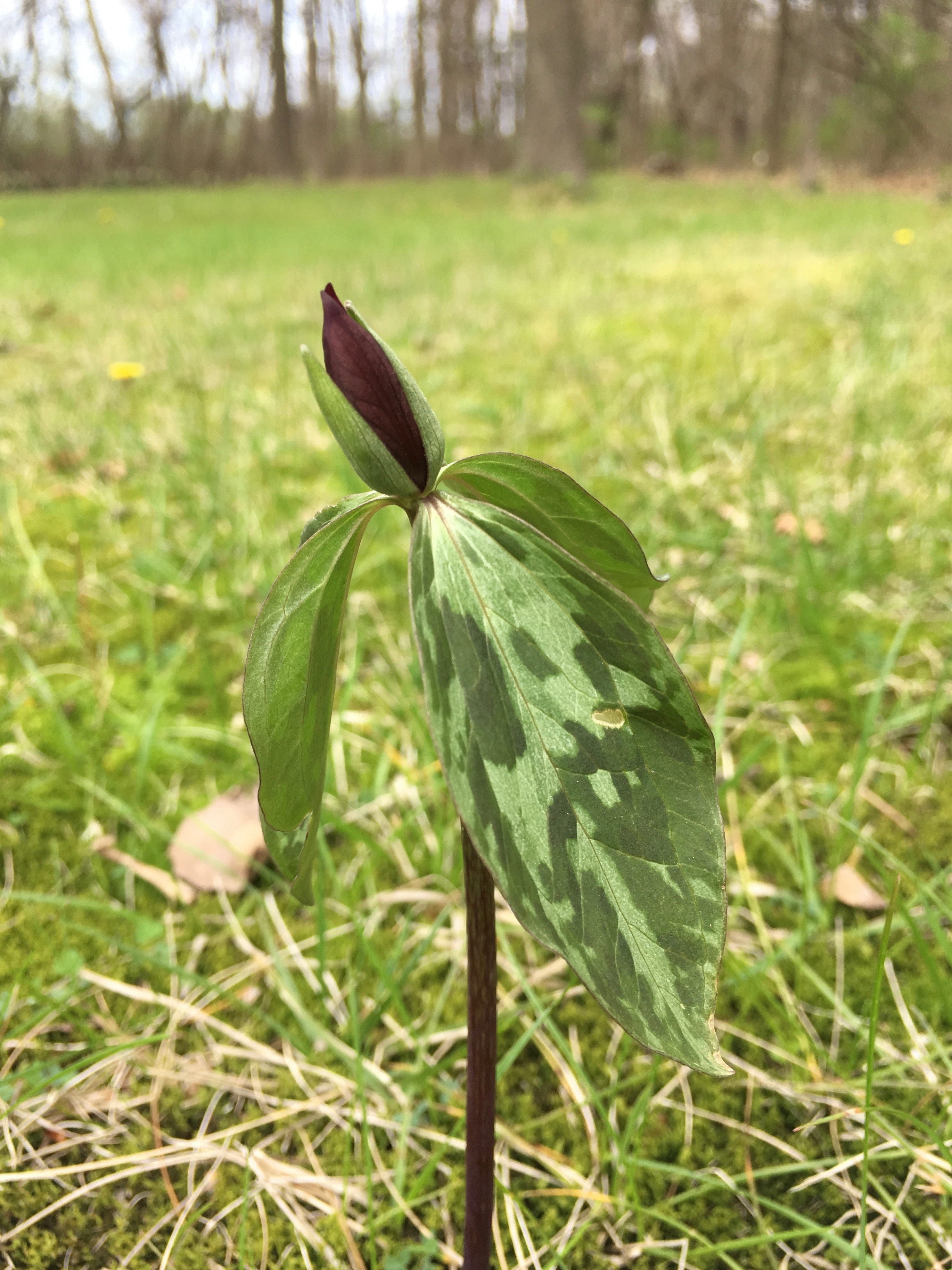
Headed out to pull some garlic mustard and then a take mossy retreat.
US Steel Southworks, IL • April 2020
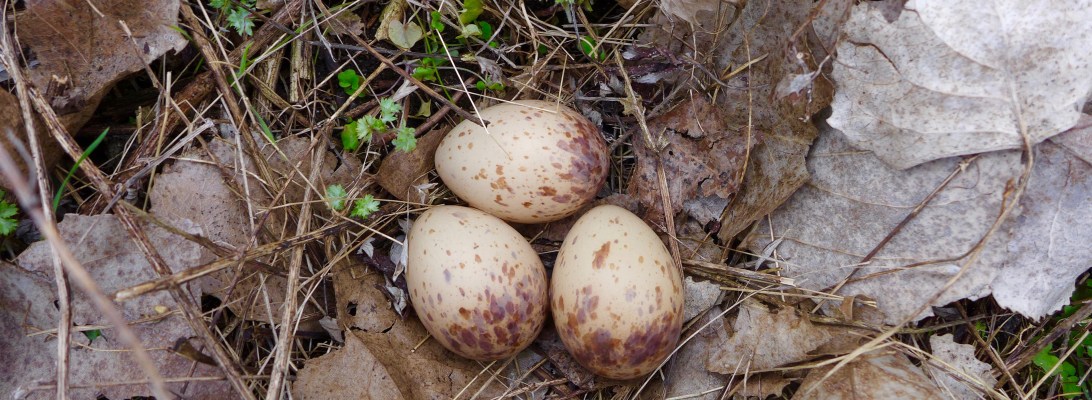
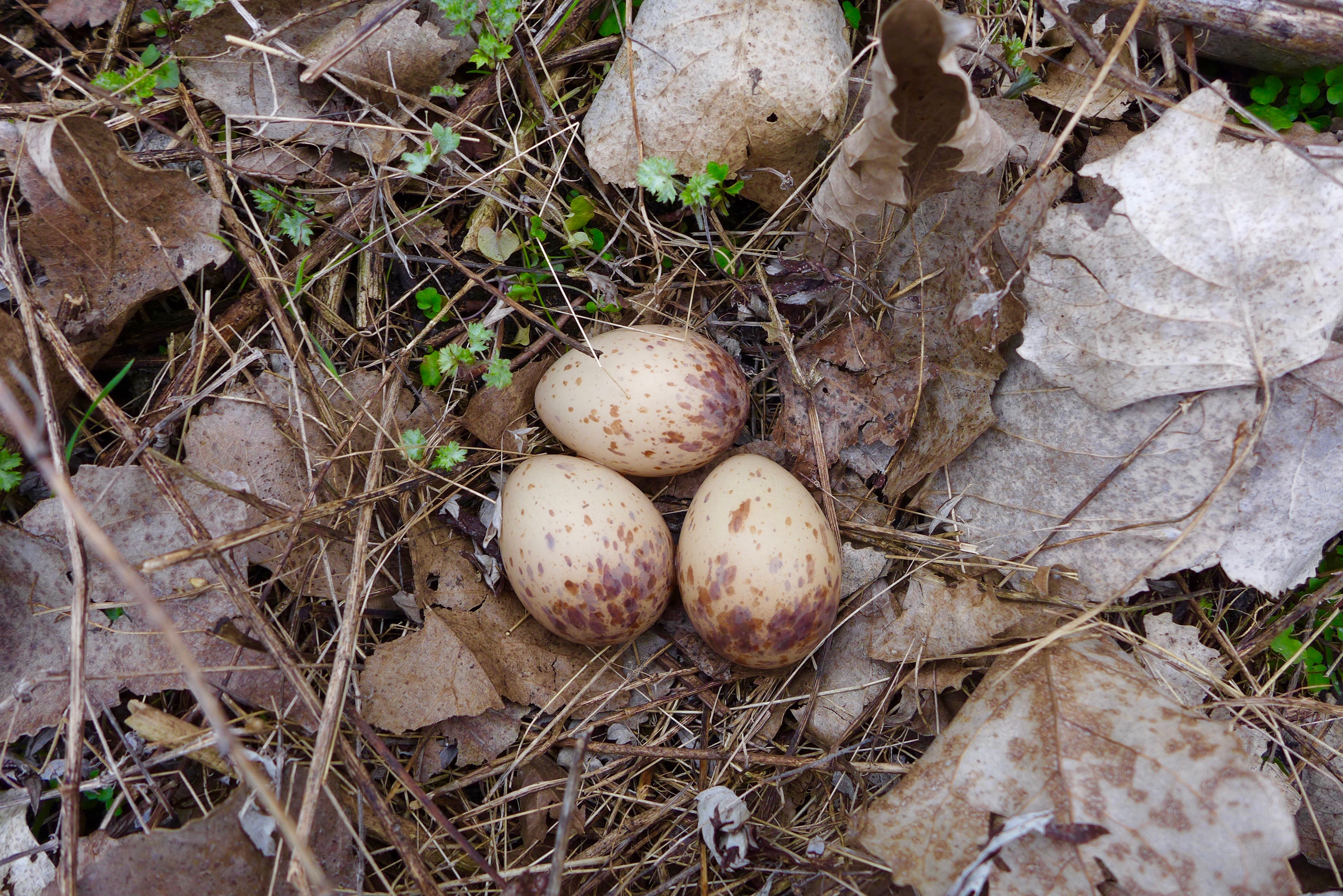
I had to start with the coolest thing we saw on our foray: woodcock eggs! We flushed their parents out of the brush from like 100 yards away. Questionable parenting.
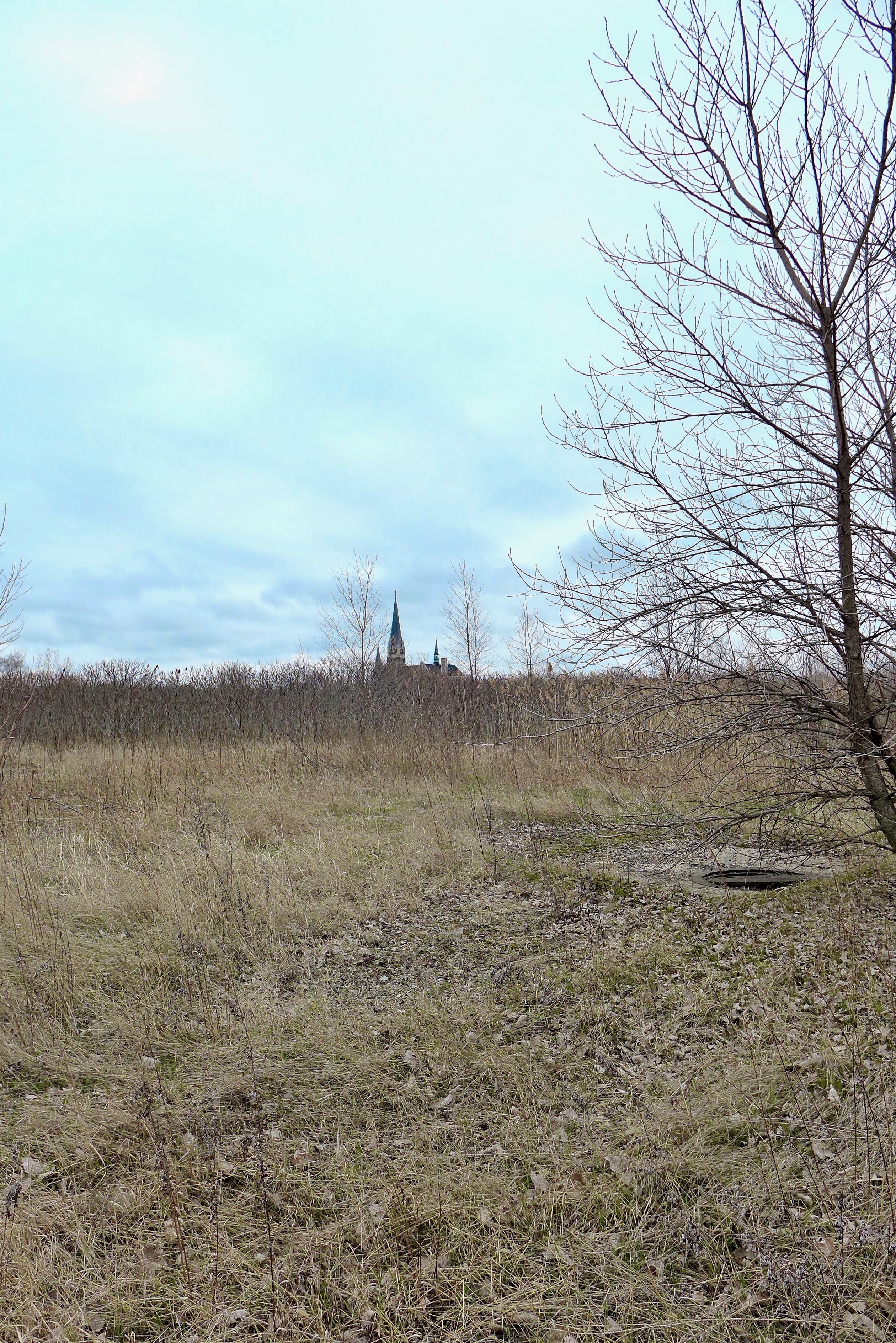
St. Michael’s Church.
Some tiny buddies.


Moss is a critical early successional component of the ecosystem, accumulating organic matter than other species can eventually grow in.


A deer path through the sumac forest. Always follow the deer path.


Gothic Calumet.
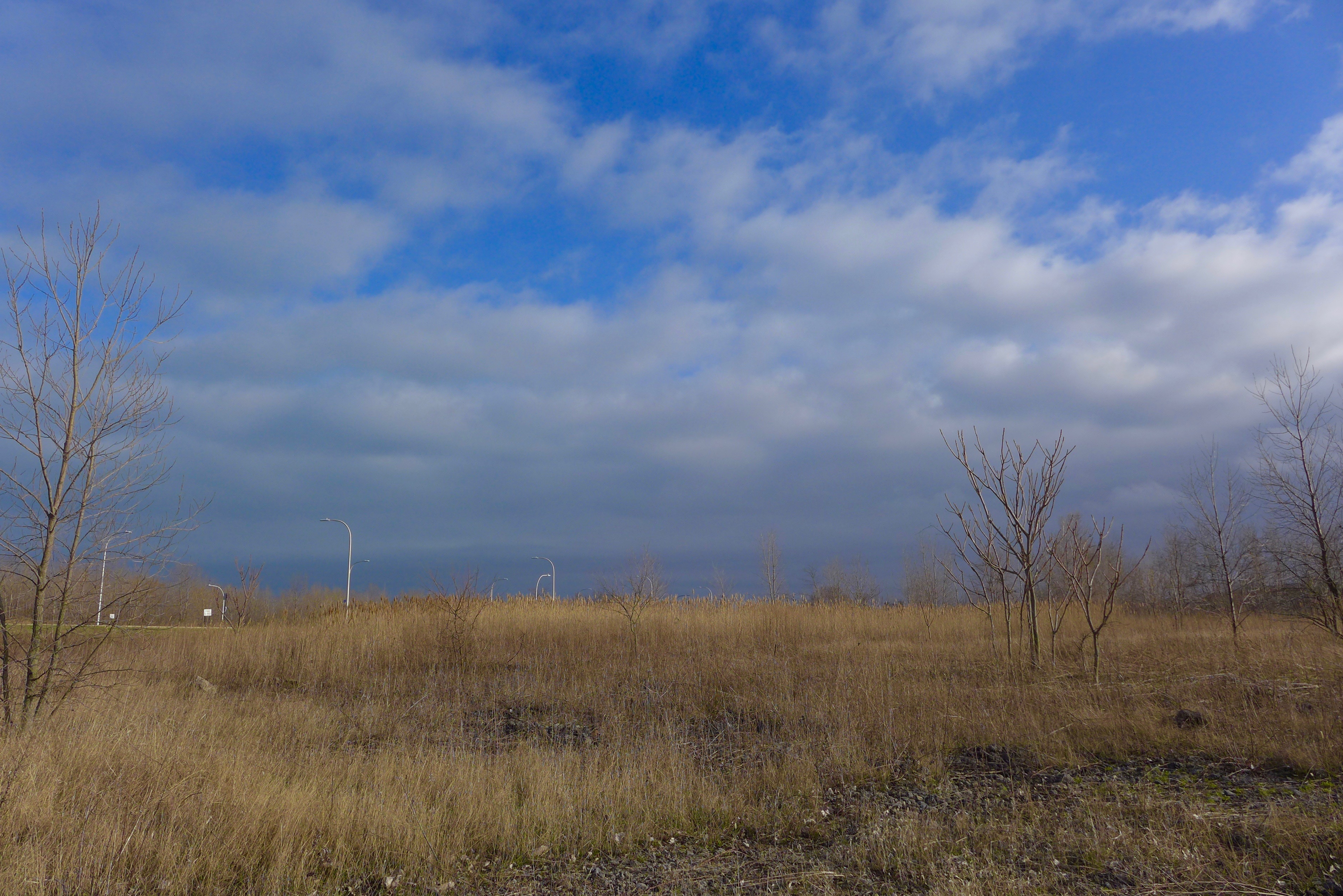
Big Marsh, Chicago IL • April 2020
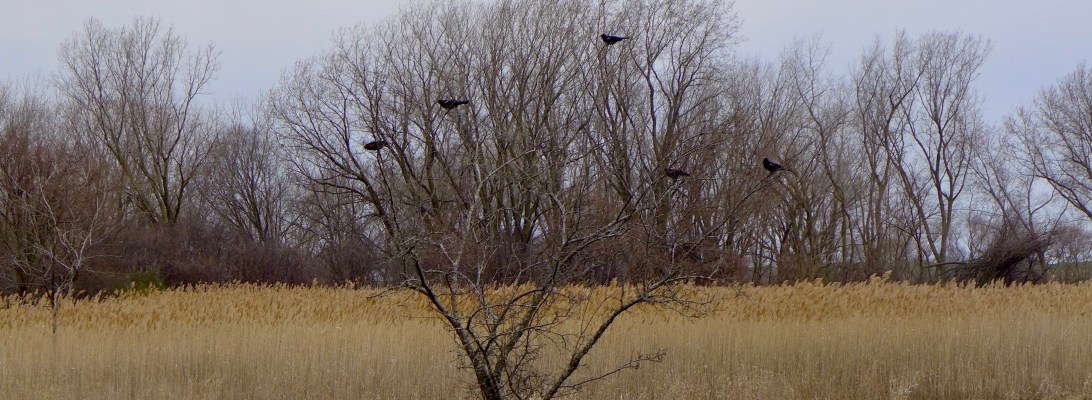
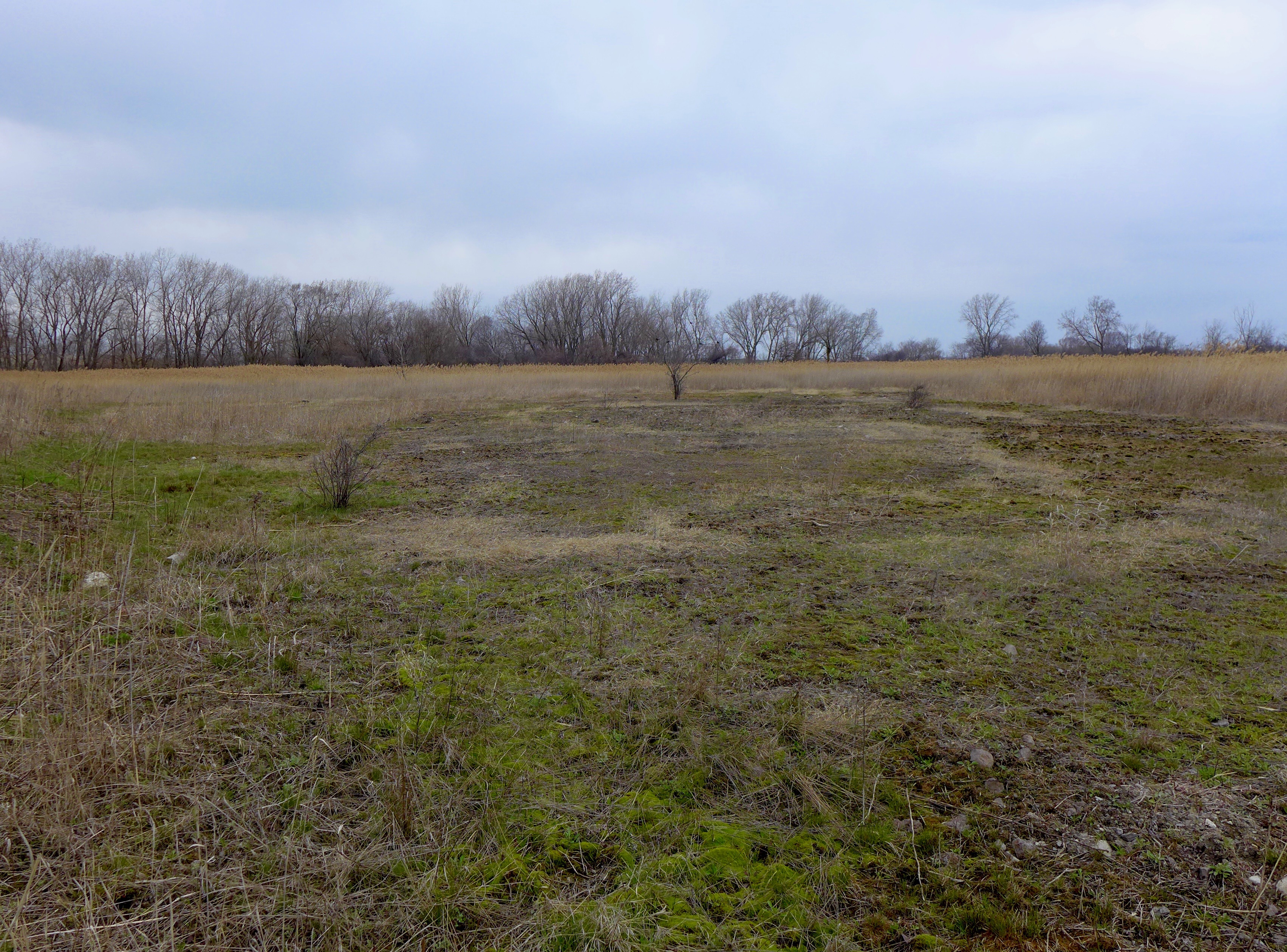
Would you believe there are orchids and rare sedges on this slag wetland at Big Marsh?
 I present to you the strappy leaves of Spiranthes cernua.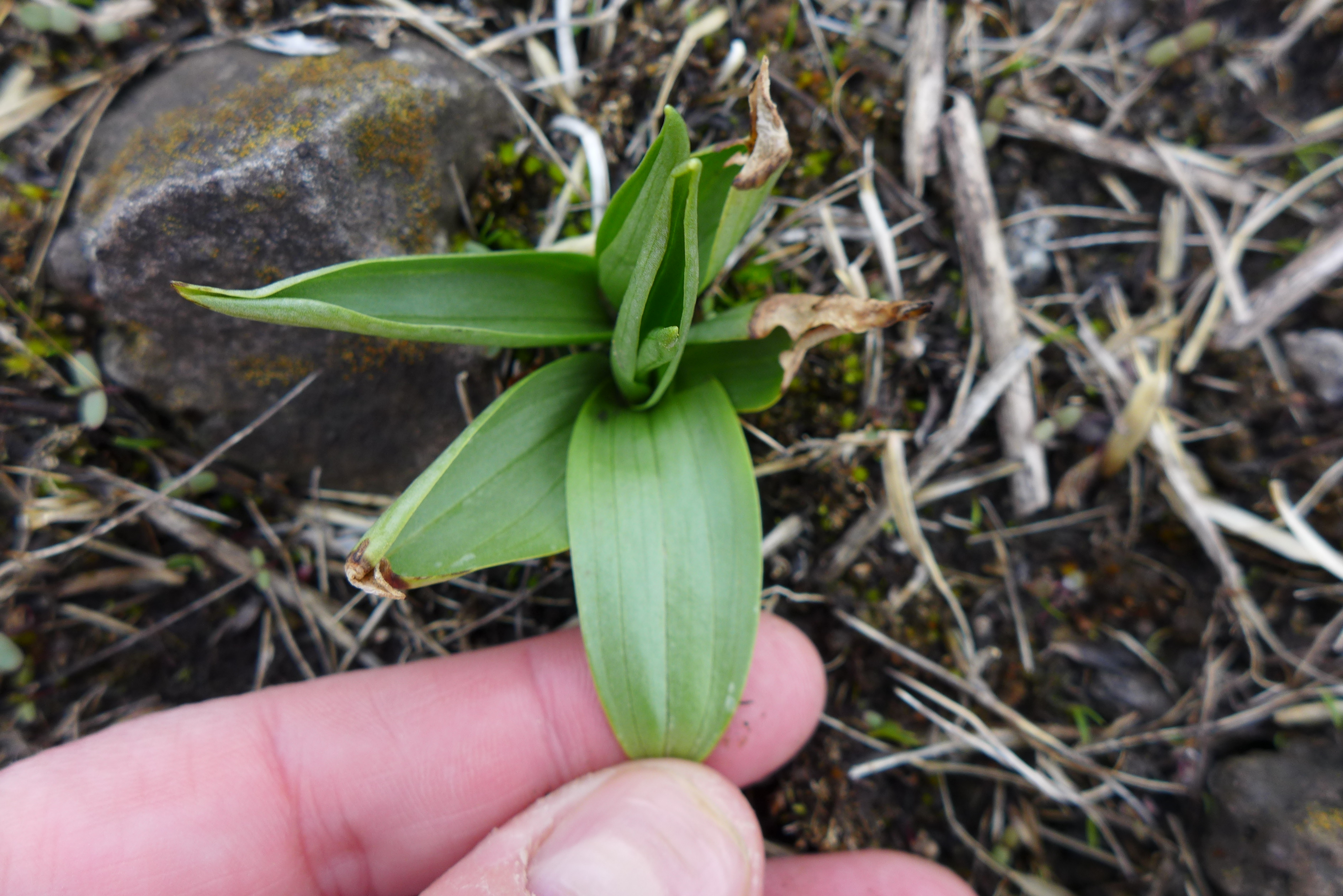
…
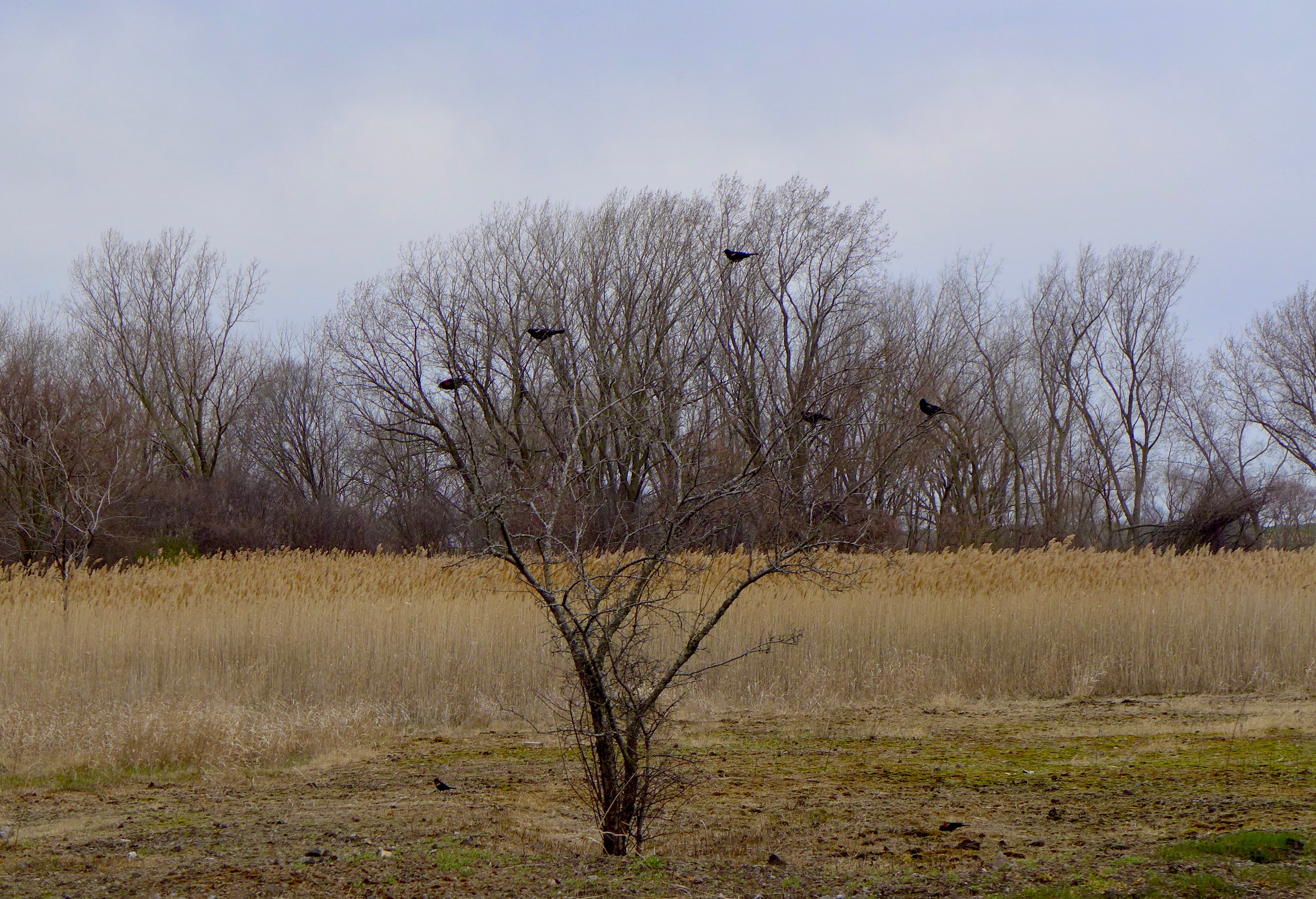
This might be one of my most favorite photos at Big Marsh. I spent 10s of hours at this site during the summer of 2018 and literally never saw a bird in this tree! The site always seemed quiet in animal life, but rich in plant life.
 Calumet Region Adventure Club